

Poems in this topic
Nature and Elements
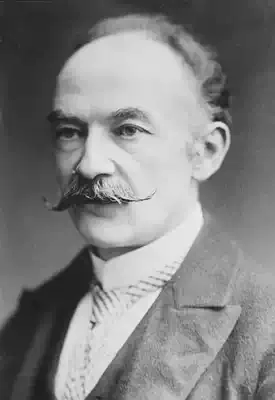
Thomas Hardy
To Flowers From Italy in Winter
To Flowers From Italy in Winter
Sunned in the South, and here to-day;
--If all organic things
Be sentient, Flowers, as some men say,
What are your ponderings?
How can you stay, nor vanish quite
From this bleak spot of thorn,
And birch, and fir, and frozen white
Expanse of the forlorn?
Frail luckless exiles hither brought!
Your dust will not regain
Old sunny haunts of Classic thought
When you shall waste and wane;
But mix with alien earth, be lit
With frigid Boreal flame,
And not a sign remain in it
To tell men whence you came.
Sunned in the South, and here to-day;
--If all organic things
Be sentient, Flowers, as some men say,
What are your ponderings?
How can you stay, nor vanish quite
From this bleak spot of thorn,
And birch, and fir, and frozen white
Expanse of the forlorn?
Frail luckless exiles hither brought!
Your dust will not regain
Old sunny haunts of Classic thought
When you shall waste and wane;
But mix with alien earth, be lit
With frigid Boreal flame,
And not a sign remain in it
To tell men whence you came.
192
Thomas Hardy
The Oxen
The Oxen
Christmas Eve, and twelve of the clock.
"Now they are all on their knees,"
An elder said as we sat in a flock
By the embers in hearthside ease.
We pictured the meek mild creatures where
They dwelt in their strawy pen,
Nor did it occur to one of us there
To doubt they were kneeling then.
So fair a fancy few would weave
In these years! Yet, I feel,
If someone said on Christmas Eve,
"Come; see the oxen kneel
"In the lonely barton by yonder coomb
Our childhood used to know,"
I should go with him in the gloom,
Hoping it might be so.
Christmas Eve, and twelve of the clock.
"Now they are all on their knees,"
An elder said as we sat in a flock
By the embers in hearthside ease.
We pictured the meek mild creatures where
They dwelt in their strawy pen,
Nor did it occur to one of us there
To doubt they were kneeling then.
So fair a fancy few would weave
In these years! Yet, I feel,
If someone said on Christmas Eve,
"Come; see the oxen kneel
"In the lonely barton by yonder coomb
Our childhood used to know,"
I should go with him in the gloom,
Hoping it might be so.
254
Thomas Hardy
The Lost Pyx: A Mediaeval Legend
The Lost Pyx: A Mediaeval Legend
Some say the spot is banned; that the pillar Cross-and-Hand
Attests to a deed of hell;
But of else than of bale is the mystic tale
That ancient Vale-folk tell.
Ere Cernel's Abbey ceased hereabout there dwelt a priest,
(In later life sub-prior
Of the brotherhood there, whose bones are now bare
In the field that was Cernel choir).
One night in his cell at the foot of yon dell
The priest heard a frequent cry:
"Go, father, in haste to the cot on the waste,
And shrive a man waiting to die."
Said the priest in a shout to the caller without,
"The night howls, the tree-trunks bow;
One may barely by day track so rugged a way,
And can I then do so now?"
No further word from the dark was heard,
And the priest moved never a limb;
And he slept and dreamed; till a Visage seemed
To frown from Heaven at him.
In a sweat he arose; and the storm shrieked shrill,
And smote as in savage joy;
While High-Stoy trees twanged to Bubb-Down Hill,
And Bubb-Down to High-Stoy.
There seemed not a holy thing in hail,
Nor shape of light or love,
From the Abbey north of Blackmore Vale
To the Abbey south thereof.
Yet he plodded thence through the dark immense,
And with many a stumbling stride
Through copse and briar climbed nigh and nigher
To the cot and the sick man's side.
When he would have unslung the Vessels uphung
To his arm in the steep ascent,
He made loud moan: the Pyx was gone
Of the Blessed Sacrament.
Then in dolorous dread he beat his head:
"No earthly prize or pelf
Is the thing I've lost in tempest tossed,
But the Body of Christ Himself!"
He thought of the Visage his dream revealed,
And turned towards whence he came,
Hands groping the ground along foot-track and field,
And head in a heat of shame.
Till here on the hill, betwixt vill and vill,
He noted a clear straight ray
Stretching down from the sky to a spot hard by,
Which shone with the light of day.
And gathered around the illumined ground
Were common beasts and rare,
All kneeling at gaze, and in pause profound
Attent on an object there.
'Twas the Pyx, unharmed 'mid the circling rows
Of Blackmore's hairy throng,
Whereof were oxen, sheep, and does,
And hares from the brakes among;
And badgers grey, and conies keen,
And squirrels of the tree,
And many a member seldom seen
Of Nature's family.
The ireful winds that scoured and swept
Through coppice, clump, and dell,
Within that holy circle slept
Calm as in hermit's cell.
Then the priest bent likewise to the sod
And thanked the Lord of Love,
And Blessed Mary, Mother of God,
And all the saints above.
And turning straight with his priceless freight,
He reached the dying one,
Whose passing sprite had been stayed for the rite
Without which bliss hath none.
And when by grace the priest won place,
And served the Abbey well,
He reared this stone to mark where shone
That midnight miracle.
Some say the spot is banned; that the pillar Cross-and-Hand
Attests to a deed of hell;
But of else than of bale is the mystic tale
That ancient Vale-folk tell.
Ere Cernel's Abbey ceased hereabout there dwelt a priest,
(In later life sub-prior
Of the brotherhood there, whose bones are now bare
In the field that was Cernel choir).
One night in his cell at the foot of yon dell
The priest heard a frequent cry:
"Go, father, in haste to the cot on the waste,
And shrive a man waiting to die."
Said the priest in a shout to the caller without,
"The night howls, the tree-trunks bow;
One may barely by day track so rugged a way,
And can I then do so now?"
No further word from the dark was heard,
And the priest moved never a limb;
And he slept and dreamed; till a Visage seemed
To frown from Heaven at him.
In a sweat he arose; and the storm shrieked shrill,
And smote as in savage joy;
While High-Stoy trees twanged to Bubb-Down Hill,
And Bubb-Down to High-Stoy.
There seemed not a holy thing in hail,
Nor shape of light or love,
From the Abbey north of Blackmore Vale
To the Abbey south thereof.
Yet he plodded thence through the dark immense,
And with many a stumbling stride
Through copse and briar climbed nigh and nigher
To the cot and the sick man's side.
When he would have unslung the Vessels uphung
To his arm in the steep ascent,
He made loud moan: the Pyx was gone
Of the Blessed Sacrament.
Then in dolorous dread he beat his head:
"No earthly prize or pelf
Is the thing I've lost in tempest tossed,
But the Body of Christ Himself!"
He thought of the Visage his dream revealed,
And turned towards whence he came,
Hands groping the ground along foot-track and field,
And head in a heat of shame.
Till here on the hill, betwixt vill and vill,
He noted a clear straight ray
Stretching down from the sky to a spot hard by,
Which shone with the light of day.
And gathered around the illumined ground
Were common beasts and rare,
All kneeling at gaze, and in pause profound
Attent on an object there.
'Twas the Pyx, unharmed 'mid the circling rows
Of Blackmore's hairy throng,
Whereof were oxen, sheep, and does,
And hares from the brakes among;
And badgers grey, and conies keen,
And squirrels of the tree,
And many a member seldom seen
Of Nature's family.
The ireful winds that scoured and swept
Through coppice, clump, and dell,
Within that holy circle slept
Calm as in hermit's cell.
Then the priest bent likewise to the sod
And thanked the Lord of Love,
And Blessed Mary, Mother of God,
And all the saints above.
And turning straight with his priceless freight,
He reached the dying one,
Whose passing sprite had been stayed for the rite
Without which bliss hath none.
And when by grace the priest won place,
And served the Abbey well,
He reared this stone to mark where shone
That midnight miracle.
205
Thomas Hardy
The Last Chrysanthemum
The Last Chrysanthemum
Why should this flower delay so long
To show its tremulous plumes?
Now is the time of plaintive robin-song,
When flowers are in their tombs.
Through the slow summer, when the sun
Called to each frond and whorl
That all he could for flowers was being done,
Why did it not uncurl?
It must have felt that fervid call
Although it took no heed,
Waking but now, when leaves like corpses fall,
And saps all retrocede.
Too late its beauty, lonely thing,
The season's shine is spent,
Nothing remains for it but shivering
In tempests turbulent.
Had it a reason for delay,
Dreaming in witlessness
That for a bloom so delicately gay
Winter would stay its stress?
- I talk as if the thing were born
With sense to work its mind;
Yet it is but one mask of many worn
By the Great Face behind.
Why should this flower delay so long
To show its tremulous plumes?
Now is the time of plaintive robin-song,
When flowers are in their tombs.
Through the slow summer, when the sun
Called to each frond and whorl
That all he could for flowers was being done,
Why did it not uncurl?
It must have felt that fervid call
Although it took no heed,
Waking but now, when leaves like corpses fall,
And saps all retrocede.
Too late its beauty, lonely thing,
The season's shine is spent,
Nothing remains for it but shivering
In tempests turbulent.
Had it a reason for delay,
Dreaming in witlessness
That for a bloom so delicately gay
Winter would stay its stress?
- I talk as if the thing were born
With sense to work its mind;
Yet it is but one mask of many worn
By the Great Face behind.
311
Thomas Hardy
The Darkling Thrush
The Darkling Thrush
The Darkling Thrush
I leant upon a coppice gate,
When Frost was spectre-gray,
And Winter's dregs made desolate
The weakening eye of day.
The tangled vine-stems scored the sky
Like strings of broken lyres,
And all mankind that haunted nigh
Had sought their household fires.
The land's sharp features seemed to me
The Century's corpse outleant,
Its crypt the cloudy canopy,
The wind its death-lament.
The ancient pulse of germ and birth
Was shrunken hard and dry,
And every spirit upon earth
Seemed fervorless as I.
At once a voice arose among
The bleak twigs overhead,
In a full-throated evensong
Of joy illimited.
An ancient thrush, frail, gaunt and small,
With blast-beruffled plume,
Had chosen thus to fling his soul
Upon the growing gloom.
So little cause for carolings
Of such ecstatic sound
Was written on terrestrial things
Afar or nigh around,
That I could think there trembled through
His happy good-night air
Some blessed Hope, whereof he knew,
And I was unaware.
The Darkling Thrush
I leant upon a coppice gate,
When Frost was spectre-gray,
And Winter's dregs made desolate
The weakening eye of day.
The tangled vine-stems scored the sky
Like strings of broken lyres,
And all mankind that haunted nigh
Had sought their household fires.
The land's sharp features seemed to me
The Century's corpse outleant,
Its crypt the cloudy canopy,
The wind its death-lament.
The ancient pulse of germ and birth
Was shrunken hard and dry,
And every spirit upon earth
Seemed fervorless as I.
At once a voice arose among
The bleak twigs overhead,
In a full-throated evensong
Of joy illimited.
An ancient thrush, frail, gaunt and small,
With blast-beruffled plume,
Had chosen thus to fling his soul
Upon the growing gloom.
So little cause for carolings
Of such ecstatic sound
Was written on terrestrial things
Afar or nigh around,
That I could think there trembled through
His happy good-night air
Some blessed Hope, whereof he knew,
And I was unaware.
231
Thomas Hardy
The Convergence Of The Twain
The Convergence Of The Twain
I
In a solitude of the sea
Deep from human vanity,
And the Pride of Life that planned her, stilly couches she.
II
Steel chambers, late the pyres
Of her salamandrine fires,
Cold currents thrid, and turn to rhythmic tidal lyres.
III
Over the mirrors meant
To glass the opulent
The sea-worm crawls-grotesque, slimed, dumb, indifferent.
IV
Jewels in joy designed
To ravish the sensuous mind
Lie lightless, all their sparkles bleared and black and blind.
V
Dim moon-eyed fishes near
Gaze at the gilded gear
And query: "What does this vaingloriousness down here?" . . .
VI
Well: while was fashioning
This creature of cleaving wing,
The Immanent Will that stirs and urges everything
VII
Prepared a sinister mate
For her - so gaily great -
A Shape of Ice, for the time far and dissociate.
VIII
And as the smart ship grew
In stature, grace, and hue,
In shadowy silent distance grew the Iceberg too.
IX
Alien they seemed to be:
No mortal eye could see
The intimate welding of their later history,
X
Or sign that they were bent
by paths coincident
On being anon twin halves of one august event,
XI
Till the Spinner of the Years
Said "Now!" And each one hears,
And consummation comes, and jars two hemispheres.
I
In a solitude of the sea
Deep from human vanity,
And the Pride of Life that planned her, stilly couches she.
II
Steel chambers, late the pyres
Of her salamandrine fires,
Cold currents thrid, and turn to rhythmic tidal lyres.
III
Over the mirrors meant
To glass the opulent
The sea-worm crawls-grotesque, slimed, dumb, indifferent.
IV
Jewels in joy designed
To ravish the sensuous mind
Lie lightless, all their sparkles bleared and black and blind.
V
Dim moon-eyed fishes near
Gaze at the gilded gear
And query: "What does this vaingloriousness down here?" . . .
VI
Well: while was fashioning
This creature of cleaving wing,
The Immanent Will that stirs and urges everything
VII
Prepared a sinister mate
For her - so gaily great -
A Shape of Ice, for the time far and dissociate.
VIII
And as the smart ship grew
In stature, grace, and hue,
In shadowy silent distance grew the Iceberg too.
IX
Alien they seemed to be:
No mortal eye could see
The intimate welding of their later history,
X
Or sign that they were bent
by paths coincident
On being anon twin halves of one august event,
XI
Till the Spinner of the Years
Said "Now!" And each one hears,
And consummation comes, and jars two hemispheres.
200
Thomas Hardy
The Caged Thrush Freed and Home Again (Villanelle)
The Caged Thrush Freed and Home Again (Villanelle)
"Men know but little more than we,
Who count us least of things terrene,
How happy days are made to be!
"Of such strange tidings what think ye,
O birds in brown that peck and preen?
Men know but little more than we!
"When I was borne from yonder tree
In bonds to them, I hoped to glean
How happy days are made to be,
"And want and wailing turned to glee;
Alas, despite their mighty mien
Men know but little more than we!
"They cannot change the Frost's decree,
They cannot keep the skies serene;
How happy days are made to be
"Eludes great Man's sagacity
No less than ours, O tribes in treen!
Men know but little more than we
How happy days are made to be."
"Men know but little more than we,
Who count us least of things terrene,
How happy days are made to be!
"Of such strange tidings what think ye,
O birds in brown that peck and preen?
Men know but little more than we!
"When I was borne from yonder tree
In bonds to them, I hoped to glean
How happy days are made to be,
"And want and wailing turned to glee;
Alas, despite their mighty mien
Men know but little more than we!
"They cannot change the Frost's decree,
They cannot keep the skies serene;
How happy days are made to be
"Eludes great Man's sagacity
No less than ours, O tribes in treen!
Men know but little more than we
How happy days are made to be."
195
Thomas Hardy
The Bullfinches
The Bullfinches
Bother Bulleys, let us sing
From the dawn till evening! -
For we know not that we go not
When the day's pale pinions fold
Unto those who sang of old.
When I flew to Blackmoor Vale,
Whence the green-gowned faeries hail,
Roosting near them I could hear them
Speak of queenly Nature's ways,
Means, and moods,--well known to fays.
All we creatures, nigh and far
(Said they there), the Mother's are:
Yet she never shows endeavour
To protect from warrings wild
Bird or beast she calls her child.
Busy in her handsome house
Known as Space, she falls a-drowse;
Yet, in seeming, works on dreaming,
While beneath her groping hands
Fiends make havoc in her bands.
How her hussif'ry succeeds
She unknows or she unheeds,
All things making for Death's taking!
--So the green-gowned faeries say
Living over Blackmoor way.
Come then, brethren, let us sing,
From the dawn till evening! -
For we know not that we go not
When the day's pale pinions fold
Unto those who sang of old.
Bother Bulleys, let us sing
From the dawn till evening! -
For we know not that we go not
When the day's pale pinions fold
Unto those who sang of old.
When I flew to Blackmoor Vale,
Whence the green-gowned faeries hail,
Roosting near them I could hear them
Speak of queenly Nature's ways,
Means, and moods,--well known to fays.
All we creatures, nigh and far
(Said they there), the Mother's are:
Yet she never shows endeavour
To protect from warrings wild
Bird or beast she calls her child.
Busy in her handsome house
Known as Space, she falls a-drowse;
Yet, in seeming, works on dreaming,
While beneath her groping hands
Fiends make havoc in her bands.
How her hussif'ry succeeds
She unknows or she unheeds,
All things making for Death's taking!
--So the green-gowned faeries say
Living over Blackmoor way.
Come then, brethren, let us sing,
From the dawn till evening! -
For we know not that we go not
When the day's pale pinions fold
Unto those who sang of old.
291
Thomas Hardy
Postponement
Postponement
SNOW-BOUND in woodland, a mournful word,
Dropt now and then from the bill of a bird,
Reached me on wind-wafts; and thus I heard,
Wearily waiting:--
"I planned her a nest in a leafless tree,
But the passers eyed and twitted me,
And said: 'How reckless a bird is he,
Cheerily mating!'
"Fear-filled, I stayed me till summer-tide,
In lewth of leaves to throne her bride;
But alas! her love for me waned and died,
Wearily waiting.
"Ah, had I been like some I see,
Born to an evergreen nesting-tree,
None had eyed and twitted me,
Cheerily mating!"
SNOW-BOUND in woodland, a mournful word,
Dropt now and then from the bill of a bird,
Reached me on wind-wafts; and thus I heard,
Wearily waiting:--
"I planned her a nest in a leafless tree,
But the passers eyed and twitted me,
And said: 'How reckless a bird is he,
Cheerily mating!'
"Fear-filled, I stayed me till summer-tide,
In lewth of leaves to throne her bride;
But alas! her love for me waned and died,
Wearily waiting.
"Ah, had I been like some I see,
Born to an evergreen nesting-tree,
None had eyed and twitted me,
Cheerily mating!"
236
Thomas Hardy
No Buyers
No Buyers
A Load of brushes and baskets and cradles and chairs
Labours along the street in the rain:
With it a man, a woman, a pony with whiteybrown hairs. --
The man foots in front of the horse with a shambling sway
At a slower tread than a funeral train,
While to a dirge-like tune he chants his wares,
Swinging a Turk's-head brush (in a drum-major's way
When the bandsmen march and play).
A yard from the back of the man is the whiteybrown pony's nose:
He mirrors his master in every item of pace and pose:
He stops when the man stops, without being told,
And seems to be eased by a pause; too plainly he's old,
Indeed, not strength enough shows
To steer the disjointed waggon straight,
Which wriggles left and right in a rambling line,
Deflected thus by its own warp and weight,
And pushing the pony with it in each incline.
The woman walks on the pavement verge,
Parallel to the man:
She wears an apron white and wide in span,
And carries a like Turk's-head, but more in nursing-wise:
Now and then she joins in his dirge,
But as if her thoughts were on distant things,
The rain clams her apron till it clings. --
So, step by step, they move with their merchandize,
And nobody buys.
A Load of brushes and baskets and cradles and chairs
Labours along the street in the rain:
With it a man, a woman, a pony with whiteybrown hairs. --
The man foots in front of the horse with a shambling sway
At a slower tread than a funeral train,
While to a dirge-like tune he chants his wares,
Swinging a Turk's-head brush (in a drum-major's way
When the bandsmen march and play).
A yard from the back of the man is the whiteybrown pony's nose:
He mirrors his master in every item of pace and pose:
He stops when the man stops, without being told,
And seems to be eased by a pause; too plainly he's old,
Indeed, not strength enough shows
To steer the disjointed waggon straight,
Which wriggles left and right in a rambling line,
Deflected thus by its own warp and weight,
And pushing the pony with it in each incline.
The woman walks on the pavement verge,
Parallel to the man:
She wears an apron white and wide in span,
And carries a like Turk's-head, but more in nursing-wise:
Now and then she joins in his dirge,
But as if her thoughts were on distant things,
The rain clams her apron till it clings. --
So, step by step, they move with their merchandize,
And nobody buys.
238
Thomas Hardy
Birds at Winter Nightfall (Triolet)
Birds at Winter Nightfall (Triolet)
Around the house the flakes fly faster,
And all the berries now are gone
From holly and cotoneaster
Around the house. The flakes fly!--faster
Shutting indoors that crumb-outcaster
We used to see upon the lawn
Around the house. The flakes fly faster,
And all the berries now are gone!
Around the house the flakes fly faster,
And all the berries now are gone
From holly and cotoneaster
Around the house. The flakes fly!--faster
Shutting indoors that crumb-outcaster
We used to see upon the lawn
Around the house. The flakes fly faster,
And all the berries now are gone!
195
Thomas Hardy
Birds at Winter Nightfall (Triolet)
Birds at Winter Nightfall (Triolet)
Around the house the flakes fly faster,
And all the berries now are gone
From holly and cotoneaster
Around the house. The flakes fly!--faster
Shutting indoors that crumb-outcaster
We used to see upon the lawn
Around the house. The flakes fly faster,
And all the berries now are gone!
Around the house the flakes fly faster,
And all the berries now are gone
From holly and cotoneaster
Around the house. The flakes fly!--faster
Shutting indoors that crumb-outcaster
We used to see upon the lawn
Around the house. The flakes fly faster,
And all the berries now are gone!
195
Thomas Hardy
At a Lunar Eclipse
At a Lunar Eclipse
Thy shadow, Earth, from Pole to Central Sea,
Now steals along upon the Moon's meek shine
In even monochrome and curving line
Of imperturbable serenity.
How shall I link such sun-cast symmetry
With the torn troubled form I know as thine,
That profile, placid as a brow divine,
With continents of moil and misery?
And can immense Mortality but throw
So small a shade, and Heaven's high human scheme
Be hemmed within the coasts yon arc implies?
Is such the stellar gauge of earthly show,
Nation at war with nation, brains that teem,
Heroes, and women fairer than the skies?
Thy shadow, Earth, from Pole to Central Sea,
Now steals along upon the Moon's meek shine
In even monochrome and curving line
Of imperturbable serenity.
How shall I link such sun-cast symmetry
With the torn troubled form I know as thine,
That profile, placid as a brow divine,
With continents of moil and misery?
And can immense Mortality but throw
So small a shade, and Heaven's high human scheme
Be hemmed within the coasts yon arc implies?
Is such the stellar gauge of earthly show,
Nation at war with nation, brains that teem,
Heroes, and women fairer than the skies?
236
Thomas Hardy
An Autumn Rain-Scene
An Autumn Rain-Scene
There trudges one to a merry-making
With sturdy swing,
On whom the rain comes down.
To fetch the saving medicament
Is another bent,
On whom the rain comes down.
One slowly drives his herd to the stall
Ere ill befall,
On whom the rain comes down.
This bears his missives of life and death
With quickening breath,
On whom the rain comes down.
One watches for signals of wreck or war
From the hill afar,
On whom the rain comes down.
No care if he gain a shelter or none,
Unhired moves on,
On whom the rain comes down.
And another knows nought of its chilling fall
Upon him aat all,
On whom the rain comes down.
October
There trudges one to a merry-making
With sturdy swing,
On whom the rain comes down.
To fetch the saving medicament
Is another bent,
On whom the rain comes down.
One slowly drives his herd to the stall
Ere ill befall,
On whom the rain comes down.
This bears his missives of life and death
With quickening breath,
On whom the rain comes down.
One watches for signals of wreck or war
From the hill afar,
On whom the rain comes down.
No care if he gain a shelter or none,
Unhired moves on,
On whom the rain comes down.
And another knows nought of its chilling fall
Upon him aat all,
On whom the rain comes down.
October
323
Thomas Hardy
Ah, Are You Digging on My Grave?
Ah, Are You Digging on My Grave?
"Ah, are you digging on my grave,
My loved one? -- planting rue?"
-- "No: yesterday he went to wed
One of the brightest wealth has bred.
'It cannot hurt her now,' he said,
'That I should not be true.'"
"Then who is digging on my grave,
My nearest dearest kin?"
-- "Ah, no: they sit and think, 'What use!
What good will planting flowers produce?
No tendance of her mound can loose
Her spirit from Death's gin.'"
"But someone digs upon my grave?
My enemy? -- prodding sly?"
-- "Nay: when she heard you had passed the Gate
That shuts on all flesh soon or late,
She thought you no more worth her hate,
And cares not where you lie.
"Then, who is digging on my grave?
Say -- since I have not guessed!"
-- "O it is I, my mistress dear,
Your little dog , who still lives near,
And much I hope my movements here
Have not disturbed your rest?"
"Ah yes! You dig upon my grave...
Why flashed it not to me
That one true heart was left behind!
What feeling do we ever find
To equal among human kind
A dog's fidelity!"
"Mistress, I dug upon your grave
To bury a bone, in case
I should be hungry near this spot
When passing on my daily trot.
I am sorry, but I quite forgot
It was your resting place."
"Ah, are you digging on my grave,
My loved one? -- planting rue?"
-- "No: yesterday he went to wed
One of the brightest wealth has bred.
'It cannot hurt her now,' he said,
'That I should not be true.'"
"Then who is digging on my grave,
My nearest dearest kin?"
-- "Ah, no: they sit and think, 'What use!
What good will planting flowers produce?
No tendance of her mound can loose
Her spirit from Death's gin.'"
"But someone digs upon my grave?
My enemy? -- prodding sly?"
-- "Nay: when she heard you had passed the Gate
That shuts on all flesh soon or late,
She thought you no more worth her hate,
And cares not where you lie.
"Then, who is digging on my grave?
Say -- since I have not guessed!"
-- "O it is I, my mistress dear,
Your little dog , who still lives near,
And much I hope my movements here
Have not disturbed your rest?"
"Ah yes! You dig upon my grave...
Why flashed it not to me
That one true heart was left behind!
What feeling do we ever find
To equal among human kind
A dog's fidelity!"
"Mistress, I dug upon your grave
To bury a bone, in case
I should be hungry near this spot
When passing on my daily trot.
I am sorry, but I quite forgot
It was your resting place."
338
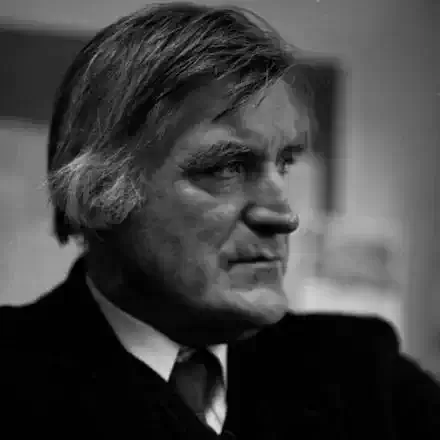
Ted Hughes
Work and Play
Work and Play
The swallow of summer, she toils all the summer,
A blue-dark knot of glittering voltage,
A whiplash swimmer, a fish of the air.
But the serpent of cars that crawls through the dust
In shimmering exhaust
Searching to slake
Its fever in ocean
Will play and be idle or else it will bust.
The swallow of summer, the barbed harpoon,
She flings from the furnace, a rainbow of purples,
Dips her glow in the pond and is perfect.
But the serpent of cars that collapsed on the beach
Disgorges its organs
A scamper of colours
Which roll like tomatoes
Nude as tomatoes
With sand in their creases
To cringe in the sparkle of rollers and screech.
The swallow of summer, the seamstress of summer,
She scissors the blue into shapes and she sews it,
She draws a long thread and she knots it at the corners.
But the holiday people
Are laid out like wounded
Flat as in ovens
Roasting and basting
With faces of torment as space burns them blue
Their heads are transistors
Their teeth grit on sand grains
Their lost kids are squalling
While man-eating flies
Jab electric shock needles but what can they do?
They can climb in their cars with raw bodies, raw faces
And start up the serpent
And headache it homeward
A car full of squabbles
And sobbing and stickiness
With sand in their crannies
Inhaling petroleum
That pours from the foxgloves
While the evening swallow
The swallow of summer, cartwheeling through crimson,
Touches the honey-slow river and turning
Returns to the hand stretched from under the eaves -
A boomerang of rejoicing shadow.
The swallow of summer, she toils all the summer,
A blue-dark knot of glittering voltage,
A whiplash swimmer, a fish of the air.
But the serpent of cars that crawls through the dust
In shimmering exhaust
Searching to slake
Its fever in ocean
Will play and be idle or else it will bust.
The swallow of summer, the barbed harpoon,
She flings from the furnace, a rainbow of purples,
Dips her glow in the pond and is perfect.
But the serpent of cars that collapsed on the beach
Disgorges its organs
A scamper of colours
Which roll like tomatoes
Nude as tomatoes
With sand in their creases
To cringe in the sparkle of rollers and screech.
The swallow of summer, the seamstress of summer,
She scissors the blue into shapes and she sews it,
She draws a long thread and she knots it at the corners.
But the holiday people
Are laid out like wounded
Flat as in ovens
Roasting and basting
With faces of torment as space burns them blue
Their heads are transistors
Their teeth grit on sand grains
Their lost kids are squalling
While man-eating flies
Jab electric shock needles but what can they do?
They can climb in their cars with raw bodies, raw faces
And start up the serpent
And headache it homeward
A car full of squabbles
And sobbing and stickiness
With sand in their crannies
Inhaling petroleum
That pours from the foxgloves
While the evening swallow
The swallow of summer, cartwheeling through crimson,
Touches the honey-slow river and turning
Returns to the hand stretched from under the eaves -
A boomerang of rejoicing shadow.
360
Ted Hughes
Tractor
Tractor
The tractor stands frozen - an agony
To think of. All night
Snow packed its open entrails. Now a head-pincering gale,
A spill of molten ice, smoking snow,
Pours into its steel.
At white heat of numbness it stands
In the aimed hosing of ground-level fieriness.
It defied flesh and won't start.
Hands are like wounds already
Inside armour gloves, and feet are unbelievable
As if the toe-nails were all just torn off.
I stare at it in hatred. Beyond it
The copse hisses - capitulates miserably
In the fleeing, failing light. Starlings,
A dirtier sleetier snow, blow smokily, unendingly, over
Towards plantations Eastward.
All the time the tractor is sinking
Through the degrees, deepening
Into its hell of ice.
The starting lever
Cracks its action, like a snapping knuckle.
The battery is alive - but like a lamb
Trying to nudge its solid-frozen mother -
While the seat claims my buttock-bones, bites
With the space-cold of earth, which it has joined
In one solid lump.
I squirt commercial sure-fire
Down the black throat - it just coughs.
It ridicules me - a trap of iron stupidity
I've stepped into. I drive the battery
As if I were hammering and hammering
The frozen arrangement to pieces with a hammer
And it jabbers laughing pain-crying mockingly
Into happy life.
And stands
Shuddering itself full of heat, seeming to enlarge slowly
Like a demon demonstrating
A more-than-usually-complete materialization -
Suddenly it jerks from its solidarity
With the concrete, and lurches towards a stanchion
Bursting with superhuman well-being and abandon
Shouting Where Where?
Worse iron is waiting. Power-lift kneels
Levers awake imprisoned deadweight,
Shackle-pins bedded in cast-iron cow-shit.
The blind and vibrating condemned obedience
Of iron to the cruelty of iron,
Wheels screeched out of their night-locks -
Fingers
Among the tormented
Tonnage and burning of iron
Eyes
Weeping in the wind of chloroform
And the tractor, streaming with sweat,
Raging and trembling and rejoicing.
The tractor stands frozen - an agony
To think of. All night
Snow packed its open entrails. Now a head-pincering gale,
A spill of molten ice, smoking snow,
Pours into its steel.
At white heat of numbness it stands
In the aimed hosing of ground-level fieriness.
It defied flesh and won't start.
Hands are like wounds already
Inside armour gloves, and feet are unbelievable
As if the toe-nails were all just torn off.
I stare at it in hatred. Beyond it
The copse hisses - capitulates miserably
In the fleeing, failing light. Starlings,
A dirtier sleetier snow, blow smokily, unendingly, over
Towards plantations Eastward.
All the time the tractor is sinking
Through the degrees, deepening
Into its hell of ice.
The starting lever
Cracks its action, like a snapping knuckle.
The battery is alive - but like a lamb
Trying to nudge its solid-frozen mother -
While the seat claims my buttock-bones, bites
With the space-cold of earth, which it has joined
In one solid lump.
I squirt commercial sure-fire
Down the black throat - it just coughs.
It ridicules me - a trap of iron stupidity
I've stepped into. I drive the battery
As if I were hammering and hammering
The frozen arrangement to pieces with a hammer
And it jabbers laughing pain-crying mockingly
Into happy life.
And stands
Shuddering itself full of heat, seeming to enlarge slowly
Like a demon demonstrating
A more-than-usually-complete materialization -
Suddenly it jerks from its solidarity
With the concrete, and lurches towards a stanchion
Bursting with superhuman well-being and abandon
Shouting Where Where?
Worse iron is waiting. Power-lift kneels
Levers awake imprisoned deadweight,
Shackle-pins bedded in cast-iron cow-shit.
The blind and vibrating condemned obedience
Of iron to the cruelty of iron,
Wheels screeched out of their night-locks -
Fingers
Among the tormented
Tonnage and burning of iron
Eyes
Weeping in the wind of chloroform
And the tractor, streaming with sweat,
Raging and trembling and rejoicing.
444
Ted Hughes
Thistles
Thistles
Against the rubber tongues of cows and the hoeing hands of men
Thistles spike the summer air
And crackle open under a blue-black pressure.
Every one a revengeful burst
Of resurrection, a grasped fistful
Of splintered weapons and Icelandic frost thrust up
From the underground stain of a decayed Viking.
They are like pale hair and the gutturals of dialects.
Every one manages a plume of blood.
Then they grow grey like men.
Mown down, it is a feud. Their sons appear
Stiff with weapons, fighting back over the same ground.
Against the rubber tongues of cows and the hoeing hands of men
Thistles spike the summer air
And crackle open under a blue-black pressure.
Every one a revengeful burst
Of resurrection, a grasped fistful
Of splintered weapons and Icelandic frost thrust up
From the underground stain of a decayed Viking.
They are like pale hair and the gutturals of dialects.
Every one manages a plume of blood.
Then they grow grey like men.
Mown down, it is a feud. Their sons appear
Stiff with weapons, fighting back over the same ground.
550
Ted Hughes
The Warm and the Cold
The Warm and the Cold
Freezing dusk is closing
Like a slow trap of steel
On trees and roads and hills and all
That can no longer feel.
But the carp is in its depth
Like a planet in its heaven.
And the badger in its bedding
Like a loaf in the oven.
And the butterfly in its mummy
Like a viol in its case.
And the owl in its feathers
Like a doll in its lace.
Freezing dusk has tightened
Like a nut screwed tight
On the starry aeroplane
Of the soaring night.
But the trout is in its hole
Like a chuckle in a sleeper.
The hare strays down the highway
Like a root going deeper.
The snail is dry in the outhouse
Like a seed in a sunflower.
The owl is pale on the gatepost
Like a clock on its tower.
Moonlight freezes the shaggy world
Like a mammoth of ice -
The past and the future
Are the jaws of a steel vice.
But the cod is in the tide-rip
Like a key in a purse.
The deer are on the bare-blown hill
Like smiles on a nurse.
The flies are behind the plaster
Like the lost score of a jig.
Sparrows are in the ivy-clump
Like money in a pig.
Such a frost
The flimsy moon
Has lost her wits.
A star falls.
The sweating farmers
Turn in their sleep
Like oxen on spits.
Freezing dusk is closing
Like a slow trap of steel
On trees and roads and hills and all
That can no longer feel.
But the carp is in its depth
Like a planet in its heaven.
And the badger in its bedding
Like a loaf in the oven.
And the butterfly in its mummy
Like a viol in its case.
And the owl in its feathers
Like a doll in its lace.
Freezing dusk has tightened
Like a nut screwed tight
On the starry aeroplane
Of the soaring night.
But the trout is in its hole
Like a chuckle in a sleeper.
The hare strays down the highway
Like a root going deeper.
The snail is dry in the outhouse
Like a seed in a sunflower.
The owl is pale on the gatepost
Like a clock on its tower.
Moonlight freezes the shaggy world
Like a mammoth of ice -
The past and the future
Are the jaws of a steel vice.
But the cod is in the tide-rip
Like a key in a purse.
The deer are on the bare-blown hill
Like smiles on a nurse.
The flies are behind the plaster
Like the lost score of a jig.
Sparrows are in the ivy-clump
Like money in a pig.
Such a frost
The flimsy moon
Has lost her wits.
A star falls.
The sweating farmers
Turn in their sleep
Like oxen on spits.
704
Ted Hughes
The Warm and the Cold
The Warm and the Cold
Freezing dusk is closing
Like a slow trap of steel
On trees and roads and hills and all
That can no longer feel.
But the carp is in its depth
Like a planet in its heaven.
And the badger in its bedding
Like a loaf in the oven.
And the butterfly in its mummy
Like a viol in its case.
And the owl in its feathers
Like a doll in its lace.
Freezing dusk has tightened
Like a nut screwed tight
On the starry aeroplane
Of the soaring night.
But the trout is in its hole
Like a chuckle in a sleeper.
The hare strays down the highway
Like a root going deeper.
The snail is dry in the outhouse
Like a seed in a sunflower.
The owl is pale on the gatepost
Like a clock on its tower.
Moonlight freezes the shaggy world
Like a mammoth of ice -
The past and the future
Are the jaws of a steel vice.
But the cod is in the tide-rip
Like a key in a purse.
The deer are on the bare-blown hill
Like smiles on a nurse.
The flies are behind the plaster
Like the lost score of a jig.
Sparrows are in the ivy-clump
Like money in a pig.
Such a frost
The flimsy moon
Has lost her wits.
A star falls.
The sweating farmers
Turn in their sleep
Like oxen on spits.
Freezing dusk is closing
Like a slow trap of steel
On trees and roads and hills and all
That can no longer feel.
But the carp is in its depth
Like a planet in its heaven.
And the badger in its bedding
Like a loaf in the oven.
And the butterfly in its mummy
Like a viol in its case.
And the owl in its feathers
Like a doll in its lace.
Freezing dusk has tightened
Like a nut screwed tight
On the starry aeroplane
Of the soaring night.
But the trout is in its hole
Like a chuckle in a sleeper.
The hare strays down the highway
Like a root going deeper.
The snail is dry in the outhouse
Like a seed in a sunflower.
The owl is pale on the gatepost
Like a clock on its tower.
Moonlight freezes the shaggy world
Like a mammoth of ice -
The past and the future
Are the jaws of a steel vice.
But the cod is in the tide-rip
Like a key in a purse.
The deer are on the bare-blown hill
Like smiles on a nurse.
The flies are behind the plaster
Like the lost score of a jig.
Sparrows are in the ivy-clump
Like money in a pig.
Such a frost
The flimsy moon
Has lost her wits.
A star falls.
The sweating farmers
Turn in their sleep
Like oxen on spits.
704
Ted Hughes
The Warm and the Cold
The Warm and the Cold
Freezing dusk is closing
Like a slow trap of steel
On trees and roads and hills and all
That can no longer feel.
But the carp is in its depth
Like a planet in its heaven.
And the badger in its bedding
Like a loaf in the oven.
And the butterfly in its mummy
Like a viol in its case.
And the owl in its feathers
Like a doll in its lace.
Freezing dusk has tightened
Like a nut screwed tight
On the starry aeroplane
Of the soaring night.
But the trout is in its hole
Like a chuckle in a sleeper.
The hare strays down the highway
Like a root going deeper.
The snail is dry in the outhouse
Like a seed in a sunflower.
The owl is pale on the gatepost
Like a clock on its tower.
Moonlight freezes the shaggy world
Like a mammoth of ice -
The past and the future
Are the jaws of a steel vice.
But the cod is in the tide-rip
Like a key in a purse.
The deer are on the bare-blown hill
Like smiles on a nurse.
The flies are behind the plaster
Like the lost score of a jig.
Sparrows are in the ivy-clump
Like money in a pig.
Such a frost
The flimsy moon
Has lost her wits.
A star falls.
The sweating farmers
Turn in their sleep
Like oxen on spits.
Freezing dusk is closing
Like a slow trap of steel
On trees and roads and hills and all
That can no longer feel.
But the carp is in its depth
Like a planet in its heaven.
And the badger in its bedding
Like a loaf in the oven.
And the butterfly in its mummy
Like a viol in its case.
And the owl in its feathers
Like a doll in its lace.
Freezing dusk has tightened
Like a nut screwed tight
On the starry aeroplane
Of the soaring night.
But the trout is in its hole
Like a chuckle in a sleeper.
The hare strays down the highway
Like a root going deeper.
The snail is dry in the outhouse
Like a seed in a sunflower.
The owl is pale on the gatepost
Like a clock on its tower.
Moonlight freezes the shaggy world
Like a mammoth of ice -
The past and the future
Are the jaws of a steel vice.
But the cod is in the tide-rip
Like a key in a purse.
The deer are on the bare-blown hill
Like smiles on a nurse.
The flies are behind the plaster
Like the lost score of a jig.
Sparrows are in the ivy-clump
Like money in a pig.
Such a frost
The flimsy moon
Has lost her wits.
A star falls.
The sweating farmers
Turn in their sleep
Like oxen on spits.
704
Ted Hughes
The Seven Sorrows
The Seven Sorrows
The first sorrow of autumn
Is the slow goodbye
Of the garden who stands so long in the evening-
A brown poppy head,
The stalk of a lily,
And still cannot go.
The second sorrow
Is the empty feet
Of a pheasant who hangs from a hook with his brothers.
The woodland of gold
Is folded in feathers
With its head in a bag.
And the third sorrow
Is the slow goodbye
Of the sun who has gathered the birds and who gathers
The minutes of evening,
The golden and holy
Ground of the picture.
The fourth sorrow
Is the pond gone black
Ruined and sunken the city of water-
The beetle's palace,
The catacombs
Of the dragonfly.
And the fifth sorrow
Is the slow goodbye
Of the woodland that quietly breaks up its camp.
One day it's gone.
It has only left litter-
Firewood, tentpoles.
And the sixth sorrow
Is the fox's sorrow
The joy of the huntsman, the joy of the hounds,
The hooves that pound
Till earth closes her ear
To the fox's prayer.
And the seventh sorrow
Is the slow goodbye
Of the face with its wrinkles that looks through the window
As the year packs up
Like a tatty fairground
That came for the children.
The first sorrow of autumn
Is the slow goodbye
Of the garden who stands so long in the evening-
A brown poppy head,
The stalk of a lily,
And still cannot go.
The second sorrow
Is the empty feet
Of a pheasant who hangs from a hook with his brothers.
The woodland of gold
Is folded in feathers
With its head in a bag.
And the third sorrow
Is the slow goodbye
Of the sun who has gathered the birds and who gathers
The minutes of evening,
The golden and holy
Ground of the picture.
The fourth sorrow
Is the pond gone black
Ruined and sunken the city of water-
The beetle's palace,
The catacombs
Of the dragonfly.
And the fifth sorrow
Is the slow goodbye
Of the woodland that quietly breaks up its camp.
One day it's gone.
It has only left litter-
Firewood, tentpoles.
And the sixth sorrow
Is the fox's sorrow
The joy of the huntsman, the joy of the hounds,
The hooves that pound
Till earth closes her ear
To the fox's prayer.
And the seventh sorrow
Is the slow goodbye
Of the face with its wrinkles that looks through the window
As the year packs up
Like a tatty fairground
That came for the children.
707
Ted Hughes
The Seven Sorrows
The Seven Sorrows
The first sorrow of autumn
Is the slow goodbye
Of the garden who stands so long in the evening-
A brown poppy head,
The stalk of a lily,
And still cannot go.
The second sorrow
Is the empty feet
Of a pheasant who hangs from a hook with his brothers.
The woodland of gold
Is folded in feathers
With its head in a bag.
And the third sorrow
Is the slow goodbye
Of the sun who has gathered the birds and who gathers
The minutes of evening,
The golden and holy
Ground of the picture.
The fourth sorrow
Is the pond gone black
Ruined and sunken the city of water-
The beetle's palace,
The catacombs
Of the dragonfly.
And the fifth sorrow
Is the slow goodbye
Of the woodland that quietly breaks up its camp.
One day it's gone.
It has only left litter-
Firewood, tentpoles.
And the sixth sorrow
Is the fox's sorrow
The joy of the huntsman, the joy of the hounds,
The hooves that pound
Till earth closes her ear
To the fox's prayer.
And the seventh sorrow
Is the slow goodbye
Of the face with its wrinkles that looks through the window
As the year packs up
Like a tatty fairground
That came for the children.
The first sorrow of autumn
Is the slow goodbye
Of the garden who stands so long in the evening-
A brown poppy head,
The stalk of a lily,
And still cannot go.
The second sorrow
Is the empty feet
Of a pheasant who hangs from a hook with his brothers.
The woodland of gold
Is folded in feathers
With its head in a bag.
And the third sorrow
Is the slow goodbye
Of the sun who has gathered the birds and who gathers
The minutes of evening,
The golden and holy
Ground of the picture.
The fourth sorrow
Is the pond gone black
Ruined and sunken the city of water-
The beetle's palace,
The catacombs
Of the dragonfly.
And the fifth sorrow
Is the slow goodbye
Of the woodland that quietly breaks up its camp.
One day it's gone.
It has only left litter-
Firewood, tentpoles.
And the sixth sorrow
Is the fox's sorrow
The joy of the huntsman, the joy of the hounds,
The hooves that pound
Till earth closes her ear
To the fox's prayer.
And the seventh sorrow
Is the slow goodbye
Of the face with its wrinkles that looks through the window
As the year packs up
Like a tatty fairground
That came for the children.
707
Ted Hughes
September
September
We sit late, watching the dark slowly unfold:
No clock counts this.
When kisses are repeated and the arms hold
There is no telling where time is.
It is midsummer: the leaves hang big and still:
Behind the eye a star,
Under the silk of the wrist a sea, tell
Time is nowhere.
We stand; leaves have not timed the summer.
No clock now needs
Tell we have only what we remember:
Minutes uproaring with our heads
Like an unfortunate King's and his Queen's
When the senseless mob rules;
And quietly the trees casting their crowns
Into the pools.
We sit late, watching the dark slowly unfold:
No clock counts this.
When kisses are repeated and the arms hold
There is no telling where time is.
It is midsummer: the leaves hang big and still:
Behind the eye a star,
Under the silk of the wrist a sea, tell
Time is nowhere.
We stand; leaves have not timed the summer.
No clock now needs
Tell we have only what we remember:
Minutes uproaring with our heads
Like an unfortunate King's and his Queen's
When the senseless mob rules;
And quietly the trees casting their crowns
Into the pools.
430