

Poems in this topic
Nature and Elements
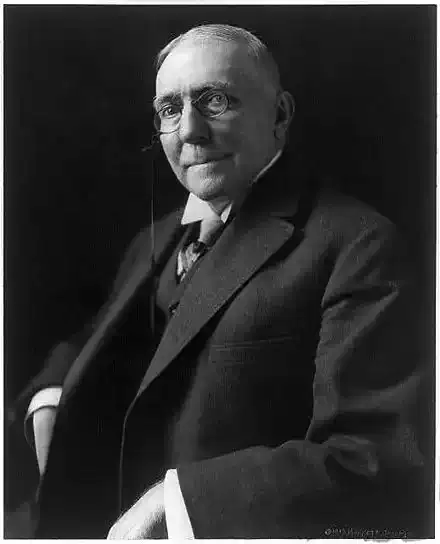
James Whitcomb Riley
Dead Leaves
Dead Leaves
DAWN
As though a gipsy maiden with dim look,
Sat crooning by the roadside of the year,
So, Autumn, in thy strangeness, thou art here
To read dark fortunes for us from the book
Of fate; thou flingest in the crinkled brook
The trembling maple's gold, and frosty-clear
Thy mocking laughter thrills the atmosphere,
And drifting on its current calls the rook
To other lands. As one who wades, alone,
Deep in the dusk, and hears the minor talk
Of distant melody, and finds the tone,
In some wierd way compelling him to stalk
The paths of childhood over,--so I moan,
And like a troubled sleeper, groping, walk.
DUSK
The frightened herds of clouds across the sky
Trample the sunshine down, and chase the day
Into the dusky forest-lands of gray
And somber twilight. Far, and faint, and high
The wild goose trails his harrow, with a cry
Sad as the wail of some poor castaway
Who sees a vessel drifting far astray
Of his last hope, and lays him down to die.
The children, riotous from school, grow bold
And quarrel with the wind, whose angry gust
Plucks off the summer hat, and flaps the fold
Of many a crimson cloak, and twirls the dust
In spiral shapes grotesque, and dims the gold
Of gleaming tresses with the blur of rust.
NIGHT
Funereal Darkness, drear and desolate,
Muffles the world. The moaning of the wind
Is piteous with sobs of saddest kind;
And laughter is a phantom at the gate
Of memory. The long-neglected grate
Within sprouts into flame and lights the mind
With hopes and wishes long ago refined
To ashes,--long departed friends await
Our words of welcome: and our lips are dumb
And powerless to greet the ones that press
Old kisses there. The baby beats its drum,
And fancy marches to the dear caress
Of mother-arms, and all the gleeful hum
Of home intrudes upon our loneliness.
DAWN
As though a gipsy maiden with dim look,
Sat crooning by the roadside of the year,
So, Autumn, in thy strangeness, thou art here
To read dark fortunes for us from the book
Of fate; thou flingest in the crinkled brook
The trembling maple's gold, and frosty-clear
Thy mocking laughter thrills the atmosphere,
And drifting on its current calls the rook
To other lands. As one who wades, alone,
Deep in the dusk, and hears the minor talk
Of distant melody, and finds the tone,
In some wierd way compelling him to stalk
The paths of childhood over,--so I moan,
And like a troubled sleeper, groping, walk.
DUSK
The frightened herds of clouds across the sky
Trample the sunshine down, and chase the day
Into the dusky forest-lands of gray
And somber twilight. Far, and faint, and high
The wild goose trails his harrow, with a cry
Sad as the wail of some poor castaway
Who sees a vessel drifting far astray
Of his last hope, and lays him down to die.
The children, riotous from school, grow bold
And quarrel with the wind, whose angry gust
Plucks off the summer hat, and flaps the fold
Of many a crimson cloak, and twirls the dust
In spiral shapes grotesque, and dims the gold
Of gleaming tresses with the blur of rust.
NIGHT
Funereal Darkness, drear and desolate,
Muffles the world. The moaning of the wind
Is piteous with sobs of saddest kind;
And laughter is a phantom at the gate
Of memory. The long-neglected grate
Within sprouts into flame and lights the mind
With hopes and wishes long ago refined
To ashes,--long departed friends await
Our words of welcome: and our lips are dumb
And powerless to greet the ones that press
Old kisses there. The baby beats its drum,
And fancy marches to the dear caress
Of mother-arms, and all the gleeful hum
Of home intrudes upon our loneliness.
297
James Whitcomb Riley
Craqueodoom
Craqueodoom
The Crankadox leaned o'er the edge of the moon
And wistfully gazed on the sea
Where the Gryxabodill madly whistled a tune
To the air of 'Ti-fol-de-ding-dee.'
The quavering shriek of the Fly-up-the-creek
Was fitfully wafted afar
To the Queen of the Wunks as she powdered her cheek
With the pulverized rays of a star.
The Gool closed his ear on the voice of the Grig,
And his heart it grew heavy as lead
As he marked the Baldekin adjusting his wing
On the opposite side of his head,
And the air it grew chill as the Gryxabodill
Raised his dank, dripping fins to the skies,
And plead with the Plunk for the use of her bill
To pick the tears out of his eyes.
The ghost of the Zhack flitted by in a trance,
And the Squidjum hid under a tub
As he heard the loud hooves of the Hooken advance
With a rub-a-dub--dub-a-dub--dub!
And the Crankadox cried, as he lay down and died,
'My fate there is none to bewail,'
While the Queen of the Wunks drifted over the tide
With a long piece of crape to her tail.
The Crankadox leaned o'er the edge of the moon
And wistfully gazed on the sea
Where the Gryxabodill madly whistled a tune
To the air of 'Ti-fol-de-ding-dee.'
The quavering shriek of the Fly-up-the-creek
Was fitfully wafted afar
To the Queen of the Wunks as she powdered her cheek
With the pulverized rays of a star.
The Gool closed his ear on the voice of the Grig,
And his heart it grew heavy as lead
As he marked the Baldekin adjusting his wing
On the opposite side of his head,
And the air it grew chill as the Gryxabodill
Raised his dank, dripping fins to the skies,
And plead with the Plunk for the use of her bill
To pick the tears out of his eyes.
The ghost of the Zhack flitted by in a trance,
And the Squidjum hid under a tub
As he heard the loud hooves of the Hooken advance
With a rub-a-dub--dub-a-dub--dub!
And the Crankadox cried, as he lay down and died,
'My fate there is none to bewail,'
While the Queen of the Wunks drifted over the tide
With a long piece of crape to her tail.
311
James Whitcomb Riley
Billy's Alphabetical Animal Show
Billy's Alphabetical Animal Show
A was an elegant Ape
Who tied up his ears with red tape,
And wore a long veil
Half revealing his tail
Which was trimmed with jet bugles and crape.
B was a boastful old Bear
Who used to say,--'Hoomh! I declare
I can eat--if you'll get me
The children, and let me--
Ten babies, teeth, toenails and hair!'
C was a Codfish who sighed
When snatched from the home of his pride,
But could he, embrined,
Guess this fragrance behind,
How glad he would be that he died!
D was a dandified Dog
Who said,--'Though it's raining like fog
I wear no umbrellah,
Me boy, for a fellah
Might just as well travel incog!'
E was an elderly Eel
Who would say,--'Well, I really feel--
As my grandchildren wriggle
And shout 'I should giggle'--
A trifle run down at the heel!'
F was a Fowl who conceded
_Some_ hens might hatch more eggs than _she_ did,--
But she'd children as plenty
As eighteen or twenty,
And that was quite all that she needed.
G was a gluttonous Goat
Who, dining one day, _table-d'hote,_
Ordered soup-bone, _au fait_,
And fish, _papier-mache_,
And a _filet_ of Spring overcoat.
H was a high-cultured Hound
Who could clear forty feet at a bound,
And a coon once averred
That his howl could be heard
For five miles and three-quarters around.
I was an Ibex ambitious
To dive over chasms auspicious;
He would leap down a peak
And not light for a week,
And swear that the jump was delicious.
J was a Jackass who said
He had such a bad cold in his head,
If it wasn't for leaving
The rest of us grieving,
He'd really rather be dead.
K was a profligate Kite
Who would haunt the saloons every night;
And often he ust
To reel back to his roost
Too full to set up on it right.
L was a wary old Lynx
Who would say,--'Do you know wot I thinks?--
I thinks ef you happen
To ketch me a-nappin'
I'm ready to set up the drinks!'
M was a merry old Mole,
Who would snooze all the day in his hole,
Then--all night, a-rootin'
Around and galootin'-He'd
sing 'Johnny, Fill up the Bowl!'
N was a caustical Nautilus
Who sneered, 'I suppose, when they've _caught_ all us,
Like oysters they'll serve us,
And can us, preserve us,
And barrel, and pickle, and bottle us!'
O was an autocrat Owl--
Such a wise--such a wonderful fowl!
Why, for all the night through
He would hoot and hoo-hoo,
And hoot and hoo-hooter and howl!
P was a Pelican pet,
Who gobbled up all he could get;
He could eat on until
He was full to the bill,
And there he had lodgings to let!
Q was a querulous Quail,
Who said: 'It will little avail
The efforts of those
Of my foes who propose
To attempt to put salt on my tail!'
R was a ring-tailed Raccoon,
With eyes of the tinge of the moon,
And his nose a blue-black,
And the fur on his back
A sad sort of sallow maroon.
S is a Sculpin--you'll wish
Very much to have one on your dish,
Since all his bones grow
On the outside, and so
He's a very desirable fish.
T was a Turtle, of wealth,
Who went round with particular stealth,-'
Why,' said he, 'I'm afraid
Of being waylaid
When I even walk out for my health!'
U was a Unicorn curious,
With one horn, of a growth so _luxurious_,
He could level and stab it--
If you didn't grab it--
Clean through you, he was so blamed furious!
V was a vagabond Vulture
Who said: 'I don't want to insult yer,
But when you intrude
Where in lone solitude
I'm a-preyin', you're no man o' culture!'
W was a wild _Wood_chuck,
And you can just bet that he _could_ 'chuck'
He'd eat raw potatoes,
Green corn, and tomatoes,
And tree roots, and call it all '_good_ chuck!'
X was a kind of X-cuse
Of a some-sort-o'-thing that got loose
Before we could name it,
And cage it, and tame it,
And bring it in general use.
Y is the Yellowbird,--bright
As a petrified lump of star-light,
Or a handful of lightning-
Bugs, squeezed in the tight'ning
Pink fist of a boy, at night.
Z is the Zebra, of course!--
A kind of a clown-of-a-horse,--
Each other despising,
Yet neither devising
A way to obtain a divorce!
& here is the famous--what-is-it?
Walk up, Master Billy, and quiz it:
You've seen the _rest_ of 'em-Ain't
this the _best_ of 'em,
Right at the end of your visit?
A was an elegant Ape
Who tied up his ears with red tape,
And wore a long veil
Half revealing his tail
Which was trimmed with jet bugles and crape.
B was a boastful old Bear
Who used to say,--'Hoomh! I declare
I can eat--if you'll get me
The children, and let me--
Ten babies, teeth, toenails and hair!'
C was a Codfish who sighed
When snatched from the home of his pride,
But could he, embrined,
Guess this fragrance behind,
How glad he would be that he died!
D was a dandified Dog
Who said,--'Though it's raining like fog
I wear no umbrellah,
Me boy, for a fellah
Might just as well travel incog!'
E was an elderly Eel
Who would say,--'Well, I really feel--
As my grandchildren wriggle
And shout 'I should giggle'--
A trifle run down at the heel!'
F was a Fowl who conceded
_Some_ hens might hatch more eggs than _she_ did,--
But she'd children as plenty
As eighteen or twenty,
And that was quite all that she needed.
G was a gluttonous Goat
Who, dining one day, _table-d'hote,_
Ordered soup-bone, _au fait_,
And fish, _papier-mache_,
And a _filet_ of Spring overcoat.
H was a high-cultured Hound
Who could clear forty feet at a bound,
And a coon once averred
That his howl could be heard
For five miles and three-quarters around.
I was an Ibex ambitious
To dive over chasms auspicious;
He would leap down a peak
And not light for a week,
And swear that the jump was delicious.
J was a Jackass who said
He had such a bad cold in his head,
If it wasn't for leaving
The rest of us grieving,
He'd really rather be dead.
K was a profligate Kite
Who would haunt the saloons every night;
And often he ust
To reel back to his roost
Too full to set up on it right.
L was a wary old Lynx
Who would say,--'Do you know wot I thinks?--
I thinks ef you happen
To ketch me a-nappin'
I'm ready to set up the drinks!'
M was a merry old Mole,
Who would snooze all the day in his hole,
Then--all night, a-rootin'
Around and galootin'-He'd
sing 'Johnny, Fill up the Bowl!'
N was a caustical Nautilus
Who sneered, 'I suppose, when they've _caught_ all us,
Like oysters they'll serve us,
And can us, preserve us,
And barrel, and pickle, and bottle us!'
O was an autocrat Owl--
Such a wise--such a wonderful fowl!
Why, for all the night through
He would hoot and hoo-hoo,
And hoot and hoo-hooter and howl!
P was a Pelican pet,
Who gobbled up all he could get;
He could eat on until
He was full to the bill,
And there he had lodgings to let!
Q was a querulous Quail,
Who said: 'It will little avail
The efforts of those
Of my foes who propose
To attempt to put salt on my tail!'
R was a ring-tailed Raccoon,
With eyes of the tinge of the moon,
And his nose a blue-black,
And the fur on his back
A sad sort of sallow maroon.
S is a Sculpin--you'll wish
Very much to have one on your dish,
Since all his bones grow
On the outside, and so
He's a very desirable fish.
T was a Turtle, of wealth,
Who went round with particular stealth,-'
Why,' said he, 'I'm afraid
Of being waylaid
When I even walk out for my health!'
U was a Unicorn curious,
With one horn, of a growth so _luxurious_,
He could level and stab it--
If you didn't grab it--
Clean through you, he was so blamed furious!
V was a vagabond Vulture
Who said: 'I don't want to insult yer,
But when you intrude
Where in lone solitude
I'm a-preyin', you're no man o' culture!'
W was a wild _Wood_chuck,
And you can just bet that he _could_ 'chuck'
He'd eat raw potatoes,
Green corn, and tomatoes,
And tree roots, and call it all '_good_ chuck!'
X was a kind of X-cuse
Of a some-sort-o'-thing that got loose
Before we could name it,
And cage it, and tame it,
And bring it in general use.
Y is the Yellowbird,--bright
As a petrified lump of star-light,
Or a handful of lightning-
Bugs, squeezed in the tight'ning
Pink fist of a boy, at night.
Z is the Zebra, of course!--
A kind of a clown-of-a-horse,--
Each other despising,
Yet neither devising
A way to obtain a divorce!
& here is the famous--what-is-it?
Walk up, Master Billy, and quiz it:
You've seen the _rest_ of 'em-Ain't
this the _best_ of 'em,
Right at the end of your visit?
234
James Whitcomb Riley
Away
Away
I cannot say, and I will not say
That he is dead--. He is just away!
With a cheery smile, and a wave of the hand
He has wandered into an unknown land,
And left us dreaming how very fair
It needs must be, since he lingers there.
And you-- O you, who the wildest yearn
For the old-time step and the glad return--,
Think of him faring on, as dear
In the love of There as the love of Here;
And loyal still, as he gave the blows
Of his warrior-strength to his country's foes--.
Mild and gentle, as he was brave--,
When the sweetest love of his life he gave
To simple things--: Where the violets grew
Blue as the eyes they were likened to,
The touches of his hands have strayed
As reverently as his lips have prayed:
When the little brown thrush that harshly chirred
Was dear to him as the mocking-bird;
And he pitied as much as a man in pain
A writhing honey-bee wet with rain--.
Think of him still as the same, I say:
He is not dead-- he is just away!
I cannot say, and I will not say
That he is dead--. He is just away!
With a cheery smile, and a wave of the hand
He has wandered into an unknown land,
And left us dreaming how very fair
It needs must be, since he lingers there.
And you-- O you, who the wildest yearn
For the old-time step and the glad return--,
Think of him faring on, as dear
In the love of There as the love of Here;
And loyal still, as he gave the blows
Of his warrior-strength to his country's foes--.
Mild and gentle, as he was brave--,
When the sweetest love of his life he gave
To simple things--: Where the violets grew
Blue as the eyes they were likened to,
The touches of his hands have strayed
As reverently as his lips have prayed:
When the little brown thrush that harshly chirred
Was dear to him as the mocking-bird;
And he pitied as much as a man in pain
A writhing honey-bee wet with rain--.
Think of him still as the same, I say:
He is not dead-- he is just away!
325
James Whitcomb Riley
August
August
A day of torpor in the sullen heat
Of Summer's passion: In the sluggish stream
The panting cattle lave their lazy feet,
With drowsy eyes, and dream.
Long since the winds have died, and in the sky
There lives no cloud to hint of Nature's grief;
The sun glares ever like an evil eye,
And withers flower and leaf.
Upon the gleaming harvest-field remote
The thresher lies deserted, like some old
Dismantled galleon that hangs afloat
Upon a sea of gold.
The yearning cry of some bewildered bird
Above an empty nest, and truant boys
Along the river's shady margin heard--
A harmony of noise--
A melody of wrangling voices blent
With liquid laughter, and with rippling calls
Of piping lips and thrilling echoes sent
To mimic waterfalls.
And through the hazy veil the atmosphere
Has draped about the gleaming face of Day,
The sifted glances of the sun appear
In splinterings of spray.
The dusty highway, like a cloud of dawn,
Trails o'er the hillside, and the passer-by,
A tired ghost in misty shroud, toils on
His journey to the sky.
And down across the valley's drooping sweep,
Withdrawn to farthest limit of the glade,
The forest stands in silence, drinking deep
Its purple wine of shade.
The gossamer floats up on phantom wing;
The sailor-vision voyages the skies
And carries into chaos everything
That freights the weary eyes:
Till, throbbing on and on, the pulse of heat
Increases--reaches--passes fever's height,
And Day sinks into slumber, cool and sweet,
Within the arms of Night.
A day of torpor in the sullen heat
Of Summer's passion: In the sluggish stream
The panting cattle lave their lazy feet,
With drowsy eyes, and dream.
Long since the winds have died, and in the sky
There lives no cloud to hint of Nature's grief;
The sun glares ever like an evil eye,
And withers flower and leaf.
Upon the gleaming harvest-field remote
The thresher lies deserted, like some old
Dismantled galleon that hangs afloat
Upon a sea of gold.
The yearning cry of some bewildered bird
Above an empty nest, and truant boys
Along the river's shady margin heard--
A harmony of noise--
A melody of wrangling voices blent
With liquid laughter, and with rippling calls
Of piping lips and thrilling echoes sent
To mimic waterfalls.
And through the hazy veil the atmosphere
Has draped about the gleaming face of Day,
The sifted glances of the sun appear
In splinterings of spray.
The dusty highway, like a cloud of dawn,
Trails o'er the hillside, and the passer-by,
A tired ghost in misty shroud, toils on
His journey to the sky.
And down across the valley's drooping sweep,
Withdrawn to farthest limit of the glade,
The forest stands in silence, drinking deep
Its purple wine of shade.
The gossamer floats up on phantom wing;
The sailor-vision voyages the skies
And carries into chaos everything
That freights the weary eyes:
Till, throbbing on and on, the pulse of heat
Increases--reaches--passes fever's height,
And Day sinks into slumber, cool and sweet,
Within the arms of Night.
321
James Whitcomb Riley
August
August
A day of torpor in the sullen heat
Of Summer's passion: In the sluggish stream
The panting cattle lave their lazy feet,
With drowsy eyes, and dream.
Long since the winds have died, and in the sky
There lives no cloud to hint of Nature's grief;
The sun glares ever like an evil eye,
And withers flower and leaf.
Upon the gleaming harvest-field remote
The thresher lies deserted, like some old
Dismantled galleon that hangs afloat
Upon a sea of gold.
The yearning cry of some bewildered bird
Above an empty nest, and truant boys
Along the river's shady margin heard--
A harmony of noise--
A melody of wrangling voices blent
With liquid laughter, and with rippling calls
Of piping lips and thrilling echoes sent
To mimic waterfalls.
And through the hazy veil the atmosphere
Has draped about the gleaming face of Day,
The sifted glances of the sun appear
In splinterings of spray.
The dusty highway, like a cloud of dawn,
Trails o'er the hillside, and the passer-by,
A tired ghost in misty shroud, toils on
His journey to the sky.
And down across the valley's drooping sweep,
Withdrawn to farthest limit of the glade,
The forest stands in silence, drinking deep
Its purple wine of shade.
The gossamer floats up on phantom wing;
The sailor-vision voyages the skies
And carries into chaos everything
That freights the weary eyes:
Till, throbbing on and on, the pulse of heat
Increases--reaches--passes fever's height,
And Day sinks into slumber, cool and sweet,
Within the arms of Night.
A day of torpor in the sullen heat
Of Summer's passion: In the sluggish stream
The panting cattle lave their lazy feet,
With drowsy eyes, and dream.
Long since the winds have died, and in the sky
There lives no cloud to hint of Nature's grief;
The sun glares ever like an evil eye,
And withers flower and leaf.
Upon the gleaming harvest-field remote
The thresher lies deserted, like some old
Dismantled galleon that hangs afloat
Upon a sea of gold.
The yearning cry of some bewildered bird
Above an empty nest, and truant boys
Along the river's shady margin heard--
A harmony of noise--
A melody of wrangling voices blent
With liquid laughter, and with rippling calls
Of piping lips and thrilling echoes sent
To mimic waterfalls.
And through the hazy veil the atmosphere
Has draped about the gleaming face of Day,
The sifted glances of the sun appear
In splinterings of spray.
The dusty highway, like a cloud of dawn,
Trails o'er the hillside, and the passer-by,
A tired ghost in misty shroud, toils on
His journey to the sky.
And down across the valley's drooping sweep,
Withdrawn to farthest limit of the glade,
The forest stands in silence, drinking deep
Its purple wine of shade.
The gossamer floats up on phantom wing;
The sailor-vision voyages the skies
And carries into chaos everything
That freights the weary eyes:
Till, throbbing on and on, the pulse of heat
Increases--reaches--passes fever's height,
And Day sinks into slumber, cool and sweet,
Within the arms of Night.
321
James Whitcomb Riley
August
August
A day of torpor in the sullen heat
Of Summer's passion: In the sluggish stream
The panting cattle lave their lazy feet,
With drowsy eyes, and dream.
Long since the winds have died, and in the sky
There lives no cloud to hint of Nature's grief;
The sun glares ever like an evil eye,
And withers flower and leaf.
Upon the gleaming harvest-field remote
The thresher lies deserted, like some old
Dismantled galleon that hangs afloat
Upon a sea of gold.
The yearning cry of some bewildered bird
Above an empty nest, and truant boys
Along the river's shady margin heard--
A harmony of noise--
A melody of wrangling voices blent
With liquid laughter, and with rippling calls
Of piping lips and thrilling echoes sent
To mimic waterfalls.
And through the hazy veil the atmosphere
Has draped about the gleaming face of Day,
The sifted glances of the sun appear
In splinterings of spray.
The dusty highway, like a cloud of dawn,
Trails o'er the hillside, and the passer-by,
A tired ghost in misty shroud, toils on
His journey to the sky.
And down across the valley's drooping sweep,
Withdrawn to farthest limit of the glade,
The forest stands in silence, drinking deep
Its purple wine of shade.
The gossamer floats up on phantom wing;
The sailor-vision voyages the skies
And carries into chaos everything
That freights the weary eyes:
Till, throbbing on and on, the pulse of heat
Increases--reaches--passes fever's height,
And Day sinks into slumber, cool and sweet,
Within the arms of Night.
A day of torpor in the sullen heat
Of Summer's passion: In the sluggish stream
The panting cattle lave their lazy feet,
With drowsy eyes, and dream.
Long since the winds have died, and in the sky
There lives no cloud to hint of Nature's grief;
The sun glares ever like an evil eye,
And withers flower and leaf.
Upon the gleaming harvest-field remote
The thresher lies deserted, like some old
Dismantled galleon that hangs afloat
Upon a sea of gold.
The yearning cry of some bewildered bird
Above an empty nest, and truant boys
Along the river's shady margin heard--
A harmony of noise--
A melody of wrangling voices blent
With liquid laughter, and with rippling calls
Of piping lips and thrilling echoes sent
To mimic waterfalls.
And through the hazy veil the atmosphere
Has draped about the gleaming face of Day,
The sifted glances of the sun appear
In splinterings of spray.
The dusty highway, like a cloud of dawn,
Trails o'er the hillside, and the passer-by,
A tired ghost in misty shroud, toils on
His journey to the sky.
And down across the valley's drooping sweep,
Withdrawn to farthest limit of the glade,
The forest stands in silence, drinking deep
Its purple wine of shade.
The gossamer floats up on phantom wing;
The sailor-vision voyages the skies
And carries into chaos everything
That freights the weary eyes:
Till, throbbing on and on, the pulse of heat
Increases--reaches--passes fever's height,
And Day sinks into slumber, cool and sweet,
Within the arms of Night.
321
James Whitcomb Riley
At Crown Hill
At Crown Hill
Leave him here in the fresh
greening grasses and trees
And the symbols of love, and the solace of these-
The saintly white lilies and blossoms he keeps
In endless caress as
he breathlessly sleeps.
The tears of our eyes wrong the scene of his rest,
For the sky's at its clearest-the sun's at its best-
The earth at its greenest- its wild bud and bloom
At its sweetest-and sweetest its honey'd perfume.
Home! Home!-Leave him here in his lordly estate,
And with never a tear as we turn from the gate!
Turn back to the home that will know him no more,-
The vines at the window-the sun through the door,-
Nor sound of his voice, nor the light of his face!...
But the birds will sing on, and the rose, in his place,
Will tenderly smile til we daringly feign
He is home with us still, though the tremulous rain
Of our tears reappear, and again all is bloom,
And all prayerless we sob in the long-darkened room.
Heaven portions it thus-the old mystery dim,-
It is midnight to us-it is morning to him
Leave him here in the fresh
greening grasses and trees
And the symbols of love, and the solace of these-
The saintly white lilies and blossoms he keeps
In endless caress as
he breathlessly sleeps.
The tears of our eyes wrong the scene of his rest,
For the sky's at its clearest-the sun's at its best-
The earth at its greenest- its wild bud and bloom
At its sweetest-and sweetest its honey'd perfume.
Home! Home!-Leave him here in his lordly estate,
And with never a tear as we turn from the gate!
Turn back to the home that will know him no more,-
The vines at the window-the sun through the door,-
Nor sound of his voice, nor the light of his face!...
But the birds will sing on, and the rose, in his place,
Will tenderly smile til we daringly feign
He is home with us still, though the tremulous rain
Of our tears reappear, and again all is bloom,
And all prayerless we sob in the long-darkened room.
Heaven portions it thus-the old mystery dim,-
It is midnight to us-it is morning to him
295
James Whitcomb Riley
An Autumnal Extravaganza
An Autumnal Extravaganza
With a sweeter voice than birds
Dare to twitter in their sleep,
Pipe for me a tune of words,
Till my dancing fancies leap
Into freedom vaster far
Than the realms of Reason are!
Sing for me with wilder fire
Than the lover ever sung,
From the time he twanged the lyre
When the world was baby-young.
O my maiden Autumn, you--
You have filled me through and through
With a passion so intense,
All of earthly eloquence
Fails, and falls, and swoons away
In your presence. Like as one
Who essays to look the sun
Fairly in the face, I say,
Though my eyes you dazzle blind
Greater dazzled is my mind.
So, my Autumn, let me kneel
At your feet and worship you!
Be my sweetheart; let me feel
Your caress; and tell me too
Why your smiles bewilder me--
Glancing into laughter, then
Trancing into calm again,
Till your meaning drowning lies
In the dim depths of your eyes.
Let me see the things you see
Down the depths of mystery!
Blow aside the hazy veil
From the daylight of your face
With the fragrance-ladened gale
Of your spicy breath and chase
Every dimple to its place.
Lift your gipsy finger-tips
To the roses of your lips,
And fling down to me a bud--
But an unblown kiss--but one--
It shall blossom in my blood,
Even after life is done--
When I dare to touch the brow
Your rare hair is veiling now--
When the rich, red-golden strands
Of the treasure in my hands
Shall be all of worldly worth
Heaven lifted from the earth,
Like a banner to have set
On its highest minaret.
With a sweeter voice than birds
Dare to twitter in their sleep,
Pipe for me a tune of words,
Till my dancing fancies leap
Into freedom vaster far
Than the realms of Reason are!
Sing for me with wilder fire
Than the lover ever sung,
From the time he twanged the lyre
When the world was baby-young.
O my maiden Autumn, you--
You have filled me through and through
With a passion so intense,
All of earthly eloquence
Fails, and falls, and swoons away
In your presence. Like as one
Who essays to look the sun
Fairly in the face, I say,
Though my eyes you dazzle blind
Greater dazzled is my mind.
So, my Autumn, let me kneel
At your feet and worship you!
Be my sweetheart; let me feel
Your caress; and tell me too
Why your smiles bewilder me--
Glancing into laughter, then
Trancing into calm again,
Till your meaning drowning lies
In the dim depths of your eyes.
Let me see the things you see
Down the depths of mystery!
Blow aside the hazy veil
From the daylight of your face
With the fragrance-ladened gale
Of your spicy breath and chase
Every dimple to its place.
Lift your gipsy finger-tips
To the roses of your lips,
And fling down to me a bud--
But an unblown kiss--but one--
It shall blossom in my blood,
Even after life is done--
When I dare to touch the brow
Your rare hair is veiling now--
When the rich, red-golden strands
Of the treasure in my hands
Shall be all of worldly worth
Heaven lifted from the earth,
Like a banner to have set
On its highest minaret.
275
James Whitcomb Riley
A Wrangdillion
A Wrangdillion
Dexery-tethery! down in the dike,
Under the ooze and the slime,
Nestles the wraith of a reticent Gryke,
Blubbering bubbles of rhyme:
Though the reeds touch him and tickle his teeth--
Though the Graigroll and the Cheest
Pluck at the leaves of his laureate-wreath,
Nothing affects him the least.
He sinks to the dregs in the dead o' the night,
And he shuffles the shadows about
As he gathers the stars in a nest of delight
And sets there and hatches them out:
The Zhederrill peers from his watery mine
In scorn with the Will-o'-the-wisp,
As he twinkles his eyes in a whisper of shine
That ends in a luminous lisp.
The Morning is born like a baby of gold,
And it lies in a spasm of pink,
And rallies the Cheest for the horrible cold
He has dragged to the willowy brink,
The Gryke blots his tears with a scrap of his grief,
And growls at the wary Graigroll
As he twunkers a tune on a Tiljicum leaf
And hums like a telegraph pole.
Dexery-tethery! down in the dike,
Under the ooze and the slime,
Nestles the wraith of a reticent Gryke,
Blubbering bubbles of rhyme:
Though the reeds touch him and tickle his teeth--
Though the Graigroll and the Cheest
Pluck at the leaves of his laureate-wreath,
Nothing affects him the least.
He sinks to the dregs in the dead o' the night,
And he shuffles the shadows about
As he gathers the stars in a nest of delight
And sets there and hatches them out:
The Zhederrill peers from his watery mine
In scorn with the Will-o'-the-wisp,
As he twinkles his eyes in a whisper of shine
That ends in a luminous lisp.
The Morning is born like a baby of gold,
And it lies in a spasm of pink,
And rallies the Cheest for the horrible cold
He has dragged to the willowy brink,
The Gryke blots his tears with a scrap of his grief,
And growls at the wary Graigroll
As he twunkers a tune on a Tiljicum leaf
And hums like a telegraph pole.
262
James Whitcomb Riley
A Voice From The Farm
A Voice From The Farm
It is my dream to have you here with me,
Out of the heated city's dust and din--
Here where the colts have room to gambol in,
And kine to graze, in clover to the knee.
I want to see your wan face happily
Lit with the wholesome smiles that have not been
In use since the old games you used to win
When we pitched horseshoes: And I want to be
At utter loaf with you in this dim land
Of grove and meadow, while the crickets make
Our own talk tedious, and the bat wields
His bulky flight, as we cease converse and
In a dusk like velvet smoothly take
Our way toward home across the dewy fields.
It is my dream to have you here with me,
Out of the heated city's dust and din--
Here where the colts have room to gambol in,
And kine to graze, in clover to the knee.
I want to see your wan face happily
Lit with the wholesome smiles that have not been
In use since the old games you used to win
When we pitched horseshoes: And I want to be
At utter loaf with you in this dim land
Of grove and meadow, while the crickets make
Our own talk tedious, and the bat wields
His bulky flight, as we cease converse and
In a dusk like velvet smoothly take
Our way toward home across the dewy fields.
284
James Whitcomb Riley
A Summer Afternoon
A Summer Afternoon
A languid atmosphere, a lazy breeze,
With labored respiration, moves the wheat
From distant reaches, till the golden seas
Break in crisp whispers at my feet.
My book, neglected of an idle mind,
Hides for a moment from the eyes of men;
Or lightly opened by a critic wind,
Affrightedly reviews itself again.
Off through the haze that dances in the shine
The warm sun showers in the open glade,
The forest lies, a silhouette design
Dimmed through and through with shade.
A dreamy day; and tranquilly I lie
At anchor from all storms of mental strain;
With absent vision, gazing at the sky,
"Like one that hears it rain."
The Katydid, so boisterous last night,
Clinging, inverted, in uneasy poise,
Beneath a wheat-blade, has forgotten quite
If "Katy DID or DIDN'T" make a noise.
The twitter, sometimes, of a wayward bird
That checks the song abruptly at the sound,
And mildly, chiding echoes that have stirred,
Sink into silence, all the more profound.
And drowsily I hear the plaintive strain
Of some poor dove . . . Why, I can scarcely keep
My heavy eyelids--there it is again-"
Coo-coo!"--I mustn't--"Coo-coo!"--fall asleep!
A languid atmosphere, a lazy breeze,
With labored respiration, moves the wheat
From distant reaches, till the golden seas
Break in crisp whispers at my feet.
My book, neglected of an idle mind,
Hides for a moment from the eyes of men;
Or lightly opened by a critic wind,
Affrightedly reviews itself again.
Off through the haze that dances in the shine
The warm sun showers in the open glade,
The forest lies, a silhouette design
Dimmed through and through with shade.
A dreamy day; and tranquilly I lie
At anchor from all storms of mental strain;
With absent vision, gazing at the sky,
"Like one that hears it rain."
The Katydid, so boisterous last night,
Clinging, inverted, in uneasy poise,
Beneath a wheat-blade, has forgotten quite
If "Katy DID or DIDN'T" make a noise.
The twitter, sometimes, of a wayward bird
That checks the song abruptly at the sound,
And mildly, chiding echoes that have stirred,
Sink into silence, all the more profound.
And drowsily I hear the plaintive strain
Of some poor dove . . . Why, I can scarcely keep
My heavy eyelids--there it is again-"
Coo-coo!"--I mustn't--"Coo-coo!"--fall asleep!
358
James Whitcomb Riley
A Spring Song And A Later
A Spring Song And A Later
She sang a song of May for me,
Wherein once more I heard
The mirth of my glad infancy--
The orchard's earliest bird--
The joyous breeze among the trees
New-clad in leaf and bloom,
And there the happy honey-bees
In dewy gleam and gloom.
So purely, sweetly on the sense
Of heart and spirit fell
Her song of Spring, its influence--
Still irresistible,--
Commands me here--with eyes ablur--
To mate her bright refrain.
Though I but shed a rhyme for her
As dim as Autumn rain.
She sang a song of May for me,
Wherein once more I heard
The mirth of my glad infancy--
The orchard's earliest bird--
The joyous breeze among the trees
New-clad in leaf and bloom,
And there the happy honey-bees
In dewy gleam and gloom.
So purely, sweetly on the sense
Of heart and spirit fell
Her song of Spring, its influence--
Still irresistible,--
Commands me here--with eyes ablur--
To mate her bright refrain.
Though I but shed a rhyme for her
As dim as Autumn rain.
277
James Whitcomb Riley
A Man Of Many Parts
A Man Of Many Parts
It was a man of many parts,
Who in his coffer mind
Had stored the Classics and the Arts
And Sciences combined;
The purest gems of poesy
Came flashing from his pen--
The wholesome truths of History
He gave his fellow men.
He knew the stars from 'Dog' to Mars;
And he could tell you, too,
Their distances--as though the cars
Had often checked him through--
And time 'twould take to reach the sun,
Or by the 'Milky Way,'
Drop in upon the moon, or run
The homeward trip, or stay.
With Logic at his fingers' ends,
Theology in mind,
He often entertained his friends
Until they died resigned;
And with inquiring mind intent
Upon Alchemic arts
A dynamite experiment-.
. . . . . .
A man of many parts!
It was a man of many parts,
Who in his coffer mind
Had stored the Classics and the Arts
And Sciences combined;
The purest gems of poesy
Came flashing from his pen--
The wholesome truths of History
He gave his fellow men.
He knew the stars from 'Dog' to Mars;
And he could tell you, too,
Their distances--as though the cars
Had often checked him through--
And time 'twould take to reach the sun,
Or by the 'Milky Way,'
Drop in upon the moon, or run
The homeward trip, or stay.
With Logic at his fingers' ends,
Theology in mind,
He often entertained his friends
Until they died resigned;
And with inquiring mind intent
Upon Alchemic arts
A dynamite experiment-.
. . . . . .
A man of many parts!
305
James Whitcomb Riley
A Home-Made Fairy Tale
A Home-Made Fairy Tale
Bud, come here to your uncle a spell,
And I'll tell you something you mustn't tell--
For it's a secret and shore-'nuf true,
And maybe I oughtn't to tell it to you--!
But out in the garden, under the shade
Of the apple-trees, where we romped and played
Till the moon was up, and you thought I'd gone
Fast asleep--, That was all put on!
For I was a-watchin' something queer
Goin' on there in the grass, my dear--!
'Way down deep in it, there I see
A little dude-Fairy who winked at me,
And snapped his fingers, and laughed as low
And fine as the whine of a mus-kee-to!
I kept still-- watchin' him closer-- and
I noticed a little guitar in his hand,
Which he leant 'ginst a little dead bee-- and laid
His cigarette down on a clean grass-blade,
And then climbed up on the shell of a snail--
Carefully dusting his swallowtail--
And pulling up, by a waxed web-thread,
This little guitar, you remember. I said!
And there he trinkled and trilled a tune--,
'My Love, so Fair, Tans in the Moon!'
Till presently, out of the clover-top
He seemed to be singing to, came k'pop!
The purtiest, daintiest Fairy face
In all this world, or any place!
Then the little ser'nader waved his hand,
As much as to say, 'We'll excuse you!' and
I heard, as I squinted my eyelids to,
A kiss like the drip of a drop of dew!
Bud, come here to your uncle a spell,
And I'll tell you something you mustn't tell--
For it's a secret and shore-'nuf true,
And maybe I oughtn't to tell it to you--!
But out in the garden, under the shade
Of the apple-trees, where we romped and played
Till the moon was up, and you thought I'd gone
Fast asleep--, That was all put on!
For I was a-watchin' something queer
Goin' on there in the grass, my dear--!
'Way down deep in it, there I see
A little dude-Fairy who winked at me,
And snapped his fingers, and laughed as low
And fine as the whine of a mus-kee-to!
I kept still-- watchin' him closer-- and
I noticed a little guitar in his hand,
Which he leant 'ginst a little dead bee-- and laid
His cigarette down on a clean grass-blade,
And then climbed up on the shell of a snail--
Carefully dusting his swallowtail--
And pulling up, by a waxed web-thread,
This little guitar, you remember. I said!
And there he trinkled and trilled a tune--,
'My Love, so Fair, Tans in the Moon!'
Till presently, out of the clover-top
He seemed to be singing to, came k'pop!
The purtiest, daintiest Fairy face
In all this world, or any place!
Then the little ser'nader waved his hand,
As much as to say, 'We'll excuse you!' and
I heard, as I squinted my eyelids to,
A kiss like the drip of a drop of dew!
355
James Whitcomb Riley
A Full Harvest
A Full Harvest
Seems like a feller'd ort 'o jes' to-day
Git down and roll and waller, don't you know,
In that-air stubble, and flop up and crow,
Seein' sich craps! I'll undertake to say
There're no wheat's ever turned out thataway
Afore this season!--Folks is keerless tho',
And too fergitful--'caze we'd ort 'o show
More thankfulness!--Jes' looky hyonder, hey?--
And watch that little reaper wadin' thue
That last old yaller hunk o' harvest-ground--
Jes' natchur'ly a-slicin' it in-two
Like honey-comb, and gaumin' it around
The field--like it had nothin' else to do
On'y jes' waste it all on me and you!
Seems like a feller'd ort 'o jes' to-day
Git down and roll and waller, don't you know,
In that-air stubble, and flop up and crow,
Seein' sich craps! I'll undertake to say
There're no wheat's ever turned out thataway
Afore this season!--Folks is keerless tho',
And too fergitful--'caze we'd ort 'o show
More thankfulness!--Jes' looky hyonder, hey?--
And watch that little reaper wadin' thue
That last old yaller hunk o' harvest-ground--
Jes' natchur'ly a-slicin' it in-two
Like honey-comb, and gaumin' it around
The field--like it had nothin' else to do
On'y jes' waste it all on me and you!
330
James Whitcomb Riley
A Canary At The Farm
A Canary At The Farm
Folks has be'n to town, and Sahry
Fetched 'er home a pet canary--,
And of all the blame', contrary,
Aggervatin' things alive!
I love music-- that I love it
When it's free-- and plenty of it--;
But I kindo' git above it,
At a dollar-eighty-five!
Reason's plain as I'm a-sayin'--,
Jes' the idy, now, o' layin'
Out yer money, and a-payin'
Fer a willer-cage and bird,
When the medder-larks is wingin'
Round you, and the woods is ringin'
With the beautifullest singin'
That a mortal ever heard!
Sahry's sot, tho'--. So I tell her
He's a purty little feller,
With his wings o' creamy-yeller,
And his eyes keen as a cat;
And the twitter o' the critter
'Pears to absolutely glitter!
Guess I'll haf to go and git her
A high-priceter cage 'n that!
Folks has be'n to town, and Sahry
Fetched 'er home a pet canary--,
And of all the blame', contrary,
Aggervatin' things alive!
I love music-- that I love it
When it's free-- and plenty of it--;
But I kindo' git above it,
At a dollar-eighty-five!
Reason's plain as I'm a-sayin'--,
Jes' the idy, now, o' layin'
Out yer money, and a-payin'
Fer a willer-cage and bird,
When the medder-larks is wingin'
Round you, and the woods is ringin'
With the beautifullest singin'
That a mortal ever heard!
Sahry's sot, tho'--. So I tell her
He's a purty little feller,
With his wings o' creamy-yeller,
And his eyes keen as a cat;
And the twitter o' the critter
'Pears to absolutely glitter!
Guess I'll haf to go and git her
A high-priceter cage 'n that!
345
James Whitcomb Riley
A Brave Refrain
A Brave Refrain
When snow is here, and the trees look weird,
And the knuckled twigs are gloved with frost;
When the breath congeals in the drover's beard,
And the old pathway to the barn is lost;
When the rooster's crow is sad to hear,
And the stamp of the stabled horse is vain,
And the tone of the cow-bell grieves the ear--
O then is the time for a brave refrain!
When the gears hang stiff on the harness-peg,
And the tallow gleams in frozen streaks;
And the old hen stands on a lonesome leg,
And the pump sounds hoarse and the handle squeaks;
When the woodpile lies in a shrouded heap,
And the frost is scratched from the window-pane
And anxious eyes from the inside peep--
O then is the time for a brave refrain!
When the ax-helve warms at the chimney-jamb,
And hob-nailed shoes on the hearth below,
And the house-cat curls in a slumber calm,
And the eight-day clock ticks loud and slow;
When the harsh broom-handle jabs the ceil
'Neath the kitchen-loft, and the drowsy brain
Sniffs the breath of the morning meal--
O then is the time for a brave refrain!
ENVOI
When the skillet seethes, and a blubbering hot
Tilts the lid of the coffee-pot,
And the scent of the buckwheat cake grows plain--
O then is the time for a brave refrain!
When snow is here, and the trees look weird,
And the knuckled twigs are gloved with frost;
When the breath congeals in the drover's beard,
And the old pathway to the barn is lost;
When the rooster's crow is sad to hear,
And the stamp of the stabled horse is vain,
And the tone of the cow-bell grieves the ear--
O then is the time for a brave refrain!
When the gears hang stiff on the harness-peg,
And the tallow gleams in frozen streaks;
And the old hen stands on a lonesome leg,
And the pump sounds hoarse and the handle squeaks;
When the woodpile lies in a shrouded heap,
And the frost is scratched from the window-pane
And anxious eyes from the inside peep--
O then is the time for a brave refrain!
When the ax-helve warms at the chimney-jamb,
And hob-nailed shoes on the hearth below,
And the house-cat curls in a slumber calm,
And the eight-day clock ticks loud and slow;
When the harsh broom-handle jabs the ceil
'Neath the kitchen-loft, and the drowsy brain
Sniffs the breath of the morning meal--
O then is the time for a brave refrain!
ENVOI
When the skillet seethes, and a blubbering hot
Tilts the lid of the coffee-pot,
And the scent of the buckwheat cake grows plain--
O then is the time for a brave refrain!
307
James Whitcomb Riley
A Barefoot Boy
A Barefoot Boy
A barefoot boy! I mark him at his play --
For May is here once more, and so is he, --
His dusty trousers, rolled half to the knee,
And his bare ankles grimy, too, as they:
Cross-hatchings of the nettle, in array
Of feverish stripes, hint vividly to me
Of woody pathways winding endlessly
Along the creek, where even yesterday
He plunged his shrinking body -- gasped and shook --
Yet called the water 'warm,' with never lack
Of joy. And so, half enviously I look
Upon this graceless barefoot and his track, --
His toe stubbed -- ay, his big toe-nail knocked back
Like unto the clasp of an old pocketbook.
A barefoot boy! I mark him at his play --
For May is here once more, and so is he, --
His dusty trousers, rolled half to the knee,
And his bare ankles grimy, too, as they:
Cross-hatchings of the nettle, in array
Of feverish stripes, hint vividly to me
Of woody pathways winding endlessly
Along the creek, where even yesterday
He plunged his shrinking body -- gasped and shook --
Yet called the water 'warm,' with never lack
Of joy. And so, half enviously I look
Upon this graceless barefoot and his track, --
His toe stubbed -- ay, his big toe-nail knocked back
Like unto the clasp of an old pocketbook.
420
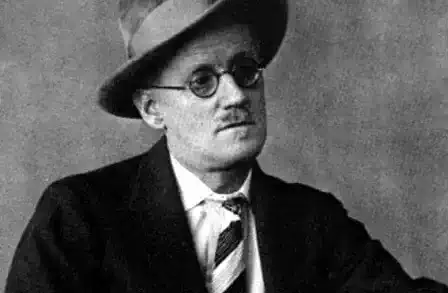
James Joyce
Winds of May
Winds of May
Winds of May, that dance on the sea,
Dancing a ring-around in glee
From furrow to furrow, while overhead
The foam flies up to be garlanded,
In silvery arches spanning the air,
Saw you my true love anywhere?
Welladay! Welladay!
For the winds of May!
Love is unhappy when love is away!
Winds of May, that dance on the sea,
Dancing a ring-around in glee
From furrow to furrow, while overhead
The foam flies up to be garlanded,
In silvery arches spanning the air,
Saw you my true love anywhere?
Welladay! Welladay!
For the winds of May!
Love is unhappy when love is away!
235
James Joyce
Watching the Needleboats at San Sabba
Watching the Needleboats at San Sabba
I heard their young hearts crying
Loveward above the glancing oar
And heard the prairie grasses sighing:
No more, return no more!
O hearts, O sighing grasses,
Vainly your loveblown bannerets mourn!
No more will the wild wind that passes
Return, no more return.
I heard their young hearts crying
Loveward above the glancing oar
And heard the prairie grasses sighing:
No more, return no more!
O hearts, O sighing grasses,
Vainly your loveblown bannerets mourn!
No more will the wild wind that passes
Return, no more return.
173
James Joyce
Tilly
Tilly
He travels after a winter sun,
Urging the cattle along a cold red road,
Calling to them, a voice they know,
He drives his beasts above Cabra.
The voice tells them home is warm.
They moo and make brute music with their hoofs.
He drives them with a flowering branch before him,
Smoke pluming their foreheads.
Boor, bond of the herd,
Tonight stretch full by the fire!
I bleed by the black stream
For my torn bough!
He travels after a winter sun,
Urging the cattle along a cold red road,
Calling to them, a voice they know,
He drives his beasts above Cabra.
The voice tells them home is warm.
They moo and make brute music with their hoofs.
He drives them with a flowering branch before him,
Smoke pluming their foreheads.
Boor, bond of the herd,
Tonight stretch full by the fire!
I bleed by the black stream
For my torn bough!
228
James Joyce
Rain Has Fallen All the Day
Rain Has Fallen All the Day
Rain has fallen all the day.
O come among the laden trees:
The leaves lie thick upon the way
Of memories.
Staying a little by the way
Of memories shall we depart.
Come, my beloved, where I may
Speak to your heart.
Rain has fallen all the day.
O come among the laden trees:
The leaves lie thick upon the way
Of memories.
Staying a little by the way
Of memories shall we depart.
Come, my beloved, where I may
Speak to your heart.
183
James Joyce
Now, O Now in This Brown Land
Now, O Now in This Brown Land
Now, O now, in this brown land
Where Love did so sweet music make
We two shall wander, hand in hand,
Forbearing for old friendship' sake,
Nor grieve because our love was gay
Which now is ended in this way.
A rogue in red and yellow dress
Is knocking, knocking at the tree;
And all around our loneliness
The wind is whistling merrily.
The leaves -- - they do not sigh at all
When the year takes them in the fall.
Now, O now, we hear no more
The vilanelle and roundelay!
Yet will we kiss, sweetheart, before
We take sad leave at close of day.
Grieve not, sweetheart, for anything -- -
The year, the year is gathering.
Now, O now, in this brown land
Where Love did so sweet music make
We two shall wander, hand in hand,
Forbearing for old friendship' sake,
Nor grieve because our love was gay
Which now is ended in this way.
A rogue in red and yellow dress
Is knocking, knocking at the tree;
And all around our loneliness
The wind is whistling merrily.
The leaves -- - they do not sigh at all
When the year takes them in the fall.
Now, O now, we hear no more
The vilanelle and roundelay!
Yet will we kiss, sweetheart, before
We take sad leave at close of day.
Grieve not, sweetheart, for anything -- -
The year, the year is gathering.
173