

Poems in this topic
Nature and Elements
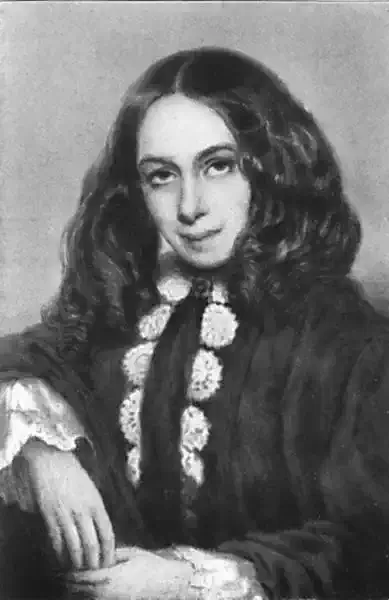
Elizabeth Barrett Browning
Patience Taught By Nature
Patience Taught By Nature
'O DREARY life,' we cry, ' O dreary life ! '
And still the generations of the birds
Sing through our sighing, and the flocks and herds
Serenely live while we are keeping strife
With Heaven's true purpose in us, as a knife
Against which we may struggle ! Ocean girds
Unslackened the dry land, savannah-swards
Unweary sweep, hills watch unworn, and rife
Meek leaves drop year]y from the forest-trees
To show, above, the unwasted stars that pass
In their old glory: O thou God of old,
Grant me some smaller grace than comes to these !--
But so much patience as a blade of grass
Grows by, contented through the heat and cold.
'O DREARY life,' we cry, ' O dreary life ! '
And still the generations of the birds
Sing through our sighing, and the flocks and herds
Serenely live while we are keeping strife
With Heaven's true purpose in us, as a knife
Against which we may struggle ! Ocean girds
Unslackened the dry land, savannah-swards
Unweary sweep, hills watch unworn, and rife
Meek leaves drop year]y from the forest-trees
To show, above, the unwasted stars that pass
In their old glory: O thou God of old,
Grant me some smaller grace than comes to these !--
But so much patience as a blade of grass
Grows by, contented through the heat and cold.
510
Elizabeth Barrett Browning
Patience Taught By Nature
Patience Taught By Nature
'O DREARY life,' we cry, ' O dreary life ! '
And still the generations of the birds
Sing through our sighing, and the flocks and herds
Serenely live while we are keeping strife
With Heaven's true purpose in us, as a knife
Against which we may struggle ! Ocean girds
Unslackened the dry land, savannah-swards
Unweary sweep, hills watch unworn, and rife
Meek leaves drop year]y from the forest-trees
To show, above, the unwasted stars that pass
In their old glory: O thou God of old,
Grant me some smaller grace than comes to these !--
But so much patience as a blade of grass
Grows by, contented through the heat and cold.
'O DREARY life,' we cry, ' O dreary life ! '
And still the generations of the birds
Sing through our sighing, and the flocks and herds
Serenely live while we are keeping strife
With Heaven's true purpose in us, as a knife
Against which we may struggle ! Ocean girds
Unslackened the dry land, savannah-swards
Unweary sweep, hills watch unworn, and rife
Meek leaves drop year]y from the forest-trees
To show, above, the unwasted stars that pass
In their old glory: O thou God of old,
Grant me some smaller grace than comes to these !--
But so much patience as a blade of grass
Grows by, contented through the heat and cold.
510
Elizabeth Barrett Browning
A Sea-Side Walk
A Sea-Side Walk
We walked beside the sea,
After a day which perished silently
Of its own glory---like the Princess weird
Who, combating the Genius, scorched and seared,
Uttered with burning breath, 'Ho! victory!'
And sank adown, an heap of ashes pale;
So runs the Arab tale.
The sky above us showed
An universal and unmoving cloud,
On which, the cliffs permitted us to see
Only the outline of their majesty,
As master-minds, when gazed at by the crowd!
And, shining with a gloom, the water grey
Swang in its moon-taught way.
Nor moon nor stars were out.
They did not dare to tread so soon about,
Though trembling, in the footsteps of the sun.
The light was neither night's nor day's, but one
Which, life-like, had a beauty in its doubt;
And Silence's impassioned breathings round
Seemed wandering into sound.
O solemn-beating heart
Of nature! I have knowledge that thou art
Bound unto man's by cords he cannot sever---
And, what time they are slackened by him ever,
So to attest his own supernal part,
Still runneth thy vibration fast and strong,
The slackened cord along.
For though we never spoke
Of the grey water anal the shaded rock,---
Dark wave and stone, unconsciously, were fused
Into the plaintive speaking that we used,
Of absent friends and memories unforsook;
And, had we seen each other's face, we had
Seen haply, each was sad.
We walked beside the sea,
After a day which perished silently
Of its own glory---like the Princess weird
Who, combating the Genius, scorched and seared,
Uttered with burning breath, 'Ho! victory!'
And sank adown, an heap of ashes pale;
So runs the Arab tale.
The sky above us showed
An universal and unmoving cloud,
On which, the cliffs permitted us to see
Only the outline of their majesty,
As master-minds, when gazed at by the crowd!
And, shining with a gloom, the water grey
Swang in its moon-taught way.
Nor moon nor stars were out.
They did not dare to tread so soon about,
Though trembling, in the footsteps of the sun.
The light was neither night's nor day's, but one
Which, life-like, had a beauty in its doubt;
And Silence's impassioned breathings round
Seemed wandering into sound.
O solemn-beating heart
Of nature! I have knowledge that thou art
Bound unto man's by cords he cannot sever---
And, what time they are slackened by him ever,
So to attest his own supernal part,
Still runneth thy vibration fast and strong,
The slackened cord along.
For though we never spoke
Of the grey water anal the shaded rock,---
Dark wave and stone, unconsciously, were fused
Into the plaintive speaking that we used,
Of absent friends and memories unforsook;
And, had we seen each other's face, we had
Seen haply, each was sad.
659

Edward Lear
There was an Old Man of Calcutta
There was an Old Man of Calcutta
There was an old man of Calcutta,
Who perpetually ate bread & butter;
Till a great bit of muffin on which he was stuffing,
Choked that horrid old man of Calcutta.
There was an old man of Calcutta,
Who perpetually ate bread & butter;
Till a great bit of muffin on which he was stuffing,
Choked that horrid old man of Calcutta.
383
Edward Lear
The Two Old Bachelors
The Two Old Bachelors
Two old Bachelors were living in one house;
One caught a Muffin, the other caught a Mouse.
Said he who caught the Muffin to him who caught the Mouse,-'
This happens just in time! For we've nothing in the house,
'Save a tiny slice of lemon nd a teaspoonful of honey,
'And what to do for dinner -- since we haven't any money?
'And what can we expect if we haven't any dinner,
'But to loose our teeth and eyelashes and keep on growing thinner?'
Said he who caught the Mouse to him who caught the Muffin,-'
We might cook this little Mouse, if we had only some Stuffin'!
'If we had but Sage andOnion we could do extremely well,
'But how to get that Stuffin' it is difficult to tell'--
Those two old Bachelors ran quickly to the town
And asked for Sage and Onions as they wandered up and down;
They borrowed two large Onions, but no Sage was to be found
In the Shops, or in the Market, or in all the Gardens round.
But some one said, -- 'A hill there is, a little to the north,
'And to its purpledicular top a narrow way leads forth;-'
And there among the rugged rocks abides an ancient Sage,-'
An earnest Man, who reads all day a most perplexing page.
'Climb up, and seize him by the toes! -- all studious as he sits,-'
And pull him down, -- and chop him into endless little bits!
'Then mix him with your Onion, (cut up likewise into Scraps,)-'
When your Stuffin' will be ready -- and very good: perhaps.'
Those two old Bachelors without loss of time
The nearly purpledicular crags at once began to climb;
And at the top, among the rocks, all seated in a nook,
They saw that Sage, a reading of a most enormous book.
'You earnest Sage!' aloud they cried, 'your book you've read enough in!-'
We wish to chop you into bits to mix you into Stuffin'!'--
But that old Sage looked calmly up, and with his awful book,
At those two Bachelors' bald heads a certain aim he took;-and
over crag and precipice they rolled promiscuous down,--
At once they rolled, and never stopped in lane or field or town,--
And when they reached their house, they found (besides their want
of Stuffin',)
The Mouse had fled; -- and, previously, had eaten up the Muffin.
They left their home in silence by the once convivial door.
And from that hour those Bachelors were never heard of more.
Two old Bachelors were living in one house;
One caught a Muffin, the other caught a Mouse.
Said he who caught the Muffin to him who caught the Mouse,-'
This happens just in time! For we've nothing in the house,
'Save a tiny slice of lemon nd a teaspoonful of honey,
'And what to do for dinner -- since we haven't any money?
'And what can we expect if we haven't any dinner,
'But to loose our teeth and eyelashes and keep on growing thinner?'
Said he who caught the Mouse to him who caught the Muffin,-'
We might cook this little Mouse, if we had only some Stuffin'!
'If we had but Sage andOnion we could do extremely well,
'But how to get that Stuffin' it is difficult to tell'--
Those two old Bachelors ran quickly to the town
And asked for Sage and Onions as they wandered up and down;
They borrowed two large Onions, but no Sage was to be found
In the Shops, or in the Market, or in all the Gardens round.
But some one said, -- 'A hill there is, a little to the north,
'And to its purpledicular top a narrow way leads forth;-'
And there among the rugged rocks abides an ancient Sage,-'
An earnest Man, who reads all day a most perplexing page.
'Climb up, and seize him by the toes! -- all studious as he sits,-'
And pull him down, -- and chop him into endless little bits!
'Then mix him with your Onion, (cut up likewise into Scraps,)-'
When your Stuffin' will be ready -- and very good: perhaps.'
Those two old Bachelors without loss of time
The nearly purpledicular crags at once began to climb;
And at the top, among the rocks, all seated in a nook,
They saw that Sage, a reading of a most enormous book.
'You earnest Sage!' aloud they cried, 'your book you've read enough in!-'
We wish to chop you into bits to mix you into Stuffin'!'--
But that old Sage looked calmly up, and with his awful book,
At those two Bachelors' bald heads a certain aim he took;-and
over crag and precipice they rolled promiscuous down,--
At once they rolled, and never stopped in lane or field or town,--
And when they reached their house, they found (besides their want
of Stuffin',)
The Mouse had fled; -- and, previously, had eaten up the Muffin.
They left their home in silence by the once convivial door.
And from that hour those Bachelors were never heard of more.
338
Edward Lear
The Quangle Wangle's Hat
The Quangle Wangle's Hat
I.
On the top of the Crumpetty Tree
The Quangle Wangle sat,
But his face you could not see,
On account of his Beaver Hat.
For his Hat was a hundred and two feet wide,
With ribbons and bibbons on every side
And bells, and buttons, and loops, and lace,
So that nobody every could see the face
Of the Quangle Wangle Quee.II.
The Quangle Wangle said
To himself on the Crumpetty Tree, -"
Jam; and jelly; and bread;
"Are the best of food for me!
"But the longer I live on this Crumpetty Tree
"The plainer than ever it seems to me
"That very few people come this way
"And that life on the whole is far from gay!"
Said the Quangle Wangle Quee.III.
But there came to the Crumpetty Tree,
Mr. and Mrs. Canary;
And they said, -- "Did every you see
"Any spot so charmingly airy?
"May we build a nest on your lovely Hat?
"Mr. Quangle Wangle, grant us that!
"O please let us come and build a nest
"Of whatever material suits you best,
"Mr. Quangle Wangle Quee!"IV.
And besides, to the Crumpetty Tree
Came the Stork, the Duck, and the Owl;
The Snail, and the Bumble-Bee,
The Frog, and the Fimble Fowl;
(The Fimble Fowl, with a corkscrew leg;)
And all of them said, -- "We humbly beg,
"We may build out homes on your lovely Hat, -"
Mr. Quangle Wangle, grant us that!
"Mr. Quangle Wangle Quee!"V.
And the Golden Grouse came there,
And the Pobble who has no toes, -And
the small Olympian bear, -
And the Dong with a luminous nose.
And the Blue Baboon, who played the Flute, -And
the Orient Calf from the Land of Tute, -And
the Attery Squash, and the Bisky Bat, -All
came and built on the lovely Hat
Of the Quangle Wangle Quee.VI.
And the Quangle Wangle said
To himself on the Crumpetty Tree, -"
When all these creatures move
"What a wonderful noise there'll be!"
And at night by the light of the Mulberry moon
They danced to the Flute of the Blue Baboon,
On the broad green leaves of the Crumpetty Tree,
And all were as happy as happy could be,
With the Quangle Wangle Quee.
I.
On the top of the Crumpetty Tree
The Quangle Wangle sat,
But his face you could not see,
On account of his Beaver Hat.
For his Hat was a hundred and two feet wide,
With ribbons and bibbons on every side
And bells, and buttons, and loops, and lace,
So that nobody every could see the face
Of the Quangle Wangle Quee.II.
The Quangle Wangle said
To himself on the Crumpetty Tree, -"
Jam; and jelly; and bread;
"Are the best of food for me!
"But the longer I live on this Crumpetty Tree
"The plainer than ever it seems to me
"That very few people come this way
"And that life on the whole is far from gay!"
Said the Quangle Wangle Quee.III.
But there came to the Crumpetty Tree,
Mr. and Mrs. Canary;
And they said, -- "Did every you see
"Any spot so charmingly airy?
"May we build a nest on your lovely Hat?
"Mr. Quangle Wangle, grant us that!
"O please let us come and build a nest
"Of whatever material suits you best,
"Mr. Quangle Wangle Quee!"IV.
And besides, to the Crumpetty Tree
Came the Stork, the Duck, and the Owl;
The Snail, and the Bumble-Bee,
The Frog, and the Fimble Fowl;
(The Fimble Fowl, with a corkscrew leg;)
And all of them said, -- "We humbly beg,
"We may build out homes on your lovely Hat, -"
Mr. Quangle Wangle, grant us that!
"Mr. Quangle Wangle Quee!"V.
And the Golden Grouse came there,
And the Pobble who has no toes, -And
the small Olympian bear, -
And the Dong with a luminous nose.
And the Blue Baboon, who played the Flute, -And
the Orient Calf from the Land of Tute, -And
the Attery Squash, and the Bisky Bat, -All
came and built on the lovely Hat
Of the Quangle Wangle Quee.VI.
And the Quangle Wangle said
To himself on the Crumpetty Tree, -"
When all these creatures move
"What a wonderful noise there'll be!"
And at night by the light of the Mulberry moon
They danced to the Flute of the Blue Baboon,
On the broad green leaves of the Crumpetty Tree,
And all were as happy as happy could be,
With the Quangle Wangle Quee.
244
Edward Lear
The Pelican Chorus
The Pelican Chorus
King and Queen of the Pelicans we;
No other Birds so grand we see!
None but we have feet like fins!
With lovely leathery throats and chins!
Ploffskin, Pluffskin, Pelican jee!
We think no birds so happy as we!
Plumpskin, Ploshkin, Pelican jill!
We think so then, and we thought so still!
We live on the Nile. The Nile we love.
By night we sleep on the cliffs above.
By day we fish, and at eve we stand
On long bare islands of yellow sand.
And when the sun sinks slowly down
And the great rock walls grow dark and brown,
Where the purple river rolls fast and dim
And the ivory Ibis starlike skim,
Wing to wing we dance around, -
Stamping our feet with a flumpy sound, -
Opening our mouths as Pelicans ought,
And this is the song we nightly snort:
Ploffskin, Pluffskin, Pelican jee!
We think no Birds so happy as we!
Plumpskin, Ploshkin, Pelican jill!
We think so then, and we thought so still.
Last year came out our Daughter, Dell;
And all the Birds received her well.
To do her honour, a feast we made
For every bird that can swim or wade.
Herons and Gulls, and Cormorants black,
Cranes, and Flamingoes with scarlet back,
Plovers and Storks, and Geese in clouds,
Swans and Dilberry Ducks in crowds.
Thousands of Birds in wondrous flight!
They ate and drank and danced all night,
And echoing back from the rocks you heard
Multitude-echoes from Bird and Bird, -
Ploffskin, Pluffskin, Pelican jee!
We think no Birds so happy as we!
Plumpskin, Ploshkin, Pelican jill!
We think so then, and we thought so still!
Yes, they came; and among the rest,
The king of the Cranes all grandly dressed.
Such a lovely tail! Its feathers float
Between the ends of his blue dress-coat;
With pea-green trowsers all so neat,
And a delicate frill to hide his feet, (
For though no one speaks of it, everyone knows,
He has got no webs between his toes!)
As soon as he saw our Daughter Dell,
In violent love that Crane King fell,
On seeing her waddling form so fair,
With a wreath of shrimps in her short white hair,
And before the end of the next long day,
Our Dell had given her heart away;
For the King of the Cranes had won that heart,
With a Crocodile's egg and a large fish-tart.
She vowed to marry the King of the Cranes,
Leaving the Nile for stranger plains;
And away they flew in a gathering crowd
Of endless birds in a lengthening cloud.
Ploffskin, Pluffskin, Pelican jee!
We think no Birds so happy as we!
Plumpskin, Ploshkin, Pelican jill!
We think so then, and we thought so still!
And far away in the twilight sky,
We heard them singing in a lessening cry, -
Farther and farther till out of sight,
And we stood alone in the silent night!
Often since, in the nights of June,
We sit on the sand and watch the moon;
-She dwells by the streams of the Chankly Bore,
And we probably never shall see her more.
Ploffskin, Pluffskin, Pelican jee!
We think no Birds so happy as we!
Plumpskin, Ploshkin, Pelican jill!
We think so then, and we thought so still!
King and Queen of the Pelicans we;
No other Birds so grand we see!
None but we have feet like fins!
With lovely leathery throats and chins!
Ploffskin, Pluffskin, Pelican jee!
We think no birds so happy as we!
Plumpskin, Ploshkin, Pelican jill!
We think so then, and we thought so still!
We live on the Nile. The Nile we love.
By night we sleep on the cliffs above.
By day we fish, and at eve we stand
On long bare islands of yellow sand.
And when the sun sinks slowly down
And the great rock walls grow dark and brown,
Where the purple river rolls fast and dim
And the ivory Ibis starlike skim,
Wing to wing we dance around, -
Stamping our feet with a flumpy sound, -
Opening our mouths as Pelicans ought,
And this is the song we nightly snort:
Ploffskin, Pluffskin, Pelican jee!
We think no Birds so happy as we!
Plumpskin, Ploshkin, Pelican jill!
We think so then, and we thought so still.
Last year came out our Daughter, Dell;
And all the Birds received her well.
To do her honour, a feast we made
For every bird that can swim or wade.
Herons and Gulls, and Cormorants black,
Cranes, and Flamingoes with scarlet back,
Plovers and Storks, and Geese in clouds,
Swans and Dilberry Ducks in crowds.
Thousands of Birds in wondrous flight!
They ate and drank and danced all night,
And echoing back from the rocks you heard
Multitude-echoes from Bird and Bird, -
Ploffskin, Pluffskin, Pelican jee!
We think no Birds so happy as we!
Plumpskin, Ploshkin, Pelican jill!
We think so then, and we thought so still!
Yes, they came; and among the rest,
The king of the Cranes all grandly dressed.
Such a lovely tail! Its feathers float
Between the ends of his blue dress-coat;
With pea-green trowsers all so neat,
And a delicate frill to hide his feet, (
For though no one speaks of it, everyone knows,
He has got no webs between his toes!)
As soon as he saw our Daughter Dell,
In violent love that Crane King fell,
On seeing her waddling form so fair,
With a wreath of shrimps in her short white hair,
And before the end of the next long day,
Our Dell had given her heart away;
For the King of the Cranes had won that heart,
With a Crocodile's egg and a large fish-tart.
She vowed to marry the King of the Cranes,
Leaving the Nile for stranger plains;
And away they flew in a gathering crowd
Of endless birds in a lengthening cloud.
Ploffskin, Pluffskin, Pelican jee!
We think no Birds so happy as we!
Plumpskin, Ploshkin, Pelican jill!
We think so then, and we thought so still!
And far away in the twilight sky,
We heard them singing in a lessening cry, -
Farther and farther till out of sight,
And we stood alone in the silent night!
Often since, in the nights of June,
We sit on the sand and watch the moon;
-She dwells by the streams of the Chankly Bore,
And we probably never shall see her more.
Ploffskin, Pluffskin, Pelican jee!
We think no Birds so happy as we!
Plumpskin, Ploshkin, Pelican jill!
We think so then, and we thought so still!
314
Edward Lear
The Duck and the Kangaroo
The Duck and the Kangaroo
Said the Duck to the Kangaroo,
'Good gracious! how you hop!
Over the fields and the water too,
As if you never would stop!
My life is a bore in this nasty pond,
And I long to go out in the world beyond!
I wish I could hop like you!'
Said the Duck to the Kangaroo.
'Please give me a ride on your back!'
Said the Duck to the Kangaroo.
'I would sit quite still, and say nothing but 'Quack',
The whole of the long day through!
And we'd go to the Dee, and the Jelly Bo Lee,
Over the land, and over the sea;
Please take me a ride! O do!'
Said the Duck to the Kangaroo.
Said the Kangaroo to the Duck,
'This requires some little reflection;
Perhaps on the whole it might bring me luck,
And there seems but one objection,
Which is, if you'll let me speak so bold,
Your feet are unpleasantly wet and cold,
And would probably give me the roo-
Matiz!' said the Kangaroo.
Said the Duck, 'As I sat on the rocks,
I have thought over that completely,
And I bought four pairs of worsted socks
Which fit my web-feet neatly.
And to keep out the cold I've bought a cloak,
And every day a cigar I'll smoke,
All to follow my own dear true
Love of a Kangaroo!'
Said the Kangaroo, 'I'm ready!
'All in the moonlight pale;
'But to balance me well, dear Duck, sit steady!
'And quite at the end of my tail!'
So away they went with a hop and a bound,
And they hopped the whole world three times round;
And who so happy - O who,
As the Duck and the Kangaroo?
Said the Duck to the Kangaroo,
'Good gracious! how you hop!
Over the fields and the water too,
As if you never would stop!
My life is a bore in this nasty pond,
And I long to go out in the world beyond!
I wish I could hop like you!'
Said the Duck to the Kangaroo.
'Please give me a ride on your back!'
Said the Duck to the Kangaroo.
'I would sit quite still, and say nothing but 'Quack',
The whole of the long day through!
And we'd go to the Dee, and the Jelly Bo Lee,
Over the land, and over the sea;
Please take me a ride! O do!'
Said the Duck to the Kangaroo.
Said the Kangaroo to the Duck,
'This requires some little reflection;
Perhaps on the whole it might bring me luck,
And there seems but one objection,
Which is, if you'll let me speak so bold,
Your feet are unpleasantly wet and cold,
And would probably give me the roo-
Matiz!' said the Kangaroo.
Said the Duck, 'As I sat on the rocks,
I have thought over that completely,
And I bought four pairs of worsted socks
Which fit my web-feet neatly.
And to keep out the cold I've bought a cloak,
And every day a cigar I'll smoke,
All to follow my own dear true
Love of a Kangaroo!'
Said the Kangaroo, 'I'm ready!
'All in the moonlight pale;
'But to balance me well, dear Duck, sit steady!
'And quite at the end of my tail!'
So away they went with a hop and a bound,
And they hopped the whole world three times round;
And who so happy - O who,
As the Duck and the Kangaroo?
462
Edward Lear
The New Vestments
The New Vestments
There lived an old man in the kingdom of Tess,
Who invented a purely original dress;
And when it was perfectly made and complete,
He opened the door, and walked into the street.
By way of a hat, he'd a loaf of Brown Bread,
In the middle of which he inserted his head;--
His Shirt was made up of no end of dead Mice,
The warmth of whose skins was quite fluffy and nice;--
His Drawers were of Rabit-skins, -- but it is not known whose;--
His Waistcoat and Trowsers were made of Pork Chops;--
His Buttons were Jujubes, and Chocolate Drops;--
His Coat was all Pancakes with Jam for a border,
And a girdle of Biscuits to keep it in order;
And he wore over all, as a screen from bad weather,
A Cloak of green Cabbage-leaves stitched all together.
He had walked a short way, when he heard a great noise,
Of all sorts of Beasticles, Birdlings, and Boys;--
And from every long street and dark lane in the town
Beasts, Birdles, and Boys in a tumult rushed down.
Two Cows and a half ate his Cabbage-leaf Cloak;--
Four Apes seized his Girdle, which vanished like smoke;--
Three Kids ate up half of his Pancaky Coat,--
And the tails were devour'd by an ancient He Goat;--
An army of Dogs in a twinkling tore up his
Pork Waistcoat and Trowsers to give to their Puppies;--
And while they were growling, and mumbling the Chops,
Ten boys prigged the Jujubes and Chocolate Drops.--
He tried to run back to his house, but in vain,
Four Scores of fat Pigs came again and again;--
They rushed out of stables and hovels and doors,--
They tore off his stockings, his shoes, and his drawers;--
And now from the housetops with screechings descend,
Striped, spotted, white, black, and gray Cats without end,
They jumped on his shoulders and knocked off his hat,--
When Crows, Ducks, and Hens made a mincemeat of that;--
They speedily flew at his sleeves in trice,
And utterly tore up his Shirt of dead Mice;--
They swallowed the last of his Shirt with a squall,--
Whereon he ran home with no clothes on at all.
And he said to himself as he bolted the door,
'I will not wear a similar dress any more,
'Any more, any more, any morre, never more!'
There lived an old man in the kingdom of Tess,
Who invented a purely original dress;
And when it was perfectly made and complete,
He opened the door, and walked into the street.
By way of a hat, he'd a loaf of Brown Bread,
In the middle of which he inserted his head;--
His Shirt was made up of no end of dead Mice,
The warmth of whose skins was quite fluffy and nice;--
His Drawers were of Rabit-skins, -- but it is not known whose;--
His Waistcoat and Trowsers were made of Pork Chops;--
His Buttons were Jujubes, and Chocolate Drops;--
His Coat was all Pancakes with Jam for a border,
And a girdle of Biscuits to keep it in order;
And he wore over all, as a screen from bad weather,
A Cloak of green Cabbage-leaves stitched all together.
He had walked a short way, when he heard a great noise,
Of all sorts of Beasticles, Birdlings, and Boys;--
And from every long street and dark lane in the town
Beasts, Birdles, and Boys in a tumult rushed down.
Two Cows and a half ate his Cabbage-leaf Cloak;--
Four Apes seized his Girdle, which vanished like smoke;--
Three Kids ate up half of his Pancaky Coat,--
And the tails were devour'd by an ancient He Goat;--
An army of Dogs in a twinkling tore up his
Pork Waistcoat and Trowsers to give to their Puppies;--
And while they were growling, and mumbling the Chops,
Ten boys prigged the Jujubes and Chocolate Drops.--
He tried to run back to his house, but in vain,
Four Scores of fat Pigs came again and again;--
They rushed out of stables and hovels and doors,--
They tore off his stockings, his shoes, and his drawers;--
And now from the housetops with screechings descend,
Striped, spotted, white, black, and gray Cats without end,
They jumped on his shoulders and knocked off his hat,--
When Crows, Ducks, and Hens made a mincemeat of that;--
They speedily flew at his sleeves in trice,
And utterly tore up his Shirt of dead Mice;--
They swallowed the last of his Shirt with a squall,--
Whereon he ran home with no clothes on at all.
And he said to himself as he bolted the door,
'I will not wear a similar dress any more,
'Any more, any more, any morre, never more!'
271
Edward Lear
The Daddy Long-Legs and the Fly
The Daddy Long-Legs and the Fly
Once Mr Daddy Long-Legs,
Dressed in brown and gray,
Walked about upon the sands
Upon a summer's day;
And there among the pebbles,
When the wind was rather cold,
He met with Mr Floppy Fly,
All dressed in blue and gold.
And as it was too soon to dine,
They drank some Periwinkle-wine,
And played an hour or two, or more,
At battlecock and shuttledore.
Said Mr Daddy Long-legs
To Mr Floppy Fly,
'Why do you never come to court?
I wish you'd tell me why.
All gold and shine, in dress so fine,
You'd quite delight the court.
Why do you never go at all?
I really think you ought!
And if you went, you'd see such sights!
Such rugs! and jugs! and candle-lights!
And more than all, the King and Queen,
One in red, and one in green!'
'O Mr Daddy Long-Legs,'
Said Mr Floppy Fly,
'It's true I never go to court,
And I will tell you why.
If I had six long legs like yours,
At once I'd go to court!
But Oh! I can't, because my legs
Are so extremely short.
And I'm afraid the King and Queen
(One in red and one in green)
Would say aloud, 'You are not fit,
You Fly, to come to court a bit.'
O Mr Daddy Long-Legs,'
Said Mr Floppy Fly,
'I wish you'd sing one little song!
One mumbian melody!
You used to sing so awful well
In former days gone by,
But now you never sing at all;
I wish you'd tell me why:
For if you would, the silvery sound
Would please the shrimps and cockles round,
And all the crabs would gladly come
To hear you sing, 'Ah, Hum di Hum!''
Said Mr Daddy Long-Legs,
'I can never sing again!
And if you wish, I'll tell you why,
Although it gives me pain.
For years I could not hum a bit,
Or sing the smallest song;
And this the dreadful reason is,
My legs are grown too long!
My six long legs, all here and there,
Oppress my bosom with despair;
And if I stand, or lie, or sit,
I cannot sing one single bit!'
So Mr Daddy Long-Legs
And Mr Floppy Fly
Sat down in silence by the sea,
And gazed upon the sky.
They said, 'This is a dreadful thing!
The world has all gone wrong,
Since one has legs too short by half,
The other much too long!
One never more can go to court,
Because his legs have grown too short;
The other cannot sing a song,
Because his legs have grown too long!'
Then Mr Daddy Long-Legs
And Mr Floppy Fly
Rushed downward to the foaming sea
With one sponge-taneous cry;
And there they found a little boat
Whose sails were pink and gray;
And off they sailed among the waves
Far, and far away.
They sailed across the silent main
And reached the great Gromboolian plain;
And there they play for evermore
At battlecock and shuttledore.
Once Mr Daddy Long-Legs,
Dressed in brown and gray,
Walked about upon the sands
Upon a summer's day;
And there among the pebbles,
When the wind was rather cold,
He met with Mr Floppy Fly,
All dressed in blue and gold.
And as it was too soon to dine,
They drank some Periwinkle-wine,
And played an hour or two, or more,
At battlecock and shuttledore.
Said Mr Daddy Long-legs
To Mr Floppy Fly,
'Why do you never come to court?
I wish you'd tell me why.
All gold and shine, in dress so fine,
You'd quite delight the court.
Why do you never go at all?
I really think you ought!
And if you went, you'd see such sights!
Such rugs! and jugs! and candle-lights!
And more than all, the King and Queen,
One in red, and one in green!'
'O Mr Daddy Long-Legs,'
Said Mr Floppy Fly,
'It's true I never go to court,
And I will tell you why.
If I had six long legs like yours,
At once I'd go to court!
But Oh! I can't, because my legs
Are so extremely short.
And I'm afraid the King and Queen
(One in red and one in green)
Would say aloud, 'You are not fit,
You Fly, to come to court a bit.'
O Mr Daddy Long-Legs,'
Said Mr Floppy Fly,
'I wish you'd sing one little song!
One mumbian melody!
You used to sing so awful well
In former days gone by,
But now you never sing at all;
I wish you'd tell me why:
For if you would, the silvery sound
Would please the shrimps and cockles round,
And all the crabs would gladly come
To hear you sing, 'Ah, Hum di Hum!''
Said Mr Daddy Long-Legs,
'I can never sing again!
And if you wish, I'll tell you why,
Although it gives me pain.
For years I could not hum a bit,
Or sing the smallest song;
And this the dreadful reason is,
My legs are grown too long!
My six long legs, all here and there,
Oppress my bosom with despair;
And if I stand, or lie, or sit,
I cannot sing one single bit!'
So Mr Daddy Long-Legs
And Mr Floppy Fly
Sat down in silence by the sea,
And gazed upon the sky.
They said, 'This is a dreadful thing!
The world has all gone wrong,
Since one has legs too short by half,
The other much too long!
One never more can go to court,
Because his legs have grown too short;
The other cannot sing a song,
Because his legs have grown too long!'
Then Mr Daddy Long-Legs
And Mr Floppy Fly
Rushed downward to the foaming sea
With one sponge-taneous cry;
And there they found a little boat
Whose sails were pink and gray;
And off they sailed among the waves
Far, and far away.
They sailed across the silent main
And reached the great Gromboolian plain;
And there they play for evermore
At battlecock and shuttledore.
247
Edward Lear
Limerick: There was an Old Person of Dover
Limerick: There was an Old Person of Dover
There was an Old Person of Dover,
Who rushed through a field of blue Clover;
But some very large bees,
Stung his nose and his knees,
So he very soon went back to Dover.
There was an Old Person of Dover,
Who rushed through a field of blue Clover;
But some very large bees,
Stung his nose and his knees,
So he very soon went back to Dover.
177
Edward Lear
Limerick: There was an Old Man of Kamschatka
Limerick: There was an Old Man of Kamschatka
There was an Old Man of Kamschatka,
Who possessed a remarkable fat cur;
His gait and his waddle
Were held as a model
To all the fat dogs in Kamschatka.
There was an Old Man of Kamschatka,
Who possessed a remarkable fat cur;
His gait and his waddle
Were held as a model
To all the fat dogs in Kamschatka.
170
Edward Lear
Calicoe Pie
Calicoe Pie
Calico Pie,
The little Birds fly
Down to the calico tree,
Their wings were blue,
And they sang 'Tilly-loo!'
Till away they flew,
And they never came back to me!
They never came back!
They never came back!
They never came back to me!
Calico Jam,
The little Fish swam
Over the syllabub sea,
He took off his hat
To the Sole and the Sprat,
And the Willeby-wat,
But he never came back to me!
He never came back!
He never came back!
He never came back to me!
Calico Ban,
The little Mice ran,
To be ready in time for tea,
Flippity-flup,
They drank it all up,
And danced in the cup,
But they never came back to me!
They never came back!
They never came back!
They never came back to me!
Calico Drum,
The Grasshoppers come,
The Butterfly, Beetle, and Bee,
Over the ground,
Around and around,
With a hop and a bound -
But they never came back!
They never came back!
They never came back!
They never came back to me!
Calico Pie,
The little Birds fly
Down to the calico tree,
Their wings were blue,
And they sang 'Tilly-loo!'
Till away they flew,
And they never came back to me!
They never came back!
They never came back!
They never came back to me!
Calico Jam,
The little Fish swam
Over the syllabub sea,
He took off his hat
To the Sole and the Sprat,
And the Willeby-wat,
But he never came back to me!
He never came back!
He never came back!
He never came back to me!
Calico Ban,
The little Mice ran,
To be ready in time for tea,
Flippity-flup,
They drank it all up,
And danced in the cup,
But they never came back to me!
They never came back!
They never came back!
They never came back to me!
Calico Drum,
The Grasshoppers come,
The Butterfly, Beetle, and Bee,
Over the ground,
Around and around,
With a hop and a bound -
But they never came back!
They never came back!
They never came back!
They never came back to me!
278
Edward Lear
He Lived at Dingle Bank
He Lived at Dingle Bank
He lived at Dingle Bank - he did; -
He lived at Dingle Bank;
And in his garden was one Quail,
Four tulips and a Tank:
And from his window he could see
The otion and the River Dee.
His house stood on a Cliff, - it did,
Its aspic it was cool;
And many thousand little boys
Resorted to his school,
Where if of progress they could boast
He gave them heaps of buttered toast.
But he grew rabid-wroth, he did,
If they neglected books,
And dragged them to adjacent Cliffs
With beastly Button Hooks,
And there with fatuous glee he threw
Them down into the ocean blue.
And in the sea they sway, they did, -
All playfully about,
And some eventually became
Sponges, or speckled trout: -
But Liverpool doth all bewail
Their Fate; - likewise his Garden Quail.
He lived at Dingle Bank - he did; -
He lived at Dingle Bank;
And in his garden was one Quail,
Four tulips and a Tank:
And from his window he could see
The otion and the River Dee.
His house stood on a Cliff, - it did,
Its aspic it was cool;
And many thousand little boys
Resorted to his school,
Where if of progress they could boast
He gave them heaps of buttered toast.
But he grew rabid-wroth, he did,
If they neglected books,
And dragged them to adjacent Cliffs
With beastly Button Hooks,
And there with fatuous glee he threw
Them down into the ocean blue.
And in the sea they sway, they did, -
All playfully about,
And some eventually became
Sponges, or speckled trout: -
But Liverpool doth all bewail
Their Fate; - likewise his Garden Quail.
245
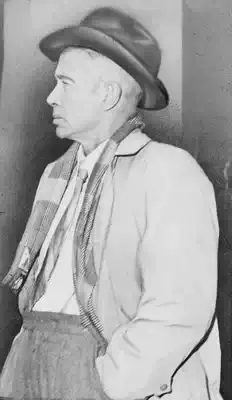
E. E. Cummings
when serpents bargain
when serpents bargain
when serpents bargain for the right to squirm
and the sun strikes to gain a living wage when
thorns regard their roses with alarm
and rainbows are insured against old age
when every thrush may sing no new moon in
if all screech-owls have not okayed his voice
-and any wave signs on the dotted line
or else an ocean is compelled to close
when the oak begs permission of the birch
to make an acorn - valleys accuse their
mountains of having altitude - and march
denounces april as a saboteur
then we'll believe in that incredible
unanimal mankind (and not until)
when serpents bargain for the right to squirm
and the sun strikes to gain a living wage when
thorns regard their roses with alarm
and rainbows are insured against old age
when every thrush may sing no new moon in
if all screech-owls have not okayed his voice
-and any wave signs on the dotted line
or else an ocean is compelled to close
when the oak begs permission of the birch
to make an acorn - valleys accuse their
mountains of having altitude - and march
denounces april as a saboteur
then we'll believe in that incredible
unanimal mankind (and not until)
593
E. E. Cummings
Spring is like a perhaps hand
Spring is like a perhaps hand
Spring is like a perhaps hand
(which comes carefully
out of Nowhere)arranging
a window,into which people look(while
people stare
arranging and changing placing
carefully there a strange
thing and a known thing here)and
changing everything carefully
spring is like a perhaps
Hand in a window
(carefully to
and fro moving New and
Old things,while
people stare carefully
moving a perhaps
fraction of flower here placing
an inch of air there)and
without breaking anything.
Spring is like a perhaps hand
(which comes carefully
out of Nowhere)arranging
a window,into which people look(while
people stare
arranging and changing placing
carefully there a strange
thing and a known thing here)and
changing everything carefully
spring is like a perhaps
Hand in a window
(carefully to
and fro moving New and
Old things,while
people stare carefully
moving a perhaps
fraction of flower here placing
an inch of air there)and
without breaking anything.
642
E. E. Cummings
maggie and milly and molly and may
maggie and milly and molly and may
maggie and milly and molly and may
went down to the beach (to play one day)
and maggie discovered a shell that sang
so sweetly she couldn’t remember her troubles,and
milly befriended a stranded star
whose rays five languid fingers were;
and molly was chased by a horrible thing
which raced sideways while blowing bubbles:and
may came home with a smooth round stone
as small as a world and as large as alone.
For whatever we lose(like a you or a me)
it’s always ourselves we find in the sea
maggie and milly and molly and may
went down to the beach (to play one day)
and maggie discovered a shell that sang
so sweetly she couldn’t remember her troubles,and
milly befriended a stranded star
whose rays five languid fingers were;
and molly was chased by a horrible thing
which raced sideways while blowing bubbles:and
may came home with a smooth round stone
as small as a world and as large as alone.
For whatever we lose(like a you or a me)
it’s always ourselves we find in the sea
921
E. E. Cummings
in just
in just
in Justspring
when the world is mudluscious
the little
lame balloonman
whistles far and wee
and eddieandbill come
running from marbles and
piracies and it's spring
when the world is puddle-wonderful
the queer
old balloonman whistles
far and wee
and bettyandisbel come dancing
from hop-scotch and jump-rope and
it's spring
and the goat-footed
balloonMan whistles
far
and
wee
in Justspring
when the world is mudluscious
the little
lame balloonman
whistles far and wee
and eddieandbill come
running from marbles and
piracies and it's spring
when the world is puddle-wonderful
the queer
old balloonman whistles
far and wee
and bettyandisbel come dancing
from hop-scotch and jump-rope and
it's spring
and the goat-footed
balloonMan whistles
far
and
wee
625
E. E. Cummings
i have found what you are like
i have found what you are like
i have found what you are like
the rain
(Who feathers frightened fields
with the superior dust-of-sleep. wields
easily the pale club of the wind
and swirled justly souls of flower strike
the air in utterable coolness
deeds of gren thrilling light
with thinned
newfragile yellows
lurch and press
--in the woods
which
stutter
and
sing
And the coolness of your smile is
stirringofbirds between my arms;but
i should rather than anything
have(almost when hugeness will shut
quietly)almost,
your kiss
i have found what you are like
the rain
(Who feathers frightened fields
with the superior dust-of-sleep. wields
easily the pale club of the wind
and swirled justly souls of flower strike
the air in utterable coolness
deeds of gren thrilling light
with thinned
newfragile yellows
lurch and press
--in the woods
which
stutter
and
sing
And the coolness of your smile is
stirringofbirds between my arms;but
i should rather than anything
have(almost when hugeness will shut
quietly)almost,
your kiss
550
E. E. Cummings
all in green
all in green
All in green went my love riding
on a great horse of gold
into the silver dawn.
Four lean hounds crouched low and smiling
the merry deer ran before.
Fleeter be they than dappled dreams
the swift red deer
the red rare deer.
Four red roebuck at a white water
the cruel bugle sang before.
Horn at hip went my love riding
riding the echo down
into the silver dawn.
Four lean hounds crouched low and smiling
the level meadows ran before.
Softer be they than slippered sleep
the lean lithe deer
the fleet flown deer.
Four fleet does at a gold valley
the famished arrow sang before.
Bow at belt went my love riding
riding the mountain down
into the silver dawn.
Four lean hounds crouched low and smiling
the sheer peaks ran before.
Paler be they than daunting death
the sleek slim deer
the tall tense deer.
Four tall stags at the green mountain
the lucky hunter sang before.
All in green went my love riding
on a great horse of gold
into the silver dawn.
Four lean hounds crouched low and smiling
my heart fell dead before.
All in green went my love riding
on a great horse of gold
into the silver dawn.
Four lean hounds crouched low and smiling
the merry deer ran before.
Fleeter be they than dappled dreams
the swift red deer
the red rare deer.
Four red roebuck at a white water
the cruel bugle sang before.
Horn at hip went my love riding
riding the echo down
into the silver dawn.
Four lean hounds crouched low and smiling
the level meadows ran before.
Softer be they than slippered sleep
the lean lithe deer
the fleet flown deer.
Four fleet does at a gold valley
the famished arrow sang before.
Bow at belt went my love riding
riding the mountain down
into the silver dawn.
Four lean hounds crouched low and smiling
the sheer peaks ran before.
Paler be they than daunting death
the sleek slim deer
the tall tense deer.
Four tall stags at the green mountain
the lucky hunter sang before.
All in green went my love riding
on a great horse of gold
into the silver dawn.
Four lean hounds crouched low and smiling
my heart fell dead before.
617
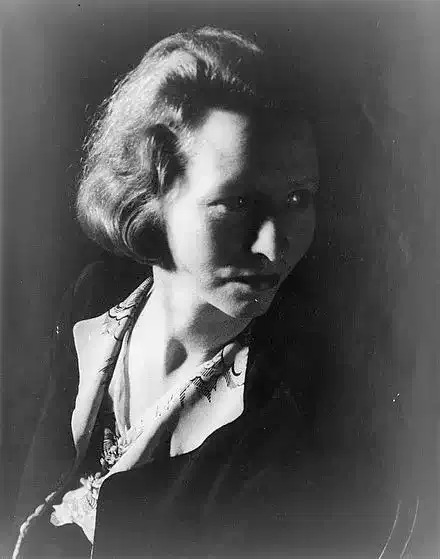
Edna St. Vincent Millay
Wild Swans
Wild Swans
I looked in my heart while the wild swans went over.
And what did I see I had not seen before?
Only a question less or a question more:
Nothing to match the flight of wild birds flying.
Tiresome heart, forever living and dying,
House without air, I leave you and lock your door.
Wild swans, come over the town, come over
The town again, trailing your legs and crying!
I looked in my heart while the wild swans went over.
And what did I see I had not seen before?
Only a question less or a question more:
Nothing to match the flight of wild birds flying.
Tiresome heart, forever living and dying,
House without air, I leave you and lock your door.
Wild swans, come over the town, come over
The town again, trailing your legs and crying!
339
Edna St. Vincent Millay
The Wood Road
The Wood Road
If I were to walk this way
Hand in hand with Grief,
I should mark that maple-spray
Coming into leaf.
I should note how the old burrs
Rot upon the ground.
Yes, though Grief should know me hers
While the world goes round,
It could not if truth be said
This was lost on me:
A rock-maple showing red,
Burrs beneath a tree.
If I were to walk this way
Hand in hand with Grief,
I should mark that maple-spray
Coming into leaf.
I should note how the old burrs
Rot upon the ground.
Yes, though Grief should know me hers
While the world goes round,
It could not if truth be said
This was lost on me:
A rock-maple showing red,
Burrs beneath a tree.
361
Edna St. Vincent Millay
Three Songs Of Shattering
Three Songs Of Shattering
I
The first rose on my rose-tree
Budded, bloomed, and shattered,
During sad days when to me
Nothing mattered.
Grief of grief has drained me clean;
Still it seems a pity
No one saw,—it must have been
Very pretty.
II
Let the little birds sing;
Let the little lambs play;
Spring is here; and so 'tis spring;—
But not in the old way!
I recall a place
Where a plum-tree grew;
There you lifted up your face,
And blossoms covered you.
If the little birds sing,
And the little lambs play,
Spring is here; and so 'tis spring—
But not in the old way!
III
All the dog-wood blossoms are underneath the tree!
Ere spring was going—ah, spring is gone!
And there comes no summer to the like of you and me,—
Blossom time is early, but no fruit sets on.
All the dog-wood blossoms are underneath the tree,
Browned at the edges, turned in a day;
And I would with all my heart they trimmed a mound for me,
And weeds were tall on all the paths that led that way!
I
The first rose on my rose-tree
Budded, bloomed, and shattered,
During sad days when to me
Nothing mattered.
Grief of grief has drained me clean;
Still it seems a pity
No one saw,—it must have been
Very pretty.
II
Let the little birds sing;
Let the little lambs play;
Spring is here; and so 'tis spring;—
But not in the old way!
I recall a place
Where a plum-tree grew;
There you lifted up your face,
And blossoms covered you.
If the little birds sing,
And the little lambs play,
Spring is here; and so 'tis spring—
But not in the old way!
III
All the dog-wood blossoms are underneath the tree!
Ere spring was going—ah, spring is gone!
And there comes no summer to the like of you and me,—
Blossom time is early, but no fruit sets on.
All the dog-wood blossoms are underneath the tree,
Browned at the edges, turned in a day;
And I would with all my heart they trimmed a mound for me,
And weeds were tall on all the paths that led that way!
429
Edna St. Vincent Millay
The Spring And The Fall
The Spring And The Fall
In the spring of the year, in the spring of the year,
I walked the road beside my dear.
The trees were black where the bark was wet.
I see them yet, in the spring of the year.
He broke me a bough of the blossoming peach
That was out of the way and hard to reach.
In the fall of the year, in the fall of the year,
I walked the road beside my dear.
The rooks went up with a raucous trill.
I hear them still, in the fall of the year.
He laughed at all I dared to praise,
And broke my heart, in little ways.
Year be springing or year be falling,
The bark will drip and the birds be calling.
There's much that's fine to see and hear
In the spring of a year, in the fall of a year.
'Tis not love's going hurt my days.
But that it went in little ways.
In the spring of the year, in the spring of the year,
I walked the road beside my dear.
The trees were black where the bark was wet.
I see them yet, in the spring of the year.
He broke me a bough of the blossoming peach
That was out of the way and hard to reach.
In the fall of the year, in the fall of the year,
I walked the road beside my dear.
The rooks went up with a raucous trill.
I hear them still, in the fall of the year.
He laughed at all I dared to praise,
And broke my heart, in little ways.
Year be springing or year be falling,
The bark will drip and the birds be calling.
There's much that's fine to see and hear
In the spring of a year, in the fall of a year.
'Tis not love's going hurt my days.
But that it went in little ways.
444