

Poems in this topic
Others

Dylan Thomas
Do Not Go Gentle Into That Good Night
Do not go gentle into that good night,
Old age should burn and rave at close of day;
Rage, rage against the dying of the light.
Though wise men at their end know dark is right,
Because their words had forked no lightning they
Do not go gentle into that good night.
Good men, the last wave by, crying how bright
Their frail deeds might have danced in a green bay,
Rage, rage against the dying of the light.
Wild men who caught and sang the sun in flight,
And learn, too late, they grieved it on its way,
Do not go gentle into that good night.
Grave men, near death, who see with blinding sight
Blind eyes could blaze like meteors and be gay,
Rage, rage against the dying of the light.
And you, my father, there on that sad height,
Curse, bless, me now with your fierce tears, I pray.
Do not go gentle into that good night.
Rage, rage against the dying of the light.
Old age should burn and rave at close of day;
Rage, rage against the dying of the light.
Though wise men at their end know dark is right,
Because their words had forked no lightning they
Do not go gentle into that good night.
Good men, the last wave by, crying how bright
Their frail deeds might have danced in a green bay,
Rage, rage against the dying of the light.
Wild men who caught and sang the sun in flight,
And learn, too late, they grieved it on its way,
Do not go gentle into that good night.
Grave men, near death, who see with blinding sight
Blind eyes could blaze like meteors and be gay,
Rage, rage against the dying of the light.
And you, my father, there on that sad height,
Curse, bless, me now with your fierce tears, I pray.
Do not go gentle into that good night.
Rage, rage against the dying of the light.
3,415
88

William Shakespeare
Shall I compare thee to a summer's day? (Sonnet 18)
Shall I compare thee to a summer's day? (Sonnet 18)
Shall I compare thee to a summer's day?
Thou art more lovely and more temperate.
Rough winds do shake the darling buds of May,
And summer's lease hath all too short a date.
Sometime too hot the eye of heaven shines,
And often is his gold complexion dimmed;
And every fair from fair sometime declines,
By chance, or nature's changing course, untrimmed;
But thy eternal summer shall not fade,
Nor lose possession of that fair thou ow'st,
Nor shall death brag thou wand'rest in his shade,
When in eternal lines to Time thou grow'st.
So long as men can breathe, or eyes can see,
So long lives this, and this gives life to thee.
Shall I compare thee to a summer's day?
Thou art more lovely and more temperate.
Rough winds do shake the darling buds of May,
And summer's lease hath all too short a date.
Sometime too hot the eye of heaven shines,
And often is his gold complexion dimmed;
And every fair from fair sometime declines,
By chance, or nature's changing course, untrimmed;
But thy eternal summer shall not fade,
Nor lose possession of that fair thou ow'st,
Nor shall death brag thou wand'rest in his shade,
When in eternal lines to Time thou grow'st.
So long as men can breathe, or eyes can see,
So long lives this, and this gives life to thee.
1,804
2
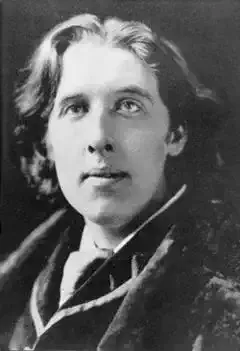
Oscar Wilde
Madonna Mia
A lily-girl, not made for this world's pain,
With brown, soft hair close braided by her ears,
And longing eyes half veiled by slumberous tears
Like bluest water seen through mists of rain:
Pale cheeks whereon no love hath left its stain,
Red underlip drawn in for fear of love,
And white throat, whiter than the silvered dove,
Through whose wan marble creeps one purple vein.
Yet, though my lips shall praise her without cease,
Even to kiss her feet I am not bold,
Being o'ershadowed by the wings of awe,
Like Dante, when he stood with Beatrice
Beneath the flaming Lion's breast, and saw
The seventh Crystal, and the Stair of Gold.
With brown, soft hair close braided by her ears,
And longing eyes half veiled by slumberous tears
Like bluest water seen through mists of rain:
Pale cheeks whereon no love hath left its stain,
Red underlip drawn in for fear of love,
And white throat, whiter than the silvered dove,
Through whose wan marble creeps one purple vein.
Yet, though my lips shall praise her without cease,
Even to kiss her feet I am not bold,
Being o'ershadowed by the wings of awe,
Like Dante, when he stood with Beatrice
Beneath the flaming Lion's breast, and saw
The seventh Crystal, and the Stair of Gold.
775
1
Oscar Wilde
Madonna Mia
A lily-girl, not made for this world's pain,
With brown, soft hair close braided by her ears,
And longing eyes half veiled by slumberous tears
Like bluest water seen through mists of rain:
Pale cheeks whereon no love hath left its stain,
Red underlip drawn in for fear of love,
And white throat, whiter than the silvered dove,
Through whose wan marble creeps one purple vein.
Yet, though my lips shall praise her without cease,
Even to kiss her feet I am not bold,
Being o'ershadowed by the wings of awe,
Like Dante, when he stood with Beatrice
Beneath the flaming Lion's breast, and saw
The seventh Crystal, and the Stair of Gold.
With brown, soft hair close braided by her ears,
And longing eyes half veiled by slumberous tears
Like bluest water seen through mists of rain:
Pale cheeks whereon no love hath left its stain,
Red underlip drawn in for fear of love,
And white throat, whiter than the silvered dove,
Through whose wan marble creeps one purple vein.
Yet, though my lips shall praise her without cease,
Even to kiss her feet I am not bold,
Being o'ershadowed by the wings of awe,
Like Dante, when he stood with Beatrice
Beneath the flaming Lion's breast, and saw
The seventh Crystal, and the Stair of Gold.
775
1
Oscar Wilde
A Vision
Two crowned Kings, and One that stood alone
With no green weight of laurels round his head,
But with sad eyes as one uncomforted,
And wearied with man's never-ceasing moan
For sins no bleating victim can atone,
And sweet long lips with tears and kisses fed.
Girt was he in a garment black and red,
And at his feet I marked a broken stone
Which sent up lilies, dove-like, to his knees.
Now at their sight, my heart being lit with flame,
I cried to Beatrice, 'Who are these?'
And she made answer, knowing well each name,
'AEschylos first, the second Sophokles,
And last (wide stream of tears!) Euripides.'
With no green weight of laurels round his head,
But with sad eyes as one uncomforted,
And wearied with man's never-ceasing moan
For sins no bleating victim can atone,
And sweet long lips with tears and kisses fed.
Girt was he in a garment black and red,
And at his feet I marked a broken stone
Which sent up lilies, dove-like, to his knees.
Now at their sight, my heart being lit with flame,
I cried to Beatrice, 'Who are these?'
And she made answer, knowing well each name,
'AEschylos first, the second Sophokles,
And last (wide stream of tears!) Euripides.'
2,078
1
Oscar Wilde
A Vision
Two crowned Kings, and One that stood alone
With no green weight of laurels round his head,
But with sad eyes as one uncomforted,
And wearied with man's never-ceasing moan
For sins no bleating victim can atone,
And sweet long lips with tears and kisses fed.
Girt was he in a garment black and red,
And at his feet I marked a broken stone
Which sent up lilies, dove-like, to his knees.
Now at their sight, my heart being lit with flame,
I cried to Beatrice, 'Who are these?'
And she made answer, knowing well each name,
'AEschylos first, the second Sophokles,
And last (wide stream of tears!) Euripides.'
With no green weight of laurels round his head,
But with sad eyes as one uncomforted,
And wearied with man's never-ceasing moan
For sins no bleating victim can atone,
And sweet long lips with tears and kisses fed.
Girt was he in a garment black and red,
And at his feet I marked a broken stone
Which sent up lilies, dove-like, to his knees.
Now at their sight, my heart being lit with flame,
I cried to Beatrice, 'Who are these?'
And she made answer, knowing well each name,
'AEschylos first, the second Sophokles,
And last (wide stream of tears!) Euripides.'
2,078
1
Oscar Wilde
A Vision
Two crowned Kings, and One that stood alone
With no green weight of laurels round his head,
But with sad eyes as one uncomforted,
And wearied with man's never-ceasing moan
For sins no bleating victim can atone,
And sweet long lips with tears and kisses fed.
Girt was he in a garment black and red,
And at his feet I marked a broken stone
Which sent up lilies, dove-like, to his knees.
Now at their sight, my heart being lit with flame,
I cried to Beatrice, 'Who are these?'
And she made answer, knowing well each name,
'AEschylos first, the second Sophokles,
And last (wide stream of tears!) Euripides.'
With no green weight of laurels round his head,
But with sad eyes as one uncomforted,
And wearied with man's never-ceasing moan
For sins no bleating victim can atone,
And sweet long lips with tears and kisses fed.
Girt was he in a garment black and red,
And at his feet I marked a broken stone
Which sent up lilies, dove-like, to his knees.
Now at their sight, my heart being lit with flame,
I cried to Beatrice, 'Who are these?'
And she made answer, knowing well each name,
'AEschylos first, the second Sophokles,
And last (wide stream of tears!) Euripides.'
2,078
1
Oscar Wilde
A Vision
Two crowned Kings, and One that stood alone
With no green weight of laurels round his head,
But with sad eyes as one uncomforted,
And wearied with man's never-ceasing moan
For sins no bleating victim can atone,
And sweet long lips with tears and kisses fed.
Girt was he in a garment black and red,
And at his feet I marked a broken stone
Which sent up lilies, dove-like, to his knees.
Now at their sight, my heart being lit with flame,
I cried to Beatrice, 'Who are these?'
And she made answer, knowing well each name,
'AEschylos first, the second Sophokles,
And last (wide stream of tears!) Euripides.'
With no green weight of laurels round his head,
But with sad eyes as one uncomforted,
And wearied with man's never-ceasing moan
For sins no bleating victim can atone,
And sweet long lips with tears and kisses fed.
Girt was he in a garment black and red,
And at his feet I marked a broken stone
Which sent up lilies, dove-like, to his knees.
Now at their sight, my heart being lit with flame,
I cried to Beatrice, 'Who are these?'
And she made answer, knowing well each name,
'AEschylos first, the second Sophokles,
And last (wide stream of tears!) Euripides.'
2,078
1
William Shakespeare
Carpe Diem
Carpe Diem
O mistress mine, where are you roaming?
O stay and hear! your true-love's coming
That can sing both high and low;
Trip no further, pretty sweeting,
Journey's end in lovers' meeting--
Every wise man's son doth know.
What is love? 'tis not hereafter;
Present mirth hath present laughter;
What's to come is still unsure:
In delay there lies no plenty,--
Then come kiss me, Sweet and twenty,
Youth's a stuff will not endure.
O mistress mine, where are you roaming?
O stay and hear! your true-love's coming
That can sing both high and low;
Trip no further, pretty sweeting,
Journey's end in lovers' meeting--
Every wise man's son doth know.
What is love? 'tis not hereafter;
Present mirth hath present laughter;
What's to come is still unsure:
In delay there lies no plenty,--
Then come kiss me, Sweet and twenty,
Youth's a stuff will not endure.
2,284
1

Kazi Nazrul Islam
Don't be afraid, O human soul!
Don't be afraid, O human soul!
The power thrones of today represent devil's affair,
the power-hungry monsters are busy playing there.
Don't be afraid, O human soul! Don't break down in tear!
The drunkard of the underworld won't prevail much longer here.
With injustice and wrongs black-stained is his throne,
his sword is rusted with curse of those under oppression.
Painting the sky dark yellow approaches the monsoon storm in full power,
the greedy ones are beguiled thinking, this is beautiful twilight hour.
The fire they have spread around the world, now in its flame in turn,
like blazing fire, everywhere, these wretcheds will burn.
The traveler of the path of truth! Don't be afraid, don't fear!
Those who seek peace, defeat is not for them, my dear!
Sometimes the enemies of peace win in their disguise,
at the end only in humiliation and shame comes their inevitable demise.
Dusts of the road rise off the ground as wind blows strong,
if you think, they are on the rise, won't that be wrong?
Those who want to ascend above, these trash stand in their way;
they can make the road slippery, but the mud doesn't win the day.
In tranquility, win or defeat, we will treat the same,
if we win, we will dedicate it to His glory and name.
If we lose, we will be greeted by Him in the hereafter,
if we are battle-wounded, we will be His beloved, forever.
Sometimes they will win, but never shall we retreat!
Our Lord tests us - we will take it as His treat.
Does hatred ever bring back those who are lost?
To win their heart, with love first our heart must defrost.
Those who knowingly practice oppression and take away others' right,
it is against them, the sword of God is always ready and upright.
Don't be hard on those who, in ignorance, go astray!
They might return to the truth, if you show love, and pray!
In His one name, invite people of all nation;
Hold sword in hand, while offer your heart with love and affection.
The whole world would be in your favor, if at you His grace flashes;
all the enemies of the truth, you will see, will burn into ashes.
Those whose hearts among us are stained with temptation,
they also deserve discipline, before facing God's condemnation.
March forward, O the new warriors, indomitable!
Prevent our journey and progress? No one would be able!
Let faith and patience be the lasting friends - yours and mine.
On our path, the light of such and of moon will always shine.
Don't be afraid! Have no fear!
Falsehood will definitely disappear!
Truth will triumph, O my dear!
Those who treat the meek with bloody eyes, finished is their share!
This world belongs to people, not to any throne; declare!
Those who disgrace the blessed power from their power-bed,
at the command of the King of kings, they lose their head.
The rule of the ship-owners is ending; it won't be very long,
to the real king of the universe, all the countries will belong.
O blood-eyed vultures, monsters! Beware, beware!
To beguile others and make forget God's command, how do you dare?
We fear one God only; no one else do we fear!
Our guide is the Omnipotent, our Lord so dear!
Sky, earth, moon, planets, and stars are witnesses, I say,
as to who are the followers of truth, and who go astray.
Don't be afraid; have no fear!
Falsehood will surely disappear!
Truth will be triumphant, my dear!
[Original: Bhoy Koriyo Na, He Manobata; Translation: Mohammad Omar Farooq]
The power thrones of today represent devil's affair,
the power-hungry monsters are busy playing there.
Don't be afraid, O human soul! Don't break down in tear!
The drunkard of the underworld won't prevail much longer here.
With injustice and wrongs black-stained is his throne,
his sword is rusted with curse of those under oppression.
Painting the sky dark yellow approaches the monsoon storm in full power,
the greedy ones are beguiled thinking, this is beautiful twilight hour.
The fire they have spread around the world, now in its flame in turn,
like blazing fire, everywhere, these wretcheds will burn.
The traveler of the path of truth! Don't be afraid, don't fear!
Those who seek peace, defeat is not for them, my dear!
Sometimes the enemies of peace win in their disguise,
at the end only in humiliation and shame comes their inevitable demise.
Dusts of the road rise off the ground as wind blows strong,
if you think, they are on the rise, won't that be wrong?
Those who want to ascend above, these trash stand in their way;
they can make the road slippery, but the mud doesn't win the day.
In tranquility, win or defeat, we will treat the same,
if we win, we will dedicate it to His glory and name.
If we lose, we will be greeted by Him in the hereafter,
if we are battle-wounded, we will be His beloved, forever.
Sometimes they will win, but never shall we retreat!
Our Lord tests us - we will take it as His treat.
Does hatred ever bring back those who are lost?
To win their heart, with love first our heart must defrost.
Those who knowingly practice oppression and take away others' right,
it is against them, the sword of God is always ready and upright.
Don't be hard on those who, in ignorance, go astray!
They might return to the truth, if you show love, and pray!
In His one name, invite people of all nation;
Hold sword in hand, while offer your heart with love and affection.
The whole world would be in your favor, if at you His grace flashes;
all the enemies of the truth, you will see, will burn into ashes.
Those whose hearts among us are stained with temptation,
they also deserve discipline, before facing God's condemnation.
March forward, O the new warriors, indomitable!
Prevent our journey and progress? No one would be able!
Let faith and patience be the lasting friends - yours and mine.
On our path, the light of such and of moon will always shine.
Don't be afraid! Have no fear!
Falsehood will definitely disappear!
Truth will triumph, O my dear!
Those who treat the meek with bloody eyes, finished is their share!
This world belongs to people, not to any throne; declare!
Those who disgrace the blessed power from their power-bed,
at the command of the King of kings, they lose their head.
The rule of the ship-owners is ending; it won't be very long,
to the real king of the universe, all the countries will belong.
O blood-eyed vultures, monsters! Beware, beware!
To beguile others and make forget God's command, how do you dare?
We fear one God only; no one else do we fear!
Our guide is the Omnipotent, our Lord so dear!
Sky, earth, moon, planets, and stars are witnesses, I say,
as to who are the followers of truth, and who go astray.
Don't be afraid; have no fear!
Falsehood will surely disappear!
Truth will be triumphant, my dear!
[Original: Bhoy Koriyo Na, He Manobata; Translation: Mohammad Omar Farooq]
1,739
1

John Donne
Ascension
Ascension
Salute the last and everlasting day,
Joy at th' uprising of this Sun, and Son,
Ye whose true tears, or tribulation
Have purely wash'd, or burnt your drossy clay.
Behold, the Highest, parting hence away,
Lightens the dark clouds, which He treads upon ;
Nor doth He by ascending show alone,
But first He, and He first enters the way.
O strong Ram, which hast batter'd heaven for me !
Mild Lamb, which with Thy Blood hast mark'd the path !
Bright Torch, which shinest, that I the way may see !
O, with Thy own Blood quench Thy own just wrath ;
And if Thy Holy Spirit my Muse did raise,
Deign at my hands this crown of prayer and praise.
Salute the last and everlasting day,
Joy at th' uprising of this Sun, and Son,
Ye whose true tears, or tribulation
Have purely wash'd, or burnt your drossy clay.
Behold, the Highest, parting hence away,
Lightens the dark clouds, which He treads upon ;
Nor doth He by ascending show alone,
But first He, and He first enters the way.
O strong Ram, which hast batter'd heaven for me !
Mild Lamb, which with Thy Blood hast mark'd the path !
Bright Torch, which shinest, that I the way may see !
O, with Thy own Blood quench Thy own just wrath ;
And if Thy Holy Spirit my Muse did raise,
Deign at my hands this crown of prayer and praise.
384
1
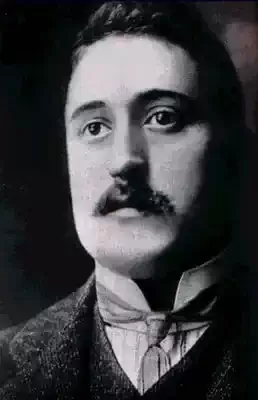
Guillaume Apollinaire
Shadow
Shadow
Here you are beside me again
Memories of my companions killed in the war
The olive-branch of time
Memories that make only a single memory
As a hundred skins make only a single coat
As these thousands of wounds make only a single
newspaper article
Impalpable and ark presence who have assumed
the changing shape of my shadow
an Indian on the watch through all Eternity
shadow you creep beside me
but you do not hear me any more
you will not know any more the divine poems I sing
but I hear you still and see you still
Destinies
Multiple shadows may the sun preserve you
You who love me so much that you will never leave me
And who dance in the sun without stirring the dust
Shadow ink of the sun
Signature of my light
Holder of sorrows
A god that condescends.
Here you are beside me again
Memories of my companions killed in the war
The olive-branch of time
Memories that make only a single memory
As a hundred skins make only a single coat
As these thousands of wounds make only a single
newspaper article
Impalpable and ark presence who have assumed
the changing shape of my shadow
an Indian on the watch through all Eternity
shadow you creep beside me
but you do not hear me any more
you will not know any more the divine poems I sing
but I hear you still and see you still
Destinies
Multiple shadows may the sun preserve you
You who love me so much that you will never leave me
And who dance in the sun without stirring the dust
Shadow ink of the sun
Signature of my light
Holder of sorrows
A god that condescends.
1,250
1
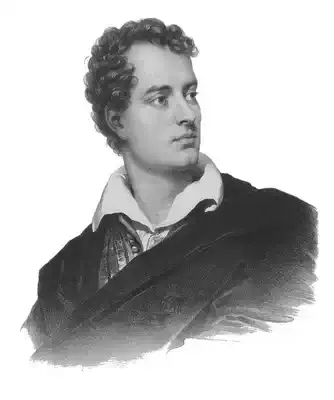
Lord Byron
On Jordan's Banks
On Jordan's Banks
On Jordan's banks the Arab's camels stray,
On Sion's hill the False One's votaries pray,
The Baaladorer
bows on Sinai's steep Yet
there even
there Oh
God! thy thunders sleep:
There where
thy finger scorch'd the tablet stone!
There where
thy shadow to thy people shone!
Thy glory shrouded in its garb of fire:
Thyself none
living see and not expire!
Oh! in the lightning let thy glance appear;
Sweep from his shiver'd hand the oppressor's spear!
How long by tyrants shall thy land be trod?
How long thy temple worshipless, Oh God?
On Jordan's banks the Arab's camels stray,
On Sion's hill the False One's votaries pray,
The Baaladorer
bows on Sinai's steep Yet
there even
there Oh
God! thy thunders sleep:
There where
thy finger scorch'd the tablet stone!
There where
thy shadow to thy people shone!
Thy glory shrouded in its garb of fire:
Thyself none
living see and not expire!
Oh! in the lightning let thy glance appear;
Sweep from his shiver'd hand the oppressor's spear!
How long by tyrants shall thy land be trod?
How long thy temple worshipless, Oh God?
1,293
1
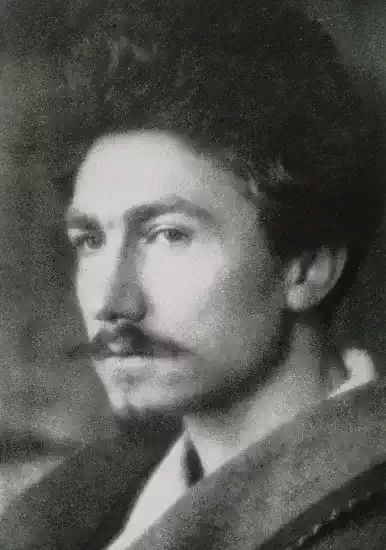
Ezra Pound
Dum Capitolium Scandet
Dum Capitolium Scandet
How many will come after me
singing as well as I sing, none better;
Telling the heart of their truth
as I have taught them to tell it;
Fruit of my seed,
O my unnameable children.
Know then that I loved you from afore-time,
Clear speakers, naked in the sun, untrammelled.
How many will come after me
singing as well as I sing, none better;
Telling the heart of their truth
as I have taught them to tell it;
Fruit of my seed,
O my unnameable children.
Know then that I loved you from afore-time,
Clear speakers, naked in the sun, untrammelled.
1,179
1
Ezra Pound
Dum Capitolium Scandet
Dum Capitolium Scandet
How many will come after me
singing as well as I sing, none better;
Telling the heart of their truth
as I have taught them to tell it;
Fruit of my seed,
O my unnameable children.
Know then that I loved you from afore-time,
Clear speakers, naked in the sun, untrammelled.
How many will come after me
singing as well as I sing, none better;
Telling the heart of their truth
as I have taught them to tell it;
Fruit of my seed,
O my unnameable children.
Know then that I loved you from afore-time,
Clear speakers, naked in the sun, untrammelled.
1,179
1

Emily Dickinson
The Test of Love—is Death
The Test of Love—is Death
573
The Test of Love—is Death—
Our Lord—"so loved"—it saith—
What Largest Lover—hath
Another—doth—
If smaller Patience—be—
Through less Infinity—
If Bravo, sometimes swerve—
Through fainter Nerve—
Accept its Most—
And overlook—the Dust—
Last—Least—
The Cross'—Request—
573
The Test of Love—is Death—
Our Lord—"so loved"—it saith—
What Largest Lover—hath
Another—doth—
If smaller Patience—be—
Through less Infinity—
If Bravo, sometimes swerve—
Through fainter Nerve—
Accept its Most—
And overlook—the Dust—
Last—Least—
The Cross'—Request—
954
1

Elizabeth Bishop
Seascape
Seascape
This celestial seascape, with white herons got up as angels,
flying high as they want and as far as they want sidewise
in tiers and tiers of immaculate reflections;
the whole region, from the highest heron
down to the weightless mangrove island
with bright green leaves edged neatly with bird-droppings
like illumination in silver,
and down to the suggestively Gothic arches of the mangrove roots
and the beautiful pea-green back-pasture
where occasionally a fish jumps, like a wildflower
in an ornamental spray of spray;
this cartoon by Raphael for a tapestry for a Pope:
it does look like heaven.
But a skeletal lighthouse standing there
in black and white clerical dress,
who lives on his nerves, thinks he knows better.
He thinks that hell rages below his iron feet,
that that is why the shallow water is so warm,
and he knows that heaven is not like this.
Heaven is not like flying or swimming,
but has something to do with blackness and a strong glare
and when it gets dark he will remember something
strongly worded to say on the subject.
This celestial seascape, with white herons got up as angels,
flying high as they want and as far as they want sidewise
in tiers and tiers of immaculate reflections;
the whole region, from the highest heron
down to the weightless mangrove island
with bright green leaves edged neatly with bird-droppings
like illumination in silver,
and down to the suggestively Gothic arches of the mangrove roots
and the beautiful pea-green back-pasture
where occasionally a fish jumps, like a wildflower
in an ornamental spray of spray;
this cartoon by Raphael for a tapestry for a Pope:
it does look like heaven.
But a skeletal lighthouse standing there
in black and white clerical dress,
who lives on his nerves, thinks he knows better.
He thinks that hell rages below his iron feet,
that that is why the shallow water is so warm,
and he knows that heaven is not like this.
Heaven is not like flying or swimming,
but has something to do with blackness and a strong glare
and when it gets dark he will remember something
strongly worded to say on the subject.
1,354
1
Elizabeth Bishop
Love Lies Sleeping
Love Lies Sleeping
Earliest morning, switching all the tracks
that cross the sky from cinder star to star,
coupling the ends of streets
to trains of light.
now draw us into daylight in our beds;
and clear away what presses on the brain:
put out the neon shapes
that float and swell and glare
down the gray avenue between the eyes
in pinks and yellows, letters and twitching signs.
Hang-over moons, wane, wane!
From the window I see
an immense city, carefully revealed,
made delicate by over-workmanship,
detail upon detail,
cornice upon facade,
reaching up so languidly up into
a weak white sky, it seems to waver there.
(Where it has slowly grown
in skies of water-glass
from fused beads of iron and copper crystals,
the little chemical "garden" in a jar
trembles and stands again,
pale blue, blue-green, and brick.)
The sparrows hurriedly begin their play.
Then, in the West, "Boom!" and a cloud of smoke.
"Boom!" and the exploding ball
of blossom blooms again.
(And all the employees who work in a plants
where such a sound says "Danger," or once said "Death,"
turn in their sleep and feel
the short hairs bristling
on backs of necks.) The cloud of smoke moves off.
A shirt is taken of a threadlike clothes-line.
Along the street below
the water-wagon comes
throwing its hissing, snowy fan across
peelings and newspapers. The water dries
light-dry, dark-wet, the pattern
of the cool watermelon.
I hear the day-springs of the morning strike
from stony walls and halls and iron beds,
scattered or grouped cascades,
alarms for the expected:
queer cupids of all persons getting up,
whose evening meal they will prepare all day,
you will dine well
on his heart, on his, and his,
so send them about your business affectionately,
dragging in the streets their unique loves.
Scourge them with roses only,
be light as helium,
for always to one, or several, morning comes
whose head has fallen over the edge of his bed,
whose face is turned
so that the image of
the city grows down into his open eyes
inverted and distorted. No. I mean
distorted and revealed,
if he sees it at all.
Earliest morning, switching all the tracks
that cross the sky from cinder star to star,
coupling the ends of streets
to trains of light.
now draw us into daylight in our beds;
and clear away what presses on the brain:
put out the neon shapes
that float and swell and glare
down the gray avenue between the eyes
in pinks and yellows, letters and twitching signs.
Hang-over moons, wane, wane!
From the window I see
an immense city, carefully revealed,
made delicate by over-workmanship,
detail upon detail,
cornice upon facade,
reaching up so languidly up into
a weak white sky, it seems to waver there.
(Where it has slowly grown
in skies of water-glass
from fused beads of iron and copper crystals,
the little chemical "garden" in a jar
trembles and stands again,
pale blue, blue-green, and brick.)
The sparrows hurriedly begin their play.
Then, in the West, "Boom!" and a cloud of smoke.
"Boom!" and the exploding ball
of blossom blooms again.
(And all the employees who work in a plants
where such a sound says "Danger," or once said "Death,"
turn in their sleep and feel
the short hairs bristling
on backs of necks.) The cloud of smoke moves off.
A shirt is taken of a threadlike clothes-line.
Along the street below
the water-wagon comes
throwing its hissing, snowy fan across
peelings and newspapers. The water dries
light-dry, dark-wet, the pattern
of the cool watermelon.
I hear the day-springs of the morning strike
from stony walls and halls and iron beds,
scattered or grouped cascades,
alarms for the expected:
queer cupids of all persons getting up,
whose evening meal they will prepare all day,
you will dine well
on his heart, on his, and his,
so send them about your business affectionately,
dragging in the streets their unique loves.
Scourge them with roses only,
be light as helium,
for always to one, or several, morning comes
whose head has fallen over the edge of his bed,
whose face is turned
so that the image of
the city grows down into his open eyes
inverted and distorted. No. I mean
distorted and revealed,
if he sees it at all.
1,123
1
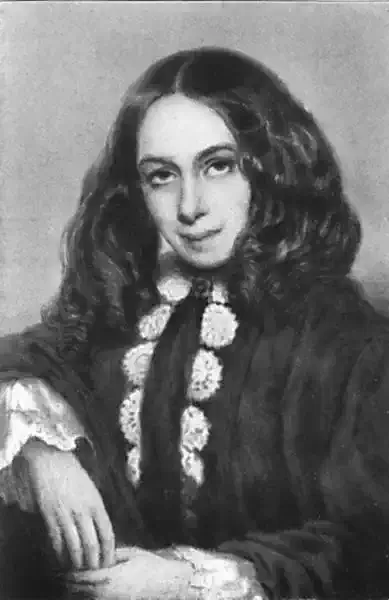
Elizabeth Barrett Browning
XXII
XXII
When our two souls stand up erect and strong,
Face to face, silent, drawing nigh and nigher,
Until the lengthening wings break into fire
At either curved point,--what bitter wrong
Can the earth do to us, that we should not long
Be here contented ? Think. In mounting higher,
The angels would press on us and aspire
To drop some golden orb of perfect song
Into our deep, dear silence. Let us stay
Rather on earth, Beloved,--where the unfit
Contrarious moods of men recoil away
And isolate pure spirits, and permit
A place to stand and love in for a day,
With darkness and the death-hour rounding it.
When our two souls stand up erect and strong,
Face to face, silent, drawing nigh and nigher,
Until the lengthening wings break into fire
At either curved point,--what bitter wrong
Can the earth do to us, that we should not long
Be here contented ? Think. In mounting higher,
The angels would press on us and aspire
To drop some golden orb of perfect song
Into our deep, dear silence. Let us stay
Rather on earth, Beloved,--where the unfit
Contrarious moods of men recoil away
And isolate pure spirits, and permit
A place to stand and love in for a day,
With darkness and the death-hour rounding it.
1,061
1
Elizabeth Barrett Browning
XXIV
XXIV
Let the world's sharpness, like a clasping knife,
Shut in upon itself and do no harm
In this close hand of Love, now soft and warm,
And let us hear no sound of human strife
After the click of the shutting. Life to life--
I lean upon thee, Dear, without alarm,
And feel as safe as guarded by a charm
Against the stab of worldlings, who if rife
Are weak to injure. Very whitely still
The lilies of our lives may reassure
Their blossoms from their roots, accessible
Alone to heavenly dews that drop not fewer,
Growing straight, out of man's reach, on the hill.
God only, who made us rich, can make us poor.
Let the world's sharpness, like a clasping knife,
Shut in upon itself and do no harm
In this close hand of Love, now soft and warm,
And let us hear no sound of human strife
After the click of the shutting. Life to life--
I lean upon thee, Dear, without alarm,
And feel as safe as guarded by a charm
Against the stab of worldlings, who if rife
Are weak to injure. Very whitely still
The lilies of our lives may reassure
Their blossoms from their roots, accessible
Alone to heavenly dews that drop not fewer,
Growing straight, out of man's reach, on the hill.
God only, who made us rich, can make us poor.
946
1
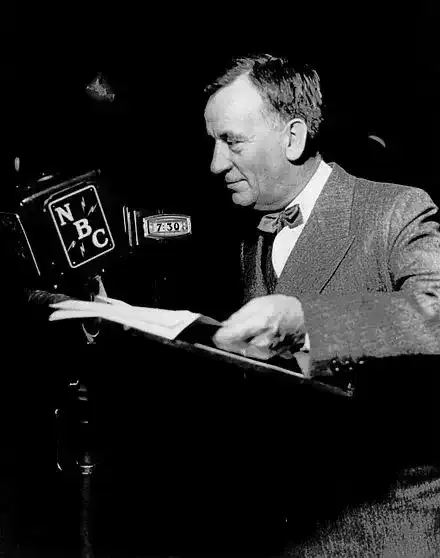
Edgar Albert Guest
A Father's Prayer
A Father's Prayer
Lord, make me tolerant and wise;
Incline my ears to hear him through;
Let him not stand with downcast eyes,
Fearing to trust me and be true.
Instruct me so that I may know
The way my son and I should go.
When he shall err, as once did I,
Or boyhood folly bids him stray,
Let me not into anger fly
And drive the good in him away.
Teach me to win his trust, that he
Shall keep no secret hid from me.
Lord, strengthen me that I may be .
A fit example for my son.
Grant he may never hear or see
A shameful deed that I have done.
However sorely I am tried,
Let me not undermine his pride.
In spite of years and temples gray,
Still let my spirit beat with joy;
Teach me to share in all his play
And be a comrade with my boy.
Wherever we may chance to be,
Let him find happiness with me.
Lord, as his father, now I pray
For manhood's strength and counsel wise;
Let me deal justly, day by day,
In all that fatherhood implies.
To be his father, keep me fit;
Let me not play the hypocrite!
Lord, make me tolerant and wise;
Incline my ears to hear him through;
Let him not stand with downcast eyes,
Fearing to trust me and be true.
Instruct me so that I may know
The way my son and I should go.
When he shall err, as once did I,
Or boyhood folly bids him stray,
Let me not into anger fly
And drive the good in him away.
Teach me to win his trust, that he
Shall keep no secret hid from me.
Lord, strengthen me that I may be .
A fit example for my son.
Grant he may never hear or see
A shameful deed that I have done.
However sorely I am tried,
Let me not undermine his pride.
In spite of years and temples gray,
Still let my spirit beat with joy;
Teach me to share in all his play
And be a comrade with my boy.
Wherever we may chance to be,
Let him find happiness with me.
Lord, as his father, now I pray
For manhood's strength and counsel wise;
Let me deal justly, day by day,
In all that fatherhood implies.
To be his father, keep me fit;
Let me not play the hypocrite!
1,320
1

Alexander Pope
With sweeter notes each rising temple rung;
With sweeter notes each rising temple rung;
A Raphael painted and a Vida sung;
Immortal Vida! on whose honour'd brow
The poet's bays and critics ivy grow:
Cremona now shall ever boast they name,
As next in place to Mantua, next in fame!
But soon by impious arms from Latium chased,
Their ancient bounds the banish'd Muses pass'd;
Thence arts o'er all the northern world advance,
But critic learning flourish'd most in France;
The rules a nation born to serve obeys,
And Boileau still in right of Horace sways.
But we, brave Britons, foreign laws despised,
And kept unconquer'd and uncivilized;
Fierce for the liberties of wit, and bold,
We still defied the Romans, as of old.
Yet some there were, among the sounder few
Of those who less presumed and better knew,
Who durst assert the juster ancient cause,
And here restor'd WIt's fundamental laws.
Such was the Muse whose rules and practice tell
``Nature's chief masterpiece is writing well.''
Such was Roscommon, not more learn'd than good,
With manners gen'rous as his noble blood;
To him the wit of Greece and Rome was known,
And every author's merit but his own.
Such late was Walsh--the Muse's judge and friend,
Who justly knew to blame or to commend;
To failings mild but zealous for desert,
The clearest head, and the sincerest heart.
This humble praise, lamented Shade! receive;
This praise at least a grateful Muse may give:
The Muse whose early voice you taught to sing,
Prescribed her heights, and pruned her tender wing,
(Her guide now lost), no more attempts to rise,
But in low numbers short excursions tries;
Content if hence th'unlearn'd their wants may view,
The learn'd reflect on what before they knew;
Careless of censure, nor too fond of fame;
Still pleas'd to praise, yet not afraid to blame;
Averse alike to flatter or offend;
Not free from faults, nor yet too vain to mend.
A Raphael painted and a Vida sung;
Immortal Vida! on whose honour'd brow
The poet's bays and critics ivy grow:
Cremona now shall ever boast they name,
As next in place to Mantua, next in fame!
But soon by impious arms from Latium chased,
Their ancient bounds the banish'd Muses pass'd;
Thence arts o'er all the northern world advance,
But critic learning flourish'd most in France;
The rules a nation born to serve obeys,
And Boileau still in right of Horace sways.
But we, brave Britons, foreign laws despised,
And kept unconquer'd and uncivilized;
Fierce for the liberties of wit, and bold,
We still defied the Romans, as of old.
Yet some there were, among the sounder few
Of those who less presumed and better knew,
Who durst assert the juster ancient cause,
And here restor'd WIt's fundamental laws.
Such was the Muse whose rules and practice tell
``Nature's chief masterpiece is writing well.''
Such was Roscommon, not more learn'd than good,
With manners gen'rous as his noble blood;
To him the wit of Greece and Rome was known,
And every author's merit but his own.
Such late was Walsh--the Muse's judge and friend,
Who justly knew to blame or to commend;
To failings mild but zealous for desert,
The clearest head, and the sincerest heart.
This humble praise, lamented Shade! receive;
This praise at least a grateful Muse may give:
The Muse whose early voice you taught to sing,
Prescribed her heights, and pruned her tender wing,
(Her guide now lost), no more attempts to rise,
But in low numbers short excursions tries;
Content if hence th'unlearn'd their wants may view,
The learn'd reflect on what before they knew;
Careless of censure, nor too fond of fame;
Still pleas'd to praise, yet not afraid to blame;
Averse alike to flatter or offend;
Not free from faults, nor yet too vain to mend.
707
1
Alexander Pope
With sweeter notes each rising temple rung;
With sweeter notes each rising temple rung;
A Raphael painted and a Vida sung;
Immortal Vida! on whose honour'd brow
The poet's bays and critics ivy grow:
Cremona now shall ever boast they name,
As next in place to Mantua, next in fame!
But soon by impious arms from Latium chased,
Their ancient bounds the banish'd Muses pass'd;
Thence arts o'er all the northern world advance,
But critic learning flourish'd most in France;
The rules a nation born to serve obeys,
And Boileau still in right of Horace sways.
But we, brave Britons, foreign laws despised,
And kept unconquer'd and uncivilized;
Fierce for the liberties of wit, and bold,
We still defied the Romans, as of old.
Yet some there were, among the sounder few
Of those who less presumed and better knew,
Who durst assert the juster ancient cause,
And here restor'd WIt's fundamental laws.
Such was the Muse whose rules and practice tell
``Nature's chief masterpiece is writing well.''
Such was Roscommon, not more learn'd than good,
With manners gen'rous as his noble blood;
To him the wit of Greece and Rome was known,
And every author's merit but his own.
Such late was Walsh--the Muse's judge and friend,
Who justly knew to blame or to commend;
To failings mild but zealous for desert,
The clearest head, and the sincerest heart.
This humble praise, lamented Shade! receive;
This praise at least a grateful Muse may give:
The Muse whose early voice you taught to sing,
Prescribed her heights, and pruned her tender wing,
(Her guide now lost), no more attempts to rise,
But in low numbers short excursions tries;
Content if hence th'unlearn'd their wants may view,
The learn'd reflect on what before they knew;
Careless of censure, nor too fond of fame;
Still pleas'd to praise, yet not afraid to blame;
Averse alike to flatter or offend;
Not free from faults, nor yet too vain to mend.
A Raphael painted and a Vida sung;
Immortal Vida! on whose honour'd brow
The poet's bays and critics ivy grow:
Cremona now shall ever boast they name,
As next in place to Mantua, next in fame!
But soon by impious arms from Latium chased,
Their ancient bounds the banish'd Muses pass'd;
Thence arts o'er all the northern world advance,
But critic learning flourish'd most in France;
The rules a nation born to serve obeys,
And Boileau still in right of Horace sways.
But we, brave Britons, foreign laws despised,
And kept unconquer'd and uncivilized;
Fierce for the liberties of wit, and bold,
We still defied the Romans, as of old.
Yet some there were, among the sounder few
Of those who less presumed and better knew,
Who durst assert the juster ancient cause,
And here restor'd WIt's fundamental laws.
Such was the Muse whose rules and practice tell
``Nature's chief masterpiece is writing well.''
Such was Roscommon, not more learn'd than good,
With manners gen'rous as his noble blood;
To him the wit of Greece and Rome was known,
And every author's merit but his own.
Such late was Walsh--the Muse's judge and friend,
Who justly knew to blame or to commend;
To failings mild but zealous for desert,
The clearest head, and the sincerest heart.
This humble praise, lamented Shade! receive;
This praise at least a grateful Muse may give:
The Muse whose early voice you taught to sing,
Prescribed her heights, and pruned her tender wing,
(Her guide now lost), no more attempts to rise,
But in low numbers short excursions tries;
Content if hence th'unlearn'd their wants may view,
The learn'd reflect on what before they knew;
Careless of censure, nor too fond of fame;
Still pleas'd to praise, yet not afraid to blame;
Averse alike to flatter or offend;
Not free from faults, nor yet too vain to mend.
707
1
Oscar Wilde
Soneto: Holy Week at Genoa
I wandered through Scoglietto's far retreat,
The oranges on each o'erhanging spray
Burned as bright lamps of gold to shame the day;
Some startled bird with fluttering wings and fleet
Made snow of all the blossoms; at my feet
Like silver moons the pale narcissi lay:
And the curved waves that streaked the great green bay
Laughed i' the sun, and life seemed very sweet.
Outside the young boy-priest passed singing clear,
'Jesus the son of Mary has been slain,
O come and fill His sepulchre with flowers.'
Ah, God! Ah, God! those dear Hellenic hours
Had drowned all memory of Thy bitter pain,
The Cross, the Crown, the Soldiers and the Spear.
The oranges on each o'erhanging spray
Burned as bright lamps of gold to shame the day;
Some startled bird with fluttering wings and fleet
Made snow of all the blossoms; at my feet
Like silver moons the pale narcissi lay:
And the curved waves that streaked the great green bay
Laughed i' the sun, and life seemed very sweet.
Outside the young boy-priest passed singing clear,
'Jesus the son of Mary has been slain,
O come and fill His sepulchre with flowers.'
Ah, God! Ah, God! those dear Hellenic hours
Had drowned all memory of Thy bitter pain,
The Cross, the Crown, the Soldiers and the Spear.
692
Page 1
Next