

Poems in this topic
Others
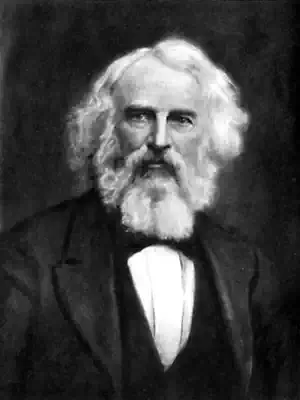
Henry Wadsworth Longfellow
The Brook. (From The Spanish)
The Brook. (From The Spanish)
Laugh of the mountain! -- lyre of bird and tree!
Pomp of the meadow! mirror of the morn!
The soul of April, unto whom are born
The rose and jessamine, leaps wild in thee!
Although, where'er thy devious current strays,
The lap of earth with gold and silver teems,
To me thy clear proceeding brighter seems
Than golden sands, that charm each shepherd's gaze.
How without guile thy bosom, all transparent
As the pure crystal, lets the curious eye
Thy secrets scan, thy smooth, round pebbles count!
How, without malice murmuring, glides thy current!
O sweet simplicity of days gone by!
Thou shun'st the haunts of man, to dwell in limpid fount!
Laugh of the mountain! -- lyre of bird and tree!
Pomp of the meadow! mirror of the morn!
The soul of April, unto whom are born
The rose and jessamine, leaps wild in thee!
Although, where'er thy devious current strays,
The lap of earth with gold and silver teems,
To me thy clear proceeding brighter seems
Than golden sands, that charm each shepherd's gaze.
How without guile thy bosom, all transparent
As the pure crystal, lets the curious eye
Thy secrets scan, thy smooth, round pebbles count!
How, without malice murmuring, glides thy current!
O sweet simplicity of days gone by!
Thou shun'st the haunts of man, to dwell in limpid fount!
406
Henry Wadsworth Longfellow
The Burial Of The Poet
The Burial Of The Poet
In the old churchyard of his native town,
And in the ancestral tomb beside the wall,
We laid him in the sleep that comes to all,
And left him to his rest and his renown.
The snow was falling, as if Heaven dropped down
White flowers of Paradise to strew his pall;--
The dead around him seemed to wake, and call
His name, as worthy of so white a crown.
And now the moon is shining on the scene,
And the broad sheet of snow is written o'er
With shadows cruciform of leafless trees,
As once the winding-sheet of Saladin
With chapters of the Koran; but, ah! more
Mysterious and triumphant signs are these.
In the old churchyard of his native town,
And in the ancestral tomb beside the wall,
We laid him in the sleep that comes to all,
And left him to his rest and his renown.
The snow was falling, as if Heaven dropped down
White flowers of Paradise to strew his pall;--
The dead around him seemed to wake, and call
His name, as worthy of so white a crown.
And now the moon is shining on the scene,
And the broad sheet of snow is written o'er
With shadows cruciform of leafless trees,
As once the winding-sheet of Saladin
With chapters of the Koran; but, ah! more
Mysterious and triumphant signs are these.
309
Henry Wadsworth Longfellow
The Burial Of The Poet
The Burial Of The Poet
In the old churchyard of his native town,
And in the ancestral tomb beside the wall,
We laid him in the sleep that comes to all,
And left him to his rest and his renown.
The snow was falling, as if Heaven dropped down
White flowers of Paradise to strew his pall;--
The dead around him seemed to wake, and call
His name, as worthy of so white a crown.
And now the moon is shining on the scene,
And the broad sheet of snow is written o'er
With shadows cruciform of leafless trees,
As once the winding-sheet of Saladin
With chapters of the Koran; but, ah! more
Mysterious and triumphant signs are these.
In the old churchyard of his native town,
And in the ancestral tomb beside the wall,
We laid him in the sleep that comes to all,
And left him to his rest and his renown.
The snow was falling, as if Heaven dropped down
White flowers of Paradise to strew his pall;--
The dead around him seemed to wake, and call
His name, as worthy of so white a crown.
And now the moon is shining on the scene,
And the broad sheet of snow is written o'er
With shadows cruciform of leafless trees,
As once the winding-sheet of Saladin
With chapters of the Koran; but, ah! more
Mysterious and triumphant signs are these.
309
Henry Wadsworth Longfellow
The Boy And The Brook. (Armenian Popular Song, From The Prose Version Of
The Boy And The Brook. (Armenian Popular Song, From The Prose Version Of
Alishan)
Down from yon distant mountain height
The brooklet flows through the village street;
A boy comes forth to wash his hands,
Washing, yes washing, there he stands,
In the water cool and sweet.
Brook, from what mountain dost thou come,
O my brooklet cool and sweet!
I come from yon mountain high and cold,
Where lieth the new snow on the old,
And melts in the summer heat.
Brook, to what river dost thou go?
O my brooklet cool and sweet!
I go to the river there below
Where in bunches the violets grow,
And sun and shadow meet.
Brook, to what garden dost thou go?
O my brooklet cool and sweet!
I go to the garden in the vale
Where all night long the nightingale
Her love-song doth repeat.
Brook, to what fountain dost thou go?
O my brooklet cool and sweet!
I go to the fountain at whose brink
The maid that loves thee comes to drink,
And whenever she looks therein,
I rise to meet her, and kiss her chin,
And my joy is then complete.
Alishan)
Down from yon distant mountain height
The brooklet flows through the village street;
A boy comes forth to wash his hands,
Washing, yes washing, there he stands,
In the water cool and sweet.
Brook, from what mountain dost thou come,
O my brooklet cool and sweet!
I come from yon mountain high and cold,
Where lieth the new snow on the old,
And melts in the summer heat.
Brook, to what river dost thou go?
O my brooklet cool and sweet!
I go to the river there below
Where in bunches the violets grow,
And sun and shadow meet.
Brook, to what garden dost thou go?
O my brooklet cool and sweet!
I go to the garden in the vale
Where all night long the nightingale
Her love-song doth repeat.
Brook, to what fountain dost thou go?
O my brooklet cool and sweet!
I go to the fountain at whose brink
The maid that loves thee comes to drink,
And whenever she looks therein,
I rise to meet her, and kiss her chin,
And my joy is then complete.
426
Henry Wadsworth Longfellow
The Broken Oar
The Broken Oar
Once upon Iceland's solitary strand
A poet wandered with his book and pen,
Seeking some final word, some sweet Amen,
Wherewith to close the volume in his hand.
The billows rolled and plunged upon the sand,
The circling sea-gulls swept beyond his ken,
And from the parting cloud-rack now and then
Flashed the red sunset over sea and land.
Then by the billows at his feet was tossed
A broken oar; and carved thereon he read,
'Oft was I weary, when I toiled at thee';
And like a man, who findeth what was lost,
He wrote the words, then lifted up his head,
And flung his useless pen into the sea.
Once upon Iceland's solitary strand
A poet wandered with his book and pen,
Seeking some final word, some sweet Amen,
Wherewith to close the volume in his hand.
The billows rolled and plunged upon the sand,
The circling sea-gulls swept beyond his ken,
And from the parting cloud-rack now and then
Flashed the red sunset over sea and land.
Then by the billows at his feet was tossed
A broken oar; and carved thereon he read,
'Oft was I weary, when I toiled at thee';
And like a man, who findeth what was lost,
He wrote the words, then lifted up his head,
And flung his useless pen into the sea.
491
Henry Wadsworth Longfellow
The Arrow and the Song
The Arrow and the Song
I shot an arrow into the air,
It fell to earth, I knew not where;
For, so swiftly it flew, the sight
Could not follow it in its flight.
I breathed a song into the air,
It fell to earth, I knew not where;
For who has sight so keen and strong,
That it can follow the flight of song?
Long, long afterward, in an oak
I found the arrow, still unbroke;
And the song, from beginning to end,
I found again in the heart of a friend.
I shot an arrow into the air,
It fell to earth, I knew not where;
For, so swiftly it flew, the sight
Could not follow it in its flight.
I breathed a song into the air,
It fell to earth, I knew not where;
For who has sight so keen and strong,
That it can follow the flight of song?
Long, long afterward, in an oak
I found the arrow, still unbroke;
And the song, from beginning to end,
I found again in the heart of a friend.
322
Henry Wadsworth Longfellow
The Arrow and the Song
The Arrow and the Song
I shot an arrow into the air,
It fell to earth, I knew not where;
For, so swiftly it flew, the sight
Could not follow it in its flight.
I breathed a song into the air,
It fell to earth, I knew not where;
For who has sight so keen and strong,
That it can follow the flight of song?
Long, long afterward, in an oak
I found the arrow, still unbroke;
And the song, from beginning to end,
I found again in the heart of a friend.
I shot an arrow into the air,
It fell to earth, I knew not where;
For, so swiftly it flew, the sight
Could not follow it in its flight.
I breathed a song into the air,
It fell to earth, I knew not where;
For who has sight so keen and strong,
That it can follow the flight of song?
Long, long afterward, in an oak
I found the arrow, still unbroke;
And the song, from beginning to end,
I found again in the heart of a friend.
322
Henry Wadsworth Longfellow
The Artist. (Sonnet I.)
The Artist. (Sonnet I.)
Nothing the greatest artist can conceive
That every marble block doth not confine
Within itself; and only its design
The hand that follows intellect can achieve.
The ill I flee, the good that I believe,
In thee, fair lady, lofty and divine,
Thus hidden lie; and so that death be mine
Art, of desired success, doth me bereave.
Love is not guilty, then, nor thy fair face,
Nor fortune, cruelty, nor great disdain,
Of my disgrace, nor chance, nor destiny,
If in thy heart both death and love find place
At the same time, and if my humble brain,
Burning, can nothing draw but death from thee.
Nothing the greatest artist can conceive
That every marble block doth not confine
Within itself; and only its design
The hand that follows intellect can achieve.
The ill I flee, the good that I believe,
In thee, fair lady, lofty and divine,
Thus hidden lie; and so that death be mine
Art, of desired success, doth me bereave.
Love is not guilty, then, nor thy fair face,
Nor fortune, cruelty, nor great disdain,
Of my disgrace, nor chance, nor destiny,
If in thy heart both death and love find place
At the same time, and if my humble brain,
Burning, can nothing draw but death from thee.
281
Henry Wadsworth Longfellow
The Artist. (Sonnet I.)
The Artist. (Sonnet I.)
Nothing the greatest artist can conceive
That every marble block doth not confine
Within itself; and only its design
The hand that follows intellect can achieve.
The ill I flee, the good that I believe,
In thee, fair lady, lofty and divine,
Thus hidden lie; and so that death be mine
Art, of desired success, doth me bereave.
Love is not guilty, then, nor thy fair face,
Nor fortune, cruelty, nor great disdain,
Of my disgrace, nor chance, nor destiny,
If in thy heart both death and love find place
At the same time, and if my humble brain,
Burning, can nothing draw but death from thee.
Nothing the greatest artist can conceive
That every marble block doth not confine
Within itself; and only its design
The hand that follows intellect can achieve.
The ill I flee, the good that I believe,
In thee, fair lady, lofty and divine,
Thus hidden lie; and so that death be mine
Art, of desired success, doth me bereave.
Love is not guilty, then, nor thy fair face,
Nor fortune, cruelty, nor great disdain,
Of my disgrace, nor chance, nor destiny,
If in thy heart both death and love find place
At the same time, and if my humble brain,
Burning, can nothing draw but death from thee.
281
Henry Wadsworth Longfellow
The Angel And The Child. (From Jean Reboul, The Baker Of Nismes)
The Angel And The Child. (From Jean Reboul, The Baker Of Nismes)
An angel with a radiant face,
Above a cradle bent to look,
Seemed his own image there to trace,
As in the waters of a brook.
'Dear child! who me resemblest so,'
It whispered, 'come, O come with me!
Happy together let us go,
The earth unworthy is of thee!
'Here none to perfect bliss attain;
The soul in pleasure suffering lies;
Joy hath an undertone of pain,
And even the happiest hours their sighs.
'Fear doth at every portal knock;
Never a day serene and pure
From the o'ershadowing tempest's shock
Hath made the morrow's dawn secure.
'What then, shall sorrows and shall fears
Come to disturb so pure a brow?
And with the bitterness of tears
These eyes of azure troubled grow?
'Ah no! into the fields of space,
Away shalt thou escape with me;
And Providence will grant thee grace
Of all the days that were to be.
'Let no one in thy dwelling cower,
In sombre vestments draped and veiled;
But let them welcome thy last hour,
As thy first moments once they hailed.
'Without a cloud be there each brow;
There let the grave no shadow cast;
When one is pure as thou art now,
The fairest day is still the last.'
And waving wide his wings of white,
The angel, at these words, had sped
Towards the eternal realms of light!--
Poor mother! see, thy son is dead!
An angel with a radiant face,
Above a cradle bent to look,
Seemed his own image there to trace,
As in the waters of a brook.
'Dear child! who me resemblest so,'
It whispered, 'come, O come with me!
Happy together let us go,
The earth unworthy is of thee!
'Here none to perfect bliss attain;
The soul in pleasure suffering lies;
Joy hath an undertone of pain,
And even the happiest hours their sighs.
'Fear doth at every portal knock;
Never a day serene and pure
From the o'ershadowing tempest's shock
Hath made the morrow's dawn secure.
'What then, shall sorrows and shall fears
Come to disturb so pure a brow?
And with the bitterness of tears
These eyes of azure troubled grow?
'Ah no! into the fields of space,
Away shalt thou escape with me;
And Providence will grant thee grace
Of all the days that were to be.
'Let no one in thy dwelling cower,
In sombre vestments draped and veiled;
But let them welcome thy last hour,
As thy first moments once they hailed.
'Without a cloud be there each brow;
There let the grave no shadow cast;
When one is pure as thou art now,
The fairest day is still the last.'
And waving wide his wings of white,
The angel, at these words, had sped
Towards the eternal realms of light!--
Poor mother! see, thy son is dead!
375
Henry Wadsworth Longfellow
Tales Of A Wayside Inn : Part 3. The Theologian's Tale; Elizabeth
Tales Of A Wayside Inn : Part 3. The Theologian's Tale; Elizabeth
'Ah, how short are the days! How soon the night overtakes us!
In the old country the twilight is longer; but here in the forest
Suddenly comes the dark, with hardly a pause in its coming,
Hardly a moment between the two lights, the day and the lamplight;
Yet how grand is the winter! How spotless the snow is, and perfect!'
Thus spake Elizabeth Haddon at nightfall to Hannah the housemaid,
As in the farm-house kitchen, that served for kitchen and parlor,
By the window she sat with her work, and looked on a landscape
White as the great white sheet that Peter saw in his vision,
By the four corners let down and descending out of the heavens.
'Ah, how short are the days! How soon the night overtakes us!
In the old country the twilight is longer; but here in the forest
Suddenly comes the dark, with hardly a pause in its coming,
Hardly a moment between the two lights, the day and the lamplight;
Yet how grand is the winter! How spotless the snow is, and perfect!'
Thus spake Elizabeth Haddon at nightfall to Hannah the housemaid,
As in the farm-house kitchen, that served for kitchen and parlor,
By the window she sat with her work, and looked on a landscape
White as the great white sheet that Peter saw in his vision,
By the four corners let down and descending out of the heavens.
378
Henry Wadsworth Longfellow
Tales Of A Wayside Inn : The Theologian's Tale; The Legend Beautiful
Tales Of A Wayside Inn : The Theologian's Tale; The Legend Beautiful
'Hads't thou stayed, I must have fled!'
That is what the Vision said.
In his chamber all alone,
Kneeling on the floor of stone,
Prayed the Monk in deep contrition
For his sins of indecision,
Prayed for greater self-denial
In temptation and in trial;
It was noonday by the dial,
And the Monk was all alone.
Suddenly, as if it lightened,
An unwonted splendor brightened
All within him and without him
In that narrow cell of stone;
And he saw the Blessed Vision
Of our Lord, with light Elysian
Like a vesture wrapped about him,
Like a garment round him thrown.
Not as crucified and slain,
Not in agonies of pain,
Not with bleeding hands and feet,
Did the Monk his Master see;
But as in the village street,
In the house or harvest-field,
Halt and lame and blind he healed,
When he walked in Galilee.
In an attitude imploring,
Hands upon his bosom crossed,
Wondering, worshipping, adoring,
Knelt the Monk in rapture lost.
Lord, he thought, in heaven that reignest,
Who am I, that thus thou deignest
To reveal thyself to me?
Who am I, that from the centre
Of thy glory thou shouldst enter
This poor cell, my guest to be?
Then amid his exaltation,
Loud the convent bell appalling,
From its belfry calling, calling,
Rang through court and corridor
With persistent iteration
He had never heard before.
It was now the appointed hour
When alike in shine or shower,
Winter's cold or summer's heat,
To the convent portals came
All the blind and halt and lame,
All the beggars of the street,
For their daily dole of food
Dealt them by the brotherhood;
And their almoner was he
Who upon his bended knee,
Rapt in silent ecstasy
Of divinest self-surrender,
Saw the Vision and the Splendor.
Deep distress and hesitation
Mingled with his adoration;_
Should he go, or should he stay?
Should he leave the poor to wait
Hungry at the convent gate,
Till the Vision passed away?
Should he slight his radiant guest,
Slight this visitant celestial,
For a crowd of ragged, bestial
Beggars at the convent gate?
Would the Vision there remain?
Would the Vision come again?
Then a voice within his breast
Whispered, audible and clear
As if to the outward ear:
'Do thy duty; that is best;
Leave unto thy Lord the rest!'
Straightway to his feet he started,
And with longing look intent
On the Blessed Vision bent,
Slowly from his cell departed,
Slowly on his errand went.
At the gate the poor were waiting,
Looking through the iron grating,_
With that terror in the eye
That is only seen in those
Who amid their wants and woes
Hear the sound of doors that close,
And of feet that pass them by;
Grown familiar with disfavor,
Grown familiar with the savor
Of the bread by which men die!
But to-day, they knew not why,
Like the gate of Paradise
Seemed the convent sate to rise,
Like a sacrament divine
Seemed to them the bread and wine.
In his heart the Monk was praying,
Thinking of the homeless poor,
What they suffer and endure;
What we see not, what we see;
And the inward voice was saying:
'Whatsoever thing thou doest
To the least of mine and lowest,
That thou doest unto me!'
Unto me! but had the Vision
Come to him in beggar's clothing,
Come a mendicant imploring,
Would he then have knelt adoring,
Or have listened with derision,
And have turned away with loathing.
Thus his conscience put the question,
Full of troublesome suggestion,
As at length, with hurried pace,
Towards his cell he turned his face,
And beheld the convent bright
With a supernatural light,
Like a luminous cloud expanding
Over floor and wall and ceiling.
But he paused with awe-struck feeling
At the threshold of his door,
For the Vision still was standing
As he left it there before,
When the convent bell appalling,
From its belfry calling, calling,
Summoned him to feed the poor.
Through the long hour intervening
It had waited his return,
And he felt his bosom burn,
Comprehending all the meaning,
When the Blessed Vision said,
'Hadst thou stayed, I must have fled!'
'Hads't thou stayed, I must have fled!'
That is what the Vision said.
In his chamber all alone,
Kneeling on the floor of stone,
Prayed the Monk in deep contrition
For his sins of indecision,
Prayed for greater self-denial
In temptation and in trial;
It was noonday by the dial,
And the Monk was all alone.
Suddenly, as if it lightened,
An unwonted splendor brightened
All within him and without him
In that narrow cell of stone;
And he saw the Blessed Vision
Of our Lord, with light Elysian
Like a vesture wrapped about him,
Like a garment round him thrown.
Not as crucified and slain,
Not in agonies of pain,
Not with bleeding hands and feet,
Did the Monk his Master see;
But as in the village street,
In the house or harvest-field,
Halt and lame and blind he healed,
When he walked in Galilee.
In an attitude imploring,
Hands upon his bosom crossed,
Wondering, worshipping, adoring,
Knelt the Monk in rapture lost.
Lord, he thought, in heaven that reignest,
Who am I, that thus thou deignest
To reveal thyself to me?
Who am I, that from the centre
Of thy glory thou shouldst enter
This poor cell, my guest to be?
Then amid his exaltation,
Loud the convent bell appalling,
From its belfry calling, calling,
Rang through court and corridor
With persistent iteration
He had never heard before.
It was now the appointed hour
When alike in shine or shower,
Winter's cold or summer's heat,
To the convent portals came
All the blind and halt and lame,
All the beggars of the street,
For their daily dole of food
Dealt them by the brotherhood;
And their almoner was he
Who upon his bended knee,
Rapt in silent ecstasy
Of divinest self-surrender,
Saw the Vision and the Splendor.
Deep distress and hesitation
Mingled with his adoration;_
Should he go, or should he stay?
Should he leave the poor to wait
Hungry at the convent gate,
Till the Vision passed away?
Should he slight his radiant guest,
Slight this visitant celestial,
For a crowd of ragged, bestial
Beggars at the convent gate?
Would the Vision there remain?
Would the Vision come again?
Then a voice within his breast
Whispered, audible and clear
As if to the outward ear:
'Do thy duty; that is best;
Leave unto thy Lord the rest!'
Straightway to his feet he started,
And with longing look intent
On the Blessed Vision bent,
Slowly from his cell departed,
Slowly on his errand went.
At the gate the poor were waiting,
Looking through the iron grating,_
With that terror in the eye
That is only seen in those
Who amid their wants and woes
Hear the sound of doors that close,
And of feet that pass them by;
Grown familiar with disfavor,
Grown familiar with the savor
Of the bread by which men die!
But to-day, they knew not why,
Like the gate of Paradise
Seemed the convent sate to rise,
Like a sacrament divine
Seemed to them the bread and wine.
In his heart the Monk was praying,
Thinking of the homeless poor,
What they suffer and endure;
What we see not, what we see;
And the inward voice was saying:
'Whatsoever thing thou doest
To the least of mine and lowest,
That thou doest unto me!'
Unto me! but had the Vision
Come to him in beggar's clothing,
Come a mendicant imploring,
Would he then have knelt adoring,
Or have listened with derision,
And have turned away with loathing.
Thus his conscience put the question,
Full of troublesome suggestion,
As at length, with hurried pace,
Towards his cell he turned his face,
And beheld the convent bright
With a supernatural light,
Like a luminous cloud expanding
Over floor and wall and ceiling.
But he paused with awe-struck feeling
At the threshold of his door,
For the Vision still was standing
As he left it there before,
When the convent bell appalling,
From its belfry calling, calling,
Summoned him to feed the poor.
Through the long hour intervening
It had waited his return,
And he felt his bosom burn,
Comprehending all the meaning,
When the Blessed Vision said,
'Hadst thou stayed, I must have fled!'
261
Henry Wadsworth Longfellow
Tales Of A Wayside Inn : Part 3. The Spanish Jew's Tale; Azrael
Tales Of A Wayside Inn : Part 3. The Spanish Jew's Tale; Azrael
King Solomon, before his palace gate
At evening, on the pavement tessellate
Was walking with a stranger from the East,
Arrayed in rich attire as for a feast,
The mighty Runjeet-Sing, a learned man,
And Rajah of the realms of Hindostan.
And as they walked the guest became aware
Of a white figure in the twilight air,
Gazing intent, as one who with surprise
His form and features seemed to recognize;
And in a whisper to the king he said:
'What is yon shape, that, pallid as the dead,
Is watching me, as if he sought to trace_
In the dim light the features of my face?'
The king looked, and replied: 'I know him well;
It is the Angel men call Azrael,
'T is the Death Angel; what hast thou to fear?'
And the guest answered: 'Lest he should come near,
And speak to me, and take away my breath!
Save me from Azrael, save me from death!
O king, that hast dominion o'er the wind,
Bid it arise and bear me hence to Ind.'
The king gazed upward at the cloudless sky,
Whispered a word, and raised his hand on high,
And lo! the signet-ring of chrysoprase
On his uplifted finger seemed to blaze
With hidden fire, and rushing from the west
There came a mighty wind, and seized the guest
And lifted him from earth, and on they passed,
His shining garments streaming in the blast,
A silken banner o'er the walls upreared,
A purple cloud, that gleamed and disappeared.
Then said the Angel, smiling: 'If this man
Be Rajah Runjeet-Sing of Hindostan,
Thou hast done well in listening to his prayer;
I was upon my way to seek him there.'
King Solomon, before his palace gate
At evening, on the pavement tessellate
Was walking with a stranger from the East,
Arrayed in rich attire as for a feast,
The mighty Runjeet-Sing, a learned man,
And Rajah of the realms of Hindostan.
And as they walked the guest became aware
Of a white figure in the twilight air,
Gazing intent, as one who with surprise
His form and features seemed to recognize;
And in a whisper to the king he said:
'What is yon shape, that, pallid as the dead,
Is watching me, as if he sought to trace_
In the dim light the features of my face?'
The king looked, and replied: 'I know him well;
It is the Angel men call Azrael,
'T is the Death Angel; what hast thou to fear?'
And the guest answered: 'Lest he should come near,
And speak to me, and take away my breath!
Save me from Azrael, save me from death!
O king, that hast dominion o'er the wind,
Bid it arise and bear me hence to Ind.'
The king gazed upward at the cloudless sky,
Whispered a word, and raised his hand on high,
And lo! the signet-ring of chrysoprase
On his uplifted finger seemed to blaze
With hidden fire, and rushing from the west
There came a mighty wind, and seized the guest
And lifted him from earth, and on they passed,
His shining garments streaming in the blast,
A silken banner o'er the walls upreared,
A purple cloud, that gleamed and disappeared.
Then said the Angel, smiling: 'If this man
Be Rajah Runjeet-Sing of Hindostan,
Thou hast done well in listening to his prayer;
I was upon my way to seek him there.'
304
Henry Wadsworth Longfellow
Tales Of A Wayside Inn : Part 3. Prelude
Tales Of A Wayside Inn : Part 3. Prelude
The evening came; the golden vane
A moment in the sunset glanced,
Then darkened, and then gleamed again,
As from the east the moon advanced
And touched it with a softer light;
While underneath, with flowing mane,
Upon the sign the Red Horse pranced,
And galloped forth into the night.
But brighter than the afternoon
That followed the dark day of rain,
And brighter than the golden vane
That glistened in the rising moon,
Within the ruddy fire-light gleamed;
And every separate window-pane,
Backed by the outer darkness, showed
A mirror, where the flamelets gleamed
And flickered to and fro, and seemed
A bonfire lighted in the road.
Amid the hospitable glow,
Like an old actor on the stage,
With the uncertain voice of age,
The singing chimney chanted low
The homely songs of long ago.
The voice that Ossian heard of yore,
When midnight winds were in his hall;
A ghostly and appealing call,
A sound of days that are no more!
And dark as Ossian sat the Jew,
And listened to the sound, and knew
The passing of the airy hosts,
The gray and misty cloud of ghosts
In their interminable flight;
And listening muttered in his beard,
With accent indistinct and weird,
'Who are ye, children of the Night?'
Beholding his mysterious face,
'Tell me,' the gay Sicilian said,
'Why was it that in breaking bread
At supper, you bent down your head
And, musing, paused a little space,
As one who says a silent grace?'
The Jew replied, with solemn air,
'I said the Manichaean's prayer.
It was his faith,--perhaps is mine,--
That life in all its forms is one,
And that its secret conduits run
Unseen, but in unbroken line,
From the great fountain-head divine
Through man and beast, through grain and grass.
Howe'er we struggle, strive, and cry,
From death there can be no escape,
And no escape from life, alas
Because we cannot die, but pass
From one into another shape:
It is but into life we die.
'Therefore the Manichaean said
This simple prayer on breaking bread,
Lest he with hasty hand or knife
Might wound the incarcerated life,
The soul in things that we call dead:
'I did not reap thee, did not bind thee,
I did not thrash thee, did not grind thee,
Nor did I in the oven bake thee!
It was not I, it was another
Did these things unto thee, O brother;
I only have thee, hold thee, break thee!''
'That birds have souls I can concede,'
The Poet cried, with glowing cheeks;
'The flocks that from their beds of reed
Uprising north or southward fly,
And flying write upon the sky
The biforked letter of the Greeks,
As hath been said by Rucellai;
All birds that sing or chirp or cry,
Even those migratory bands,
The minor poets of the air,
The plover, peep, and sanderling,
That hardly can be said to sing,
But pipe along the barren sands,--
All these have souls akin to ours;
So hath the lovely race of flowers:
Thus much I grant, but nothing more.
The rusty hinges of a door
Are not alive because they creak;
This chimney, with its dreary roar,
These rattling windows, do not speak!'
'To me they speak,' the Jew replied;
'And in the sounds that sink and soar,
I hear the voices of a tide
That breaks upon an unknown shore!'
Here the Sicilian interfered:
'That was your dream, then, as you dozed
A moment since, with eyes half-closed,
And murmured something in your beard.'
The Hebrew smiled, and answered, 'Nay;
Not that, but something very near;
Like, and yet not the same, may seem
The vision of my waking dream;
Before it wholly dies away,
Listen to me, and you shall hear.'
The evening came; the golden vane
A moment in the sunset glanced,
Then darkened, and then gleamed again,
As from the east the moon advanced
And touched it with a softer light;
While underneath, with flowing mane,
Upon the sign the Red Horse pranced,
And galloped forth into the night.
But brighter than the afternoon
That followed the dark day of rain,
And brighter than the golden vane
That glistened in the rising moon,
Within the ruddy fire-light gleamed;
And every separate window-pane,
Backed by the outer darkness, showed
A mirror, where the flamelets gleamed
And flickered to and fro, and seemed
A bonfire lighted in the road.
Amid the hospitable glow,
Like an old actor on the stage,
With the uncertain voice of age,
The singing chimney chanted low
The homely songs of long ago.
The voice that Ossian heard of yore,
When midnight winds were in his hall;
A ghostly and appealing call,
A sound of days that are no more!
And dark as Ossian sat the Jew,
And listened to the sound, and knew
The passing of the airy hosts,
The gray and misty cloud of ghosts
In their interminable flight;
And listening muttered in his beard,
With accent indistinct and weird,
'Who are ye, children of the Night?'
Beholding his mysterious face,
'Tell me,' the gay Sicilian said,
'Why was it that in breaking bread
At supper, you bent down your head
And, musing, paused a little space,
As one who says a silent grace?'
The Jew replied, with solemn air,
'I said the Manichaean's prayer.
It was his faith,--perhaps is mine,--
That life in all its forms is one,
And that its secret conduits run
Unseen, but in unbroken line,
From the great fountain-head divine
Through man and beast, through grain and grass.
Howe'er we struggle, strive, and cry,
From death there can be no escape,
And no escape from life, alas
Because we cannot die, but pass
From one into another shape:
It is but into life we die.
'Therefore the Manichaean said
This simple prayer on breaking bread,
Lest he with hasty hand or knife
Might wound the incarcerated life,
The soul in things that we call dead:
'I did not reap thee, did not bind thee,
I did not thrash thee, did not grind thee,
Nor did I in the oven bake thee!
It was not I, it was another
Did these things unto thee, O brother;
I only have thee, hold thee, break thee!''
'That birds have souls I can concede,'
The Poet cried, with glowing cheeks;
'The flocks that from their beds of reed
Uprising north or southward fly,
And flying write upon the sky
The biforked letter of the Greeks,
As hath been said by Rucellai;
All birds that sing or chirp or cry,
Even those migratory bands,
The minor poets of the air,
The plover, peep, and sanderling,
That hardly can be said to sing,
But pipe along the barren sands,--
All these have souls akin to ours;
So hath the lovely race of flowers:
Thus much I grant, but nothing more.
The rusty hinges of a door
Are not alive because they creak;
This chimney, with its dreary roar,
These rattling windows, do not speak!'
'To me they speak,' the Jew replied;
'And in the sounds that sink and soar,
I hear the voices of a tide
That breaks upon an unknown shore!'
Here the Sicilian interfered:
'That was your dream, then, as you dozed
A moment since, with eyes half-closed,
And murmured something in your beard.'
The Hebrew smiled, and answered, 'Nay;
Not that, but something very near;
Like, and yet not the same, may seem
The vision of my waking dream;
Before it wholly dies away,
Listen to me, and you shall hear.'
243
Henry Wadsworth Longfellow
Tales Of A Wayside Inn : Part 3. Interlude VI.
Tales Of A Wayside Inn : Part 3. Interlude VI.
'Now that is after my own heart,'
The Poet cried; 'one understands
Your swarthy hero Scanderbeg,
Gauntlet on hand and boot on leg,
And skilled in every warlike art,
Riding through his Albanian lands,
And following the auspicious star
That shone for him o'er Ak-Hissar.'
The Theologian added here
His word of praise not less sincere,
Although he ended with a jibe;
'The hero of romance and song
Was born,' he said, 'to right the wrong;
And I approve; but all the same
That bit of treason with the Scribe
Adds nothing to your hero's fame.'
The Student praised the good old times,
And liked the canter of the rhymes,
That had a hoofbeat in their sound;
But longed some further word to hear
Of the old chronicler Ben Meir,
And where his volume might he found.
The tall Musician walked the room
With folded arms and gleaming eyes,
As if he saw the Vikings rise,
Gigantic shadows in the gloom;
And much he talked of their emprise
And meteors seen in Northern skies,
And Heimdal's horn, and day of doom.
But the Sicilian laughed again;
'This is the time to laugh,' he said,
For the whole story he well knew
Was an invention of the Jew,
Spun from the cobwebs in his brain,
And of the same bright scarlet thread
As was the Tale of Kambalu.
Only the Landlord spake no word;
'T was doubtful whether he had heard
The tale at all, so full of care
Was he of his impending fate,
That, like the sword of Damocles,
Above his head hung blank and bare,
Suspended by a single hair,
So that he could not sit at ease,
But sighed and looked disconsolate,
And shifted restless in his chair,
Revolving how he might evade
The blow of the descending blade.
The Student came to his relief
By saying in his easy way
To the Musician: 'Calm your grief,
My fair Apollo of the North,
Balder the Beautiful and so forth;
Although your magic lyre or lute
With broken strings is lying mute,
Still you can tell some doleful tale
Of shipwreck in a midnight gale,
Or something of the kind to suit
The mood that we are in to-night
For what is marvellous and strange;
So give your nimble fancy range,
And we will follow in its flight.'
But the Musician shook his head;
'No tale I tell to-night,' he said,
'While my poor instrument lies there,
Even as a child with vacant stare
Lies in its little coffin dead.'
Yet, being urged, he said at last:
'There comes to me out of the Past
A voice, whose tones are sweet and wild,
Singing a song almost divine,
And with a tear in every line;
An ancient ballad, that my nurse
Sang to me when I was a child,
In accents tender as the verse;
And sometimes wept, and sometimes smiled
While singing it, to see arise
The look of wonder in my eyes,
And feel my heart with terror beat.
This simple ballad I retain
Clearly imprinted on my brain,
And as a tale will now repeat.'
'Now that is after my own heart,'
The Poet cried; 'one understands
Your swarthy hero Scanderbeg,
Gauntlet on hand and boot on leg,
And skilled in every warlike art,
Riding through his Albanian lands,
And following the auspicious star
That shone for him o'er Ak-Hissar.'
The Theologian added here
His word of praise not less sincere,
Although he ended with a jibe;
'The hero of romance and song
Was born,' he said, 'to right the wrong;
And I approve; but all the same
That bit of treason with the Scribe
Adds nothing to your hero's fame.'
The Student praised the good old times,
And liked the canter of the rhymes,
That had a hoofbeat in their sound;
But longed some further word to hear
Of the old chronicler Ben Meir,
And where his volume might he found.
The tall Musician walked the room
With folded arms and gleaming eyes,
As if he saw the Vikings rise,
Gigantic shadows in the gloom;
And much he talked of their emprise
And meteors seen in Northern skies,
And Heimdal's horn, and day of doom.
But the Sicilian laughed again;
'This is the time to laugh,' he said,
For the whole story he well knew
Was an invention of the Jew,
Spun from the cobwebs in his brain,
And of the same bright scarlet thread
As was the Tale of Kambalu.
Only the Landlord spake no word;
'T was doubtful whether he had heard
The tale at all, so full of care
Was he of his impending fate,
That, like the sword of Damocles,
Above his head hung blank and bare,
Suspended by a single hair,
So that he could not sit at ease,
But sighed and looked disconsolate,
And shifted restless in his chair,
Revolving how he might evade
The blow of the descending blade.
The Student came to his relief
By saying in his easy way
To the Musician: 'Calm your grief,
My fair Apollo of the North,
Balder the Beautiful and so forth;
Although your magic lyre or lute
With broken strings is lying mute,
Still you can tell some doleful tale
Of shipwreck in a midnight gale,
Or something of the kind to suit
The mood that we are in to-night
For what is marvellous and strange;
So give your nimble fancy range,
And we will follow in its flight.'
But the Musician shook his head;
'No tale I tell to-night,' he said,
'While my poor instrument lies there,
Even as a child with vacant stare
Lies in its little coffin dead.'
Yet, being urged, he said at last:
'There comes to me out of the Past
A voice, whose tones are sweet and wild,
Singing a song almost divine,
And with a tear in every line;
An ancient ballad, that my nurse
Sang to me when I was a child,
In accents tender as the verse;
And sometimes wept, and sometimes smiled
While singing it, to see arise
The look of wonder in my eyes,
And feel my heart with terror beat.
This simple ballad I retain
Clearly imprinted on my brain,
And as a tale will now repeat.'
290
Henry Wadsworth Longfellow
Tales Of A Wayside Inn : Part 3. Interlude VI.
Tales Of A Wayside Inn : Part 3. Interlude VI.
'Now that is after my own heart,'
The Poet cried; 'one understands
Your swarthy hero Scanderbeg,
Gauntlet on hand and boot on leg,
And skilled in every warlike art,
Riding through his Albanian lands,
And following the auspicious star
That shone for him o'er Ak-Hissar.'
The Theologian added here
His word of praise not less sincere,
Although he ended with a jibe;
'The hero of romance and song
Was born,' he said, 'to right the wrong;
And I approve; but all the same
That bit of treason with the Scribe
Adds nothing to your hero's fame.'
The Student praised the good old times,
And liked the canter of the rhymes,
That had a hoofbeat in their sound;
But longed some further word to hear
Of the old chronicler Ben Meir,
And where his volume might he found.
The tall Musician walked the room
With folded arms and gleaming eyes,
As if he saw the Vikings rise,
Gigantic shadows in the gloom;
And much he talked of their emprise
And meteors seen in Northern skies,
And Heimdal's horn, and day of doom.
But the Sicilian laughed again;
'This is the time to laugh,' he said,
For the whole story he well knew
Was an invention of the Jew,
Spun from the cobwebs in his brain,
And of the same bright scarlet thread
As was the Tale of Kambalu.
Only the Landlord spake no word;
'T was doubtful whether he had heard
The tale at all, so full of care
Was he of his impending fate,
That, like the sword of Damocles,
Above his head hung blank and bare,
Suspended by a single hair,
So that he could not sit at ease,
But sighed and looked disconsolate,
And shifted restless in his chair,
Revolving how he might evade
The blow of the descending blade.
The Student came to his relief
By saying in his easy way
To the Musician: 'Calm your grief,
My fair Apollo of the North,
Balder the Beautiful and so forth;
Although your magic lyre or lute
With broken strings is lying mute,
Still you can tell some doleful tale
Of shipwreck in a midnight gale,
Or something of the kind to suit
The mood that we are in to-night
For what is marvellous and strange;
So give your nimble fancy range,
And we will follow in its flight.'
But the Musician shook his head;
'No tale I tell to-night,' he said,
'While my poor instrument lies there,
Even as a child with vacant stare
Lies in its little coffin dead.'
Yet, being urged, he said at last:
'There comes to me out of the Past
A voice, whose tones are sweet and wild,
Singing a song almost divine,
And with a tear in every line;
An ancient ballad, that my nurse
Sang to me when I was a child,
In accents tender as the verse;
And sometimes wept, and sometimes smiled
While singing it, to see arise
The look of wonder in my eyes,
And feel my heart with terror beat.
This simple ballad I retain
Clearly imprinted on my brain,
And as a tale will now repeat.'
'Now that is after my own heart,'
The Poet cried; 'one understands
Your swarthy hero Scanderbeg,
Gauntlet on hand and boot on leg,
And skilled in every warlike art,
Riding through his Albanian lands,
And following the auspicious star
That shone for him o'er Ak-Hissar.'
The Theologian added here
His word of praise not less sincere,
Although he ended with a jibe;
'The hero of romance and song
Was born,' he said, 'to right the wrong;
And I approve; but all the same
That bit of treason with the Scribe
Adds nothing to your hero's fame.'
The Student praised the good old times,
And liked the canter of the rhymes,
That had a hoofbeat in their sound;
But longed some further word to hear
Of the old chronicler Ben Meir,
And where his volume might he found.
The tall Musician walked the room
With folded arms and gleaming eyes,
As if he saw the Vikings rise,
Gigantic shadows in the gloom;
And much he talked of their emprise
And meteors seen in Northern skies,
And Heimdal's horn, and day of doom.
But the Sicilian laughed again;
'This is the time to laugh,' he said,
For the whole story he well knew
Was an invention of the Jew,
Spun from the cobwebs in his brain,
And of the same bright scarlet thread
As was the Tale of Kambalu.
Only the Landlord spake no word;
'T was doubtful whether he had heard
The tale at all, so full of care
Was he of his impending fate,
That, like the sword of Damocles,
Above his head hung blank and bare,
Suspended by a single hair,
So that he could not sit at ease,
But sighed and looked disconsolate,
And shifted restless in his chair,
Revolving how he might evade
The blow of the descending blade.
The Student came to his relief
By saying in his easy way
To the Musician: 'Calm your grief,
My fair Apollo of the North,
Balder the Beautiful and so forth;
Although your magic lyre or lute
With broken strings is lying mute,
Still you can tell some doleful tale
Of shipwreck in a midnight gale,
Or something of the kind to suit
The mood that we are in to-night
For what is marvellous and strange;
So give your nimble fancy range,
And we will follow in its flight.'
But the Musician shook his head;
'No tale I tell to-night,' he said,
'While my poor instrument lies there,
Even as a child with vacant stare
Lies in its little coffin dead.'
Yet, being urged, he said at last:
'There comes to me out of the Past
A voice, whose tones are sweet and wild,
Singing a song almost divine,
And with a tear in every line;
An ancient ballad, that my nurse
Sang to me when I was a child,
In accents tender as the verse;
And sometimes wept, and sometimes smiled
While singing it, to see arise
The look of wonder in my eyes,
And feel my heart with terror beat.
This simple ballad I retain
Clearly imprinted on my brain,
And as a tale will now repeat.'
290
Henry Wadsworth Longfellow
Tales Of A Wayside Inn : Part 3. Interlude VI.
Tales Of A Wayside Inn : Part 3. Interlude VI.
'Now that is after my own heart,'
The Poet cried; 'one understands
Your swarthy hero Scanderbeg,
Gauntlet on hand and boot on leg,
And skilled in every warlike art,
Riding through his Albanian lands,
And following the auspicious star
That shone for him o'er Ak-Hissar.'
The Theologian added here
His word of praise not less sincere,
Although he ended with a jibe;
'The hero of romance and song
Was born,' he said, 'to right the wrong;
And I approve; but all the same
That bit of treason with the Scribe
Adds nothing to your hero's fame.'
The Student praised the good old times,
And liked the canter of the rhymes,
That had a hoofbeat in their sound;
But longed some further word to hear
Of the old chronicler Ben Meir,
And where his volume might he found.
The tall Musician walked the room
With folded arms and gleaming eyes,
As if he saw the Vikings rise,
Gigantic shadows in the gloom;
And much he talked of their emprise
And meteors seen in Northern skies,
And Heimdal's horn, and day of doom.
But the Sicilian laughed again;
'This is the time to laugh,' he said,
For the whole story he well knew
Was an invention of the Jew,
Spun from the cobwebs in his brain,
And of the same bright scarlet thread
As was the Tale of Kambalu.
Only the Landlord spake no word;
'T was doubtful whether he had heard
The tale at all, so full of care
Was he of his impending fate,
That, like the sword of Damocles,
Above his head hung blank and bare,
Suspended by a single hair,
So that he could not sit at ease,
But sighed and looked disconsolate,
And shifted restless in his chair,
Revolving how he might evade
The blow of the descending blade.
The Student came to his relief
By saying in his easy way
To the Musician: 'Calm your grief,
My fair Apollo of the North,
Balder the Beautiful and so forth;
Although your magic lyre or lute
With broken strings is lying mute,
Still you can tell some doleful tale
Of shipwreck in a midnight gale,
Or something of the kind to suit
The mood that we are in to-night
For what is marvellous and strange;
So give your nimble fancy range,
And we will follow in its flight.'
But the Musician shook his head;
'No tale I tell to-night,' he said,
'While my poor instrument lies there,
Even as a child with vacant stare
Lies in its little coffin dead.'
Yet, being urged, he said at last:
'There comes to me out of the Past
A voice, whose tones are sweet and wild,
Singing a song almost divine,
And with a tear in every line;
An ancient ballad, that my nurse
Sang to me when I was a child,
In accents tender as the verse;
And sometimes wept, and sometimes smiled
While singing it, to see arise
The look of wonder in my eyes,
And feel my heart with terror beat.
This simple ballad I retain
Clearly imprinted on my brain,
And as a tale will now repeat.'
'Now that is after my own heart,'
The Poet cried; 'one understands
Your swarthy hero Scanderbeg,
Gauntlet on hand and boot on leg,
And skilled in every warlike art,
Riding through his Albanian lands,
And following the auspicious star
That shone for him o'er Ak-Hissar.'
The Theologian added here
His word of praise not less sincere,
Although he ended with a jibe;
'The hero of romance and song
Was born,' he said, 'to right the wrong;
And I approve; but all the same
That bit of treason with the Scribe
Adds nothing to your hero's fame.'
The Student praised the good old times,
And liked the canter of the rhymes,
That had a hoofbeat in their sound;
But longed some further word to hear
Of the old chronicler Ben Meir,
And where his volume might he found.
The tall Musician walked the room
With folded arms and gleaming eyes,
As if he saw the Vikings rise,
Gigantic shadows in the gloom;
And much he talked of their emprise
And meteors seen in Northern skies,
And Heimdal's horn, and day of doom.
But the Sicilian laughed again;
'This is the time to laugh,' he said,
For the whole story he well knew
Was an invention of the Jew,
Spun from the cobwebs in his brain,
And of the same bright scarlet thread
As was the Tale of Kambalu.
Only the Landlord spake no word;
'T was doubtful whether he had heard
The tale at all, so full of care
Was he of his impending fate,
That, like the sword of Damocles,
Above his head hung blank and bare,
Suspended by a single hair,
So that he could not sit at ease,
But sighed and looked disconsolate,
And shifted restless in his chair,
Revolving how he might evade
The blow of the descending blade.
The Student came to his relief
By saying in his easy way
To the Musician: 'Calm your grief,
My fair Apollo of the North,
Balder the Beautiful and so forth;
Although your magic lyre or lute
With broken strings is lying mute,
Still you can tell some doleful tale
Of shipwreck in a midnight gale,
Or something of the kind to suit
The mood that we are in to-night
For what is marvellous and strange;
So give your nimble fancy range,
And we will follow in its flight.'
But the Musician shook his head;
'No tale I tell to-night,' he said,
'While my poor instrument lies there,
Even as a child with vacant stare
Lies in its little coffin dead.'
Yet, being urged, he said at last:
'There comes to me out of the Past
A voice, whose tones are sweet and wild,
Singing a song almost divine,
And with a tear in every line;
An ancient ballad, that my nurse
Sang to me when I was a child,
In accents tender as the verse;
And sometimes wept, and sometimes smiled
While singing it, to see arise
The look of wonder in my eyes,
And feel my heart with terror beat.
This simple ballad I retain
Clearly imprinted on my brain,
And as a tale will now repeat.'
290
Henry Wadsworth Longfellow
Tales Of A Wayside Inn : Part 3. Interlude II.
Tales Of A Wayside Inn : Part 3. Interlude II.
Well pleased all listened to the tale,
That drew, the Student said, its pith
And marrow from the ancient myth
Of some one with an iron flail;
Or that portentous Man of Brass
Hephaestus made in days of yore,
Who stalked about the Cretan shore,
And saw the ships appear and pass,
And threw stones at the Argonauts,
Being filled with indiscriminate ire
That tangled and perplexed his thoughts;
But, like a hospitable host,
When strangers landed on the coast,
Heated himself red-hot with fire,
And hugged them in his arms, and pressed
Their bodies to his burning breast.
The Poet answered: 'No, not thus
The legend rose; it sprang at first
Out of the hunger and the thirst
In all men for the marvellous.
And thus it filled and satisfied
The imagination of mankind,
And this ideal to the mind
Was truer than historic fact.
Fancy enlarged and multiplied
The tenors of the awful name
Of Charlemagne, till he became
Armipotent in every act,
And, clothed in mystery, appeared
Not what men saw, but what they feared.
Besides, unless my memory fail,
Your some one with an iron flail
Is not an ancient myth at all,
But comes much later on the scene
As Talus in the Faerie Queene,
The iron groom of Artegall,
Who threshed out falsehood and deceit,
And truth upheld, and righted wrong,
As was, as is the swallow, fleet,
And as the lion is, was strong.'
The Theologian said: 'Perchance
Your chronicler in writing this
Had in his mind the Anabasis,
Where Xenophon describes the advance
Of Artaxerxes to the fight;
At first the low gray cloud of dust,
And then a blackness o'er the fields
As of a passing thunder-gust,
Then flash of brazen armor bright,
And ranks of men, and spears up-thrust,
Bowmen and troops with wicker shields,
And cavalry equipped in white,
And chariots ranged in front of these
With scythes upon their axle-trees.'
To this the Student answered: 'Well,
I also have a tale to tell
Of Charlemagne; a tale that throws
A softer light, more tinged with rose,
Than your grim apparition cast
Upon the darkness of the past.
Listen, and hear in English rhyme
What the good Monk of Lauresheim
Gives as the gossip of his time,
In mediaeval Latin prose.'
Well pleased all listened to the tale,
That drew, the Student said, its pith
And marrow from the ancient myth
Of some one with an iron flail;
Or that portentous Man of Brass
Hephaestus made in days of yore,
Who stalked about the Cretan shore,
And saw the ships appear and pass,
And threw stones at the Argonauts,
Being filled with indiscriminate ire
That tangled and perplexed his thoughts;
But, like a hospitable host,
When strangers landed on the coast,
Heated himself red-hot with fire,
And hugged them in his arms, and pressed
Their bodies to his burning breast.
The Poet answered: 'No, not thus
The legend rose; it sprang at first
Out of the hunger and the thirst
In all men for the marvellous.
And thus it filled and satisfied
The imagination of mankind,
And this ideal to the mind
Was truer than historic fact.
Fancy enlarged and multiplied
The tenors of the awful name
Of Charlemagne, till he became
Armipotent in every act,
And, clothed in mystery, appeared
Not what men saw, but what they feared.
Besides, unless my memory fail,
Your some one with an iron flail
Is not an ancient myth at all,
But comes much later on the scene
As Talus in the Faerie Queene,
The iron groom of Artegall,
Who threshed out falsehood and deceit,
And truth upheld, and righted wrong,
As was, as is the swallow, fleet,
And as the lion is, was strong.'
The Theologian said: 'Perchance
Your chronicler in writing this
Had in his mind the Anabasis,
Where Xenophon describes the advance
Of Artaxerxes to the fight;
At first the low gray cloud of dust,
And then a blackness o'er the fields
As of a passing thunder-gust,
Then flash of brazen armor bright,
And ranks of men, and spears up-thrust,
Bowmen and troops with wicker shields,
And cavalry equipped in white,
And chariots ranged in front of these
With scythes upon their axle-trees.'
To this the Student answered: 'Well,
I also have a tale to tell
Of Charlemagne; a tale that throws
A softer light, more tinged with rose,
Than your grim apparition cast
Upon the darkness of the past.
Listen, and hear in English rhyme
What the good Monk of Lauresheim
Gives as the gossip of his time,
In mediaeval Latin prose.'
287
Henry Wadsworth Longfellow
Tales Of A Wayside Inn : Part 3. Interlude II.
Tales Of A Wayside Inn : Part 3. Interlude II.
Well pleased all listened to the tale,
That drew, the Student said, its pith
And marrow from the ancient myth
Of some one with an iron flail;
Or that portentous Man of Brass
Hephaestus made in days of yore,
Who stalked about the Cretan shore,
And saw the ships appear and pass,
And threw stones at the Argonauts,
Being filled with indiscriminate ire
That tangled and perplexed his thoughts;
But, like a hospitable host,
When strangers landed on the coast,
Heated himself red-hot with fire,
And hugged them in his arms, and pressed
Their bodies to his burning breast.
The Poet answered: 'No, not thus
The legend rose; it sprang at first
Out of the hunger and the thirst
In all men for the marvellous.
And thus it filled and satisfied
The imagination of mankind,
And this ideal to the mind
Was truer than historic fact.
Fancy enlarged and multiplied
The tenors of the awful name
Of Charlemagne, till he became
Armipotent in every act,
And, clothed in mystery, appeared
Not what men saw, but what they feared.
Besides, unless my memory fail,
Your some one with an iron flail
Is not an ancient myth at all,
But comes much later on the scene
As Talus in the Faerie Queene,
The iron groom of Artegall,
Who threshed out falsehood and deceit,
And truth upheld, and righted wrong,
As was, as is the swallow, fleet,
And as the lion is, was strong.'
The Theologian said: 'Perchance
Your chronicler in writing this
Had in his mind the Anabasis,
Where Xenophon describes the advance
Of Artaxerxes to the fight;
At first the low gray cloud of dust,
And then a blackness o'er the fields
As of a passing thunder-gust,
Then flash of brazen armor bright,
And ranks of men, and spears up-thrust,
Bowmen and troops with wicker shields,
And cavalry equipped in white,
And chariots ranged in front of these
With scythes upon their axle-trees.'
To this the Student answered: 'Well,
I also have a tale to tell
Of Charlemagne; a tale that throws
A softer light, more tinged with rose,
Than your grim apparition cast
Upon the darkness of the past.
Listen, and hear in English rhyme
What the good Monk of Lauresheim
Gives as the gossip of his time,
In mediaeval Latin prose.'
Well pleased all listened to the tale,
That drew, the Student said, its pith
And marrow from the ancient myth
Of some one with an iron flail;
Or that portentous Man of Brass
Hephaestus made in days of yore,
Who stalked about the Cretan shore,
And saw the ships appear and pass,
And threw stones at the Argonauts,
Being filled with indiscriminate ire
That tangled and perplexed his thoughts;
But, like a hospitable host,
When strangers landed on the coast,
Heated himself red-hot with fire,
And hugged them in his arms, and pressed
Their bodies to his burning breast.
The Poet answered: 'No, not thus
The legend rose; it sprang at first
Out of the hunger and the thirst
In all men for the marvellous.
And thus it filled and satisfied
The imagination of mankind,
And this ideal to the mind
Was truer than historic fact.
Fancy enlarged and multiplied
The tenors of the awful name
Of Charlemagne, till he became
Armipotent in every act,
And, clothed in mystery, appeared
Not what men saw, but what they feared.
Besides, unless my memory fail,
Your some one with an iron flail
Is not an ancient myth at all,
But comes much later on the scene
As Talus in the Faerie Queene,
The iron groom of Artegall,
Who threshed out falsehood and deceit,
And truth upheld, and righted wrong,
As was, as is the swallow, fleet,
And as the lion is, was strong.'
The Theologian said: 'Perchance
Your chronicler in writing this
Had in his mind the Anabasis,
Where Xenophon describes the advance
Of Artaxerxes to the fight;
At first the low gray cloud of dust,
And then a blackness o'er the fields
As of a passing thunder-gust,
Then flash of brazen armor bright,
And ranks of men, and spears up-thrust,
Bowmen and troops with wicker shields,
And cavalry equipped in white,
And chariots ranged in front of these
With scythes upon their axle-trees.'
To this the Student answered: 'Well,
I also have a tale to tell
Of Charlemagne; a tale that throws
A softer light, more tinged with rose,
Than your grim apparition cast
Upon the darkness of the past.
Listen, and hear in English rhyme
What the good Monk of Lauresheim
Gives as the gossip of his time,
In mediaeval Latin prose.'
287
Henry Wadsworth Longfellow
Tales Of A Wayside Inn : Part 3. Interlude II.
Tales Of A Wayside Inn : Part 3. Interlude II.
Well pleased all listened to the tale,
That drew, the Student said, its pith
And marrow from the ancient myth
Of some one with an iron flail;
Or that portentous Man of Brass
Hephaestus made in days of yore,
Who stalked about the Cretan shore,
And saw the ships appear and pass,
And threw stones at the Argonauts,
Being filled with indiscriminate ire
That tangled and perplexed his thoughts;
But, like a hospitable host,
When strangers landed on the coast,
Heated himself red-hot with fire,
And hugged them in his arms, and pressed
Their bodies to his burning breast.
The Poet answered: 'No, not thus
The legend rose; it sprang at first
Out of the hunger and the thirst
In all men for the marvellous.
And thus it filled and satisfied
The imagination of mankind,
And this ideal to the mind
Was truer than historic fact.
Fancy enlarged and multiplied
The tenors of the awful name
Of Charlemagne, till he became
Armipotent in every act,
And, clothed in mystery, appeared
Not what men saw, but what they feared.
Besides, unless my memory fail,
Your some one with an iron flail
Is not an ancient myth at all,
But comes much later on the scene
As Talus in the Faerie Queene,
The iron groom of Artegall,
Who threshed out falsehood and deceit,
And truth upheld, and righted wrong,
As was, as is the swallow, fleet,
And as the lion is, was strong.'
The Theologian said: 'Perchance
Your chronicler in writing this
Had in his mind the Anabasis,
Where Xenophon describes the advance
Of Artaxerxes to the fight;
At first the low gray cloud of dust,
And then a blackness o'er the fields
As of a passing thunder-gust,
Then flash of brazen armor bright,
And ranks of men, and spears up-thrust,
Bowmen and troops with wicker shields,
And cavalry equipped in white,
And chariots ranged in front of these
With scythes upon their axle-trees.'
To this the Student answered: 'Well,
I also have a tale to tell
Of Charlemagne; a tale that throws
A softer light, more tinged with rose,
Than your grim apparition cast
Upon the darkness of the past.
Listen, and hear in English rhyme
What the good Monk of Lauresheim
Gives as the gossip of his time,
In mediaeval Latin prose.'
Well pleased all listened to the tale,
That drew, the Student said, its pith
And marrow from the ancient myth
Of some one with an iron flail;
Or that portentous Man of Brass
Hephaestus made in days of yore,
Who stalked about the Cretan shore,
And saw the ships appear and pass,
And threw stones at the Argonauts,
Being filled with indiscriminate ire
That tangled and perplexed his thoughts;
But, like a hospitable host,
When strangers landed on the coast,
Heated himself red-hot with fire,
And hugged them in his arms, and pressed
Their bodies to his burning breast.
The Poet answered: 'No, not thus
The legend rose; it sprang at first
Out of the hunger and the thirst
In all men for the marvellous.
And thus it filled and satisfied
The imagination of mankind,
And this ideal to the mind
Was truer than historic fact.
Fancy enlarged and multiplied
The tenors of the awful name
Of Charlemagne, till he became
Armipotent in every act,
And, clothed in mystery, appeared
Not what men saw, but what they feared.
Besides, unless my memory fail,
Your some one with an iron flail
Is not an ancient myth at all,
But comes much later on the scene
As Talus in the Faerie Queene,
The iron groom of Artegall,
Who threshed out falsehood and deceit,
And truth upheld, and righted wrong,
As was, as is the swallow, fleet,
And as the lion is, was strong.'
The Theologian said: 'Perchance
Your chronicler in writing this
Had in his mind the Anabasis,
Where Xenophon describes the advance
Of Artaxerxes to the fight;
At first the low gray cloud of dust,
And then a blackness o'er the fields
As of a passing thunder-gust,
Then flash of brazen armor bright,
And ranks of men, and spears up-thrust,
Bowmen and troops with wicker shields,
And cavalry equipped in white,
And chariots ranged in front of these
With scythes upon their axle-trees.'
To this the Student answered: 'Well,
I also have a tale to tell
Of Charlemagne; a tale that throws
A softer light, more tinged with rose,
Than your grim apparition cast
Upon the darkness of the past.
Listen, and hear in English rhyme
What the good Monk of Lauresheim
Gives as the gossip of his time,
In mediaeval Latin prose.'
287
Henry Wadsworth Longfellow
Tales Of A Wayside Inn : Part 2. The Sicilian's Tale; The Bell of Atri
Tales Of A Wayside Inn : Part 2. The Sicilian's Tale; The Bell of Atri
At Atri in Abruzzo, a small town
Of ancient Roman date, but scant renown,
One of those little places that have run
Half up the hill, beneath a blazing sun,
And then sat down to rest, as if to say,
'I climb no farther upward, come what may,'--
The Re Giovanni, now unknown to fame,
So many monarchs since have borne the name,
Had a great bell hung in the market-place,
Beneath a roof, projecting some small space,
By way of shelter from the sun and rain.
Then rode he through the streets with all his train,
And, with the blast of trumpets loud and long,
Made proclamation, that whenever wrong
Was done to any man, he should but ring
The great bell in the square, and he, the King,
Would cause the Syndic to decide thereon.
Such was the proclamation of King John.
How swift the happy days in Atri sped,
What wrongs were righted, need not here be said.
Suffice it that, as all things must decay,
The hempen rope at length was worn away,
Unravelled at the end, and, strand by strand,
Loosened and wasted in the ringer's hand,
Till one, who noted this in passing by,
Mended the rope with braids of briony,
So that the leaves and tendrils of the vine
Hung like a votive garland at a shrine.
By chance it happened that in Atri dwelt
A knight, with spur on heel and sword in belt,
Who loved to hunt the wild-boar in the woods,
Who loved his falcons with their crimson hoods,
Who loved his hounds and horses, and all sports
And prodigalities of camps and courts;--
Loved, or had loved them; for at last, grown old,
His only passion was the love of gold.
He sold his horses, sold his hawks and hounds,
Rented his vineyards and his garden-grounds,
Kept but one steed, his favorite steed of all,
To starve and shiver in a naked stall,
And day by day sat brooding in his chair,
Devising plans how best to hoard and spare.
At length he said: 'What is the use or need
To keep at my own cost this lazy steed,
Eating his head off in my stables here,
When rents are low and provender is dear?
Let him go feed upon the public ways;
I want him only for the holidays.'
So the old steed was turned into the heat
Of the long, lonely, silent, shadeless street;
And wandered in suburban lanes forlorn,
Barked at by dogs, and torn by brier and thorn.
One afternoon, as in that sultry clime
It is the custom in the summer time,
With bolted doors and window-shutters closed,
The inhabitants of Atri slept or dozed;
When suddenly upon their senses fell
The loud alarm of the accusing bell!
The Syndic started from his deep repose,
Turned on his couch, and listened, and then rose
And donned his robes, and with reluctant pace
Went panting forth into the market-place,
Where the great bell upon its cross-beams swung,
Reiterating with persistent tongue,
In half-articulate jargon, the old song:
'Some one hath done a wrong, hath done a wrong!'
But ere he reached the belfry's light arcade
He saw, or thought he saw, beneath its shade,
No shape of human form of woman born,
But a poor steed dejected and forlorn,
Who with uplifted head and eager eye
Was tugging at the vines of briony.
'Domeneddio!' cried the Syndic straight,
'This is the Knight of Atri's steed of state!
He calls for justice, being sore distressed,
And pleads his cause as loudly as the best.'
Meanwhile from street and lane a noisy crowd
Had rolled together like a summer cloud,
And told the story of the wretched beast
In five-and-twenty different ways at least,
With much gesticulation and appeal
To heathen gods, in their excessive zeal.
The Knight was called and questioned; in reply
Did not confess the fact, did not deny;
Treated the matter as a pleasant jest,
And set at naught the Syndic and the rest,
Maintaining, in an angry undertone,
That he should do what pleased him with his own.
And thereupon the Syndic gravely read
The proclamation of the King; then said:
'Pride goeth forth on horseback grand and gay,
But cometh back on foot, and begs its way;
Fame is the fragrance of heroic deeds,
Of flowers of chivalry and not of weeds!
These are familiar proverbs; but I fear
They never yet have reached your knightly ear.
What fair renown, what honor, what repute
Can come to you from starving this poor brute?
He who serves well and speaks not, merits more
Than they who clamor loudest at the door.
Therefore the law decrees that as this steed
Served you in youth, henceforth you shall take heed
To comfort his old age, and to provide
Shelter in stall, and food and field beside.'
The Knight withdrew abashed; the people all
Led home the steed in triumph to his stall.
The King heard and approved, and laughed in glee,
And cried aloud: 'Right well it pleaseth me!
Church-bells at best but ring us to the door;
But go not in to mass; my bell doth more:
It cometh into court and pleads the cause
Of creatures dumb and unknown to the laws;
And this shall make, in every Christian clime,
The Bell of Atri famous for all time.'
At Atri in Abruzzo, a small town
Of ancient Roman date, but scant renown,
One of those little places that have run
Half up the hill, beneath a blazing sun,
And then sat down to rest, as if to say,
'I climb no farther upward, come what may,'--
The Re Giovanni, now unknown to fame,
So many monarchs since have borne the name,
Had a great bell hung in the market-place,
Beneath a roof, projecting some small space,
By way of shelter from the sun and rain.
Then rode he through the streets with all his train,
And, with the blast of trumpets loud and long,
Made proclamation, that whenever wrong
Was done to any man, he should but ring
The great bell in the square, and he, the King,
Would cause the Syndic to decide thereon.
Such was the proclamation of King John.
How swift the happy days in Atri sped,
What wrongs were righted, need not here be said.
Suffice it that, as all things must decay,
The hempen rope at length was worn away,
Unravelled at the end, and, strand by strand,
Loosened and wasted in the ringer's hand,
Till one, who noted this in passing by,
Mended the rope with braids of briony,
So that the leaves and tendrils of the vine
Hung like a votive garland at a shrine.
By chance it happened that in Atri dwelt
A knight, with spur on heel and sword in belt,
Who loved to hunt the wild-boar in the woods,
Who loved his falcons with their crimson hoods,
Who loved his hounds and horses, and all sports
And prodigalities of camps and courts;--
Loved, or had loved them; for at last, grown old,
His only passion was the love of gold.
He sold his horses, sold his hawks and hounds,
Rented his vineyards and his garden-grounds,
Kept but one steed, his favorite steed of all,
To starve and shiver in a naked stall,
And day by day sat brooding in his chair,
Devising plans how best to hoard and spare.
At length he said: 'What is the use or need
To keep at my own cost this lazy steed,
Eating his head off in my stables here,
When rents are low and provender is dear?
Let him go feed upon the public ways;
I want him only for the holidays.'
So the old steed was turned into the heat
Of the long, lonely, silent, shadeless street;
And wandered in suburban lanes forlorn,
Barked at by dogs, and torn by brier and thorn.
One afternoon, as in that sultry clime
It is the custom in the summer time,
With bolted doors and window-shutters closed,
The inhabitants of Atri slept or dozed;
When suddenly upon their senses fell
The loud alarm of the accusing bell!
The Syndic started from his deep repose,
Turned on his couch, and listened, and then rose
And donned his robes, and with reluctant pace
Went panting forth into the market-place,
Where the great bell upon its cross-beams swung,
Reiterating with persistent tongue,
In half-articulate jargon, the old song:
'Some one hath done a wrong, hath done a wrong!'
But ere he reached the belfry's light arcade
He saw, or thought he saw, beneath its shade,
No shape of human form of woman born,
But a poor steed dejected and forlorn,
Who with uplifted head and eager eye
Was tugging at the vines of briony.
'Domeneddio!' cried the Syndic straight,
'This is the Knight of Atri's steed of state!
He calls for justice, being sore distressed,
And pleads his cause as loudly as the best.'
Meanwhile from street and lane a noisy crowd
Had rolled together like a summer cloud,
And told the story of the wretched beast
In five-and-twenty different ways at least,
With much gesticulation and appeal
To heathen gods, in their excessive zeal.
The Knight was called and questioned; in reply
Did not confess the fact, did not deny;
Treated the matter as a pleasant jest,
And set at naught the Syndic and the rest,
Maintaining, in an angry undertone,
That he should do what pleased him with his own.
And thereupon the Syndic gravely read
The proclamation of the King; then said:
'Pride goeth forth on horseback grand and gay,
But cometh back on foot, and begs its way;
Fame is the fragrance of heroic deeds,
Of flowers of chivalry and not of weeds!
These are familiar proverbs; but I fear
They never yet have reached your knightly ear.
What fair renown, what honor, what repute
Can come to you from starving this poor brute?
He who serves well and speaks not, merits more
Than they who clamor loudest at the door.
Therefore the law decrees that as this steed
Served you in youth, henceforth you shall take heed
To comfort his old age, and to provide
Shelter in stall, and food and field beside.'
The Knight withdrew abashed; the people all
Led home the steed in triumph to his stall.
The King heard and approved, and laughed in glee,
And cried aloud: 'Right well it pleaseth me!
Church-bells at best but ring us to the door;
But go not in to mass; my bell doth more:
It cometh into court and pleads the cause
Of creatures dumb and unknown to the laws;
And this shall make, in every Christian clime,
The Bell of Atri famous for all time.'
258
Henry Wadsworth Longfellow
Tales Of A Wayside Inn : Part 2. Interlude V.
Tales Of A Wayside Inn : Part 2. Interlude V.
Well pleased the audience heard the tale.
The Theologian said: 'Indeed,
To praise you there is little need;
One almost hears the farmers flail
Thresh out your wheat, nor does there fail
A certain freshness, as you said,
And sweetness as of home-made bread.
But not less sweet and not less fresh
Are many legends that I know,
Writ by the monks of long-ago,
Who loved to mortify the flesh,
So that the soul might purer grow,
And rise to a diviner state;
And one of these--perhaps of all
Most beautiful--I now recall,
And with permission will narrate;
Hoping thereby to make amends
For that grim tragedy of mine,
As strong and black as Spanish wine,
I told last night, and wish almost
It had remained untold, my friends;
For Torquemada's awful ghost
Came to me in the dreams I dreamed,
And in the darkness glared and gleamed
Like a great lighthouse on the coast.'
The Student laughing said: 'Far more
Like to some dismal fire of bale
Flaring portentous on a hill;
Or torches lighted on a shore
By wreckers in a midnight gale.
No matter; be it as you will,
Only go forward with your tale.'
Well pleased the audience heard the tale.
The Theologian said: 'Indeed,
To praise you there is little need;
One almost hears the farmers flail
Thresh out your wheat, nor does there fail
A certain freshness, as you said,
And sweetness as of home-made bread.
But not less sweet and not less fresh
Are many legends that I know,
Writ by the monks of long-ago,
Who loved to mortify the flesh,
So that the soul might purer grow,
And rise to a diviner state;
And one of these--perhaps of all
Most beautiful--I now recall,
And with permission will narrate;
Hoping thereby to make amends
For that grim tragedy of mine,
As strong and black as Spanish wine,
I told last night, and wish almost
It had remained untold, my friends;
For Torquemada's awful ghost
Came to me in the dreams I dreamed,
And in the darkness glared and gleamed
Like a great lighthouse on the coast.'
The Student laughing said: 'Far more
Like to some dismal fire of bale
Flaring portentous on a hill;
Or torches lighted on a shore
By wreckers in a midnight gale.
No matter; be it as you will,
Only go forward with your tale.'
282
Henry Wadsworth Longfellow
Tales Of A Wayside Inn : Part 2. Interlude I.
Tales Of A Wayside Inn : Part 2. Interlude I.
'Yes, well your story pleads the cause
Of those dumb mouths that have no speech,
Only a cry from each to each
In its own kind, with its own laws;
Something that is beyond the reach
Of human power to learn or teach,--
An inarticulate moan of pain,
Like the immeasurable main
Breaking upon an unknown beach.'
Thus spake the Poet with a sigh;
Then added, with impassioned cry,
As one who feels the words he speaks,
The color flushing in his cheeks,
The fervor burning in his eye:
'Among the noblest in the land,
Though he may count himself the least,
That man I honor and revere
Who without favor, without fear,
In the great city dares to stand
The friend of every friendless beast,
And tames with his unflinching hand
The brutes that wear our form and face,
The were-wolves of the human race!'
Then paused, and waited with a frown,
Like some old champion of romance,
Who, having thrown his gauntlet down,
Expectant leans upon his lance;
But neither Knight nor Squire is found
To raise the gauntlet from the ground,
And try with him the battle's chance.
'Wake from your dreams, O Edrehi!
Or dreaming speak to us, and make
A feint of being half awake,
And tell us what your dreams may be.
Out of the hazy atmosphere
Of cloud-land deign to reappear
Among us in this Wayside Inn;
Tell us what visions and what scenes
Illuminate the dark ravines
In which you grope your way. Begin!'
Thus the Sicilian spake. The Jew
Made no reply, but only smiled,
As men unto a wayward child,
Not knowing what to answer, do.
As from a cavern's mouth, o'ergrown
With moss and intertangled vines,
A streamlet leaps into the light
And murmurs over root and stone
In a melodious undertone;
Or as amid the noonday night
Of sombre and wind-haunted pines,
There runs a sound as of the sea;
So from his bearded lips there came
A melody without a name,
A song, a tale, a history,
Or whatsoever it may be,
Writ and recorded in these lines.
'Yes, well your story pleads the cause
Of those dumb mouths that have no speech,
Only a cry from each to each
In its own kind, with its own laws;
Something that is beyond the reach
Of human power to learn or teach,--
An inarticulate moan of pain,
Like the immeasurable main
Breaking upon an unknown beach.'
Thus spake the Poet with a sigh;
Then added, with impassioned cry,
As one who feels the words he speaks,
The color flushing in his cheeks,
The fervor burning in his eye:
'Among the noblest in the land,
Though he may count himself the least,
That man I honor and revere
Who without favor, without fear,
In the great city dares to stand
The friend of every friendless beast,
And tames with his unflinching hand
The brutes that wear our form and face,
The were-wolves of the human race!'
Then paused, and waited with a frown,
Like some old champion of romance,
Who, having thrown his gauntlet down,
Expectant leans upon his lance;
But neither Knight nor Squire is found
To raise the gauntlet from the ground,
And try with him the battle's chance.
'Wake from your dreams, O Edrehi!
Or dreaming speak to us, and make
A feint of being half awake,
And tell us what your dreams may be.
Out of the hazy atmosphere
Of cloud-land deign to reappear
Among us in this Wayside Inn;
Tell us what visions and what scenes
Illuminate the dark ravines
In which you grope your way. Begin!'
Thus the Sicilian spake. The Jew
Made no reply, but only smiled,
As men unto a wayward child,
Not knowing what to answer, do.
As from a cavern's mouth, o'ergrown
With moss and intertangled vines,
A streamlet leaps into the light
And murmurs over root and stone
In a melodious undertone;
Or as amid the noonday night
Of sombre and wind-haunted pines,
There runs a sound as of the sea;
So from his bearded lips there came
A melody without a name,
A song, a tale, a history,
Or whatsoever it may be,
Writ and recorded in these lines.
307
Henry Wadsworth Longfellow
Tales Of A Wayside Inn : Part 2. Interlude III.
Tales Of A Wayside Inn : Part 2. Interlude III.
'What was the end? I am ashamed
Not to remember Reynard's fate;
I have not read the book of late;
Was he not hanged?' the Poet said.
The Student gravely shook his head,
And answered: 'You exaggerate.
There was a tournament proclaimed,
And Reynard fought with Isegrim
The Wolf, and having vanquished him,
Rose to high honor in the State,
And Keeper of the Seals was named!'
At this the gay Sicilian laughed:
'Fight fire with fire, and craft with craft;
Successful cunning seems to be
The moral of your tale,' said he.
'Mine had a better, and the Jew's
Had none at all, that I could see;
His aim was only to amuse.'
Meanwhile from out its ebon case
His violin the Minstrel drew,
And having tuned its strings anew,
Now held it close in his embrace,
And poising in his outstretched hand
The bow, like a magician's wand,
He paused, and said, with beaming face:
'Last night my story was too long;
To-day I give you but a song,
An old tradition of the North;
But first, to put you in the mood,
I will a little while prelude,
And from this instrument draw forth
Something by way of overture.'
He played; at first the tones were pure
And tender as a summer night,
The full moon climbing to her height,
The sob and ripple of the seas,
The flapping of an idle sail;
And then by sudden and sharp degrees
The multiplied, wild harmonies
Freshened and burst into a gale;
A tempest howling through the dark,
A crash as of some shipwrecked bark.
A loud and melancholy wail.
Such was the prelude to the tale
Told by the Minstrel; and at times
He paused amid its varying rhymes,
And at each pause again broke in
The music of his violin,
With tones of sweetness or of fear,
Movements of trouble or of calm,
Creating their own atmosphere;
As sitting in a church we hear
Between the verses of the psalm
The organ playing soft and clear,
Or thundering on the startled ear.
'What was the end? I am ashamed
Not to remember Reynard's fate;
I have not read the book of late;
Was he not hanged?' the Poet said.
The Student gravely shook his head,
And answered: 'You exaggerate.
There was a tournament proclaimed,
And Reynard fought with Isegrim
The Wolf, and having vanquished him,
Rose to high honor in the State,
And Keeper of the Seals was named!'
At this the gay Sicilian laughed:
'Fight fire with fire, and craft with craft;
Successful cunning seems to be
The moral of your tale,' said he.
'Mine had a better, and the Jew's
Had none at all, that I could see;
His aim was only to amuse.'
Meanwhile from out its ebon case
His violin the Minstrel drew,
And having tuned its strings anew,
Now held it close in his embrace,
And poising in his outstretched hand
The bow, like a magician's wand,
He paused, and said, with beaming face:
'Last night my story was too long;
To-day I give you but a song,
An old tradition of the North;
But first, to put you in the mood,
I will a little while prelude,
And from this instrument draw forth
Something by way of overture.'
He played; at first the tones were pure
And tender as a summer night,
The full moon climbing to her height,
The sob and ripple of the seas,
The flapping of an idle sail;
And then by sudden and sharp degrees
The multiplied, wild harmonies
Freshened and burst into a gale;
A tempest howling through the dark,
A crash as of some shipwrecked bark.
A loud and melancholy wail.
Such was the prelude to the tale
Told by the Minstrel; and at times
He paused amid its varying rhymes,
And at each pause again broke in
The music of his violin,
With tones of sweetness or of fear,
Movements of trouble or of calm,
Creating their own atmosphere;
As sitting in a church we hear
Between the verses of the psalm
The organ playing soft and clear,
Or thundering on the startled ear.
334