

Poems in this topic
Others
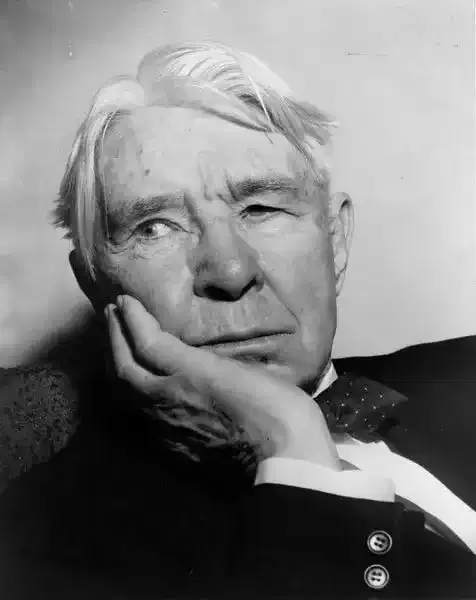
Carl Sandburg
Baltic Fog Notes
Baltic Fog Notes
Seven days all fog, all mist, and the turbines pounding through high seas.
I was a plaything, a rat’s neck in the teeth of a scuffling mastiff.
Fog and fog and no stars, sun, moon.
Then an afternoon in fjords, low-lying lands scrawled in granite languages on a gray
sky,
A night harbor, blue dusk mountain shoulders against a night sky,
And a circle of lights blinking: Ninety thousand people here.
Among the Wednesday night thousands in goloshes and coats slickered for rain,
I learned how hungry I was for streets and people.
I would rather be water than anything else.
I saw a drive of salt fog and mist in the North Atlantic and an iceberg dusky as a cloud
in the gray of morning.
And I saw the dream pools of fjords in Norway … and the scarf of dancing water on the
rocks and over the edges of mountain shelves.
Bury me in a mountain graveyard in Norway.
Three tongues of water sing around it with snow from the mountains.
Bury me in the North Atlantic.
A fog there from Iceland will be a murmur in gray over me and a long deep wind sob
always.
Bury me in an Illinois cornfield.
The blizzards loosen their pipe organ voluntaries in winter stubble and the spring rains
and the fall rains bring letters from the sea.
Seven days all fog, all mist, and the turbines pounding through high seas.
I was a plaything, a rat’s neck in the teeth of a scuffling mastiff.
Fog and fog and no stars, sun, moon.
Then an afternoon in fjords, low-lying lands scrawled in granite languages on a gray
sky,
A night harbor, blue dusk mountain shoulders against a night sky,
And a circle of lights blinking: Ninety thousand people here.
Among the Wednesday night thousands in goloshes and coats slickered for rain,
I learned how hungry I was for streets and people.
I would rather be water than anything else.
I saw a drive of salt fog and mist in the North Atlantic and an iceberg dusky as a cloud
in the gray of morning.
And I saw the dream pools of fjords in Norway … and the scarf of dancing water on the
rocks and over the edges of mountain shelves.
Bury me in a mountain graveyard in Norway.
Three tongues of water sing around it with snow from the mountains.
Bury me in the North Atlantic.
A fog there from Iceland will be a murmur in gray over me and a long deep wind sob
always.
Bury me in an Illinois cornfield.
The blizzards loosen their pipe organ voluntaries in winter stubble and the spring rains
and the fall rains bring letters from the sea.
402
Carl Sandburg
Aztec Mask
Aztec Mask
I wanted a man’s face looking into the jaws and throat of life
With something proud on his face, so proud no smash of the jaws,
No gulp of the throat leaves the face in the end
With anything else than the old proud look:
Even to the finish, dumped in the dust,
Lost among the used-up cinders,
This face, men would say, is a flash,
Is laid on bones taken from the ribs of the earth,
Ready for the hammers of changing, changing years,
Ready for the sleeping, sleeping years of silence.
Ready for the dust and fire and wind.
I wanted this face and I saw it today in an Aztec mask.
A cry out of storm and dark, a red yell and a purple prayer,
A beaten shape of ashes
waiting the sunrise or night,
something or nothing,
proud-mouthed,
proud-eyed gambler.
I wanted a man’s face looking into the jaws and throat of life
With something proud on his face, so proud no smash of the jaws,
No gulp of the throat leaves the face in the end
With anything else than the old proud look:
Even to the finish, dumped in the dust,
Lost among the used-up cinders,
This face, men would say, is a flash,
Is laid on bones taken from the ribs of the earth,
Ready for the hammers of changing, changing years,
Ready for the sleeping, sleeping years of silence.
Ready for the dust and fire and wind.
I wanted this face and I saw it today in an Aztec mask.
A cry out of storm and dark, a red yell and a purple prayer,
A beaten shape of ashes
waiting the sunrise or night,
something or nothing,
proud-mouthed,
proud-eyed gambler.
505
Carl Sandburg
Aztec Mask
Aztec Mask
I wanted a man’s face looking into the jaws and throat of life
With something proud on his face, so proud no smash of the jaws,
No gulp of the throat leaves the face in the end
With anything else than the old proud look:
Even to the finish, dumped in the dust,
Lost among the used-up cinders,
This face, men would say, is a flash,
Is laid on bones taken from the ribs of the earth,
Ready for the hammers of changing, changing years,
Ready for the sleeping, sleeping years of silence.
Ready for the dust and fire and wind.
I wanted this face and I saw it today in an Aztec mask.
A cry out of storm and dark, a red yell and a purple prayer,
A beaten shape of ashes
waiting the sunrise or night,
something or nothing,
proud-mouthed,
proud-eyed gambler.
I wanted a man’s face looking into the jaws and throat of life
With something proud on his face, so proud no smash of the jaws,
No gulp of the throat leaves the face in the end
With anything else than the old proud look:
Even to the finish, dumped in the dust,
Lost among the used-up cinders,
This face, men would say, is a flash,
Is laid on bones taken from the ribs of the earth,
Ready for the hammers of changing, changing years,
Ready for the sleeping, sleeping years of silence.
Ready for the dust and fire and wind.
I wanted this face and I saw it today in an Aztec mask.
A cry out of storm and dark, a red yell and a purple prayer,
A beaten shape of ashes
waiting the sunrise or night,
something or nothing,
proud-mouthed,
proud-eyed gambler.
505
Carl Sandburg
Autumn Movement
Autumn Movement
I cried over beautiful things knowing no beautiful thing lasts.
The field of cornflower yellow is a scarf at the neck of the copper
sunburned woman, the mother of the year, the taker of seeds.
The northwest wind comes and the yellow is torn full of holes,
new beautiful things come in the first spit of snow on the northwest wind,
and the old things go, not one lasts.
I cried over beautiful things knowing no beautiful thing lasts.
The field of cornflower yellow is a scarf at the neck of the copper
sunburned woman, the mother of the year, the taker of seeds.
The northwest wind comes and the yellow is torn full of holes,
new beautiful things come in the first spit of snow on the northwest wind,
and the old things go, not one lasts.
405
Carl Sandburg
Aprons of Silence
Aprons of Silence
Many things I might have said today.
And I kept my mouth shut.
So many times I was asked
To come and say the same things
Everybody was saying, no end
To the yes-yes, yes-yes,
me-too, me-too.
The aprons of silence covered me.
A wire and hatch held my tongue.
I spit nails into an abyss and listened.
I shut off the gable of Jones, Johnson, Smith,
All whose names take pages in the city directory.
I fixed up a padded cell and lugged it around.
I locked myself in and nobody knew it.
Only the keeper and the kept in the hoosegow
Knew it--on the streets, in the post office,
On the cars, into the railroad station
Where the caller was calling, "All a-board,
All a-board for . . . Blaa-blaa . . . Blaa-blaa,
Blaa-blaa . . . and all points northwest . . .all a-board."
Here I took along my own hoosegow
And did business with my own thoughts.
Do you see? It must be the aprons of silence.
Many things I might have said today.
And I kept my mouth shut.
So many times I was asked
To come and say the same things
Everybody was saying, no end
To the yes-yes, yes-yes,
me-too, me-too.
The aprons of silence covered me.
A wire and hatch held my tongue.
I spit nails into an abyss and listened.
I shut off the gable of Jones, Johnson, Smith,
All whose names take pages in the city directory.
I fixed up a padded cell and lugged it around.
I locked myself in and nobody knew it.
Only the keeper and the kept in the hoosegow
Knew it--on the streets, in the post office,
On the cars, into the railroad station
Where the caller was calling, "All a-board,
All a-board for . . . Blaa-blaa . . . Blaa-blaa,
Blaa-blaa . . . and all points northwest . . .all a-board."
Here I took along my own hoosegow
And did business with my own thoughts.
Do you see? It must be the aprons of silence.
421
Carl Sandburg
Aprons of Silence
Aprons of Silence
Many things I might have said today.
And I kept my mouth shut.
So many times I was asked
To come and say the same things
Everybody was saying, no end
To the yes-yes, yes-yes,
me-too, me-too.
The aprons of silence covered me.
A wire and hatch held my tongue.
I spit nails into an abyss and listened.
I shut off the gable of Jones, Johnson, Smith,
All whose names take pages in the city directory.
I fixed up a padded cell and lugged it around.
I locked myself in and nobody knew it.
Only the keeper and the kept in the hoosegow
Knew it--on the streets, in the post office,
On the cars, into the railroad station
Where the caller was calling, "All a-board,
All a-board for . . . Blaa-blaa . . . Blaa-blaa,
Blaa-blaa . . . and all points northwest . . .all a-board."
Here I took along my own hoosegow
And did business with my own thoughts.
Do you see? It must be the aprons of silence.
Many things I might have said today.
And I kept my mouth shut.
So many times I was asked
To come and say the same things
Everybody was saying, no end
To the yes-yes, yes-yes,
me-too, me-too.
The aprons of silence covered me.
A wire and hatch held my tongue.
I spit nails into an abyss and listened.
I shut off the gable of Jones, Johnson, Smith,
All whose names take pages in the city directory.
I fixed up a padded cell and lugged it around.
I locked myself in and nobody knew it.
Only the keeper and the kept in the hoosegow
Knew it--on the streets, in the post office,
On the cars, into the railroad station
Where the caller was calling, "All a-board,
All a-board for . . . Blaa-blaa . . . Blaa-blaa,
Blaa-blaa . . . and all points northwest . . .all a-board."
Here I took along my own hoosegow
And did business with my own thoughts.
Do you see? It must be the aprons of silence.
421
Carl Sandburg
And This Will Be All....
And This Will Be All....
And this will be all?
And the gates will never open again?
And the dust and the wind will play around the rusty door hinges and the songs of
October moan, Why-oh, why-oh?
And you will look to the mountains
And the mountains will look to you
And you will wish you were a mountain
And the mountain will wish nothing at all?
This will be all?
The gates will never-never open again?
The dust and the wind only
And the rusty door hinges and moaning October
And Why-oh, why-oh, in the moaning dry leaves,
This will be all?
Nothing in the air but songs
And no singers, no mouths to know the songs?
You tell us a woman with a heartache tells you it is so?
This will be all?
And this will be all?
And the gates will never open again?
And the dust and the wind will play around the rusty door hinges and the songs of
October moan, Why-oh, why-oh?
And you will look to the mountains
And the mountains will look to you
And you will wish you were a mountain
And the mountain will wish nothing at all?
This will be all?
The gates will never-never open again?
The dust and the wind only
And the rusty door hinges and moaning October
And Why-oh, why-oh, in the moaning dry leaves,
This will be all?
Nothing in the air but songs
And no singers, no mouths to know the songs?
You tell us a woman with a heartache tells you it is so?
This will be all?
391
Carl Sandburg
An Electric Sign Goes Dark
An Electric Sign Goes Dark
Poland, France, Judea ran in her veins,
Singing to Paris for bread, singing to Gotham in a fizz at the pop of a bottle’s cork.
“Won’t you come and play wiz me” she sang … and “I just can’t make my eyes
behave.”
“Higgeldy-Piggeldy,” “Papa’s Wife,” “Follow Me” were plays.
Did she wash her feet in a tub of milk? Was a strand of pearls sneaked from her trunk?
The newspapers asked.
Cigarettes, tulips, pacing horses, took her name.
Twenty years old … thirty … forty …
Forty-five and the doctors fathom nothing, the doctors quarrel, the doctors use silver
tubes feeding twenty-four quarts of blood into the veins, the respects of a prize-fighter,
a cab driver.
And a little mouth moans: It is easy to die when they are dying so many grand deaths
in France.
A voice, a shape, gone.
A baby bundle from Warsaw … legs, torso, head … on a hotel bed at The Savoy.
The white chiselings of flesh that flung themselves in somersaults, straddles, for
packed houses:
A memory, a stage and footlights out, an electric sign on Broadway dark.
She belonged to somebody, nobody.
No one man owned her, no ten nor a thousand.
She belonged to many thousand men, lovers of the white chiseling of arms and
shoulders, the ivory of a laugh, the bells of song.
Railroad brakemen taking trains across Nebraska prairies, lumbermen jaunting in pine
and tamarack of the Northwest, stock ranchers in the middle west, mayors of southern
cities
Say to their pals and wives now: I see by the papers Anna Held is dead.
Poland, France, Judea ran in her veins,
Singing to Paris for bread, singing to Gotham in a fizz at the pop of a bottle’s cork.
“Won’t you come and play wiz me” she sang … and “I just can’t make my eyes
behave.”
“Higgeldy-Piggeldy,” “Papa’s Wife,” “Follow Me” were plays.
Did she wash her feet in a tub of milk? Was a strand of pearls sneaked from her trunk?
The newspapers asked.
Cigarettes, tulips, pacing horses, took her name.
Twenty years old … thirty … forty …
Forty-five and the doctors fathom nothing, the doctors quarrel, the doctors use silver
tubes feeding twenty-four quarts of blood into the veins, the respects of a prize-fighter,
a cab driver.
And a little mouth moans: It is easy to die when they are dying so many grand deaths
in France.
A voice, a shape, gone.
A baby bundle from Warsaw … legs, torso, head … on a hotel bed at The Savoy.
The white chiselings of flesh that flung themselves in somersaults, straddles, for
packed houses:
A memory, a stage and footlights out, an electric sign on Broadway dark.
She belonged to somebody, nobody.
No one man owned her, no ten nor a thousand.
She belonged to many thousand men, lovers of the white chiseling of arms and
shoulders, the ivory of a laugh, the bells of song.
Railroad brakemen taking trains across Nebraska prairies, lumbermen jaunting in pine
and tamarack of the Northwest, stock ranchers in the middle west, mayors of southern
cities
Say to their pals and wives now: I see by the papers Anna Held is dead.
363
Carl Sandburg
An Electric Sign Goes Dark
An Electric Sign Goes Dark
Poland, France, Judea ran in her veins,
Singing to Paris for bread, singing to Gotham in a fizz at the pop of a bottle’s cork.
“Won’t you come and play wiz me” she sang … and “I just can’t make my eyes
behave.”
“Higgeldy-Piggeldy,” “Papa’s Wife,” “Follow Me” were plays.
Did she wash her feet in a tub of milk? Was a strand of pearls sneaked from her trunk?
The newspapers asked.
Cigarettes, tulips, pacing horses, took her name.
Twenty years old … thirty … forty …
Forty-five and the doctors fathom nothing, the doctors quarrel, the doctors use silver
tubes feeding twenty-four quarts of blood into the veins, the respects of a prize-fighter,
a cab driver.
And a little mouth moans: It is easy to die when they are dying so many grand deaths
in France.
A voice, a shape, gone.
A baby bundle from Warsaw … legs, torso, head … on a hotel bed at The Savoy.
The white chiselings of flesh that flung themselves in somersaults, straddles, for
packed houses:
A memory, a stage and footlights out, an electric sign on Broadway dark.
She belonged to somebody, nobody.
No one man owned her, no ten nor a thousand.
She belonged to many thousand men, lovers of the white chiseling of arms and
shoulders, the ivory of a laugh, the bells of song.
Railroad brakemen taking trains across Nebraska prairies, lumbermen jaunting in pine
and tamarack of the Northwest, stock ranchers in the middle west, mayors of southern
cities
Say to their pals and wives now: I see by the papers Anna Held is dead.
Poland, France, Judea ran in her veins,
Singing to Paris for bread, singing to Gotham in a fizz at the pop of a bottle’s cork.
“Won’t you come and play wiz me” she sang … and “I just can’t make my eyes
behave.”
“Higgeldy-Piggeldy,” “Papa’s Wife,” “Follow Me” were plays.
Did she wash her feet in a tub of milk? Was a strand of pearls sneaked from her trunk?
The newspapers asked.
Cigarettes, tulips, pacing horses, took her name.
Twenty years old … thirty … forty …
Forty-five and the doctors fathom nothing, the doctors quarrel, the doctors use silver
tubes feeding twenty-four quarts of blood into the veins, the respects of a prize-fighter,
a cab driver.
And a little mouth moans: It is easy to die when they are dying so many grand deaths
in France.
A voice, a shape, gone.
A baby bundle from Warsaw … legs, torso, head … on a hotel bed at The Savoy.
The white chiselings of flesh that flung themselves in somersaults, straddles, for
packed houses:
A memory, a stage and footlights out, an electric sign on Broadway dark.
She belonged to somebody, nobody.
No one man owned her, no ten nor a thousand.
She belonged to many thousand men, lovers of the white chiseling of arms and
shoulders, the ivory of a laugh, the bells of song.
Railroad brakemen taking trains across Nebraska prairies, lumbermen jaunting in pine
and tamarack of the Northwest, stock ranchers in the middle west, mayors of southern
cities
Say to their pals and wives now: I see by the papers Anna Held is dead.
363
Carl Sandburg
Always The Mob
Always The Mob
Jesus emptied the devils of one man into forty hogs and the hogs took the edge of a
high rock and dropped off and down into the sea: a mob.
The sheep on the hills of Australia, blundering fourfooted in the sunset mist to the
dark, they go one way, they hunt one sleep, they find one pocket of grass for all.
Karnak? Pyramids? Sphinx paws tall as a coolie? Tombs kept for kings and sacred
cows? A mob.
Young roast pigs and naked dancing girls of Belshazzar, the room where a thousand sat
guzzling when a hand wrote: Mene, mene, tekel, upharsin? A mob.
The honeycomb of green that won the sun as the Hanging Gardens of Nineveh, flew to
its shape at the hands of a mob that followed the fingers of Nebuchadnezzar: a mob of
one hand and one plan.
Stones of a circle of hills at Athens, staircases of a mountain in Peru, scattered clans of
marble dragons in China: each a mob on the rim of a sunrise: hammers and wagons
have them now.
Locks and gates of Panama? The Union Pacific crossing deserts and tunneling
mountains? The Woolworth on land and the Titanic at sea? Lighthouses blinking a coast
line from Labrador to Key West? Pig iron bars piled on a barge whistling in a fog off
Sheboygan? A mob: hammers and wagons have them to-morrow.
The mob? A typhoon tearing loose an island from thousand-year moorings and
bastions, shooting a volcanic ash with a fire tongue that licks up cities and peoples.
Layers of worms eating rocks and forming loam and valley floors for potatoes, wheat,
watermelons.
The mob? A jag of lightning, a geyser, a gravel mass loosening…
The mob … kills or builds … the mob is Attila or Ghengis Khan, the mob is Napoleon,
Lincoln.
I am born in the mob—I die in the mob—the same goes for you—I don’t care who you
are.
I cross the sheets of fire in No Man’s land for you, my brother—I slip a steel tooth into
your throat, you my brother—I die for you and I kill you—It is a twisted and gnarled
thing, a crimson wool:
One more arch of stars,
In the night of our mist,
In the night of our tears.
Jesus emptied the devils of one man into forty hogs and the hogs took the edge of a
high rock and dropped off and down into the sea: a mob.
The sheep on the hills of Australia, blundering fourfooted in the sunset mist to the
dark, they go one way, they hunt one sleep, they find one pocket of grass for all.
Karnak? Pyramids? Sphinx paws tall as a coolie? Tombs kept for kings and sacred
cows? A mob.
Young roast pigs and naked dancing girls of Belshazzar, the room where a thousand sat
guzzling when a hand wrote: Mene, mene, tekel, upharsin? A mob.
The honeycomb of green that won the sun as the Hanging Gardens of Nineveh, flew to
its shape at the hands of a mob that followed the fingers of Nebuchadnezzar: a mob of
one hand and one plan.
Stones of a circle of hills at Athens, staircases of a mountain in Peru, scattered clans of
marble dragons in China: each a mob on the rim of a sunrise: hammers and wagons
have them now.
Locks and gates of Panama? The Union Pacific crossing deserts and tunneling
mountains? The Woolworth on land and the Titanic at sea? Lighthouses blinking a coast
line from Labrador to Key West? Pig iron bars piled on a barge whistling in a fog off
Sheboygan? A mob: hammers and wagons have them to-morrow.
The mob? A typhoon tearing loose an island from thousand-year moorings and
bastions, shooting a volcanic ash with a fire tongue that licks up cities and peoples.
Layers of worms eating rocks and forming loam and valley floors for potatoes, wheat,
watermelons.
The mob? A jag of lightning, a geyser, a gravel mass loosening…
The mob … kills or builds … the mob is Attila or Ghengis Khan, the mob is Napoleon,
Lincoln.
I am born in the mob—I die in the mob—the same goes for you—I don’t care who you
are.
I cross the sheets of fire in No Man’s land for you, my brother—I slip a steel tooth into
your throat, you my brother—I die for you and I kill you—It is a twisted and gnarled
thing, a crimson wool:
One more arch of stars,
In the night of our mist,
In the night of our tears.
383
Carl Sandburg
Adelaide Crapsey
Adelaide Crapsey
Among the bumble-bees in red-top hay, a freckled field of brown-eyed Susans dripping
yellow leaves in July,
I read your heart in a book.
And your mouth of blue pansy—I know somewhere I have seen it rain-shattered.
And I have seen a woman with her head flung between her naked knees, and her head
held there listening to the sea, the great naked sea shouldering a load of salt.
And the blue pansy mouth sang to the sea:
Mother of God, I’m so little a thing,
Let me sing longer,
Only a little longer.
And the sea shouldered its salt in long gray combers hauling new shapes on the beach
sand.
Among the bumble-bees in red-top hay, a freckled field of brown-eyed Susans dripping
yellow leaves in July,
I read your heart in a book.
And your mouth of blue pansy—I know somewhere I have seen it rain-shattered.
And I have seen a woman with her head flung between her naked knees, and her head
held there listening to the sea, the great naked sea shouldering a load of salt.
And the blue pansy mouth sang to the sea:
Mother of God, I’m so little a thing,
Let me sing longer,
Only a little longer.
And the sea shouldered its salt in long gray combers hauling new shapes on the beach
sand.
360
Carl Sandburg
Adelaide Crapsey
Adelaide Crapsey
Among the bumble-bees in red-top hay, a freckled field of brown-eyed Susans dripping
yellow leaves in July,
I read your heart in a book.
And your mouth of blue pansy—I know somewhere I have seen it rain-shattered.
And I have seen a woman with her head flung between her naked knees, and her head
held there listening to the sea, the great naked sea shouldering a load of salt.
And the blue pansy mouth sang to the sea:
Mother of God, I’m so little a thing,
Let me sing longer,
Only a little longer.
And the sea shouldered its salt in long gray combers hauling new shapes on the beach
sand.
Among the bumble-bees in red-top hay, a freckled field of brown-eyed Susans dripping
yellow leaves in July,
I read your heart in a book.
And your mouth of blue pansy—I know somewhere I have seen it rain-shattered.
And I have seen a woman with her head flung between her naked knees, and her head
held there listening to the sea, the great naked sea shouldering a load of salt.
And the blue pansy mouth sang to the sea:
Mother of God, I’m so little a thing,
Let me sing longer,
Only a little longer.
And the sea shouldered its salt in long gray combers hauling new shapes on the beach
sand.
360
Carl Sandburg
Adelaide Crapsey
Adelaide Crapsey
Among the bumble-bees in red-top hay, a freckled field of brown-eyed Susans dripping
yellow leaves in July,
I read your heart in a book.
And your mouth of blue pansy—I know somewhere I have seen it rain-shattered.
And I have seen a woman with her head flung between her naked knees, and her head
held there listening to the sea, the great naked sea shouldering a load of salt.
And the blue pansy mouth sang to the sea:
Mother of God, I’m so little a thing,
Let me sing longer,
Only a little longer.
And the sea shouldered its salt in long gray combers hauling new shapes on the beach
sand.
Among the bumble-bees in red-top hay, a freckled field of brown-eyed Susans dripping
yellow leaves in July,
I read your heart in a book.
And your mouth of blue pansy—I know somewhere I have seen it rain-shattered.
And I have seen a woman with her head flung between her naked knees, and her head
held there listening to the sea, the great naked sea shouldering a load of salt.
And the blue pansy mouth sang to the sea:
Mother of God, I’m so little a thing,
Let me sing longer,
Only a little longer.
And the sea shouldered its salt in long gray combers hauling new shapes on the beach
sand.
360
Carl Sandburg
All Day Long
All Day Long
All day long in fog and wind,
The waves have flung their beating crests
Against the palisades of adamant.
My boy, he went to sea, long and long ago,
Curls of brown were slipping underneath his cap,
He looked at me from blue and steely eyes;
Natty, straight and true, he stepped away,
My boy, he went to sea.
All day long in fog and wind,
The waves have flung their beating crests
Against the palisades of adamant.
All day long in fog and wind,
The waves have flung their beating crests
Against the palisades of adamant.
My boy, he went to sea, long and long ago,
Curls of brown were slipping underneath his cap,
He looked at me from blue and steely eyes;
Natty, straight and true, he stepped away,
My boy, he went to sea.
All day long in fog and wind,
The waves have flung their beating crests
Against the palisades of adamant.
407
Carl Sandburg
A Tall Man
A Tall Man
The mouth of this man is a gaunt strong mouth.
The head of this man is a gaunt strong head.
The jaws of this man are bone of the Rocky Mountains, the Appalachians.
The eyes of this man are chlorine of two sobbing oceans,
Foam, salt, green, wind, the changing unknown.
The neck of this man is pith of buffalo prairie, old longing and new beckoning of corn
belt or cotton belt,
Either a proud Sequoia trunk of the wilderness
Or huddling lumber of a sawmill waiting to be a roof.
Brother mystery to man and mob mystery,
Brother cryptic to lifted cryptic hands,
He is night and abyss, he is white sky of sun, he is the head of the people.
The heart of him the red drops of the people,
The wish of him the steady gray-eagle crag-hunting flights of the people.
Humble dust of a wheel-worn road,
Slashed sod under the iron-shining plow,
These of service in him, these and many cities, many borders, many wrangles between
Alaska and the Isthmus, between the Isthmus and the Horn, and east and west of
Omaha, and east and west of Paris, Berlin, Petrograd.
The blood in his right wrist and the blood in his left wrist run with the right wrist
wisdom of the many and the left wrist wisdom of the many.
It is the many he knows, the gaunt strong hunger of the many.
The mouth of this man is a gaunt strong mouth.
The head of this man is a gaunt strong head.
The jaws of this man are bone of the Rocky Mountains, the Appalachians.
The eyes of this man are chlorine of two sobbing oceans,
Foam, salt, green, wind, the changing unknown.
The neck of this man is pith of buffalo prairie, old longing and new beckoning of corn
belt or cotton belt,
Either a proud Sequoia trunk of the wilderness
Or huddling lumber of a sawmill waiting to be a roof.
Brother mystery to man and mob mystery,
Brother cryptic to lifted cryptic hands,
He is night and abyss, he is white sky of sun, he is the head of the people.
The heart of him the red drops of the people,
The wish of him the steady gray-eagle crag-hunting flights of the people.
Humble dust of a wheel-worn road,
Slashed sod under the iron-shining plow,
These of service in him, these and many cities, many borders, many wrangles between
Alaska and the Isthmus, between the Isthmus and the Horn, and east and west of
Omaha, and east and west of Paris, Berlin, Petrograd.
The blood in his right wrist and the blood in his left wrist run with the right wrist
wisdom of the many and the left wrist wisdom of the many.
It is the many he knows, the gaunt strong hunger of the many.
490
Carl Sandburg
A Father To His Son
A Father To His Son
A father sees his son nearing manhood.
What shall he tell that son?
'Life is hard; be steel; be a rock.'
And this might stand him for the storms
and serve him for humdrum monotony
and guide him among sudden betrayals
and tighten him for slack moments.
'Life is a soft loam; be gentle; go easy.'
And this too might serve him.
Brutes have been gentled where lashes failed.
The growth of a frail flower in a path up
has sometimes shattered and split a rock.
A tough will counts. So does desire.
So does a rich soft wanting.
Without rich wanting nothing arrives.
Tell him too much money has killed men
and left them dead years before burial:
the quest of lucre beyond a few easy needs
has twisted good enough men
sometimes into dry thwarted worms.
Tell him time as a stuff can be wasted.
Tell him to be a fool every so often
and to have no shame over having been a fool
yet learning something out of every folly
hoping to repeat none of the cheap follies
thus arriving at intimate understanding
of a world numbering many fools.
Tell him to be alone often and get at himself
and above all tell himself no lies about himself
whatever the white lies and protective fronts
he may use against other people.
Tell him solitude is creative if he is strong
and the final decisions are made in silent rooms.
Tell him to be different from other people
if it comes natural and easy being different.
Let him have lazy days seeking his deeper motives.
Let him seek deep for where he is born natural.
Then he may understand Shakespeare
and the Wright brothers, Pasteur, Pavlov,
Michael Faraday and free imaginations
Bringing changes into a world resenting change.
He will be lonely enough
to have time for the work
he knows as his own.
A father sees his son nearing manhood.
What shall he tell that son?
'Life is hard; be steel; be a rock.'
And this might stand him for the storms
and serve him for humdrum monotony
and guide him among sudden betrayals
and tighten him for slack moments.
'Life is a soft loam; be gentle; go easy.'
And this too might serve him.
Brutes have been gentled where lashes failed.
The growth of a frail flower in a path up
has sometimes shattered and split a rock.
A tough will counts. So does desire.
So does a rich soft wanting.
Without rich wanting nothing arrives.
Tell him too much money has killed men
and left them dead years before burial:
the quest of lucre beyond a few easy needs
has twisted good enough men
sometimes into dry thwarted worms.
Tell him time as a stuff can be wasted.
Tell him to be a fool every so often
and to have no shame over having been a fool
yet learning something out of every folly
hoping to repeat none of the cheap follies
thus arriving at intimate understanding
of a world numbering many fools.
Tell him to be alone often and get at himself
and above all tell himself no lies about himself
whatever the white lies and protective fronts
he may use against other people.
Tell him solitude is creative if he is strong
and the final decisions are made in silent rooms.
Tell him to be different from other people
if it comes natural and easy being different.
Let him have lazy days seeking his deeper motives.
Let him seek deep for where he is born natural.
Then he may understand Shakespeare
and the Wright brothers, Pasteur, Pavlov,
Michael Faraday and free imaginations
Bringing changes into a world resenting change.
He will be lonely enough
to have time for the work
he knows as his own.
394
Boris Pasternak
Your Picture
Your Picture
It's with your laughing picture that I'm living now,
You whose wrists are so slender and crackle at the joints,
You who wring your hands yet are unwilling to go,
You whose guests stay for hours sharing sadness and joys.
You who'll run from the cards and Rakoczy bravura,
From the glass of the drawing-room and from the guests
To the keyboard on fire, unable to endure
Bones and roses and dice and rosettes and the rest.
You will fluff up your hair, and a reckless tea-rose,
Smelling of cigarettes, pin to your bright-red sash,
And then waltz to your glory, your sadness and woes
Tossing off like a scarf, beaming, breathless and flushed.
You will crumple the skin of an orange and swallow
Cooling morsels again and again in your haste
To return to the hall, to the whirling and mellow
Lights, and air with the sweet sweat of fresh waltzes laced.
Defying steam and scorching breath
The way a whirlwind dies,
The way a murid faces death
With wide unflinching eyes.
Know all: not mountains' noise and hush,
And not a purebred steed-
The reckless roses in your sash
Are riding at full speed.
No, not the clatter of the hoofs
And not the mountains' hush,
But only she who stands aloof
With flowers in her sash.
And only that is really It
What makes our ears ring,
And what the whirlwind-chasing feet,
Soul, tulle and silk sash bring.
Until sides split the jokes are cracked,
We're rolling in the aisles,
The envy of the romping sacks-
Until somebody cries.
It's with your laughing picture that I'm living now,
You whose wrists are so slender and crackle at the joints,
You who wring your hands yet are unwilling to go,
You whose guests stay for hours sharing sadness and joys.
You who'll run from the cards and Rakoczy bravura,
From the glass of the drawing-room and from the guests
To the keyboard on fire, unable to endure
Bones and roses and dice and rosettes and the rest.
You will fluff up your hair, and a reckless tea-rose,
Smelling of cigarettes, pin to your bright-red sash,
And then waltz to your glory, your sadness and woes
Tossing off like a scarf, beaming, breathless and flushed.
You will crumple the skin of an orange and swallow
Cooling morsels again and again in your haste
To return to the hall, to the whirling and mellow
Lights, and air with the sweet sweat of fresh waltzes laced.
Defying steam and scorching breath
The way a whirlwind dies,
The way a murid faces death
With wide unflinching eyes.
Know all: not mountains' noise and hush,
And not a purebred steed-
The reckless roses in your sash
Are riding at full speed.
No, not the clatter of the hoofs
And not the mountains' hush,
But only she who stands aloof
With flowers in her sash.
And only that is really It
What makes our ears ring,
And what the whirlwind-chasing feet,
Soul, tulle and silk sash bring.
Until sides split the jokes are cracked,
We're rolling in the aisles,
The envy of the romping sacks-
Until somebody cries.
546
Boris Pasternak
Your Picture
Your Picture
It's with your laughing picture that I'm living now,
You whose wrists are so slender and crackle at the joints,
You who wring your hands yet are unwilling to go,
You whose guests stay for hours sharing sadness and joys.
You who'll run from the cards and Rakoczy bravura,
From the glass of the drawing-room and from the guests
To the keyboard on fire, unable to endure
Bones and roses and dice and rosettes and the rest.
You will fluff up your hair, and a reckless tea-rose,
Smelling of cigarettes, pin to your bright-red sash,
And then waltz to your glory, your sadness and woes
Tossing off like a scarf, beaming, breathless and flushed.
You will crumple the skin of an orange and swallow
Cooling morsels again and again in your haste
To return to the hall, to the whirling and mellow
Lights, and air with the sweet sweat of fresh waltzes laced.
Defying steam and scorching breath
The way a whirlwind dies,
The way a murid faces death
With wide unflinching eyes.
Know all: not mountains' noise and hush,
And not a purebred steed-
The reckless roses in your sash
Are riding at full speed.
No, not the clatter of the hoofs
And not the mountains' hush,
But only she who stands aloof
With flowers in her sash.
And only that is really It
What makes our ears ring,
And what the whirlwind-chasing feet,
Soul, tulle and silk sash bring.
Until sides split the jokes are cracked,
We're rolling in the aisles,
The envy of the romping sacks-
Until somebody cries.
It's with your laughing picture that I'm living now,
You whose wrists are so slender and crackle at the joints,
You who wring your hands yet are unwilling to go,
You whose guests stay for hours sharing sadness and joys.
You who'll run from the cards and Rakoczy bravura,
From the glass of the drawing-room and from the guests
To the keyboard on fire, unable to endure
Bones and roses and dice and rosettes and the rest.
You will fluff up your hair, and a reckless tea-rose,
Smelling of cigarettes, pin to your bright-red sash,
And then waltz to your glory, your sadness and woes
Tossing off like a scarf, beaming, breathless and flushed.
You will crumple the skin of an orange and swallow
Cooling morsels again and again in your haste
To return to the hall, to the whirling and mellow
Lights, and air with the sweet sweat of fresh waltzes laced.
Defying steam and scorching breath
The way a whirlwind dies,
The way a murid faces death
With wide unflinching eyes.
Know all: not mountains' noise and hush,
And not a purebred steed-
The reckless roses in your sash
Are riding at full speed.
No, not the clatter of the hoofs
And not the mountains' hush,
But only she who stands aloof
With flowers in her sash.
And only that is really It
What makes our ears ring,
And what the whirlwind-chasing feet,
Soul, tulle and silk sash bring.
Until sides split the jokes are cracked,
We're rolling in the aisles,
The envy of the romping sacks-
Until somebody cries.
546
Boris Pasternak
Without A Title
Without A Title
So aloof, so meek in your ways,
Now you're fire, you're pure combustion.
Only let me lock up your beauty
Deep, deep down in a poem's dungeon.
See how wholly transformed they are
By the fire in the glowing lampshade;
Edge of wall, edge of window-pane,
Our own figures and our own shadows.
There you sit on cushions, apart,
Legs tucked under you, Turkish fashion.
In the light or in the shadow,
Childlike, always, the way you reason.
Dreaming, now you thread on a string
Beads that lie on your lap in profusion.
Far too sad is your mien, too artless
Is the drift of your conversation.
Yes, love's truly a vulgar word.
I'll invent something else to supplant it,
Just for you, the whole world, all words
I will gladly rename, if you want it.
Can your sorrowful mien convey
All your hidden orebearing richness,
All that radiant seam of your heart?
Why d'you fill your eyes with such sadness?
So aloof, so meek in your ways,
Now you're fire, you're pure combustion.
Only let me lock up your beauty
Deep, deep down in a poem's dungeon.
See how wholly transformed they are
By the fire in the glowing lampshade;
Edge of wall, edge of window-pane,
Our own figures and our own shadows.
There you sit on cushions, apart,
Legs tucked under you, Turkish fashion.
In the light or in the shadow,
Childlike, always, the way you reason.
Dreaming, now you thread on a string
Beads that lie on your lap in profusion.
Far too sad is your mien, too artless
Is the drift of your conversation.
Yes, love's truly a vulgar word.
I'll invent something else to supplant it,
Just for you, the whole world, all words
I will gladly rename, if you want it.
Can your sorrowful mien convey
All your hidden orebearing richness,
All that radiant seam of your heart?
Why d'you fill your eyes with such sadness?
522
Boris Pasternak
White Night
White Night
I keep thinking of times that are long past,
Of a house in the Petersburg Quarter.
You had come from the steppeland Kursk Province,
Of a none-too-rich mother the daughter.
You were nice, you had many admirers.
On that distant white night we were sitting
On your window-sill, looking from high on
On the phantom-like scene of the city.
The street-lamps, like gauze butterflies fluttering,
Had been touched by the chill of the morning.
My soft words, as I opened my heart to you,
Matched the slumbering vistas before us.
We were plighted with timid fidelity
To the very same nebulous mystery
As the cityscape spreading unendingly
Far beyond the Neva, through the distances.
In that far-off impregnable wilderness,
Wrapped in springtime twilight ethereal,
Woodland glades and dense thickets were quivering
With mad nightingales' thunderous paeans.
Crazy resonant warbling ran riot,
And the voice of this plain-looking songster
Sowed derangement, ecstatic delight
In the depth of the mesmerised copsewood.
To those parts Night, a barefoot vagabond,
Stole its way along ditches and fences.
From our window-sill, after it tagging,
Was the trail of our cooed confidences.
To the words of this colloquy echoing
In the orchards beyond the tall palings
Spreading branches of apple and cherry trees
Swathed themselves in their pearly-white raiment.
And the trees, like so many pale phantoms,
Waved their farewell, along the road thronging,
To White Night, that all-seeing enchanter,
Who was now to North Regions withdrawing.
I keep thinking of times that are long past,
Of a house in the Petersburg Quarter.
You had come from the steppeland Kursk Province,
Of a none-too-rich mother the daughter.
You were nice, you had many admirers.
On that distant white night we were sitting
On your window-sill, looking from high on
On the phantom-like scene of the city.
The street-lamps, like gauze butterflies fluttering,
Had been touched by the chill of the morning.
My soft words, as I opened my heart to you,
Matched the slumbering vistas before us.
We were plighted with timid fidelity
To the very same nebulous mystery
As the cityscape spreading unendingly
Far beyond the Neva, through the distances.
In that far-off impregnable wilderness,
Wrapped in springtime twilight ethereal,
Woodland glades and dense thickets were quivering
With mad nightingales' thunderous paeans.
Crazy resonant warbling ran riot,
And the voice of this plain-looking songster
Sowed derangement, ecstatic delight
In the depth of the mesmerised copsewood.
To those parts Night, a barefoot vagabond,
Stole its way along ditches and fences.
From our window-sill, after it tagging,
Was the trail of our cooed confidences.
To the words of this colloquy echoing
In the orchards beyond the tall palings
Spreading branches of apple and cherry trees
Swathed themselves in their pearly-white raiment.
And the trees, like so many pale phantoms,
Waved their farewell, along the road thronging,
To White Night, that all-seeing enchanter,
Who was now to North Regions withdrawing.
633
Boris Pasternak
Wet Paint
Wet Paint
'Look out! Wet paint.' My soul was blind,
I have to pay the price,
All marked with stains of calves and cheeks
And hands and lips and eyes.
I loved you more than luck or grief
Because with you in sight
The old and yellowed world became
As white as painters' white.
I swear my friend, my gloom-it will
One day still whiter gleam,
Than lampshades, than a bandaged brow,
Than a delirious dream.
~~~~~~~~~~~
Не трогать
'Не трогать,
свежевыкрk
2;шен', &#
1044;уша не
береглась,
И память - в
пятнах икр
и щек,
И рук, и губ, и
глаз.
Я больше
всех удач и
бед
За то тебя
любил,
Что
пожелтелыl
1; белый свет
С тобой &#
1073;елей
белил.
И мгла моя,
мой друг,
божусь,
Он станет
как-нибудь
Белей, чем
бред, чем
абажур,
Чем белый
бинт на лбу!
'Look out! Wet paint.' My soul was blind,
I have to pay the price,
All marked with stains of calves and cheeks
And hands and lips and eyes.
I loved you more than luck or grief
Because with you in sight
The old and yellowed world became
As white as painters' white.
I swear my friend, my gloom-it will
One day still whiter gleam,
Than lampshades, than a bandaged brow,
Than a delirious dream.
~~~~~~~~~~~
Не трогать
'Не трогать,
свежевыкрk
2;шен', &#
1044;уша не
береглась,
И память - в
пятнах икр
и щек,
И рук, и губ, и
глаз.
Я больше
всех удач и
бед
За то тебя
любил,
Что
пожелтелыl
1; белый свет
С тобой &#
1073;елей
белил.
И мгла моя,
мой друг,
божусь,
Он станет
как-нибудь
Белей, чем
бред, чем
абажур,
Чем белый
бинт на лбу!
478
Boris Pasternak
Wet Paint
Wet Paint
'Look out! Wet paint.' My soul was blind,
I have to pay the price,
All marked with stains of calves and cheeks
And hands and lips and eyes.
I loved you more than luck or grief
Because with you in sight
The old and yellowed world became
As white as painters' white.
I swear my friend, my gloom-it will
One day still whiter gleam,
Than lampshades, than a bandaged brow,
Than a delirious dream.
~~~~~~~~~~~
Не трогать
'Не трогать,
свежевыкрk
2;шен', &#
1044;уша не
береглась,
И память - в
пятнах икр
и щек,
И рук, и губ, и
глаз.
Я больше
всех удач и
бед
За то тебя
любил,
Что
пожелтелыl
1; белый свет
С тобой &#
1073;елей
белил.
И мгла моя,
мой друг,
божусь,
Он станет
как-нибудь
Белей, чем
бред, чем
абажур,
Чем белый
бинт на лбу!
'Look out! Wet paint.' My soul was blind,
I have to pay the price,
All marked with stains of calves and cheeks
And hands and lips and eyes.
I loved you more than luck or grief
Because with you in sight
The old and yellowed world became
As white as painters' white.
I swear my friend, my gloom-it will
One day still whiter gleam,
Than lampshades, than a bandaged brow,
Than a delirious dream.
~~~~~~~~~~~
Не трогать
'Не трогать,
свежевыкрk
2;шен', &#
1044;уша не
береглась,
И память - в
пятнах икр
и щек,
И рук, и губ, и
глаз.
Я больше
всех удач и
бед
За то тебя
любил,
Что
пожелтелыl
1; белый свет
С тобой &#
1073;елей
белил.
И мгла моя,
мой друг,
божусь,
Он станет
как-нибудь
Белей, чем
бред, чем
абажур,
Чем белый
бинт на лбу!
478
Boris Pasternak
Wet Paint
Wet Paint
'Look out! Wet paint.' My soul was blind,
I have to pay the price,
All marked with stains of calves and cheeks
And hands and lips and eyes.
I loved you more than luck or grief
Because with you in sight
The old and yellowed world became
As white as painters' white.
I swear my friend, my gloom-it will
One day still whiter gleam,
Than lampshades, than a bandaged brow,
Than a delirious dream.
~~~~~~~~~~~
Не трогать
'Не трогать,
свежевыкрk
2;шен', &#
1044;уша не
береглась,
И память - в
пятнах икр
и щек,
И рук, и губ, и
глаз.
Я больше
всех удач и
бед
За то тебя
любил,
Что
пожелтелыl
1; белый свет
С тобой &#
1073;елей
белил.
И мгла моя,
мой друг,
божусь,
Он станет
как-нибудь
Белей, чем
бред, чем
абажур,
Чем белый
бинт на лбу!
'Look out! Wet paint.' My soul was blind,
I have to pay the price,
All marked with stains of calves and cheeks
And hands and lips and eyes.
I loved you more than luck or grief
Because with you in sight
The old and yellowed world became
As white as painters' white.
I swear my friend, my gloom-it will
One day still whiter gleam,
Than lampshades, than a bandaged brow,
Than a delirious dream.
~~~~~~~~~~~
Не трогать
'Не трогать,
свежевыкрk
2;шен', &#
1044;уша не
береглась,
И память - в
пятнах икр
и щек,
И рук, и губ, и
глаз.
Я больше
всех удач и
бед
За то тебя
любил,
Что
пожелтелыl
1; белый свет
С тобой &#
1073;елей
белил.
И мгла моя,
мой друг,
божусь,
Он станет
как-нибудь
Белей, чем
бред, чем
абажур,
Чем белый
бинт на лбу!
478
Boris Pasternak
To Anna Akhmatova
To Anna Akhmatova
I think I can call on words
that will last: you are there.
But if I can’t, no matter –
I’ll persist, I won’t care.
I hear the muttering of wet roofs,
pale eclogues from stones and kerb.
From the opening lines, that city,
is alive in each sound, each word.
You can’t leave town though it’s spring,
and your customers won’t wait.
Dawn glows, by lamplight sewing
with unbowed back, eyes wet.
Breathing the calm of far-off Ladoga,
stumbling towards the water.
There’s no relief from such trips.
The shallows smell mustier, darker.
The wind dances, it’s a walnut shell,
a glitter, the warm wind blows
branches and stars, lights, and views,
as the seamstress watches the flow.
Eyesight can be sharp, differently,
form be precise in varying ways,
but a solvent of acid power’s
out there under the white night’s blaze.
That’s how I see your face and look.
Not that pillar of salt, in mind,
in which five years ago you fixed
our fears of looking behind.
From your first verses where grains
of clear speech hardened, to the last,
your eye, the spark that shakes the wire,
makes all things quiver with the past.
I think I can call on words
that will last: you are there.
But if I can’t, no matter –
I’ll persist, I won’t care.
I hear the muttering of wet roofs,
pale eclogues from stones and kerb.
From the opening lines, that city,
is alive in each sound, each word.
You can’t leave town though it’s spring,
and your customers won’t wait.
Dawn glows, by lamplight sewing
with unbowed back, eyes wet.
Breathing the calm of far-off Ladoga,
stumbling towards the water.
There’s no relief from such trips.
The shallows smell mustier, darker.
The wind dances, it’s a walnut shell,
a glitter, the warm wind blows
branches and stars, lights, and views,
as the seamstress watches the flow.
Eyesight can be sharp, differently,
form be precise in varying ways,
but a solvent of acid power’s
out there under the white night’s blaze.
That’s how I see your face and look.
Not that pillar of salt, in mind,
in which five years ago you fixed
our fears of looking behind.
From your first verses where grains
of clear speech hardened, to the last,
your eye, the spark that shakes the wire,
makes all things quiver with the past.
687