

Poems in this topic
Others
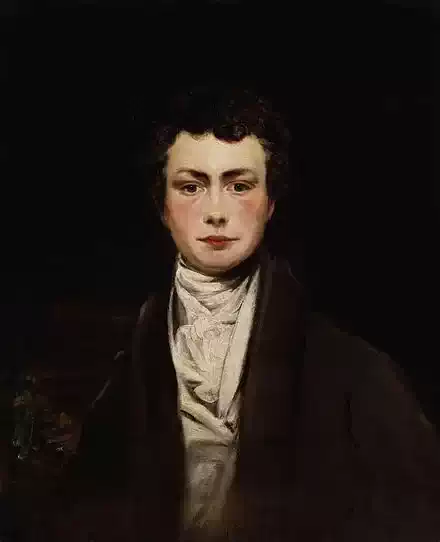
Thomas Moore
Love and the Novice
Love and the Novice
"Here we dwell, in holiest bowers,
Where angels of light o'er our orisans bend;
Where sighs of devotion and breathings of flowers
To heaven in mingled odour ascend.
Do not disturb our calm, oh Love!
So like is thy form to the cherubs above,
It well might deceive such hearts as ours."
Love stood near the Novice and listen'd,
And Love is no novice in taking a hint;
His laughing blue eyes soon with piety glisten'd;
His rosy wing turn'd to heaven's own tint.
"Who would have thought," the urchin cries,
"That Love could so well, so gravely disguise
His wandering wings, and wounding eyes?"
Love now warms thee, waking and sleeping,
Young Novice, to him all thy orisons rise.
He tinges the heavenly fount with his weeping,
He brightens the censer's flame with his sighs.
Love is the Saint enshrined in thy breast,
And angels themselves would admit such a guest,
If he came to them clothed in Piety's vest.
"Here we dwell, in holiest bowers,
Where angels of light o'er our orisans bend;
Where sighs of devotion and breathings of flowers
To heaven in mingled odour ascend.
Do not disturb our calm, oh Love!
So like is thy form to the cherubs above,
It well might deceive such hearts as ours."
Love stood near the Novice and listen'd,
And Love is no novice in taking a hint;
His laughing blue eyes soon with piety glisten'd;
His rosy wing turn'd to heaven's own tint.
"Who would have thought," the urchin cries,
"That Love could so well, so gravely disguise
His wandering wings, and wounding eyes?"
Love now warms thee, waking and sleeping,
Young Novice, to him all thy orisons rise.
He tinges the heavenly fount with his weeping,
He brightens the censer's flame with his sighs.
Love is the Saint enshrined in thy breast,
And angels themselves would admit such a guest,
If he came to them clothed in Piety's vest.
202
Thomas Moore
Lesbia Hath a Beaming Eye
Lesbia Hath a Beaming Eye
Lesbia hath a beaming eye,
But no one knows for whom it beameth;
Right and left its arrows fly,
But what they aim at no one dreameth.
Sweeter 'tis to gaze upon
My Nora's lid that seldom rises;
Few its looks, but every one,
Like unexpected light, surprises!
Oh, my Nora Creina, dear,
My gentle, bashful Nora Creina,
Beauty lies
In many eyes,
But Love in yours, my Nora Creina.
Lesbia wears a robe of gold,
But all so close the nymph hath laced it,
Not a charm of beauty's mould
Presumes to stay where Nature placed it.
Oh! my Nora's gown for me,
That floats as wild as mountain breezes,
Leaving every beauty free
To sink or swell as Heaven pleases.
Yes, my Nora Creina, dear,
My simple, graceful Nora Creina,
Nature's dress
Is loveliness --
The dress you wear, my Nora Creina.
Lesbia hath a wit refined,
But, when its points are gleaning round us,
Who can tell if they're design'd
To dazzle merely, or to wound us?
Pillow'd on my Nora's heart,
In safer slumber Love reposes --
Bed of peace! whose roughest part
Is but the crumpling of the roses.
Oh! my Nora Creina, dear,
My mild, my artless Nora Creina!
Wit, though bright,
Hath no such light
As warms your eyes, my Nora Creina.
Lesbia hath a beaming eye,
But no one knows for whom it beameth;
Right and left its arrows fly,
But what they aim at no one dreameth.
Sweeter 'tis to gaze upon
My Nora's lid that seldom rises;
Few its looks, but every one,
Like unexpected light, surprises!
Oh, my Nora Creina, dear,
My gentle, bashful Nora Creina,
Beauty lies
In many eyes,
But Love in yours, my Nora Creina.
Lesbia wears a robe of gold,
But all so close the nymph hath laced it,
Not a charm of beauty's mould
Presumes to stay where Nature placed it.
Oh! my Nora's gown for me,
That floats as wild as mountain breezes,
Leaving every beauty free
To sink or swell as Heaven pleases.
Yes, my Nora Creina, dear,
My simple, graceful Nora Creina,
Nature's dress
Is loveliness --
The dress you wear, my Nora Creina.
Lesbia hath a wit refined,
But, when its points are gleaning round us,
Who can tell if they're design'd
To dazzle merely, or to wound us?
Pillow'd on my Nora's heart,
In safer slumber Love reposes --
Bed of peace! whose roughest part
Is but the crumpling of the roses.
Oh! my Nora Creina, dear,
My mild, my artless Nora Creina!
Wit, though bright,
Hath no such light
As warms your eyes, my Nora Creina.
218
Thomas Moore
Lesbia Hath a Beaming Eye
Lesbia Hath a Beaming Eye
Lesbia hath a beaming eye,
But no one knows for whom it beameth;
Right and left its arrows fly,
But what they aim at no one dreameth.
Sweeter 'tis to gaze upon
My Nora's lid that seldom rises;
Few its looks, but every one,
Like unexpected light, surprises!
Oh, my Nora Creina, dear,
My gentle, bashful Nora Creina,
Beauty lies
In many eyes,
But Love in yours, my Nora Creina.
Lesbia wears a robe of gold,
But all so close the nymph hath laced it,
Not a charm of beauty's mould
Presumes to stay where Nature placed it.
Oh! my Nora's gown for me,
That floats as wild as mountain breezes,
Leaving every beauty free
To sink or swell as Heaven pleases.
Yes, my Nora Creina, dear,
My simple, graceful Nora Creina,
Nature's dress
Is loveliness --
The dress you wear, my Nora Creina.
Lesbia hath a wit refined,
But, when its points are gleaning round us,
Who can tell if they're design'd
To dazzle merely, or to wound us?
Pillow'd on my Nora's heart,
In safer slumber Love reposes --
Bed of peace! whose roughest part
Is but the crumpling of the roses.
Oh! my Nora Creina, dear,
My mild, my artless Nora Creina!
Wit, though bright,
Hath no such light
As warms your eyes, my Nora Creina.
Lesbia hath a beaming eye,
But no one knows for whom it beameth;
Right and left its arrows fly,
But what they aim at no one dreameth.
Sweeter 'tis to gaze upon
My Nora's lid that seldom rises;
Few its looks, but every one,
Like unexpected light, surprises!
Oh, my Nora Creina, dear,
My gentle, bashful Nora Creina,
Beauty lies
In many eyes,
But Love in yours, my Nora Creina.
Lesbia wears a robe of gold,
But all so close the nymph hath laced it,
Not a charm of beauty's mould
Presumes to stay where Nature placed it.
Oh! my Nora's gown for me,
That floats as wild as mountain breezes,
Leaving every beauty free
To sink or swell as Heaven pleases.
Yes, my Nora Creina, dear,
My simple, graceful Nora Creina,
Nature's dress
Is loveliness --
The dress you wear, my Nora Creina.
Lesbia hath a wit refined,
But, when its points are gleaning round us,
Who can tell if they're design'd
To dazzle merely, or to wound us?
Pillow'd on my Nora's heart,
In safer slumber Love reposes --
Bed of peace! whose roughest part
Is but the crumpling of the roses.
Oh! my Nora Creina, dear,
My mild, my artless Nora Creina!
Wit, though bright,
Hath no such light
As warms your eyes, my Nora Creina.
218
Thomas Moore
It Is Not the Tear At This Moment Shed
It Is Not the Tear At This Moment Shed
It is not the tear at this moment shed,
When the cold turf has just been laid o'er him,
That can tell how beloved was the friend that's fled,
Or how deep in our hearts we deplore him.
'Tis the tear, through many a long day wept,
'Tis life's whole path o'ershaded;
'Tis the one remembrance, fondly kept,
When all lighter griefs have faded.
Thus his memory, like some holy light,
Kept alive in our hearts, will improve them,
For worth shall look fairer, and truth more bright,
When we think how he lived but to love them.
And as fresher flowers the sod perfume
Where buried saints are lying,
So our hearts shall borrow a sweetening bloom
From the image he left there in dying!
It is not the tear at this moment shed,
When the cold turf has just been laid o'er him,
That can tell how beloved was the friend that's fled,
Or how deep in our hearts we deplore him.
'Tis the tear, through many a long day wept,
'Tis life's whole path o'ershaded;
'Tis the one remembrance, fondly kept,
When all lighter griefs have faded.
Thus his memory, like some holy light,
Kept alive in our hearts, will improve them,
For worth shall look fairer, and truth more bright,
When we think how he lived but to love them.
And as fresher flowers the sod perfume
Where buried saints are lying,
So our hearts shall borrow a sweetening bloom
From the image he left there in dying!
177
Thomas Moore
Lalla Rookh
Lalla Rookh
"How sweetly," said the trembling maid,
Of her own gentle voice afraid,
So long had they in silence stood,
Looking upon that tranquil flood--
"How sweetly does the moon-beam smile
To-night upon yon leafy isle!
Oft in my fancy's wanderings,
I've wish'd that little isle had wings,
And we, within its fairy bow'rs,
Were wafted off to seas unknown,
Where not a pulse should beat but ours,
And we might live, love, die alone!
Far from the cruel and the cold,--
Where the bright eyes of angels only
Should come around us, to behold
A paradise so pure and lonely.
Would this be world enough for thee?"--
Playful she turn'd, that he might see
The passing smile her cheek put on;
But when she mark'd how mournfully
His eyes met hers, that smile was gone;
And, bursting into heart-felt tears,
"Yes, yes," she cried, "my hourly fears
My dreams have boded all too right--
We part--for ever part--to-night!
I knew, I knew it could not last--
'Twas bright, 'twas heav'nly, but 'tis past!
Oh! ever thus, from childhood's hour,
I've seen my fondest hopes decay;
I never lov'd a tree or flow'r,
But 'twas the first to fade away.
I never nurs'd a dear gazelle
To glad me with its soft black eye,
But when it came to know me well
And love me, it was sure to die!
Now too--the joy most like divine
Of all I ever dreamt or knew,
To see thee, hear thee, call thee mine,--
Oh misery! must I lose that too?
Yet go--on peril's brink we meet;--
Those frightful rocks--that treach'rous sea--
No, never come again--though sweet,
Though heav'n, it may be death to thee.
Farewell--and blessings on thy way,
Where'er thou goest, beloved stranger!
Better to sit and watch that ray,
And think thee safe, though far away,
Than have thee near me, and in danger!"
"How sweetly," said the trembling maid,
Of her own gentle voice afraid,
So long had they in silence stood,
Looking upon that tranquil flood--
"How sweetly does the moon-beam smile
To-night upon yon leafy isle!
Oft in my fancy's wanderings,
I've wish'd that little isle had wings,
And we, within its fairy bow'rs,
Were wafted off to seas unknown,
Where not a pulse should beat but ours,
And we might live, love, die alone!
Far from the cruel and the cold,--
Where the bright eyes of angels only
Should come around us, to behold
A paradise so pure and lonely.
Would this be world enough for thee?"--
Playful she turn'd, that he might see
The passing smile her cheek put on;
But when she mark'd how mournfully
His eyes met hers, that smile was gone;
And, bursting into heart-felt tears,
"Yes, yes," she cried, "my hourly fears
My dreams have boded all too right--
We part--for ever part--to-night!
I knew, I knew it could not last--
'Twas bright, 'twas heav'nly, but 'tis past!
Oh! ever thus, from childhood's hour,
I've seen my fondest hopes decay;
I never lov'd a tree or flow'r,
But 'twas the first to fade away.
I never nurs'd a dear gazelle
To glad me with its soft black eye,
But when it came to know me well
And love me, it was sure to die!
Now too--the joy most like divine
Of all I ever dreamt or knew,
To see thee, hear thee, call thee mine,--
Oh misery! must I lose that too?
Yet go--on peril's brink we meet;--
Those frightful rocks--that treach'rous sea--
No, never come again--though sweet,
Though heav'n, it may be death to thee.
Farewell--and blessings on thy way,
Where'er thou goest, beloved stranger!
Better to sit and watch that ray,
And think thee safe, though far away,
Than have thee near me, and in danger!"
204
Thomas Moore
If Thou'lt Be Mine
If Thou'lt Be Mine
If thou'lt be mine, the treasures of air,
Of earth, and sea, shall lie at thy feet;
Whatever in Fancy's eye looks fair,
Or in Hope's sweet music sounds most sweet,
Shall be ours -- if thou wilt be mine, love!
Bright flowers shall bloom wherever we rove,
A voice divine shall talk in each stream;
The stars shall look like world of love,
And this earth be all one beautiful dream
In our eyes -- if thou wilt be mine, love!
And thoughts, whose source is hidden and high,
Like streams that come from heaven-ward hills,
Shall keep our hearts, like meads, that lie
To be bathed by those eternal rills,
Ever green, if thou wilt be mine, love!
All this and more the Spirit of Love
Can breathe o'er them who feel his spells;
That heaven, which forms his home above,
He can make on earth, wherever he dwells,
As thou'lt own, -- if thou wilt be mine, love!
If thou'lt be mine, the treasures of air,
Of earth, and sea, shall lie at thy feet;
Whatever in Fancy's eye looks fair,
Or in Hope's sweet music sounds most sweet,
Shall be ours -- if thou wilt be mine, love!
Bright flowers shall bloom wherever we rove,
A voice divine shall talk in each stream;
The stars shall look like world of love,
And this earth be all one beautiful dream
In our eyes -- if thou wilt be mine, love!
And thoughts, whose source is hidden and high,
Like streams that come from heaven-ward hills,
Shall keep our hearts, like meads, that lie
To be bathed by those eternal rills,
Ever green, if thou wilt be mine, love!
All this and more the Spirit of Love
Can breathe o'er them who feel his spells;
That heaven, which forms his home above,
He can make on earth, wherever he dwells,
As thou'lt own, -- if thou wilt be mine, love!
188
Thomas Moore
If Thou'lt Be Mine
If Thou'lt Be Mine
If thou'lt be mine, the treasures of air,
Of earth, and sea, shall lie at thy feet;
Whatever in Fancy's eye looks fair,
Or in Hope's sweet music sounds most sweet,
Shall be ours -- if thou wilt be mine, love!
Bright flowers shall bloom wherever we rove,
A voice divine shall talk in each stream;
The stars shall look like world of love,
And this earth be all one beautiful dream
In our eyes -- if thou wilt be mine, love!
And thoughts, whose source is hidden and high,
Like streams that come from heaven-ward hills,
Shall keep our hearts, like meads, that lie
To be bathed by those eternal rills,
Ever green, if thou wilt be mine, love!
All this and more the Spirit of Love
Can breathe o'er them who feel his spells;
That heaven, which forms his home above,
He can make on earth, wherever he dwells,
As thou'lt own, -- if thou wilt be mine, love!
If thou'lt be mine, the treasures of air,
Of earth, and sea, shall lie at thy feet;
Whatever in Fancy's eye looks fair,
Or in Hope's sweet music sounds most sweet,
Shall be ours -- if thou wilt be mine, love!
Bright flowers shall bloom wherever we rove,
A voice divine shall talk in each stream;
The stars shall look like world of love,
And this earth be all one beautiful dream
In our eyes -- if thou wilt be mine, love!
And thoughts, whose source is hidden and high,
Like streams that come from heaven-ward hills,
Shall keep our hearts, like meads, that lie
To be bathed by those eternal rills,
Ever green, if thou wilt be mine, love!
All this and more the Spirit of Love
Can breathe o'er them who feel his spells;
That heaven, which forms his home above,
He can make on earth, wherever he dwells,
As thou'lt own, -- if thou wilt be mine, love!
188
Thomas Moore
I Wish I Was By That Dim Lake
I Wish I Was By That Dim Lake
I wish I was by that dim Lake,
Where sinful souls their farewell take
Of this vain world, and half-way lie
In death's cold shadow, ere they die.
There, there, far from thee,
Deceitful world, my home should be;
Where, come what might of gloom and pain,
False hope should n'er deceive again.
The lifeless sky, the mournful sound
Of unseen waters falling round;
The dry leaves, quivering o'er my head,
Like man, unquiet even when dead!
These, ay, these shall wean
My soul from life's deluding scene,
And turn each thought, o'ercharged with gloom
Like willows, downward towards the tomb.
As they, who to their couch at night
Would win repose, first quench the light,
So must the hopes, that keep this breast
Awake, be quench'd, ere it can rest.
Cold, cold, this heart must grow,
Unmmoved by either joy or woe,
Like freezing founts, where all that's thrown
Within their current turns to stone.
I wish I was by that dim Lake,
Where sinful souls their farewell take
Of this vain world, and half-way lie
In death's cold shadow, ere they die.
There, there, far from thee,
Deceitful world, my home should be;
Where, come what might of gloom and pain,
False hope should n'er deceive again.
The lifeless sky, the mournful sound
Of unseen waters falling round;
The dry leaves, quivering o'er my head,
Like man, unquiet even when dead!
These, ay, these shall wean
My soul from life's deluding scene,
And turn each thought, o'ercharged with gloom
Like willows, downward towards the tomb.
As they, who to their couch at night
Would win repose, first quench the light,
So must the hopes, that keep this breast
Awake, be quench'd, ere it can rest.
Cold, cold, this heart must grow,
Unmmoved by either joy or woe,
Like freezing founts, where all that's thrown
Within their current turns to stone.
209
Thomas Moore
I Saw From the Beach
I Saw From the Beach
I saw from the beach, when the morning was shining,
A bark o'er the waters move gloriously on;
I came when the sun o'er that beach was declining,
The bark was still there, but the waters were gone.
And such is the fate of our life's early promise,
So passing the spring-tide of joy we have known;
Each wave that we danced on at morning ebbs from us,
And leaves us, at eve, on the bleak shore alone.
Oh, who would not welcome that moment's returning
When passion first waked a new life through his frame,
And his soul, like the wood that grows precious in burning,
Gave out all its sweets to love's exquisite flame.
I saw from the beach, when the morning was shining,
A bark o'er the waters move gloriously on;
I came when the sun o'er that beach was declining,
The bark was still there, but the waters were gone.
And such is the fate of our life's early promise,
So passing the spring-tide of joy we have known;
Each wave that we danced on at morning ebbs from us,
And leaves us, at eve, on the bleak shore alone.
Oh, who would not welcome that moment's returning
When passion first waked a new life through his frame,
And his soul, like the wood that grows precious in burning,
Gave out all its sweets to love's exquisite flame.
188
Thomas Moore
Fairest! Put on a While
Fairest! Put on a While
Fairest! put on a while
These pinions of light I bring thee,
And o'er thy own green isle
In fancy let me wing thee.
Never did Ariel's plume,
At golden sunset, hover
O'er scenes so full of bloom
As I shall waft thee over.
Fields, where the Spring delays
And fearlessly meets the ardour
Of the warm Summer's gaze,
With only her tears to guard her;
Rocks, through myrtle boughs
In grace majestic frowning,
Like some bold warrior's brows
That Love hath just been crowning.
Islets, so freshly fair,
That never hath bird come nigh them,
But, from his course through air,
He hath been won down by them; --
Types, sweet maid, of thee,
Whose look, whose blush inviting,
Never did Love yet see
From heaven, without alighting.
Lakes, where the pearl lies hid,
And caves, where the gem is sleeping,
Bright as the tears thy lid
Lets fall in lonely weepin.
Glens, where Ocean comes,
To 'scape the wild wind's rancour;
And harbours, worthiest homes
Where Freedom's fleet can anchor.
Then, if, while scenes so grand,
So beautiful, shine before thee,
Pride for thy own dear land
Should haply be stealing o'er thee,
Oh, let grief come first,
O'er pride itself victorious --
Thinking how man hath curst
What Heaven hath made so glorious.
Fairest! put on a while
These pinions of light I bring thee,
And o'er thy own green isle
In fancy let me wing thee.
Never did Ariel's plume,
At golden sunset, hover
O'er scenes so full of bloom
As I shall waft thee over.
Fields, where the Spring delays
And fearlessly meets the ardour
Of the warm Summer's gaze,
With only her tears to guard her;
Rocks, through myrtle boughs
In grace majestic frowning,
Like some bold warrior's brows
That Love hath just been crowning.
Islets, so freshly fair,
That never hath bird come nigh them,
But, from his course through air,
He hath been won down by them; --
Types, sweet maid, of thee,
Whose look, whose blush inviting,
Never did Love yet see
From heaven, without alighting.
Lakes, where the pearl lies hid,
And caves, where the gem is sleeping,
Bright as the tears thy lid
Lets fall in lonely weepin.
Glens, where Ocean comes,
To 'scape the wild wind's rancour;
And harbours, worthiest homes
Where Freedom's fleet can anchor.
Then, if, while scenes so grand,
So beautiful, shine before thee,
Pride for thy own dear land
Should haply be stealing o'er thee,
Oh, let grief come first,
O'er pride itself victorious --
Thinking how man hath curst
What Heaven hath made so glorious.
177
Thomas Moore
Fill the Bumper Fair
Fill the Bumper Fair
Fill the bumper fair!
Every drop we sprinkle
O'er the brow of Care
Smooths away a wrinkle.
Wit's electric flame
Ne'er so swiftly passes,
As when through the frame
It shoots from brimming glasses.
Fill the bumper fair!
Every drop we sprinkle
O'er the brow of Care
Smooths away a wrinkle.
Sages can, they say,
Grasp the lightning's pinions,
And bring down its ray
From the starr'd dominions:
So we, Sages, sit,
And, 'mid bumpers brightening,
From the Heaven of Wit
Draw down all its lightning.
Fill the bumper, etc.
Wouldst thou know what first
Made our souls inherit
This ennobling thirst
For wine's celestial spirit?
It chanced, upon that day,
When, as bards inform us,
Prometheus stole away
The living fires that warm us:
Fill the bumper etc.
The careless Youth, when up
To Glory's fount aspiring,
Took nor urn nor cup
To hide the pilfer'd fire in. --
But oh, his joy, when, round
The halls of heaven spying,
Among the stars he found,
The bowl of Bacchus lying!
Fill the bumper, etc.
Some drops were in that bowl,
Remains of last night's pleasure,
With which the Sparks of Soul
Mix'd their burning treasure.
Hence the goblet's shower
Hath such spells to win us;
Hence its mighty power
O'er that flame within us.
Fill the bumper fair!
Every drop we sprinkle
O'er the brow of Care
Smooths away a wrinkle.
Fill the bumper fair!
Every drop we sprinkle
O'er the brow of Care
Smooths away a wrinkle.
Wit's electric flame
Ne'er so swiftly passes,
As when through the frame
It shoots from brimming glasses.
Fill the bumper fair!
Every drop we sprinkle
O'er the brow of Care
Smooths away a wrinkle.
Sages can, they say,
Grasp the lightning's pinions,
And bring down its ray
From the starr'd dominions:
So we, Sages, sit,
And, 'mid bumpers brightening,
From the Heaven of Wit
Draw down all its lightning.
Fill the bumper, etc.
Wouldst thou know what first
Made our souls inherit
This ennobling thirst
For wine's celestial spirit?
It chanced, upon that day,
When, as bards inform us,
Prometheus stole away
The living fires that warm us:
Fill the bumper etc.
The careless Youth, when up
To Glory's fount aspiring,
Took nor urn nor cup
To hide the pilfer'd fire in. --
But oh, his joy, when, round
The halls of heaven spying,
Among the stars he found,
The bowl of Bacchus lying!
Fill the bumper, etc.
Some drops were in that bowl,
Remains of last night's pleasure,
With which the Sparks of Soul
Mix'd their burning treasure.
Hence the goblet's shower
Hath such spells to win us;
Hence its mighty power
O'er that flame within us.
Fill the bumper fair!
Every drop we sprinkle
O'er the brow of Care
Smooths away a wrinkle.
215
Thomas Moore
Drink To Her
Drink To Her
Drink to her who long
Hath waked the poet's sigh,
The girl who gave to song
What gold could never buy.
Oh! woman's heart was made
For minstrel hands alone;
By other fingers play'd,
It yields not half the tone.
Then here's to her who long
Hath waked the poet's sigh,
The girl who gave to song
What gold could never buy.
At Beauty's door of glass,
When Wealth and Wit once stood,
They ask'd her, "which might pass?"
She answer'd, "he who could."
With golden key Wealth thought
To pass -- but 'twould not do:
While Wit a diamond brought,
Which cut his bright way through.
So here's to her who long
Hath waked the poet's sigh,
The girl who gave to song
What gold could never buy.
The love that seeks a home
Where wealth or grandeur shines,
Is like the gloomy gnome,
That dwells in dark mines.
But oh! the poet's love
Can boast a brighter sphere;
Its native home's above,
Though woman keeps it here.
Then drink to her who long
Hath waked the poet's sigh,
The girl who gave to song
What gold could never buy.
Drink to her who long
Hath waked the poet's sigh,
The girl who gave to song
What gold could never buy.
Oh! woman's heart was made
For minstrel hands alone;
By other fingers play'd,
It yields not half the tone.
Then here's to her who long
Hath waked the poet's sigh,
The girl who gave to song
What gold could never buy.
At Beauty's door of glass,
When Wealth and Wit once stood,
They ask'd her, "which might pass?"
She answer'd, "he who could."
With golden key Wealth thought
To pass -- but 'twould not do:
While Wit a diamond brought,
Which cut his bright way through.
So here's to her who long
Hath waked the poet's sigh,
The girl who gave to song
What gold could never buy.
The love that seeks a home
Where wealth or grandeur shines,
Is like the gloomy gnome,
That dwells in dark mines.
But oh! the poet's love
Can boast a brighter sphere;
Its native home's above,
Though woman keeps it here.
Then drink to her who long
Hath waked the poet's sigh,
The girl who gave to song
What gold could never buy.
261
Thomas Moore
Drink To Her
Drink To Her
Drink to her who long
Hath waked the poet's sigh,
The girl who gave to song
What gold could never buy.
Oh! woman's heart was made
For minstrel hands alone;
By other fingers play'd,
It yields not half the tone.
Then here's to her who long
Hath waked the poet's sigh,
The girl who gave to song
What gold could never buy.
At Beauty's door of glass,
When Wealth and Wit once stood,
They ask'd her, "which might pass?"
She answer'd, "he who could."
With golden key Wealth thought
To pass -- but 'twould not do:
While Wit a diamond brought,
Which cut his bright way through.
So here's to her who long
Hath waked the poet's sigh,
The girl who gave to song
What gold could never buy.
The love that seeks a home
Where wealth or grandeur shines,
Is like the gloomy gnome,
That dwells in dark mines.
But oh! the poet's love
Can boast a brighter sphere;
Its native home's above,
Though woman keeps it here.
Then drink to her who long
Hath waked the poet's sigh,
The girl who gave to song
What gold could never buy.
Drink to her who long
Hath waked the poet's sigh,
The girl who gave to song
What gold could never buy.
Oh! woman's heart was made
For minstrel hands alone;
By other fingers play'd,
It yields not half the tone.
Then here's to her who long
Hath waked the poet's sigh,
The girl who gave to song
What gold could never buy.
At Beauty's door of glass,
When Wealth and Wit once stood,
They ask'd her, "which might pass?"
She answer'd, "he who could."
With golden key Wealth thought
To pass -- but 'twould not do:
While Wit a diamond brought,
Which cut his bright way through.
So here's to her who long
Hath waked the poet's sigh,
The girl who gave to song
What gold could never buy.
The love that seeks a home
Where wealth or grandeur shines,
Is like the gloomy gnome,
That dwells in dark mines.
But oh! the poet's love
Can boast a brighter sphere;
Its native home's above,
Though woman keeps it here.
Then drink to her who long
Hath waked the poet's sigh,
The girl who gave to song
What gold could never buy.
261
Thomas Moore
Did Not
Did Not
'Twas a new feeling - something more
Than we had dared to own before,
Which then we hid not;
We saw it in each other's eye,
And wished, in every half-breathed sigh,
To speak, but did not.
She felt my lips' impassioned touch -
'Twas the first time I dared so much,
And yet she chid not;
But whispered o'er my burning brow,
'Oh, do you doubt I love you now?'
Sweet soul! I did not.
Warmly I felt her bosom thrill,
I pressed it closer, closer still,
Though gently bid not;
Till - oh! the world hath seldom heard
Of lovers, who so nearly erred,
And yet, who did not.
'Twas a new feeling - something more
Than we had dared to own before,
Which then we hid not;
We saw it in each other's eye,
And wished, in every half-breathed sigh,
To speak, but did not.
She felt my lips' impassioned touch -
'Twas the first time I dared so much,
And yet she chid not;
But whispered o'er my burning brow,
'Oh, do you doubt I love you now?'
Sweet soul! I did not.
Warmly I felt her bosom thrill,
I pressed it closer, closer still,
Though gently bid not;
Till - oh! the world hath seldom heard
Of lovers, who so nearly erred,
And yet, who did not.
239
Thomas Moore
Desmond's Song
Desmond's Song
By the Feal's wave benighted,
No star in the skies,
To thy door by Love lighted,
I first saw those eyes.
Some voice whisper'd o'er me,
As the threshold I cross'd,
There was ruin before me,
If I loved, I was lost.
Love came, and brought sorrow
Too soon in his train;
Yet so sweet, that to-morrow
'Twere welcome again.
Though misery's full measure
My portion should be,
I would drain it with pleasure,
If pour'd out by thee.
You, who call it dishonour
To bow to this flame,
If you've eyes, look but on her,
And blush while you blame.
Hath the pearl less whiteness
Because of its birth?
Hath the violet less brightness
For growing near earth?
No -- Man for his glory
To ancestry flies;
But Woman's bright story
Is told in her eyes.
While the Monarch but traces
Through mortals his line,
Beauty, born of the Graces,
Ranks next to Divine!
By the Feal's wave benighted,
No star in the skies,
To thy door by Love lighted,
I first saw those eyes.
Some voice whisper'd o'er me,
As the threshold I cross'd,
There was ruin before me,
If I loved, I was lost.
Love came, and brought sorrow
Too soon in his train;
Yet so sweet, that to-morrow
'Twere welcome again.
Though misery's full measure
My portion should be,
I would drain it with pleasure,
If pour'd out by thee.
You, who call it dishonour
To bow to this flame,
If you've eyes, look but on her,
And blush while you blame.
Hath the pearl less whiteness
Because of its birth?
Hath the violet less brightness
For growing near earth?
No -- Man for his glory
To ancestry flies;
But Woman's bright story
Is told in her eyes.
While the Monarch but traces
Through mortals his line,
Beauty, born of the Graces,
Ranks next to Divine!
208
Thomas Moore
Desmond's Song
Desmond's Song
By the Feal's wave benighted,
No star in the skies,
To thy door by Love lighted,
I first saw those eyes.
Some voice whisper'd o'er me,
As the threshold I cross'd,
There was ruin before me,
If I loved, I was lost.
Love came, and brought sorrow
Too soon in his train;
Yet so sweet, that to-morrow
'Twere welcome again.
Though misery's full measure
My portion should be,
I would drain it with pleasure,
If pour'd out by thee.
You, who call it dishonour
To bow to this flame,
If you've eyes, look but on her,
And blush while you blame.
Hath the pearl less whiteness
Because of its birth?
Hath the violet less brightness
For growing near earth?
No -- Man for his glory
To ancestry flies;
But Woman's bright story
Is told in her eyes.
While the Monarch but traces
Through mortals his line,
Beauty, born of the Graces,
Ranks next to Divine!
By the Feal's wave benighted,
No star in the skies,
To thy door by Love lighted,
I first saw those eyes.
Some voice whisper'd o'er me,
As the threshold I cross'd,
There was ruin before me,
If I loved, I was lost.
Love came, and brought sorrow
Too soon in his train;
Yet so sweet, that to-morrow
'Twere welcome again.
Though misery's full measure
My portion should be,
I would drain it with pleasure,
If pour'd out by thee.
You, who call it dishonour
To bow to this flame,
If you've eyes, look but on her,
And blush while you blame.
Hath the pearl less whiteness
Because of its birth?
Hath the violet less brightness
For growing near earth?
No -- Man for his glory
To ancestry flies;
But Woman's bright story
Is told in her eyes.
While the Monarch but traces
Through mortals his line,
Beauty, born of the Graces,
Ranks next to Divine!
208
Thomas Moore
Come, Send Round the Wine
Come, Send Round the Wine
Come, send round the wine, and leave points of belief
To simpleton sages and reasoning fools;
This moment's a flower too fair and brief
To be wither'd and stain'd by the dust of the schools.
Your glass may be purple, and mine may be blue,
But, while they are fill'd from the same bright bowl,
The fool who would quarrel for difference of hue,
Deserves not the comfort they shed o'er the soul.
Shall I ask the brave soldier, who fights by my side
In the cause of mankind, if our creeds agree?
Shall I give up the friend I have valued and tried,
If he kneel not before the same altar with me?
From the heretic girl of my soul should I fly?
To seek somewhere else a more orthodox kiss?
No, perish the hearts, and the laws that try
Truth, valour, or love, by a standard like this!
Come, send round the wine, and leave points of belief
To simpleton sages and reasoning fools;
This moment's a flower too fair and brief
To be wither'd and stain'd by the dust of the schools.
Your glass may be purple, and mine may be blue,
But, while they are fill'd from the same bright bowl,
The fool who would quarrel for difference of hue,
Deserves not the comfort they shed o'er the soul.
Shall I ask the brave soldier, who fights by my side
In the cause of mankind, if our creeds agree?
Shall I give up the friend I have valued and tried,
If he kneel not before the same altar with me?
From the heretic girl of my soul should I fly?
To seek somewhere else a more orthodox kiss?
No, perish the hearts, and the laws that try
Truth, valour, or love, by a standard like this!
179
Thomas Moore
Come O'er the Sea
Come O'er the Sea
Come o'er the sea,
Maiden with me,
Mine through sunshine, storm, and snows;
Seasons may roll,
But the true soul
Burns the same, where'er it goes.
Let fate frown on, so we love and part not;
'Tis life where thou art, 'tis death were thou are not.
Then come o'er the sea,
Maiden with me,
Come wherever the wild wind blows;
Seasons may roll,
But the true soul
Burns the same, where'er it goes.
Was not the sea
Made for the Free,
Land for courts and chains alone?
Here we are slaves,
But, on the waves,
Love and Liberty's all our own.
No eye to watch, and no tongue to wound us
All earth forgot, and all heaven around us --
Then come o'er the sea,
Maiden, with me,
Mine through sunshine, storms, and snows
Seasons may roll,
But the true soul
Burns the same, where'er it goes.
Come o'er the sea,
Maiden with me,
Mine through sunshine, storm, and snows;
Seasons may roll,
But the true soul
Burns the same, where'er it goes.
Let fate frown on, so we love and part not;
'Tis life where thou art, 'tis death were thou are not.
Then come o'er the sea,
Maiden with me,
Come wherever the wild wind blows;
Seasons may roll,
But the true soul
Burns the same, where'er it goes.
Was not the sea
Made for the Free,
Land for courts and chains alone?
Here we are slaves,
But, on the waves,
Love and Liberty's all our own.
No eye to watch, and no tongue to wound us
All earth forgot, and all heaven around us --
Then come o'er the sea,
Maiden, with me,
Mine through sunshine, storms, and snows
Seasons may roll,
But the true soul
Burns the same, where'er it goes.
223
Thomas Moore
Believe Me, If All Those Endearing Young Charms
Believe Me, If All Those Endearing Young Charms
Believe me, if all those endearing young charms,
Which I gaze on so fondly to-day,
Were to change by to-morrow, and fleet in my arms,
Live fairy-gifts fading away,
Thou wouldst still be adored, as this moment thou art,
Let thy loveliness fade as it will,
And around the dear ruin each wish of my heart
Would entwine itself verdantly still.
It is not while beauty and youth are thine own,
And thy cheeks unprofaned by a tear,
That the fervor and faith of a soul may be known,
To which time will but make thee more dear!
No, the heart that has truly loved never forgets,
But as truly loves on to the close,
As the sunflower turns on her god when he sets
The same look which she turned when he rose!
Believe me, if all those endearing young charms,
Which I gaze on so fondly to-day,
Were to change by to-morrow, and fleet in my arms,
Live fairy-gifts fading away,
Thou wouldst still be adored, as this moment thou art,
Let thy loveliness fade as it will,
And around the dear ruin each wish of my heart
Would entwine itself verdantly still.
It is not while beauty and youth are thine own,
And thy cheeks unprofaned by a tear,
That the fervor and faith of a soul may be known,
To which time will but make thee more dear!
No, the heart that has truly loved never forgets,
But as truly loves on to the close,
As the sunflower turns on her god when he sets
The same look which she turned when he rose!
178
Thomas Moore
Believe Me, If All Those Endearing Young Charms
Believe Me, If All Those Endearing Young Charms
Believe me, if all those endearing young charms,
Which I gaze on so fondly to-day,
Were to change by to-morrow, and fleet in my arms,
Live fairy-gifts fading away,
Thou wouldst still be adored, as this moment thou art,
Let thy loveliness fade as it will,
And around the dear ruin each wish of my heart
Would entwine itself verdantly still.
It is not while beauty and youth are thine own,
And thy cheeks unprofaned by a tear,
That the fervor and faith of a soul may be known,
To which time will but make thee more dear!
No, the heart that has truly loved never forgets,
But as truly loves on to the close,
As the sunflower turns on her god when he sets
The same look which she turned when he rose!
Believe me, if all those endearing young charms,
Which I gaze on so fondly to-day,
Were to change by to-morrow, and fleet in my arms,
Live fairy-gifts fading away,
Thou wouldst still be adored, as this moment thou art,
Let thy loveliness fade as it will,
And around the dear ruin each wish of my heart
Would entwine itself verdantly still.
It is not while beauty and youth are thine own,
And thy cheeks unprofaned by a tear,
That the fervor and faith of a soul may be known,
To which time will but make thee more dear!
No, the heart that has truly loved never forgets,
But as truly loves on to the close,
As the sunflower turns on her god when he sets
The same look which she turned when he rose!
178
Thomas Moore
As a Beam O'er the Face of the Waters May Glow
As a Beam O'er the Face of the Waters May Glow
As a beam o'er the face of the waters may glow
While the tide runs in darkness and coldness below,
So the cheek may be tinged with a warm sunny smile,
Though the cold heart to ruin runs darkly the while.
One fatal remembrance, one sorrow that throws
Its bleak shade alike o'er our joys and our woes,
To which life nothing darker or brighter can bring,
For which joy has no balm and affliction no sting --
Oh! this thought in the midst of enjoyment will stay,
Like a dead, leafless branch in the summer's bright ray;
The beams of the warm sun play round it in vain;
It may smile in his light, but it blooms not again.
As a beam o'er the face of the waters may glow
While the tide runs in darkness and coldness below,
So the cheek may be tinged with a warm sunny smile,
Though the cold heart to ruin runs darkly the while.
One fatal remembrance, one sorrow that throws
Its bleak shade alike o'er our joys and our woes,
To which life nothing darker or brighter can bring,
For which joy has no balm and affliction no sting --
Oh! this thought in the midst of enjoyment will stay,
Like a dead, leafless branch in the summer's bright ray;
The beams of the warm sun play round it in vain;
It may smile in his light, but it blooms not again.
194
Thomas Moore
An Incantation
An Incantation
Come with me, and we will blow
Lots of bubbles, as we go;
Bubbles bright as ever Hope
Drew from fancy -- or from soap;
Bright as e'er the South Sea sent
from its frothy element!
Come with me, and we will blow
Lots of bubbles, as we go.
Mix the lather, Johnny W--lks,
Thou, who rhym'st so well to bilks;
Mix the lather - who can be
Fitter for such task than thee,
Great M.P. for Sudsbury!
For the frothy charm is ripe,
Puffing Peter bring thy pipe, --
Thou, whom ancient Coventry,
Once so dearly lov'd, that she
Knew not which to her was sweeter,
Peeping Tom or Puffing Peter; --
Puff the bubbles high in air,
Puff thy best to keep them there.
Bravo, bravo, Peter M--re!
Now the rainbow humbugs soar,
Glitt'ring all with golden hues,
Such as haunt the dreams of Jews; --
Some reflecting mines that lie
Under Chili's glowing sky,
Some, those virgin pearls that sleep
Cloister'd in the southern deep;
Others, as if lent a ray
Form the streaming Milky Way,
Glist'ning o'er with curds and whey
From the cows of Alderney.
Now's the moment -- who shall first
Catch the buble, ere they burst?
Run, ye Squires, ye Viscounts, run,
Br-gd-n, T-ynh-m, P-lm-t-n; --
John W--lks junior runs beside ye!
Take the good the knaves provide ye!
See, with upturn'd eyes and hands,
Where the Shareman, Bri-gd-n, stands,
Gaping for the froth to fall
Down his gullet - lye and all.
See!---But hark my time is out --
Now, like some great water-spout,
Scaterr'd by the cannon's thunder,
Burst, ye bubbles, burst asunder!
Come with me, and we will blow
Lots of bubbles, as we go;
Bubbles bright as ever Hope
Drew from fancy -- or from soap;
Bright as e'er the South Sea sent
from its frothy element!
Come with me, and we will blow
Lots of bubbles, as we go.
Mix the lather, Johnny W--lks,
Thou, who rhym'st so well to bilks;
Mix the lather - who can be
Fitter for such task than thee,
Great M.P. for Sudsbury!
For the frothy charm is ripe,
Puffing Peter bring thy pipe, --
Thou, whom ancient Coventry,
Once so dearly lov'd, that she
Knew not which to her was sweeter,
Peeping Tom or Puffing Peter; --
Puff the bubbles high in air,
Puff thy best to keep them there.
Bravo, bravo, Peter M--re!
Now the rainbow humbugs soar,
Glitt'ring all with golden hues,
Such as haunt the dreams of Jews; --
Some reflecting mines that lie
Under Chili's glowing sky,
Some, those virgin pearls that sleep
Cloister'd in the southern deep;
Others, as if lent a ray
Form the streaming Milky Way,
Glist'ning o'er with curds and whey
From the cows of Alderney.
Now's the moment -- who shall first
Catch the buble, ere they burst?
Run, ye Squires, ye Viscounts, run,
Br-gd-n, T-ynh-m, P-lm-t-n; --
John W--lks junior runs beside ye!
Take the good the knaves provide ye!
See, with upturn'd eyes and hands,
Where the Shareman, Bri-gd-n, stands,
Gaping for the froth to fall
Down his gullet - lye and all.
See!---But hark my time is out --
Now, like some great water-spout,
Scaterr'd by the cannon's thunder,
Burst, ye bubbles, burst asunder!
242
Thomas Moore
After the Battle
After the Battle
Night closed around the conqueror's way,
And lightnings show'd the distant hill,
Where those who lost that dreadful day
Stood few and faint, but fearless still.
The soldier's hope, the patriot's zeal,
For ever dimm'd, for ever crost --
Oh! who shall say what heroes feel,
When all but life and honour's lost?
The last sad hour of freedom's dream,
And valour's task, moved slowly by,
While mute they watch'd, till morning's beam
Should rise and give them light to die.
There's yet a world, where souls are free,
Where tyrants taint not nature's bliss; --
If death that world's bright opening be,
Oh! who would live a slave in this?
Night closed around the conqueror's way,
And lightnings show'd the distant hill,
Where those who lost that dreadful day
Stood few and faint, but fearless still.
The soldier's hope, the patriot's zeal,
For ever dimm'd, for ever crost --
Oh! who shall say what heroes feel,
When all but life and honour's lost?
The last sad hour of freedom's dream,
And valour's task, moved slowly by,
While mute they watch'd, till morning's beam
Should rise and give them light to die.
There's yet a world, where souls are free,
Where tyrants taint not nature's bliss; --
If death that world's bright opening be,
Oh! who would live a slave in this?
221
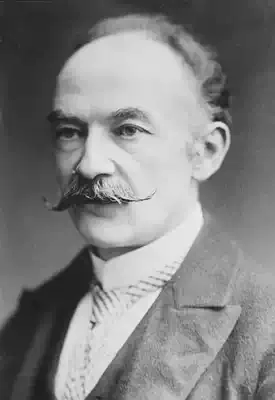
Thomas Hardy
V.R. -, A Reverie
V.R. -, A Reverie
Moments the mightiest pass uncalendared,
And when the Absolute
In backward Time outgave the deedful word
Whereby all life is stirred:
"Let one be born and throned whose mould shall constitute
The norm of every royal-reckoned attribute,"
No mortal knew or heard.
But in due days the purposed Life outshone -
Serene, sagacious, free;
--Her waxing seasons bloomed with deeds well done,
And the world's heart was won . . .
Yet may the deed of hers most bright in eyes to be
Lie hid from ours--as in the All-One's thought lay she -
Till ripening years have run.
Moments the mightiest pass uncalendared,
And when the Absolute
In backward Time outgave the deedful word
Whereby all life is stirred:
"Let one be born and throned whose mould shall constitute
The norm of every royal-reckoned attribute,"
No mortal knew or heard.
But in due days the purposed Life outshone -
Serene, sagacious, free;
--Her waxing seasons bloomed with deeds well done,
And the world's heart was won . . .
Yet may the deed of hers most bright in eyes to be
Lie hid from ours--as in the All-One's thought lay she -
Till ripening years have run.
262