

Poems in this topic
Ethics and Morality
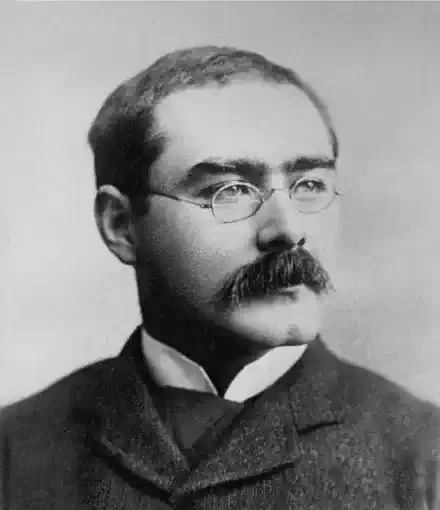
Rudyard Kipling
A Servant When He Reigneth
"A Servant When He Reigneth"
Three things make earth unquiet
And four she cannot brook
The godly Agur counted them
And put them in a book --
Those Four Tremendous Curses
With which mankind is cursed;
But a Servant when He Reigneth
Old Agur entered first.
An Handmaid that is Mistress
We need not call upon.
A Fool when he is full of Meat
Will fall asleep anon.
An Odious Woman Married
May bear a babe and mend;
But a Servant when He Reigneth
Is Confusion to the end.
His feet are swift to tumult,
His hands are slow to toil,
His ears are deaf to reason,
His lips are loud in broil.
He knows no use for power
Except to show his might.
He gives no heed to judgment
Unless it prove him right.
Because he served a master
Before his Kingship came,
And hid in all disaster
Behind his master's name,
So, when his Folly opens
The unnecessary hells,
A Servant when He Reigneth
Throws the blame on some one else.
His vows are lightly spoken,
His faith is hard to bind,
His trust is easy boken,
He fears his fellow-kind.
The nearest mob will move him
To break the pledge he gave --
Oh, a Servant when he Reigneth
Is more than ever slave!
Three things make earth unquiet
And four she cannot brook
The godly Agur counted them
And put them in a book --
Those Four Tremendous Curses
With which mankind is cursed;
But a Servant when He Reigneth
Old Agur entered first.
An Handmaid that is Mistress
We need not call upon.
A Fool when he is full of Meat
Will fall asleep anon.
An Odious Woman Married
May bear a babe and mend;
But a Servant when He Reigneth
Is Confusion to the end.
His feet are swift to tumult,
His hands are slow to toil,
His ears are deaf to reason,
His lips are loud in broil.
He knows no use for power
Except to show his might.
He gives no heed to judgment
Unless it prove him right.
Because he served a master
Before his Kingship came,
And hid in all disaster
Behind his master's name,
So, when his Folly opens
The unnecessary hells,
A Servant when He Reigneth
Throws the blame on some one else.
His vows are lightly spoken,
His faith is hard to bind,
His trust is easy boken,
He fears his fellow-kind.
The nearest mob will move him
To break the pledge he gave --
Oh, a Servant when he Reigneth
Is more than ever slave!
483

Roger Mcgough
Cake
Cake
i wanted one life
you wanted another
we couldn't have our cake
so we ate eachother.
i wanted one life
you wanted another
we couldn't have our cake
so we ate eachother.
583

Robert W. Service
Young Fellow My Lad
Young Fellow My Lad
"Where are you going, Young Fellow My Lad,
On this glittering morn of May?"
"I'm going to join the Colours, Dad;
They're looking for men, they say."
"But you're only a boy, Young Fellow My Lad;
You aren't obliged to go."
"I'm seventeen and a quarter, Dad,
And ever so strong, you know."
* * * *
"So you're off to France, Young Fellow My Lad,
And you're looking so fit and bright."
"I'm terribly sorry to leave you, Dad,
But I feel that I'm doing right."
"God bless you and keep you, Young Fellow My Lad,
You're all of my life, you know."
"Don't worry. I'll soon be back, dear Dad,
And I'm awfully proud to go."
* * * *
"Why don't you write, Young Fellow My Lad?
I watch for the post each day;
And I miss you so, and I'm awfully sad,
And it's months since you went away.
And I've had the fire in the parlour lit,
And I'm keeping it burning bright
Till my boy comes home; and here I sit
Into the quiet night.
* * * *
"What is the matter, Young Fellow My Lad?
No letter again to-day.
Why did the postman look so sad,
And sigh as he turned away?
I hear them tell that we've gained new ground,
But a terrible price we've paid:
God grant, my boy, that you're safe and sound;
But oh I'm afraid, afraid."
* * * *
"They've told me the truth, Young Fellow My Lad:
You'll never come back again:
(Oh God! the dreams and the dreams I've had,
and the hopes I've nursed in vain!)
For you passed in the night, Young Fellow My Lad,
And you proved in the cruel test
Of the screaming shell and the battle hell
That my boy was one of the best.
"So you'll live, you'll live, Young Fellow My Lad,
In the gleam of the evening star,
In the wood-note wild and the laugh of the child,
In all sweet things that are.
And you'll never die, my wonderful boy,
While life is noble and true;
For all our beauty and hope and joy
We will owe to our lads like you."
"Where are you going, Young Fellow My Lad,
On this glittering morn of May?"
"I'm going to join the Colours, Dad;
They're looking for men, they say."
"But you're only a boy, Young Fellow My Lad;
You aren't obliged to go."
"I'm seventeen and a quarter, Dad,
And ever so strong, you know."
* * * *
"So you're off to France, Young Fellow My Lad,
And you're looking so fit and bright."
"I'm terribly sorry to leave you, Dad,
But I feel that I'm doing right."
"God bless you and keep you, Young Fellow My Lad,
You're all of my life, you know."
"Don't worry. I'll soon be back, dear Dad,
And I'm awfully proud to go."
* * * *
"Why don't you write, Young Fellow My Lad?
I watch for the post each day;
And I miss you so, and I'm awfully sad,
And it's months since you went away.
And I've had the fire in the parlour lit,
And I'm keeping it burning bright
Till my boy comes home; and here I sit
Into the quiet night.
* * * *
"What is the matter, Young Fellow My Lad?
No letter again to-day.
Why did the postman look so sad,
And sigh as he turned away?
I hear them tell that we've gained new ground,
But a terrible price we've paid:
God grant, my boy, that you're safe and sound;
But oh I'm afraid, afraid."
* * * *
"They've told me the truth, Young Fellow My Lad:
You'll never come back again:
(Oh God! the dreams and the dreams I've had,
and the hopes I've nursed in vain!)
For you passed in the night, Young Fellow My Lad,
And you proved in the cruel test
Of the screaming shell and the battle hell
That my boy was one of the best.
"So you'll live, you'll live, Young Fellow My Lad,
In the gleam of the evening star,
In the wood-note wild and the laugh of the child,
In all sweet things that are.
And you'll never die, my wonderful boy,
While life is noble and true;
For all our beauty and hope and joy
We will owe to our lads like you."
288
Robert W. Service
Worms
Worms
Worms finer for fishing you couldn't be wishing;
I delved them dismayed from the velvety sod;
The rich loam upturning I gathered them squirming,
big, fat, gleamy earthworms, all ripe for my rod.
Thinks I, without waiting, my hook I'll be baiting,
And flip me a fish from the foam of the pool;
Then Mother beholding, came crying and scolding:
"You're late, ye young devil! Be off to the school."
So grabbing me bait-tin I dropped them fat worms in,
With globs of green turf for their comfort and cheer;
And there, clean forgotten, no doubt dead and rotten;
I left them to languish for nigh on a year.
One day to be cleaning the byre I was meaning,
When seeing that old rusty can on the shelf,
Says I: "To my thinking, them worms must be stinking:
Begorrah! I'd better find out for myself."
So I opened the tin, held my nose and looked in;
And what did I see? Why, most nothing at all.
Just darkness and dank. and . . . a something that stank,
Tucked down in a corner, a greasy grey ball.
My worms -no, not dead, but thin as a thread,
Each seemed to reproach me, protesting its worth:
So softly I took them and tenderly shook them
Back into the bosom of mothering earth.
I'm now in the City; 'tis grand, but I pity
The weariful wretches that crawl in its grime;
The dregs and the scum and the spawn of the slum,
And the poor little children that's cradled in crime.
Sure I see them in terms of my pitiful worms,
surviving despite desperation and doom,
And I wish I was God, with a smile and a nod
To set them all down in a valley of bloom,
Saying: "Let these rejoice with a wonderful voice
For mothering earth and for fathering sea,
And healing of sun, for each weariful one
Of these poor human worms is a wee bit of me. . . .
Let your be the blame and yours be the shame:
What ye do unto them ye do also to ME."
Worms finer for fishing you couldn't be wishing;
I delved them dismayed from the velvety sod;
The rich loam upturning I gathered them squirming,
big, fat, gleamy earthworms, all ripe for my rod.
Thinks I, without waiting, my hook I'll be baiting,
And flip me a fish from the foam of the pool;
Then Mother beholding, came crying and scolding:
"You're late, ye young devil! Be off to the school."
So grabbing me bait-tin I dropped them fat worms in,
With globs of green turf for their comfort and cheer;
And there, clean forgotten, no doubt dead and rotten;
I left them to languish for nigh on a year.
One day to be cleaning the byre I was meaning,
When seeing that old rusty can on the shelf,
Says I: "To my thinking, them worms must be stinking:
Begorrah! I'd better find out for myself."
So I opened the tin, held my nose and looked in;
And what did I see? Why, most nothing at all.
Just darkness and dank. and . . . a something that stank,
Tucked down in a corner, a greasy grey ball.
My worms -no, not dead, but thin as a thread,
Each seemed to reproach me, protesting its worth:
So softly I took them and tenderly shook them
Back into the bosom of mothering earth.
I'm now in the City; 'tis grand, but I pity
The weariful wretches that crawl in its grime;
The dregs and the scum and the spawn of the slum,
And the poor little children that's cradled in crime.
Sure I see them in terms of my pitiful worms,
surviving despite desperation and doom,
And I wish I was God, with a smile and a nod
To set them all down in a valley of bloom,
Saying: "Let these rejoice with a wonderful voice
For mothering earth and for fathering sea,
And healing of sun, for each weariful one
Of these poor human worms is a wee bit of me. . . .
Let your be the blame and yours be the shame:
What ye do unto them ye do also to ME."
238
Robert W. Service
Work
Work
When twenty-one I loved to dream,
And was to loafing well inclined;
Somehow I couldn't get up steam
To welcome work of any kind.
While students burned the midnight lamp,
With dour ambition as their goad,
I longed to be a gayful tramp
And greet adventure on the road.
But now that sixty years have sped,
Behold! I toil from morn to night.
The thoughts that teem into my head
I pray: God give me time to write.
With eager and unflagging pen
No drudgery of desk I shirk,
And preach to all retiring men
The gospel of unceasing work.
And yet I do not sadly grieve
Such squandering of golden days;
For from my dreaming I believe
Have stemmed my least unworthy lays.
Aye, toil is best when all is said,
As age has made me understand . . .
So fitly fold, when I am dead,
A pencil in my hand.
When twenty-one I loved to dream,
And was to loafing well inclined;
Somehow I couldn't get up steam
To welcome work of any kind.
While students burned the midnight lamp,
With dour ambition as their goad,
I longed to be a gayful tramp
And greet adventure on the road.
But now that sixty years have sped,
Behold! I toil from morn to night.
The thoughts that teem into my head
I pray: God give me time to write.
With eager and unflagging pen
No drudgery of desk I shirk,
And preach to all retiring men
The gospel of unceasing work.
And yet I do not sadly grieve
Such squandering of golden days;
For from my dreaming I believe
Have stemmed my least unworthy lays.
Aye, toil is best when all is said,
As age has made me understand . . .
So fitly fold, when I am dead,
A pencil in my hand.
270
Robert W. Service
Winnie
Winnie
When I went by the meadow gate
The chestnut mare would trot to meet me,
And as her coming I would wait,
She'd whinney high as if to greet me.
And I would kiss her silky nose,
And stroke her neck until it glistened,
And speak soft words: I don't suppose
She understand - but how she listened!
Then in the war-net I was caught,
Returning three black winters older;
And when the little mare I sought
The farmer told me he had sold her.
And so time passed - when in the street
One day I heard a plaintive whinney
That roused a recollection sweet,
So then I turned and there was Winnie.
I vow she knew me, mooning there.
She raised her nose for me to fondle,
And though I'd lost an arm I'll swear
She kissed the empty sleeve a-dangle.
But oh it cut me to the heart,
Though I was awful glad to meet her,
For lo! she dragged a tinker's cart
And stumbled weakly as he beat her.
Just skin and bone, a sorry hack!
Say, fellow, you may think it funny:
I made a deal and bought her back,
Though it took all my bonus money.
And she'll be in the meadow there,
As long as I have dough for spending . . .
Gee! I'll take care of that old mare "
Sweetheart! you'll have a happy ending."
When I went by the meadow gate
The chestnut mare would trot to meet me,
And as her coming I would wait,
She'd whinney high as if to greet me.
And I would kiss her silky nose,
And stroke her neck until it glistened,
And speak soft words: I don't suppose
She understand - but how she listened!
Then in the war-net I was caught,
Returning three black winters older;
And when the little mare I sought
The farmer told me he had sold her.
And so time passed - when in the street
One day I heard a plaintive whinney
That roused a recollection sweet,
So then I turned and there was Winnie.
I vow she knew me, mooning there.
She raised her nose for me to fondle,
And though I'd lost an arm I'll swear
She kissed the empty sleeve a-dangle.
But oh it cut me to the heart,
Though I was awful glad to meet her,
For lo! she dragged a tinker's cart
And stumbled weakly as he beat her.
Just skin and bone, a sorry hack!
Say, fellow, you may think it funny:
I made a deal and bought her back,
Though it took all my bonus money.
And she'll be in the meadow there,
As long as I have dough for spending . . .
Gee! I'll take care of that old mare "
Sweetheart! you'll have a happy ending."
283
Robert W. Service
Window Shopper
Window Shopper
I stood before a candy shop
Which with a Christmas radiance shone;
I saw my parents pass and stop
To grin at me and then go on.
The sweets were heaped in gleamy rows;
On each I feasted - what a game!
Against the glass with flatted nose,
Gulping my spittle as it came;
So still I stood, and stared and dreamed,
Savouring sweetness with my eyes,
Devouring dainties till it seemed
My candy shop was paradise.
I had, I think, but five years old,
And though three-score and ten have passed,
I still recall the craintive cold,
The grimy street, the gritty blast;
And how I stared into that shop,
Its gifts so near and yet so far,
Of marzipan and toffee drop,
Of chocolate and walnut bar;
Imagining what I would buy
Amid delights so rich and rare . . .
The glass was misted with my sigh:
"If just one penny Pop could spare!"
And then when I went home to tea
Of bread and butter sparsely spread,
Oh, how my parents twitted me:
"You stood for full an hour," they said.
"We saw you as we passed again;
Your eyes upon the sweets were glued;
Your nose was flattened to the pane,
Like someone hypnotized you stood."
But when they laughed as at a joke,
A bitterness I could not stem
Within my little heart awoke. . . .
Oh, I have long forgiven them;
For though I know they did no own
Pennies to spare, they might, it seems
More understanding love have shown
More sympathy for those vain dreams,
Which make of me with wistful gaze
God's Window Shopper all days.
I stood before a candy shop
Which with a Christmas radiance shone;
I saw my parents pass and stop
To grin at me and then go on.
The sweets were heaped in gleamy rows;
On each I feasted - what a game!
Against the glass with flatted nose,
Gulping my spittle as it came;
So still I stood, and stared and dreamed,
Savouring sweetness with my eyes,
Devouring dainties till it seemed
My candy shop was paradise.
I had, I think, but five years old,
And though three-score and ten have passed,
I still recall the craintive cold,
The grimy street, the gritty blast;
And how I stared into that shop,
Its gifts so near and yet so far,
Of marzipan and toffee drop,
Of chocolate and walnut bar;
Imagining what I would buy
Amid delights so rich and rare . . .
The glass was misted with my sigh:
"If just one penny Pop could spare!"
And then when I went home to tea
Of bread and butter sparsely spread,
Oh, how my parents twitted me:
"You stood for full an hour," they said.
"We saw you as we passed again;
Your eyes upon the sweets were glued;
Your nose was flattened to the pane,
Like someone hypnotized you stood."
But when they laughed as at a joke,
A bitterness I could not stem
Within my little heart awoke. . . .
Oh, I have long forgiven them;
For though I know they did no own
Pennies to spare, they might, it seems
More understanding love have shown
More sympathy for those vain dreams,
Which make of me with wistful gaze
God's Window Shopper all days.
215
Robert W. Service
White Christmas
White Christmas
My folks think I'm a serving maid
Each time I visit home;
They do not dream I ply a trade
As old as Greece or Rome;
For if they found I'd fouled their name
And was not white as snow,
I'm sure that they would die of shame . . .
Please, God, they'll never know.
I clean the paint from off my face,
In sober black I dress;
Of coquetry I leave no trace
To give them vague distress;
And though it causes me a pang
To play such sorry tricks,
About my neck I meekly hang
A silver crufix.
And so with humble step I go
Just like a child again,
To greet their Christmas candle-glow,
A soul without a stain;
So well I play my contrite part
I make myself believe
There's not a stain within my heart
On Holy Christmas Eve.
With double natures we are vext,
And what we feel, we are;
A saint one day, a sinner next,
A red light or a star;
A prostitute or proselyte,
And in each part sincere:
So I become a vestal white
One week in every year.
For this I say without demur
From out life's lurid lore,
Each righteous women has in her
A tincture of the whore;
While every harpy of the night,
As I have learned too well;
Holds in her heart a heaven-light
To ransom her from hell.
So I'll go home and sweep and dust;
I'll make the kitchen fire,
And be a model of daughters just
The best they could desire;
I'll fondle them and cook their food,
And Mother dear will say:
"Thank God! my darling is as good
As when she went away."
But after New Year's Day I'll fill
My bag and though they grieve,
I'll bid them both good-bye until
Another Christmas Eve;
And then . . . a knock upon the door:
I'll find them waiting there,
And angel-like I'll come once more
In answer to their prayer.
Then Lo! one night when candle-light
Gleams mystic on the snow,
And music swells of Christmas bells,
I'll come, no more to go:
The old folks need my love and care,
Their gold shall gild my dross,
And evermore my breast shall bear
My little silver cross.
My folks think I'm a serving maid
Each time I visit home;
They do not dream I ply a trade
As old as Greece or Rome;
For if they found I'd fouled their name
And was not white as snow,
I'm sure that they would die of shame . . .
Please, God, they'll never know.
I clean the paint from off my face,
In sober black I dress;
Of coquetry I leave no trace
To give them vague distress;
And though it causes me a pang
To play such sorry tricks,
About my neck I meekly hang
A silver crufix.
And so with humble step I go
Just like a child again,
To greet their Christmas candle-glow,
A soul without a stain;
So well I play my contrite part
I make myself believe
There's not a stain within my heart
On Holy Christmas Eve.
With double natures we are vext,
And what we feel, we are;
A saint one day, a sinner next,
A red light or a star;
A prostitute or proselyte,
And in each part sincere:
So I become a vestal white
One week in every year.
For this I say without demur
From out life's lurid lore,
Each righteous women has in her
A tincture of the whore;
While every harpy of the night,
As I have learned too well;
Holds in her heart a heaven-light
To ransom her from hell.
So I'll go home and sweep and dust;
I'll make the kitchen fire,
And be a model of daughters just
The best they could desire;
I'll fondle them and cook their food,
And Mother dear will say:
"Thank God! my darling is as good
As when she went away."
But after New Year's Day I'll fill
My bag and though they grieve,
I'll bid them both good-bye until
Another Christmas Eve;
And then . . . a knock upon the door:
I'll find them waiting there,
And angel-like I'll come once more
In answer to their prayer.
Then Lo! one night when candle-light
Gleams mystic on the snow,
And music swells of Christmas bells,
I'll come, no more to go:
The old folks need my love and care,
Their gold shall gild my dross,
And evermore my breast shall bear
My little silver cross.
259
Robert W. Service
Violet De Vere
Violet De Vere
You've heard of Violet de Vere, strip-teaser of renown,
Whose sitting-base out-faired the face of any girl in town;
Well, she was haled before the Bench for breachin' of the Peace,
Which signifies araisin' Cain, an' beatin' up the police.
So there she stood before the Court of ruddy Judge McGraw
Whom folks called Old Necessity, because he knew no law.
Aye, crackin' in a silken gown, an' sheddin' of a tear,
Ashine wi' gold an' precious stones sat Violet de Vere.
Old Judge McGraw looked dourly down an' stroked his silver beard.
Says he: "Although the Sheriff's bruised, the lady should be heared.
What can you say in your defence? We'll give you a square deal."
"I jest forget," said Violet. "Maybe it was my heel.
I always want to kick the gong when I am feelin' gay;
It's most unfortunate, I guess, his face was in the way."
Then scratchin' of his snowy pow the Judge looked down severe,
Where bright wi' paint like plaster saint sat Violet de Vere.
Says he: "I'm going to impose a twenty dollar fine."
Says Violet: "Your Honour, to your judgement I resign.
I realize I should not my agility reveal:
Next time I'll kick the Sheriff with my toe and not my heel.
I'm grateful to the Court because I'm not put in the clink;
There's twenty plunks to pay my fine,--but now I come to think:
Judge, darlin', you've been owin' me five bucks for near a year:
Take fifteen,--there! We'll call it square," said Violet de Vere.
You've heard of Violet de Vere, strip-teaser of renown,
Whose sitting-base out-faired the face of any girl in town;
Well, she was haled before the Bench for breachin' of the Peace,
Which signifies araisin' Cain, an' beatin' up the police.
So there she stood before the Court of ruddy Judge McGraw
Whom folks called Old Necessity, because he knew no law.
Aye, crackin' in a silken gown, an' sheddin' of a tear,
Ashine wi' gold an' precious stones sat Violet de Vere.
Old Judge McGraw looked dourly down an' stroked his silver beard.
Says he: "Although the Sheriff's bruised, the lady should be heared.
What can you say in your defence? We'll give you a square deal."
"I jest forget," said Violet. "Maybe it was my heel.
I always want to kick the gong when I am feelin' gay;
It's most unfortunate, I guess, his face was in the way."
Then scratchin' of his snowy pow the Judge looked down severe,
Where bright wi' paint like plaster saint sat Violet de Vere.
Says he: "I'm going to impose a twenty dollar fine."
Says Violet: "Your Honour, to your judgement I resign.
I realize I should not my agility reveal:
Next time I'll kick the Sheriff with my toe and not my heel.
I'm grateful to the Court because I'm not put in the clink;
There's twenty plunks to pay my fine,--but now I come to think:
Judge, darlin', you've been owin' me five bucks for near a year:
Take fifteen,--there! We'll call it square," said Violet de Vere.
232
Robert W. Service
Village Don Juan
Village Don Juan
Lord, I'm grey, my face is run,
But by old Harry, I've had my fun;
And all about, I seem to see
Lads and lassies that look like me;
Ice-blue eyes on every hand,
Handsomest youngsters in the land.
"Old Stud Horse" they say of me,
But back of my beard I laugh with glee.
Far and wide have I sown my seed,
Yet by the gods I've improved the breed:
From byre and stable to joiner's bench,
From landlord's daughter to serving wench.
Ice-blue eyes and blade-straight nose,
Stamp of my virile youth are those;
Now you'll see them on every side,
Proof of my powers, far and wide:
Even the parson' handsome scamp,
And the Doctor's daughter have my stamp.
Many a matron cocks an eye
Of secret knowledge as I pass by;
As for the hubbies, what they don't know
Will never hurt them, so let them go:
The offspring most they seem to prize
Have blade-straight noses and ice-blue byes.
Yet oh, I have a haunting dread
Brother and sister lust the bed;
The Parson's and the Doctor's lass,
Yestreen in the moon I saw them pass;
The thought of them wed is like a knife. . . .
Brother and sister - man and wife.
Lord, I'm grey, my face is run,
But by old Harry, I've had my fun;
And all about, I seem to see
Lads and lassies that look like me;
Ice-blue eyes on every hand,
Handsomest youngsters in the land.
"Old Stud Horse" they say of me,
But back of my beard I laugh with glee.
Far and wide have I sown my seed,
Yet by the gods I've improved the breed:
From byre and stable to joiner's bench,
From landlord's daughter to serving wench.
Ice-blue eyes and blade-straight nose,
Stamp of my virile youth are those;
Now you'll see them on every side,
Proof of my powers, far and wide:
Even the parson' handsome scamp,
And the Doctor's daughter have my stamp.
Many a matron cocks an eye
Of secret knowledge as I pass by;
As for the hubbies, what they don't know
Will never hurt them, so let them go:
The offspring most they seem to prize
Have blade-straight noses and ice-blue byes.
Yet oh, I have a haunting dread
Brother and sister lust the bed;
The Parson's and the Doctor's lass,
Yestreen in the moon I saw them pass;
The thought of them wed is like a knife. . . .
Brother and sister - man and wife.
225
Robert W. Service
Unholy Trinity
Unholy Trinity
Though Virtue hurt you Vice is nice;
Aye, Parson says it's wrong,
Yet for my pleasing I'll suffice
With Women, Wine and Song.
But though it be with jocund glee
my tavern voice is ringing,
Had I to chuck on of the three,
By gad! I'd give up singing.
Bu not the vine. What draught divine
Could better souse my throttle?
God never meant that mellow wine
Should languish in the bottle.
So Cellerman, your best bring up;
Let silver cobwebs mist it;
When gold or ruby brims the cup,
Could even saint resist it?
I love the ladies, yes, I do,
I always did and will;
I like with dainty dames to coo,
And have been known to bill.
Yes, I agree it's wrong of me,
So call me grey rapscallion,
But when a lusty lass I see
I whinny like a stallion.
Oh let me be a reprobate,
Your canting care defying;
I'll court that gay triumvirate
Right to the day I'm dying.
So troll until the rafter rings,
And may my life be long
To praise the Lord for precious things
like Women, Wine and Song.
Though Virtue hurt you Vice is nice;
Aye, Parson says it's wrong,
Yet for my pleasing I'll suffice
With Women, Wine and Song.
But though it be with jocund glee
my tavern voice is ringing,
Had I to chuck on of the three,
By gad! I'd give up singing.
Bu not the vine. What draught divine
Could better souse my throttle?
God never meant that mellow wine
Should languish in the bottle.
So Cellerman, your best bring up;
Let silver cobwebs mist it;
When gold or ruby brims the cup,
Could even saint resist it?
I love the ladies, yes, I do,
I always did and will;
I like with dainty dames to coo,
And have been known to bill.
Yes, I agree it's wrong of me,
So call me grey rapscallion,
But when a lusty lass I see
I whinny like a stallion.
Oh let me be a reprobate,
Your canting care defying;
I'll court that gay triumvirate
Right to the day I'm dying.
So troll until the rafter rings,
And may my life be long
To praise the Lord for precious things
like Women, Wine and Song.
216
Robert W. Service
Two Words
Two Words
'God' is composed of letters three,
But if you put an 'l'
Before the last it seems to me
A synonym for Hell.
For all of envy, greed and hate
The human heart can hold
Respond unto the devil's bait
Of Gold.
When God created Gold to be
For our adorning fit,
I little think he dreamed that we
Would come to worship it.
But when you ruefully have scanned
The chronicles of Time,
You'll find that lucre lends a hand
To Crime.
So if you are a millionaire,
To be of Heaven sure,
Give every penny you can spare
Unto the sick and poor.
From Gold strike out the evil 'ell,'
And so with letters odd
You can with peace of spirit spell
Just GOD.
'God' is composed of letters three,
But if you put an 'l'
Before the last it seems to me
A synonym for Hell.
For all of envy, greed and hate
The human heart can hold
Respond unto the devil's bait
Of Gold.
When God created Gold to be
For our adorning fit,
I little think he dreamed that we
Would come to worship it.
But when you ruefully have scanned
The chronicles of Time,
You'll find that lucre lends a hand
To Crime.
So if you are a millionaire,
To be of Heaven sure,
Give every penny you can spare
Unto the sick and poor.
From Gold strike out the evil 'ell,'
And so with letters odd
You can with peace of spirit spell
Just GOD.
216
Robert W. Service
Tri-Colour
Tri-Colour
Poppies, you try to tell me, glowing there in the wheat;
Poppies! Ah no! You mock me: It's blood, I tell you, it's blood.
It's gleaming wet in the grasses; it's glist'ning warm in the wheat;
It dabbles the ferns and the clover; it brims in an angry flood;
It leaps to the startled heavens; it smothers the sun; it cries
With scarlet voices of triumph from blossom and bough and blade.
See the bright horror of it! It's roaring out of the skies,
And the whole red world is a-welter. . . . Oh God! I'm afraid! I'm afraid!
Cornflowers, you say, just cornflowers, gemming the golden grain;
Ah no! You can't deceive me. Can't I believe my eyes?
Look! It's the dead, my comrades, stark on the dreadful plain,
All in their dark-blue blouses, staring up at the skies.
Comrades of canteen laughter, dumb in the yellow wheat.
See how they sprawl and huddle! See how their brows are white!
Goaded on to the shambles, there in death and defeat. . . .
Father of Pity, hide them! Hasten, O God, Thy night!
Lillies (the light is waning), only lilies you say,
Nestling and softly shining there where the spear-grass waves.
No, my friend, I know better; brighter I see than day:
It's the poor little wooden crosses over their quiet graves.
Oh, how they're gleaming, gleaming! See! Each cross has a crown.
Yes, it's true I am dying; little will be the loss. . . .
Darkness . . . but look! In Heaven a light, and it's shining down. . . .
God's accolade! Lift me up, friends. I'm going to win -- my Cross.
Poppies, you try to tell me, glowing there in the wheat;
Poppies! Ah no! You mock me: It's blood, I tell you, it's blood.
It's gleaming wet in the grasses; it's glist'ning warm in the wheat;
It dabbles the ferns and the clover; it brims in an angry flood;
It leaps to the startled heavens; it smothers the sun; it cries
With scarlet voices of triumph from blossom and bough and blade.
See the bright horror of it! It's roaring out of the skies,
And the whole red world is a-welter. . . . Oh God! I'm afraid! I'm afraid!
Cornflowers, you say, just cornflowers, gemming the golden grain;
Ah no! You can't deceive me. Can't I believe my eyes?
Look! It's the dead, my comrades, stark on the dreadful plain,
All in their dark-blue blouses, staring up at the skies.
Comrades of canteen laughter, dumb in the yellow wheat.
See how they sprawl and huddle! See how their brows are white!
Goaded on to the shambles, there in death and defeat. . . .
Father of Pity, hide them! Hasten, O God, Thy night!
Lillies (the light is waning), only lilies you say,
Nestling and softly shining there where the spear-grass waves.
No, my friend, I know better; brighter I see than day:
It's the poor little wooden crosses over their quiet graves.
Oh, how they're gleaming, gleaming! See! Each cross has a crown.
Yes, it's true I am dying; little will be the loss. . . .
Darkness . . . but look! In Heaven a light, and it's shining down. . . .
God's accolade! Lift me up, friends. I'm going to win -- my Cross.
202
Robert W. Service
To A Tycoon
To A Tycoon
Since much has been your mirth
And fair your fate,
Friend, leave your lot of earth
Less desolate.
With frailing overdue,
Why don't you try
The bit of God in you
To justify?
Try to discern the grace
All greed above,
That may uplift the race
To realm of love.
For in you is a spark,
A heaven-glow,
That will illume the dark
Before you go.
Aye, though it be that you
To Faith are blind,
There's one thing you can do,
It's--just be kind.
The anguish understand,
Of hearts that bleed:
Friends, lend a helping hand
To those in need.
Since much has been your mirth
And fair your fate,
Friend, leave your lot of earth
Less desolate.
With frailing overdue,
Why don't you try
The bit of God in you
To justify?
Try to discern the grace
All greed above,
That may uplift the race
To realm of love.
For in you is a spark,
A heaven-glow,
That will illume the dark
Before you go.
Aye, though it be that you
To Faith are blind,
There's one thing you can do,
It's--just be kind.
The anguish understand,
Of hearts that bleed:
Friends, lend a helping hand
To those in need.
215
Robert W. Service
The Woman And The Angel
The Woman And The Angel
An angel was tired of heaven, as he lounged in the golden street;
His halo was tilted sideways, and his harp lay mute at his feet;
So the Master stooped in His pity, and gave him a pass to go,
For the space of a moon, to the earth-world, to mix with the men below.
He doffed his celestial garments, scarce waiting to lay them straight;
He bade good by to Peter, who stood by the golden gate;
The sexless singers of heaven chanted a fond farewell,
And the imps looked up as they pattered on the red-hot flags of hell.
Never was seen such an angel -- eyes of heavenly blue,
Features that shamed Apollo, hair of a golden hue;
The women simply adored him; his lips were like Cupid's bow;
But he never ventured to use them -- and so they voted him slow.
Till at last there came One Woman, a marvel of loveliness,
And she whispered to him: "Do you love me?" And he answered that woman, "Yes."
And she said: "Put your arms around me, and kiss me, and hold me -- so --"
But fiercely he drew back, saying: "This thing is wrong, and I know."
Then sweetly she mocked his scruples, and softly she him beguiled:
"You, who are verily man among men, speak with the tongue of a child.
We have outlived the old standards; we have burst, like an over-tight thong,
The ancient, outworn, Puritanic traditions of Right and Wrong."
Then the Master feared for His angel, and called him again to His side,
For oh, the woman was wondrous, and oh, the angel was tried!
And deep in his hell sang the Devil, and this was the strain of his song:
"The ancient, outworn, Puritanic traditions of Right and Wrong."
An angel was tired of heaven, as he lounged in the golden street;
His halo was tilted sideways, and his harp lay mute at his feet;
So the Master stooped in His pity, and gave him a pass to go,
For the space of a moon, to the earth-world, to mix with the men below.
He doffed his celestial garments, scarce waiting to lay them straight;
He bade good by to Peter, who stood by the golden gate;
The sexless singers of heaven chanted a fond farewell,
And the imps looked up as they pattered on the red-hot flags of hell.
Never was seen such an angel -- eyes of heavenly blue,
Features that shamed Apollo, hair of a golden hue;
The women simply adored him; his lips were like Cupid's bow;
But he never ventured to use them -- and so they voted him slow.
Till at last there came One Woman, a marvel of loveliness,
And she whispered to him: "Do you love me?" And he answered that woman, "Yes."
And she said: "Put your arms around me, and kiss me, and hold me -- so --"
But fiercely he drew back, saying: "This thing is wrong, and I know."
Then sweetly she mocked his scruples, and softly she him beguiled:
"You, who are verily man among men, speak with the tongue of a child.
We have outlived the old standards; we have burst, like an over-tight thong,
The ancient, outworn, Puritanic traditions of Right and Wrong."
Then the Master feared for His angel, and called him again to His side,
For oh, the woman was wondrous, and oh, the angel was tried!
And deep in his hell sang the Devil, and this was the strain of his song:
"The ancient, outworn, Puritanic traditions of Right and Wrong."
173
Robert W. Service
The Wedding Ring
The Wedding Ring
I pawned my sick wife's wedding ring,
To drink and make myself a beast.
I got the most that it would bring,
Of golden coins the very least.
With stealth into her room I crept
And stole it from her as she slept.
I do not think that she will know,
As in its place I left a band
Of brass that has a brighter glow
And gleamed upon her withered hand.
I do not think that she can tell
The change - she does not see too well.
Pray God, she doesn't find me out.
I'd rather far I would be dead.
Yet yesterday she seemed to doubt,
And looking at me long she said:
"My finger must have shrunk, because
My ring seems bigger than it was."
She gazed at it so wistfully,
And one big tear rolled down her cheek.
Said she: "You'll bury it with me . . ."
I was so moved I could not speak.
Oh wretched me! How whisky can
Bring out the devil in a man!"
And yet I know she loves me still,
As on the morn that we were wed;
And darkly guess I also will
Be doomed the day that she is dead.
And yet I swear, before she's gone,
I will retrieve her ring from pawn.
I'll get it though I have to steal,
Then when to ease her bitter pain
They give her sleep oh I will feel
Her hand and slip it on again;
Through tears her wasted face I'll see,
And pray to God: "Oh pity me!"
I pawned my sick wife's wedding ring,
To drink and make myself a beast.
I got the most that it would bring,
Of golden coins the very least.
With stealth into her room I crept
And stole it from her as she slept.
I do not think that she will know,
As in its place I left a band
Of brass that has a brighter glow
And gleamed upon her withered hand.
I do not think that she can tell
The change - she does not see too well.
Pray God, she doesn't find me out.
I'd rather far I would be dead.
Yet yesterday she seemed to doubt,
And looking at me long she said:
"My finger must have shrunk, because
My ring seems bigger than it was."
She gazed at it so wistfully,
And one big tear rolled down her cheek.
Said she: "You'll bury it with me . . ."
I was so moved I could not speak.
Oh wretched me! How whisky can
Bring out the devil in a man!"
And yet I know she loves me still,
As on the morn that we were wed;
And darkly guess I also will
Be doomed the day that she is dead.
And yet I swear, before she's gone,
I will retrieve her ring from pawn.
I'll get it though I have to steal,
Then when to ease her bitter pain
They give her sleep oh I will feel
Her hand and slip it on again;
Through tears her wasted face I'll see,
And pray to God: "Oh pity me!"
276
Robert W. Service
The Under-Dogs
The Under-Dogs
What have we done, Oh Lord, that we
Are evil starred?
How have we erred and sinned to be
So scourged and scarred?
Lash us, Oh Lord, with scorpion whips,
We can but run;
But harken to our piteous lips:
What have we done?
How have we sinned to rouse your wrath,
To earn your scorn?
Stony and steep has been our path
Since we were born.
Oh for a sign, a hope, a word,
A heaven glance;
Why is your hand against us, Lord?
Give us a chance.
What shall we do, Oh God, to gain
Your mercy seat?
Shall we live out our lives in pain
And dark defeat?
Shall we in servitude bow low
Unto the end?
How we would hope, could we but know
You are our friend!
We are the disinherited,
The doomed, the lost.
For breath with dust and ashes fed,
We pay the cost.
Dumb mouths! Yet though we bleed, with prayer
We kiss the sword;
Aye, even dying we forbear
To curse Thee, Lord.
What have we done, Oh Lord, that we
Are evil starred?
How have we erred and sinned to be
So scourged and scarred?
Lash us, Oh Lord, with scorpion whips,
We can but run;
But harken to our piteous lips:
What have we done?
How have we sinned to rouse your wrath,
To earn your scorn?
Stony and steep has been our path
Since we were born.
Oh for a sign, a hope, a word,
A heaven glance;
Why is your hand against us, Lord?
Give us a chance.
What shall we do, Oh God, to gain
Your mercy seat?
Shall we live out our lives in pain
And dark defeat?
Shall we in servitude bow low
Unto the end?
How we would hope, could we but know
You are our friend!
We are the disinherited,
The doomed, the lost.
For breath with dust and ashes fed,
We pay the cost.
Dumb mouths! Yet though we bleed, with prayer
We kiss the sword;
Aye, even dying we forbear
To curse Thee, Lord.
159
Robert W. Service
The Twins
The Twins
There were two brothers, John and James,
And when the town went up in flames,
To save the house of James dashed John,
Then turned, and lo! his own was gone.
And when the great World War began,
To volunteer John promptly ran;
And while he learned live bombs to lob,
James stayed at home and -- sneaked his job.
John came home with a missing limb;
That didn't seem to worry him;
But oh, it set his brain awhirl
To find that James had -- sneaked his girl!
Time passed. John tried his grief to drown;
To-day James owns one-half the town;
His army contracts riches yield;
And John? Well, search the Potter's Field.
There were two brothers, John and James,
And when the town went up in flames,
To save the house of James dashed John,
Then turned, and lo! his own was gone.
And when the great World War began,
To volunteer John promptly ran;
And while he learned live bombs to lob,
James stayed at home and -- sneaked his job.
John came home with a missing limb;
That didn't seem to worry him;
But oh, it set his brain awhirl
To find that James had -- sneaked his girl!
Time passed. John tried his grief to drown;
To-day James owns one-half the town;
His army contracts riches yield;
And John? Well, search the Potter's Field.
240
Robert W. Service
The Sum-Up
The Sum-Up
It is not power and fame
That make success;
It is not rank or name
Rate happiness.
It is not honour due
Nor pile of pelf:
The pay-off is: Did you
Enjoy yourself?
A pal of days gone by
I reckon more
Of a success than I
Who've gold in store
His life, though none too long,
Was never dull:
Of woman, wine and song
Bill had his full.
Friend, you are a success
If you can say:
"A heap of happiness
Has come my way.
No cheers have made me glad,
No wealth I've won;
But oh how I have had
A heap of FUN!"
It is not power and fame
That make success;
It is not rank or name
Rate happiness.
It is not honour due
Nor pile of pelf:
The pay-off is: Did you
Enjoy yourself?
A pal of days gone by
I reckon more
Of a success than I
Who've gold in store
His life, though none too long,
Was never dull:
Of woman, wine and song
Bill had his full.
Friend, you are a success
If you can say:
"A heap of happiness
Has come my way.
No cheers have made me glad,
No wealth I've won;
But oh how I have had
A heap of FUN!"
238
Robert W. Service
The Spirit Of The Unborn Babe
The Spirit Of The Unborn Babe
The Spirit of the Unborn Babe peered through the window-pane,
Peered through the window-pane that glowed like beacon in the night;
For, oh, the sky was desolate and wild with wind and rain;
And how the little room was crammed with coziness and light!
Except the flirting of the fire there was no sound at all;
The Woman sat beside the hearth, her knitting on her knee;
The shadow of her husband's head was dancing on the wall;
She looked with staring eyes at it, she looked yet did not see.
She only saw a childish face that topped the table rim,
A little wistful ghost that smiled and vanished quick away;
And then because her tender eyes were flooding to the brim,
She lowered her head. . . . "Don't sorrow, dear," she heard him softly say;
"It's over now. We'll try to be as happy as before
(Ah! they who little children have, grant hostages to pain).
We gave Life chance to wound us once, but never, never more. . . ."
The Spirit of the Unborn Babe fled through the night again.
The Spirit of the Unborn Babe went wildered in the dark;
Like termagants the winds tore down and whirled it with the snow.
And then amid the writhing storm it saw a tiny spark,
A window broad, a spacious room all goldenly aglow,
A woman slim and Paris-gowned and exquisitely fair,
Who smiled with rapture as she watched her jewels catch the blaze;
A man in faultless evening dress, young, handsome, debonnaire,
Who smoked his cigarette and looked with frank admiring gaze.
"Oh, we are happy, sweet," said he; "youth, health, and wealth are ours.
What if a thousand toil and sweat that we may live at ease!
What if the hands are worn and torn that strew our path with flowers!
Ah, well! we did not make the world; let us not think of these.
Let's seek the beauty-spots of earth, Dear Heart, just you and I;
Let other women bring forth life with sorrow and with pain.
Above our door we'll hang the sign: `No children need apply. . . .'"
The Spirit of the Unborn Babe sped through the night again.
The Spirit of the Unborn Babe went whirling on and on;
It soared above a city vast, it swept down to a slum;
It saw within a grimy house a light that dimly shone;
It peered in through a window-pane and lo! a voice said: "Come!"
And so a little girl was born amid the dirt and din,
And lived in spite of everything, for life is ordered so;
A child whose eyes first opened wide to swinishness and sin,
A child whose love and innocence met only curse and blow.
And so in due and proper course she took the path of shame,
And gladly died in hospital, quite old at twenty years;
And when God comes to weigh it all, ah! whose shall be the blame
For all her maimed and poisoned life, her torture and her tears?
For oh, it is not what we do, but what we have not done!
And on that day of reckoning, when all is plain and clear,
What if we stand before the Throne, blood-guilty every one? . . .
Maybe the blackest sins of all are Selfishness and Fear.
The Spirit of the Unborn Babe peered through the window-pane,
Peered through the window-pane that glowed like beacon in the night;
For, oh, the sky was desolate and wild with wind and rain;
And how the little room was crammed with coziness and light!
Except the flirting of the fire there was no sound at all;
The Woman sat beside the hearth, her knitting on her knee;
The shadow of her husband's head was dancing on the wall;
She looked with staring eyes at it, she looked yet did not see.
She only saw a childish face that topped the table rim,
A little wistful ghost that smiled and vanished quick away;
And then because her tender eyes were flooding to the brim,
She lowered her head. . . . "Don't sorrow, dear," she heard him softly say;
"It's over now. We'll try to be as happy as before
(Ah! they who little children have, grant hostages to pain).
We gave Life chance to wound us once, but never, never more. . . ."
The Spirit of the Unborn Babe fled through the night again.
The Spirit of the Unborn Babe went wildered in the dark;
Like termagants the winds tore down and whirled it with the snow.
And then amid the writhing storm it saw a tiny spark,
A window broad, a spacious room all goldenly aglow,
A woman slim and Paris-gowned and exquisitely fair,
Who smiled with rapture as she watched her jewels catch the blaze;
A man in faultless evening dress, young, handsome, debonnaire,
Who smoked his cigarette and looked with frank admiring gaze.
"Oh, we are happy, sweet," said he; "youth, health, and wealth are ours.
What if a thousand toil and sweat that we may live at ease!
What if the hands are worn and torn that strew our path with flowers!
Ah, well! we did not make the world; let us not think of these.
Let's seek the beauty-spots of earth, Dear Heart, just you and I;
Let other women bring forth life with sorrow and with pain.
Above our door we'll hang the sign: `No children need apply. . . .'"
The Spirit of the Unborn Babe sped through the night again.
The Spirit of the Unborn Babe went whirling on and on;
It soared above a city vast, it swept down to a slum;
It saw within a grimy house a light that dimly shone;
It peered in through a window-pane and lo! a voice said: "Come!"
And so a little girl was born amid the dirt and din,
And lived in spite of everything, for life is ordered so;
A child whose eyes first opened wide to swinishness and sin,
A child whose love and innocence met only curse and blow.
And so in due and proper course she took the path of shame,
And gladly died in hospital, quite old at twenty years;
And when God comes to weigh it all, ah! whose shall be the blame
For all her maimed and poisoned life, her torture and her tears?
For oh, it is not what we do, but what we have not done!
And on that day of reckoning, when all is plain and clear,
What if we stand before the Throne, blood-guilty every one? . . .
Maybe the blackest sins of all are Selfishness and Fear.
220
Robert W. Service
The Stretcher-Bearer
The Stretcher-Bearer
My stretcher is one scarlet stain,
And as I tries to scrape it clean,
I tell you wot -- I'm sick with pain
For all I've 'eard, for all I've seen;
Around me is the 'ellish night,
And as the war's red rim I trace,
I wonder if in 'Eaven's height,
Our God don't turn away 'Is Face.
I don't care 'oose the Crime may be;
I 'olds no brief for kin or clan;
I 'ymns no 'ate: I only see
As man destroys his brother man;
I waves no flag: I only know,
As 'ere beside the dead I wait,
A million 'earts is weighed with woe,
A million 'omes is desolate.
In drippin' darkness, far and near,
All night I've sought them woeful ones.
Dawn shudders up and still I 'ear
The crimson chorus of the guns.
Look! like a ball of blood the sun
'Angs o'er the scene of wrath and wrong. . . .
"Quick! Stretcher-bearers on the run!"
O Prince of Peace! 'ow long, 'ow long?
My stretcher is one scarlet stain,
And as I tries to scrape it clean,
I tell you wot -- I'm sick with pain
For all I've 'eard, for all I've seen;
Around me is the 'ellish night,
And as the war's red rim I trace,
I wonder if in 'Eaven's height,
Our God don't turn away 'Is Face.
I don't care 'oose the Crime may be;
I 'olds no brief for kin or clan;
I 'ymns no 'ate: I only see
As man destroys his brother man;
I waves no flag: I only know,
As 'ere beside the dead I wait,
A million 'earts is weighed with woe,
A million 'omes is desolate.
In drippin' darkness, far and near,
All night I've sought them woeful ones.
Dawn shudders up and still I 'ear
The crimson chorus of the guns.
Look! like a ball of blood the sun
'Angs o'er the scene of wrath and wrong. . . .
"Quick! Stretcher-bearers on the run!"
O Prince of Peace! 'ow long, 'ow long?
204
Robert W. Service
The Song Of The Pacifist
The Song Of The Pacifist
What do they matter, our headlong hates, when we take the toll of our Dead?
Think ye our glory and gain will pay for the torrent of blood we have shed?
By the cheers of our Victory will the heart of the mother be comforted?
If by the Victory all we mean is a broken and brooding foe;
Is the pomp and power of a glitt'ring hour, and a truce for an age or so:
By the clay-cold hand on the broken blade we have smitten a bootless blow!
If by the Triumph we only prove that the sword we sheathe is bright;
That justice and truth and love endure; that freedom's throned on the height;
That the feebler folks shall be unafraid; that Might shall never be Right;
If this be all: by the blood-drenched plains, by the havoc of fire and fear,
By the rending roar of the War of Wars, by the Dead so doubly dear. . . .
Then our Victory is a vast defeat, and it mocks us as we cheer.
Victory! there can be but one, hallowed in every land:
When by the graves of our common dead we who were foemen stand;
And in the hush of our common grief hand is tendered to hand.
Triumph! Yes, when out of the dust in the splendour of their release
The spirits of those who fell go forth and they hallow our hearts to peace,
And, brothers in pain, with world-wide voice, we clamour that War shall cease.
Glory! Ay, when from blackest loss shall be born most radiant gain;
When over the gory fields shall rise a star that never shall wane:
Then, and then only, our Dead shall know that they have not fall'n in vain.
When our children's children shall talk of War as a madness that may not be;
When we thank our God for our grief to-day, and blazon from sea to sea
In the name of the Dead the banner of Peace . . . that will be Victory.
What do they matter, our headlong hates, when we take the toll of our Dead?
Think ye our glory and gain will pay for the torrent of blood we have shed?
By the cheers of our Victory will the heart of the mother be comforted?
If by the Victory all we mean is a broken and brooding foe;
Is the pomp and power of a glitt'ring hour, and a truce for an age or so:
By the clay-cold hand on the broken blade we have smitten a bootless blow!
If by the Triumph we only prove that the sword we sheathe is bright;
That justice and truth and love endure; that freedom's throned on the height;
That the feebler folks shall be unafraid; that Might shall never be Right;
If this be all: by the blood-drenched plains, by the havoc of fire and fear,
By the rending roar of the War of Wars, by the Dead so doubly dear. . . .
Then our Victory is a vast defeat, and it mocks us as we cheer.
Victory! there can be but one, hallowed in every land:
When by the graves of our common dead we who were foemen stand;
And in the hush of our common grief hand is tendered to hand.
Triumph! Yes, when out of the dust in the splendour of their release
The spirits of those who fell go forth and they hallow our hearts to peace,
And, brothers in pain, with world-wide voice, we clamour that War shall cease.
Glory! Ay, when from blackest loss shall be born most radiant gain;
When over the gory fields shall rise a star that never shall wane:
Then, and then only, our Dead shall know that they have not fall'n in vain.
When our children's children shall talk of War as a madness that may not be;
When we thank our God for our grief to-day, and blazon from sea to sea
In the name of the Dead the banner of Peace . . . that will be Victory.
172
Robert W. Service
The Song Of The Wage-Slave
The Song Of The Wage-Slave
When the long, long day is over, and the Big Boss gives me my pay,
I hope that it won't be hell-fire, as some of the parsons say.
And I hope that it won't be heaven, with some of the parsons I've met --
All I want is just quiet, just to rest and forget.
Look at my face, toil-furrowed; look at my calloused hands;
Master, I've done Thy bidding, wrought in Thy many lands --
Wrought for the little masters, big-bellied they be, and rich;
I've done their desire for a daily hire, and I die like a dog in a ditch.
I have used the strength Thou hast given, Thou knowest I did not shirk;
Threescore years of labor -- Thine be the long day's work.
And now, Big Master, I'm broken and bent and twisted and scarred,
But I've held my job, and Thou knowest, and Thou will not judge me hard.
Thou knowest my sins are many, and often I've played the fool --
Whiskey and cards and women, they made me the devil's tool.
I was just like a child with money; I flung it away with a curse,
Feasting a fawning parasite, or glutting a harlot's purse;
Then back to the woods repentant, back to the mill or the mine,
I, the worker of workers, everything in my line.
Everything hard but headwork (I'd no more brains than a kid),
A brute with brute strength to labor, doing as I was bid;
Living in camps with men-folk, a lonely and loveless life;
Never knew kiss of sweetheart, never caress of wife.
A brute with brute strength to labor, and they were so far above --
Yet I'd gladly have gone to the gallows for one little look of Love.
I, with the strength of two men, savage and shy and wild --
Yet how I'd ha' treasured a woman, and the sweet, warm kiss of a child!
Well, 'tis Thy world, and Thou knowest. I blaspheme and my ways be rude;
But I've lived my life as I found it, and I've done my best to be good;
I, the primitive toiler, half naked and grimed to the eyes,
Sweating it deep in their ditches, swining it stark in their styes;
Hurling down forests before me, spanning tumultuous streams;
Down in the ditch building o'er me palaces fairer than dreams;
Boring the rock to the ore-bed, driving the road through the fen,
Resolute, dumb, uncomplaining, a man in a world of men.
Master, I've filled my contract, wrought in Thy many lands;
Not by my sins wilt Thou judge me, but by the work of my hands.
Master, I've done Thy bidding, and the light is low in the west,
And the long, long shift is over . . . Master, I've earned it -- Rest.
When the long, long day is over, and the Big Boss gives me my pay,
I hope that it won't be hell-fire, as some of the parsons say.
And I hope that it won't be heaven, with some of the parsons I've met --
All I want is just quiet, just to rest and forget.
Look at my face, toil-furrowed; look at my calloused hands;
Master, I've done Thy bidding, wrought in Thy many lands --
Wrought for the little masters, big-bellied they be, and rich;
I've done their desire for a daily hire, and I die like a dog in a ditch.
I have used the strength Thou hast given, Thou knowest I did not shirk;
Threescore years of labor -- Thine be the long day's work.
And now, Big Master, I'm broken and bent and twisted and scarred,
But I've held my job, and Thou knowest, and Thou will not judge me hard.
Thou knowest my sins are many, and often I've played the fool --
Whiskey and cards and women, they made me the devil's tool.
I was just like a child with money; I flung it away with a curse,
Feasting a fawning parasite, or glutting a harlot's purse;
Then back to the woods repentant, back to the mill or the mine,
I, the worker of workers, everything in my line.
Everything hard but headwork (I'd no more brains than a kid),
A brute with brute strength to labor, doing as I was bid;
Living in camps with men-folk, a lonely and loveless life;
Never knew kiss of sweetheart, never caress of wife.
A brute with brute strength to labor, and they were so far above --
Yet I'd gladly have gone to the gallows for one little look of Love.
I, with the strength of two men, savage and shy and wild --
Yet how I'd ha' treasured a woman, and the sweet, warm kiss of a child!
Well, 'tis Thy world, and Thou knowest. I blaspheme and my ways be rude;
But I've lived my life as I found it, and I've done my best to be good;
I, the primitive toiler, half naked and grimed to the eyes,
Sweating it deep in their ditches, swining it stark in their styes;
Hurling down forests before me, spanning tumultuous streams;
Down in the ditch building o'er me palaces fairer than dreams;
Boring the rock to the ore-bed, driving the road through the fen,
Resolute, dumb, uncomplaining, a man in a world of men.
Master, I've filled my contract, wrought in Thy many lands;
Not by my sins wilt Thou judge me, but by the work of my hands.
Master, I've done Thy bidding, and the light is low in the west,
And the long, long shift is over . . . Master, I've earned it -- Rest.
323
Robert W. Service
The Sniper
The Sniper
Because back home in Tennessee
I was a champeen shot,
They made a sniper outa me
An' ninety krouts I got:
I wish to Christ I'd not!
Athinkin' o' them blasted lives
It's kindo' blue I be;
Them lads no doubt had kids an' wives
An' happy home like me:
Them stiffs I still can see.
Aye, ninety men or more my hand
Has hustled down to hell;
They've loaded me with medals and
They tell me I done well:
A hero for a spell.
But Heaven help me to forget
Them fellow men I've slain,
The bubbling flow of blood I've let . . .
I'll never kill again:
To swat flies gives me pain.
Just let me dream when we will see
And end of soldierin';
When flags of famous victory
Will be amoulderin':
An' lethal steel an' battle blast
Be nightmares of the past.
Because back home in Tennessee
I was a champeen shot,
They made a sniper outa me
An' ninety krouts I got:
I wish to Christ I'd not!
Athinkin' o' them blasted lives
It's kindo' blue I be;
Them lads no doubt had kids an' wives
An' happy home like me:
Them stiffs I still can see.
Aye, ninety men or more my hand
Has hustled down to hell;
They've loaded me with medals and
They tell me I done well:
A hero for a spell.
But Heaven help me to forget
Them fellow men I've slain,
The bubbling flow of blood I've let . . .
I'll never kill again:
To swat flies gives me pain.
Just let me dream when we will see
And end of soldierin';
When flags of famous victory
Will be amoulderin':
An' lethal steel an' battle blast
Be nightmares of the past.
248