

Poems in this topic
Ethics and Morality
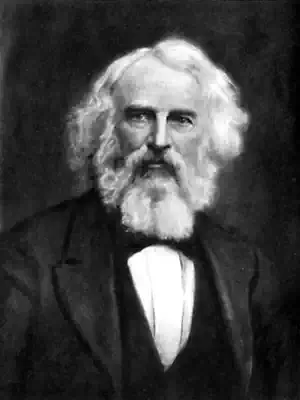
Henry Wadsworth Longfellow
Christmas Bells
Christmas Bells
"I heard the bells on Christmas Day
Their old familiar carols play,
And wild and sweet
The words repeat
Of peace on earth, good-will to men!
And thought how, as the day had come,
The belfries of all Christendom
Had rolled along
The unbroken song
Of peace on earth, good-will to men!
Till, ringing, singing on its way,
The world revolved from night to day,
A voice, a chime
A chant sublime
Of peace on earth, good-will to men!
Then from each black accursed mouth
The cannon thundered in the South,
And with the sound
The carols drowned
Of peace on earth, good-will to men!
It was as if an earthquake rent
The hearth-stones of a continent,
And made forlorn
The households born
Of peace on earth, good-will to men!
And in despair I bowed my head;
"There is no peace on earth," I said;
"For hate is strong,
And mocks the song
Of peace on earth, good-will to men!"
Then pealed the bells more loud and deep:
"God is not dead; nor doth he sleep!
The Wrong shall fail,
The Right prevail,
With peace on earth, good-will to men!"
"I heard the bells on Christmas Day
Their old familiar carols play,
And wild and sweet
The words repeat
Of peace on earth, good-will to men!
And thought how, as the day had come,
The belfries of all Christendom
Had rolled along
The unbroken song
Of peace on earth, good-will to men!
Till, ringing, singing on its way,
The world revolved from night to day,
A voice, a chime
A chant sublime
Of peace on earth, good-will to men!
Then from each black accursed mouth
The cannon thundered in the South,
And with the sound
The carols drowned
Of peace on earth, good-will to men!
It was as if an earthquake rent
The hearth-stones of a continent,
And made forlorn
The households born
Of peace on earth, good-will to men!
And in despair I bowed my head;
"There is no peace on earth," I said;
"For hate is strong,
And mocks the song
Of peace on earth, good-will to men!"
Then pealed the bells more loud and deep:
"God is not dead; nor doth he sleep!
The Wrong shall fail,
The Right prevail,
With peace on earth, good-will to men!"
335
Henry Wadsworth Longfellow
Consolation. (To M. Duperrier, Gentleman Of Aix In Provence, On The Death Of
Consolation. (To M. Duperrier, Gentleman Of Aix In Provence, On The Death Of
His Daughter)
Will then, Duperrier, thy sorrow be eternal?
And shall the sad discourse
Whispered within thy heart, by tenderness paternal,
Only augment its force?
Thy daughter's mournful fate, into the tomb descending
By death's frequented ways,
Has it become to thee a labyrinth never ending,
Where thy lost reason strays?
I know the charms that made her youth a benediction:
Nor should I be content,
As a censorious friend, to solace thine affliction
By her disparagement.
But she was of the world, which fairest things exposes
To fates the most forlorn;
A rose, she too hath lived as long as live the roses,
The space of one brief morn.
* * * * *
Death has his rigorous laws, unparalleled, unfeeling;
All prayers to him are vain;
Cruel, he stops his ears, and, deaf to our appealing,
He leaves us to complain.
The poor man in his hut, with only thatch for cover,
Unto these laws must bend;
The sentinel that guards the barriers of the Louvre
Cannot our kings defend.
To murmur against death, in petulant defiance,
Is never for the best;
To will what God doth will, that is the only science
That gives us any rest.
His Daughter)
Will then, Duperrier, thy sorrow be eternal?
And shall the sad discourse
Whispered within thy heart, by tenderness paternal,
Only augment its force?
Thy daughter's mournful fate, into the tomb descending
By death's frequented ways,
Has it become to thee a labyrinth never ending,
Where thy lost reason strays?
I know the charms that made her youth a benediction:
Nor should I be content,
As a censorious friend, to solace thine affliction
By her disparagement.
But she was of the world, which fairest things exposes
To fates the most forlorn;
A rose, she too hath lived as long as live the roses,
The space of one brief morn.
* * * * *
Death has his rigorous laws, unparalleled, unfeeling;
All prayers to him are vain;
Cruel, he stops his ears, and, deaf to our appealing,
He leaves us to complain.
The poor man in his hut, with only thatch for cover,
Unto these laws must bend;
The sentinel that guards the barriers of the Louvre
Cannot our kings defend.
To murmur against death, in petulant defiance,
Is never for the best;
To will what God doth will, that is the only science
That gives us any rest.
283
Henry Wadsworth Longfellow
Charles Sumner. (Birds Of Passage. Flight The Fourth)
Charles Sumner. (Birds Of Passage. Flight The Fourth)
Garlands upon his grave
And flowers upon his hearse,
And to the tender heart and brave
The tribute of this verse.
His was the troubled life,
The conflict and the pain,
The grief, the bitterness of strife,
The honor without stain.
Like Winkelried, he took
Into his manly breast
The sheaf of hostile spears, and broke
A path for the oppressed.
Then from the fatal field
Upon a nation's heart
Borne like a warrior on his shield!--
So should the brave depart.
Death takes us by surprise,
And stays our hurrying feet;
The great design unfinished lies,
Our lives are incomplete.
But in the dark unknown
Perfect their circles seem,
Even as a bridge's arch of stone
Is rounded in the stream.
Alike are life and death,
When life in death survives,
And the uninterrupted breath
Inspires a thousand lives.
Were a star quenched on high,
For ages would its light,
Still travelling downward from the sky,
Shine on our mortal sight.
So when a great man dies,
For years beyond our ken,
The light he leaves behind him lies
Upon the paths of men.
Garlands upon his grave
And flowers upon his hearse,
And to the tender heart and brave
The tribute of this verse.
His was the troubled life,
The conflict and the pain,
The grief, the bitterness of strife,
The honor without stain.
Like Winkelried, he took
Into his manly breast
The sheaf of hostile spears, and broke
A path for the oppressed.
Then from the fatal field
Upon a nation's heart
Borne like a warrior on his shield!--
So should the brave depart.
Death takes us by surprise,
And stays our hurrying feet;
The great design unfinished lies,
Our lives are incomplete.
But in the dark unknown
Perfect their circles seem,
Even as a bridge's arch of stone
Is rounded in the stream.
Alike are life and death,
When life in death survives,
And the uninterrupted breath
Inspires a thousand lives.
Were a star quenched on high,
For ages would its light,
Still travelling downward from the sky,
Shine on our mortal sight.
So when a great man dies,
For years beyond our ken,
The light he leaves behind him lies
Upon the paths of men.
229
Henry Wadsworth Longfellow
By The Seaside : Sir Humphrey Gilbert
By The Seaside : Sir Humphrey Gilbert
Southward with fleet of ice
Sailed the corsair Death;
Wild and gast blew the blast,
And the east-wind was his breath.
His lordly ships of ice
Glisten in the sun;
On each side, like pennons wide,
Flashing crystal streamlets run.
His sails of white sea-mist
Dripped with silver rain;
But where he passed there were cast
Leaden shadows o'er the main.
Eastward from Campobello
Sir Humphrey Gilbert sailed;
Three days or more seaward he bore,
Then, alas! the land-wind failed.
Alas! the land-wind failed,
And ice-cold grew the night;
And nevermore, on sea or shore,
Should Sir Humphrey see the light.
He sat upon the deck,
The Book was in his hand;
'Do not fear! Heaven is as near,'
He said, 'by water as by land!'
In the first watch of the night,
Without a signal's sound,
Out of the sea, mysteriously,
The fleet of Death rose all around.
The moon and the evening star
Were hanging in the shrouds;
Every mast, as it passed,
Seemed to rake the passing clouds.
They grappled with their prize,
At midnight black and cold!
As of a rock was the shock;
Heavily the ground-swell rolled.
Southward through day and dark,
They drift in cold embrace,
With mist and rain, o'er the open main;
Yet there seems no change of place.
Southward, forever southward,
They drift through dark and day;
And like a dream, in the Gulf-Stream
Sinking, vanish all away.
Southward with fleet of ice
Sailed the corsair Death;
Wild and gast blew the blast,
And the east-wind was his breath.
His lordly ships of ice
Glisten in the sun;
On each side, like pennons wide,
Flashing crystal streamlets run.
His sails of white sea-mist
Dripped with silver rain;
But where he passed there were cast
Leaden shadows o'er the main.
Eastward from Campobello
Sir Humphrey Gilbert sailed;
Three days or more seaward he bore,
Then, alas! the land-wind failed.
Alas! the land-wind failed,
And ice-cold grew the night;
And nevermore, on sea or shore,
Should Sir Humphrey see the light.
He sat upon the deck,
The Book was in his hand;
'Do not fear! Heaven is as near,'
He said, 'by water as by land!'
In the first watch of the night,
Without a signal's sound,
Out of the sea, mysteriously,
The fleet of Death rose all around.
The moon and the evening star
Were hanging in the shrouds;
Every mast, as it passed,
Seemed to rake the passing clouds.
They grappled with their prize,
At midnight black and cold!
As of a rock was the shock;
Heavily the ground-swell rolled.
Southward through day and dark,
They drift in cold embrace,
With mist and rain, o'er the open main;
Yet there seems no change of place.
Southward, forever southward,
They drift through dark and day;
And like a dream, in the Gulf-Stream
Sinking, vanish all away.
305
Henry Wadsworth Longfellow
By The Fireside : Tegner's Death (Tegner's Drapa)
By The Fireside : Tegner's Death (Tegner's Drapa)
I heard a voice, that cried,
'Balder the Beautiful
Is dead, is dead!'
And through the misty air
Passed like the mournful cry
Of sunward sailing cranes.
I saw the pallid corpse
Of the dead sun
Borne through the Northern sky.
Blasts from Niffelheim
Lifted the sheeted mists
Around him as he passed.
And the voice forever cried,
'Balder the Beautiful
Is dead, is dead!'
And died away
Through the dreary night,
In accents of despair.
Balder the Beautiful,
God of the summer sun,
Fairest of all the Gods!
Light from his forehead beamed,
Runes were upon his tongue,
As on the warrior's sword.
All things in earth and air
Bound were by magic spell
Never to do him harm;
Even the plants and stones;
All save the mistletoe,
The sacred mistletoe!
Hoeder, the blind old God,
Whose feet are shod with silence,
Pierced through that gentle breast
With his sharp spear, by fraud
Made of the mistletoe,
The accursed mistletoe!
They laid him in his ship,
With horse and harness,
As on a funeral pyre.
Odin placed
A ring upon his finger,
And whispered in his ear.
They launched the burning ship!
It floated far away
Over the misty sea,
Till like the sun it seemed,
Sinking beneath the waves.
Balder returned no more!
So perish the old Gods!
But out of the sea of Time
Rises a new land of song,
Fairer than the old.
Over its meadows green
Walk the young bards and sing.
Build it again,
O ye bards,
Fairer than before!
Ye fathers of the new race,
Feed upon morning dew,
Sing the new Song of Love!
The law of force is dead!
The law of love prevails!
Thor, the thunderer,
Shall rule the earth no more,
No more, with threats,
Challenge the meek Christ.
Sing no more,
O ye bards of the North,
Of Vikings and of Jarls!
Of the days of Eld
Preserve the freedom only,
Not the deeds of blood!
I heard a voice, that cried,
'Balder the Beautiful
Is dead, is dead!'
And through the misty air
Passed like the mournful cry
Of sunward sailing cranes.
I saw the pallid corpse
Of the dead sun
Borne through the Northern sky.
Blasts from Niffelheim
Lifted the sheeted mists
Around him as he passed.
And the voice forever cried,
'Balder the Beautiful
Is dead, is dead!'
And died away
Through the dreary night,
In accents of despair.
Balder the Beautiful,
God of the summer sun,
Fairest of all the Gods!
Light from his forehead beamed,
Runes were upon his tongue,
As on the warrior's sword.
All things in earth and air
Bound were by magic spell
Never to do him harm;
Even the plants and stones;
All save the mistletoe,
The sacred mistletoe!
Hoeder, the blind old God,
Whose feet are shod with silence,
Pierced through that gentle breast
With his sharp spear, by fraud
Made of the mistletoe,
The accursed mistletoe!
They laid him in his ship,
With horse and harness,
As on a funeral pyre.
Odin placed
A ring upon his finger,
And whispered in his ear.
They launched the burning ship!
It floated far away
Over the misty sea,
Till like the sun it seemed,
Sinking beneath the waves.
Balder returned no more!
So perish the old Gods!
But out of the sea of Time
Rises a new land of song,
Fairer than the old.
Over its meadows green
Walk the young bards and sing.
Build it again,
O ye bards,
Fairer than before!
Ye fathers of the new race,
Feed upon morning dew,
Sing the new Song of Love!
The law of force is dead!
The law of love prevails!
Thor, the thunderer,
Shall rule the earth no more,
No more, with threats,
Challenge the meek Christ.
Sing no more,
O ye bards of the North,
Of Vikings and of Jarls!
Of the days of Eld
Preserve the freedom only,
Not the deeds of blood!
354
Henry Wadsworth Longfellow
By The Fireside : Gaspar Becerra
By The Fireside : Gaspar Becerra
By his evening fire the artist
Pondered o'er his secret shame;
Baffled, weary, and disheartened,
Still he mused, and dreamed of fame.
'T was an image of the Virgin
That had tasked his utmost skill;
But, alas! his fair ideal
Vanished and escaped him still.
From a distant Eastern island
Had the precious wood been brought
Day and night the anxious master
At his toil untiring wrought;
Till, discouraged and desponding,
Sat he now in shadows deep,
And the day's humiliation
Found oblivion in sleep.
Then a voice cried, 'Rise, O master!
From the burning brand of oak
Shape the thought that stirs within thee!'
And the startled artist woke,--
Woke, and from the smoking embers
Seized and quenched the glowing wood;
And therefrom he carved an image,
And he saw that it was good.
O thou sculptor, painter, poet!
Take this lesson to thy heart:
That is best which lieth nearest;
Shape from that thy work of art.
By his evening fire the artist
Pondered o'er his secret shame;
Baffled, weary, and disheartened,
Still he mused, and dreamed of fame.
'T was an image of the Virgin
That had tasked his utmost skill;
But, alas! his fair ideal
Vanished and escaped him still.
From a distant Eastern island
Had the precious wood been brought
Day and night the anxious master
At his toil untiring wrought;
Till, discouraged and desponding,
Sat he now in shadows deep,
And the day's humiliation
Found oblivion in sleep.
Then a voice cried, 'Rise, O master!
From the burning brand of oak
Shape the thought that stirs within thee!'
And the startled artist woke,--
Woke, and from the smoking embers
Seized and quenched the glowing wood;
And therefrom he carved an image,
And he saw that it was good.
O thou sculptor, painter, poet!
Take this lesson to thy heart:
That is best which lieth nearest;
Shape from that thy work of art.
405
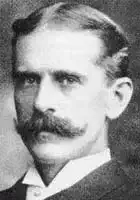
Henry Van Dyke
Work
Work
Let me but do my work from day to day,
In field or forest, at the desk or loom,
In roaring market-place or tranquil room;
Let me but find it in my heart to say,
When vagrant wishes beckon me astray,
"This is my work; my blessing, not my doom;
"Of all who live, I am the one by whom
"This work can best be done in the right way."
Then shall I see it not too great, nor small,
To suit my spirit and to prove my powers;
Then shall I cheerful greet the labouring hours,
And cheerful turn, when the long shadows fall
At eventide, to play and love and rest,
Because I know for me my work is best.
Let me but do my work from day to day,
In field or forest, at the desk or loom,
In roaring market-place or tranquil room;
Let me but find it in my heart to say,
When vagrant wishes beckon me astray,
"This is my work; my blessing, not my doom;
"Of all who live, I am the one by whom
"This work can best be done in the right way."
Then shall I see it not too great, nor small,
To suit my spirit and to prove my powers;
Then shall I cheerful greet the labouring hours,
And cheerful turn, when the long shadows fall
At eventide, to play and love and rest,
Because I know for me my work is best.
335
Henry Van Dyke
Without Disguise
Without Disguise
If I have erred in showing all my heart,
And lost your favour by a lack of pride;
If standing like a beggar at your side
With naked feet, I have forgot the art
Of those who bargain well in passion's mart,
And win the thing they want by what they hide;
Be mine the fault as mine the hope denied,
Be mine the lover's and the loser's part.
The sin, if sin it was, I do repent,
And take the penance on myself alone;
Yet after I have borne the punishment,
I shall not fear to stand before the throne
Of Love with open heart, and make this plea:
"At least I have not lied to her nor Thee!"
If I have erred in showing all my heart,
And lost your favour by a lack of pride;
If standing like a beggar at your side
With naked feet, I have forgot the art
Of those who bargain well in passion's mart,
And win the thing they want by what they hide;
Be mine the fault as mine the hope denied,
Be mine the lover's and the loser's part.
The sin, if sin it was, I do repent,
And take the penance on myself alone;
Yet after I have borne the punishment,
I shall not fear to stand before the throne
Of Love with open heart, and make this plea:
"At least I have not lied to her nor Thee!"
346
Henry Van Dyke
Victor Hugo
Victor Hugo
Heart of France for a hundred years,
Passionate, sensitive, proud, and strong,
Quick to throb with her hopes and fears,
Fierce to flame with her sense of wrong!
You, who hailed with a morning song
Dream-light gilding a throne of old:
You, who turned when the dream grew cold,
Singing still, to the light that shone
Pure from Liberty's ancient throne,
Over the human throng!
You, who dared in the dark eclipse,--
When the pygmy heir of a giant name
Dimmed the face of the land with shame,--
Speak the truth with indignant lips,
Call him little whom men called great,
Scoff at him, scorn him, deny him,
Point to the blood on his robe of state,
Fling back his bribes and defy him!
You, who fronted the waves of fate
As you faced the sea from your island home,
Exiled, yet with a soul elate,
Sending songs o'er the rolling foam,
Bidding the heart of man to wait
For the day when all should see
Floods of wrath from the frowning skies
Fall on an Empire founded in lies,
And France again be free!
You, who came in the Terrible Year
Swiftly back to your broken land,
Now to your heart a thousand times more dear,--
Prayed for her, sung to her, fought for her,
Patiently, fervently wrought for her,
Till once again,
After the storm of fear and pain,
High in the heavens the star of France stood clear!
You, who knew that a man must take
Good and ill with a steadfast soul,
Holding fast, while the billows roll
Over his head, to the things that make
Life worth living for great and small,--
Honour and pity and truth,
The heart and the hope of youth,
And the good God over all!
You, to whom work was rest,
Dauntless Toiler of the Sea,
Following ever the joyful quest
Of beauty on the shores of old Romance,
Bard of the poor of France,
And warrior-priest of world-wide charity!
You who loved little children best
Of all the poets that ever sung,
Great heart, golden heart,
Old, and yet ever young,
Minstrel of liberty,
Lover of all free, winged things,
Now at last you are free,--
Your soul has its wings!
Heart of France for a hundred years,
Floating far in the light that never fails you,
Over the turmoil of mortal hopes and fears
Victor, forever victor, the whole world hails you!
Heart of France for a hundred years,
Passionate, sensitive, proud, and strong,
Quick to throb with her hopes and fears,
Fierce to flame with her sense of wrong!
You, who hailed with a morning song
Dream-light gilding a throne of old:
You, who turned when the dream grew cold,
Singing still, to the light that shone
Pure from Liberty's ancient throne,
Over the human throng!
You, who dared in the dark eclipse,--
When the pygmy heir of a giant name
Dimmed the face of the land with shame,--
Speak the truth with indignant lips,
Call him little whom men called great,
Scoff at him, scorn him, deny him,
Point to the blood on his robe of state,
Fling back his bribes and defy him!
You, who fronted the waves of fate
As you faced the sea from your island home,
Exiled, yet with a soul elate,
Sending songs o'er the rolling foam,
Bidding the heart of man to wait
For the day when all should see
Floods of wrath from the frowning skies
Fall on an Empire founded in lies,
And France again be free!
You, who came in the Terrible Year
Swiftly back to your broken land,
Now to your heart a thousand times more dear,--
Prayed for her, sung to her, fought for her,
Patiently, fervently wrought for her,
Till once again,
After the storm of fear and pain,
High in the heavens the star of France stood clear!
You, who knew that a man must take
Good and ill with a steadfast soul,
Holding fast, while the billows roll
Over his head, to the things that make
Life worth living for great and small,--
Honour and pity and truth,
The heart and the hope of youth,
And the good God over all!
You, to whom work was rest,
Dauntless Toiler of the Sea,
Following ever the joyful quest
Of beauty on the shores of old Romance,
Bard of the poor of France,
And warrior-priest of world-wide charity!
You who loved little children best
Of all the poets that ever sung,
Great heart, golden heart,
Old, and yet ever young,
Minstrel of liberty,
Lover of all free, winged things,
Now at last you are free,--
Your soul has its wings!
Heart of France for a hundred years,
Floating far in the light that never fails you,
Over the turmoil of mortal hopes and fears
Victor, forever victor, the whole world hails you!
375
Henry Van Dyke
The Vain King
The Vain King
In robes of Tyrian blue the King was drest,
A jewelled collar shone upon his breast,
A giant ruby glittered in his crown -----
Lord of rich lands and many a splendid town.
In him the glories of an ancient line
Of sober kings, who ruled by right divine,
Were centred; and to him with loyal awe
The people looked for leadership and law.
Ten thousand knights, the safeguard of the land,
Lay like a single sword within his hand;
A hundred courts, with power of life and death,
Proclaimed decrees justice by his breath;
And all the sacred growths that men had known
Of order and of rule upheld his throne.
Proud was the King: yet not with such a heart
As fits a man to play a royal part.
Not his the pride that honours as a trust
The right to rule, the duty to be just:
Not his the dignity that bends to bear
The monarch's yoke, the master's load of care,
And labours like the peasant at his gate,
To serve the people and protect the State.
Another pride was his, and other joys:
To him the crown and sceptre were but toys,
With which he played at glory's idle game,
To please himself and win the wreaths of fame.
The throne his fathers held from age to age
Built for King Martin to diplay at will,
His mighty strength and universal skill.
No conscious child, that, spoiled with praising, tries
At every step to win admiring eyes, ----
No favourite mountebank, whose acting draws
From gaping crowds loud thunder of applause,
Was vainer than the King: his only thirst
Was to be hailed, in every race, the first.
When tournament was held, in knightly guise
The King would ride the lists and win the prize;
When music charmed the court, with golden lyre
The King would take the stage and lead the choir;
In hunting, his the lance to slay the boar;
In hawking, see his falcon highest soar;
In painting, he would wield the master's brush;
In high debate, -----"the King is speaking! Hush!"
Thus, with a restless heart, in every field
He sought renown, and found his subjects yield
As if he were a demi-god revealed.
But while he played the petty games of life
His kingdom fell a prey to inward strife;
Corruption through the court unheeded crept,
And on the seat of honour justice slept.
The strong trod down the weak; the helpless poor
Groaned under burdens grievous to endure.
The nation's wealth was spent in vain display,
And weakness wore the nation's heart away.
Yet think not Earth is blind to human woes ---
Man has more friends and helpers than he knows;
And when a patient people are oppressed,
The land that bore them feels it in her breast.
Spirits of field and flood, of heath and hill,
Are grieved and angry at the spreading ill;
The trees complain together in the night,
Voices of wrath are heard along the height,
And secret vows are sworn, by stream and strand,
To bring the tyrant low and liberate the land.
But little recked the pampered King of these;
He heard no voice but such as praise and please.
Flattered and fooled, victor in every sport,
One day he wandered idly with his court
Beside the river, seeking to devise
New ways to show his skill to wondering eyes.
There in the stream a patient fisher stood,
And cast his line across the rippling flood.
His silver spoil lay near him on the green:
"Such fish," the courtiers cried, "were never seen!"
"Three salmon larger than a cloth-yard shaft--"
This man must be the master of his craft!"
"An easy art!" the jealous King replied:
"Myself could learn it better, if I tried,
"And catch a hundred larger fish a week--"
Wilt thou accept the challenge, fellow? Speak!"
The fisher turned, came near, and bent his knee:
"'Tis not for kings to strive with such as me;
"Yet if the King commands it, I obey.
"But one condition of the strife I pray:
"The fisherman who brings the least to land
"Shall do whate'er the other may command."
Loud laughed the King: "A foolish fisher thou!
"For I shall win and rule thee then as now."
So to Prince John, a sober soul, sedate
And slow, King Martin left the helm of state,
While to the novel game with eager zest
He all his time and all his powers addrest.
Sure such a sight was never seen before!
For robed and crowned the monarch trod the shore;
His golden hooks were decked with feathers fine,
His jewelled reel ran out a silken line.
With kingly strokes he flogged the crystal stream,
Far-off the salmon saw his tackle gleam;
Careless of kings, they eyed with calm disdain
The gaudy lure, and Martin fished in vain.
On Friday, when the week was almost spent,
He scanned his empty creel with discontent,
Called for a net, and cast it far and wide,
And drew --- a thousand minnows from the tide!
Then came the fisher to conclude the match,
And at the monarch's feet spread out his catch ---
A hundred salmon, greater than before --"
I win!" he cried: "the King must pay the score."
Then Martin, angry, threw his tackle down:
"Rather than lose this game I'd lose me crown!"
"Nay, thou has lost them both," the fisher said;
And as he spoke a wondrous light was shed
Around his form; he dropped his garments mean,
And in his place the River-god was seen.
"Thy vanity hast brought thee in my power,
"And thou shalt pay the forfeit at this hour:
"For thou hast shown thyself a royal fool,
"Too proud to angle, and too vain to rule.
"Eager to win in every trivial strife, --"
Go! Thou shalt fish for minnows all thy life!"
Wrathful, the King the scornful sentence heard;
He strove to answer, but he only chirr-r-ed:
His Tyrian robe was changed to wings of blue,
His crown became a crest, --- away he flew!
And still, along the reaches of the stream,
The vain King-fisher flits, an azure gleam, ---
You see his ruby crest, you hear his jealous scream.
In robes of Tyrian blue the King was drest,
A jewelled collar shone upon his breast,
A giant ruby glittered in his crown -----
Lord of rich lands and many a splendid town.
In him the glories of an ancient line
Of sober kings, who ruled by right divine,
Were centred; and to him with loyal awe
The people looked for leadership and law.
Ten thousand knights, the safeguard of the land,
Lay like a single sword within his hand;
A hundred courts, with power of life and death,
Proclaimed decrees justice by his breath;
And all the sacred growths that men had known
Of order and of rule upheld his throne.
Proud was the King: yet not with such a heart
As fits a man to play a royal part.
Not his the pride that honours as a trust
The right to rule, the duty to be just:
Not his the dignity that bends to bear
The monarch's yoke, the master's load of care,
And labours like the peasant at his gate,
To serve the people and protect the State.
Another pride was his, and other joys:
To him the crown and sceptre were but toys,
With which he played at glory's idle game,
To please himself and win the wreaths of fame.
The throne his fathers held from age to age
Built for King Martin to diplay at will,
His mighty strength and universal skill.
No conscious child, that, spoiled with praising, tries
At every step to win admiring eyes, ----
No favourite mountebank, whose acting draws
From gaping crowds loud thunder of applause,
Was vainer than the King: his only thirst
Was to be hailed, in every race, the first.
When tournament was held, in knightly guise
The King would ride the lists and win the prize;
When music charmed the court, with golden lyre
The King would take the stage and lead the choir;
In hunting, his the lance to slay the boar;
In hawking, see his falcon highest soar;
In painting, he would wield the master's brush;
In high debate, -----"the King is speaking! Hush!"
Thus, with a restless heart, in every field
He sought renown, and found his subjects yield
As if he were a demi-god revealed.
But while he played the petty games of life
His kingdom fell a prey to inward strife;
Corruption through the court unheeded crept,
And on the seat of honour justice slept.
The strong trod down the weak; the helpless poor
Groaned under burdens grievous to endure.
The nation's wealth was spent in vain display,
And weakness wore the nation's heart away.
Yet think not Earth is blind to human woes ---
Man has more friends and helpers than he knows;
And when a patient people are oppressed,
The land that bore them feels it in her breast.
Spirits of field and flood, of heath and hill,
Are grieved and angry at the spreading ill;
The trees complain together in the night,
Voices of wrath are heard along the height,
And secret vows are sworn, by stream and strand,
To bring the tyrant low and liberate the land.
But little recked the pampered King of these;
He heard no voice but such as praise and please.
Flattered and fooled, victor in every sport,
One day he wandered idly with his court
Beside the river, seeking to devise
New ways to show his skill to wondering eyes.
There in the stream a patient fisher stood,
And cast his line across the rippling flood.
His silver spoil lay near him on the green:
"Such fish," the courtiers cried, "were never seen!"
"Three salmon larger than a cloth-yard shaft--"
This man must be the master of his craft!"
"An easy art!" the jealous King replied:
"Myself could learn it better, if I tried,
"And catch a hundred larger fish a week--"
Wilt thou accept the challenge, fellow? Speak!"
The fisher turned, came near, and bent his knee:
"'Tis not for kings to strive with such as me;
"Yet if the King commands it, I obey.
"But one condition of the strife I pray:
"The fisherman who brings the least to land
"Shall do whate'er the other may command."
Loud laughed the King: "A foolish fisher thou!
"For I shall win and rule thee then as now."
So to Prince John, a sober soul, sedate
And slow, King Martin left the helm of state,
While to the novel game with eager zest
He all his time and all his powers addrest.
Sure such a sight was never seen before!
For robed and crowned the monarch trod the shore;
His golden hooks were decked with feathers fine,
His jewelled reel ran out a silken line.
With kingly strokes he flogged the crystal stream,
Far-off the salmon saw his tackle gleam;
Careless of kings, they eyed with calm disdain
The gaudy lure, and Martin fished in vain.
On Friday, when the week was almost spent,
He scanned his empty creel with discontent,
Called for a net, and cast it far and wide,
And drew --- a thousand minnows from the tide!
Then came the fisher to conclude the match,
And at the monarch's feet spread out his catch ---
A hundred salmon, greater than before --"
I win!" he cried: "the King must pay the score."
Then Martin, angry, threw his tackle down:
"Rather than lose this game I'd lose me crown!"
"Nay, thou has lost them both," the fisher said;
And as he spoke a wondrous light was shed
Around his form; he dropped his garments mean,
And in his place the River-god was seen.
"Thy vanity hast brought thee in my power,
"And thou shalt pay the forfeit at this hour:
"For thou hast shown thyself a royal fool,
"Too proud to angle, and too vain to rule.
"Eager to win in every trivial strife, --"
Go! Thou shalt fish for minnows all thy life!"
Wrathful, the King the scornful sentence heard;
He strove to answer, but he only chirr-r-ed:
His Tyrian robe was changed to wings of blue,
His crown became a crest, --- away he flew!
And still, along the reaches of the stream,
The vain King-fisher flits, an azure gleam, ---
You see his ruby crest, you hear his jealous scream.
422
Henry Van Dyke
The Statue of Sherman by St. Gaudens
The Statue of Sherman by St. Gaudens
This is the soldier brave enough to tell
The glory-dazzled world that `war is hell':
Lover of peace, he looks beyond the strife,
And rides through hell to save his country's life.
This is the soldier brave enough to tell
The glory-dazzled world that `war is hell':
Lover of peace, he looks beyond the strife,
And rides through hell to save his country's life.
190
Henry Van Dyke
The Oxford Thrushes
The Oxford Thrushes
FEBRUARY, 1917
I never thought again to hear
The Oxford thrushes singing clear,
Amid the February rain,
Their sweet, indomitable strain.
A wintry vapor lightly spreads
Among the trees, and round the beds
Where daffodil and jonquil sleep,
Only the snowdrop wakes to weep.
It is not springtime yet. Alas,
What dark, tempestuous days must pass,
Till England's trial by battle cease,
And summer comes again with peace.
The lofty halls, the tranquil towers,
Where Learning in untroubled hours
Held her high court, serene in fame,
Are lovely still, yet not the same.
The novices in fluttering gown
No longer fill the ancient town,
But fighting men in khaki drest--
And in the Schools the wounded rest.
Ah, far away, 'neath stranger skies
Full many a son of Oxford lies,
And whispers from his warrior grave,
"I died to keep the faith you gave."
The mother mourns, but does not fail,
Her courage and her love prevail
O'er sorrow, and her spirit hears
The promise of triumphant years.
Then sing, ye thrushes, in the rain
Your sweet indomitable strain.
Ye bring a word from God on high
And voices in our hearts reply.
FEBRUARY, 1917
I never thought again to hear
The Oxford thrushes singing clear,
Amid the February rain,
Their sweet, indomitable strain.
A wintry vapor lightly spreads
Among the trees, and round the beds
Where daffodil and jonquil sleep,
Only the snowdrop wakes to weep.
It is not springtime yet. Alas,
What dark, tempestuous days must pass,
Till England's trial by battle cease,
And summer comes again with peace.
The lofty halls, the tranquil towers,
Where Learning in untroubled hours
Held her high court, serene in fame,
Are lovely still, yet not the same.
The novices in fluttering gown
No longer fill the ancient town,
But fighting men in khaki drest--
And in the Schools the wounded rest.
Ah, far away, 'neath stranger skies
Full many a son of Oxford lies,
And whispers from his warrior grave,
"I died to keep the faith you gave."
The mother mourns, but does not fail,
Her courage and her love prevail
O'er sorrow, and her spirit hears
The promise of triumphant years.
Then sing, ye thrushes, in the rain
Your sweet indomitable strain.
Ye bring a word from God on high
And voices in our hearts reply.
323
Henry Van Dyke
The Proud Lady
The Proud Lady
When Stiivoren town was in its prime
And queened the Zuyder Zee,
Its ships went out to every clime
With costly merchantry.
A lady dwelt in that rich town,
The fairest in all the land;
She walked abroad in a velvet gown,
With many rings on her hand.
Her hair was bright as the beaten gold,
Her lips as coral red,
Her roving eyes were blue and bold,
And her heart with pride was fed.
For she was proud of her father's ships,
As she watched them gayly pass;
And pride looked out of her eyes and lips
When she saw herself in the glass.
"Now come," she said to the captains ten,
Who were ready to put to sea,
"Ye are all my men and my father's men,
And what will ye do for me?"
"Go north and south, go east and west,
And get me gifts," she said.
"And he who bringeth me home the best,
With that man will I wed."
So they all fared forth, and sought with care
In many a famous mart,
For satins and silks and jewels rare,
To win that lady's heart.
She looked at them all with never a thought,
And careless put them by;
"I am not fain of the things ye brought,
Enough of these have I."
The last that came was the head of the fleet,
His name was Jan Borel;
He bent his knee at the lady's feet,--
In truth he loved her well.
"I've brought thee home the best i' the world,
A shipful of Danzig corn!"
She stared at him long; her red lips curled,
Her blue eyes filled with scorn.
"Now out on thee, thou feckless kerl,
A loon thou art," she said.
"Am I a starving beggar girl?
Shall I ever lack for bread?"
"Go empty all thy sacks of grain
Into the nearest sea,
And never show thy face again
To make a mock of me."
Then Jan Borel, he hoisted sail,
And out to sea he bore;
He passed the Helder in a gale
And came again no more.
But the grains of corn went drifting down
Like devil-scattered seed,
To sow the harbor of the town
With a wicked growth of weed.
The roots were thick and the silt and sand
Were gathered day by day,
Till not a furlong out from land
A shoal had barred the way.
Then Stavoren town saw evil years,
No ships could out or in,
The boats lay rotting at the piers,
And the mouldy grain in the bin.
The grass-grown streets were all forlorn,
The town in ruin stood,
The lady's velvet gown was torn,
Her rings were sold for food.
Her father had perished long ago,
But the lady held her pride,
She walked with a scornful step and slow,
Till at last in her rags she died.
Yet still on the crumbling piers of the town,
When the midnight moon shines free,
woman walks in a velvet gown
And scatters corn in the sea.
When Stiivoren town was in its prime
And queened the Zuyder Zee,
Its ships went out to every clime
With costly merchantry.
A lady dwelt in that rich town,
The fairest in all the land;
She walked abroad in a velvet gown,
With many rings on her hand.
Her hair was bright as the beaten gold,
Her lips as coral red,
Her roving eyes were blue and bold,
And her heart with pride was fed.
For she was proud of her father's ships,
As she watched them gayly pass;
And pride looked out of her eyes and lips
When she saw herself in the glass.
"Now come," she said to the captains ten,
Who were ready to put to sea,
"Ye are all my men and my father's men,
And what will ye do for me?"
"Go north and south, go east and west,
And get me gifts," she said.
"And he who bringeth me home the best,
With that man will I wed."
So they all fared forth, and sought with care
In many a famous mart,
For satins and silks and jewels rare,
To win that lady's heart.
She looked at them all with never a thought,
And careless put them by;
"I am not fain of the things ye brought,
Enough of these have I."
The last that came was the head of the fleet,
His name was Jan Borel;
He bent his knee at the lady's feet,--
In truth he loved her well.
"I've brought thee home the best i' the world,
A shipful of Danzig corn!"
She stared at him long; her red lips curled,
Her blue eyes filled with scorn.
"Now out on thee, thou feckless kerl,
A loon thou art," she said.
"Am I a starving beggar girl?
Shall I ever lack for bread?"
"Go empty all thy sacks of grain
Into the nearest sea,
And never show thy face again
To make a mock of me."
Then Jan Borel, he hoisted sail,
And out to sea he bore;
He passed the Helder in a gale
And came again no more.
But the grains of corn went drifting down
Like devil-scattered seed,
To sow the harbor of the town
With a wicked growth of weed.
The roots were thick and the silt and sand
Were gathered day by day,
Till not a furlong out from land
A shoal had barred the way.
Then Stavoren town saw evil years,
No ships could out or in,
The boats lay rotting at the piers,
And the mouldy grain in the bin.
The grass-grown streets were all forlorn,
The town in ruin stood,
The lady's velvet gown was torn,
Her rings were sold for food.
Her father had perished long ago,
But the lady held her pride,
She walked with a scornful step and slow,
Till at last in her rags she died.
Yet still on the crumbling piers of the town,
When the midnight moon shines free,
woman walks in a velvet gown
And scatters corn in the sea.
330
Henry Van Dyke
The Foolish Fir-Tree
The Foolish Fir-Tree
A tale that the poet Rückert told
To German children, in days of old;
Disguised in a random, rollicking rhyme
Like a merry mummer of ancient time,
And sent, in its English dress, to please
The little folk of the Christmas trees.
A little fir grew in the midst of the wood
Contented and happy, as young trees should.
His body was straight and his boughs were clean;
And summer and winter the bountiful sheen
Of his needles bedecked him, from top to root,
In a beautiful, all-the-year, evergreen suit.
But a trouble came into his heart one day,
When he saw that the other trees were gay
In the wonderful raiment that summer weaves
Of manifold shapes and kinds of leaves:
He looked at his needles so stiff and small,
And thought that his dress was the poorest of all.
Then jealousy clouded the little tree's mind,
And he said to himself, "It was not very kind
"To give such an ugly old dress to a tree!
"If the fays of the forest would only ask me,
"I'd tell them how I should like to be dressed,—
"In a garment of gold, to bedazzle the rest!"
So he fell asleep, but his dreams were bad.
When he woke in the morning, his heart was glad;
For every leaf that his boughs could hold
Was made of the brightest beaten gold.
I tell you, children, the tree was proud;
He was something above the common crowd;
And he tinkled his leaves, as if he would say
To a pedlar who happened to pass that way,
"Just look at me! don't you think I am fine?
"And wouldn't you like such a dress as mine?"
"Oh, yes!" said the man, "and I really guess
I must fill my pack with your beautiful dress."
So he picked the golden leaves with care,
And left the little tree shivering there.
"Oh, why did I wish for golden leaves?"
The fir-tree said, "I forgot that thieves
"Would be sure to rob me in passing by.
"If the fairies would give me another try,
"I'd wish for something that cost much less,
"And be satisfied with glass for my dress!"
Then he fell asleep; and, just as before,
The fairies granted his wish once more.
When the night was gone, and the sun rose clear,
The tree was a crystal chandelier;
And it seemed, as he stood in the morning light,
That his branches were covered with jewels bright.
"Aha!" said the tree. "This is something great!"
And he held himself up, very proud and straight;
But a rude young wind through the forest dashed,
In a reckless temper, and quickly smashed
The delicate leaves. With a clashing sound
They broke into pieces and fell on the ground,
Like a silvery, shimmering shower of hail,
And the tree stood naked and bare to the gale.
Then his heart was sad; and he cried, "Alas
"For my beautiful leaves of shining glass!
"Perhaps I have made another mistake
"In choosing a dress so easy to break.
"If the fairies only would hear me again
"I'd ask them for something both pretty and plain:
"It wouldn't cost much to grant my request,—
"In leaves of green lettuce I'd like to be dressed!"
By this time the fairies were laughing, I know;
But they gave him his wish in a second; and so
With leaves of green lettuce, all tender and sweet,
The tree was arrayed, from his head to his feet.
"I knew it!" he cried, "I was sure I could find
"The sort of a suit that would be to my mind.
"There's none of the trees has a prettier dress,
"And none as attractive as I am, I guess."
But a goat, who was taking an afternoon walk,
By chance overheard the fir-tree's talk.
So he came up close for a nearer view;—
"My salad!" he bleated, "I think so too!
"You're the most attractive kind of a tree,
"And I want your leaves for my five-o'clock tea."
So he ate them all without saying grace,
And walked away with a grin on his face;
While the little tree stood in the twilight dim,
With never a leaf on a single limb.
Then he sighed and groaned; but his voice was weak—
He was so ashamed that he could not speak.
He knew at last that he had been a fool,
To think of breaking the forest rule,
And choosing a dress himself to please,
Because he envied the other trees.
But it couldn't be helped, it was now too late,
He must make up his mind to a leafless fate!
So he let himself sink in a slumber deep,
But he moaned and he tossed in his troubled sleep,
Till the morning touched him with joyful beam,
And he woke to find it was all a dream.
For there in his evergreen dress he stood,
A pointed fir in the midst of the wood!
His branches were sweet with the balsam smell,
His needles were green when the white snow fell.
And always contented and happy was he,—
The very best kind of a Christmas tree.
A tale that the poet Rückert told
To German children, in days of old;
Disguised in a random, rollicking rhyme
Like a merry mummer of ancient time,
And sent, in its English dress, to please
The little folk of the Christmas trees.
A little fir grew in the midst of the wood
Contented and happy, as young trees should.
His body was straight and his boughs were clean;
And summer and winter the bountiful sheen
Of his needles bedecked him, from top to root,
In a beautiful, all-the-year, evergreen suit.
But a trouble came into his heart one day,
When he saw that the other trees were gay
In the wonderful raiment that summer weaves
Of manifold shapes and kinds of leaves:
He looked at his needles so stiff and small,
And thought that his dress was the poorest of all.
Then jealousy clouded the little tree's mind,
And he said to himself, "It was not very kind
"To give such an ugly old dress to a tree!
"If the fays of the forest would only ask me,
"I'd tell them how I should like to be dressed,—
"In a garment of gold, to bedazzle the rest!"
So he fell asleep, but his dreams were bad.
When he woke in the morning, his heart was glad;
For every leaf that his boughs could hold
Was made of the brightest beaten gold.
I tell you, children, the tree was proud;
He was something above the common crowd;
And he tinkled his leaves, as if he would say
To a pedlar who happened to pass that way,
"Just look at me! don't you think I am fine?
"And wouldn't you like such a dress as mine?"
"Oh, yes!" said the man, "and I really guess
I must fill my pack with your beautiful dress."
So he picked the golden leaves with care,
And left the little tree shivering there.
"Oh, why did I wish for golden leaves?"
The fir-tree said, "I forgot that thieves
"Would be sure to rob me in passing by.
"If the fairies would give me another try,
"I'd wish for something that cost much less,
"And be satisfied with glass for my dress!"
Then he fell asleep; and, just as before,
The fairies granted his wish once more.
When the night was gone, and the sun rose clear,
The tree was a crystal chandelier;
And it seemed, as he stood in the morning light,
That his branches were covered with jewels bright.
"Aha!" said the tree. "This is something great!"
And he held himself up, very proud and straight;
But a rude young wind through the forest dashed,
In a reckless temper, and quickly smashed
The delicate leaves. With a clashing sound
They broke into pieces and fell on the ground,
Like a silvery, shimmering shower of hail,
And the tree stood naked and bare to the gale.
Then his heart was sad; and he cried, "Alas
"For my beautiful leaves of shining glass!
"Perhaps I have made another mistake
"In choosing a dress so easy to break.
"If the fairies only would hear me again
"I'd ask them for something both pretty and plain:
"It wouldn't cost much to grant my request,—
"In leaves of green lettuce I'd like to be dressed!"
By this time the fairies were laughing, I know;
But they gave him his wish in a second; and so
With leaves of green lettuce, all tender and sweet,
The tree was arrayed, from his head to his feet.
"I knew it!" he cried, "I was sure I could find
"The sort of a suit that would be to my mind.
"There's none of the trees has a prettier dress,
"And none as attractive as I am, I guess."
But a goat, who was taking an afternoon walk,
By chance overheard the fir-tree's talk.
So he came up close for a nearer view;—
"My salad!" he bleated, "I think so too!
"You're the most attractive kind of a tree,
"And I want your leaves for my five-o'clock tea."
So he ate them all without saying grace,
And walked away with a grin on his face;
While the little tree stood in the twilight dim,
With never a leaf on a single limb.
Then he sighed and groaned; but his voice was weak—
He was so ashamed that he could not speak.
He knew at last that he had been a fool,
To think of breaking the forest rule,
And choosing a dress himself to please,
Because he envied the other trees.
But it couldn't be helped, it was now too late,
He must make up his mind to a leafless fate!
So he let himself sink in a slumber deep,
But he moaned and he tossed in his troubled sleep,
Till the morning touched him with joyful beam,
And he woke to find it was all a dream.
For there in his evergreen dress he stood,
A pointed fir in the midst of the wood!
His branches were sweet with the balsam smell,
His needles were green when the white snow fell.
And always contented and happy was he,—
The very best kind of a Christmas tree.
321
Henry Van Dyke
The Ancestral Dwelling
The Ancestral Dwelling
Dear to my heart are the ancestral dwellings of America,
Dearer than if they were haunted by ghosts of royal splendour;
These are the homes that were built by the brave beginners of a nation,
They are simple enough to be great, and full of a friendly dignity.
I love the old white farmhouses nestled in New England valleys,
Ample and long and low, with elm-trees feathering over them:
Borders of box in the yard, and lilacs, and old-fashioned Howers,
A fan-light above the door, and little square panes in the windows,
The wood-shed piled with maple and birch and hickory ready for winter,
The gambrel-roof with its garret crowded with household relics, --
All the tokens of prudent thrift and the spirit of self-reliance.
I love the look of the shingled houses that front the ocean;
Their backs are bowed, and their lichened sides are weather-beaten;
Soft in their colour as grey pearls, they are full of patience and courage.
They seem to grow out of the rocks, there is something indomitable about them:
Facing the briny wind in a lonely land they stand undaunted,
While the thin blue line of smoke from the square-built chimney rises,
Telling of shelter for man, with room for a hearth and a cradle.
I love the stately southern mansions with their tall white columns,
They look through avenues of trees, over fields where the cotton is growing;
I can see the flutter of white frocks along their shady porches,
Music and laughter float from the windows, the yards are full of hounds and horses.
They have all ridden away, yet the houses have not forgotten,
They are proud of their name and place, and their doors are always open,
For the thing they remember best is the pride of their ancient hospitality.
In the towns I love the discreet and tranquil Quaker dwellings,
With their demure brick faces and immaculate white-stone doorsteps;
And the gabled houses of the Dutch, with their high stoops and iron railings,
(I can see their little brass knobs shining in the morning sunlight);
And the solid houses of the descendants of the Puritans,
Fronting the street with their narrow doors and dormer-windows;
And the triple-galleried, many-pillared mansions of Charleston,
Standing sideways in their gardens full of roses and magnolias.
Yes, they are all dear to my heart, and in my eyes they are beautiful;
For under their roofs were nourished the thoughts that have made the nation;
The glory and strength of America came from her ancestral dwellings.
Dear to my heart are the ancestral dwellings of America,
Dearer than if they were haunted by ghosts of royal splendour;
These are the homes that were built by the brave beginners of a nation,
They are simple enough to be great, and full of a friendly dignity.
I love the old white farmhouses nestled in New England valleys,
Ample and long and low, with elm-trees feathering over them:
Borders of box in the yard, and lilacs, and old-fashioned Howers,
A fan-light above the door, and little square panes in the windows,
The wood-shed piled with maple and birch and hickory ready for winter,
The gambrel-roof with its garret crowded with household relics, --
All the tokens of prudent thrift and the spirit of self-reliance.
I love the look of the shingled houses that front the ocean;
Their backs are bowed, and their lichened sides are weather-beaten;
Soft in their colour as grey pearls, they are full of patience and courage.
They seem to grow out of the rocks, there is something indomitable about them:
Facing the briny wind in a lonely land they stand undaunted,
While the thin blue line of smoke from the square-built chimney rises,
Telling of shelter for man, with room for a hearth and a cradle.
I love the stately southern mansions with their tall white columns,
They look through avenues of trees, over fields where the cotton is growing;
I can see the flutter of white frocks along their shady porches,
Music and laughter float from the windows, the yards are full of hounds and horses.
They have all ridden away, yet the houses have not forgotten,
They are proud of their name and place, and their doors are always open,
For the thing they remember best is the pride of their ancient hospitality.
In the towns I love the discreet and tranquil Quaker dwellings,
With their demure brick faces and immaculate white-stone doorsteps;
And the gabled houses of the Dutch, with their high stoops and iron railings,
(I can see their little brass knobs shining in the morning sunlight);
And the solid houses of the descendants of the Puritans,
Fronting the street with their narrow doors and dormer-windows;
And the triple-galleried, many-pillared mansions of Charleston,
Standing sideways in their gardens full of roses and magnolias.
Yes, they are all dear to my heart, and in my eyes they are beautiful;
For under their roofs were nourished the thoughts that have made the nation;
The glory and strength of America came from her ancestral dwellings.
313
Henry Van Dyke
Stars and the Soul
Stars and the Soul
To Charles A. Young, Astronomer
"Two things," the wise man said, "fill me with awe:
The starry heavens and the moral law."
Nay, add another wonder to thy roll, --
The living marvel of the human soul!
Born in the dust and cradled in the dark,
It feels the fire of an immortal spark,
And learns to read, with patient, searching eyes,
The splendid secret of the unconscious skies.
For God thought Light before He spoke the word;
The darkness understood not, though it heard:
But man looks up to where the planets swim,
And thinks God's thoughts of glory after Him.
What knows the star that guides the sailor's way,
Or lights the lover's bower with liquid ray,
Of toil and passion, danger and distress,
Brave hope, true love, and utter faithfulness?
But human hearts that suffer good and ill,
And hold to virtue with a loyal will,
Adorn the law that rules our mortal strife
With star-surpassing victories of life.
So take our thanks, dear reader of the skies,
Devout astronomer, most humbly wise,
For lessons brighter than the stars can give,
And inward light that helps us all to live.
The world has brought the laurel-leaves to crown
The star-discoverer's name with high renown;
Accept the flower of love we lay with these
For influence sweeter than the Pleiades!
To Charles A. Young, Astronomer
"Two things," the wise man said, "fill me with awe:
The starry heavens and the moral law."
Nay, add another wonder to thy roll, --
The living marvel of the human soul!
Born in the dust and cradled in the dark,
It feels the fire of an immortal spark,
And learns to read, with patient, searching eyes,
The splendid secret of the unconscious skies.
For God thought Light before He spoke the word;
The darkness understood not, though it heard:
But man looks up to where the planets swim,
And thinks God's thoughts of glory after Him.
What knows the star that guides the sailor's way,
Or lights the lover's bower with liquid ray,
Of toil and passion, danger and distress,
Brave hope, true love, and utter faithfulness?
But human hearts that suffer good and ill,
And hold to virtue with a loyal will,
Adorn the law that rules our mortal strife
With star-surpassing victories of life.
So take our thanks, dear reader of the skies,
Devout astronomer, most humbly wise,
For lessons brighter than the stars can give,
And inward light that helps us all to live.
The world has brought the laurel-leaves to crown
The star-discoverer's name with high renown;
Accept the flower of love we lay with these
For influence sweeter than the Pleiades!
294
Henry Van Dyke
National Monuments
National Monuments
Count not the cost of honour to the dead!
The tribute that a mighty nation pays
To those who loved her well in former days
Means more than gratitude for glories fled;
For every noble man that she hath bred,
Lives in the bronze and marble that we raise,
Immortalized by art's immortal praise,
To lead our sons as he our fathers led.
These monuments of manhood strong and high
Do more than forts or battle-ships to keep
Our dear-bought liberty. They fortify
The heart of youth with valour wise and deep;
They build eternal bulwarks, and command
Eternal strength to guard our native land.
Count not the cost of honour to the dead!
The tribute that a mighty nation pays
To those who loved her well in former days
Means more than gratitude for glories fled;
For every noble man that she hath bred,
Lives in the bronze and marble that we raise,
Immortalized by art's immortal praise,
To lead our sons as he our fathers led.
These monuments of manhood strong and high
Do more than forts or battle-ships to keep
Our dear-bought liberty. They fortify
The heart of youth with valour wise and deep;
They build eternal bulwarks, and command
Eternal strength to guard our native land.
304
Henry Van Dyke
Milton
Milton
I
Lover of beauty, walking on the height
Of pure philosophy and tranquil song;
Born to behold the visions that belong
To those who dwell in melody and light;
Milton, thou spirit delicate and bright!
What drew thee down to join the Roundhead throng
Of iron-sided warriors, rude and strong,
Fighting for freedom in a world half night?
Lover of Liberty at heart wast thou,
Above all beauty bright, all music clear:
To thee she bared her bosom and her brow,
Breathing her virgin promise in thine ear,
And bound thee to her with a double vow, --
Exquisite Puritan, grave Cavalier!
II
The cause, the cause for which thy soul resigned
Her singing robes to battle on the plain,
Was won, O poet, and was lost again;
And lost the labour of thy lonely mind
On weary tasks of prose. What wilt thou find
To comfort thee for all the toil and pain?
What solace, now thy sacrifice is vain
And thou art left forsaken, poor, and blind?
Like organ-music comes the deep reply:
"The cause of truth looks lost, but shall be won.
For God hath given to mine inward eye
Vision of England soaring to the sun.
And granted me great peace before I die,
In thoughts of lowly duty bravely done."
III
O bend again above thine organ-board,
Thou blind old poet longing for repose!
Thy Master claims thy service not with those
Who only stand and wait for his reward.
He pours the heavenly gift of song restored
Into thy breast, and bids thee nobly close
A noble life, with poetry that flows
In mighty music of the major chord.
Where hast thou learned this deep, majestic strain,
Surpassing all thy youthful lyric grace,
To sing of Paradise? Ah, not in vain
The griefs that won at Dante's side thy place,
And made thee, Milton, by thy years of pain,
The loftiest poet of the Saxon race!
I
Lover of beauty, walking on the height
Of pure philosophy and tranquil song;
Born to behold the visions that belong
To those who dwell in melody and light;
Milton, thou spirit delicate and bright!
What drew thee down to join the Roundhead throng
Of iron-sided warriors, rude and strong,
Fighting for freedom in a world half night?
Lover of Liberty at heart wast thou,
Above all beauty bright, all music clear:
To thee she bared her bosom and her brow,
Breathing her virgin promise in thine ear,
And bound thee to her with a double vow, --
Exquisite Puritan, grave Cavalier!
II
The cause, the cause for which thy soul resigned
Her singing robes to battle on the plain,
Was won, O poet, and was lost again;
And lost the labour of thy lonely mind
On weary tasks of prose. What wilt thou find
To comfort thee for all the toil and pain?
What solace, now thy sacrifice is vain
And thou art left forsaken, poor, and blind?
Like organ-music comes the deep reply:
"The cause of truth looks lost, but shall be won.
For God hath given to mine inward eye
Vision of England soaring to the sun.
And granted me great peace before I die,
In thoughts of lowly duty bravely done."
III
O bend again above thine organ-board,
Thou blind old poet longing for repose!
Thy Master claims thy service not with those
Who only stand and wait for his reward.
He pours the heavenly gift of song restored
Into thy breast, and bids thee nobly close
A noble life, with poetry that flows
In mighty music of the major chord.
Where hast thou learned this deep, majestic strain,
Surpassing all thy youthful lyric grace,
To sing of Paradise? Ah, not in vain
The griefs that won at Dante's side thy place,
And made thee, Milton, by thy years of pain,
The loftiest poet of the Saxon race!
347
Henry Van Dyke
Liberty Enlightening the World
Liberty Enlightening the World
Thou warden of the western gate, above Manhatten Bay,
The fogs of doubt that hid thy face are driven clean away:
Thine eyes at last look far and clear, thou liftest high thy hand
To spread the light of liberty world-wide for every land.
No more thou dreamest of a peace reserved alone for thee,
While friends are fighting for thy cause beyond the guardian sea:
The battle that they wage is thine; thou fallest if they fall;
The swollen flood of Prussian pride will sweep unchecked o'er all.
O cruel is the conquer-lust in Hohenzollern brains;
The paths they plot to gain their goal are dark with shameful stains:
No faith they keep, no law revere, no god but naked Might; --
They are the foemen of mankind. Up, Liberty, and smite!
Britain, and France, and Italy, and Russia newly born,
Have waited for thee in the night. Oh, come as comes the morn.
Serene and strong and full of faith, America, arise,
With steady hope and mighty help to join th brave Allies.
O dearest country of my heart, home of the high desire,
Make clean thy soul for sacrifice on Freedom's altar-fire:
For thou must suffer, thou must fight, until the warlords cease,
And all the peoples lift their heads in liberty and peace.
Thou warden of the western gate, above Manhatten Bay,
The fogs of doubt that hid thy face are driven clean away:
Thine eyes at last look far and clear, thou liftest high thy hand
To spread the light of liberty world-wide for every land.
No more thou dreamest of a peace reserved alone for thee,
While friends are fighting for thy cause beyond the guardian sea:
The battle that they wage is thine; thou fallest if they fall;
The swollen flood of Prussian pride will sweep unchecked o'er all.
O cruel is the conquer-lust in Hohenzollern brains;
The paths they plot to gain their goal are dark with shameful stains:
No faith they keep, no law revere, no god but naked Might; --
They are the foemen of mankind. Up, Liberty, and smite!
Britain, and France, and Italy, and Russia newly born,
Have waited for thee in the night. Oh, come as comes the morn.
Serene and strong and full of faith, America, arise,
With steady hope and mighty help to join th brave Allies.
O dearest country of my heart, home of the high desire,
Make clean thy soul for sacrifice on Freedom's altar-fire:
For thou must suffer, thou must fight, until the warlords cease,
And all the peoples lift their heads in liberty and peace.
316
Henry Van Dyke
Hudson's Last Voyage
Hudson's Last Voyage
June 22, 1611
THE SHALLOP ON HUDSON BAY
One sail in sight upon the lonely sea
And only one, God knows! For never ship
But mine broke through the icy gates that guard
These waters, greater grown than any since
We left the shores of England. We were first,
My men, to battle in between the bergs
And floes to these wide waves. This gulf is mine;
I name it! and that flying sail is mine!
And there, hull-down below that flying sail,
The ship that staggers home is mine, mine, mine!
My ship Discoverie!
The sullen dogs
Of mutineers, the bitches' whelps that snatched
Their food and bit the hand that nourished them,
Have stolen her. You ingrate Henry Greene,
I picked you from the gutter of Houndsditch,
And paid your debts, and kept you in my house,
And brought you here to make a man of you!
You Robert Juet, ancient, crafty man,
Toothless and tremulous, how many times
Have I employed you as a master's mate
To give you bread? And you Abacuck Prickett,
You sailor-clerk, you salted puritan,
You knew the plot and silently agreed,
Salving your conscience with a pious lie!
Yes, all of you -- hounds, rebels, thieves! Bring back
My ship!
Too late, -- I rave, -- they cannot hear
My voice: and if they heard, a drunken laugh
Would be their answer; for their minds have caught
The fatal firmness of the fool's resolve,
That looks like courage but is only fear.
They'll blunder on, and lose my ship, and drown, --
Or blunder home to England and be hanged.
Their skeletons will rattle in the chains
Of some tall gibbet on the Channel cliffs,
While passing mariners look up and say:
"Those are the rotten bones of Hudson's men
"Who left their captain in the frozen North!"
O God of justice, why hast Thou ordained
Plans of the wise and actions of the brave
Dependent on the aid of fools and cowards?
Look, -- there she goes, -- her topsails in the sun
Gleam from the ragged ocean edge, and drop
Clean out of sight! So let the traitors go
Clean out of mind! We'll think of braver things!
Come closer in the boat, my friends. John King,
You take the tiller, keep her head nor'west.
You Philip Staffe, the only one who chose
Freely to share our little shallop's fate,
Rather than travel in the hell-bound ship, --
Too good an English seaman to desert
These crippled comrades, -- try to make them rest
More easy on the thwarts. And John, my son,
My little shipmate, come and lean your head
Against your father's knee. Do you recall
That April morn in Ethelburga's church,
Five years ago, when side by side we kneeled
To take the sacrament with all our men,
Before the Hopewell left St. Catherine's docks
On our first voyage? It was then I vowed
My sailor-soul and years to search the sea
Until we found the water-path that leads
From Europe into Asia.
I believe
That God has poured the ocean round His world,
Not to divide, but to unite the lands.
And all the English captains that have dared
In little ships to plough uncharted waves, --
Davis and Drake, Hawkins and Frobisher,
Raleigh and Gilbert, -- all the other names, --
Are written in the chivalry of God
As men who served His purpose. I would claim
A place among that knighthood of the sea;
And I have earned it, though my quest should fail!
For, mark me well, the honour of our life
Derives from this: to have a certain aim
Before us always, which our will must seek
Amid the peril of uncertain ways.
Then, though we miss the goal, our search is crowned
With courage, and we find along our path
A rich reward of unexpected things.
Press towards the aim: take fortune as it fares!
I know not why, but something in my heart
Has always whispered, "Westward seek your goal!"
Three times they sent me east, but still I turned
The bowsprit west, and felt among the floes
Of ruttling ice along the Gröneland coast,
And down the rugged shore of Newfoundland,
And past the rocky capes and wooded bays
Where Gosnold sailed, -- like one who feels his way
With outstretched hand across a darkened room, --
I groped among the inlets and the isles,
To find the passage to the Land of Spice.
I have not found it yet, -- but I have found
Things worth the finding!
Son, have you forgot
Those mellow autumn days, two years ago,
When first we sent our little ship Half-Moon, --
The flag of Holland floating at her peak, --
Across a sandy bar, and sounded in
Among the channels, to a goodly bay
Where all the navies of the world could ride?
A fertile island that the redmen called
Manhattan, lay above the bay: the land
Around was bountiful and friendly fair.
But never land was fair enough to hold
The seaman from the calling of the sea.
And so we bore to westward of the isle,
Along a mighty inlet, where the tide
Was troubled by a downward-flowing flood
That seemed to come from far away, -- perhaps
From some mysterious gulf of Tartary?
Inland we held our course; by palisades
Of naked rock where giants might have built
Their fortress; and by rolling hills adorned
With forests rich in timber for great ships;
Through narrows where the mountains shut us in
With frowning cliffs that seemed to bar the stream;
And then through open reaches where the banks
Sloped to the water gently, with their fields
Of corn and lentils smiling in the sun.
Ten days we voyaged through that placid land,
Until we came to shoals, and sent a boat
Upstream to find, -- what I already knew, --
We travelled on a river, not a strait.
But what a river! God has never poured
A stream more royal through a land more rich.
Even now I see it flowing in my dream,
While coming ages people it with men
Of manhood equal to the river's pride.
I see the wigwams of the redmen changed
To ample houses, and the tiny plots
Of maize and green tobacco broadened out
To prosperous farms, that spread o'er hill and dale
The many-coloured mantle of their crops;
I see the terraced vineyard on the slope
Where now the fox-grape loops its tangled vine;
And cattle feeding where the red deer roam;
And wild-bees gathered into busy hives,
To store the silver comb with golden sweet;
And all the promised land begins to flow
With milk and honey. Stately manors rise
Along the banks, and castles top the hills,
And little villages grow populous with trade,
Until the river runs as proudly as the Rhine, --
The thread that links a hundred towns and towers!
And looking deeper in my dream, I see
A mighty city covering the isle
They call Manhattan, equal in her state
To all the older capitals of earth, --
The gateway city of a golden world, --
A city girt with masts, and crowned with spires,
And swarming with a host of busy men,
While to her open door across the bay
The ships of all the nations flock like doves.
My name will be remembered there, for men
Will say, "This river and this isle were found
By Henry Hudson, on his way to seek
The Northwest Passage into Farthest Inde."
Yes! yes! I sought it then, I seek it still, --
My great adventure and my guiding star!
For look ye, friends, our voyage is not done;
We hold by hope as long as life endures!
Somewhere among these floating fields of ice,
Somewhere along this westward widening bay,
Somewhere beneath this luminous northern night,
The channel opens to the Orient, --
I know it, -- and some day a little ship
Will push her bowsprit in, and battle through!
And why not ours, -- to-morrow, -- who can tell?
The lucky chance awaits the fearless heart!
These are the longest days of all the year;
The world is round and God is everywhere,
And while our shallop floats we still can steer.
So point her up, John King, nor'west by north.
We 'l1 keep the honour of a certain aim
Amid the peril of uncertain ways,
And sail ahead, and leave the rest to God.
June 22, 1611
THE SHALLOP ON HUDSON BAY
One sail in sight upon the lonely sea
And only one, God knows! For never ship
But mine broke through the icy gates that guard
These waters, greater grown than any since
We left the shores of England. We were first,
My men, to battle in between the bergs
And floes to these wide waves. This gulf is mine;
I name it! and that flying sail is mine!
And there, hull-down below that flying sail,
The ship that staggers home is mine, mine, mine!
My ship Discoverie!
The sullen dogs
Of mutineers, the bitches' whelps that snatched
Their food and bit the hand that nourished them,
Have stolen her. You ingrate Henry Greene,
I picked you from the gutter of Houndsditch,
And paid your debts, and kept you in my house,
And brought you here to make a man of you!
You Robert Juet, ancient, crafty man,
Toothless and tremulous, how many times
Have I employed you as a master's mate
To give you bread? And you Abacuck Prickett,
You sailor-clerk, you salted puritan,
You knew the plot and silently agreed,
Salving your conscience with a pious lie!
Yes, all of you -- hounds, rebels, thieves! Bring back
My ship!
Too late, -- I rave, -- they cannot hear
My voice: and if they heard, a drunken laugh
Would be their answer; for their minds have caught
The fatal firmness of the fool's resolve,
That looks like courage but is only fear.
They'll blunder on, and lose my ship, and drown, --
Or blunder home to England and be hanged.
Their skeletons will rattle in the chains
Of some tall gibbet on the Channel cliffs,
While passing mariners look up and say:
"Those are the rotten bones of Hudson's men
"Who left their captain in the frozen North!"
O God of justice, why hast Thou ordained
Plans of the wise and actions of the brave
Dependent on the aid of fools and cowards?
Look, -- there she goes, -- her topsails in the sun
Gleam from the ragged ocean edge, and drop
Clean out of sight! So let the traitors go
Clean out of mind! We'll think of braver things!
Come closer in the boat, my friends. John King,
You take the tiller, keep her head nor'west.
You Philip Staffe, the only one who chose
Freely to share our little shallop's fate,
Rather than travel in the hell-bound ship, --
Too good an English seaman to desert
These crippled comrades, -- try to make them rest
More easy on the thwarts. And John, my son,
My little shipmate, come and lean your head
Against your father's knee. Do you recall
That April morn in Ethelburga's church,
Five years ago, when side by side we kneeled
To take the sacrament with all our men,
Before the Hopewell left St. Catherine's docks
On our first voyage? It was then I vowed
My sailor-soul and years to search the sea
Until we found the water-path that leads
From Europe into Asia.
I believe
That God has poured the ocean round His world,
Not to divide, but to unite the lands.
And all the English captains that have dared
In little ships to plough uncharted waves, --
Davis and Drake, Hawkins and Frobisher,
Raleigh and Gilbert, -- all the other names, --
Are written in the chivalry of God
As men who served His purpose. I would claim
A place among that knighthood of the sea;
And I have earned it, though my quest should fail!
For, mark me well, the honour of our life
Derives from this: to have a certain aim
Before us always, which our will must seek
Amid the peril of uncertain ways.
Then, though we miss the goal, our search is crowned
With courage, and we find along our path
A rich reward of unexpected things.
Press towards the aim: take fortune as it fares!
I know not why, but something in my heart
Has always whispered, "Westward seek your goal!"
Three times they sent me east, but still I turned
The bowsprit west, and felt among the floes
Of ruttling ice along the Gröneland coast,
And down the rugged shore of Newfoundland,
And past the rocky capes and wooded bays
Where Gosnold sailed, -- like one who feels his way
With outstretched hand across a darkened room, --
I groped among the inlets and the isles,
To find the passage to the Land of Spice.
I have not found it yet, -- but I have found
Things worth the finding!
Son, have you forgot
Those mellow autumn days, two years ago,
When first we sent our little ship Half-Moon, --
The flag of Holland floating at her peak, --
Across a sandy bar, and sounded in
Among the channels, to a goodly bay
Where all the navies of the world could ride?
A fertile island that the redmen called
Manhattan, lay above the bay: the land
Around was bountiful and friendly fair.
But never land was fair enough to hold
The seaman from the calling of the sea.
And so we bore to westward of the isle,
Along a mighty inlet, where the tide
Was troubled by a downward-flowing flood
That seemed to come from far away, -- perhaps
From some mysterious gulf of Tartary?
Inland we held our course; by palisades
Of naked rock where giants might have built
Their fortress; and by rolling hills adorned
With forests rich in timber for great ships;
Through narrows where the mountains shut us in
With frowning cliffs that seemed to bar the stream;
And then through open reaches where the banks
Sloped to the water gently, with their fields
Of corn and lentils smiling in the sun.
Ten days we voyaged through that placid land,
Until we came to shoals, and sent a boat
Upstream to find, -- what I already knew, --
We travelled on a river, not a strait.
But what a river! God has never poured
A stream more royal through a land more rich.
Even now I see it flowing in my dream,
While coming ages people it with men
Of manhood equal to the river's pride.
I see the wigwams of the redmen changed
To ample houses, and the tiny plots
Of maize and green tobacco broadened out
To prosperous farms, that spread o'er hill and dale
The many-coloured mantle of their crops;
I see the terraced vineyard on the slope
Where now the fox-grape loops its tangled vine;
And cattle feeding where the red deer roam;
And wild-bees gathered into busy hives,
To store the silver comb with golden sweet;
And all the promised land begins to flow
With milk and honey. Stately manors rise
Along the banks, and castles top the hills,
And little villages grow populous with trade,
Until the river runs as proudly as the Rhine, --
The thread that links a hundred towns and towers!
And looking deeper in my dream, I see
A mighty city covering the isle
They call Manhattan, equal in her state
To all the older capitals of earth, --
The gateway city of a golden world, --
A city girt with masts, and crowned with spires,
And swarming with a host of busy men,
While to her open door across the bay
The ships of all the nations flock like doves.
My name will be remembered there, for men
Will say, "This river and this isle were found
By Henry Hudson, on his way to seek
The Northwest Passage into Farthest Inde."
Yes! yes! I sought it then, I seek it still, --
My great adventure and my guiding star!
For look ye, friends, our voyage is not done;
We hold by hope as long as life endures!
Somewhere among these floating fields of ice,
Somewhere along this westward widening bay,
Somewhere beneath this luminous northern night,
The channel opens to the Orient, --
I know it, -- and some day a little ship
Will push her bowsprit in, and battle through!
And why not ours, -- to-morrow, -- who can tell?
The lucky chance awaits the fearless heart!
These are the longest days of all the year;
The world is round and God is everywhere,
And while our shallop floats we still can steer.
So point her up, John King, nor'west by north.
We 'l1 keep the honour of a certain aim
Amid the peril of uncertain ways,
And sail ahead, and leave the rest to God.
318
Henry Van Dyke
Francis Makemie
Francis Makemie
(Presbyter of Christ in Americas 1683-1708)
To thee, plain hero of a rugged race,
We bring the meed of praise too long delayed!
Thy fearless word and faithful work have made
For God's Republic firmer path and place
In this New World: thou hast proclaimed the grace
And power of Christ in many a forest glade,
Teaching the truth that leaves men unafraid
Of frowning tyranny or death's dark face.
Oh, who can tell how much we owe to thee,
Makemie, and to labour such as thine,
For all that makes America the shrine
Of faith untrammeled and of conscience free?
Stand here, grey stone, and consecrate the sod
Where rests this brave Scotch-Irish man of God!
(Presbyter of Christ in Americas 1683-1708)
To thee, plain hero of a rugged race,
We bring the meed of praise too long delayed!
Thy fearless word and faithful work have made
For God's Republic firmer path and place
In this New World: thou hast proclaimed the grace
And power of Christ in many a forest glade,
Teaching the truth that leaves men unafraid
Of frowning tyranny or death's dark face.
Oh, who can tell how much we owe to thee,
Makemie, and to labour such as thine,
For all that makes America the shrine
Of faith untrammeled and of conscience free?
Stand here, grey stone, and consecrate the sod
Where rests this brave Scotch-Irish man of God!
322
Henry Van Dyke
A Scrap of Paper
A Scrap of Paper
"Will you go to war just for a scrap of paper?" -- Question
of the German Chancellor to the British Ambassador,
August 5, 1914.
A mocking question! Britain's answer came
Swift as the light and searching as the flame.
"Yes, for a scrap of paper we will fight
Till our last breath, and God defend the right!
"A scrap of paper where a name is set
Is strong as duty's pledge and honor's debt.
"A scrap of paper holds for man and wife
The sacrament of love, the bond of life.
"A scrap of paper may be Holy Writ
With God's eternal word to hallow it.
"A scrap of paper binds us both to stand
Defenders of a neutral neighbor land.
"By God, by faith, by honor, yes! We fight
To keep our name upon that paper white."
"Will you go to war just for a scrap of paper?" -- Question
of the German Chancellor to the British Ambassador,
August 5, 1914.
A mocking question! Britain's answer came
Swift as the light and searching as the flame.
"Yes, for a scrap of paper we will fight
Till our last breath, and God defend the right!
"A scrap of paper where a name is set
Is strong as duty's pledge and honor's debt.
"A scrap of paper holds for man and wife
The sacrament of love, the bond of life.
"A scrap of paper may be Holy Writ
With God's eternal word to hallow it.
"A scrap of paper binds us both to stand
Defenders of a neutral neighbor land.
"By God, by faith, by honor, yes! We fight
To keep our name upon that paper white."
362
Henry Van Dyke
A Prayer for a Mother's Birthday
A Prayer for a Mother's Birthday
Lord Jesus, Thou hast known
A mother's love and tender care:
And Thou wilt hear, while for my own
Mother most dear I make this birthday prayer.
Protect her life, I pray,
Who gave the gift of life to me;
And may she know, from day to day,
The deepening glow of Life that comes from Thee.
As once upon her breast
Fearless and well content I lay,
So let her heart, on Thee at rest,
Feel fears depart and troubles fade away.
Her every wish fulfill;
And even if Thou must refuse
In anything, let Thy wise will
A comfort bring such as kind mothers use.
Ah, hold her by the hand,
As once her hand held mine;
And though she may not understand
Life's winding way, lead her in peace divine.
I cannot pay my debt
For all the love that she has given;
But Thou, love's Lord, wilt not forget
Her due reward,--bless her in earth and heaven.
Lord Jesus, Thou hast known
A mother's love and tender care:
And Thou wilt hear, while for my own
Mother most dear I make this birthday prayer.
Protect her life, I pray,
Who gave the gift of life to me;
And may she know, from day to day,
The deepening glow of Life that comes from Thee.
As once upon her breast
Fearless and well content I lay,
So let her heart, on Thee at rest,
Feel fears depart and troubles fade away.
Her every wish fulfill;
And even if Thou must refuse
In anything, let Thy wise will
A comfort bring such as kind mothers use.
Ah, hold her by the hand,
As once her hand held mine;
And though she may not understand
Life's winding way, lead her in peace divine.
I cannot pay my debt
For all the love that she has given;
But Thou, love's Lord, wilt not forget
Her due reward,--bless her in earth and heaven.
331
Henry Van Dyke
A Legend of Service
A Legend of Service
It pleased the Lord of Angels (praise His name!)
To hear, one day, report from those who came
With pitying sorrow, or exultant joy,
To tell of earthly tasks in His employ:
For some were sorry when they saw how slow
The stream of heavenly love on earth must flow;
And some were glad because their eyes had seen,
Along its banks, fresh flowers and living green.
So, at a certain hour, before the throne
The youngest angel, Asmiel, stood alone;
Nor glad, nor sad, but full of earnest thought,
And thus his tidings to the Master brought:
"Lord, in the city Lupon I have found
"Three servants of thy holy name, renowned
"Above their fellows. One is very wise,
"With thoughts that ever range above the skies;
"And one is gifted with the golden speech
"That makes men glad to hear when he will teach;
"And one, with no rare gift or grace endued,
"Has won the people's love by doing good.
"With three such saints Lupon is trebly blest;
"But, Lord, I fain would know, which loves Thee best?"
Then spake the Lord of Angels, to whose look
The hearts of all are like an open book:
"In every soul the secret thought I read,
"And well I know who loves me best indeed.
"But every life has pages vacant still,
"Whereon a man may write the thing he will;
"Therefore I read in silence, day by day,
"And wait for hearts untaught to learn my way.
"But thou shalt go to Lupon, to the three
"Who serve me there, and take this word from me:
"Tell each of them his Master bids him go
"Alone to Spiran's huts, across the snow;
"There he shall find a certain task for me:
"But what, I do not tell to them nor thee.
"Give thou the message, make my word the test,
"And crown for me the one who answers best."
Silent the angel stood, with folded hands,
To take the imprint of his Lord's commands;
Then drew one breath, obedient and elate,
And passed, the self-same hour, through Lupon's gate.
First to the Temple door he made his way;
And there, because it was an holy-day,
He saw the folk by thousands thronging, stirred
By ardent thirst to hear the preacher's word.
Then, while the echoes murmured Bernol's name,
Through aisles that hushed behind him, Bernol came;
Strung to the keenest pitch of conscious might,
With lips prepared and firm, and eyes alight.
One moment at the pulpit steps he knelt
In silent prayer, and on his shoulder felt
The angel's hand: --"The Master bids thee go
"Alone to Spiran's huts, across the snow,
"To serve Him there." Then Bernol's hidden face
Went white as death, and for about the space
Of ten slow heart-beats there was no reply;
Till Bernol looked around and whispered, "WHY?"
But answer to his question came there none;
The angel sighed, and with a sigh was gone.
Within the humble house where Malvin spent
His studious years, on holy things intent,
Sweet stillness reigned; and there the angel found
The saintly sage immersed in thought profound,
Weaving with patient toil and willing care
A web of wisdom, wonderful and fair:
A seamless robe for Truth's great bridal meet,
And needing but one thread to be complete.
Then Asmiel touched his hand, and broke the thread
Of fine-spun thought, and very gently said,
"The One of whom thou thinkest bids thee go
"Alone to Spiran's huts, across the snow,
"To serve Him there." With sorrow and surprise
Malvin looked up, reluctance in his eyes.
The broken thought, the strangeness of the call,
The perilous passage of the mountain-wall,
The solitary journey, and the length
Of ways unknown, too great for his frail strength,
Appalled him. With a doubtful brow
He scanned the doubtful task, and muttered "HOW?"
But Asmiel answered, as he turned to go,
With cold, disheartened voice, "I do not know."
Now as he went, with fading hope, to seek
The third and last to whom God bade him speak,
Scarce twenty steps away whom should he meet
But Fermor, hurrying cheerful down the street,
With ready heart that faced his work like play,
And joyed to find it greater every day!
The angel stopped him with uplifted hand,
And gave without delay his Lord's command:
"He whom thou servest here would have thee go
"Alone to Spiran's huts, across the snow,
"To serve Him there." Ere Asmiel breathed again
The eager answer leaped to meet him, "WHEN?"
The angel's face with inward joy grew bright,
And all his figure glowed with heavenly light;
He took the golden circlet from his brow
And gave the crown to Fermor, answering, "Now!
"For thou hast met the Master's bidden test,
"And I have found the man who loves Him best.
"Not thine, nor mine, to question or reply
"When He commands us, asking 'how?' or 'why?'
"He knows the cause; His ways are wise and just;
"Who serves the King must serve with perfect trust."
It pleased the Lord of Angels (praise His name!)
To hear, one day, report from those who came
With pitying sorrow, or exultant joy,
To tell of earthly tasks in His employ:
For some were sorry when they saw how slow
The stream of heavenly love on earth must flow;
And some were glad because their eyes had seen,
Along its banks, fresh flowers and living green.
So, at a certain hour, before the throne
The youngest angel, Asmiel, stood alone;
Nor glad, nor sad, but full of earnest thought,
And thus his tidings to the Master brought:
"Lord, in the city Lupon I have found
"Three servants of thy holy name, renowned
"Above their fellows. One is very wise,
"With thoughts that ever range above the skies;
"And one is gifted with the golden speech
"That makes men glad to hear when he will teach;
"And one, with no rare gift or grace endued,
"Has won the people's love by doing good.
"With three such saints Lupon is trebly blest;
"But, Lord, I fain would know, which loves Thee best?"
Then spake the Lord of Angels, to whose look
The hearts of all are like an open book:
"In every soul the secret thought I read,
"And well I know who loves me best indeed.
"But every life has pages vacant still,
"Whereon a man may write the thing he will;
"Therefore I read in silence, day by day,
"And wait for hearts untaught to learn my way.
"But thou shalt go to Lupon, to the three
"Who serve me there, and take this word from me:
"Tell each of them his Master bids him go
"Alone to Spiran's huts, across the snow;
"There he shall find a certain task for me:
"But what, I do not tell to them nor thee.
"Give thou the message, make my word the test,
"And crown for me the one who answers best."
Silent the angel stood, with folded hands,
To take the imprint of his Lord's commands;
Then drew one breath, obedient and elate,
And passed, the self-same hour, through Lupon's gate.
First to the Temple door he made his way;
And there, because it was an holy-day,
He saw the folk by thousands thronging, stirred
By ardent thirst to hear the preacher's word.
Then, while the echoes murmured Bernol's name,
Through aisles that hushed behind him, Bernol came;
Strung to the keenest pitch of conscious might,
With lips prepared and firm, and eyes alight.
One moment at the pulpit steps he knelt
In silent prayer, and on his shoulder felt
The angel's hand: --"The Master bids thee go
"Alone to Spiran's huts, across the snow,
"To serve Him there." Then Bernol's hidden face
Went white as death, and for about the space
Of ten slow heart-beats there was no reply;
Till Bernol looked around and whispered, "WHY?"
But answer to his question came there none;
The angel sighed, and with a sigh was gone.
Within the humble house where Malvin spent
His studious years, on holy things intent,
Sweet stillness reigned; and there the angel found
The saintly sage immersed in thought profound,
Weaving with patient toil and willing care
A web of wisdom, wonderful and fair:
A seamless robe for Truth's great bridal meet,
And needing but one thread to be complete.
Then Asmiel touched his hand, and broke the thread
Of fine-spun thought, and very gently said,
"The One of whom thou thinkest bids thee go
"Alone to Spiran's huts, across the snow,
"To serve Him there." With sorrow and surprise
Malvin looked up, reluctance in his eyes.
The broken thought, the strangeness of the call,
The perilous passage of the mountain-wall,
The solitary journey, and the length
Of ways unknown, too great for his frail strength,
Appalled him. With a doubtful brow
He scanned the doubtful task, and muttered "HOW?"
But Asmiel answered, as he turned to go,
With cold, disheartened voice, "I do not know."
Now as he went, with fading hope, to seek
The third and last to whom God bade him speak,
Scarce twenty steps away whom should he meet
But Fermor, hurrying cheerful down the street,
With ready heart that faced his work like play,
And joyed to find it greater every day!
The angel stopped him with uplifted hand,
And gave without delay his Lord's command:
"He whom thou servest here would have thee go
"Alone to Spiran's huts, across the snow,
"To serve Him there." Ere Asmiel breathed again
The eager answer leaped to meet him, "WHEN?"
The angel's face with inward joy grew bright,
And all his figure glowed with heavenly light;
He took the golden circlet from his brow
And gave the crown to Fermor, answering, "Now!
"For thou hast met the Master's bidden test,
"And I have found the man who loves Him best.
"Not thine, nor mine, to question or reply
"When He commands us, asking 'how?' or 'why?'
"He knows the cause; His ways are wise and just;
"Who serves the King must serve with perfect trust."
364