

Poems in this topic
Ethics and Morality
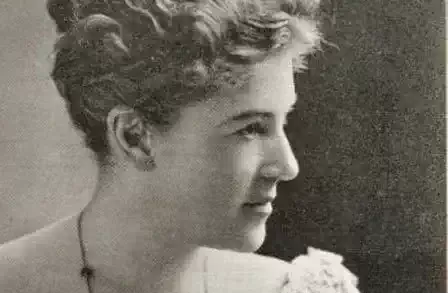
Ella Wheeler Wilcox
Worthy The Name of Sir Knight
Worthy The Name of Sir Knight
I
Sir Knight of the world's oldest order,
Sir Knight of the Army of God,
You have crossed the strange mystical border,
The ground floor of truth you have trod;
You have entered the sanctum sanctorum,
Which leads to the temple above,
Where you come as a stone, and a Christ-chosen one,
In the kingdom of Friendship and Love.
II
As you stand in this new realm of beauty,
Where each man you meet is your friend,
Think not that your promise of duty
In hall, or asylum, shall end;
Outside, in the great world of pleasure,
Beyond, in the clamor of trade,
In the battle of life and its coarse daily strife
Remember the vows you have made.
III
Your service, majestic and solemn,
Your symbols, suggestive and sweet,
Your uniformed phalanx in column
On gala days marching the street;
Your sword and your plume and your helmet,
Your 'secrets' hid from the world's sight;
These things are the small, lesser parts of the all
Which are needed to form the true Knight.
IV
The martyrs who perished rejoicing
In Templary's glorious laws,
Who died 'midst the fagots while voicing
The glory and worth of their cause-
They honored the title of 'Templar'
No more than the Knight of to-day
Who mars not the name with one blemish of shame,
But carries it clean through life's fray.
V
To live for a cause, to endeavor
To make your deeds grace it, to try
And uphold its precepts forever,
Is harder by far than to die.
For the battle of life is unending,
The enemy, Self, never tires,
And the true Knight must slay that sly foe every day
Ere he reaches the heights he desires.
VI
Sir Knight, have you pondered the meaning
Of all you have heard and been told?
Have you strengthened your heart for its weaning
From vices and faults loved of old?
Will you honor, in hours of temptation,
Your promises noble and grand?
Will your spirit be strong to do battle with wrong,
'And having done all, to stand?'
VII
Will you ever be true to a brother
In actions as well as in creed?
Will you stand by his side as no other
Could stand in the hour of his need?
Will you boldly defend him from peril,
And lift him from poverty's curse-
Will the promise of aid which you willingly made,
Reach down from your lips to your purse?
VIII
The world's battle field is before you!
Let Wisdom walk close by your side,
Let Faith spread her snowy wings o'er you,
Let Truth be your comrade and guide;
Let Fortitude, Justice and Mercy
Direct all your conduct aright,
And let each word and act tell to men the proud fact,
You are worthy the name of 'Sir Knight'.
I
Sir Knight of the world's oldest order,
Sir Knight of the Army of God,
You have crossed the strange mystical border,
The ground floor of truth you have trod;
You have entered the sanctum sanctorum,
Which leads to the temple above,
Where you come as a stone, and a Christ-chosen one,
In the kingdom of Friendship and Love.
II
As you stand in this new realm of beauty,
Where each man you meet is your friend,
Think not that your promise of duty
In hall, or asylum, shall end;
Outside, in the great world of pleasure,
Beyond, in the clamor of trade,
In the battle of life and its coarse daily strife
Remember the vows you have made.
III
Your service, majestic and solemn,
Your symbols, suggestive and sweet,
Your uniformed phalanx in column
On gala days marching the street;
Your sword and your plume and your helmet,
Your 'secrets' hid from the world's sight;
These things are the small, lesser parts of the all
Which are needed to form the true Knight.
IV
The martyrs who perished rejoicing
In Templary's glorious laws,
Who died 'midst the fagots while voicing
The glory and worth of their cause-
They honored the title of 'Templar'
No more than the Knight of to-day
Who mars not the name with one blemish of shame,
But carries it clean through life's fray.
V
To live for a cause, to endeavor
To make your deeds grace it, to try
And uphold its precepts forever,
Is harder by far than to die.
For the battle of life is unending,
The enemy, Self, never tires,
And the true Knight must slay that sly foe every day
Ere he reaches the heights he desires.
VI
Sir Knight, have you pondered the meaning
Of all you have heard and been told?
Have you strengthened your heart for its weaning
From vices and faults loved of old?
Will you honor, in hours of temptation,
Your promises noble and grand?
Will your spirit be strong to do battle with wrong,
'And having done all, to stand?'
VII
Will you ever be true to a brother
In actions as well as in creed?
Will you stand by his side as no other
Could stand in the hour of his need?
Will you boldly defend him from peril,
And lift him from poverty's curse-
Will the promise of aid which you willingly made,
Reach down from your lips to your purse?
VIII
The world's battle field is before you!
Let Wisdom walk close by your side,
Let Faith spread her snowy wings o'er you,
Let Truth be your comrade and guide;
Let Fortitude, Justice and Mercy
Direct all your conduct aright,
And let each word and act tell to men the proud fact,
You are worthy the name of 'Sir Knight'.
449
Ella Wheeler Wilcox
You Never Can Tell
You Never Can Tell
You never can tell when you send a word,
Like an arrow shot from a bow
By an archer blind, be it cruel or kind,
Just where it may chance to go.
It may pierce the breast of your dearest friend,
Tipped with its poison or balm,
To a stranger’s heart in life’s great mart,
It may carry its pain or its calm.
You never can tell when you do an act
Just what the result will be;
But with every deed you are sowing a seed,
Though the harvest you may not see.
Each kindly act is an acorn dropped
In God’s productive soil
You may not know, but the tree shall grow,
With shelter for those who toil.
You never can tell what your thoughts will do,
In bringing you hate or love;
For thoughts are things, and their airy wings
Are swifter than carrier doves.
They follow the law of the universe –
Each thing must create its kind,
And they speed o’er the track to bring you back
Whatever went out from your mind.
You never can tell when you send a word,
Like an arrow shot from a bow
By an archer blind, be it cruel or kind,
Just where it may chance to go.
It may pierce the breast of your dearest friend,
Tipped with its poison or balm,
To a stranger’s heart in life’s great mart,
It may carry its pain or its calm.
You never can tell when you do an act
Just what the result will be;
But with every deed you are sowing a seed,
Though the harvest you may not see.
Each kindly act is an acorn dropped
In God’s productive soil
You may not know, but the tree shall grow,
With shelter for those who toil.
You never can tell what your thoughts will do,
In bringing you hate or love;
For thoughts are things, and their airy wings
Are swifter than carrier doves.
They follow the law of the universe –
Each thing must create its kind,
And they speed o’er the track to bring you back
Whatever went out from your mind.
360
Ella Wheeler Wilcox
Words From The Wind
Words From The Wind
I called to the wind of the Winter,
As he sped like a steed on his way,
'Oh! rest for awhile on thy journey,
And answer these questions, I pray.
'Who is the foe to all virtue,
Who is the chieftain of crime?
Who blackens the forehead of beauty,
And cheateth the finger of time?
Who maketh the heart to be aged,
In the beautiful morning of youth?
Who is the herald of sorrow,
And who the assassin of Truth?
Who is the help-meet of Satan,
The agent of regions below?
Who the promoter of vices?
Who loadeth the bosom with woe?
Who stealeth the strength of the mighty?
Who stealeth the wits of the wise?
Who maketh the good and the noble
A thing that the meanest despise?'
And the wind of the wild Winter answered,
In a voice like a clarion call:
''Tis a beast legion-headed, a demon
Whom men christened 'King Alcohol.'
This is the help-meet that Satan
Sends out from the kingdom of hell,
A many-faced demon, who doeth
The work of the master right well;
For he weaveth his web round the noble,
And slayeth the soul with his breath.
Ah! this is the foe to all virtue,
And this is the agent of death.'
I called to the wind of the Winter,
As he sped like a steed on his way,
'Oh! rest for awhile on thy journey,
And answer these questions, I pray.
'Who is the foe to all virtue,
Who is the chieftain of crime?
Who blackens the forehead of beauty,
And cheateth the finger of time?
Who maketh the heart to be aged,
In the beautiful morning of youth?
Who is the herald of sorrow,
And who the assassin of Truth?
Who is the help-meet of Satan,
The agent of regions below?
Who the promoter of vices?
Who loadeth the bosom with woe?
Who stealeth the strength of the mighty?
Who stealeth the wits of the wise?
Who maketh the good and the noble
A thing that the meanest despise?'
And the wind of the wild Winter answered,
In a voice like a clarion call:
''Tis a beast legion-headed, a demon
Whom men christened 'King Alcohol.'
This is the help-meet that Satan
Sends out from the kingdom of hell,
A many-faced demon, who doeth
The work of the master right well;
For he weaveth his web round the noble,
And slayeth the soul with his breath.
Ah! this is the foe to all virtue,
And this is the agent of death.'
425
Ella Wheeler Wilcox
Wishing
Wishing
Do you wish the world were better?
Let me tell you what to do:
Set a watch for your actions,
Keep them always straight and true;
Rid tour mind of selfish motives;
Let your thoughts be clean and high.
You can make a little Eden
Of the sphere you occupy.
Do you wish the world were wiser?
Well, suppose you made a start,
By accumulating wisdom
In the scrapbook of your heart:
Do not waste one page on folly;
Live to learn, and learn to live.
If you want to give men knowledge
You must get it, ere you give.
Do you wish the world were happy?
Then remember day by day
Just to scatter seeds of kindness
As you pass along the way;
For the pleasures of the many
May ofttimes traced to one,
As the hand that plants an acorn
Shelters armies from the sun.
Do you wish the world were better?
Let me tell you what to do:
Set a watch for your actions,
Keep them always straight and true;
Rid tour mind of selfish motives;
Let your thoughts be clean and high.
You can make a little Eden
Of the sphere you occupy.
Do you wish the world were wiser?
Well, suppose you made a start,
By accumulating wisdom
In the scrapbook of your heart:
Do not waste one page on folly;
Live to learn, and learn to live.
If you want to give men knowledge
You must get it, ere you give.
Do you wish the world were happy?
Then remember day by day
Just to scatter seeds of kindness
As you pass along the way;
For the pleasures of the many
May ofttimes traced to one,
As the hand that plants an acorn
Shelters armies from the sun.
503
Ella Wheeler Wilcox
Which are You?
Which are You?
There are two kinds of people on earth to-day;
Just two kinds of people, no more, I say.
Not the sinner and saint, for it's well understood,
The good are half bad, and the bad are half good.
Not the rich and the poor, for to rate a man's wealth,
You must first know the state of his conscience and health.
Not the humble and proud, for in life's little span,
Who puts on vain airs, is not counted a man.
Not the happy and sad, for the swift flying years
Bring each man his laughter and each man his tears.
No; the two kinds of people on earth I mean,
Are the people who lift, and the people who lean.
Wherever you go, you will find the earth's masses,
Are always divided in just these two classes.
And oddly enough, you will find too, I ween,
There's only one lifter to twenty who lean.
In which class are you? Are you easing the load,
Of overtaxed lifters, who toil down the road?
Or are you a leaner, who lets others share
Your portion of labor, and worry and care?
There are two kinds of people on earth to-day;
Just two kinds of people, no more, I say.
Not the sinner and saint, for it's well understood,
The good are half bad, and the bad are half good.
Not the rich and the poor, for to rate a man's wealth,
You must first know the state of his conscience and health.
Not the humble and proud, for in life's little span,
Who puts on vain airs, is not counted a man.
Not the happy and sad, for the swift flying years
Bring each man his laughter and each man his tears.
No; the two kinds of people on earth I mean,
Are the people who lift, and the people who lean.
Wherever you go, you will find the earth's masses,
Are always divided in just these two classes.
And oddly enough, you will find too, I ween,
There's only one lifter to twenty who lean.
In which class are you? Are you easing the load,
Of overtaxed lifters, who toil down the road?
Or are you a leaner, who lets others share
Your portion of labor, and worry and care?
380
Ella Wheeler Wilcox
Where Are The Temperance People? In Reply To A Query
Where Are The Temperance People? In Reply To A Query
Where are the temperance people?
Well, scattered here and there:
Some gathering in their produce
To show at the autumn fair;
Some threshing wheat for market,
And others threshing rye,
That will go to the fat distiller
For whiskey by-and-by.
And some are selling their hop crops
At a first-rate price, this year,
And the seller pockets the money,
While the drunkard swallows the beer.
And some 'staunch temperance workers'(?)
Who'd do anything for the cause,
Save to give it a dime or a moment,
Or work for temperance laws,
May be seen from now to election,
Near any tavern stand
Where liquor flows in plenty,
With a voter on either hand.
And these temperance office-seekers
That we hear of far and near
Are the ones who furnish the money
That buys the lager-beer.
But these are only the black sheep
Who want the temperance name
Without living up to the precepts,
And so bring themselves to shame.
And the true, brave temperance people,
Who have the cause at heart,
Are doing the work that's nearest,
Each his allotted part:
Some lifting the fallen drunkard,
Some preaching unto men,
Some aiding the cause with money,
And others with the pen.
Each has a different mission,
Each works in a different way,
But their works shall melt together
In one grand result, some day.
And one, our chief (God bless him),
Is working day and night:
With his sword of burning eloquence,
He is fighting the noble fight.
Whether in lodge or convention,
Whether at home or abroad,
He is reaping a golden harvest
To lay at the feet of God.
Where are the temperance people?
All scattered here and there,
Sowing the seeds of righteous deeds,
That the harvest may be fair.
Where are the temperance people?
Well, scattered here and there:
Some gathering in their produce
To show at the autumn fair;
Some threshing wheat for market,
And others threshing rye,
That will go to the fat distiller
For whiskey by-and-by.
And some are selling their hop crops
At a first-rate price, this year,
And the seller pockets the money,
While the drunkard swallows the beer.
And some 'staunch temperance workers'(?)
Who'd do anything for the cause,
Save to give it a dime or a moment,
Or work for temperance laws,
May be seen from now to election,
Near any tavern stand
Where liquor flows in plenty,
With a voter on either hand.
And these temperance office-seekers
That we hear of far and near
Are the ones who furnish the money
That buys the lager-beer.
But these are only the black sheep
Who want the temperance name
Without living up to the precepts,
And so bring themselves to shame.
And the true, brave temperance people,
Who have the cause at heart,
Are doing the work that's nearest,
Each his allotted part:
Some lifting the fallen drunkard,
Some preaching unto men,
Some aiding the cause with money,
And others with the pen.
Each has a different mission,
Each works in a different way,
But their works shall melt together
In one grand result, some day.
And one, our chief (God bless him),
Is working day and night:
With his sword of burning eloquence,
He is fighting the noble fight.
Whether in lodge or convention,
Whether at home or abroad,
He is reaping a golden harvest
To lay at the feet of God.
Where are the temperance people?
All scattered here and there,
Sowing the seeds of righteous deeds,
That the harvest may be fair.
369
Ella Wheeler Wilcox
What Would It Be?
What Would It Be?
Now what were the words of Jesus,
And what would He pause and say,
If we were to meet in home or street,
The Lord of the world to-day?
Oh, I think He would pause and say:
'Go on with your chosen labour;
Speak only good of your neighbour;
Widen your farms, and lay down your arms,
Or dig up the soil with each sabre.'
Now what were the answer of Jesus
If we should ask for a creed,
To carry us straight to the wonderful gate
When soul from body is freed?
Oh, I think He would give us this creed:
'Praise God whatever betide you;
Cast joy on the lives beside you;
Better the earth, by growing in worth,
With love as the law to guide you.'
Now what were the answer of Jesus
If we should ask Him to tell
Of the last great goal of the homing soul
Where each of us hopes to dwell?
Oh, I think it is this He would tell:
'The soul is the builder-then wake it;
The mind is the kingdom-then take it;
And thought upon thought let Eden be wrought,
For heaven will be what you make it.'
Now what were the words of Jesus,
And what would He pause and say,
If we were to meet in home or street,
The Lord of the world to-day?
Oh, I think He would pause and say:
'Go on with your chosen labour;
Speak only good of your neighbour;
Widen your farms, and lay down your arms,
Or dig up the soil with each sabre.'
Now what were the answer of Jesus
If we should ask for a creed,
To carry us straight to the wonderful gate
When soul from body is freed?
Oh, I think He would give us this creed:
'Praise God whatever betide you;
Cast joy on the lives beside you;
Better the earth, by growing in worth,
With love as the law to guide you.'
Now what were the answer of Jesus
If we should ask Him to tell
Of the last great goal of the homing soul
Where each of us hopes to dwell?
Oh, I think it is this He would tell:
'The soul is the builder-then wake it;
The mind is the kingdom-then take it;
And thought upon thought let Eden be wrought,
For heaven will be what you make it.'
349
Ella Wheeler Wilcox
What Had He Done?
What Had He Done?
I saw the farmer, when the day was done,
And the proud sun had sought his crimson bed,
And the mild stars came forward one by one-
I saw the sturdy farmer, and I said:
'What have you done to-day,
O farmer! say?'
'Oh! I have sown the wheat in yonder field,
And pruned my orchard to increase its yield,
And turned the furrow for a patch of corn:
This have I done, with other things, since morn.'
I saw the blacksmith in his smithy-door,
When day had vanished and the west grew red,
And all the busy noise and strife were o'er-
I saw the kingly blacksmith, and I said:
'What have you done to-day,
O blacksmith! say?
'Oh! I have made two plough-shares all complete,
And nailed the shoes on many horses' feet;
And-O my friend! I cannot tell you half,'
The man of muscle answered, with a laugh.
I saw the miller, when the day had gone,
And all the sunlight from the hills had fled,
And tender shadows crept across the lawn-
I saw the trusty miller, and I said:
'What have you done to-day,
O miller gray?'
'Oh! I have watched my mill from morn to night,
And never saw yon flour so snowy white.
And many are the mouths to-day I've fed,
I ween,' the merry miller laughed and said.
I saw another, when the night grew nigh,
And turned each daily toiler from his task,
When gold and crimson banners decked the sky-
I saw another, and I paused to ask:
'What have you done to-day,
Rumseller, say?'
But the rumseller turned with dropping head,
And not a single word in answer said.
What had he done? His work he knew full well
Was plunging human souls in deepest hell.
Alas! rumseller, on that awful day,
When death shall call you, and your race is run,
How can you answer? What can you hope to say?
When God shall ask you, 'What have you done?'
How can you meet the eye
Of the Most High?
When night approaches and the day grows late,
Think you to find the way to heaven's gate?
Think you to dwell with souls of righteous men?
Think you to enter in? If not, what then?
I saw the farmer, when the day was done,
And the proud sun had sought his crimson bed,
And the mild stars came forward one by one-
I saw the sturdy farmer, and I said:
'What have you done to-day,
O farmer! say?'
'Oh! I have sown the wheat in yonder field,
And pruned my orchard to increase its yield,
And turned the furrow for a patch of corn:
This have I done, with other things, since morn.'
I saw the blacksmith in his smithy-door,
When day had vanished and the west grew red,
And all the busy noise and strife were o'er-
I saw the kingly blacksmith, and I said:
'What have you done to-day,
O blacksmith! say?
'Oh! I have made two plough-shares all complete,
And nailed the shoes on many horses' feet;
And-O my friend! I cannot tell you half,'
The man of muscle answered, with a laugh.
I saw the miller, when the day had gone,
And all the sunlight from the hills had fled,
And tender shadows crept across the lawn-
I saw the trusty miller, and I said:
'What have you done to-day,
O miller gray?'
'Oh! I have watched my mill from morn to night,
And never saw yon flour so snowy white.
And many are the mouths to-day I've fed,
I ween,' the merry miller laughed and said.
I saw another, when the night grew nigh,
And turned each daily toiler from his task,
When gold and crimson banners decked the sky-
I saw another, and I paused to ask:
'What have you done to-day,
Rumseller, say?'
But the rumseller turned with dropping head,
And not a single word in answer said.
What had he done? His work he knew full well
Was plunging human souls in deepest hell.
Alas! rumseller, on that awful day,
When death shall call you, and your race is run,
How can you answer? What can you hope to say?
When God shall ask you, 'What have you done?'
How can you meet the eye
Of the Most High?
When night approaches and the day grows late,
Think you to find the way to heaven's gate?
Think you to dwell with souls of righteous men?
Think you to enter in? If not, what then?
464
Ella Wheeler Wilcox
What I Have Seen #2
What I Have Seen #2
I saw a maid with her chivalrous lover:
He was both tender and true;
He kissed her lips, vowing over and over,
'Darling, I worship you.'
Sing, sing, bird of the spring,
Tell of the flowers the summer will bring.
I saw the maiden, sweet, loving, confiding,
Smile when he whispered 'Mine,'
Saw her lips meet his with no word of chiding,
Though his breath fumed with wine.
Wail, wail, Nightingale,
Sing of a mourner bowed and pale.
I saw the lover and maid at the altar,
Bound by the bands divine;
Heard the responses-they fail not nor falter-
Saw the guests pledge in wine.
Howl, howl, ominous Owl,
Shriek of the terrible tempest's scowl.
I saw the drunkard's wife weeping in anguish,
Saw her struck down by a blow;
I saw the husband in prison-cells languish-
Thus ends the tale of woe.
Shriek, shriek, O Raven! speak
Of the terrible midnight, dark and bleak.
I saw a maid with her chivalrous lover:
He was both tender and true;
He kissed her lips, vowing over and over,
'Darling, I worship you.'
Sing, sing, bird of the spring,
Tell of the flowers the summer will bring.
I saw the maiden, sweet, loving, confiding,
Smile when he whispered 'Mine,'
Saw her lips meet his with no word of chiding,
Though his breath fumed with wine.
Wail, wail, Nightingale,
Sing of a mourner bowed and pale.
I saw the lover and maid at the altar,
Bound by the bands divine;
Heard the responses-they fail not nor falter-
Saw the guests pledge in wine.
Howl, howl, ominous Owl,
Shriek of the terrible tempest's scowl.
I saw the drunkard's wife weeping in anguish,
Saw her struck down by a blow;
I saw the husband in prison-cells languish-
Thus ends the tale of woe.
Shriek, shriek, O Raven! speak
Of the terrible midnight, dark and bleak.
18
Ella Wheeler Wilcox
War
War
I
There is no picturesqueness and no glory,
No halo of romance, in war to-day.
It is a hideous thing; Time would turn grey
With horror, were he not already hoary
At sight of this vile monster, foul and gory.
Yet while sweet women perish as they pray,
And new-born babes are slaughtered, who dare say
'Halt!' till Right pens its 'Finis' to the story!
There is no pathway, but the path through blood,
Out of the horrors of this holocaust.
Hell has let loose its scalding crimson flood,
And he who stops to argue now is lost.
Not brooms of creeds, not Pacifistic words
Can stem the tide, but swords-uplifted swords!
II
Yet, after Peace has turned the clean white page
There shall be sorrow on the earth for years;
Abysmal grief, that has no eyes for tears,
And youth that hobbles through the earth like age.
But better to play this part upon life's stage
Than to aid structures that a tyrant rears,
To live a stalwart hireling torn with fears,
And shamed by feeding on a conqueror's wage.
Death, yea, a thousand deaths, were sweet in truth
Rather than such ignoble life. God gave
Being, and breath, and high resolve to youth
That it might be Wrong's master, not its slave.
Our road to Freedom is the road to guns!
Go, arm your sons! I say, Go, arm your sons!
III
Arm! arm! that mandate on each wind is whirled.
Let no man hesitate or look askance,
For from the devastated homes of France
And ruined Belgium the cry is hurled.
Why, Christ Himself would keep peace banners furled
Were He among us, till, with lifted lance,
He saw the hosts of Righteousness advance
To purify the Temples of the world.
There is no safety on the earth to-day
For any sacred thing, or clean, or fair;
Nor can there be, until men rise and slay
The hydra-headed monster in his lair.
War! horrid War! now Virtue's only friend;
Clasp hands with War, and battle to the end!
I
There is no picturesqueness and no glory,
No halo of romance, in war to-day.
It is a hideous thing; Time would turn grey
With horror, were he not already hoary
At sight of this vile monster, foul and gory.
Yet while sweet women perish as they pray,
And new-born babes are slaughtered, who dare say
'Halt!' till Right pens its 'Finis' to the story!
There is no pathway, but the path through blood,
Out of the horrors of this holocaust.
Hell has let loose its scalding crimson flood,
And he who stops to argue now is lost.
Not brooms of creeds, not Pacifistic words
Can stem the tide, but swords-uplifted swords!
II
Yet, after Peace has turned the clean white page
There shall be sorrow on the earth for years;
Abysmal grief, that has no eyes for tears,
And youth that hobbles through the earth like age.
But better to play this part upon life's stage
Than to aid structures that a tyrant rears,
To live a stalwart hireling torn with fears,
And shamed by feeding on a conqueror's wage.
Death, yea, a thousand deaths, were sweet in truth
Rather than such ignoble life. God gave
Being, and breath, and high resolve to youth
That it might be Wrong's master, not its slave.
Our road to Freedom is the road to guns!
Go, arm your sons! I say, Go, arm your sons!
III
Arm! arm! that mandate on each wind is whirled.
Let no man hesitate or look askance,
For from the devastated homes of France
And ruined Belgium the cry is hurled.
Why, Christ Himself would keep peace banners furled
Were He among us, till, with lifted lance,
He saw the hosts of Righteousness advance
To purify the Temples of the world.
There is no safety on the earth to-day
For any sacred thing, or clean, or fair;
Nor can there be, until men rise and slay
The hydra-headed monster in his lair.
War! horrid War! now Virtue's only friend;
Clasp hands with War, and battle to the end!
380
Ella Wheeler Wilcox
Voice of the Voiceless
Voice of the Voiceless
I am the Voice of the Voiceless
Through me the dumb shall speak
Till the world's deaf ear be made to hear
The wrongs of the wordless weak.
Oh shame on the mothers of mortals
Who do not stoop to teach
The sorrow that lies in dear dumb eyes
The sorrow that has no speech.
From street, from cage, from kennel
From stable and from zoo
The wall of my tortured kin proclaims the sin
Of the mighty against the frail.
But I am my brother's keeper
And I shall fight their fight
And speak the word for beast and bird
Till the world shall set things right.
I am the Voice of the Voiceless
Through me the dumb shall speak
Till the world's deaf ear be made to hear
The wrongs of the wordless weak.
Oh shame on the mothers of mortals
Who do not stoop to teach
The sorrow that lies in dear dumb eyes
The sorrow that has no speech.
From street, from cage, from kennel
From stable and from zoo
The wall of my tortured kin proclaims the sin
Of the mighty against the frail.
But I am my brother's keeper
And I shall fight their fight
And speak the word for beast and bird
Till the world shall set things right.
346
Ella Wheeler Wilcox
Uncontrolled
Uncontrolled
The mighty forces of mysterious space
Are one by one subdued by lordly man.
The awful lightning that for eons ran
Their devastating and untrammeled race,
Now bear his messages from place to place
Like carrier doves. The winds lead on his van;
The lawless elements no longer can
Resist his strength, but yield with sullen grace.
His bold feet scaling heights before untrod,
Light, darkness, air and water, heat and cold
He bids go forth and bring him power and pelf.
And yet though ruler, king and demi-god
He walks with his fierce passions uncontrolled
The conquerer of all things – save himself.
The mighty forces of mysterious space
Are one by one subdued by lordly man.
The awful lightning that for eons ran
Their devastating and untrammeled race,
Now bear his messages from place to place
Like carrier doves. The winds lead on his van;
The lawless elements no longer can
Resist his strength, but yield with sullen grace.
His bold feet scaling heights before untrod,
Light, darkness, air and water, heat and cold
He bids go forth and bring him power and pelf.
And yet though ruler, king and demi-god
He walks with his fierce passions uncontrolled
The conquerer of all things – save himself.
402
Ella Wheeler Wilcox
True Charity
True Charity
I gave a beggar from my little store
Of well-earned gold. He spent the shining ore
And came again, and yet again, still cold
And hungry, as before.
I gave a thought, and through that thought of mine
He found himself, the man, supreme, divine!
Fed, clothed, and crowned with blessings manifold.
And now he begs no more.
I gave a beggar from my little store
Of well-earned gold. He spent the shining ore
And came again, and yet again, still cold
And hungry, as before.
I gave a thought, and through that thought of mine
He found himself, the man, supreme, divine!
Fed, clothed, and crowned with blessings manifold.
And now he begs no more.
322
Ella Wheeler Wilcox
Time's Defeat
Time's Defeat
Time has made conquest of so many things
That once were mine. Swift-footed, eager youth
That ran to meet the years; bold brigand health,
That broke all laws of reason unafraid,
And laughed at talk of punishment. Close ties
Of blood and friendship, and that joy of life,
Which reads its music in the major key
And will not listen to a minor strain-
These things and many more are spoils of time.
Yet as a conqueror who only storms
The outposts of a town, and finds the fort
Too strong to be assailed, so time retreats
And knows his impotence. He cannot take
My three great jewels from the crown of life;
Love, sympathy, and faith; and year on year
He sees them grow in lustre and in worth,
And glowers by me, plucking at his beard,
And dragging as he goes, a useless scythe.
Once in the dark he plotted with his friend
Grim death, to steal my treasures. Death replied:
'They are immortal, and beyond thy reach:
I could but set them in another sphere,
To shine with greater lustre.'
Time and Death
Passed on together, knowing their defeat;
And I am singing by the road of life.
Time has made conquest of so many things
That once were mine. Swift-footed, eager youth
That ran to meet the years; bold brigand health,
That broke all laws of reason unafraid,
And laughed at talk of punishment. Close ties
Of blood and friendship, and that joy of life,
Which reads its music in the major key
And will not listen to a minor strain-
These things and many more are spoils of time.
Yet as a conqueror who only storms
The outposts of a town, and finds the fort
Too strong to be assailed, so time retreats
And knows his impotence. He cannot take
My three great jewels from the crown of life;
Love, sympathy, and faith; and year on year
He sees them grow in lustre and in worth,
And glowers by me, plucking at his beard,
And dragging as he goes, a useless scythe.
Once in the dark he plotted with his friend
Grim death, to steal my treasures. Death replied:
'They are immortal, and beyond thy reach:
I could but set them in another sphere,
To shine with greater lustre.'
Time and Death
Passed on together, knowing their defeat;
And I am singing by the road of life.
416
Ella Wheeler Wilcox
Three Friends
Three Friends
Of all the blessings which my life has known,
I value most, and most praise God for three:
Want, Loneliness and Pain, those comrades true,
Who, masquerade in the garb of foes
For many a year, and filled my heart with dread.
Yet fickle joys, like false, pretentious friends,
Have proved less worthy than this trio. First,
Want taught me labor, led me up the steep
And toilsome paths to hills of pure delight,
Trod only by the feet that know fatigue,
And yet press on until the heights appear.
Then loneliness and hunger of the heart
Sent me upreaching to the realms of space,
Till all the silences grew eloquent,
And all their loving forces hailed me friend.
Last, pain taught me prayer! placed in my hand the staff
Of close communion with the over-soul,
That I might lean upon it to the end,
And find myself made strong for any strife.
And then these three who had pursued my steps
Like stern, relentless foes, year after year,
Unmasked, and turned their faces full on me,
And lo! they were divinely beautiful,
For through them shone the lustrous eyes of Love.
Of all the blessings which my life has known,
I value most, and most praise God for three:
Want, Loneliness and Pain, those comrades true,
Who, masquerade in the garb of foes
For many a year, and filled my heart with dread.
Yet fickle joys, like false, pretentious friends,
Have proved less worthy than this trio. First,
Want taught me labor, led me up the steep
And toilsome paths to hills of pure delight,
Trod only by the feet that know fatigue,
And yet press on until the heights appear.
Then loneliness and hunger of the heart
Sent me upreaching to the realms of space,
Till all the silences grew eloquent,
And all their loving forces hailed me friend.
Last, pain taught me prayer! placed in my hand the staff
Of close communion with the over-soul,
That I might lean upon it to the end,
And find myself made strong for any strife.
And then these three who had pursued my steps
Like stern, relentless foes, year after year,
Unmasked, and turned their faces full on me,
And lo! they were divinely beautiful,
For through them shone the lustrous eyes of Love.
550
Ella Wheeler Wilcox
They Shall Not Win
They Shall Not Win
Whatever the strength of our foes is now,
Whatever it may have been,
This is our slogan, and this our vow-
They shall not win, they shall not win.
Though out of the darkness they call the aid
Of the evil forces of Sin,
We utter our slogan unafraid-
They shall not win, they shall not win.
We know we are right, and know they are wrong.
So to God above and within-
We make our vow and we sing our song
They shall not win, they shall not win.
It rises over the shriek of shell,
And over the cannons' din:
Our slogan shall scatter the hosts of Hell-
They shall not win, they shall not win.
Whatever the strength of our foes is now,
Whatever it may have been,
This is our slogan, and this our vow-
They shall not win, they shall not win.
Though out of the darkness they call the aid
Of the evil forces of Sin,
We utter our slogan unafraid-
They shall not win, they shall not win.
We know we are right, and know they are wrong.
So to God above and within-
We make our vow and we sing our song
They shall not win, they shall not win.
It rises over the shriek of shell,
And over the cannons' din:
Our slogan shall scatter the hosts of Hell-
They shall not win, they shall not win.
418
Ella Wheeler Wilcox
Theory And Practice
Theory And Practice
The man of God stands, on the Sabbath-day,
Warning the sinners from the broad highway
That leads to death. He rolls his pious eye,
And tells how wily demons hidden lie
To spring upon the thoughtless souls who pass
Along. He lifts his hands, and cries, 'Alas!
That such things be! O sinners! pause;
Gird on God's armor; let the devil see
Thou hast espoused a high and holy cause,
And all his arts are powerless on thee.'
'Tis thus the man of God in warning cries,
And tears of heart-felt sorrow fill his eyes;
And then he doffs his surplice and his gown,
And calls for wine to wash his sorrow down.
Ah! follower of the meek and lowly One,
And is it thus that thou wouldst have men shun
The road to death? Is this the better way,
Of which thou tellest on the Sabbath-day?
This wine you sip to quench your pious thirst,
Of all the devil's arts, he reckons first.
And countless legions go down to the dead,
Slain soul and body by the demon red.
Is this the holy principle you teach?
Or shall men practise, while you only preach?
The righteous churchman reads a tale of strife,
One of those countless tragedies of city life;
He sighs, and shakes his head, and sighs again,
And thanks his God he's not as other men.
And then he sips his glass of ale or rum,
And wonders if the time shall ever come
When such things cease to be. I answer, 'When
You who bear the names of Christian men
Shall with your wines, and ales, and beers dispense,
And choose the motto, 'Total Abstinence.''
The politician sighs at the nation's debt,
And groans at his heavy tax. And yet
He calls his jolly friends from near and far,
And does not sigh or groan before the bar,
But 'treats' them with a free and lavish hand,
Thus swelling the liquor tax upon the land.
And so the world goes; and will always go
As long as fools live. And their lives are long,
As all may see who look around, and so
I'll let it waggle on, and cease my song,
Hoping 'gainst hope, that some poor struggling ray
Of common sense may find its weary way
Into the stupid hearts and brains of those
Who prate of any evil this world knows,
And sip their wines and beer, and say to men,
'We only drink a little-now and then.'
The man of God stands, on the Sabbath-day,
Warning the sinners from the broad highway
That leads to death. He rolls his pious eye,
And tells how wily demons hidden lie
To spring upon the thoughtless souls who pass
Along. He lifts his hands, and cries, 'Alas!
That such things be! O sinners! pause;
Gird on God's armor; let the devil see
Thou hast espoused a high and holy cause,
And all his arts are powerless on thee.'
'Tis thus the man of God in warning cries,
And tears of heart-felt sorrow fill his eyes;
And then he doffs his surplice and his gown,
And calls for wine to wash his sorrow down.
Ah! follower of the meek and lowly One,
And is it thus that thou wouldst have men shun
The road to death? Is this the better way,
Of which thou tellest on the Sabbath-day?
This wine you sip to quench your pious thirst,
Of all the devil's arts, he reckons first.
And countless legions go down to the dead,
Slain soul and body by the demon red.
Is this the holy principle you teach?
Or shall men practise, while you only preach?
The righteous churchman reads a tale of strife,
One of those countless tragedies of city life;
He sighs, and shakes his head, and sighs again,
And thanks his God he's not as other men.
And then he sips his glass of ale or rum,
And wonders if the time shall ever come
When such things cease to be. I answer, 'When
You who bear the names of Christian men
Shall with your wines, and ales, and beers dispense,
And choose the motto, 'Total Abstinence.''
The politician sighs at the nation's debt,
And groans at his heavy tax. And yet
He calls his jolly friends from near and far,
And does not sigh or groan before the bar,
But 'treats' them with a free and lavish hand,
Thus swelling the liquor tax upon the land.
And so the world goes; and will always go
As long as fools live. And their lives are long,
As all may see who look around, and so
I'll let it waggle on, and cease my song,
Hoping 'gainst hope, that some poor struggling ray
Of common sense may find its weary way
Into the stupid hearts and brains of those
Who prate of any evil this world knows,
And sip their wines and beer, and say to men,
'We only drink a little-now and then.'
405
Ella Wheeler Wilcox
The World's Need
The World's Need
So many gods, so many creeds,
So many paths that wind and wind,
While just the art of being kind,
Is all the sad world needs.
So many gods, so many creeds,
So many paths that wind and wind,
While just the art of being kind,
Is all the sad world needs.
313
Ella Wheeler Wilcox
The Voice
The Voice
I dreamed a Voice, of one God-authorised,
Cried loudly thro’ the world, ‘Disarm! Disarm! ’
And there was consernation in the camps;
And men who strutted under braid and lace
Beat on their medalled breasts, and wailed,
‘Undone! ’
The word was echoed from a thousand hills,
And shop and mill, and factory and forge,
Where throve the awful industries of death,
Hushed into silence. Scrawled upon the doors,
The passer read, ‘Peace bids her children
Starve.’
But foolish women clasped their little sons
And wept for joy, not reasoning like men.
Again the Voice commanded: ‘Now go forth
And build a world for Progress and for Peace.
This world had waited since the earth was
Shaped;
But men were fighting, and they could not
Toil.
The needs of life outnumbered needs of death.
Leave death with God. Go forth, I say, and
Build.’
And then a sudden comprehensive joy
Shone in the eyes of men; and one who thought
Only of conquests and of victories
Woke from his gloomy reverie and cried,
‘Ay, come and build! I challenge all to try.
And I will make a world more beautiful
Then Eden was before the serpent came.’
And like a running flame on western wilds,
Ambition spread from mind to listening mind,
And lo! the looms were busy once again,
And all the earth resounded with men’s toil.
Vast palaces of Science graced the world;
Their banquet tables spread with feasts of truth
For all who hungered. Music kissed the air,
Once rent with boom of cannons. Statues gleamed
From wooded ways, where ambushed armies hid
In times of old. The sea and air were gay
With shining sails that soared from land to land.
A universal language of the world
Made nations kin, and poverty was known
But as a word marked ‘obsolete, ’ like war.
The arts were kindled with celestial fire;
New poets sang so Homer’s fame grew dim;
And brush and chisel gave the wondering race
Sublimer treasures than old Greece displayed.
Men differed still; fierce argument arose,
For men are human in this human sphere;
But unarmed Arbitration stood between
And Reason settled in a hundred hours
What War disputed for a hundred years.
Oh, that a Voice, of one God-authorised
Might cry to all mankind, Disarm! Disarm!
Remembered
His art was loving; Eres set his sign
Upon that youthful forehead, and he drew
The hearts of women, as the sun draws dew.
Love feeds love’s thirst as wine feeds love of wine;
Nor is there any potion from the vine
Which makes men drunken like the subtle brew
Of kisses crushed by kisses; and he grew
Inebriated with that draught divine.
Yet in his sober moments, when the sun
Of radiant summer paled to lonely fall,
And passion’s sea had grown an ebbing tide,
From out the many, Memory singled one
Full cup that seemed the sweetest of them all –
The warm red mouth that mocked him and denied.
I dreamed a Voice, of one God-authorised,
Cried loudly thro’ the world, ‘Disarm! Disarm! ’
And there was consernation in the camps;
And men who strutted under braid and lace
Beat on their medalled breasts, and wailed,
‘Undone! ’
The word was echoed from a thousand hills,
And shop and mill, and factory and forge,
Where throve the awful industries of death,
Hushed into silence. Scrawled upon the doors,
The passer read, ‘Peace bids her children
Starve.’
But foolish women clasped their little sons
And wept for joy, not reasoning like men.
Again the Voice commanded: ‘Now go forth
And build a world for Progress and for Peace.
This world had waited since the earth was
Shaped;
But men were fighting, and they could not
Toil.
The needs of life outnumbered needs of death.
Leave death with God. Go forth, I say, and
Build.’
And then a sudden comprehensive joy
Shone in the eyes of men; and one who thought
Only of conquests and of victories
Woke from his gloomy reverie and cried,
‘Ay, come and build! I challenge all to try.
And I will make a world more beautiful
Then Eden was before the serpent came.’
And like a running flame on western wilds,
Ambition spread from mind to listening mind,
And lo! the looms were busy once again,
And all the earth resounded with men’s toil.
Vast palaces of Science graced the world;
Their banquet tables spread with feasts of truth
For all who hungered. Music kissed the air,
Once rent with boom of cannons. Statues gleamed
From wooded ways, where ambushed armies hid
In times of old. The sea and air were gay
With shining sails that soared from land to land.
A universal language of the world
Made nations kin, and poverty was known
But as a word marked ‘obsolete, ’ like war.
The arts were kindled with celestial fire;
New poets sang so Homer’s fame grew dim;
And brush and chisel gave the wondering race
Sublimer treasures than old Greece displayed.
Men differed still; fierce argument arose,
For men are human in this human sphere;
But unarmed Arbitration stood between
And Reason settled in a hundred hours
What War disputed for a hundred years.
Oh, that a Voice, of one God-authorised
Might cry to all mankind, Disarm! Disarm!
Remembered
His art was loving; Eres set his sign
Upon that youthful forehead, and he drew
The hearts of women, as the sun draws dew.
Love feeds love’s thirst as wine feeds love of wine;
Nor is there any potion from the vine
Which makes men drunken like the subtle brew
Of kisses crushed by kisses; and he grew
Inebriated with that draught divine.
Yet in his sober moments, when the sun
Of radiant summer paled to lonely fall,
And passion’s sea had grown an ebbing tide,
From out the many, Memory singled one
Full cup that seemed the sweetest of them all –
The warm red mouth that mocked him and denied.
414
Ella Wheeler Wilcox
The Tulip Bed At Greeley Square
The Tulip Bed At Greeley Square
You know that oasis, fresh and fair
In the city desert, as Greeley square?
That bright triangle of scented bloom
That lies surrounded by grime and gloom?
Right in the breast of the seething town
Like a gleaming gem or a wanton’s gown?
Ah, wonderful things that tulip bed
Unto my listening soul has said.
Over the rattle and roar of the street
I hear a chorus of voices sweet,
Day and night, when I pass that way,
And these are the things the voices say:
“Here, in the heart of the foolish strife,
We live a simple and natural life.
“Here, in the midst of the clash and din,
We know what it is to be calm within.
“Here, environed by sin and shame,
We do what we can with our pure white flame.
“We do what we can with our bloom and grace,
To make the city a fairer place.
“It is well to be good though the world is vile,
And so through the dust and the smoke we smile,
“We are but atoms in chaos tossed,
Yet never a purpose for truth was lost.”
Ah, many a sermon is uttered there
By the bed of blossoms in Greeley square.
And he who listens and hears aright,
Is better equipped for the world’s hard fight.
You know that oasis, fresh and fair
In the city desert, as Greeley square?
That bright triangle of scented bloom
That lies surrounded by grime and gloom?
Right in the breast of the seething town
Like a gleaming gem or a wanton’s gown?
Ah, wonderful things that tulip bed
Unto my listening soul has said.
Over the rattle and roar of the street
I hear a chorus of voices sweet,
Day and night, when I pass that way,
And these are the things the voices say:
“Here, in the heart of the foolish strife,
We live a simple and natural life.
“Here, in the midst of the clash and din,
We know what it is to be calm within.
“Here, environed by sin and shame,
We do what we can with our pure white flame.
“We do what we can with our bloom and grace,
To make the city a fairer place.
“It is well to be good though the world is vile,
And so through the dust and the smoke we smile,
“We are but atoms in chaos tossed,
Yet never a purpose for truth was lost.”
Ah, many a sermon is uttered there
By the bed of blossoms in Greeley square.
And he who listens and hears aright,
Is better equipped for the world’s hard fight.
319
Ella Wheeler Wilcox
The Two Glasses
The Two Glasses
There sat two glasses, filled to the brim,
On a rich man's table, rim to rim.
One was ruddy and red as blood,
And one was clear as the crystal flood.
Said the glass of wine to his paler brother,
"Let us tell tales of the past to each other;
I can tell of banquet, and revel, and mirth,
Where I was a king, for I ruled in might;
For the proudest and grandest souls on earth
Fell under my touch, as though struck with blight.
From the heads of kings I have torn the crown;
From the heights of fame I have hurled men down.
I have blasted many an honored name;
I have taken virtue and given shame;
I have tempted the youth with a sip, a taste,
That has made his future a barren waste.
Far greater than any king am I,
Or than any army beneath the sky.
I have made the arm of the driver fail,
And sent the train from the iron rail.
I have made good ships go down at sea,
And the shrieks of the lost were sweet to me.
Fame, strength, wealth, genius before me fall;
Ho, ho! pale brother," said the wine,
"Can you boast of deeds as great as mine?"
Said the water-glass: "I cannot boast
Of a king dethroned, or a murdered host,
But I can tell of hearts that were sad
By my crystal drops made bright and glad;
Of thirsts I have quenched, and brows I have laved;
Of hands I have cooled, and souls I have saved.
I have leaped through the valley, dashed down the mountain,
Slept in the sunshine, and dripped from the fountain.
I have burst my cloud-fetters, and dropped from the sky,
And everywhere gladdened the prospect and eye;
I have eased the hot forehead of fever and pain;
I have made the parched meadows grow fertile with grain.
I can tell of the powerful wheel of the mill,
That ground out the flower, and turned at my will.
I can tell of manhood debased by you,
That I have uplifted and crowned anew;
I cheer, I help, I strengthen and aid;
I gladden the heart of man and maid;
I set the wine-chained captive free,
And all are better for knowing me."
These are the tales they told each other,
The glass of wine and its paler brother,
As they sat together, filled to the brim,
On a rich man's table, rim to rim.
There sat two glasses, filled to the brim,
On a rich man's table, rim to rim.
One was ruddy and red as blood,
And one was clear as the crystal flood.
Said the glass of wine to his paler brother,
"Let us tell tales of the past to each other;
I can tell of banquet, and revel, and mirth,
Where I was a king, for I ruled in might;
For the proudest and grandest souls on earth
Fell under my touch, as though struck with blight.
From the heads of kings I have torn the crown;
From the heights of fame I have hurled men down.
I have blasted many an honored name;
I have taken virtue and given shame;
I have tempted the youth with a sip, a taste,
That has made his future a barren waste.
Far greater than any king am I,
Or than any army beneath the sky.
I have made the arm of the driver fail,
And sent the train from the iron rail.
I have made good ships go down at sea,
And the shrieks of the lost were sweet to me.
Fame, strength, wealth, genius before me fall;
Ho, ho! pale brother," said the wine,
"Can you boast of deeds as great as mine?"
Said the water-glass: "I cannot boast
Of a king dethroned, or a murdered host,
But I can tell of hearts that were sad
By my crystal drops made bright and glad;
Of thirsts I have quenched, and brows I have laved;
Of hands I have cooled, and souls I have saved.
I have leaped through the valley, dashed down the mountain,
Slept in the sunshine, and dripped from the fountain.
I have burst my cloud-fetters, and dropped from the sky,
And everywhere gladdened the prospect and eye;
I have eased the hot forehead of fever and pain;
I have made the parched meadows grow fertile with grain.
I can tell of the powerful wheel of the mill,
That ground out the flower, and turned at my will.
I can tell of manhood debased by you,
That I have uplifted and crowned anew;
I cheer, I help, I strengthen and aid;
I gladden the heart of man and maid;
I set the wine-chained captive free,
And all are better for knowing me."
These are the tales they told each other,
The glass of wine and its paler brother,
As they sat together, filled to the brim,
On a rich man's table, rim to rim.
453
Ella Wheeler Wilcox
The Temperance Army
The Temperance Army
Though you see no banded army,
Though you hear no cannons rattle,
We are in a mighty contest,
We are fighting a great battle.
We are few, but we are right:
And we wage the holy fight,
Night and day, and day and night.
If we do not fail or falter,
If we do not sleep or slumber,
We shall win in this great contest,
Though the foe is twice our number.
This the burden of our song,
'We are few, but we are strong,
And right must triumph over wrong.'
O my sisters! O my brothers!
There is death all round about us.
Must we, then, sit down discouraged?
Will you let the wine-cup rout us?
Hear the drunkard's awful wail!
See the mourners, bowed and pale!
Will you, coward, then say 'fail'?
Say not that your heart is with us
When you do not help or aid us.
All who love the cause sincerely
Can do something: God has made us
Tongues to talk with: you can say
Something, if you will, each day,
That will help us on our way,
Though you are not highly gifted,
Though you are not bard or poet,
Though you cannot preach or lecture,
You can love the cause, and show it
Boldly, in each thing you do.
Seeking all that's pure and true,
This will be a help from you.
You can say the liquor traffic
Is a curse to any nation;
You can say that prohibition
Is a blessing and salvation.
You can sow good seeds, and, though
You may never see them grow,
They will not be lost, I know.
In this mighty temperance contest,
Where no guns or cannons rattle,
Though you cannot lead the army
Or be chieftain of the battle,
With that mighty sword, the tongue,
You can fight against the wrong,
You can sing some temperance song.
Say not that you cannot aid us!
Drops of water make the river-
Make the mighty Mississippi,
That flows on hand on for ever.
Every word you say for Right
Gives us courage, gives us might,
And brings nearer, morn and night.
Though you see no banded army,
Though you hear no cannons rattle,
We are in a mighty contest,
We are fighting a great battle.
We are few, but we are right:
And we wage the holy fight,
Night and day, and day and night.
If we do not fail or falter,
If we do not sleep or slumber,
We shall win in this great contest,
Though the foe is twice our number.
This the burden of our song,
'We are few, but we are strong,
And right must triumph over wrong.'
O my sisters! O my brothers!
There is death all round about us.
Must we, then, sit down discouraged?
Will you let the wine-cup rout us?
Hear the drunkard's awful wail!
See the mourners, bowed and pale!
Will you, coward, then say 'fail'?
Say not that your heart is with us
When you do not help or aid us.
All who love the cause sincerely
Can do something: God has made us
Tongues to talk with: you can say
Something, if you will, each day,
That will help us on our way,
Though you are not highly gifted,
Though you are not bard or poet,
Though you cannot preach or lecture,
You can love the cause, and show it
Boldly, in each thing you do.
Seeking all that's pure and true,
This will be a help from you.
You can say the liquor traffic
Is a curse to any nation;
You can say that prohibition
Is a blessing and salvation.
You can sow good seeds, and, though
You may never see them grow,
They will not be lost, I know.
In this mighty temperance contest,
Where no guns or cannons rattle,
Though you cannot lead the army
Or be chieftain of the battle,
With that mighty sword, the tongue,
You can fight against the wrong,
You can sing some temperance song.
Say not that you cannot aid us!
Drops of water make the river-
Make the mighty Mississippi,
That flows on hand on for ever.
Every word you say for Right
Gives us courage, gives us might,
And brings nearer, morn and night.
369
Ella Wheeler Wilcox
The Stevedores
The Stevedores
We are the army stevedores, lusty and virile and strong,
We are given the hardest work of the war, and the hours are long.
We handle the heavy boxes, and shovel the dirty coal;
While soldiers and sailors work in the light, we burrow below like a mole.
But somebody has to do this work, or the soldiers could not fight!
And whatever work is given a man, is good if he does it right.
We are the army stevedores, and we are volunteers.
We did not wait for the draft to come, to put aside our fears;
We flung them away on the winds of fate, at the very first call of our land,
And each of us offered a willing heart and the strength of a brawny hand.
We are the army stevedores, and work as we must and may,
The cross of honour will never be ours to proudly wear away.
But the men at the Front could never be there,
And the battles could not be won,
If the stevedores stopped in their dull routine
And left their work undone.
Somebody has to do this work, be glad that it isn't you!
We are the army stevedores-give us our due!
We are the army stevedores, lusty and virile and strong,
We are given the hardest work of the war, and the hours are long.
We handle the heavy boxes, and shovel the dirty coal;
While soldiers and sailors work in the light, we burrow below like a mole.
But somebody has to do this work, or the soldiers could not fight!
And whatever work is given a man, is good if he does it right.
We are the army stevedores, and we are volunteers.
We did not wait for the draft to come, to put aside our fears;
We flung them away on the winds of fate, at the very first call of our land,
And each of us offered a willing heart and the strength of a brawny hand.
We are the army stevedores, and work as we must and may,
The cross of honour will never be ours to proudly wear away.
But the men at the Front could never be there,
And the battles could not be won,
If the stevedores stopped in their dull routine
And left their work undone.
Somebody has to do this work, be glad that it isn't you!
We are the army stevedores-give us our due!
462
Ella Wheeler Wilcox
The Spirit Of Great Joan
The Spirit Of Great Joan
Back of each soldier who fights for France,
Aye, back of each woman and man
Who toils and prays through these long tense days.
Is the spirit of Great Joan.
For the love she gave, and the life she gave,
In the eyes of God sufficed
To crown her with light, and power, and might,
That made her second to Christ.
And so in that hour at the Marne she came,
To the seeing eyes of men;
And the blind of view still felt and knew
That her spirit had come again.
And she will come in each crucial hour
And joy shall follow despair,
For Joan sees her France on its knees
And she hears the voice of its prayer.
There is no hate in the heart of France,
But a mighty moral force
That takes its stand for her worshipped land,
And cannot be swerved from its course.
For this is the way with France to-day,
Her courage comes from faith,
And she bends her knee ere she straightens her arm;
In her forward rush toward death.
A jungle of beasts in the heart of the Hun-
War to the world laid bare.
And war has revealed, that France concealed,
Only the lion's lair.
A lioness fighting to save her own,
She fights as a lioness can,
And strength to the end shall the Unseen send,
In the spirit of Great Joan.
Back of each soldier who fights for France,
Aye, back of each woman and man
Who toils and prays through these long tense days.
Is the spirit of Great Joan.
For the love she gave, and the life she gave,
In the eyes of God sufficed
To crown her with light, and power, and might,
That made her second to Christ.
And so in that hour at the Marne she came,
To the seeing eyes of men;
And the blind of view still felt and knew
That her spirit had come again.
And she will come in each crucial hour
And joy shall follow despair,
For Joan sees her France on its knees
And she hears the voice of its prayer.
There is no hate in the heart of France,
But a mighty moral force
That takes its stand for her worshipped land,
And cannot be swerved from its course.
For this is the way with France to-day,
Her courage comes from faith,
And she bends her knee ere she straightens her arm;
In her forward rush toward death.
A jungle of beasts in the heart of the Hun-
War to the world laid bare.
And war has revealed, that France concealed,
Only the lion's lair.
A lioness fighting to save her own,
She fights as a lioness can,
And strength to the end shall the Unseen send,
In the spirit of Great Joan.
384