

Poems in this topic
Ethics and Morality
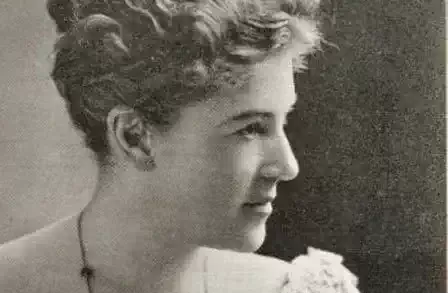
Ella Wheeler Wilcox
The Signboard
The Signboard
I will paint you a sign, rumseller,
And hang it above your door;
A truer and better signboard
Than ever you had before.
I will paint with the skill of a master,
And many shall pause to see
This wonderful piece of painting,
So like the reality.
I will paint yourself, rumseller,
As you wait for that fair young boy,
Just in the morning of manhood,
A mother’s pride and joy.
He has no thought of stopping,
But you greet him with a smile
And you seem so blithe and friendly,
That he pauses a chat awhile.
I will paint you again, rumseller,
I will paint you as you stand,
With a foaming glass of liquor
Extended in your hand.
He wavers, but you urge him –
Drink, pledge me just this one!
And he takes the glass and drains it,
And the hellish work is done.
And next I will paint a drunkard –
Only a year has flown,
But into that loathesome creature
The fair young boy has grown.
The work was sure and rapid.
I will paint him as he lies
In a torpid, drunken slumber,
Under the wintry skies.
I will paint the form of the mother
As she kneels at her darling’s side,
Her beautiful boy that was dearer
Than all the world beside.
I will paint the shape of a coffin
Labelled with one word – ‘Lost’
I will paint all this, rumseller,
And will paint it free of cost.
The sin and the shame and the sorrow,
The crime and the want and the woe
That are born there in your workshop,
No hand can paint, you know
But I’ll paint you a sign, rumseller,
And many shall pause to view
This wonderful swinging signboard,
So terribly, fearfully true.
I will paint you a sign, rumseller,
And hang it above your door;
A truer and better signboard
Than ever you had before.
I will paint with the skill of a master,
And many shall pause to see
This wonderful piece of painting,
So like the reality.
I will paint yourself, rumseller,
As you wait for that fair young boy,
Just in the morning of manhood,
A mother’s pride and joy.
He has no thought of stopping,
But you greet him with a smile
And you seem so blithe and friendly,
That he pauses a chat awhile.
I will paint you again, rumseller,
I will paint you as you stand,
With a foaming glass of liquor
Extended in your hand.
He wavers, but you urge him –
Drink, pledge me just this one!
And he takes the glass and drains it,
And the hellish work is done.
And next I will paint a drunkard –
Only a year has flown,
But into that loathesome creature
The fair young boy has grown.
The work was sure and rapid.
I will paint him as he lies
In a torpid, drunken slumber,
Under the wintry skies.
I will paint the form of the mother
As she kneels at her darling’s side,
Her beautiful boy that was dearer
Than all the world beside.
I will paint the shape of a coffin
Labelled with one word – ‘Lost’
I will paint all this, rumseller,
And will paint it free of cost.
The sin and the shame and the sorrow,
The crime and the want and the woe
That are born there in your workshop,
No hand can paint, you know
But I’ll paint you a sign, rumseller,
And many shall pause to view
This wonderful swinging signboard,
So terribly, fearfully true.
439
Ella Wheeler Wilcox
The Question
The Question
Beside us in our seeking after pleasures,
Through all our restless striving after fame,
Thorough all our search for worldly gains and treasures
There walketh one whom no man likes to name.
Silent he follows, veiled of form and feature,
Indifferent if we sorrow or rejoice,
Yet that day comes when every living creature
Must look upon his face and hear his voice.
When that day comes to you, and Death, unmasking,
Shall bar your path, and say, “Behold the end, ”
What are the questions that he will be asking
About your past? Have you considered, friend?
I think he will not chide you for your sinning,
Nor for your creeds or dogmas will he care;
He will but ask, “From your life’s first beginning
How many burdens have you helped to bear? ”
Beside us in our seeking after pleasures,
Through all our restless striving after fame,
Thorough all our search for worldly gains and treasures
There walketh one whom no man likes to name.
Silent he follows, veiled of form and feature,
Indifferent if we sorrow or rejoice,
Yet that day comes when every living creature
Must look upon his face and hear his voice.
When that day comes to you, and Death, unmasking,
Shall bar your path, and say, “Behold the end, ”
What are the questions that he will be asking
About your past? Have you considered, friend?
I think he will not chide you for your sinning,
Nor for your creeds or dogmas will he care;
He will but ask, “From your life’s first beginning
How many burdens have you helped to bear? ”
405
Ella Wheeler Wilcox
The Messenger
The Messenger
She rose up in the early dawn,
And white and silently she moved
About the house. Four men had gone
To battle for the land they loved,
And she, the mother and the wife,
Waited for tidings from the strife.
How still the house seemed! and her tread
Was like the footsteps of the dead.
The long day passed; the dark night came.
She had not seen a human face.
Some voice spoke suddenly her name.
How loud it echoed in that place,
Where, day on day, no sound was heard
But her own footsteps. 'Bring you word,'
She cried to whom she could not see,
'Word from the battle-plain to me?'
A soldier entered at the door,
And stood within the dim firelight;
'I bring you tidings of the four,'
He said, 'who left you for the fight.'
'God bless you, friend,' she cried, 'speak on!
For I can bear it. One is gone?'
'Ay, one is gone!' he said. 'Which one?'
'Dear lady, he, your eldest son.'
A deathly pallor shot across
Her withered face; she did not weep.
She said: 'It is a grievous loss,
But God gives His belovèd sleep.
What of the living-of the three?
And when can they come back to me?'
The soldier turned away his head:
'Lady, your husband, too, is dead.'
She put her hand upon her brow;
A wild, sharp pain was in her eyes.
'My husband! Oh, God, help me now!'
The soldier heard her shuddering sighs.
The task was harder than he thought.
'Your youngest son, dear madam, fought
Close at his father's side; both fell
Dead, by the bursting of a shell.'
She moved her lips and seemed to moan.
Her face had paled to ashen gray:
'Then one is left me-one alone,'
She said, 'of four who marched away.
Oh, overruling, All-wise God,
How can I pass beneath Thy rod!'
The soldier walked across the floor,
Paused at the window, at the door,
Wiped the cold dew-drops from his cheek
And sought the mourner's side again.
'Once more, dear lady, I must speak:
Your last remaining son was slain
Just at the closing of the fight,
'Twas he who sent me here to-night.'
'God knows,' the man said afterward,
'The fight itself was not so hard.'
She rose up in the early dawn,
And white and silently she moved
About the house. Four men had gone
To battle for the land they loved,
And she, the mother and the wife,
Waited for tidings from the strife.
How still the house seemed! and her tread
Was like the footsteps of the dead.
The long day passed; the dark night came.
She had not seen a human face.
Some voice spoke suddenly her name.
How loud it echoed in that place,
Where, day on day, no sound was heard
But her own footsteps. 'Bring you word,'
She cried to whom she could not see,
'Word from the battle-plain to me?'
A soldier entered at the door,
And stood within the dim firelight;
'I bring you tidings of the four,'
He said, 'who left you for the fight.'
'God bless you, friend,' she cried, 'speak on!
For I can bear it. One is gone?'
'Ay, one is gone!' he said. 'Which one?'
'Dear lady, he, your eldest son.'
A deathly pallor shot across
Her withered face; she did not weep.
She said: 'It is a grievous loss,
But God gives His belovèd sleep.
What of the living-of the three?
And when can they come back to me?'
The soldier turned away his head:
'Lady, your husband, too, is dead.'
She put her hand upon her brow;
A wild, sharp pain was in her eyes.
'My husband! Oh, God, help me now!'
The soldier heard her shuddering sighs.
The task was harder than he thought.
'Your youngest son, dear madam, fought
Close at his father's side; both fell
Dead, by the bursting of a shell.'
She moved her lips and seemed to moan.
Her face had paled to ashen gray:
'Then one is left me-one alone,'
She said, 'of four who marched away.
Oh, overruling, All-wise God,
How can I pass beneath Thy rod!'
The soldier walked across the floor,
Paused at the window, at the door,
Wiped the cold dew-drops from his cheek
And sought the mourner's side again.
'Once more, dear lady, I must speak:
Your last remaining son was slain
Just at the closing of the fight,
'Twas he who sent me here to-night.'
'God knows,' the man said afterward,
'The fight itself was not so hard.'
378
Ella Wheeler Wilcox
The Meeting Of The Centuries
The Meeting Of The Centuries
A CURIOUS vision, on mine eyes unfurled
In the deep night. I saw, or seemed to see,
Two Centuries meet, and sit down vis-a-vis,
Across the great round table of the world.
One with suggested sorrows in his mien
And on his brow the furrowed lines of thought.
And one whose glad expectant presence brought
A glow and radiance from the realms unseen.
Hand clasped with hand, in silence for a space,
The Centuries sat; the sad old eyes of one
(As grave paternal eyes regard a son)
Gazing upon that other eager face.
And then a voice, as cadenceless and gray
As the sea's monody in winter time,
Mingled with tones melodious, as the chime
Of bird choirs, singing in the dawns of May.
THE OLD CENTURY SPEAKS:
By you, Hope stands. With me, Experience walks.
Like a fair jewel in a faded box,
In my tear-rusted heart, sweet pity lies.
For all the dreams that look forth from your eyes,
And those bright-hued ambitions, which I know
Must fall like leaves and perish in Time's snow,
(Even as my soul's garden stands bereft,)
I give you pity! 'tis the one gift left.
THE NEW CENTURY:
Nay, nay, good friend! not pity, but Godspeed,
Here in the morning of my life I need.
Counsel, and not condolence; smiles, not tears,
To guide me through the channels of the years.
Oh, I am blinded by the blaze of light
That shines upon me from the Infinite.
Blurred is my vision by the close approach
To unseen shores, whereon the times encroach.
THE OLD CENTURY:
Illusion, all illusion. List and hear
The Godless cannons, booming far and near.
Flaunting the flag of Unbelief, with Greed
For pilot, lo! the pirate age in speed
Bears on to ruin. War's most hideous crimes
Besmirch the record of these modern times.
Degenerate is the world I leave to you, --
My happiest speech to earth will be -- adieu.
THE NEW CENTURY:
You speak as one too weary to be just.
I hear the guns-I see the greed and lust.
The death throes of a giant evil fill
The air with riot and confusion. Ill
Ofttimes makes fallow ground for Good; and Wrong
Builds Right's foundation, when it grows too strong.
Pregnant with promise is the hour, and grand
The trust you leave in my all-willing hand.
THE OLD CENTURY:
As one who throws a flickering taper's ray
To light departing feet, my shadowed way
You brighten with your faith. Faith makes the man.
Alas, that my poor foolish age outran
Its early trust in God. The death of art
And progress follows, when the world's hard heart
Casts out religion. 'Tis the human brain
Men worship now, and heaven, to them, means gain.
THE NEW CENTURY:
Faith is not dead, tho' priest and creed may pass,
For thought has leavened the whole unthinking mass.
And man looks now to find the God within.
We shall talk more of love, and less of sin,
In this new era. We are drawing near
Unatlassed boundaries of a larger sphere.
With awe, I wait, till Science leads us on,
Into the full effulgence of its dawn.
A CURIOUS vision, on mine eyes unfurled
In the deep night. I saw, or seemed to see,
Two Centuries meet, and sit down vis-a-vis,
Across the great round table of the world.
One with suggested sorrows in his mien
And on his brow the furrowed lines of thought.
And one whose glad expectant presence brought
A glow and radiance from the realms unseen.
Hand clasped with hand, in silence for a space,
The Centuries sat; the sad old eyes of one
(As grave paternal eyes regard a son)
Gazing upon that other eager face.
And then a voice, as cadenceless and gray
As the sea's monody in winter time,
Mingled with tones melodious, as the chime
Of bird choirs, singing in the dawns of May.
THE OLD CENTURY SPEAKS:
By you, Hope stands. With me, Experience walks.
Like a fair jewel in a faded box,
In my tear-rusted heart, sweet pity lies.
For all the dreams that look forth from your eyes,
And those bright-hued ambitions, which I know
Must fall like leaves and perish in Time's snow,
(Even as my soul's garden stands bereft,)
I give you pity! 'tis the one gift left.
THE NEW CENTURY:
Nay, nay, good friend! not pity, but Godspeed,
Here in the morning of my life I need.
Counsel, and not condolence; smiles, not tears,
To guide me through the channels of the years.
Oh, I am blinded by the blaze of light
That shines upon me from the Infinite.
Blurred is my vision by the close approach
To unseen shores, whereon the times encroach.
THE OLD CENTURY:
Illusion, all illusion. List and hear
The Godless cannons, booming far and near.
Flaunting the flag of Unbelief, with Greed
For pilot, lo! the pirate age in speed
Bears on to ruin. War's most hideous crimes
Besmirch the record of these modern times.
Degenerate is the world I leave to you, --
My happiest speech to earth will be -- adieu.
THE NEW CENTURY:
You speak as one too weary to be just.
I hear the guns-I see the greed and lust.
The death throes of a giant evil fill
The air with riot and confusion. Ill
Ofttimes makes fallow ground for Good; and Wrong
Builds Right's foundation, when it grows too strong.
Pregnant with promise is the hour, and grand
The trust you leave in my all-willing hand.
THE OLD CENTURY:
As one who throws a flickering taper's ray
To light departing feet, my shadowed way
You brighten with your faith. Faith makes the man.
Alas, that my poor foolish age outran
Its early trust in God. The death of art
And progress follows, when the world's hard heart
Casts out religion. 'Tis the human brain
Men worship now, and heaven, to them, means gain.
THE NEW CENTURY:
Faith is not dead, tho' priest and creed may pass,
For thought has leavened the whole unthinking mass.
And man looks now to find the God within.
We shall talk more of love, and less of sin,
In this new era. We are drawing near
Unatlassed boundaries of a larger sphere.
With awe, I wait, till Science leads us on,
Into the full effulgence of its dawn.
412
Ella Wheeler Wilcox
The Maniac
The Maniac
I saw them sitting in the shade;
The long green vines hung over,
But could not hide the gold-haired maid
And Earl, my dark-eyed lover.
His arm was clasped so close, so close,
Her eyes were softly lifted,
While his eyes drank the cheek of rose
And breasts like snowflakes drifted.
A strange noise sounded in my brain;
I was a guest unbidden.
I stole away, but came again
With two knives snugly hidden.
I stood behind them. Close they kissed,
While eye to eye was speaking;
I aimed my steels, and neither missed
The heart I sent it seeking.
There were two death-shrieks mingled so
It seemed like one voice crying.
I laughed-it was such bliss, you know,
To hear and see them dying.
I laughed and shouted while I stood
Above the lovers, gazing
Upon the trickling rills of blood
And frightened eyes fast glazing.
It was such joy to see the rose
Fade from her cheek forever;
To know the lips he kissed so close
Could answer never, never.
To see his arm grow stark and cold,
And know it could not hold her;
To know that while the world grew old
His eyes could not behold her.
A crowd of people thronged about,
Brought thither by my laughter;
I gave one last triumphant shout-
Then darkness followed after.
That was a thousand years ago;
Each hour I live it over,
For there, just out of reach, you know,
She
lies, with Earl, my lover.
They lie there, staring, staring so
With great, glazed eyes to taunt me.
Will no one bury them down low,
Where they shall cease to haunt me?
He kissed her lips, not mine; the flowers
And vines hung all about them
Sometimes I sit and laugh for hours
To think just how I found them.
And then I sometimes stand and shriek
In agony of terror:
I see the red warm in her cheek,
Then laugh loud at my error.
My cheek was all too pale he thought;
He deemed hers far the brightest.
Ha! but my dagger touched a spot
That made
her
face the whitest!
But oh, the days seem very long,
Without my Earl, my lover;
And something in my head seems wrong
The more I think it over.
Ah! look-she is not dead-look there!
She's standing close beside me!
Her eyes are open-how they stare!
Oh, hide me! hide me! hide me!
I saw them sitting in the shade;
The long green vines hung over,
But could not hide the gold-haired maid
And Earl, my dark-eyed lover.
His arm was clasped so close, so close,
Her eyes were softly lifted,
While his eyes drank the cheek of rose
And breasts like snowflakes drifted.
A strange noise sounded in my brain;
I was a guest unbidden.
I stole away, but came again
With two knives snugly hidden.
I stood behind them. Close they kissed,
While eye to eye was speaking;
I aimed my steels, and neither missed
The heart I sent it seeking.
There were two death-shrieks mingled so
It seemed like one voice crying.
I laughed-it was such bliss, you know,
To hear and see them dying.
I laughed and shouted while I stood
Above the lovers, gazing
Upon the trickling rills of blood
And frightened eyes fast glazing.
It was such joy to see the rose
Fade from her cheek forever;
To know the lips he kissed so close
Could answer never, never.
To see his arm grow stark and cold,
And know it could not hold her;
To know that while the world grew old
His eyes could not behold her.
A crowd of people thronged about,
Brought thither by my laughter;
I gave one last triumphant shout-
Then darkness followed after.
That was a thousand years ago;
Each hour I live it over,
For there, just out of reach, you know,
She
lies, with Earl, my lover.
They lie there, staring, staring so
With great, glazed eyes to taunt me.
Will no one bury them down low,
Where they shall cease to haunt me?
He kissed her lips, not mine; the flowers
And vines hung all about them
Sometimes I sit and laugh for hours
To think just how I found them.
And then I sometimes stand and shriek
In agony of terror:
I see the red warm in her cheek,
Then laugh loud at my error.
My cheek was all too pale he thought;
He deemed hers far the brightest.
Ha! but my dagger touched a spot
That made
her
face the whitest!
But oh, the days seem very long,
Without my Earl, my lover;
And something in my head seems wrong
The more I think it over.
Ah! look-she is not dead-look there!
She's standing close beside me!
Her eyes are open-how they stare!
Oh, hide me! hide me! hide me!
359
Ella Wheeler Wilcox
The London 'Bobby'
The London 'Bobby'
A Tribute To The Policemen Of Englands Capital
Here in my cosy corner,
Before a blazing log,
I’m thinking of cold London
Wrapped in its killing fog;
And, like a shining beacon
Above the picture grim,
I see the London ‘Bobby, ’
And sing my song for him.
I see his stalwart figure,
I see his kindly face,
I hear his helpful answer
At any hour or place.
For, though you seek some by-way
Long miles from his own beat,
He tells you all about it,
And how to find the street.
He looks like some bold Viking,
This king of earth’s police –
Yet in his voice lies feeling,
And in his eyes lies peace;
He knows and does his duty –
(What higher praise is there?)
And London’s lords and paupers
Alike receive his care.
He has a regal bearing,
Yet one that breathes repose;
It is the look and manner
Of one who thinks and knows.
Oh, men who govern nations,
In old worlds or new,
Turn to the London ‘Bobby’
And learn a thing or two.
A Tribute To The Policemen Of Englands Capital
Here in my cosy corner,
Before a blazing log,
I’m thinking of cold London
Wrapped in its killing fog;
And, like a shining beacon
Above the picture grim,
I see the London ‘Bobby, ’
And sing my song for him.
I see his stalwart figure,
I see his kindly face,
I hear his helpful answer
At any hour or place.
For, though you seek some by-way
Long miles from his own beat,
He tells you all about it,
And how to find the street.
He looks like some bold Viking,
This king of earth’s police –
Yet in his voice lies feeling,
And in his eyes lies peace;
He knows and does his duty –
(What higher praise is there?)
And London’s lords and paupers
Alike receive his care.
He has a regal bearing,
Yet one that breathes repose;
It is the look and manner
Of one who thinks and knows.
Oh, men who govern nations,
In old worlds or new,
Turn to the London ‘Bobby’
And learn a thing or two.
410
Ella Wheeler Wilcox
The King Of Candyland
The King Of Candyland
Have you heard of the king of Candy land?
Well, listen while I sing,
He has pages on every hand,
For he is a mighty king,
And thousands of children bend the knee,
And bow to this ruler of high degree.
He has a smile, oh! like the sun!
And his face is round and bland,
His bright eyes twinkle and glow with fun,
As the children kiss his hand.
And everything toothsome, melting, sweet,
He scatters freely before their feet.
But wo! for the children who follow him,
With loving praises and laughter,
For he is a monster ugly and grim
That they go running after.
And when they get well into the chase
He lifts his masque and shows his face.
And ah! but that is a gruesome sight
For the followers of the king.
The cheeks grow pale that once were bright,
And they sob instead of sing.
And their teeth drop out and their eyes grow red,
And they cannot sleep when they go to bed.
And after they see the monster's face,
They have no peaceful hour.
And they have aches in every place,
And what was sweet seems sour.
Oh wo! for that sorrowful foolish band
Who follow the king of Candy land.
Have you heard of the king of Candy land?
Well, listen while I sing,
He has pages on every hand,
For he is a mighty king,
And thousands of children bend the knee,
And bow to this ruler of high degree.
He has a smile, oh! like the sun!
And his face is round and bland,
His bright eyes twinkle and glow with fun,
As the children kiss his hand.
And everything toothsome, melting, sweet,
He scatters freely before their feet.
But wo! for the children who follow him,
With loving praises and laughter,
For he is a monster ugly and grim
That they go running after.
And when they get well into the chase
He lifts his masque and shows his face.
And ah! but that is a gruesome sight
For the followers of the king.
The cheeks grow pale that once were bright,
And they sob instead of sing.
And their teeth drop out and their eyes grow red,
And they cannot sleep when they go to bed.
And after they see the monster's face,
They have no peaceful hour.
And they have aches in every place,
And what was sweet seems sour.
Oh wo! for that sorrowful foolish band
Who follow the king of Candy land.
371
Ella Wheeler Wilcox
The Jealous Gods
The Jealous Gods
Oh life is wonderful,' she said,
'And all my world is bright;
Can Paradise show fairer skies,
Or more effulgent light?'
(Speak lower, lower, mortal heart,
The jealous gods may hear.)
She turned for answer; but his gaze
Cut past her like a lance,
And shone like flame on one who came
With radiant glance for glance.
(You spoke too loud, O mortal heart,
The jealous gods were near.)
They walked through green and sunlit ways;
And yet the earth seemed black,
For there were three, where two should be;
So runs the world, alack.
(The listening gods, the jealous gods,
They want no Edens here.)
Oh life is wonderful,' she said,
'And all my world is bright;
Can Paradise show fairer skies,
Or more effulgent light?'
(Speak lower, lower, mortal heart,
The jealous gods may hear.)
She turned for answer; but his gaze
Cut past her like a lance,
And shone like flame on one who came
With radiant glance for glance.
(You spoke too loud, O mortal heart,
The jealous gods were near.)
They walked through green and sunlit ways;
And yet the earth seemed black,
For there were three, where two should be;
So runs the world, alack.
(The listening gods, the jealous gods,
They want no Edens here.)
416
Ella Wheeler Wilcox
The Khaki Boys Who Were Not At The Front
The Khaki Boys Who Were Not At The Front
Oh! it is not just the men who face the guns,
Not the fighters at the Front alone, to-day
Who will bring the longed-for close to the bloody fray, for those
Could not carry on that fray without the ones
Who are working at war's problems far away.
You are all our splendid heroes in the strife,
And we class you with the warriors maimed and scarred,
Though you never have been near enough the battle din to hear,
While you laboured in the dull routine of life
In your khaki suits with sleeves that are not barred.
You have offered up yourselves to save the world;
You have felt the abnegation of the Christ:
And whatever work you do is a noble work and true;
Though it be not done with banners all unfurled,
You will find it has, in sight of God, sufficed.
While you carry back no medals when you go,
Not without you had the fighters borne war's brunt:
So just lift your heads uncowed, for your country will be proud
And its lasting love and honour will bestow
On the khaki boys who were not at the Front.
Oh! it is not just the men who face the guns,
Not the fighters at the Front alone, to-day
Who will bring the longed-for close to the bloody fray, for those
Could not carry on that fray without the ones
Who are working at war's problems far away.
You are all our splendid heroes in the strife,
And we class you with the warriors maimed and scarred,
Though you never have been near enough the battle din to hear,
While you laboured in the dull routine of life
In your khaki suits with sleeves that are not barred.
You have offered up yourselves to save the world;
You have felt the abnegation of the Christ:
And whatever work you do is a noble work and true;
Though it be not done with banners all unfurled,
You will find it has, in sight of God, sufficed.
While you carry back no medals when you go,
Not without you had the fighters borne war's brunt:
So just lift your heads uncowed, for your country will be proud
And its lasting love and honour will bestow
On the khaki boys who were not at the Front.
441
Ella Wheeler Wilcox
The Hour
The Hour
This is the world's stupendous hour-
The supreme moment for the race
To see the emptiness of power,
The worthlessness of wealth and place,
To see the purpose and the plan
Conceived by God for growing man.
And they who see and comprehend
That ultimate and lofty aim
Will wait in patience for the end,
Knowing injustice cannot claim
One lasting victory, or control
Laws that bar progress for the whole.
This is an epoch-making time;
God thunders through the universe
A message glorious and sublime,
At once a blessing and a curse.
Blessings for those who seek His light,
Curses for those whose law is might.
Ephemeral as the sunset glow
Is human grandeur. Mortal life
Was given that souls might seek and know
Immortal truths; and through the strife
That shakes the earth from land to land
The wise shall hear and understand.
Out of the awful holocaust,
Out of the whirlwind and the flood,
Out of old creeds to Bedlam tossed,
Shall rise a new earth washed in blood-
A new race filled with spirit power,
This is the world's stupendous hour.
This is the world's stupendous hour-
The supreme moment for the race
To see the emptiness of power,
The worthlessness of wealth and place,
To see the purpose and the plan
Conceived by God for growing man.
And they who see and comprehend
That ultimate and lofty aim
Will wait in patience for the end,
Knowing injustice cannot claim
One lasting victory, or control
Laws that bar progress for the whole.
This is an epoch-making time;
God thunders through the universe
A message glorious and sublime,
At once a blessing and a curse.
Blessings for those who seek His light,
Curses for those whose law is might.
Ephemeral as the sunset glow
Is human grandeur. Mortal life
Was given that souls might seek and know
Immortal truths; and through the strife
That shakes the earth from land to land
The wise shall hear and understand.
Out of the awful holocaust,
Out of the whirlwind and the flood,
Out of old creeds to Bedlam tossed,
Shall rise a new earth washed in blood-
A new race filled with spirit power,
This is the world's stupendous hour.
422
Ella Wheeler Wilcox
The Foolish Elm
The Foolish Elm
The bold young Autumn came riding along
One day where an elm-tree grew.
'You are fair,' he said, as she bent down her head,
'Too fair for your robe's dull hue.
You are far too young for a garb so old;
Your beauty needs color and sheen.
Oh, I would clothe you in scarlet and gold
Befitting the grace of a queen.
'For one little kiss on your lips, sweet elm,
For one little kiss, no more,
I would give you, I swear, a robe more fair
Than ever a princess wore.
One little kiss on those lips, my pet,
And lo! you shall stand, I say,
Queen of the forest, and, better yet,
Queen of my heart alway.'
She tossed her head, but he took the kiss'
Tis the way of lovers bold-
And a gorgeous dress for that sweet caress
He gave ere the morning was old.
For a week and a day she ruled a queen
In beauty and splendid attire;
For a week and a day she was loved, I ween,
With the love that is born of desire.
Then bold-eyed Autumn went on his way
In search of a tree more fair;
And mob winds tattered her garments and scattered
Her finery here and there.
Poor and faded and ragged and cold
She rocked in her wild distress,
And longed for the dull green gown she had sold
For her fickle lover's caress.
And the days went by and Winter came,
And his tyrannous tempests beat
On the shivering tree, whose robes of flame
He had trampled under his feet.
I saw her reach up to the mocking skies
Her poor arms, bare and thin;
Ah, well-a-day! it is ever the way
With a woman who trades with sin.
The bold young Autumn came riding along
One day where an elm-tree grew.
'You are fair,' he said, as she bent down her head,
'Too fair for your robe's dull hue.
You are far too young for a garb so old;
Your beauty needs color and sheen.
Oh, I would clothe you in scarlet and gold
Befitting the grace of a queen.
'For one little kiss on your lips, sweet elm,
For one little kiss, no more,
I would give you, I swear, a robe more fair
Than ever a princess wore.
One little kiss on those lips, my pet,
And lo! you shall stand, I say,
Queen of the forest, and, better yet,
Queen of my heart alway.'
She tossed her head, but he took the kiss'
Tis the way of lovers bold-
And a gorgeous dress for that sweet caress
He gave ere the morning was old.
For a week and a day she ruled a queen
In beauty and splendid attire;
For a week and a day she was loved, I ween,
With the love that is born of desire.
Then bold-eyed Autumn went on his way
In search of a tree more fair;
And mob winds tattered her garments and scattered
Her finery here and there.
Poor and faded and ragged and cold
She rocked in her wild distress,
And longed for the dull green gown she had sold
For her fickle lover's caress.
And the days went by and Winter came,
And his tyrannous tempests beat
On the shivering tree, whose robes of flame
He had trampled under his feet.
I saw her reach up to the mocking skies
Her poor arms, bare and thin;
Ah, well-a-day! it is ever the way
With a woman who trades with sin.
368
Ella Wheeler Wilcox
The Farewell to Clarimonde
The Farewell to Clarimonde
Adieu, Romauld! But thou canst not forget me.
Although no more I haunt thy dreams at night,
Thy hungering heart forever must regret me,
And starve for those lost moments of delight.
Naught shall avail thy priestly rites and duties,
Nor fears of Hell, nor hopes of Heaven beyond:
Before the Cross shall rise my fair form's beauties—-
The lips, the limbs, the eyes of Clarimonde.
Like gall the wine sipped from the sacred chalice
Shall taste to one who knew my red mouth's bliss,
When Youth and Beauty dwelt in Love's own palace,
And life flowed on in one eternal kiss.
Through what strange ways I come, dear heart, to reach thee,
From viewless lands, by paths no man e'er trod!
I braved all fears, all dangers dared, to teach thee
A love more mighty than thy love of God.
Think not in all His Kingdom to discover
Such joys, Romauld, as ours, when fierce yet fond
I clasped thee—kissed thee—crowned thee my one lover:
Thou canst not find another Clarimonde.
I knew all arts of love: he who possessed me
Possessed all women, and could never tire;
A new life dawned for him who once caressed me;
Satiety itself I set on fire.
Inconstancy I chained: men died to win me;
Kings cast by crowns for one hour on my breast:
And all the passionate tide of love within me
I gave to thee, Romauld. Wert thou not blest?
Yet, for the love of God, thy hand hath riven
Our welded souls. But not in prayer well conned,
Not in thy dearly-purchased peace of Heaven,
Canst thou forget those hours with Clarimonde.
Adieu, Romauld! But thou canst not forget me.
Although no more I haunt thy dreams at night,
Thy hungering heart forever must regret me,
And starve for those lost moments of delight.
Naught shall avail thy priestly rites and duties,
Nor fears of Hell, nor hopes of Heaven beyond:
Before the Cross shall rise my fair form's beauties—-
The lips, the limbs, the eyes of Clarimonde.
Like gall the wine sipped from the sacred chalice
Shall taste to one who knew my red mouth's bliss,
When Youth and Beauty dwelt in Love's own palace,
And life flowed on in one eternal kiss.
Through what strange ways I come, dear heart, to reach thee,
From viewless lands, by paths no man e'er trod!
I braved all fears, all dangers dared, to teach thee
A love more mighty than thy love of God.
Think not in all His Kingdom to discover
Such joys, Romauld, as ours, when fierce yet fond
I clasped thee—kissed thee—crowned thee my one lover:
Thou canst not find another Clarimonde.
I knew all arts of love: he who possessed me
Possessed all women, and could never tire;
A new life dawned for him who once caressed me;
Satiety itself I set on fire.
Inconstancy I chained: men died to win me;
Kings cast by crowns for one hour on my breast:
And all the passionate tide of love within me
I gave to thee, Romauld. Wert thou not blest?
Yet, for the love of God, thy hand hath riven
Our welded souls. But not in prayer well conned,
Not in thy dearly-purchased peace of Heaven,
Canst thou forget those hours with Clarimonde.
469
Ella Wheeler Wilcox
The Falling Of Thrones
The Falling Of Thrones
Above the din of commerce, above the clamor and rattle
Of labor disputing with riches, of Anarchists' threats and groans,
Above the hurry and hustle and roar of that bloodless battle,
Where men are fighting for riches. I hear the falling of thrones.
I see no savage host, I hear no martial drumming,
But down in the dust at our feet lie the useless crowns of kings;
And the mighty spirit of Progress is steadily coming, coming,
And the flag of one republic abroad to the world he flings.
The Universal Republic, where worth, not birth, is royal;
Where the lowliest born may climb on a self-made ladder to fame;
Where the highest and proudest born, if he be not true and loyal,
Shall find no masking title to cover and gild his shame.
Not with the bellow of guns and not with sabres whetting,
But with growing minds of men is waged this swordless fray;
While over the dim horizon the sun of royalty, setting,
Lights, with a dying splendor, the humblest toiler's way.
Above the din of commerce, above the clamor and rattle
Of labor disputing with riches, of Anarchists' threats and groans,
Above the hurry and hustle and roar of that bloodless battle,
Where men are fighting for riches. I hear the falling of thrones.
I see no savage host, I hear no martial drumming,
But down in the dust at our feet lie the useless crowns of kings;
And the mighty spirit of Progress is steadily coming, coming,
And the flag of one republic abroad to the world he flings.
The Universal Republic, where worth, not birth, is royal;
Where the lowliest born may climb on a self-made ladder to fame;
Where the highest and proudest born, if he be not true and loyal,
Shall find no masking title to cover and gild his shame.
Not with the bellow of guns and not with sabres whetting,
But with growing minds of men is waged this swordless fray;
While over the dim horizon the sun of royalty, setting,
Lights, with a dying splendor, the humblest toiler's way.
399
Ella Wheeler Wilcox
The Creed
The Creed
Whoever was begotten by pure love,
And came desired and welcome into life,
Is of immaculate conception. He
Whose heart is full of tenderness and truth,
Who loves mankind more than he loves himself,
And cannot find room in his heart for hate,
May be another Christ. We all may be
The Saviours of the world if we believe
In the Divinity which dwells in us
And worship it, and nail our grosser selves,
Our tempers, greeds, and our unworthy aims,
Upon the cross. Who giveth love to all;
Pays kindness for unkindness, smiles for frowns;
And lends new courage to each fainting heart,
And strengthens hope and scatters joy abroad—
He, too, is a Redeemer, Son of God.
Whoever was begotten by pure love,
And came desired and welcome into life,
Is of immaculate conception. He
Whose heart is full of tenderness and truth,
Who loves mankind more than he loves himself,
And cannot find room in his heart for hate,
May be another Christ. We all may be
The Saviours of the world if we believe
In the Divinity which dwells in us
And worship it, and nail our grosser selves,
Our tempers, greeds, and our unworthy aims,
Upon the cross. Who giveth love to all;
Pays kindness for unkindness, smiles for frowns;
And lends new courage to each fainting heart,
And strengthens hope and scatters joy abroad—
He, too, is a Redeemer, Son of God.
422
Ella Wheeler Wilcox
The Cry Of The People
The Cry Of The People
Fire! Fire! Fire! the cry rang out on the night air,
The roving winds caught it up, and the very heavens resounded.
Louder and louder still, by voices grown hoarse with terror,
The cry went up and out and a nation stood still to listen.
'Come, for the love of God, and help us fight the demon!
Come and help us to chain the fiend that is making us homeless:
His hot and scorching breath has melted our hard-earned fortunes,
And, not contented with this, he is snatching our loved ones from us.
The air is thick with the stream that pours in clouds from his nostrils:
Come, for the love of God, and help us to fetter or slay him.'
The ear of the Nation heard, the heart of the Nation responded:
The smith left anvil and forge, and hastened to render assistance;
The clergyman went from the pulpit, the lawyer went from his office,
The houses of trade were closed, and a Nation was in commotion.
For the hungry tongue of Fire was lapping the skirts of the city,
The royal Queen of the West, and her people were crying in anguish.
Nobly and well they worked, till they chained and fettered the demon,
Bound him hand and foot, and hindered his work of destruction.
Over the land on wires, over the mighty cable,
Flashed the terrible truth: 'Ruin and destitution
Reigns where but yesterday there was lavish wealth and plenty.'
And up from the South came aid, and aid came down from the Northland,
And it came from East and West, wholesome food for the hungry,
Shelter for houseless heads, and clothes to cover the naked.
Hark! there's a sound abroad, like the cry of a suffering people,
Loud and louder it swells, and echoes from ocean to ocean,
The raving winds catch it up, and from throats that are hoarse with crying
The wail goes up and out, but is answered only by echoes.
'Come for the love of God, and help us to fetter the demon
That is taking the bread from our mouths, and the mouths of our helpless children;
He is walking abroad in the land, and all things perish before him:
Homesteads crumble away, and fortunes vanish like snow wreaths;
And, not contented with this, he is slaying our best and our fairest,
Stealing the brains of the wise, and bringing the young to the gallows;
He is making the home forlorn, and crowding the jails and the prisons,
He moves the hand of the thief-he drives the assassin's dagger.'
The ear of the Nation is deaf, the heart of the Nation is hardened:
The smith at his anvil and forge sings in the midst of his labor;
The clergyman stands in his pulpit, and prays for the soul of the sinner,
But says no word of the fiend who wrecked and ruined the mortal;
The lawyer smokes his cigar or sips his glass of Burgundy;
The merchant, day after day, thinks only of buying and selling.
And up and down through the land, night and day, walks the demon,
Poverty, sorrow, and shame follow the print of his footsteps.
The cry of the people goes up, a cry of anguish and pleading,
But only a few respond, a few too feeble to chain him.
The multitude stands aloof, or aids the fiend of destruction,
While he tramples under his hoofs hundreds and thousands of victims-
And the multitude's ear is deaf to the wail of the beggared orphans.
Shame, oh! shame to the Nation that leaves the demon of Traffic
Free to roam through the land, and pillage and rob the helpless.
Shame to the multitude that will not render assistance,
But leaves a few to do what many can only accomplish.
Arouse! ye listless hosts! and answer the suffering people!
Spring to the aid of the million, as ye sprang to the aid of the thousand:
As you fettered the demon Fire, fetter the demon Traffic,
Who slays his tens of thousands, where the other slew only hundreds.
Fire! Fire! Fire! the cry rang out on the night air,
The roving winds caught it up, and the very heavens resounded.
Louder and louder still, by voices grown hoarse with terror,
The cry went up and out and a nation stood still to listen.
'Come, for the love of God, and help us fight the demon!
Come and help us to chain the fiend that is making us homeless:
His hot and scorching breath has melted our hard-earned fortunes,
And, not contented with this, he is snatching our loved ones from us.
The air is thick with the stream that pours in clouds from his nostrils:
Come, for the love of God, and help us to fetter or slay him.'
The ear of the Nation heard, the heart of the Nation responded:
The smith left anvil and forge, and hastened to render assistance;
The clergyman went from the pulpit, the lawyer went from his office,
The houses of trade were closed, and a Nation was in commotion.
For the hungry tongue of Fire was lapping the skirts of the city,
The royal Queen of the West, and her people were crying in anguish.
Nobly and well they worked, till they chained and fettered the demon,
Bound him hand and foot, and hindered his work of destruction.
Over the land on wires, over the mighty cable,
Flashed the terrible truth: 'Ruin and destitution
Reigns where but yesterday there was lavish wealth and plenty.'
And up from the South came aid, and aid came down from the Northland,
And it came from East and West, wholesome food for the hungry,
Shelter for houseless heads, and clothes to cover the naked.
Hark! there's a sound abroad, like the cry of a suffering people,
Loud and louder it swells, and echoes from ocean to ocean,
The raving winds catch it up, and from throats that are hoarse with crying
The wail goes up and out, but is answered only by echoes.
'Come for the love of God, and help us to fetter the demon
That is taking the bread from our mouths, and the mouths of our helpless children;
He is walking abroad in the land, and all things perish before him:
Homesteads crumble away, and fortunes vanish like snow wreaths;
And, not contented with this, he is slaying our best and our fairest,
Stealing the brains of the wise, and bringing the young to the gallows;
He is making the home forlorn, and crowding the jails and the prisons,
He moves the hand of the thief-he drives the assassin's dagger.'
The ear of the Nation is deaf, the heart of the Nation is hardened:
The smith at his anvil and forge sings in the midst of his labor;
The clergyman stands in his pulpit, and prays for the soul of the sinner,
But says no word of the fiend who wrecked and ruined the mortal;
The lawyer smokes his cigar or sips his glass of Burgundy;
The merchant, day after day, thinks only of buying and selling.
And up and down through the land, night and day, walks the demon,
Poverty, sorrow, and shame follow the print of his footsteps.
The cry of the people goes up, a cry of anguish and pleading,
But only a few respond, a few too feeble to chain him.
The multitude stands aloof, or aids the fiend of destruction,
While he tramples under his hoofs hundreds and thousands of victims-
And the multitude's ear is deaf to the wail of the beggared orphans.
Shame, oh! shame to the Nation that leaves the demon of Traffic
Free to roam through the land, and pillage and rob the helpless.
Shame to the multitude that will not render assistance,
But leaves a few to do what many can only accomplish.
Arouse! ye listless hosts! and answer the suffering people!
Spring to the aid of the million, as ye sprang to the aid of the thousand:
As you fettered the demon Fire, fetter the demon Traffic,
Who slays his tens of thousands, where the other slew only hundreds.
464
Ella Wheeler Wilcox
The Camp Fire
The Camp Fire
When night hung low and dew fell damp,
There fell athwart the shadows
The gleaming watchfires of the camp,
Like glow-worms on the meadows.
The sentinel his measured beat
With measured tread was keeping,
While like bronze statues at his feet
Lay tired soldiers, sleeping.
On some worn faces of the men
There crept a homesick yearning,
Which made it almost seem again,
The child-look was returning.
While on full many a youthful brow,
Till now to care a stranger,
The premature grave lines told how
They had grown old through danger.
One, in his slumber, laughed with joy,
The laughing echoes mocked him,
He thought beside his baby boy
He sat and gaily rocked him.
O pitying angels! Thou wert kind
To end this brief elysian,
He found what he no more could find
Save in a dreamer's vision.
The clear note of a mocking bird-
That star of sound-came falling
Down thro' the night; one, wakeful, heard
And answered to the calling,
And then upon the ear there broke
That sweet, pathetic measure,
That song that wakes-as then it woke,
Such mingled pain and pleasure.
One voice at first, and then the sound
Pulsed like a great bell's swinging,
'Tenting to-night on the old camp ground,'
The whole roused camp was singing.
The sense of warfare's discontent
Gave place to warfare's glory;
Right merrily the swift hours went
With song, and jest, and story.
They sang the song of Old John Brown,
Whose march goes on forever;
It made them thirsty for renown,
It fired them with endeavor.
So much of that great heart lives still,
So much of that great spirit-
His very name shoots like a thrill
Through all men when they hear it.
They found in tales of march and fight
New courage as they listened,
And while they watched the weird camp-light,
And while the still stars glistened,
Like some stern comrade's voice, there broke
And swept from hill to valley
'Til all the sleeping echoes woke,-
The bugle's call to rally!
'To arms! to arms! the foe is near!'
Ah, brave hearts were ye equal
To hearing through without one fear
The whole tale's bloody sequel?
The laurel wreath, the victor's cry,
These are not all of glory;
The gaping wound, the glazing eye,
They, too, are in the story.
And when again their tents were spread,
And by campfires they slumbered,
The missing faces of the dead
The living ones outnumbered.
And yet, their memories animate
The hearts that still survive them,
And holy seems the task, and great,
For one hour to revive them.
When night hung low and dew fell damp,
There fell athwart the shadows
The gleaming watchfires of the camp,
Like glow-worms on the meadows.
The sentinel his measured beat
With measured tread was keeping,
While like bronze statues at his feet
Lay tired soldiers, sleeping.
On some worn faces of the men
There crept a homesick yearning,
Which made it almost seem again,
The child-look was returning.
While on full many a youthful brow,
Till now to care a stranger,
The premature grave lines told how
They had grown old through danger.
One, in his slumber, laughed with joy,
The laughing echoes mocked him,
He thought beside his baby boy
He sat and gaily rocked him.
O pitying angels! Thou wert kind
To end this brief elysian,
He found what he no more could find
Save in a dreamer's vision.
The clear note of a mocking bird-
That star of sound-came falling
Down thro' the night; one, wakeful, heard
And answered to the calling,
And then upon the ear there broke
That sweet, pathetic measure,
That song that wakes-as then it woke,
Such mingled pain and pleasure.
One voice at first, and then the sound
Pulsed like a great bell's swinging,
'Tenting to-night on the old camp ground,'
The whole roused camp was singing.
The sense of warfare's discontent
Gave place to warfare's glory;
Right merrily the swift hours went
With song, and jest, and story.
They sang the song of Old John Brown,
Whose march goes on forever;
It made them thirsty for renown,
It fired them with endeavor.
So much of that great heart lives still,
So much of that great spirit-
His very name shoots like a thrill
Through all men when they hear it.
They found in tales of march and fight
New courage as they listened,
And while they watched the weird camp-light,
And while the still stars glistened,
Like some stern comrade's voice, there broke
And swept from hill to valley
'Til all the sleeping echoes woke,-
The bugle's call to rally!
'To arms! to arms! the foe is near!'
Ah, brave hearts were ye equal
To hearing through without one fear
The whole tale's bloody sequel?
The laurel wreath, the victor's cry,
These are not all of glory;
The gaping wound, the glazing eye,
They, too, are in the story.
And when again their tents were spread,
And by campfires they slumbered,
The missing faces of the dead
The living ones outnumbered.
And yet, their memories animate
The hearts that still survive them,
And holy seems the task, and great,
For one hour to revive them.
332
Ella Wheeler Wilcox
The Belle's Soliloquy
The Belle's Soliloquy
Heigh Ho! Well, the season’s over!
Once again we’ve come to Lent!
Programme’s changes from balls and parties –
Now we’re ordered to repent.
Forty days of self-denial!
Tell you what, I think it pays –
Know’t’l freshen my complexion
Going slow for forty days.
No more savoury French suppers –
Such as Madame R- can give.
Well, I need a little thinning –
Just a trifle – sure’s you live!
Sometimes been afraid my plumpness
Might grow into downright fat.
Rector urges need of fasting –
Think there’s lot of truth in that.
We must meditate, he tells us,
On our several acts of sin,
And repent them. Let me see now –
Whereabouts shall I begin!
Flirting – yes, they say ‘tis wicked;
Well, I’m awful penitent.
(Wonder if my handsome major
Goes to early Mass though Lent?)
Love of dress! I’m guilty there too –
Guess it’s my besetting sin.
Still I’m somewhat like the lillies,
For I neither toil or spin.
Forty days I’ll wear my plainest –
Could repentance be more true?
What a saving on my dresses!
They’ll make over just like new.
Pride, and worldliness and all that,
Rector bade us pray about
Every day through Lenten season,
And I mean to be devout!
Papa always talks entrenchment –
Lent is just the very thing.
Hope he’ll get enough in pocket
So we’ll move up town next spring.
Heigh Ho! Well, the season’s over!
Once again we’ve come to Lent!
Programme’s changes from balls and parties –
Now we’re ordered to repent.
Forty days of self-denial!
Tell you what, I think it pays –
Know’t’l freshen my complexion
Going slow for forty days.
No more savoury French suppers –
Such as Madame R- can give.
Well, I need a little thinning –
Just a trifle – sure’s you live!
Sometimes been afraid my plumpness
Might grow into downright fat.
Rector urges need of fasting –
Think there’s lot of truth in that.
We must meditate, he tells us,
On our several acts of sin,
And repent them. Let me see now –
Whereabouts shall I begin!
Flirting – yes, they say ‘tis wicked;
Well, I’m awful penitent.
(Wonder if my handsome major
Goes to early Mass though Lent?)
Love of dress! I’m guilty there too –
Guess it’s my besetting sin.
Still I’m somewhat like the lillies,
For I neither toil or spin.
Forty days I’ll wear my plainest –
Could repentance be more true?
What a saving on my dresses!
They’ll make over just like new.
Pride, and worldliness and all that,
Rector bade us pray about
Every day through Lenten season,
And I mean to be devout!
Papa always talks entrenchment –
Lent is just the very thing.
Hope he’ll get enough in pocket
So we’ll move up town next spring.
405
Ella Wheeler Wilcox
The Black Charger
The Black Charger
There's a terrible steed that rests not night nor day,
But onward and onward, for ever away,
Through hamlet, through village, through country, through town,
Is heard the dread thud of his hoofs beating down;
Is seen the fierce eye, is felt the hot breath;
And before it, behind it, spreads ruin and death:
By castle, by cottage, by hut, and by hall,
Still faster and fiercer he passes them all.
He breathes on the youth with the face of the morn,
He leaves him a mark for the finger of scorn;
He cries, 'Mount and ride! I will bear you away
To the fair fields of pleasure. Come, mount me, I say!'
And, alas for the youth! he is borne like the wind,
And he leaveth his manhood, his virtue, behind;
And faster, still faster, he speeds down the track,
Where many shall follow, and few shall come back.
He breathes on the heart that is stricken with grief:
'Come, mount me! and fly to the plains of relief.
I will bear you away to the fair fields elysian,
Where your sorrows shall seem but a long-vanished vision.
With the future before you, forgetting the past,
You shall revel in pleasure, rejoicing at last.'
Ah! whoso shall mount shall ride to his doom:
Shall be sunk in the marshes of terror and gloom.
He breathes on the king, and he breathes on the slave;
On the young and the old from the crib to the grave;
On masterly minds, and they wither away
As the flower droops and dies 'neath a torrid sun's ray;
On beautiful souls that are pure as the light,
And they shrivel, polluted with mildew and blight:
The master, the servant, the high and the low,
He bears them all down to the regions of woe.
Ho! ho! temperance clan! rest ye not night nor day:
Watch, watch for the steed! starve him down! block his way!
Throw him into the dust! seize his long, flowing mane!
Bind his terrible limbs till he quivers in pain.
Stab him through to the heart! beat him down till he lies
Stark and stiff on the earth-beat him down till he dies!
Till never by castle, by cottage, by hall,
Shall again pass the black-hearted steed, Alcohol!
There's a terrible steed that rests not night nor day,
But onward and onward, for ever away,
Through hamlet, through village, through country, through town,
Is heard the dread thud of his hoofs beating down;
Is seen the fierce eye, is felt the hot breath;
And before it, behind it, spreads ruin and death:
By castle, by cottage, by hut, and by hall,
Still faster and fiercer he passes them all.
He breathes on the youth with the face of the morn,
He leaves him a mark for the finger of scorn;
He cries, 'Mount and ride! I will bear you away
To the fair fields of pleasure. Come, mount me, I say!'
And, alas for the youth! he is borne like the wind,
And he leaveth his manhood, his virtue, behind;
And faster, still faster, he speeds down the track,
Where many shall follow, and few shall come back.
He breathes on the heart that is stricken with grief:
'Come, mount me! and fly to the plains of relief.
I will bear you away to the fair fields elysian,
Where your sorrows shall seem but a long-vanished vision.
With the future before you, forgetting the past,
You shall revel in pleasure, rejoicing at last.'
Ah! whoso shall mount shall ride to his doom:
Shall be sunk in the marshes of terror and gloom.
He breathes on the king, and he breathes on the slave;
On the young and the old from the crib to the grave;
On masterly minds, and they wither away
As the flower droops and dies 'neath a torrid sun's ray;
On beautiful souls that are pure as the light,
And they shrivel, polluted with mildew and blight:
The master, the servant, the high and the low,
He bears them all down to the regions of woe.
Ho! ho! temperance clan! rest ye not night nor day:
Watch, watch for the steed! starve him down! block his way!
Throw him into the dust! seize his long, flowing mane!
Bind his terrible limbs till he quivers in pain.
Stab him through to the heart! beat him down till he lies
Stark and stiff on the earth-beat him down till he dies!
Till never by castle, by cottage, by hall,
Shall again pass the black-hearted steed, Alcohol!
421
Ella Wheeler Wilcox
The Beautiful Blue Danube
The Beautiful Blue Danube
They drift down the hall together;
He smiles in her lifted eyes.
Like waves of that mighty river
The strains of the ‘Danube’ rise.
They float on its rhythmic measure,
Like leaves on a summer stream;
And here, in this scene of pleasure,
I bury my sweet dead dream.
Through the cloud of her dusky tresses,
Like a star, shines out her face;
And the form of his strong arm presses
Is sylph-like in its grace.
As a leaf on the bounding river
Is lost in the seething sea,
I know that for ever and ever
My dream is lost to me.
And still the viols are playing
That grand old wordless rhyme;
And still those two are swaying
In perfect tune and time.
If the great bassoons that mutter,
If the clarinets that blow,
Were given the chance to utter
The secret things they know.
Would the lists of the slain who slumber
On the Danube’s battle-plains
The unknown hosts outnumber
Who die ‘neath the ‘Danube’s’ strains?
Those fall where the cannons rattle,
‘Mid the rain of shot and shell;
But these, in a fiercer battle,
Find death in the music’s swell.
With the river’s roar of passion
Is blended the dying groan;
But here, in the halls of fashion,
Hearts break, and make no moan.
And the music, swelling and sweeping,
Like the river, knows it all;
But none are counting or keeping
The lists of those who fall.
They drift down the hall together;
He smiles in her lifted eyes.
Like waves of that mighty river
The strains of the ‘Danube’ rise.
They float on its rhythmic measure,
Like leaves on a summer stream;
And here, in this scene of pleasure,
I bury my sweet dead dream.
Through the cloud of her dusky tresses,
Like a star, shines out her face;
And the form of his strong arm presses
Is sylph-like in its grace.
As a leaf on the bounding river
Is lost in the seething sea,
I know that for ever and ever
My dream is lost to me.
And still the viols are playing
That grand old wordless rhyme;
And still those two are swaying
In perfect tune and time.
If the great bassoons that mutter,
If the clarinets that blow,
Were given the chance to utter
The secret things they know.
Would the lists of the slain who slumber
On the Danube’s battle-plains
The unknown hosts outnumber
Who die ‘neath the ‘Danube’s’ strains?
Those fall where the cannons rattle,
‘Mid the rain of shot and shell;
But these, in a fiercer battle,
Find death in the music’s swell.
With the river’s roar of passion
Is blended the dying groan;
But here, in the halls of fashion,
Hearts break, and make no moan.
And the music, swelling and sweeping,
Like the river, knows it all;
But none are counting or keeping
The lists of those who fall.
367
Ella Wheeler Wilcox
Slain
Slain
Hollow a grave where the willows wave,
And lay him under the grasses,
Where the pitying breeze bloweth up from the seas,
And murmurs a chant as it passes.
Lay the beautiful face and the form of grace
Away from the gaze of mortal.
Let us hope that his soul has gained the goal
Over the shining portal.
Hope! Ah! we thrill with a terrible chill.
Ah! pen, can you tell the story
Of the one who died in his manhood's pride,
Slain in the morn of his glory?
There's a blemish of shame on the dear one's name,
For he died as the drunkard dieth.
The ruddy wine-mug was the fiend who dug
The grave where our darling lieth.
O God! and his soul, was it lost in the bowl?
Has it gone where the wicked goeth?
Shall he bear the sin, and the tempter go in
Where the beautiful city gloweth?
Hush! O my heart! act well thy part,
Nor question a Father's kindness,
And strive not to see the thing hid from thee
By a veil of earthly blindness.
But all through the wine may there shimmer and shine,
As it glimmers and glows in the glasses,
A coffin and grave, and the willows that wave
Over our dead 'neath the grasses.
Hollow a grave where the willows wave,
And lay him under the grasses,
Where the pitying breeze bloweth up from the seas,
And murmurs a chant as it passes.
Lay the beautiful face and the form of grace
Away from the gaze of mortal.
Let us hope that his soul has gained the goal
Over the shining portal.
Hope! Ah! we thrill with a terrible chill.
Ah! pen, can you tell the story
Of the one who died in his manhood's pride,
Slain in the morn of his glory?
There's a blemish of shame on the dear one's name,
For he died as the drunkard dieth.
The ruddy wine-mug was the fiend who dug
The grave where our darling lieth.
O God! and his soul, was it lost in the bowl?
Has it gone where the wicked goeth?
Shall he bear the sin, and the tempter go in
Where the beautiful city gloweth?
Hush! O my heart! act well thy part,
Nor question a Father's kindness,
And strive not to see the thing hid from thee
By a veil of earthly blindness.
But all through the wine may there shimmer and shine,
As it glimmers and glows in the glasses,
A coffin and grave, and the willows that wave
Over our dead 'neath the grasses.
393
Ella Wheeler Wilcox
Sign-Board
Sign-Board
I will paint you a sign, rumseller,
And hang it above your door;
A truer and better signboard
Than ever you had before.
I will paint with the skill of a master,
And many shall pause to see
This wonderful piece of painting,
So like the reality.
I will paint yourself, rumseller,
As you wait for that fair young boy,
Just in the morning of manhood,
A mother's pride and joy.
He has no thought of stopping,
But you greet him with a smile,
And you seem so blithe and friendly,
That he pauses to chat awhile.
I will paint you again, rumseller,
I will paint you as you stand,
With a foaming glass of liquor
Extended in your hand.
He wavers, but you urge him-
Drink, pledge me just this one!
And he takes the glass and drains it,
And the hellish work is done.
And next I will paint a drunkard-
Only a year has flown,
But into that loathsome creature
The fair young boy has grown.
The work was sure and rapid.
I will paint him as he lies
In a torpid, drunken slumber,
Under the wintry skies.
I will paint the form of the mother
As she kneels at her darling's side,
Her beautiful boy that was dearer
Than all the world beside.
I will paint the shape of a coffin,
Labeled with one word-'lost,'
I will paint all this, rumseller,
And will paint it free of cost.
The sin and the shame and the sorrow,
The crime and the want and the woe
That are born there in your workshop,
No hand can paint, you know.
But I'll paint you a sign, rumseller,
And many shall pause to view
This wonderful swinging signboard,
So terribly, fearfully true.
I will paint you a sign, rumseller,
And hang it above your door;
A truer and better signboard
Than ever you had before.
I will paint with the skill of a master,
And many shall pause to see
This wonderful piece of painting,
So like the reality.
I will paint yourself, rumseller,
As you wait for that fair young boy,
Just in the morning of manhood,
A mother's pride and joy.
He has no thought of stopping,
But you greet him with a smile,
And you seem so blithe and friendly,
That he pauses to chat awhile.
I will paint you again, rumseller,
I will paint you as you stand,
With a foaming glass of liquor
Extended in your hand.
He wavers, but you urge him-
Drink, pledge me just this one!
And he takes the glass and drains it,
And the hellish work is done.
And next I will paint a drunkard-
Only a year has flown,
But into that loathsome creature
The fair young boy has grown.
The work was sure and rapid.
I will paint him as he lies
In a torpid, drunken slumber,
Under the wintry skies.
I will paint the form of the mother
As she kneels at her darling's side,
Her beautiful boy that was dearer
Than all the world beside.
I will paint the shape of a coffin,
Labeled with one word-'lost,'
I will paint all this, rumseller,
And will paint it free of cost.
The sin and the shame and the sorrow,
The crime and the want and the woe
That are born there in your workshop,
No hand can paint, you know.
But I'll paint you a sign, rumseller,
And many shall pause to view
This wonderful swinging signboard,
So terribly, fearfully true.
347
Ella Wheeler Wilcox
Sestina
Sestina
I wandered o'er the vast green plains of youth,
And searched for Pleasure. On a distant height
Fame's silhouette stood sharp against the skies.
Beyond vast crowds that thronged a broad highway
I caught the glimmer of a golden goal,
While from a blooming bower smiled siren Love.
Straight gazing in her eyes, I laughed at Love,
With all the haughty insolence of youth,
As past her bower I strode to seek my goal.
'Now will I climb to glory's dizzy height, '
I said, ' for there above the common way
Doth pleasure dwell companioned by the skies.'
But when I reached that summit near the skies,
So far from man I seemed, so far from Love'
Not here, ' I cried, 'doth Pleasure find her way, '
Seen from the distant borderland of youth.
Fame smiles upon us from her sun-kissed height,
But frowns in shadows when we reach the goal.
Then were mine eyes fixed on that glittering goal,
Dear to all sense-sunk souls beneath the skies.
Gold tempts the artist from the lofty height,
Gold lures the maiden from the arms of Love,
Gold buys the fresh ingenuous heart of youth,
'And gold, ' I said, 'will show me Pleasure's way.'
But ah! the soil and discord of that way,
Where savage hordes rushed headlong to the goal,
Dead to the best impulses of their youth,
Blind to the azure beauty of the skies;
Dulled to the voice of conscience and of love,
They wandered far from Truth's eternal height.
Then Truth spoke to me from that noble height,
Saying: 'Thou didst pass Pleasure on the way,
She with the yearning eyes so full of Love,
Whom thou disdained to seek for glory's goal.'
Two blending paths beneath God's arching skies
Lead straight to Pleasure. Ah, blind heart of youth,
Not up fame's height, not toward the base god's goal,
Doth Pleasure make her way, but 'neath calm skies
Where Duty walks with Love in endless youth.
I wandered o'er the vast green plains of youth,
And searched for Pleasure. On a distant height
Fame's silhouette stood sharp against the skies.
Beyond vast crowds that thronged a broad highway
I caught the glimmer of a golden goal,
While from a blooming bower smiled siren Love.
Straight gazing in her eyes, I laughed at Love,
With all the haughty insolence of youth,
As past her bower I strode to seek my goal.
'Now will I climb to glory's dizzy height, '
I said, ' for there above the common way
Doth pleasure dwell companioned by the skies.'
But when I reached that summit near the skies,
So far from man I seemed, so far from Love'
Not here, ' I cried, 'doth Pleasure find her way, '
Seen from the distant borderland of youth.
Fame smiles upon us from her sun-kissed height,
But frowns in shadows when we reach the goal.
Then were mine eyes fixed on that glittering goal,
Dear to all sense-sunk souls beneath the skies.
Gold tempts the artist from the lofty height,
Gold lures the maiden from the arms of Love,
Gold buys the fresh ingenuous heart of youth,
'And gold, ' I said, 'will show me Pleasure's way.'
But ah! the soil and discord of that way,
Where savage hordes rushed headlong to the goal,
Dead to the best impulses of their youth,
Blind to the azure beauty of the skies;
Dulled to the voice of conscience and of love,
They wandered far from Truth's eternal height.
Then Truth spoke to me from that noble height,
Saying: 'Thou didst pass Pleasure on the way,
She with the yearning eyes so full of Love,
Whom thou disdained to seek for glory's goal.'
Two blending paths beneath God's arching skies
Lead straight to Pleasure. Ah, blind heart of youth,
Not up fame's height, not toward the base god's goal,
Doth Pleasure make her way, but 'neath calm skies
Where Duty walks with Love in endless youth.
414
Ella Wheeler Wilcox
Robin's Mistake
Robin's Mistake
What do you think Red Robin
Found by a mow of hay?
Why, a flask brimful of liquor,
That the mowers brought that day
To slake their thirst in the hayfield.
And Robin he shook his head:
'Now, I wonder what they call it,
And how it tastes?' he said.
'I have seen the mowers drink it-
Why isn't it good for me?
So I'll just draw out the stopper
And get at the stuff, and see!'
But alas! for the curious Robin,
One draught, and he burned his throat
From his bill to his poor crop's lining,
And he could not utter a note.
And his head grew light and dizzy,
And he staggered left and right,
Tipped over the flask of brandy,
And spilled it, every mite.
But after awhile he sobered,
And quietly flew away,
And he never has tasted liquor,
Or touched it, since that day.
But I heard him say to his kindred.
In the course of a friendly chat,
'These men think they are above us,
Yet they drink such stuff as that!
Oh, the poor degraded creatures!
I am glad I am only a bird!'
Then he flew up over the meadow,
And that was all I heard.
What do you think Red Robin
Found by a mow of hay?
Why, a flask brimful of liquor,
That the mowers brought that day
To slake their thirst in the hayfield.
And Robin he shook his head:
'Now, I wonder what they call it,
And how it tastes?' he said.
'I have seen the mowers drink it-
Why isn't it good for me?
So I'll just draw out the stopper
And get at the stuff, and see!'
But alas! for the curious Robin,
One draught, and he burned his throat
From his bill to his poor crop's lining,
And he could not utter a note.
And his head grew light and dizzy,
And he staggered left and right,
Tipped over the flask of brandy,
And spilled it, every mite.
But after awhile he sobered,
And quietly flew away,
And he never has tasted liquor,
Or touched it, since that day.
But I heard him say to his kindred.
In the course of a friendly chat,
'These men think they are above us,
Yet they drink such stuff as that!
Oh, the poor degraded creatures!
I am glad I am only a bird!'
Then he flew up over the meadow,
And that was all I heard.
430
Ella Wheeler Wilcox
Presumption
Presumption
Whenever I am prone to doubt or wonder
I check myself, and say, 'That mighty One
Who made the solar system cannot blunder And
for the best all things are being done.'
Who set the stars on their eternal courses
Has fashioned this strange earth by come sure plan.
Bow low, bow low to those majestic forces,
Nor dare to doubt their wisdom - puny man.
You cannot put one little star in motion,
You cannot shape one single forest leaf,
Nor fling a mountain up, nor sink an ocean,
Presumptuous pigmy, large with unbelief.
You cannot bring one dawn of regal splendour
Nor bid the day to shadowy twilight fall,
Nor send the pale moon forth with radiance tender,
And dare you doubt the One who has done all?
'So much is wrong, there is such pain - such sinning.'
Yet look again - behold how much is right!
And He who formed the world from its beginning
Knows how o guide it upward to the light.
Your task, O man, is not to carp and cavil
At God's achievements, but with purpose strong
To cling to good, and turn away from evil That
is the way to help the world along.
Whenever I am prone to doubt or wonder
I check myself, and say, 'That mighty One
Who made the solar system cannot blunder And
for the best all things are being done.'
Who set the stars on their eternal courses
Has fashioned this strange earth by come sure plan.
Bow low, bow low to those majestic forces,
Nor dare to doubt their wisdom - puny man.
You cannot put one little star in motion,
You cannot shape one single forest leaf,
Nor fling a mountain up, nor sink an ocean,
Presumptuous pigmy, large with unbelief.
You cannot bring one dawn of regal splendour
Nor bid the day to shadowy twilight fall,
Nor send the pale moon forth with radiance tender,
And dare you doubt the One who has done all?
'So much is wrong, there is such pain - such sinning.'
Yet look again - behold how much is right!
And He who formed the world from its beginning
Knows how o guide it upward to the light.
Your task, O man, is not to carp and cavil
At God's achievements, but with purpose strong
To cling to good, and turn away from evil That
is the way to help the world along.
361