

Poems in this topic
Regret and Guilt
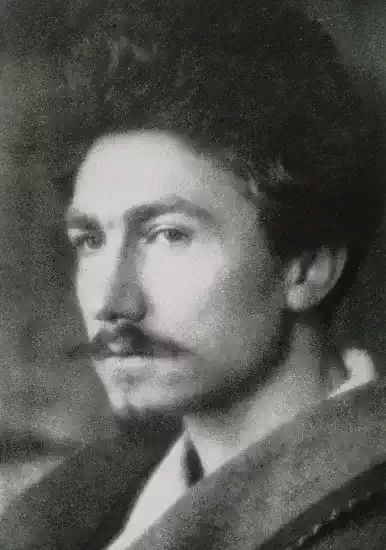
Ezra Pound
Piere Vidal Old
Piere Vidal Old
When I but think upon the great dead days
And turn my mind upon that splendid madness,
Lo! I do curse my strength
And blame the sun his gladness;
For that the one is dead
And the red sun mocks my sadness.
Behold me, Vidal, that was fool of fools!
Swift as the king wolf was I and as strong
When tall stags fled me through the alder brakes,
And every jongleur knew me in his song,
And the hounds fled and the deer fled
And none fled over long.
Even the grey pack knew me and knew fear.
God! how the swiftest hind's blood spurted hot
Over the sharpened teeth and purpling lips!
Hot was that hind's blood yet it scorched me not
As did first scorn, then lips of the Penautier!
Aye ye are fools, if ye think time can blot
From Piere Vidal’s remembrance that blue night.
God! but the purple of the sky was deep!
Clear, deep, translucent, so the stars me seemed
Set deep in crystal; and because my sleep
Rare visitor came not, the Saints I guerdon
For that restlessness Piere set to keep
One more fool's vigil with the hollyhocks.
Swift came the Loba, as a branch that's caught,
Torn, green and silent in the swollen Rhone,
Green was her mantle, close, and wrought
Of some thin silk stuff that's scarce stuff at all,
But like a mist wherethrough her white form fought,
And conquered! Ah God! conquered!
Silent my mate came as the night was still.
Speech? Words? Faugh! Who talks of words and love?!
Hot is such love and silent,
Silent as fate is, and as strong until
It faints in taking and in giving all.
Stark, keen, triumphant, till it plays at death.
God! she was white then, splendid as some tomb
High wrought of marble, and the panting breath
Ceased utterly. Well, then I waited, drew,
Half-sheathed, then naked from its saffron sheath
Drew full this dagger that doth tremble here.
Just then she woke and mocked the less keen blade.
Ah God, the Loba! and my only mate!
Was there such flesh made ever and unmade!
God curse the years that turn such women grey!
Behold here Vidal, that was hunted, flayed,
Shamed and yet bowed not and that won at last.
And yet I curse the sun for his red gladness,
I that have known strath, garth, brake, dale,
And every run-away of the wood through that great
madness,
Behold me shrivelled as an old oak's trunk
And made men's mock'ry in my rotten sadness!
No man hath heard the glory of my days:
No man hath dared and won his dare as I:
One night, one body and one welding flame!
What do ye own, ye niggards! that can buy
Such glory of the earth? Or who will win
Such battle-guerdon with his 'prowesse high' ?
O age gone lax! O stunted followers,
That mask at passions and desire desires,
Behold me shrivelled, and your mock of mocks;
And yet I mock you by the mighty fires
That burnt me to this ash.
Ah! Cabaret! Ah Cabaret, thy hills again!
Take your hands off me! . . . [Sniffing the air.
Ha! this scent is hot!
When I but think upon the great dead days
And turn my mind upon that splendid madness,
Lo! I do curse my strength
And blame the sun his gladness;
For that the one is dead
And the red sun mocks my sadness.
Behold me, Vidal, that was fool of fools!
Swift as the king wolf was I and as strong
When tall stags fled me through the alder brakes,
And every jongleur knew me in his song,
And the hounds fled and the deer fled
And none fled over long.
Even the grey pack knew me and knew fear.
God! how the swiftest hind's blood spurted hot
Over the sharpened teeth and purpling lips!
Hot was that hind's blood yet it scorched me not
As did first scorn, then lips of the Penautier!
Aye ye are fools, if ye think time can blot
From Piere Vidal’s remembrance that blue night.
God! but the purple of the sky was deep!
Clear, deep, translucent, so the stars me seemed
Set deep in crystal; and because my sleep
Rare visitor came not, the Saints I guerdon
For that restlessness Piere set to keep
One more fool's vigil with the hollyhocks.
Swift came the Loba, as a branch that's caught,
Torn, green and silent in the swollen Rhone,
Green was her mantle, close, and wrought
Of some thin silk stuff that's scarce stuff at all,
But like a mist wherethrough her white form fought,
And conquered! Ah God! conquered!
Silent my mate came as the night was still.
Speech? Words? Faugh! Who talks of words and love?!
Hot is such love and silent,
Silent as fate is, and as strong until
It faints in taking and in giving all.
Stark, keen, triumphant, till it plays at death.
God! she was white then, splendid as some tomb
High wrought of marble, and the panting breath
Ceased utterly. Well, then I waited, drew,
Half-sheathed, then naked from its saffron sheath
Drew full this dagger that doth tremble here.
Just then she woke and mocked the less keen blade.
Ah God, the Loba! and my only mate!
Was there such flesh made ever and unmade!
God curse the years that turn such women grey!
Behold here Vidal, that was hunted, flayed,
Shamed and yet bowed not and that won at last.
And yet I curse the sun for his red gladness,
I that have known strath, garth, brake, dale,
And every run-away of the wood through that great
madness,
Behold me shrivelled as an old oak's trunk
And made men's mock'ry in my rotten sadness!
No man hath heard the glory of my days:
No man hath dared and won his dare as I:
One night, one body and one welding flame!
What do ye own, ye niggards! that can buy
Such glory of the earth? Or who will win
Such battle-guerdon with his 'prowesse high' ?
O age gone lax! O stunted followers,
That mask at passions and desire desires,
Behold me shrivelled, and your mock of mocks;
And yet I mock you by the mighty fires
That burnt me to this ash.
Ah! Cabaret! Ah Cabaret, thy hills again!
Take your hands off me! . . . [Sniffing the air.
Ha! this scent is hot!
552
Ezra Pound
Homage To Sextus Propertius - XII
Homage To Sextus Propertius - XII
Who, who will be the next man to entrust his girl to a friend?
Love interferes with fidelities;
The gods have brought shame on their relatives;
Each man wants the pomegranate for himself;
Amiable and harmonious people are pushed incontinent into duels,
A Trojan and adulterous person came to Menelaus under the rites of hospitium,
And there was a case in Colchis, Jason and that woman in Colchis;
And besides, Lynceus,
you were drunk.
Could you endure such promiscuity?
She was not renowned for fidelity;
But to jab a knife in my vitals, to have passed on a swig of poison,
Preferable, my dear boy, my dear Lynceus,
Comrade, comrade of my life, of my purse, of my person;
But in one bed, in one bed alone, my dear Lynceus
I deprecate your attendance;
I would ask a like boon of Jove.
And you write of Achelous, who contended with Hercules,
You write of Adrastus' horses and the funeral rites of Achenor,
And you will not leave off imitating Aeschylus.
Though you make a hash of Antimachus,
You think you are going to do Homer.
And still a girl scorns the gods,
Of all these young women
not one has enquired the cause of the world,
Nor the modus of lunar eclipses
Nor whether there be any patch left of us
After we cross the infernal ripples,
nor if the thunder fall from predestination;
Nor anything else of importance.
Upon the Actian marshes Virgil is Phoebus' chief of police,
He can tabulate Caesar's great ships.
He thrills to Ilian arms,
He shakes the Trojan weapons of Aeneas,
And casts stores on Lavinian beaches.
Make way, ye Roman authors,
clear the street, ye Greeks,
For a much larger Iliad is on the course of construction
(and to Imperial order)
Clear the streets, O ye Greeks!
And you also follow him 'neath Phrygian pine shade:
Thyrsis and Daphnis upon whittled reeds,
And how ten sins can corrupt young maidens;
Kids for a bribe and pressed udders,
Happy selling poor loves for cheap apples.
Tityrus might have sung the same vixen;
Corydon tempted Alexis,
Head farmers do likewise, and lying weary amid their oats
They get praise from tolerant Hamadryads.'
Go on, to Ascraeus' prescription, the ancient, respected, Wordsworthian:
‘A flat field for rushes, grapes grow on the slope.'
And behold me, small fortune left in my house.
Me, who had no general for a grandfather!
I shall triumph among young ladies of indeterminate character,
My talent acclaimed in their banquets,
I shall be honoured with yesterday's wreaths.
And the god strikes to the marrow.
Like a trained and performing tortoise,
I would make verse in your fashion, if she should command it,
With her husband asking a remission of sentence,
And even this infamy would not attract numerous readers
Were there an erudite or violent passion,
For the nobleness of the populace brooks nothing below its own altitude.
One must have resonance, resonance and sonority . . .
like a goose.
Varro sang Jason's expedition,
Varro, of his great passion Leucadia,
There is song in the parchment; Catullus the highly indecorous,
Of Lesbia, known above Helen;
And in the dyed pages of Calvus,
Calvus mourning Quintilia,
And but now Gallus had sung of Lycoris.
Fair, fairest Lycoris
The waters of Styx poured over the wound:
And now Propertius of Cynthia, taking his stand among these.
Who, who will be the next man to entrust his girl to a friend?
Love interferes with fidelities;
The gods have brought shame on their relatives;
Each man wants the pomegranate for himself;
Amiable and harmonious people are pushed incontinent into duels,
A Trojan and adulterous person came to Menelaus under the rites of hospitium,
And there was a case in Colchis, Jason and that woman in Colchis;
And besides, Lynceus,
you were drunk.
Could you endure such promiscuity?
She was not renowned for fidelity;
But to jab a knife in my vitals, to have passed on a swig of poison,
Preferable, my dear boy, my dear Lynceus,
Comrade, comrade of my life, of my purse, of my person;
But in one bed, in one bed alone, my dear Lynceus
I deprecate your attendance;
I would ask a like boon of Jove.
And you write of Achelous, who contended with Hercules,
You write of Adrastus' horses and the funeral rites of Achenor,
And you will not leave off imitating Aeschylus.
Though you make a hash of Antimachus,
You think you are going to do Homer.
And still a girl scorns the gods,
Of all these young women
not one has enquired the cause of the world,
Nor the modus of lunar eclipses
Nor whether there be any patch left of us
After we cross the infernal ripples,
nor if the thunder fall from predestination;
Nor anything else of importance.
Upon the Actian marshes Virgil is Phoebus' chief of police,
He can tabulate Caesar's great ships.
He thrills to Ilian arms,
He shakes the Trojan weapons of Aeneas,
And casts stores on Lavinian beaches.
Make way, ye Roman authors,
clear the street, ye Greeks,
For a much larger Iliad is on the course of construction
(and to Imperial order)
Clear the streets, O ye Greeks!
And you also follow him 'neath Phrygian pine shade:
Thyrsis and Daphnis upon whittled reeds,
And how ten sins can corrupt young maidens;
Kids for a bribe and pressed udders,
Happy selling poor loves for cheap apples.
Tityrus might have sung the same vixen;
Corydon tempted Alexis,
Head farmers do likewise, and lying weary amid their oats
They get praise from tolerant Hamadryads.'
Go on, to Ascraeus' prescription, the ancient, respected, Wordsworthian:
‘A flat field for rushes, grapes grow on the slope.'
And behold me, small fortune left in my house.
Me, who had no general for a grandfather!
I shall triumph among young ladies of indeterminate character,
My talent acclaimed in their banquets,
I shall be honoured with yesterday's wreaths.
And the god strikes to the marrow.
Like a trained and performing tortoise,
I would make verse in your fashion, if she should command it,
With her husband asking a remission of sentence,
And even this infamy would not attract numerous readers
Were there an erudite or violent passion,
For the nobleness of the populace brooks nothing below its own altitude.
One must have resonance, resonance and sonority . . .
like a goose.
Varro sang Jason's expedition,
Varro, of his great passion Leucadia,
There is song in the parchment; Catullus the highly indecorous,
Of Lesbia, known above Helen;
And in the dyed pages of Calvus,
Calvus mourning Quintilia,
And but now Gallus had sung of Lycoris.
Fair, fairest Lycoris
The waters of Styx poured over the wound:
And now Propertius of Cynthia, taking his stand among these.
706
Ezra Pound
Homage To Quintus Septimus Florentis Christianus
Homage To Quintus Septimus Florentis Christianus
I
(Ex libris Graecæ)
Theodorus will be pleased at my death,
And .someone else will be pleased at the death of Theodoras,
And yet everyone speaks evil of death.
II
This place is the Cyprian's for she has ever the fancy
To be looking out across the bright sea,
Therefore the sailors are cheered, and the waves
Keep small with reverence, beholding her image.
Anyte
III
A sad and great evil is the expectation of death
And there are also the inane expenses of the funeral;
Let us therefore cease from pitying the dead
For after death there comes no other calamity.
Palladas
IV
Troy
Whither, O city, are your profits and your gilded shrines,
And your barbecues of great oxen,
And the tall women walking your streets, in gilt clothes,
With their perfumes in little alabaster boxes?
Where is the work of your home-born sculptors?
Time's tooth is into the lot, and war's and fate's too.
Envy has taken your all,
Save your douth and your story.
Agathas Scholasticus
V
Woman? Oh, woman is a consummate rage,
but dead, or asleep, she pleases.
Take her. She has two excellent seasons.
Palladas
VI
Nicharcus upon Phidon his doctor
Phidon neither purged me, nor touched me,
But I remembered the name of his fever medicine and
died.
I
(Ex libris Graecæ)
Theodorus will be pleased at my death,
And .someone else will be pleased at the death of Theodoras,
And yet everyone speaks evil of death.
II
This place is the Cyprian's for she has ever the fancy
To be looking out across the bright sea,
Therefore the sailors are cheered, and the waves
Keep small with reverence, beholding her image.
Anyte
III
A sad and great evil is the expectation of death
And there are also the inane expenses of the funeral;
Let us therefore cease from pitying the dead
For after death there comes no other calamity.
Palladas
IV
Troy
Whither, O city, are your profits and your gilded shrines,
And your barbecues of great oxen,
And the tall women walking your streets, in gilt clothes,
With their perfumes in little alabaster boxes?
Where is the work of your home-born sculptors?
Time's tooth is into the lot, and war's and fate's too.
Envy has taken your all,
Save your douth and your story.
Agathas Scholasticus
V
Woman? Oh, woman is a consummate rage,
but dead, or asleep, she pleases.
Take her. She has two excellent seasons.
Palladas
VI
Nicharcus upon Phidon his doctor
Phidon neither purged me, nor touched me,
But I remembered the name of his fever medicine and
died.
481

Emily Jane Brontë
The Elder's Rebuke
The Elder's Rebuke
'Listen! When your hair, like mine,
Takes a tint of silver gray;
When your eyes, with dimmer shine,
Watch life's bubbles float away:
When you, young man, have borne like me
The weary weight of sixty-three,
Then shall penance sore be paid
For those hours so wildly squandered;
And the words that now fall dead
On your ear, be deeply pondered—
Pondered and approved at last:
But their virtue will be past!
'Glorious is the prize of Duty,
Though she be 'a serious power';
Treacherous all the lures of Beauty,
Thorny bud and poisonous flower!
'Mirth is but a mad beguiling
Of the golden-gifted time;
Love—a demon-meteor, wiling
Heedless feet to gulfs of crime.
'Those who follow earthly pleasure,
Heavenly knowledge will not lead;
Wisdom hides from them her treasure,
Virtue bids them evil-speed!
'Vainly may their hearts repenting.
Seek for aid in future years;
Wisdom, scorned, knows no relenting;
Virtue is not won by fears.'
Thus spake the ice-blooded elder gray;
The young man scoffed as he turned away,
Turned to the call of a sweet lute's measure,
Waked by the lightsome touch of pleasure:
Had he ne'er met a gentler teacher,
Woe had been wrought by that pitiless preacher.
'Listen! When your hair, like mine,
Takes a tint of silver gray;
When your eyes, with dimmer shine,
Watch life's bubbles float away:
When you, young man, have borne like me
The weary weight of sixty-three,
Then shall penance sore be paid
For those hours so wildly squandered;
And the words that now fall dead
On your ear, be deeply pondered—
Pondered and approved at last:
But their virtue will be past!
'Glorious is the prize of Duty,
Though she be 'a serious power';
Treacherous all the lures of Beauty,
Thorny bud and poisonous flower!
'Mirth is but a mad beguiling
Of the golden-gifted time;
Love—a demon-meteor, wiling
Heedless feet to gulfs of crime.
'Those who follow earthly pleasure,
Heavenly knowledge will not lead;
Wisdom hides from them her treasure,
Virtue bids them evil-speed!
'Vainly may their hearts repenting.
Seek for aid in future years;
Wisdom, scorned, knows no relenting;
Virtue is not won by fears.'
Thus spake the ice-blooded elder gray;
The young man scoffed as he turned away,
Turned to the call of a sweet lute's measure,
Waked by the lightsome touch of pleasure:
Had he ne'er met a gentler teacher,
Woe had been wrought by that pitiless preacher.
274
Emily Jane Brontë
A Little Budding Rose
A Little Budding Rose
It was a little budding rose,
Round like a fairy globe,
And shyly did its leaves unclose
Hid in their mossy robe,
But sweet was the slight and spicy smell
It breathed from its heart invisible.
The rose is blasted, withered, blighted,
Its root has felt a worm,
And like a heart beloved and slighted,
Failed, faded, shrunk its form.
Bud of beauty, bonnie flower,
I stole thee from thy natal bower.
I was the worm that withered thee,
Thy tears of dew all fell for me;
Leaf and stalk and rose are gone,
Exile earth they died upon.
Yes, that last breath of balmy scent
With alien breezes sadly blent!
It was a little budding rose,
Round like a fairy globe,
And shyly did its leaves unclose
Hid in their mossy robe,
But sweet was the slight and spicy smell
It breathed from its heart invisible.
The rose is blasted, withered, blighted,
Its root has felt a worm,
And like a heart beloved and slighted,
Failed, faded, shrunk its form.
Bud of beauty, bonnie flower,
I stole thee from thy natal bower.
I was the worm that withered thee,
Thy tears of dew all fell for me;
Leaf and stalk and rose are gone,
Exile earth they died upon.
Yes, that last breath of balmy scent
With alien breezes sadly blent!
246
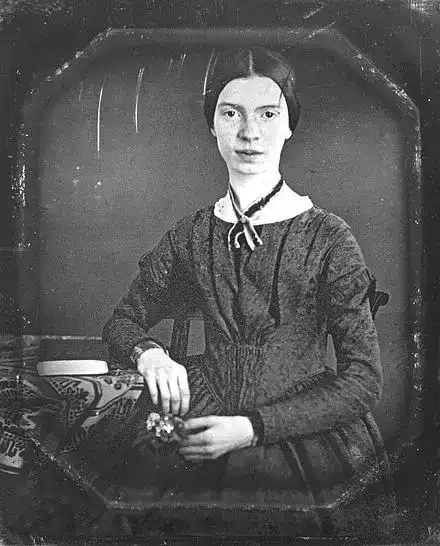
Emily Dickinson
Remorse
Remorse
Remorse -- is Memory -- awake --
Her Parties all astir --
A Presence of Departed Acts --
At window -- and at Door --
Its Past -- set down before the Soul
And lighted with a Match --
Perusal -- to facilitate --
And help Belief to stretch --
Remorse is cureless -- the Disease
Not even God -- can heal --
For 'tis His institution -- and
The Adequate of Hell --
Remorse -- is Memory -- awake --
Her Parties all astir --
A Presence of Departed Acts --
At window -- and at Door --
Its Past -- set down before the Soul
And lighted with a Match --
Perusal -- to facilitate --
And help Belief to stretch --
Remorse is cureless -- the Disease
Not even God -- can heal --
For 'tis His institution -- and
The Adequate of Hell --
318
Emily Dickinson
It dropped so low in my regard
It dropped so low in my regard
It dropped so low in my regard
I heard it hit the ground,
And go to pieces on the stones
At bottom of my mind;
Yet blamed the fate that fractured, less
Than I reviled myself
For entertaining plated wares
Upon my silver shelf.
It dropped so low in my regard
I heard it hit the ground,
And go to pieces on the stones
At bottom of my mind;
Yet blamed the fate that fractured, less
Than I reviled myself
For entertaining plated wares
Upon my silver shelf.
330
Emily Dickinson
It bloomed and dropt, a Single Noon
It bloomed and dropt, a Single Noon
978
It bloomed and dropt, a Single Noon-
The Flower-distinct and Red-
I, passing, thought another Noon
Another in its stead
Will equal glow, and thought no More
But came another Day
To find the Species disappeared-
The Same Locality-
The Sun in place-no other fraud
On Nature's perfect Sum-
Had I but lingered Yesterday-
Was my retrieveless blame-
Much Flowers of this and further Zones
Have perished in my Hands
For seeking its Resemblance-
But unapproached it stands-
The single Flower of the Earth
That I, in passing by
Unconscious was-Great Nature's Face
Passed infinite by Me-
978
It bloomed and dropt, a Single Noon-
The Flower-distinct and Red-
I, passing, thought another Noon
Another in its stead
Will equal glow, and thought no More
But came another Day
To find the Species disappeared-
The Same Locality-
The Sun in place-no other fraud
On Nature's perfect Sum-
Had I but lingered Yesterday-
Was my retrieveless blame-
Much Flowers of this and further Zones
Have perished in my Hands
For seeking its Resemblance-
But unapproached it stands-
The single Flower of the Earth
That I, in passing by
Unconscious was-Great Nature's Face
Passed infinite by Me-
316
Emily Dickinson
I robbed the Woods
I robbed the Woods
41
I robbed the Woods-
The trusting Woods.
The unsuspecting Trees
Brought out their Burs and mosses
My fantasy to please.
I scanned their trinkets curious-I grasped-I bore away-
What will the solemn Hemlock-
What will the Oak tree say?
41
I robbed the Woods-
The trusting Woods.
The unsuspecting Trees
Brought out their Burs and mosses
My fantasy to please.
I scanned their trinkets curious-I grasped-I bore away-
What will the solemn Hemlock-
What will the Oak tree say?
401
Emily Dickinson
I cautious, scanned my little life
I cautious, scanned my little life
178
I cautious, scanned my little life-
I winnowed what would fade
From what would last till Heads like mine
Should be a-dreaming laid.
I put the latter in a Barn-
The former, blew away.
I went one winter morning
And lo - my priceless Hay
Was not upon the "Scaffold"-
Was not upon the "Beam"-
And from a thriving Farmer-
A Cynic, I became.
Whether a Thief did it-
Whether it was the wind-
Whether Deity's guiltless-
My business is, to find!
So I begin to ransack!
How is it Hearts, with Thee?
Art thou within the little Barn
Love provided Thee?
178
I cautious, scanned my little life-
I winnowed what would fade
From what would last till Heads like mine
Should be a-dreaming laid.
I put the latter in a Barn-
The former, blew away.
I went one winter morning
And lo - my priceless Hay
Was not upon the "Scaffold"-
Was not upon the "Beam"-
And from a thriving Farmer-
A Cynic, I became.
Whether a Thief did it-
Whether it was the wind-
Whether Deity's guiltless-
My business is, to find!
So I begin to ransack!
How is it Hearts, with Thee?
Art thou within the little Barn
Love provided Thee?
289
Emily Dickinson
I cannot buy it—'tis not sold
I cannot buy it—'tis not sold
840
I cannot buy it—'tis not sold—
There is no other in the World—
Mine was the only one
I was so happy I forgot
To shut the Door And it went out
And I am all alone—
If I could find it Anywhere
I would not mind the journey there
Though it took all my store
But just to look it in the Eye—
"Did'st thou?" "Thou did'st not mean," to say,
Then, turn my Face away.
840
I cannot buy it—'tis not sold—
There is no other in the World—
Mine was the only one
I was so happy I forgot
To shut the Door And it went out
And I am all alone—
If I could find it Anywhere
I would not mind the journey there
Though it took all my store
But just to look it in the Eye—
"Did'st thou?" "Thou did'st not mean," to say,
Then, turn my Face away.
279
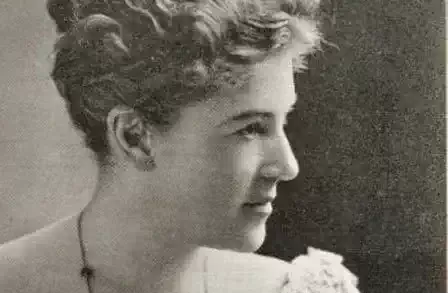
Ella Wheeler Wilcox
Worldly Wisdom
Worldly Wisdom
If it were in my dead Past’s power
To let my Present bask
In some lost pleasure for an hour,
This is the boon I’d ask:
Re-pedestal from out the dust
Where long ago ‘twas hurled,
My beautiful incautious trust
In this unworthy world.
The symbol of my souls own truth –
I saw it go with tears –
The sweet unwisdom of my youth –
That vanished with the years.
Since knowledge brings us only grief,
I would return again
To happy ignorance and belief
In motives and in men.
For worldly wisdom learned in pain
Is in itself a cross,
Significant mayhap of gain,
Yet sign of saddest loss.
If it were in my dead Past’s power
To let my Present bask
In some lost pleasure for an hour,
This is the boon I’d ask:
Re-pedestal from out the dust
Where long ago ‘twas hurled,
My beautiful incautious trust
In this unworthy world.
The symbol of my souls own truth –
I saw it go with tears –
The sweet unwisdom of my youth –
That vanished with the years.
Since knowledge brings us only grief,
I would return again
To happy ignorance and belief
In motives and in men.
For worldly wisdom learned in pain
Is in itself a cross,
Significant mayhap of gain,
Yet sign of saddest loss.
421
Ella Wheeler Wilcox
Smoke
Smoke
Last summer, lazing by the sea,
I met a most entrancing creature,
Her black eyes quite bewildered me---
She had a Spanish cast of feature.
She often smoked a cigarette,
And did it in the cutest fashion.
Before a week passed by she set
My young heart in a raging passion.
I swore I loved her as my life,
I gave her gems (don't tell my tailor).
She promised to become my wife,
But whispered, 'Papa is my jailer.'
'We must be very sly, you see,
For Papa will not list to reason.
You must not come to call on me
Until he's gone from home a season.
'I'll send you word, now don't forget,
Take this as pledge, I will remember.'
She gave me a perfumed cigarette,
And turned and left me with September.
To-day she sent her 'cards' to me.
'My presence asked' to see her marry
That millionaire old banker C---
She has my 'presents,' so I'll tarry.
And still I feel a keen regret
(About the jewels that I gave her)
I've smoked the little cigarette---
It had a most delicious flavour.
Last summer, lazing by the sea,
I met a most entrancing creature,
Her black eyes quite bewildered me---
She had a Spanish cast of feature.
She often smoked a cigarette,
And did it in the cutest fashion.
Before a week passed by she set
My young heart in a raging passion.
I swore I loved her as my life,
I gave her gems (don't tell my tailor).
She promised to become my wife,
But whispered, 'Papa is my jailer.'
'We must be very sly, you see,
For Papa will not list to reason.
You must not come to call on me
Until he's gone from home a season.
'I'll send you word, now don't forget,
Take this as pledge, I will remember.'
She gave me a perfumed cigarette,
And turned and left me with September.
To-day she sent her 'cards' to me.
'My presence asked' to see her marry
That millionaire old banker C---
She has my 'presents,' so I'll tarry.
And still I feel a keen regret
(About the jewels that I gave her)
I've smoked the little cigarette---
It had a most delicious flavour.
420
Ella Wheeler Wilcox
Slain
Slain
Hollow a grave where the willows wave,
And lay him under the grasses,
Where the pitying breeze bloweth up from the seas,
And murmurs a chant as it passes.
Lay the beautiful face and the form of grace
Away from the gaze of mortal.
Let us hope that his soul has gained the goal
Over the shining portal.
Hope! Ah! we thrill with a terrible chill.
Ah! pen, can you tell the story
Of the one who died in his manhood's pride,
Slain in the morn of his glory?
There's a blemish of shame on the dear one's name,
For he died as the drunkard dieth.
The ruddy wine-mug was the fiend who dug
The grave where our darling lieth.
O God! and his soul, was it lost in the bowl?
Has it gone where the wicked goeth?
Shall he bear the sin, and the tempter go in
Where the beautiful city gloweth?
Hush! O my heart! act well thy part,
Nor question a Father's kindness,
And strive not to see the thing hid from thee
By a veil of earthly blindness.
But all through the wine may there shimmer and shine,
As it glimmers and glows in the glasses,
A coffin and grave, and the willows that wave
Over our dead 'neath the grasses.
Hollow a grave where the willows wave,
And lay him under the grasses,
Where the pitying breeze bloweth up from the seas,
And murmurs a chant as it passes.
Lay the beautiful face and the form of grace
Away from the gaze of mortal.
Let us hope that his soul has gained the goal
Over the shining portal.
Hope! Ah! we thrill with a terrible chill.
Ah! pen, can you tell the story
Of the one who died in his manhood's pride,
Slain in the morn of his glory?
There's a blemish of shame on the dear one's name,
For he died as the drunkard dieth.
The ruddy wine-mug was the fiend who dug
The grave where our darling lieth.
O God! and his soul, was it lost in the bowl?
Has it gone where the wicked goeth?
Shall he bear the sin, and the tempter go in
Where the beautiful city gloweth?
Hush! O my heart! act well thy part,
Nor question a Father's kindness,
And strive not to see the thing hid from thee
By a veil of earthly blindness.
But all through the wine may there shimmer and shine,
As it glimmers and glows in the glasses,
A coffin and grave, and the willows that wave
Over our dead 'neath the grasses.
393
Ella Wheeler Wilcox
Pardoned Out
Pardoned Out
I’m pardoned out. Again the stars
Shine on me with their myriad eyes.
So long I’ve peered ‘twixt iron bars,
I’m awed by this expanse of skies.
The world is wider than I thought,
And yet ‘tis not so wide, I know,
But into its remotest spot
My tale of shame can go.
I’m pardoned out. Old Father Time
Who seemed to halt in horror, when
I strained my manhood by a crime,
With steady step moves on again,
And through the black appalling night,
That walled me in a gloom accurst,
The wonder of the morning light
In sudden glory burst.
I’m pardoned out. I shall be knows
No more by number, but by name.
And yet each whispering wind has blown
Abroad the story of my shame.
I dread to see men shrink away
With startled looks of scorn or fear,
When in life’s crowded marts some day,
That name falls on their ear.
I’m pardoned out, ah God! to roam
Like some whipped dog among my kind.
I have no friends, I have no home,
Save these bleak walls I leave behind.
How can I face the world of men,
My comrades in the days of yore?
Oh! hide me in my cell again,
And, warden lock the door.
I’m pardoned out. Again the stars
Shine on me with their myriad eyes.
So long I’ve peered ‘twixt iron bars,
I’m awed by this expanse of skies.
The world is wider than I thought,
And yet ‘tis not so wide, I know,
But into its remotest spot
My tale of shame can go.
I’m pardoned out. Old Father Time
Who seemed to halt in horror, when
I strained my manhood by a crime,
With steady step moves on again,
And through the black appalling night,
That walled me in a gloom accurst,
The wonder of the morning light
In sudden glory burst.
I’m pardoned out. I shall be knows
No more by number, but by name.
And yet each whispering wind has blown
Abroad the story of my shame.
I dread to see men shrink away
With startled looks of scorn or fear,
When in life’s crowded marts some day,
That name falls on their ear.
I’m pardoned out, ah God! to roam
Like some whipped dog among my kind.
I have no friends, I have no home,
Save these bleak walls I leave behind.
How can I face the world of men,
My comrades in the days of yore?
Oh! hide me in my cell again,
And, warden lock the door.
400
Ella Wheeler Wilcox
Only A Sad Mistake
Only A Sad Mistake
Only a blunder-a sad mistake;
All my own fault and mine alone.
The saddest error a heart can make;
I was so young, or I would have known.
Only his rare, sweet, tender smile;
Only a lingering touch of his hand.
I think I was dreaming all the while,
The reason I did not understand.
Yet, somewhere, I've read men woo this way;
That eyes speak, sometimes, before the tongue.
And I was sure he would speak some day;
Pardon the folly-I was so young.
Was I, say-for now I am old!
So old, it seems like a hundred years
Since I felt my heart growing hard and cold
With a pain too bitter and deep for tears.
I saw him lean over the stranger's chair,
With a warm, new light in his beautiful eyes;
And I woke from my dreaming, then and there,
And went out of my self-made Paradise.
He never loved me-I know, I see!
Such sad, sad blunders as young hearts make.
She did not win him away from me,
For he was not mine. It was my mistake.
A woman should wait for a man to speak
Before she dreams of his love, I own;
But I was a girl-girls' hearts are weak;
And the pain, like the fault, is mine alone.
Only a blunder-a sad mistake;
All my own fault and mine alone.
The saddest error a heart can make;
I was so young, or I would have known.
Only his rare, sweet, tender smile;
Only a lingering touch of his hand.
I think I was dreaming all the while,
The reason I did not understand.
Yet, somewhere, I've read men woo this way;
That eyes speak, sometimes, before the tongue.
And I was sure he would speak some day;
Pardon the folly-I was so young.
Was I, say-for now I am old!
So old, it seems like a hundred years
Since I felt my heart growing hard and cold
With a pain too bitter and deep for tears.
I saw him lean over the stranger's chair,
With a warm, new light in his beautiful eyes;
And I woke from my dreaming, then and there,
And went out of my self-made Paradise.
He never loved me-I know, I see!
Such sad, sad blunders as young hearts make.
She did not win him away from me,
For he was not mine. It was my mistake.
A woman should wait for a man to speak
Before she dreams of his love, I own;
But I was a girl-girls' hearts are weak;
And the pain, like the fault, is mine alone.
449
Ella Wheeler Wilcox
Idler's Song
Idler's Song
I sit in the twilight dim
At the close of an idle day,
And I list to the soft sweet hymn,
That rises far away,
And dies on the evening air.
Oh, all day long,
They sing their song,
Who toil in the valley there.
But never a song sing I,
Sitting with folded hands,
The hours pass me by Dropping
their golden sands -
And I list, from day to day,
To the 'tick, tick, tock'
Of the old brown clock,
Ticking my life away.
And I see the twilight fade,
And I see the night come on,
And then, in the gloom and shade,
I weep for the day that's gone -
Weep and wail in pain,
For the misspent day
That has flown away,
And will not come again.
Another morning beams,
And I forget the last,
And I sit in idle dreams
Till the day over - past.
Oh, the toiler's heart is glad!
When the day is gone
And the night comes on,
But mine is sore and sad.
For I dare not look behind!
No shining, golden sheaves
Can I ever hope to find:
Nothing but withered leaves.
Ah! dreams are very sweet!
But will not please
If only these
I lay at the Master's feet.
And what will the Master say
To dreams and nothing more?
Oh, idler, all the day!
Think, ere thy life is o'er!
And when the day grows late,
Oh, soul of sin!
Will He let you in,
There at the pearly gate?
Oh, idle heart, beware!
On, to the field of strife!
On, to the valley there!
And live a useful life!
Up, do not wait a day!
For the old brown clock,
With its 'tick, tick, tock, '
Is ticking your life away.
I sit in the twilight dim
At the close of an idle day,
And I list to the soft sweet hymn,
That rises far away,
And dies on the evening air.
Oh, all day long,
They sing their song,
Who toil in the valley there.
But never a song sing I,
Sitting with folded hands,
The hours pass me by Dropping
their golden sands -
And I list, from day to day,
To the 'tick, tick, tock'
Of the old brown clock,
Ticking my life away.
And I see the twilight fade,
And I see the night come on,
And then, in the gloom and shade,
I weep for the day that's gone -
Weep and wail in pain,
For the misspent day
That has flown away,
And will not come again.
Another morning beams,
And I forget the last,
And I sit in idle dreams
Till the day over - past.
Oh, the toiler's heart is glad!
When the day is gone
And the night comes on,
But mine is sore and sad.
For I dare not look behind!
No shining, golden sheaves
Can I ever hope to find:
Nothing but withered leaves.
Ah! dreams are very sweet!
But will not please
If only these
I lay at the Master's feet.
And what will the Master say
To dreams and nothing more?
Oh, idler, all the day!
Think, ere thy life is o'er!
And when the day grows late,
Oh, soul of sin!
Will He let you in,
There at the pearly gate?
Oh, idle heart, beware!
On, to the field of strife!
On, to the valley there!
And live a useful life!
Up, do not wait a day!
For the old brown clock,
With its 'tick, tick, tock, '
Is ticking your life away.
371
Ella Wheeler Wilcox
Haunted
Haunted
What are these nameless mysteries,
These subtleties of life and death,
That bring before our spirit eyes
The loved and lost; or, like a breath
Of lightest air, will touch the cheek,
And yet a wordless language speak?
In every breeze that blows, to-day,
One voice seems speaking unto me;
And north or south, whichever way
I turn my gaze, one face I see,
And closely, closely at my side
A mystic shadow seems to glide.
A motley crowd we move among,
We surge on with the mighty mass,
And yet no one in all the throng
Looks strangely on us as we pass.
No eye but mine own seems to see
The nameless thing that walks by me.
I cannot touch a proffered hand
But this strange shadow glides between.
Why came he from the spirit land?
What brought him from the world unseen?
Why am I troubled and oppressed
By the vague presence of my guest?
He was my friend! I should rejoice!
I loved him once! Why do I fear?
And yet I shudder as his voice
Speaks in the wind. I feel him near,
This restless spirit of the dead,
And shiver with a nameless dread.
I loved him once; he was my friend;
He held the first place in my heart,
And might have held it to the end.
But our two ways spread wide apart:
I kept the path upon the hill,
And he went down and down, until
He reached the depths of sin and shame,
And died as sots and drunkards die.
I ceased to even speak his name.
God knows I never thought that I,
Who blamed his lack of moral strength,
Might answer for his fall, at length!
O restless dead, lost friend of mine!
I might have saved you, had I tried.
I saw you lift the glass of wine,
And, seeing, had I warned you, cried,
'Touch not, taste not the drink accursed!'
I might have saved you from the thirst
That swallowed up your brain and soul.
But nay! I scorned you when you fell,
And, looking upward to my goal,
Left you to stagger down to hell.
Accusing spirit of the dead,
Your presence fills my heart with dread!
What are these nameless mysteries,
These subtleties of life and death,
That bring before our spirit eyes
The loved and lost; or, like a breath
Of lightest air, will touch the cheek,
And yet a wordless language speak?
In every breeze that blows, to-day,
One voice seems speaking unto me;
And north or south, whichever way
I turn my gaze, one face I see,
And closely, closely at my side
A mystic shadow seems to glide.
A motley crowd we move among,
We surge on with the mighty mass,
And yet no one in all the throng
Looks strangely on us as we pass.
No eye but mine own seems to see
The nameless thing that walks by me.
I cannot touch a proffered hand
But this strange shadow glides between.
Why came he from the spirit land?
What brought him from the world unseen?
Why am I troubled and oppressed
By the vague presence of my guest?
He was my friend! I should rejoice!
I loved him once! Why do I fear?
And yet I shudder as his voice
Speaks in the wind. I feel him near,
This restless spirit of the dead,
And shiver with a nameless dread.
I loved him once; he was my friend;
He held the first place in my heart,
And might have held it to the end.
But our two ways spread wide apart:
I kept the path upon the hill,
And he went down and down, until
He reached the depths of sin and shame,
And died as sots and drunkards die.
I ceased to even speak his name.
God knows I never thought that I,
Who blamed his lack of moral strength,
Might answer for his fall, at length!
O restless dead, lost friend of mine!
I might have saved you, had I tried.
I saw you lift the glass of wine,
And, seeing, had I warned you, cried,
'Touch not, taste not the drink accursed!'
I might have saved you from the thirst
That swallowed up your brain and soul.
But nay! I scorned you when you fell,
And, looking upward to my goal,
Left you to stagger down to hell.
Accusing spirit of the dead,
Your presence fills my heart with dread!
366
Ella Wheeler Wilcox
Answered Prayers
Answered Prayers
I prayed for riches, and achieved success;
All that I touched turned into gold. Alas!
My cares were greater and my peace was less,
When that wish came to pass.
I prayed for glory, and I heard my name
Sung by sweet children and by hoary men.
But ah! the hurts – the hurts that come with fame.
I was not happy then.
I prayed for Love, and had my heart’s desire.
Through quivering heart and body, and through brain,
There swept the flame of its devouring fire,
And but the scars remain.
I prayed for a contented mind. At length
Great light upon my darkened spirit burst.
Great peace fell on me also, and great strength –
Oh, had that prayer been first!
I prayed for riches, and achieved success;
All that I touched turned into gold. Alas!
My cares were greater and my peace was less,
When that wish came to pass.
I prayed for glory, and I heard my name
Sung by sweet children and by hoary men.
But ah! the hurts – the hurts that come with fame.
I was not happy then.
I prayed for Love, and had my heart’s desire.
Through quivering heart and body, and through brain,
There swept the flame of its devouring fire,
And but the scars remain.
I prayed for a contented mind. At length
Great light upon my darkened spirit burst.
Great peace fell on me also, and great strength –
Oh, had that prayer been first!
405
Ella Wheeler Wilcox
A Man's Repentance
A Man's Repentance
To-night when I came from the club at eleven,
Under the gaslight I saw a face-
A woman's face! and I swear to heaven
It looked like the ghastly ghost of-Grace!
And Grace? why, Grace was fair; and I tarried,
And loved her a season as we men do.
And then-but pshaw! why, of course, she is married,
Has a husband, and doubtless, a babe or two.
She was perfectly calm on the day we parted;
She spared me a scene, to my great surprise.
She wasn't the kind to be broken-hearted,
I remember she said, with a spark in her eyes.
I was tempted, I know, by her proud defiance,
To make good my promises there and then.
But the world would have called it a mésalliance!
I dreaded the comments and sneers of men.
So I left her to grieve for a faithless lover,
And to hide her heart from the cold world's sight
As women do hide them, the wide earth over;
My God! was it Grace that I saw to-night?
I thought of her married, and often with pity,
A poor man's wife in some dull place.
And now to know she is here in the city,
Under the gaslight, and with that face!
Yet I knew it at once, in spite of the daubing
Of paint and powder, and she knew me;
She drew a quick breath that was almost sobbing,
And shrank in the shade so I should not see.
There was hell in her eyes! She was worn and jaded;
Her soul is at war with the life she has led.
As I looked on that face so strangely faded,
I wonder God did not strike me dead.
While I have been happy and gay and jolly,
Received by the very best people in town,
That girl whom I led in the way to folly,
Has gone on recklessly down and down.
Two o'clock, and no sleep has found me.
That face I saw in the street-lamp's light
Peers everywhere out from the shadows around me-
I know how a murderer feels to-night!
To-night when I came from the club at eleven,
Under the gaslight I saw a face-
A woman's face! and I swear to heaven
It looked like the ghastly ghost of-Grace!
And Grace? why, Grace was fair; and I tarried,
And loved her a season as we men do.
And then-but pshaw! why, of course, she is married,
Has a husband, and doubtless, a babe or two.
She was perfectly calm on the day we parted;
She spared me a scene, to my great surprise.
She wasn't the kind to be broken-hearted,
I remember she said, with a spark in her eyes.
I was tempted, I know, by her proud defiance,
To make good my promises there and then.
But the world would have called it a mésalliance!
I dreaded the comments and sneers of men.
So I left her to grieve for a faithless lover,
And to hide her heart from the cold world's sight
As women do hide them, the wide earth over;
My God! was it Grace that I saw to-night?
I thought of her married, and often with pity,
A poor man's wife in some dull place.
And now to know she is here in the city,
Under the gaslight, and with that face!
Yet I knew it at once, in spite of the daubing
Of paint and powder, and she knew me;
She drew a quick breath that was almost sobbing,
And shrank in the shade so I should not see.
There was hell in her eyes! She was worn and jaded;
Her soul is at war with the life she has led.
As I looked on that face so strangely faded,
I wonder God did not strike me dead.
While I have been happy and gay and jolly,
Received by the very best people in town,
That girl whom I led in the way to folly,
Has gone on recklessly down and down.
Two o'clock, and no sleep has found me.
That face I saw in the street-lamp's light
Peers everywhere out from the shadows around me-
I know how a murderer feels to-night!
408
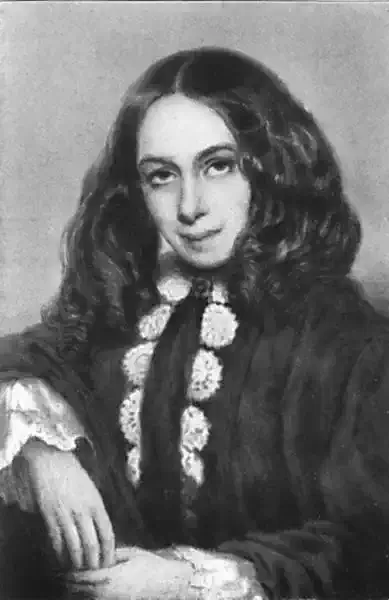
Elizabeth Barrett Browning
XXXII
XXXII
The first time that the sun rose on thine oath
To love me, I looked forward to the moon
To slacken all those bonds which seemed too soon
And quickly tied to make a lasting troth.
Quick-loving hearts, I thought, may quickly loathe;
And, looking on myself, I seemed not one
For such man's love !--more like an out-of-tune
Worn viol, a good singer would be wroth
To spoil his song with, and which, snatched in haste,
Is laid down at the first ill-sounding note.
I did not wrong myself so, but I placed
A wrong on thee. For perfect strains may float
'Neath master-hands, from instruments defaced,--
And great souls, at one stroke, may do and doat.
The first time that the sun rose on thine oath
To love me, I looked forward to the moon
To slacken all those bonds which seemed too soon
And quickly tied to make a lasting troth.
Quick-loving hearts, I thought, may quickly loathe;
And, looking on myself, I seemed not one
For such man's love !--more like an out-of-tune
Worn viol, a good singer would be wroth
To spoil his song with, and which, snatched in haste,
Is laid down at the first ill-sounding note.
I did not wrong myself so, but I placed
A wrong on thee. For perfect strains may float
'Neath master-hands, from instruments defaced,--
And great souls, at one stroke, may do and doat.
473
Elizabeth Barrett Browning
Sonnet XXXVII: Pardon, Oh, Pardon
Sonnet XXXVII: Pardon, Oh, Pardon
Pardon, oh, pardon, that my soul should make,
Of all that strong divineness which I know
For thine and thee, an image only so
Formed of the sand, and fit to shift and break.
It is that distant years which did not take
Thy sovranty, recoiling with a blow,
Have forced my swimming brain to undergo
Their doubt and dread, and blindly to forsake
Thy purity of likeness and distort
Thy worthiest love to a worthless counterfeit:
As if a shipwrecked Pagan, safe in port,
His guardian sea-god to commemorate,
Should set a sculptured porpoise, gills a-snort
And vibrant tail, within the temple gate.
Pardon, oh, pardon, that my soul should make,
Of all that strong divineness which I know
For thine and thee, an image only so
Formed of the sand, and fit to shift and break.
It is that distant years which did not take
Thy sovranty, recoiling with a blow,
Have forced my swimming brain to undergo
Their doubt and dread, and blindly to forsake
Thy purity of likeness and distort
Thy worthiest love to a worthless counterfeit:
As if a shipwrecked Pagan, safe in port,
His guardian sea-god to commemorate,
Should set a sculptured porpoise, gills a-snort
And vibrant tail, within the temple gate.
430
Elizabeth Barrett Browning
Sonnet XXXII: The First Time
Sonnet XXXII: The First Time
The first time that the sun rose on thine oath
To love me, I looked forward to the moon
To slacken all those bonds which seemed too soon
And quickly tied to make a lasting troth.
Quick-loving hearts, I thought, may quickly loathe;
And, looking on myself, I seemed not one
For such man's love!--more like an out-of-tune
Worn viol, a good singer would be wroth
To spoil his song with, and which, snatched in haste,
Is laid down at the first ill-sounding note.
I did not wrong myself so, but I placed
A wrong on thee. For perfect strains may float
'Neath master-hands, from instruments defaced,--
And great souls, at one stroke, may do and doat.
The first time that the sun rose on thine oath
To love me, I looked forward to the moon
To slacken all those bonds which seemed too soon
And quickly tied to make a lasting troth.
Quick-loving hearts, I thought, may quickly loathe;
And, looking on myself, I seemed not one
For such man's love!--more like an out-of-tune
Worn viol, a good singer would be wroth
To spoil his song with, and which, snatched in haste,
Is laid down at the first ill-sounding note.
I did not wrong myself so, but I placed
A wrong on thee. For perfect strains may float
'Neath master-hands, from instruments defaced,--
And great souls, at one stroke, may do and doat.
303
Elizabeth Barrett Browning
Sonnet VIII: What Can I Give Thee Back
Sonnet VIII: What Can I Give Thee Back
What can I give thee back, O liberal
And princely giver, who hast brought the gold
And purple of thine heart, unstained, untold,
And laid them on the outside of the wall
For such as I to take or leave withal,
In unexpected largesse? am I cold,
Ungrateful, that for these most manifold
High gifts, I render nothing back at all?
Not so; not cold,--but very poor instead.
Ask God who knows. For frequent tears have run
The colours from my life, and left so dead
And pale a stuff, it were not fitly done
To give the same as pillow to thy head.
Go farther! let it serve to trample on.
What can I give thee back, O liberal
And princely giver, who hast brought the gold
And purple of thine heart, unstained, untold,
And laid them on the outside of the wall
For such as I to take or leave withal,
In unexpected largesse? am I cold,
Ungrateful, that for these most manifold
High gifts, I render nothing back at all?
Not so; not cold,--but very poor instead.
Ask God who knows. For frequent tears have run
The colours from my life, and left so dead
And pale a stuff, it were not fitly done
To give the same as pillow to thy head.
Go farther! let it serve to trample on.
380