

Poems in this topic
Beauty
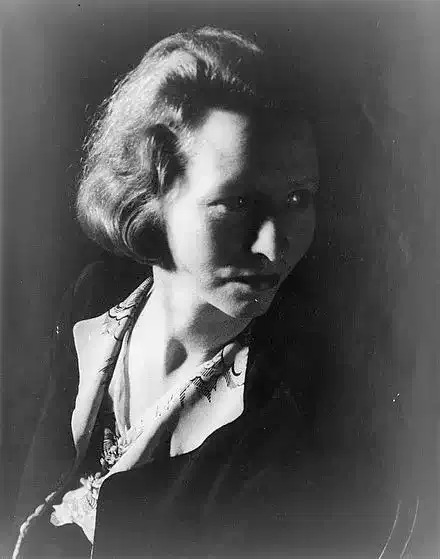
Edna St. Vincent Millay
To Kathleen
To Kathleen
Still must the poet as of old,
In barren attic bleak and cold,
Starve, freeze, and fashion verses to
Such things as flowers and song and you;
Still as of old his being give
In Beauty's name, while she may live,
Beauty that may not die as long
As there are flowers and you and song.
Still must the poet as of old,
In barren attic bleak and cold,
Starve, freeze, and fashion verses to
Such things as flowers and song and you;
Still as of old his being give
In Beauty's name, while she may live,
Beauty that may not die as long
As there are flowers and you and song.
366
Edna St. Vincent Millay
To A Poet That Died Young
To A Poet That Died Young
Minstrel, what have you to do
With this man that, after you,
Sharing not your happy fate,
Sat as England's Laureate?
Vainly, in these iron days,
Strives the poet in your praise,
Minstrel, by whose singing side
Beauty walked, until you died.
Still, though none should hark again,
Drones the blue-fly in the pane,
Thickly crusts the blackest moss,
Blows the rose its musk across,
Floats the boat that is forgot
None the less to Camelot.
Many a bard's untimely death
Lends unto his verses breath;
Here's a song was never sung:
Growing old is dying young.
Minstrel, what is this to you:
That a man you never knew,
When your grave was far and green,
Sat and gossipped with a queen?
Thalia knows how rare a thing
Is it, to grow old and sing;
When a brown and tepid tide
Closes in on every side.
Who shall say if Shelley's gold
Had withstood it to grow old?
Minstrel, what have you to do
With this man that, after you,
Sharing not your happy fate,
Sat as England's Laureate?
Vainly, in these iron days,
Strives the poet in your praise,
Minstrel, by whose singing side
Beauty walked, until you died.
Still, though none should hark again,
Drones the blue-fly in the pane,
Thickly crusts the blackest moss,
Blows the rose its musk across,
Floats the boat that is forgot
None the less to Camelot.
Many a bard's untimely death
Lends unto his verses breath;
Here's a song was never sung:
Growing old is dying young.
Minstrel, what is this to you:
That a man you never knew,
When your grave was far and green,
Sat and gossipped with a queen?
Thalia knows how rare a thing
Is it, to grow old and sing;
When a brown and tepid tide
Closes in on every side.
Who shall say if Shelley's gold
Had withstood it to grow old?
328
Edna St. Vincent Millay
The Little Ghost
The Little Ghost
I knew her for a little ghost
That in my garden walked;
The wall is high—higher than most—
And the green gate was locked.
And yet I did not think of that
Till after she was gone—
I knew her by the broad white hat,
All ruffled, she had on.
By the dear ruffles round her feet,
By her small hands that hung
In their lace mitts, austere and sweet,
Her gown's white folds among.
I watched to see if she would stay,
What she would do—and oh!
She looked as if she liked the way
I let my garden grow!
She bent above my favourite mint
With conscious garden grace,
She smiled and smiled—there was no hint
Of sadness in her face.
She held her gown on either side
To let her slippers show,
And up the walk she went with pride,
The way great ladies go.
And where the wall is built in new
And is of ivy bare
She paused—then opened and passed through
A gate that once was there.
I knew her for a little ghost
That in my garden walked;
The wall is high—higher than most—
And the green gate was locked.
And yet I did not think of that
Till after she was gone—
I knew her by the broad white hat,
All ruffled, she had on.
By the dear ruffles round her feet,
By her small hands that hung
In their lace mitts, austere and sweet,
Her gown's white folds among.
I watched to see if she would stay,
What she would do—and oh!
She looked as if she liked the way
I let my garden grow!
She bent above my favourite mint
With conscious garden grace,
She smiled and smiled—there was no hint
Of sadness in her face.
She held her gown on either side
To let her slippers show,
And up the walk she went with pride,
The way great ladies go.
And where the wall is built in new
And is of ivy bare
She paused—then opened and passed through
A gate that once was there.
365
Edna St. Vincent Millay
The Fawn
The Fawn
There it was I saw what I shall never forget
And never retrieve.
Monstrous and beautiful to human eyes, hard to
believe,
He lay, yet there he lay,
Asleep on the moss, his head on his polished cleft
small ebony hoves,
The child of the doe, the dappled child of the deer.
Surely his mother had never said, "Lie here
Till I return," so spotty and plain to see
On the green moss lay he.
His eyes had opened; he considered me.
I would have given more than I care to say
To thrifty ears, might I have had him for my friend
One moment only of that forest day:
Might I have had the acceptance, not the love
Of those clear eyes;
Might I have been for him in the bough above
Or the root beneath his forest bed,
A part of the forest, seen without surprise.
Was it alarm, or was it the wind of my fear lest he
depart
That jerked him to his jointy knees,
And sent him crashing off, leaping and stumbling
On his new legs, between the stems of the white
trees?
There it was I saw what I shall never forget
And never retrieve.
Monstrous and beautiful to human eyes, hard to
believe,
He lay, yet there he lay,
Asleep on the moss, his head on his polished cleft
small ebony hoves,
The child of the doe, the dappled child of the deer.
Surely his mother had never said, "Lie here
Till I return," so spotty and plain to see
On the green moss lay he.
His eyes had opened; he considered me.
I would have given more than I care to say
To thrifty ears, might I have had him for my friend
One moment only of that forest day:
Might I have had the acceptance, not the love
Of those clear eyes;
Might I have been for him in the bough above
Or the root beneath his forest bed,
A part of the forest, seen without surprise.
Was it alarm, or was it the wind of my fear lest he
depart
That jerked him to his jointy knees,
And sent him crashing off, leaping and stumbling
On his new legs, between the stems of the white
trees?
377
Edna St. Vincent Millay
The Death Of Autumn
The Death Of Autumn
When reeds are dead and a straw to thatch the marshes,
And feathered pampas-grass rides into the wind
Like aged warriors westward, tragic, thinned
Of half their tribe, and over the flattened rushes,
Stripped of its secret, open, stark and bleak,
Blackens afar the half-forgotten creek,—
Then leans on me the weight of the year, and crushes
My heart. I know that Beauty must ail and die,
And will be born again,—but ah, to see
Beauty stiffened, staring up at the sky!
Oh, Autumn! Autumn!—What is the Spring to me?
When reeds are dead and a straw to thatch the marshes,
And feathered pampas-grass rides into the wind
Like aged warriors westward, tragic, thinned
Of half their tribe, and over the flattened rushes,
Stripped of its secret, open, stark and bleak,
Blackens afar the half-forgotten creek,—
Then leans on me the weight of the year, and crushes
My heart. I know that Beauty must ail and die,
And will be born again,—but ah, to see
Beauty stiffened, staring up at the sky!
Oh, Autumn! Autumn!—What is the Spring to me?
391
Edna St. Vincent Millay
Sonnets 08: And You As Well Must Die, Beloved Dust
Sonnets 08: And You As Well Must Die, Beloved Dust
And you as well must die, beloved dust,
And all your beauty stand you in no stead;
This flawless, vital hand, this perfect head,
This body of flame and steel, before the gust
Of Death, or under his autumnal frost,
Shall be as any leaf, be no less dead
Than the first leaf that fell,--this wonder fled.
Altered, estranged, disintegrated, lost.
Nor shall my love avail you in your hour.
In spite of all my love, you will arise
Upon that day and wander down the air
Obscurely as the unattended flower,
It mattering not how beautiful you were,
Or how beloved above all else that dies.
And you as well must die, beloved dust,
And all your beauty stand you in no stead;
This flawless, vital hand, this perfect head,
This body of flame and steel, before the gust
Of Death, or under his autumnal frost,
Shall be as any leaf, be no less dead
Than the first leaf that fell,--this wonder fled.
Altered, estranged, disintegrated, lost.
Nor shall my love avail you in your hour.
In spite of all my love, you will arise
Upon that day and wander down the air
Obscurely as the unattended flower,
It mattering not how beautiful you were,
Or how beloved above all else that dies.
262
Edna St. Vincent Millay
Sonnet I: Thou art not lovelier than lilacs
Sonnet I: Thou art not lovelier than lilacs
Thou art not lovelier than lilacs,--no,
Nor honeysuckle; thou art not more fair
Than small white single poppies,--I can bear
Thy beauty; though I bend before thee, though
From left to right, not knowing where to go,
I turn my troubled eyes, nor here nor there
Find any refuge from thee, yet I swear
So has it been with mist,--with moonlight so.
Like him who day by day unto his draught
Of delicate poison adds him one drop more
Till he may drink unharmed the death of ten,
Even so, inured to beauty, who have quaffed
Each hour more deeply than the hour before,
I drink--and live--what has destroyed some men.
Thou art not lovelier than lilacs,--no,
Nor honeysuckle; thou art not more fair
Than small white single poppies,--I can bear
Thy beauty; though I bend before thee, though
From left to right, not knowing where to go,
I turn my troubled eyes, nor here nor there
Find any refuge from thee, yet I swear
So has it been with mist,--with moonlight so.
Like him who day by day unto his draught
Of delicate poison adds him one drop more
Till he may drink unharmed the death of ten,
Even so, inured to beauty, who have quaffed
Each hour more deeply than the hour before,
I drink--and live--what has destroyed some men.
296
Edna St. Vincent Millay
Sonnet 01: Thou Art Not Lovelier Than Lilacs,—No
Sonnet 01: Thou Art Not Lovelier Than Lilacs,—No
Thou art not lovelier than lilacs,—no,
Nor honeysuckle; thou art not more fair
Than small white single poppies,—I can bear
Thy beauty; though I bend before thee, though
From left to right, not knowing where to go,
I turn my troubled eyes, nor here nor there
Find any refuge from thee, yet I swear
So has it been with mist,—with moonlight so.
Like him who day by day unto his draught
Of delicate poison adds him one drop more
Till he may drink unharmed the death of ten,
Even so, inured to beauty, who have quaffed
Each hour more deeply than the hour before,
I drink—and live—what has destroyed some men.
Thou art not lovelier than lilacs,—no,
Nor honeysuckle; thou art not more fair
Than small white single poppies,—I can bear
Thy beauty; though I bend before thee, though
From left to right, not knowing where to go,
I turn my troubled eyes, nor here nor there
Find any refuge from thee, yet I swear
So has it been with mist,—with moonlight so.
Like him who day by day unto his draught
Of delicate poison adds him one drop more
Till he may drink unharmed the death of ten,
Even so, inured to beauty, who have quaffed
Each hour more deeply than the hour before,
I drink—and live—what has destroyed some men.
279
Edna St. Vincent Millay
Ode To Silence
Ode To Silence
Aye, but she?
Your other sister and my other soul
Grave Silence, lovelier
Than the three loveliest maidens, what of her?
Clio, not you,
Not you, Calliope,
Nor all your wanton line,
Not Beauty's perfect self shall comfort me
For Silence once departed,
For her the cool-tongued, her the tranquil-hearted,
Whom evermore I follow wistfully,
Wandering Heaven and Earth and Hell and the four seasons through;
Thalia, not you,
Not you, Melpomene,
Not your incomparable feet, O thin Terpsichore, I seek in this great hall,
But one more pale, more pensive, most beloved of you all.
I seek her from afar,
I come from temples where her altars are,
From groves that bear her name,
Noisy with stricken victims now and sacrificial flame,
And cymbals struck on high and strident faces
Obstreperous in her praise
They neither love nor know,
A goddess of gone days,
Departed long ago,
Abandoning the invaded shrines and fanes
Of her old sanctuary,
A deity obscure and legendary,
Of whom there now remains,
For sages to decipher and priests to garble,
Only and for a little while her letters wedged in marble,
Which even now, behold, the friendly mumbling rain erases,
And the inarticulate snow,
Leaving at last of her least signs and traces
None whatsoever, nor whither she is vanished from these places.
"She will love well," I said,
"If love be of that heart inhabiter,
The flowers of the dead;
The red anemone that with no sound
Moves in the wind, and from another wound
That sprang, the heavily-sweet blue hyacinth,
That blossoms underground,
And sallow poppies, will be dear to her.
And will not Silence know
In the black shade of what obsidian steep
Stiffens the white narcissus numb with sleep?
(Seed which Demeter's daughter bore from home,
Uptorn by desperate fingers long ago,
Reluctant even as she,
Undone Persephone,
And even as she set out again to grow
In twilight, in perdition's lean and inauspicious loam).
She will love well," I said,
"The flowers of the dead;
Where dark Persephone the winter round,
Uncomforted for home, uncomforted,
Lacking a sunny southern slope in northern Sicily,
With sullen pupils focussed on a dream,
Stares on the stagnant stream
That moats the unequivocable battlements of Hell,
There, there will she be found,
She that is Beauty veiled from men and Music in a swound."
"I long for Silence as they long for breath
Whose helpless nostrils drink the bitter sea;
What thing can be
So stout, what so redoubtable, in Death
What fury, what considerable rage, if only she,
Upon whose icy breast,
Unquestioned, uncaressed,
One time I lay,
And whom always I lack,
Even to this day,
Being by no means from that frigid bosom weaned away,
If only she therewith be given me back?"
I sought her down that dolorous labyrinth,
Wherein no shaft of sunlight ever fell,
And in among the bloodless everywhere
I sought her, but the air,
Breathed many times and spent,
Was fretful with a whispering discontent,
And questioning me, importuning me to tell
Some slightest tidings of the light of day they know no more,
Plucking my sleeve, the eager shades were with me where I went.
I paused at every grievous door,
And harked a moment, holding up my hand,—and for a space
A hush was on them, while they watched my face;
And then they fell a-whispering as before;
So that I smiled at them and left them, seeing she was not there.
I sought her, too,
Among the upper gods, although I knew
She was not like to be where feasting is,
Nor near to Heaven's lord,
Being a thing abhorred
And shunned of him, although a child of his,
(Not yours, not yours; to you she owes not breath,
Mother of Song, being sown of Zeus upon a dream of Death).
Fearing to pass unvisited some place
And later learn, too late, how all the while,
With her still face,
She had been standing there and seen me pass, without a smile,
I sought her even to the sagging board whereat
The stout immortals sat;
But such a laughter shook the mighty hall
No one could hear me say:
Had she been seen upon the Hill that day?
And no one knew at all
How long I stood, or when at last I sighed and went away.
There is a garden lying in a lull
Between the mountains and the mountainous sea,
I know not where, but which a dream diurnal
Paints on my lids a moment till the hull
Be lifted from the kernel
And Slumber fed to me.
Your foot-print is not there, Mnemosene,
Though it would seem a ruined place and after
Your lichenous heart, being full
Of broken columns, caryatides
Thrown to the earth and fallen forward on their jointless knees,
And urns funereal altered into dust
Minuter than the ashes of the dead,
And Psyche's lamp out of the earth up-thrust,
Dripping itself in marble wax on what was once the bed
Of Love, and his young body asleep, but now is dust instead.
There twists the bitter-sweet, the white wisteria Fastens its fingers in the strangling
wall,
And the wide crannies quicken with bright weeds;
There dumbly like a worm all day the still white orchid feeds;
But never an echo of your daughters' laughter
Is there, nor any sign of you at all
Swells fungous from the rotten bough, grey mother of Pieria!
Only her shadow once upon a stone
I saw,—and, lo, the shadow and the garden, too, were gone.
I tell you you have done her body an ill,
You chatterers, you noisy crew!
She is not anywhere!
I sought her in deep Hell;
And through the world as well;
I thought of Heaven and I sought her there;
Above nor under ground
Is Silence to be found,
That was the very warp and woof of you,
Lovely before your songs began and after they were through!
Oh, say if on this hill
Somewhere your sister's body lies in death,
So I may follow there, and make a wreath
Of my locked hands, that on her quiet breast
Shall lie till age has withered them!
(Ah, sweetly from the rest
I see
Turn and consider me
Compassionate Euterpe!)
"There is a gate beyond the gate of Death,
Beyond the gate of everlasting Life,
Beyond the gates of Heaven and Hell," she saith,
"Whereon but to believe is horror!
Whereon to meditate engendereth
Even in deathless spirits such as I
A tumult in the breath,
A chilling of the inexhaustible blood
Even in my veins that never will be dry,
And in the austere, divine monotony
That is my being, the madness of an unaccustomed mood.
This is her province whom you lack and seek;
And seek her not elsewhere.
Hell is a thoroughfare
For pilgrims,—Herakles,
And he that loved Euridice too well,
Have walked therein; and many more than these;
And witnessed the desire and the despair
Of souls that passed reluctantly and sicken for the air;
You, too, have entered Hell,
And issued thence; but thence whereof I speak
None has returned;—for thither fury brings
Only the driven ghosts of them that flee before all things.
Oblivion is the name of this abode: and she is there."
Oh, radiant Song! Oh, gracious Memory!
Be long upon this height
I shall not climb again!
I know the way you mean,—the little night,
And the long empty day,—never to see
Again the angry light,
Or hear the hungry noises cry my brain!
Ah, but she,
Your other sister and my other soul,
She shall again be mine;
And I shall drink her from a silver bowl,
A chilly thin green wine,
Not bitter to the taste,
Not sweet,
Not of your press, oh, restless, clamorous nine,—
To foam beneath the frantic hoofs of mirth—
But savoring faintly of the acid earth,
And trod by pensive feet
From perfect clusters ripened without haste
Out of the urgent heat
In some clear glimmering vaulted twilight under the odorous vine
. Lift up your lyres! Sing on!
But as for me, I seek your sister whither she is gone.
Aye, but she?
Your other sister and my other soul
Grave Silence, lovelier
Than the three loveliest maidens, what of her?
Clio, not you,
Not you, Calliope,
Nor all your wanton line,
Not Beauty's perfect self shall comfort me
For Silence once departed,
For her the cool-tongued, her the tranquil-hearted,
Whom evermore I follow wistfully,
Wandering Heaven and Earth and Hell and the four seasons through;
Thalia, not you,
Not you, Melpomene,
Not your incomparable feet, O thin Terpsichore, I seek in this great hall,
But one more pale, more pensive, most beloved of you all.
I seek her from afar,
I come from temples where her altars are,
From groves that bear her name,
Noisy with stricken victims now and sacrificial flame,
And cymbals struck on high and strident faces
Obstreperous in her praise
They neither love nor know,
A goddess of gone days,
Departed long ago,
Abandoning the invaded shrines and fanes
Of her old sanctuary,
A deity obscure and legendary,
Of whom there now remains,
For sages to decipher and priests to garble,
Only and for a little while her letters wedged in marble,
Which even now, behold, the friendly mumbling rain erases,
And the inarticulate snow,
Leaving at last of her least signs and traces
None whatsoever, nor whither she is vanished from these places.
"She will love well," I said,
"If love be of that heart inhabiter,
The flowers of the dead;
The red anemone that with no sound
Moves in the wind, and from another wound
That sprang, the heavily-sweet blue hyacinth,
That blossoms underground,
And sallow poppies, will be dear to her.
And will not Silence know
In the black shade of what obsidian steep
Stiffens the white narcissus numb with sleep?
(Seed which Demeter's daughter bore from home,
Uptorn by desperate fingers long ago,
Reluctant even as she,
Undone Persephone,
And even as she set out again to grow
In twilight, in perdition's lean and inauspicious loam).
She will love well," I said,
"The flowers of the dead;
Where dark Persephone the winter round,
Uncomforted for home, uncomforted,
Lacking a sunny southern slope in northern Sicily,
With sullen pupils focussed on a dream,
Stares on the stagnant stream
That moats the unequivocable battlements of Hell,
There, there will she be found,
She that is Beauty veiled from men and Music in a swound."
"I long for Silence as they long for breath
Whose helpless nostrils drink the bitter sea;
What thing can be
So stout, what so redoubtable, in Death
What fury, what considerable rage, if only she,
Upon whose icy breast,
Unquestioned, uncaressed,
One time I lay,
And whom always I lack,
Even to this day,
Being by no means from that frigid bosom weaned away,
If only she therewith be given me back?"
I sought her down that dolorous labyrinth,
Wherein no shaft of sunlight ever fell,
And in among the bloodless everywhere
I sought her, but the air,
Breathed many times and spent,
Was fretful with a whispering discontent,
And questioning me, importuning me to tell
Some slightest tidings of the light of day they know no more,
Plucking my sleeve, the eager shades were with me where I went.
I paused at every grievous door,
And harked a moment, holding up my hand,—and for a space
A hush was on them, while they watched my face;
And then they fell a-whispering as before;
So that I smiled at them and left them, seeing she was not there.
I sought her, too,
Among the upper gods, although I knew
She was not like to be where feasting is,
Nor near to Heaven's lord,
Being a thing abhorred
And shunned of him, although a child of his,
(Not yours, not yours; to you she owes not breath,
Mother of Song, being sown of Zeus upon a dream of Death).
Fearing to pass unvisited some place
And later learn, too late, how all the while,
With her still face,
She had been standing there and seen me pass, without a smile,
I sought her even to the sagging board whereat
The stout immortals sat;
But such a laughter shook the mighty hall
No one could hear me say:
Had she been seen upon the Hill that day?
And no one knew at all
How long I stood, or when at last I sighed and went away.
There is a garden lying in a lull
Between the mountains and the mountainous sea,
I know not where, but which a dream diurnal
Paints on my lids a moment till the hull
Be lifted from the kernel
And Slumber fed to me.
Your foot-print is not there, Mnemosene,
Though it would seem a ruined place and after
Your lichenous heart, being full
Of broken columns, caryatides
Thrown to the earth and fallen forward on their jointless knees,
And urns funereal altered into dust
Minuter than the ashes of the dead,
And Psyche's lamp out of the earth up-thrust,
Dripping itself in marble wax on what was once the bed
Of Love, and his young body asleep, but now is dust instead.
There twists the bitter-sweet, the white wisteria Fastens its fingers in the strangling
wall,
And the wide crannies quicken with bright weeds;
There dumbly like a worm all day the still white orchid feeds;
But never an echo of your daughters' laughter
Is there, nor any sign of you at all
Swells fungous from the rotten bough, grey mother of Pieria!
Only her shadow once upon a stone
I saw,—and, lo, the shadow and the garden, too, were gone.
I tell you you have done her body an ill,
You chatterers, you noisy crew!
She is not anywhere!
I sought her in deep Hell;
And through the world as well;
I thought of Heaven and I sought her there;
Above nor under ground
Is Silence to be found,
That was the very warp and woof of you,
Lovely before your songs began and after they were through!
Oh, say if on this hill
Somewhere your sister's body lies in death,
So I may follow there, and make a wreath
Of my locked hands, that on her quiet breast
Shall lie till age has withered them!
(Ah, sweetly from the rest
I see
Turn and consider me
Compassionate Euterpe!)
"There is a gate beyond the gate of Death,
Beyond the gate of everlasting Life,
Beyond the gates of Heaven and Hell," she saith,
"Whereon but to believe is horror!
Whereon to meditate engendereth
Even in deathless spirits such as I
A tumult in the breath,
A chilling of the inexhaustible blood
Even in my veins that never will be dry,
And in the austere, divine monotony
That is my being, the madness of an unaccustomed mood.
This is her province whom you lack and seek;
And seek her not elsewhere.
Hell is a thoroughfare
For pilgrims,—Herakles,
And he that loved Euridice too well,
Have walked therein; and many more than these;
And witnessed the desire and the despair
Of souls that passed reluctantly and sicken for the air;
You, too, have entered Hell,
And issued thence; but thence whereof I speak
None has returned;—for thither fury brings
Only the driven ghosts of them that flee before all things.
Oblivion is the name of this abode: and she is there."
Oh, radiant Song! Oh, gracious Memory!
Be long upon this height
I shall not climb again!
I know the way you mean,—the little night,
And the long empty day,—never to see
Again the angry light,
Or hear the hungry noises cry my brain!
Ah, but she,
Your other sister and my other soul,
She shall again be mine;
And I shall drink her from a silver bowl,
A chilly thin green wine,
Not bitter to the taste,
Not sweet,
Not of your press, oh, restless, clamorous nine,—
To foam beneath the frantic hoofs of mirth—
But savoring faintly of the acid earth,
And trod by pensive feet
From perfect clusters ripened without haste
Out of the urgent heat
In some clear glimmering vaulted twilight under the odorous vine
. Lift up your lyres! Sing on!
But as for me, I seek your sister whither she is gone.
346
Edna St. Vincent Millay
I Dreamed I Moved Among The Elysian Fields
I Dreamed I Moved Among The Elysian Fields
I dreamed I moved among the Elysian fields,
In converse with sweet women long since dead;
And out of blossoms which that meadow yields
I wove a garland for your living head.
Danai, that was the vessel for a day
Of golden Jove, I saw, and at her side,
Whom Jove the Bull desired and bore away,
Europa stood, and the Swan's featherless bride.
All these were mortal women, yet all these
Above the ground had had a god for guest;
Freely I walked beside them and at ease,
Addressing them, by them again addressed,
And marvelled nothing, for remembering you,
Wherefore I was among them well I knew.
I dreamed I moved among the Elysian fields,
In converse with sweet women long since dead;
And out of blossoms which that meadow yields
I wove a garland for your living head.
Danai, that was the vessel for a day
Of golden Jove, I saw, and at her side,
Whom Jove the Bull desired and bore away,
Europa stood, and the Swan's featherless bride.
All these were mortal women, yet all these
Above the ground had had a god for guest;
Freely I walked beside them and at ease,
Addressing them, by them again addressed,
And marvelled nothing, for remembering you,
Wherefore I was among them well I knew.
411
Edna St. Vincent Millay
Euclid Alone
Euclid Alone
Euclid alone has looked on Beauty bare.
Let all who prate of Beauty hold their peace,
And lay them prone upon the earth and cease
To ponder on themselves, the while they stare
At nothing, intricately drawn nowhere
In shapes of shifting lineage; let geese
Gabble and hiss, but heroes seek release
From dusty bondage into luminous air.
O blinding hour, O holy, terrible day,
When first the shaft into his vision shone
Of light anatomized! Euclid alone
Has looked on Beauty bare. Fortunate they
Who, though once only and then but far away,
Have heard her massive sandal set on stone.
Euclid alone has looked on Beauty bare.
Let all who prate of Beauty hold their peace,
And lay them prone upon the earth and cease
To ponder on themselves, the while they stare
At nothing, intricately drawn nowhere
In shapes of shifting lineage; let geese
Gabble and hiss, but heroes seek release
From dusty bondage into luminous air.
O blinding hour, O holy, terrible day,
When first the shaft into his vision shone
Of light anatomized! Euclid alone
Has looked on Beauty bare. Fortunate they
Who, though once only and then but far away,
Have heard her massive sandal set on stone.
312
Edna St. Vincent Millay
Assault
Assault
I
I had forgotten how the frogs must sound
After a year of silence, else I think
I should not so have ventured forth alone
At dusk upon this unfrequented road.
II
I am waylaid by Beauty. Who will walk
Between me and the crying of the frogs?
Oh, savage Beauty, suffer me to pass,
That am a timid woman, on her way
From one house to another!
I
I had forgotten how the frogs must sound
After a year of silence, else I think
I should not so have ventured forth alone
At dusk upon this unfrequented road.
II
I am waylaid by Beauty. Who will walk
Between me and the crying of the frogs?
Oh, savage Beauty, suffer me to pass,
That am a timid woman, on her way
From one house to another!
381
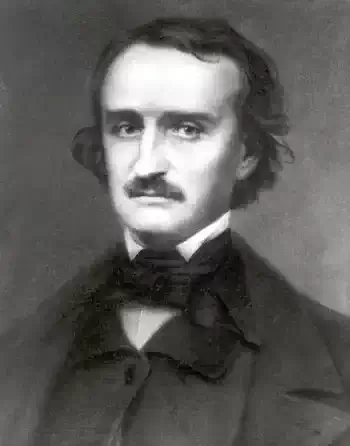
Edgar Allan Poe
To The River --
To The River --
Fair river! in thy bright, clear flow
Of crystal, wandering water,
Thou art an emblem of the glow
Of beauty- the unhidden heartThe
playful maziness of art
In old Alberto's daughter;
But when within thy wave she looksWhich
glistens then, and tremblesWhy,
then, the prettiest of brooks
Her worshipper resembles;
For in his heart, as in thy stream,
Her image deeply liesHis
heart which trembles at the beam
Of her soul-searching eyes.
Fair river! in thy bright, clear flow
Of crystal, wandering water,
Thou art an emblem of the glow
Of beauty- the unhidden heartThe
playful maziness of art
In old Alberto's daughter;
But when within thy wave she looksWhich
glistens then, and tremblesWhy,
then, the prettiest of brooks
Her worshipper resembles;
For in his heart, as in thy stream,
Her image deeply liesHis
heart which trembles at the beam
Of her soul-searching eyes.
232
Edgar Allan Poe
To Helen - 1848
To Helen - 1848
I saw thee once- once only- years ago:
I must not say how many- but not many.
It was a July midnight; and from out
A full-orbed moon, that, like thine own soul, soaring,
Sought a precipitate pathway up through heaven,
There fell a silvery-silken veil of light,
With quietude, and sultriness, and slumber,
Upon the upturned faces of a thousand
Roses that grew in an enchanted garden,
Where no wind dared to stir, unless on tiptoe-
Fell on the upturn'd faces of these roses
That gave out, in return for the love-light,
Their odorous souls in an ecstatic death-
Fell on the upturn'd faces of these roses
That smiled and died in this parterre, enchanted
By thee, and by the poetry of thy presence.
Clad all in white, upon a violet bank
I saw thee half reclining; while the moon
Fell on the upturn'd faces of the roses,
And on thine own, upturn'd- alas, in sorrow!
Was it not Fate, that, on this July midnight-
Was it not Fate, (whose name is also Sorrow,)
That bade me pause before that garden-gate,
To breathe the incense of those slumbering roses?
No footstep stirred: the hated world an slept,
Save only thee and me. (Oh, Heaven!- oh, God!
How my heart beats in coupling those two words!)
Save only thee and me. I paused- I looked-
And in an instant all things disappeared.
(Ah, bear in mind this garden was enchanted!)
The pearly lustre of the moon went out:
The mossy banks and the meandering paths,
The happy flowers and the repining trees,
Were seen no more: the very roses' odors
Died in the arms of the adoring airs.
All- all expired save thee- save less than thou:
Save only the divine light in thine eyes-
Save but the soul in thine uplifted eyes.
I saw but them- they were the world to me!
I saw but them- saw only them for hours,
Saw only them until the moon went down.
What wild heart-histories seemed to he enwritten
Upon those crystalline, celestial spheres!
How dark a woe, yet how sublime a hope!
How silently serene a sea of pride!
How daring an ambition; yet how deep-
How fathomless a capacity for love!
But now, at length, dear Dian sank from sight,
Into a western couch of thunder-cloud;
And thou, a ghost, amid the entombing trees
Didst glide away. Only thine eyes remained;
They would not go- they never yet have gone;
Lighting my lonely pathway home that night,
They have not left me (as my hopes have) since;
They follow me- they lead me through the years.
They are my ministers- yet I their slave.
Their office is to illumine and enkindle-
My duty, to be saved by their bright light,
And purified in their electric fire,
And sanctified in their elysian fire.
They fill my soul with Beauty (which is Hope),
And are far up in Heaven- the stars I kneel to
In the sad, silent watches of my night;
While even in the meridian glare of day
I see them still- two sweetly scintillant
Venuses, unextinguished by the sun!
I saw thee once- once only- years ago:
I must not say how many- but not many.
It was a July midnight; and from out
A full-orbed moon, that, like thine own soul, soaring,
Sought a precipitate pathway up through heaven,
There fell a silvery-silken veil of light,
With quietude, and sultriness, and slumber,
Upon the upturned faces of a thousand
Roses that grew in an enchanted garden,
Where no wind dared to stir, unless on tiptoe-
Fell on the upturn'd faces of these roses
That gave out, in return for the love-light,
Their odorous souls in an ecstatic death-
Fell on the upturn'd faces of these roses
That smiled and died in this parterre, enchanted
By thee, and by the poetry of thy presence.
Clad all in white, upon a violet bank
I saw thee half reclining; while the moon
Fell on the upturn'd faces of the roses,
And on thine own, upturn'd- alas, in sorrow!
Was it not Fate, that, on this July midnight-
Was it not Fate, (whose name is also Sorrow,)
That bade me pause before that garden-gate,
To breathe the incense of those slumbering roses?
No footstep stirred: the hated world an slept,
Save only thee and me. (Oh, Heaven!- oh, God!
How my heart beats in coupling those two words!)
Save only thee and me. I paused- I looked-
And in an instant all things disappeared.
(Ah, bear in mind this garden was enchanted!)
The pearly lustre of the moon went out:
The mossy banks and the meandering paths,
The happy flowers and the repining trees,
Were seen no more: the very roses' odors
Died in the arms of the adoring airs.
All- all expired save thee- save less than thou:
Save only the divine light in thine eyes-
Save but the soul in thine uplifted eyes.
I saw but them- they were the world to me!
I saw but them- saw only them for hours,
Saw only them until the moon went down.
What wild heart-histories seemed to he enwritten
Upon those crystalline, celestial spheres!
How dark a woe, yet how sublime a hope!
How silently serene a sea of pride!
How daring an ambition; yet how deep-
How fathomless a capacity for love!
But now, at length, dear Dian sank from sight,
Into a western couch of thunder-cloud;
And thou, a ghost, amid the entombing trees
Didst glide away. Only thine eyes remained;
They would not go- they never yet have gone;
Lighting my lonely pathway home that night,
They have not left me (as my hopes have) since;
They follow me- they lead me through the years.
They are my ministers- yet I their slave.
Their office is to illumine and enkindle-
My duty, to be saved by their bright light,
And purified in their electric fire,
And sanctified in their elysian fire.
They fill my soul with Beauty (which is Hope),
And are far up in Heaven- the stars I kneel to
In the sad, silent watches of my night;
While even in the meridian glare of day
I see them still- two sweetly scintillant
Venuses, unextinguished by the sun!
294
Edgar Allan Poe
To --
To --
The bowers whereat, in dreams, I see
The wantonest singing birds,
Are lips- and all thy melody
Of lip-begotten words
Thine eyes, in Heaven of heart enshrined,
Then desolately fall,
O God! on my funereal mind
Like starlight on a pall
Thy heart- thy heart!- I wake and sigh,
And sleep to dream till day
Of the truth that gold can never buyOf
the baubles that it may.
The bowers whereat, in dreams, I see
The wantonest singing birds,
Are lips- and all thy melody
Of lip-begotten words
Thine eyes, in Heaven of heart enshrined,
Then desolately fall,
O God! on my funereal mind
Like starlight on a pall
Thy heart- thy heart!- I wake and sigh,
And sleep to dream till day
Of the truth that gold can never buyOf
the baubles that it may.
241
Edgar Allan Poe
In Youth I have Known One
In Youth I have Known One
How often we forget all time, when lone
Admiring Nature's universal throne;
Her woods - her winds - her mountains - the intense
Reply of Hers to Our intelligence!
I.
In youth I have known one with whom the Earth
In secret communing held - as he with it,
In daylight, and in beauty, from his birth:
Whose fervid, flickering torch of life was lit
From the sun and stars, whence he had drawn forth
A passionate light - such for his spirit was fit -
And yet that spirit knew - not in the hour
Of its own fervour - what had o'er it power.
II.
Perhaps it may be that my mind is wrought
To a fever by the moonbeam that hangs o'er,
But I will half believe that wild light fraught
With more of sovereignty than ancient lore
Hath ever told - or is it of a thought
The unembodied essence, and no more
That with a quickening spell doth o'er us pass
As dew of the night time, o'er the summer grass?
III.
Doth o'er us pass, when as th' expanding eye
To the loved object - so the tear to the lid
Will start, which lately slept in apathy?
And yet it need not be - (that object) hid
From us in life - but common - which doth lie
Each hour before us - but then only bid
With a strange sound, as of a harpstring broken
T' awake us - 'Tis a symbol and a token
IV.
Of what in other worlds shall be - and given
In beauty by our God, to those alone
Who otherwise would fall from life and Heaven
Drawn by their heart's passion, and that tone,
That high tone of the spirit which hath striven
Though not with Faith - with godliness - whose throne
With desperate energy 't hath beaten down;
Wearing its own deep feeling as a crown.
How often we forget all time, when lone
Admiring Nature's universal throne;
Her woods - her winds - her mountains - the intense
Reply of Hers to Our intelligence!
I.
In youth I have known one with whom the Earth
In secret communing held - as he with it,
In daylight, and in beauty, from his birth:
Whose fervid, flickering torch of life was lit
From the sun and stars, whence he had drawn forth
A passionate light - such for his spirit was fit -
And yet that spirit knew - not in the hour
Of its own fervour - what had o'er it power.
II.
Perhaps it may be that my mind is wrought
To a fever by the moonbeam that hangs o'er,
But I will half believe that wild light fraught
With more of sovereignty than ancient lore
Hath ever told - or is it of a thought
The unembodied essence, and no more
That with a quickening spell doth o'er us pass
As dew of the night time, o'er the summer grass?
III.
Doth o'er us pass, when as th' expanding eye
To the loved object - so the tear to the lid
Will start, which lately slept in apathy?
And yet it need not be - (that object) hid
From us in life - but common - which doth lie
Each hour before us - but then only bid
With a strange sound, as of a harpstring broken
T' awake us - 'Tis a symbol and a token
IV.
Of what in other worlds shall be - and given
In beauty by our God, to those alone
Who otherwise would fall from life and Heaven
Drawn by their heart's passion, and that tone,
That high tone of the spirit which hath striven
Though not with Faith - with godliness - whose throne
With desperate energy 't hath beaten down;
Wearing its own deep feeling as a crown.
328
Edgar Allan Poe
Impromptu - To Kate Carol
Impromptu - To Kate Carol
When from your gems of thought I turn
To those pure orbs, your heart to learn,
I scarce know which to prize most high —
The bright i-dea, or the bright dear-eye.
When from your gems of thought I turn
To those pure orbs, your heart to learn,
I scarce know which to prize most high —
The bright i-dea, or the bright dear-eye.
259
Edgar Allan Poe
Evening Star
Evening Star
'Twas noontide of summer,
And mid-time of night;
And stars, in their orbits,
Shone pale, thro' the light
Of the brighter, cold moon,
'Mid planets her slaves,
Herself in the Heavens,
Her beam on the waves.
I gazed awhile
On her cold smile;
Too cold- too cold for meThere
pass'd, as a shroud,
A fleecy cloud,
And I turned away to thee,
Proud Evening Star,
In thy glory afar,
And dearer thy beam shall be;
For joy to my heart
Is the proud part
Thou bearest in Heaven at night,
And more I admire
Thy distant fire,
Than that colder, lowly light.
'Twas noontide of summer,
And mid-time of night;
And stars, in their orbits,
Shone pale, thro' the light
Of the brighter, cold moon,
'Mid planets her slaves,
Herself in the Heavens,
Her beam on the waves.
I gazed awhile
On her cold smile;
Too cold- too cold for meThere
pass'd, as a shroud,
A fleecy cloud,
And I turned away to thee,
Proud Evening Star,
In thy glory afar,
And dearer thy beam shall be;
For joy to my heart
Is the proud part
Thou bearest in Heaven at night,
And more I admire
Thy distant fire,
Than that colder, lowly light.
322

Dylan Thomas
We Lying By Seasand
We Lying By Seasand
We lying by seasand, watching yellow
And the grave sea, mock who deride
Who follow the red rivers, hollow
Alcove of words out of cicada shade,
For in this yellow grave of sand and sea
A calling for colour calls with the wind
That's grave and gay as grave and sea
Sleeping on either hand.
The lunar silences, the silent tide
Lapping the still canals, the dry tide-master
Ribbed between desert and water storm,
Should cure our ills of the water
With a one-coloured calm;
The heavenly music over the sand
Sounds with the grains as they hurry
Hiding the golden mountains and mansions
Of the grave, gay, seaside land.
Bound by a sovereign strip, we lie,
Watch yellow, wish for wind to blow away
The strata of the shore and drown red rock;
But wishes breed not, neither
Can we fend off rock arrival,
Lie watching yellow until the golden weather
Breaks, O my heart's blood, like a heart and hill.
We lying by seasand, watching yellow
And the grave sea, mock who deride
Who follow the red rivers, hollow
Alcove of words out of cicada shade,
For in this yellow grave of sand and sea
A calling for colour calls with the wind
That's grave and gay as grave and sea
Sleeping on either hand.
The lunar silences, the silent tide
Lapping the still canals, the dry tide-master
Ribbed between desert and water storm,
Should cure our ills of the water
With a one-coloured calm;
The heavenly music over the sand
Sounds with the grains as they hurry
Hiding the golden mountains and mansions
Of the grave, gay, seaside land.
Bound by a sovereign strip, we lie,
Watch yellow, wish for wind to blow away
The strata of the shore and drown red rock;
But wishes breed not, neither
Can we fend off rock arrival,
Lie watching yellow until the golden weather
Breaks, O my heart's blood, like a heart and hill.
635
Dylan Thomas
Clown in the Moon
Clown in the Moon
My tears are like the quiet drift
Of petals from some magic rose;
And all my grief flows from the rift
Of unremembered skies and snows.
I think, that if I touched the earth,
It would crumble;
It is so sad and beautiful,
So tremulously like a dream.
My tears are like the quiet drift
Of petals from some magic rose;
And all my grief flows from the rift
Of unremembered skies and snows.
I think, that if I touched the earth,
It would crumble;
It is so sad and beautiful,
So tremulously like a dream.
307
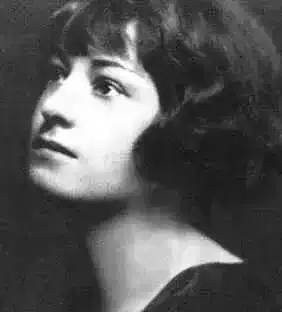
Dorothy Parker
The Searched Soul
The Searched Soul
When I consider, pro and con,
What things my love is built upon --
A curly mouth; a sinewed wrist;
A questioning brow; a pretty twist
Of words as old and tried as sin;
A pointed ear; a cloven chin;
Long, tapered limbs; and slanted eyes
Not cold nor kind nor darkly wise --
When so I ponder, here apart,
What shallow boons suffice my heart,
What dust-bound trivia capture me,
I marvel at my normalcy.
When I consider, pro and con,
What things my love is built upon --
A curly mouth; a sinewed wrist;
A questioning brow; a pretty twist
Of words as old and tried as sin;
A pointed ear; a cloven chin;
Long, tapered limbs; and slanted eyes
Not cold nor kind nor darkly wise --
When so I ponder, here apart,
What shallow boons suffice my heart,
What dust-bound trivia capture me,
I marvel at my normalcy.
378
Dorothy Parker
The Satin Dress
The Satin Dress
Needle, needle, dip and dart,
Thrusting up and down,
Where's the man could ease a heart
Like a satin gown?
See the stitches curve and crawl
Round the cunning seams-
Patterns thin and sweet and small
As a lady's dreams.
Wantons go in bright brocade;
Brides in organdie;
Gingham's for the plighted maid;
Satin's for the free!
Wool's to line a miser's chest;
Crepe's to calm the old;
Velvet hides an empty breast
Satin's for the bold!
Lawn is for a bishop's yoke;
Linen's for a nun;
Satin is for wiser folk-
Would the dress were done!
Satin glows in candlelightSatin's
for the proud!
They will say who watch at night,
"What a fine shroud!"
Needle, needle, dip and dart,
Thrusting up and down,
Where's the man could ease a heart
Like a satin gown?
See the stitches curve and crawl
Round the cunning seams-
Patterns thin and sweet and small
As a lady's dreams.
Wantons go in bright brocade;
Brides in organdie;
Gingham's for the plighted maid;
Satin's for the free!
Wool's to line a miser's chest;
Crepe's to calm the old;
Velvet hides an empty breast
Satin's for the bold!
Lawn is for a bishop's yoke;
Linen's for a nun;
Satin is for wiser folk-
Would the dress were done!
Satin glows in candlelightSatin's
for the proud!
They will say who watch at night,
"What a fine shroud!"
421
Dorothy Parker
Lullaby
Lullaby
Sleep, pretty lady, the night is enfolding you;
Drift, and so lightly, on crystalline streams.
Wrapped in its perfumes, the darkness is holding you;
Starlight bespangles the way of your dreams.
Chorus the nightingales, wistfully amorous;
Blessedly quiet, the blare of the day.
All the sweet hours may your visions be glamorous-
Sleep, pretty lady, as long as you may.
Sleep, pretty lady, the night shall be still for you;
Silvered and silent, it watches you rest.
Each little breeze, in its eagerness, will for you
Murmur the melodies ancient and blest.
So in the midnight does happiness capture us;
Morning is dim with another day's tears.
Give yourself sweetly to images rapturous-
Sleep, pretty lady, a couple of years.
Sleep, pretty lady, the world awaits day with you;
Girlish and golden, the slender young moon.
Grant the fond darkness its mystical way with you;
Morning returns to us ever too soon.
Roses unfold, in their loveliness, all for you;
Blossom the lilies for hope of your glance.
When you're awake, all the men go and fall for you-
Sleep, pretty lady, and give me a chance.
Sleep, pretty lady, the night is enfolding you;
Drift, and so lightly, on crystalline streams.
Wrapped in its perfumes, the darkness is holding you;
Starlight bespangles the way of your dreams.
Chorus the nightingales, wistfully amorous;
Blessedly quiet, the blare of the day.
All the sweet hours may your visions be glamorous-
Sleep, pretty lady, as long as you may.
Sleep, pretty lady, the night shall be still for you;
Silvered and silent, it watches you rest.
Each little breeze, in its eagerness, will for you
Murmur the melodies ancient and blest.
So in the midnight does happiness capture us;
Morning is dim with another day's tears.
Give yourself sweetly to images rapturous-
Sleep, pretty lady, a couple of years.
Sleep, pretty lady, the world awaits day with you;
Girlish and golden, the slender young moon.
Grant the fond darkness its mystical way with you;
Morning returns to us ever too soon.
Roses unfold, in their loveliness, all for you;
Blossom the lilies for hope of your glance.
When you're awake, all the men go and fall for you-
Sleep, pretty lady, and give me a chance.
468
Dorothy Parker
Epitaph for a Darling Lady
Epitaph for a Darling Lady
All her hours were yellow sands,
Blown in foolish whorls and tassels;
Slipping warmly through her hands;
Patted into little castles.
Shiny day on shiny day
Tumble in a rainbow clutter,
As she flipped them all away,
Sent them spinning down the gutter.
Leave for her a red young rose,
Go your way, and save your pity;
She is happy, for she knows
That her dust is very pretty.
All her hours were yellow sands,
Blown in foolish whorls and tassels;
Slipping warmly through her hands;
Patted into little castles.
Shiny day on shiny day
Tumble in a rainbow clutter,
As she flipped them all away,
Sent them spinning down the gutter.
Leave for her a red young rose,
Go your way, and save your pity;
She is happy, for she knows
That her dust is very pretty.
446