

Poems in this topic
Beauty

D.H. Lawrence
Trees in the Garden
Trees in the Garden
Ah in the thunder air
how still the trees are!
And the lime-tree, lovely and tall, every leaf silent
hardly looses even a last breath of perfume.
And the ghostly, creamy coloured little tree of leaves
white, ivory white among the rambling greens
how evanescent, variegated elder, she hesitates on the green grass
as if, in another moment, she would disappear
with all her grace of foam!
And the larch that is only a column, it goes up too tall to see:
and the balsam-pines that are blue with the grey-blue blueness of
things from the sea,
and the young copper beech, its leaves red-rosy at the ends
how still they are together, they stand so still
in the thunder air, all strangers to one another
as the green grass glows upwards, strangers in the silent garden.
Ah in the thunder air
how still the trees are!
And the lime-tree, lovely and tall, every leaf silent
hardly looses even a last breath of perfume.
And the ghostly, creamy coloured little tree of leaves
white, ivory white among the rambling greens
how evanescent, variegated elder, she hesitates on the green grass
as if, in another moment, she would disappear
with all her grace of foam!
And the larch that is only a column, it goes up too tall to see:
and the balsam-pines that are blue with the grey-blue blueness of
things from the sea,
and the young copper beech, its leaves red-rosy at the ends
how still they are together, they stand so still
in the thunder air, all strangers to one another
as the green grass glows upwards, strangers in the silent garden.
267
D.H. Lawrence
The Mystic Blue
The Mystic Blue
Out of the darkness, fretted sometimes in its sleeping,
Jets of sparks in fountains of blue come leaping
To sight, revealing a secret, numberless secrets keeping.
Sometimes the darkness trapped within a wheel
Runs into speed like a dream, the blue of the steel
Showing the rocking darkness now a-reel.
And out of the invisible, streams of bright blue drops
Rain from the showery heavens, and bright blue crops
Surge from the under-dark to their ladder-tops.
And all the manifold blue and joyous eyes,
The rainbow arching over in the skies,
New sparks of wonder opening in surprise.
All these pure things come foam and spray of the sea
Of Darkness abundant, which shaken mysteriously,
Breaks into dazzle of living, as dolphins that leap from the sea
Of midnight shake it to fire, so the secret of death we see.
Out of the darkness, fretted sometimes in its sleeping,
Jets of sparks in fountains of blue come leaping
To sight, revealing a secret, numberless secrets keeping.
Sometimes the darkness trapped within a wheel
Runs into speed like a dream, the blue of the steel
Showing the rocking darkness now a-reel.
And out of the invisible, streams of bright blue drops
Rain from the showery heavens, and bright blue crops
Surge from the under-dark to their ladder-tops.
And all the manifold blue and joyous eyes,
The rainbow arching over in the skies,
New sparks of wonder opening in surprise.
All these pure things come foam and spray of the sea
Of Darkness abundant, which shaken mysteriously,
Breaks into dazzle of living, as dolphins that leap from the sea
Of midnight shake it to fire, so the secret of death we see.
239
D.H. Lawrence
The Bride
The Bride
My love looks like a girl to-night,
But she is old.
The plaits that lie along her pillow
Are not gold,
But threaded with filigree silver,
And uncanny cold.
She looks like a young maiden, since her brow
Is smooth and fair,
Her cheeks are very smooth, her eyes are closed.
She sleeps a rare
Still winsome sleep, so still, and so composed.
Nay, but she sleeps like a bride, and dreams her dreams
Of perfect things.
She lies at last, the darling, in the shape of her dream,
And her dead mouth sings
By its shape, like the thrushes in clear evenings.
My love looks like a girl to-night,
But she is old.
The plaits that lie along her pillow
Are not gold,
But threaded with filigree silver,
And uncanny cold.
She looks like a young maiden, since her brow
Is smooth and fair,
Her cheeks are very smooth, her eyes are closed.
She sleeps a rare
Still winsome sleep, so still, and so composed.
Nay, but she sleeps like a bride, and dreams her dreams
Of perfect things.
She lies at last, the darling, in the shape of her dream,
And her dead mouth sings
By its shape, like the thrushes in clear evenings.
226
D.H. Lawrence
Green
Green
The dawn was apple-green,
The sky was green wine held up in the sun,
The moon was a golden petal between.
She opened her eyes, and green
They shone, clear like flowers undone,
For the first time, now for the first time seen.
The dawn was apple-green,
The sky was green wine held up in the sun,
The moon was a golden petal between.
She opened her eyes, and green
They shone, clear like flowers undone,
For the first time, now for the first time seen.
190
D.H. Lawrence
Craving for Spring
Craving for Spring
I wish it were spring in the world.
Let it be spring!
Come, bubbling, surging tide of sap!
Come, rush of creation!
Come, life! surge through this mass of mortification!
Come, sweep away these exquisite, ghastly first-flowers,
which are rather last-flowers!
Come, thaw down their cool portentousness, dissolve them:
snowdrops, straight, death-veined exhalations of white and purple crocuses,
flowers of the penumbra, issue of corruption, nourished in mortification,
jets of exquisite finality;
Come, spring, make havoc of them!
I trample on the snowdrops, it gives me pleasure to tread down the jonquils,
to destroy the chill Lent lilies;
for I am sick of them, their faint-bloodedness,
slow-blooded, icy-fleshed, portentous.
I want the fine, kindling wine-sap of spring,
gold, and of inconceivably fine, quintessential brightness,
rare almost as beams, yet overwhelmingly potent,
strong like the greatest force of world-balancing.
This is the same that picks up the harvest of wheat
and rocks it, tons of grain, on the ripening wind;
the same that dangles the globe-shaped pleiads of fruit
temptingly in mid-air, between a playful thumb and finger;
oh, and suddenly, from out of nowhere, whirls the pear-bloom,
upon us, and apple- and almond- and apricot- and quince-blossom,
storms and cumulus clouds of all imaginable blossom
about our bewildered faces,
though we do not worship.
I wish it were spring
cunningly blowing on the fallen sparks, odds and ends of the old, scattered fire,
and kindling shapely little conflagrations
curious long-legged foals, and wide-eared calves, and naked sparrow-bubs.
I wish that spring
would start the thundering traffic of feet
new feet on the earth, beating with impatience.
I wish it were spring, thundering
delicate, tender spring.
I wish these brittle, frost-lovely flowers of passionate, mysterious corruption
were not yet to come still more from the still-flickering discontent.
Oh, in the spring, the bluebell bows him down for very exuberance,
exulting with secret warm excess,
bowed down with his inner magnificence!
Oh, yes, the gush of spring is strong enough
to toss the globe of earth like a ball on a water-jet
dancing sportfully;
as you see a tiny celluloid ball tossing on a squirt of water
for men to shoot at, penny-a-time, in a booth at a fair.
The gush of spring is strong enough
to play with the globe of earth like a ball on a fountain;
At the same time it opens the tiny hands of the hazel
with such infinite patience.
The power of the rising, golden, all-creative sap could take the earth
and heave it off among the stars, into the invisible;
the same sets the throstle at sunset on a bough
singing against the blackbird;
comes out in the hesitating tremor of the primrose,
and betrays its candour in the round white strawberry flower,
is dignified in the foxglove, like a Red-Indian brave.
Ah come, come quickly, spring!
come and lift us towards our culmination, we myriads;
we who have never flowered, like patient cactuses.
Come and lift us to our end, to blossom, bring us to our summer
we who are winter-weary in the winter of the of the world.
Come making the chaffinch nests hollow and cosy,
come and soften the willow buds till they are puffed and furred,
then blow them over with gold.
Coma and cajole the gawky colt’s-foot flowers.
Come quickly, and vindicate us.
against too much death.
Come quickly, and stir the rotten globe of the world from within,
burst it with germination, with world anew.
Come now, to us, your adherents, who cannot flower from the ice.
All the world gleams with the lilies of death the Unconquerable,
but come, give us our turn.
Enough of the virgins and lilies, of passionate, suffocating perfume of corruption,
no more narcissus perfume, lily harlots, the blades of sensation
piercing the flesh to blossom of death.
Have done, have done with this shuddering, delicious business
of thrilling ruin in the flesh, of pungent passion, of rare, death-edged ecstasy.
Give us our turn, give us a chance, let our hour strike,
O soon, soon!
Let the darkness turn violet with rich dawn.
Let the darkness be warmed, warmed through to a ruddy violet,
incipient purpling towards summer in the world of the heart of man.
Are the violets already here!
Show me! I tremble so much to hear it, that even now
on the threshold of spring, I fear I shall die.
Show me the violets that are out.
Oh, if it be true, and the living darkness of the blood of man is purpling with violets,
if the violets are coming out from under the rack of men, winter-rotten and fallen,
we shall have spring.
Pray not to die on this Pisgah blossoming with violets.
Pray to live through.
If you catch a whiff of violets from the darkness of the shadow of man
it will be spring in the world,
it will be spring in the world of the living;
wonderment organising itself, heralding itself with the violets,
stirring of new seasons.
Ah, do not let me die on the brink of such anticipation!
Worse, let me not deceive myself.
I wish it were spring in the world.
Let it be spring!
Come, bubbling, surging tide of sap!
Come, rush of creation!
Come, life! surge through this mass of mortification!
Come, sweep away these exquisite, ghastly first-flowers,
which are rather last-flowers!
Come, thaw down their cool portentousness, dissolve them:
snowdrops, straight, death-veined exhalations of white and purple crocuses,
flowers of the penumbra, issue of corruption, nourished in mortification,
jets of exquisite finality;
Come, spring, make havoc of them!
I trample on the snowdrops, it gives me pleasure to tread down the jonquils,
to destroy the chill Lent lilies;
for I am sick of them, their faint-bloodedness,
slow-blooded, icy-fleshed, portentous.
I want the fine, kindling wine-sap of spring,
gold, and of inconceivably fine, quintessential brightness,
rare almost as beams, yet overwhelmingly potent,
strong like the greatest force of world-balancing.
This is the same that picks up the harvest of wheat
and rocks it, tons of grain, on the ripening wind;
the same that dangles the globe-shaped pleiads of fruit
temptingly in mid-air, between a playful thumb and finger;
oh, and suddenly, from out of nowhere, whirls the pear-bloom,
upon us, and apple- and almond- and apricot- and quince-blossom,
storms and cumulus clouds of all imaginable blossom
about our bewildered faces,
though we do not worship.
I wish it were spring
cunningly blowing on the fallen sparks, odds and ends of the old, scattered fire,
and kindling shapely little conflagrations
curious long-legged foals, and wide-eared calves, and naked sparrow-bubs.
I wish that spring
would start the thundering traffic of feet
new feet on the earth, beating with impatience.
I wish it were spring, thundering
delicate, tender spring.
I wish these brittle, frost-lovely flowers of passionate, mysterious corruption
were not yet to come still more from the still-flickering discontent.
Oh, in the spring, the bluebell bows him down for very exuberance,
exulting with secret warm excess,
bowed down with his inner magnificence!
Oh, yes, the gush of spring is strong enough
to toss the globe of earth like a ball on a water-jet
dancing sportfully;
as you see a tiny celluloid ball tossing on a squirt of water
for men to shoot at, penny-a-time, in a booth at a fair.
The gush of spring is strong enough
to play with the globe of earth like a ball on a fountain;
At the same time it opens the tiny hands of the hazel
with such infinite patience.
The power of the rising, golden, all-creative sap could take the earth
and heave it off among the stars, into the invisible;
the same sets the throstle at sunset on a bough
singing against the blackbird;
comes out in the hesitating tremor of the primrose,
and betrays its candour in the round white strawberry flower,
is dignified in the foxglove, like a Red-Indian brave.
Ah come, come quickly, spring!
come and lift us towards our culmination, we myriads;
we who have never flowered, like patient cactuses.
Come and lift us to our end, to blossom, bring us to our summer
we who are winter-weary in the winter of the of the world.
Come making the chaffinch nests hollow and cosy,
come and soften the willow buds till they are puffed and furred,
then blow them over with gold.
Coma and cajole the gawky colt’s-foot flowers.
Come quickly, and vindicate us.
against too much death.
Come quickly, and stir the rotten globe of the world from within,
burst it with germination, with world anew.
Come now, to us, your adherents, who cannot flower from the ice.
All the world gleams with the lilies of death the Unconquerable,
but come, give us our turn.
Enough of the virgins and lilies, of passionate, suffocating perfume of corruption,
no more narcissus perfume, lily harlots, the blades of sensation
piercing the flesh to blossom of death.
Have done, have done with this shuddering, delicious business
of thrilling ruin in the flesh, of pungent passion, of rare, death-edged ecstasy.
Give us our turn, give us a chance, let our hour strike,
O soon, soon!
Let the darkness turn violet with rich dawn.
Let the darkness be warmed, warmed through to a ruddy violet,
incipient purpling towards summer in the world of the heart of man.
Are the violets already here!
Show me! I tremble so much to hear it, that even now
on the threshold of spring, I fear I shall die.
Show me the violets that are out.
Oh, if it be true, and the living darkness of the blood of man is purpling with violets,
if the violets are coming out from under the rack of men, winter-rotten and fallen,
we shall have spring.
Pray not to die on this Pisgah blossoming with violets.
Pray to live through.
If you catch a whiff of violets from the darkness of the shadow of man
it will be spring in the world,
it will be spring in the world of the living;
wonderment organising itself, heralding itself with the violets,
stirring of new seasons.
Ah, do not let me die on the brink of such anticipation!
Worse, let me not deceive myself.
209
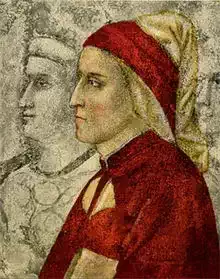
Dante Alighieri
Sonnet: Beauty Of Her Face
Sonnet: Beauty Of Her Face
For certain he hath seen all perfectness
Who among other ladies hath seen mine:
They that go with her humbly should combine
To thank their God for such peculiar grace.
So perfect is the beauty of her face
That is begets in no wise any sigh
Of envy, but draws round her a clear line
Of love, and blessed faith, and gentleness.
Merely the sight of her makes all things bow:
Not she herself alone is holier
Than all; but hers, through her, are raised above.
From all her acts such lovely graces flow
That truly one may never think of her
Without a passion of exceeding love.
For certain he hath seen all perfectness
Who among other ladies hath seen mine:
They that go with her humbly should combine
To thank their God for such peculiar grace.
So perfect is the beauty of her face
That is begets in no wise any sigh
Of envy, but draws round her a clear line
Of love, and blessed faith, and gentleness.
Merely the sight of her makes all things bow:
Not she herself alone is holier
Than all; but hers, through her, are raised above.
From all her acts such lovely graces flow
That truly one may never think of her
Without a passion of exceeding love.
431
Dante Alighieri
Of Beauty and Duty
Of Beauty and Duty
TWO ladies to the summit of my mind
Have clomb, to hold an argument of love.
The one has wisdom with her from above,
For every noblest virtue well designed:
The other, beauty's tempting power refined
And the high charm of perfect grace approve:
And I, as my sweet Master's will doth move,
At feet of both their favors am reclined.
Beauty and Duty in my soul keep strife,
At question if the heart such course can take
And 'twixt the two ladies hold its love complete.
The fount of gentle speech yields answer meet,
That Beauty may be loved for gladness sake,
And Duty in the lofty ends of life
TWO ladies to the summit of my mind
Have clomb, to hold an argument of love.
The one has wisdom with her from above,
For every noblest virtue well designed:
The other, beauty's tempting power refined
And the high charm of perfect grace approve:
And I, as my sweet Master's will doth move,
At feet of both their favors am reclined.
Beauty and Duty in my soul keep strife,
At question if the heart such course can take
And 'twixt the two ladies hold its love complete.
The fount of gentle speech yields answer meet,
That Beauty may be loved for gladness sake,
And Duty in the lofty ends of life
338

Claude Mckay
Summer Morn in New Hampshire
Summer Morn in New Hampshire
All yesterday it poured, and all night long
I could not sleep; the rain unceasing beat
Upon the shingled roof like a weird song,
Upon the grass like running children's feet.
And down the mountains by the dark cloud kissed,
Like a strange shape in filmy veiling dressed,
Slid slowly, silently, the wraith-like mist,
And nestled soft against the earth's wet breast.
But lo, there was a miracle at dawn!
The still air stirred at touch of the faint breeze,
The sun a sheet of gold bequeathed the lawn,
The songsters twittered in the rustling trees.
And all things were transfigured in the day,
But me whom radiant beauty could not move;
For you, more wonderful, were far away,
And I was blind with hunger for your love.
All yesterday it poured, and all night long
I could not sleep; the rain unceasing beat
Upon the shingled roof like a weird song,
Upon the grass like running children's feet.
And down the mountains by the dark cloud kissed,
Like a strange shape in filmy veiling dressed,
Slid slowly, silently, the wraith-like mist,
And nestled soft against the earth's wet breast.
But lo, there was a miracle at dawn!
The still air stirred at touch of the faint breeze,
The sun a sheet of gold bequeathed the lawn,
The songsters twittered in the rustling trees.
And all things were transfigured in the day,
But me whom radiant beauty could not move;
For you, more wonderful, were far away,
And I was blind with hunger for your love.
522
Claude Mckay
Russian Cathedral
Russian Cathedral
Bow down my soul in worship very low
And in the holy silences be lost.
Bow down before the marble man of woe,
Bow down before the singing angel host.
What jewelled glory fills my spirit's eye,
What golden grandeur moves the depths of me!
The soaring arches lift me up on high
Taking my breath with their rare symmetry.
Bow down my soul and let the wondrous light
Of beauty bathe thee from her lofty throne,
Bow down before the wonder of man's might.
Bow down in worship, humble and alone;
Bow lowly down before the sacred sight
Of man's divinity alive in stone.
Bow down my soul in worship very low
And in the holy silences be lost.
Bow down before the marble man of woe,
Bow down before the singing angel host.
What jewelled glory fills my spirit's eye,
What golden grandeur moves the depths of me!
The soaring arches lift me up on high
Taking my breath with their rare symmetry.
Bow down my soul and let the wondrous light
Of beauty bathe thee from her lofty throne,
Bow down before the wonder of man's might.
Bow down in worship, humble and alone;
Bow lowly down before the sacred sight
Of man's divinity alive in stone.
344
Claude Mckay
Alfonso, Dressing to Wait at Table
Alfonso, Dressing to Wait at Table
Alfonso is a handsome bronze-hued lad
Of subtly-changing and surprising parts;
His moods are storms that frighten and make glad,
His eyes were made to capture women's hearts.
Down in the glory-hole Alfonso sings
An olden song of wine and clinking glasses
And riotous rakes; magnificently flings
Gay kisses to imaginary lasses.
Alfonso's voice of mellow music thrills
Our swaying forms and steals our hearts with joy;
And when he soars, his fine falsetto trills
Are rarest notes of gold without alloy.
But, O Alfonso! wherefore do you sing
Dream-songs of carefree men and ancient places?
Soon we shall be beset by clamouring
Of hungry and importunate palefaces.
Alfonso is a handsome bronze-hued lad
Of subtly-changing and surprising parts;
His moods are storms that frighten and make glad,
His eyes were made to capture women's hearts.
Down in the glory-hole Alfonso sings
An olden song of wine and clinking glasses
And riotous rakes; magnificently flings
Gay kisses to imaginary lasses.
Alfonso's voice of mellow music thrills
Our swaying forms and steals our hearts with joy;
And when he soars, his fine falsetto trills
Are rarest notes of gold without alloy.
But, O Alfonso! wherefore do you sing
Dream-songs of carefree men and ancient places?
Soon we shall be beset by clamouring
Of hungry and importunate palefaces.
360

Christina Rossetti
Within The Veil
Within The Veil
She holds a lily in her hand,
Where long ranks of Angels stand,
A silver lily for her wand.
All her hair falls sweeping down;
Her hair that is a golden brown,
A crown beneath her golden crown.
Blooms a rose-bush at her knee,
Good to smell and good to see:
It bears a rose for her, for me;
Her rose a blossom richly grown,
My rose a bud not fully blown,
But sure one day to be mine own.
She holds a lily in her hand,
Where long ranks of Angels stand,
A silver lily for her wand.
All her hair falls sweeping down;
Her hair that is a golden brown,
A crown beneath her golden crown.
Blooms a rose-bush at her knee,
Good to smell and good to see:
It bears a rose for her, for me;
Her rose a blossom richly grown,
My rose a bud not fully blown,
But sure one day to be mine own.
180
Christina Rossetti
Where Innocent Bright-Eyed Daisies Are
Where Innocent Bright-Eyed Daisies Are
Where innocent bright-eyed daisies are,
With blades of grass between,
Each daisy stands up like a star
Out of a sky of green.
Where innocent bright-eyed daisies are,
With blades of grass between,
Each daisy stands up like a star
Out of a sky of green.
190
Christina Rossetti
Venus's Looking-Glass
Venus's Looking-Glass
I marked where lovely Venus and her court
With song and dance and merry laugh went by;
Weightless, their wingless feet seemed made to fly,
Bound from the ground and in mid air to sport.
Left far behind I heard the dolphins snort,
Tracking their goddess with a wistful eye,
Around whose head white doves rose, wheeling high
Or low, and cooed after their tender sort.
All this I saw in Spring. Through Summer heat
I saw the lovely Queen of Love no more.
But when flushed Autumn through the woodlands went
I spied sweet Venus walk amid the wheat:
Whom seeing, every harvester gave o'er
His toil, and laughed and hoped and was content.
I marked where lovely Venus and her court
With song and dance and merry laugh went by;
Weightless, their wingless feet seemed made to fly,
Bound from the ground and in mid air to sport.
Left far behind I heard the dolphins snort,
Tracking their goddess with a wistful eye,
Around whose head white doves rose, wheeling high
Or low, and cooed after their tender sort.
All this I saw in Spring. Through Summer heat
I saw the lovely Queen of Love no more.
But when flushed Autumn through the woodlands went
I spied sweet Venus walk amid the wheat:
Whom seeing, every harvester gave o'er
His toil, and laughed and hoped and was content.
231
Christina Rossetti
The Rose That Blushes Rosy Red
The Rose That Blushes Rosy Red
The rose that blushes rosy red,
She must hang her head;
The lily that blows spotless white,
She may stand upright.
The rose that blushes rosy red,
She must hang her head;
The lily that blows spotless white,
She may stand upright.
242
Christina Rossetti
The Lily Has A Smooth Stalk
The Lily Has A Smooth Stalk
The lily has a smooth stalk,
Will never hurt your hand;
But the rose upon her briar
Is lady of the land.
There's sweetness in an apple tree,
And profit in the corn;
But lady of all beauty
Is a rose upon a thorn.
When with moss and honey
She tips her bending briar,
And half unfolds her glowing heart,
She sets the world on fire.
The lily has a smooth stalk,
Will never hurt your hand;
But the rose upon her briar
Is lady of the land.
There's sweetness in an apple tree,
And profit in the corn;
But lady of all beauty
Is a rose upon a thorn.
When with moss and honey
She tips her bending briar,
And half unfolds her glowing heart,
She sets the world on fire.
266
Christina Rossetti
Sweet Death
Sweet Death
The sweetest blossoms die.
And so it was that, going day by day
Unto the church to praise and pray,
And crossing the green churchyard thoughtfully,
I saw how on the graves the flowers
Shed their fresh leaves in showers,
And how their perfume rose up to the sky
Before it passed away.
The youngest blossoms die.
They die, and fall and nourish the rich earth
From which they lately had their birth;
Sweet life, but sweeter death that passeth by
And is as though it had not been:—
All colors turn to green:
The bright hues vanish, and the odours fly,
The grass hath lasting worth.
And youth and beauty die.
So be it, O my God, Thou God of truth:
Better than beauty and than youth
Are Saints and Angels, a glad company;
And Thou, O lord, our Rest and Ease,
Are better far than these.
Why should we shrink from our full harvest? why
Prefer to glean with Ruth?
The sweetest blossoms die.
And so it was that, going day by day
Unto the church to praise and pray,
And crossing the green churchyard thoughtfully,
I saw how on the graves the flowers
Shed their fresh leaves in showers,
And how their perfume rose up to the sky
Before it passed away.
The youngest blossoms die.
They die, and fall and nourish the rich earth
From which they lately had their birth;
Sweet life, but sweeter death that passeth by
And is as though it had not been:—
All colors turn to green:
The bright hues vanish, and the odours fly,
The grass hath lasting worth.
And youth and beauty die.
So be it, O my God, Thou God of truth:
Better than beauty and than youth
Are Saints and Angels, a glad company;
And Thou, O lord, our Rest and Ease,
Are better far than these.
Why should we shrink from our full harvest? why
Prefer to glean with Ruth?
227
Christina Rossetti
Sound Sleep
Sound Sleep
Some are laughing, some are weeping;
She is sleeping, only sleeping.
Round her rest wild flowers are creeping;
There the wind is heaping, heaping
Sweetest sweets of Summer's keeping.
By the corn-fields ripe for reaping.
There are lilies, and there blushes
The deep rose, and there the thrushes
Sing till latest sunlight flushes
In the west; a fresh wind brushes
Through the leaves while evening hushes.
There by day the lark is singing
And the grass and weeds are springing;
There by night the bat is winging;
There for ever winds are bringing
Far-off chimes of church-bells ringing.
Night and morning, noon and even,
Their sound fills her dreams with Heaven:
The long strife at lent is striven:
Till her grave-bands shall be riven
Such is the good portion given
To her soul at rest and shriven.
Some are laughing, some are weeping;
She is sleeping, only sleeping.
Round her rest wild flowers are creeping;
There the wind is heaping, heaping
Sweetest sweets of Summer's keeping.
By the corn-fields ripe for reaping.
There are lilies, and there blushes
The deep rose, and there the thrushes
Sing till latest sunlight flushes
In the west; a fresh wind brushes
Through the leaves while evening hushes.
There by day the lark is singing
And the grass and weeds are springing;
There by night the bat is winging;
There for ever winds are bringing
Far-off chimes of church-bells ringing.
Night and morning, noon and even,
Their sound fills her dreams with Heaven:
The long strife at lent is striven:
Till her grave-bands shall be riven
Such is the good portion given
To her soul at rest and shriven.
221
Christina Rossetti
Paradise: In A Symbol
Paradise: In A Symbol
Golden-winged, silver-winged,
Winged with flashing flame,
Such a flight of birds I saw,
Birds without a name:
Singing songs in their own tongue
(Song of songs) they came.
One to another calling,
Each answering each,
One to another calling
In their proper speech:
High above my head they wheeled,
Far out of reach.
On wings of flame they went and came
With a cadenced clang,
Their silver wings tinkled,
Their golden wings rang,
The wind it whistled through their wings
Where in Heaven they sang.
They flashed and they darted
Awhile before mine eyes,
Mounting, mounting, mounting still
In haste to scale the skies—
Birds without a nest on earth,
Birds of Paradise.
Where the moon riseth not,
Nor sun seeks the west,
There to sing their glory
Which they sing at rest,
There to sing their love-song
When they sing their best:
Not in any garden
That mortal foot hath trod,
Not in any flowering tree
That springs from earthly sod,
But in the garden where they dwell,
The Paradise of God.
Golden-winged, silver-winged,
Winged with flashing flame,
Such a flight of birds I saw,
Birds without a name:
Singing songs in their own tongue
(Song of songs) they came.
One to another calling,
Each answering each,
One to another calling
In their proper speech:
High above my head they wheeled,
Far out of reach.
On wings of flame they went and came
With a cadenced clang,
Their silver wings tinkled,
Their golden wings rang,
The wind it whistled through their wings
Where in Heaven they sang.
They flashed and they darted
Awhile before mine eyes,
Mounting, mounting, mounting still
In haste to scale the skies—
Birds without a nest on earth,
Birds of Paradise.
Where the moon riseth not,
Nor sun seeks the west,
There to sing their glory
Which they sing at rest,
There to sing their love-song
When they sing their best:
Not in any garden
That mortal foot hath trod,
Not in any flowering tree
That springs from earthly sod,
But in the garden where they dwell,
The Paradise of God.
497
Christina Rossetti
O Sailor, Come Ashore
O Sailor, Come Ashore
O sailor, come ashore,
What have you brought for me?
Red coral, white coral,
Coral from the sea.
I did not dig it from the ground,
Nor pluck it from a tree;
Feeble insects made it
In the stormy sea.
O sailor, come ashore,
What have you brought for me?
Red coral, white coral,
Coral from the sea.
I did not dig it from the ground,
Nor pluck it from a tree;
Feeble insects made it
In the stormy sea.
232
Christina Rossetti
Minnie And Mattie
Minnie And Mattie
Minnie and Mattie
And fat little May,
Out in the country,
Spending a day.
Such a bright day,
With the sun glowing,
And the trees half in leaf,
And the grass growing.
Pinky white pigling
Squeals through his snout,
Woolly white lambkin
Frisks all about.
Cluck! cluck! the nursing hen
Summons her folk, -
Ducklings all downy soft
Yellow as yolk.
Cluck! cluck! the mother hen
Summons her chickens
To peck the dainty bits
Found in her pickings.
Minnie and Mattie
And May carry posies,
Half of sweet violets,
Half of primroses.
Give the sun time enough,
Glowing and glowing,
He'll rouse the roses
And bring them blowing.
Don't wait for roses
Losing to-day,
O Minnie, Mattie,
And wise little May.
Violets and primroses
Blossom to-day
For Minnie and Mattie
And fat little May.
Minnie and Mattie
And fat little May,
Out in the country,
Spending a day.
Such a bright day,
With the sun glowing,
And the trees half in leaf,
And the grass growing.
Pinky white pigling
Squeals through his snout,
Woolly white lambkin
Frisks all about.
Cluck! cluck! the nursing hen
Summons her folk, -
Ducklings all downy soft
Yellow as yolk.
Cluck! cluck! the mother hen
Summons her chickens
To peck the dainty bits
Found in her pickings.
Minnie and Mattie
And May carry posies,
Half of sweet violets,
Half of primroses.
Give the sun time enough,
Glowing and glowing,
He'll rouse the roses
And bring them blowing.
Don't wait for roses
Losing to-day,
O Minnie, Mattie,
And wise little May.
Violets and primroses
Blossom to-day
For Minnie and Mattie
And fat little May.
241
Christina Rossetti
Maiden-Song
Maiden-Song
Long ago and long ago,
And long ago still,
There dwelt three merry maidens
Upon a distant hill.
One was tall Megan,
And one was dainty May,
But one was fair Margaret,
More fair than I can say,
Long ago and long ago.
When Megan plucked the thorny rose,
And when May pulled the brier,
Half the birds would swoop to see,
Half the beasts draw nigher;
Half the fishes of the streams
Would dart up to admire:
But when Margaret plucked a flag-flower,
Or poppy hot aflame,
All the beasts and all the birds
And all the fishes came
To her hand more soft than snow.
Strawberry leaves and May-dew
In brisk morning air,
Strawberry leaves and May-dew
Make maidens fair.
'I go for strawberry leaves,'
Megan said one day:
'Fair Margaret can bide at home,
But you come with me, May;
Up the hill and down the hill,
Along the winding way 30
You and I are used to go.'
So these two fair sisters
Went with innocent will
Up the hill and down again,
And round the homestead hill:
While the fairest sat at home,
Margaret like a queen,
Like a blush-rose, like the moon
In her heavenly sheen,
Fragrant-breathed as milky cow
Or field of blossoming bean,
Graceful as an ivy bough
Born to cling and lean;
Thus she sat to sing and sew.
When she raised her lustrous eyes
A beast peeped at the door;
When she downward cast her eyes
A fish gasped on the floor;
When she turned away her eyes
A bird perched on the sill,
Warbling out its heart of love,
Warbling warbling still,
With pathetic pleadings low.
Light-foot May with Megan
Sought the choicest spot,
Clothed with thyme-alternate grass:
Then, while day waxed hot,
Sat at ease to play and rest,
A gracious rest and play;
The loveliest maidens near or far,
When Margaret was away,
Who sat at home to sing and sew.
Sun-glow flushed their comely cheeks,
Wind-play tossed their hair,
Creeping things among the grass
Stroked them here and there;
Megan piped a merry note,
A fitful wayward lay,
While shrill as bird on topmost twig
Piped merry May;
Honey-smooth the double flow.
Sped a herdsman from the vale,
Mounting like a flame,
All on fire to hear and see,
With floating locks he came.
Looked neither north nor south,
Neither east nor west,
But sat him down at Megan's feet
As love-bird on his nest,
And wooed her with a silent awe,
With trouble not expressed;
She sang the tears into his eyes,
The heart out of his breast:
So he loved her, listening so.
She sang the heart out of his breast,
The words out of his tongue;
Hand and foot and pulse he paused
Till her song was sung.
Then he spoke up from his place
Simple words and true:
'Scanty goods have I to give,
Scanty skill to woo;
But I have a will to work,
And a heart for you:
Bid me stay or bid me go.'
Then Megan mused within herself:
'Better be first with him,
Than dwell where fairer Margaret sits,
Who shines my brightness dim,
For ever second where she sits,
However fair I be:
I will be lady of his love,
And he shall worship me;
I will be lady of his herds
And stoop to his degree,
At home where kids and fatlings grow.'
Sped a shepherd from the height
Headlong down to look,
(White lambs followed, lured by love
Of their shepherd's crook):
He turned neither east nor west,
Neither north nor south,
But knelt right down to May, for love
Of her sweet-singing mouth;
Forgot his flocks, his panting flocks
In parching hill-side drouth;
Forgot himself for weal or woe.
Trilled her song and swelled her song
With maiden coy caprice
In a labyrinth of throbs,
Pauses, cadences;
Clear-noted as a dropping brook,
Soft-noted like the bees,
Wild-noted as the shivering wind
Forlorn through forest trees:
Love-noted like the wood-pigeon
Who hides herself for love,
Yet cannot keep her secret safe,
But coos and coos thereof:
Thus the notes rang loud or low.
He hung breathless on her breath;
Speechless, who listened well;
Could not speak or think or wish
Till silence broke the spell.
Then he spoke, and spread his hands,
Pointing here and there:
'See my sheep and see the lambs,
Twin lambs which they bare.
All myself I offer you,
All my flocks and care,
Your sweet song hath moved me so.'
In her fluttered heart young May
Mused a dubious while:
'If he loves me as he says'--
Her lips curved with a smile:
'Where Margaret shines like the sun
I shine but like a moon;
If sister Megan makes her choice
I can make mine as soon;
At cockcrow we were sister-maids,
We may be brides at noon.'
Said Megan, 'Yes;' May said not 'No.'
Fair Margaret stayed alone at home,
Awhile she sang her song,
Awhile sat silent, then she thought:
'My sisters loiter long.'
That sultry noon had waned away,
Shadows had waxen great:
'Surely,' she thought within herself,
'My sisters loiter late.'
She rose, and peered out at the door,
With patient heart to wait,
And heard a distant nightingale
Complaining of its mate;
Then down the garden slope she walked,
Down to the garden gate,
Leaned on the rail and waited so.
The slope was lightened by her eyes
Like summer lightning fair,
Like rising of the haloed moon
Lightened her glimmering hair,
While her face lightened like the sun
Whose dawn is rosy white.
Thus crowned with maiden majesty
She peered into the night,
Looked up the hill and down the hill,
To left hand and to right,
Flashing like fire-flies to and fro.
Waiting thus in weariness
She marked the nightingale
Telling, if any one would heed,
Its old complaining tale.
Then lifted she her voice and sang,
Answering the bird:
Then lifted she her voice and sang,
Such notes were never heard
From any bird when Spring's in blow.
The king of all that country
Coursing far, coursing near,
Curbed his amber-bitted steed,
Coursed amain to hear;
All his princes in his train,
Squire, and knight, and peer,
With his crown upon his head,
His sceptre in his hand,
Down he fell at Margaret's knees
Lord king of all that land,
To her highness bending low.
Every beast and bird and fish
Came mustering to the sound,
Every man and every maid
From miles of country round:
Megan on her herdsman's arm,
With her shepherd May,
Flocks and herds trooped at their heels
Along the hill-side way;
No foot too feeble for the ascent,
Not any head too grey;
Some were swift and none were slow.
So Margaret sang her sisters home
In their marriage mirth;
Sang free birds out of the sky,
Beasts along the earth,
Sang up fishes of the deep--
All breathing things that move
Sang from far and sang from near
To her lovely love;
Sang together friend and foe;
Sang a golden-bearded king
Straightway to her feet,
Sang him silent where he knelt
In eager anguish sweet.
But when the clear voice died away,
When longest echoes died,
He stood up like a royal man
And claimed her for his bride.
So three maids were wooed and won
In a brief May-tide,
Long ago and long ago.
Long ago and long ago,
And long ago still,
There dwelt three merry maidens
Upon a distant hill.
One was tall Megan,
And one was dainty May,
But one was fair Margaret,
More fair than I can say,
Long ago and long ago.
When Megan plucked the thorny rose,
And when May pulled the brier,
Half the birds would swoop to see,
Half the beasts draw nigher;
Half the fishes of the streams
Would dart up to admire:
But when Margaret plucked a flag-flower,
Or poppy hot aflame,
All the beasts and all the birds
And all the fishes came
To her hand more soft than snow.
Strawberry leaves and May-dew
In brisk morning air,
Strawberry leaves and May-dew
Make maidens fair.
'I go for strawberry leaves,'
Megan said one day:
'Fair Margaret can bide at home,
But you come with me, May;
Up the hill and down the hill,
Along the winding way 30
You and I are used to go.'
So these two fair sisters
Went with innocent will
Up the hill and down again,
And round the homestead hill:
While the fairest sat at home,
Margaret like a queen,
Like a blush-rose, like the moon
In her heavenly sheen,
Fragrant-breathed as milky cow
Or field of blossoming bean,
Graceful as an ivy bough
Born to cling and lean;
Thus she sat to sing and sew.
When she raised her lustrous eyes
A beast peeped at the door;
When she downward cast her eyes
A fish gasped on the floor;
When she turned away her eyes
A bird perched on the sill,
Warbling out its heart of love,
Warbling warbling still,
With pathetic pleadings low.
Light-foot May with Megan
Sought the choicest spot,
Clothed with thyme-alternate grass:
Then, while day waxed hot,
Sat at ease to play and rest,
A gracious rest and play;
The loveliest maidens near or far,
When Margaret was away,
Who sat at home to sing and sew.
Sun-glow flushed their comely cheeks,
Wind-play tossed their hair,
Creeping things among the grass
Stroked them here and there;
Megan piped a merry note,
A fitful wayward lay,
While shrill as bird on topmost twig
Piped merry May;
Honey-smooth the double flow.
Sped a herdsman from the vale,
Mounting like a flame,
All on fire to hear and see,
With floating locks he came.
Looked neither north nor south,
Neither east nor west,
But sat him down at Megan's feet
As love-bird on his nest,
And wooed her with a silent awe,
With trouble not expressed;
She sang the tears into his eyes,
The heart out of his breast:
So he loved her, listening so.
She sang the heart out of his breast,
The words out of his tongue;
Hand and foot and pulse he paused
Till her song was sung.
Then he spoke up from his place
Simple words and true:
'Scanty goods have I to give,
Scanty skill to woo;
But I have a will to work,
And a heart for you:
Bid me stay or bid me go.'
Then Megan mused within herself:
'Better be first with him,
Than dwell where fairer Margaret sits,
Who shines my brightness dim,
For ever second where she sits,
However fair I be:
I will be lady of his love,
And he shall worship me;
I will be lady of his herds
And stoop to his degree,
At home where kids and fatlings grow.'
Sped a shepherd from the height
Headlong down to look,
(White lambs followed, lured by love
Of their shepherd's crook):
He turned neither east nor west,
Neither north nor south,
But knelt right down to May, for love
Of her sweet-singing mouth;
Forgot his flocks, his panting flocks
In parching hill-side drouth;
Forgot himself for weal or woe.
Trilled her song and swelled her song
With maiden coy caprice
In a labyrinth of throbs,
Pauses, cadences;
Clear-noted as a dropping brook,
Soft-noted like the bees,
Wild-noted as the shivering wind
Forlorn through forest trees:
Love-noted like the wood-pigeon
Who hides herself for love,
Yet cannot keep her secret safe,
But coos and coos thereof:
Thus the notes rang loud or low.
He hung breathless on her breath;
Speechless, who listened well;
Could not speak or think or wish
Till silence broke the spell.
Then he spoke, and spread his hands,
Pointing here and there:
'See my sheep and see the lambs,
Twin lambs which they bare.
All myself I offer you,
All my flocks and care,
Your sweet song hath moved me so.'
In her fluttered heart young May
Mused a dubious while:
'If he loves me as he says'--
Her lips curved with a smile:
'Where Margaret shines like the sun
I shine but like a moon;
If sister Megan makes her choice
I can make mine as soon;
At cockcrow we were sister-maids,
We may be brides at noon.'
Said Megan, 'Yes;' May said not 'No.'
Fair Margaret stayed alone at home,
Awhile she sang her song,
Awhile sat silent, then she thought:
'My sisters loiter long.'
That sultry noon had waned away,
Shadows had waxen great:
'Surely,' she thought within herself,
'My sisters loiter late.'
She rose, and peered out at the door,
With patient heart to wait,
And heard a distant nightingale
Complaining of its mate;
Then down the garden slope she walked,
Down to the garden gate,
Leaned on the rail and waited so.
The slope was lightened by her eyes
Like summer lightning fair,
Like rising of the haloed moon
Lightened her glimmering hair,
While her face lightened like the sun
Whose dawn is rosy white.
Thus crowned with maiden majesty
She peered into the night,
Looked up the hill and down the hill,
To left hand and to right,
Flashing like fire-flies to and fro.
Waiting thus in weariness
She marked the nightingale
Telling, if any one would heed,
Its old complaining tale.
Then lifted she her voice and sang,
Answering the bird:
Then lifted she her voice and sang,
Such notes were never heard
From any bird when Spring's in blow.
The king of all that country
Coursing far, coursing near,
Curbed his amber-bitted steed,
Coursed amain to hear;
All his princes in his train,
Squire, and knight, and peer,
With his crown upon his head,
His sceptre in his hand,
Down he fell at Margaret's knees
Lord king of all that land,
To her highness bending low.
Every beast and bird and fish
Came mustering to the sound,
Every man and every maid
From miles of country round:
Megan on her herdsman's arm,
With her shepherd May,
Flocks and herds trooped at their heels
Along the hill-side way;
No foot too feeble for the ascent,
Not any head too grey;
Some were swift and none were slow.
So Margaret sang her sisters home
In their marriage mirth;
Sang free birds out of the sky,
Beasts along the earth,
Sang up fishes of the deep--
All breathing things that move
Sang from far and sang from near
To her lovely love;
Sang together friend and foe;
Sang a golden-bearded king
Straightway to her feet,
Sang him silent where he knelt
In eager anguish sweet.
But when the clear voice died away,
When longest echoes died,
He stood up like a royal man
And claimed her for his bride.
So three maids were wooed and won
In a brief May-tide,
Long ago and long ago.
254
Christina Rossetti
If Stars Dropped Out Of Heaven
If Stars Dropped Out Of Heaven
If stars dropped out of heaven,
And if flowers took their place,
The sky would still look very fair,
And fair earth's face.
Winged angels might fly down to us
To pluck the stars,
Be we could only long for flowers
Beyond the cloudy bars.
If stars dropped out of heaven,
And if flowers took their place,
The sky would still look very fair,
And fair earth's face.
Winged angels might fly down to us
To pluck the stars,
Be we could only long for flowers
Beyond the cloudy bars.
201
Christina Rossetti
Herself A Rose Who Bore The Rose
Herself A Rose Who Bore The Rose
Herself a rose, who bore the Rose,
She bore the Rose and felt its thorn.
All loveliness new-born
Took on her bosom its repose,
And slept and woke there night and morn.
Lily herself, she bore the one
Fair Lily; sweeter, whiter, far
Than she or others are:
The Sun of Righteousness her Son,
She was His morning star.
She gracious, He essential Grace,
He was the Fountain, she the rill:
Her goodness to fulfil
And gladness, with proportioned pace
He led her steps through good and ill.
Christ's mirror she of grace and love,
Of beauty and of life and death:
By hope and love and faith
Transfigured to His likeness, 'Dove,
Spouse, Sister, Mother,' Jesus saith.
Herself a rose, who bore the Rose,
She bore the Rose and felt its thorn.
All loveliness new-born
Took on her bosom its repose,
And slept and woke there night and morn.
Lily herself, she bore the one
Fair Lily; sweeter, whiter, far
Than she or others are:
The Sun of Righteousness her Son,
She was His morning star.
She gracious, He essential Grace,
He was the Fountain, she the rill:
Her goodness to fulfil
And gladness, with proportioned pace
He led her steps through good and ill.
Christ's mirror she of grace and love,
Of beauty and of life and death:
By hope and love and faith
Transfigured to His likeness, 'Dove,
Spouse, Sister, Mother,' Jesus saith.
205
Christina Rossetti
Hope Is Like A Harebell Trembling From Its Birth
Hope Is Like A Harebell Trembling From Its Birth
Hope is like a harebell trembling from its birth,
Love is like a rose the joy of all the earth;
Faith is like a lily lifted high and white,
Love is like a lovely rose the world's delight;
Harebells and sweet lilies show a thornless growth,
But the rose with all its thorns excels them both.
Hope is like a harebell trembling from its birth,
Love is like a rose the joy of all the earth;
Faith is like a lily lifted high and white,
Love is like a lovely rose the world's delight;
Harebells and sweet lilies show a thornless growth,
But the rose with all its thorns excels them both.
183