

Poems in this topic
Beauty
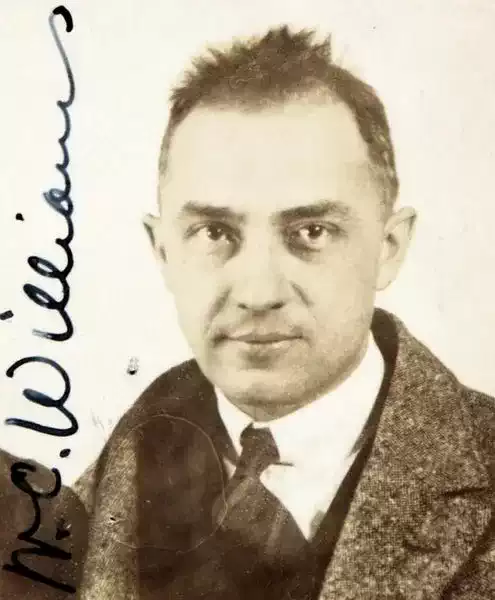
William Carlos Williams
Portrait of a Lady
Portrait of a Lady
Your thighs are appletrees
whose blossoms touch the sky.
Which sky? The sky
where Watteau hung a lady's
slipper. Your knees
are a southern breeze -- or
a gust of snow. Agh! what
sort of man was Fragonard?
-- As if that answered
anything. -- Ah, yes. Below
the knees, since the tune
drops that way, it is
one of those white summer days,
the tall grass of your ankles
flickers upon the shore --
Which shore? --
the sand clings to my lips --
Which shore?
Agh, petals maybe. How
should I know?
Which shore? Which shore?
-- the petals from some hidden
appletree -- Which shore?
I said petals from an appletree.
Your thighs are appletrees
whose blossoms touch the sky.
Which sky? The sky
where Watteau hung a lady's
slipper. Your knees
are a southern breeze -- or
a gust of snow. Agh! what
sort of man was Fragonard?
-- As if that answered
anything. -- Ah, yes. Below
the knees, since the tune
drops that way, it is
one of those white summer days,
the tall grass of your ankles
flickers upon the shore --
Which shore? --
the sand clings to my lips --
Which shore?
Agh, petals maybe. How
should I know?
Which shore? Which shore?
-- the petals from some hidden
appletree -- Which shore?
I said petals from an appletree.
337
William Carlos Williams
Queen Anne's Lace
Queen Anne's Lace
Her body is not so white as
anemone petals nor so smooth--nor
so remote a thing. It is a field
of the wild carrot taking
thefield by force; the grass
does not raise above it.
Here is no question of whiteness,
white as can be, with a purple mole
at the center of each flower.
Each flower is a hand's span
of her whiteness. Wherever
his hand has lain there is
a tiny purple blossom under his touch
to which the fibres of her being
stem one by one, each to its end,
until the whole field is a
white desire, empty, a single stem,
a cluster, flower by flower,
a pious wish to whiteness gone over--
or nothing.
Her body is not so white as
anemone petals nor so smooth--nor
so remote a thing. It is a field
of the wild carrot taking
thefield by force; the grass
does not raise above it.
Here is no question of whiteness,
white as can be, with a purple mole
at the center of each flower.
Each flower is a hand's span
of her whiteness. Wherever
his hand has lain there is
a tiny purple blossom under his touch
to which the fibres of her being
stem one by one, each to its end,
until the whole field is a
white desire, empty, a single stem,
a cluster, flower by flower,
a pious wish to whiteness gone over--
or nothing.
490
William Carlos Williams
Nantucket
Nantucket
Flowers through the window
lavender and yellow
changed by white curtains –
Smell of cleanliness –
Sunshine of late afternoon –
On the glass tray
a glass pitcher, the tumbler
turned down, by which
a key is lying – And the
immaculate white bed
Flowers through the window
lavender and yellow
changed by white curtains –
Smell of cleanliness –
Sunshine of late afternoon –
On the glass tray
a glass pitcher, the tumbler
turned down, by which
a key is lying – And the
immaculate white bed
369
William Carlos Williams
Daisy
Daisy
The dayseye hugging the earth
in August, ha! Spring is
gone down in purple,
weeds stand high in the corn,
the rainbeaten furrow
is clotted with sorrel
and crabgrass, the
branch is black under
the heavy mass of the leaves--
The sun is upon a
slender green stem
ribbed lengthwise.
He lies on his back--
it is a woman also--
he regards his former
majesty and
round the yellow center,
split and creviced and done into
minute flowerheads, he sends out
his twenty rays-- a little
and the wind is among them
to grow cool there!
One turns the thing over
in his hand and looks
at it from the rear: brownedged,
green and pointed scales
armor his yellow.
But turn and turn,
the crisp petals remain
brief, translucent, greenfastened,
barely touching at the edges:
blades of limpid seashell.
The dayseye hugging the earth
in August, ha! Spring is
gone down in purple,
weeds stand high in the corn,
the rainbeaten furrow
is clotted with sorrel
and crabgrass, the
branch is black under
the heavy mass of the leaves--
The sun is upon a
slender green stem
ribbed lengthwise.
He lies on his back--
it is a woman also--
he regards his former
majesty and
round the yellow center,
split and creviced and done into
minute flowerheads, he sends out
his twenty rays-- a little
and the wind is among them
to grow cool there!
One turns the thing over
in his hand and looks
at it from the rear: brownedged,
green and pointed scales
armor his yellow.
But turn and turn,
the crisp petals remain
brief, translucent, greenfastened,
barely touching at the edges:
blades of limpid seashell.
456
William Carlos Williams
A Celebration
A Celebration
A middle-northern March, now as always--
gusts from the South broken against cold winds--
but from under, as if a slow hand lifted a tide,
it moves--not into April--into a second March,
the old skin of wind-clear scales dropping
upon the mold: this is the shadow projects the tree
upward causing the sun to shine in his sphere.
So we will put on our pink felt hat--new last year!
--newer this by virtue of brown eyes turning back
the seasons--and let us walk to the orchid-house,
see the flowers will take the prize tomorrow
at the Palace.
Stop here, these are our oleanders.
When they are in bloom--
You would waste words
It is clearer to me than if the pink
were on the branch. It would be a searching in
a colored cloud to reveal that which now, huskless,
shows the very reason for their being.
And these the orange-trees, in blossom--no need
to tell with this weight of perfume in the air.
If it were not so dark in this shed one could better
see the white.
It is that very perfume
has drawn the darkness down among the leaves.
Do I speak clearly enough?
It is this darkness reveals that which darkness alone
loosens and sets spinning on waxen wings--
not the touch of a finger-tip, not the motion
of a sigh. A too heavy sweetness proves
its own caretaker.
And here are the orchids!
Never having seen
such gaiety I will read these flowers for you:
This is an odd January, died--in Villon's time.
Snow, this is and this the stain of a violet
grew in that place the spring that foresaw its own doom.
And this, a certain July from Iceland:
a young woman of that place
breathed it toward the South. It took root there.
The color ran true but the plant is small.
This falling spray of snow-flakes is
a handful of dead Februaries
prayed into flower by Rafael Arevalo Martinez
of Guatemala.
Here's that old friend who
went by my side so many years: this full, fragile
head of veined lavender. Oh that April
that we first went with our stiff lusts
leaving the city behind, out to the green hill--
May, they said she was. A hand for all of us:
this branch of blue butterflies tied to this stem.
June is a yellow cup I'll not name; August
the over-heavy one. And here are--
russet and shiny, all but March. And March?
Ah, March--
Flowers are a tiresome pastime.
One has a wish to shake them from their pots
root and stem, for the sun to gnaw.
Walk out again into the cold and saunter home
to the fire. This day has blossomed long enough.
I have wiped out the red night and lit a blaze
instead which will at least warm our hands
and stir up the talk.
I think we have kept fair time.
Time is a green orchard.
A middle-northern March, now as always--
gusts from the South broken against cold winds--
but from under, as if a slow hand lifted a tide,
it moves--not into April--into a second March,
the old skin of wind-clear scales dropping
upon the mold: this is the shadow projects the tree
upward causing the sun to shine in his sphere.
So we will put on our pink felt hat--new last year!
--newer this by virtue of brown eyes turning back
the seasons--and let us walk to the orchid-house,
see the flowers will take the prize tomorrow
at the Palace.
Stop here, these are our oleanders.
When they are in bloom--
You would waste words
It is clearer to me than if the pink
were on the branch. It would be a searching in
a colored cloud to reveal that which now, huskless,
shows the very reason for their being.
And these the orange-trees, in blossom--no need
to tell with this weight of perfume in the air.
If it were not so dark in this shed one could better
see the white.
It is that very perfume
has drawn the darkness down among the leaves.
Do I speak clearly enough?
It is this darkness reveals that which darkness alone
loosens and sets spinning on waxen wings--
not the touch of a finger-tip, not the motion
of a sigh. A too heavy sweetness proves
its own caretaker.
And here are the orchids!
Never having seen
such gaiety I will read these flowers for you:
This is an odd January, died--in Villon's time.
Snow, this is and this the stain of a violet
grew in that place the spring that foresaw its own doom.
And this, a certain July from Iceland:
a young woman of that place
breathed it toward the South. It took root there.
The color ran true but the plant is small.
This falling spray of snow-flakes is
a handful of dead Februaries
prayed into flower by Rafael Arevalo Martinez
of Guatemala.
Here's that old friend who
went by my side so many years: this full, fragile
head of veined lavender. Oh that April
that we first went with our stiff lusts
leaving the city behind, out to the green hill--
May, they said she was. A hand for all of us:
this branch of blue butterflies tied to this stem.
June is a yellow cup I'll not name; August
the over-heavy one. And here are--
russet and shiny, all but March. And March?
Ah, March--
Flowers are a tiresome pastime.
One has a wish to shake them from their pots
root and stem, for the sun to gnaw.
Walk out again into the cold and saunter home
to the fire. This day has blossomed long enough.
I have wiped out the red night and lit a blaze
instead which will at least warm our hands
and stir up the talk.
I think we have kept fair time.
Time is a green orchard.
539
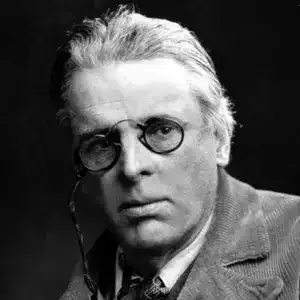
William Butler Yeats
Veronica's Napkin
Veronica's Napkin
THE Heavenly Circuit; Berenice's Hair;
Tent-pole of Eden; the tent's drapery;
Symbolical glory of thc earth and air!
The Father and His angelic hierarchy
That made the magnitude and glory there
Stood in the circuit of a needle's eye.
Some found a different pole, and where it stood
A pattern on a napkin dipped in blood.
THE Heavenly Circuit; Berenice's Hair;
Tent-pole of Eden; the tent's drapery;
Symbolical glory of thc earth and air!
The Father and His angelic hierarchy
That made the magnitude and glory there
Stood in the circuit of a needle's eye.
Some found a different pole, and where it stood
A pattern on a napkin dipped in blood.
322
William Butler Yeats
To The Rose Upon The Rood Of Time
To The Rose Upon The Rood Of Time
Red Rose, proud Rose, sad Rose of all my days!
Come near me, while I sing the ancient ways:
Cuchulain battling with the bitter tide;
The Druid, grey, wood-nurtured, quiet-eyed,
Who cast round Fergus dreams, and ruin untold;
And thine own sadness, where of stars, grown old
In dancing silver-sandalled on the sea,
Sing in their high and lonely melody.
Come near, that no more blinded hy man's fate,
I find under the boughs of love and hate,
In all poor foolish things that live a day,
Eternal beauty wandering on her way.
Come near, come near, come near -- Ah, leave me still
A little space for the rose-breath to fill!
Lest I no more bear common things that crave;
The weak worm hiding down in its small cave,
The field-mouse running by me in the grass,
And heavy mortal hopes that toil and pass;
But seek alone to hear the strange things said
By God to the bright hearts of those long dead,
And learn to chaunt a tongue men do not know.
Come near; I would, before my time to go,
Sing of old Eire and the ancient ways:
Red Rose, proud Rose, sad Rose of all my days.
Red Rose, proud Rose, sad Rose of all my days!
Come near me, while I sing the ancient ways:
Cuchulain battling with the bitter tide;
The Druid, grey, wood-nurtured, quiet-eyed,
Who cast round Fergus dreams, and ruin untold;
And thine own sadness, where of stars, grown old
In dancing silver-sandalled on the sea,
Sing in their high and lonely melody.
Come near, that no more blinded hy man's fate,
I find under the boughs of love and hate,
In all poor foolish things that live a day,
Eternal beauty wandering on her way.
Come near, come near, come near -- Ah, leave me still
A little space for the rose-breath to fill!
Lest I no more bear common things that crave;
The weak worm hiding down in its small cave,
The field-mouse running by me in the grass,
And heavy mortal hopes that toil and pass;
But seek alone to hear the strange things said
By God to the bright hearts of those long dead,
And learn to chaunt a tongue men do not know.
Come near; I would, before my time to go,
Sing of old Eire and the ancient ways:
Red Rose, proud Rose, sad Rose of all my days.
485
William Butler Yeats
To A Young Beauty
To A Young Beauty
DEAR fellow-artist, why so free
With every sort of company,
With every Jack and Jill?
Choose your companions from the best;
Who draws a bucket with the rest
Soon topples down the hill.
You may, that mirror for a school,
Be passionate, not bountiful
As common beauties may,
Who were not born to keep in trim
With old Ezekiel's cherubim
But those of Beauvarlet.
I know what wages beauty gives,
How hard a life her setvant lives,
Yet praise the winters gone:
There is not a fool can call me friend,
And I may dine at journey's end
With Landor and with Donne.
DEAR fellow-artist, why so free
With every sort of company,
With every Jack and Jill?
Choose your companions from the best;
Who draws a bucket with the rest
Soon topples down the hill.
You may, that mirror for a school,
Be passionate, not bountiful
As common beauties may,
Who were not born to keep in trim
With old Ezekiel's cherubim
But those of Beauvarlet.
I know what wages beauty gives,
How hard a life her setvant lives,
Yet praise the winters gone:
There is not a fool can call me friend,
And I may dine at journey's end
With Landor and with Donne.
366
William Butler Yeats
The Shadowy Waters: The Harp of Aengus
The Shadowy Waters: The Harp of Aengus
Edain came out of Midhir's hill, and lay
Beside young Aengus in his tower of glass,
Where time is drowned in odour-laden winds
And Druid moons, and murmuring of boughs,
And sleepy boughs, and boughs where apples made
Of opal and ruhy and pale chrysolite
Awake unsleeping fires; and wove seven strings,
Sweet with all music, out of his long hair,
Because her hands had been made wild by love.
When Midhir's wife had changed her to a fly,
He made a harp with Druid apple-wood
That she among her winds might know he wept;
And from that hour he has watched over none
But faithful lovers.
Edain came out of Midhir's hill, and lay
Beside young Aengus in his tower of glass,
Where time is drowned in odour-laden winds
And Druid moons, and murmuring of boughs,
And sleepy boughs, and boughs where apples made
Of opal and ruhy and pale chrysolite
Awake unsleeping fires; and wove seven strings,
Sweet with all music, out of his long hair,
Because her hands had been made wild by love.
When Midhir's wife had changed her to a fly,
He made a harp with Druid apple-wood
That she among her winds might know he wept;
And from that hour he has watched over none
But faithful lovers.
441
William Butler Yeats
The Secret Rose
The Secret Rose
FAR-OFF, most secret, and inviolate Rose,
Enfold me in my hour of hours; where those
Who sought thee in the Holy Sepulchre,
Or in the wine-vat, dwell beyond the stir
And tumult of defeated dreams; and deep
Among pale eyelids, heavy with the sleep
Men have named beauty. Thy great leaves enfold
The ancient beards, the helms of ruby and gold
Of the crowned Magi; and the king whose eyes
Saw the pierced Hands and Rood of elder rise
In Druid vapour and make the torches dim;
Till vain frenzy awoke and he died; and him
Who met Fand walking among flaming dew
By a grey shore where the wind never blew,
And lost the world and Emer for a kiss;
And him who drove the gods out of their liss,
And till a hundred moms had flowered red
Feasted, and wept the barrows of his dead;
And the proud dreaming king who flung the crown
And sorrow away, and calling bard and clown
Dwelt among wine-stained wanderers in deep woods:
And him who sold tillage, and house, and goods,
And sought through lands and islands numberless years,
Until he found, with laughter and with tears,
A woman of so shining loveliness
That men threshed corn at midnight by a tress,
A little stolen tress. I, too, await
The hour of thy great wind of love and hate.
When shall the stars be blown about the sky,
Like the sparks blown out of a smithy, and die?
Surely thine hour has come, thy great wind blows,
Far-off, most secret, and inviolate Rose?
FAR-OFF, most secret, and inviolate Rose,
Enfold me in my hour of hours; where those
Who sought thee in the Holy Sepulchre,
Or in the wine-vat, dwell beyond the stir
And tumult of defeated dreams; and deep
Among pale eyelids, heavy with the sleep
Men have named beauty. Thy great leaves enfold
The ancient beards, the helms of ruby and gold
Of the crowned Magi; and the king whose eyes
Saw the pierced Hands and Rood of elder rise
In Druid vapour and make the torches dim;
Till vain frenzy awoke and he died; and him
Who met Fand walking among flaming dew
By a grey shore where the wind never blew,
And lost the world and Emer for a kiss;
And him who drove the gods out of their liss,
And till a hundred moms had flowered red
Feasted, and wept the barrows of his dead;
And the proud dreaming king who flung the crown
And sorrow away, and calling bard and clown
Dwelt among wine-stained wanderers in deep woods:
And him who sold tillage, and house, and goods,
And sought through lands and islands numberless years,
Until he found, with laughter and with tears,
A woman of so shining loveliness
That men threshed corn at midnight by a tress,
A little stolen tress. I, too, await
The hour of thy great wind of love and hate.
When shall the stars be blown about the sky,
Like the sparks blown out of a smithy, and die?
Surely thine hour has come, thy great wind blows,
Far-off, most secret, and inviolate Rose?
370
William Butler Yeats
The Rose Of Battle
The Rose Of Battle
ROSE of all Roses, Rose of all the World!
The tall thought-woven sails, that flap unfurled
Above the tide of hours, trouble the air,
And God's bell buoyed to be the water's care;
While hushed from fear, or loud with hope, a band
With blown, spray-dabbled hair gather at hand,
Turn if you may from battles never done,
I call, as they go by me one by one,
Danger no refuge holds, and war no peace,
For him who hears love sing and never cease,
Beside her clean-swept hearth, her quiet shade:
But gather all for whom no love hath made
A woven silence, or but came to cast
A song into the air, and singing passed
To smile on the pale dawn; and gather you
Who have sougft more than is in rain or dew,
Or in the sun and moon, or on the earth,
Or sighs amid the wandering, starry mirth,
Or comes in laughter from the sea's sad lips,
And wage God's battles in the long grey ships.
The sad, the lonely, the insatiable,
To these Old Night shall all her mystery tell;
God's bell has claimed them by the little cry
Of their sad hearts, that may not live nor die.
Rose of all Roses, Rose of all the World!
You, too, have come where the dim tides are hurled
Upon the wharves of sorrow, and heard ring
The bell that calls us on; the sweet far thing.
Beauty grown sad with its eternity
Made you of us, and of the dim grey sea.
Our long ships loose thought-woven sails and wait,
For God has bid them share an equal fate;
And when at last, defeated in His wars,
They have gone down under the same white stars,
We shall no longer hear the little cry
Of our sad hearts, that may not live nor die.
ROSE of all Roses, Rose of all the World!
The tall thought-woven sails, that flap unfurled
Above the tide of hours, trouble the air,
And God's bell buoyed to be the water's care;
While hushed from fear, or loud with hope, a band
With blown, spray-dabbled hair gather at hand,
Turn if you may from battles never done,
I call, as they go by me one by one,
Danger no refuge holds, and war no peace,
For him who hears love sing and never cease,
Beside her clean-swept hearth, her quiet shade:
But gather all for whom no love hath made
A woven silence, or but came to cast
A song into the air, and singing passed
To smile on the pale dawn; and gather you
Who have sougft more than is in rain or dew,
Or in the sun and moon, or on the earth,
Or sighs amid the wandering, starry mirth,
Or comes in laughter from the sea's sad lips,
And wage God's battles in the long grey ships.
The sad, the lonely, the insatiable,
To these Old Night shall all her mystery tell;
God's bell has claimed them by the little cry
Of their sad hearts, that may not live nor die.
Rose of all Roses, Rose of all the World!
You, too, have come where the dim tides are hurled
Upon the wharves of sorrow, and heard ring
The bell that calls us on; the sweet far thing.
Beauty grown sad with its eternity
Made you of us, and of the dim grey sea.
Our long ships loose thought-woven sails and wait,
For God has bid them share an equal fate;
And when at last, defeated in His wars,
They have gone down under the same white stars,
We shall no longer hear the little cry
Of our sad hearts, that may not live nor die.
459
William Butler Yeats
The Rose Of The World
The Rose Of The World
WHO dreamed that beauty passes like a dream?
For these red lips, with all their mournful pride,
Mournful that no new wonder may betide,
Troy passed away in one high funeral gleam,
And Usna's children died.
We and the labouring world are passing by:
Amid men's souls, that waver and give place
Like the pale waters in their wintry race,
Under the passing stars, foam of the sky,
Lives on this lonely face.
Bow down, archangels, in your dim abode:
Before you were, or any hearts to beat,
Weary and kind one lingered by His seat;
He made the world to be a grassy road
Before her wandering feet.
WHO dreamed that beauty passes like a dream?
For these red lips, with all their mournful pride,
Mournful that no new wonder may betide,
Troy passed away in one high funeral gleam,
And Usna's children died.
We and the labouring world are passing by:
Amid men's souls, that waver and give place
Like the pale waters in their wintry race,
Under the passing stars, foam of the sky,
Lives on this lonely face.
Bow down, archangels, in your dim abode:
Before you were, or any hearts to beat,
Weary and kind one lingered by His seat;
He made the world to be a grassy road
Before her wandering feet.
368
William Butler Yeats
The Living Beauty
The Living Beauty
I BADE, because the wick and oil are spent
And frozen are the channels of the blood,
My discontented heart to draw content
From beauty that is cast out of a mould
In bronze, or that in dazzling marble appears,
Appears, but when wc have gone is gone again,
Being more indifferent to our solitude
Than 'twere an apparition. O heart, we are old;
The living beauty is for younger men:
We cannot pay its rribute of wild tears.
I BADE, because the wick and oil are spent
And frozen are the channels of the blood,
My discontented heart to draw content
From beauty that is cast out of a mould
In bronze, or that in dazzling marble appears,
Appears, but when wc have gone is gone again,
Being more indifferent to our solitude
Than 'twere an apparition. O heart, we are old;
The living beauty is for younger men:
We cannot pay its rribute of wild tears.
283
William Butler Yeats
The Folly Of Being Comforted
The Folly Of Being Comforted
ONE that is ever kind said yesterday:
'Your well-beloved's hair has threads of grey,
And little shadows come about her eyes;
Time can but make it easier to be wise
Though now it seems impossible, and so
All that you need is patience.'
Heart cries, 'No,
I have not a crumb of comfort, not a grain.
Time can but make her beauty over again:
Because of that great nobleness of hers
The fire that stirs about her, when she stirs,
Burns but more clearly. O she had not these ways
When all the wild Summer was in her gaze.'
Heart! O heart! if she'd but turn her head,
You'd know the folly of being comforted.
ONE that is ever kind said yesterday:
'Your well-beloved's hair has threads of grey,
And little shadows come about her eyes;
Time can but make it easier to be wise
Though now it seems impossible, and so
All that you need is patience.'
Heart cries, 'No,
I have not a crumb of comfort, not a grain.
Time can but make her beauty over again:
Because of that great nobleness of hers
The fire that stirs about her, when she stirs,
Burns but more clearly. O she had not these ways
When all the wild Summer was in her gaze.'
Heart! O heart! if she'd but turn her head,
You'd know the folly of being comforted.
404
William Butler Yeats
Symbols
Symbols
A STORM BEATEN old watch-tower,
A blind hermit rings the hour.
All-destroying sword-blade still
Carried by the wandering fool.
Gold-sewn silk on the sword-blade,
Beauty and fool together laid.
A STORM BEATEN old watch-tower,
A blind hermit rings the hour.
All-destroying sword-blade still
Carried by the wandering fool.
Gold-sewn silk on the sword-blade,
Beauty and fool together laid.
309
William Butler Yeats
Peace
Peace
AH, that Time could touch a form
That could show what Homer's age
Bred to be a hero's wage.
'Were not all her life but storm
Would not painters paint a form
Of such noble lines,' I said,
'Such a delicate high head,
All that sternness amid charm,
All that sweetness amid strength?'
Ah, but peace that comes at length,
Came when Time had touched her form.
AH, that Time could touch a form
That could show what Homer's age
Bred to be a hero's wage.
'Were not all her life but storm
Would not painters paint a form
Of such noble lines,' I said,
'Such a delicate high head,
All that sternness amid charm,
All that sweetness amid strength?'
Ah, but peace that comes at length,
Came when Time had touched her form.
288
William Butler Yeats
His Phoenix
His Phoenix
THERE is a queen in China, or maybe it's in Spain,
And birthdays and holidays such praises can be heard
Of her unblemished lineaments, a whiteness with no stain,
That she might be that sprightly girl trodden by a bird;
And there's a score of duchesses, surpassing woma-kind,
Or who have found a painter to make them so for pay
And smooth out stain and blemish with the elegance of his mind:
I knew a phoenix in my youth, so let them have their day.
The young men every night applaud their Gaby's laughing eye,
And Ruth St. Denis had more charm although she had poor luck;
From nineteen hundred nine or ten, Pavlova's had the cry
And there's a player in the States who gathers up her cloak
And flings herself out of the room when Juliet would be bride
With all a woman's passion, a child's imperious way,
And there are -- but no matter if there are scores beside:
I knew a phoenix in my youth, so let them have their day.
There's Margaret and Marjorie and Dorothy and Nan,
A Daphne and a Mary who live in privacy;
One's had her fill of lovers, another's had but one,
Another boasts, 'I pick and choose and have but two or three.'
If head and limb have beauty and the instep's high and light
They can spread out what sail they please for all I have to say,
Be but the breakers of men's hearts or engines of delight:
I knew a phoenix in my youth, so let them have their day.
There'll be that crowd, that barbarous crowd, through all the centuries,
And who can say but some young belle may walk and talk men wild
Who is my beauty's equal, though that my heart denies,
But not the exact likeness, the simplicity of a child,
And that proud look as though she had gazed into the burning sun,
And all the shapely body no tittle gone astray.
I mourn for that most lonely thing; and yet God's will be done:
I knew a phoenix in my youth, so let them have their day.
THERE is a queen in China, or maybe it's in Spain,
And birthdays and holidays such praises can be heard
Of her unblemished lineaments, a whiteness with no stain,
That she might be that sprightly girl trodden by a bird;
And there's a score of duchesses, surpassing woma-kind,
Or who have found a painter to make them so for pay
And smooth out stain and blemish with the elegance of his mind:
I knew a phoenix in my youth, so let them have their day.
The young men every night applaud their Gaby's laughing eye,
And Ruth St. Denis had more charm although she had poor luck;
From nineteen hundred nine or ten, Pavlova's had the cry
And there's a player in the States who gathers up her cloak
And flings herself out of the room when Juliet would be bride
With all a woman's passion, a child's imperious way,
And there are -- but no matter if there are scores beside:
I knew a phoenix in my youth, so let them have their day.
There's Margaret and Marjorie and Dorothy and Nan,
A Daphne and a Mary who live in privacy;
One's had her fill of lovers, another's had but one,
Another boasts, 'I pick and choose and have but two or three.'
If head and limb have beauty and the instep's high and light
They can spread out what sail they please for all I have to say,
Be but the breakers of men's hearts or engines of delight:
I knew a phoenix in my youth, so let them have their day.
There'll be that crowd, that barbarous crowd, through all the centuries,
And who can say but some young belle may walk and talk men wild
Who is my beauty's equal, though that my heart denies,
But not the exact likeness, the simplicity of a child,
And that proud look as though she had gazed into the burning sun,
And all the shapely body no tittle gone astray.
I mourn for that most lonely thing; and yet God's will be done:
I knew a phoenix in my youth, so let them have their day.
436
William Butler Yeats
He Tells Of The Perfect Beauty
He Tells Of The Perfect Beauty
O CLOUD-PALE eyelids, dream-dimmed eyes,
The poets labouring all their days
To build a perfect beauty in rhyme
Are overthrown by a woman's gaze
And by the unlabouring brood of the skies:
And therefore my heart will bow, when dew
Is dropping sleep, until God burn time,
Before the unlabouring stars and you.
O CLOUD-PALE eyelids, dream-dimmed eyes,
The poets labouring all their days
To build a perfect beauty in rhyme
Are overthrown by a woman's gaze
And by the unlabouring brood of the skies:
And therefore my heart will bow, when dew
Is dropping sleep, until God burn time,
Before the unlabouring stars and you.
325
William Butler Yeats
He Gives His Beloved Certain Rhymes
He Gives His Beloved Certain Rhymes
FASTEN your hair with a golden pin,
And bind up every wandering tress;
I bade my heart build these poor rhymes:
It worked at them, day out, day in,
Building a sorrowful loveliness
Out of the battles of old times.
You need but lift a pearl-pale hand,
And bind up your long hair and sigh;
And all men's hearts must burn and beat;
And candle-like foam on the dim sand,
And stars climbing the dew-dropping sky,
Live but to light your passing feet.
FASTEN your hair with a golden pin,
And bind up every wandering tress;
I bade my heart build these poor rhymes:
It worked at them, day out, day in,
Building a sorrowful loveliness
Out of the battles of old times.
You need but lift a pearl-pale hand,
And bind up your long hair and sigh;
And all men's hearts must burn and beat;
And candle-like foam on the dim sand,
And stars climbing the dew-dropping sky,
Live but to light your passing feet.
264
William Butler Yeats
Anashuya And Vijaya
Anashuya And Vijaya
A little Indian temple in the Golden Age. Around it a garden;
around that the forest. Anashuya, the young priestess, kneelinq
within the temple.
Anashuya. Send peace on all the lands and flickering
corn. --
O, may tranquillity walk by his elbow
When wandering in the forest, if he love
No other. -- Hear, and may the indolent flocks
Be plentiful. -- And if he love another,
May panthers end him. -- Hear, and load our king
With wisdom hour by hour. -- May we two stand,
When we are dead, beyond the setting suns,
A little from the other shades apart,
With mingling hair, and play upon one lute.
Vijaya [entering and throwing a lily at her]. Hail! hail, my
Anashuya.
Anashuya. No: be still.
I, priestess of this temple, offer up
prayers for the land.
Vijaya. I will wait here, Amrita.
Anashuya. By mighty Brahma's ever-rustling robe,
Who is Amrita? Sorrow of all sorrows!
Another fills your mind.
Vijaya. My mother's name.
Anashuya [sings, coming out of the temple].
A sad, sad thought went by me slowly:
Sigh, O you little stars.! O sigh and shake your blue
apparel.!
The sad, sad thought has gone from me now wholly:
Sing, O you little stars.! O sing and raise your rapturous
carol
To mighty Brahma, be who made you many as the sands,
And laid you on the gates of evening with his quiet hands.
(Sits down on the steps of the temple.j
Vijaya, I have brought my evening rice;
The sun has laid his chin on the grey wood,
Weary, with all his poppies gathered round him.
Vijaya. The hour when Kama, full of sleepy laughter,
Rises, and showers abroad his fragrant arrows,
Piercing the twilight with their murmuring barbs.
Anashuya. See-how the sacred old flamingoes come.
Painting with shadow all the marble steps:
Aged and wise, they seek their wonted perches
Within the temple, devious walking, made
To wander by their melancholy minds.
Yon tall one eyes my supper; chase him away,
Far, far away. I named him after you.
He is a famous fisher; hour by hour
He ruffles with his bill the minnowed streams.
Ah! there he snaps my rice. I told you so.
Now cuff him off. He's off! A kiss for you,
Because you saved my rice. Have you no thanks?
Vijaya [sings]. Sing you of her, O first few stars,
Whom Brahma, touching with his finger, praises, for you
hold
The van of wandering quiet; ere you be too calm and old,
Sing, turning in your cars,
Sing, till you raise your hands and sigh, and from your carheads
peer,
With all your whirling hair, and drop many an azure tear.
Anashuya. What know the pilots of the stars of tears?
Vijaya. Their faces are all worn, and in their eyes
Flashes the fire of sadness, for they see
The icicles that famish all the North,
Where men lie frozen in the glimmering snow;
And in the flaming forests cower the lion
And lioness, with all their whimpering cubs;
And, ever pacing on the verge of things,
The phantom, Beauty, in a mist of tears;
While we alone have round us woven woods,
And feel the softness of each other's hand,
Amrita, while -- -
Anashuya [going away from him].
Ah me! you love another,
[Bursting into tears.]
And may some sudden dreadful ill befall her!
Vijaya. I loved another; now I love no other.
Among the mouldering of ancient woods
You live, and on the village border she,
With her old father the blind wood-cutter;
I saw her standing in her door but now.
Anashuya. Vijaya, swear to love her never more.
Vijaya. Ay, ay.
Anashuya. Swear by the parents of the gods,
Dread oath, who dwell on sacred Himalay,
On the far Golden peak; enormous shapes,
Who still were old when the great sea was young;
On their vast faces mystery and dreams;
Their hair along the mountains rolled and filled
From year to year by the unnumbered nests
Of aweless birds, and round their stirless feet
The joyous flocks of deer and antelope,
Who never hear the unforgiving hound.
Swear!
Vijaya. By the parents of the gods, I swear.
Anashuya [sings]. I have forgiven, O new star!
Maybe you have not heard of us, you have come forth so
newly,
You hunter of the fields afar!
Ah, you will know my loved one by his hunter's arrows
truly,
Shoot on him shafts of quietness, that he may ever keep
A lonely laughter, and may kiss his hands to me in sleep.
Farewell, Vijaya. Nay, no word, no word;
I, priestess of this temple, offer up
Prayers for the land.
[Vijaya goes.]
O Brahma, guard in sleep
The merry lambs and the complacent kine,
The flies below the leaves, and the young mice
In the tree roots, and all the sacred flocks
Of red flamingoes; and my love, Vijaya;
And may no restless fay with fidget finger
Trouble his sleeping: give him dreams of me.
A little Indian temple in the Golden Age. Around it a garden;
around that the forest. Anashuya, the young priestess, kneelinq
within the temple.
Anashuya. Send peace on all the lands and flickering
corn. --
O, may tranquillity walk by his elbow
When wandering in the forest, if he love
No other. -- Hear, and may the indolent flocks
Be plentiful. -- And if he love another,
May panthers end him. -- Hear, and load our king
With wisdom hour by hour. -- May we two stand,
When we are dead, beyond the setting suns,
A little from the other shades apart,
With mingling hair, and play upon one lute.
Vijaya [entering and throwing a lily at her]. Hail! hail, my
Anashuya.
Anashuya. No: be still.
I, priestess of this temple, offer up
prayers for the land.
Vijaya. I will wait here, Amrita.
Anashuya. By mighty Brahma's ever-rustling robe,
Who is Amrita? Sorrow of all sorrows!
Another fills your mind.
Vijaya. My mother's name.
Anashuya [sings, coming out of the temple].
A sad, sad thought went by me slowly:
Sigh, O you little stars.! O sigh and shake your blue
apparel.!
The sad, sad thought has gone from me now wholly:
Sing, O you little stars.! O sing and raise your rapturous
carol
To mighty Brahma, be who made you many as the sands,
And laid you on the gates of evening with his quiet hands.
(Sits down on the steps of the temple.j
Vijaya, I have brought my evening rice;
The sun has laid his chin on the grey wood,
Weary, with all his poppies gathered round him.
Vijaya. The hour when Kama, full of sleepy laughter,
Rises, and showers abroad his fragrant arrows,
Piercing the twilight with their murmuring barbs.
Anashuya. See-how the sacred old flamingoes come.
Painting with shadow all the marble steps:
Aged and wise, they seek their wonted perches
Within the temple, devious walking, made
To wander by their melancholy minds.
Yon tall one eyes my supper; chase him away,
Far, far away. I named him after you.
He is a famous fisher; hour by hour
He ruffles with his bill the minnowed streams.
Ah! there he snaps my rice. I told you so.
Now cuff him off. He's off! A kiss for you,
Because you saved my rice. Have you no thanks?
Vijaya [sings]. Sing you of her, O first few stars,
Whom Brahma, touching with his finger, praises, for you
hold
The van of wandering quiet; ere you be too calm and old,
Sing, turning in your cars,
Sing, till you raise your hands and sigh, and from your carheads
peer,
With all your whirling hair, and drop many an azure tear.
Anashuya. What know the pilots of the stars of tears?
Vijaya. Their faces are all worn, and in their eyes
Flashes the fire of sadness, for they see
The icicles that famish all the North,
Where men lie frozen in the glimmering snow;
And in the flaming forests cower the lion
And lioness, with all their whimpering cubs;
And, ever pacing on the verge of things,
The phantom, Beauty, in a mist of tears;
While we alone have round us woven woods,
And feel the softness of each other's hand,
Amrita, while -- -
Anashuya [going away from him].
Ah me! you love another,
[Bursting into tears.]
And may some sudden dreadful ill befall her!
Vijaya. I loved another; now I love no other.
Among the mouldering of ancient woods
You live, and on the village border she,
With her old father the blind wood-cutter;
I saw her standing in her door but now.
Anashuya. Vijaya, swear to love her never more.
Vijaya. Ay, ay.
Anashuya. Swear by the parents of the gods,
Dread oath, who dwell on sacred Himalay,
On the far Golden peak; enormous shapes,
Who still were old when the great sea was young;
On their vast faces mystery and dreams;
Their hair along the mountains rolled and filled
From year to year by the unnumbered nests
Of aweless birds, and round their stirless feet
The joyous flocks of deer and antelope,
Who never hear the unforgiving hound.
Swear!
Vijaya. By the parents of the gods, I swear.
Anashuya [sings]. I have forgiven, O new star!
Maybe you have not heard of us, you have come forth so
newly,
You hunter of the fields afar!
Ah, you will know my loved one by his hunter's arrows
truly,
Shoot on him shafts of quietness, that he may ever keep
A lonely laughter, and may kiss his hands to me in sleep.
Farewell, Vijaya. Nay, no word, no word;
I, priestess of this temple, offer up
Prayers for the land.
[Vijaya goes.]
O Brahma, guard in sleep
The merry lambs and the complacent kine,
The flies below the leaves, and the young mice
In the tree roots, and all the sacred flocks
Of red flamingoes; and my love, Vijaya;
And may no restless fay with fidget finger
Trouble his sleeping: give him dreams of me.
391
William Butler Yeats
A Woman homer Sung
A Woman homer Sung
IF any man drew near
When I was young,
I thought, 'He holds her dear,'
And shook with hate and fear.
But O! 'twas bitter wrong
If he could pass her by
With an indifferent eye.
Whereon I wrote and wrought,
And now, being grey,
I dream that I have brought
To such a pitch my thought
That coming time can say,
'He shadowed in a glass
What thing her body was.'
For she had fiery blood
When I was young,
And trod so sweetly proud
As 'twere upon a cloud,
A woman Homer sung,
That life and letters seem
But an heroic dream.
IF any man drew near
When I was young,
I thought, 'He holds her dear,'
And shook with hate and fear.
But O! 'twas bitter wrong
If he could pass her by
With an indifferent eye.
Whereon I wrote and wrought,
And now, being grey,
I dream that I have brought
To such a pitch my thought
That coming time can say,
'He shadowed in a glass
What thing her body was.'
For she had fiery blood
When I was young,
And trod so sweetly proud
As 'twere upon a cloud,
A woman Homer sung,
That life and letters seem
But an heroic dream.
330
William Butler Yeats
Adam's Curse
Adam's Curse
WE sat together at one summer's end,
That beautiful mild woman, your close friend,
And you and I, and talked of poetry.
I said, 'A line will take us hours maybe;
Yet if it does not seem a moment's thought,
Our stitching and unstitching has been naught.
Better go down upon your marrow-bones
And scrub a kitchen pavement, or break stones
Like an old pauper, in all kinds of weather;
For to articulate sweet sounds together
Is to work harder than all these, and yet
Be thought an idler by the noisy set
Of bankers, schoolmasters, and clergymen
The martyrs call the world.'
And thereupon
That beautiful mild woman for whose sake
There's many a one shall find out all heartache
On finding that her voice is sweet and low
Replied, 'To be born woman is to know --
Although they do not talk of it at school --
That we must labour to be beautiful.'
I said, 'It's certain there is no fine thing
Since Adam's fall but needs much labouring.
There have been lovers who thought love should be
So much compounded of high courtesy
That they would sigh and quote with learned looks
precedents out of beautiful old books;
Yet now it seems an idle trade enough.'
We sat grown quiet at the name of love;
We saw the last embers of daylight die,
And in the trembling blue-green of the sky
A moon, worn as if it had been a shell
Washed by time's waters as they rose and fell
About the stars and broke in days and years.
I had a thought for no one's but your ears:
That you were beautiful, and that I strove
To love you in the old high way of love;
That it had all seemed happy, and yet we'd grown
As weary-hearted as that hollow moon.
WE sat together at one summer's end,
That beautiful mild woman, your close friend,
And you and I, and talked of poetry.
I said, 'A line will take us hours maybe;
Yet if it does not seem a moment's thought,
Our stitching and unstitching has been naught.
Better go down upon your marrow-bones
And scrub a kitchen pavement, or break stones
Like an old pauper, in all kinds of weather;
For to articulate sweet sounds together
Is to work harder than all these, and yet
Be thought an idler by the noisy set
Of bankers, schoolmasters, and clergymen
The martyrs call the world.'
And thereupon
That beautiful mild woman for whose sake
There's many a one shall find out all heartache
On finding that her voice is sweet and low
Replied, 'To be born woman is to know --
Although they do not talk of it at school --
That we must labour to be beautiful.'
I said, 'It's certain there is no fine thing
Since Adam's fall but needs much labouring.
There have been lovers who thought love should be
So much compounded of high courtesy
That they would sigh and quote with learned looks
precedents out of beautiful old books;
Yet now it seems an idle trade enough.'
We sat grown quiet at the name of love;
We saw the last embers of daylight die,
And in the trembling blue-green of the sky
A moon, worn as if it had been a shell
Washed by time's waters as they rose and fell
About the stars and broke in days and years.
I had a thought for no one's but your ears:
That you were beautiful, and that I strove
To love you in the old high way of love;
That it had all seemed happy, and yet we'd grown
As weary-hearted as that hollow moon.
415
William Butler Yeats
A Bronze Head
A Bronze Head
HERE at right of the entrance this bronze head,
Human, superhuman, a bird's round eye,
Everything else withered and mummy-dead.
What great tomb-haunter sweeps the distant sky
(Something may linger there though all else die;)
And finds there nothing to make its tetror less
i{Hysterica passio} of its own emptiness?
No dark tomb-haunter once; her form all full
As though with magnanimity of light,
Yet a most gentle woman; who can tell
Which of her forms has shown her substance right?
Or maybe substance can be composite,
profound McTaggart thought so, and in a breath
A mouthful held the extreme of life and death.
But even at the starting-post, all sleek and new,
I saw the wildness in her and I thought
A vision of terror that it must live through
Had shattered her soul. Propinquity had brought
Imagiation to that pitch where it casts out
All that is not itself: I had grown wild
And wandered murmuring everywhere, 'My child, my
child! '
Or else I thought her supernatural;
As though a sterner eye looked through her eye
On this foul world in its decline and fall;
On gangling stocks grown great, great stocks run dry,
Ancestral pearls all pitched into a sty,
Heroic reverie mocked by clown and knave,
And wondered what was left for massacre to save.
HERE at right of the entrance this bronze head,
Human, superhuman, a bird's round eye,
Everything else withered and mummy-dead.
What great tomb-haunter sweeps the distant sky
(Something may linger there though all else die;)
And finds there nothing to make its tetror less
i{Hysterica passio} of its own emptiness?
No dark tomb-haunter once; her form all full
As though with magnanimity of light,
Yet a most gentle woman; who can tell
Which of her forms has shown her substance right?
Or maybe substance can be composite,
profound McTaggart thought so, and in a breath
A mouthful held the extreme of life and death.
But even at the starting-post, all sleek and new,
I saw the wildness in her and I thought
A vision of terror that it must live through
Had shattered her soul. Propinquity had brought
Imagiation to that pitch where it casts out
All that is not itself: I had grown wild
And wandered murmuring everywhere, 'My child, my
child! '
Or else I thought her supernatural;
As though a sterner eye looked through her eye
On this foul world in its decline and fall;
On gangling stocks grown great, great stocks run dry,
Ancestral pearls all pitched into a sty,
Heroic reverie mocked by clown and knave,
And wondered what was left for massacre to save.
423
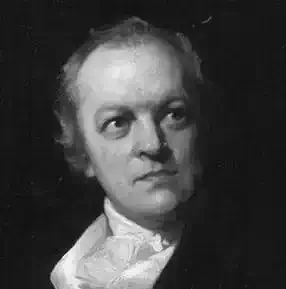
William Blake
To Spring
To Spring
O thou with dewy locks, who lookest down
Thro' the clear windows of the morning, turn
Thine angel eyes upon our western isle,
Which in full choir hails thy approach, O Spring!
The hills tell each other, and the listening
Valleys hear; all our longing eyes are turned
Up to thy bright pavilions: issue forth,
And let thy holy feet visit our clime.
Come o'er the eastern hills, and let our winds
Kiss thy perfumed garments; let us taste
Thy morn and evening breath; scatter thy pearls
Upon our love-sick land that mourns for thee.
O deck her forth with thy fair fingers; pour
Thy soft kisses on her bosom; and put
Thy golden crown upon her languished head,
Whose modest tresses were bound up for thee.
O thou with dewy locks, who lookest down
Thro' the clear windows of the morning, turn
Thine angel eyes upon our western isle,
Which in full choir hails thy approach, O Spring!
The hills tell each other, and the listening
Valleys hear; all our longing eyes are turned
Up to thy bright pavilions: issue forth,
And let thy holy feet visit our clime.
Come o'er the eastern hills, and let our winds
Kiss thy perfumed garments; let us taste
Thy morn and evening breath; scatter thy pearls
Upon our love-sick land that mourns for thee.
O deck her forth with thy fair fingers; pour
Thy soft kisses on her bosom; and put
Thy golden crown upon her languished head,
Whose modest tresses were bound up for thee.
470