

Poems in this topic
Beauty
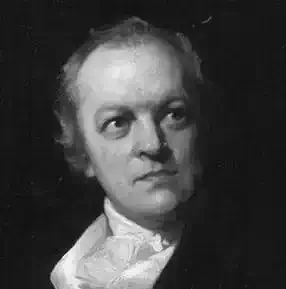
William Blake
The Lily
The Lily
The modest Rose puts forth a thorn,
The humble sheep a threat'ning horn:
While the Lily white shall in love delight,
Nor a thorn nor a threat stain her beauty bright.
The modest Rose puts forth a thorn,
The humble sheep a threat'ning horn:
While the Lily white shall in love delight,
Nor a thorn nor a threat stain her beauty bright.
472
William Blake
The Caverns of the Grave I've Seen
The Caverns of the Grave I've Seen
The Caverns of the Grave I've seen,
And these I show'd to England's Queen.
But now the Caves of Hell I view,
Who shall I dare to show them to?
What mighty soul i n Beauty's form
Shall dauntless view the infernal storm?
Egremont's Countess can control
The flames of Hell that round me roll;
If she refuse, I still go on
Till the Heavens and Earth are gone,
Still admir'd by noble minds,
Follow'd by Envy on the winds,
Re-engrav'd time after time,
Ever in their youthful prime,
My designs unchang'd remain.
Time may rage, but rage in vain.
For above Time's troubled fountains,
On the great Atlantic Mountains,
In my Golden House on high,
There they shine eternally.
The Caverns of the Grave I've seen,
And these I show'd to England's Queen.
But now the Caves of Hell I view,
Who shall I dare to show them to?
What mighty soul i n Beauty's form
Shall dauntless view the infernal storm?
Egremont's Countess can control
The flames of Hell that round me roll;
If she refuse, I still go on
Till the Heavens and Earth are gone,
Still admir'd by noble minds,
Follow'd by Envy on the winds,
Re-engrav'd time after time,
Ever in their youthful prime,
My designs unchang'd remain.
Time may rage, but rage in vain.
For above Time's troubled fountains,
On the great Atlantic Mountains,
In my Golden House on high,
There they shine eternally.
458
William Blake
Lily, The
Lily, The
The modest Rose puts forth a thorn,
The humble sheep a threat'ning horn:
While the Lily white shall in love delight,
Nor a thorn nor a threat stain her beauty bright.
The modest Rose puts forth a thorn,
The humble sheep a threat'ning horn:
While the Lily white shall in love delight,
Nor a thorn nor a threat stain her beauty bright.
340
William Blake
Holy Thursday
Holy Thursday
'Twas on a Holy Thursday, their innocent faces clean,
Came children walking two and two, in read, and blue, and green:
Grey-headed beadles walked before, with wands as white as snow,
Till into the high dome of Paul's they like Thames waters flow.
Oh what a multitude they seemed, these flowers of London town!
Seated in companies they sit, with radiance all their own.
The hum of multitudes was there, but multitudes of lambs,
Thousands of little boys and girls raising their innocent hands.
Now like a mighty wild they raise to heaven the voice of song,
Or like harmonious thunderings the seats of heaven among:
Beneath them sit the aged man, wise guardians of the poor.
Then cherish pity, lest you drive an angel from your door.
'Twas on a Holy Thursday, their innocent faces clean,
Came children walking two and two, in read, and blue, and green:
Grey-headed beadles walked before, with wands as white as snow,
Till into the high dome of Paul's they like Thames waters flow.
Oh what a multitude they seemed, these flowers of London town!
Seated in companies they sit, with radiance all their own.
The hum of multitudes was there, but multitudes of lambs,
Thousands of little boys and girls raising their innocent hands.
Now like a mighty wild they raise to heaven the voice of song,
Or like harmonious thunderings the seats of heaven among:
Beneath them sit the aged man, wise guardians of the poor.
Then cherish pity, lest you drive an angel from your door.
837
William Blake
Book of Thel, The
Book of Thel, The
THEL'S MOTTO
Does the Eagle know what is in the pit?
Or wilt thou go ask the Mole?
Can Wisdom be put in a silver rod?
Or Love in a golden bowl?
I
. The daughters of the Seraphim led round their sunny flocks,
. All but the youngest: she in paleness sought the secret air,
. To fade away like morning beauty from her mortal day:
. Down by the river of Adona her soft voice is heard,
. And thus her gentle lamentation falls like morning dew:
. "O life of this our spring! why fades the lotus of the water,
. Why fade these children of the spring, born but to smile and fall?
. Ah! Thel is like a wat'ry bow, and like a parting cloud;
. Like a reflection in a glass; like shadows in the water;
. Like dreams of infants, like a smile upon an infant's face;
. Like the dove's voice; like transient day; like music in the air.
. Ah! gentle may I lay me down, and gentle rest my head,
. And gentle sleep the sleep of death, and gentle hear the voice
. Of him that walketh in the garden in the evening time."
. The Lily of the valley, breathing in the humble grass,
. Answer'd the lovely maid and said: "I am a wat'ry weed,
. And I am very small and love to dwell in lowly vales;
. So weak, the gilded butterfly scarce perches on my head.
. Yet I am visited from heaven, and he that smiles on all
. Walks in the valley and each morn over me spreads his hand,
. Saying, 'Rejoice, thou humble grass, thou new-born lily-flower,
. Thou gentle maid of silent valleys and of modest brooks;
. For thou shalt be clothed in light, and fed with morning manna,
. Till summer's heat melts thee beside the fountains and the springs
. To flourish in eternal vales.' Then why should Thel complain?
. Why should the mistress of the vales of Har utter a sigh?"
. She ceas'd and smil'd in tears, then sat down in her silver shrine.
. Thel answer'd: "O thou little virgin of the peaceful valley,
. Giving to those that cannot crave, the voiceless, the o'ertired;
. Thy breath doth nourish the innocent lamb, he smells thy milky garments,
. He crops thy flowers while thou sittest smiling in his face,
. Wiping his mild and meekin mouth from all contagious taints.
. Thy wine doth purify the golden honey; thy perfume,
. Which thou dost scatter on every little blade of grass that springs,
. Revives the milked cow, and tames the fire-breathing steed.
. But Thel is like a faint cloud kindled at the rising sun:
. I vanish from my pearly throne, and who shall find my place?"
. "Queen of the vales," the Lily answer'd, "ask the tender cloud,
. And it shall tell thee why it glitters in the morning sky,
. And why it scatters its bright beauty thro' the humid air.
. Descend, O little Cloud, and hover before the eyes of Thel."
. The Cloud descended, and the Lily bow'd her modest head
. And went to mind her numerous charge among the verdant grass.
II
. "O little Cloud," the virgin said, "I charge thee tell to me
. Why thou complainest not when in one hour thou fade away:
. Then we shall seek thee, but not find. Ah! Thel is like to thee:
. I pass away: yet I complain, and no one hears my voice."
. The Cloud then shew'd his golden head and his bright form emerg'd,
. Hovering and glittering on the air before the face of Thel.
. "O virgin, know'st thou not our steeds drink of the golden springs
. Where Luvah doth renew his horses? Look'st thou on my youth,
. And fearest thou, because I vanish and am seen no more,
. Nothing remains? O maid, I tell thee, when I pass away
. It is to tenfold life, to love, to peace and raptures holy:
. Unseen descending, weigh my light wings upon balmy flowers,
. And court the fair-eyed dew to take me to her shining tent:
. The weeping virgin trembling kneels before the risen sun,
. Till we arise link'd in a golden band and never part,
. But walk united, bearing food to all our tender flowers."
. "Dost thou, O little Cloud? I fear that I am not like thee,
. For I walk thro' the vales of Har, and smell the sweetest flowers,
. But I feed not the little flowers; I hear the warbling birds,
. But I feed not the warbling birds; they fly and seek their food:
. But Thel delights in these no more, because I fade away;
. And all shall say, 'Without a use this shining woman liv'd,
. Or did she only live to be at death the food of worms?' "
. The Cloud reclin'd upon his airy throne and answer'd thus:
. "Then if thou art the food of worms, O virgin of the skies,
. How great thy use, how great thy blessing! Every thing that lives
. Lives not alone nor for itself. Fear not, and I will call
. The weak worm from its lowly bed, and thou shalt hear its voice,
. Come forth, worm of the silent valley, to thy pensive queen."
. The helpless worm arose, and sat upon the Lily's leaf,
. And the bright Cloud sail'd on, to find his partner in the vale.
III
. Then Thel astonish'd view'd the Worm upon its dewy bed.
. "Art thou a Worm? Image of weakness, art thou but a Worm?
. I see thee like an infant wrapped in the Lily's leaf
. Ah! weep not, little voice, thou canst not speak, but thou canst weep.
. Is this a Worm? I see thee lay helpless and naked, weeping,
. And none to answer, none to cherish thee with mother's smiles."
. The Clod of Clay heard the Worm's voice and rais'd her pitying head:
. She bow'd over the weeping infant, and her life exhal'd
. In milky fondness: then on Thel she fix'd her humble eyes.
. "O beauty of the vales of Har! we live not for ourselves.
. Thou seest me the meanest thing, and so I am indeed.
. My bosom of itself is cold, and of itself is dark;
. But he, that loves the lowly, pours his oil upon my head,
. And kisses me, and binds his nuptial bands around my breast,
. And says: 'Thou mother of my children, I have loved thee
. And I have given thee a crown that none can take away.'
. But how this is, sweet maid, I know not, and I cannot know;
. I ponder, and I cannot ponder; yet I live and love."
. The daughter of beauty wip'd her pitying tears with her white veil,
. And said: "Alas! I knew not this, and therefore did I weep.
. That God would love a Worm I knew, and punish the evil foot
. That wilful bruis'd its helpless form; but that he cherish'd it
. With milk and oil I never knew, and therefore did I weep;
. And I complain'd in the mild air, because I fade away,
. And lay me down in thy cold bed, and leave my shining lot."
. "Queen of the vales," the matron Clay answer'd, "I heard thy sighs,
. And all thy moans flew o'er my roof, but I have call'd them down.
. Wilt thou, O Queen, enter my house? 'Tis given thee to enter
. And to return: fear nothing, enter with thy virgin feet."
IV
. The eternal gates' terrific porter lifted the northern bar:
. Thel enter'd in and saw the secrets of the land unknown.
. She saw the couches of the dead, and where the fibrous roots
. Of every heart on earth infixes deep its restless twists:
. A land of sorrows and of tears where never smile was seen.
. She wander'd in the land of clouds thro' valleys dark, list'ning
. Dolours and lamentations; waiting oft beside a dewy grave
. She stood in silence, list'ning to the voices of the ground,
. Till to her own grave plot she came, and there she sat down,
. And heard this voice of sorrow breathed from the hollow pit.
. "Why cannot the Ear be closed to its own destruction?
. Or the glist'ning Eye to the poison of a smile?
. Why are Eyelids stor'd with arrows ready drawn,
. Where a thousand fighting men in ambush lie?
. Or an Eye of gifts and graces show'ring fruits and coined gold?
. Why a Tongue impress'd with honey from every wind?
. Why an Ear, a whirlpool fierce to draw creations in?
. Why a Nostril wide inhaling terror, trembling, and affright?
. Why a tender curb upon the youthful burning boy?
. Why a little curtain of flesh on the bed of our desire?"
. The Virgin started from her seat, and with a shriek
. Fled back unhinder'd till she came into the vales of Har.
THEL'S MOTTO
Does the Eagle know what is in the pit?
Or wilt thou go ask the Mole?
Can Wisdom be put in a silver rod?
Or Love in a golden bowl?
I
. The daughters of the Seraphim led round their sunny flocks,
. All but the youngest: she in paleness sought the secret air,
. To fade away like morning beauty from her mortal day:
. Down by the river of Adona her soft voice is heard,
. And thus her gentle lamentation falls like morning dew:
. "O life of this our spring! why fades the lotus of the water,
. Why fade these children of the spring, born but to smile and fall?
. Ah! Thel is like a wat'ry bow, and like a parting cloud;
. Like a reflection in a glass; like shadows in the water;
. Like dreams of infants, like a smile upon an infant's face;
. Like the dove's voice; like transient day; like music in the air.
. Ah! gentle may I lay me down, and gentle rest my head,
. And gentle sleep the sleep of death, and gentle hear the voice
. Of him that walketh in the garden in the evening time."
. The Lily of the valley, breathing in the humble grass,
. Answer'd the lovely maid and said: "I am a wat'ry weed,
. And I am very small and love to dwell in lowly vales;
. So weak, the gilded butterfly scarce perches on my head.
. Yet I am visited from heaven, and he that smiles on all
. Walks in the valley and each morn over me spreads his hand,
. Saying, 'Rejoice, thou humble grass, thou new-born lily-flower,
. Thou gentle maid of silent valleys and of modest brooks;
. For thou shalt be clothed in light, and fed with morning manna,
. Till summer's heat melts thee beside the fountains and the springs
. To flourish in eternal vales.' Then why should Thel complain?
. Why should the mistress of the vales of Har utter a sigh?"
. She ceas'd and smil'd in tears, then sat down in her silver shrine.
. Thel answer'd: "O thou little virgin of the peaceful valley,
. Giving to those that cannot crave, the voiceless, the o'ertired;
. Thy breath doth nourish the innocent lamb, he smells thy milky garments,
. He crops thy flowers while thou sittest smiling in his face,
. Wiping his mild and meekin mouth from all contagious taints.
. Thy wine doth purify the golden honey; thy perfume,
. Which thou dost scatter on every little blade of grass that springs,
. Revives the milked cow, and tames the fire-breathing steed.
. But Thel is like a faint cloud kindled at the rising sun:
. I vanish from my pearly throne, and who shall find my place?"
. "Queen of the vales," the Lily answer'd, "ask the tender cloud,
. And it shall tell thee why it glitters in the morning sky,
. And why it scatters its bright beauty thro' the humid air.
. Descend, O little Cloud, and hover before the eyes of Thel."
. The Cloud descended, and the Lily bow'd her modest head
. And went to mind her numerous charge among the verdant grass.
II
. "O little Cloud," the virgin said, "I charge thee tell to me
. Why thou complainest not when in one hour thou fade away:
. Then we shall seek thee, but not find. Ah! Thel is like to thee:
. I pass away: yet I complain, and no one hears my voice."
. The Cloud then shew'd his golden head and his bright form emerg'd,
. Hovering and glittering on the air before the face of Thel.
. "O virgin, know'st thou not our steeds drink of the golden springs
. Where Luvah doth renew his horses? Look'st thou on my youth,
. And fearest thou, because I vanish and am seen no more,
. Nothing remains? O maid, I tell thee, when I pass away
. It is to tenfold life, to love, to peace and raptures holy:
. Unseen descending, weigh my light wings upon balmy flowers,
. And court the fair-eyed dew to take me to her shining tent:
. The weeping virgin trembling kneels before the risen sun,
. Till we arise link'd in a golden band and never part,
. But walk united, bearing food to all our tender flowers."
. "Dost thou, O little Cloud? I fear that I am not like thee,
. For I walk thro' the vales of Har, and smell the sweetest flowers,
. But I feed not the little flowers; I hear the warbling birds,
. But I feed not the warbling birds; they fly and seek their food:
. But Thel delights in these no more, because I fade away;
. And all shall say, 'Without a use this shining woman liv'd,
. Or did she only live to be at death the food of worms?' "
. The Cloud reclin'd upon his airy throne and answer'd thus:
. "Then if thou art the food of worms, O virgin of the skies,
. How great thy use, how great thy blessing! Every thing that lives
. Lives not alone nor for itself. Fear not, and I will call
. The weak worm from its lowly bed, and thou shalt hear its voice,
. Come forth, worm of the silent valley, to thy pensive queen."
. The helpless worm arose, and sat upon the Lily's leaf,
. And the bright Cloud sail'd on, to find his partner in the vale.
III
. Then Thel astonish'd view'd the Worm upon its dewy bed.
. "Art thou a Worm? Image of weakness, art thou but a Worm?
. I see thee like an infant wrapped in the Lily's leaf
. Ah! weep not, little voice, thou canst not speak, but thou canst weep.
. Is this a Worm? I see thee lay helpless and naked, weeping,
. And none to answer, none to cherish thee with mother's smiles."
. The Clod of Clay heard the Worm's voice and rais'd her pitying head:
. She bow'd over the weeping infant, and her life exhal'd
. In milky fondness: then on Thel she fix'd her humble eyes.
. "O beauty of the vales of Har! we live not for ourselves.
. Thou seest me the meanest thing, and so I am indeed.
. My bosom of itself is cold, and of itself is dark;
. But he, that loves the lowly, pours his oil upon my head,
. And kisses me, and binds his nuptial bands around my breast,
. And says: 'Thou mother of my children, I have loved thee
. And I have given thee a crown that none can take away.'
. But how this is, sweet maid, I know not, and I cannot know;
. I ponder, and I cannot ponder; yet I live and love."
. The daughter of beauty wip'd her pitying tears with her white veil,
. And said: "Alas! I knew not this, and therefore did I weep.
. That God would love a Worm I knew, and punish the evil foot
. That wilful bruis'd its helpless form; but that he cherish'd it
. With milk and oil I never knew, and therefore did I weep;
. And I complain'd in the mild air, because I fade away,
. And lay me down in thy cold bed, and leave my shining lot."
. "Queen of the vales," the matron Clay answer'd, "I heard thy sighs,
. And all thy moans flew o'er my roof, but I have call'd them down.
. Wilt thou, O Queen, enter my house? 'Tis given thee to enter
. And to return: fear nothing, enter with thy virgin feet."
IV
. The eternal gates' terrific porter lifted the northern bar:
. Thel enter'd in and saw the secrets of the land unknown.
. She saw the couches of the dead, and where the fibrous roots
. Of every heart on earth infixes deep its restless twists:
. A land of sorrows and of tears where never smile was seen.
. She wander'd in the land of clouds thro' valleys dark, list'ning
. Dolours and lamentations; waiting oft beside a dewy grave
. She stood in silence, list'ning to the voices of the ground,
. Till to her own grave plot she came, and there she sat down,
. And heard this voice of sorrow breathed from the hollow pit.
. "Why cannot the Ear be closed to its own destruction?
. Or the glist'ning Eye to the poison of a smile?
. Why are Eyelids stor'd with arrows ready drawn,
. Where a thousand fighting men in ambush lie?
. Or an Eye of gifts and graces show'ring fruits and coined gold?
. Why a Tongue impress'd with honey from every wind?
. Why an Ear, a whirlpool fierce to draw creations in?
. Why a Nostril wide inhaling terror, trembling, and affright?
. Why a tender curb upon the youthful burning boy?
. Why a little curtain of flesh on the bed of our desire?"
. The Virgin started from her seat, and with a shriek
. Fled back unhinder'd till she came into the vales of Har.
502

Wilfred Owen
Winter Song
Winter Song
The browns, the olives, and the yellows died,
And were swept up to heaven; where they glowed
Each dawn and set of sun till Christmastide,
And when the land lay pale for them, pale-snowed,
Fell back, and down the snow-drifts flamed and flowed.
From off your face, into the winds of winter,
The sun-brown and the summer-gold are blowing;
But they shall gleam with spiritual glinter,
When paler beauty on your brows falls snowing,
And through those snows my looks shall be soft-going.
The browns, the olives, and the yellows died,
And were swept up to heaven; where they glowed
Each dawn and set of sun till Christmastide,
And when the land lay pale for them, pale-snowed,
Fell back, and down the snow-drifts flamed and flowed.
From off your face, into the winds of winter,
The sun-brown and the summer-gold are blowing;
But they shall gleam with spiritual glinter,
When paler beauty on your brows falls snowing,
And through those snows my looks shall be soft-going.
175
Wilfred Owen
Spells and Incantations
Spells and Incantations
A vague pearl, a wan pearl
You showed me once; I peered through far-gone winters
Until my mind was fog-bound in that gem.
Blue diamonds, cold diamonds
You shook before me, so that out of them
Glittered and glowed vast diamond dawns of spring.
Tiger-eyed rubies, wrathful rubies
You rolled. I watched their hot hearts fling
Flames from each glaring summer of my life.
Quiet amber, mellow amber
You lifted; and behold the whole air rife
With evening, and the auburn autumn cloud.
But pale skin, your pearl skin
Show this to me, and I shall have surprise
Of every snow-lit dawn before it break.
But clear eyes, your fresh eyes
Open; that I may laugh, and lightly take
All air of early April in one hour.
But brown curls, O shadow me with curls,
Full of September mist, half-gleam, half-glower,
And I shall roam warm nights in lands far south.
A vague pearl, a wan pearl
You showed me once; I peered through far-gone winters
Until my mind was fog-bound in that gem.
Blue diamonds, cold diamonds
You shook before me, so that out of them
Glittered and glowed vast diamond dawns of spring.
Tiger-eyed rubies, wrathful rubies
You rolled. I watched their hot hearts fling
Flames from each glaring summer of my life.
Quiet amber, mellow amber
You lifted; and behold the whole air rife
With evening, and the auburn autumn cloud.
But pale skin, your pearl skin
Show this to me, and I shall have surprise
Of every snow-lit dawn before it break.
But clear eyes, your fresh eyes
Open; that I may laugh, and lightly take
All air of early April in one hour.
But brown curls, O shadow me with curls,
Full of September mist, half-gleam, half-glower,
And I shall roam warm nights in lands far south.
170
Wilfred Owen
Beauty: [Notes for an unfinished poem]
Beauty: [Notes for an unfinished poem]
The beautiful, the fair, the elegant,
Is that which pleases us, says Kant,
Without a thought of interest or advantage.
I used to watch men when they spoke of beauty
And measure their enthusiasm. One
An old man, seeing a ( ) setting sun,
Praised it ( ) a certain sense of duty
To the calm evening and his time of life.
I know another man that never says a Beauty
But of a horse; ( )
Men seldom speak of beauty, beauty as such,
Not even lovers think about it much.
Women of course consider it for hours
In mirrors; ( )
A shrapnel ball -
Just where the wet skin glistened when he swam -
Like a fully-opened sea-anemone.
We both said 'What a beauty! What a beauty, lad'
I knew that in that flower he saw a hope
Of living on, and seeing again the roses of his home.
Beauty is that which pleases and delights,
Not bringing personal advantage - Kant.
But later on I heard
A canker worked into that crimson flower
And that he sank with it
And laid it with the anemones off Dover.
The beautiful, the fair, the elegant,
Is that which pleases us, says Kant,
Without a thought of interest or advantage.
I used to watch men when they spoke of beauty
And measure their enthusiasm. One
An old man, seeing a ( ) setting sun,
Praised it ( ) a certain sense of duty
To the calm evening and his time of life.
I know another man that never says a Beauty
But of a horse; ( )
Men seldom speak of beauty, beauty as such,
Not even lovers think about it much.
Women of course consider it for hours
In mirrors; ( )
A shrapnel ball -
Just where the wet skin glistened when he swam -
Like a fully-opened sea-anemone.
We both said 'What a beauty! What a beauty, lad'
I knew that in that flower he saw a hope
Of living on, and seeing again the roses of his home.
Beauty is that which pleases and delights,
Not bringing personal advantage - Kant.
But later on I heard
A canker worked into that crimson flower
And that he sank with it
And laid it with the anemones off Dover.
224

Walter de la Mare
Winter
Winter
Clouded with snow
The cold winds blow,
And shrill on leafless bough
The robin with its burning breast
Alone sings now.
The rayless sun,
Day's journey done,
Sheds its last ebbing light
On fields in leagues of beauty spread
Unearthly white.
Thick draws the dark,
And spark by spark,
The frost-fires kindle, and soon
Over that sea of frozen foam
Floats the white moon.
Clouded with snow
The cold winds blow,
And shrill on leafless bough
The robin with its burning breast
Alone sings now.
The rayless sun,
Day's journey done,
Sheds its last ebbing light
On fields in leagues of beauty spread
Unearthly white.
Thick draws the dark,
And spark by spark,
The frost-fires kindle, and soon
Over that sea of frozen foam
Floats the white moon.
365
Walter de la Mare
When the Rose is Faded
When the Rose is Faded
When the rose is faded,
Memory may still dwell on
Her beauty shadowed,
And the sweet smell gone.
That vanishing loveliness,
That burdening breath,
No bond of life hath then,
Nor grief of death.
'Tis the immortal thought
Whose passion still
Makes the changing
The unchangeable.
Oh, thus thy beauty,
Loveliest on earth to me,
Dark with no sorrow, shines
And burns, with thee.
When the rose is faded,
Memory may still dwell on
Her beauty shadowed,
And the sweet smell gone.
That vanishing loveliness,
That burdening breath,
No bond of life hath then,
Nor grief of death.
'Tis the immortal thought
Whose passion still
Makes the changing
The unchangeable.
Oh, thus thy beauty,
Loveliest on earth to me,
Dark with no sorrow, shines
And burns, with thee.
292
Walter de la Mare
The Spirit of Air
The Spirit of Air
Coral and clear emerald,
And amber from the sea,
Lilac-coloured amethyst,
Chalcedony;
The lovely Spirit of Air
Floats on a cloud and doth ride,
Clad in the beauties of earth
Like a bride.
So doth she haunt me; and words
Tell but a tithe of the tale.
Sings all the sweetness of Spring
Even in the nightengale?
Nay, but with echoes she cries
Of the valley of love;
Dews on the thorns of her feet,
And darkness above.
Coral and clear emerald,
And amber from the sea,
Lilac-coloured amethyst,
Chalcedony;
The lovely Spirit of Air
Floats on a cloud and doth ride,
Clad in the beauties of earth
Like a bride.
So doth she haunt me; and words
Tell but a tithe of the tale.
Sings all the sweetness of Spring
Even in the nightengale?
Nay, but with echoes she cries
Of the valley of love;
Dews on the thorns of her feet,
And darkness above.
367
Walter de la Mare
Tartary
Tartary
If I were Lord of Tartary,
Myself, and me alone,
My bed should be of ivory,
Of beaten gold my throne;
And in my court should peacocks flaunt,
And in my forests tigers haunt,
And in my pools great fishes slant
Their fins athwart the sun.
If I were Lord of Tartary,
Trumpeters every day
To all my meals should summon me,
And in my courtyards bray;
And in the evening lamps should shine,
Yellow as honey, red as wine,
While harp, and flute, and mandoline
Made music sweet and gay.
If I were Lord of Tartary,
I'd wear a robe of beads,
White, and gold, and green they'd be --
And small and thick as seeds;
And ere should wane the morning star,
I'd don my robe and scimitar.
And zebras seven should draw my car
Through Tartary's dark gleades.
Lord of the fruits of Tartary.
Her rivers silver-pale!
Lord of the hills of Tartary.
Glen, thicket, wood, and dale!
Her flashing stars, her scented breeze,
Her trembling lakes, like foamless seas,
Her bird-delighting citron-trees,
In every purple vale!
If I were Lord of Tartary,
Myself, and me alone,
My bed should be of ivory,
Of beaten gold my throne;
And in my court should peacocks flaunt,
And in my forests tigers haunt,
And in my pools great fishes slant
Their fins athwart the sun.
If I were Lord of Tartary,
Trumpeters every day
To all my meals should summon me,
And in my courtyards bray;
And in the evening lamps should shine,
Yellow as honey, red as wine,
While harp, and flute, and mandoline
Made music sweet and gay.
If I were Lord of Tartary,
I'd wear a robe of beads,
White, and gold, and green they'd be --
And small and thick as seeds;
And ere should wane the morning star,
I'd don my robe and scimitar.
And zebras seven should draw my car
Through Tartary's dark gleades.
Lord of the fruits of Tartary.
Her rivers silver-pale!
Lord of the hills of Tartary.
Glen, thicket, wood, and dale!
Her flashing stars, her scented breeze,
Her trembling lakes, like foamless seas,
Her bird-delighting citron-trees,
In every purple vale!
385
Walter de la Mare
Silver
Silver
Slowly, silently, now the moon
Walks the night in her silver shoon;
This way, and that, she peers, and sees
Silver fruit upon silver trees;
One by one the casements catch
Her beams beneath the silvery thatch;
Couched in his kennel, like a log,
With paws of silver sleeps the dog;
From their shadowy cote the white breasts peep
Of doves in silver feathered sleep
A harvest mouse goes scampering by,
With silver claws, and silver eye;
And moveless fish in the water gleam,
By silver reeds in a silver stream.
Slowly, silently, now the moon
Walks the night in her silver shoon;
This way, and that, she peers, and sees
Silver fruit upon silver trees;
One by one the casements catch
Her beams beneath the silvery thatch;
Couched in his kennel, like a log,
With paws of silver sleeps the dog;
From their shadowy cote the white breasts peep
Of doves in silver feathered sleep
A harvest mouse goes scampering by,
With silver claws, and silver eye;
And moveless fish in the water gleam,
By silver reeds in a silver stream.
1,009
Walter de la Mare
Arabia
Arabia
Far are the shades of Arabia,
Where the Princes ride at noon,
'Mid the verdurous vales and thickets,
Under the ghost of the moon;
And so dark is that vaulted purple
Flowers in the forest rise
And toss into blossom 'gainst the phantom stars
Pale in the noonday skies.
Sweet is the music of Arabia
In my heart, when out of dreams
I still in the thin clear mirk of dawn
Descry her gliding streams;
Hear her strange lutes on the green banks
Ring loud with the grief and delight
Of the dim-silked, dark-haired Musicians
In the brooding silence of night.
They haunt me -- her lutes and her forests;
No beauty on earth I see
But shadowed with that dream recalls
Her loveliness to me:
Still eyes look coldly upon me,
Cold voices whisper and say --
'He is crazed with the spell of far Arabia,
They have stolen his wits away.'
Far are the shades of Arabia,
Where the Princes ride at noon,
'Mid the verdurous vales and thickets,
Under the ghost of the moon;
And so dark is that vaulted purple
Flowers in the forest rise
And toss into blossom 'gainst the phantom stars
Pale in the noonday skies.
Sweet is the music of Arabia
In my heart, when out of dreams
I still in the thin clear mirk of dawn
Descry her gliding streams;
Hear her strange lutes on the green banks
Ring loud with the grief and delight
Of the dim-silked, dark-haired Musicians
In the brooding silence of night.
They haunt me -- her lutes and her forests;
No beauty on earth I see
But shadowed with that dream recalls
Her loveliness to me:
Still eyes look coldly upon me,
Cold voices whisper and say --
'He is crazed with the spell of far Arabia,
They have stolen his wits away.'
693
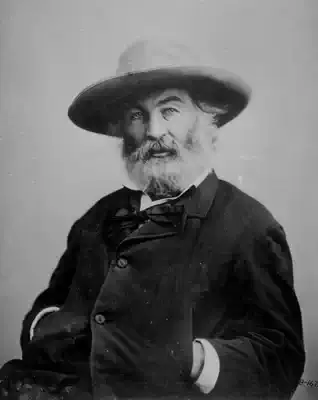
Walt Whitman
Song of Myself, XI
Song of Myself, XI
Twenty-eight young men bathe by the shore,
Twenty-eight young men and all so friendly;
Twenty-eight years of womanly life and all so lonesome.
She owns the fine house by the rise of the bank,
She hides handsome and richly drest aft the blinds of the window.
Which of the young men does she like the best?
Ah the homeliest of them is beautiful to her.
Where are you off to, lady? for I see you,
You splash in the water there, yet stay stock still in your room.
Dancing and laughing along the beach came the twenty-ninth bather,
The rest did not see her, but she saw them and loved them.
The beards of the young men glisten'd with wet, it ran from their long
hair,
Little streams pass'd over their bodies.
An unseen hand also pass'd over their bodies,
It descended trembling from their temples and ribs.
The young men float on their backs, their white bellies bulge to the sun,
they do not ask who seizes fast to them,
They do not know who puffs and declines with the pendant and bending
arch,
They do not think whom they souse with spray.
Twenty-eight young men bathe by the shore,
Twenty-eight young men and all so friendly;
Twenty-eight years of womanly life and all so lonesome.
She owns the fine house by the rise of the bank,
She hides handsome and richly drest aft the blinds of the window.
Which of the young men does she like the best?
Ah the homeliest of them is beautiful to her.
Where are you off to, lady? for I see you,
You splash in the water there, yet stay stock still in your room.
Dancing and laughing along the beach came the twenty-ninth bather,
The rest did not see her, but she saw them and loved them.
The beards of the young men glisten'd with wet, it ran from their long
hair,
Little streams pass'd over their bodies.
An unseen hand also pass'd over their bodies,
It descended trembling from their temples and ribs.
The young men float on their backs, their white bellies bulge to the sun,
they do not ask who seizes fast to them,
They do not know who puffs and declines with the pendant and bending
arch,
They do not think whom they souse with spray.
441
Walt Whitman
Miracles
Miracles
WHY! who makes much of a miracle?
As to me, I know of nothing else but miracles,
Whether I walk the streets of Manhattan,
Or dart my sight over the roofs of houses toward the sky,
Or wade with naked feet along the beach, just in the edge of the
water,
Or stand under trees in the woods,
Or talk by day with any one I love--or sleep in the bed at night with
any one I love,
Or sit at table at dinner with my mother,
Or look at strangers opposite me riding in the car,
Or watch honey-bees busy around the hive, of a summer forenoon, 10
Or animals feeding in the fields,
Or birds--or the wonderfulness of insects in the air,
Or the wonderfulness of the sun-down--or of stars shining so quiet
and bright,
Or the exquisite, delicate, thin curve of the new moon in spring;
Or whether I go among those I like best, and that like me best-
mechanics, boatmen, farmers,
Or among the savans--or to the soiree--or to the opera,
Or stand a long while looking at the movements of machinery,
Or behold children at their sports,
Or the admirable sight of the perfect old man, or the perfect old
woman,
Or the sick in hospitals, or the dead carried to burial, 20
Or my own eyes and figure in the glass;
These, with the rest, one and all, are to me miracles,
The whole referring--yet each distinct, and in its place.
To me, every hour of the light and dark is a miracle,
Every cubic inch of space is a miracle,
Every square yard of the surface of the earth is spread with the
same,
Every foot of the interior swarms with the same;
Every spear of grass--the frames, limbs, organs, of men and women,
and all that concerns them,
All these to me are unspeakably perfect miracles.
To me the sea is a continual miracle; 30
The fishes that swim--the rocks--the motion of the waves--the ships,
with men in them,
What stranger miracles are there?
WHY! who makes much of a miracle?
As to me, I know of nothing else but miracles,
Whether I walk the streets of Manhattan,
Or dart my sight over the roofs of houses toward the sky,
Or wade with naked feet along the beach, just in the edge of the
water,
Or stand under trees in the woods,
Or talk by day with any one I love--or sleep in the bed at night with
any one I love,
Or sit at table at dinner with my mother,
Or look at strangers opposite me riding in the car,
Or watch honey-bees busy around the hive, of a summer forenoon, 10
Or animals feeding in the fields,
Or birds--or the wonderfulness of insects in the air,
Or the wonderfulness of the sun-down--or of stars shining so quiet
and bright,
Or the exquisite, delicate, thin curve of the new moon in spring;
Or whether I go among those I like best, and that like me best-
mechanics, boatmen, farmers,
Or among the savans--or to the soiree--or to the opera,
Or stand a long while looking at the movements of machinery,
Or behold children at their sports,
Or the admirable sight of the perfect old man, or the perfect old
woman,
Or the sick in hospitals, or the dead carried to burial, 20
Or my own eyes and figure in the glass;
These, with the rest, one and all, are to me miracles,
The whole referring--yet each distinct, and in its place.
To me, every hour of the light and dark is a miracle,
Every cubic inch of space is a miracle,
Every square yard of the surface of the earth is spread with the
same,
Every foot of the interior swarms with the same;
Every spear of grass--the frames, limbs, organs, of men and women,
and all that concerns them,
All these to me are unspeakably perfect miracles.
To me the sea is a continual miracle; 30
The fishes that swim--the rocks--the motion of the waves--the ships,
with men in them,
What stranger miracles are there?
733
Walt Whitman
Beautiful Women
Beautiful Women
WOMEN sit, or move to and fro--some old, some young;
The young are beautiful--but the old are more beautiful than the
young.
WOMEN sit, or move to and fro--some old, some young;
The young are beautiful--but the old are more beautiful than the
young.
375
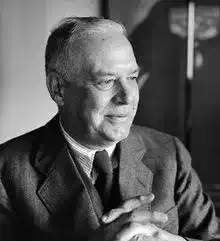
Wallace Stevens
Thirteen Ways of Looking at a Blackbird
Thirteen Ways of Looking at a Blackbird
I
Among twenty snowy mountains,
The only moving thing
Was the eye of the black bird.
II
I was of three minds,
Like a tree
In which there are three blackbirds.
III
The blackbird whirled in the autumn winds.
It was a small part of the pantomime.
IV
A man and a woman
Are one.
A man and a woman and a blackbird
Are one.
V
I do not know which to prefer,
The beauty of inflections
Or the beauty of innuendoes,
The blackbird whistling
Or just after.
VI
Icicles filled the long window
With barbaric glass.
The shadow of the blackbird
Crossed it, to and fro.
The mood
Traced in the shadow
An indecipherable cause.
VII
O thin men of Haddam,
Why do you imagine golden birds?
Do you not see how the blackbird
Walks around the feet
Of the women about you?
VIII
I know noble accents
And lucid, inescapable rhythms;
But I know, too,
That the blackbird is involved
In what I know.
IX
When the blackbird flew out of sight,
It marked the edge
Of one of many circles.
X
At the sight of blackbirds
Flying in a green light,
Even the bawds of euphony
Would cry out sharply.
XI
He rode over Connecticut
In a glass coach.
Once, a fear pierced him,
In that he mistook
The shadow of his equipage
For blackbirds.
XII
The river is moving.
The blackbird must be flying.
XIII
It was evening all afternoon.
It was snowing
And it was going to snow.
The blackbird sat
In the cedar-limbs.
I
Among twenty snowy mountains,
The only moving thing
Was the eye of the black bird.
II
I was of three minds,
Like a tree
In which there are three blackbirds.
III
The blackbird whirled in the autumn winds.
It was a small part of the pantomime.
IV
A man and a woman
Are one.
A man and a woman and a blackbird
Are one.
V
I do not know which to prefer,
The beauty of inflections
Or the beauty of innuendoes,
The blackbird whistling
Or just after.
VI
Icicles filled the long window
With barbaric glass.
The shadow of the blackbird
Crossed it, to and fro.
The mood
Traced in the shadow
An indecipherable cause.
VII
O thin men of Haddam,
Why do you imagine golden birds?
Do you not see how the blackbird
Walks around the feet
Of the women about you?
VIII
I know noble accents
And lucid, inescapable rhythms;
But I know, too,
That the blackbird is involved
In what I know.
IX
When the blackbird flew out of sight,
It marked the edge
Of one of many circles.
X
At the sight of blackbirds
Flying in a green light,
Even the bawds of euphony
Would cry out sharply.
XI
He rode over Connecticut
In a glass coach.
Once, a fear pierced him,
In that he mistook
The shadow of his equipage
For blackbirds.
XII
The river is moving.
The blackbird must be flying.
XIII
It was evening all afternoon.
It was snowing
And it was going to snow.
The blackbird sat
In the cedar-limbs.
305
Wallace Stevens
The House Was Quiet And The World Was Calm
The House Was Quiet And The World Was Calm
The house was quiet and the world was calm.
The reader became the book; and summer night
Was like the conscious being of the book.
The house was quiet and the world was calm.
The words were spoken as if there was no book,
Except that the reader leaned above the page,
Wanted to lean, wanted much to be
The scholar to whom his book is true, to whom
The summer night is like a perfection of thought.
The house was quiet because it had to be.
The quiet was part of the meaning, part of the mind:
The access of perfection to the page.
And the world was calm. The truth in a calm world,
In which there is no other meaning, itself
Is calm, itself is summer and night, itself
Is the reader leaning late and reading there.
The house was quiet and the world was calm.
The reader became the book; and summer night
Was like the conscious being of the book.
The house was quiet and the world was calm.
The words were spoken as if there was no book,
Except that the reader leaned above the page,
Wanted to lean, wanted much to be
The scholar to whom his book is true, to whom
The summer night is like a perfection of thought.
The house was quiet because it had to be.
The quiet was part of the meaning, part of the mind:
The access of perfection to the page.
And the world was calm. The truth in a calm world,
In which there is no other meaning, itself
Is calm, itself is summer and night, itself
Is the reader leaning late and reading there.
343
Wallace Stevens
The Emperor of Ice-Cream
The Emperor of Ice-Cream
Call the roller of big cigars,
The muscular one, and bid him whip
In kitchen cups concupiscent curds.
Let the wenches dawdle in such dress
As they are used to wear, and let the boys
Bring flowers in last month's newspapers.
Let be be finale of seem.
The only emperor is the emperor of ice-cream.
Take from the dresser of deal.
Lacking the three glass knobs, that sheet
On which she embroidered fantails once
And spread it so as to cover her face.
If her horny feet protrude, they come
To show how cold she is, and dumb.
Let the lamp affix its beam.
The only emperor is the emperor of ice-cream.
Call the roller of big cigars,
The muscular one, and bid him whip
In kitchen cups concupiscent curds.
Let the wenches dawdle in such dress
As they are used to wear, and let the boys
Bring flowers in last month's newspapers.
Let be be finale of seem.
The only emperor is the emperor of ice-cream.
Take from the dresser of deal.
Lacking the three glass knobs, that sheet
On which she embroidered fantails once
And spread it so as to cover her face.
If her horny feet protrude, they come
To show how cold she is, and dumb.
Let the lamp affix its beam.
The only emperor is the emperor of ice-cream.
310
Wallace Stevens
Sunday Morning
Sunday Morning
Complacencies of the peignoir, and late
Coffee and oranges in a sunny chair,
And the green freedom of a cockatoo
Upon a rug mingle to dissipate
The holy hush of ancient sacrifice.
She dreams a little, and she feels the dark
Encroachment of that old catastrophe,
As a calm darkens among water-lights.
The pungent oranges and bright, green wings
Seem things in some procession of the dead,
Winding across wide water, without sound.
The day is like wide water, without sound.
Stilled for the passing of her dreaming feet
Over the seas, to silent Palestine,
Dominion of the blood and sepulchre.
Why should she give her bounty to the dead?
What is divinity if it can come
Only in silent shadows and in dreams?
Shall she not find in comforts of the sun,
In pungent fruit and bright green wings, or else
In any balm or beauty of the earth,
Things to be cherished like the thought of heaven?
Divinity must live within herself:
Passions of rain, or moods in falling snow;
Grievings in loneliness, or unsubdued
Elations when the forest blooms; gusty
Emotions on wet roads on autumn nights;
All pleasures and all pains, remembering
The bough of summer and the winter branch.
These are the measure destined for her soul.
Jove in the clouds had his inhuman birth.
No mother suckled him, no sweet land gave
Large-mannered motions to his mythy mind.
He moved among us, as a muttering king,
Magnificent, would move among his hinds,
Until our blood, commingling, virginal,
With heaven, brought such requital to desire
The very hinds discerned it, in a star.
Shall our blood fail? Or shall it come to be
The blood of paradise? And shall the earth
Seem all of paradise that we shall know?
The sky will be much friendlier then than now,
A part of labor and a part of pain,
And next in glory to enduring love,
Not this dividing and indifferent blue.
She says, "I am content when wakened birds,
Before they fly, test the reality
Of misty fields, by their sweet questionings;
But when the birds are gone, and their warm fields
Return no more, where, then, is paradise?"
There is not any haunt of prophecy,
Nor any old chimera of the grave,
Neither the golden underground, nor isle
Melodious, where spirits gat them home,
Nor visionary south, nor cloudy palm
Remote on heaven's hill, that has endured
As April's green endures; or will endure
Like her remembrance of awakened birds,
Or her desire for June and evening, tipped
By the consummation of the swallow's wings.
She says, "But in contentment I still feel
The need of some imperishable bliss."
Death is the mother of beauty; hence from her,
Alone, shall come fulfillment to our dreams
And our desires. Although she strews the leaves
Of sure obliteration on our paths,
The path sick sorrow took, the many paths
Where triumph rang its brassy phrase, or love
Whispered a little out of tenderness,
She makes the willow shiver in the sun
For maidens who were wont to sit and gaze
Upon the grass, relinquished to their feet.
She causes boys to pile new plums and pears
On disregarded plate. The maidens taste
And stray impassioned in the littering leaves.
Is there no change of death in paradise?
Does ripe fruit never fall? Or do the boughs
Hang always heavy in that perfect sky,
Unchanging, yet so like our perishing earth,
With rivers like our own that seek for seas
They never find, the same receding shores
That never touch with inarticulate pang?
Why set pear upon those river-banks
Or spice the shores with odors of the plum?
Alas, that they should wear our colors there,
The silken weavings of our afternoons,
And pick the strings of our insipid lutes!
Death is the mother of beauty, mystical,
Within whose burning bosom we devise
Our earthly mothers waiting, sleeplessly.
Supple and turbulent, a ring of men
Shall chant in orgy on a summer morn
Their boisterous devotion to the sun,
Not as a god, but as a god might be,
Naked among them, like a savage source.
Their chant shall be a chant of paradise,
Out of their blood, returning to the sky;
And in their chant shall enter, voice by voice,
The windy lake wherein their lord delights,
The trees, like serafin, and echoing hills,
That choir among themselves long afterward.
They shall know well the heavenly fellowship
Of men that perish and of summer morn.
And whence they came and whither they shall go
The dew upon their feel shall manifest.
She hears, upon that water without sound,
A voice that cries, "The tomb in Palestine
Is not the porch of spirits lingering.
It is the grave of Jesus, where he lay."
We live in an old chaos of the sun,
Or old dependency of day and night,
Or island solitude, unsponsored, free,
Of that wide water, inescapable.
Deer walk upon our mountains, and the quail
Whistle about us their spontaneous cries;
Sweet berries ripen in the wilderness;
And, in the isolation of the sky,
At evening, casual flocks of pigeons make
Ambiguous undulations as they sink,
Downward to darkness, on extended wings.
Complacencies of the peignoir, and late
Coffee and oranges in a sunny chair,
And the green freedom of a cockatoo
Upon a rug mingle to dissipate
The holy hush of ancient sacrifice.
She dreams a little, and she feels the dark
Encroachment of that old catastrophe,
As a calm darkens among water-lights.
The pungent oranges and bright, green wings
Seem things in some procession of the dead,
Winding across wide water, without sound.
The day is like wide water, without sound.
Stilled for the passing of her dreaming feet
Over the seas, to silent Palestine,
Dominion of the blood and sepulchre.
Why should she give her bounty to the dead?
What is divinity if it can come
Only in silent shadows and in dreams?
Shall she not find in comforts of the sun,
In pungent fruit and bright green wings, or else
In any balm or beauty of the earth,
Things to be cherished like the thought of heaven?
Divinity must live within herself:
Passions of rain, or moods in falling snow;
Grievings in loneliness, or unsubdued
Elations when the forest blooms; gusty
Emotions on wet roads on autumn nights;
All pleasures and all pains, remembering
The bough of summer and the winter branch.
These are the measure destined for her soul.
Jove in the clouds had his inhuman birth.
No mother suckled him, no sweet land gave
Large-mannered motions to his mythy mind.
He moved among us, as a muttering king,
Magnificent, would move among his hinds,
Until our blood, commingling, virginal,
With heaven, brought such requital to desire
The very hinds discerned it, in a star.
Shall our blood fail? Or shall it come to be
The blood of paradise? And shall the earth
Seem all of paradise that we shall know?
The sky will be much friendlier then than now,
A part of labor and a part of pain,
And next in glory to enduring love,
Not this dividing and indifferent blue.
She says, "I am content when wakened birds,
Before they fly, test the reality
Of misty fields, by their sweet questionings;
But when the birds are gone, and their warm fields
Return no more, where, then, is paradise?"
There is not any haunt of prophecy,
Nor any old chimera of the grave,
Neither the golden underground, nor isle
Melodious, where spirits gat them home,
Nor visionary south, nor cloudy palm
Remote on heaven's hill, that has endured
As April's green endures; or will endure
Like her remembrance of awakened birds,
Or her desire for June and evening, tipped
By the consummation of the swallow's wings.
She says, "But in contentment I still feel
The need of some imperishable bliss."
Death is the mother of beauty; hence from her,
Alone, shall come fulfillment to our dreams
And our desires. Although she strews the leaves
Of sure obliteration on our paths,
The path sick sorrow took, the many paths
Where triumph rang its brassy phrase, or love
Whispered a little out of tenderness,
She makes the willow shiver in the sun
For maidens who were wont to sit and gaze
Upon the grass, relinquished to their feet.
She causes boys to pile new plums and pears
On disregarded plate. The maidens taste
And stray impassioned in the littering leaves.
Is there no change of death in paradise?
Does ripe fruit never fall? Or do the boughs
Hang always heavy in that perfect sky,
Unchanging, yet so like our perishing earth,
With rivers like our own that seek for seas
They never find, the same receding shores
That never touch with inarticulate pang?
Why set pear upon those river-banks
Or spice the shores with odors of the plum?
Alas, that they should wear our colors there,
The silken weavings of our afternoons,
And pick the strings of our insipid lutes!
Death is the mother of beauty, mystical,
Within whose burning bosom we devise
Our earthly mothers waiting, sleeplessly.
Supple and turbulent, a ring of men
Shall chant in orgy on a summer morn
Their boisterous devotion to the sun,
Not as a god, but as a god might be,
Naked among them, like a savage source.
Their chant shall be a chant of paradise,
Out of their blood, returning to the sky;
And in their chant shall enter, voice by voice,
The windy lake wherein their lord delights,
The trees, like serafin, and echoing hills,
That choir among themselves long afterward.
They shall know well the heavenly fellowship
Of men that perish and of summer morn.
And whence they came and whither they shall go
The dew upon their feel shall manifest.
She hears, upon that water without sound,
A voice that cries, "The tomb in Palestine
Is not the porch of spirits lingering.
It is the grave of Jesus, where he lay."
We live in an old chaos of the sun,
Or old dependency of day and night,
Or island solitude, unsponsored, free,
Of that wide water, inescapable.
Deer walk upon our mountains, and the quail
Whistle about us their spontaneous cries;
Sweet berries ripen in the wilderness;
And, in the isolation of the sky,
At evening, casual flocks of pigeons make
Ambiguous undulations as they sink,
Downward to darkness, on extended wings.
316
Wallace Stevens
Poem Written at Morning
Poem Written at Morning
A sunny day's complete Poussiniana
Divide it from itself. It is this or that
And it is not.
By metaphor you paint
A thing. Thus, the pineapple was a leather fruit,
A fruit for pewter, thorned and palmed and blue,
To be served by men of ice.
The senses paint
By metaphor. The juice was fragranter
Than wettest cinnamon. It was cribled pears
Dripping a morning sap.
The truth must be
That you do not see, you experience, you feel,
That the buxom eye brings merely its element
To the total thing, a shapeless giant forced
Upward.
Green were the curls upon that head.
A sunny day's complete Poussiniana
Divide it from itself. It is this or that
And it is not.
By metaphor you paint
A thing. Thus, the pineapple was a leather fruit,
A fruit for pewter, thorned and palmed and blue,
To be served by men of ice.
The senses paint
By metaphor. The juice was fragranter
Than wettest cinnamon. It was cribled pears
Dripping a morning sap.
The truth must be
That you do not see, you experience, you feel,
That the buxom eye brings merely its element
To the total thing, a shapeless giant forced
Upward.
Green were the curls upon that head.
329
Wallace Stevens
Nomad Exquisite
Nomad Exquisite
As the immense dew of Florida
Brings forth
The big-finned palm
And green vine angering for life,
As the immense dew of Florida
Brings forth hymn and hymn
From the beholder,
Beholding all these green sides
And gold sides of green sides,
And blessed mornings,
Meet for the eye of the young alligator,
And lightning colors
So, in me, comes flinging
Forms, flames, and the flakes of flames.
As the immense dew of Florida
Brings forth
The big-finned palm
And green vine angering for life,
As the immense dew of Florida
Brings forth hymn and hymn
From the beholder,
Beholding all these green sides
And gold sides of green sides,
And blessed mornings,
Meet for the eye of the young alligator,
And lightning colors
So, in me, comes flinging
Forms, flames, and the flakes of flames.
216

D.H. Lawrence
The Genesis of the Butterfly
The Genesis of the Butterfly
The dawn is smiling on the dew that covers
The tearful roses; lo, the little lovers
That kiss the buds, and all the flutterings
In jasmine bloom, and privet, of white wings,
That go and come, and fly, and peep and hide,
With muffled music, murmured far and wide.
Ah, the Spring time, when we think of all the lays
That dreamy lovers send to dreamy mays,
Of the fond hearts within a billet bound,
Of all the soft silk paper that pens wound,
The messages of love that mortals write
Filled with intoxication of delight,
Written in April and before the May time
Shredded and flown, playthings for the wind's playtime,
We dream that all white butterflies above,
Who seek through clouds or waters souls to love,
And leave their lady mistress in despair,
To flit to flowers, as kinder and more fair,
Are but torn love-letters, that through the skies
Flutter, and float, and change to butterflies
The dawn is smiling on the dew that covers
The tearful roses; lo, the little lovers
That kiss the buds, and all the flutterings
In jasmine bloom, and privet, of white wings,
That go and come, and fly, and peep and hide,
With muffled music, murmured far and wide.
Ah, the Spring time, when we think of all the lays
That dreamy lovers send to dreamy mays,
Of the fond hearts within a billet bound,
Of all the soft silk paper that pens wound,
The messages of love that mortals write
Filled with intoxication of delight,
Written in April and before the May time
Shredded and flown, playthings for the wind's playtime,
We dream that all white butterflies above,
Who seek through clouds or waters souls to love,
And leave their lady mistress in despair,
To flit to flowers, as kinder and more fair,
Are but torn love-letters, that through the skies
Flutter, and float, and change to butterflies
322