

Poems in this topic
Consciousness and Self-Knowledge
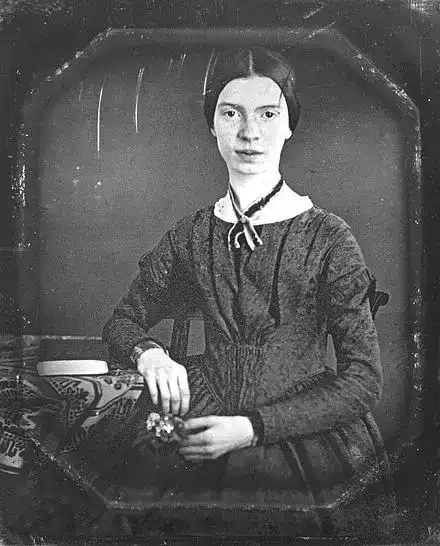
Emily Dickinson
Death is a Dialogue between
Death is a Dialogue between
976
Death is a Dialogue between
The Spirit and the Dust.
"Dissolve" says Death-The Spirit "Sir
I have another Trust"-
Death doubts it-Argues from the Ground-
The Spirit turns away
Just laying off for evidence
An Overcoat of Clay.
976
Death is a Dialogue between
The Spirit and the Dust.
"Dissolve" says Death-The Spirit "Sir
I have another Trust"-
Death doubts it-Argues from the Ground-
The Spirit turns away
Just laying off for evidence
An Overcoat of Clay.
330
Emily Dickinson
Conscious am I in my Chamber
Conscious am I in my Chamber
679
Conscious am I in my Chamber,
Of a shapeless friend-
He doth not attest by Posture-
Nor Confirm-by Word-
Neither Place-need I present Him-
Fitter Courtesy
Hospitable intuition
Of His Company
Presence-is His furthest license-
Neither He to Me
Nor Myself to Him-by Accent-
Forfeit Probity-
Weariness of Him, were quainter
Than Monotony
Knew a Particle-of Space's
Vast Society
Neither if He visit Other-
Do He dwell-or Nay-know I-
But Instinct esteem Him
Immortality-
679
Conscious am I in my Chamber,
Of a shapeless friend-
He doth not attest by Posture-
Nor Confirm-by Word-
Neither Place-need I present Him-
Fitter Courtesy
Hospitable intuition
Of His Company
Presence-is His furthest license-
Neither He to Me
Nor Myself to Him-by Accent-
Forfeit Probity-
Weariness of Him, were quainter
Than Monotony
Knew a Particle-of Space's
Vast Society
Neither if He visit Other-
Do He dwell-or Nay-know I-
But Instinct esteem Him
Immortality-
316
Emily Dickinson
Bring me the sunset in a cup
Bring me the sunset in a cup
128
Bring me the sunset in a cup,
Reckon the morning's flagons up
And say how many Dew,
Tell me how far the morning leaps-
Tell me what time the weaver sleeps
Who spun the breadth of blue!
Write me how many notes there be
In the new Robin's ecstasy
Among astonished boughs-
How many trips the Tortoise makes-
How many cups the Bee partakes,
The Debauchee of Dews!
Also, who laid the Rainbow's piers,
Also, who leads the docile spheres
By withes of supple blue?
Whose fingers string the stalactite-
Who counts the wampum of the night
To see that none is due?
Who built this little Alban House
And shut the windows down so close
My spirit cannot see?
Who'll let me out some gala day
With implements to fly away,
Passing Pomposity?
128
Bring me the sunset in a cup,
Reckon the morning's flagons up
And say how many Dew,
Tell me how far the morning leaps-
Tell me what time the weaver sleeps
Who spun the breadth of blue!
Write me how many notes there be
In the new Robin's ecstasy
Among astonished boughs-
How many trips the Tortoise makes-
How many cups the Bee partakes,
The Debauchee of Dews!
Also, who laid the Rainbow's piers,
Also, who leads the docile spheres
By withes of supple blue?
Whose fingers string the stalactite-
Who counts the wampum of the night
To see that none is due?
Who built this little Alban House
And shut the windows down so close
My spirit cannot see?
Who'll let me out some gala day
With implements to fly away,
Passing Pomposity?
344
Emily Dickinson
Bound-a trouble
Bound-a trouble
269
Bound-a trouble-
And lives can bear it!
Limit-how deep a bleeding go!
So-many-drops-of vital scarlet-
Deal with the soul
As with Algebra!
Tell it the Ages-to a cypher-
And it will ache-contented-onSing-
at its pain-as any Workman-
Notching the fall of the Even Sun!
269
Bound-a trouble-
And lives can bear it!
Limit-how deep a bleeding go!
So-many-drops-of vital scarlet-
Deal with the soul
As with Algebra!
Tell it the Ages-to a cypher-
And it will ache-contented-onSing-
at its pain-as any Workman-
Notching the fall of the Even Sun!
265
Emily Dickinson
An ignorance a Sunset
An ignorance a Sunset
552
An ignorance a Sunset
Confer upon the Eye-
Of Territory-ColorCircumference-
Decay-
Its Amber Revelation
Exhilirate-Debase-
Omnipotence' inspection
Of Our inferior face-
And when the solemn features
Confirm-in Victory-
We start-as if detected
In Immortality-
552
An ignorance a Sunset
Confer upon the Eye-
Of Territory-ColorCircumference-
Decay-
Its Amber Revelation
Exhilirate-Debase-
Omnipotence' inspection
Of Our inferior face-
And when the solemn features
Confirm-in Victory-
We start-as if detected
In Immortality-
271
Emily Dickinson
A happy lip-breaks sudden
A happy lip-breaks sudden
353
A happy lip-breaks sudden-
It doesn't state you how
It contemplated-smiling-
Just consummated-now-
But this one, wears its merriment
So patient-like a pain-
Fresh gilded-to elude the eyes
Unqualified, to scan-
353
A happy lip-breaks sudden-
It doesn't state you how
It contemplated-smiling-
Just consummated-now-
But this one, wears its merriment
So patient-like a pain-
Fresh gilded-to elude the eyes
Unqualified, to scan-
305
Emily Dickinson
A Cloud withdrew from the Sky
A Cloud withdrew from the Sky
895
A Cloud withdrew from the Sky
Superior Glory be
But that Cloud and its Auxiliaries
Are forever lost to me
Had I but further scanned
Had I secured the Glow
In an Hermetic Memory
It had availed me now.
Never to pass the Angel
With a glance and a Bow
Till I am firm in Heaven
Is my intention now.
895
A Cloud withdrew from the Sky
Superior Glory be
But that Cloud and its Auxiliaries
Are forever lost to me
Had I but further scanned
Had I secured the Glow
In an Hermetic Memory
It had availed me now.
Never to pass the Angel
With a glance and a Bow
Till I am firm in Heaven
Is my intention now.
411
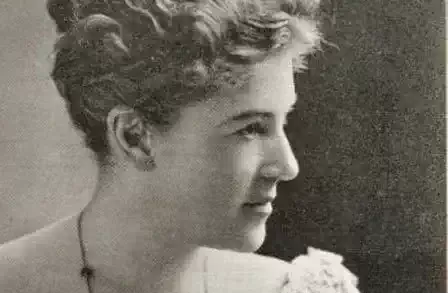
Ella Wheeler Wilcox
You Never Can Tell
You Never Can Tell
You never can tell when you send a word,
Like an arrow shot from a bow
By an archer blind, be it cruel or kind,
Just where it may chance to go.
It may pierce the breast of your dearest friend,
Tipped with its poison or balm,
To a stranger’s heart in life’s great mart,
It may carry its pain or its calm.
You never can tell when you do an act
Just what the result will be;
But with every deed you are sowing a seed,
Though the harvest you may not see.
Each kindly act is an acorn dropped
In God’s productive soil
You may not know, but the tree shall grow,
With shelter for those who toil.
You never can tell what your thoughts will do,
In bringing you hate or love;
For thoughts are things, and their airy wings
Are swifter than carrier doves.
They follow the law of the universe –
Each thing must create its kind,
And they speed o’er the track to bring you back
Whatever went out from your mind.
You never can tell when you send a word,
Like an arrow shot from a bow
By an archer blind, be it cruel or kind,
Just where it may chance to go.
It may pierce the breast of your dearest friend,
Tipped with its poison or balm,
To a stranger’s heart in life’s great mart,
It may carry its pain or its calm.
You never can tell when you do an act
Just what the result will be;
But with every deed you are sowing a seed,
Though the harvest you may not see.
Each kindly act is an acorn dropped
In God’s productive soil
You may not know, but the tree shall grow,
With shelter for those who toil.
You never can tell what your thoughts will do,
In bringing you hate or love;
For thoughts are things, and their airy wings
Are swifter than carrier doves.
They follow the law of the universe –
Each thing must create its kind,
And they speed o’er the track to bring you back
Whatever went out from your mind.
360
Ella Wheeler Wilcox
Uncontrolled
Uncontrolled
The mighty forces of mysterious space
Are one by one subdued by lordly man.
The awful lightning that for eons ran
Their devastating and untrammeled race,
Now bear his messages from place to place
Like carrier doves. The winds lead on his van;
The lawless elements no longer can
Resist his strength, but yield with sullen grace.
His bold feet scaling heights before untrod,
Light, darkness, air and water, heat and cold
He bids go forth and bring him power and pelf.
And yet though ruler, king and demi-god
He walks with his fierce passions uncontrolled
The conquerer of all things – save himself.
The mighty forces of mysterious space
Are one by one subdued by lordly man.
The awful lightning that for eons ran
Their devastating and untrammeled race,
Now bear his messages from place to place
Like carrier doves. The winds lead on his van;
The lawless elements no longer can
Resist his strength, but yield with sullen grace.
His bold feet scaling heights before untrod,
Light, darkness, air and water, heat and cold
He bids go forth and bring him power and pelf.
And yet though ruler, king and demi-god
He walks with his fierce passions uncontrolled
The conquerer of all things – save himself.
402
Ella Wheeler Wilcox
Two Sunsets
Two Sunsets
In the fair morning of his life,
When his pure heart lay in his breast,
Panting, with all that wild unrest
To plunge into the great world's strife
That fills young hearts with mad desire,
He saw a sunset. Red and gold
The burning billows surged and rolled,
And upward tossed their caps of fire.
He looked. And as he looked the sight
Sent from his soul through breast and brain
Such intense joy, it hurt like pain.
His heart seemed bursting with delight.
So near the Unknown seemed, so close
He might have grasped it with his hand.
He felt his inmost soul expand,
As sunlight will expand a rose.
One day he heard a singing strain--
A human voice, in bird-like trills.
He paused, and little rapture-rills
Went trickling downward through each vein.
And in his heart the whole day long,
As in a temple veiled and dim,
He kept and bore about with him
The beauty of that singer's song.
And then? But why relate what then?
His smoldering heart flamed into fire--
He had his one supreme desire,
And plunged into the world of men.
For years queen Folly held her sway.
With pleasures of the grosser kind
She fed his flesh and drugged his mind,
Till, shamed, he sated turned away.
He sought his boyhood's home. That hour
Triumphant should have been, in sooth,
Since he went forth an unknown youth,
And came back crowned with wealth and power.
The clouds made day a gorgeous bed;
He saw the splendor of the sky
With unmoved heart and stolid eye;
He knew only West was red.
Then suddenly a fresh young voice
Rose, bird-like, from some hidden place,
He did not even turn his face;
It struck him simply as a noise.
He trod the old paths up and down.
Their ruch-hued leaves by Fall winds whirled--
How dull they were--how dull the world--
Dull even in the pulsing town.
O! worst of punishments, that brings
A blunting of all finer sense,
A loss of feelings keen, intense,
And dulls us to the higher things.
O! penalty most dire, most sure,
Swift following after gross delights,
That we no more see beauteous sights,
Or hear as hear the good and pure.
O! shape more hideous and more dread
Than Vengeance takes in creed-taught minds,
This certain doom that blunts and blinds,
And strikes the holiest feelings dead.
In the fair morning of his life,
When his pure heart lay in his breast,
Panting, with all that wild unrest
To plunge into the great world's strife
That fills young hearts with mad desire,
He saw a sunset. Red and gold
The burning billows surged and rolled,
And upward tossed their caps of fire.
He looked. And as he looked the sight
Sent from his soul through breast and brain
Such intense joy, it hurt like pain.
His heart seemed bursting with delight.
So near the Unknown seemed, so close
He might have grasped it with his hand.
He felt his inmost soul expand,
As sunlight will expand a rose.
One day he heard a singing strain--
A human voice, in bird-like trills.
He paused, and little rapture-rills
Went trickling downward through each vein.
And in his heart the whole day long,
As in a temple veiled and dim,
He kept and bore about with him
The beauty of that singer's song.
And then? But why relate what then?
His smoldering heart flamed into fire--
He had his one supreme desire,
And plunged into the world of men.
For years queen Folly held her sway.
With pleasures of the grosser kind
She fed his flesh and drugged his mind,
Till, shamed, he sated turned away.
He sought his boyhood's home. That hour
Triumphant should have been, in sooth,
Since he went forth an unknown youth,
And came back crowned with wealth and power.
The clouds made day a gorgeous bed;
He saw the splendor of the sky
With unmoved heart and stolid eye;
He knew only West was red.
Then suddenly a fresh young voice
Rose, bird-like, from some hidden place,
He did not even turn his face;
It struck him simply as a noise.
He trod the old paths up and down.
Their ruch-hued leaves by Fall winds whirled--
How dull they were--how dull the world--
Dull even in the pulsing town.
O! worst of punishments, that brings
A blunting of all finer sense,
A loss of feelings keen, intense,
And dulls us to the higher things.
O! penalty most dire, most sure,
Swift following after gross delights,
That we no more see beauteous sights,
Or hear as hear the good and pure.
O! shape more hideous and more dread
Than Vengeance takes in creed-taught minds,
This certain doom that blunts and blinds,
And strikes the holiest feelings dead.
349
Ella Wheeler Wilcox
To Men
To Men
Sirs, when you pity us, I say
You waste your pity. Let it stay,
Well corked and stored upon your shelves,
Until you need it for yourselves.
We do appreciate God's thought
In forming you, before He brought
Us into life. His art was crude,
But oh, so virile in its rude
Large elemental strength: and then
He learned His trade in making men;
Learned how to mix and mould the clay
And fashion in a finer way.
How fine that skilful way can be
You need but lift your eyes to see;
And we are glad God placed you there
To lift your eyes and find us fair.
Apprentice labour though you were,
He made you great enough to stir
The best and deepest depths of us,
And we are glad he made you thus.
Ay! we are glad of many things.
God strung our hearts with such fine strings
The least breath movces them, and we hear
Music where silence greets your ear.
We suffer so? but women's souls
Like violet powder dropped on coals,
Give forth their best in anguish. Oh,
The subtle secrets that we know,
Of joy in sorrow, strange delights
Of ecstasy in pain-filled nights,
And mysteries of gain in loss
Known but to Christ upon the Cross!
Our tears are pitiful to you?
Look how the heaven-reflecting dew
Dissolves its life in tears. The sand
Meanwhile lies hard upon the strand.
How could your pity find a place
For us, the mothers of the race?
Men may be fathers unaware,
So poor the title is you wear,
But mothers -? Who that crown adorns
Knows all its mingled blooms and thorns;
And she whose feet that path hath trod
Has walked upon the heights with God.
No, offer us not pity's cup.
There is no looking down or up
Between us: eye looks straight in eye:
Born equals, so we live and die.
Sirs, when you pity us, I say
You waste your pity. Let it stay,
Well corked and stored upon your shelves,
Until you need it for yourselves.
We do appreciate God's thought
In forming you, before He brought
Us into life. His art was crude,
But oh, so virile in its rude
Large elemental strength: and then
He learned His trade in making men;
Learned how to mix and mould the clay
And fashion in a finer way.
How fine that skilful way can be
You need but lift your eyes to see;
And we are glad God placed you there
To lift your eyes and find us fair.
Apprentice labour though you were,
He made you great enough to stir
The best and deepest depths of us,
And we are glad he made you thus.
Ay! we are glad of many things.
God strung our hearts with such fine strings
The least breath movces them, and we hear
Music where silence greets your ear.
We suffer so? but women's souls
Like violet powder dropped on coals,
Give forth their best in anguish. Oh,
The subtle secrets that we know,
Of joy in sorrow, strange delights
Of ecstasy in pain-filled nights,
And mysteries of gain in loss
Known but to Christ upon the Cross!
Our tears are pitiful to you?
Look how the heaven-reflecting dew
Dissolves its life in tears. The sand
Meanwhile lies hard upon the strand.
How could your pity find a place
For us, the mothers of the race?
Men may be fathers unaware,
So poor the title is you wear,
But mothers -? Who that crown adorns
Knows all its mingled blooms and thorns;
And she whose feet that path hath trod
Has walked upon the heights with God.
No, offer us not pity's cup.
There is no looking down or up
Between us: eye looks straight in eye:
Born equals, so we live and die.
409
Ella Wheeler Wilcox
To An Astrologer
To An Astrologer
Nay, seer, I do not doubt thy mystic lore,
Nor question that the tenor of my life,
Past, present and the future, is revealed
There in my horoscope. I do believe
That yon dead moon compels the haughty seas
To ebb and flow, and that my natal star
Stands like a stern-browed sentinel in space
And challenges events; nor lets one grief,
Or joy, or failure, or success, pass on
To mar or bless my earthly lot, until
It proves its Karmic right to come to me.
All this I grant, but more than this I know!
Before the solar systems were conceived,
When nothing was but the unnamable,
My spirit lived, an atom of the Cause.
Through countless ages and in many forms
It has existed, ere it entered in
This human frame to serve its little day
Upon the earth. The deathless Me of me,
The spark from that great all-creative fire
Is part of that eternal source called God,
And mightier than the universe.
Why, he
Who knows, and knowing, never once forgets
The pedigree divine of his own soul,
Can conquer, shape and govern destiny
And use vast space as ‘twere a board for chess
With stars for pawns; can change his horoscope
To suit his will; turn failure to success,
And from preordained sorrows, harvest joy.
There is no puny planet, sun or moon,
Or zodiacal sign which can control
The God in us! If we bring that to bear
Upon events, we mold them to our wish,
Tis when the infinite ‘neath the finite gropes
That men are governed by their horoscopes.
Nay, seer, I do not doubt thy mystic lore,
Nor question that the tenor of my life,
Past, present and the future, is revealed
There in my horoscope. I do believe
That yon dead moon compels the haughty seas
To ebb and flow, and that my natal star
Stands like a stern-browed sentinel in space
And challenges events; nor lets one grief,
Or joy, or failure, or success, pass on
To mar or bless my earthly lot, until
It proves its Karmic right to come to me.
All this I grant, but more than this I know!
Before the solar systems were conceived,
When nothing was but the unnamable,
My spirit lived, an atom of the Cause.
Through countless ages and in many forms
It has existed, ere it entered in
This human frame to serve its little day
Upon the earth. The deathless Me of me,
The spark from that great all-creative fire
Is part of that eternal source called God,
And mightier than the universe.
Why, he
Who knows, and knowing, never once forgets
The pedigree divine of his own soul,
Can conquer, shape and govern destiny
And use vast space as ‘twere a board for chess
With stars for pawns; can change his horoscope
To suit his will; turn failure to success,
And from preordained sorrows, harvest joy.
There is no puny planet, sun or moon,
Or zodiacal sign which can control
The God in us! If we bring that to bear
Upon events, we mold them to our wish,
Tis when the infinite ‘neath the finite gropes
That men are governed by their horoscopes.
386
Ella Wheeler Wilcox
The Winds of Fate
The Winds of Fate
One ship drives east and another drives west
With the selfsame winds that blow.
Tis the set of the sails
And not the gales
Which tells us the way to go.
Like the winds of the seas are the ways of fate,
As we voyage along through the life:
Tis the set of a soul
That decides its goal,
And not the calm or the strife.
One ship drives east and another drives west
With the selfsame winds that blow.
Tis the set of the sails
And not the gales
Which tells us the way to go.
Like the winds of the seas are the ways of fate,
As we voyage along through the life:
Tis the set of a soul
That decides its goal,
And not the calm or the strife.
344
Ella Wheeler Wilcox
The Times
The Times
The times are not degenerate. Man’s faith
Mounts higher than of old. No crumbling creed
Can take from the immortal soul the need
Of that supreme Creator, God. The wraith
Of dead beliefs we cherished in our youth
Fades but to let us welcome new-born Truth.
Man may not worship at the ancient shrine
Prone on his face, in self-accusing scorn.
That night is past. He hails a fairer morn,
And knows himself a something all divine;
No humble worm whose heritage is sin,
But, born of God, he feels the Christ within.
Not loud his prayers, as in the olden time,
But deep his reverence for that mighty force,
That occult working of the great all Source,
Which makes the present era so sublime.
Religion now means something high and broad,
And man stood never half so near to God.
The times are not degenerate. Man’s faith
Mounts higher than of old. No crumbling creed
Can take from the immortal soul the need
Of that supreme Creator, God. The wraith
Of dead beliefs we cherished in our youth
Fades but to let us welcome new-born Truth.
Man may not worship at the ancient shrine
Prone on his face, in self-accusing scorn.
That night is past. He hails a fairer morn,
And knows himself a something all divine;
No humble worm whose heritage is sin,
But, born of God, he feels the Christ within.
Not loud his prayers, as in the olden time,
But deep his reverence for that mighty force,
That occult working of the great all Source,
Which makes the present era so sublime.
Religion now means something high and broad,
And man stood never half so near to God.
419
Ella Wheeler Wilcox
Response
Response
I said this morning, as I leaned and threw
My shutters open to the Spring's surprise,
'Tell me, O Earth, how is it that in you
Year after year the same fresh feelings rise?
How do you keep your young exultant glee?
No more those sweet emotions come to me.
'I note through all your fissures how the tide
Of healthful life goes leaping as of old;
Your royal dawns retain their pomp and pride;
Your sunsets lose no atom of their gold.
How can this wonder be?' My soul's fine ear
Leaned, listening, till a small voice answered near:
'My days lapse never over into night;
My nights encroach not on the rights of dawn.
I rush not breathless after some delight;
I waste no grief for any pleasure gone.
My July noons burn not the entire year.
Heart, hearken well!' 'Yes, yes; go on; I hear.'
'I do not strive to make my sunsets' gold
Pave all the dim and distant realms of space.
I do not bid my crimson dawns unfold
To lend the midnight a fictitious grace.
I break no law, for all God's laws are good.
Heart, hast thou heard?' 'Yes, yes; and understood.'
I said this morning, as I leaned and threw
My shutters open to the Spring's surprise,
'Tell me, O Earth, how is it that in you
Year after year the same fresh feelings rise?
How do you keep your young exultant glee?
No more those sweet emotions come to me.
'I note through all your fissures how the tide
Of healthful life goes leaping as of old;
Your royal dawns retain their pomp and pride;
Your sunsets lose no atom of their gold.
How can this wonder be?' My soul's fine ear
Leaned, listening, till a small voice answered near:
'My days lapse never over into night;
My nights encroach not on the rights of dawn.
I rush not breathless after some delight;
I waste no grief for any pleasure gone.
My July noons burn not the entire year.
Heart, hearken well!' 'Yes, yes; go on; I hear.'
'I do not strive to make my sunsets' gold
Pave all the dim and distant realms of space.
I do not bid my crimson dawns unfold
To lend the midnight a fictitious grace.
I break no law, for all God's laws are good.
Heart, hast thou heard?' 'Yes, yes; and understood.'
415
Ella Wheeler Wilcox
One Woman's History
One Woman's History
'The maiden free, the maiden wed.
Can never, never be the same,
A new life springs from out the dead.
And with the speaking of a name-
A breath upon the marriage bed,
She finds herself a something new.
'Where lay the shallows of the maid
No plummet line the wife can sound;
Where round the sunny islands played
The pulses of the great profound
Lies low the treacherous everglade.
'A wife is like an unknown sea,
Least known to him who thinks he knows
Where all the shores of Promise be,
And where the islands of Repose-
And where the rocks that he must flee.'
'The maiden free, the maiden wed.
Can never, never be the same,
A new life springs from out the dead.
And with the speaking of a name-
A breath upon the marriage bed,
She finds herself a something new.
'Where lay the shallows of the maid
No plummet line the wife can sound;
Where round the sunny islands played
The pulses of the great profound
Lies low the treacherous everglade.
'A wife is like an unknown sea,
Least known to him who thinks he knows
Where all the shores of Promise be,
And where the islands of Repose-
And where the rocks that he must flee.'
415
Ella Wheeler Wilcox
Mesalliance
Mesalliance
I am troubled to-night with a curious pain;
It is not of the flesh, it is not of the brain,
Nor yet of a heart that is breaking:
But down still deeper, and out of sight—
In the place where the soul and the body unite—
There lies the scat of the aching.
They have been lovers in days gone by;
But the soul is fickle, and longs to fly
From the fettering mesalliance:
And she tears at the bonds which are binding her so,
And pleads with the body to let her go,
But he will not yield compliance.
For the body loves, as he loved in the past,
When he wedded the soul; and he holds her fast,
And swears that he will not loose her;
That he will keep her and hide her away
For ever and ever and for a day
From the arms of Death, the seducer.
Ah! this is the strife that is wearying me—
The strife 'twixt a soul that would be free
And a body that will not let her.
And I say to my soul, 'Be calm, and wait;
For I tell ye truly that soon or late
Ye surely shall drop each fetter.'
And I say to the body, 'Be kind, I pray;
For the soul is not of thy mortal clay,
But is formed in spirit fashion.'
And still through the hours of the solemn night
I can hear my sad soul's plea for flight,
And my body's reply of passion.
I am troubled to-night with a curious pain;
It is not of the flesh, it is not of the brain,
Nor yet of a heart that is breaking:
But down still deeper, and out of sight—
In the place where the soul and the body unite—
There lies the scat of the aching.
They have been lovers in days gone by;
But the soul is fickle, and longs to fly
From the fettering mesalliance:
And she tears at the bonds which are binding her so,
And pleads with the body to let her go,
But he will not yield compliance.
For the body loves, as he loved in the past,
When he wedded the soul; and he holds her fast,
And swears that he will not loose her;
That he will keep her and hide her away
For ever and ever and for a day
From the arms of Death, the seducer.
Ah! this is the strife that is wearying me—
The strife 'twixt a soul that would be free
And a body that will not let her.
And I say to my soul, 'Be calm, and wait;
For I tell ye truly that soon or late
Ye surely shall drop each fetter.'
And I say to the body, 'Be kind, I pray;
For the soul is not of thy mortal clay,
But is formed in spirit fashion.'
And still through the hours of the solemn night
I can hear my sad soul's plea for flight,
And my body's reply of passion.
441
Ella Wheeler Wilcox
Karma
Karma
I
We cannot choose our sorrows. One there was
Who, reverent of soul, and strong with trust,
Cried, 'God, though Thou shouldst bow me to the dust,
Yet will I praise thy everlasting laws.
Beggared, my faith would never halt or pause,
But sing Thy glory, feasting on a crust.
Only one boon, one precious boon I must
Demand of Thee, O opulent great Cause.
Let Love stay with me, constant to the end,
Though fame pass by and poverty pursue.'
With freighted hold her life ship onward sailed;
The world gave wealth, and pleasure, and a friend,
Unmarred by envy, and whose heart was true.
But ere the sun reached midday, Love had failed.
II
Then from the depths, in bitterness she cried,
'Hell is on earth, and heaven is but a dream;
And human life a troubled aimless stream;
And God is nowhere. Would God so deride
A loving creature's faith?' A voice replied,
'The stream flows onward to the Source Supreme,
Where things that ARE replace the things that SEEM,
And where the deeds of all past lives abide.
Once at thy door Love languished and was spurned.
Who sorrow plants, must garner sorrow's sheaf.
No prayers can change the seedling in the sod.
By thine own heart Love's anguish must be learned.
Pass on, and know, as one made wise by grief,
That in thyself dwells heaven and hell and God.'
I
We cannot choose our sorrows. One there was
Who, reverent of soul, and strong with trust,
Cried, 'God, though Thou shouldst bow me to the dust,
Yet will I praise thy everlasting laws.
Beggared, my faith would never halt or pause,
But sing Thy glory, feasting on a crust.
Only one boon, one precious boon I must
Demand of Thee, O opulent great Cause.
Let Love stay with me, constant to the end,
Though fame pass by and poverty pursue.'
With freighted hold her life ship onward sailed;
The world gave wealth, and pleasure, and a friend,
Unmarred by envy, and whose heart was true.
But ere the sun reached midday, Love had failed.
II
Then from the depths, in bitterness she cried,
'Hell is on earth, and heaven is but a dream;
And human life a troubled aimless stream;
And God is nowhere. Would God so deride
A loving creature's faith?' A voice replied,
'The stream flows onward to the Source Supreme,
Where things that ARE replace the things that SEEM,
And where the deeds of all past lives abide.
Once at thy door Love languished and was spurned.
Who sorrow plants, must garner sorrow's sheaf.
No prayers can change the seedling in the sod.
By thine own heart Love's anguish must be learned.
Pass on, and know, as one made wise by grief,
That in thyself dwells heaven and hell and God.'
464
Ella Wheeler Wilcox
High Noon
High Noon
Time’s finger on the dial of my life
Points to high noon! And yet the half-spent day
Leaves less than half remaining, for the dark,
Bleak shadows of the grave engulf the end.
To those who burn the candle to the stick,
The sputtering socket yields but little light.
Long life is sadder than early death.
We cannot count on raveled threads of age
Whereof to weave a fabric. We must use
The warp and woof the ready present yields
And toils while daylight lasts. When I bethink
How brief the past, the future still more brief,
Calls on to action, action! Not for me
Is time for retrospection or for dreams,
Not time for self-laudation or remorse.
Have I done nobly? Then I must not let
Dead yesterday unborn to-morrow shame.
Have I done wrong? Well, let the bitter taste
Of fruit that turned to ashes on my lip
Be my reminder in temptations hour,
And keep me silent when I could condemn.
Sometimes it takes the acid of a sin
To cleanse the clouded windows of our souls
So pity may shine through them.
Looking back,
My faults and errors seem like stepping-stones
That led the way to knowledge of the truth
And made me value virtue: sorrows shine
In rainbow colours o’er the gulf of years,
Where lie forgotten pleasures.
Looking forth,
Out to the westers sky still bright with noon,
I feel well spurred and booted for the strife
That ends not till Nirvana is attained.
Battling with fate, with men and with myself,
Up the steep summit of my life’s forenoon,
Three things I learned, three things of precious worth
To guide and help me down the western slope.
I have learned how to pray, and toil, and save.
To pray for courage to receive what comes,
Knowing what comes to be divinely sent.
To toil for universal good, since thus
And only thus can good come unto me.
To save, by giving whatsoe’er I have
To those who have not, this alone is gain.
Time’s finger on the dial of my life
Points to high noon! And yet the half-spent day
Leaves less than half remaining, for the dark,
Bleak shadows of the grave engulf the end.
To those who burn the candle to the stick,
The sputtering socket yields but little light.
Long life is sadder than early death.
We cannot count on raveled threads of age
Whereof to weave a fabric. We must use
The warp and woof the ready present yields
And toils while daylight lasts. When I bethink
How brief the past, the future still more brief,
Calls on to action, action! Not for me
Is time for retrospection or for dreams,
Not time for self-laudation or remorse.
Have I done nobly? Then I must not let
Dead yesterday unborn to-morrow shame.
Have I done wrong? Well, let the bitter taste
Of fruit that turned to ashes on my lip
Be my reminder in temptations hour,
And keep me silent when I could condemn.
Sometimes it takes the acid of a sin
To cleanse the clouded windows of our souls
So pity may shine through them.
Looking back,
My faults and errors seem like stepping-stones
That led the way to knowledge of the truth
And made me value virtue: sorrows shine
In rainbow colours o’er the gulf of years,
Where lie forgotten pleasures.
Looking forth,
Out to the westers sky still bright with noon,
I feel well spurred and booted for the strife
That ends not till Nirvana is attained.
Battling with fate, with men and with myself,
Up the steep summit of my life’s forenoon,
Three things I learned, three things of precious worth
To guide and help me down the western slope.
I have learned how to pray, and toil, and save.
To pray for courage to receive what comes,
Knowing what comes to be divinely sent.
To toil for universal good, since thus
And only thus can good come unto me.
To save, by giving whatsoe’er I have
To those who have not, this alone is gain.
399
Ella Wheeler Wilcox
Fleeing Away
Fleeing Away
My thoughts soar not as they ought to soar,
Higher and higher on soul-lent wings;
But ever and often and more and more
They are dragged down earthward by little things,
By little troubles and little needs,
As a lark might be tangled among the weeds.
My purpose is not what it ought to be,
Steady and fixed, like a star on high,
But more like a fisherman's light at sea;
Hither and thither it seems to fly--
Sometimes feeble, and sometimes bright,
Then suddenly lost in the gloom of night.
My life is far from my dream of life--
Calmly contented, serenely glad;
But, vexed and worried by daily strife,
It is always troubled and ofttimes sad--
And the heights I had thought I should reach one day
Grow dimmer and dimmer, and farther away.
My heart never finds the longed-for rest;
Its worldly striving, its greed for gold,
Chilled and frightened the calm-eyed guest
Who sometimes sought me in days of old;
And ever fleeing away from me
Is the higher self that I long to be.
My thoughts soar not as they ought to soar,
Higher and higher on soul-lent wings;
But ever and often and more and more
They are dragged down earthward by little things,
By little troubles and little needs,
As a lark might be tangled among the weeds.
My purpose is not what it ought to be,
Steady and fixed, like a star on high,
But more like a fisherman's light at sea;
Hither and thither it seems to fly--
Sometimes feeble, and sometimes bright,
Then suddenly lost in the gloom of night.
My life is far from my dream of life--
Calmly contented, serenely glad;
But, vexed and worried by daily strife,
It is always troubled and ofttimes sad--
And the heights I had thought I should reach one day
Grow dimmer and dimmer, and farther away.
My heart never finds the longed-for rest;
Its worldly striving, its greed for gold,
Chilled and frightened the calm-eyed guest
Who sometimes sought me in days of old;
And ever fleeing away from me
Is the higher self that I long to be.
427
Ella Wheeler Wilcox
A Waif
A Waif
My soul is like a poor caged bird to-night,
Beating its wings against the prison bars,
Longing to reach the outer world of light,
And, all untrammelled, soar among the stars.
Wild, mighty thoughts struggle within my soul
For utterance. Great waves of passion roll
Through all my being. As the lightnings play
Through thunder clouds, so beams of blinding light
Flash for a moment on my darkened brain -
Quick, sudden, glaring beams, that fade wawy
And leave me in a darker, deeper night.
Oh, poet sould! that struggle all in vain
To live in peace and harmony with earth,
It cannot be! They must endure the pain
Of conscience and unacknoeledged worth,
Moving and dwelling with the common herd,
Whose highest thought has never strayed as far,
Or never strayed beyond the horizon's bar;
Whose narrow hearts and souls are never stirred
With keenest pleasures, or with sharpest pain;
Who rise and eat and sleep, and rise again,
Nor question why or wherefore. Men whose minds
Are never shaken by wild passion winds;
Women whose broadest, deepeat realm of thought
The bridal veil will cover.
Who see not
God's mighty work lying undone to-day, -
Work that a woman's hands can do as well,
Oh, soul of mine; better to live alway
In this tumultuous inward pain and strife,
Doing the work that in thy reach doth fall,
Weeping because thou canst not do it all;
Oh, better, my soul, in this unrest to dwell,
Than grovel as they grovel on through life.
My soul is like a poor caged bird to-night,
Beating its wings against the prison bars,
Longing to reach the outer world of light,
And, all untrammelled, soar among the stars.
Wild, mighty thoughts struggle within my soul
For utterance. Great waves of passion roll
Through all my being. As the lightnings play
Through thunder clouds, so beams of blinding light
Flash for a moment on my darkened brain -
Quick, sudden, glaring beams, that fade wawy
And leave me in a darker, deeper night.
Oh, poet sould! that struggle all in vain
To live in peace and harmony with earth,
It cannot be! They must endure the pain
Of conscience and unacknoeledged worth,
Moving and dwelling with the common herd,
Whose highest thought has never strayed as far,
Or never strayed beyond the horizon's bar;
Whose narrow hearts and souls are never stirred
With keenest pleasures, or with sharpest pain;
Who rise and eat and sleep, and rise again,
Nor question why or wherefore. Men whose minds
Are never shaken by wild passion winds;
Women whose broadest, deepeat realm of thought
The bridal veil will cover.
Who see not
God's mighty work lying undone to-day, -
Work that a woman's hands can do as well,
Oh, soul of mine; better to live alway
In this tumultuous inward pain and strife,
Doing the work that in thy reach doth fall,
Weeping because thou canst not do it all;
Oh, better, my soul, in this unrest to dwell,
Than grovel as they grovel on through life.
474
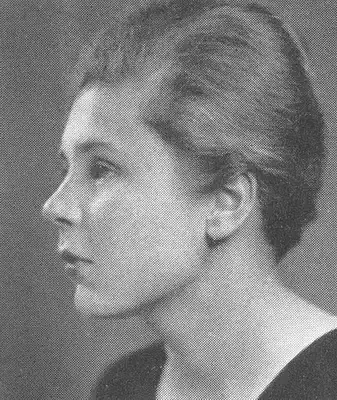
Elizabeth Bishop
Visits to St Elizabeths
Visits to St Elizabeths
This is the house of Bedlam.
This is the man
that lies in the house of Bedlam.
This is the time
of the tragic man
that lies in the house of Bedlam.
This is a wristwatch
telling the time
of the talkative man
that lies in the house of Bedlam.
This is a sailor
wearing the watch
that tells the time
of the honored man
that lies in the house of Bedlam.
This is the roadstead all of board
reached by the sailor
wearing the watch
that tells the time
of the old, brave man
that lies in the house of Bedlam.
These are the years and the walls of the ward,
the winds and clouds of the sea of board
sailed by the sailor
wearing the watch
that tells the time
of the cranky man
that lies in the house of Bedlam.
This is a Jew in a newspaper hat
that dances weeping down the ward
over the creaking sea of board
beyond the sailor
winding his watch
that tells the time
of the cruel man
that lies in the house of Bedlam.
This is a world of books gone flat.
This is a Jew in a newspaper hat
that dances weeping down the ward
over the creaking sea of board
of the batty sailor
that winds his watch
that tells the time
of the busy man
that lies in the house of Bedlam.
This is a boy that pats the floor
to see if the world is there, is flat,
for the widowed Jew in the newspaper hat
that dances weeping down the ward
waltzing the length of a weaving board
by the silent sailor
that hears his watch
that ticks the time
of the tedious man
that lies in the house of Bedlam.
These are the years and the walls and the door
that shut on a boy that pats the floor
to feel if the world is there and flat.
This is a Jew in a newspaper hat
that dances joyfully down the ward
into the parting seas of board
past the staring sailor
that shakes his watch
that tells the time
of the poet, the man
that lies in the house of Bedlam.
This is the soldier home from the war.
These are the years and the walls and the door
that shut on a boy that pats the floor
to see if the world is round or flat.
This is a Jew in a newspaper hat
that dances carefully down the ward,
walking the plank of a coffin board
with the crazy sailor
that shows his watch
that tells the time
of the wretched man
that lies in the house of Bedlam.
This is the house of Bedlam.
This is the man
that lies in the house of Bedlam.
This is the time
of the tragic man
that lies in the house of Bedlam.
This is a wristwatch
telling the time
of the talkative man
that lies in the house of Bedlam.
This is a sailor
wearing the watch
that tells the time
of the honored man
that lies in the house of Bedlam.
This is the roadstead all of board
reached by the sailor
wearing the watch
that tells the time
of the old, brave man
that lies in the house of Bedlam.
These are the years and the walls of the ward,
the winds and clouds of the sea of board
sailed by the sailor
wearing the watch
that tells the time
of the cranky man
that lies in the house of Bedlam.
This is a Jew in a newspaper hat
that dances weeping down the ward
over the creaking sea of board
beyond the sailor
winding his watch
that tells the time
of the cruel man
that lies in the house of Bedlam.
This is a world of books gone flat.
This is a Jew in a newspaper hat
that dances weeping down the ward
over the creaking sea of board
of the batty sailor
that winds his watch
that tells the time
of the busy man
that lies in the house of Bedlam.
This is a boy that pats the floor
to see if the world is there, is flat,
for the widowed Jew in the newspaper hat
that dances weeping down the ward
waltzing the length of a weaving board
by the silent sailor
that hears his watch
that ticks the time
of the tedious man
that lies in the house of Bedlam.
These are the years and the walls and the door
that shut on a boy that pats the floor
to feel if the world is there and flat.
This is a Jew in a newspaper hat
that dances joyfully down the ward
into the parting seas of board
past the staring sailor
that shakes his watch
that tells the time
of the poet, the man
that lies in the house of Bedlam.
This is the soldier home from the war.
These are the years and the walls and the door
that shut on a boy that pats the floor
to see if the world is round or flat.
This is a Jew in a newspaper hat
that dances carefully down the ward,
walking the plank of a coffin board
with the crazy sailor
that shows his watch
that tells the time
of the wretched man
that lies in the house of Bedlam.
566
Elizabeth Bishop
The Weed
The Weed
I dreamed that dead, and meditating,
I lay upon a grave, or bed,
(at least, some cold and close-built bower).
In the cold heart, its final thought
stood frozen, drawn immense and clear,
stiff and idle as I was there;
and we remained unchanged together
for a year, a minute, an hour.
Suddenly there was a motion,
as startling, there, to every sense
as an explosion. Then it dropped
to insistent, cautious creeping
in the region of the heart,
prodding me from desperate sleep.
I raised my head. A slight young weed
had pushed up through the heart and its
green head was nodding on the breast.
(All this was in the dark.)
It grew an inch like a blade of grass;
next, one leaf shot out of its side
a twisting, waving flag, and then
two leaves moved like a semaphore.
The stem grew thick. The nervous roots
reached to each side; the graceful head
changed its position mysteriously,
since there was neither sun nor moon
to catch its young attention.
The rooted heart began to change
(not beat) and then it split apart
and from it broke a flood of water.
Two rivers glanced off from the sides,
one to the right, one to the left,
two rushing, half-clear streams,
(the ribs made of them two cascades)
which assuredly, smooth as glass,
went off through the fine black grains of earth.
The weed was almost swept away;
it struggled with its leaves,
lifting them fringed with heavy drops.
A few drops fell upon my face
and in my eyes, so I could see
(or, in that black place, thought I saw)
that each drop contained a light,
a small, illuminated scene;
the weed-deflected stream was made
itself of racing images.
(As if a river should carry all
the scenes that it had once reflected
shut in its waters, and not floating
on momentary surfaces.)
The weed stood in the severed heart.
"What are you doing there?" I asked.
It lifted its head all dripping wet
(with my own thoughts?)
and answered then: "I grow," it said,
"but to divide your heart again."
I dreamed that dead, and meditating,
I lay upon a grave, or bed,
(at least, some cold and close-built bower).
In the cold heart, its final thought
stood frozen, drawn immense and clear,
stiff and idle as I was there;
and we remained unchanged together
for a year, a minute, an hour.
Suddenly there was a motion,
as startling, there, to every sense
as an explosion. Then it dropped
to insistent, cautious creeping
in the region of the heart,
prodding me from desperate sleep.
I raised my head. A slight young weed
had pushed up through the heart and its
green head was nodding on the breast.
(All this was in the dark.)
It grew an inch like a blade of grass;
next, one leaf shot out of its side
a twisting, waving flag, and then
two leaves moved like a semaphore.
The stem grew thick. The nervous roots
reached to each side; the graceful head
changed its position mysteriously,
since there was neither sun nor moon
to catch its young attention.
The rooted heart began to change
(not beat) and then it split apart
and from it broke a flood of water.
Two rivers glanced off from the sides,
one to the right, one to the left,
two rushing, half-clear streams,
(the ribs made of them two cascades)
which assuredly, smooth as glass,
went off through the fine black grains of earth.
The weed was almost swept away;
it struggled with its leaves,
lifting them fringed with heavy drops.
A few drops fell upon my face
and in my eyes, so I could see
(or, in that black place, thought I saw)
that each drop contained a light,
a small, illuminated scene;
the weed-deflected stream was made
itself of racing images.
(As if a river should carry all
the scenes that it had once reflected
shut in its waters, and not floating
on momentary surfaces.)
The weed stood in the severed heart.
"What are you doing there?" I asked.
It lifted its head all dripping wet
(with my own thoughts?)
and answered then: "I grow," it said,
"but to divide your heart again."
602
Elizabeth Bishop
The Colder The Air
The Colder The Air
We must admire her perfect aim,
this huntress of the winter air
whose level weapon needs no sight,
if it were not that everywhere
her game is sure, her shot is right.
The least of us could do the same.
The chalky birds or boats stand still,
reducing her conditions of chance;
air's gallery marks identically
the narrow gallery of her glance.
The target-center in her eye
is equally her aim and will.
Time's in her pocket, ticking loud
on one stalled second. She'll consult
not time nor circumstance. She calls
on atmosphere for her result.
(It is this clock that later falls
in wheels and chimes of leaf and cloud.)
We must admire her perfect aim,
this huntress of the winter air
whose level weapon needs no sight,
if it were not that everywhere
her game is sure, her shot is right.
The least of us could do the same.
The chalky birds or boats stand still,
reducing her conditions of chance;
air's gallery marks identically
the narrow gallery of her glance.
The target-center in her eye
is equally her aim and will.
Time's in her pocket, ticking loud
on one stalled second. She'll consult
not time nor circumstance. She calls
on atmosphere for her result.
(It is this clock that later falls
in wheels and chimes of leaf and cloud.)
612