

Poems in this topic
Courage and Strength

Henry Lawson
The Lights of Cobb & Co.
The Lights of Cobb & Co.
Fire lighted; on the table a meal for sleepy men;
A lantern in the stable; a jingle now and then;
The mail-coach looming darkly by light on moon and star;
The growl of sleepy voices; a candle in the bar;
A stumble in the passage of folk with wits abroad;
A swear-word from a bedroom---the shout of "All aboard!"
"Tekh tehk! Git-up!" "Hold fast, there!" and down the range we go;
Five hundred miles of scattered camps will watch for Cobb and Co.
Old coaching towns already decaying for their sins;
Uncounted "Half-way Houses," and scores of "Ten-Mile Inns;"
The riders from the stations by lonely granite peaks;
The black-boy for the shepherds on sheep and cattle creeks;
The roaring camps of Gulgong, and many a Digger’s Rest;"
The diggers on the Lachlan; the huts of Farthest West;
Some twenty thousand exiles who sailed for weal or woe---
The bravest hearts of twenty lands will wait for Cobb and Co.
The morning star has vanished, the frost and fog are gone.
In one of those grand mornings which but on mountains dawn;
A flask of friendly whisky---each other’s hopes we share---
And throw our top-coats open to drink the mountain air.
The roads are rare to travel, and life seems all complete;
The grind of wheels on gravel, the trop of horses’ feet,
The trot, trot, trot and canter, as down the spur we go---
The green sweeps to horizons blue that call for Cobb and Co.
We take a bright girl actress through western dust and damps,
To bear the home-world message, and sing for sinful camps,
To stir our hearts and break them, wind hearts that hope and ache--(
Ah! When she thinks again of these her own must nearly break!)
Five miles this side of the gold-field, a loud, triumphant shout:
Five hundred cheering diggers have snatched the horses out:
With "Auld Lang Syne" in chorus, through roaring camp they go
That cheer for her, and cheer for Home, and cheer for Cobb and Co.
Three lamps above the ridges and gorges dark and deep,
A flash on sandstone cuttings where sheer the sidlings sweep,
A flash on shrouded wagons, on water ghastly white;
Weird brush and scattered remnants of "rushes in the night;"
Across the swollen river a flash beyond the ford:
Ride hard to warn the driver! He’s drunk or mad, good Lord!
But on the bank to westward a broad and cheerful glow---
New camps extend across the plains new routes for Cobb and Co.
Swift scramble up the sidling where teams climb inch by inch;
Pause, bird-like, on the summit--then breakneck down the pinch;
By clear, ridge-country rivers, and gaps where tracks run high,
Where waits the lonely horseman, cut clear against the sky;
Past haunted half-way houses--where convicts made the bricks--Scrub-
yards and new bark shanties, we dash with five and six;
Through stringy-bark and blue-gum, and box and pine we go---
A hundred miles shall see to-night the lights of Cobb and Co!
Fire lighted; on the table a meal for sleepy men;
A lantern in the stable; a jingle now and then;
The mail-coach looming darkly by light on moon and star;
The growl of sleepy voices; a candle in the bar;
A stumble in the passage of folk with wits abroad;
A swear-word from a bedroom---the shout of "All aboard!"
"Tekh tehk! Git-up!" "Hold fast, there!" and down the range we go;
Five hundred miles of scattered camps will watch for Cobb and Co.
Old coaching towns already decaying for their sins;
Uncounted "Half-way Houses," and scores of "Ten-Mile Inns;"
The riders from the stations by lonely granite peaks;
The black-boy for the shepherds on sheep and cattle creeks;
The roaring camps of Gulgong, and many a Digger’s Rest;"
The diggers on the Lachlan; the huts of Farthest West;
Some twenty thousand exiles who sailed for weal or woe---
The bravest hearts of twenty lands will wait for Cobb and Co.
The morning star has vanished, the frost and fog are gone.
In one of those grand mornings which but on mountains dawn;
A flask of friendly whisky---each other’s hopes we share---
And throw our top-coats open to drink the mountain air.
The roads are rare to travel, and life seems all complete;
The grind of wheels on gravel, the trop of horses’ feet,
The trot, trot, trot and canter, as down the spur we go---
The green sweeps to horizons blue that call for Cobb and Co.
We take a bright girl actress through western dust and damps,
To bear the home-world message, and sing for sinful camps,
To stir our hearts and break them, wind hearts that hope and ache--(
Ah! When she thinks again of these her own must nearly break!)
Five miles this side of the gold-field, a loud, triumphant shout:
Five hundred cheering diggers have snatched the horses out:
With "Auld Lang Syne" in chorus, through roaring camp they go
That cheer for her, and cheer for Home, and cheer for Cobb and Co.
Three lamps above the ridges and gorges dark and deep,
A flash on sandstone cuttings where sheer the sidlings sweep,
A flash on shrouded wagons, on water ghastly white;
Weird brush and scattered remnants of "rushes in the night;"
Across the swollen river a flash beyond the ford:
Ride hard to warn the driver! He’s drunk or mad, good Lord!
But on the bank to westward a broad and cheerful glow---
New camps extend across the plains new routes for Cobb and Co.
Swift scramble up the sidling where teams climb inch by inch;
Pause, bird-like, on the summit--then breakneck down the pinch;
By clear, ridge-country rivers, and gaps where tracks run high,
Where waits the lonely horseman, cut clear against the sky;
Past haunted half-way houses--where convicts made the bricks--Scrub-
yards and new bark shanties, we dash with five and six;
Through stringy-bark and blue-gum, and box and pine we go---
A hundred miles shall see to-night the lights of Cobb and Co!
245
Henry Lawson
The Bush Fire
The Bush Fire
Ah, better the thud of the deadly gun, and the crash of the bursting shell,
Than the terrible silence where drought is fought out there in the western hell;
And better the rattle of rifles near, or the thunder on deck at sea,
Than the sound—most hellish of all to hear—of a fire where it should not be.
On the runs to the west of the Dingo Scrubs there was drought, and ruin, and death,
And the sandstorm came from the dread north-east with the blast of a furnace-breath;
Till at last one day, at the fierce sunrise, a boundary-rider woke,
And saw, in the place of the distant haze, a curtain of light blue smoke.
There is saddling-up by the cockey’s hut, and out in the station yard,
And away to the north, north-east, north-west, the bushmen are riding hard.
The pickets are out and many a scout, and many a mulga wire,
While Bill and Jim, with their faces grim, are riding to meet the fire.
It roars for days in the hopeless scrubs, and across, where the ground seems bare,
With a cackle and hiss, like the hissing of snakes, the fire is travelling there;
Till at last, exhausted by sleeplessness, and the terrible toil and heat,
The squatter is crying, ‘My God! the wool!’ and the farmer, ‘My God! the wheat!’
But there comes a drunkard (who reels as he rides), with the news from the roadside
pub:—
‘Pat Murphy—the cockey—cut off by the fire!—way back in the Dingo Scrub!’
‘Let the wheat and the woolshed go to——’ Well, they do as each great heart bids;
They are riding a race for the Dingo Scrub—for Pat and his wife and kids.
And who is leading the race with death? An ill-matched three, you’ll allow;
Flash Jim the breaker and Boozing Bill (who is riding steadily now),
And Constable Dunn, of the Mounted Police, is riding between the two
(He wants Flash Jim, but the job can wait till they get the Murphys through).
As they strike the track through the blazing scrub, the trooper is heard to shout:
‘We’ll take them on to the Two-mile Tank, if we cannot bring them out!’
A half-mile more, and the rest rein back, retreating, half-choked, halfblind;
And the three are gone from the sight of men, and the bush fire roars behind.
The Bushman wiped the tears of smoke, and like Bushmen wept and swore;
‘Poor Bill will be wanting his drink to-night as never he did before.
‘And Dunn was the best in the whole damned force!’ says a client of Dunn’s, with pride;
I reckon he’ll serve his summons on Jim—when they get to the other side.
It is daylight again, and the fire is past, and the black scrub silent and grim,
Except for the blaze of an old dead tree, or the crash of a falling limb;
And the Bushmen are riding again on the run, with hearts and with eyes that fill,
To look for the bodies of Constable Dunn, Flash Jim, and Boozing Bill.
They are found in the mud of the Two-mile Tank, where a fiend might scarce survive,
But the Bushmen gather from words they hear that the bodies are much alive.
There is Swearing Pat, with his grey beard singed, and his language of lurid hue,
And his tough old wife, and his half-baked kids, and the three who dragged them
through.
Old Pat is deploring his burnt-out home, and his wife the climate warm;
And Jim the loss of his favourite horse, and Dunn his uniform;
And Boozing Bill, with a raging thirst, is cursing the Dingo Scrub—
He’ll only ask for the loan of a flask and a lift to the nearest pub.
Flash Jim the Breaker is lying low—blue-paper is after him,
And Dunn, the trooper, is riding his rounds with a blind eye out for Jim,
And Boozing Bill is fighting D.Ts. in the township of Sudden Jerk—
When they’re wanted again in the Dingo Scrubs, they’ll be there to do the work.
Ah, better the thud of the deadly gun, and the crash of the bursting shell,
Than the terrible silence where drought is fought out there in the western hell;
And better the rattle of rifles near, or the thunder on deck at sea,
Than the sound—most hellish of all to hear—of a fire where it should not be.
On the runs to the west of the Dingo Scrubs there was drought, and ruin, and death,
And the sandstorm came from the dread north-east with the blast of a furnace-breath;
Till at last one day, at the fierce sunrise, a boundary-rider woke,
And saw, in the place of the distant haze, a curtain of light blue smoke.
There is saddling-up by the cockey’s hut, and out in the station yard,
And away to the north, north-east, north-west, the bushmen are riding hard.
The pickets are out and many a scout, and many a mulga wire,
While Bill and Jim, with their faces grim, are riding to meet the fire.
It roars for days in the hopeless scrubs, and across, where the ground seems bare,
With a cackle and hiss, like the hissing of snakes, the fire is travelling there;
Till at last, exhausted by sleeplessness, and the terrible toil and heat,
The squatter is crying, ‘My God! the wool!’ and the farmer, ‘My God! the wheat!’
But there comes a drunkard (who reels as he rides), with the news from the roadside
pub:—
‘Pat Murphy—the cockey—cut off by the fire!—way back in the Dingo Scrub!’
‘Let the wheat and the woolshed go to——’ Well, they do as each great heart bids;
They are riding a race for the Dingo Scrub—for Pat and his wife and kids.
And who is leading the race with death? An ill-matched three, you’ll allow;
Flash Jim the breaker and Boozing Bill (who is riding steadily now),
And Constable Dunn, of the Mounted Police, is riding between the two
(He wants Flash Jim, but the job can wait till they get the Murphys through).
As they strike the track through the blazing scrub, the trooper is heard to shout:
‘We’ll take them on to the Two-mile Tank, if we cannot bring them out!’
A half-mile more, and the rest rein back, retreating, half-choked, halfblind;
And the three are gone from the sight of men, and the bush fire roars behind.
The Bushman wiped the tears of smoke, and like Bushmen wept and swore;
‘Poor Bill will be wanting his drink to-night as never he did before.
‘And Dunn was the best in the whole damned force!’ says a client of Dunn’s, with pride;
I reckon he’ll serve his summons on Jim—when they get to the other side.
It is daylight again, and the fire is past, and the black scrub silent and grim,
Except for the blaze of an old dead tree, or the crash of a falling limb;
And the Bushmen are riding again on the run, with hearts and with eyes that fill,
To look for the bodies of Constable Dunn, Flash Jim, and Boozing Bill.
They are found in the mud of the Two-mile Tank, where a fiend might scarce survive,
But the Bushmen gather from words they hear that the bodies are much alive.
There is Swearing Pat, with his grey beard singed, and his language of lurid hue,
And his tough old wife, and his half-baked kids, and the three who dragged them
through.
Old Pat is deploring his burnt-out home, and his wife the climate warm;
And Jim the loss of his favourite horse, and Dunn his uniform;
And Boozing Bill, with a raging thirst, is cursing the Dingo Scrub—
He’ll only ask for the loan of a flask and a lift to the nearest pub.
Flash Jim the Breaker is lying low—blue-paper is after him,
And Dunn, the trooper, is riding his rounds with a blind eye out for Jim,
And Boozing Bill is fighting D.Ts. in the township of Sudden Jerk—
When they’re wanted again in the Dingo Scrubs, they’ll be there to do the work.
261
Henry Lawson
The Bill of the Ages
The Bill of the Ages
He shall live to the end of this mad old world, he has lived since the world began,
He never has done any good for himself, but was good to every man.
He never has done any good for himself, and I’m sure that he never will,
He drinks and he swears and he fights at times, and his name is mostly Bill.
He carried a freezing mate to his cave, and nursed him, for all I know,
When Europe was mostly a sheet of ice, thousands of years ago.
He has stuck to many a mate since then, he is with us everywhere still
(He loves and gambles when he is young, and the girls stick up for Bill.)
He has rowed to a wreck, when the lifeboat failed, with Jim in a crazy boat;
He has given his lifebelt many a time, and sunk that another might float.
He has ‘stood ’em off’ while others escaped, when the niggers rushed from the hill,
And rescue parties who came too late have found what was left of Bill.
He has thirsted on deserts that others might drink, he has given lest others should
lack,
He has staggered half-blinded through fire or drought with a sick man on his back.
He is first to the rescue in tunnel or shaft, from Newcastle to Broken Hill,
When the water breaks in or the fire breaks out, Oh! a leader of men is Bill.
No humane societies’ medals he wears for the fearful deaths he braved;
He seems ashamed of the good he did, and ashamed of the lives he saved.
If you chance to know of a noble deed he has done, you had best keep still;
If you chance to know of a kindly act, you mustn’t let on to Bill.
He is fierce at a wrong, he is firm in right, he is kind to the weak and mild;
He will slave all day and sit up all night by the side of a neighbour’s child.
For a woman in trouble he’d lay down his life, nor think as another man will;
He’s a man all through, but no other man’s wife has ever been worse for Bill.
He is good for the noblest sacrifice, he can do what few other men can;
He can break his heart that the girl he loves may marry a better man.
There’s many a mother and wife to-night whose heart and whose eyes will fill
When she thinks of the days of the long ago when she well might have stuck to Bill.
Maybe he’s in trouble or hard up now, and travelling far for work,
Or fighting a dead past down to-night in a lone camp west of Bourke.
When he’s happy and flush, take your sorrow to him and borrow as much as you will;
But when he’s in trouble or stony-broke, you never will hear from Bill.
And when, because of its million sins, this earth is cracked like a shell,
He will stand by a mate at the Judgment Seat!—and comfort him down in—Well,
I haven’t much sentiment left, but let the cynic sneer as he will;
Perhaps God will fix up the world again for the sake of the likes of Bill.
He shall live to the end of this mad old world, he has lived since the world began,
He never has done any good for himself, but was good to every man.
He never has done any good for himself, and I’m sure that he never will,
He drinks and he swears and he fights at times, and his name is mostly Bill.
He carried a freezing mate to his cave, and nursed him, for all I know,
When Europe was mostly a sheet of ice, thousands of years ago.
He has stuck to many a mate since then, he is with us everywhere still
(He loves and gambles when he is young, and the girls stick up for Bill.)
He has rowed to a wreck, when the lifeboat failed, with Jim in a crazy boat;
He has given his lifebelt many a time, and sunk that another might float.
He has ‘stood ’em off’ while others escaped, when the niggers rushed from the hill,
And rescue parties who came too late have found what was left of Bill.
He has thirsted on deserts that others might drink, he has given lest others should
lack,
He has staggered half-blinded through fire or drought with a sick man on his back.
He is first to the rescue in tunnel or shaft, from Newcastle to Broken Hill,
When the water breaks in or the fire breaks out, Oh! a leader of men is Bill.
No humane societies’ medals he wears for the fearful deaths he braved;
He seems ashamed of the good he did, and ashamed of the lives he saved.
If you chance to know of a noble deed he has done, you had best keep still;
If you chance to know of a kindly act, you mustn’t let on to Bill.
He is fierce at a wrong, he is firm in right, he is kind to the weak and mild;
He will slave all day and sit up all night by the side of a neighbour’s child.
For a woman in trouble he’d lay down his life, nor think as another man will;
He’s a man all through, but no other man’s wife has ever been worse for Bill.
He is good for the noblest sacrifice, he can do what few other men can;
He can break his heart that the girl he loves may marry a better man.
There’s many a mother and wife to-night whose heart and whose eyes will fill
When she thinks of the days of the long ago when she well might have stuck to Bill.
Maybe he’s in trouble or hard up now, and travelling far for work,
Or fighting a dead past down to-night in a lone camp west of Bourke.
When he’s happy and flush, take your sorrow to him and borrow as much as you will;
But when he’s in trouble or stony-broke, you never will hear from Bill.
And when, because of its million sins, this earth is cracked like a shell,
He will stand by a mate at the Judgment Seat!—and comfort him down in—Well,
I haven’t much sentiment left, but let the cynic sneer as he will;
Perhaps God will fix up the world again for the sake of the likes of Bill.
253
Henry Lawson
Take It Fightin’
Take It Fightin’
When you’ve got no chance at all,
Take it fightin’.
When you’re driven to the wall,
Take it fightin’.
There are things that we delight in
For the wrongin’ or the rightin’,
But the fool you cannot frighten
(That you cannot bluff nor frighten)
He is King of all.
(Take it fightin’.)
When you’re down an’ out an’ utter,
Take it fightin’;
When they’ve put you in the gutter,
Take it fightin’.
There are things that we delight in
For the wrongin’ or the rightin’,
But the fool you cannot frighten
(That you cannot bluff nor frighten)
He is King of all.
(Take it fightin’.)
When you’ve got no chance at all,
Take it fightin’.
When you’re driven to the wall,
Take it fightin’.
There are things that we delight in
For the wrongin’ or the rightin’,
But the fool you cannot frighten
(That you cannot bluff nor frighten)
He is King of all.
(Take it fightin’.)
When you’re down an’ out an’ utter,
Take it fightin’;
When they’ve put you in the gutter,
Take it fightin’.
There are things that we delight in
For the wrongin’ or the rightin’,
But the fool you cannot frighten
(That you cannot bluff nor frighten)
He is King of all.
(Take it fightin’.)
166
Henry Lawson
Success
Success
Did you see that man riding past,
With shoulders bowed with care?
There’s failure in his eyes to last,
And in his heart despair.
He seldom looks to left or right,
He nods, but speaks to none,
And he’s a man who fought the fight—
God knows how hard!—and won.
No great “review” could rouse him now,
No printed lies could sting;
No kindness smooth his knitted brow,
Nor wrong one new line bring.
Through dull, dumb days and brooding nights,
From years of storm and stress,
He’s riding down from lonely heights—
The Mountains of Success.
He sees across the darkening land
The graveyards on the coasts;
He sees the broken columns stand
Like cold and bitter ghosts;
His world is dead while yet he lives,
Though known in continents;
His camp is where his country gives
Its pauper monuments.
Did you see that man riding past,
With shoulders bowed with care?
There’s failure in his eyes to last,
And in his heart despair.
He seldom looks to left or right,
He nods, but speaks to none,
And he’s a man who fought the fight—
God knows how hard!—and won.
No great “review” could rouse him now,
No printed lies could sting;
No kindness smooth his knitted brow,
Nor wrong one new line bring.
Through dull, dumb days and brooding nights,
From years of storm and stress,
He’s riding down from lonely heights—
The Mountains of Success.
He sees across the darkening land
The graveyards on the coasts;
He sees the broken columns stand
Like cold and bitter ghosts;
His world is dead while yet he lives,
Though known in continents;
His camp is where his country gives
Its pauper monuments.
270
Henry Lawson
Stand by the Engines
Stand by the Engines
On the moonlighted decks there are children at play,
While smoothly the steamer is holding her way;
And the old folks are chatting on deck-seats and chairs,
And the lads and the lassies go strolling in pairs.
Some gaze half-entranced on the beautiful sea,
And wonder perhaps if a vision it be:
And surely their journeys no sorrow nor care,
For wealth, love, and beauty are passengers there.
But down underneath, ’mid the coal dust that smears
The face and the hands, work the ship’s engineers.
Whate’er be the duty of others, ’tis theirs
To stand by their engines whatever occurs.
The sailor may gaze on the sea and the sky;
The sailor may tell when the danger is nigh;
But when Death his black head o’er the waters uprears,
Unseen he is met by the ship’s engineers.
They are thrown from their feet by the force of a shock;
They know that their vessel has struck on a rock.
Now stand by your engines when danger appears,
For all may depend on the ship’s engineers!
No thought of their danger! No mad rush on deck!
They stand at their posts in the hull of a wreck,
Firm hands on the valves; and the white steam appears;
And down with their ship go the brave engineers!
On the moonlighted decks there are children at play,
While smoothly the steamer is holding her way;
And the old folks are chatting on deck-seats and chairs,
And the lads and the lassies go strolling in pairs.
Some gaze half-entranced on the beautiful sea,
And wonder perhaps if a vision it be:
And surely their journeys no sorrow nor care,
For wealth, love, and beauty are passengers there.
But down underneath, ’mid the coal dust that smears
The face and the hands, work the ship’s engineers.
Whate’er be the duty of others, ’tis theirs
To stand by their engines whatever occurs.
The sailor may gaze on the sea and the sky;
The sailor may tell when the danger is nigh;
But when Death his black head o’er the waters uprears,
Unseen he is met by the ship’s engineers.
They are thrown from their feet by the force of a shock;
They know that their vessel has struck on a rock.
Now stand by your engines when danger appears,
For all may depend on the ship’s engineers!
No thought of their danger! No mad rush on deck!
They stand at their posts in the hull of a wreck,
Firm hands on the valves; and the white steam appears;
And down with their ship go the brave engineers!
281
Henry Lawson
Riding Round the Lines
Riding Round the Lines
Dust and smoke against the sunrise out where grim disaster lurks
And a broken sky-line looming like unfinished railway works,
And a trot, trot, trot and canter down inside the belt of mines:
It is General Greybeard Shrapnel who is riding round his lines.
And the scarecrows from the trenches, haggard eyes and hollow cheeks,
War-stained uniforms and ragged that have not been off for weeks;
They salute him and they cheer him and they watch his face for signs;
Ah! they try to read old Greybeard while he’s riding round the lines.
There’s a crack, crack, crack and rattle; there’s a thud and there’s a crash;
In the battery over yonder there is something gone to smash,
Then a hush and sudden movement, and its meaning he divines,
And he patches up a blunder while he’s riding round his lines.
Pushing this position forward, bringing that position back,
While his officers, with orders, ride like hell down hell’s own track;
Making hay—and to what purpose?—while his sun of winter shines,
But his work is just beginning when he’s ridden round his lines.
There are fifty thousand rifles and a hundred batteries
All a-playing battle music, with his fingers on the keys,
And if for an hour, exhausted, on his camp bed he reclines,
In his mind he still is riding—he is riding round his lines.
He’s the brains of fifty thousand, blundering at their country’s call;
He’s the one hope of his nation, and the loneliest man of all;
He is flesh and blood and human, though he never shews the signs:
He is General Greybeard Shrapnel who is fixing up his lines.
It is thankless work and weary, and, for all his neighbour knows,
He may sometimes feel as if he doesn’t half care how it goes;
But for all that can be gathered from his eyes of steely blue
He might be a great contractor who has some big job to do.
There’s the son who died in action—it may be a week ago;
There’s the wife and other troubles that most men have got to know—
(And we’ll say the grey-haired mother underneath the porch of vines):
Does he ever think of these things while he’s riding round his lines?
He is bossed by bitter boobies who can never understand;
He is hampered by the asses and the robbers of the land,
And I feel inclined to wonder what his own opinions are
Of the Government, the country, of the war and of the Czar.
He’s the same when he’s advancing, he’s the same in grim retreat;
For he wears one mask in triumph and the same mask in defeat;
Of the brave he is the bravest, he is strongest of the strong:
General Greybeard Shrapnel never shows that anything is wrong.
But we each and all are lonely, and we have our work to do;
We must fight for wife and children or our country and our screw
In the everlasting struggle to the end that fate destines;
In the war that men call living we are riding round our lines.
I ride round my last defences, where the bitter jibes are flung,
I am patching up the blunders that I made when I was young,
And I may be digging pitfalls and I may be laying mines;
For I sometimes feel like Shrapnel while I’m riding round my lines.
Dust and smoke against the sunrise out where grim disaster lurks
And a broken sky-line looming like unfinished railway works,
And a trot, trot, trot and canter down inside the belt of mines:
It is General Greybeard Shrapnel who is riding round his lines.
And the scarecrows from the trenches, haggard eyes and hollow cheeks,
War-stained uniforms and ragged that have not been off for weeks;
They salute him and they cheer him and they watch his face for signs;
Ah! they try to read old Greybeard while he’s riding round the lines.
There’s a crack, crack, crack and rattle; there’s a thud and there’s a crash;
In the battery over yonder there is something gone to smash,
Then a hush and sudden movement, and its meaning he divines,
And he patches up a blunder while he’s riding round his lines.
Pushing this position forward, bringing that position back,
While his officers, with orders, ride like hell down hell’s own track;
Making hay—and to what purpose?—while his sun of winter shines,
But his work is just beginning when he’s ridden round his lines.
There are fifty thousand rifles and a hundred batteries
All a-playing battle music, with his fingers on the keys,
And if for an hour, exhausted, on his camp bed he reclines,
In his mind he still is riding—he is riding round his lines.
He’s the brains of fifty thousand, blundering at their country’s call;
He’s the one hope of his nation, and the loneliest man of all;
He is flesh and blood and human, though he never shews the signs:
He is General Greybeard Shrapnel who is fixing up his lines.
It is thankless work and weary, and, for all his neighbour knows,
He may sometimes feel as if he doesn’t half care how it goes;
But for all that can be gathered from his eyes of steely blue
He might be a great contractor who has some big job to do.
There’s the son who died in action—it may be a week ago;
There’s the wife and other troubles that most men have got to know—
(And we’ll say the grey-haired mother underneath the porch of vines):
Does he ever think of these things while he’s riding round his lines?
He is bossed by bitter boobies who can never understand;
He is hampered by the asses and the robbers of the land,
And I feel inclined to wonder what his own opinions are
Of the Government, the country, of the war and of the Czar.
He’s the same when he’s advancing, he’s the same in grim retreat;
For he wears one mask in triumph and the same mask in defeat;
Of the brave he is the bravest, he is strongest of the strong:
General Greybeard Shrapnel never shows that anything is wrong.
But we each and all are lonely, and we have our work to do;
We must fight for wife and children or our country and our screw
In the everlasting struggle to the end that fate destines;
In the war that men call living we are riding round our lines.
I ride round my last defences, where the bitter jibes are flung,
I am patching up the blunders that I made when I was young,
And I may be digging pitfalls and I may be laying mines;
For I sometimes feel like Shrapnel while I’m riding round my lines.
183
Henry Lawson
John Cornstalk
John Cornstalk
Jack Cornstalk lives in the Southern Land—
What says Cornstalk John?
Jack Cornstalk says in a loud firm voice:
“Land of the South, lead on.”
CHORUS:
Land of the South, lead on, lead on,
Land of the South, lead on!
Land of the South, lead on, lead on,
Lead on, Land of the South!
John Bull lays claim to the Southern Land.
Jack, is the South Land thine?
John Cornstalk cries in a loud, firm voice:
“The Land of the South is mine!”
Land of the South, lead on, lead on,
Land of the South, lead on!
Land of the South, lead on, lead on,
Lead on, Land of the South!
“By the long, long years my father toiled
In the pioneering band;
By the hardships of those early days,
I claim the Southern Land!”
Land of the South, lead on, lead on,
Land of the South, lead on!
Land of the South, lead on, lead on,
Lead on, Land of the South!
But where shall the Land of the South lead to?
Where lead the nation’s van?
Jack Cornstalk cries from his strong young heart:
“To the Dynasty of Man.”
Land of the South, lead on, lead on,
Land of the South, lead on!
Land of the South, lead on, lead on,
Lead on, Land of the South!
Jack Cornstalk lives in the Southern Land—
What says Cornstalk John?
Jack Cornstalk says in a loud firm voice:
“Land of the South, lead on.”
CHORUS:
Land of the South, lead on, lead on,
Land of the South, lead on!
Land of the South, lead on, lead on,
Lead on, Land of the South!
John Bull lays claim to the Southern Land.
Jack, is the South Land thine?
John Cornstalk cries in a loud, firm voice:
“The Land of the South is mine!”
Land of the South, lead on, lead on,
Land of the South, lead on!
Land of the South, lead on, lead on,
Lead on, Land of the South!
“By the long, long years my father toiled
In the pioneering band;
By the hardships of those early days,
I claim the Southern Land!”
Land of the South, lead on, lead on,
Land of the South, lead on!
Land of the South, lead on, lead on,
Lead on, Land of the South!
But where shall the Land of the South lead to?
Where lead the nation’s van?
Jack Cornstalk cries from his strong young heart:
“To the Dynasty of Man.”
Land of the South, lead on, lead on,
Land of the South, lead on!
Land of the South, lead on, lead on,
Lead on, Land of the South!
241
Henry Lawson
In The Day's When We Are Dead
In The Day's When We Are Dead
Listen! The end draws nearer,
Nearer the morning—or night—
And I see with a vision clearer
That the beginning was right!
These shall be words to remember
When all has been done and said,
And my fame is a dying ember
In the days when I am dead.
Listen! We wrote in sorrow,
And we wrote by candle light;
We took no heed of the morrow,
And I think that we were right—
(To-morrow, but not the day after,
And I think that we were right).
We wrote of a world that was human
And we wrote of blood that was red,
For a child, or a man, or a woman—
Remember when we are dead.
Listen! We wrote not for money,
And listen! We wrote not for fame—
We wrote for the milk and the honey
Of Kindness, and not for a name.
We paused not, nor faltered for any,
Though many fell back where we led;
We wrote of the few for the many—
Remember when we are dead.
We suffered as few men suffer,
Yet laughed as few men laugh;
We grin as the road grows rougher,
And a bitterer cup we quaff.
We lived for Right and for Laughter,
And we fought for a Nation ahead—
Remember it, friends, hereafter,
In the years when I am dead—
For to-morrow and not the day after,
For ourselves, and a Nation ahead.
Listen! The end draws nearer,
Nearer the morning—or night—
And I see with a vision clearer
That the beginning was right!
These shall be words to remember
When all has been done and said,
And my fame is a dying ember
In the days when I am dead.
Listen! We wrote in sorrow,
And we wrote by candle light;
We took no heed of the morrow,
And I think that we were right—
(To-morrow, but not the day after,
And I think that we were right).
We wrote of a world that was human
And we wrote of blood that was red,
For a child, or a man, or a woman—
Remember when we are dead.
Listen! We wrote not for money,
And listen! We wrote not for fame—
We wrote for the milk and the honey
Of Kindness, and not for a name.
We paused not, nor faltered for any,
Though many fell back where we led;
We wrote of the few for the many—
Remember when we are dead.
We suffered as few men suffer,
Yet laughed as few men laugh;
We grin as the road grows rougher,
And a bitterer cup we quaff.
We lived for Right and for Laughter,
And we fought for a Nation ahead—
Remember it, friends, hereafter,
In the years when I am dead—
For to-morrow and not the day after,
For ourselves, and a Nation ahead.
214
Henry Lawson
I'd Back Again the World
I'd Back Again the World
She's not like an empress,
And crowned with raven hair,
She is not “pert an’ bonny,”
Nor “winsome, wee, an’ fair.”
But when a man’s in trouble,
And darkest shadows fall,
She’s just a little woman
I’d back against them all.
I’d back against them all,
When friends on rocks are hurled—
Oh, she’s the little woman
I’d back against the world.
She has her little temper
(As all the world can know)
When things are running smoothly,
She sometimes lets it go;
But when the sea is stormy,
And clouds are like a pall,
Oh, she’s the little woman
I’d back against them all.
I’d back against the world,
When darkest shadows fall—
Oh, she’s the little woman
I’d back against them all.
She’s had to stand at business
Till she was fit to drop;
She has to count the pennies
When she goes to the shop.
She has no land or terrace,
Nor money in the bank,
And, save what’s in her ownself,
No influence nor rank.
No influence nor rank
While darker shadows fall—
Oh, she’s a little woman
I’d back against them all.
It will not last for ever,
As old time goes his rounds,
Where now she counts the pennies
She yet shall count the pounds.
And those who laugh to see her,
Or pass her unawares,
Shall stand beside her motor car,
And bow her up the stairs.
And bow her up the stairs,
When foes on rocks are hurled—
For she’s the little woman
I’ll back against the world.
Or may I slave in prisons,
In mental misery,
And no one write a letter,
And no one visit me!
And may I rot with paupers,
A ditch without a stone,
My work be never quoted,
And my grave be never known.
My work be never quoted,
When friends on rocks are hurled—
Ah! she’s a little woman
I’d back against the world.
She's not like an empress,
And crowned with raven hair,
She is not “pert an’ bonny,”
Nor “winsome, wee, an’ fair.”
But when a man’s in trouble,
And darkest shadows fall,
She’s just a little woman
I’d back against them all.
I’d back against them all,
When friends on rocks are hurled—
Oh, she’s the little woman
I’d back against the world.
She has her little temper
(As all the world can know)
When things are running smoothly,
She sometimes lets it go;
But when the sea is stormy,
And clouds are like a pall,
Oh, she’s the little woman
I’d back against them all.
I’d back against the world,
When darkest shadows fall—
Oh, she’s the little woman
I’d back against them all.
She’s had to stand at business
Till she was fit to drop;
She has to count the pennies
When she goes to the shop.
She has no land or terrace,
Nor money in the bank,
And, save what’s in her ownself,
No influence nor rank.
No influence nor rank
While darker shadows fall—
Oh, she’s a little woman
I’d back against them all.
It will not last for ever,
As old time goes his rounds,
Where now she counts the pennies
She yet shall count the pounds.
And those who laugh to see her,
Or pass her unawares,
Shall stand beside her motor car,
And bow her up the stairs.
And bow her up the stairs,
When foes on rocks are hurled—
For she’s the little woman
I’ll back against the world.
Or may I slave in prisons,
In mental misery,
And no one write a letter,
And no one visit me!
And may I rot with paupers,
A ditch without a stone,
My work be never quoted,
And my grave be never known.
My work be never quoted,
When friends on rocks are hurled—
Ah! she’s a little woman
I’d back against the world.
246
Henry Lawson
How the Land was Won
How the Land was Won
The future was dark and the past was dead
As they gazed on the sea once more –
But a nation was born when the immigrants said
"Good-bye!" as they stepped ashore!
In their loneliness they were parted thus
Because of the work to do,
A wild wide land to be won for us
By hearts and hands so few.
The darkest land 'neath a blue sky's dome,
And the widest waste on earth;
The strangest scenes and the least like home
In the lands of our fathers' birth;
The loneliest land in the wide world then,
And away on the furthest seas,
A land most barren of life for men –
And they won it by twos and threes!
With God, or a dog, to watch, they slept
By the camp-fires' ghastly glow,
Where the scrubs were dark as the blacks that crept
With "nulla" and spear held low;
Death was hidden amongst the trees,
And bare on the glaring sand
They fought and perished by twos and threes –
And that's how they won the land!
It was two that failed by the dry creek bed,
While one reeled on alone –
The dust of Australia's greatest dead
With the dust of the desert blown!
Gaunt cheek-bones cracking the parchment skin
That scorched in the blazing sun,
Black lips that broke in a ghastly grin –
And that's how the land was won!
Starvation and toil on the tracks they went,
And death by the lonely way;
The childbirth under the tilt or tent,
The childbirth under the dray!
The childbirth out in the desolate hut
With a half-wild gin for nurse –
That's how the first were born to bear
The brunt of the first man's curse!
They toiled and they fought through the shame of it –
Through wilderness, flood, and drought;
They worked, in the struggles of early days,
Their sons' salvation out.
The white girl-wife in the hut alone,
The men on the boundless run,
The miseries suffered, unvoiced, unknown –
And that's how the land was won.
No armchair rest for the old folk then –
But, ruined by blight and drought,
They blazed the tracks to the camps again
In the big scrubs further out.
The worn haft, wet with a father's sweat,
Gripped hard by the eldest son,
The boy's back formed to the hump of toil –
And that's how the land was won!
And beyond Up Country, beyond Out Back,
And the rainless belt, they ride,
The currency lad and the ne'er-do-well
And the black sheep, side by side;
In wheeling horizons of endless haze
That disk through the Great North-west,
They ride for ever by twos and by threes –
And that's how they win the rest.
The future was dark and the past was dead
As they gazed on the sea once more –
But a nation was born when the immigrants said
"Good-bye!" as they stepped ashore!
In their loneliness they were parted thus
Because of the work to do,
A wild wide land to be won for us
By hearts and hands so few.
The darkest land 'neath a blue sky's dome,
And the widest waste on earth;
The strangest scenes and the least like home
In the lands of our fathers' birth;
The loneliest land in the wide world then,
And away on the furthest seas,
A land most barren of life for men –
And they won it by twos and threes!
With God, or a dog, to watch, they slept
By the camp-fires' ghastly glow,
Where the scrubs were dark as the blacks that crept
With "nulla" and spear held low;
Death was hidden amongst the trees,
And bare on the glaring sand
They fought and perished by twos and threes –
And that's how they won the land!
It was two that failed by the dry creek bed,
While one reeled on alone –
The dust of Australia's greatest dead
With the dust of the desert blown!
Gaunt cheek-bones cracking the parchment skin
That scorched in the blazing sun,
Black lips that broke in a ghastly grin –
And that's how the land was won!
Starvation and toil on the tracks they went,
And death by the lonely way;
The childbirth under the tilt or tent,
The childbirth under the dray!
The childbirth out in the desolate hut
With a half-wild gin for nurse –
That's how the first were born to bear
The brunt of the first man's curse!
They toiled and they fought through the shame of it –
Through wilderness, flood, and drought;
They worked, in the struggles of early days,
Their sons' salvation out.
The white girl-wife in the hut alone,
The men on the boundless run,
The miseries suffered, unvoiced, unknown –
And that's how the land was won.
No armchair rest for the old folk then –
But, ruined by blight and drought,
They blazed the tracks to the camps again
In the big scrubs further out.
The worn haft, wet with a father's sweat,
Gripped hard by the eldest son,
The boy's back formed to the hump of toil –
And that's how the land was won!
And beyond Up Country, beyond Out Back,
And the rainless belt, they ride,
The currency lad and the ne'er-do-well
And the black sheep, side by side;
In wheeling horizons of endless haze
That disk through the Great North-west,
They ride for ever by twos and by threes –
And that's how they win the rest.
208
Henry Lawson
For Australia
For Australia
Now, with the wars of the world begun, they'll listen to you and me,
Now while the frightened nations run to the arms of democracy,
Now, when our blathering fools are scared, and the years have proved us right –
All unprovided and unprepared, the Outpost of the White!
"Get the people – no matter how," that is the way they rave,
Could a million paupers aid us now, or a tinpot squadron save?
The "loyal" drivel, the blatant boast are as shames that used to be –
Our fight shall be a fight for the coast, with the future for the sea!
We must turn our face to the only track that will take us through the worst –
Cable to charter that we lack, guns and cartridges first,
New machines that will make machines till our factories are complete –
Block the shoddy and Brummagem, pay them with wool and wheat.
Build to-morrow the foundry shed ['tis a task we dare not shirk],
Lay the runs and the engine-bed, and get the gear to work.
Have no fear when we raise the steam in the hurried factory –
We are not lacking in the brains that teem with originality.
Have no fear for the way is clear – we'll shackle the hands of greed –
Every lad is an engineer in his country's hour of need;
Many are brilliant, swift to learn, quick at invention too,
Born inventors whose young hearts burn to show what the South can do!
To show what the South can do, done well, and more than the North can do.
They'll make us the cartridge and make the shell, and the gun to carry true,
Give us the gear and the South is strong - and the docks shall yield us more;
The national arm like the national song comes with the first great war.
Books of science from every land, volumes on gunnery,
Practical teachers we have at hand, masters of chemistry.
Clear young heads that will sift and think in spite of authorities,
And brains that shall leap from invention's brink at the clash of factories.
Still be noble in peace or war, raise the national spirit high;
And this be our watchword for evermore: "For Australia – till we die!"
Now, with the wars of the world begun, they'll listen to you and me,
Now while the frightened nations run to the arms of democracy,
Now, when our blathering fools are scared, and the years have proved us right –
All unprovided and unprepared, the Outpost of the White!
"Get the people – no matter how," that is the way they rave,
Could a million paupers aid us now, or a tinpot squadron save?
The "loyal" drivel, the blatant boast are as shames that used to be –
Our fight shall be a fight for the coast, with the future for the sea!
We must turn our face to the only track that will take us through the worst –
Cable to charter that we lack, guns and cartridges first,
New machines that will make machines till our factories are complete –
Block the shoddy and Brummagem, pay them with wool and wheat.
Build to-morrow the foundry shed ['tis a task we dare not shirk],
Lay the runs and the engine-bed, and get the gear to work.
Have no fear when we raise the steam in the hurried factory –
We are not lacking in the brains that teem with originality.
Have no fear for the way is clear – we'll shackle the hands of greed –
Every lad is an engineer in his country's hour of need;
Many are brilliant, swift to learn, quick at invention too,
Born inventors whose young hearts burn to show what the South can do!
To show what the South can do, done well, and more than the North can do.
They'll make us the cartridge and make the shell, and the gun to carry true,
Give us the gear and the South is strong - and the docks shall yield us more;
The national arm like the national song comes with the first great war.
Books of science from every land, volumes on gunnery,
Practical teachers we have at hand, masters of chemistry.
Clear young heads that will sift and think in spite of authorities,
And brains that shall leap from invention's brink at the clash of factories.
Still be noble in peace or war, raise the national spirit high;
And this be our watchword for evermore: "For Australia – till we die!"
255
Henry Lawson
Fall In, My Men, Fall In
Fall In, My Men, Fall In
The short hour's halt is ended,
The red gone from the west,
The broken wheel is mended,
And the dead men laid to rest.
Three days have we retreated
The brave old Curse-and-Grin –
Outnumbered and defeated –
Fall in, my men, fall in.
Poor weary, hungry sinners,
Past caring and past fear,
The camp-fires of the winners
Are gleaming in the rear.
Each day their front advances,
Each day the same old din,
But freedom holds the chances –
Fall in, my men, fall in.
Despair's cold fingers searches
The sky is black ahead,
We leave in barns and churches
Our wounded and our dead.
Through cold and rain and darkness
And mire that clogs like sin,
In failure in its starkness –
Fall in, my men, fall in.
We go and know not whither,
Nor see the tracks we go –
A horseman gaunt shall tell us,
A rain-veiled light shall show.
By wood and swamp and mountain,
The long dark hours begin –
Before our fresh wounds stiffen –
Fall in, my men, fall in.
With old wounds dully aching –
Fall in, my men, fall in –
See yonder starlight breaking
Through rifts where storm clouds thin!
See yonder clear sky arching
The distant range upon?
I'll plan while we are marching –
Move on, my men - march on!
The short hour's halt is ended,
The red gone from the west,
The broken wheel is mended,
And the dead men laid to rest.
Three days have we retreated
The brave old Curse-and-Grin –
Outnumbered and defeated –
Fall in, my men, fall in.
Poor weary, hungry sinners,
Past caring and past fear,
The camp-fires of the winners
Are gleaming in the rear.
Each day their front advances,
Each day the same old din,
But freedom holds the chances –
Fall in, my men, fall in.
Despair's cold fingers searches
The sky is black ahead,
We leave in barns and churches
Our wounded and our dead.
Through cold and rain and darkness
And mire that clogs like sin,
In failure in its starkness –
Fall in, my men, fall in.
We go and know not whither,
Nor see the tracks we go –
A horseman gaunt shall tell us,
A rain-veiled light shall show.
By wood and swamp and mountain,
The long dark hours begin –
Before our fresh wounds stiffen –
Fall in, my men, fall in.
With old wounds dully aching –
Fall in, my men, fall in –
See yonder starlight breaking
Through rifts where storm clouds thin!
See yonder clear sky arching
The distant range upon?
I'll plan while we are marching –
Move on, my men - march on!
249
Henry Lawson
Cromwell
Cromwell
They took dead Cromwell from his grave,
And stuck his head on high;
The Merry Monarch and his men,
They laughed as they passed by
The common people cheered and jeered,
To England’s deep disgrace—
The crowds who’d ne’er have dared to look
Live Cromwell in the face.
He came in England’s direst need
With law and fire and sword,
He thrashed her enemies at home
And crushed her foes abroad;
He kept his word by sea and land,
His parliament he schooled,
He made the nations understand
A Man in England ruled!
Van Tromp, with twice the English ships,
And flushed by victory—
A great broom to his masthead bound—
Set sail to sweep the sea.
But England’s ruler was a man
Who needed lots of room—
So Blake soon lowered the Dutchman’s tone,
And smashed the Dutchman’s broom.
He sent a bill to Tuscany
For sixty thousand pounds,
For wrong done to his subjects there,
And merchants in her bounds.
He sent by Debt Collector Blake,
And—you need but be told
That, by the Duke of Tuscany
That bill was paid in gold.
To pirate ports in Africa
He sent a message grim
To have each captured Englishman
Delivered up to him;
And every ship and cargo’s worth,
And every boat and gun—
And this—all this, as Dickens says—
“Was gloriously done.”
They’d tortured English prisoners
Who’d sailed the Spanish Main;
So Cromwell sent a little bill
By Admiral Blake to Spain.
To keep his hand in, by the way.
He whipped the Portuguese;
And he made it safe for English ships
To sail the Spanish seas.
The Protestants in Southern lands
Had long been sore oppressed;
They sent their earnest prayers to Noll
To have their wrongs redressed.
He sent a message to the Powers,
In which he told them flat,
All men must praise God as they chose,
Or he would see to that.
And, when he’d hanged the fools at home
And settled foreign rows,
He found the time to potter round
Amongst his pigs and cows.
Of private rows he never spoke,
That grand old Ironsides.
They said a father’s strong heart broke
When Cromwell’s daughter died.
(They dragged his body from its grave,
His head stuck on a pole,
They threw his wife’s and daughter’s bones
Into a rubbish hole
To rot with those of two who’d lived
And fought for England’s sake,
And each one in his own brave way—
Great Pym, and Admiral Blake.)
From Charles to Charles, throughout the world
Old England’s name was high,
And that’s a thing no Royalist
Could ever yet deny.
Long shameful years have passed since then,
In spite of England’s boast—
But Englishmen were Englishmen,
While Cromwell carved the roast.
And, in my country’s hour of need—
For it shall surely come,
While run by fools who’ll never heed
The beating of the drum.
While baffled by the fools at home,
And threatened from the sea—
Lord! send a man like Oliver—
And let me live to see.
They took dead Cromwell from his grave,
And stuck his head on high;
The Merry Monarch and his men,
They laughed as they passed by
The common people cheered and jeered,
To England’s deep disgrace—
The crowds who’d ne’er have dared to look
Live Cromwell in the face.
He came in England’s direst need
With law and fire and sword,
He thrashed her enemies at home
And crushed her foes abroad;
He kept his word by sea and land,
His parliament he schooled,
He made the nations understand
A Man in England ruled!
Van Tromp, with twice the English ships,
And flushed by victory—
A great broom to his masthead bound—
Set sail to sweep the sea.
But England’s ruler was a man
Who needed lots of room—
So Blake soon lowered the Dutchman’s tone,
And smashed the Dutchman’s broom.
He sent a bill to Tuscany
For sixty thousand pounds,
For wrong done to his subjects there,
And merchants in her bounds.
He sent by Debt Collector Blake,
And—you need but be told
That, by the Duke of Tuscany
That bill was paid in gold.
To pirate ports in Africa
He sent a message grim
To have each captured Englishman
Delivered up to him;
And every ship and cargo’s worth,
And every boat and gun—
And this—all this, as Dickens says—
“Was gloriously done.”
They’d tortured English prisoners
Who’d sailed the Spanish Main;
So Cromwell sent a little bill
By Admiral Blake to Spain.
To keep his hand in, by the way.
He whipped the Portuguese;
And he made it safe for English ships
To sail the Spanish seas.
The Protestants in Southern lands
Had long been sore oppressed;
They sent their earnest prayers to Noll
To have their wrongs redressed.
He sent a message to the Powers,
In which he told them flat,
All men must praise God as they chose,
Or he would see to that.
And, when he’d hanged the fools at home
And settled foreign rows,
He found the time to potter round
Amongst his pigs and cows.
Of private rows he never spoke,
That grand old Ironsides.
They said a father’s strong heart broke
When Cromwell’s daughter died.
(They dragged his body from its grave,
His head stuck on a pole,
They threw his wife’s and daughter’s bones
Into a rubbish hole
To rot with those of two who’d lived
And fought for England’s sake,
And each one in his own brave way—
Great Pym, and Admiral Blake.)
From Charles to Charles, throughout the world
Old England’s name was high,
And that’s a thing no Royalist
Could ever yet deny.
Long shameful years have passed since then,
In spite of England’s boast—
But Englishmen were Englishmen,
While Cromwell carved the roast.
And, in my country’s hour of need—
For it shall surely come,
While run by fools who’ll never heed
The beating of the drum.
While baffled by the fools at home,
And threatened from the sea—
Lord! send a man like Oliver—
And let me live to see.
264
Henry Lawson
Black Bonnet
Black Bonnet
A day of seeming innocence,
A glorious sun and sky,
And, just above my picket fence,
Black Bonnet passing by.
In knitted gloves and quaint old dress,
Without a spot or smirch,
Her worn face lit with peacefulness,
Old Granny goes to church.
Her hair is richly white, like milk,
That long ago was fair --
And glossy still the old black silk
She keeps for "chapel wear";
Her bonnet, of a bygone style,
That long has passed away,
She must have kept a weary while
Just as it is to-day.
The parasol of days gone by --
Old days that seemed the best --
The hymn and prayer books carried high
Against her warm, thin breast;
As she had clasped -- come smiles come tears,
Come hardship, aye, and worse --
On market days, through faded years,
The slender household purse.
Although the road is rough and steep,
She takes it with a will,
For, since she hushed her first to sleep
Her way has been uphill.
Instinctively I bare my head
(A sinful one, alas!)
Whene'er I see, by church bells led,
Brave Old Black Bonnet pass.
For she has known the cold and heat
And dangers of the Track:
Has fought bush-fires to save the wheat
And little home Out Back.
By barren creeks the Bushman loves,
By stockyard, hut, and pen,
The withered hands in those old gloves
Have done the work of men.
.....
They called it "Service" long ago
When Granny yet was young,
And in the chapel, sweet and low,
As girls her daughters sung.
And when in church she bends her head
(But not as others do)
She sees her loved ones, and her dead
And hears their voices too.
Fair as the Saxons in her youth,
Not forward, and not shy;
And strong in healthy life and truth
As after years went by:
She often laughed with sinners vain,
Yet passed from faith to sight --
God gave her beauty back again
The more her hair grew white.
She came out in the Early Days,
(Green seas, and blue -- and grey) --
The village fair, and English ways,
Seemed worlds and worlds away.
She fought the haunting loneliness
Where brooding gum trees stood;
And won through sickness and distress
As Englishwomen could.
.....
By verdant swath and ivied wall
The congregation's seen --
White nothings where the shadows fall,
Black blots against the green.
The dull, suburban people meet
And buzz in little groups,
While down the white steps to the street
A quaint old figure stoops.
And then along my picket fence
Where staring wallflowers grow -World-
wise Old Age, and Common-sense! --
Black Bonnet, nodding slow.
But not alone; for on each side
A little dot attends
In snowy frock and sash of pride,
And these are Granny's friends.
To them her mind is clear and bright,
Her old ideas are new;
They know her "real talk" is right,
Her "fairy talk" is true.
And they converse as grown-ups may,
When all the news is told;
The one so wisely young to-day,
The two so wisely old.
At home, with dinner waiting there,
She smooths her hair and face,
And puts her bonnet by with care
And dons a cap of lace.
The table minds its p's and q's
Lest one perchance be hit
By some rare dart which is a part
Of her old-fashioned wit.
.....
Her son and son's wife are asleep,
She puts her apron on --
The quiet house is hers to keep,
With all the youngsters gone.
There's scarce a sound of dish on dish
Or cup slipped into cup,
When left alone, as is her wish,
Black Bonnet "washes up."
A day of seeming innocence,
A glorious sun and sky,
And, just above my picket fence,
Black Bonnet passing by.
In knitted gloves and quaint old dress,
Without a spot or smirch,
Her worn face lit with peacefulness,
Old Granny goes to church.
Her hair is richly white, like milk,
That long ago was fair --
And glossy still the old black silk
She keeps for "chapel wear";
Her bonnet, of a bygone style,
That long has passed away,
She must have kept a weary while
Just as it is to-day.
The parasol of days gone by --
Old days that seemed the best --
The hymn and prayer books carried high
Against her warm, thin breast;
As she had clasped -- come smiles come tears,
Come hardship, aye, and worse --
On market days, through faded years,
The slender household purse.
Although the road is rough and steep,
She takes it with a will,
For, since she hushed her first to sleep
Her way has been uphill.
Instinctively I bare my head
(A sinful one, alas!)
Whene'er I see, by church bells led,
Brave Old Black Bonnet pass.
For she has known the cold and heat
And dangers of the Track:
Has fought bush-fires to save the wheat
And little home Out Back.
By barren creeks the Bushman loves,
By stockyard, hut, and pen,
The withered hands in those old gloves
Have done the work of men.
.....
They called it "Service" long ago
When Granny yet was young,
And in the chapel, sweet and low,
As girls her daughters sung.
And when in church she bends her head
(But not as others do)
She sees her loved ones, and her dead
And hears their voices too.
Fair as the Saxons in her youth,
Not forward, and not shy;
And strong in healthy life and truth
As after years went by:
She often laughed with sinners vain,
Yet passed from faith to sight --
God gave her beauty back again
The more her hair grew white.
She came out in the Early Days,
(Green seas, and blue -- and grey) --
The village fair, and English ways,
Seemed worlds and worlds away.
She fought the haunting loneliness
Where brooding gum trees stood;
And won through sickness and distress
As Englishwomen could.
.....
By verdant swath and ivied wall
The congregation's seen --
White nothings where the shadows fall,
Black blots against the green.
The dull, suburban people meet
And buzz in little groups,
While down the white steps to the street
A quaint old figure stoops.
And then along my picket fence
Where staring wallflowers grow -World-
wise Old Age, and Common-sense! --
Black Bonnet, nodding slow.
But not alone; for on each side
A little dot attends
In snowy frock and sash of pride,
And these are Granny's friends.
To them her mind is clear and bright,
Her old ideas are new;
They know her "real talk" is right,
Her "fairy talk" is true.
And they converse as grown-ups may,
When all the news is told;
The one so wisely young to-day,
The two so wisely old.
At home, with dinner waiting there,
She smooths her hair and face,
And puts her bonnet by with care
And dons a cap of lace.
The table minds its p's and q's
Lest one perchance be hit
By some rare dart which is a part
Of her old-fashioned wit.
.....
Her son and son's wife are asleep,
She puts her apron on --
The quiet house is hers to keep,
With all the youngsters gone.
There's scarce a sound of dish on dish
Or cup slipped into cup,
When left alone, as is her wish,
Black Bonnet "washes up."
262
Henry Lawson
Ben Duggan
Ben Duggan
Jack Denver died on Talbragar when Christmas Eve began,
And there was sorrow round the place, for Denver was a man;
Jack Denver's wife bowed down her head -- her daughter's grief was wild,
And big Ben Duggan by the bed stood sobbing like a child.
But big Ben Duggan saddled up, and galloped fast and far,
To raise the longest funeral ever seen on Talbragar.
By station home
And shearing shed
Ben Duggan cried, `Jack Denver's dead!
Roll up at Talbragar!'
He borrowed horses here and there, and rode all Christmas Eve,
And scarcely paused a moment's time the mournful news to leave;
He rode by lonely huts and farms, and when the day was done
He turned his panting horse's head and rode to Ross's Run.
No bushman in a single day had ridden half so far
Since Johnson brought the doctor to his wife at Talbragar.
By diggers' camps
Ben Duggan sped -At
each he cried, `Jack Denver's dead!
Roll up at Talbragar!'
That night he passed the humpies of the splitters on the ridge,
And roused the bullock-drivers camped at Belinfante's Bridge;
And as he climbed the ridge again the moon shone on the rise;
The soft white moonbeams glistened in the tears that filled his eyes;
He dashed the rebel drops away -- for blinding things they are --
But 'twas his best and truest friend who died on Talbragar.
At Blackman's Run
Before the dawn,
Ben Duggan cried, `Poor Denver's gone!
Roll up at Talbragar!'
At all the shanties round the place they'd heard his horse's tramp,
He took the track to Wilson's Luck, and told the diggers' camp;
But in the gorge by Deadman's Gap the mountain shades were black,
And there a newly-fallen tree was lying on the track --
He saw too late, and then he heard the swift hoof's sudden jar,
And big Ben Duggan ne'er again rode home to Talbragar.
`The wretch is drunk,
And Denver's dead -A
burning shame!' the people said
Next day at Talbragar.
For thirty miles round Talbragar the boys rolled up in strength,
And Denver had a funeral a good long mile in length;
Round Denver's grave that Christmas day rough bushmen's eyes were dim -
The western bushmen knew the way to bury dead like him;
But some returning homeward found, by light of moon and star,
Ben Duggan dying in the rocks, five miles from Talbragar.
They knelt around,
He raised his head
And faintly gasped, `Jack Denver's dead,
Roll up at Talbragar!'
But one short hour before he died he woke to understand,
They told him, when he asked them, that the funeral was `grand';
And then there came into his eyes a strange victorious light,
He smiled on them in triumph, and his great soul took its flight.
And still the careless bushmen tell by tent and shanty bar
How Duggan raised a funeral years back on Talbragar.
And far and wide
When Duggan died,
The bushmen of the western side
Rode in to Talbragar.
Jack Denver died on Talbragar when Christmas Eve began,
And there was sorrow round the place, for Denver was a man;
Jack Denver's wife bowed down her head -- her daughter's grief was wild,
And big Ben Duggan by the bed stood sobbing like a child.
But big Ben Duggan saddled up, and galloped fast and far,
To raise the longest funeral ever seen on Talbragar.
By station home
And shearing shed
Ben Duggan cried, `Jack Denver's dead!
Roll up at Talbragar!'
He borrowed horses here and there, and rode all Christmas Eve,
And scarcely paused a moment's time the mournful news to leave;
He rode by lonely huts and farms, and when the day was done
He turned his panting horse's head and rode to Ross's Run.
No bushman in a single day had ridden half so far
Since Johnson brought the doctor to his wife at Talbragar.
By diggers' camps
Ben Duggan sped -At
each he cried, `Jack Denver's dead!
Roll up at Talbragar!'
That night he passed the humpies of the splitters on the ridge,
And roused the bullock-drivers camped at Belinfante's Bridge;
And as he climbed the ridge again the moon shone on the rise;
The soft white moonbeams glistened in the tears that filled his eyes;
He dashed the rebel drops away -- for blinding things they are --
But 'twas his best and truest friend who died on Talbragar.
At Blackman's Run
Before the dawn,
Ben Duggan cried, `Poor Denver's gone!
Roll up at Talbragar!'
At all the shanties round the place they'd heard his horse's tramp,
He took the track to Wilson's Luck, and told the diggers' camp;
But in the gorge by Deadman's Gap the mountain shades were black,
And there a newly-fallen tree was lying on the track --
He saw too late, and then he heard the swift hoof's sudden jar,
And big Ben Duggan ne'er again rode home to Talbragar.
`The wretch is drunk,
And Denver's dead -A
burning shame!' the people said
Next day at Talbragar.
For thirty miles round Talbragar the boys rolled up in strength,
And Denver had a funeral a good long mile in length;
Round Denver's grave that Christmas day rough bushmen's eyes were dim -
The western bushmen knew the way to bury dead like him;
But some returning homeward found, by light of moon and star,
Ben Duggan dying in the rocks, five miles from Talbragar.
They knelt around,
He raised his head
And faintly gasped, `Jack Denver's dead,
Roll up at Talbragar!'
But one short hour before he died he woke to understand,
They told him, when he asked them, that the funeral was `grand';
And then there came into his eyes a strange victorious light,
He smiled on them in triumph, and his great soul took its flight.
And still the careless bushmen tell by tent and shanty bar
How Duggan raised a funeral years back on Talbragar.
And far and wide
When Duggan died,
The bushmen of the western side
Rode in to Talbragar.
288
Henry Lawson
At The Beating Of A Drum
At The Beating Of A Drum
Fear ye not the stormy future, for the Battle Hymn is strong,
And the armies of Australia shall not march without a song;
The glorious words and music of Australia's song shall come
When her true hearts rush together at the beating of a drum.
We may not be there to hear it – 'twill be written in the night,
And Australia's foes shall fear it in the hour before the fight.
The glorious words and music from a lonely heart shall come
When our sons shall rush to danger at the beating of the drum.
He shall be unknown who writes it; he shall soon forgotten be,
But the song shall ring through ages as a song of liberty.
And I say the words and music of our battle hymn shall come,
When Australia wakes in anger at the beating of a drum.
Fear ye not the stormy future, for the Battle Hymn is strong,
And the armies of Australia shall not march without a song;
The glorious words and music of Australia's song shall come
When her true hearts rush together at the beating of a drum.
We may not be there to hear it – 'twill be written in the night,
And Australia's foes shall fear it in the hour before the fight.
The glorious words and music from a lonely heart shall come
When our sons shall rush to danger at the beating of the drum.
He shall be unknown who writes it; he shall soon forgotten be,
But the song shall ring through ages as a song of liberty.
And I say the words and music of our battle hymn shall come,
When Australia wakes in anger at the beating of a drum.
246
Henry Lawson
An Australian Advertisement
An Australian Advertisement
WE WANT the man who will lead the van,
The man who will pioneer.
We have no use for the gentleman,
Or the cheating Cheap-Jack here;
We have no room for the men who shirk
The sweat of the brow. Condemn
The men who are frightened to look for work
And funk when it looks for them.
We’ll honour the man who can’t afford
To wait for a job that suits,
But sticks a swag on his shoulders broad
And his feet in blucher boots,
And tramps away o’er the ridges far
And over the burning sand
To look for work where the stations are
In the lonely Western land.
He’ll brave the drouth and he’ll brave the rain,
And fight his sorrows down,
And help to garden the inland plain
And build the inland town;
And he’ll be found in the coming years
With a heart as firm and stout,
An honoured man with the pioneers
Who lead the people out.
WE WANT the man who will lead the van,
The man who will pioneer.
We have no use for the gentleman,
Or the cheating Cheap-Jack here;
We have no room for the men who shirk
The sweat of the brow. Condemn
The men who are frightened to look for work
And funk when it looks for them.
We’ll honour the man who can’t afford
To wait for a job that suits,
But sticks a swag on his shoulders broad
And his feet in blucher boots,
And tramps away o’er the ridges far
And over the burning sand
To look for work where the stations are
In the lonely Western land.
He’ll brave the drouth and he’ll brave the rain,
And fight his sorrows down,
And help to garden the inland plain
And build the inland town;
And he’ll be found in the coming years
With a heart as firm and stout,
An honoured man with the pioneers
Who lead the people out.
286
Henry Lawson
A Song of Brave Men
A Song of Brave Men
Man, is the Sea your master? Sea, and is man your slave? –
This is the song of brave men who never know they are brave:
Ceaselessly watching to save you, stranger from foreign lands,
Soundly asleep in your state room, full sail for the Goodwin Sands!
Life is a dream, they tell us, but life seems very real,
When the lifeboat puts out from Ramsgate, and the buggers put out from Deal!
A gun from the lightship! – a rocket! – a cry of, "Turn out, me lad!"
"Ship on the Sands!" they're shouting, and a rush of the oilskin-clad.
The lifeboat leaping and swooping, in the wake of the fighting tug,
And the luggers afloat in Hell's water – Oh, "tourist", with cushion and rug! –
Think of the freezing fury, without one minute's relief,
When they stood all night in the blackness by the wreck of the Indian Chief!
Lashed to their seats, and crouching, to the spray that froze as it flew,
Twenty-six hours in midwinter! That was the lifeboat's crew.
Twice she was swamped, and she righted, in the rush of the heavy seas,
And her tug was mostly buried; but these were common things, these.
And the luggers go out whenever there's a hope to get them afloat,
And these things they do for nothing, and those fishermen say, "Oh! it's nowt!"
(Enemy, Friend or Stranger! In every sea or land,
And across the lives of most men run stretches of Goodwin Sand;
And across the life of a nation, as across the track of a ship,
Lies the hidden rock, or the iceberg, within the horizon dip.
And wise men know them, and warn us, with lightship, or voice, or pen;
But we strike, and the fool survivors sail on to strike again.)
But this is a song of brave men, wherever is aught to save,
Christian or Jew or Wowser – and I knew one who was brave;
British or French or German, Dane or Latin or Dutch:
"Scandies" that ignorant British reckon with "Dagoes and such" –
(Where'er, on a wreck titanic, in a scene of wild despair,
The officers call for assistance, a Swede or a Norse is there.)
Tale of a wreck titanic, with the last boat over the side,
And a brave young husband fighting his clinging, hysterical bride;
He strikes her fair on the temple, while the decks are scarce afloat,
And he kisses her once on the forehead, and he drops her into the boat.
So he goes to his death to save her; and she lives to remember and lie –
Or be true to his love and courage. But that's how brave men die.
(I hate the slander: "Be British" – and I don't believe it, that's flat:
No British sailor and captain would stoop to such cant as that.
What – in the rush of cowards – of the help from before the mast –
Of the two big Swedes and the Norse, who stood by the mate to the last? –
In every mining disaster, in a New-World mining town,
In one of the rescue parties an Olsen or Hans goes down.)
Men who fought for their village, away on their country's edge:
The priest with his cross – and a musket, and the blacksmith with his sledge;
The butcher with cleaver and pistols, and the notary with his pike.
And the clerk with what he laid hands on; but all were ready to strike.
And – Tennyson notwithstanding – when the hour of danger was come,
The shopman has struck full often with his "cheating yard-wand" home!
This is a song of brave men, ever, the wide world o'er –
Starved and crippled and murdered by the land they are fighting for.
Left to freeze in the trenches, sent to drown by the Cape,
Throttled by army contractors, and strangled bv old red-tape.
Fighting for "Home" and "Country", or "Glory", or what you choose –
Sacrificed for the Syndicates, and a monarch "in" with the Jews.
Australia! your trial is coming! Down with the party strife:
Send Your cackling, lying women back to the old Home Life.
Brush trom your Parliament benches the legal chaff and dust:
Make Federation perfect, as sooner or later you must.
Scatter your crowded cities, cut up your States – and so
Give your brave sons of the future the ghost of a White Man's show.
Man, is the Sea your master? Sea, and is man your slave? –
This is the song of brave men who never know they are brave:
Ceaselessly watching to save you, stranger from foreign lands,
Soundly asleep in your state room, full sail for the Goodwin Sands!
Life is a dream, they tell us, but life seems very real,
When the lifeboat puts out from Ramsgate, and the buggers put out from Deal!
A gun from the lightship! – a rocket! – a cry of, "Turn out, me lad!"
"Ship on the Sands!" they're shouting, and a rush of the oilskin-clad.
The lifeboat leaping and swooping, in the wake of the fighting tug,
And the luggers afloat in Hell's water – Oh, "tourist", with cushion and rug! –
Think of the freezing fury, without one minute's relief,
When they stood all night in the blackness by the wreck of the Indian Chief!
Lashed to their seats, and crouching, to the spray that froze as it flew,
Twenty-six hours in midwinter! That was the lifeboat's crew.
Twice she was swamped, and she righted, in the rush of the heavy seas,
And her tug was mostly buried; but these were common things, these.
And the luggers go out whenever there's a hope to get them afloat,
And these things they do for nothing, and those fishermen say, "Oh! it's nowt!"
(Enemy, Friend or Stranger! In every sea or land,
And across the lives of most men run stretches of Goodwin Sand;
And across the life of a nation, as across the track of a ship,
Lies the hidden rock, or the iceberg, within the horizon dip.
And wise men know them, and warn us, with lightship, or voice, or pen;
But we strike, and the fool survivors sail on to strike again.)
But this is a song of brave men, wherever is aught to save,
Christian or Jew or Wowser – and I knew one who was brave;
British or French or German, Dane or Latin or Dutch:
"Scandies" that ignorant British reckon with "Dagoes and such" –
(Where'er, on a wreck titanic, in a scene of wild despair,
The officers call for assistance, a Swede or a Norse is there.)
Tale of a wreck titanic, with the last boat over the side,
And a brave young husband fighting his clinging, hysterical bride;
He strikes her fair on the temple, while the decks are scarce afloat,
And he kisses her once on the forehead, and he drops her into the boat.
So he goes to his death to save her; and she lives to remember and lie –
Or be true to his love and courage. But that's how brave men die.
(I hate the slander: "Be British" – and I don't believe it, that's flat:
No British sailor and captain would stoop to such cant as that.
What – in the rush of cowards – of the help from before the mast –
Of the two big Swedes and the Norse, who stood by the mate to the last? –
In every mining disaster, in a New-World mining town,
In one of the rescue parties an Olsen or Hans goes down.)
Men who fought for their village, away on their country's edge:
The priest with his cross – and a musket, and the blacksmith with his sledge;
The butcher with cleaver and pistols, and the notary with his pike.
And the clerk with what he laid hands on; but all were ready to strike.
And – Tennyson notwithstanding – when the hour of danger was come,
The shopman has struck full often with his "cheating yard-wand" home!
This is a song of brave men, ever, the wide world o'er –
Starved and crippled and murdered by the land they are fighting for.
Left to freeze in the trenches, sent to drown by the Cape,
Throttled by army contractors, and strangled bv old red-tape.
Fighting for "Home" and "Country", or "Glory", or what you choose –
Sacrificed for the Syndicates, and a monarch "in" with the Jews.
Australia! your trial is coming! Down with the party strife:
Send Your cackling, lying women back to the old Home Life.
Brush trom your Parliament benches the legal chaff and dust:
Make Federation perfect, as sooner or later you must.
Scatter your crowded cities, cut up your States – and so
Give your brave sons of the future the ghost of a White Man's show.
293
Henry Lawson
A Mixed Battle Song
A Mixed Battle Song
Lo! the Boar’s tail is salted, and the Kangaroo’s exalted,
And his right eye is extinguished by a man-o’-warsman’s cap;
He is flying round the fences where the Southern Sea commences,
And he’s very much excited for a quiet sort of chap.
For his ships have had a scrap and they’ve marked it on the map
Where the H.M.A.S. Sydney dropped across a German trap.
So the Kangaroo’s a-chasing of his Blessed Self, and racing
From Cape York right round to Leeuwin, from the coast to Nevertire;
And of him need be no more said, save that to the tail aforesaid
Is the Blue Australian Ensign firmly fixed with copper wire.
(When he’s filled the map with white men there’ll be little to desire.)
I was sulky, I was moody (I’m inclined to being broody)
When the news appeared in Sydney, bringing joy and bringing tears,
(There’s an undertone of sorrow that you’ll understand to-morrow)
And I felt a something in me that had not been there for years.
Though I lean in the direction of most absolute Protection
(And of wheat on the selection)
And, considering Congestion and the hopeless unemployed,
I’d a notion (but I hid it) that, the way the Emden did it,
’Twould be better for Australia if her “commerce” was destroyed.
You may say that war’s a curse, but the peace curse may be worse,
When it’s lasted till it’s rotten—rotten from the inmost core,
To the mouldy skin which we are, in the land we call the freer—
And I almost feel inclined to call for “Three Cheers for the War!”
For I think, when all is over, from Magellan’s Straits to Dover,
Things will be a great deal better than they ever were before.
But, since “Peace” and “Right” are squalling, I’ll content myself with calling
For three rousers—like the ringing cheers we used to give of yore—
For the Emden!
For the Sydney!
And their gallant crews and captains—both of whom we’ve met before!
And, for Kaiser William’s nevvy, we shall venture three cheers more!
Cheers that go to end a war.
Lo! the Boar’s tail is salted, and the Kangaroo’s exalted,
And his right eye is extinguished by a man-o’-warsman’s cap;
He is flying round the fences where the Southern Sea commences,
And he’s very much excited for a quiet sort of chap.
For his ships have had a scrap and they’ve marked it on the map
Where the H.M.A.S. Sydney dropped across a German trap.
So the Kangaroo’s a-chasing of his Blessed Self, and racing
From Cape York right round to Leeuwin, from the coast to Nevertire;
And of him need be no more said, save that to the tail aforesaid
Is the Blue Australian Ensign firmly fixed with copper wire.
(When he’s filled the map with white men there’ll be little to desire.)
I was sulky, I was moody (I’m inclined to being broody)
When the news appeared in Sydney, bringing joy and bringing tears,
(There’s an undertone of sorrow that you’ll understand to-morrow)
And I felt a something in me that had not been there for years.
Though I lean in the direction of most absolute Protection
(And of wheat on the selection)
And, considering Congestion and the hopeless unemployed,
I’d a notion (but I hid it) that, the way the Emden did it,
’Twould be better for Australia if her “commerce” was destroyed.
You may say that war’s a curse, but the peace curse may be worse,
When it’s lasted till it’s rotten—rotten from the inmost core,
To the mouldy skin which we are, in the land we call the freer—
And I almost feel inclined to call for “Three Cheers for the War!”
For I think, when all is over, from Magellan’s Straits to Dover,
Things will be a great deal better than they ever were before.
But, since “Peace” and “Right” are squalling, I’ll content myself with calling
For three rousers—like the ringing cheers we used to give of yore—
For the Emden!
For the Sydney!
And their gallant crews and captains—both of whom we’ve met before!
And, for Kaiser William’s nevvy, we shall venture three cheers more!
Cheers that go to end a war.
268
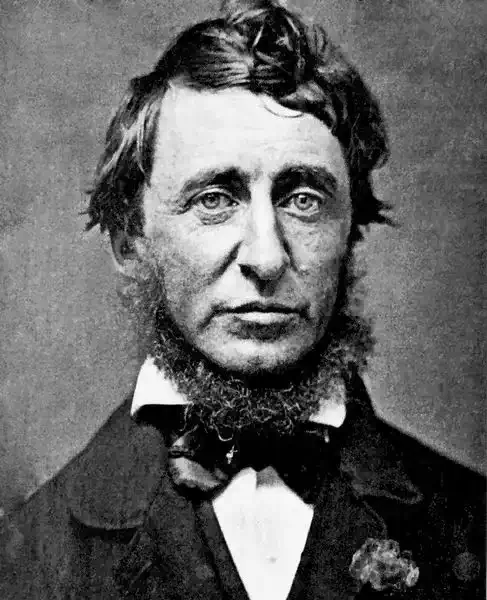
Henry David Thoreau
Away! Away! Away! Away!
Away! Away! Away! Away!
Away! away! away! away!
Ye have not kept your secret well,
I will abide that other day,
Those other lands ye tell.
Has time no leisure left for these,
The acts that ye rehearse?
Is not eternity a lease
For better deeds than verse?
‘Tis sweet to hear of heroes dead,
To know them still alive,
But sweeter if we earn their bread,
And in us they survive.
Our life should feed the springs of fame
With a perennial wave,
As ocean feeds the babbling founts
Which find it in their grave.
Ye skies dropp gently round my breast,
And be my corselet blue,
Ye earth receive my lance in rest,
My faithful charger you;
Ye stars my spear-heads in the sky,
My arrow-tips ye are;
I see the routed foemen fly,
My bright spears fixed are.
Give me an angel for a foe,
Fix now the place and time,
And straight to meet him I will go
Above the starry chime.
And with our clashing bucklers’ clang
The heavenly spears shall ring,
While bright the northern lights shall hang
Beside our tourneying.
And if she lose her champion true,
Tell Heaven not despair,
For I will be her champion new,
Her fame I will repair.
Away! away! away! away!
Ye have not kept your secret well,
I will abide that other day,
Those other lands ye tell.
Has time no leisure left for these,
The acts that ye rehearse?
Is not eternity a lease
For better deeds than verse?
‘Tis sweet to hear of heroes dead,
To know them still alive,
But sweeter if we earn their bread,
And in us they survive.
Our life should feed the springs of fame
With a perennial wave,
As ocean feeds the babbling founts
Which find it in their grave.
Ye skies dropp gently round my breast,
And be my corselet blue,
Ye earth receive my lance in rest,
My faithful charger you;
Ye stars my spear-heads in the sky,
My arrow-tips ye are;
I see the routed foemen fly,
My bright spears fixed are.
Give me an angel for a foe,
Fix now the place and time,
And straight to meet him I will go
Above the starry chime.
And with our clashing bucklers’ clang
The heavenly spears shall ring,
While bright the northern lights shall hang
Beside our tourneying.
And if she lose her champion true,
Tell Heaven not despair,
For I will be her champion new,
Her fame I will repair.
233

Gwendolyn Brooks
The Ballad of Rudolph Reed
The Ballad of Rudolph Reed
Rudolph Reed was oaken.
His wife was oaken too.
And his two good girls and his good little man
Oakened as they grew.
"I am not hungry for berries.
I am not hungry for bread.
But hungry hungry for a house
Where at night a man in bed
"May never hear the plaster
Stir as if in pain.
May never hear the roaches
Falling like fat rain.
"Where never wife and children need
Go blinking through the gloom.
Where every room of many rooms
Will be full of room.
"Oh my home may have its east or west
Or north or south behind it.
All I know is I shall know it,
And fight for it when I find it."
The agent's steep and steady stare
Corroded to a grin.
Why you black old, tough old hell of a man,
Move your family in!
Nary a grin grinned Rudolph Reed,
Nary a curse cursed he,
But moved in his House. With his dark little wife,
And his dark little children three.
A neighbor would look, with a yawning eye
That squeezed into a slit.
But the Rudolph Reeds and children three
Were too joyous to notice it.
For were they not firm in a home of their own
With windows everywhere
And a beautiful banistered stair
And a front yard for flowers and a back for grass?
The first night, a rock, big as two fists.
The second, a rock big as three.
But nary a curse cursed Rudolph Reed.
(Though oaken as man could be.)
The third night, a silvery ring of glass.
Patience arched to endure,
But he looked, and lo! small Mabel's blood
Was staining her gaze so pure.
Then up did rise our Roodoplh Reed
And pressed the hand of his wife,
And went to the door with a thirty-four
And a beastly butcher knife.
He ran like a mad thing into the night
And the words in his mouth were stinking.
By the time he had hurt his first white man
He was no longer thinking.
By the time he had hurt his fourth white man
Rudolph Reed was dead.
His neighbors gathered and kicked his corpse.
"Nigger--" his neighbors said.
Small Mabel whimpered all night long,
For calling herself the cause.
Her oak-eyed mother did no thing
But change the bloody gauze.
Rudolph Reed was oaken.
His wife was oaken too.
And his two good girls and his good little man
Oakened as they grew.
"I am not hungry for berries.
I am not hungry for bread.
But hungry hungry for a house
Where at night a man in bed
"May never hear the plaster
Stir as if in pain.
May never hear the roaches
Falling like fat rain.
"Where never wife and children need
Go blinking through the gloom.
Where every room of many rooms
Will be full of room.
"Oh my home may have its east or west
Or north or south behind it.
All I know is I shall know it,
And fight for it when I find it."
The agent's steep and steady stare
Corroded to a grin.
Why you black old, tough old hell of a man,
Move your family in!
Nary a grin grinned Rudolph Reed,
Nary a curse cursed he,
But moved in his House. With his dark little wife,
And his dark little children three.
A neighbor would look, with a yawning eye
That squeezed into a slit.
But the Rudolph Reeds and children three
Were too joyous to notice it.
For were they not firm in a home of their own
With windows everywhere
And a beautiful banistered stair
And a front yard for flowers and a back for grass?
The first night, a rock, big as two fists.
The second, a rock big as three.
But nary a curse cursed Rudolph Reed.
(Though oaken as man could be.)
The third night, a silvery ring of glass.
Patience arched to endure,
But he looked, and lo! small Mabel's blood
Was staining her gaze so pure.
Then up did rise our Roodoplh Reed
And pressed the hand of his wife,
And went to the door with a thirty-four
And a beastly butcher knife.
He ran like a mad thing into the night
And the words in his mouth were stinking.
By the time he had hurt his first white man
He was no longer thinking.
By the time he had hurt his fourth white man
Rudolph Reed was dead.
His neighbors gathered and kicked his corpse.
"Nigger--" his neighbors said.
Small Mabel whimpered all night long,
For calling herself the cause.
Her oak-eyed mother did no thing
But change the bloody gauze.
277
Gwendolyn Brooks
Garbageman: The Man With The Orderly Mind
Garbageman: The Man With The Orderly Mind
What do you think of us in fuzzy endeavor, you whose directions are
sterling, whose lunge is straight?
Can you make a reason, how can you pardon us who memorize the rules and never
score?
Who memorize the rules from your own text but never quite transfer them to the
game,
Who never quite receive the whistling ball, who gawk, begin to absorb the crowd's own
roar.
Is earnest enough, may earnest attract or lead to light;
Is light enough, if hands in clumsy frenzy, flimsy whimsically, enlist;
Is light enough when this bewilderment crying against the dark shuts down the
shades?
Dilute confusion. Find and explode our mist.
What do you think of us in fuzzy endeavor, you whose directions are
sterling, whose lunge is straight?
Can you make a reason, how can you pardon us who memorize the rules and never
score?
Who memorize the rules from your own text but never quite transfer them to the
game,
Who never quite receive the whistling ball, who gawk, begin to absorb the crowd's own
roar.
Is earnest enough, may earnest attract or lead to light;
Is light enough, if hands in clumsy frenzy, flimsy whimsically, enlist;
Is light enough when this bewilderment crying against the dark shuts down the
shades?
Dilute confusion. Find and explode our mist.
225

George Herbert
Artillery
Artillery
As I one ev'ning sat before my cell,
Me thoughts a star did shoot into my lap.
I rose, and shook my clothes, as knowing well,
That from small fires comes oft no small mishap.
When suddenly I heard one say,
-Do as thou usest, disobey,
Expell good motions from thy breast,
Which have the face of fire, but end in rest-.
I, who had heard of music in the spheres,
But not of speech in stars, began to muse:
But turning to my God, whose ministers
The stars and all things are; if I refuse,
Dread Lord, said I , so oft my good;
Then I refuse not ev'n with blood
To wash away my stubborn thought:
For I will do, or suffer what I ought.
But I have also stars and shooters too,
Born where thy servants both artilleries use.
My tears and prayers night and day do woo,
And work up to thee; yet thou dost refuse.
Not but that I am (I must say still)
Much more oblig'd to do thy will,
Than thou to grant mine: but because
Thy promise now hath ev'n set thee thy laws.
Then we are shooters both, and thou dost deign
To enter combat with us, and contest
With thine own clay. But I would parley fain:
Shun not my arrows, and behold my breast.
Yet if thou shunnest, I am thine:
I must be so, if I am mine.
There is no articling with thee:
I am but finite, yet thine infinitely.
As I one ev'ning sat before my cell,
Me thoughts a star did shoot into my lap.
I rose, and shook my clothes, as knowing well,
That from small fires comes oft no small mishap.
When suddenly I heard one say,
-Do as thou usest, disobey,
Expell good motions from thy breast,
Which have the face of fire, but end in rest-.
I, who had heard of music in the spheres,
But not of speech in stars, began to muse:
But turning to my God, whose ministers
The stars and all things are; if I refuse,
Dread Lord, said I , so oft my good;
Then I refuse not ev'n with blood
To wash away my stubborn thought:
For I will do, or suffer what I ought.
But I have also stars and shooters too,
Born where thy servants both artilleries use.
My tears and prayers night and day do woo,
And work up to thee; yet thou dost refuse.
Not but that I am (I must say still)
Much more oblig'd to do thy will,
Than thou to grant mine: but because
Thy promise now hath ev'n set thee thy laws.
Then we are shooters both, and thou dost deign
To enter combat with us, and contest
With thine own clay. But I would parley fain:
Shun not my arrows, and behold my breast.
Yet if thou shunnest, I am thine:
I must be so, if I am mine.
There is no articling with thee:
I am but finite, yet thine infinitely.
339