

Poems in this topic
Courage and Strength
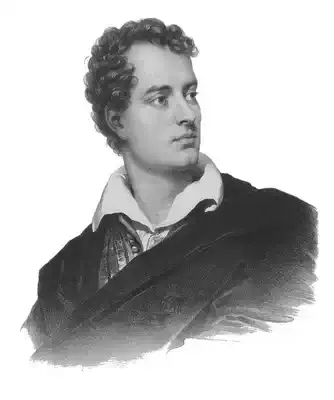
Lord Byron
Translation Of The Famous Greek War Song
Translation Of The Famous Greek War Song
Sons of the Greeks, arise!
The glorious hour's gone forth,
And, worthy of such ties,
Display who gave us birth.
CHORUS.
Sons of Greeks! let us go
In arms against the foe,
Till their hated blood shall flow
In a river past our feet.
Then manfully despising
The Turkish tyrant's yoke,
Let your country see you rising,
And all her chains are broke.
Brave shades of chiefs and sages,
Behold the coming strife!
Hellenes of past ages,
Oh, start again to life!
At the sound of my trumpet, breaking
Your sleep, oh, loin with me!
And the sevenhill'd
city seeking,
Fight, conquer, till we're free.
Sons of Greeks, &c.
Sparta, Sparta, why in slumbers
Lethargic dolt thou lie?
Awake, and join thy numbers
With Athens, old ally!
Leonidas recalling,
That chief of ancient song,
Who saved ye once from falling,
The terrible! the strong!
Who made that bold diversion
In old Thermopylæ
And warring with the Persian
To keep his country free;
With his three hundred waging
The battle, long he stood,
And like a lion raging,
Expired in seas of blood.
Sons of Greeks, &c.
Sons of the Greeks, arise!
The glorious hour's gone forth,
And, worthy of such ties,
Display who gave us birth.
CHORUS.
Sons of Greeks! let us go
In arms against the foe,
Till their hated blood shall flow
In a river past our feet.
Then manfully despising
The Turkish tyrant's yoke,
Let your country see you rising,
And all her chains are broke.
Brave shades of chiefs and sages,
Behold the coming strife!
Hellenes of past ages,
Oh, start again to life!
At the sound of my trumpet, breaking
Your sleep, oh, loin with me!
And the sevenhill'd
city seeking,
Fight, conquer, till we're free.
Sons of Greeks, &c.
Sparta, Sparta, why in slumbers
Lethargic dolt thou lie?
Awake, and join thy numbers
With Athens, old ally!
Leonidas recalling,
That chief of ancient song,
Who saved ye once from falling,
The terrible! the strong!
Who made that bold diversion
In old Thermopylæ
And warring with the Persian
To keep his country free;
With his three hundred waging
The battle, long he stood,
And like a lion raging,
Expired in seas of blood.
Sons of Greeks, &c.
589
Lord Byron
Translation From Horace
Translation From Horace
[Justum et tenacem propositi virum, &c.]
The man of firm and noble soul
No factious clamours can control;
No threat'ning tyrant's darkling brow
Can swerve him from his just intent:
Gales the warring waves which plough,
By Auster on the billows spent,
To curb the Adriatic main,
Would awe his fix'd, determined mind in vain.
Ay, and the red right arm of Jove,
Hurtling his lightnings from above,
With all his terrors, there unfurl'd,
He would unmoved, unawed, behold.
The flames of an expiring world,
Again in crashing chaos roll'd,
In vast promiscuous ruin hurl'd,
Might light his glorious funeral pile:
Still dauntless 'midst the wreck of earth he'd smile
[Justum et tenacem propositi virum, &c.]
The man of firm and noble soul
No factious clamours can control;
No threat'ning tyrant's darkling brow
Can swerve him from his just intent:
Gales the warring waves which plough,
By Auster on the billows spent,
To curb the Adriatic main,
Would awe his fix'd, determined mind in vain.
Ay, and the red right arm of Jove,
Hurtling his lightnings from above,
With all his terrors, there unfurl'd,
He would unmoved, unawed, behold.
The flames of an expiring world,
Again in crashing chaos roll'd,
In vast promiscuous ruin hurl'd,
Might light his glorious funeral pile:
Still dauntless 'midst the wreck of earth he'd smile
709
Lord Byron
To Thomas Moore
To Thomas Moore
My boat is on the shore,
And my bark is on the sea;
But, before I go, Tom Moore,
Here's a double health to thee!
Here's a sigh to those who love me,
And a smile to those who hate;
And, whatever sky's above me,
Here's a heart for every fate.
Though the ocean roar around me,
Yet it still shall bear me on;
Though a desert should surround me,
It hath springs that may be won.
Were't the last drop in the well,
As I gasp'd upon the brink,
Ere my fainting spirit fell,
'Tis to thee that I would drink.
With that water, as this wine,
The libation I would pour
Should be peace
with thine and mine,
And a health to thee, Tom Moore!
My boat is on the shore,
And my bark is on the sea;
But, before I go, Tom Moore,
Here's a double health to thee!
Here's a sigh to those who love me,
And a smile to those who hate;
And, whatever sky's above me,
Here's a heart for every fate.
Though the ocean roar around me,
Yet it still shall bear me on;
Though a desert should surround me,
It hath springs that may be won.
Were't the last drop in the well,
As I gasp'd upon the brink,
Ere my fainting spirit fell,
'Tis to thee that I would drink.
With that water, as this wine,
The libation I would pour
Should be peace
with thine and mine,
And a health to thee, Tom Moore!
591
Lord Byron
To-- : From The French
To-- : From The French
Must thou go, my glorious Chief,
Sever'd from thy faithful few?
Who can tell thy warrior's grief,
Maddening o'er that long adieu?
Woman's love, and friendship's zeal,
Dear as both have been to meWhat
are they to all I feel,
With a soldier's faith for thee?
Idol of the soldier's soul!
First in fight, but mightiest now;
Many could a world control;
Thee alone no doom can bow.
By thy side for years I dared
Death; and envied those who fell,
When their dying shout was heard,
Blessing him they served so well.
Would that I were cold with those,
Since this hour I live to see;
When the doubts of coward foes
Scarce dare trust a man with thee,
Dreading each should set thee free!
Oh! although in dungeons pent,
All their chains were light to me,
Gazing on thy soul unbent.
Would the sycophants of him
Now so deaf to duty's prayer,
Were his borrow'd glories dim,
In his native darkness share?
Were that world this hour his own,
All thou calmly dost resign,
Could he purchase with that throne
Hearts like those which still are thine?
My chief, my king, my friend, adieu!
Never did I droop before;
Never to my sovereign sue,
As his foes I now implore:
All I ask is to divide
Every peril he must brave;
Sharing by the hero's side
His fall, his exile, and his grave.
Must thou go, my glorious Chief,
Sever'd from thy faithful few?
Who can tell thy warrior's grief,
Maddening o'er that long adieu?
Woman's love, and friendship's zeal,
Dear as both have been to meWhat
are they to all I feel,
With a soldier's faith for thee?
Idol of the soldier's soul!
First in fight, but mightiest now;
Many could a world control;
Thee alone no doom can bow.
By thy side for years I dared
Death; and envied those who fell,
When their dying shout was heard,
Blessing him they served so well.
Would that I were cold with those,
Since this hour I live to see;
When the doubts of coward foes
Scarce dare trust a man with thee,
Dreading each should set thee free!
Oh! although in dungeons pent,
All their chains were light to me,
Gazing on thy soul unbent.
Would the sycophants of him
Now so deaf to duty's prayer,
Were his borrow'd glories dim,
In his native darkness share?
Were that world this hour his own,
All thou calmly dost resign,
Could he purchase with that throne
Hearts like those which still are thine?
My chief, my king, my friend, adieu!
Never did I droop before;
Never to my sovereign sue,
As his foes I now implore:
All I ask is to divide
Every peril he must brave;
Sharing by the hero's side
His fall, his exile, and his grave.
517
Lord Byron
The Island: Canto III.
The Island: Canto III.
I.
The fight was o'er; the flashing through the gloom,
Which robes the cannon as he wings a tomb,
Had ceased; and sulphury vapours upward driven
Had left the Earth, and but polluted Heaven:
The rattling roar which rung in every volley
Had left the echoes to their melancholy;
No more they shrieked their horror, boom for boom;
The strife was done, the vanquished had their doom;
The mutineers were crushed, dispersed, or ta'en,
Or lived to deem the happiest were the slain.
Few, few escaped, and these were hunted o'er
The isle they loved beyond their native shore.
No further home was theirs, it seemed, on earth,
Once renegades to that which gave them birth;
Tracked like wild beasts, like them they sought the wild,
As to a Mother's bosom flies the child;
But vainly wolves and lions seek their den,
And still more vainly men escape from men,
II.
Beneath a rock whose jutting base protrudes
Far over Ocean in its fiercest moods,
When scaling his enormous crag the wave
Is hurled down headlong, like the foremost brave,
And falls back on the foaming crowd behind,
Which fight beneath the banners of the wind,
But now at rest, a little remnant drew
Together, bleeding, thirsty, faint, and few;
But still their weapons in their hands, and still
With something of the pride of former will,
As men not all unused to meditate,
And strive much more than wonder at their fate.
Their present lot was what they had foreseen,
And dared as what was likely to have been;
Yet still the lingering hope, which deemed their lot
Not pardoned, but unsought for or forgot,
Or trusted that, if sought, their distant caves
Might still be missed amidst the world of waves,
Had weaned their thoughts in part from what they saw
And felt, the vengeance of their country's law.
Their seagreen
isle, their guiltwon
Paradise,
No more could shield their Virtue or their Vice:
Their better feelings, if such were, were thrown
Back on themselves,their
sins remained alone.
Proscribed even in their second country, they
Were lost; in vain the World before them lay;
All outlets seemed secured. Their new allies
Had fought and bled in mutual sacrifice;
But what availed the club and spear, and arm
Of Hercules, against the sulphury charm,
The magic of the thunder, which destroyed
The warrior ere his strength could be employed?
Dug, like a spreading pestilence, the grave
No less of human bravery than the brave!
Their own scant numbers acted all the few
Against the many oft will dare and do;
But though the choice seems native to die free,
Even Greece can boast but one Thermopylae,
Till now, when she has forged her broken chain
Back to a sword, and dies and lives again!
III.
Beside the jutting rock the few appeared,
Like the last remnant of the reddeer's
herd;
Their eyes were feverish, and their aspect worn,
But still the hunter's blood was on their horn.
A little stream came tumbling from the height,
And straggling into ocean as it might,
Its bounding crystal frolicked in the ray,
And gushed from cliff to crag with saltless spray;
Close on the wild, wide ocean, yet as pure
And fresh as Innocettce, and more secure,
Its silver torrent glittered o'er the deep,
As the shy chamois' eye o'erlooks the steep,
While far below the vast and sullen swell
Of Ocean's alpine azure rose and fell.
To this young spring they rushed,all
feelings first
Absorbed in Passion's and in Nature's thirst,Drank
as they do who drink their last, and threw
Their arms aside to revel in its dew;
Cooled their scorched throats, and washed the gory stains
From wounds whose only bandage might be chains;
Then,when their drought was quenched, looked sadly round,
As wondering how so many still were found
Alive and fetterless:but
silent all,
Each sought his fellow's eyes, as if to call
On him for language which his lips denied,
As though their voices with their cause had died.
IV.
Stern, and aloof a little from the rest,
Stood Christian, with his arms across his chest.
The ruddy, reckless, dauntless hue once spread
Along his cheek was livid now as lead;
His lightbrown
locks, so graceful in their flow,
Now rose like startled vipers o'er his brow.
Still as a statue, with his lips coinprest
To stifle even the breath within his breast,
Fast by the rock, all menacing, but mute,
He stood; and, save a slight beat of his foot,
Which deepened now and then the sandy dint
Beneath his heel, his form seemed turned to flint.
Some paces further Torquil leaned his head
Against a bank, and spoke not, but he bled,Not
mortally:his
worst wound was within;
His brow was pale, his blue eyes sunken in,too
And blooddrops,
sprinkled o'er his yellow hair,
Showed that his faintness came not from despair,
But Nature's ebb. Beside him was another,
Rough as a bear, but willing as a brother,Ben
Bunting, who essayed to wash, and wipe,
And bind his woundthen
calmly lit his pipe,
A trophy which survived a hundred fights,
A beacon which had cheered ten thousand nights.
The fourth and last of this deserted group
Walked up and downat
times would stand, then stoop
To pick a pebble upthen
let it dropThen
hurry as in hastethen
quickly stopThen
cast his eyes on his companionsthen
Half whistle half a tune, and pause againAnd
then his former movements would redouble,
With something between carelessness and trouble.
This is a long description, but applies
To scarce five minutes passed before the eyes;
But yet what minutes! Moments like to these
Rend men's lives into immortalities.
V.
At length Jack Skyscrape, a mercurial man,
Who fluttered over all things like a fan,
More brave than firm, and more disposed to dare
And die at once than wrestle with despair,
Exclaimed, 'Gd
damn I'those
syllables intense,Nucleus
of England's native eloquence,
As the Turk's 'Allah!' or the Roman's more
Pagan 'Proh Jupiter!' was wont of yore
To give their first impressions such a vent,
By way of echo to embarrassment.
Jack was embarrassed,never
hero more,
Till on the surf their skimming paddles play,
Buoyant as wings, and flitting through the spray;Now
perching on the wave's high curl, and now
Dashed downward in the thundering foam below,
Which flings it broad and boiling sheet on sheet,
And slings its high flakes, shivered into sleet:
But floating still through surf and swell, drew nigh
The barks, like small birds through a lowering sky.
Their art seemed naturesuch
the skill to sweep
The wave of these born playmates of the deep.
VIII.
And who the first that, springing on the strand,
Leaped like a Nereid from her shell to land,
With dark but brilliant skin, and dewy eye
Shining with love, and, hope, and constancy?
Neuhathe
fond, the faithful, the adoredHer
heart on Torquil's like a torrent poured;
And smiled, and wept, and near, and nearer clasped,
As if to be assured 'twas him she grasped;
Shuddered to see his yet warm wound, and then,
To find it trivial, smiled and wept again.
She was a warrior's daughter, and could bear
Such sights, and feel, and mourn, but not despair.
Her lover lived,nor
foes nor fears could blight
That fullblown
moment in its all delight:
Joy trickled in her tears, joy filled the sob
That rocked her heart till almost HEARD to throb;
And Paradise was breathing in the sigh
Of Nature's child in Nature's ecstasy.
IX.
The sterner spirits who beheld that meeting
Were not unmoved; who are, when hearts are greeting?
Even Christian gazed upon the maid and boy
With tearless eye, but yet a gloomy joy
Mixed with those bitter thoughts the soul arrays
In hopeless visions of our better days,
When all 's goneto
the rainbow's latest ray.
'And but for me!' he said, and turned away;
Then gazed upon the pair, as in his den
A lion looks upon his cubs again;
And then relapsed into his sullen guise,
As heedless of his further destinies.
X.
But brief their time for good or evil thought;
The billows round the promontory brought
The plash of hostile oars.Alas!
who made
That sound a dread? All around them seemed arrayed
Against them, save the bride of Toobonai
She, as she caught the first glimpse o'er the bay
Of the armed boats, which hurried to complete
The remnant's ruin with their flying feet,
Beckoned the natives round her to their prows,
Embarked their guests and launched their light canoes;
In one placed Christian and his comrades twainBut
she and Torquil must not part again.
She fixed him in her own.Away!
away!
They cleared the breakers, dart along the bay,
And towards a group of islets, such as bear
The seabird's
nest and seal's surfhollowed
lair,
They skim the blue tops of the billows; fast
They flew, and fast their fierce pursuers chased.
They gain upon themnow
they lose again,Again
make way and menace o'er the main;
And now the two canoes in chase divide,
Arid follow different courses o'er the tide,
To baffle the pursuit.Away!
away!
As Life is on each paddle's flight today,
And more than Life or lives to Neuha: Love
Freights the frail bark and urges to the cove;
And now the refuge and the foe are nighYet,
yet a moment! Fly, thou light ark, fly!
I.
The fight was o'er; the flashing through the gloom,
Which robes the cannon as he wings a tomb,
Had ceased; and sulphury vapours upward driven
Had left the Earth, and but polluted Heaven:
The rattling roar which rung in every volley
Had left the echoes to their melancholy;
No more they shrieked their horror, boom for boom;
The strife was done, the vanquished had their doom;
The mutineers were crushed, dispersed, or ta'en,
Or lived to deem the happiest were the slain.
Few, few escaped, and these were hunted o'er
The isle they loved beyond their native shore.
No further home was theirs, it seemed, on earth,
Once renegades to that which gave them birth;
Tracked like wild beasts, like them they sought the wild,
As to a Mother's bosom flies the child;
But vainly wolves and lions seek their den,
And still more vainly men escape from men,
II.
Beneath a rock whose jutting base protrudes
Far over Ocean in its fiercest moods,
When scaling his enormous crag the wave
Is hurled down headlong, like the foremost brave,
And falls back on the foaming crowd behind,
Which fight beneath the banners of the wind,
But now at rest, a little remnant drew
Together, bleeding, thirsty, faint, and few;
But still their weapons in their hands, and still
With something of the pride of former will,
As men not all unused to meditate,
And strive much more than wonder at their fate.
Their present lot was what they had foreseen,
And dared as what was likely to have been;
Yet still the lingering hope, which deemed their lot
Not pardoned, but unsought for or forgot,
Or trusted that, if sought, their distant caves
Might still be missed amidst the world of waves,
Had weaned their thoughts in part from what they saw
And felt, the vengeance of their country's law.
Their seagreen
isle, their guiltwon
Paradise,
No more could shield their Virtue or their Vice:
Their better feelings, if such were, were thrown
Back on themselves,their
sins remained alone.
Proscribed even in their second country, they
Were lost; in vain the World before them lay;
All outlets seemed secured. Their new allies
Had fought and bled in mutual sacrifice;
But what availed the club and spear, and arm
Of Hercules, against the sulphury charm,
The magic of the thunder, which destroyed
The warrior ere his strength could be employed?
Dug, like a spreading pestilence, the grave
No less of human bravery than the brave!
Their own scant numbers acted all the few
Against the many oft will dare and do;
But though the choice seems native to die free,
Even Greece can boast but one Thermopylae,
Till now, when she has forged her broken chain
Back to a sword, and dies and lives again!
III.
Beside the jutting rock the few appeared,
Like the last remnant of the reddeer's
herd;
Their eyes were feverish, and their aspect worn,
But still the hunter's blood was on their horn.
A little stream came tumbling from the height,
And straggling into ocean as it might,
Its bounding crystal frolicked in the ray,
And gushed from cliff to crag with saltless spray;
Close on the wild, wide ocean, yet as pure
And fresh as Innocettce, and more secure,
Its silver torrent glittered o'er the deep,
As the shy chamois' eye o'erlooks the steep,
While far below the vast and sullen swell
Of Ocean's alpine azure rose and fell.
To this young spring they rushed,all
feelings first
Absorbed in Passion's and in Nature's thirst,Drank
as they do who drink their last, and threw
Their arms aside to revel in its dew;
Cooled their scorched throats, and washed the gory stains
From wounds whose only bandage might be chains;
Then,when their drought was quenched, looked sadly round,
As wondering how so many still were found
Alive and fetterless:but
silent all,
Each sought his fellow's eyes, as if to call
On him for language which his lips denied,
As though their voices with their cause had died.
IV.
Stern, and aloof a little from the rest,
Stood Christian, with his arms across his chest.
The ruddy, reckless, dauntless hue once spread
Along his cheek was livid now as lead;
His lightbrown
locks, so graceful in their flow,
Now rose like startled vipers o'er his brow.
Still as a statue, with his lips coinprest
To stifle even the breath within his breast,
Fast by the rock, all menacing, but mute,
He stood; and, save a slight beat of his foot,
Which deepened now and then the sandy dint
Beneath his heel, his form seemed turned to flint.
Some paces further Torquil leaned his head
Against a bank, and spoke not, but he bled,Not
mortally:his
worst wound was within;
His brow was pale, his blue eyes sunken in,too
And blooddrops,
sprinkled o'er his yellow hair,
Showed that his faintness came not from despair,
But Nature's ebb. Beside him was another,
Rough as a bear, but willing as a brother,Ben
Bunting, who essayed to wash, and wipe,
And bind his woundthen
calmly lit his pipe,
A trophy which survived a hundred fights,
A beacon which had cheered ten thousand nights.
The fourth and last of this deserted group
Walked up and downat
times would stand, then stoop
To pick a pebble upthen
let it dropThen
hurry as in hastethen
quickly stopThen
cast his eyes on his companionsthen
Half whistle half a tune, and pause againAnd
then his former movements would redouble,
With something between carelessness and trouble.
This is a long description, but applies
To scarce five minutes passed before the eyes;
But yet what minutes! Moments like to these
Rend men's lives into immortalities.
V.
At length Jack Skyscrape, a mercurial man,
Who fluttered over all things like a fan,
More brave than firm, and more disposed to dare
And die at once than wrestle with despair,
Exclaimed, 'Gd
damn I'those
syllables intense,Nucleus
of England's native eloquence,
As the Turk's 'Allah!' or the Roman's more
Pagan 'Proh Jupiter!' was wont of yore
To give their first impressions such a vent,
By way of echo to embarrassment.
Jack was embarrassed,never
hero more,
Till on the surf their skimming paddles play,
Buoyant as wings, and flitting through the spray;Now
perching on the wave's high curl, and now
Dashed downward in the thundering foam below,
Which flings it broad and boiling sheet on sheet,
And slings its high flakes, shivered into sleet:
But floating still through surf and swell, drew nigh
The barks, like small birds through a lowering sky.
Their art seemed naturesuch
the skill to sweep
The wave of these born playmates of the deep.
VIII.
And who the first that, springing on the strand,
Leaped like a Nereid from her shell to land,
With dark but brilliant skin, and dewy eye
Shining with love, and, hope, and constancy?
Neuhathe
fond, the faithful, the adoredHer
heart on Torquil's like a torrent poured;
And smiled, and wept, and near, and nearer clasped,
As if to be assured 'twas him she grasped;
Shuddered to see his yet warm wound, and then,
To find it trivial, smiled and wept again.
She was a warrior's daughter, and could bear
Such sights, and feel, and mourn, but not despair.
Her lover lived,nor
foes nor fears could blight
That fullblown
moment in its all delight:
Joy trickled in her tears, joy filled the sob
That rocked her heart till almost HEARD to throb;
And Paradise was breathing in the sigh
Of Nature's child in Nature's ecstasy.
IX.
The sterner spirits who beheld that meeting
Were not unmoved; who are, when hearts are greeting?
Even Christian gazed upon the maid and boy
With tearless eye, but yet a gloomy joy
Mixed with those bitter thoughts the soul arrays
In hopeless visions of our better days,
When all 's goneto
the rainbow's latest ray.
'And but for me!' he said, and turned away;
Then gazed upon the pair, as in his den
A lion looks upon his cubs again;
And then relapsed into his sullen guise,
As heedless of his further destinies.
X.
But brief their time for good or evil thought;
The billows round the promontory brought
The plash of hostile oars.Alas!
who made
That sound a dread? All around them seemed arrayed
Against them, save the bride of Toobonai
She, as she caught the first glimpse o'er the bay
Of the armed boats, which hurried to complete
The remnant's ruin with their flying feet,
Beckoned the natives round her to their prows,
Embarked their guests and launched their light canoes;
In one placed Christian and his comrades twainBut
she and Torquil must not part again.
She fixed him in her own.Away!
away!
They cleared the breakers, dart along the bay,
And towards a group of islets, such as bear
The seabird's
nest and seal's surfhollowed
lair,
They skim the blue tops of the billows; fast
They flew, and fast their fierce pursuers chased.
They gain upon themnow
they lose again,Again
make way and menace o'er the main;
And now the two canoes in chase divide,
Arid follow different courses o'er the tide,
To baffle the pursuit.Away!
away!
As Life is on each paddle's flight today,
And more than Life or lives to Neuha: Love
Freights the frail bark and urges to the cove;
And now the refuge and the foe are nighYet,
yet a moment! Fly, thou light ark, fly!
539
Lord Byron
Song For The Luddites
Song For The Luddites
I.
As the Liberty lads o'er the sea
Bought their freedom, and cheaply, with blood,
So we, boys, we
Will die fighting, or live free,
And down with all kings but King Ludd!
II.
When the web that we weave is complete,
And the shuttle exchanged for the sword,
We will fling the winding sheet
O'er the despot at our feet,
And dye it deep in the gore he has pour'd.
III.
Though black as his heart its hue,
Since his veins are corrupted to mud,
Yet this is the dew
Which the tree shall renew
Of Liberty, planted by Ludd!
I.
As the Liberty lads o'er the sea
Bought their freedom, and cheaply, with blood,
So we, boys, we
Will die fighting, or live free,
And down with all kings but King Ludd!
II.
When the web that we weave is complete,
And the shuttle exchanged for the sword,
We will fling the winding sheet
O'er the despot at our feet,
And dye it deep in the gore he has pour'd.
III.
Though black as his heart its hue,
Since his veins are corrupted to mud,
Yet this is the dew
Which the tree shall renew
Of Liberty, planted by Ludd!
684
Lord Byron
Prometheus
Prometheus
Titan! to whose immortal eyes
The sufferings of mortality,
Seen in their sad reality,
Were not as things that gods despise;
What was thy pity's recompense?
A silent suffering, and intense;
The rock, the vulture, and the chain,
All that the proud can feel of pain,
The agony they do not show,
The suffocating sense of woe,
Which speaks but in its loneliness,
And then is jealous lest the sky
Should have a listener, nor will sigh
Until its voice is echoless.
Titan! to thee the strife was given
Between the suffering and the will,
Which torture where they cannot kill;
And the inexorable Heaven,
And the deaf tyranny of Fate,
The ruling principle of Hate,
Which for its pleasure doth create
The things it may annihilate,
Refus'd thee even the boon to die:
The wretched gift Eternity
Was thineand
thou hast borne it well.
All that the Thunderer wrung from thee
Was but the menace which flung back
On him the torments of thy rack;
The fate thou didst so well foresee,
But would not to appease him tell;
And in thy Silence was his Sentence,
And in his Soul a vain repentance,
And evil dread so ill dissembled,
That in his hand the lightnings trembled.
Thy Godlike crime was to be kind,
To render with thy precepts less
The sum of human wretchedness,
And strengthen Man with his own mind;
But baffled as thou wert from high,
Still in thy patient energy,
In the endurance, and repulse
Of thine impenetrable Spirit,
Which Earth and Heaven could not convulse,
A mighty lesson we inherit:
Thou art a symbol and a sign
To Mortals of their fate and force;
Like thee, Man is in part divine,
A troubled stream from a pure source;
And Man in portions can foresee
His own funereal destiny;
His wretchedness, and his resistance,
And his sad unallied existence:
To which his Spirit may oppose
Itselfand
equal to all woes,
And a firm will, and a deep sense,
Which even in torture can descry
Its own concenter'd recompense,
Triumphant where it dares defy,
And making Death a Victory.
Titan! to whose immortal eyes
The sufferings of mortality,
Seen in their sad reality,
Were not as things that gods despise;
What was thy pity's recompense?
A silent suffering, and intense;
The rock, the vulture, and the chain,
All that the proud can feel of pain,
The agony they do not show,
The suffocating sense of woe,
Which speaks but in its loneliness,
And then is jealous lest the sky
Should have a listener, nor will sigh
Until its voice is echoless.
Titan! to thee the strife was given
Between the suffering and the will,
Which torture where they cannot kill;
And the inexorable Heaven,
And the deaf tyranny of Fate,
The ruling principle of Hate,
Which for its pleasure doth create
The things it may annihilate,
Refus'd thee even the boon to die:
The wretched gift Eternity
Was thineand
thou hast borne it well.
All that the Thunderer wrung from thee
Was but the menace which flung back
On him the torments of thy rack;
The fate thou didst so well foresee,
But would not to appease him tell;
And in thy Silence was his Sentence,
And in his Soul a vain repentance,
And evil dread so ill dissembled,
That in his hand the lightnings trembled.
Thy Godlike crime was to be kind,
To render with thy precepts less
The sum of human wretchedness,
And strengthen Man with his own mind;
But baffled as thou wert from high,
Still in thy patient energy,
In the endurance, and repulse
Of thine impenetrable Spirit,
Which Earth and Heaven could not convulse,
A mighty lesson we inherit:
Thou art a symbol and a sign
To Mortals of their fate and force;
Like thee, Man is in part divine,
A troubled stream from a pure source;
And Man in portions can foresee
His own funereal destiny;
His wretchedness, and his resistance,
And his sad unallied existence:
To which his Spirit may oppose
Itselfand
equal to all woes,
And a firm will, and a deep sense,
Which even in torture can descry
Its own concenter'd recompense,
Triumphant where it dares defy,
And making Death a Victory.
542
Lord Byron
On this Day I Complete my Thirty-Sixth Year
On this Day I Complete my Thirty-Sixth Year
'Tis time the heart should be unmoved,
Since others it hath ceased to move:
Yet, though I cannot be beloved,
Still let me love!
My days are in the yellow leaf;
The flowers and fruits of love are gone;
The worm, the canker, and the grief
Are mine alone!
The fire that on my bosom preys
Is lone as some volcanic isle;
No torch is kindled at its blazeA
funeral pile.
The hope, the fear, the jealous care,
The exalted portion of the pain
And power of love, I cannot share,
But wear the chain.
But 'tis not thusand
'tis not hereSuch
thoughts should shake my soul nor now,
Where glory decks the hero's bier,
Or binds his brow.
The sword, the banner, and the field,
Glory and Greece, around me see!
The Spartan, borne upon his shield,
Was not more free.
Awake! (not Greeceshe
is awake!)
Awake, my spirit! Think through whom
Thy lifeblood
tracks its parent lake,
And then strike home!
Tread those reviving passions down,
Unworthy manhood!unto
thee
Indifferent should the smile or frown
Of beauty be.
If thou regrett'st thy youth, why live?
The land of honourable death
Is here:up
to the field, and give
Away thy breath!
Seek outless
often sought than foundA
soldier's grave, for thee the best;
Then look around, and choose thy ground,
And take thy rest.
'Tis time the heart should be unmoved,
Since others it hath ceased to move:
Yet, though I cannot be beloved,
Still let me love!
My days are in the yellow leaf;
The flowers and fruits of love are gone;
The worm, the canker, and the grief
Are mine alone!
The fire that on my bosom preys
Is lone as some volcanic isle;
No torch is kindled at its blazeA
funeral pile.
The hope, the fear, the jealous care,
The exalted portion of the pain
And power of love, I cannot share,
But wear the chain.
But 'tis not thusand
'tis not hereSuch
thoughts should shake my soul nor now,
Where glory decks the hero's bier,
Or binds his brow.
The sword, the banner, and the field,
Glory and Greece, around me see!
The Spartan, borne upon his shield,
Was not more free.
Awake! (not Greeceshe
is awake!)
Awake, my spirit! Think through whom
Thy lifeblood
tracks its parent lake,
And then strike home!
Tread those reviving passions down,
Unworthy manhood!unto
thee
Indifferent should the smile or frown
Of beauty be.
If thou regrett'st thy youth, why live?
The land of honourable death
Is here:up
to the field, and give
Away thy breath!
Seek outless
often sought than foundA
soldier's grave, for thee the best;
Then look around, and choose thy ground,
And take thy rest.
540
Lord Byron
On Chillon
On Chillon
Eternal Spirit of the chainless Mind!
Brightest in dungeons, Liberty, thou art;
For there thy habitation is the heart—
The heart which love of thee alone can bind;
And when thy sons to fetters are consigned,
To
fetters, and the damp vault's dayless gloom—
Their country conquers with their martyrdom,
And Freedom's fame finds wings on every wind.
Chillon! thy prison is a holy place,
And thy sad floor and altar, for 'twas trod,
Until his very steps have left a trace,
Worn, as if thy cold pavement were a sod,
By Bonnivard.—May none those marks efface!
For they appeal from tyranny to God.
Eternal Spirit of the chainless Mind!
Brightest in dungeons, Liberty, thou art;
For there thy habitation is the heart—
The heart which love of thee alone can bind;
And when thy sons to fetters are consigned,
To
fetters, and the damp vault's dayless gloom—
Their country conquers with their martyrdom,
And Freedom's fame finds wings on every wind.
Chillon! thy prison is a holy place,
And thy sad floor and altar, for 'twas trod,
Until his very steps have left a trace,
Worn, as if thy cold pavement were a sod,
By Bonnivard.—May none those marks efface!
For they appeal from tyranny to God.
570
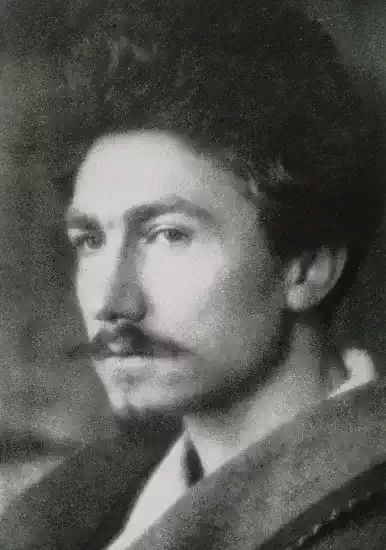
Ezra Pound
The Rest
The Rest
O helpless few in my country, remnant enslaved!
Artists broken against her,
A-stray, lost in the villages,
Mistrusted, spoken-against,
Lovers of beauty, starved,
Thwarted with systems,
Helpless against the control;
You who can not wear yourselves out
By persisting to successes,
You who can only speak,
Who can not steel yourselves into reiteration;
You of the finer sense,
Broken against false knowledge,
You who can know at first hand,
Hated, shut in, mistrusted:
Take thought:
I have weathered the storm,
I have beaten out my exile.
O helpless few in my country, remnant enslaved!
Artists broken against her,
A-stray, lost in the villages,
Mistrusted, spoken-against,
Lovers of beauty, starved,
Thwarted with systems,
Helpless against the control;
You who can not wear yourselves out
By persisting to successes,
You who can only speak,
Who can not steel yourselves into reiteration;
You of the finer sense,
Broken against false knowledge,
You who can know at first hand,
Hated, shut in, mistrusted:
Take thought:
I have weathered the storm,
I have beaten out my exile.
422
Ezra Pound
Sestina: Altaforte
Sestina: Altaforte
Loquitur: En Bertrans de Born.
Dante Alighieri put this man in hell for that he was a
stirrer-up of strife.
Eccovi!
Judge ye!
Have I dug him up again?
The scene in at his castle, Altaforte. "Papiols" is his jongleur.
"The Leopard," the device of Richard (Cúur de Lion).
I
Damn it all! all this our South stinks peace.
You whoreson dog, Papiols, come! Let's to music!
I have no life save when the swords clash.
But ah! when I see the standards gold, vair, purple, opposing
And the broad fields beneath them turn crimson,
Then howl I my heart nigh mad with rejoicing.
II
In hot summer have I great rejoicing
When the tempests kill the earth's foul peace,
And the lightnings from black heav'n flash crimson,
And the fierce thunders roar me their music
And the winds shriek through the clouds mad, opposing,
And through all the riven skies God's swords clash.
III
Hell grant soon we hear again the swords clash!
And the shrill neighs of destriers in battle rejoicing,
Spiked breast to spiked breast opposing!
Better one hour's stour than a year's peace
With fat boards, bawds, wine and frail music!
Bah! there's no wine like the blood's crimson!
IV
And I love to see the sun rise blood-crimson.
And I watch his spears through the dark clash
And it fills all my heart with rejoicing
And pries wide my mouth with fast music
When I see him so scorn and defy peace,
His lone might 'gainst all darkness opposing.
V
The man who fears war and squats opposing
My words for stour, hath no blood of crimson
But is fit only to rot in womanish peace
Far from where worth's won and the swords clash
For the death of such sluts I go rejoicing;
Yea, I fill all the air with my music.
VI
Papiols, Papiols, to the music!
There's no sound like to swords swords opposing,
No cry like the battle's rejoicing
When our elbows and swords drip the crimson
And our charges 'gainst "The Leopard's" rush clash.
May God damn for ever all who cry "Peace!"
VII
And let the music of the swords make them crimson!
Hell grant soon we hear again the swords clash!
Hell blot black for always the thought "Peace!"
Loquitur: En Bertrans de Born.
Dante Alighieri put this man in hell for that he was a
stirrer-up of strife.
Eccovi!
Judge ye!
Have I dug him up again?
The scene in at his castle, Altaforte. "Papiols" is his jongleur.
"The Leopard," the device of Richard (Cúur de Lion).
I
Damn it all! all this our South stinks peace.
You whoreson dog, Papiols, come! Let's to music!
I have no life save when the swords clash.
But ah! when I see the standards gold, vair, purple, opposing
And the broad fields beneath them turn crimson,
Then howl I my heart nigh mad with rejoicing.
II
In hot summer have I great rejoicing
When the tempests kill the earth's foul peace,
And the lightnings from black heav'n flash crimson,
And the fierce thunders roar me their music
And the winds shriek through the clouds mad, opposing,
And through all the riven skies God's swords clash.
III
Hell grant soon we hear again the swords clash!
And the shrill neighs of destriers in battle rejoicing,
Spiked breast to spiked breast opposing!
Better one hour's stour than a year's peace
With fat boards, bawds, wine and frail music!
Bah! there's no wine like the blood's crimson!
IV
And I love to see the sun rise blood-crimson.
And I watch his spears through the dark clash
And it fills all my heart with rejoicing
And pries wide my mouth with fast music
When I see him so scorn and defy peace,
His lone might 'gainst all darkness opposing.
V
The man who fears war and squats opposing
My words for stour, hath no blood of crimson
But is fit only to rot in womanish peace
Far from where worth's won and the swords clash
For the death of such sluts I go rejoicing;
Yea, I fill all the air with my music.
VI
Papiols, Papiols, to the music!
There's no sound like to swords swords opposing,
No cry like the battle's rejoicing
When our elbows and swords drip the crimson
And our charges 'gainst "The Leopard's" rush clash.
May God damn for ever all who cry "Peace!"
VII
And let the music of the swords make them crimson!
Hell grant soon we hear again the swords clash!
Hell blot black for always the thought "Peace!"
498
Ezra Pound
Ité
Ité
Go, my songs, seek your praise from the young
and from the intolerant,
Move among the lovers of perfection alone.
Seek ever to stand in the hard Sophoclean light
And take you wounds from it gladly.
Go, my songs, seek your praise from the young
and from the intolerant,
Move among the lovers of perfection alone.
Seek ever to stand in the hard Sophoclean light
And take you wounds from it gladly.
340
Ezra Pound
For E. McC
For E. McC
Gone while your tastes were keen to you,
Gone where the grey winds call to you,
By that high fencer, even Death,
Struck of the blade that no man parrieth;
Such is your fence, one saith,
One that hath known you.
Drew you your sword most gallantly
Made you your pass most valiantly
'Gainst that grey fencer, even Death.
Gone as a gust of breath
Faith! no man tarrieth,
‘Se il cor ti manca,’ but it failed thee not!
'Non ti fidar,’ it is the sword that speaks
‘In me.’
Thou trusted'st in thyself and met the blade
'Thout mask or gauntlet, and art laid
As memorable broken blades that be
Kept as bold trophies of old pageantry.
As old Toledos past their days of war
Are kept mnemonic of the strokes they bore,
So art thou with us, being good to keep
In our heart's sword-rack, though thy sword-arm sleep.
ENVOI
Struck of the blade that no man parrieth
Pierced of the point that toucheth lastly all,
'Gainst that grey fencer, even Death,
Behold the shield! He shall not take thee all.
Gone while your tastes were keen to you,
Gone where the grey winds call to you,
By that high fencer, even Death,
Struck of the blade that no man parrieth;
Such is your fence, one saith,
One that hath known you.
Drew you your sword most gallantly
Made you your pass most valiantly
'Gainst that grey fencer, even Death.
Gone as a gust of breath
Faith! no man tarrieth,
‘Se il cor ti manca,’ but it failed thee not!
'Non ti fidar,’ it is the sword that speaks
‘In me.’
Thou trusted'st in thyself and met the blade
'Thout mask or gauntlet, and art laid
As memorable broken blades that be
Kept as bold trophies of old pageantry.
As old Toledos past their days of war
Are kept mnemonic of the strokes they bore,
So art thou with us, being good to keep
In our heart's sword-rack, though thy sword-arm sleep.
ENVOI
Struck of the blade that no man parrieth
Pierced of the point that toucheth lastly all,
'Gainst that grey fencer, even Death,
Behold the shield! He shall not take thee all.
483
Ezra Pound
Ballad for Gloom
Ballad for Gloom
For God, our God is a gallant foe
That playeth behind the veil.
I have loved my God as a child at heart
That seeketh deep bosoms for rest,
I have loved my God as a maid to man—
But lo, this thing is best:
To love your God as a gallant foe that plays behind the veil;
To meet your God as the night winds meet beyond Arcturus' pale.
I have played with God for a woman,
I have staked with my God for truth,
I have lost to my God as a man, clear-eyed—
His dice be not of ruth.
For I am made as a naked blade,
But hear ye this thing in sooth:
Who loseth to God as man to man
Shall win at the turn of the game.
I have drawn my blade where the lightnings meet
But the ending is the same:
Who loseth to God as the sword blades lose
Shall win at the end of the game.
For God, our God is a gallant foe that playeth behind the veil.
Whom God deigns not to overthrow hath need of triple mail.
For God, our God is a gallant foe
That playeth behind the veil.
I have loved my God as a child at heart
That seeketh deep bosoms for rest,
I have loved my God as a maid to man—
But lo, this thing is best:
To love your God as a gallant foe that plays behind the veil;
To meet your God as the night winds meet beyond Arcturus' pale.
I have played with God for a woman,
I have staked with my God for truth,
I have lost to my God as a man, clear-eyed—
His dice be not of ruth.
For I am made as a naked blade,
But hear ye this thing in sooth:
Who loseth to God as man to man
Shall win at the turn of the game.
I have drawn my blade where the lightnings meet
But the ending is the same:
Who loseth to God as the sword blades lose
Shall win at the end of the game.
For God, our God is a gallant foe that playeth behind the veil.
Whom God deigns not to overthrow hath need of triple mail.
550

Emily Jane Brontë
The Visionary
The Visionary
Silent is the house: all are laid asleep:
One alone looks out o’er the snow-wreaths deep,
Watching every cloud, dreading every breeze
That whirls the wildering drift, and bends the groaning trees.
Cheerful is the hearth, soft the matted floor;
Not one shivering gust creeps through pane or door;
The little lamp burns straight, its rays shoot strong and far:
I trim it well, to be the wanderer’s guiding-star.
Frown, my haughty sire! chide, my angry dame!
Set your slaves to spy; threaten me with shame:
But neither sire nor dame nor prying serf shall know,
What angel nightly tracks that waste of frozen snow.
What I love shall come like visitant of air,
Safe in secret power from lurking human snare;
What loves me, no word of mine shall e’er betray,
Though for faith unstained my life must forfeit pay.
Burn, then, little lamp; glimmer straight and clear—
Hush! a rustling wing stirs, methinks, the air:
He for whom I wait, thus ever comes to me;
Strange Power! I trust thy might; trust thou my constancy.
Silent is the house: all are laid asleep:
One alone looks out o’er the snow-wreaths deep,
Watching every cloud, dreading every breeze
That whirls the wildering drift, and bends the groaning trees.
Cheerful is the hearth, soft the matted floor;
Not one shivering gust creeps through pane or door;
The little lamp burns straight, its rays shoot strong and far:
I trim it well, to be the wanderer’s guiding-star.
Frown, my haughty sire! chide, my angry dame!
Set your slaves to spy; threaten me with shame:
But neither sire nor dame nor prying serf shall know,
What angel nightly tracks that waste of frozen snow.
What I love shall come like visitant of air,
Safe in secret power from lurking human snare;
What loves me, no word of mine shall e’er betray,
Though for faith unstained my life must forfeit pay.
Burn, then, little lamp; glimmer straight and clear—
Hush! a rustling wing stirs, methinks, the air:
He for whom I wait, thus ever comes to me;
Strange Power! I trust thy might; trust thou my constancy.
228
Emily Jane Brontë
The Old Stoic
The Old Stoic
Riches I hold in light esteem;
And Love I laugh to scorn;
And lust of fame was but a dream
That vanished with the morn:
And if I pray, the only prayer
That moves my lips for me
Is, 'Leave the heart that now I bear,
And give me liberty!'
Yes, as my swift days near their goal,
'Tis all that I implore;
In life and death, a chainless soul,
With courage to endure.
Riches I hold in light esteem;
And Love I laugh to scorn;
And lust of fame was but a dream
That vanished with the morn:
And if I pray, the only prayer
That moves my lips for me
Is, 'Leave the heart that now I bear,
And give me liberty!'
Yes, as my swift days near their goal,
'Tis all that I implore;
In life and death, a chainless soul,
With courage to endure.
190
Emily Jane Brontë
No Coward Soul Is Mine
No Coward Soul Is Mine
No coward soul is mine,
No trembler in the world,s storm-troubled sphere:
I see Heaven's glories shine,
And Faith shines equal arming me from Fear.
O God within my breast.
Almighty ever-present Deity!
Life , that in me has rest,
As I Undying Life, have power in thee!
Vain are the thousand creeds
That move men's hearts, unutterably vain;
Worthless as withered weeds,
Or idlest froth amid the boundless main,
To waken doubt in one
Holding so fast by Thy infinity;
So surely anchored on
The steadfast rock of Immortality.
With wide-embracing love
Thy Spirit animates eternal years,
Pervades and broods above,
Changes, sustains, dissolves, creates, and rears.
Though Earth and moon were gone,
And suns and universes ceased to be,
And Thou wert left alone,
Every Existence would exist in thee.
There is not room for Death,
Nor atom that his might could render void:
Since thou art Being and Breath,
And what thou art may never be destroyed.
No coward soul is mine,
No trembler in the world,s storm-troubled sphere:
I see Heaven's glories shine,
And Faith shines equal arming me from Fear.
O God within my breast.
Almighty ever-present Deity!
Life , that in me has rest,
As I Undying Life, have power in thee!
Vain are the thousand creeds
That move men's hearts, unutterably vain;
Worthless as withered weeds,
Or idlest froth amid the boundless main,
To waken doubt in one
Holding so fast by Thy infinity;
So surely anchored on
The steadfast rock of Immortality.
With wide-embracing love
Thy Spirit animates eternal years,
Pervades and broods above,
Changes, sustains, dissolves, creates, and rears.
Though Earth and moon were gone,
And suns and universes ceased to be,
And Thou wert left alone,
Every Existence would exist in thee.
There is not room for Death,
Nor atom that his might could render void:
Since thou art Being and Breath,
And what thou art may never be destroyed.
500
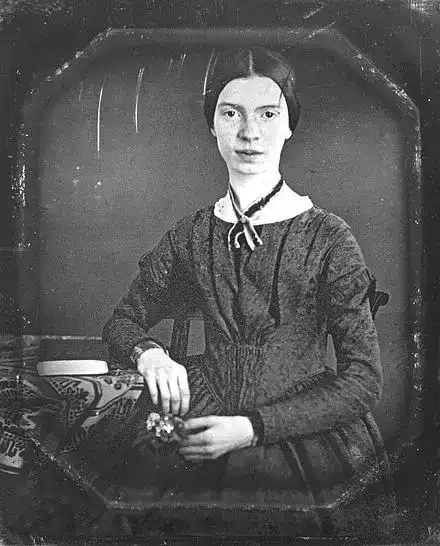
Emily Dickinson
Who never lost, are unprepared
Who never lost, are unprepared
73
Who never lost, are unprepared
A Coronet to find!
Who never thirsted
Flagons, and Cooling Tamarind!
Who never climbed the weary league-
Can such a foot explore
The purple territories
On Pizarro's shore?
How many Legions overcome-
The Emperor will say?
How many Colors taken
On Revolution Day?
How many Bullets bearest?
Hast Thou the Royal scar?
Angels! Write "Promoted"
On this Soldier's brow!
73
Who never lost, are unprepared
A Coronet to find!
Who never thirsted
Flagons, and Cooling Tamarind!
Who never climbed the weary league-
Can such a foot explore
The purple territories
On Pizarro's shore?
How many Legions overcome-
The Emperor will say?
How many Colors taken
On Revolution Day?
How many Bullets bearest?
Hast Thou the Royal scar?
Angels! Write "Promoted"
On this Soldier's brow!
272
Emily Dickinson
When we stand on the tops of Things
When we stand on the tops of Things
242
When we stand on the tops of Things-
And like the Trees, look down-
The smoke all cleared away from it-
And Mirrors on the scene-
Just laying light-no soul will wink
Except it have the flaw-
The Sound ones, like the Hills-shall stand-
No Lighting, scares away-
The Perfect, nowhere be afraid-
They bear their dauntless Heads,
Where others, dare not go at Noon,
Protected by their deeds-
The Stars dare shine occasionally
Upon a spotted World-
And Suns, go surer, for their Proof,
As if an Axle, held-
242
When we stand on the tops of Things-
And like the Trees, look down-
The smoke all cleared away from it-
And Mirrors on the scene-
Just laying light-no soul will wink
Except it have the flaw-
The Sound ones, like the Hills-shall stand-
No Lighting, scares away-
The Perfect, nowhere be afraid-
They bear their dauntless Heads,
Where others, dare not go at Noon,
Protected by their deeds-
The Stars dare shine occasionally
Upon a spotted World-
And Suns, go surer, for their Proof,
As if an Axle, held-
192
Emily Dickinson
To fight aloud, is very brave
To fight aloud, is very brave
126
To fight aloud, is very brave-
But gallanter, I know
Who charge within the bosom
The Cavalry of Woe-
Who win, and nations do not see-
Who fall-and none observe-
Whose dying eyes, no Country
Regards with patriot love-
We trust, in plumed procession
For such, the Angels go-
Rank after Rank, with even feet-
And Uniforms of Snow.
126
To fight aloud, is very brave-
But gallanter, I know
Who charge within the bosom
The Cavalry of Woe-
Who win, and nations do not see-
Who fall-and none observe-
Whose dying eyes, no Country
Regards with patriot love-
We trust, in plumed procession
For such, the Angels go-
Rank after Rank, with even feet-
And Uniforms of Snow.
408
Emily Dickinson
'Tis so much joy! 'Tis so much joy!
'Tis so much joy! 'Tis so much joy!
172
'Tis so much joy! 'Tis so much joy!
If I should fail, what poverty!
And yet, as poor as I,
Have ventured all upon a throw!
Have gained! Yes! Hesitated so-
This side the Victory!
Life is but Life! And Death, but Death!
Bliss is, but Bliss, and Breath but Breath!
And if indeed I fail,
At least, to know the worst, is sweet!
Defeat means nothing but Defeat,
No drearier, can befall!
And if I gain! Oh Gun at Sea!
Oh Bells, that in the Steeples be!
At first, repeat it slow!
For Heaven is a different thing,
Conjectured, and waked sudden in-
And might extinguish me!
172
'Tis so much joy! 'Tis so much joy!
If I should fail, what poverty!
And yet, as poor as I,
Have ventured all upon a throw!
Have gained! Yes! Hesitated so-
This side the Victory!
Life is but Life! And Death, but Death!
Bliss is, but Bliss, and Breath but Breath!
And if indeed I fail,
At least, to know the worst, is sweet!
Defeat means nothing but Defeat,
No drearier, can befall!
And if I gain! Oh Gun at Sea!
Oh Bells, that in the Steeples be!
At first, repeat it slow!
For Heaven is a different thing,
Conjectured, and waked sudden in-
And might extinguish me!
251
Emily Dickinson
Through the strait pass of suffering
Through the strait pass of suffering
792
Through the strait pass of suffering-
The Martyrs-even-trod.
Their feet-upon Temptations-
Their faces-upon God-
A stately-shriven-CompanyConvulsion-
playing roundHarmless-
as streaks of Meteor-
Upon a Planet's Bond-
Their faith-the everlasting troth-
Their Expectation-fair-
The Needle-to the North DegreeWades-
so-thro' polar Air!
792
Through the strait pass of suffering-
The Martyrs-even-trod.
Their feet-upon Temptations-
Their faces-upon God-
A stately-shriven-CompanyConvulsion-
playing roundHarmless-
as streaks of Meteor-
Upon a Planet's Bond-
Their faith-the everlasting troth-
Their Expectation-fair-
The Needle-to the North DegreeWades-
so-thro' polar Air!
225
Emily Dickinson
This Merit hath the worst
This Merit hath the worst
979
This Merit hath the worst-
It cannot be again-
When Fate hath taunted last
And thrown Her furthest Stone-
The Maimed may pause, and breathe,
And glance securely round-
The Deer attracts no further
Than it resists-the Hound-
979
This Merit hath the worst-
It cannot be again-
When Fate hath taunted last
And thrown Her furthest Stone-
The Maimed may pause, and breathe,
And glance securely round-
The Deer attracts no further
Than it resists-the Hound-
295
Emily Dickinson
They put Us far apart
They put Us far apart
474
They put Us far apart-
As separate as Sea
And Her unsown Peninsula-
We signified "These see"-
They took away our Eyes-
They thwarted Us with Guns"
I see Thee" each responded straight
Through Telegraphic Signs-
With Dungeons-They devised-
But through their thickest skill-
And their opaquest Adamant-
Our Souls saw-just as well-
They summoned Us to die-
With sweet alacrity
We stood upon our stapled feetCondemned-
but just-to see-
Permission to recant-
Permission to forget-
We turned our backs upon the Sun
For perjury of that-
Not Either-noticed Death-
Of Paradise-aware-
Each other's Face-was all the Disc
Each other's setting-saw-
474
They put Us far apart-
As separate as Sea
And Her unsown Peninsula-
We signified "These see"-
They took away our Eyes-
They thwarted Us with Guns"
I see Thee" each responded straight
Through Telegraphic Signs-
With Dungeons-They devised-
But through their thickest skill-
And their opaquest Adamant-
Our Souls saw-just as well-
They summoned Us to die-
With sweet alacrity
We stood upon our stapled feetCondemned-
but just-to see-
Permission to recant-
Permission to forget-
We turned our backs upon the Sun
For perjury of that-
Not Either-noticed Death-
Of Paradise-aware-
Each other's Face-was all the Disc
Each other's setting-saw-
358