

Poems in this topic
Desire
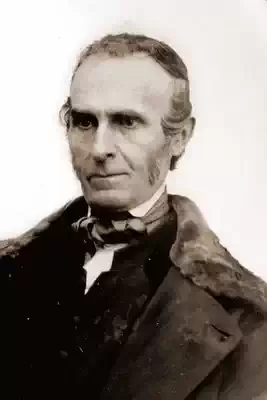
John Greenleaf Whittier
The Henchman
The Henchman
My lady walks her morning round,
My lady's page her fleet greyhound,
My lady's hair the fond winds stir,
And all the birds make songs for her.
Her thrushes sing in Rathburn bowers,
And Rathburn side is gay with flowers;
But ne'er like hers, in flower or bird,
Was beauty seen or music heard.
The distance of the stars is hers;
The least of all her worshippers,
The dust beneath her dainty heel,
She knows not that I see or feel.
Oh, proud and calm!-she cannot know
Where'er she goes with her I go;
Oh, cold and fair!-she cannot guess
I kneel to share her hound's caress!
Gay knights beside her hunt and hawk,
I rob their ears of her sweet talk;
Her suitors come from east and west,
I steal her smiles from every guest.
Unheard of her, in loving words,
I greet her with the song of birds;
I reach her with her green-armed bowers,
I kiss her with the lips of flowers.
The hound and I are on her trail,
The wind and I uplift her veil;
As if the calm, cold moon she were,
And I the tide, I follow her.
As unrebuked as they, I share
The license of the sun and air,
And in a common homage hide
My worship from her scorn and pride.
World-wide apart, and yet so near,
I breathe her charmed atmosphere,
Wherein to her my service brings
The reverence due to holy things.
Her maiden pride, her haughty name,
My dumb devotion shall not shame;
The love that no return doth crave
To knightly levels lifts the slave,
No lance have I, in joust or fight,
To splinter in my lady's sight
But, at her feet, how blest were I
For any need of hers to die!
My lady walks her morning round,
My lady's page her fleet greyhound,
My lady's hair the fond winds stir,
And all the birds make songs for her.
Her thrushes sing in Rathburn bowers,
And Rathburn side is gay with flowers;
But ne'er like hers, in flower or bird,
Was beauty seen or music heard.
The distance of the stars is hers;
The least of all her worshippers,
The dust beneath her dainty heel,
She knows not that I see or feel.
Oh, proud and calm!-she cannot know
Where'er she goes with her I go;
Oh, cold and fair!-she cannot guess
I kneel to share her hound's caress!
Gay knights beside her hunt and hawk,
I rob their ears of her sweet talk;
Her suitors come from east and west,
I steal her smiles from every guest.
Unheard of her, in loving words,
I greet her with the song of birds;
I reach her with her green-armed bowers,
I kiss her with the lips of flowers.
The hound and I are on her trail,
The wind and I uplift her veil;
As if the calm, cold moon she were,
And I the tide, I follow her.
As unrebuked as they, I share
The license of the sun and air,
And in a common homage hide
My worship from her scorn and pride.
World-wide apart, and yet so near,
I breathe her charmed atmosphere,
Wherein to her my service brings
The reverence due to holy things.
Her maiden pride, her haughty name,
My dumb devotion shall not shame;
The love that no return doth crave
To knightly levels lifts the slave,
No lance have I, in joust or fight,
To splinter in my lady's sight
But, at her feet, how blest were I
For any need of hers to die!
228
John Greenleaf Whittier
Kallundborg Church ( From The Tent on the Beach)
Kallundborg Church ( From The Tent on the Beach)
"Tie stille, barn min!
Imorgen kommer Fin,
Fa'er din,
Og gi'er dich Esbern Snares öine og hjerte at lege med!"
Zealand Rhyme.
"BUILD at Kallundborg by the sea
A church as stately as church may be,
And there shalt thou wed my daughter fair,"
Said the Lord of Nesvek to Esbern Snare.
And the Baron laughed. But Esbern said,
"Though I lose my soul, I will Helva wed!"
And off he strode, in his pride of will,
To the Troll who dwelt in Ulshoi hill.
"Build, O Troll, a church for me
At Kallundborg by the mighty sea;
Build it stately, and build it fair,
Build it quickly," said Esbern Snare.
But the sly Dwarf said, "No work is wrought
By Trolls of the Hills, O man, for naught.
What wilt thou give for thy church so fair?"
"Set thy own price," quoth Esbern Snare.
"When Kallundborg church is builded well,
Thou must the name of its builder tell,
Or thy heart and thy eyes must be my boon."
"Build," said Esbern, "and build it soon."
By night and by day the Troll wrought on;
He hewed the timbers, he piled the stone;
But day by day, as the walls rose fair,
Darker and sadder grew Esbern Snare.
He listened by night, he watched by day,
He sought and thought, but he dared not pray;
In vain he called on the Elle-maids shy,
And the Neck and the Nis gave no reply.
Of his evil bargain far and wide
A rumor ran through the country-side;
And Helva of Nesvek, young and fair,
Prayed for the soul of Esbern Snare.
And now the church was wellnigh done;
One pillar it lacked, and one alone;
And the grim Troll muttered, "Fool thou art!
To-morrow gives me thy eyes and heart!"
By Kallundborg in black despair,
Through wood and meadow, walked Esbern Snare,
Till, worn and weary, the strong man sank
Under the birches on Ulshoi bank.
At his last day's work he heard the Troll
Hammer and delve in the quarry's hole;
Before him the church stood large and fair:
"I have builded my tomb," said Esbern Snare.
And he closed his eyes the sight to hide,
When he heard a light step at his side:
"O Esbern Snare! a sweet voice said,
"Would I might die now in thy stead!"
With a grasp by love and by fear made strong,
He held her fast, and he held her long;
With the beating heart of a bird afeard,
She hid her face in his flame-red beard.
"O love!" he cried, "let me look to-day
In thine eyes ere mine are plucked away;
Let me hold thee close, let me feel thy heart
Ere mine by the Troll is torn apart!
"I sinned, O Helva, for love of thee!
Pray that the Lord Christ pardon me!"
But fast as she prayed, and faster still,
Hammered the Troll in Ulshoi hill.
He knew, as he wrought, that a loving heart
Was somehow baffling his evil art;
For more than spell of Elf or Troll
Is a maiden's prayer for her lover's soul.
And Esbern listened, and caught the sound
Of a Troll-wife singing underground:
"To-morrow comes Fine, father thine:
Lie still and hush thee, baby mine!
"Lie still, my darling! next sunrise
Thou'lt play with Esbern Snare's heart and eyes!"
"Ho! ho!" quoth Esbern, "is that your game?
Thanks to the Troll-wife, I know his name!"
The Troll he heard him, and hurried on
To Kallundborg church with the lacking stone.
"Too late, Gaffer Fine!" cried Esbern Snare;
And Troll and pillar vanished in air!
That night the harvesters heard the sound
Of a woman sobbing underground,
And the voice of the Hill-Troll loud with blame
Of the careless singer who told his name.
Of the Troll of the Church they sing the rune
By the Northern Sea in the harvest moon;
And the fishers of Zealand hear him still
Scolding his wife in Ulshoi hill.
And seaward over its groves of birch
Still looks the tower of Kallundborg church
Where, first at its altar, a wedded pair,
Stood Helva of Nesvek and Esbern Snare!
"Tie stille, barn min!
Imorgen kommer Fin,
Fa'er din,
Og gi'er dich Esbern Snares öine og hjerte at lege med!"
Zealand Rhyme.
"BUILD at Kallundborg by the sea
A church as stately as church may be,
And there shalt thou wed my daughter fair,"
Said the Lord of Nesvek to Esbern Snare.
And the Baron laughed. But Esbern said,
"Though I lose my soul, I will Helva wed!"
And off he strode, in his pride of will,
To the Troll who dwelt in Ulshoi hill.
"Build, O Troll, a church for me
At Kallundborg by the mighty sea;
Build it stately, and build it fair,
Build it quickly," said Esbern Snare.
But the sly Dwarf said, "No work is wrought
By Trolls of the Hills, O man, for naught.
What wilt thou give for thy church so fair?"
"Set thy own price," quoth Esbern Snare.
"When Kallundborg church is builded well,
Thou must the name of its builder tell,
Or thy heart and thy eyes must be my boon."
"Build," said Esbern, "and build it soon."
By night and by day the Troll wrought on;
He hewed the timbers, he piled the stone;
But day by day, as the walls rose fair,
Darker and sadder grew Esbern Snare.
He listened by night, he watched by day,
He sought and thought, but he dared not pray;
In vain he called on the Elle-maids shy,
And the Neck and the Nis gave no reply.
Of his evil bargain far and wide
A rumor ran through the country-side;
And Helva of Nesvek, young and fair,
Prayed for the soul of Esbern Snare.
And now the church was wellnigh done;
One pillar it lacked, and one alone;
And the grim Troll muttered, "Fool thou art!
To-morrow gives me thy eyes and heart!"
By Kallundborg in black despair,
Through wood and meadow, walked Esbern Snare,
Till, worn and weary, the strong man sank
Under the birches on Ulshoi bank.
At his last day's work he heard the Troll
Hammer and delve in the quarry's hole;
Before him the church stood large and fair:
"I have builded my tomb," said Esbern Snare.
And he closed his eyes the sight to hide,
When he heard a light step at his side:
"O Esbern Snare! a sweet voice said,
"Would I might die now in thy stead!"
With a grasp by love and by fear made strong,
He held her fast, and he held her long;
With the beating heart of a bird afeard,
She hid her face in his flame-red beard.
"O love!" he cried, "let me look to-day
In thine eyes ere mine are plucked away;
Let me hold thee close, let me feel thy heart
Ere mine by the Troll is torn apart!
"I sinned, O Helva, for love of thee!
Pray that the Lord Christ pardon me!"
But fast as she prayed, and faster still,
Hammered the Troll in Ulshoi hill.
He knew, as he wrought, that a loving heart
Was somehow baffling his evil art;
For more than spell of Elf or Troll
Is a maiden's prayer for her lover's soul.
And Esbern listened, and caught the sound
Of a Troll-wife singing underground:
"To-morrow comes Fine, father thine:
Lie still and hush thee, baby mine!
"Lie still, my darling! next sunrise
Thou'lt play with Esbern Snare's heart and eyes!"
"Ho! ho!" quoth Esbern, "is that your game?
Thanks to the Troll-wife, I know his name!"
The Troll he heard him, and hurried on
To Kallundborg church with the lacking stone.
"Too late, Gaffer Fine!" cried Esbern Snare;
And Troll and pillar vanished in air!
That night the harvesters heard the sound
Of a woman sobbing underground,
And the voice of the Hill-Troll loud with blame
Of the careless singer who told his name.
Of the Troll of the Church they sing the rune
By the Northern Sea in the harvest moon;
And the fishers of Zealand hear him still
Scolding his wife in Ulshoi hill.
And seaward over its groves of birch
Still looks the tower of Kallundborg church
Where, first at its altar, a wedded pair,
Stood Helva of Nesvek and Esbern Snare!
254
John Greenleaf Whittier
Immortal love, forever full
Immortal love, forever full
Immortal love, forever full,
Forever flowing free,
Forever shared, forever whole,
A never ebbing sea!
Our outward lips confess the name
All other names above;
Love only knoweth whence it came,
And comprehendeth love.
Blow, winds of God, awake and blow
The mists of earth away:
Shine out, O Light divine, and show
How wide and far we stray.
We may not climb the heavenly steeps
To bring the Lord Christ down;
In vain we search the lowest deeps,
For Him no depths can drown.
But warm, sweet, tender, even yet,
A present help is He;
And faith still has its Olivet,
And love its Galilee.
The healing of His seamless dress
Is by our beds of pain;
We touch Him in life’s throng and press,
And we are whole again.
Through Him the first fond prayers are said
Our lips of childhood frame,
The last low whispers of our dead
Are burdened with His Name.
O Lord and Master of us all,
Whate’er our name or sign,
We own Thy sway, we hear Thy call,
We test our lives by Thine.
The letter fails, the systems fall,
And every symbol wanes;
The Spirit over brooding all,
Eternal Love remains.
Immortal love, forever full,
Forever flowing free,
Forever shared, forever whole,
A never ebbing sea!
Our outward lips confess the name
All other names above;
Love only knoweth whence it came,
And comprehendeth love.
Blow, winds of God, awake and blow
The mists of earth away:
Shine out, O Light divine, and show
How wide and far we stray.
We may not climb the heavenly steeps
To bring the Lord Christ down;
In vain we search the lowest deeps,
For Him no depths can drown.
But warm, sweet, tender, even yet,
A present help is He;
And faith still has its Olivet,
And love its Galilee.
The healing of His seamless dress
Is by our beds of pain;
We touch Him in life’s throng and press,
And we are whole again.
Through Him the first fond prayers are said
Our lips of childhood frame,
The last low whispers of our dead
Are burdened with His Name.
O Lord and Master of us all,
Whate’er our name or sign,
We own Thy sway, we hear Thy call,
We test our lives by Thine.
The letter fails, the systems fall,
And every symbol wanes;
The Spirit over brooding all,
Eternal Love remains.
324
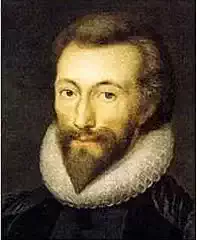
John Donne
To His Mistress Going to Bed
To His Mistress Going to Bed
Come, Madam, come, all rest my powers defy,
Until I labour, I in labour lie.
The foe oft-times having the foe in sight,
Is tired with standing though they never fight.
Off with that girdle, like heaven's zone glistering,
But a far fairer world encompassing.
Unpin that spangled breastplate which you wear,
That th' eyes of busy fools may be stopped there.
Unlace yourself, for that harmonious chime
Tells me from you, that now 'tis your bed time.
Off with that happy busk, which I envy,
That still can be, and still can stand so nigh.
Your gown going off, such beauteous state reveals,
As when from flowery meads th' hill's shadow steals.
Off with that wiry coronet and show
The hairy diadem which on you doth grow;
Now off with those shoes, and then safely tread
In this love's hallowed temple, this soft bed.
In such white robes heaven's angels used to be
Received by men; thou angel bring'st with thee
A heaven like Mahomet's paradise; and though
Ill spirits walk in white, we easily know
By this these angels from an evil sprite,
Those set our hairs, but these our flesh upright.
License my roving hands, and let them go
Before, behind, between, above, below.
O my America, my new found land,
My kingdom, safeliest when with one man manned,
My mine of precious stones, my empery,
How blessed am I in this discovering thee!
To enter in these bonds, is to be free;
Then where my hand is set, my seal shall be.
Full nakedness, all joys are due to thee
As souls unbodied, bodies unclothed must be,
To taste whole joys. Gems which you women use
Are like Atlanta's balls, cast in men's views,
That when a fool's eye lighteth on a gem,
His earthly soul may covet theirs, not them.
Like pictures, or like books' gay coverings made
For laymen, are all women thus arrayed;
Themselves are mystic books, which only we
Whom their imputed grace will dignify
Must see revealed. Then since I may know,
As liberally, as to a midwife, show
Thyself: cast all, yea, this white linen hence,
Here is no penance, much less innocence.
To teach thee, I am naked first, why then
What needst thou have more covering than a man.
Come, Madam, come, all rest my powers defy,
Until I labour, I in labour lie.
The foe oft-times having the foe in sight,
Is tired with standing though they never fight.
Off with that girdle, like heaven's zone glistering,
But a far fairer world encompassing.
Unpin that spangled breastplate which you wear,
That th' eyes of busy fools may be stopped there.
Unlace yourself, for that harmonious chime
Tells me from you, that now 'tis your bed time.
Off with that happy busk, which I envy,
That still can be, and still can stand so nigh.
Your gown going off, such beauteous state reveals,
As when from flowery meads th' hill's shadow steals.
Off with that wiry coronet and show
The hairy diadem which on you doth grow;
Now off with those shoes, and then safely tread
In this love's hallowed temple, this soft bed.
In such white robes heaven's angels used to be
Received by men; thou angel bring'st with thee
A heaven like Mahomet's paradise; and though
Ill spirits walk in white, we easily know
By this these angels from an evil sprite,
Those set our hairs, but these our flesh upright.
License my roving hands, and let them go
Before, behind, between, above, below.
O my America, my new found land,
My kingdom, safeliest when with one man manned,
My mine of precious stones, my empery,
How blessed am I in this discovering thee!
To enter in these bonds, is to be free;
Then where my hand is set, my seal shall be.
Full nakedness, all joys are due to thee
As souls unbodied, bodies unclothed must be,
To taste whole joys. Gems which you women use
Are like Atlanta's balls, cast in men's views,
That when a fool's eye lighteth on a gem,
His earthly soul may covet theirs, not them.
Like pictures, or like books' gay coverings made
For laymen, are all women thus arrayed;
Themselves are mystic books, which only we
Whom their imputed grace will dignify
Must see revealed. Then since I may know,
As liberally, as to a midwife, show
Thyself: cast all, yea, this white linen hence,
Here is no penance, much less innocence.
To teach thee, I am naked first, why then
What needst thou have more covering than a man.
301
John Donne
The Will
The Will
Before I sigh my last gasp, let me breathe,
Great Love, some legacies ; I here bequeath
Mine eyes to Argus, if mine eyes can see ;
If they be blind, then, Love, I give them thee ;
My tongue to Fame ; to ambassadors mine ears ;
To women, or the sea, my tears ;
Thou, Love, hast taught me heretofore
By making me serve her who had twenty more,
That I should give to none, but such as had too much before.
My constancy I to the planets give ;
My truth to them who at the court do live ;
My ingenuity and openness,
To Jesuits ; to buffoons my pensiveness ;
My silence to any, who abroad hath been ;
My money to a Capuchin :
Thou, Love, taught'st me, by appointing me
To love there, where no love received can be,
Only to give to such as have an incapacity.
My faith I give to Roman Catholics ;
All my good works unto the Schismatics
Of Amsterdam ; my best civility
And courtship to an University ;
My modesty I give to soldiers bare ;
My patience let gamesters share :
Thou, Love, taught'st me, by making me
Love her that holds my love disparity,
Only to give to those that count my gifts indignity.
I give my reputation to those
Which were my friends ; mine industry to foes ;
To schoolmen I bequeath my doubtfulness ;
My sickness to physicians, or excess ;
To nature all that I in rhyme have writ ;
And to my company my wit :
Thou, Love, by making me adore
Her, who begot this love in me before,
Taught'st me to make, as though I gave, when I do but restore.
To him for whom the passing-bell next tolls,
I give my physic books ; my written rolls
Of moral counsels I to Bedlam give ;
My brazen medals unto them which live
In want of bread ; to them which pass among
All foreigners, mine English tongue :
Though, Love, by making me love one
Who thinks her friendship a fit portion
For younger lovers, dost my gifts thus disproportion.
Therefore I'll give no more, but I'll undo
The world by dying, because love dies too.
Then all your beauties will be no more worth
Than gold in mines, where none doth draw it forth ;
And all your graces no more use shall have,
Than a sun-dial in a grave :
Thou, Love, taught'st me by making me
Love her who doth neglect both me and thee,
To invent, and practise this one way, to annihilate all three.
Before I sigh my last gasp, let me breathe,
Great Love, some legacies ; I here bequeath
Mine eyes to Argus, if mine eyes can see ;
If they be blind, then, Love, I give them thee ;
My tongue to Fame ; to ambassadors mine ears ;
To women, or the sea, my tears ;
Thou, Love, hast taught me heretofore
By making me serve her who had twenty more,
That I should give to none, but such as had too much before.
My constancy I to the planets give ;
My truth to them who at the court do live ;
My ingenuity and openness,
To Jesuits ; to buffoons my pensiveness ;
My silence to any, who abroad hath been ;
My money to a Capuchin :
Thou, Love, taught'st me, by appointing me
To love there, where no love received can be,
Only to give to such as have an incapacity.
My faith I give to Roman Catholics ;
All my good works unto the Schismatics
Of Amsterdam ; my best civility
And courtship to an University ;
My modesty I give to soldiers bare ;
My patience let gamesters share :
Thou, Love, taught'st me, by making me
Love her that holds my love disparity,
Only to give to those that count my gifts indignity.
I give my reputation to those
Which were my friends ; mine industry to foes ;
To schoolmen I bequeath my doubtfulness ;
My sickness to physicians, or excess ;
To nature all that I in rhyme have writ ;
And to my company my wit :
Thou, Love, by making me adore
Her, who begot this love in me before,
Taught'st me to make, as though I gave, when I do but restore.
To him for whom the passing-bell next tolls,
I give my physic books ; my written rolls
Of moral counsels I to Bedlam give ;
My brazen medals unto them which live
In want of bread ; to them which pass among
All foreigners, mine English tongue :
Though, Love, by making me love one
Who thinks her friendship a fit portion
For younger lovers, dost my gifts thus disproportion.
Therefore I'll give no more, but I'll undo
The world by dying, because love dies too.
Then all your beauties will be no more worth
Than gold in mines, where none doth draw it forth ;
And all your graces no more use shall have,
Than a sun-dial in a grave :
Thou, Love, taught'st me by making me
Love her who doth neglect both me and thee,
To invent, and practise this one way, to annihilate all three.
313
John Donne
The Sun Rising
The Sun Rising
Busy old fool, unruly Sun,
Why dost thou thus,
Through windows, and through curtains, call on
us?
Must to thy motions lovers' seasons run?
Saucy pedantic wretch, go chide
Late schoolboys, and sour prentices,
Go tell court-huntsmen that the king will ride,
Call country ants to harvest offices,
Love, all alike, no season knows, nor clime,
Nor hours, days, months, which are the rags of
time.
Thy beams, so reverend and strong
Why shouldst thou think?
I could eclipse and cloud them with a wink,
But that I would not lose her sight so long:
If her eyes have not blinded thine,
Look, and tomorrow late, tell me
Whether both the'Indias of spice and mine
Be where thou leftst them, or lie here with me.
Ask for those kings whom thou saw'st yesterday,
And thou shalt hear: 'All here in one bed lay.'
She'is all states, and all princes I,
Nothing else is.
Princes do but play us; compar'd to this,
All honour's mimic, all wealth alchemy.
Thou, sun, art half as happy'as we,
In that the world's contracted thus;
Thine age asks ease, and since thy duties be
To warm the world, that's done in warming us.
Shine here to us, and thou art everywhere;
This bed thy centre is, these walls, thy sphere.
Busy old fool, unruly Sun,
Why dost thou thus,
Through windows, and through curtains, call on
us?
Must to thy motions lovers' seasons run?
Saucy pedantic wretch, go chide
Late schoolboys, and sour prentices,
Go tell court-huntsmen that the king will ride,
Call country ants to harvest offices,
Love, all alike, no season knows, nor clime,
Nor hours, days, months, which are the rags of
time.
Thy beams, so reverend and strong
Why shouldst thou think?
I could eclipse and cloud them with a wink,
But that I would not lose her sight so long:
If her eyes have not blinded thine,
Look, and tomorrow late, tell me
Whether both the'Indias of spice and mine
Be where thou leftst them, or lie here with me.
Ask for those kings whom thou saw'st yesterday,
And thou shalt hear: 'All here in one bed lay.'
She'is all states, and all princes I,
Nothing else is.
Princes do but play us; compar'd to this,
All honour's mimic, all wealth alchemy.
Thou, sun, art half as happy'as we,
In that the world's contracted thus;
Thine age asks ease, and since thy duties be
To warm the world, that's done in warming us.
Shine here to us, and thou art everywhere;
This bed thy centre is, these walls, thy sphere.
452
John Donne
The Flea
The Flea
Mark but this flea, and mark in this,
How little that which thou deny'st me is;
It sucked me first, and now sucks thee,
And in this flea, our two bloods mingled be;
Thou knowest that this cannot be said
A sin, nor shame, nor loss of maidenhead.
Yet this enjoys before it woo,
And pampered, swells with one blood made of two,
And this, alas, is more than we would do.
Oh stay, three lives in one flea spare,
Where we almost, yea, more than married are.
This flea is you and I, and this
Our marriage bed, and marriage temple is;
Though parents grudge, and you, we are met
And cloistered in these living walls of jet.
Though use make you apt to kill me,
Let not to that self murder added be,
And sacrilege, three sins in killing three.
Cruel and sudden, hast thou since
Purpled thy nail in blood of innocence?
Wherein could this flea guilty be
Except in that drop which it sucked from thee?
Yet thou triumph'st, and sayest that thou
Find'st not thyself, nor me, the weaker now.
'Tis true, then learn how false fears be;
Just so much honor, when thou yieldst to me,
Will waste, as this flea's death took life from thee.
Mark but this flea, and mark in this,
How little that which thou deny'st me is;
It sucked me first, and now sucks thee,
And in this flea, our two bloods mingled be;
Thou knowest that this cannot be said
A sin, nor shame, nor loss of maidenhead.
Yet this enjoys before it woo,
And pampered, swells with one blood made of two,
And this, alas, is more than we would do.
Oh stay, three lives in one flea spare,
Where we almost, yea, more than married are.
This flea is you and I, and this
Our marriage bed, and marriage temple is;
Though parents grudge, and you, we are met
And cloistered in these living walls of jet.
Though use make you apt to kill me,
Let not to that self murder added be,
And sacrilege, three sins in killing three.
Cruel and sudden, hast thou since
Purpled thy nail in blood of innocence?
Wherein could this flea guilty be
Except in that drop which it sucked from thee?
Yet thou triumph'st, and sayest that thou
Find'st not thyself, nor me, the weaker now.
'Tis true, then learn how false fears be;
Just so much honor, when thou yieldst to me,
Will waste, as this flea's death took life from thee.
276
John Donne
The Bait
The Bait
Come live with me, and be my love,
And we will some new pleasures prove
Of golden sands, and crystal brooks,
With silken lines, and silver hooks.
There will the river whispering run
Warm'd by thy eyes, more than the sun;
And there the 'enamour'd fish will stay,
Begging themselves they may betray.
When thou wilt swim in that live bath,
Each fish, which every channel hath,
Will amorously to thee swim,
Gladder to catch thee, than thou him.
If thou, to be so seen, be'st loth,
By sun or moon, thou dark'nest both,
And if myself have leave to see,
I need not their light having thee.
Let others freeze with angling reeds,
And cut their legs with shells and weeds,
Or treacherously poor fish beset,
With strangling snare, or windowy net.
Let coarse bold hands from slimy nest
The bedded fish in banks out-wrest;
Or curious traitors, sleeve-silk flies,
Bewitch poor fishes' wand'ring eyes.
For thee, thou need'st no such deceit,
For thou thyself art thine own bait:
That fish, that is not catch'd thereby,
Alas, is wiser far than I.
Come live with me, and be my love,
And we will some new pleasures prove
Of golden sands, and crystal brooks,
With silken lines, and silver hooks.
There will the river whispering run
Warm'd by thy eyes, more than the sun;
And there the 'enamour'd fish will stay,
Begging themselves they may betray.
When thou wilt swim in that live bath,
Each fish, which every channel hath,
Will amorously to thee swim,
Gladder to catch thee, than thou him.
If thou, to be so seen, be'st loth,
By sun or moon, thou dark'nest both,
And if myself have leave to see,
I need not their light having thee.
Let others freeze with angling reeds,
And cut their legs with shells and weeds,
Or treacherously poor fish beset,
With strangling snare, or windowy net.
Let coarse bold hands from slimy nest
The bedded fish in banks out-wrest;
Or curious traitors, sleeve-silk flies,
Bewitch poor fishes' wand'ring eyes.
For thee, thou need'st no such deceit,
For thou thyself art thine own bait:
That fish, that is not catch'd thereby,
Alas, is wiser far than I.
376
John Donne
Negative Love
Negative Love
I never stoop'd so low, as they
Which on an eye, cheeke, lip, can prey,
Seldom to them, which soare no higher
Than vertue or the minde to'admire,
For sense, and understanding may
Know, what gives fuell to their fire:
My love, though silly, is more brave,
For may I misse, when ere I crave,
If I know yet, what I would have.
If that be simply perfectest
Which can by no way be exprest
But Negatives, my love is so.
To All, which all love, I say no.
If any who deciphers best,
What we know not, our selves, can know,
Let him teach mee that nothing; This
As yet my ease, and comfort is,
Though I speed not, I cannot misse.
I never stoop'd so low, as they
Which on an eye, cheeke, lip, can prey,
Seldom to them, which soare no higher
Than vertue or the minde to'admire,
For sense, and understanding may
Know, what gives fuell to their fire:
My love, though silly, is more brave,
For may I misse, when ere I crave,
If I know yet, what I would have.
If that be simply perfectest
Which can by no way be exprest
But Negatives, my love is so.
To All, which all love, I say no.
If any who deciphers best,
What we know not, our selves, can know,
Let him teach mee that nothing; This
As yet my ease, and comfort is,
Though I speed not, I cannot misse.
366
John Donne
Love's Exchange
Love's Exchange
LOVE, any devil else but you
Would for a given soul give something too.
At court your fellows every day
Give th' art of rhyming, huntsmanship, or play,
For them which were their own before ;
Only I have nothing, which gave more,
But am, alas ! by being lowly, lower.
I ask no dispensation now,
To falsify a tear, or sigh, or vow ;
I do not sue from thee to draw
A non obstante on nature's law ;
These are prerogatives, they inhere
In thee and thine ; none should forswear
Except that he Love's minion were.
Give me thy weakness, make me blind,
Both ways, as thou and thine, in eyes and mind ;
Love, let me never know that this
Is love, or, that love childish is ;
Let me not know that others know
That she knows my paines, lest that so
A tender shame make me mine own new woe.
If thou give nothing, yet thou 'rt just,
Because I would not thy first motions trust ;
Small towns which stand stiff, till great shot
Enforce them, by war's law condition not ;
Such in Love's warfare is my case ;
I may not article for grace,
Having put Love at last to show this face.
This face, by which he could command
And change th' idolatry of any land,
This face, which, wheresoe'er it comes,
Can call vow'd men from cloisters, dead from tombs,
And melt both poles at once, and store
Deserts with cities, and make more
Mines in the earth, than quarries were before.
For this Love is enraged with me,
Yet kills not ; if I must example be
To future rebels, if th' unborn
Must learn by my being cut up and torn,
Kill, and dissect me, Love ; for this
Torture against thine own end is ;
Rack'd carcasses make ill anatomies.
LOVE, any devil else but you
Would for a given soul give something too.
At court your fellows every day
Give th' art of rhyming, huntsmanship, or play,
For them which were their own before ;
Only I have nothing, which gave more,
But am, alas ! by being lowly, lower.
I ask no dispensation now,
To falsify a tear, or sigh, or vow ;
I do not sue from thee to draw
A non obstante on nature's law ;
These are prerogatives, they inhere
In thee and thine ; none should forswear
Except that he Love's minion were.
Give me thy weakness, make me blind,
Both ways, as thou and thine, in eyes and mind ;
Love, let me never know that this
Is love, or, that love childish is ;
Let me not know that others know
That she knows my paines, lest that so
A tender shame make me mine own new woe.
If thou give nothing, yet thou 'rt just,
Because I would not thy first motions trust ;
Small towns which stand stiff, till great shot
Enforce them, by war's law condition not ;
Such in Love's warfare is my case ;
I may not article for grace,
Having put Love at last to show this face.
This face, by which he could command
And change th' idolatry of any land,
This face, which, wheresoe'er it comes,
Can call vow'd men from cloisters, dead from tombs,
And melt both poles at once, and store
Deserts with cities, and make more
Mines in the earth, than quarries were before.
For this Love is enraged with me,
Yet kills not ; if I must example be
To future rebels, if th' unborn
Must learn by my being cut up and torn,
Kill, and dissect me, Love ; for this
Torture against thine own end is ;
Rack'd carcasses make ill anatomies.
361
John Donne
Holy Sonnet XIV: Batter my heart
Holy Sonnet XIV: Batter my heart
Batter my heart, three-personed God; for You
As yet but knock, breathe, shine, and seek to mend;
That I may rise and stand, o'erthrow me,'and bend
Your force to break, blow, burn, and make me new.
I, like an usurped town, to'another due,
Labor to'admit You, but O, to no end;
Reason, Your viceroy'in me, me should defend,
But is captived, and proves weak or untrue.
Yet dearly'I love You,'and would be loved fain,
But am betrothed unto Your enemy.
Divorce me,'untie or break that knot again;
Take me to You, imprison me, for I
Except You'enthrall me, never shall be free,
Nor ever chaste, except You ravish me.
Batter my heart, three-personed God; for You
As yet but knock, breathe, shine, and seek to mend;
That I may rise and stand, o'erthrow me,'and bend
Your force to break, blow, burn, and make me new.
I, like an usurped town, to'another due,
Labor to'admit You, but O, to no end;
Reason, Your viceroy'in me, me should defend,
But is captived, and proves weak or untrue.
Yet dearly'I love You,'and would be loved fain,
But am betrothed unto Your enemy.
Divorce me,'untie or break that knot again;
Take me to You, imprison me, for I
Except You'enthrall me, never shall be free,
Nor ever chaste, except You ravish me.
257
John Donne
Holy Sonnet V: I Am a Little World
Holy Sonnet V: I Am a Little World
I am a little world made cunningly
Of Elements, and an Angelike spright,
But black sinne hath betraid to endlesse night
My worlds both parts, and (oh) both parts must die.
You which beyond that heaven which was most high
Have found new sphears, and of new lands can write,
Powre new seas in mine eyes, that so I might
Drowne my world with my weeping earnestly,
Or wash it if it must be drown'd no more;
But oh it must be burnt! alas the fire
Of lust and envie have burnt it heretofore,
And made it fouler; Let their flames retire,
And burne me o Lord, with a fiery zeale
Of thee and thy house, which doth in eating heale.
I am a little world made cunningly
Of Elements, and an Angelike spright,
But black sinne hath betraid to endlesse night
My worlds both parts, and (oh) both parts must die.
You which beyond that heaven which was most high
Have found new sphears, and of new lands can write,
Powre new seas in mine eyes, that so I might
Drowne my world with my weeping earnestly,
Or wash it if it must be drown'd no more;
But oh it must be burnt! alas the fire
Of lust and envie have burnt it heretofore,
And made it fouler; Let their flames retire,
And burne me o Lord, with a fiery zeale
Of thee and thy house, which doth in eating heale.
358
John Donne
Farewell to Love
Farewell to Love
Whilst yet to prove,
I thought there was some deity in love
So did I reverence, and gave
Worship, as atheists at their dying hour
Call, what they cannot name, an unknown power,
As ignorantly did I crave:
Thus when
Things not yet known are coveted by men,
Our desires give them fashion, and so
As they wax lesser, fall, as they size, grow.
But, from late fair
His highness sitting in a golden chair,
Is not less cared for after three days
By children, than the thing which lovers so
Blindly admire, and with such worship woo;
Being had, enjoying it decays:
And thence,
What before pleased them all, takes but one sense,
And that so lamely, as it leaves behind
A kind of sorrowing dullness to the mind.
Ah cannot we,
As well as cocks and lions jocund be,
After such pleasures ? Unless wise
Nature decreed (since each such act, they say
Diminish the length of life a day)
This; as she would man should despise
The sport,
Because that other curse of being short,
And only for a minute made to be
Eager, desires to raise posterity.
Since so, my mind
Shall not desire what no man else can find,
I`ll no more dote and run
To purse things which had, endamaged me.
And when I come where moving beauties be,
As men do when the summer’s sun
Grows great,
Though I admire their greatness, shun their heat;
Each place can afford shadow. If all fail,
’Tis but applying worm-seed to the tail.
Whilst yet to prove,
I thought there was some deity in love
So did I reverence, and gave
Worship, as atheists at their dying hour
Call, what they cannot name, an unknown power,
As ignorantly did I crave:
Thus when
Things not yet known are coveted by men,
Our desires give them fashion, and so
As they wax lesser, fall, as they size, grow.
But, from late fair
His highness sitting in a golden chair,
Is not less cared for after three days
By children, than the thing which lovers so
Blindly admire, and with such worship woo;
Being had, enjoying it decays:
And thence,
What before pleased them all, takes but one sense,
And that so lamely, as it leaves behind
A kind of sorrowing dullness to the mind.
Ah cannot we,
As well as cocks and lions jocund be,
After such pleasures ? Unless wise
Nature decreed (since each such act, they say
Diminish the length of life a day)
This; as she would man should despise
The sport,
Because that other curse of being short,
And only for a minute made to be
Eager, desires to raise posterity.
Since so, my mind
Shall not desire what no man else can find,
I`ll no more dote and run
To purse things which had, endamaged me.
And when I come where moving beauties be,
As men do when the summer’s sun
Grows great,
Though I admire their greatness, shun their heat;
Each place can afford shadow. If all fail,
’Tis but applying worm-seed to the tail.
375
John Donne
Elegy XX (Alternate) Love's War
Elegy XX (Alternate) Love's War
Till I have peace with thee, warr other Men,
And when I have peace, can I leave thee then?
All other Warrs are scrupulous; Only thou
0 fayr free Citty, maist thyselfe allow
To any one: In Flanders, who can tell
Whether the Master presse; or men rebell?
Only we know, that which all Ideots say,
They beare most blows which come to part the fray.
France in her lunatique giddines did hate
Ever our men, yea and our God of late;
Yet she relyes upon our Angels well,
Which nere returne; no more than they which fell.
Sick Ireland is with a strange warr possest
Like to an Ague; now raging, now at rest;
Which time will cure: yet it must doe her good
If she were purg'd, and her head vayne let blood.
And Midas joyes our Spanish journeys give,
We touch all gold, but find no food to live.
And I should be in the hott parching clime,
To dust and ashes turn'd before my time.
To mew me in a Ship, is to inthrall
Mee in a prison, that weare like to fall;
Or in a Cloyster; save that there men dwell
In a calme heaven, here in a swaggering hell.
Long voyages are long consumptions,
And ships are carts for executions.
Yea they are Deaths; Is't not all one to flye
Into an other World, as t'is to dye?
Here lett mee warr; in these armes lett mee lye;
Here lett mee parle, batter, bleede, and dye.
Thyne armes imprison me, and myne armes thee,
Thy hart thy ransome is, take myne for mee.
Other men war that they their rest may gayne;
But wee will rest that wee may fight agayne.
Those warrs the ignorant, these th'experienc'd love,
There wee are alwayes under, here above.
There Engins farr off breed a just true feare,
Neere thrusts, pikes, stabs, yea bullets hurt not here.
There lyes are wrongs; here safe uprightly ly;
Tltere men kill men, we'will make one by and by,
Thou nothing; I not halfe so much shall do
In these Warrs, as they may which from us two
Shall spring. Thousands wee see which travaile not
To warrs; But stay swords, armes, and shott
To make at home; And shall not I do then
More glorious service, staying to make men?
Till I have peace with thee, warr other Men,
And when I have peace, can I leave thee then?
All other Warrs are scrupulous; Only thou
0 fayr free Citty, maist thyselfe allow
To any one: In Flanders, who can tell
Whether the Master presse; or men rebell?
Only we know, that which all Ideots say,
They beare most blows which come to part the fray.
France in her lunatique giddines did hate
Ever our men, yea and our God of late;
Yet she relyes upon our Angels well,
Which nere returne; no more than they which fell.
Sick Ireland is with a strange warr possest
Like to an Ague; now raging, now at rest;
Which time will cure: yet it must doe her good
If she were purg'd, and her head vayne let blood.
And Midas joyes our Spanish journeys give,
We touch all gold, but find no food to live.
And I should be in the hott parching clime,
To dust and ashes turn'd before my time.
To mew me in a Ship, is to inthrall
Mee in a prison, that weare like to fall;
Or in a Cloyster; save that there men dwell
In a calme heaven, here in a swaggering hell.
Long voyages are long consumptions,
And ships are carts for executions.
Yea they are Deaths; Is't not all one to flye
Into an other World, as t'is to dye?
Here lett mee warr; in these armes lett mee lye;
Here lett mee parle, batter, bleede, and dye.
Thyne armes imprison me, and myne armes thee,
Thy hart thy ransome is, take myne for mee.
Other men war that they their rest may gayne;
But wee will rest that wee may fight agayne.
Those warrs the ignorant, these th'experienc'd love,
There wee are alwayes under, here above.
There Engins farr off breed a just true feare,
Neere thrusts, pikes, stabs, yea bullets hurt not here.
There lyes are wrongs; here safe uprightly ly;
Tltere men kill men, we'will make one by and by,
Thou nothing; I not halfe so much shall do
In these Warrs, as they may which from us two
Shall spring. Thousands wee see which travaile not
To warrs; But stay swords, armes, and shott
To make at home; And shall not I do then
More glorious service, staying to make men?
316
John Donne
Elegy XVI: On His Mistress
Elegy XVI: On His Mistress
By our first strange and fatal interview,
By all desires which thereof did ensue,
By our long starving hopes, by that remorse
Which my words' masculine persuasive force
Begot in thee, and by the memory
Of hurts, which spies and rivals threatened me,
I calmly beg: but by thy father's wrath,
By all pains, which want and divorcement hath,
I conjure thee, and all the oaths which I
And thou have sworn to seal joint constancy,
Here I unswear, and overswear them thus,
Thou shalt not love by ways so dangerous.
Temper, O fair Love, love's impetuous rage,
Be my true Mistress still, not my feigned Page;
I'll go, and, by thy kind leave, leave behind
Thee, only worthy to nurse in my mind
Thirst to come back; O if thou die before,
My soul from other lands to thee shall soar.
Thy (else Almighty) beauty cannot move
Rage from the Seas, nor thy love teach them love,
Nor tame wild Boreas' harshness; thou hast read
How roughly he in pieces shivered
Fair Orithea, wbom he swore he loved.
Fall ill or good, 'tis madness to have proved
Dangers unurged; feed on this flattery,
That absent Lovers one in th' other be.
Dissemble nothing, not a boy, nor change
Thy body's habit, nor mind's; be not strange
To thyself only; all will spy in thy face
A blushing womanly discovering grace;
Ricbly clothed Apes are called Apes, and as soon
Eclipsed as bright we call the Moon the Moon.
Men of France, changeable chameleons,
Spitals of diseases, shops of fashions,
Love's fuellers, and the rightest company
Of Players, which upon the world's stage be,
Will quickly know thee, and no less, alas!
Th' indifferent Italian, as we pass
His warm land, well content to think thee Page,
Will hunt thee with such lust, and hideous rage,
As Lot's fair guests were vexed. But none of these
Nor spongy hydroptic Dutch shall thee displease,
If thou stay here. O stay here, for, for thee
England is only a worthy gallery,
To walk in expectation, till from thence
Our greatest King call thee to his presence.
When I am gone, dream me some happiness,
Nor let thy looks our long-hid love confess,
Nor praise, nor dispraise me, nor bless nor curse
Openly love's force, nor in bed fright thy Nurse
With midnight's startings, crying out-oh, oh
Nurse, O my love is slain, I saw him go
O'er the white Alps alone; I saw him, I,
Assailed, fight, taken, stabbed, bleed, fall, and die.
Augur me better chance, except dread Jove
Think it enough for me t' have had thy love.
By our first strange and fatal interview,
By all desires which thereof did ensue,
By our long starving hopes, by that remorse
Which my words' masculine persuasive force
Begot in thee, and by the memory
Of hurts, which spies and rivals threatened me,
I calmly beg: but by thy father's wrath,
By all pains, which want and divorcement hath,
I conjure thee, and all the oaths which I
And thou have sworn to seal joint constancy,
Here I unswear, and overswear them thus,
Thou shalt not love by ways so dangerous.
Temper, O fair Love, love's impetuous rage,
Be my true Mistress still, not my feigned Page;
I'll go, and, by thy kind leave, leave behind
Thee, only worthy to nurse in my mind
Thirst to come back; O if thou die before,
My soul from other lands to thee shall soar.
Thy (else Almighty) beauty cannot move
Rage from the Seas, nor thy love teach them love,
Nor tame wild Boreas' harshness; thou hast read
How roughly he in pieces shivered
Fair Orithea, wbom he swore he loved.
Fall ill or good, 'tis madness to have proved
Dangers unurged; feed on this flattery,
That absent Lovers one in th' other be.
Dissemble nothing, not a boy, nor change
Thy body's habit, nor mind's; be not strange
To thyself only; all will spy in thy face
A blushing womanly discovering grace;
Ricbly clothed Apes are called Apes, and as soon
Eclipsed as bright we call the Moon the Moon.
Men of France, changeable chameleons,
Spitals of diseases, shops of fashions,
Love's fuellers, and the rightest company
Of Players, which upon the world's stage be,
Will quickly know thee, and no less, alas!
Th' indifferent Italian, as we pass
His warm land, well content to think thee Page,
Will hunt thee with such lust, and hideous rage,
As Lot's fair guests were vexed. But none of these
Nor spongy hydroptic Dutch shall thee displease,
If thou stay here. O stay here, for, for thee
England is only a worthy gallery,
To walk in expectation, till from thence
Our greatest King call thee to his presence.
When I am gone, dream me some happiness,
Nor let thy looks our long-hid love confess,
Nor praise, nor dispraise me, nor bless nor curse
Openly love's force, nor in bed fright thy Nurse
With midnight's startings, crying out-oh, oh
Nurse, O my love is slain, I saw him go
O'er the white Alps alone; I saw him, I,
Assailed, fight, taken, stabbed, bleed, fall, and die.
Augur me better chance, except dread Jove
Think it enough for me t' have had thy love.
312
John Donne
Elegy III: Change
Elegy III: Change
Although thy hand and faith, and good works too,
Have seal'd thy love which nothing should undo,
Yea though thou fall back, that apostasy
Confirm thy love; yet much, much I fear thee.
Women are like the Arts, forc'd unto none,
Open to'all searchers, unpriz'd, if unknown.
If I have caught a bird, and let him fly,
Another fouler using these means, as I,
May catch the same bird; and, as these things be,
Women are made for men, not him, nor me.
Foxes and goats; all beasts change when they please,
Shall women, more hot, wily, wild then these,
Be bound to one man, and did Nature then
Idly make them apter to endure than men?
They are our clogges, not their owne; if a man be
Chain'd to a galley, yet the galley is free;
Who hath a plow-land, casts all his seed corn there,
And yet allows his ground more corn should bear;
Though Danuby into the sea must flow,
The sea receives the Rhene, Volga, and Po.
By nature, which gave it, this liberty
Thou lov'st, but Oh! canst thou love it and me?
Likeness glues love: Then if so thou do,
To make us like and love, must I change too?
More than thy hate, I hate it, rather let me
Allow her change, then change as oft as she,
And so not teach, but force my opinion
To love not any one, nor every one.
To live in one land is captivity,
To run all countries, a wild roguery;
Waters stink soon, if in one place they bide,
And in the vast sea are worse putrified:
But when they kiss one bank, and leaving this
Never look back, but the next bank do kiss,
Then are they purest; Change is the nursery
Of music, joy, life, and eternity.
Although thy hand and faith, and good works too,
Have seal'd thy love which nothing should undo,
Yea though thou fall back, that apostasy
Confirm thy love; yet much, much I fear thee.
Women are like the Arts, forc'd unto none,
Open to'all searchers, unpriz'd, if unknown.
If I have caught a bird, and let him fly,
Another fouler using these means, as I,
May catch the same bird; and, as these things be,
Women are made for men, not him, nor me.
Foxes and goats; all beasts change when they please,
Shall women, more hot, wily, wild then these,
Be bound to one man, and did Nature then
Idly make them apter to endure than men?
They are our clogges, not their owne; if a man be
Chain'd to a galley, yet the galley is free;
Who hath a plow-land, casts all his seed corn there,
And yet allows his ground more corn should bear;
Though Danuby into the sea must flow,
The sea receives the Rhene, Volga, and Po.
By nature, which gave it, this liberty
Thou lov'st, but Oh! canst thou love it and me?
Likeness glues love: Then if so thou do,
To make us like and love, must I change too?
More than thy hate, I hate it, rather let me
Allow her change, then change as oft as she,
And so not teach, but force my opinion
To love not any one, nor every one.
To live in one land is captivity,
To run all countries, a wild roguery;
Waters stink soon, if in one place they bide,
And in the vast sea are worse putrified:
But when they kiss one bank, and leaving this
Never look back, but the next bank do kiss,
Then are they purest; Change is the nursery
Of music, joy, life, and eternity.
377
John Donne
Break of Day
Break of Day
'Tis true, 'tis day; what though it be?
O wilt thou therefore rise from me?
Why should we rise, because 'tis light?
Did we lie down, because 'twas night?
Love which in spite of darkness brought us hither
Should in despite of light keep us together.
Light hath no tongue, but is all eye;
If it could speak as well as spy,
This were the worst that it could say -
That being well, I fain would stay,
And that I loved my heart and honour so,
That I would not from her, that had them, go.
Must business thee from hence remove?
Oh, that's the worst disease of love!
The poor, the foul, the false, love can
Admit, but not the busied man.
He which hath business, and makes love, doth do
Such wrong as when a married man doth woo.
'Tis true, 'tis day; what though it be?
O wilt thou therefore rise from me?
Why should we rise, because 'tis light?
Did we lie down, because 'twas night?
Love which in spite of darkness brought us hither
Should in despite of light keep us together.
Light hath no tongue, but is all eye;
If it could speak as well as spy,
This were the worst that it could say -
That being well, I fain would stay,
And that I loved my heart and honour so,
That I would not from her, that had them, go.
Must business thee from hence remove?
Oh, that's the worst disease of love!
The poor, the foul, the false, love can
Admit, but not the busied man.
He which hath business, and makes love, doth do
Such wrong as when a married man doth woo.
350
John Donne
A Lecture Upon The Shadow
A Lecture Upon The Shadow
Stand still, and I will read to thee
A lecture, love, in love's philosophy.
These three hours that we have spent,
Walking here, two shadows went
Along with us, which we ourselves produc'd.
But, now the sun is just above our head,
We do those shadows tread,
And to brave clearness all things are reduc'd.
So whilst our infant loves did grow,
Disguises did, and shadows, flow
From us, and our cares; but now 'tis not so.
That love has not attain'd the high'st degree,
Which is still diligent lest others see.
Except our loves at this noon stay,
We shall new shadows make the other way.
As the first were made to blind
Others, these which come behind
Will work upon ourselves, and blind our eyes.
If our loves faint, and westwardly decline,
To me thou, falsely, thine,
And I to thee mine actions shall disguise.
The morning shadows wear away,
But these grow longer all the day;
But oh, love's day is short, if love decay.
Love is a growing, or full constant light,
And his first minute, after noon, is night.
Stand still, and I will read to thee
A lecture, love, in love's philosophy.
These three hours that we have spent,
Walking here, two shadows went
Along with us, which we ourselves produc'd.
But, now the sun is just above our head,
We do those shadows tread,
And to brave clearness all things are reduc'd.
So whilst our infant loves did grow,
Disguises did, and shadows, flow
From us, and our cares; but now 'tis not so.
That love has not attain'd the high'st degree,
Which is still diligent lest others see.
Except our loves at this noon stay,
We shall new shadows make the other way.
As the first were made to blind
Others, these which come behind
Will work upon ourselves, and blind our eyes.
If our loves faint, and westwardly decline,
To me thou, falsely, thine,
And I to thee mine actions shall disguise.
The morning shadows wear away,
But these grow longer all the day;
But oh, love's day is short, if love decay.
Love is a growing, or full constant light,
And his first minute, after noon, is night.
352
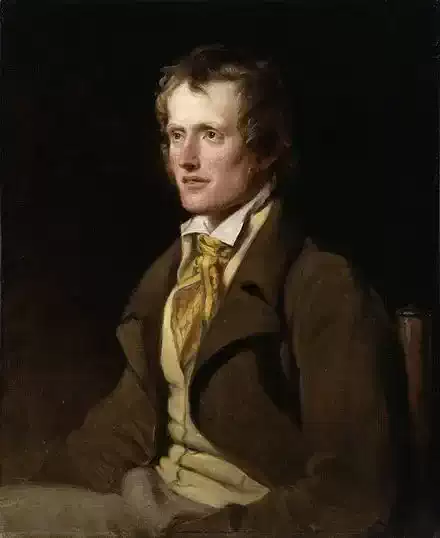
John Clare
Thou Flower Of Summer
Thou Flower Of Summer
When in summer thou walkest
In the meads by the river,
And to thyself talkest,
Dost thou think of one ever--
A lost and a lorn one
That adores thee and loves thee?
And when happy morn's gone,
And nature's calm moves thee,
Leaving thee to thy sleep like an angel at rest,
Does the one who adores thee still live in thy breast?
Does nature eer give thee
Love's past happy vision,
And wrap thee and leave thee
In fancies elysian?
Thy beauty I clung to,
As leaves to the tree;
When thou fair and young too
Looked lightly on me,
Till love came upon thee like the sun to the west
And shed its perfuming and bloom on thy breast.
When in summer thou walkest
In the meads by the river,
And to thyself talkest,
Dost thou think of one ever--
A lost and a lorn one
That adores thee and loves thee?
And when happy morn's gone,
And nature's calm moves thee,
Leaving thee to thy sleep like an angel at rest,
Does the one who adores thee still live in thy breast?
Does nature eer give thee
Love's past happy vision,
And wrap thee and leave thee
In fancies elysian?
Thy beauty I clung to,
As leaves to the tree;
When thou fair and young too
Looked lightly on me,
Till love came upon thee like the sun to the west
And shed its perfuming and bloom on thy breast.
346
John Clare
The Cellar Door
The Cellar Door
By the old tavern door on the causey there lay
A hogshead of stingo just rolled from a dray,
And there stood the blacksmith awaiting a drop
As dry as the cinders that lay in his shop;
And there stood the cobbler as dry as a bun,
Almost crackt like a bucket when left in the sun.
He'd whetted his knife upon pendil and hone
Till he'd not got a spittle to moisten the stone;
So ere he could work--though he'd lost the whole day--
He must wait the new broach and bemoisten his clay.
The cellar was empty, each barrel was drained
To its dregs--and Sir John like a rebel remained
In the street--for removal too powerful and large
For two or three topers to take into charge.
Odd zooks, said a gipsey, with bellows to mend,
Had I strength I would just be for helping a friend
To walk on his legs: but a child in the street
Had as much power as he to put John on his feet.
Then up came the blacksmith: Sir Barley, said he,
I should just like to storm your old tower for a spree;
And my strength for your strength and bar your renown
I'd soon try your spirit by cracking your crown.
And the cobbler he tuckt up his apron and spit
In his hands for a burster--but devil a bit
Would he move--so as yet they made nothing of land;
For there lay the knight like a whale in the sand.
Said the tinker: If I could but drink of his vein
I should just be as strong and as stubborn again.
Push along, said the toper, the cellar's adry:
There's nothing to moisten the mouth of a fly.
Says the host, We shall burn out with thirst, he's so big.
There's a cag of small swipes half as sour as a wig.
In such like extremes, why, extremes will come pat;
So let's go and wet all our whistles with that.
Says the gipsey, May I never bottom a chair
If I drink of small swipes while Sir John's lying there.
And the blacksmith he threw off his apron and swore
Small swipes should bemoisten his gullet no more:
Let it out on the floor for the dry cock-a-roach--
And he held up his hammer with threatens to broach
Sir John in his castle without leave or law
And suck out his blood with a reed or a straw
Ere he'd soak at the swipes--and he turned him to start,
Till the host for high treason came down a full quart.
Just then passed the dandy and turned up his nose:
They'd fain have him shove, but he looked at his clothes
And nipt his nose closer and twirled his stick round
And simpered, Tis nuisance to lie on the ground.
But Bacchus, he laughed from the old tavern sign,
Saying, Go on, thou shadow, and let the sun shine.
Then again they all tried, and the tinker he swore
That the hogshead had grown twice as heavy or more.
Nay nay, said the toper, and reeled as he spoke,
We're all getting weak, that's the end of the joke.
The ploughman came up and cut short his old tune,
Hallooed 'woi' to his horses and though it was June
Said he'd help them an hour ere he'd keep them adry;
Well done, said the blacksmith with hopes running high;
He moves, and, by jingo, success to the plough!
Aye aye, said the cobbler, we'll conquer him now.
The hogshead rolled forward, the toper fell back,
And the host laughed aloud as his sides they would crack
To see the old tinker's toil make such a gap
In his coat as to rend it from collar to flap.
But the tinker he grumbled and cried Fiddle-dee!
This garment hath been an old tenant with me;
And a needle and thread with a little good skill
When I've leisure will make it stand more weathers still.
Then crack went his breeks from the hip to the knee
With his thrusting--no matter; for nothing cared he.
So long as Sir John rolled along to the door,
He's a chip of our block, said the blacksmith, and swore;
And as sure as I live to drive nails in a shoe
He shall have at my cost a full pitcher or two.
And the toper he hiccuped--which hindered an oath--
So long as he'd credit, he'd pitcher them both.
But the host stopt to hint when he'd ordered the dray
Sir Barleycorn's order was purchase and pay.
And now the old knight is imprisoned and ta'en
To waste in the tavern man's cellar again.
And now, said the blacksmith, let forfeits come first
For the insult swipes offered, or his hoops I will burst.
Here it is, my old hearties--Then drink your thirst full,
Said the host, for the stingo is worth a strong pull.
Never fear for your legs if they're broken to-day;
Winds only blow straws, dust, and feathers away.
But the cask that is full, like a giant he lies,
And giants alone can his spirits capsize.
If he lies in the path, though a king's coming bye,
John Barleycorn's mighty and there he will lie.
Then the toper sat down with a hiccup and felt
If he'd still an odd coin in his pocket to melt,
And he made a wry face, for his pocket was bare.
--But he laughed and danced up, What, old boy, are you there?
When he felt that a stiver had got to his knee
Through a hole in his fob, and right happy was he.
Says the tinker, I've brawled till no breath I have got
And not met with twopence to purchase a pot.
Says the toper, I've powder to charge a long gun,
And a stiver I've found when I thought I'd got none;
So helping a thirsty old friend in his need
Is my duty--take heart, thou art welcome indeed.
Then the smith with his tools in Sir John made a breach,
And the toper he hiccuped and ended his speech;
And pulled at the quart, till the snob he declared
When he went to drink next that the bottom was bared.
No matter for that, said the toper, and grinned;
I had but a soak and neer rested for wind.
That's the law, said the smith, with a look rather vexed,
But the quart was a forfeit; so pay for the next.
Thus they talked of their skill and their labour till noon
When the sober man's toil was exactly half done,
And there the plough lay--people hardly could pass
And the horses let loose polished up the short grass
And browsed on the bottle of flags lying there,
By the gipsey's old budget, for mending a chair.
The miller's horse tied to the old smithy door
Stood stamping his feet, by the flies bitten sore,
Awaiting the smith as he wanted a shoe;
And he stampt till another fell off and made two:
Till the miller, expecting that all would get loose,
Went to seek him and cursed him outright for a goose;
But he dipt his dry beak in the mug once or twice
And forgot all his passion and toil in a trice.
And the flybitten horse at the old smithy post
Might stamp till his shoes and his legs they were lost.
He sung his old songs and forgot his old mill--
Blow winds high or low, she might rest her at will.
And the cobbler, in spite of his bustle for pelf,
Left the shop all the day to take care of itself.
And the toper who carried his house on his head,
No wife to be teazing, no bairns to be fed,
Would sit out the week or the month or the year
Or a life-time so long as he'd credit for beer.
The ploughman he talked of his skill as divine,
How he could plough thurrows as straight as a line;
And the blacksmith he swore, had he but the command,
He could shoe the king's hunter the best in the land;
And the cobbler declared, was his skill but once seen,
He should soon get an order for shoes from the queen.
But the tinker he swore he could beat them all three,
For gi' me a pair of old bellows, says he,
And I'll make them roar out like the wind in a storm
And make them blow fire out of coal hardly warm.
The toper said nothing but wished the quart full
And swore he could toss it all off at a pull.
Have one, said the tinker; but wit was away,
When the bet was to bind him he'd nothing to pay.
And thus in the face of life's sun-and-shower weather
They drank, bragged, and sung, and got merry together.
The sun he went down--the last gleam from his brow
Flung a smile of repose on the holiday plough;
The glooms they approached, and the dews like a rain
Fell thick and hung pearls on the old sorrel mane
Of the horse that the miller had brought to be shod,
And the morning awoke, saw a sight rather odd--
For a bit of the halter still hung at the door,
Bit through by the horse now at feed on the moor;
And the old tinker's budget lay still in the weather,
While all kept on singing and drinking together.
By the old tavern door on the causey there lay
A hogshead of stingo just rolled from a dray,
And there stood the blacksmith awaiting a drop
As dry as the cinders that lay in his shop;
And there stood the cobbler as dry as a bun,
Almost crackt like a bucket when left in the sun.
He'd whetted his knife upon pendil and hone
Till he'd not got a spittle to moisten the stone;
So ere he could work--though he'd lost the whole day--
He must wait the new broach and bemoisten his clay.
The cellar was empty, each barrel was drained
To its dregs--and Sir John like a rebel remained
In the street--for removal too powerful and large
For two or three topers to take into charge.
Odd zooks, said a gipsey, with bellows to mend,
Had I strength I would just be for helping a friend
To walk on his legs: but a child in the street
Had as much power as he to put John on his feet.
Then up came the blacksmith: Sir Barley, said he,
I should just like to storm your old tower for a spree;
And my strength for your strength and bar your renown
I'd soon try your spirit by cracking your crown.
And the cobbler he tuckt up his apron and spit
In his hands for a burster--but devil a bit
Would he move--so as yet they made nothing of land;
For there lay the knight like a whale in the sand.
Said the tinker: If I could but drink of his vein
I should just be as strong and as stubborn again.
Push along, said the toper, the cellar's adry:
There's nothing to moisten the mouth of a fly.
Says the host, We shall burn out with thirst, he's so big.
There's a cag of small swipes half as sour as a wig.
In such like extremes, why, extremes will come pat;
So let's go and wet all our whistles with that.
Says the gipsey, May I never bottom a chair
If I drink of small swipes while Sir John's lying there.
And the blacksmith he threw off his apron and swore
Small swipes should bemoisten his gullet no more:
Let it out on the floor for the dry cock-a-roach--
And he held up his hammer with threatens to broach
Sir John in his castle without leave or law
And suck out his blood with a reed or a straw
Ere he'd soak at the swipes--and he turned him to start,
Till the host for high treason came down a full quart.
Just then passed the dandy and turned up his nose:
They'd fain have him shove, but he looked at his clothes
And nipt his nose closer and twirled his stick round
And simpered, Tis nuisance to lie on the ground.
But Bacchus, he laughed from the old tavern sign,
Saying, Go on, thou shadow, and let the sun shine.
Then again they all tried, and the tinker he swore
That the hogshead had grown twice as heavy or more.
Nay nay, said the toper, and reeled as he spoke,
We're all getting weak, that's the end of the joke.
The ploughman came up and cut short his old tune,
Hallooed 'woi' to his horses and though it was June
Said he'd help them an hour ere he'd keep them adry;
Well done, said the blacksmith with hopes running high;
He moves, and, by jingo, success to the plough!
Aye aye, said the cobbler, we'll conquer him now.
The hogshead rolled forward, the toper fell back,
And the host laughed aloud as his sides they would crack
To see the old tinker's toil make such a gap
In his coat as to rend it from collar to flap.
But the tinker he grumbled and cried Fiddle-dee!
This garment hath been an old tenant with me;
And a needle and thread with a little good skill
When I've leisure will make it stand more weathers still.
Then crack went his breeks from the hip to the knee
With his thrusting--no matter; for nothing cared he.
So long as Sir John rolled along to the door,
He's a chip of our block, said the blacksmith, and swore;
And as sure as I live to drive nails in a shoe
He shall have at my cost a full pitcher or two.
And the toper he hiccuped--which hindered an oath--
So long as he'd credit, he'd pitcher them both.
But the host stopt to hint when he'd ordered the dray
Sir Barleycorn's order was purchase and pay.
And now the old knight is imprisoned and ta'en
To waste in the tavern man's cellar again.
And now, said the blacksmith, let forfeits come first
For the insult swipes offered, or his hoops I will burst.
Here it is, my old hearties--Then drink your thirst full,
Said the host, for the stingo is worth a strong pull.
Never fear for your legs if they're broken to-day;
Winds only blow straws, dust, and feathers away.
But the cask that is full, like a giant he lies,
And giants alone can his spirits capsize.
If he lies in the path, though a king's coming bye,
John Barleycorn's mighty and there he will lie.
Then the toper sat down with a hiccup and felt
If he'd still an odd coin in his pocket to melt,
And he made a wry face, for his pocket was bare.
--But he laughed and danced up, What, old boy, are you there?
When he felt that a stiver had got to his knee
Through a hole in his fob, and right happy was he.
Says the tinker, I've brawled till no breath I have got
And not met with twopence to purchase a pot.
Says the toper, I've powder to charge a long gun,
And a stiver I've found when I thought I'd got none;
So helping a thirsty old friend in his need
Is my duty--take heart, thou art welcome indeed.
Then the smith with his tools in Sir John made a breach,
And the toper he hiccuped and ended his speech;
And pulled at the quart, till the snob he declared
When he went to drink next that the bottom was bared.
No matter for that, said the toper, and grinned;
I had but a soak and neer rested for wind.
That's the law, said the smith, with a look rather vexed,
But the quart was a forfeit; so pay for the next.
Thus they talked of their skill and their labour till noon
When the sober man's toil was exactly half done,
And there the plough lay--people hardly could pass
And the horses let loose polished up the short grass
And browsed on the bottle of flags lying there,
By the gipsey's old budget, for mending a chair.
The miller's horse tied to the old smithy door
Stood stamping his feet, by the flies bitten sore,
Awaiting the smith as he wanted a shoe;
And he stampt till another fell off and made two:
Till the miller, expecting that all would get loose,
Went to seek him and cursed him outright for a goose;
But he dipt his dry beak in the mug once or twice
And forgot all his passion and toil in a trice.
And the flybitten horse at the old smithy post
Might stamp till his shoes and his legs they were lost.
He sung his old songs and forgot his old mill--
Blow winds high or low, she might rest her at will.
And the cobbler, in spite of his bustle for pelf,
Left the shop all the day to take care of itself.
And the toper who carried his house on his head,
No wife to be teazing, no bairns to be fed,
Would sit out the week or the month or the year
Or a life-time so long as he'd credit for beer.
The ploughman he talked of his skill as divine,
How he could plough thurrows as straight as a line;
And the blacksmith he swore, had he but the command,
He could shoe the king's hunter the best in the land;
And the cobbler declared, was his skill but once seen,
He should soon get an order for shoes from the queen.
But the tinker he swore he could beat them all three,
For gi' me a pair of old bellows, says he,
And I'll make them roar out like the wind in a storm
And make them blow fire out of coal hardly warm.
The toper said nothing but wished the quart full
And swore he could toss it all off at a pull.
Have one, said the tinker; but wit was away,
When the bet was to bind him he'd nothing to pay.
And thus in the face of life's sun-and-shower weather
They drank, bragged, and sung, and got merry together.
The sun he went down--the last gleam from his brow
Flung a smile of repose on the holiday plough;
The glooms they approached, and the dews like a rain
Fell thick and hung pearls on the old sorrel mane
Of the horse that the miller had brought to be shod,
And the morning awoke, saw a sight rather odd--
For a bit of the halter still hung at the door,
Bit through by the horse now at feed on the moor;
And the old tinker's budget lay still in the weather,
While all kept on singing and drinking together.
383
John Clare
Song #4
Song #4
I wish I was where I would be,
With love alone to dwell,
Was I but her or she but me,
Then love would all be well.
I wish to send my thoughts to her
As quick as thoughts can fly,
But as the winds the waters stir
The mirrors change and fly.
I wish I was where I would be,
With love alone to dwell,
Was I but her or she but me,
Then love would all be well.
I wish to send my thoughts to her
As quick as thoughts can fly,
But as the winds the waters stir
The mirrors change and fly.
22
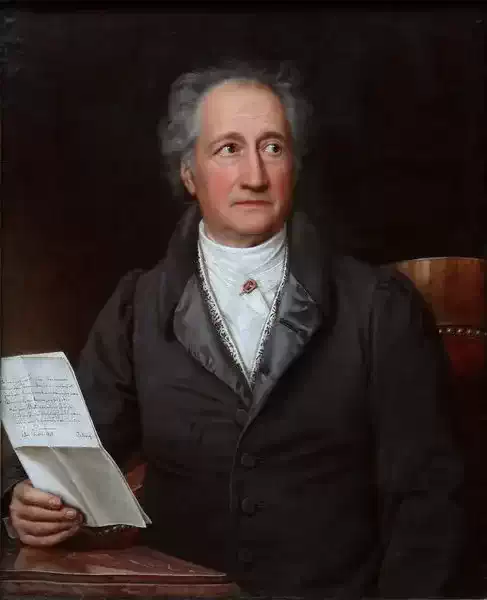
Johann Wolfgang von Goethe
With A Painted Ribbon
With A Painted Ribbon
LITTLE leaves and flow'rets too,
Scatter we with gentle hand,
Kind young spring-gods to the view,
Sporting on an airy band.
Zephyr, bear it on the wing,
Twine it round my loved one's dress;
To her glass then let her spring,
Full of eager joyousness.
Roses round her let her see,
She herself a youthful rose.
Grant, dear life, one look to me!
'Twill repay me all my woes,
What this bosom feels, feel thou.
Freely offer me thy hand;
Let the band that joins us now
Be no fragile rosy band!
LITTLE leaves and flow'rets too,
Scatter we with gentle hand,
Kind young spring-gods to the view,
Sporting on an airy band.
Zephyr, bear it on the wing,
Twine it round my loved one's dress;
To her glass then let her spring,
Full of eager joyousness.
Roses round her let her see,
She herself a youthful rose.
Grant, dear life, one look to me!
'Twill repay me all my woes,
What this bosom feels, feel thou.
Freely offer me thy hand;
Let the band that joins us now
Be no fragile rosy band!
430
Johann Wolfgang von Goethe
When The Fox Dies, His Skin Counts
When The Fox Dies, His Skin Counts
WE young people in the shade
Sat one sultry day;
Cupid came, and "Dies the Fox"
With us sought to play.
Each one of my friends then sat
By his mistress dear;
Cupid, blowing out the torch,
Said: "The taper's here!"
Then we quickly sent around
The expiring brand;
Each one put it hastily
ln his neighbour's hand.
Dorilis then gave it me,
With a scoffing jest;
Sudden into flame it broke,
By my fingers press'd.
And it singed my eyes and face,
Set my breast on fire;
Then above my head the blaze
Mounted ever higher.
Vain I sought to put it out;
Ever burned the flame;
Stead of dying, soon the Fox
Livelier still became.
WE young people in the shade
Sat one sultry day;
Cupid came, and "Dies the Fox"
With us sought to play.
Each one of my friends then sat
By his mistress dear;
Cupid, blowing out the torch,
Said: "The taper's here!"
Then we quickly sent around
The expiring brand;
Each one put it hastily
ln his neighbour's hand.
Dorilis then gave it me,
With a scoffing jest;
Sudden into flame it broke,
By my fingers press'd.
And it singed my eyes and face,
Set my breast on fire;
Then above my head the blaze
Mounted ever higher.
Vain I sought to put it out;
Ever burned the flame;
Stead of dying, soon the Fox
Livelier still became.
321
Johann Wolfgang von Goethe
Wedding Night
Wedding Night
Far from the feasting, in the bedroom
Sits loyal Amor and quakes with dread:
What if the guests become too zestful,
Break the peace of the bridal bed?
A mystical and holy shimmer
Flows from his pale flames of gold;
For you both a whirl of incense
Readies pleasures manifold.
How throbs your heart as chiming timepiece
Chases noisy guests away;
Any moment, lips you burn for
Nought will utter, nought gainsay.
You hasten with her to the temple,
There to consummate your bliss;
The guardian holds aloft his flambeau,
Still and small as a taper is.
How she trembles with your kisses,
Bosom, lips, and cheeks, and brow:
His severities are shivers,
Your derring-do is duty now.
Quick, Amor helps you undress her,
He has half your enterprise;
Roguish, then, but also modest,
He'll be closing both his eyes.
Far from the feasting, in the bedroom
Sits loyal Amor and quakes with dread:
What if the guests become too zestful,
Break the peace of the bridal bed?
A mystical and holy shimmer
Flows from his pale flames of gold;
For you both a whirl of incense
Readies pleasures manifold.
How throbs your heart as chiming timepiece
Chases noisy guests away;
Any moment, lips you burn for
Nought will utter, nought gainsay.
You hasten with her to the temple,
There to consummate your bliss;
The guardian holds aloft his flambeau,
Still and small as a taper is.
How she trembles with your kisses,
Bosom, lips, and cheeks, and brow:
His severities are shivers,
Your derring-do is duty now.
Quick, Amor helps you undress her,
He has half your enterprise;
Roguish, then, but also modest,
He'll be closing both his eyes.
450