

Poems in this topic
Desire

Joyce Kilmer
Servant Girl and Grocer's Boy
Servant Girl and Grocer's Boy
Her lips' remark was: "Oh, you kid!"
Her soul spoke thus (I know it did):
"O king of realms of endless joy,
My own, my golden grocer's boy,
I am a princess forced to dwell
Within a lonely kitchen cell,
While you go dashing through the land
With loveliness on every hand.
Your whistle strikes my eager ears
Like music of the choiring spheres.
The mighty earth grows faint and reels
Beneath your thundering wagon wheels.
How keenly, perilously sweet
To cling upon that swaying seat!
How happy she who by your side
May share the splendors of that ride!
Ah, if you will not take my hand
And bear me off across the land,
Then, traveller from Arcady,
Remain awhile and comfort me.
What other maiden can you find
So young and delicate and kind?"
Her lips' remark was: "Oh, you kid!"
Her soul spoke thus (I know it did).
Her lips' remark was: "Oh, you kid!"
Her soul spoke thus (I know it did):
"O king of realms of endless joy,
My own, my golden grocer's boy,
I am a princess forced to dwell
Within a lonely kitchen cell,
While you go dashing through the land
With loveliness on every hand.
Your whistle strikes my eager ears
Like music of the choiring spheres.
The mighty earth grows faint and reels
Beneath your thundering wagon wheels.
How keenly, perilously sweet
To cling upon that swaying seat!
How happy she who by your side
May share the splendors of that ride!
Ah, if you will not take my hand
And bear me off across the land,
Then, traveller from Arcady,
Remain awhile and comfort me.
What other maiden can you find
So young and delicate and kind?"
Her lips' remark was: "Oh, you kid!"
Her soul spoke thus (I know it did).
115
Joyce Kilmer
Ballade of my Lady's Beauty
Ballade of my Lady's Beauty
Squire Adam had two wives, they say,
Two wives had he, for his delight,
He kissed and clypt them all the day
And clypt and kissed them all the night.
Now Eve like ocean foam was white
And Lilith roses dipped in wine,
But though they were a goodly sight
No lady is so fair as mine.
To Venus some folk tribute pay
And Queen of Beauty she is hight,
And Sainte Marie the world doth sway
In cerule napery bedight.
My wonderment these twain invite,
Their comeliness it is divine,
And yet I say in their despite,
No lady is so fair as mine.
Dame Helen caused a grievous fray,
For love of her brave men did fight,
The eyes of her made sages fey
And put their hearts in woeful plight.
To her no rhymes will I indite,
For her no garlands will I twine,
Though she be made of flowers and light
No lady is so fair as mine.
L'Envoi
Prince Eros, Lord of lovely might,
Who on Olympus dost recline,
Do I not tell the truth aright?
No lady is so fair as mine.
Squire Adam had two wives, they say,
Two wives had he, for his delight,
He kissed and clypt them all the day
And clypt and kissed them all the night.
Now Eve like ocean foam was white
And Lilith roses dipped in wine,
But though they were a goodly sight
No lady is so fair as mine.
To Venus some folk tribute pay
And Queen of Beauty she is hight,
And Sainte Marie the world doth sway
In cerule napery bedight.
My wonderment these twain invite,
Their comeliness it is divine,
And yet I say in their despite,
No lady is so fair as mine.
Dame Helen caused a grievous fray,
For love of her brave men did fight,
The eyes of her made sages fey
And put their hearts in woeful plight.
To her no rhymes will I indite,
For her no garlands will I twine,
Though she be made of flowers and light
No lady is so fair as mine.
L'Envoi
Prince Eros, Lord of lovely might,
Who on Olympus dost recline,
Do I not tell the truth aright?
No lady is so fair as mine.
106

Jonathan Swift
On Gold
On Gold
All-ruling tyrant of the earth,
To vilest slaves I owe my birth,
How is the greatest monarch blest,
When in my gaudy livery drest!
No haughty nymph has power to run
From me; or my embraces shun.
Stabb'd to the heart, condemn'd to flame,
My constancy is still the same.
The favourite messenger of Jove,
And Lemnian god, consulting strove
To make me glorious to the sight
Of mortals, and the gods' delight.
Soon would their altar's flame expire
If I refused to lend them fire.
By fate exalted high in place,
Lo, here I stand with double face:
Superior none on earth I find;
But see below me all mankind
Yet, as it oft attends the great,
I almost sink with my own weight.
At every motion undertook,
The vulgar all consult my look.
I sometimes give advice in writing,
But never of my own inditing.
I am a courtier in my way;
For those who raised me, I betray;
And some give out that I entice
To lust, to luxury, and dice.
Who punishments on me inflict,
Because they find their pockets pickt.
By riding post, I lose my health,
And only to get others wealth.
All-ruling tyrant of the earth,
To vilest slaves I owe my birth,
How is the greatest monarch blest,
When in my gaudy livery drest!
No haughty nymph has power to run
From me; or my embraces shun.
Stabb'd to the heart, condemn'd to flame,
My constancy is still the same.
The favourite messenger of Jove,
And Lemnian god, consulting strove
To make me glorious to the sight
Of mortals, and the gods' delight.
Soon would their altar's flame expire
If I refused to lend them fire.
By fate exalted high in place,
Lo, here I stand with double face:
Superior none on earth I find;
But see below me all mankind
Yet, as it oft attends the great,
I almost sink with my own weight.
At every motion undertook,
The vulgar all consult my look.
I sometimes give advice in writing,
But never of my own inditing.
I am a courtier in my way;
For those who raised me, I betray;
And some give out that I entice
To lust, to luxury, and dice.
Who punishments on me inflict,
Because they find their pockets pickt.
By riding post, I lose my health,
And only to get others wealth.
276
Jonathan Swift
My Lady’s Lamantation And Complaint Against The Dean
My Lady’s Lamantation And Complaint Against The Dean
Sure never did man see
A wretch like poor Nancy,
So teazed day and night
By a Dean and a Knight.
To punish my sins,
Sir Arthur begins,
And gives me a wipe,
With Skinny and Snipe:,
His malice is plain,
Hallooing the Dean.
The Dean never stops,
When he opens his chops;
I'm quite overrun
With rebus and pun.
Before he came here,
To spunge for good cheer,
I sat with delight,
From morning till night,
With two bony thumbs
Could rub my old gums,
Or scratching my nose
And jogging my toes;
But at present, forsooth,
I must not rub a tooth.
When my elbows he sees
Held up by my knees,
My arms, like two props,
Supporting my chops,
And just as I handle 'em
Moving all like a pendulum;
He trips up my props,
And down my chin drops
From my head to my heels,
Like a clock without wheels;
I sink in the spleen,
A useless machine.
If he had his will,
I should never sit still:
He comes with his whims
I must move my limbs;
I cannot be sweet
Without using my feet;
To lengthen my breath,
He tires me to death.
By the worst of all squires,
Thro' bogs and thro' briers,
Where a cow would be startled,
I'm in spite of my heart led;
And, say what I will,
Haul'd up every hill;
Till, daggled and tatter'd,
My spirits quite shatter'd,
I return home at night,
And fast, out of spite:
For I'd rather be dead,
Than it e'er should be said,
I was better for him,
In stomach or limb.
But now to my diet;
No eating in quiet,
He's still finding fault,
Too sour or too salt:
The wing of a chick
I hardly can pick:
But trash without measure
I swallow with pleasure.
Next, for his diversion,
He rails at my person.
What court breeding this is!
He takes me to pieces:
From shoulder to flank
I'm lean and am lank;
My nose, long and thin,
Grows down to my chin;
My chin will not stay,
But meets it halfway;
My fingers, prolix,
Are ten crooked sticks:
He swears my el—bows
Are two iron crows,
Or sharp pointed rocks,
And wear out my smocks:
To 'scape them, Sir Arthur
Is forced to lie farther,
Or his sides they would gore
Like the tusks of a boar.
Now changing the scene
But still to the Dean;
He loves to be bitter at
A lady illiterate;
If he sees her but once,
He'll swear she's a dunce;
Can tell by her looks
A hater of books;
Thro' each line of her face
Her folly can trace;
Which spoils every feature
Bestow'd her by nature;
But sense gives a grace
To the homeliest face:
Wise books and reflection
Will mend the complexion:
(A civil divine!
I suppose, meaning mine!)
No lady who wants them,
Can ever be handsome.
I guess well enough
What he means by this stuff:
He haws and he hums,
At last out it comes:
What, madam? No walking,
No reading, nor talking?
You're now in your prime,
Make use of your time.
Consider, before
You come to threescore,
How the hussies will fleer
Where'er you appear;
'That silly old puss
Would fain be like us:
What a figure she made
In her tarnish'd brocade!'
And then he grows mild:
Come, be a good child:
If you are inclined
To polish your mind,
Be adored by the men
Till threescore and ten,
And kill with the spleen
The jades of sixteen;
I'll show you the way;
Read six hours a-day.
The wits will frequent ye,
And think you but twenty.
[To make you learn faster,
I'll be your schoolmaster
And leave you to choose
The books you peruse.]
Thus was I drawn in;
Forgive me my sin.
At breakfast he'll ask
An account of my task.
Put a word out of joint,
Or miss but a point,
He rages and frets,
His manners forgets;
And as I am serious,
Is very imperious.
No book for delight
Must come in my sight;
But, instead of new plays,
Dull Bacon's Essays,
And pore every day on
That nasty Pantheon.
If I be not a drudge,
Let all the world judge.
'Twere better be blind,
Than thus be confined.
But while in an ill tone,
I murder poor Milton,
The Dean you will swear,
Is at study or prayer.
He's all the day sauntering,
With labourers bantering,
Among his colleagues,
A parcel of Teagues,
Whom he brings in among us
And bribes with mundungus.
[He little believes
How they laugh in their sleeves.]
Hail, fellow, well met,
All dirty and wet:
Find out, if you can,
Who's master, who's man;
Who makes the best figure,
The Dean or the digger;
And which is the best
At cracking a jest.
[Now see how he sits
Perplexing his wits
In search of a motto
To fix on his grotto.]
How proudly he talks
Of zigzags and walks,
And all the day raves
Of cradles and caves;
And boasts of his feats,
His grottos and seats;
Shows all his gewgaws,
And gapes for applause;
A fine occupation
For one in his station!
A hole where a rabbit
Would scorn to inhabit,
Dug out in an hour;
He calls it a bower.
But, O! how we laugh,
To see a wild calf
Come, driven by heat,
And foul the green seat;
Or run helter-skelter,
To his arbour for shelter,
Where all goes to ruin
The Dean has been doing:
The girls of the village
Come flocking for pillage,
Pull down the fine briers
And thorns to make fires;
But yet are so kind
To leave something behind:
No more need be said on't,
I smell when I tread on't.
Dear friend, Doctor Jinny.
If I could but win ye,
Or Walmsley or Whaley,
To come hither daily,
Since fortune, my foe,
Will needs have it so,
That I'm, by her frowns,
Condemn'd to black gowns;
No squire to be found
The neighbourhood round;
(For, under the rose,
I would rather choose those)
If your wives will permit ye,
Come here out of pity,
To ease a poor lady,
And beg her a play-day.
So may you be seen
No more in the spleen;
May Walmsley give wine
Like a hearty divine!
May Whaley disgrace
Dull Daniel's whey-face!
And may your three spouses
Let you lie at friends' houses!
Sure never did man see
A wretch like poor Nancy,
So teazed day and night
By a Dean and a Knight.
To punish my sins,
Sir Arthur begins,
And gives me a wipe,
With Skinny and Snipe:,
His malice is plain,
Hallooing the Dean.
The Dean never stops,
When he opens his chops;
I'm quite overrun
With rebus and pun.
Before he came here,
To spunge for good cheer,
I sat with delight,
From morning till night,
With two bony thumbs
Could rub my old gums,
Or scratching my nose
And jogging my toes;
But at present, forsooth,
I must not rub a tooth.
When my elbows he sees
Held up by my knees,
My arms, like two props,
Supporting my chops,
And just as I handle 'em
Moving all like a pendulum;
He trips up my props,
And down my chin drops
From my head to my heels,
Like a clock without wheels;
I sink in the spleen,
A useless machine.
If he had his will,
I should never sit still:
He comes with his whims
I must move my limbs;
I cannot be sweet
Without using my feet;
To lengthen my breath,
He tires me to death.
By the worst of all squires,
Thro' bogs and thro' briers,
Where a cow would be startled,
I'm in spite of my heart led;
And, say what I will,
Haul'd up every hill;
Till, daggled and tatter'd,
My spirits quite shatter'd,
I return home at night,
And fast, out of spite:
For I'd rather be dead,
Than it e'er should be said,
I was better for him,
In stomach or limb.
But now to my diet;
No eating in quiet,
He's still finding fault,
Too sour or too salt:
The wing of a chick
I hardly can pick:
But trash without measure
I swallow with pleasure.
Next, for his diversion,
He rails at my person.
What court breeding this is!
He takes me to pieces:
From shoulder to flank
I'm lean and am lank;
My nose, long and thin,
Grows down to my chin;
My chin will not stay,
But meets it halfway;
My fingers, prolix,
Are ten crooked sticks:
He swears my el—bows
Are two iron crows,
Or sharp pointed rocks,
And wear out my smocks:
To 'scape them, Sir Arthur
Is forced to lie farther,
Or his sides they would gore
Like the tusks of a boar.
Now changing the scene
But still to the Dean;
He loves to be bitter at
A lady illiterate;
If he sees her but once,
He'll swear she's a dunce;
Can tell by her looks
A hater of books;
Thro' each line of her face
Her folly can trace;
Which spoils every feature
Bestow'd her by nature;
But sense gives a grace
To the homeliest face:
Wise books and reflection
Will mend the complexion:
(A civil divine!
I suppose, meaning mine!)
No lady who wants them,
Can ever be handsome.
I guess well enough
What he means by this stuff:
He haws and he hums,
At last out it comes:
What, madam? No walking,
No reading, nor talking?
You're now in your prime,
Make use of your time.
Consider, before
You come to threescore,
How the hussies will fleer
Where'er you appear;
'That silly old puss
Would fain be like us:
What a figure she made
In her tarnish'd brocade!'
And then he grows mild:
Come, be a good child:
If you are inclined
To polish your mind,
Be adored by the men
Till threescore and ten,
And kill with the spleen
The jades of sixteen;
I'll show you the way;
Read six hours a-day.
The wits will frequent ye,
And think you but twenty.
[To make you learn faster,
I'll be your schoolmaster
And leave you to choose
The books you peruse.]
Thus was I drawn in;
Forgive me my sin.
At breakfast he'll ask
An account of my task.
Put a word out of joint,
Or miss but a point,
He rages and frets,
His manners forgets;
And as I am serious,
Is very imperious.
No book for delight
Must come in my sight;
But, instead of new plays,
Dull Bacon's Essays,
And pore every day on
That nasty Pantheon.
If I be not a drudge,
Let all the world judge.
'Twere better be blind,
Than thus be confined.
But while in an ill tone,
I murder poor Milton,
The Dean you will swear,
Is at study or prayer.
He's all the day sauntering,
With labourers bantering,
Among his colleagues,
A parcel of Teagues,
Whom he brings in among us
And bribes with mundungus.
[He little believes
How they laugh in their sleeves.]
Hail, fellow, well met,
All dirty and wet:
Find out, if you can,
Who's master, who's man;
Who makes the best figure,
The Dean or the digger;
And which is the best
At cracking a jest.
[Now see how he sits
Perplexing his wits
In search of a motto
To fix on his grotto.]
How proudly he talks
Of zigzags and walks,
And all the day raves
Of cradles and caves;
And boasts of his feats,
His grottos and seats;
Shows all his gewgaws,
And gapes for applause;
A fine occupation
For one in his station!
A hole where a rabbit
Would scorn to inhabit,
Dug out in an hour;
He calls it a bower.
But, O! how we laugh,
To see a wild calf
Come, driven by heat,
And foul the green seat;
Or run helter-skelter,
To his arbour for shelter,
Where all goes to ruin
The Dean has been doing:
The girls of the village
Come flocking for pillage,
Pull down the fine briers
And thorns to make fires;
But yet are so kind
To leave something behind:
No more need be said on't,
I smell when I tread on't.
Dear friend, Doctor Jinny.
If I could but win ye,
Or Walmsley or Whaley,
To come hither daily,
Since fortune, my foe,
Will needs have it so,
That I'm, by her frowns,
Condemn'd to black gowns;
No squire to be found
The neighbourhood round;
(For, under the rose,
I would rather choose those)
If your wives will permit ye,
Come here out of pity,
To ease a poor lady,
And beg her a play-day.
So may you be seen
No more in the spleen;
May Walmsley give wine
Like a hearty divine!
May Whaley disgrace
Dull Daniel's whey-face!
And may your three spouses
Let you lie at friends' houses!
223
Jonathan Swift
Market Women’s Cries
Market Women’s Cries
APPLES
COME buy my fine wares,
Plums, apples and pears.
A hundred a penny,
In conscience too many:
Come, will you have any?
My children are seven,
I wish them in Heaven;
My husband ’s a sot,
With his pipe and his pot,
Not a farthen will gain them,
And I must maintain them.
ONIONS
Come, follow me by the smell,
Here are delicate onions to sell;
I promise to use you well.
They make the blood warmer,
You’ll feed like a farmer;
For this is every cook’s opinion,
No savoury dish without an onion;
But, lest your kissing should be spoiled,
Your onions must be thoroughly boiled:
Or else you may spare
Your mistress a share,
The secret will never be known:
She cannot discover
The breath of her lover,
But think it as sweet as her own.
HERRINGS
Be not sparing,
Leave off swearing.
Buy my herring
Fresh from Malahide,
Better never was tried.
Come, eat them with pure fresh butter and mustard,
Their bellies are soft, and as white as a custard.
Come, sixpence a dozen, to get me some bread,
Or, like my own herrings, I soon shall be dead.
APPLES
COME buy my fine wares,
Plums, apples and pears.
A hundred a penny,
In conscience too many:
Come, will you have any?
My children are seven,
I wish them in Heaven;
My husband ’s a sot,
With his pipe and his pot,
Not a farthen will gain them,
And I must maintain them.
ONIONS
Come, follow me by the smell,
Here are delicate onions to sell;
I promise to use you well.
They make the blood warmer,
You’ll feed like a farmer;
For this is every cook’s opinion,
No savoury dish without an onion;
But, lest your kissing should be spoiled,
Your onions must be thoroughly boiled:
Or else you may spare
Your mistress a share,
The secret will never be known:
She cannot discover
The breath of her lover,
But think it as sweet as her own.
HERRINGS
Be not sparing,
Leave off swearing.
Buy my herring
Fresh from Malahide,
Better never was tried.
Come, eat them with pure fresh butter and mustard,
Their bellies are soft, and as white as a custard.
Come, sixpence a dozen, to get me some bread,
Or, like my own herrings, I soon shall be dead.
213
Jonathan Swift
Fontinella To Florinda
Fontinella To Florinda
When on my bosom thy bright eyes,
Florinda, dart their heavenly beams,
I feel not the least love surprise,
Yet endless tears flow down in streams;
There's nought so beautiful in thee,
But you may find the same in me.
The lilies of thy skin compare;
In me you see them full as white:
The roses of your cheeks, I dare
Affirm, can't glow to more delight.
Then, since I show as fine a face,
Can you refuse a soft embrace?
Ah! lovely nymph, thou'rt in thy prime!
And so am I, while thou art here;
But soon will come the fatal time,
When all we see shall disappear.
'Tis mine to make a just reflection,
And yours to follow my direction.
Then catch admirers while you may;
Treat not your lovers with disdain;
For time with beauty flies away,
And there is no return again.
To you the sad account I bring,
Life's autumn has no second spring.
When on my bosom thy bright eyes,
Florinda, dart their heavenly beams,
I feel not the least love surprise,
Yet endless tears flow down in streams;
There's nought so beautiful in thee,
But you may find the same in me.
The lilies of thy skin compare;
In me you see them full as white:
The roses of your cheeks, I dare
Affirm, can't glow to more delight.
Then, since I show as fine a face,
Can you refuse a soft embrace?
Ah! lovely nymph, thou'rt in thy prime!
And so am I, while thou art here;
But soon will come the fatal time,
When all we see shall disappear.
'Tis mine to make a just reflection,
And yours to follow my direction.
Then catch admirers while you may;
Treat not your lovers with disdain;
For time with beauty flies away,
And there is no return again.
To you the sad account I bring,
Life's autumn has no second spring.
220
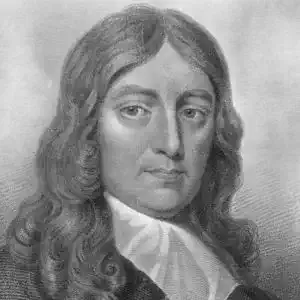
John Milton
Sonnet 06
Sonnet 06
VI
Giovane piano, e semplicetto amante
Poi che fuggir me stesso in dubbio sono,
Madonna a voi del mio cuor l'humil dono
Faro divoto; io certo a prove tante
L'hebbi fedele, intrepido, costante,
De pensieri leggiadro, accorto, e buono;
Quando rugge il gran mondo, e scocca il tuono,
S 'arma di se, e d' intero diamante,
Tanto del forse, e d' invidia sicuro,
Di timori, e speranze al popol use
Quanto d'ingegno, e d' alto valor vago,
E di cetra sonora, e delle muse:
Sol troverete in tal parte men duro
Ove amor mise l 'insanabil ago.
VI
Giovane piano, e semplicetto amante
Poi che fuggir me stesso in dubbio sono,
Madonna a voi del mio cuor l'humil dono
Faro divoto; io certo a prove tante
L'hebbi fedele, intrepido, costante,
De pensieri leggiadro, accorto, e buono;
Quando rugge il gran mondo, e scocca il tuono,
S 'arma di se, e d' intero diamante,
Tanto del forse, e d' invidia sicuro,
Di timori, e speranze al popol use
Quanto d'ingegno, e d' alto valor vago,
E di cetra sonora, e delle muse:
Sol troverete in tal parte men duro
Ove amor mise l 'insanabil ago.
430
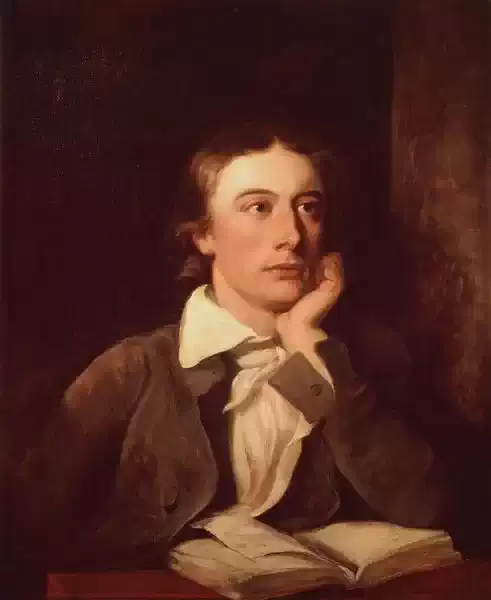
John Keats
Where Be Ye Going, You Devon Maid?
Where Be Ye Going, You Devon Maid?
WHERE be ye going, you Devon maid?
And what have ye there i' the basket?
Ye tight little fairy, just fresh from the dairy,
Will ye give me some cream if I ask it?
I love your meads, and I love your flowers,
And I love your junkets mainly,
But 'hind the door, I love kissing more,
O look not so disdainly!
I love your hills, and I love your dales,
And I love your flocks a-bleating;
But O, on the heather to lie together,
With both our hearts a-beating!
I'll put your basket all safe in a nook,
Your shawl I'll hang up on this willow,
And we will sigh in the daisy's eye,
And kiss on a grass-green pillow.
WHERE be ye going, you Devon maid?
And what have ye there i' the basket?
Ye tight little fairy, just fresh from the dairy,
Will ye give me some cream if I ask it?
I love your meads, and I love your flowers,
And I love your junkets mainly,
But 'hind the door, I love kissing more,
O look not so disdainly!
I love your hills, and I love your dales,
And I love your flocks a-bleating;
But O, on the heather to lie together,
With both our hearts a-beating!
I'll put your basket all safe in a nook,
Your shawl I'll hang up on this willow,
And we will sigh in the daisy's eye,
And kiss on a grass-green pillow.
436
John Keats
To-
To-
Had I a man's fair form, then might my sighs
Be echoed swiftly through that ivory shell,
Thine ear, and find thy gentle heart; so well
Would passion arm me for the enterprise:
But ah! I am no knight whose foeman dies;
No cuirass glistens on my bosom's swell;
I am no happy shepherd of the dell
Whose lips have trembled with a maiden's eyes.
Yet must I dote upon thee,-call thee sweet,
Sweeter by far than Hybla's honied roses
When steeped in dew rich to intoxication.
Ah! I will taste that dew, for me 'tis meet,
And when the moon her pallid face discloses,
I'll gather some by spells, and incantation.
Had I a man's fair form, then might my sighs
Be echoed swiftly through that ivory shell,
Thine ear, and find thy gentle heart; so well
Would passion arm me for the enterprise:
But ah! I am no knight whose foeman dies;
No cuirass glistens on my bosom's swell;
I am no happy shepherd of the dell
Whose lips have trembled with a maiden's eyes.
Yet must I dote upon thee,-call thee sweet,
Sweeter by far than Hybla's honied roses
When steeped in dew rich to intoxication.
Ah! I will taste that dew, for me 'tis meet,
And when the moon her pallid face discloses,
I'll gather some by spells, and incantation.
364
John Keats
To Fanny
To Fanny
I cry your mercy-pity-love!-aye, love!
Merciful love that tantalizes not,
One-thoughted, never-wandering, guileless love,
Unmasked, and being seen-without a blot!
O! let me have thee whole,-all-all-be mine!
That shape, that fairness, that sweet minor zest
Of love, your kiss,-those hands, those eyes divine,
That warm, white, lucent, million-pleasured breast,Yourself-
your soul-in pity give me all,
Withhold no atom's atom or I die,
Or living on, perhaps, your wretched thrall,
Forget, in the mist of idle misery,
Life's purposes,-the palate of my mind
Losing its gust, and my ambition blind!
I cry your mercy-pity-love!-aye, love!
Merciful love that tantalizes not,
One-thoughted, never-wandering, guileless love,
Unmasked, and being seen-without a blot!
O! let me have thee whole,-all-all-be mine!
That shape, that fairness, that sweet minor zest
Of love, your kiss,-those hands, those eyes divine,
That warm, white, lucent, million-pleasured breast,Yourself-
your soul-in pity give me all,
Withhold no atom's atom or I die,
Or living on, perhaps, your wretched thrall,
Forget, in the mist of idle misery,
Life's purposes,-the palate of my mind
Losing its gust, and my ambition blind!
453
John Keats
To ****
To ****
Hadst thou liv'd in days of old,
O what wonders had been told
Of thy lively countenance,
And thy humid eyes that dance
In the midst of their own brightness;
In the very fane of lightness.
Over which thine eyebrows, leaning,
Picture out each lovely meaning:
In a dainty bend they lie,
Like to streaks across the sky,
Or the feathers from a crow,
Fallen on a bed of snow.
Of thy dark hair that extends
Into many graceful bends:
As the leaves of Hellebore
Turn to whence they sprung before.
And behind each ample curl
Peeps the richness of a pearl.
Downward too flows many a tress
With a glossy waviness;
Full, and round like globes that rise
From the censer to the skies
Through sunny air. Add too, the sweetness
Of thy honied voice; the neatness
Of thine ankle lightly turn'd:
With those beauties, scarce discern'd,
Kept with such sweet privacy,
That they seldom meet the eye
Of the little loves that fly
Round about with eager pry.
Saving when, with freshening lave,
Thou dipp'st them in the taintless wave;
Like twin water lillies, born
In the coolness of the morn.
O, if thou hadst breathed then,
Now the Muses had been ten.
Couldst thou wish for lineage higher
Than twin sister of Thalia?
At least for ever, evermore,
Will I call the Graces four.
Hadst thou liv'd when chivalry
Lifted up her lance on high,
Tell me what thou wouldst have been?
Ah! I see the silver sheen
Of thy broidered, floating vest
Cov’ring half thine ivory breast;
Which, O heavens! I should see,
But that cruel destiny
Has placed a golden cuirass there;
Keeping secret what is fair.
Like sunbeams in a cloudlet nested
Thy locks in knightly casque are rested:
O’er which bend four milky plumes
Like the gentle lilly’s blooms
Springing from a costly vase.
See with what a stately pace
Comes thine alabaster steed;
Servant of heroic deed!
O'er his loins, his trappings glow
Like the northern lights on snow.
Mount his back! thy sword unsheath!
Sign of the enchanter's death;
Bane of every wicked spell;
Silencer of dragon's yell.
Alas! thou this wilt never do:
Thou art an enchantress too,
And wilt surely never spill
Blood of those whose eyes can kill.
Hadst thou liv'd in days of old,
O what wonders had been told
Of thy lively countenance,
And thy humid eyes that dance
In the midst of their own brightness;
In the very fane of lightness.
Over which thine eyebrows, leaning,
Picture out each lovely meaning:
In a dainty bend they lie,
Like to streaks across the sky,
Or the feathers from a crow,
Fallen on a bed of snow.
Of thy dark hair that extends
Into many graceful bends:
As the leaves of Hellebore
Turn to whence they sprung before.
And behind each ample curl
Peeps the richness of a pearl.
Downward too flows many a tress
With a glossy waviness;
Full, and round like globes that rise
From the censer to the skies
Through sunny air. Add too, the sweetness
Of thy honied voice; the neatness
Of thine ankle lightly turn'd:
With those beauties, scarce discern'd,
Kept with such sweet privacy,
That they seldom meet the eye
Of the little loves that fly
Round about with eager pry.
Saving when, with freshening lave,
Thou dipp'st them in the taintless wave;
Like twin water lillies, born
In the coolness of the morn.
O, if thou hadst breathed then,
Now the Muses had been ten.
Couldst thou wish for lineage higher
Than twin sister of Thalia?
At least for ever, evermore,
Will I call the Graces four.
Hadst thou liv'd when chivalry
Lifted up her lance on high,
Tell me what thou wouldst have been?
Ah! I see the silver sheen
Of thy broidered, floating vest
Cov’ring half thine ivory breast;
Which, O heavens! I should see,
But that cruel destiny
Has placed a golden cuirass there;
Keeping secret what is fair.
Like sunbeams in a cloudlet nested
Thy locks in knightly casque are rested:
O’er which bend four milky plumes
Like the gentle lilly’s blooms
Springing from a costly vase.
See with what a stately pace
Comes thine alabaster steed;
Servant of heroic deed!
O'er his loins, his trappings glow
Like the northern lights on snow.
Mount his back! thy sword unsheath!
Sign of the enchanter's death;
Bane of every wicked spell;
Silencer of dragon's yell.
Alas! thou this wilt never do:
Thou art an enchantress too,
And wilt surely never spill
Blood of those whose eyes can kill.
442
John Keats
The Day Is Gone, And All Its Sweets Are Gone
The Day Is Gone, And All Its Sweets Are Gone
The day is gone, and all its sweets are gone!
Sweet voice, sweet lips, soft hand, and softer breast,
Warm breath, light whisper, tender semitone,
Bright eyes, accomplished shape, and lang'rous waist!
Faded the flower and all its budded charms,
Faded the sight of beauty from my eyes,
Faded the shape of beauty from my arms,
Faded the voice, warmth, whiteness, paradise-
Vanished unseasonably at shut of eve,
When the dusk holiday-or holinight
Of fragrant-curtained love begins to weave
The woof of darkness thick, for hid delight;
But, as I've read love's missal through today,
He'll let me sleep, seeing I fast and pray.
The day is gone, and all its sweets are gone!
Sweet voice, sweet lips, soft hand, and softer breast,
Warm breath, light whisper, tender semitone,
Bright eyes, accomplished shape, and lang'rous waist!
Faded the flower and all its budded charms,
Faded the sight of beauty from my eyes,
Faded the shape of beauty from my arms,
Faded the voice, warmth, whiteness, paradise-
Vanished unseasonably at shut of eve,
When the dusk holiday-or holinight
Of fragrant-curtained love begins to weave
The woof of darkness thick, for hid delight;
But, as I've read love's missal through today,
He'll let me sleep, seeing I fast and pray.
471
John Keats
Stanzas To Miss Wylie
Stanzas To Miss Wylie
1.
O come Georgiana! the rose is full blown,
The riches of Flora are lavishly strown,
The air is all softness, and crystal the streams,
The West is resplendently clothed in beams.
2.
O come! let us haste to the freshening shades,
The quaintly carv'd seats, and the opening glades;
Where the faeries are chanting their evening hymns,
And in the last sun-beam the sylph lightly swims.
3.
And when thou art weary I'll find thee a bed,
Of mosses and flowers to pillow thy head:
And there Georgiana I'll sit at thy feet,
While my story of love I enraptur'd repeat.
4.
So fondly I'll breathe, and so softly I'll sigh,
Thou wilt think that some amorous Zephyr is nigh:
Yet no -- as I breathe I will press thy fair knee,
And then thou wilt know that the sigh comes from me.
5.
Ah! why dearest girl should we lose all these blisses?
That mortal's a fool who such happiness misses:
So smile acquiescence, and give me thy hand,
With love-looking eyes, and with voice sweetly bland.
1.
O come Georgiana! the rose is full blown,
The riches of Flora are lavishly strown,
The air is all softness, and crystal the streams,
The West is resplendently clothed in beams.
2.
O come! let us haste to the freshening shades,
The quaintly carv'd seats, and the opening glades;
Where the faeries are chanting their evening hymns,
And in the last sun-beam the sylph lightly swims.
3.
And when thou art weary I'll find thee a bed,
Of mosses and flowers to pillow thy head:
And there Georgiana I'll sit at thy feet,
While my story of love I enraptur'd repeat.
4.
So fondly I'll breathe, and so softly I'll sigh,
Thou wilt think that some amorous Zephyr is nigh:
Yet no -- as I breathe I will press thy fair knee,
And then thou wilt know that the sigh comes from me.
5.
Ah! why dearest girl should we lose all these blisses?
That mortal's a fool who such happiness misses:
So smile acquiescence, and give me thy hand,
With love-looking eyes, and with voice sweetly bland.
465
John Keats
Sonnet: When I Have Fears That I May Cease To Be
Sonnet: When I Have Fears That I May Cease To Be
When I have fears that I may cease to be
Before my pen has glean'd my teeming brain,
Before high piled books, in charactry,
Hold like rich garners the full-ripen'd grain;
When I behold, upon the night's starr'd face,
Huge cloudy symbols of a high romance,
And think that I may never live to trace
Their shadows, with the magic hand of chance;
And when I feel, fair creature of an hour,
That I shall never look upon thee more,
Never have relish in the faery power
Of unreflecting love; -- then on the shore
Of the wide world I stand alone, and think
Till Love and Fame to nothingness do sink.
When I have fears that I may cease to be
Before my pen has glean'd my teeming brain,
Before high piled books, in charactry,
Hold like rich garners the full-ripen'd grain;
When I behold, upon the night's starr'd face,
Huge cloudy symbols of a high romance,
And think that I may never live to trace
Their shadows, with the magic hand of chance;
And when I feel, fair creature of an hour,
That I shall never look upon thee more,
Never have relish in the faery power
Of unreflecting love; -- then on the shore
Of the wide world I stand alone, and think
Till Love and Fame to nothingness do sink.
410
John Keats
Sonnet. On A Picture Of Leander
Sonnet. On A Picture Of Leander
Come hither all sweet Maidens soberly
Down looking aye, and with a chasten'd light
Hid in the fringes of your eyelids white,
And meekly let your fair hands joined be,
As if so gentle that ye could not see,
Untouch'd, a victim of your beauty bright,
Sinking away to his young spirit's night,
Sinking bewilder'd 'mid the dreary sea.
'Tis young Leander toiling to his death.
Nigh swooning he doth purse his weary lips
For Hero's cheek, and smiles against her smile.
O horrid dream! see how his body dips
Dead-heavy; arms and shoulders gleam awhile;
He's gone; up bubbles all his amorous breath!
Come hither all sweet Maidens soberly
Down looking aye, and with a chasten'd light
Hid in the fringes of your eyelids white,
And meekly let your fair hands joined be,
As if so gentle that ye could not see,
Untouch'd, a victim of your beauty bright,
Sinking away to his young spirit's night,
Sinking bewilder'd 'mid the dreary sea.
'Tis young Leander toiling to his death.
Nigh swooning he doth purse his weary lips
For Hero's cheek, and smiles against her smile.
O horrid dream! see how his body dips
Dead-heavy; arms and shoulders gleam awhile;
He's gone; up bubbles all his amorous breath!
533
John Keats
Sonnet XVII. Happy Is England
Sonnet XVII. Happy Is England
Happy is England! I could be content
To see no other verdure than its own;
To feel no other breezes than are blown
Through its tall woods with high romances blent:
Yet do I sometimes feel a languishment
For skies Italian, and an inward groan
To sit upon an Alp as on a throne,
And half forget what world or worldling meant.
Happy is England, sweet her artless daughters;
Enough their simple loveliness for me,
Enough their whitest arms in silence clinging:
Yet do I often warmly burn to see
Beauties of deeper glance, and hear their singing,
And float with them about the summer waters.
Happy is England! I could be content
To see no other verdure than its own;
To feel no other breezes than are blown
Through its tall woods with high romances blent:
Yet do I sometimes feel a languishment
For skies Italian, and an inward groan
To sit upon an Alp as on a throne,
And half forget what world or worldling meant.
Happy is England, sweet her artless daughters;
Enough their simple loveliness for me,
Enough their whitest arms in silence clinging:
Yet do I often warmly burn to see
Beauties of deeper glance, and hear their singing,
And float with them about the summer waters.
458
John Keats
Song. Hush, Hush! Tread Softly!
Song. Hush, Hush! Tread Softly!
1.
Hush, hush! tread softly! hush, hush my dear!
All the house is asleep, but we know very well
That the jealous, the jealous old bald-pate may hear.
Tho' you've padded his night-cap -- O sweet Isabel!
Tho' your feet are more light than a Fairy's feet,
Who dances on bubbles where brooklets meet,--
Hush, hush! soft tiptoe! hush, hush my dear!
For less than a nothing the jealous can hear.
2.
No leaf doth tremble, no ripple is there
On the river, -- all's still, and the night's sleepy eye
Closes up, and forgets all its Lethean care,
Charm'd to death by the drone of the humming May-fly;
And the Moon, whether prudish or complaisant,
Hath fled to her bower, well knowing I want
No light in the dusk, no torch in the gloom,
But my Isabel's eyes, and her lips pulp'd with bloom.
3.
Lift the latch! ah gently! ah tenderly -- sweet!
We are dead if that latchet gives one little chink!
Well done -- now those lips, and a flowery seat --
The old man may sleep, and the planets may wink;
The shut rose shall dream of our loves, and awake
Full blown, and such warmth for the morning's take;
The stock-dove shall hatch her soft brace and shall coo,
While I kiss to the melody, aching all through!
1.
Hush, hush! tread softly! hush, hush my dear!
All the house is asleep, but we know very well
That the jealous, the jealous old bald-pate may hear.
Tho' you've padded his night-cap -- O sweet Isabel!
Tho' your feet are more light than a Fairy's feet,
Who dances on bubbles where brooklets meet,--
Hush, hush! soft tiptoe! hush, hush my dear!
For less than a nothing the jealous can hear.
2.
No leaf doth tremble, no ripple is there
On the river, -- all's still, and the night's sleepy eye
Closes up, and forgets all its Lethean care,
Charm'd to death by the drone of the humming May-fly;
And the Moon, whether prudish or complaisant,
Hath fled to her bower, well knowing I want
No light in the dusk, no torch in the gloom,
But my Isabel's eyes, and her lips pulp'd with bloom.
3.
Lift the latch! ah gently! ah tenderly -- sweet!
We are dead if that latchet gives one little chink!
Well done -- now those lips, and a flowery seat --
The old man may sleep, and the planets may wink;
The shut rose shall dream of our loves, and awake
Full blown, and such warmth for the morning's take;
The stock-dove shall hatch her soft brace and shall coo,
While I kiss to the melody, aching all through!
403
John Keats
Ode to Fanny
Ode to Fanny
Physician Nature! Let my spirit blood!
O ease my heart of verse and let me rest;
Throw me upon thy Tripod, till the flood
Of stifling numbers ebbs from my full breast.
A theme! a theme! great nature! give a theme;
Let me begin my dream.
I come -- I see thee, as thou standest there,
Beckon me not into the wintry air.
Ah! dearest love, sweet home of all my fears,
And hopes, and joys, and panting miseries, -To-
night, if I may guess, thy beauty wears
A smile of such delight,
As brilliant and as bright,
As when with ravished, aching, vassal eyes,
Lost in soft amaze,
I gaze, I gaze!
Who now, with greedy looks, eats up my feast?
What stare outfaces now my silver moon!
Ah! keep that hand unravished at the least;
Let, let, the amorous burn --
But pr'ythee, do not turn
The current of your heart from me so soon.
O! save, in charity,
The quickest pulse for me.
Save it for me, sweet love! though music breathe
Voluptuous visions into the warm air;
Though swimming through the dance's dangerous wreath,
Be like an April day,
Smiling and cold and gay,
A temperate lilly, temperate as fair;
Then, Heaven! there will be
A warmer June for me.
Why, this, you'll say, my Fanny! is not true:
Put your soft hand upon your snowy side,
Where the heart beats: confess -- 'tis nothing new --
Must not a woman be
A feather on the sea,
Sway'd to and fro by every wind and tide?
Of as uncertain speed
As blow-ball from the mead?
I know it -- and to know it is despair
To one who loves you as I love, sweet Fanny!
Whose heart goes fluttering for you every where,
Nor, when away you roam,
Dare keep its wretched home,
Love, love alone, his pains severe and many:
Then, loveliest! keep me free,
From torturing jealousy.
Ah! if you prize my subdued soul above
The poor, the fading, brief, pride of an hour;
Let none profane my Holy See of love,
Or with a rude hand break
The sacramental cake:
Let none else touch the just new-budded flower;
If not -- may my eyes close,
Love! on their lost repose.
Physician Nature! Let my spirit blood!
O ease my heart of verse and let me rest;
Throw me upon thy Tripod, till the flood
Of stifling numbers ebbs from my full breast.
A theme! a theme! great nature! give a theme;
Let me begin my dream.
I come -- I see thee, as thou standest there,
Beckon me not into the wintry air.
Ah! dearest love, sweet home of all my fears,
And hopes, and joys, and panting miseries, -To-
night, if I may guess, thy beauty wears
A smile of such delight,
As brilliant and as bright,
As when with ravished, aching, vassal eyes,
Lost in soft amaze,
I gaze, I gaze!
Who now, with greedy looks, eats up my feast?
What stare outfaces now my silver moon!
Ah! keep that hand unravished at the least;
Let, let, the amorous burn --
But pr'ythee, do not turn
The current of your heart from me so soon.
O! save, in charity,
The quickest pulse for me.
Save it for me, sweet love! though music breathe
Voluptuous visions into the warm air;
Though swimming through the dance's dangerous wreath,
Be like an April day,
Smiling and cold and gay,
A temperate lilly, temperate as fair;
Then, Heaven! there will be
A warmer June for me.
Why, this, you'll say, my Fanny! is not true:
Put your soft hand upon your snowy side,
Where the heart beats: confess -- 'tis nothing new --
Must not a woman be
A feather on the sea,
Sway'd to and fro by every wind and tide?
Of as uncertain speed
As blow-ball from the mead?
I know it -- and to know it is despair
To one who loves you as I love, sweet Fanny!
Whose heart goes fluttering for you every where,
Nor, when away you roam,
Dare keep its wretched home,
Love, love alone, his pains severe and many:
Then, loveliest! keep me free,
From torturing jealousy.
Ah! if you prize my subdued soul above
The poor, the fading, brief, pride of an hour;
Let none profane my Holy See of love,
Or with a rude hand break
The sacramental cake:
Let none else touch the just new-budded flower;
If not -- may my eyes close,
Love! on their lost repose.
501
John Keats
O Blush Not So!
O Blush Not So!
O BLUSH not so! O blush not so!
Or I shall think you knowing;
And if you smile the blushing while,
Then maidenheads are going.
There's a blush for want, and a blush for shan't,
And a blush for having done it;
There's a blush for thought, and a blush for nought,
And a blush for just begun it.
O sigh not so! O sigh not so!
For it sounds of Eve's sweet pippin;
By these loosen'd lips you have tasted the pips
And fought in an amorous nipping.
Will you play once more at nice-cut-core,
For it only will last our youth out,
And we have the prime of the kissing time,
We have not one sweet tooth out.
There's a sigh for aye, and a sigh for nay,
And a sigh for "I can't bear it!"
O what can be done, shall we stay or run?
O cut the sweet apple and share it!
O BLUSH not so! O blush not so!
Or I shall think you knowing;
And if you smile the blushing while,
Then maidenheads are going.
There's a blush for want, and a blush for shan't,
And a blush for having done it;
There's a blush for thought, and a blush for nought,
And a blush for just begun it.
O sigh not so! O sigh not so!
For it sounds of Eve's sweet pippin;
By these loosen'd lips you have tasted the pips
And fought in an amorous nipping.
Will you play once more at nice-cut-core,
For it only will last our youth out,
And we have the prime of the kissing time,
We have not one sweet tooth out.
There's a sigh for aye, and a sigh for nay,
And a sigh for "I can't bear it!"
O what can be done, shall we stay or run?
O cut the sweet apple and share it!
547
John Keats
Lines
Lines
UNFELT unheard, unseen,
I've left my little queen,
Her languid arms in silver slumber lying:
Ah! through their nestling touch,
Who---who could tell how much
There is for madness---cruel, or complying?
Those faery lids how sleek!
Those lips how moist!---they speak,
In ripest quiet, shadows of sweet sounds:
Into my fancy's ear
Melting a burden dear,
How "Love doth know no fulness, nor no bounds."
True!---tender monitors!
I bend unto your laws:
This sweetest day for dalliance was born!
So, without more ado,
I'll feel my heaven anew,
For all the blushing of the hasty morn.
.
UNFELT unheard, unseen,
I've left my little queen,
Her languid arms in silver slumber lying:
Ah! through their nestling touch,
Who---who could tell how much
There is for madness---cruel, or complying?
Those faery lids how sleek!
Those lips how moist!---they speak,
In ripest quiet, shadows of sweet sounds:
Into my fancy's ear
Melting a burden dear,
How "Love doth know no fulness, nor no bounds."
True!---tender monitors!
I bend unto your laws:
This sweetest day for dalliance was born!
So, without more ado,
I'll feel my heaven anew,
For all the blushing of the hasty morn.
.
440
John Keats
Hither, Hither, Love
Hither, Hither, Love
HITHER hither, love--'
Tis a shady mead---
Hither, hither, love!
Let us feed and feed!
Hither, hither, sweet--'
Tis a cowslip bed---
Hither, hither, sweet!
'Tis with dew bespread!
Hither, hither, dear
By the breath of life,
Hither, hither, dear!--Be
the summer's wife!
Though one moment's pleasure
In one moment flies---
Though the passion's treasure
In one moment dies;---
Yet it has not passed--Think
how near, how near!---
And while it doth last,
Think how dear, how dear!
Hither, hither, hither
Love its boon has sent---
If I die and wither
I shall die content!
HITHER hither, love--'
Tis a shady mead---
Hither, hither, love!
Let us feed and feed!
Hither, hither, sweet--'
Tis a cowslip bed---
Hither, hither, sweet!
'Tis with dew bespread!
Hither, hither, dear
By the breath of life,
Hither, hither, dear!--Be
the summer's wife!
Though one moment's pleasure
In one moment flies---
Though the passion's treasure
In one moment dies;---
Yet it has not passed--Think
how near, how near!---
And while it doth last,
Think how dear, how dear!
Hither, hither, hither
Love its boon has sent---
If I die and wither
I shall die content!
401
John Keats
Give Me Women, Wine, and Snuff
Give Me Women, Wine, and Snuff
GIVE me women, wine, and snuff
Untill I cry out "hold, enough!"
You may do so sans objection
Till the day of resurrection:
For, bless my beard, they aye shall be
My beloved Trinity.
GIVE me women, wine, and snuff
Untill I cry out "hold, enough!"
You may do so sans objection
Till the day of resurrection:
For, bless my beard, they aye shall be
My beloved Trinity.
484
John Keats
Bright Star
Bright Star
Bright star, would I were stedfast as thou art-Not
in lone splendour hung aloft the night
And watching, with eternal lids apart,
Like nature's patient, sleepless Eremite,
The moving waters at their priestlike task
Of pure ablution round earth's human shores,
Or gazing on the new soft-fallen mask
Of snow upon the mountains and the moors-No--
yet still stedfast, still unchangeable,
Pillow'd upon my fair love's ripening breast,
To feel for ever its soft fall and swell,
Awake for ever in a sweet unrest,
Still, still to hear her tender-taken breath,
And so live ever--or else swoon to death.
Bright star, would I were stedfast as thou art-Not
in lone splendour hung aloft the night
And watching, with eternal lids apart,
Like nature's patient, sleepless Eremite,
The moving waters at their priestlike task
Of pure ablution round earth's human shores,
Or gazing on the new soft-fallen mask
Of snow upon the mountains and the moors-No--
yet still stedfast, still unchangeable,
Pillow'd upon my fair love's ripening breast,
To feel for ever its soft fall and swell,
Awake for ever in a sweet unrest,
Still, still to hear her tender-taken breath,
And so live ever--or else swoon to death.
340
John Keats
A Draught Of Sunshine
A Draught Of Sunshine
Hence Burgundy, Claret, and Port,
Away with old Hock and madeira,
Too earthly ye are for my sport;
There's a beverage brighter and clearer.
Instead of a piriful rummer,
My wine overbrims a whole summer;
My bowl is the sky,
And I drink at my eye,
Till I feel in the brain
A Delphian pain -
Then follow, my Caius! then follow:
On the green of the hill
We will drink our fill
Of golden sunshine,
Till our brains intertwine
With the glory and grace of Apollo!
God of the Meridian,
And of the East and West,
To thee my soul is flown,
And my body is earthward press'd. -
It is an awful mission,
A terrible division;
And leaves a gulph austere
To be fill'd with worldly fear.
Aye, when the soul is fled
To high above our head,
Affrighted do we gaze
After its airy maze,
As doth a mother wild,
When her young infant child
Is in an eagle's claws -
And is not this the cause
Of madness? - God of Song,
Thou bearest me along
Through sights I scarce can bear:
O let me, let me share
With the hot lyre and thee,
The staid Philosophy.
Temper my lonely hours,
And let me see thy bowers
More unalarm'd!
Hence Burgundy, Claret, and Port,
Away with old Hock and madeira,
Too earthly ye are for my sport;
There's a beverage brighter and clearer.
Instead of a piriful rummer,
My wine overbrims a whole summer;
My bowl is the sky,
And I drink at my eye,
Till I feel in the brain
A Delphian pain -
Then follow, my Caius! then follow:
On the green of the hill
We will drink our fill
Of golden sunshine,
Till our brains intertwine
With the glory and grace of Apollo!
God of the Meridian,
And of the East and West,
To thee my soul is flown,
And my body is earthward press'd. -
It is an awful mission,
A terrible division;
And leaves a gulph austere
To be fill'd with worldly fear.
Aye, when the soul is fled
To high above our head,
Affrighted do we gaze
After its airy maze,
As doth a mother wild,
When her young infant child
Is in an eagle's claws -
And is not this the cause
Of madness? - God of Song,
Thou bearest me along
Through sights I scarce can bear:
O let me, let me share
With the hot lyre and thee,
The staid Philosophy.
Temper my lonely hours,
And let me see thy bowers
More unalarm'd!
450