

Poems in this topic
Pain and Despair
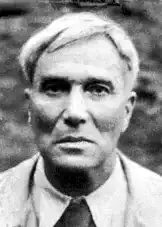
Boris Pasternak
Mary Magdalene I
Mary Magdalene I
As soon as night descends, we meet.
Remorse my memories releases.
The demons of the past compete,
And draw and tear my heart to pieces,
Sin, vice and madness and deceit,
When I was slave of men's caprices
And when my dwelling was the street.
The deathly silence is not far;
A few more moments only matter,
Which the Inevitable bar.
But at the edge, before they scatter,
In front of Thee my life I shatter,
As though an alabaster jar.
O what might not have been my fate
By now, my Teacher and my Saviour,
Did not eternity await
Me at the table, as a late
New victim of my past behaviour!
But what can sin now mean to me,
And death, and hell, and sulphur burning,
When, like a graft onto a tree,
I have-for everyone to see-
Grown into being part of Thee
In my immeasurable yearning?
When pressed against my knees I place
Thy precious feet, and weep, despairing,
Perhaps I'm learning to embrace
The cross's rough four-sided face;
And, fainting, all my being sways
Towards Thee, Thy burial preparing.
As soon as night descends, we meet.
Remorse my memories releases.
The demons of the past compete,
And draw and tear my heart to pieces,
Sin, vice and madness and deceit,
When I was slave of men's caprices
And when my dwelling was the street.
The deathly silence is not far;
A few more moments only matter,
Which the Inevitable bar.
But at the edge, before they scatter,
In front of Thee my life I shatter,
As though an alabaster jar.
O what might not have been my fate
By now, my Teacher and my Saviour,
Did not eternity await
Me at the table, as a late
New victim of my past behaviour!
But what can sin now mean to me,
And death, and hell, and sulphur burning,
When, like a graft onto a tree,
I have-for everyone to see-
Grown into being part of Thee
In my immeasurable yearning?
When pressed against my knees I place
Thy precious feet, and weep, despairing,
Perhaps I'm learning to embrace
The cross's rough four-sided face;
And, fainting, all my being sways
Towards Thee, Thy burial preparing.
534
Boris Pasternak
Lessons of English
Lessons of English
When Desdemona sang a ditty-
In her last hours among the living-
It wasn't love that she lamented,
And not her star-she mourned a willow.
When Desdemona started singing,
With tears near choking off her voice,
Her evil demon for her evil day
Stored up of weeping rills a choice.
And when Ophelia sang a ballad-
In her last hours among the living-
All dryness of her soul was carried
Aloft by gusts of wind, like cinders.
The day Ophelia started singing,
By bitterness of daydreams jaded,
What trophies did she clutch, when sinking?
A bunch of buttercups and daisies.
Their shoulders stripped of passion's tatters,
They took, their hearts a-quake with fear,
The Universe's chilly baptism-
To stun their loving forms with spheres.
When Desdemona sang a ditty-
In her last hours among the living-
It wasn't love that she lamented,
And not her star-she mourned a willow.
When Desdemona started singing,
With tears near choking off her voice,
Her evil demon for her evil day
Stored up of weeping rills a choice.
And when Ophelia sang a ballad-
In her last hours among the living-
All dryness of her soul was carried
Aloft by gusts of wind, like cinders.
The day Ophelia started singing,
By bitterness of daydreams jaded,
What trophies did she clutch, when sinking?
A bunch of buttercups and daisies.
Their shoulders stripped of passion's tatters,
They took, their hearts a-quake with fear,
The Universe's chilly baptism-
To stun their loving forms with spheres.
620
Boris Pasternak
Hamlet
Hamlet
The murmurs ebb; onto the stage I enter.
I am trying, standing in the door,
To discover in the distant echoes
What the coming years may hold in store.
The nocturnal darkness with a thousand
Binoculars is focused onto me.
Take away this cup, O Abba Father,
Everything is possible to Thee.
I am fond of this Thy stubborn project,
And to play my part I am content.
But another drama is in progress,
And, this once, O let me be exempt.
But the plan of action is determined,
And the end irrevocably sealed.
I am alone; all round me drowns in falsehood:
Life is not a walk across a field.
The murmurs ebb; onto the stage I enter.
I am trying, standing in the door,
To discover in the distant echoes
What the coming years may hold in store.
The nocturnal darkness with a thousand
Binoculars is focused onto me.
Take away this cup, O Abba Father,
Everything is possible to Thee.
I am fond of this Thy stubborn project,
And to play my part I am content.
But another drama is in progress,
And, this once, O let me be exempt.
But the plan of action is determined,
And the end irrevocably sealed.
I am alone; all round me drowns in falsehood:
Life is not a walk across a field.
513
Boris Pasternak
‘February. Take ink and weep,’
‘February. Take ink and weep,’
February. Take ink and weep,
write February as you’re sobbing,
while black Spring burns deep
through the slush and throbbing.
Take a cab. For a clutch of copecks,
through bell-towers’ and wheel noise,
go where the rain-storm’s din breaks,
greater than crying or ink employs.
Where rooks in thousands falling,
like charred pears from the skies,
drop down into puddles, bringing
cold grief to the depths of eyes.
Below, the black shows through,
and the wind’s furrowed with cries:
the more freely, the more truly
then, sobbing verse is realised.
February. Take ink and weep,
write February as you’re sobbing,
while black Spring burns deep
through the slush and throbbing.
Take a cab. For a clutch of copecks,
through bell-towers’ and wheel noise,
go where the rain-storm’s din breaks,
greater than crying or ink employs.
Where rooks in thousands falling,
like charred pears from the skies,
drop down into puddles, bringing
cold grief to the depths of eyes.
Below, the black shows through,
and the wind’s furrowed with cries:
the more freely, the more truly
then, sobbing verse is realised.
436
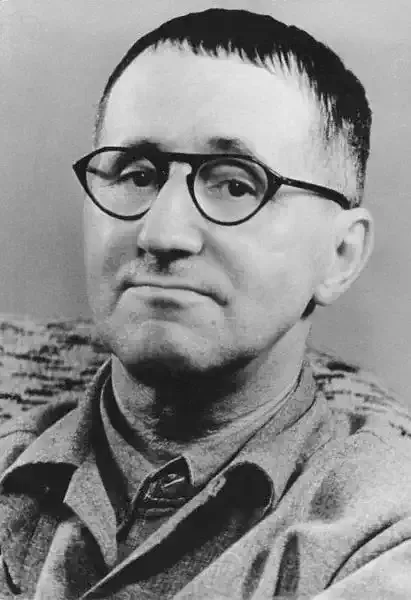
Bertolt Brecht
Radio Poem
Radio Poem
You little box, held to me escaping
So that your valves should not break
Carried from house to house to ship from sail to train,
So that my enemies might go on talking to me,
Near my bed, to my pain
The last thing at night, the first thing in the morning,
Of their victories and of my cares,
Promise me not to go silent all of a sudden.
You little box, held to me escaping
So that your valves should not break
Carried from house to house to ship from sail to train,
So that my enemies might go on talking to me,
Near my bed, to my pain
The last thing at night, the first thing in the morning,
Of their victories and of my cares,
Promise me not to go silent all of a sudden.
639
Bertolt Brecht
Future Generations (Translation of
Future Generations (Translation of
I confess this:
I have no hope.
The blind talk about an escape.
I see.
When the errors are consumed
The nothing will sit next to us
as our last companion.
Den Nachgeborenen
Ich gestehe es:
Ich habe keine Hoffnung.
Die Blinden reden von einem Ausweg.
Ich sehe.
Wenn die Irrtümer verbraucht sind
Sitzt als letzter Gesellschafter
Uns das Nichts gegenüber.
I confess this:
I have no hope.
The blind talk about an escape.
I see.
When the errors are consumed
The nothing will sit next to us
as our last companion.
Den Nachgeborenen
Ich gestehe es:
Ich habe keine Hoffnung.
Die Blinden reden von einem Ausweg.
Ich sehe.
Wenn die Irrtümer verbraucht sind
Sitzt als letzter Gesellschafter
Uns das Nichts gegenüber.
624
Bertolt Brecht
Alabama Song
Alabama Song
Show me the way to the next whisky bar
Oh, don't ask why, oh, don't ask why
Show me the way to the next whisky bar
Oh, don't ask why, oh, don't ask why
For if we don't find the next whisky bar
I tell you we must die
I tell you we must die
I tell you
I tell you
I tell you we must die
Oh, moon of Alabama
We now must say say good-bye
We've lost our good old mamma
And must have whisky
Oh, you know why.
Show me the way to the next pretty girl
Oh, don't ask why, oh, don't ask why
Show me the way to the next pretty girl
Oh don't ask why, oh, don't ask why
For if we don't find the next pretty girl
I tell you we must die
I tell you we must die
I tell you
I tell you
I tell you we must die
Oh, moon of Alabama
We now must say good-bye
We've lost our good old mamma
And must have a girl
Oh, you know why.
Show me the way to the next little dollar
Oh, don't ask why, oh, don't ask why
Show me the way to the next little dollar
Oh, don't ask why, oh, don't ask why
For if we don't find the next little dollar
I tell you we must die
I tell you we must die
I tell you
I tell you
I tell you we must die
Oh, moon of Alabama
We now must say good-bye
We've lost our good old mamma
And must have dollars
Oh, you know why.
Show me the way to the next whisky bar
Oh, don't ask why, oh, don't ask why
Show me the way to the next whisky bar
Oh, don't ask why, oh, don't ask why
For if we don't find the next whisky bar
I tell you we must die
I tell you we must die
I tell you
I tell you
I tell you we must die
Oh, moon of Alabama
We now must say say good-bye
We've lost our good old mamma
And must have whisky
Oh, you know why.
Show me the way to the next pretty girl
Oh, don't ask why, oh, don't ask why
Show me the way to the next pretty girl
Oh don't ask why, oh, don't ask why
For if we don't find the next pretty girl
I tell you we must die
I tell you we must die
I tell you
I tell you
I tell you we must die
Oh, moon of Alabama
We now must say good-bye
We've lost our good old mamma
And must have a girl
Oh, you know why.
Show me the way to the next little dollar
Oh, don't ask why, oh, don't ask why
Show me the way to the next little dollar
Oh, don't ask why, oh, don't ask why
For if we don't find the next little dollar
I tell you we must die
I tell you we must die
I tell you
I tell you
I tell you we must die
Oh, moon of Alabama
We now must say good-bye
We've lost our good old mamma
And must have dollars
Oh, you know why.
741
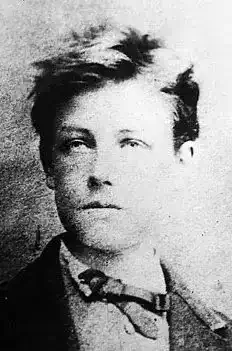
Arthur Rimbaud
Vigils
Vigils
I.
It is a repose in the light,
neither fever nor languor,
on a bed or on a meadow.
It is the friend neither violent nor weak.
The friend.
It is the beloved neither
tormenting nor tormented.
The beloved.
Air and the world not sought.
Life. --Was it really this?
--And the dream grew cold.
II.
The lighting comes round
to the crown post again.
From the two extremities of the room
-- decorations negligible
-- harmonic elevations join.
The wall opposite the watcher
is a psychological succession
of atmospheric sections of friezes,
bands, and geological accidents.
Intense quick dream
of sentimental groups
with people of all possible characters
amidst all possible appearances.
III.
The lamps and the rugs
of the vigil make the noise
of waves in the night,
along the hull and around the steerage.
The sea of the vigil, like Emily's breasts.
The hangings, halfway up,
undergrowth of emerald tinted lace,
where dart the vigil doves. . . . . . . . . . . . . . . . . . . .
The plaque of the black hearth,
real suns of seashores! ah! magic wells;
only sight of dawn, this time.
I.
It is a repose in the light,
neither fever nor languor,
on a bed or on a meadow.
It is the friend neither violent nor weak.
The friend.
It is the beloved neither
tormenting nor tormented.
The beloved.
Air and the world not sought.
Life. --Was it really this?
--And the dream grew cold.
II.
The lighting comes round
to the crown post again.
From the two extremities of the room
-- decorations negligible
-- harmonic elevations join.
The wall opposite the watcher
is a psychological succession
of atmospheric sections of friezes,
bands, and geological accidents.
Intense quick dream
of sentimental groups
with people of all possible characters
amidst all possible appearances.
III.
The lamps and the rugs
of the vigil make the noise
of waves in the night,
along the hull and around the steerage.
The sea of the vigil, like Emily's breasts.
The hangings, halfway up,
undergrowth of emerald tinted lace,
where dart the vigil doves. . . . . . . . . . . . . . . . . . . .
The plaque of the black hearth,
real suns of seashores! ah! magic wells;
only sight of dawn, this time.
566
Arthur Rimbaud
Those Who Sit
Those Who Sit
Dark with knobbed growths,
peppered with pock-marks like hail,
their eyes ringed with green,
their swollen fingers clenched on their thigh-bones,
their skulls caked with indeterminate crusts
like the leprous growths on old walls;
in amorous seizures they have grafted
their weird bone structures
to the great dark skeletons of their chairs;
their feet are entwined, morning and evening,
on the rickety rails!
These old men have always been one flesh with their seats,
feeling bright suns drying their skins to the texture of calico,
or else, looking at the window-panes
where the snow is turning grey,
shivering with the painful shiver of the toad.
And their Seats are kind to them;
coloured brown with age, the straw yields
to the angularities of their buttocks;
the spirit of ancient suns lights up,
bound in these braids of ears in which the corn fermented.
And the Seated Ones, knees drawn up to their teeth,
green pianists whose ten fingers keep drumming under their seats,
listen to the tapping of each other's melancholy barcolles;
and their heads nod back and forth as in the act of love.
-Oh don't make them get up! It's a catastrophe!
They rear up like growling tom-cats when struck,
slowly spreading their shoulders... What rage!
Their trousers puff out at their swelling backsides.
And you listen to them as they bump
their bald head is against the dark walls,
stamping and stamping with their crooked feet;
and their coat-buttons are the eyes of wild beasts
which fix yours from the end of the corridors!
And then they have an invisible weapon which can kill:
returning, their eyes seep the black poison
with which the beaten bitch's eye is charged,
and you sweat, trapped in the horrible funnel.
Reseated, their fists retreating into soiled cuffs,
they think about those that have made them
get up and, from dawn until dusk,
their tonsils in bunches tremble
under their meagre chins, fir to burst.
When austere slumbers have lowered their lids
they dream on their arms of seats become fertile;
of perfect little loves of open-work chairs surrounding dignified desks.
Flowers of ink dropping pollen like commas lull them asleep
in their rows of squat flower-cups like dragonflies
threading their flight along the flags
-and their membra virilia are aroused by barbed ears of wheat.
Dark with knobbed growths,
peppered with pock-marks like hail,
their eyes ringed with green,
their swollen fingers clenched on their thigh-bones,
their skulls caked with indeterminate crusts
like the leprous growths on old walls;
in amorous seizures they have grafted
their weird bone structures
to the great dark skeletons of their chairs;
their feet are entwined, morning and evening,
on the rickety rails!
These old men have always been one flesh with their seats,
feeling bright suns drying their skins to the texture of calico,
or else, looking at the window-panes
where the snow is turning grey,
shivering with the painful shiver of the toad.
And their Seats are kind to them;
coloured brown with age, the straw yields
to the angularities of their buttocks;
the spirit of ancient suns lights up,
bound in these braids of ears in which the corn fermented.
And the Seated Ones, knees drawn up to their teeth,
green pianists whose ten fingers keep drumming under their seats,
listen to the tapping of each other's melancholy barcolles;
and their heads nod back and forth as in the act of love.
-Oh don't make them get up! It's a catastrophe!
They rear up like growling tom-cats when struck,
slowly spreading their shoulders... What rage!
Their trousers puff out at their swelling backsides.
And you listen to them as they bump
their bald head is against the dark walls,
stamping and stamping with their crooked feet;
and their coat-buttons are the eyes of wild beasts
which fix yours from the end of the corridors!
And then they have an invisible weapon which can kill:
returning, their eyes seep the black poison
with which the beaten bitch's eye is charged,
and you sweat, trapped in the horrible funnel.
Reseated, their fists retreating into soiled cuffs,
they think about those that have made them
get up and, from dawn until dusk,
their tonsils in bunches tremble
under their meagre chins, fir to burst.
When austere slumbers have lowered their lids
they dream on their arms of seats become fertile;
of perfect little loves of open-work chairs surrounding dignified desks.
Flowers of ink dropping pollen like commas lull them asleep
in their rows of squat flower-cups like dragonflies
threading their flight along the flags
-and their membra virilia are aroused by barbed ears of wheat.
716
Arthur Rimbaud
The Parisian Orgy
The Parisian Orgy
O cowards! There she is!
Pile out into the stations!
The sun with its fiery lungs blew clear
the boulevards that, one evening,
the Barbarians filled.
Here is the holy City, seated in the West! Come!
We'll stave off the return of the fires;
here are the quays, here are the boulevards,
here are the houses against the pale,
radiant blue-starred, one evening,
by the red flashes of bombs!
Hide the dead places with forests of planks!
Affrighted, the dying daylight freshens your looks.
Look at the red-headed troop of the wrigglers of hips:
be mad, you'll be comical, being haggard!
Pack of bitches on heat, eating poultices:
the cry from the houses of gold calls you!
Plunder! Eat! See the night of joy and deep twitchings
coming down on the street.
O desolate drinkers, Drink! When the light comes,
intense and crazed, to ransack round you the rustling luxuries,
you're not going to dribbe into your glasses
without motion or sound, with your eyes lost in white distances?
Knock it back: to the Queen whose buttocks cascade in folds!
Listen to the working of stupid tearing hiccups!
Listen to them leaping n the fiery night:
the panting idiots, the aged, the nonentities, the lackeys!
O hearts of filth, appalling mouths;
work harder, mouths of foul stenches!
Wine for these ignoble torpors, at these tables…
Your bellies are melting with shame, O Conquerors!
Open your nostrils to these superb nauseas!
Steep the tendons of your necks in strong poisons!
Laying his crossed hands on the napes of your childish necks,
the Poet says to you: 'O cowards! Be mad!
Because you are ransacking the guts of Woman,
you fear another convulsion from her, crying out,
and stifling your infamous perching on her breast with a horrible pressure.
Syphilitics, madmen, kings, puppets, ventriloquists!
What can you matter to Paris the whore?
Your souls or your bodies, your poisons or your rags?
She'll shake you off, you pox-rotten snarlers!
And when you are down, whimpering on your bellies,
your sides wrung, clamouring for your money back, distracted,
the red harlot with her breasts swelling
with battles will clench her hard fists,
far removed from your stupor!'
When your feet, Paris, danced so hard in anger!
When you had so many knife wounds; when you lay helpless,
still retaining in your clear eyes a little of the goodness
of the tawny spring; O city in pain;
O city almost dead, with your face and your two breasts
pointing towards the Future
which opens to your pallor its thousand million gates;
city whom the dark Past could bless:
Body galvanized back to life to suffer tremendous pains,
you are drinking in dreadful life once more!
You feel he ghastly pale worms flooding back in your veins,
the icy fingers prowling on your unclouded love!
And it does you no harm.
The worms, the pale worms, will obstruct your breath of Progress no more
than the Stryx could extinguish the eyes of the Caryatides,
from whose blue sills fell tears of sidereal gold.
Although it is frightful to see you again
covered in this fashion; although no city was ever made
into a more foul-smelling ulcer
on the face of green Nature, the Poet says to you:
'Your beauty is Marvelous!' The tempest sealed you in supreme poetry;
the huge stirring of strength comes to your aid;
your work comes to the boil, death groans, O chosen City!
Hoard in your heart the stridors of the ominous trumpet.
The Poet will take the sobs of the Infamous
the hate of the Galley-slaves, the clamour of the Damned;
and the beams of his love will scourge Womankind.
His verses will leap out: There's for you! There! Villains! -Society,
and everything, is restored: - the orgies are weeping
with dry sobs in the old brothels:
and on the reddened walls the gaslights in frenzy flare
balefully upwards to the wan blue skies!
O cowards! There she is!
Pile out into the stations!
The sun with its fiery lungs blew clear
the boulevards that, one evening,
the Barbarians filled.
Here is the holy City, seated in the West! Come!
We'll stave off the return of the fires;
here are the quays, here are the boulevards,
here are the houses against the pale,
radiant blue-starred, one evening,
by the red flashes of bombs!
Hide the dead places with forests of planks!
Affrighted, the dying daylight freshens your looks.
Look at the red-headed troop of the wrigglers of hips:
be mad, you'll be comical, being haggard!
Pack of bitches on heat, eating poultices:
the cry from the houses of gold calls you!
Plunder! Eat! See the night of joy and deep twitchings
coming down on the street.
O desolate drinkers, Drink! When the light comes,
intense and crazed, to ransack round you the rustling luxuries,
you're not going to dribbe into your glasses
without motion or sound, with your eyes lost in white distances?
Knock it back: to the Queen whose buttocks cascade in folds!
Listen to the working of stupid tearing hiccups!
Listen to them leaping n the fiery night:
the panting idiots, the aged, the nonentities, the lackeys!
O hearts of filth, appalling mouths;
work harder, mouths of foul stenches!
Wine for these ignoble torpors, at these tables…
Your bellies are melting with shame, O Conquerors!
Open your nostrils to these superb nauseas!
Steep the tendons of your necks in strong poisons!
Laying his crossed hands on the napes of your childish necks,
the Poet says to you: 'O cowards! Be mad!
Because you are ransacking the guts of Woman,
you fear another convulsion from her, crying out,
and stifling your infamous perching on her breast with a horrible pressure.
Syphilitics, madmen, kings, puppets, ventriloquists!
What can you matter to Paris the whore?
Your souls or your bodies, your poisons or your rags?
She'll shake you off, you pox-rotten snarlers!
And when you are down, whimpering on your bellies,
your sides wrung, clamouring for your money back, distracted,
the red harlot with her breasts swelling
with battles will clench her hard fists,
far removed from your stupor!'
When your feet, Paris, danced so hard in anger!
When you had so many knife wounds; when you lay helpless,
still retaining in your clear eyes a little of the goodness
of the tawny spring; O city in pain;
O city almost dead, with your face and your two breasts
pointing towards the Future
which opens to your pallor its thousand million gates;
city whom the dark Past could bless:
Body galvanized back to life to suffer tremendous pains,
you are drinking in dreadful life once more!
You feel he ghastly pale worms flooding back in your veins,
the icy fingers prowling on your unclouded love!
And it does you no harm.
The worms, the pale worms, will obstruct your breath of Progress no more
than the Stryx could extinguish the eyes of the Caryatides,
from whose blue sills fell tears of sidereal gold.
Although it is frightful to see you again
covered in this fashion; although no city was ever made
into a more foul-smelling ulcer
on the face of green Nature, the Poet says to you:
'Your beauty is Marvelous!' The tempest sealed you in supreme poetry;
the huge stirring of strength comes to your aid;
your work comes to the boil, death groans, O chosen City!
Hoard in your heart the stridors of the ominous trumpet.
The Poet will take the sobs of the Infamous
the hate of the Galley-slaves, the clamour of the Damned;
and the beams of his love will scourge Womankind.
His verses will leap out: There's for you! There! Villains! -Society,
and everything, is restored: - the orgies are weeping
with dry sobs in the old brothels:
and on the reddened walls the gaslights in frenzy flare
balefully upwards to the wan blue skies!
638
Arthur Rimbaud
Stolen Heart
Stolen Heart
My sad heart slobbers at the poop
my heart covered with tobacco-spit
They spew streams of soup at it
My sad heart drools at the poop
Under the jeerings of the soldiers
who break out laughing
my sad heart drools at the poop
mt heart covered with tobacco-spit.
Ithypallic and soldierish
Their jeerings have depraved it
In the rudder you see frescoes
Ithypallic and soldierish
O, abracadabratic waves
Take my heart, let it be washed!
Ithypallic and soldierish
their jeerings have depraved it.
When they have used up their quid
How will I act, O stolen heart?
There will be Bacchic hiccups
When they have used up their quid
I will have stomach retchings
If my heart is degraded;
When they have used up their quid
How will I act, O stolen heart?
translated by Wallace Fowlie
My sad heart slobbers at the poop
my heart covered with tobacco-spit
They spew streams of soup at it
My sad heart drools at the poop
Under the jeerings of the soldiers
who break out laughing
my sad heart drools at the poop
mt heart covered with tobacco-spit.
Ithypallic and soldierish
Their jeerings have depraved it
In the rudder you see frescoes
Ithypallic and soldierish
O, abracadabratic waves
Take my heart, let it be washed!
Ithypallic and soldierish
their jeerings have depraved it.
When they have used up their quid
How will I act, O stolen heart?
There will be Bacchic hiccups
When they have used up their quid
I will have stomach retchings
If my heart is degraded;
When they have used up their quid
How will I act, O stolen heart?
translated by Wallace Fowlie
689
Arthur Rimbaud
Shame
Shame
So long as the blade has not
Cut off that brain,
That white, green and fatty parcel,
Whose steam is never fresh,
Ah ! He, should cut off his
Nose, his lips, his ears,
His belly ! And abandon
But no, truly, I believe that so long as
The blade to his head,
And the stone to his side,
And the flame to his guts
Have not done execution, the tiresome
Child, the so stupid animal,
Must never for an instant cease
To cheat and betray
And like a Rocky Mountain cat ;
To make all places stink !
But still when he dies,
O my God !
May there rise up some prayer !
So long as the blade has not
Cut off that brain,
That white, green and fatty parcel,
Whose steam is never fresh,
Ah ! He, should cut off his
Nose, his lips, his ears,
His belly ! And abandon
But no, truly, I believe that so long as
The blade to his head,
And the stone to his side,
And the flame to his guts
Have not done execution, the tiresome
Child, the so stupid animal,
Must never for an instant cease
To cheat and betray
And like a Rocky Mountain cat ;
To make all places stink !
But still when he dies,
O my God !
May there rise up some prayer !
654
Arthur Rimbaud
People In Church
People In Church
Penned between oaken pews,
in corners of the church which their breath stinkingly warms,
all their eyes on the chancel dripping with gold,
and the choir with its twenty pairs of jaws bawling pious hymns;
Sniffing the odour of wax if it were the odour of bread,
happy, ad humbled like beaten dogs,
the Poor offer up to God, the Lord and Master,
their ridiculous stubborn oremuses.
For the women it is very pleasant to wear the benches smooth;
after the six black days on which God has made them suffer.
They nurse, swaddled in strange-looking shawls,
creatures like children who weep as if they would die.
Their unwashed breasts hanging out, these eaters of soup,
with a prayer in their eyes, but never praying,
watch a group of hoydens wickedly
showing off with hats all out of shape.
Outside is the cold, and hunger - and a man on the booze.
All right. There's another hour to go; afterwards, nameless ills! -
Meanwhile all around an assortment of old
dewlapped women whimpers, snuffles, and whispers:
These are distracted persons and the epileptics from whom,
yesterday, you turned away at street crossings;
there too are the blind who are led by a dog into courtyards,
poring their noses into old-fashioned missals. -
And all of them, dribbling a stupid groveling faith,
recite their unending complaint to Jesus who is dreaming up there,
yellow from the livid stained glass window,
far above thin rascals and wicked potbellies,
far from the smell of meat and mouldy fabric,
and the exhausted somber farce of repulsive gestures and
as the prayer flowers in choice expressions,
and the mysteries take on more emphatic tones, from the aisles,
where the sun is dying, trite folds of silk and green smiles,
the ladies of the better quarters of the town - oh Jesus! the
sufferers from complaints of the liver,
make their long yellow fingers kiss the holy water in the stoups.
Penned between oaken pews,
in corners of the church which their breath stinkingly warms,
all their eyes on the chancel dripping with gold,
and the choir with its twenty pairs of jaws bawling pious hymns;
Sniffing the odour of wax if it were the odour of bread,
happy, ad humbled like beaten dogs,
the Poor offer up to God, the Lord and Master,
their ridiculous stubborn oremuses.
For the women it is very pleasant to wear the benches smooth;
after the six black days on which God has made them suffer.
They nurse, swaddled in strange-looking shawls,
creatures like children who weep as if they would die.
Their unwashed breasts hanging out, these eaters of soup,
with a prayer in their eyes, but never praying,
watch a group of hoydens wickedly
showing off with hats all out of shape.
Outside is the cold, and hunger - and a man on the booze.
All right. There's another hour to go; afterwards, nameless ills! -
Meanwhile all around an assortment of old
dewlapped women whimpers, snuffles, and whispers:
These are distracted persons and the epileptics from whom,
yesterday, you turned away at street crossings;
there too are the blind who are led by a dog into courtyards,
poring their noses into old-fashioned missals. -
And all of them, dribbling a stupid groveling faith,
recite their unending complaint to Jesus who is dreaming up there,
yellow from the livid stained glass window,
far above thin rascals and wicked potbellies,
far from the smell of meat and mouldy fabric,
and the exhausted somber farce of repulsive gestures and
as the prayer flowers in choice expressions,
and the mysteries take on more emphatic tones, from the aisles,
where the sun is dying, trite folds of silk and green smiles,
the ladies of the better quarters of the town - oh Jesus! the
sufferers from complaints of the liver,
make their long yellow fingers kiss the holy water in the stoups.
619
Arthur Rimbaud
Lives
Lives
I.
O the enormous avenues of the Holy Land,
the temple terraces!
What has become of the Brahman
who explained the proverbs to me?
Of that time, of that place,
I can still see even the old women!
I remember silver hours and sunlight by the rivers,
the hand of the country on my shoulder
and our carresses standing on the spicy plains.--
A flight of scarlet pigeons thunders round my thoughts.
An exile here, I once had a stage on which
to play all the masterpieces of literature.
I would show you unheard-of riches.
I note the story of the treasures you discovered.
I see the outcome.
My wisdom is as scorned as chaos.
What is my nothingness
to the stupor that awaits you?
II.
I am the inventor more deserving far
than all those who have preceeded me;
a musician, moreover, who has discovered
something like the key of love.
At present, a country gentleman
of a bleak land with a sober sky,
I try to rouse myself with the memory
of my beggar childhood,
my apprenticeship or my arrival in wooden shoes,
of polemics, of five or six widowings, and of certain convivalities
when my level head kept me from rising
to the diapason of my comrades.
I do not regret my old portion of divine gaiety:
the sober air of this bleak countryside
feeds vigorously my dreadful skepticism.
But since this skepticism cannot,
henceforth be put to use, and since,
moreover, I am dedicated to a new torment,--
I expect to become a very vicious madman.
III.
In a loft, where I was shut in when I was twelve,
I got to know the world,
I illustrated the human comedy.
I learned history in a wine cellar.
In a northern city, at some nocturnal revel,
I met all the women of the old masters.
In an old arcade in Paris,
I was taught the classical sciences.
In a magnificent dwelling encircled by the entire Orient,
I accomplished my prodigious work
and spent my illustrious retreat.
I churned up my blood.
My duty has been remitted.
I must not even think of that anymore.
I am really from beyond
the tomb, and no commissions.
I.
O the enormous avenues of the Holy Land,
the temple terraces!
What has become of the Brahman
who explained the proverbs to me?
Of that time, of that place,
I can still see even the old women!
I remember silver hours and sunlight by the rivers,
the hand of the country on my shoulder
and our carresses standing on the spicy plains.--
A flight of scarlet pigeons thunders round my thoughts.
An exile here, I once had a stage on which
to play all the masterpieces of literature.
I would show you unheard-of riches.
I note the story of the treasures you discovered.
I see the outcome.
My wisdom is as scorned as chaos.
What is my nothingness
to the stupor that awaits you?
II.
I am the inventor more deserving far
than all those who have preceeded me;
a musician, moreover, who has discovered
something like the key of love.
At present, a country gentleman
of a bleak land with a sober sky,
I try to rouse myself with the memory
of my beggar childhood,
my apprenticeship or my arrival in wooden shoes,
of polemics, of five or six widowings, and of certain convivalities
when my level head kept me from rising
to the diapason of my comrades.
I do not regret my old portion of divine gaiety:
the sober air of this bleak countryside
feeds vigorously my dreadful skepticism.
But since this skepticism cannot,
henceforth be put to use, and since,
moreover, I am dedicated to a new torment,--
I expect to become a very vicious madman.
III.
In a loft, where I was shut in when I was twelve,
I got to know the world,
I illustrated the human comedy.
I learned history in a wine cellar.
In a northern city, at some nocturnal revel,
I met all the women of the old masters.
In an old arcade in Paris,
I was taught the classical sciences.
In a magnificent dwelling encircled by the entire Orient,
I accomplished my prodigious work
and spent my illustrious retreat.
I churned up my blood.
My duty has been remitted.
I must not even think of that anymore.
I am really from beyond
the tomb, and no commissions.
549
Arthur Rimbaud
Historic Evening
Historic Evening
On an evening, for example, when the naive tourist has retired
from our economic horrors, a master's hand awakens
the meadow's harpsichord;
they are playing cards at the bottom of the pond,
mirror conjuring up favorites and queens;
there are saints, veils, threads of harmony,
and legendary chromatics in the setting sun.
He shudders as the hunts and hordes go by.
Comedy drips on the grass stages.
And the distress of the poor and of the weak
on those stupid planes! Before his slave's vision,
Germany goes scaffolding toward moons;
Tartar deserts light up; ancient revolts ferment
in the center of the Celestial Empire;
over stairways and armchairs of rock, a little world, wan and flat,
Africa and Occidents, will be erected.
Then a ballet of familiar seas and nights,
worthless chemistry and impossible melodies. The same bourgeois magic
wherever the mail-train sets you down.
Even the most elementary physicist feels that it is no longer possible
to submit to this personal atmosphere, fog of physical remorse,
which to acknowledge is already an affliction. No!
The moment of the seething cauldron, of seas removed,
of subterranean conflagrations, of the planet swept away,
and the consequent exterminations, certitudes indicated
with so little malice by the Bible and by the Norns
and for which serious persons should be on the alert
On an evening, for example, when the naive tourist has retired
from our economic horrors, a master's hand awakens
the meadow's harpsichord;
they are playing cards at the bottom of the pond,
mirror conjuring up favorites and queens;
there are saints, veils, threads of harmony,
and legendary chromatics in the setting sun.
He shudders as the hunts and hordes go by.
Comedy drips on the grass stages.
And the distress of the poor and of the weak
on those stupid planes! Before his slave's vision,
Germany goes scaffolding toward moons;
Tartar deserts light up; ancient revolts ferment
in the center of the Celestial Empire;
over stairways and armchairs of rock, a little world, wan and flat,
Africa and Occidents, will be erected.
Then a ballet of familiar seas and nights,
worthless chemistry and impossible melodies. The same bourgeois magic
wherever the mail-train sets you down.
Even the most elementary physicist feels that it is no longer possible
to submit to this personal atmosphere, fog of physical remorse,
which to acknowledge is already an affliction. No!
The moment of the seething cauldron, of seas removed,
of subterranean conflagrations, of the planet swept away,
and the consequent exterminations, certitudes indicated
with so little malice by the Bible and by the Norns
and for which serious persons should be on the alert
541
Arthur Rimbaud
Being Beauteous
Being Beauteous
Against a fall of snow, a Being Beauiful, and very tall.
Whistlings of death and circles of faint music
Make this adored body, swelling and trembling
Like a specter, rise...
Black and scarlet gashes burst in the gleaming flesh.
The true colors of life grow dark,
Shimmering and sperate
In the scaffolding, around the Vision.
Shiverings mutter and rise,
And the furious taste of these effects is charged
With deadly whistlings and the raucous music
That the world, far behind us, hurls at our mother of beauty...
She retreats, she rises up...
Oh! Our bones have put on new flesh, for love.
Oh ash-white face
Oh tousled hair
O crystal arms!
On this cannot I mean to destroy myself
In a swirling of trees and soft air!
Against a fall of snow, a Being Beauiful, and very tall.
Whistlings of death and circles of faint music
Make this adored body, swelling and trembling
Like a specter, rise...
Black and scarlet gashes burst in the gleaming flesh.
The true colors of life grow dark,
Shimmering and sperate
In the scaffolding, around the Vision.
Shiverings mutter and rise,
And the furious taste of these effects is charged
With deadly whistlings and the raucous music
That the world, far behind us, hurls at our mother of beauty...
She retreats, she rises up...
Oh! Our bones have put on new flesh, for love.
Oh ash-white face
Oh tousled hair
O crystal arms!
On this cannot I mean to destroy myself
In a swirling of trees and soft air!
851

Anonymous
Waly, Waly
Waly, Waly
O WALY, waly, up the bank,
And waly, waly, doun the brae,
And waly, waly, yon burn-side,
Where I and my Love wont to gae!
I lean'd my back unto an aik,
I thocht it was a trustie tree;
But first it bow'd and syne it brak--
Sae my true love did lichtlie me.
O waly, waly, gin love be bonnie
A little time while it is new!
But when 'tis auld it waxeth cauld,
And fades awa' like morning dew.
O wherefore should I busk my heid,
Or wherefore should I kame my hair?
For my true Love has me forsook,
And says he'll never lo'e me mair.
Now Arthur's Seat sall be my bed,
The sheets sall ne'er be 'filed by me;
Saint Anton's well sall be my drink;
Since my true Love has forsaken me.
Marti'mas wind, when wilt thou blaw,
And shake the green leaves aff the tree?
O gentle Death, when wilt thou come?
For of my life I am wearìe.
'Tis not the frost, that freezes fell,
Nor blawing snaw's inclemencie,
'Tis not sic cauld that makes me cry;
But my Love's heart grown cauld to me.
When we cam in by Glasgow toun,
We were a comely sicht to see;
My Love was clad in the black velvet,
And I mysel in cramasie.
But had I wist, before I kist,
That love had been sae ill to win,
I had lock'd my heart in a case o' gowd,
And pinn'd it wi' a siller pin.
And O! if my young babe were born,
And set upon the nurse's knee;
And I mysel were dead and gane,
And the green grass growing over me!
O WALY, waly, up the bank,
And waly, waly, doun the brae,
And waly, waly, yon burn-side,
Where I and my Love wont to gae!
I lean'd my back unto an aik,
I thocht it was a trustie tree;
But first it bow'd and syne it brak--
Sae my true love did lichtlie me.
O waly, waly, gin love be bonnie
A little time while it is new!
But when 'tis auld it waxeth cauld,
And fades awa' like morning dew.
O wherefore should I busk my heid,
Or wherefore should I kame my hair?
For my true Love has me forsook,
And says he'll never lo'e me mair.
Now Arthur's Seat sall be my bed,
The sheets sall ne'er be 'filed by me;
Saint Anton's well sall be my drink;
Since my true Love has forsaken me.
Marti'mas wind, when wilt thou blaw,
And shake the green leaves aff the tree?
O gentle Death, when wilt thou come?
For of my life I am wearìe.
'Tis not the frost, that freezes fell,
Nor blawing snaw's inclemencie,
'Tis not sic cauld that makes me cry;
But my Love's heart grown cauld to me.
When we cam in by Glasgow toun,
We were a comely sicht to see;
My Love was clad in the black velvet,
And I mysel in cramasie.
But had I wist, before I kist,
That love had been sae ill to win,
I had lock'd my heart in a case o' gowd,
And pinn'd it wi' a siller pin.
And O! if my young babe were born,
And set upon the nurse's knee;
And I mysel were dead and gane,
And the green grass growing over me!
261
Anonymous
The Time When I First Fell In Love
The Time When I First Fell In Love
The time when first I fell in love,
Which now I must lament;
The year wherein I lost such time
To compass my content.
The day wherein I saw too late
The follies of a lover;
The hour wherein I found such loss
As care cannot recover.
And last, the minute of mishap,
Which makes me thus to plain
The doleful fruits of lover's suits,
Which labour lose in vain:
Doth make me solemnly protest,
As I with pain do prove,
There is no time, year, day, nor hour,
Nor minute, good to love.
The time when first I fell in love,
Which now I must lament;
The year wherein I lost such time
To compass my content.
The day wherein I saw too late
The follies of a lover;
The hour wherein I found such loss
As care cannot recover.
And last, the minute of mishap,
Which makes me thus to plain
The doleful fruits of lover's suits,
Which labour lose in vain:
Doth make me solemnly protest,
As I with pain do prove,
There is no time, year, day, nor hour,
Nor minute, good to love.
282
Anonymous
The Dowie Houms of Yarrow
The Dowie Houms of Yarrow
LATE at een, drinkin' the wine,
And ere they paid the lawin',
They set a combat them between,
To fight it in the dawin'.
'O stay at hame, my noble lord!
O stay at hame, my marrow!
My cruel brother will you betray,
On the dowie houms o' Yarrow.'
'O fare ye weel, my lady gay!
O fare ye weel, my Sarah!
For I maun gae, tho' I ne'er return
Frae the dowie banks o' Yarrow.'
She kiss'd his cheek, she kamed his hair,
As she had done before, O;
She belted on his noble brand,
An' he 's awa to Yarrow.
O he 's gane up yon high, high hill--
I wat he gaed wi' sorrow--
An' in a den spied nine arm'd men,
I' the dowie houms o' Yarrow.
'O are ye come to drink the wine,
As ye hae doon before, O?
Or are ye come to wield the brand,
On the dowie banks o' Yarrow?'
'I am no come to drink the wine,
As I hae don before, O,
But I am come to wield the brand,
On the dowie houms o' Yarrow.'
Four he hurt, an' five he slew,
On the dowie houms o' Yarrow,
Till that stubborn knight came him behind,
An' ran his body thorrow.
'Gae hame, gae hame, good brother John,
An' tell your sister Sarah
To come an' lift her noble lord,
Who 's sleepin' sound on Yarrow.'
'Yestreen I dream'd a dolefu' dream;
I ken'd there wad be sorrow;
I dream'd I pu'd the heather green,
On the dowie banks o' Yarrow.'
She gaed up yon high, high hill--
I wat she gaed wi' sorrow--
An' in a den spied nine dead men,
On the dowie houms o' Yarrow.
She kiss'd his cheek, she kamed his hair,
As oft she did before, O;
She drank the red blood frae him ran,
On the dowie houms o' Yarrow.
'O haud your tongue, my douchter dear,
For what needs a' this sorrow?
I'll wed you on a better lord
Than him you lost on Yarrow.'
'O haud your tongue, my father dear,
An' dinna grieve your Sarah;
A better lord was never born
Than him I lost on Yarrow.
'Tak hame your ousen, tak hame your kye,
For they hae bred our sorrow;
I wiss that they had a' gane mad
When they cam first to Yarrow.'
LATE at een, drinkin' the wine,
And ere they paid the lawin',
They set a combat them between,
To fight it in the dawin'.
'O stay at hame, my noble lord!
O stay at hame, my marrow!
My cruel brother will you betray,
On the dowie houms o' Yarrow.'
'O fare ye weel, my lady gay!
O fare ye weel, my Sarah!
For I maun gae, tho' I ne'er return
Frae the dowie banks o' Yarrow.'
She kiss'd his cheek, she kamed his hair,
As she had done before, O;
She belted on his noble brand,
An' he 's awa to Yarrow.
O he 's gane up yon high, high hill--
I wat he gaed wi' sorrow--
An' in a den spied nine arm'd men,
I' the dowie houms o' Yarrow.
'O are ye come to drink the wine,
As ye hae doon before, O?
Or are ye come to wield the brand,
On the dowie banks o' Yarrow?'
'I am no come to drink the wine,
As I hae don before, O,
But I am come to wield the brand,
On the dowie houms o' Yarrow.'
Four he hurt, an' five he slew,
On the dowie houms o' Yarrow,
Till that stubborn knight came him behind,
An' ran his body thorrow.
'Gae hame, gae hame, good brother John,
An' tell your sister Sarah
To come an' lift her noble lord,
Who 's sleepin' sound on Yarrow.'
'Yestreen I dream'd a dolefu' dream;
I ken'd there wad be sorrow;
I dream'd I pu'd the heather green,
On the dowie banks o' Yarrow.'
She gaed up yon high, high hill--
I wat she gaed wi' sorrow--
An' in a den spied nine dead men,
On the dowie houms o' Yarrow.
She kiss'd his cheek, she kamed his hair,
As oft she did before, O;
She drank the red blood frae him ran,
On the dowie houms o' Yarrow.
'O haud your tongue, my douchter dear,
For what needs a' this sorrow?
I'll wed you on a better lord
Than him you lost on Yarrow.'
'O haud your tongue, my father dear,
An' dinna grieve your Sarah;
A better lord was never born
Than him I lost on Yarrow.
'Tak hame your ousen, tak hame your kye,
For they hae bred our sorrow;
I wiss that they had a' gane mad
When they cam first to Yarrow.'
219
Anonymous
Sir Patrick Spens
Sir Patrick Spens
I. The Sailing
THE king sits in Dunfermline town
Drinking the blude-red wine;
'O whare will I get a skeely skipper
To sail this new ship o' mine?'
O up and spak an eldern knight,
Sat at the king's right knee;
'Sir Patrick Spens is the best sailor
That ever sail'd the sea.'
Our king has written a braid letter,
And seal'd it with his hand,
And sent it to Sir Patrick Spens,
Was walking on the strand.
'To Noroway, to Noroway,
To Noroway o'er the faem;
The king's daughter o' Noroway,
'Tis thou must bring her hame.'
The first word that Sir Patrick read
So loud, loud laugh'd he;
The neist word that Sir Patrick read
The tear blinded his e'e.
'O wha is this has done this deed
And tauld the king o' me,
To send us out, at this time o' year,
To sail upon the sea?
'Be it wind, be it weet, be it hail, be it sleet,
Our ship must sail the faem;
The king's daughter o' Noroway,
'Tis we must fetch her hame.'
They hoysed their sails on Monenday morn
Wi' a' the speed they may;
They hae landed in Noroway
Upon a Wodensday.
II. The Return
'Mak ready, mak ready, my merry men a'!
Our gude ship sails the morn.'
'Now ever alack, my master dear,
I fear a deadly storm.
'I saw the new moon late yestreen
Wi' the auld moon in her arm;
And if we gang to sea, master,
I fear we'll come to harm.'
They hadna sail'd a league, a league,
A league but barely three,
When the lift grew dark, and the wind blew loud,
And gurly grew the sea.
The ankers brak, and the topmast lap,
It was sic a deadly storm:
And the waves cam owre the broken ship
Till a' her sides were torn.
'Go fetch a web o' the silken claith,
Another o' the twine,
And wap them into our ship's side,
And let nae the sea come in.'
They fetch'd a web o' the silken claith,
Another o' the twine,
And they wapp'd them round that gude ship's side,
But still the sea came in.
O laith, laith were our gude Scots lords
To wet their cork-heel'd shoon;
But lang or a' the play was play'd
They wat their hats aboon.
And mony was the feather bed
That flatter'd on the faem;
And mony was the gude lord's son
That never mair cam hame.
O lang, lang may the ladies sit,
Wi' their fans into their hand,
Before they see Sir Patrick Spens
Come sailing to the strand!
And lang, lang may the maidens sit
Wi' their gowd kames in their hair,
A-waiting for their ain dear loves!
For them they'll see nae mair.
Half-owre, half-owre to Aberdour,
'Tis fifty fathoms deep;
And there lies gude Sir Patrick Spens,
Wi' the Scots lords at his feet!
I. The Sailing
THE king sits in Dunfermline town
Drinking the blude-red wine;
'O whare will I get a skeely skipper
To sail this new ship o' mine?'
O up and spak an eldern knight,
Sat at the king's right knee;
'Sir Patrick Spens is the best sailor
That ever sail'd the sea.'
Our king has written a braid letter,
And seal'd it with his hand,
And sent it to Sir Patrick Spens,
Was walking on the strand.
'To Noroway, to Noroway,
To Noroway o'er the faem;
The king's daughter o' Noroway,
'Tis thou must bring her hame.'
The first word that Sir Patrick read
So loud, loud laugh'd he;
The neist word that Sir Patrick read
The tear blinded his e'e.
'O wha is this has done this deed
And tauld the king o' me,
To send us out, at this time o' year,
To sail upon the sea?
'Be it wind, be it weet, be it hail, be it sleet,
Our ship must sail the faem;
The king's daughter o' Noroway,
'Tis we must fetch her hame.'
They hoysed their sails on Monenday morn
Wi' a' the speed they may;
They hae landed in Noroway
Upon a Wodensday.
II. The Return
'Mak ready, mak ready, my merry men a'!
Our gude ship sails the morn.'
'Now ever alack, my master dear,
I fear a deadly storm.
'I saw the new moon late yestreen
Wi' the auld moon in her arm;
And if we gang to sea, master,
I fear we'll come to harm.'
They hadna sail'd a league, a league,
A league but barely three,
When the lift grew dark, and the wind blew loud,
And gurly grew the sea.
The ankers brak, and the topmast lap,
It was sic a deadly storm:
And the waves cam owre the broken ship
Till a' her sides were torn.
'Go fetch a web o' the silken claith,
Another o' the twine,
And wap them into our ship's side,
And let nae the sea come in.'
They fetch'd a web o' the silken claith,
Another o' the twine,
And they wapp'd them round that gude ship's side,
But still the sea came in.
O laith, laith were our gude Scots lords
To wet their cork-heel'd shoon;
But lang or a' the play was play'd
They wat their hats aboon.
And mony was the feather bed
That flatter'd on the faem;
And mony was the gude lord's son
That never mair cam hame.
O lang, lang may the ladies sit,
Wi' their fans into their hand,
Before they see Sir Patrick Spens
Come sailing to the strand!
And lang, lang may the maidens sit
Wi' their gowd kames in their hair,
A-waiting for their ain dear loves!
For them they'll see nae mair.
Half-owre, half-owre to Aberdour,
'Tis fifty fathoms deep;
And there lies gude Sir Patrick Spens,
Wi' the Scots lords at his feet!
326
Anonymous
Quia Amore Langueo
Quia Amore Langueo
IN a valley of this restles mind
I sought in mountain and in mead,
Trusting a true love for to find.
Upon an hill then took I heed;
A voice I heard (and near I yede)
In great dolour complaining tho:
See, dear soul, how my sides bleed
Quia amore langueo.
Upon this hill I found a tree,
Under a tree a man sitting;
From head to foot wounded was he;
His hearte blood I saw bleeding:
A seemly man to be a king,
A gracious face to look unto.
I asked why he had paining;
[He said,] Quia amore langueo.
I am true love that false was never;
My sister, man's soul, I loved her thus.
Because we would in no wise dissever
I left my kingdom glorious.
I purveyed her a palace full precious;
She fled, I followed, I loved her so
That I suffered this pain piteous
Quia amore langueo.
My fair love and my spouse bright!
I saved her from beating, and she hath me bet;
I clothed her in grace and heavenly light;
This bloody shirt she hath on me set;
For longing of love yet would I not let;
Sweete strokes are these: lo!
I have loved her ever as I her het
Quia amore langueo.
I crowned her with bliss and she me with thorn;
I led her to chamber and she me to die;
I brought her to worship and she me to scorn;
I did her reverence and she me villany.
To love that loveth is no maistry;
Her hate made never my love her foe:
Ask me then no question why--
Quia amore langueo.
Look unto mine handes, man!
These gloves were given me when I her sought;
They be not white, but red and wan;
Embroidered with blood my spouse them brought.
They will not off; I loose hem nought;
I woo her with hem wherever she go.
These hands for her so friendly fought
Quia amore langueo.
Marvel not, man, though I sit still.
See, love hath shod me wonder strait:
Buckled my feet, as was her will,
With sharpe nails (well thou may'st wait!)
In my love was never desait;
All my membres I have opened her to;
My body I made her herte's bait
Quia amore langueo.
In my side I have made her nest;
Look in, how weet a wound is here!
This is her chamber, here shall she rest,
That she and I may sleep in fere.
Here may she wash, if any filth were;
Here is seat for all her woe;
Come when she will, she shall have cheer
Quia amore langueo.
I will abide till she be ready,
I will her sue if she say nay;
If she be retchless I will be greedy,
If she be dangerous I will her pray;
If she weep, then bide I ne may:
Mine arms ben spread to clip her me to.
Cry once, I come: now, soul, assay
Quia amore langueo.
Fair love, let us go play:
Apples ben ripe in my gardayne.
I shall thee clothe in a new array,
Thy meat shall be milk, honey and wine.
Fair love, let us go dine:
Thy sustenance is in my crippe, lo!
Tarry thou not, my fair spouse mine,
Quia amore langueo.
If thou be foul, I shall thee make clean;
If thou be sick, I shall thee heal;
If thou mourn ought, I shall thee mene;
Why wilt thou not, fair love, with me deal?
Foundest thou ever love so leal?
What wilt thou, soul, that I shall do?
I may not unkindly thee appeal
Quia amore langueo.
What shall I do now with my spouse
But abide her of my gentleness,
Till that she look out of her house
Of fleshly affection? love mine she is;
Her bed is made, her bolster is bliss,
Her chamber is chosen; is there none mo.
Look out on me at the window of kindeness
Quia amore langueo.
My love is in her chamber: hold your peace!
Make ye no noise, but let her sleep.
My babe I would not were in disease,
I may not hear my dear child weep.
With my pap I shall her keep;
Ne marvel ye not though I tend her to:
This wound in my side had ne'er be so deep
But Quia amore langueo.
Long thou for love never so high,
My love is more than thine may be.
Thou weepest, thou gladdest, I sit thee by:
Yet wouldst thou once, love, look unto me!
Should I always feede thee
With children meat? Nay, love, not so!
I will prove thy love with adversite
Quia amore langueo.
Wax not weary, mine own wife!
What mede is aye to live in comfort?
In tribulation I reign more rife
Ofter times than in disport.
In weal and in woe I am aye to support:
Mine own wife, go not me fro!
Thy mede is marked, when thou art mort:
Quia amore langueo.
IN a valley of this restles mind
I sought in mountain and in mead,
Trusting a true love for to find.
Upon an hill then took I heed;
A voice I heard (and near I yede)
In great dolour complaining tho:
See, dear soul, how my sides bleed
Quia amore langueo.
Upon this hill I found a tree,
Under a tree a man sitting;
From head to foot wounded was he;
His hearte blood I saw bleeding:
A seemly man to be a king,
A gracious face to look unto.
I asked why he had paining;
[He said,] Quia amore langueo.
I am true love that false was never;
My sister, man's soul, I loved her thus.
Because we would in no wise dissever
I left my kingdom glorious.
I purveyed her a palace full precious;
She fled, I followed, I loved her so
That I suffered this pain piteous
Quia amore langueo.
My fair love and my spouse bright!
I saved her from beating, and she hath me bet;
I clothed her in grace and heavenly light;
This bloody shirt she hath on me set;
For longing of love yet would I not let;
Sweete strokes are these: lo!
I have loved her ever as I her het
Quia amore langueo.
I crowned her with bliss and she me with thorn;
I led her to chamber and she me to die;
I brought her to worship and she me to scorn;
I did her reverence and she me villany.
To love that loveth is no maistry;
Her hate made never my love her foe:
Ask me then no question why--
Quia amore langueo.
Look unto mine handes, man!
These gloves were given me when I her sought;
They be not white, but red and wan;
Embroidered with blood my spouse them brought.
They will not off; I loose hem nought;
I woo her with hem wherever she go.
These hands for her so friendly fought
Quia amore langueo.
Marvel not, man, though I sit still.
See, love hath shod me wonder strait:
Buckled my feet, as was her will,
With sharpe nails (well thou may'st wait!)
In my love was never desait;
All my membres I have opened her to;
My body I made her herte's bait
Quia amore langueo.
In my side I have made her nest;
Look in, how weet a wound is here!
This is her chamber, here shall she rest,
That she and I may sleep in fere.
Here may she wash, if any filth were;
Here is seat for all her woe;
Come when she will, she shall have cheer
Quia amore langueo.
I will abide till she be ready,
I will her sue if she say nay;
If she be retchless I will be greedy,
If she be dangerous I will her pray;
If she weep, then bide I ne may:
Mine arms ben spread to clip her me to.
Cry once, I come: now, soul, assay
Quia amore langueo.
Fair love, let us go play:
Apples ben ripe in my gardayne.
I shall thee clothe in a new array,
Thy meat shall be milk, honey and wine.
Fair love, let us go dine:
Thy sustenance is in my crippe, lo!
Tarry thou not, my fair spouse mine,
Quia amore langueo.
If thou be foul, I shall thee make clean;
If thou be sick, I shall thee heal;
If thou mourn ought, I shall thee mene;
Why wilt thou not, fair love, with me deal?
Foundest thou ever love so leal?
What wilt thou, soul, that I shall do?
I may not unkindly thee appeal
Quia amore langueo.
What shall I do now with my spouse
But abide her of my gentleness,
Till that she look out of her house
Of fleshly affection? love mine she is;
Her bed is made, her bolster is bliss,
Her chamber is chosen; is there none mo.
Look out on me at the window of kindeness
Quia amore langueo.
My love is in her chamber: hold your peace!
Make ye no noise, but let her sleep.
My babe I would not were in disease,
I may not hear my dear child weep.
With my pap I shall her keep;
Ne marvel ye not though I tend her to:
This wound in my side had ne'er be so deep
But Quia amore langueo.
Long thou for love never so high,
My love is more than thine may be.
Thou weepest, thou gladdest, I sit thee by:
Yet wouldst thou once, love, look unto me!
Should I always feede thee
With children meat? Nay, love, not so!
I will prove thy love with adversite
Quia amore langueo.
Wax not weary, mine own wife!
What mede is aye to live in comfort?
In tribulation I reign more rife
Ofter times than in disport.
In weal and in woe I am aye to support:
Mine own wife, go not me fro!
Thy mede is marked, when thou art mort:
Quia amore langueo.
253
Anonymous
My Lady's Tears, John Dowland's Third and Last Book of Songs or Airs
My Lady's Tears, John Dowland's Third and Last Book of Songs or Airs
I SAW my Lady weep,
And Sorrow proud to be advanced so
In those fair eyes where all perfections keep.
Her face was full of woe;
But such a woe (believe me) as wins more hearts
Than Mirth can do with her enticing parts.
Sorrow was there made fair,
And Passion wise; Tears a delightful thing;
Silence beyond all speech, a wisdom rare:
She made her sighs to sing,
And all things with so sweet a sadness move
As made my heart at once both grieve and love.
O fairer than aught else
The world can show, leave off in time to grieve!
Enough, enough: your joyful look excels:
Tears kill the heart, believe.
O strive not to be excellent in woe,
Which only breeds your beauty's overthrow.
I SAW my Lady weep,
And Sorrow proud to be advanced so
In those fair eyes where all perfections keep.
Her face was full of woe;
But such a woe (believe me) as wins more hearts
Than Mirth can do with her enticing parts.
Sorrow was there made fair,
And Passion wise; Tears a delightful thing;
Silence beyond all speech, a wisdom rare:
She made her sighs to sing,
And all things with so sweet a sadness move
As made my heart at once both grieve and love.
O fairer than aught else
The world can show, leave off in time to grieve!
Enough, enough: your joyful look excels:
Tears kill the heart, believe.
O strive not to be excellent in woe,
Which only breeds your beauty's overthrow.
258
Anonymous
Icarus, Robert Jones's Second Book of Songs and Airs
Icarus, Robert Jones's Second Book of Songs and Airs
LOVE wing'd my Hopes and taught me how to fly
Far from base earth, but not to mount too high:
For true pleasure
Lives in measure,
Which if men forsake,
Blinded they into folly run and grief for pleasure take.
But my vain Hopes, proud of their new-taught flight,
Enamour'd sought to woo the sun's fair light,
Whose rich brightness
Moved their lightness
To aspire so high
That all scorch'd and consumed with fire now drown'd in woe they lie.
And none but Love their woeful hap did rue,
For Love did know that their desires were true;
Though fate frowned,
And now drowned
They in sorrow dwell,
It was the purest light of heav'n for whose fair love they fell.
LOVE wing'd my Hopes and taught me how to fly
Far from base earth, but not to mount too high:
For true pleasure
Lives in measure,
Which if men forsake,
Blinded they into folly run and grief for pleasure take.
But my vain Hopes, proud of their new-taught flight,
Enamour'd sought to woo the sun's fair light,
Whose rich brightness
Moved their lightness
To aspire so high
That all scorch'd and consumed with fire now drown'd in woe they lie.
And none but Love their woeful hap did rue,
For Love did know that their desires were true;
Though fate frowned,
And now drowned
They in sorrow dwell,
It was the purest light of heav'n for whose fair love they fell.
205
Anonymous
Edom o' Gordon
Edom o' Gordon
IT fell about the Martinmas,
When the wind blew shrill and cauld,
Said Edom o' Gordon to his men,
'We maun draw to a hauld.
'And what a hauld sall we draw to,
My merry men and me?
We will gae to the house o' the Rodes,
To see that fair ladye.'
The lady stood on her castle wa',
Beheld baith dale and down;
There she was ware of a host of men
Cam riding towards the town.
'O see ye not, my merry men a',
O see ye not what I see?
Methinks I see a host of men;
I marvel wha they be.'
She ween'd it had been her lovely lord,
As he cam riding hame;
It was the traitor, Edom o' Gordon,
Wha reck'd nae sin nor shame.
She had nae sooner buskit hersell,
And putten on her gown,
But Edom o' Gordon an' his men
Were round about the town.
They had nae sooner supper set,
Nae sooner said the grace,
But Edom o' Gordon an' his men
Were lighted about the place.
The lady ran up to her tower-head,
Sae fast as she could hie,
To see if by her fair speeches
She could wi' him agree.
'Come doun to me, ye lady gay,
Come doun, come doun to me;
This night sall ye lig within mine arms,
To-morrow my bride sall be.'
'I winna come down, ye fals Gordon,
I winna come down to thee;
I winna forsake my ain dear lord,
That is sae far frae me.'
'Gie owre your house, ye lady fair,
Gie owre your house to me;
Or I sall brenn yoursel therein,
But and your babies three.'
'I winna gie owre, ye fals Gordon,
To nae sic traitor as yee;
And if ye brenn my ain dear babes,
My lord sall mak ye dree.
'Now reach my pistol, Glaud, my man,
And charge ye weel my gun;
For, but an I pierce that bluidy butcher,
My babes, we been undone!'
She stood upon her castle wa',
And let twa bullets flee:
She miss'd that bluidy butcher's heart,
And only razed his knee.
'Set fire to the house!' quo' fals Gordon,
All wud wi' dule and ire:
'Fals lady, ye sall rue this deid
As ye brenn in the fire!'
Wae worth, wae worth ye, Jock, my man!
I paid ye weel your fee;
Why pu' ye out the grund-wa' stane,
Lets in the reek to me?
'And e'en wae worth ye, Jock, my man!
I paid ye weel your hire;
Why pu' ye out the grund-wa' stane,
To me lets in the fire?'
'Ye paid me weel my hire, ladye,
Ye paid me weel my fee:
But now I'm Edom o' Gordon's man--
Maun either do or die.'
O then bespake her little son,
Sat on the nurse's knee:
Says, 'Mither dear, gie owre this house,
For the reek it smithers me.'
'I wad gie a' my gowd, my bairn,
Sae wad I a' my fee,
For ae blast o' the western wind,
To blaw the reek frae thee.'
O then bespake her dochter dear--
She was baith jimp and sma':
'O row me in a pair o' sheets,
And tow me owre the wa'!'
They row'd her in a pair o' sheets,
And tow'd her owre the wa';
But on the point o' Gordon's spear
She gat a deadly fa'.
O bonnie, bonnie was her mouth,
And cherry were her cheiks,
And clear, clear was her yellow hair,
Whereon the red blood dreips.
Then wi' his spear he turn'd her owre;
O gin her face was wane!
He said, 'Ye are the first that e'er
I wish'd alive again.'
He turn'd her owre and owre again;
O gin her skin was white!
'I might hae spared that bonnie face
To hae been some man's delight.
'Busk and boun, my merry men a',
For ill dooms I do guess;
I canna look in that bonnie face
As it lies on the grass.'
'Wha looks to freits, my master dear,
It 's freits will follow them;
Let it ne'er be said that Edom o' Gordon
Was daunted by a dame.'
But when the lady saw the fire
Come flaming owre her head,
She wept, and kiss'd her children twain,
Says, 'Bairns, we been but dead.'
The Gordon then his bugle blew,
And said, 'Awa', awa'!
This house o' the Rodes is a' in a flame;
I hauld it time to ga'.'
And this way lookit her ain dear lord,
As he cam owre the lea;
He saw his castle a' in a lowe,
As far as he could see.
The sair, O sair, his mind misgave,
And all his heart was wae:
'Put on, put on, my wighty men,
Sae fast as ye can gae.
'Put on, put on, my wighty men,
Sae fast as ye can drie!
For he that 's hindmost o' the thrang
Sall ne'er get good o' me.'
Then some they rade, and some they ran,
Out-owre the grass and bent;
But ere the foremost could win up,
Baith lady and babes were brent.
And after the Gordon he is gane,
Sae fast as he might drie;
And soon i' the Gordon's foul heart's blude
He 's wroken his dear ladye.
IT fell about the Martinmas,
When the wind blew shrill and cauld,
Said Edom o' Gordon to his men,
'We maun draw to a hauld.
'And what a hauld sall we draw to,
My merry men and me?
We will gae to the house o' the Rodes,
To see that fair ladye.'
The lady stood on her castle wa',
Beheld baith dale and down;
There she was ware of a host of men
Cam riding towards the town.
'O see ye not, my merry men a',
O see ye not what I see?
Methinks I see a host of men;
I marvel wha they be.'
She ween'd it had been her lovely lord,
As he cam riding hame;
It was the traitor, Edom o' Gordon,
Wha reck'd nae sin nor shame.
She had nae sooner buskit hersell,
And putten on her gown,
But Edom o' Gordon an' his men
Were round about the town.
They had nae sooner supper set,
Nae sooner said the grace,
But Edom o' Gordon an' his men
Were lighted about the place.
The lady ran up to her tower-head,
Sae fast as she could hie,
To see if by her fair speeches
She could wi' him agree.
'Come doun to me, ye lady gay,
Come doun, come doun to me;
This night sall ye lig within mine arms,
To-morrow my bride sall be.'
'I winna come down, ye fals Gordon,
I winna come down to thee;
I winna forsake my ain dear lord,
That is sae far frae me.'
'Gie owre your house, ye lady fair,
Gie owre your house to me;
Or I sall brenn yoursel therein,
But and your babies three.'
'I winna gie owre, ye fals Gordon,
To nae sic traitor as yee;
And if ye brenn my ain dear babes,
My lord sall mak ye dree.
'Now reach my pistol, Glaud, my man,
And charge ye weel my gun;
For, but an I pierce that bluidy butcher,
My babes, we been undone!'
She stood upon her castle wa',
And let twa bullets flee:
She miss'd that bluidy butcher's heart,
And only razed his knee.
'Set fire to the house!' quo' fals Gordon,
All wud wi' dule and ire:
'Fals lady, ye sall rue this deid
As ye brenn in the fire!'
Wae worth, wae worth ye, Jock, my man!
I paid ye weel your fee;
Why pu' ye out the grund-wa' stane,
Lets in the reek to me?
'And e'en wae worth ye, Jock, my man!
I paid ye weel your hire;
Why pu' ye out the grund-wa' stane,
To me lets in the fire?'
'Ye paid me weel my hire, ladye,
Ye paid me weel my fee:
But now I'm Edom o' Gordon's man--
Maun either do or die.'
O then bespake her little son,
Sat on the nurse's knee:
Says, 'Mither dear, gie owre this house,
For the reek it smithers me.'
'I wad gie a' my gowd, my bairn,
Sae wad I a' my fee,
For ae blast o' the western wind,
To blaw the reek frae thee.'
O then bespake her dochter dear--
She was baith jimp and sma':
'O row me in a pair o' sheets,
And tow me owre the wa'!'
They row'd her in a pair o' sheets,
And tow'd her owre the wa';
But on the point o' Gordon's spear
She gat a deadly fa'.
O bonnie, bonnie was her mouth,
And cherry were her cheiks,
And clear, clear was her yellow hair,
Whereon the red blood dreips.
Then wi' his spear he turn'd her owre;
O gin her face was wane!
He said, 'Ye are the first that e'er
I wish'd alive again.'
He turn'd her owre and owre again;
O gin her skin was white!
'I might hae spared that bonnie face
To hae been some man's delight.
'Busk and boun, my merry men a',
For ill dooms I do guess;
I canna look in that bonnie face
As it lies on the grass.'
'Wha looks to freits, my master dear,
It 's freits will follow them;
Let it ne'er be said that Edom o' Gordon
Was daunted by a dame.'
But when the lady saw the fire
Come flaming owre her head,
She wept, and kiss'd her children twain,
Says, 'Bairns, we been but dead.'
The Gordon then his bugle blew,
And said, 'Awa', awa'!
This house o' the Rodes is a' in a flame;
I hauld it time to ga'.'
And this way lookit her ain dear lord,
As he cam owre the lea;
He saw his castle a' in a lowe,
As far as he could see.
The sair, O sair, his mind misgave,
And all his heart was wae:
'Put on, put on, my wighty men,
Sae fast as ye can gae.
'Put on, put on, my wighty men,
Sae fast as ye can drie!
For he that 's hindmost o' the thrang
Sall ne'er get good o' me.'
Then some they rade, and some they ran,
Out-owre the grass and bent;
But ere the foremost could win up,
Baith lady and babes were brent.
And after the Gordon he is gane,
Sae fast as he might drie;
And soon i' the Gordon's foul heart's blude
He 's wroken his dear ladye.
205