

Poems in this topic
Unrequited Love
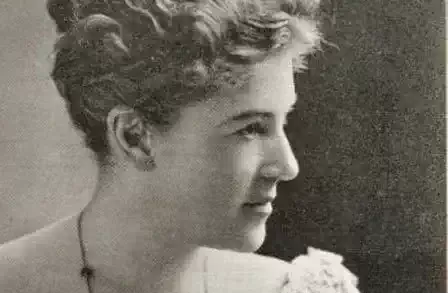
Ella Wheeler Wilcox
The Jealous Gods
The Jealous Gods
Oh life is wonderful,' she said,
'And all my world is bright;
Can Paradise show fairer skies,
Or more effulgent light?'
(Speak lower, lower, mortal heart,
The jealous gods may hear.)
She turned for answer; but his gaze
Cut past her like a lance,
And shone like flame on one who came
With radiant glance for glance.
(You spoke too loud, O mortal heart,
The jealous gods were near.)
They walked through green and sunlit ways;
And yet the earth seemed black,
For there were three, where two should be;
So runs the world, alack.
(The listening gods, the jealous gods,
They want no Edens here.)
Oh life is wonderful,' she said,
'And all my world is bright;
Can Paradise show fairer skies,
Or more effulgent light?'
(Speak lower, lower, mortal heart,
The jealous gods may hear.)
She turned for answer; but his gaze
Cut past her like a lance,
And shone like flame on one who came
With radiant glance for glance.
(You spoke too loud, O mortal heart,
The jealous gods were near.)
They walked through green and sunlit ways;
And yet the earth seemed black,
For there were three, where two should be;
So runs the world, alack.
(The listening gods, the jealous gods,
They want no Edens here.)
416
Ella Wheeler Wilcox
The Common Lot
The Common Lot
It is a common fate – a woman’s lot –
To waste on one the riches of her soul,
Who takes the wealth she gives him, but cannot
Repay the interest, and much less the whole.
As I look up into your eyes, and wait
For some response to my fond gaze and touch,
It seems to me there is no sadder fate
Than to be doomed to loving overmuch.
Are you not kind? Ah, yes, so very kind –
So thoughtful of my comfort, and so true.
Yes, yes, dear heart; but I, not being blind,
Know that I am not loved, as I love you.
One tenderer word, a little longer kiss,
Will fill my soul with music and with song;
And if you seem abstracted, or I miss
The heart-tone from your voice, my world goes wrong.
And oftentimes you think me childish – weak –
When at some thoughtless word the tears will start;
You cannot understand how aught you speak
Has power to stir the deapths of my poor heart.
I cannot help it, dear – I wish I could,
Or feign indifference where I now adore;
For if I seemed to love you less, you would,
Manlike, I have no doubt, love me the more.
‘Tis a sad gift, that much applauded thing,
A constant heart; for fact doth daily prove
That constancy finds oft a cruel sting,
While fickle natures win the deeper love.
It is a common fate – a woman’s lot –
To waste on one the riches of her soul,
Who takes the wealth she gives him, but cannot
Repay the interest, and much less the whole.
As I look up into your eyes, and wait
For some response to my fond gaze and touch,
It seems to me there is no sadder fate
Than to be doomed to loving overmuch.
Are you not kind? Ah, yes, so very kind –
So thoughtful of my comfort, and so true.
Yes, yes, dear heart; but I, not being blind,
Know that I am not loved, as I love you.
One tenderer word, a little longer kiss,
Will fill my soul with music and with song;
And if you seem abstracted, or I miss
The heart-tone from your voice, my world goes wrong.
And oftentimes you think me childish – weak –
When at some thoughtless word the tears will start;
You cannot understand how aught you speak
Has power to stir the deapths of my poor heart.
I cannot help it, dear – I wish I could,
Or feign indifference where I now adore;
For if I seemed to love you less, you would,
Manlike, I have no doubt, love me the more.
‘Tis a sad gift, that much applauded thing,
A constant heart; for fact doth daily prove
That constancy finds oft a cruel sting,
While fickle natures win the deeper love.
362
Ella Wheeler Wilcox
Platonic
Platonic
I knew it the first of the summer,
I knew it the same at the end,
That you and your love were plighted,
But couldn’t you be my friend?
Couldn’t we sit in the twilight,
Couldn’t we walk on the shore
With only a pleasant friendship
To bind us, and nothing more?
There was not a word of folly
Spoken between us two,
Though we lingered oft in the garden
Till the roses were wet with dew.
We touched on a thousand subjects –
The moon and the worlds above, -
And our talk was tinctured with science,
And everything else, save love.
A wholly Platonic friendship
You said I had proven to you
Could bind a man and a woman
The whole long season through,
With never a thought of flirting,
Though both were in their youth,
What would you have said, my lady,
If you had known the truth!
What would you have done, I wonder,
Had I gone on my knees to you
And told you my passionate story,
There in the dusk and the dew?
My burning, burdensome story,
Hidden and hushed so long –
My story of hopeless loving –
Say, would you have thought it wrong?
But I fought with my heart and conquered,
I hid my wound from sight;
You were going away in the morning,
And I said a calm goodnight.
But now when I sit in the twilight,
Or when I walk by the sea
That friendship, quite Platonic,
Comes surging over me.
And a passionate longing fills me
For the roses, the dusk, the dew;
For the beautiful summer vanished,
For the moonlight walks – and you.
I knew it the first of the summer,
I knew it the same at the end,
That you and your love were plighted,
But couldn’t you be my friend?
Couldn’t we sit in the twilight,
Couldn’t we walk on the shore
With only a pleasant friendship
To bind us, and nothing more?
There was not a word of folly
Spoken between us two,
Though we lingered oft in the garden
Till the roses were wet with dew.
We touched on a thousand subjects –
The moon and the worlds above, -
And our talk was tinctured with science,
And everything else, save love.
A wholly Platonic friendship
You said I had proven to you
Could bind a man and a woman
The whole long season through,
With never a thought of flirting,
Though both were in their youth,
What would you have said, my lady,
If you had known the truth!
What would you have done, I wonder,
Had I gone on my knees to you
And told you my passionate story,
There in the dusk and the dew?
My burning, burdensome story,
Hidden and hushed so long –
My story of hopeless loving –
Say, would you have thought it wrong?
But I fought with my heart and conquered,
I hid my wound from sight;
You were going away in the morning,
And I said a calm goodnight.
But now when I sit in the twilight,
Or when I walk by the sea
That friendship, quite Platonic,
Comes surging over me.
And a passionate longing fills me
For the roses, the dusk, the dew;
For the beautiful summer vanished,
For the moonlight walks – and you.
378
Ella Wheeler Wilcox
Only A Sad Mistake
Only A Sad Mistake
Only a blunder-a sad mistake;
All my own fault and mine alone.
The saddest error a heart can make;
I was so young, or I would have known.
Only his rare, sweet, tender smile;
Only a lingering touch of his hand.
I think I was dreaming all the while,
The reason I did not understand.
Yet, somewhere, I've read men woo this way;
That eyes speak, sometimes, before the tongue.
And I was sure he would speak some day;
Pardon the folly-I was so young.
Was I, say-for now I am old!
So old, it seems like a hundred years
Since I felt my heart growing hard and cold
With a pain too bitter and deep for tears.
I saw him lean over the stranger's chair,
With a warm, new light in his beautiful eyes;
And I woke from my dreaming, then and there,
And went out of my self-made Paradise.
He never loved me-I know, I see!
Such sad, sad blunders as young hearts make.
She did not win him away from me,
For he was not mine. It was my mistake.
A woman should wait for a man to speak
Before she dreams of his love, I own;
But I was a girl-girls' hearts are weak;
And the pain, like the fault, is mine alone.
Only a blunder-a sad mistake;
All my own fault and mine alone.
The saddest error a heart can make;
I was so young, or I would have known.
Only his rare, sweet, tender smile;
Only a lingering touch of his hand.
I think I was dreaming all the while,
The reason I did not understand.
Yet, somewhere, I've read men woo this way;
That eyes speak, sometimes, before the tongue.
And I was sure he would speak some day;
Pardon the folly-I was so young.
Was I, say-for now I am old!
So old, it seems like a hundred years
Since I felt my heart growing hard and cold
With a pain too bitter and deep for tears.
I saw him lean over the stranger's chair,
With a warm, new light in his beautiful eyes;
And I woke from my dreaming, then and there,
And went out of my self-made Paradise.
He never loved me-I know, I see!
Such sad, sad blunders as young hearts make.
She did not win him away from me,
For he was not mine. It was my mistake.
A woman should wait for a man to speak
Before she dreams of his love, I own;
But I was a girl-girls' hearts are weak;
And the pain, like the fault, is mine alone.
449
Ella Wheeler Wilcox
Her Last Letter
Her Last Letter
Sitting alone by the window,
Watching the moonlit street,
Bending my head to listen
To the well-known sound of your feet,
I have been wondering, darling,
How I can bear the pain,
When I watch, with sighs and tear-wet eyes;
And wait for your coming in vain.
For I know that a day approaches
When your heart will tire of me;
When by door and gate I may watch and wait
For a form I shall not see.
When the love that is now my heaven,
The kisses that make my life,
You will bestow on another,
And that other will be-your wife.
You will grow weary of sinning
(Though you do not call it so),
You will long for a love that is purer
Than the love that we two know.
God knows I have loved you dearly,
With a passion strong as true;
But you will grow tired and leave me,
Though I gave up all for you.
I was as pure as the morning
When I first looked on your face;
I knew I never could reach you
In your high, exalted place.
But I looked and loved and worshiped
As a flower might worship a star,
And your eyes shone down upon me,
And you seemed so far-so far.
And then? Well, then, you loved me,
Loved me with all your heart;
But we could not stand at the altar,
We were so far apart.
If a star should wed with a flower
The star must drop from the sky,
Or the flower in trying to reach it
Would droop on its stalk and die.
But you said that you loved me, darling,
And swore by the heavens above
That the Lord and all of His angels
Would sanction and bless our love.
And I? I was weak, not wicked.
My love was as pure as true,
And sin itself seemed a virtue
If only shared by you.
We have been happy together,
Though under the cloud of sin,
But I know that the day approaches
When my chastening must begin.
You have been faithful and tender,
But you will not always be,
And I think I had better leave you
While your thoughts are kind of me.
I know my beauty is fading-
Sin furrows the fairest brow-
And I know that your heart will weary
Of the face you smile on now.
You will take a bride to your bosom
After you turn from me;
You will sit with your wife in the moonlight,
And hold her babe on your knee.
Oh, God! I never could bear it;
It would madden my brain, I know;
And so while you love me dearly
I think I had better go.
It is sweeter to feel, my darling-
To know as I fall asleep-
That some one will mourn me and miss me,
That some one is left to weep,
Than to die as I should in the future,
To drop in the street some day,
Unknown, unwept and forgotten
After you cast me away.
Perhaps the blood of the Saviour
Can wash my garments clean;
Perchance I may drink of the waters
That flow through pastures green.
Perchance we may meet in heaven,
And walk in the streets above,
With nothing to grieve us or part us
Since our sinning was all through love.
God says, 'Love one another,'
And down to the depths of hell
Will he send the soul of a women
Because she loved-and fell?
And so in the moonlight he found her,
Or found her beautiful clay,
Lifeless and pallid as marble,
For the spirit had flown away.
The farewell words she had written
She held to her cold, white breast,
And the buried blade of a dagger
Told how she had gone to rest.
Sitting alone by the window,
Watching the moonlit street,
Bending my head to listen
To the well-known sound of your feet,
I have been wondering, darling,
How I can bear the pain,
When I watch, with sighs and tear-wet eyes;
And wait for your coming in vain.
For I know that a day approaches
When your heart will tire of me;
When by door and gate I may watch and wait
For a form I shall not see.
When the love that is now my heaven,
The kisses that make my life,
You will bestow on another,
And that other will be-your wife.
You will grow weary of sinning
(Though you do not call it so),
You will long for a love that is purer
Than the love that we two know.
God knows I have loved you dearly,
With a passion strong as true;
But you will grow tired and leave me,
Though I gave up all for you.
I was as pure as the morning
When I first looked on your face;
I knew I never could reach you
In your high, exalted place.
But I looked and loved and worshiped
As a flower might worship a star,
And your eyes shone down upon me,
And you seemed so far-so far.
And then? Well, then, you loved me,
Loved me with all your heart;
But we could not stand at the altar,
We were so far apart.
If a star should wed with a flower
The star must drop from the sky,
Or the flower in trying to reach it
Would droop on its stalk and die.
But you said that you loved me, darling,
And swore by the heavens above
That the Lord and all of His angels
Would sanction and bless our love.
And I? I was weak, not wicked.
My love was as pure as true,
And sin itself seemed a virtue
If only shared by you.
We have been happy together,
Though under the cloud of sin,
But I know that the day approaches
When my chastening must begin.
You have been faithful and tender,
But you will not always be,
And I think I had better leave you
While your thoughts are kind of me.
I know my beauty is fading-
Sin furrows the fairest brow-
And I know that your heart will weary
Of the face you smile on now.
You will take a bride to your bosom
After you turn from me;
You will sit with your wife in the moonlight,
And hold her babe on your knee.
Oh, God! I never could bear it;
It would madden my brain, I know;
And so while you love me dearly
I think I had better go.
It is sweeter to feel, my darling-
To know as I fall asleep-
That some one will mourn me and miss me,
That some one is left to weep,
Than to die as I should in the future,
To drop in the street some day,
Unknown, unwept and forgotten
After you cast me away.
Perhaps the blood of the Saviour
Can wash my garments clean;
Perchance I may drink of the waters
That flow through pastures green.
Perchance we may meet in heaven,
And walk in the streets above,
With nothing to grieve us or part us
Since our sinning was all through love.
God says, 'Love one another,'
And down to the depths of hell
Will he send the soul of a women
Because she loved-and fell?
And so in the moonlight he found her,
Or found her beautiful clay,
Lifeless and pallid as marble,
For the spirit had flown away.
The farewell words she had written
She held to her cold, white breast,
And the buried blade of a dagger
Told how she had gone to rest.
397
Ella Wheeler Wilcox
A Leaf
A Leaf
Somebody said, in the crowd, last eve,
That you were married, or soon to be.
I have not thought of you, I believe,
Since last we parted. Let me see:
Five long Summers have passed since then –
Each has been pleasant in its own way –
And you are but one of a dozen men
Who have played the suitor a Summer day.
But, nevertheless, when I heard your name,
Coupled with some one’s, not my own,
There burned in my bosom a sudden flame,
That carried me back to the day that is flown.
I was sitting again by the laughing brook,
With you at my feet, and the sky above,
And my heart was fluttering under your look –
The unmistakable look of Love.
Again your breath, like a South wind, fanned
My cheek, where the blushes came and went;
And the tender clasp of your strong, warm hand
Sudden thrills through my pulses sent.
Again you were mine by Love’s decree:
So for a moment it seemed last night,
When somebody mentioned your name to me.
Just for the moment I thought you mine –
Loving me, wooing me, as of old.
The tale remembered seemed half divine –
Though I held it lightly enough when told.
The past seemed fairer than when it was near,
As ‘blessings brighten when taking flight, ’
And just for the moment I held you near –
When somebody mentioned your name last night.
Somebody said, in the crowd, last eve,
That you were married, or soon to be.
I have not thought of you, I believe,
Since last we parted. Let me see:
Five long Summers have passed since then –
Each has been pleasant in its own way –
And you are but one of a dozen men
Who have played the suitor a Summer day.
But, nevertheless, when I heard your name,
Coupled with some one’s, not my own,
There burned in my bosom a sudden flame,
That carried me back to the day that is flown.
I was sitting again by the laughing brook,
With you at my feet, and the sky above,
And my heart was fluttering under your look –
The unmistakable look of Love.
Again your breath, like a South wind, fanned
My cheek, where the blushes came and went;
And the tender clasp of your strong, warm hand
Sudden thrills through my pulses sent.
Again you were mine by Love’s decree:
So for a moment it seemed last night,
When somebody mentioned your name to me.
Just for the moment I thought you mine –
Loving me, wooing me, as of old.
The tale remembered seemed half divine –
Though I held it lightly enough when told.
The past seemed fairer than when it was near,
As ‘blessings brighten when taking flight, ’
And just for the moment I held you near –
When somebody mentioned your name last night.
405
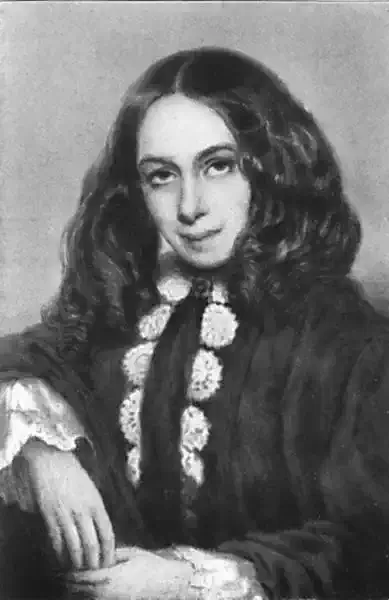
Elizabeth Barrett Browning
XI
XI
And therefore if to love can be desert,
I am not all unworthy. Cheeks as pale
As these you see, and trembling knees that fail
To bear the burden of a heavy heart,--
This weary minstrel-life that once was girt
To climb Aornus, and can scarce avail
To pipe now 'gainst the valley nightingale
A melancholy music,--why advert
To these things ? O Beloved, it is plain
I am not of thy worth nor for thy place !
And yet, because I love thee, I obtain
From that same love this vindicating grace,
To live on still in love, and yet in vain,--
To bless thee, yet renounce thee to thy face.
And therefore if to love can be desert,
I am not all unworthy. Cheeks as pale
As these you see, and trembling knees that fail
To bear the burden of a heavy heart,--
This weary minstrel-life that once was girt
To climb Aornus, and can scarce avail
To pipe now 'gainst the valley nightingale
A melancholy music,--why advert
To these things ? O Beloved, it is plain
I am not of thy worth nor for thy place !
And yet, because I love thee, I obtain
From that same love this vindicating grace,
To live on still in love, and yet in vain,--
To bless thee, yet renounce thee to thy face.
445
Elizabeth Barrett Browning
Sonnet XI: And Therefore If to Love
Sonnet XI: And Therefore If to Love
And therefore if to love can be desert,
I am not all unworthy. Cheeks as pale
As these you see, and trembling knees that fail
To bear the burden of a heavy heart,--
This weary minstrel-life that once was girt
To climb Aornus, and can scarce avail
To pipe now 'gainst the valley nightingale
A melancholy music,--why advert
To these things? O Belovèd, it is plain
I am not of thy worth nor for thy place!
And yet, because I love thee, I obtain
From that same love this vindicating grace,
To live on still in love, and yet in vain,--
To bless thee, yet renounce thee to thy face.
And therefore if to love can be desert,
I am not all unworthy. Cheeks as pale
As these you see, and trembling knees that fail
To bear the burden of a heavy heart,--
This weary minstrel-life that once was girt
To climb Aornus, and can scarce avail
To pipe now 'gainst the valley nightingale
A melancholy music,--why advert
To these things? O Belovèd, it is plain
I am not of thy worth nor for thy place!
And yet, because I love thee, I obtain
From that same love this vindicating grace,
To live on still in love, and yet in vain,--
To bless thee, yet renounce thee to thy face.
430
Elizabeth Barrett Browning
Sonnet IX
Sonnet IX
Can it be right to give what I can give ?
To let thee sit beneath the fall of tears
As salt as mine, and hear the sighing years
Re-sighing on my lips renunciative
Through those infrequent smiles which fail to live
For all thy adjurations ? O my fears,
That this can scarce be right ! We are not peers,
So to be lovers; and I own, and grieve,
That givers of such gifts as mine are, must
Be counted with the ungenerous. Out, alas !
I will not soil thy purple with my dust,
Nor breathe my poison on thy Venice-glass,
Nor give thee any love--which were unjust.
Beloved, I only love thee ! let it pass.
Can it be right to give what I can give ?
To let thee sit beneath the fall of tears
As salt as mine, and hear the sighing years
Re-sighing on my lips renunciative
Through those infrequent smiles which fail to live
For all thy adjurations ? O my fears,
That this can scarce be right ! We are not peers,
So to be lovers; and I own, and grieve,
That givers of such gifts as mine are, must
Be counted with the ungenerous. Out, alas !
I will not soil thy purple with my dust,
Nor breathe my poison on thy Venice-glass,
Nor give thee any love--which were unjust.
Beloved, I only love thee ! let it pass.
418
Elizabeth Barrett Browning
IX
IX
Can it be right to give what I can give ?
To let thee sit beneath the fall of tears
As salt as mine, and hear the sighing years
Re-sighing on my lips renunciative
Through those infrequent smiles which fail to live
For all thy adjurations ? O my fears,
That this can scarce be right ! We are not peers,
So to be lovers; and I own, and grieve,
That givers of such gifts as mine are, must
Be counted with the ungenerous. Out, alas !
I will not soil thy purple with my dust,
Nor breathe my poison on thy Venice-glass,
Nor give thee any love--which were unjust.
Beloved, I only love thee ! let it pass.
Can it be right to give what I can give ?
To let thee sit beneath the fall of tears
As salt as mine, and hear the sighing years
Re-sighing on my lips renunciative
Through those infrequent smiles which fail to live
For all thy adjurations ? O my fears,
That this can scarce be right ! We are not peers,
So to be lovers; and I own, and grieve,
That givers of such gifts as mine are, must
Be counted with the ungenerous. Out, alas !
I will not soil thy purple with my dust,
Nor breathe my poison on thy Venice-glass,
Nor give thee any love--which were unjust.
Beloved, I only love thee ! let it pass.
484

Edward Lear
The Courtship of the Yonghy-Bonghy-Bo
The Courtship of the Yonghy-Bonghy-Bo
I
On the Coast of Coromandel
Where the early pumpkins blow,
In the middle of the woods
Lived the Yonghy-Bonghy-Bò.
Two old chairs, and half a candle,--
One old jug without a handle,--
These were all his worldly goods:
In the middle of the woods,
These were all the worldly goods,
Of the Yonghy-Bonghy-Bò,
Of the Yonghy-Bonghy-Bò.
II
Once, among the Bong-trees walking
Where the early pumpkins blow,
To a little heap of stones
Came the Yonghy-Bonghy-Bò.
There he heard a Lady talking,
To some milk-white Hens of Dorking,-''
Tis the lady Jingly Jones!
'On that little heap of stones
'Sits the Lady Jingly Jones!'
Said the Yonghy-Bonghy-Bò,
Said the Yonghy-Bonghy-Bò.
III
'Lady Jingly! Lady Jingly!
'Sitting where the pumpkins blow,
'Will you come and be my wife?'
Said the Yonghy-Bonghy-Bò.
'I am tired of living singly,-'
On this coast so wild and shingly,-'
I'm a-weary of my life:
'If you'll come and be my wife,
'Quite serene would be my life!'--
Said the Yonghy-Bonghy-Bò,
Said the Yonghy-Bonghy-Bò.
IV
'On this Coast of Coromandel,
'Shrimps and watercresses grow,
'Prawns are plentiful and cheap,'
Said the Yonghy-Bonghy-Bò.
'You shall have my chairs and candle,
'And my jug without a handle!-'
Gaze upon the rolling deep
('Fish is plentiful and cheap)
'As the sea, my love is deep!'
Said the Yonghy-Bonghy-Bò,
Said the Yonghy-Bonghy-Bò.
V
Lady Jingly answered sadly,
And her tears began to flow,-'
Your proposal comes too late,
'Mr. Yonghy-Bonghy-Bò!
'I would be your wife most gladly!'
(Here she twirled her fingers madly,)
'But in England I've a mate!
'Yes! you've asked me far too late,
'For in England I've a mate,
'Mr. Yonghy-Bonghy-Bò!
'Mr. Yonghy-Bonghy-Bò!'
VI
'Mr. Jones -- (his name is Handel,-'
Handel Jones, Esquire, & Co.)
'Dorking fowls delights to send,
'Mr. Yonghy-Bonghy-Bò!
'Keep, oh! keep your chairs and candle,
'And your jug without a handle,-'
I can merely be your friend!
'-- Should my Jones more Dorkings send,
'I will give you three, my friend!
'Mr. Yonghy-Bonghy-Bò!
'Mr. Yonghy-Bonghy-Bò!'
VII
'Though you've such a tiny body,
'And your head so large doth grow,-'
Though your hat may blow away,
'Mr. Yonghy-Bonghy-Bò!
'Though you're such a Hoddy Doddy-'
Yet a wish that I could modi'
fy the words I needs must say!
'Will you please to go away?
'That is all I have to say-'
Mr. Yonghy-Bonghy-Bò!
'Mr. Yonghy-Bonghy-Bò!'.
VIII
Down the slippery slopes of Myrtle,
Where the early pumpkins blow,
To the calm and silent sea
Fled the Yonghy-Bonghy-Bò.
There, beyond the Bay of Gurtle,
Lay a large and lively Turtle,-'
You're the Cove,' he said, 'for me
'On your back beyond the sea,
'Turtle, you shall carry me!'
Said the Yonghy-Bonghy-Bò,
Said the Yonghy-Bonghy-Bò.
IX
Through the silent-roaring ocean
Did the Turtle swiftly go;
Holding fast upon his shell
Rode the Yonghy-Bonghy-Bò.
With a sad primæval motion
Towards the sunset isles of Boshen
Still the Turtle bore him well.
Holding fast upon his shell,
'Lady Jingly Jones, farewell!'
Sang the Yonghy-Bonghy-Bò,
Sang the Yonghy-Bonghy-Bò.
X
From the Coast of Coromandel,
Did that Lady never go;
On that heap of stones she mourns
For the Yonghy-Bonghy-Bò.
On that Coast of Coromandel,
In his jug without a handle
Still she weeps, and daily moans;
On that little hep of stones
To her Dorking Hens she moans,
For the Yonghy-Bonghy-Bò,
For the Yonghy-Bonghy-Bò.
I
On the Coast of Coromandel
Where the early pumpkins blow,
In the middle of the woods
Lived the Yonghy-Bonghy-Bò.
Two old chairs, and half a candle,--
One old jug without a handle,--
These were all his worldly goods:
In the middle of the woods,
These were all the worldly goods,
Of the Yonghy-Bonghy-Bò,
Of the Yonghy-Bonghy-Bò.
II
Once, among the Bong-trees walking
Where the early pumpkins blow,
To a little heap of stones
Came the Yonghy-Bonghy-Bò.
There he heard a Lady talking,
To some milk-white Hens of Dorking,-''
Tis the lady Jingly Jones!
'On that little heap of stones
'Sits the Lady Jingly Jones!'
Said the Yonghy-Bonghy-Bò,
Said the Yonghy-Bonghy-Bò.
III
'Lady Jingly! Lady Jingly!
'Sitting where the pumpkins blow,
'Will you come and be my wife?'
Said the Yonghy-Bonghy-Bò.
'I am tired of living singly,-'
On this coast so wild and shingly,-'
I'm a-weary of my life:
'If you'll come and be my wife,
'Quite serene would be my life!'--
Said the Yonghy-Bonghy-Bò,
Said the Yonghy-Bonghy-Bò.
IV
'On this Coast of Coromandel,
'Shrimps and watercresses grow,
'Prawns are plentiful and cheap,'
Said the Yonghy-Bonghy-Bò.
'You shall have my chairs and candle,
'And my jug without a handle!-'
Gaze upon the rolling deep
('Fish is plentiful and cheap)
'As the sea, my love is deep!'
Said the Yonghy-Bonghy-Bò,
Said the Yonghy-Bonghy-Bò.
V
Lady Jingly answered sadly,
And her tears began to flow,-'
Your proposal comes too late,
'Mr. Yonghy-Bonghy-Bò!
'I would be your wife most gladly!'
(Here she twirled her fingers madly,)
'But in England I've a mate!
'Yes! you've asked me far too late,
'For in England I've a mate,
'Mr. Yonghy-Bonghy-Bò!
'Mr. Yonghy-Bonghy-Bò!'
VI
'Mr. Jones -- (his name is Handel,-'
Handel Jones, Esquire, & Co.)
'Dorking fowls delights to send,
'Mr. Yonghy-Bonghy-Bò!
'Keep, oh! keep your chairs and candle,
'And your jug without a handle,-'
I can merely be your friend!
'-- Should my Jones more Dorkings send,
'I will give you three, my friend!
'Mr. Yonghy-Bonghy-Bò!
'Mr. Yonghy-Bonghy-Bò!'
VII
'Though you've such a tiny body,
'And your head so large doth grow,-'
Though your hat may blow away,
'Mr. Yonghy-Bonghy-Bò!
'Though you're such a Hoddy Doddy-'
Yet a wish that I could modi'
fy the words I needs must say!
'Will you please to go away?
'That is all I have to say-'
Mr. Yonghy-Bonghy-Bò!
'Mr. Yonghy-Bonghy-Bò!'.
VIII
Down the slippery slopes of Myrtle,
Where the early pumpkins blow,
To the calm and silent sea
Fled the Yonghy-Bonghy-Bò.
There, beyond the Bay of Gurtle,
Lay a large and lively Turtle,-'
You're the Cove,' he said, 'for me
'On your back beyond the sea,
'Turtle, you shall carry me!'
Said the Yonghy-Bonghy-Bò,
Said the Yonghy-Bonghy-Bò.
IX
Through the silent-roaring ocean
Did the Turtle swiftly go;
Holding fast upon his shell
Rode the Yonghy-Bonghy-Bò.
With a sad primæval motion
Towards the sunset isles of Boshen
Still the Turtle bore him well.
Holding fast upon his shell,
'Lady Jingly Jones, farewell!'
Sang the Yonghy-Bonghy-Bò,
Sang the Yonghy-Bonghy-Bò.
X
From the Coast of Coromandel,
Did that Lady never go;
On that heap of stones she mourns
For the Yonghy-Bonghy-Bò.
On that Coast of Coromandel,
In his jug without a handle
Still she weeps, and daily moans;
On that little hep of stones
To her Dorking Hens she moans,
For the Yonghy-Bonghy-Bò,
For the Yonghy-Bonghy-Bò.
289
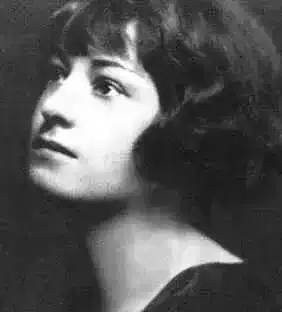
Dorothy Parker
Wisdom
Wisdom
This I say, and this I know:
Love has seen the last of me.
Love's a trodden lane to woe,
Love's a path to misery.
This I know, and knew before,
This I tell you, of my years:
Hide your heart, and lock your door.
Hell's afloat in lovers' tears.
Give your heart, and toss and moan;
What a pretty fool you look!
I am sage, who sit alone;
Here's my wool, and here's my book.
Look! A lad's a-waiting there,
Tall he is and bold, and gay.
What the devil do I care
What I know, and what I say?
This I say, and this I know:
Love has seen the last of me.
Love's a trodden lane to woe,
Love's a path to misery.
This I know, and knew before,
This I tell you, of my years:
Hide your heart, and lock your door.
Hell's afloat in lovers' tears.
Give your heart, and toss and moan;
What a pretty fool you look!
I am sage, who sit alone;
Here's my wool, and here's my book.
Look! A lad's a-waiting there,
Tall he is and bold, and gay.
What the devil do I care
What I know, and what I say?
347
Dorothy Parker
Two-Volume Novel
Two-Volume Novel
The sun's gone dim, and
The moon's turned black;
For I loved him, and
He didn't love back.
The sun's gone dim, and
The moon's turned black;
For I loved him, and
He didn't love back.
375
Dorothy Parker
The New Love
The New Love
If it shine or if it rain,
Little will I care or know.
Days, like drops upon a pane,
Slip, and join, and go.
At my door's another lad;
Here's his flower in my hair.
If he see me pale and sad,
Will he see me fair?
I sit looking at the floor.
Little will I think or say
If he seek another door;
Even if he stay.
If it shine or if it rain,
Little will I care or know.
Days, like drops upon a pane,
Slip, and join, and go.
At my door's another lad;
Here's his flower in my hair.
If he see me pale and sad,
Will he see me fair?
I sit looking at the floor.
Little will I think or say
If he seek another door;
Even if he stay.
349
Dorothy Parker
The Burned Child
The Burned Child
Love has had his way with me.
This my heart is torn and maimed
Since he took his play with me.
Cruel well the bow-boy aimed,
Shot, and saw the feathered shaft
Dripping bright and bitter red.
He that shrugged his wings and laughedBetter
had he left me dead.
Sweet, why do you plead me, then,
Who have bled so sore of that?
Could I bear it once again? . . .
Drop a hat, dear, drop a hat!
Love has had his way with me.
This my heart is torn and maimed
Since he took his play with me.
Cruel well the bow-boy aimed,
Shot, and saw the feathered shaft
Dripping bright and bitter red.
He that shrugged his wings and laughedBetter
had he left me dead.
Sweet, why do you plead me, then,
Who have bled so sore of that?
Could I bear it once again? . . .
Drop a hat, dear, drop a hat!
357
Dorothy Parker
Second Love
Second Love
"So surely is she mine," you say, and turn
Your quick and steady mind to harder things-
To bills and bonds and talk of what men earn-
And whistle up the stair, of evenings.
And do you see a dream behind my eyes,
Or ask a simple question twice of me"
Thus women are," you say; for men are wise
And tolerant, in their security.
How shall I count the midnights I have known
When calm you turn to me, nor feel me start,
To find my easy lips upon your own
And know my breast beneath your rhythmic heart.
Your god defer the day I tell you this:
My lad, my lad, it is not you I kiss!
"So surely is she mine," you say, and turn
Your quick and steady mind to harder things-
To bills and bonds and talk of what men earn-
And whistle up the stair, of evenings.
And do you see a dream behind my eyes,
Or ask a simple question twice of me"
Thus women are," you say; for men are wise
And tolerant, in their security.
How shall I count the midnights I have known
When calm you turn to me, nor feel me start,
To find my easy lips upon your own
And know my breast beneath your rhythmic heart.
Your god defer the day I tell you this:
My lad, my lad, it is not you I kiss!
331
Dorothy Parker
Purposely Ungrammatical Love Song
Purposely Ungrammatical Love Song
There's many and many, and not so far,
Is willing to dry my tears away;
There's many to tell me what you are,
And never a lie to all they say.
It's little the good to hide my head,
It's never the use to bar my door;
There's many as counts the tears I shed,
There's mourning hearts for my heart is
There's honester eyes than your blue eyes,
There's better a mile than such as you.
But when did I say that I was wise,
And when did I hope that you were true?
There's many and many, and not so far,
Is willing to dry my tears away;
There's many to tell me what you are,
And never a lie to all they say.
It's little the good to hide my head,
It's never the use to bar my door;
There's many as counts the tears I shed,
There's mourning hearts for my heart is
There's honester eyes than your blue eyes,
There's better a mile than such as you.
But when did I say that I was wise,
And when did I hope that you were true?
314
Dorothy Parker
Pour Prendre Conge
Pour Prendre Conge
I'm sick of embarking in dories
Upon an emotional sea.
I'm wearied of playing Dolores
(A role never written for me).
I'll never again like a cub lick
My wounds while I squeal at the hurt.
No more I'll go walking in public,
My heart hanging out of my shirt.
I'm tired of entwining me garlands
Of weather-worn hemlock and bay.
I'm over my longing for far landsI
wouldn't give that for Cathay.
I'm through with performing the ballet
Of love unrequited and told.
Euterpe, I tender you vale;
Good-by, and take care of that cold.
I'm done with this burning and giving
And reeling the rhymes of my woes.
And how I'll be making my living,
The Lord in His mystery knows.
I'm sick of embarking in dories
Upon an emotional sea.
I'm wearied of playing Dolores
(A role never written for me).
I'll never again like a cub lick
My wounds while I squeal at the hurt.
No more I'll go walking in public,
My heart hanging out of my shirt.
I'm tired of entwining me garlands
Of weather-worn hemlock and bay.
I'm over my longing for far landsI
wouldn't give that for Cathay.
I'm through with performing the ballet
Of love unrequited and told.
Euterpe, I tender you vale;
Good-by, and take care of that cold.
I'm done with this burning and giving
And reeling the rhymes of my woes.
And how I'll be making my living,
The Lord in His mystery knows.
391
Dorothy Parker
A Fairly Sad Tale
A Fairly Sad Tale
I think that I shall never know
Why I am thus, and I am so.
Around me, other girls inspire
In men the rush and roar of fire,
The sweet transparency of glass,
The tenderness of April grass,
The durability of granite;
But me- I don't know how to plan it.
The lads I've met in Cupid's deadlock
Were- shall we say?- born out of wedlock.
They broke my heart, they stilled my song,
And said they had to run along,
Explaining, so to sop my tears,
First came their parents or careers.
But ever does experience
Deny me wisdom, calm, and sense!
Though she's a fool who seeks to capture
The twenty-first fine, careless rapture,
I must go on, till ends my rope,
Who from my birth was cursed with hope.
A heart in half is chaste, archaic;
But mine resembles a mosaic-
The thing's become ridiculous!
Why am I so? Why am I thus?
I think that I shall never know
Why I am thus, and I am so.
Around me, other girls inspire
In men the rush and roar of fire,
The sweet transparency of glass,
The tenderness of April grass,
The durability of granite;
But me- I don't know how to plan it.
The lads I've met in Cupid's deadlock
Were- shall we say?- born out of wedlock.
They broke my heart, they stilled my song,
And said they had to run along,
Explaining, so to sop my tears,
First came their parents or careers.
But ever does experience
Deny me wisdom, calm, and sense!
Though she's a fool who seeks to capture
The twenty-first fine, careless rapture,
I must go on, till ends my rope,
Who from my birth was cursed with hope.
A heart in half is chaste, archaic;
But mine resembles a mosaic-
The thing's become ridiculous!
Why am I so? Why am I thus?
436
Dorothy Parker
A Certain Lady
A Certain Lady
Oh, I can smile for you, and tilt my head,
And drink your rushing words with eager lips,
And paint my mouth for you a fragrant red,
And trace your brows with tutored finger-tips.
When you rehearse your list of loves to me,
Oh, I can laugh and marvel, rapturous-eyed.
And you laugh back, nor can you ever see
The thousand little deaths my heart has died.
And you believe, so well I know my part,
That I am gay as morning, light as snow,
And all the straining things within my heart
You'll never know.
Oh, I can laugh and listen, when we meet,
And you bring tales of fresh adventurings, --
Of ladies delicately indiscreet,
Of lingering hands, and gently whispered things.
And you are pleased with me, and strive anew
To sing me sagas of your late delights.
Thus do you want me -- marveling, gay, and true,
Nor do you see my staring eyes of nights.
And when, in search of novelty, you stray,
Oh, I can kiss you blithely as you go ....
And what goes on, my love, while you're away,
You'll never know.
Oh, I can smile for you, and tilt my head,
And drink your rushing words with eager lips,
And paint my mouth for you a fragrant red,
And trace your brows with tutored finger-tips.
When you rehearse your list of loves to me,
Oh, I can laugh and marvel, rapturous-eyed.
And you laugh back, nor can you ever see
The thousand little deaths my heart has died.
And you believe, so well I know my part,
That I am gay as morning, light as snow,
And all the straining things within my heart
You'll never know.
Oh, I can laugh and listen, when we meet,
And you bring tales of fresh adventurings, --
Of ladies delicately indiscreet,
Of lingering hands, and gently whispered things.
And you are pleased with me, and strive anew
To sing me sagas of your late delights.
Thus do you want me -- marveling, gay, and true,
Nor do you see my staring eyes of nights.
And when, in search of novelty, you stray,
Oh, I can kiss you blithely as you go ....
And what goes on, my love, while you're away,
You'll never know.
456

D.H. Lawrence
Intimates
Intimates
Don't you care for my love? she said bitterly.
I handed her the mirror, and said:
Please address these questions to the proper person!
Please make all requests to head-quarters!
In all matters of emotional importance
please approach the supreme authority direct! -
So I handed her the mirror.
And she would have broken it over my head,
but she caught sight of her own reflection
and that held her spellbound for two seconds
while I fled.
Don't you care for my love? she said bitterly.
I handed her the mirror, and said:
Please address these questions to the proper person!
Please make all requests to head-quarters!
In all matters of emotional importance
please approach the supreme authority direct! -
So I handed her the mirror.
And she would have broken it over my head,
but she caught sight of her own reflection
and that held her spellbound for two seconds
while I fled.
187
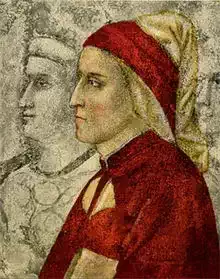
Dante Alighieri
Sestina
Sestina
I have come, alas, to the great circle of shadow,
to the short day and to the whitening hills,
when the colour is all lost from the grass,
though my desire will not lose its green,
so rooted is it in this hardest stone,
that speaks and feels as though it were a woman.
And likewise this heaven-born woman
stays frozen, like the snow in shadow,
and is unmoved, or moved like a stone,
by the sweet season that warms all the hills,
and makes them alter from pure white to green,
so as to clothe them with the flowers and grass.
When her head wears a crown of grass
she draws the mind from any other woman,
because she blends her gold hair with the green
so well that Amor lingers in their shadow,
he who fastens me in these low hills,
more certainly than lime fastens stone.
Her beauty has more virtue than rare stone.
The wound she gives cannot be healed with grass,
since I have travelled, through the plains and hills,
to find my release from such a woman,
yet from her light had never a shadow
thrown on me, by hill, wall, or leaves’ green.
I have seen her walk all dressed in green,
so formed she would have sparked love in a stone,
that love I bear for her very shadow,
so that I wished her, in those fields of grass,
as much in love as ever yet was woman,
closed around by all the highest hills.
The rivers will flow upwards to the hills
before this wood, that is so soft and green,
takes fire, as might ever lovely woman,
for me, who would choose to sleep on stone,
all my life, and go eating grass,
only to gaze at where her clothes cast shadow.
Whenever the hills cast blackest shadow,
with her sweet green, the lovely woman
hides it, as a man hides stone in grass.
I have come, alas, to the great circle of shadow,
to the short day and to the whitening hills,
when the colour is all lost from the grass,
though my desire will not lose its green,
so rooted is it in this hardest stone,
that speaks and feels as though it were a woman.
And likewise this heaven-born woman
stays frozen, like the snow in shadow,
and is unmoved, or moved like a stone,
by the sweet season that warms all the hills,
and makes them alter from pure white to green,
so as to clothe them with the flowers and grass.
When her head wears a crown of grass
she draws the mind from any other woman,
because she blends her gold hair with the green
so well that Amor lingers in their shadow,
he who fastens me in these low hills,
more certainly than lime fastens stone.
Her beauty has more virtue than rare stone.
The wound she gives cannot be healed with grass,
since I have travelled, through the plains and hills,
to find my release from such a woman,
yet from her light had never a shadow
thrown on me, by hill, wall, or leaves’ green.
I have seen her walk all dressed in green,
so formed she would have sparked love in a stone,
that love I bear for her very shadow,
so that I wished her, in those fields of grass,
as much in love as ever yet was woman,
closed around by all the highest hills.
The rivers will flow upwards to the hills
before this wood, that is so soft and green,
takes fire, as might ever lovely woman,
for me, who would choose to sleep on stone,
all my life, and go eating grass,
only to gaze at where her clothes cast shadow.
Whenever the hills cast blackest shadow,
with her sweet green, the lovely woman
hides it, as a man hides stone in grass.
337

Christina Rossetti
No, Thank You John
No, Thank You John
I never said I loved you, John:
Why will you tease me day by day,
And wax a weariness to think upon
With always "do" and "pray"?
You Know I never loved you, John;
No fault of mine made me your toast:
Why will you haunt me with a face as wan
As shows an hour-old ghost?
I dare say Meg or Moll would take
Pity upon you, if you'd ask:
And pray don't remain single for my sake
Who can't perform the task.
I have no heart?-Perhaps I have not;
But then you're mad to take offence
That don't give you what I have not got:
Use your common sense.
Let bygones be bygones:
Don't call me false, who owed not to be true:
I'd rather answer "No" to fifty Johns
Than answer "Yes" to you.
Let's mar our plesant days no more,
Song-birds of passage, days of youth:
Catch at today, forget the days before:
I'll wink at your untruth.
Let us strike hands as hearty friends;
No more, no less; and friendship's good:
Only don't keep in veiw ulterior ends, And points not understood
In open treaty. Rise above
Quibbles and shuffling off and on:
Here's friendship for you if you like; but love,-
No, thank you, John.
I never said I loved you, John:
Why will you tease me day by day,
And wax a weariness to think upon
With always "do" and "pray"?
You Know I never loved you, John;
No fault of mine made me your toast:
Why will you haunt me with a face as wan
As shows an hour-old ghost?
I dare say Meg or Moll would take
Pity upon you, if you'd ask:
And pray don't remain single for my sake
Who can't perform the task.
I have no heart?-Perhaps I have not;
But then you're mad to take offence
That don't give you what I have not got:
Use your common sense.
Let bygones be bygones:
Don't call me false, who owed not to be true:
I'd rather answer "No" to fifty Johns
Than answer "Yes" to you.
Let's mar our plesant days no more,
Song-birds of passage, days of youth:
Catch at today, forget the days before:
I'll wink at your untruth.
Let us strike hands as hearty friends;
No more, no less; and friendship's good:
Only don't keep in veiw ulterior ends, And points not understood
In open treaty. Rise above
Quibbles and shuffling off and on:
Here's friendship for you if you like; but love,-
No, thank you, John.
223

Charlotte Brontë
Preference
Preference
NOT in scorn do I reprove thee,
Not in pride thy vows I waive,
But, believe, I could not love thee,
Wert thou prince, and I a slave.
These, then, are thine oaths of passion ?
This, thy tenderness for me ?
Judged, even, by thine own confession,
Thou art steeped in perfidy.
Having vanquished, thou wouldst leave me !
Thus I read thee long ago;
Therefore, dared I not deceive thee,
Even with friendship's gentle show.
Therefore, with impassive coldness
Have I ever met thy gaze;
Though, full oft, with daring boldness,
Thou thine eyes to mine didst raise.
Why that smile ? Thou now art deeming
This my coldness all untrue,But
a mask of frozen seeming,
Hiding secret fires from view.
Touch my hand, thou selfdeceiver,
Naybe
calm, for I am so:
Does it burn ? Does my lip quiver ?
Has mine eye a troubled glow ?
Canst thou call a moment's colour
To my foreheadto
my cheek ?
Canst thou tinge their tranquil pallor
With one flattering, feverish streak?
Am I marble ? What ! no woman
Could so calm before thee stand ?
Nothing living, sentient, human,
Could so coldly take thy hand ?
Yesa
sister might, a mother:
My goodwill
is sisterly:
Dream not, then, I strive to smother
Fires that inly burn for thee.
Rave not, rage not, wrath is fruitless,
Fury cannot change my mind;
I but deem the feeling rootless
Which so whirls in passion's wind.
Can I love ? Oh, deeplytrulyWarmlyfondlybut
not thee;
And my love is answered duly,
With an equal energy.
Wouldst thou see thy rival ? Hasten,
Draw that curtain soft aside,
Look where yon thick branches chasten
Noon, with shades of eventide.
In that glade, where foliage blending
Forms a green arch overhead,
Sits thy rival thoughtful bending
O'er a stand with papers spread
Motionless, his fingers plying
That untired, unresting pen;
Time and tide unnoticed flying,
There he sitsthe
first of men !
Man of conscienceman
of reason;
Stern, perchance, but ever just;
Foe to falsehood, wrong, and treason,
Honour's shield, and virtue's trust !
Worker, thinker, firm defender
Of Heaven's truthman's
liberty;
Soul of ironproof
to slander,
Rock where founders tyranny.
Fame he seeks notbut
full surely
She will seek him, in his home;
This I know, and wait securely
For the atoning hour to come.
To that man my faith is given,
Therefore, soldier, cease to sue;
While God reigns in earth and heaven,
I to him will still be true !
NOT in scorn do I reprove thee,
Not in pride thy vows I waive,
But, believe, I could not love thee,
Wert thou prince, and I a slave.
These, then, are thine oaths of passion ?
This, thy tenderness for me ?
Judged, even, by thine own confession,
Thou art steeped in perfidy.
Having vanquished, thou wouldst leave me !
Thus I read thee long ago;
Therefore, dared I not deceive thee,
Even with friendship's gentle show.
Therefore, with impassive coldness
Have I ever met thy gaze;
Though, full oft, with daring boldness,
Thou thine eyes to mine didst raise.
Why that smile ? Thou now art deeming
This my coldness all untrue,But
a mask of frozen seeming,
Hiding secret fires from view.
Touch my hand, thou selfdeceiver,
Naybe
calm, for I am so:
Does it burn ? Does my lip quiver ?
Has mine eye a troubled glow ?
Canst thou call a moment's colour
To my foreheadto
my cheek ?
Canst thou tinge their tranquil pallor
With one flattering, feverish streak?
Am I marble ? What ! no woman
Could so calm before thee stand ?
Nothing living, sentient, human,
Could so coldly take thy hand ?
Yesa
sister might, a mother:
My goodwill
is sisterly:
Dream not, then, I strive to smother
Fires that inly burn for thee.
Rave not, rage not, wrath is fruitless,
Fury cannot change my mind;
I but deem the feeling rootless
Which so whirls in passion's wind.
Can I love ? Oh, deeplytrulyWarmlyfondlybut
not thee;
And my love is answered duly,
With an equal energy.
Wouldst thou see thy rival ? Hasten,
Draw that curtain soft aside,
Look where yon thick branches chasten
Noon, with shades of eventide.
In that glade, where foliage blending
Forms a green arch overhead,
Sits thy rival thoughtful bending
O'er a stand with papers spread
Motionless, his fingers plying
That untired, unresting pen;
Time and tide unnoticed flying,
There he sitsthe
first of men !
Man of conscienceman
of reason;
Stern, perchance, but ever just;
Foe to falsehood, wrong, and treason,
Honour's shield, and virtue's trust !
Worker, thinker, firm defender
Of Heaven's truthman's
liberty;
Soul of ironproof
to slander,
Rock where founders tyranny.
Fame he seeks notbut
full surely
She will seek him, in his home;
This I know, and wait securely
For the atoning hour to come.
To that man my faith is given,
Therefore, soldier, cease to sue;
While God reigns in earth and heaven,
I to him will still be true !
259