

Poems in this topic
Unrequited Love
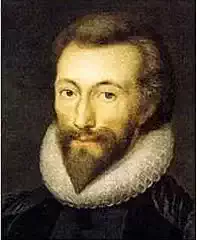
John Donne
Twickenham Garden
Twickenham Garden
BLASTED with sighs, and surrounded with tears,
Hither I come to seek the spring,
And at mine eyes, and at mine ears,
Receive such balms as else cure every thing.
But O ! self-traitor, I do bring
The spider Love, which transubstantiates all,
And can convert manna to gall ;
And that this place may thoroughly be thought
True paradise, I have the serpent brought.
'Twere wholesomer for me that winter did
Benight the glory of this place,
And that a grave frost did forbid
These trees to laugh and mock me to my face ;
But that I may not this disgrace
Endure, nor yet leave loving, Love, let me
Some senseless piece of this place be ;
Make me a mandrake, so I may grow here,
Or a stone fountain weeping out my year.
Hither with crystal phials, lovers, come,
And take my tears, which are love's wine,
And try your mistress' tears at home,
For all are false, that taste not just like mine.
Alas ! hearts do not in eyes shine,
Nor can you more judge women's thoughts by tears,
Than by her shadow what she wears.
O perverse sex, where none is true but she,
Who's therefore true, because her truth kills me.
BLASTED with sighs, and surrounded with tears,
Hither I come to seek the spring,
And at mine eyes, and at mine ears,
Receive such balms as else cure every thing.
But O ! self-traitor, I do bring
The spider Love, which transubstantiates all,
And can convert manna to gall ;
And that this place may thoroughly be thought
True paradise, I have the serpent brought.
'Twere wholesomer for me that winter did
Benight the glory of this place,
And that a grave frost did forbid
These trees to laugh and mock me to my face ;
But that I may not this disgrace
Endure, nor yet leave loving, Love, let me
Some senseless piece of this place be ;
Make me a mandrake, so I may grow here,
Or a stone fountain weeping out my year.
Hither with crystal phials, lovers, come,
And take my tears, which are love's wine,
And try your mistress' tears at home,
For all are false, that taste not just like mine.
Alas ! hearts do not in eyes shine,
Nor can you more judge women's thoughts by tears,
Than by her shadow what she wears.
O perverse sex, where none is true but she,
Who's therefore true, because her truth kills me.
365
John Donne
The Broken Heart
The Broken Heart
He is stark mad, who ever says,
That he hath been in love an hour,
Yet not that love so soon decays,
But that it can ten in less space devour;
Who will believe me, if I swear
That I have had the plague a year ?
Who would not laugh at me, if I should say,
I saw a flask of powder burn a day ?
Ah, what trifle is a heart,
If once into Love’s hands it come!
All other griefs allow a part
To other griefs, and ask themselves but some,
They come to us, but us Love draws,
He swallows us, and never chaws:
By him, as by chain-shot, whole ranks do die,
He is the tyrant pike, our hearts the fry.
If`twere not so, what did become
Of my heart, when I first saw thee ?
I brought a heart into the room,
But from the room, I carried non with me;
If it had gone to thee, I know
Mine would have taught thy heart to show
More pity unto me: but Love, alas,
At one first blow did shiver it as glass.
Yet nothing can to nothing fall,
Nor any place be empty quite,
Therefore I think my breast hath all
Those pieces still, though they be not unite;
And now as broken glasses show
A hundred lesser faces, so
My rags of heart can like, wish, and adore,
But after one such love, can love no more.
He is stark mad, who ever says,
That he hath been in love an hour,
Yet not that love so soon decays,
But that it can ten in less space devour;
Who will believe me, if I swear
That I have had the plague a year ?
Who would not laugh at me, if I should say,
I saw a flask of powder burn a day ?
Ah, what trifle is a heart,
If once into Love’s hands it come!
All other griefs allow a part
To other griefs, and ask themselves but some,
They come to us, but us Love draws,
He swallows us, and never chaws:
By him, as by chain-shot, whole ranks do die,
He is the tyrant pike, our hearts the fry.
If`twere not so, what did become
Of my heart, when I first saw thee ?
I brought a heart into the room,
But from the room, I carried non with me;
If it had gone to thee, I know
Mine would have taught thy heart to show
More pity unto me: but Love, alas,
At one first blow did shiver it as glass.
Yet nothing can to nothing fall,
Nor any place be empty quite,
Therefore I think my breast hath all
Those pieces still, though they be not unite;
And now as broken glasses show
A hundred lesser faces, so
My rags of heart can like, wish, and adore,
But after one such love, can love no more.
328
John Donne
Song: Go and catch a falling star
Song: Go and catch a falling star
Go and catch a falling star,
Get with child a mandrake root,
Tell me where all past years are,
Or who cleft the devil's foot,
Teach me to hear mermaids singing,
Or to keep off envy's stinging,
And find
What wind
Serves to advance an honest mind.
If thou be'st born to strange sights,
Things invisible to see,
Ride ten thousand days and nights,
Till age snow white hairs on thee,
Thou, when thou return'st, wilt tell me,
All strange wonders that befell thee,
And swear,
No where
Lives a woman true, and fair.
If thou find'st one, let me know,
Such a pilgrimage were sweet;
Yet do not, I would not go,
Though at next door we might meet;
Though she were true, when you met her,
And last, till you write your letter,
Yet she
Will be
False, ere I come, to two, or three.
Go and catch a falling star,
Get with child a mandrake root,
Tell me where all past years are,
Or who cleft the devil's foot,
Teach me to hear mermaids singing,
Or to keep off envy's stinging,
And find
What wind
Serves to advance an honest mind.
If thou be'st born to strange sights,
Things invisible to see,
Ride ten thousand days and nights,
Till age snow white hairs on thee,
Thou, when thou return'st, wilt tell me,
All strange wonders that befell thee,
And swear,
No where
Lives a woman true, and fair.
If thou find'st one, let me know,
Such a pilgrimage were sweet;
Yet do not, I would not go,
Though at next door we might meet;
Though she were true, when you met her,
And last, till you write your letter,
Yet she
Will be
False, ere I come, to two, or three.
311
John Donne
Love's Deity
Love's Deity
I long to talk with some old lover's ghost,
Who died before the god of love was born.
I cannot think that he, who then lov'd most,
Sunk so low as to love one which did scorn.
But since this god produc'd a destiny,
And that vice-nature, custom, lets it be,
I must love her, that loves not me.
Sure, they which made him god, meant not so much,
Nor he in his young godhead practis'd it.
But when an even flame two hearts did touch,
His office was indulgently to fit
Actives to passives. Correspondency
Only his subject was; it cannot be
Love, till I love her, that loves me.
But every modern god will now extend
His vast prerogative as far as Jove.
To rage, to lust, to write to, to commend,
All is the purlieu of the god of love.
O! were we waken'd by this tyranny
To ungod this child again, it could not be
I should love her, who loves not me.
Rebel and atheist too, why murmur I,
As though I felt the worst that love could do?
Love might make me leave loving, or might try
A deeper plague, to make her love me too;
Which, since she loves before, I'am loth to see.
Falsehood is worse than hate; and that must be,
If she whom I love, should love me.
I long to talk with some old lover's ghost,
Who died before the god of love was born.
I cannot think that he, who then lov'd most,
Sunk so low as to love one which did scorn.
But since this god produc'd a destiny,
And that vice-nature, custom, lets it be,
I must love her, that loves not me.
Sure, they which made him god, meant not so much,
Nor he in his young godhead practis'd it.
But when an even flame two hearts did touch,
His office was indulgently to fit
Actives to passives. Correspondency
Only his subject was; it cannot be
Love, till I love her, that loves me.
But every modern god will now extend
His vast prerogative as far as Jove.
To rage, to lust, to write to, to commend,
All is the purlieu of the god of love.
O! were we waken'd by this tyranny
To ungod this child again, it could not be
I should love her, who loves not me.
Rebel and atheist too, why murmur I,
As though I felt the worst that love could do?
Love might make me leave loving, or might try
A deeper plague, to make her love me too;
Which, since she loves before, I'am loth to see.
Falsehood is worse than hate; and that must be,
If she whom I love, should love me.
355
John Donne
A Self Accuser
A Self Accuser
Your mistress, that you follow whores, still taxeth
you ;
'Tis strange that she should thus confess it, though 't be true.
Your mistress, that you follow whores, still taxeth
you ;
'Tis strange that she should thus confess it, though 't be true.
309
John Donne
A dialogue between Sir Henry Wootton and Mr. Donne
A dialogue between Sir Henry Wootton and Mr. Donne
[W.]
IF her disdain least change in you can move,
You do not love,
For when that hope gives fuel to the fire,
You sell desire.
Love is not love, but given free ;
And so is mine ; so should yours be.
[D.]
Her heart, that weeps to hear of others' moan,
To mine is stone.
Her eyes, that weep a stranger's eyes to see,
Joy to wound me.
Yet I so well affect each part,
As—caused by them—I love my smart.
[W.]
Say her disdainings justly must be graced
With name of chaste ;
And that she frowns lest longing should exceed,
And raging breed ;
So her disdains can ne'er offend,
Unless self-love take private end.
[D.]
'Tis love breeds love in me, and cold disdain
Kills that again,
As water causeth fire to fret and fume,
Till all consume.
Who can of love more rich gift make,
That to Love's self for love's own sake?
I'll never dig in quarry of an heart
To have no part,
Nor roast in fiery eyes, which always are
Canicular.
Who this way would a lover prove,
May show his patience, not his love.
A frown may be sometimes for physic good,
But not for food ;
And for that raging humour there is sure
A gentler cure.
Why bar you love of private end,
Which never should to public tend?
[W.]
IF her disdain least change in you can move,
You do not love,
For when that hope gives fuel to the fire,
You sell desire.
Love is not love, but given free ;
And so is mine ; so should yours be.
[D.]
Her heart, that weeps to hear of others' moan,
To mine is stone.
Her eyes, that weep a stranger's eyes to see,
Joy to wound me.
Yet I so well affect each part,
As—caused by them—I love my smart.
[W.]
Say her disdainings justly must be graced
With name of chaste ;
And that she frowns lest longing should exceed,
And raging breed ;
So her disdains can ne'er offend,
Unless self-love take private end.
[D.]
'Tis love breeds love in me, and cold disdain
Kills that again,
As water causeth fire to fret and fume,
Till all consume.
Who can of love more rich gift make,
That to Love's self for love's own sake?
I'll never dig in quarry of an heart
To have no part,
Nor roast in fiery eyes, which always are
Canicular.
Who this way would a lover prove,
May show his patience, not his love.
A frown may be sometimes for physic good,
But not for food ;
And for that raging humour there is sure
A gentler cure.
Why bar you love of private end,
Which never should to public tend?
277
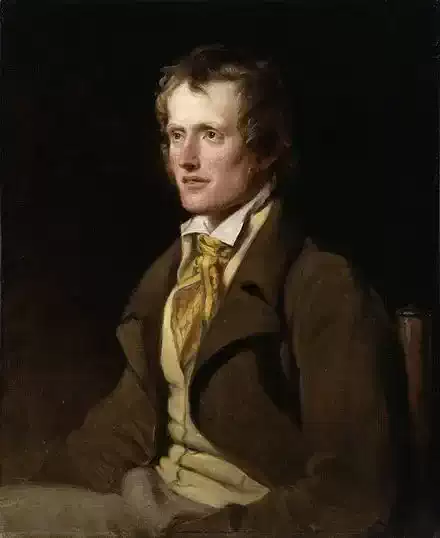
John Clare
Secret Love
Secret Love
I hid my love when young till I
Couldn't bear the buzzing of a fly;
I hid my love to my despite
Till I could not bear to look at light:
I dare not gaze upon her face
But left her memory in each place;
Where eer I saw a wild flower lie
I kissed and bade my love good bye.
I met her in the greenest dells
Where dewdrops pearl the wood blue bells
The lost breeze kissed her bright blue eye,
The bee kissed and went singing by,
A sunbeam found a passage there,
A gold chain round her neck so fair;
As secret as the wild bee's song
She lay there all the summer long.
I hid my love in field and town
Till een the breeze would knock me down,
The bees seemed singing ballads oer,
The fly's bass turned a lion's roar;
And even silence found a tongue,
To haunt me all the summer long;
The riddle nature could not prove
Was nothing else but secret love.
I hid my love when young till I
Couldn't bear the buzzing of a fly;
I hid my love to my despite
Till I could not bear to look at light:
I dare not gaze upon her face
But left her memory in each place;
Where eer I saw a wild flower lie
I kissed and bade my love good bye.
I met her in the greenest dells
Where dewdrops pearl the wood blue bells
The lost breeze kissed her bright blue eye,
The bee kissed and went singing by,
A sunbeam found a passage there,
A gold chain round her neck so fair;
As secret as the wild bee's song
She lay there all the summer long.
I hid my love in field and town
Till een the breeze would knock me down,
The bees seemed singing ballads oer,
The fly's bass turned a lion's roar;
And even silence found a tongue,
To haunt me all the summer long;
The riddle nature could not prove
Was nothing else but secret love.
415
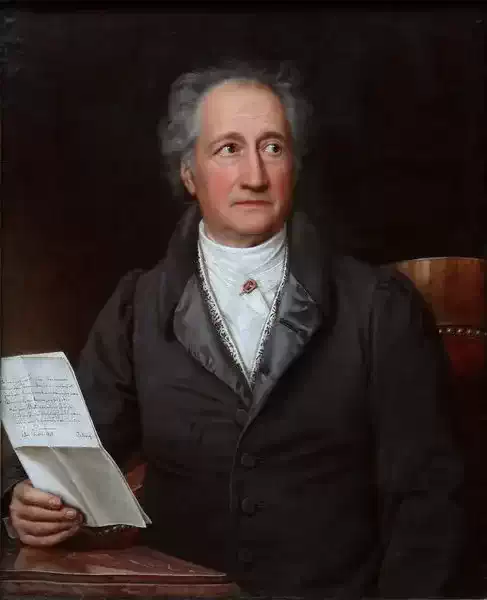
Johann Wolfgang von Goethe
The Misanthrope
The Misanthrope
AT first awhile sits he,
With calm, unruffled brow;
His features then I see,
Distorted hideously,--
An owl's they might be now.
What is it, askest thou?
Is't love, or is't ennui?
'Tis both at once, I vow.
AT first awhile sits he,
With calm, unruffled brow;
His features then I see,
Distorted hideously,--
An owl's they might be now.
What is it, askest thou?
Is't love, or is't ennui?
'Tis both at once, I vow.
366
Johann Wolfgang von Goethe
The Epochs
The Epochs
ON Petrarch's heart, all other days before,
In flaming letters written, was impress d
GOOD FRIDAY. And on mine, be it confess'd,
Is this year's ADVENT, as it passeth o'er.
I do not now begin,--I still adore
Her whom I early cherish'd in my breast;,
Then once again with prudence dispossess'd,
And to whose heart I'm driven back once more.
The love of Petrarch, that all-glorious love,
Was unrequited, and, alas, full sad;
One long Good Friday 'twas, one heartache drear
But may my mistress' Advent ever prove,
With its palm-jubilee, so sweet and glad,
One endless Mayday, through the livelong year!
ON Petrarch's heart, all other days before,
In flaming letters written, was impress d
GOOD FRIDAY. And on mine, be it confess'd,
Is this year's ADVENT, as it passeth o'er.
I do not now begin,--I still adore
Her whom I early cherish'd in my breast;,
Then once again with prudence dispossess'd,
And to whose heart I'm driven back once more.
The love of Petrarch, that all-glorious love,
Was unrequited, and, alas, full sad;
One long Good Friday 'twas, one heartache drear
But may my mistress' Advent ever prove,
With its palm-jubilee, so sweet and glad,
One endless Mayday, through the livelong year!
464
Johann Wolfgang von Goethe
Morning Lament
Morning Lament
OH thou cruel deadly-lovely maiden,
Tell me what great sin have I committed,
That thou keep'st me to the rack thus fasten'd,
That thou hast thy solemn promise broken?
'Twas but yestere'en that thou with fondness
Press'd my hand, and these sweet accents murmured:
"Yes, I'll come, I'll come when morn approacheth,
Come, my friend, full surely to thy chamber."
On the latch I left my doors, unfasten'd,
Having first with care tried all the hinges,
And rejoic'd right well to find they creak'd not.
What a night of expectation pass'd I!
For I watch'd, and ev'ry chime I number'd;
If perchance I slept a few short moments,
Still my heart remain'd awake forever,
And awoke me from my gentle slumbers.
Yes, then bless'd I night's o'erhanging darkness,
That so calmly cover'd all things round me;
I enjoy'd the universal silence,
While I listen'd ever in the silence,
If perchance the slightest sounds were stirring.
"Had she only thoughts, my thoughts resembling,
Had she only feelings, like my feelings,
She would not await the dawn of morning.
But, ere this, would surely have been with me."
Skipp'd a kitten on the floor above me,
Scratch'd a mouse a panel in the corner,
Was there in the house the slightest motion,
Ever hoped I that I heard thy footstep,
Ever thought I that I heard thee coming.
And so lay I long, and ever longer,
And already was the daylight dawning,
And both here and there were signs of movement.
"Is it yon door? Were it my door only!"
In my bed I lean'd upon my elbow,
Looking tow'rd the door, now half-apparent,
If perchance it might not be in motion.
Both the wings upon the latch continued,
On the quiet hinges calmly hanging.
And the day grew bright and brighter ever;
And I heard my neighbour's door unbolted,
As he went to earn his daily wages,
And ere long I heard the waggons rumbling,
And the city gates were also open'd,
While the market-place, in ev'ry corner,
Teem'd with life and bustle and confusion.
In the house was going now and coming
Up and down the stairs, and doors were creaking
Backwards now, now forwards,--footsteps clatter'd
Yet, as though it were a thing all-living,
From my cherish'd hope I could not tear me.
When at length the sun, in hated splendour.
Fell upon my walls, upon my windows,
Up I sprang, and hasten'd to the garden,
There to blend my breath, so hot and yearning,
With the cool refreshing morning breezes,
And, it might be, even there to meet thee:
But I cannot find thee in the arbour,
Or the avenue of lofty lindens.
OH thou cruel deadly-lovely maiden,
Tell me what great sin have I committed,
That thou keep'st me to the rack thus fasten'd,
That thou hast thy solemn promise broken?
'Twas but yestere'en that thou with fondness
Press'd my hand, and these sweet accents murmured:
"Yes, I'll come, I'll come when morn approacheth,
Come, my friend, full surely to thy chamber."
On the latch I left my doors, unfasten'd,
Having first with care tried all the hinges,
And rejoic'd right well to find they creak'd not.
What a night of expectation pass'd I!
For I watch'd, and ev'ry chime I number'd;
If perchance I slept a few short moments,
Still my heart remain'd awake forever,
And awoke me from my gentle slumbers.
Yes, then bless'd I night's o'erhanging darkness,
That so calmly cover'd all things round me;
I enjoy'd the universal silence,
While I listen'd ever in the silence,
If perchance the slightest sounds were stirring.
"Had she only thoughts, my thoughts resembling,
Had she only feelings, like my feelings,
She would not await the dawn of morning.
But, ere this, would surely have been with me."
Skipp'd a kitten on the floor above me,
Scratch'd a mouse a panel in the corner,
Was there in the house the slightest motion,
Ever hoped I that I heard thy footstep,
Ever thought I that I heard thee coming.
And so lay I long, and ever longer,
And already was the daylight dawning,
And both here and there were signs of movement.
"Is it yon door? Were it my door only!"
In my bed I lean'd upon my elbow,
Looking tow'rd the door, now half-apparent,
If perchance it might not be in motion.
Both the wings upon the latch continued,
On the quiet hinges calmly hanging.
And the day grew bright and brighter ever;
And I heard my neighbour's door unbolted,
As he went to earn his daily wages,
And ere long I heard the waggons rumbling,
And the city gates were also open'd,
While the market-place, in ev'ry corner,
Teem'd with life and bustle and confusion.
In the house was going now and coming
Up and down the stairs, and doors were creaking
Backwards now, now forwards,--footsteps clatter'd
Yet, as though it were a thing all-living,
From my cherish'd hope I could not tear me.
When at length the sun, in hated splendour.
Fell upon my walls, upon my windows,
Up I sprang, and hasten'd to the garden,
There to blend my breath, so hot and yearning,
With the cool refreshing morning breezes,
And, it might be, even there to meet thee:
But I cannot find thee in the arbour,
Or the avenue of lofty lindens.
375
Johann Wolfgang von Goethe
From Faust - V. Margaret At Her Spinning-Wheel
From Faust - V. Margaret At Her Spinning-Wheel
MY heart is sad,
My peace is o'er;
I find it never
And nevermore.
When gone is he,
The grave I see;
The world's wide all
Is turned to gall.
Alas, my head
Is well-nigh crazed;
My feeble mind
Is sore amazed.
My heart is sad,
My peace is o'er;
I find it never
And nevermore.
For him from the window
Alone I spy;
For him alone
From home go I.
His lofty step,
His noble form,
His mouth's sweet smile,
His glances warm,
His voice so fraught
With magic bliss,
His hand's soft pressure,
And, ah, his kiss!
My heart is sad,
My peace is o'er;
I find it never
And nevermore.
My bosom yearns
For his form so fair;
Ah, could I clasp him
And hold him there!
My kisses sweet
Should stop his breath,
And 'neath his kisses
I'd sink in death!
MY heart is sad,
My peace is o'er;
I find it never
And nevermore.
When gone is he,
The grave I see;
The world's wide all
Is turned to gall.
Alas, my head
Is well-nigh crazed;
My feeble mind
Is sore amazed.
My heart is sad,
My peace is o'er;
I find it never
And nevermore.
For him from the window
Alone I spy;
For him alone
From home go I.
His lofty step,
His noble form,
His mouth's sweet smile,
His glances warm,
His voice so fraught
With magic bliss,
His hand's soft pressure,
And, ah, his kiss!
My heart is sad,
My peace is o'er;
I find it never
And nevermore.
My bosom yearns
For his form so fair;
Ah, could I clasp him
And hold him there!
My kisses sweet
Should stop his breath,
And 'neath his kisses
I'd sink in death!
325
Johann Wolfgang von Goethe
Blindman's Buff
Blindman's Buff
OH, my Theresa dear!
Thine eyes, I greatly fear,
Can through the bandage see!
Although thine eyes are bound,
By thee I'm quickly found,
And wherefore shouldst thou catch but me?
Ere long thou held'st me fast,
With arms around me cast,
Upon thy breast I fell;
Scarce was thy bandage gone,
When all my joy was flown,
Thou coldly didst the blind repel.
He groped on ev'ry side,
His limbs he sorely tried,
While scoffs arose all round;
If thou no love wilt give,
In sadness I shall live,
As if mine eyes remain'd still bound.
OH, my Theresa dear!
Thine eyes, I greatly fear,
Can through the bandage see!
Although thine eyes are bound,
By thee I'm quickly found,
And wherefore shouldst thou catch but me?
Ere long thou held'st me fast,
With arms around me cast,
Upon thy breast I fell;
Scarce was thy bandage gone,
When all my joy was flown,
Thou coldly didst the blind repel.
He groped on ev'ry side,
His limbs he sorely tried,
While scoffs arose all round;
If thou no love wilt give,
In sadness I shall live,
As if mine eyes remain'd still bound.
396
Horácio
BkIII:X Cruel One
BkIII:X Cruel One
If you drank the water of furthest Don, Lyce,
married to some fierce husband, you’d still expose me
to the wailing winds of your native North country,
stretched out here by your cruel door.
Hear how the frame creaks, how the trees that are planted
inside your beautiful garden moan in the wind,
and how Jupiter’s pure power and divinity
ices over the fallen snow.
Set aside your disdain, it’s hateful to Venus,
lest the rope fly off, while the wheel is still turning:
you’re no Penelope, resistant to suitors,
nor born of Etruscan parents.
O, spare your suppliants, though nothing moves you,
not gifts, not my prayers, not your lover’s pallor,
that’s tinged with violet, nor your husband smitten
with a Pierian mistress,
you, no more pliant than an unbending oak-tree,
no gentler in spirit than a Moorish serpent.
My body won’t always put up with your threshold,
or the rain that falls from the sky.
If you drank the water of furthest Don, Lyce,
married to some fierce husband, you’d still expose me
to the wailing winds of your native North country,
stretched out here by your cruel door.
Hear how the frame creaks, how the trees that are planted
inside your beautiful garden moan in the wind,
and how Jupiter’s pure power and divinity
ices over the fallen snow.
Set aside your disdain, it’s hateful to Venus,
lest the rope fly off, while the wheel is still turning:
you’re no Penelope, resistant to suitors,
nor born of Etruscan parents.
O, spare your suppliants, though nothing moves you,
not gifts, not my prayers, not your lover’s pallor,
that’s tinged with violet, nor your husband smitten
with a Pierian mistress,
you, no more pliant than an unbending oak-tree,
no gentler in spirit than a Moorish serpent.
My body won’t always put up with your threshold,
or the rain that falls from the sky.
270
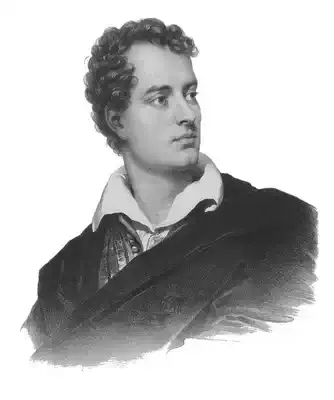
Lord Byron
Translation Of A Romaic Love Song
Translation Of A Romaic Love Song
Ah! Love was never yet without
The pang, the agony, the doubt,
Which rends my heart with ceaseless sigh,
While day and night roll darkling by.
Without one friend to hear my woe,
I faint, I die beneath the blow.
That Love had arrows well I knew;
Alas! I find them poison'd too.
Birds, yet in freedom, shun the net
Which Love around your haunts hath set;
Or, circled by his fatal fire,
Your hearts shall burn, your hopes expire.
A bird of free and careless wing
Was I through many a smiling spring;
But caught within the subtle snare,
I burn, and feebly flutter there.
Who ne'er have loved, and loved in vain,
Can neither feel nor pity pain,
The cold repulse, the look askance,
The lightning of Love's angry glance.
In flattering dreams I deem'd thee mine;
Now hope, and he who hoped, decline'
Like melting wax, or withering flower,
I feel my passion, and thy power.
My light of life! ah, tell me why
That pouting lip, and alter'd eye?
My bird of love! my beauteous mate!
And art thou changed, and canst thou hate?
Mine eyes like wintry streams o'erflow:
What wretch with me would barter woe?
My bird! relent: one note could give
A charm to bid thy lover live.
My curdling blood, my madd'ning brain,
In silent anguish I sustain
And still thy heart, without partaking
One pang, exults while
mine is breaking.
Pour me the poison; fear not thou!
Thou canst not murder more than now:
I've lived to curse my natal day,
And Love, that thus can lingering slay.
My wounded soul, my bleeding breast,
Can patience preach thee into rest?
Alas! too late, I dearly know
That joy is harbinger of woe.
Ah! Love was never yet without
The pang, the agony, the doubt,
Which rends my heart with ceaseless sigh,
While day and night roll darkling by.
Without one friend to hear my woe,
I faint, I die beneath the blow.
That Love had arrows well I knew;
Alas! I find them poison'd too.
Birds, yet in freedom, shun the net
Which Love around your haunts hath set;
Or, circled by his fatal fire,
Your hearts shall burn, your hopes expire.
A bird of free and careless wing
Was I through many a smiling spring;
But caught within the subtle snare,
I burn, and feebly flutter there.
Who ne'er have loved, and loved in vain,
Can neither feel nor pity pain,
The cold repulse, the look askance,
The lightning of Love's angry glance.
In flattering dreams I deem'd thee mine;
Now hope, and he who hoped, decline'
Like melting wax, or withering flower,
I feel my passion, and thy power.
My light of life! ah, tell me why
That pouting lip, and alter'd eye?
My bird of love! my beauteous mate!
And art thou changed, and canst thou hate?
Mine eyes like wintry streams o'erflow:
What wretch with me would barter woe?
My bird! relent: one note could give
A charm to bid thy lover live.
My curdling blood, my madd'ning brain,
In silent anguish I sustain
And still thy heart, without partaking
One pang, exults while
mine is breaking.
Pour me the poison; fear not thou!
Thou canst not murder more than now:
I've lived to curse my natal day,
And Love, that thus can lingering slay.
My wounded soul, my bleeding breast,
Can patience preach thee into rest?
Alas! too late, I dearly know
That joy is harbinger of woe.
615
Lord Byron
To M. S. G.
To M. S. G.
Whene'er I view those lips of thine,
Their hue invites my fervent kiss;
Yet, I forego that bliss divine,
Alas! it wereunhallow'd
bliss.
Whene'er I dream of that pure breast,
How could I dwell upon its snows!
Yet, is the daring wish represt,
For that,would
banish its repose.
A glance from thy soulsearching
eye
Can raise with hope, depress with fear;
Yet, I conceal my love,and
why?
I would not force a painful tear.
I ne'er have told my love, yet thou
Hast seen my ardent flame too well;
And shall I plead my passion now,
To make thy bosom's heaven a hell?
No! for thou never canst be mine,
United by the priest's decree:
By any ties but those divine,
Mine, my belov'd, thou ne'er shalt be.
Then let the secret fire consume,
Let it consume, thou shalt not know:
With joy I court a certain doom,
Rather than spread its guilty glow.
I will not ease my tortur'd heart,
By driving doveey'd
peace from thine;
Rather than such a sting impart,
Each thought presumptuous I resign.
Yes! yield those lips, for which I'd brave
More than I here shall dare to tell;
Thy innocence and mine to save,I
bid thee now a last farewell.
Yes! yield that breast, to seek despair
And hope no more thy soft embrace;
Which to obtain, my soul would dare,
All, all reproach, but thy disgrace.
At least from guilt shalt thou be free,
No matron shall thy shame reprove;
Though cureless pangs may prey on me,
No martyr shalt thou be to love.
Whene'er I view those lips of thine,
Their hue invites my fervent kiss;
Yet, I forego that bliss divine,
Alas! it wereunhallow'd
bliss.
Whene'er I dream of that pure breast,
How could I dwell upon its snows!
Yet, is the daring wish represt,
For that,would
banish its repose.
A glance from thy soulsearching
eye
Can raise with hope, depress with fear;
Yet, I conceal my love,and
why?
I would not force a painful tear.
I ne'er have told my love, yet thou
Hast seen my ardent flame too well;
And shall I plead my passion now,
To make thy bosom's heaven a hell?
No! for thou never canst be mine,
United by the priest's decree:
By any ties but those divine,
Mine, my belov'd, thou ne'er shalt be.
Then let the secret fire consume,
Let it consume, thou shalt not know:
With joy I court a certain doom,
Rather than spread its guilty glow.
I will not ease my tortur'd heart,
By driving doveey'd
peace from thine;
Rather than such a sting impart,
Each thought presumptuous I resign.
Yes! yield those lips, for which I'd brave
More than I here shall dare to tell;
Thy innocence and mine to save,I
bid thee now a last farewell.
Yes! yield that breast, to seek despair
And hope no more thy soft embrace;
Which to obtain, my soul would dare,
All, all reproach, but thy disgrace.
At least from guilt shalt thou be free,
No matron shall thy shame reprove;
Though cureless pangs may prey on me,
No martyr shalt thou be to love.
467
Lord Byron
Lines: Written In 'Letters Of An Italian Nun And An English Gentleman'
Lines: Written In 'Letters Of An Italian Nun And An English Gentleman'
'Away, away, your fleeting arts
May now betray some simpler hearts;
And you will smile at their believing,
And they shall weep at your deceiving.'
ANSWER TO THE FOREGOING, ADDRESSED TO MISS .
Dear, simple girl, those flattering arts,
From which thou'dst guard frail female hearts,
Exist but in imagination,Mere
phantoms of thine own creation;
For he who views that witching grace,
That perfect form, that lovely face,
With eyes admiring, oh! believe me,
He never wishes to deceive thee:
Once in thy polish'd mirror glance,
Thou'lt there descry that elegance
Which from our sex demands such praises,
But envy in the other raises:
Then he who tells thee of thy beauty,
Believe me, only does his duty:
Ah! fly not from the candid youth;
It is not flattery,'
tis truth.
July 1804
'Away, away, your fleeting arts
May now betray some simpler hearts;
And you will smile at their believing,
And they shall weep at your deceiving.'
ANSWER TO THE FOREGOING, ADDRESSED TO MISS .
Dear, simple girl, those flattering arts,
From which thou'dst guard frail female hearts,
Exist but in imagination,Mere
phantoms of thine own creation;
For he who views that witching grace,
That perfect form, that lovely face,
With eyes admiring, oh! believe me,
He never wishes to deceive thee:
Once in thy polish'd mirror glance,
Thou'lt there descry that elegance
Which from our sex demands such praises,
But envy in the other raises:
Then he who tells thee of thy beauty,
Believe me, only does his duty:
Ah! fly not from the candid youth;
It is not flattery,'
tis truth.
July 1804
471

Federico García Lorca
Before the Dawn
Before the Dawn
But like love
the archers
are blind
Upon the green night,
the piercing saetas
leave traces of warm
lily.
The keel of the moon
breaks through purple clouds
and their quivers
fill with dew.
Ay, but like love
the archers
are blind!
But like love
the archers
are blind
Upon the green night,
the piercing saetas
leave traces of warm
lily.
The keel of the moon
breaks through purple clouds
and their quivers
fill with dew.
Ay, but like love
the archers
are blind!
639
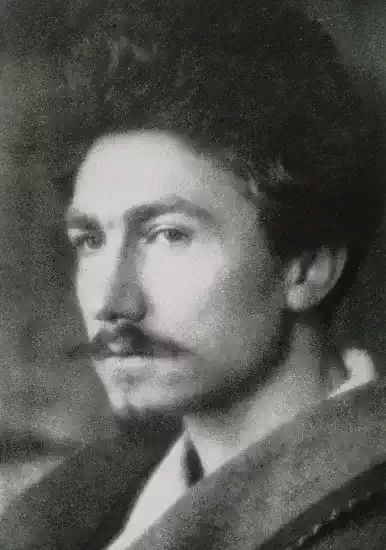
Ezra Pound
Villanelle: The Psychological Hour
Villanelle: The Psychological Hour
I had over prepared the event,
that much was ominous.
With middle-ageing care
I had laid out just the right books.
I had almost turned down the pages.
Beauty is so rare a thing.
So few drink of my fountain.
So much barren regret,
So many hours wasted!
And now I watch, from the window,
the rain, the wandering busses.
"Their little cosmos is shaken" the
air is alive with that fact.
In their parts of the city
they are played on by diverse forces.
How do I know?
Oh, I know well enough.
For them there is something afoot.
As for me;
I had over-prepared the event -
Beauty is so rare a thing.
So few drink of my fountain.
Two friends: a breath of the forest. . .
Friends? Are people less friends
because one has just, at last, found them?
Twice they promised to come.
"Between the night and the morning?"
Beauty would drink of my mind.
Youth would awhile forget
my youth is gone from me.
(Speak up! You have danced so stiffly?
Someone admired your works,
And said so frankly.
"Did you talk like a fool,
The first night?
The second evening?"
"But they promised again:
'To-morrow at tea-time'.")
Now the third day is here no
word from either;
No word from her nor him,
Only another man's note:
"Dear Pound, I am leaving England."
I had over prepared the event,
that much was ominous.
With middle-ageing care
I had laid out just the right books.
I had almost turned down the pages.
Beauty is so rare a thing.
So few drink of my fountain.
So much barren regret,
So many hours wasted!
And now I watch, from the window,
the rain, the wandering busses.
"Their little cosmos is shaken" the
air is alive with that fact.
In their parts of the city
they are played on by diverse forces.
How do I know?
Oh, I know well enough.
For them there is something afoot.
As for me;
I had over-prepared the event -
Beauty is so rare a thing.
So few drink of my fountain.
Two friends: a breath of the forest. . .
Friends? Are people less friends
because one has just, at last, found them?
Twice they promised to come.
"Between the night and the morning?"
Beauty would drink of my mind.
Youth would awhile forget
my youth is gone from me.
(Speak up! You have danced so stiffly?
Someone admired your works,
And said so frankly.
"Did you talk like a fool,
The first night?
The second evening?"
"But they promised again:
'To-morrow at tea-time'.")
Now the third day is here no
word from either;
No word from her nor him,
Only another man's note:
"Dear Pound, I am leaving England."
399
Ezra Pound
Dompna Pois De Me No'us Cal
Dompna Pois De Me No'us Cal
FROM THE PROVENCAL OF EN BERTRANS DE BORN
Lady, since you care nothing for me,
And since you have shut me away from you
Causelessly,
I know not wnere to go seeking,
For certainly
I will never again gather
Joy so rich, and if I find not ever
A lady with look so speaking
To my desire, worth yours whom I have lost,
I’ll have no other love at any cost.
And since I could not find a peer to you,
Neither one so fair, nor of such heart,
So eager and alert,
Nor with such art
In attire, nor so gay
Nor with gift so bountiful and so true,
I will go out a-searching,
Culling from each a fair trait
To make me a borrowed lady
Till I again find you ready.
Bels Cembelins, I take of you your colour,
For it's your own, and your glance
Where love is,
A proud thing I do here,
For, as to colour and eyes
I shall have missed nothing at all,
Having yours.
I ask of Midons Aelis (of Montfort)
Her straight speech free-running,
That my phantom lack not in cunning,
At Chalais of the Viscountess, I would
That she give me outright
Her two hands and her throat,
So take I my road
To Rochechouart,
Swift-foot to my Lady Anhes,
Seeing that Tristan's lady Iseutz had never
Such grace of locks, I do ye to wit,
Though she'd the far fame for it.
Of Audiart at Malemort,
Though she with a full heart
Wish me ill,
I'd have her form that's laced
So cunningly,
Without blemish, for her love
Breaks not nor turns aside.
I of Miels-de-ben demand
Her straight fresh body,
She is so supple and young,
Her robes can but do her wrong.
Her white teeth, of the Lady Faidita
I ask, and the fine courtesy
She hath to welcome one,
And such replies she lavishes
Within her nest;
Of Bels Mirals, the rest,
Tall stature and gaiety,
To make these avail
She knoweth well, betide
No change nor turning aside.
Ah, Bels Senher, Maent, at last
I ask naught from you,
Save that I have such hunger for
This phantom
As I've for you, such flame-lap,
And yet I'd rather
Ask of you than hold another,
Mayhap, right close and kissed.
Ah, lady, why have you cast
Me out, knowing you hold me so fast!
FROM THE PROVENCAL OF EN BERTRANS DE BORN
Lady, since you care nothing for me,
And since you have shut me away from you
Causelessly,
I know not wnere to go seeking,
For certainly
I will never again gather
Joy so rich, and if I find not ever
A lady with look so speaking
To my desire, worth yours whom I have lost,
I’ll have no other love at any cost.
And since I could not find a peer to you,
Neither one so fair, nor of such heart,
So eager and alert,
Nor with such art
In attire, nor so gay
Nor with gift so bountiful and so true,
I will go out a-searching,
Culling from each a fair trait
To make me a borrowed lady
Till I again find you ready.
Bels Cembelins, I take of you your colour,
For it's your own, and your glance
Where love is,
A proud thing I do here,
For, as to colour and eyes
I shall have missed nothing at all,
Having yours.
I ask of Midons Aelis (of Montfort)
Her straight speech free-running,
That my phantom lack not in cunning,
At Chalais of the Viscountess, I would
That she give me outright
Her two hands and her throat,
So take I my road
To Rochechouart,
Swift-foot to my Lady Anhes,
Seeing that Tristan's lady Iseutz had never
Such grace of locks, I do ye to wit,
Though she'd the far fame for it.
Of Audiart at Malemort,
Though she with a full heart
Wish me ill,
I'd have her form that's laced
So cunningly,
Without blemish, for her love
Breaks not nor turns aside.
I of Miels-de-ben demand
Her straight fresh body,
She is so supple and young,
Her robes can but do her wrong.
Her white teeth, of the Lady Faidita
I ask, and the fine courtesy
She hath to welcome one,
And such replies she lavishes
Within her nest;
Of Bels Mirals, the rest,
Tall stature and gaiety,
To make these avail
She knoweth well, betide
No change nor turning aside.
Ah, Bels Senher, Maent, at last
I ask naught from you,
Save that I have such hunger for
This phantom
As I've for you, such flame-lap,
And yet I'd rather
Ask of you than hold another,
Mayhap, right close and kissed.
Ah, lady, why have you cast
Me out, knowing you hold me so fast!
619
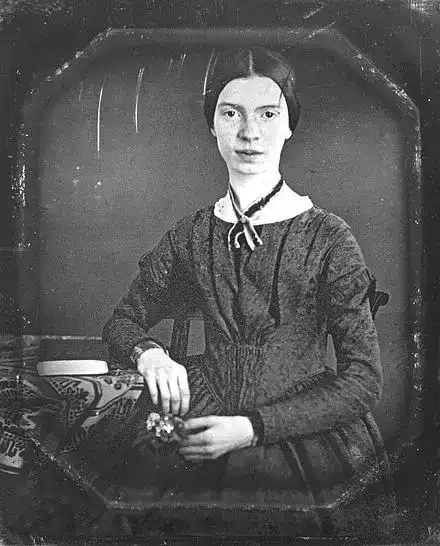
Emily Dickinson
No matter—now—Sweet
No matter—now—Sweet
704
No matter—now—Sweet—
But when I'm Earl—
Won't you wish you'd spoken
To that dull Girl?
Trivial a Word—just—
Trivial—a Smile—
But won't you wish you'd spared one
When I'm Earl?
I shan't need it—then—
Crests—will do—
Eagles on my Buckles—
On my Belt—too—
Ermine—my familiar Gown—
Say—Sweet—then
Won't you wish you'd smiled—just—
Me upon?
704
No matter—now—Sweet—
But when I'm Earl—
Won't you wish you'd spoken
To that dull Girl?
Trivial a Word—just—
Trivial—a Smile—
But won't you wish you'd spared one
When I'm Earl?
I shan't need it—then—
Crests—will do—
Eagles on my Buckles—
On my Belt—too—
Ermine—my familiar Gown—
Say—Sweet—then
Won't you wish you'd smiled—just—
Me upon?
229
Emily Dickinson
Could I—then—shut the door
Could I—then—shut the door
220
Could I—then—shut the door—
Lest my beseeching face—at last—
Rejected—be—of Her?
220
Could I—then—shut the door—
Lest my beseeching face—at last—
Rejected—be—of Her?
239
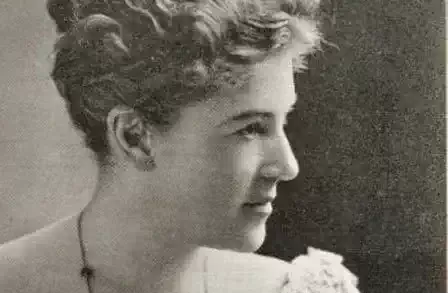
Ella Wheeler Wilcox
Two Loves
Two Loves
The woman he loved, while he dreamed of her,
Danced on till the stars grew dim,
But alone with her heart, from the world apart
Sat the woman who loved him.
The woman he worshipped only smiled
When he poured out his passionate love.
But the other somewhere, kissed her treasure most rare,
A book he had touched with his glove.
The woman he loved betrayed his trust,
And he wore the scars for life;
And he cared not, nor knew, that the other was true;
But no man called her his wife.
The woman he loved trod festal halls,
While they sang his funeral hymn,
But the sad bells tolled, ere the year was old,
For the woman that loved him.
The woman he loved, while he dreamed of her,
Danced on till the stars grew dim,
But alone with her heart, from the world apart
Sat the woman who loved him.
The woman he worshipped only smiled
When he poured out his passionate love.
But the other somewhere, kissed her treasure most rare,
A book he had touched with his glove.
The woman he loved betrayed his trust,
And he wore the scars for life;
And he cared not, nor knew, that the other was true;
But no man called her his wife.
The woman he loved trod festal halls,
While they sang his funeral hymn,
But the sad bells tolled, ere the year was old,
For the woman that loved him.
373
Ella Wheeler Wilcox
The Way Of It
The Way Of It
This is the way of it, wide world over,
One is beloved, and one is the lover,
One gives and the other receives.
One lavishes all in a wild emotion,
One offers a smile for a life’s devotion,
One hopes and the other believes,
One lies awake in the night to weep,
And the other drifts off in a sweet sound sleep.
One soul is aflame with a godlike passion,
One plays with love in an idler’s fashion,
One speaks and the other hears.
One sobs, ‘I love you, ’ and wet eyes to show it,
And one laughs lightly, and says, ‘I know it, ’
With smiles for the other’s tears.
One lives for the other and nothing beside,
And the other remembers the world is wide.
This is the way of it, sad earth over,
The heart that breaks is the heart of the lover,
And the other learns to forget.
‘For what is the use in endless sorrow?
Though the sun goes down, it will rise tomorrow;
And life is not over yet.’
Oh! I know this truth, if I know no other,
That passionate Love is Pain’s own mother.
This is the way of it, wide world over,
One is beloved, and one is the lover,
One gives and the other receives.
One lavishes all in a wild emotion,
One offers a smile for a life’s devotion,
One hopes and the other believes,
One lies awake in the night to weep,
And the other drifts off in a sweet sound sleep.
One soul is aflame with a godlike passion,
One plays with love in an idler’s fashion,
One speaks and the other hears.
One sobs, ‘I love you, ’ and wet eyes to show it,
And one laughs lightly, and says, ‘I know it, ’
With smiles for the other’s tears.
One lives for the other and nothing beside,
And the other remembers the world is wide.
This is the way of it, sad earth over,
The heart that breaks is the heart of the lover,
And the other learns to forget.
‘For what is the use in endless sorrow?
Though the sun goes down, it will rise tomorrow;
And life is not over yet.’
Oh! I know this truth, if I know no other,
That passionate Love is Pain’s own mother.
381
Ella Wheeler Wilcox
The Maniac
The Maniac
I saw them sitting in the shade;
The long green vines hung over,
But could not hide the gold-haired maid
And Earl, my dark-eyed lover.
His arm was clasped so close, so close,
Her eyes were softly lifted,
While his eyes drank the cheek of rose
And breasts like snowflakes drifted.
A strange noise sounded in my brain;
I was a guest unbidden.
I stole away, but came again
With two knives snugly hidden.
I stood behind them. Close they kissed,
While eye to eye was speaking;
I aimed my steels, and neither missed
The heart I sent it seeking.
There were two death-shrieks mingled so
It seemed like one voice crying.
I laughed-it was such bliss, you know,
To hear and see them dying.
I laughed and shouted while I stood
Above the lovers, gazing
Upon the trickling rills of blood
And frightened eyes fast glazing.
It was such joy to see the rose
Fade from her cheek forever;
To know the lips he kissed so close
Could answer never, never.
To see his arm grow stark and cold,
And know it could not hold her;
To know that while the world grew old
His eyes could not behold her.
A crowd of people thronged about,
Brought thither by my laughter;
I gave one last triumphant shout-
Then darkness followed after.
That was a thousand years ago;
Each hour I live it over,
For there, just out of reach, you know,
She
lies, with Earl, my lover.
They lie there, staring, staring so
With great, glazed eyes to taunt me.
Will no one bury them down low,
Where they shall cease to haunt me?
He kissed her lips, not mine; the flowers
And vines hung all about them
Sometimes I sit and laugh for hours
To think just how I found them.
And then I sometimes stand and shriek
In agony of terror:
I see the red warm in her cheek,
Then laugh loud at my error.
My cheek was all too pale he thought;
He deemed hers far the brightest.
Ha! but my dagger touched a spot
That made
her
face the whitest!
But oh, the days seem very long,
Without my Earl, my lover;
And something in my head seems wrong
The more I think it over.
Ah! look-she is not dead-look there!
She's standing close beside me!
Her eyes are open-how they stare!
Oh, hide me! hide me! hide me!
I saw them sitting in the shade;
The long green vines hung over,
But could not hide the gold-haired maid
And Earl, my dark-eyed lover.
His arm was clasped so close, so close,
Her eyes were softly lifted,
While his eyes drank the cheek of rose
And breasts like snowflakes drifted.
A strange noise sounded in my brain;
I was a guest unbidden.
I stole away, but came again
With two knives snugly hidden.
I stood behind them. Close they kissed,
While eye to eye was speaking;
I aimed my steels, and neither missed
The heart I sent it seeking.
There were two death-shrieks mingled so
It seemed like one voice crying.
I laughed-it was such bliss, you know,
To hear and see them dying.
I laughed and shouted while I stood
Above the lovers, gazing
Upon the trickling rills of blood
And frightened eyes fast glazing.
It was such joy to see the rose
Fade from her cheek forever;
To know the lips he kissed so close
Could answer never, never.
To see his arm grow stark and cold,
And know it could not hold her;
To know that while the world grew old
His eyes could not behold her.
A crowd of people thronged about,
Brought thither by my laughter;
I gave one last triumphant shout-
Then darkness followed after.
That was a thousand years ago;
Each hour I live it over,
For there, just out of reach, you know,
She
lies, with Earl, my lover.
They lie there, staring, staring so
With great, glazed eyes to taunt me.
Will no one bury them down low,
Where they shall cease to haunt me?
He kissed her lips, not mine; the flowers
And vines hung all about them
Sometimes I sit and laugh for hours
To think just how I found them.
And then I sometimes stand and shriek
In agony of terror:
I see the red warm in her cheek,
Then laugh loud at my error.
My cheek was all too pale he thought;
He deemed hers far the brightest.
Ha! but my dagger touched a spot
That made
her
face the whitest!
But oh, the days seem very long,
Without my Earl, my lover;
And something in my head seems wrong
The more I think it over.
Ah! look-she is not dead-look there!
She's standing close beside me!
Her eyes are open-how they stare!
Oh, hide me! hide me! hide me!
359