

Poems in this topic
Unrequited Love
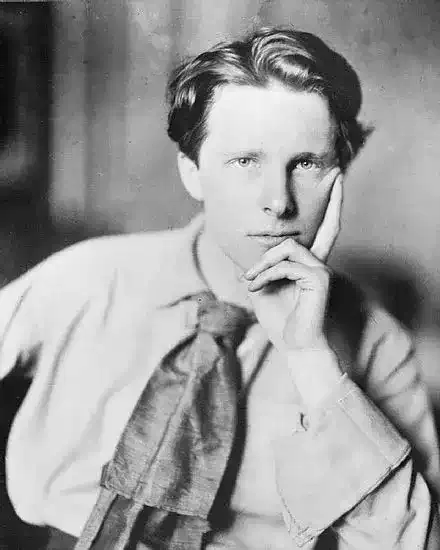
Rupert Brooke
Success
Success
I think if you had loved me when I wanted;
If I'd looked up one day, and seen your eyes,
And found my wild sick blasphemous prayer granted,
And your brown face, that's full of pity and wise,
Flushed suddenly; the white godhead in new fear
Intolerably so struggling, and so shamed;
Most holy and far, if you'd come all too near,
If earth had seen Earth's lordliest wild limbs tamed,
Shaken, and trapped, and shivering, for MY touch --
Myself should I have slain? or that foul you?
But this the strange gods, who had given so much,
To have seen and known you, this they might not do.
One last shame's spared me, one black word's unspoken;
And I'm alone; and you have not awoken.
I think if you had loved me when I wanted;
If I'd looked up one day, and seen your eyes,
And found my wild sick blasphemous prayer granted,
And your brown face, that's full of pity and wise,
Flushed suddenly; the white godhead in new fear
Intolerably so struggling, and so shamed;
Most holy and far, if you'd come all too near,
If earth had seen Earth's lordliest wild limbs tamed,
Shaken, and trapped, and shivering, for MY touch --
Myself should I have slain? or that foul you?
But this the strange gods, who had given so much,
To have seen and known you, this they might not do.
One last shame's spared me, one black word's unspoken;
And I'm alone; and you have not awoken.
219
Rupert Brooke
Sonnet: I said I splendidly loved you; it's not true
Sonnet: I said I splendidly loved you; it's not true
I said I splendidly loved you; it's not true.
Such long swift tides stir not a land-locked sea.
On gods or fools the high risk falls -- on you --
The clean clear bitter-sweet that's not for me.
Love soars from earth to ecstasies unwist.
Love is flung Lucifer-like from Heaven to Hell.
But -- there are wanderers in the middle mist,
Who cry for shadows, clutch, and cannot tell
Whether they love at all, or, loving, whom:
An old song's lady, a fool in fancy dress,
Or phantoms, or their own face on the gloom;
For love of Love, or from heart's loneliness.
Pleasure's not theirs, nor pain. They doubt, and sigh,
And do not love at all. Of these am I.
I said I splendidly loved you; it's not true.
Such long swift tides stir not a land-locked sea.
On gods or fools the high risk falls -- on you --
The clean clear bitter-sweet that's not for me.
Love soars from earth to ecstasies unwist.
Love is flung Lucifer-like from Heaven to Hell.
But -- there are wanderers in the middle mist,
Who cry for shadows, clutch, and cannot tell
Whether they love at all, or, loving, whom:
An old song's lady, a fool in fancy dress,
Or phantoms, or their own face on the gloom;
For love of Love, or from heart's loneliness.
Pleasure's not theirs, nor pain. They doubt, and sigh,
And do not love at all. Of these am I.
161
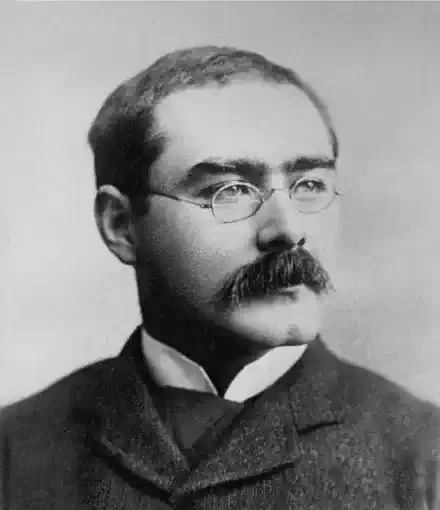
Rudyard Kipling
My Rival
My Rival
I go to concert, party, ball --
What profit is in these?
I sit alone against the wall
And strive to look at ease.
The incense that is mine by right
They burn before her shrine;
And that's because I'm seventeen
And She is forty-nine.
I cannot check my girlish blush,
My color comes and goes;
I redden to my finger-tips,
And sometimes to my nose.
But She is white where white should be,
And red where red should shine.
The blush that flies at seventeen
Is fixed at forty-nine.
I wish I had Her constant cheek;
I wish that I could sing
All sorts of funny little songs,
Not quite the proper thing.
I'm very gauche and very shy,
Her jokes aren't in my line;
And, worst of all, I'm seventeen
While She is forty-nine.
The young men come, the young men go
Each pink and white and neat,
She's older than their mothers, but
They grovel at Her feet.
They walk beside Her 'rickshaw wheels --
None ever walk by mine;
And that's because I'm seventeen
And She is foty-nine.
She rides with half a dozen men,
(She calls them "boys" and "mashers")
I trot along the Mall alone;
My prettiest frocks and sashes
Don't help to fill my programme-card,
And vainly I repine
From ten to two A.M. Ah me!
Would I were forty-nine!
She calls me "darling," "pet," and "dear,"
And "sweet retiring maid."
I'm always at the back, I know,
She puts me in the shade.
She introduces me to men,
"Cast" lovers, I opine,
For sixty takes to seventeen,
Nineteen to foty-nine.
But even She must older grow
And end Her dancing days,
She can't go on forever so
At concerts, balls and plays.
One ray of priceless hope I see
Before my footsteps shine;
Just think, that She'll be eighty-one
When I am forty-nine.
I go to concert, party, ball --
What profit is in these?
I sit alone against the wall
And strive to look at ease.
The incense that is mine by right
They burn before her shrine;
And that's because I'm seventeen
And She is forty-nine.
I cannot check my girlish blush,
My color comes and goes;
I redden to my finger-tips,
And sometimes to my nose.
But She is white where white should be,
And red where red should shine.
The blush that flies at seventeen
Is fixed at forty-nine.
I wish I had Her constant cheek;
I wish that I could sing
All sorts of funny little songs,
Not quite the proper thing.
I'm very gauche and very shy,
Her jokes aren't in my line;
And, worst of all, I'm seventeen
While She is forty-nine.
The young men come, the young men go
Each pink and white and neat,
She's older than their mothers, but
They grovel at Her feet.
They walk beside Her 'rickshaw wheels --
None ever walk by mine;
And that's because I'm seventeen
And She is foty-nine.
She rides with half a dozen men,
(She calls them "boys" and "mashers")
I trot along the Mall alone;
My prettiest frocks and sashes
Don't help to fill my programme-card,
And vainly I repine
From ten to two A.M. Ah me!
Would I were forty-nine!
She calls me "darling," "pet," and "dear,"
And "sweet retiring maid."
I'm always at the back, I know,
She puts me in the shade.
She introduces me to men,
"Cast" lovers, I opine,
For sixty takes to seventeen,
Nineteen to foty-nine.
But even She must older grow
And end Her dancing days,
She can't go on forever so
At concerts, balls and plays.
One ray of priceless hope I see
Before my footsteps shine;
Just think, that She'll be eighty-one
When I am forty-nine.
454
Rudyard Kipling
Brookland Road
Brookland Road
I was very well pleased with what I knowed,
I reckoned myself no fool --
Till I met with a maid on the Brookland Road,
That turned me back to school.
Low down-low down!
Where the liddle green lanterns shine --
O maids, I've done with 'ee all but one,
And she can never be mine!
'Twas right in the middest of a hot June night,
With thunder duntin' round,
And I see her face by the fairy-light
That beats from off the ground.
She only smiled and she never spoke,
She smiled and went away;
But when she'd gone my heart was broke
And my wits was clean astray.
O, stop your ringing and let me be --
Let be, O Brookland bells!
You'll ring Old Goodman out of the sea,
Before I wed one else!
Old Goodman's Farm is rank sea-sand,
And was this thousand year;
But it shall turn to rich plough-land
Before I change my dear.
O, Fairfield Church is water-bound
From autumn to the spring;
But it shall turn to high hill-ground
Before my bells do ring.
O, leave me walk on Brookland Road,
In the thunder and warm rain --
O, leave me look where my love goed,
And p'raps I'll see her again!
Low down -- low down!
Where the liddle green lanterns shine --
O maids, I've done with 'ee all but one,
And she can never be mine!
I was very well pleased with what I knowed,
I reckoned myself no fool --
Till I met with a maid on the Brookland Road,
That turned me back to school.
Low down-low down!
Where the liddle green lanterns shine --
O maids, I've done with 'ee all but one,
And she can never be mine!
'Twas right in the middest of a hot June night,
With thunder duntin' round,
And I see her face by the fairy-light
That beats from off the ground.
She only smiled and she never spoke,
She smiled and went away;
But when she'd gone my heart was broke
And my wits was clean astray.
O, stop your ringing and let me be --
Let be, O Brookland bells!
You'll ring Old Goodman out of the sea,
Before I wed one else!
Old Goodman's Farm is rank sea-sand,
And was this thousand year;
But it shall turn to rich plough-land
Before I change my dear.
O, Fairfield Church is water-bound
From autumn to the spring;
But it shall turn to high hill-ground
Before my bells do ring.
O, leave me walk on Brookland Road,
In the thunder and warm rain --
O, leave me look where my love goed,
And p'raps I'll see her again!
Low down -- low down!
Where the liddle green lanterns shine --
O maids, I've done with 'ee all but one,
And she can never be mine!
467

Robert W. Service
Maternity
Maternity
There once was a Square, such a square little Square,
And he loved a trim Triangle;
But she was a flirt and around her skirt
Vainly she made him dangle.
Oh he wanted to wed and he had no dread
Of domestic woes and wrangles;
For he thought that his fate was to procreate
Cute little Squares and Triangles.
Now it happened one day on that geometric way
There swaggered a big bold Cube.
With a haughty stare and he made that Square
Have the air of a perfect boob;
To his solid spell the Triangle fell,
And she thrilled with love's sweet sickness,
For she took delight in his breadth and height -
But how she adored his thickness!
So that poor little Square just died of despair,
For his love he could not strangle;
While the bold Cube led to the bridal bed
That cute and acute Triangle.
The Square's sad lot she has long forgot,
And his passionate pretensions . . .
For she dotes on her kids-Oh such cute Pyramids
In a world of three dimensions.
There once was a Square, such a square little Square,
And he loved a trim Triangle;
But she was a flirt and around her skirt
Vainly she made him dangle.
Oh he wanted to wed and he had no dread
Of domestic woes and wrangles;
For he thought that his fate was to procreate
Cute little Squares and Triangles.
Now it happened one day on that geometric way
There swaggered a big bold Cube.
With a haughty stare and he made that Square
Have the air of a perfect boob;
To his solid spell the Triangle fell,
And she thrilled with love's sweet sickness,
For she took delight in his breadth and height -
But how she adored his thickness!
So that poor little Square just died of despair,
For his love he could not strangle;
While the bold Cube led to the bridal bed
That cute and acute Triangle.
The Square's sad lot she has long forgot,
And his passionate pretensions . . .
For she dotes on her kids-Oh such cute Pyramids
In a world of three dimensions.
170
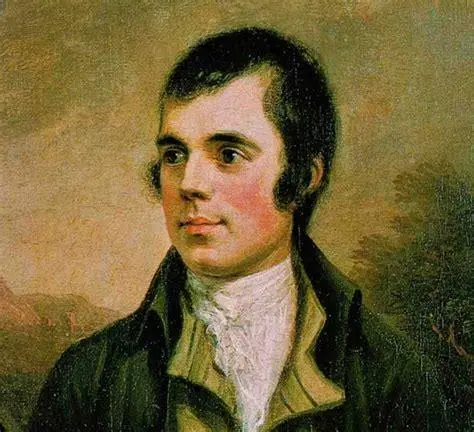
Robert Burns
O Tibbie, I Hae Seen The Day
O Tibbie, I Hae Seen The Day
Tune - "Invercauld's Reel, or Strathspey."
Choir. - O Tibbie, I hae seen the day,
Ye wadna been sae shy;
For laik o' gear ye lightly me,
But, trowth, I care na by.
Yestreen I met you on the moor,
Ye spak na, but gaed by like stour;
Ye geck at me because I'm poor,
But fient a hair care I.
O Tibbie, I hae seen the day, &c.
When coming hame on Sunday last,
Upon the road as I cam past,
Ye snufft and ga'e your head a cast-
But trowth I care't na by.
O Tibbie, I hae seen the day, &c.
I doubt na, lass, but ye may think,
Because ye hae the name o' clink,
That ye can please me at a wink,
Whene'er ye like to try.
O Tibbie, I hae seen the day, &c.
But sorrow tak' him that's sae mean,
Altho' his pouch o' coin were clean,
Wha follows ony saucy quean,
That looks sae proud and high.
O Tibbie, I hae seen the day, &c.
Altho' a lad were e'er sae smart,
If that he want the yellow dirt,
Ye'll cast your head anither airt,
And answer him fu' dry.
O Tibbie, I hae seen the day, &c.
But, if he hae the name o' gear,
Ye'll fasten to him like a brier,
Tho' hardly he, for sense or lear,
Be better than the kye.
O Tibbie, I hae seen the day, &c.
But, Tibbie, lass, tak' my advice:
Your daddie's gear maks you sae nice;
The deil a ane wad speir your price,
Were ye as poor as I.
O Tibbie, I hae seen the day, &c.
There lives a lass beside yon park,
I'd rather hae her in her sark,
Than you wi' a' your thousand mark;
That gars you look sae high.
O Tibbie, I hae seen the day, &c.
Tune - "Invercauld's Reel, or Strathspey."
Choir. - O Tibbie, I hae seen the day,
Ye wadna been sae shy;
For laik o' gear ye lightly me,
But, trowth, I care na by.
Yestreen I met you on the moor,
Ye spak na, but gaed by like stour;
Ye geck at me because I'm poor,
But fient a hair care I.
O Tibbie, I hae seen the day, &c.
When coming hame on Sunday last,
Upon the road as I cam past,
Ye snufft and ga'e your head a cast-
But trowth I care't na by.
O Tibbie, I hae seen the day, &c.
I doubt na, lass, but ye may think,
Because ye hae the name o' clink,
That ye can please me at a wink,
Whene'er ye like to try.
O Tibbie, I hae seen the day, &c.
But sorrow tak' him that's sae mean,
Altho' his pouch o' coin were clean,
Wha follows ony saucy quean,
That looks sae proud and high.
O Tibbie, I hae seen the day, &c.
Altho' a lad were e'er sae smart,
If that he want the yellow dirt,
Ye'll cast your head anither airt,
And answer him fu' dry.
O Tibbie, I hae seen the day, &c.
But, if he hae the name o' gear,
Ye'll fasten to him like a brier,
Tho' hardly he, for sense or lear,
Be better than the kye.
O Tibbie, I hae seen the day, &c.
But, Tibbie, lass, tak' my advice:
Your daddie's gear maks you sae nice;
The deil a ane wad speir your price,
Were ye as poor as I.
O Tibbie, I hae seen the day, &c.
There lives a lass beside yon park,
I'd rather hae her in her sark,
Than you wi' a' your thousand mark;
That gars you look sae high.
O Tibbie, I hae seen the day, &c.
229
Robert Burns
Love in the Guise of Frindship
Love in the Guise of Frindship
Talk not of love, it gives me pain,
For love has been my foe;
He bound me in an iron chain,
And plung'd me deep in woe.
But friendship's pure and lasting joys,
My heart was form'd to prove;
There, welcome win and wear the prize,
But never talk of love.
Your friendship much can make me blest,
O why that bliss destroy?
Why urge the only, one request
You know I will deny?
Your thought, if Love must harbour there,
Conceal it in that thought;
Nor cause it in that thought;
Nor cause me from my bosom tear
The very friend I sought.
Talk not of love, it gives me pain,
For love has been my foe;
He bound me in an iron chain,
And plung'd me deep in woe.
But friendship's pure and lasting joys,
My heart was form'd to prove;
There, welcome win and wear the prize,
But never talk of love.
Your friendship much can make me blest,
O why that bliss destroy?
Why urge the only, one request
You know I will deny?
Your thought, if Love must harbour there,
Conceal it in that thought;
Nor cause it in that thought;
Nor cause me from my bosom tear
The very friend I sought.
381
Robert Burns
Carigieburn Wood
Carigieburn Wood
Sweet fa's the eve on Craigieburn,
And blythe awakens the morrow,
But a' the pride o' spring's return
Can yield me nocht but sorrow.
I see the flowers and spreading trees,
I hear the wild birds singing;
But what a weary wight can please,
And care his bosom wringing?
Fain, fain would I my griefs impart,
Yet darena for your anger'
But secret love will break my heart,
If I conceal it langer.
If thou refuse to pity me,
If thou shalt love anither,
When yon green leaves fade frae the tree,
Around my grave they'll wither.
Sweet fa's the eve on Craigieburn,
And blythe awakens the morrow,
But a' the pride o' spring's return
Can yield me nocht but sorrow.
I see the flowers and spreading trees,
I hear the wild birds singing;
But what a weary wight can please,
And care his bosom wringing?
Fain, fain would I my griefs impart,
Yet darena for your anger'
But secret love will break my heart,
If I conceal it langer.
If thou refuse to pity me,
If thou shalt love anither,
When yon green leaves fade frae the tree,
Around my grave they'll wither.
248

Robert Browning
You'll love me yet!—and I can tarry
You'll love me yet!—and I can tarry
You'll love me yet!—and I can tarry
Your love's protracted growing:
June reared that bunch of flowers you carry
From seeds of April's sowing.
I plant a heartful now: some seed
At least is sure to strike,
And yield—what you'll not pluck indeed,
Not love, but, may be, like!
You'll look at least on love's remains,
A grave's one violet:
Your look?—that pays a thousand pains.
What's death?—You'll love me yet!
You'll love me yet!—and I can tarry
Your love's protracted growing:
June reared that bunch of flowers you carry
From seeds of April's sowing.
I plant a heartful now: some seed
At least is sure to strike,
And yield—what you'll not pluck indeed,
Not love, but, may be, like!
You'll look at least on love's remains,
A grave's one violet:
Your look?—that pays a thousand pains.
What's death?—You'll love me yet!
227
Robert Browning
One Way Of Love
One Way Of Love
.
All June I bound the rose in sheaves.
Now, rose by rose, I strip the leaves
And strew them where Pauline may pass.
She will not turn aside? Alas!
Let them lie. Suppose they die?
The chance was they might take her eye.
II.
How many a month I strove to suit
These stubborn fingers to the lute!
To-day I venture all I know.
She will not hear my music? So!
Break the string; fold music's wing:
Suppose Pauline had bade me sing!
III.
My whole life long I learned to love.
This hour my utmost art I prove
And speak my passion---heaven or hell?
She will not give me heaven? 'Tis well!
Lose who may---I still can say,
Those who win heaven, blest are they!
.
All June I bound the rose in sheaves.
Now, rose by rose, I strip the leaves
And strew them where Pauline may pass.
She will not turn aside? Alas!
Let them lie. Suppose they die?
The chance was they might take her eye.
II.
How many a month I strove to suit
These stubborn fingers to the lute!
To-day I venture all I know.
She will not hear my music? So!
Break the string; fold music's wing:
Suppose Pauline had bade me sing!
III.
My whole life long I learned to love.
This hour my utmost art I prove
And speak my passion---heaven or hell?
She will not give me heaven? 'Tis well!
Lose who may---I still can say,
Those who win heaven, blest are they!
306
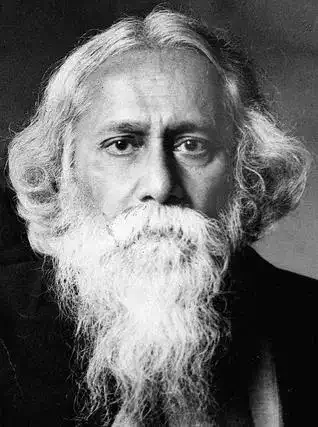
Rabindranath Tagore
The Gardener XX: Day After Day He Comes
The Gardener XX: Day After Day He Comes
Day after day he comes and goes
away.
Go, and give him a flower from my
hair, my friend.
If he asks who was it that sent it, I
entreat you do not tell him my name-for
he only comes and goes away.
He sits on the dust under the tree.
Spread there a seat with flowers and
leaves, my friend.
His eyes are sad, and they bring
sadness to my heart.
He does not speak what he has in
mind; he only comes and goes away.
Day after day he comes and goes
away.
Go, and give him a flower from my
hair, my friend.
If he asks who was it that sent it, I
entreat you do not tell him my name-for
he only comes and goes away.
He sits on the dust under the tree.
Spread there a seat with flowers and
leaves, my friend.
His eyes are sad, and they bring
sadness to my heart.
He does not speak what he has in
mind; he only comes and goes away.
482
Rabindranath Tagore
Sit Smiling
Sit Smiling
I boasted among men that I had known you.
They see your pictures in all works of mine.
They come and ask me, `Who is he?'
I know not how to answer them. I say, `Indeed, I cannot tell.'
They blame me and they go away in scorn.
And you sit there smiling.
I put my tales of you into lasting songs.
The secret gushes out from my heart.
They come and ask me, `Tell me all your meanings.'
I know not how to answer them.
I say, `Ah, who knows what they mean!'
They smile and go away in utter scorn.
And you sit there smiling.
I boasted among men that I had known you.
They see your pictures in all works of mine.
They come and ask me, `Who is he?'
I know not how to answer them. I say, `Indeed, I cannot tell.'
They blame me and they go away in scorn.
And you sit there smiling.
I put my tales of you into lasting songs.
The secret gushes out from my heart.
They come and ask me, `Tell me all your meanings.'
I know not how to answer them.
I say, `Ah, who knows what they mean!'
They smile and go away in utter scorn.
And you sit there smiling.
588
Oscar Wilde
Serenade
Serenade
THE western wind is blowing fair
Across the dark Ægean sea,
And at the secret marble stair
My Tyrian galley waits for thee.
Come down! the purple sail is spread,
The watchman sleeps within the town,
O leave thy lily-flowered bed,
O Lady mine come down, come down!
She will not come, I know her well,
Of lover's vows she hath no care,
And little good a man can tell
Of one so cruel and so fair.
True love is but a woman's toy,
They never know the lover's pain,
And I who loved as loves a boy
Must love in vain, must love in vain.
O noble pilot tell me true
Is that the sheen of golden hair?
Or is it but the tangled dew
That binds the passion-flowers there?
Good sailor come and tell me now
Is that my Lady's lily hand?
Or is it but the gleaming prow,
Or is it but the silver sand?
No! no! 'tis not the tangled dew,
'Tis not the silver-fretted sand,
It is my own dear Lady true
With golden hair and lily hand!
O noble pilot steer for Troy,
Good sailor ply the labouring oar,
This is the Queen of life and joy
Whom we must bear from Grecian shore!
The waning sky grows faint and blue,
It wants an hour still of day,
Aboard! aboard! my gallant crew,
O Lady mine away! away!
O noble pilot steer for Troy,
Good sailor ply the labouring oar,
O loved as only loves a boy!
O loved for ever evermore!
THE western wind is blowing fair
Across the dark Ægean sea,
And at the secret marble stair
My Tyrian galley waits for thee.
Come down! the purple sail is spread,
The watchman sleeps within the town,
O leave thy lily-flowered bed,
O Lady mine come down, come down!
She will not come, I know her well,
Of lover's vows she hath no care,
And little good a man can tell
Of one so cruel and so fair.
True love is but a woman's toy,
They never know the lover's pain,
And I who loved as loves a boy
Must love in vain, must love in vain.
O noble pilot tell me true
Is that the sheen of golden hair?
Or is it but the tangled dew
That binds the passion-flowers there?
Good sailor come and tell me now
Is that my Lady's lily hand?
Or is it but the gleaming prow,
Or is it but the silver sand?
No! no! 'tis not the tangled dew,
'Tis not the silver-fretted sand,
It is my own dear Lady true
With golden hair and lily hand!
O noble pilot steer for Troy,
Good sailor ply the labouring oar,
This is the Queen of life and joy
Whom we must bear from Grecian shore!
The waning sky grows faint and blue,
It wants an hour still of day,
Aboard! aboard! my gallant crew,
O Lady mine away! away!
O noble pilot steer for Troy,
Good sailor ply the labouring oar,
O loved as only loves a boy!
O loved for ever evermore!
230

Mirza Ghalib
It is not Love it is Madness
It is not Love it is Madness
(You say) It is not love, it is madness
My madness may be the cause of your fame
Sever not my relationship with you
If nothing then be my enemy
What is the meaning of notoriety in meeting me
If not in public court meet me alone
I am not my own enemy
So what if the stranger is in love with you
Whatever you are, it is due to your own being
If this not known then it is ignorance
Life though fleets like a lightening flash
Yet it is abundant Time to be in love
I do not want debate on the sustenance of love
Be it not love but another dilemma
Give something O biased One
At least the sanction to cry and plea
I will perpetuate the rituals
Even if cruelty be your habit
Teasing and cajoling the beloved cannot leave 'Asad'
Even if there is no union and only the desire remains
(You say) It is not love, it is madness
My madness may be the cause of your fame
Sever not my relationship with you
If nothing then be my enemy
What is the meaning of notoriety in meeting me
If not in public court meet me alone
I am not my own enemy
So what if the stranger is in love with you
Whatever you are, it is due to your own being
If this not known then it is ignorance
Life though fleets like a lightening flash
Yet it is abundant Time to be in love
I do not want debate on the sustenance of love
Be it not love but another dilemma
Give something O biased One
At least the sanction to cry and plea
I will perpetuate the rituals
Even if cruelty be your habit
Teasing and cajoling the beloved cannot leave 'Asad'
Even if there is no union and only the desire remains
517
Mirza Ghalib
A Thousand Desires
A Thousand Desires
Thousands of desires, each worth dying for...
Many of them I have realized...yet I yearn for more...
Why should my killer (lover) be afraid? No one will hold her responsible
For the blood which will continuously flow through my eyes all my life
We have heard about the dismissal of Adam from Heaven,
With a more humiliation, I am leaving the street on which you live...
Oh tyrant, your true personality will be known to all
If the curls of my hair slip through my turban!
But if someone wants to write her a letter, they can ask me,
Every morning I leave my house with my pen on my ear.
In that age, I turned to drinking (alcohol)
And then the time came when my entire world was occupied by alcohol
From whom I expected justice/praise for my weakness
Turned out to be more injured with the same cruel sword
When in love, there is little difference between life and death
We live by looking at the infidel who we are willing to die for
Put some pressure on your heart to remove that cruel arrow,
For if the arrow comes out, so will your heart...and your life.
For god's sake, don't lift the cover off any secrets you tyrant
The infidel might turn out to be my lover!
The preacher and the bar's entrance are way apart
Yet I saw him entering the bar as I was leaving!
Thousands of desires, each worth dying for...
>Many of them I have realized...yet I yearn for more
Thousands of desires, each worth dying for...
Many of them I have realized...yet I yearn for more...
Why should my killer (lover) be afraid? No one will hold her responsible
For the blood which will continuously flow through my eyes all my life
We have heard about the dismissal of Adam from Heaven,
With a more humiliation, I am leaving the street on which you live...
Oh tyrant, your true personality will be known to all
If the curls of my hair slip through my turban!
But if someone wants to write her a letter, they can ask me,
Every morning I leave my house with my pen on my ear.
In that age, I turned to drinking (alcohol)
And then the time came when my entire world was occupied by alcohol
From whom I expected justice/praise for my weakness
Turned out to be more injured with the same cruel sword
When in love, there is little difference between life and death
We live by looking at the infidel who we are willing to die for
Put some pressure on your heart to remove that cruel arrow,
For if the arrow comes out, so will your heart...and your life.
For god's sake, don't lift the cover off any secrets you tyrant
The infidel might turn out to be my lover!
The preacher and the bar's entrance are way apart
Yet I saw him entering the bar as I was leaving!
Thousands of desires, each worth dying for...
>Many of them I have realized...yet I yearn for more
425
Lewis Carroll
Photography Extraordinary
Photography Extraordinary
The MilkandWater
School
Alas! she would not hear my prayer!
Yet it were rash to tear my hair;
Disfigured, I should be less fair.
She was unwise, I may say blind;
Once she was lovingly inclined;
Some circumstance has changed her mind.
The StrongMinded
or MatterofFact
School
Well! so my offer was no go!
She might do worse, I told her so;
She was a fool to answer "No".
However, things are as they stood;
Nor would I have her if I could,
For there are plenty more as good.
The Spasmodic or German School
Firebrands and Daggers! hope hath fled!
To atoms dash the doubly dead!
My brain is firemy
heart is lead!
Her soul is flint, and what am I?
Scorch'd by her fierce, relentless eye,
Nothingness is my destiny!
The MilkandWater
School
Alas! she would not hear my prayer!
Yet it were rash to tear my hair;
Disfigured, I should be less fair.
She was unwise, I may say blind;
Once she was lovingly inclined;
Some circumstance has changed her mind.
The StrongMinded
or MatterofFact
School
Well! so my offer was no go!
She might do worse, I told her so;
She was a fool to answer "No".
However, things are as they stood;
Nor would I have her if I could,
For there are plenty more as good.
The Spasmodic or German School
Firebrands and Daggers! hope hath fled!
To atoms dash the doubly dead!
My brain is firemy
heart is lead!
Her soul is flint, and what am I?
Scorch'd by her fierce, relentless eye,
Nothingness is my destiny!
171
Lewis Carroll
My Fancy
My Fancy
I painted her a gushing thing,
With years about a score;
I little thought to find they were
A least a dozen more;
My fancy gave her eyes of blue,
A curly auburn head:
I came to find the blue a green,
The auburn turned to red.
She boxed my ears this morning,
They tingled very much;
I own that I could wish her
A somewhat lighter touch;
And if you ask me how
Her charms might be improved,
I would not have them added to,
But just a few removed!
She has the bear's ethereal grace,
The bland hyaena's laugh,
The footstep of the elephant,
The neck of a giraffe;
I love her still, believe me,
Though my heart its passion hides;
"She's all my fancy painted her,"
But oh! how much besides!
I painted her a gushing thing,
With years about a score;
I little thought to find they were
A least a dozen more;
My fancy gave her eyes of blue,
A curly auburn head:
I came to find the blue a green,
The auburn turned to red.
She boxed my ears this morning,
They tingled very much;
I own that I could wish her
A somewhat lighter touch;
And if you ask me how
Her charms might be improved,
I would not have them added to,
But just a few removed!
She has the bear's ethereal grace,
The bland hyaena's laugh,
The footstep of the elephant,
The neck of a giraffe;
I love her still, believe me,
Though my heart its passion hides;
"She's all my fancy painted her,"
But oh! how much besides!
216

Kazi Nazrul Islam
The Bird-Hunter's Song
The Bird-Hunter's Song
Who is that who looks askance at me?
Is it a look of fear, diffidence or tenderness?
She smiles at me holding the aerial roots of the banyan,
Or floating her water vessel in the pond.
As she watches me bird-hunting
Her eyes fill with tears like a pair
of mussel-shells brimmed
with water from a kohl-dark lake.
The water lilies tremble in the clasp of her palm.
She knits her brows and chides me --
Is it fear, diffidence or tenderness?
Reclining her relaxed body, she arranges her tress,
Tucks at the waist the end of her dress;
She cracks her fingers and drags her feet,
oh, how she drags her feet!
At times she dives in the water,
at times she swims about,
For dallying at the ghat, she finds all the excuse.
She wants me to believe that
she is waiting for someone else.
Is it in fear, diffidence or tenderness?
[Translated from the Bangla by Farida Majid]
Who is that who looks askance at me?
Is it a look of fear, diffidence or tenderness?
She smiles at me holding the aerial roots of the banyan,
Or floating her water vessel in the pond.
As she watches me bird-hunting
Her eyes fill with tears like a pair
of mussel-shells brimmed
with water from a kohl-dark lake.
The water lilies tremble in the clasp of her palm.
She knits her brows and chides me --
Is it fear, diffidence or tenderness?
Reclining her relaxed body, she arranges her tress,
Tucks at the waist the end of her dress;
She cracks her fingers and drags her feet,
oh, how she drags her feet!
At times she dives in the water,
at times she swims about,
For dallying at the ghat, she finds all the excuse.
She wants me to believe that
she is waiting for someone else.
Is it in fear, diffidence or tenderness?
[Translated from the Bangla by Farida Majid]
655
Kazi Nazrul Islam
Like a Lost Bird
Like a Lost Bird
At the end of the rolIing road, my dearest, I await alone;
Rolling in the dust of the path you have traveled.
The way you have walked on the bright ground of the mountains
I wish you could rub your feet on my breast making me forget my pain
I do not desire anything, no slumber in my eyes;
Wandering aimlessly in the street, the neighborhood laughs at me.
I cannot go to the pond, how have you enchanted me!
In the black water of the pond, I see your black beauty
You have scandalized me and left me alone!
[Original: Pothhara Pakhi; Translation: Kashfia Billah]
At the end of the rolIing road, my dearest, I await alone;
Rolling in the dust of the path you have traveled.
The way you have walked on the bright ground of the mountains
I wish you could rub your feet on my breast making me forget my pain
I do not desire anything, no slumber in my eyes;
Wandering aimlessly in the street, the neighborhood laughs at me.
I cannot go to the pond, how have you enchanted me!
In the black water of the pond, I see your black beauty
You have scandalized me and left me alone!
[Original: Pothhara Pakhi; Translation: Kashfia Billah]
503
John Milton
Sonnet to the Nightingale
Sonnet to the Nightingale
O nightingale that on yon blooming spray
Warblest at eve, when all the woods are still,
Thou with fresh hopes the Lover’s heart dost fill,
While the jolly Hours lead on propitious May.
Thy liquid notes that close the eye of Day,
First heard before the shallow cuckoo’s bill,
Portend success in love. O if Jove’s will
Have linked that amorous power to thy soft lay,
Now timely sing, ere the rude bird of hate
Foretell my hopeless doom, in some grove nigh;
As thou from year to year hast sung too late
For my relief, yet had’st no reason why.
Whether the Muse or Love call thee his mate,
Both them I serve, and of their train am I.
O nightingale that on yon blooming spray
Warblest at eve, when all the woods are still,
Thou with fresh hopes the Lover’s heart dost fill,
While the jolly Hours lead on propitious May.
Thy liquid notes that close the eye of Day,
First heard before the shallow cuckoo’s bill,
Portend success in love. O if Jove’s will
Have linked that amorous power to thy soft lay,
Now timely sing, ere the rude bird of hate
Foretell my hopeless doom, in some grove nigh;
As thou from year to year hast sung too late
For my relief, yet had’st no reason why.
Whether the Muse or Love call thee his mate,
Both them I serve, and of their train am I.
461
John Milton
Sonnet 01
Sonnet 01
I
O Nightingale, that on yon bloomy Spray
Warbl'st at eeve, when all the Woods are still,
Thou with fresh hope the Lovers heart dost fill,
While the jolly hours lead on propitious May,
Thy liquid notes that close the eye of Day,
First heard before the shallow Cuccoo's bill
Portend success in love; O if Jove's will
Have linkt that amorous power to thy soft lay,
Now timely sing, ere the rude Bird of Hate
Foretell my hopeles doom in som Grove ny:
As thou from yeer to yeer hast sung too late
For my relief; yet hadst no reason why,
Whether the Muse, or Love call thee his mate,
Both them I serve, and of their train am I.
I
O Nightingale, that on yon bloomy Spray
Warbl'st at eeve, when all the Woods are still,
Thou with fresh hope the Lovers heart dost fill,
While the jolly hours lead on propitious May,
Thy liquid notes that close the eye of Day,
First heard before the shallow Cuccoo's bill
Portend success in love; O if Jove's will
Have linkt that amorous power to thy soft lay,
Now timely sing, ere the rude Bird of Hate
Foretell my hopeles doom in som Grove ny:
As thou from yeer to yeer hast sung too late
For my relief; yet hadst no reason why,
Whether the Muse, or Love call thee his mate,
Both them I serve, and of their train am I.
954
John Keats
To-
To-
Had I a man's fair form, then might my sighs
Be echoed swiftly through that ivory shell,
Thine ear, and find thy gentle heart; so well
Would passion arm me for the enterprise:
But ah! I am no knight whose foeman dies;
No cuirass glistens on my bosom's swell;
I am no happy shepherd of the dell
Whose lips have trembled with a maiden's eyes.
Yet must I dote upon thee,-call thee sweet,
Sweeter by far than Hybla's honied roses
When steeped in dew rich to intoxication.
Ah! I will taste that dew, for me 'tis meet,
And when the moon her pallid face discloses,
I'll gather some by spells, and incantation.
Had I a man's fair form, then might my sighs
Be echoed swiftly through that ivory shell,
Thine ear, and find thy gentle heart; so well
Would passion arm me for the enterprise:
But ah! I am no knight whose foeman dies;
No cuirass glistens on my bosom's swell;
I am no happy shepherd of the dell
Whose lips have trembled with a maiden's eyes.
Yet must I dote upon thee,-call thee sweet,
Sweeter by far than Hybla's honied roses
When steeped in dew rich to intoxication.
Ah! I will taste that dew, for me 'tis meet,
And when the moon her pallid face discloses,
I'll gather some by spells, and incantation.
364
John Keats
La Belle Dame Sans Merci (Original version )
La Belle Dame Sans Merci (Original version )
Oh what can ail thee, knight-at-arms,
Alone and palely loitering?
The sedge has withered from the lake,
And no birds sing.
Oh what can ail thee, knight-at-arms,
So haggard and so woe-begone?
The squirrel's granary is full,
And the harvest's done.
I see a lily on thy brow,
With anguish moist and fever-dew,
And on thy cheeks a fading rose
Fast withereth too.
I met a lady in the meads,
Full beautiful - a faery's child,
Her hair was long, her foot was light,
And her eyes were wild.
I made a garland for her head,
And bracelets too, and fragrant zone;
She looked at me as she did love,
And made sweet moan.
I set her on my pacing steed,
And nothing else saw all day long,
For sidelong would she bend, and sing
A faery's song.
She found me roots of relish sweet,
And honey wild, and manna-dew,
And sure in language strange she said '
I love thee true'.
She took me to her elfin grot,
And there she wept and sighed full sore,
And there I shut her wild wild eyes
With kisses four.
And there she lulled me asleep
And there I dreamed - Ah! woe betide! -
The latest dream I ever dreamt
On the cold hill side.
I saw pale kings and princes too,
Pale warriors, death-pale were they all;
They cried - 'La Belle Dame sans Merci
Hath thee in thrall!'
I saw their starved lips in the gloam,
With horrid warning gaped wide,
And I awoke and found me here,
On the cold hill's side.
And this is why I sojourn here
Alone and palely loitering,
Though the sedge is withered from the lake,
And no birds sing.
Oh what can ail thee, knight-at-arms,
Alone and palely loitering?
The sedge has withered from the lake,
And no birds sing.
Oh what can ail thee, knight-at-arms,
So haggard and so woe-begone?
The squirrel's granary is full,
And the harvest's done.
I see a lily on thy brow,
With anguish moist and fever-dew,
And on thy cheeks a fading rose
Fast withereth too.
I met a lady in the meads,
Full beautiful - a faery's child,
Her hair was long, her foot was light,
And her eyes were wild.
I made a garland for her head,
And bracelets too, and fragrant zone;
She looked at me as she did love,
And made sweet moan.
I set her on my pacing steed,
And nothing else saw all day long,
For sidelong would she bend, and sing
A faery's song.
She found me roots of relish sweet,
And honey wild, and manna-dew,
And sure in language strange she said '
I love thee true'.
She took me to her elfin grot,
And there she wept and sighed full sore,
And there I shut her wild wild eyes
With kisses four.
And there she lulled me asleep
And there I dreamed - Ah! woe betide! -
The latest dream I ever dreamt
On the cold hill side.
I saw pale kings and princes too,
Pale warriors, death-pale were they all;
They cried - 'La Belle Dame sans Merci
Hath thee in thrall!'
I saw their starved lips in the gloam,
With horrid warning gaped wide,
And I awoke and found me here,
On the cold hill's side.
And this is why I sojourn here
Alone and palely loitering,
Though the sedge is withered from the lake,
And no birds sing.
460
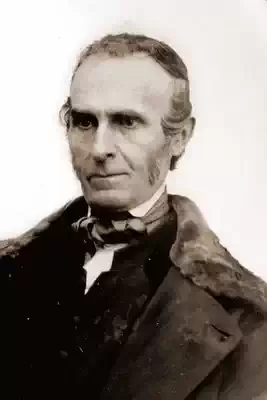
John Greenleaf Whittier
The Henchman
The Henchman
My lady walks her morning round,
My lady's page her fleet greyhound,
My lady's hair the fond winds stir,
And all the birds make songs for her.
Her thrushes sing in Rathburn bowers,
And Rathburn side is gay with flowers;
But ne'er like hers, in flower or bird,
Was beauty seen or music heard.
The distance of the stars is hers;
The least of all her worshippers,
The dust beneath her dainty heel,
She knows not that I see or feel.
Oh, proud and calm!-she cannot know
Where'er she goes with her I go;
Oh, cold and fair!-she cannot guess
I kneel to share her hound's caress!
Gay knights beside her hunt and hawk,
I rob their ears of her sweet talk;
Her suitors come from east and west,
I steal her smiles from every guest.
Unheard of her, in loving words,
I greet her with the song of birds;
I reach her with her green-armed bowers,
I kiss her with the lips of flowers.
The hound and I are on her trail,
The wind and I uplift her veil;
As if the calm, cold moon she were,
And I the tide, I follow her.
As unrebuked as they, I share
The license of the sun and air,
And in a common homage hide
My worship from her scorn and pride.
World-wide apart, and yet so near,
I breathe her charmed atmosphere,
Wherein to her my service brings
The reverence due to holy things.
Her maiden pride, her haughty name,
My dumb devotion shall not shame;
The love that no return doth crave
To knightly levels lifts the slave,
No lance have I, in joust or fight,
To splinter in my lady's sight
But, at her feet, how blest were I
For any need of hers to die!
My lady walks her morning round,
My lady's page her fleet greyhound,
My lady's hair the fond winds stir,
And all the birds make songs for her.
Her thrushes sing in Rathburn bowers,
And Rathburn side is gay with flowers;
But ne'er like hers, in flower or bird,
Was beauty seen or music heard.
The distance of the stars is hers;
The least of all her worshippers,
The dust beneath her dainty heel,
She knows not that I see or feel.
Oh, proud and calm!-she cannot know
Where'er she goes with her I go;
Oh, cold and fair!-she cannot guess
I kneel to share her hound's caress!
Gay knights beside her hunt and hawk,
I rob their ears of her sweet talk;
Her suitors come from east and west,
I steal her smiles from every guest.
Unheard of her, in loving words,
I greet her with the song of birds;
I reach her with her green-armed bowers,
I kiss her with the lips of flowers.
The hound and I are on her trail,
The wind and I uplift her veil;
As if the calm, cold moon she were,
And I the tide, I follow her.
As unrebuked as they, I share
The license of the sun and air,
And in a common homage hide
My worship from her scorn and pride.
World-wide apart, and yet so near,
I breathe her charmed atmosphere,
Wherein to her my service brings
The reverence due to holy things.
Her maiden pride, her haughty name,
My dumb devotion shall not shame;
The love that no return doth crave
To knightly levels lifts the slave,
No lance have I, in joust or fight,
To splinter in my lady's sight
But, at her feet, how blest were I
For any need of hers to die!
228