

Poems in this topic
Faith, Spirituality and Religion
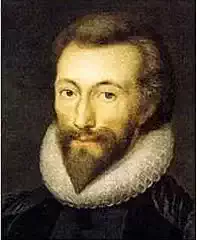
John Donne
Holy Sonnet IV: Oh my black soul!
Holy Sonnet IV: Oh my black soul!
Oh my black soul! now art thou summoned
By sickness, death's herald, and champion;
Thou art like a pilgrim, which abroad hath done
Treason, and durst not turn to whence he is fled;
Or like a thief, which till death's doom be read,
Wisheth himself delivered from prison,
But damned and haled to execution,
Wisheth that still he might be imprisoned.
Yet grace, if thou repent, thou canst not lack;
But who shall give thee that grace to begin?
Oh make thy self with holy mourning black,
And red with blushing, as thou art with sin;
Or wash thee in Christ's blood, which hath this might
That being red, it dyes red souls to white.
Oh my black soul! now art thou summoned
By sickness, death's herald, and champion;
Thou art like a pilgrim, which abroad hath done
Treason, and durst not turn to whence he is fled;
Or like a thief, which till death's doom be read,
Wisheth himself delivered from prison,
But damned and haled to execution,
Wisheth that still he might be imprisoned.
Yet grace, if thou repent, thou canst not lack;
But who shall give thee that grace to begin?
Oh make thy self with holy mourning black,
And red with blushing, as thou art with sin;
Or wash thee in Christ's blood, which hath this might
That being red, it dyes red souls to white.
302
John Donne
Holy Sonnet I: Thou Hast Made Me
Holy Sonnet I: Thou Hast Made Me
Thou hast made me, and shall thy work decay?
Repair me now, for now mine end doth haste;
I run to death, and death meets me as fast,
And all my pleasures are like yesterday.
I dare not move my dim eyes any way,
Despair behind, and death before doth cast
Such terror, and my feeble flesh doth waste
By sin in it, which it towards hell doth weigh.
Only thou art above, and when towards thee
By thy leave I can look, I rise again;
But our old subtle foe so tempteth me
That not one hour myself I can sustain.
Thy grace may wing me to prevent his art,
And thou like adamant draw mine iron heart.
Thou hast made me, and shall thy work decay?
Repair me now, for now mine end doth haste;
I run to death, and death meets me as fast,
And all my pleasures are like yesterday.
I dare not move my dim eyes any way,
Despair behind, and death before doth cast
Such terror, and my feeble flesh doth waste
By sin in it, which it towards hell doth weigh.
Only thou art above, and when towards thee
By thy leave I can look, I rise again;
But our old subtle foe so tempteth me
That not one hour myself I can sustain.
Thy grace may wing me to prevent his art,
And thou like adamant draw mine iron heart.
350
John Donne
From ‘The Cross’
From ‘The Cross’
Who can blot out the Cross, which th’instrument
Of God, dew’d on me in the Sacrament?
Who can deny me power, and liberty
To stretch mine arms, and mine own Cross to be?
Swim, and at every stroke, thou art thy Cross;
The Mast and yard make one, where seas do toss;
Look down, thou spiest out Crosses in small things;
Look up, thou seest birds rais’d on crossed wings;
All the Globes frame, and spheres, is nothing else
But the Meridians crossing Parallels.
Material Crosses then, good physic bee,
But yet spiritual have chief dignity.
These for extracted chemic medicine serve,
And cure much better, and as well preserve;
Then are you your own physic, or need none,
When Still’d, or purg’d by tribulation.
For when that Cross ungrudg’d, unto you sticks,
Then are you to your self, a Crucifix.
As perchance, Carvers do not faces make,
But that away, which hid them there, do take;
Let Crosses, so, take what hid Christ in thee,
And be his image, or not his, but he.
Who can blot out the Cross, which th’instrument
Of God, dew’d on me in the Sacrament?
Who can deny me power, and liberty
To stretch mine arms, and mine own Cross to be?
Swim, and at every stroke, thou art thy Cross;
The Mast and yard make one, where seas do toss;
Look down, thou spiest out Crosses in small things;
Look up, thou seest birds rais’d on crossed wings;
All the Globes frame, and spheres, is nothing else
But the Meridians crossing Parallels.
Material Crosses then, good physic bee,
But yet spiritual have chief dignity.
These for extracted chemic medicine serve,
And cure much better, and as well preserve;
Then are you your own physic, or need none,
When Still’d, or purg’d by tribulation.
For when that Cross ungrudg’d, unto you sticks,
Then are you to your self, a Crucifix.
As perchance, Carvers do not faces make,
But that away, which hid them there, do take;
Let Crosses, so, take what hid Christ in thee,
And be his image, or not his, but he.
295
John Donne
Good Friday, 1613. Riding Westward
Good Friday, 1613. Riding Westward
Let mans Soule be a Spheare, and then, in this,
The intelligence that moves, devotion is
And as the other Spheares, by being growne
Subject to forraigne motions, lose their owne
And being by others hurried every day,
Scarce in a yeare their natural! forme obey:
Pleasure or businesse, so, our Soules admit
For their first mover, and are whirld by it.
Hence is's, that I am carryed towards the West
This day, when my Soules forme bends toward the East.
There I should see a Sunne, by rising set,
And by that setting endlesse day beget;
But that Christ on this Crosse, did rise and fall,
Sinne had eternally benighted all.
Yet dare ['almost be glad, I do not see
That spectacle of too much weight for meet
Who sees Gods face, that is selfe life, must dye;
What a death were it then to see God dye?
It made his owne Lieutenant Nature shrinke,
It made his footstoole crack, and the Sunne winke.
Could I behold those hands which span the Poles,
And tune all spheares at once, peirc'd with those holes?
Could I behold that endlesse height which is
Zenith to us, and to'our Antipodes,
Humbled below us? or that blood which is
The seat of all our Soules, if not of his,
Make curt of dust, or that flesh which was worne
By God, for his apparel!, rag'd, and tome?
If on these things I durst not looke, durst I
Upon his miserable mother cast mine eye,
Who was Gods partner here, and furnish'd thus
Halfe of that Sacrifice, which ransom'd us?
Though these things, as I ride, be from mine eye,
They'are present yet unto my memory,
For that looks towards them; and thou look'st towards mee,
O Saviour, as thou hang'st upon the tree;
I turne my backe to thee, but to receive
Corrections, till thy mercies bid thee leave.
O thinke mee worth shine anger, punish mee,
Burne off my rusts, and my deformity,
Restore shine Image, so much, by thy grace,
That thou may'st know mee, and I'll turne my face.
Let mans Soule be a Spheare, and then, in this,
The intelligence that moves, devotion is
And as the other Spheares, by being growne
Subject to forraigne motions, lose their owne
And being by others hurried every day,
Scarce in a yeare their natural! forme obey:
Pleasure or businesse, so, our Soules admit
For their first mover, and are whirld by it.
Hence is's, that I am carryed towards the West
This day, when my Soules forme bends toward the East.
There I should see a Sunne, by rising set,
And by that setting endlesse day beget;
But that Christ on this Crosse, did rise and fall,
Sinne had eternally benighted all.
Yet dare ['almost be glad, I do not see
That spectacle of too much weight for meet
Who sees Gods face, that is selfe life, must dye;
What a death were it then to see God dye?
It made his owne Lieutenant Nature shrinke,
It made his footstoole crack, and the Sunne winke.
Could I behold those hands which span the Poles,
And tune all spheares at once, peirc'd with those holes?
Could I behold that endlesse height which is
Zenith to us, and to'our Antipodes,
Humbled below us? or that blood which is
The seat of all our Soules, if not of his,
Make curt of dust, or that flesh which was worne
By God, for his apparel!, rag'd, and tome?
If on these things I durst not looke, durst I
Upon his miserable mother cast mine eye,
Who was Gods partner here, and furnish'd thus
Halfe of that Sacrifice, which ransom'd us?
Though these things, as I ride, be from mine eye,
They'are present yet unto my memory,
For that looks towards them; and thou look'st towards mee,
O Saviour, as thou hang'st upon the tree;
I turne my backe to thee, but to receive
Corrections, till thy mercies bid thee leave.
O thinke mee worth shine anger, punish mee,
Burne off my rusts, and my deformity,
Restore shine Image, so much, by thy grace,
That thou may'st know mee, and I'll turne my face.
293
John Donne
Death
Death
DEATH, be not proud, though some have called thee
Mighty and dreadful, for thou art not so:
For those whom thou think'st thou dost overthrow
Die not, poor Death; nor yet canst thou kill me.
From Rest and Sleep, which but thy picture be,
Much pleasure, then from thee much more must flow;
And soonest our best men with thee do go--
Rest of their bones and souls' delivery!
Thou'rt slave to fate, chance, kings, and desperate men,
And dost with poison, war, and sickness dwell;
And poppy or charms can make us sleep as well
And better than thy stroke. Why swell'st thou then?
One short sleep past, we wake eternally,
And Death shall be no more: Death, thou shalt die!
DEATH, be not proud, though some have called thee
Mighty and dreadful, for thou art not so:
For those whom thou think'st thou dost overthrow
Die not, poor Death; nor yet canst thou kill me.
From Rest and Sleep, which but thy picture be,
Much pleasure, then from thee much more must flow;
And soonest our best men with thee do go--
Rest of their bones and souls' delivery!
Thou'rt slave to fate, chance, kings, and desperate men,
And dost with poison, war, and sickness dwell;
And poppy or charms can make us sleep as well
And better than thy stroke. Why swell'st thou then?
One short sleep past, we wake eternally,
And Death shall be no more: Death, thou shalt die!
303
John Donne
Crucifying
Crucifying
By miracles exceeding power of man,
He faith in some, envy in some begat,
For, what weak spirits admire, ambitious hate :
In both affections many to Him ran.
But O ! the worst are most, they will and can,
Alas ! and do, unto th' Immaculate,
Whose creature Fate is, now prescribe a fate,
Measuring self-life's infinity to span,
Nay to an inch. Lo ! where condemned He
Bears His own cross, with pain, yet by and by
When it bears him, He must bear more and die.
Now Thou art lifted up, draw me to Thee,
And at Thy death giving such liberal dole,
Moist with one drop of Thy blood my dry soul.
By miracles exceeding power of man,
He faith in some, envy in some begat,
For, what weak spirits admire, ambitious hate :
In both affections many to Him ran.
But O ! the worst are most, they will and can,
Alas ! and do, unto th' Immaculate,
Whose creature Fate is, now prescribe a fate,
Measuring self-life's infinity to span,
Nay to an inch. Lo ! where condemned He
Bears His own cross, with pain, yet by and by
When it bears him, He must bear more and die.
Now Thou art lifted up, draw me to Thee,
And at Thy death giving such liberal dole,
Moist with one drop of Thy blood my dry soul.
442
John Donne
Annunciation
Annunciation
Salvation to all that will is nigh;
That All, which always is all everywhere,
Which cannot sin, and yet all sins must bear,
Which cannot die, yet cannot choose but die,
Lo, faithful virgin, yields Himself to lie
In prison, in thy womb; and though He there
Can take no sin, nor thou give, yet He will wear,
Taken from thence, flesh, which death's force may try.
Ere by the spheres time was created, thou
Wast in His mind, who is thy Son and Brother;
Whom thou conceivst, conceived; yea thou art now
Thy Maker's maker, and thy Father's mother;
Thou hast light in dark, and shutst in little room,
Immensity cloistered in thy dear womb.
Salvation to all that will is nigh;
That All, which always is all everywhere,
Which cannot sin, and yet all sins must bear,
Which cannot die, yet cannot choose but die,
Lo, faithful virgin, yields Himself to lie
In prison, in thy womb; and though He there
Can take no sin, nor thou give, yet He will wear,
Taken from thence, flesh, which death's force may try.
Ere by the spheres time was created, thou
Wast in His mind, who is thy Son and Brother;
Whom thou conceivst, conceived; yea thou art now
Thy Maker's maker, and thy Father's mother;
Thou hast light in dark, and shutst in little room,
Immensity cloistered in thy dear womb.
377
John Donne
A Litany
A Litany
I.
THE FATHER.
FATHER of Heaven, and Him, by whom
It, and us for it, and all else for us,
Thou madest, and govern'st ever, come
And re-create me, now grown ruinous:
My heart is by dejection, clay,
And by self-murder, red.
From this red earth, O Father, purge away
All vicious tinctures, that new-fashioned
I may rise up from death, before I'm dead.
II.
THE SON.
O Son of God, who, seeing two things,
Sin and Death, crept in, which were never made,
By bearing one, tried'st with what stings
The other could Thine heritage invade ;
O be Thou nail'd unto my heart,
And crucified again ;
Part not from it, though it from Thee would part,
But let it be by applying so Thy pain,
Drown'd in Thy blood, and in Thy passion slain.
III.
THE HOLY GHOST.
O Holy Ghost, whose temple I
Am, but of mud walls , and condensèd dust,
And being sacrilegiously
Half wasted with youth's fires of pride and lust,
Must with new storms be weather-beat,
Double in my heart Thy flame,
Which let devout sad tears intend, and let—
Though this glass lanthorn, flesh, do suffer maim—
Fire, sacrifice, priest, altar be the same.
IV.
THE TRINITY.
O blessed glorious Trinity,
Bones to philosophy, but milk to faith,
Which, as wise serpents, diversely
Most slipperiness, yet most entanglings hath,
As you distinguish'd, undistinct,
By power, love, knowledge be,
Give me a such self different instinct,
Of these let all me elemented be,
Of power, to love, to know you unnumbered three.
V.
THE VIRGIN MARY.
For that fair blessed mother-maid,
Whose flesh redeem'd us, that she-cherubin,
Which unlock'd paradise, and made
One claim for innocence, and disseizèd sin,
Whose womb was a strange heaven, for there
God clothed Himself, and grew,
Our zealous thanks we pour. As her deeds were
Our helps, so are her prayers ; nor can she sue
In vain, who hath such titles unto you.
VI.
THE ANGELS.
And since this life our nonage is,
And we in wardship to Thine angels be,
Native in heaven's fair palaces
Where we shall be but denizen'd by Thee ;
As th' earth conceiving by the sun,
Yields fair diversity,
Yet never knows what course that light doth run ;
So let me study that mine actions be
Worthy their sight, though blind in how they see.
VII.
THE PATRIARCHS.
And let Thy patriarchs' desire,
—Those great grandfathers of Thy Church, which saw
More in the cloud than we in fire,
Whom nature clear'd more, than us grace and law,
And now in heaven still pray, that we
May use our new helps right—
Be satisfied, and fructify in me ;
Let not my mind be blinder by more light,
Nor faith by reason added lose her sight.
VIII.
THE PROPHETS.
Thy eagle-sighted prophets too,
—Which were Thy Church's organs, and did sound
That harmony which made of two
One law, and did unite, but not confound ;
Those heavenly poets which did see
Thy will, and it express
In rhythmic feet—in common pray for me,
That I by them excuse not my excess
In seeking secrets, or poeticness.
IX.
THE APOSTLES.
And thy illustrious zodiac
Of twelve apostles, which engirt this All,
—From whom whosoever do not take
Their light, to dark deep pits throw down and fall ;—
As through their prayers Thou'st let me know
That their books are divine,
May they pray still, and be heard, that I go
Th' old broad way in applying ; O decline
Me, when my comment would make Thy word mine.
X.
THE MARTYRS.
And since Thou so desirously
Didst long to die, that long before Thou couldst,
And long since Thou no more couldst die,
Thou in thy scatter'd mystic body wouldst
In Abel die, and ever since
In Thine ; let their blood come
To beg for us a discreet patience
Of death, or of worse life ; for O, to some
Not to be martyrs, is a martyrdom.
XI.
THE CONFESSORS.
Therefore with Thee triumpheth there
A virgin squadron of white confessors,
Whose bloods betroth'd not married were,
Tender'd, not taken by those ravishers.
They know, and pray that we may know,
In every Christian
Hourly tempestuous persecutions grow ;
Temptations martyr us alive ; a man
Is to himself a Diocletian.
XII.
THE VIRGINS.
The cold white snowy nunnery,
Which, as Thy Mother, their high abbess, sent
Their bodies back again to Thee,
As Thou hadst lent them, clean and innocent ;
Though they have not obtain'd of Thee,
That or Thy Church or I
Should keep, as they, our first integrity,
Divorce Thou sin in us, or bid it die,
And call chaste widowhead virginity.
XIII.
THE DOCTORS.
The sacred academy above
Of Doctors, whose pains have unclasp'd, and taught
Both books of life to us—for love
To know Thy scriptures tells us, we are wrote
In Thy other book—pray for us there,
That what they have misdone
Or missaid, we to that may not adhere.
Their zeal may be our sin. Lord, let us run
Mean ways, and call them stars, but not the sun.
XIV.
And whilst this universal quire,
That Church in triumph, this in warfare here,
Warm'd with one all-partaking fire
Of love, that none be lost, which cost Thee dear,
Prays ceaselessly, and Thou hearken too
—Since to be gracious
Our task is treble, to pray, bear, and do—
Hear this prayer, Lord ; O Lord, deliver us
From trusting in those prayers, though pour'd out
thus.
XV.
From being anxious, or secure,
Dead clods of sadness, or light squibs of mirth,
From thinking that great courts immure
All, or no happiness, or that this earth
Is only for our prison framed,
Or that Thou'rt covetous
To them whom Thou lovest, or that they are maim'd
From reaching this world's sweet who seek Thee
thus,
With all their might, good Lord, deliver us.
XVI.
From needing danger, to be good,
From owing Thee yesterday's tears to-day,
From trusting so much to Thy blood
That in that hope we wound our soul away,
From bribing Thee with alms, to excuse
Some sin more burdenous,
From light affecting, in religion, news,
From thinking us all soul, neglecting thus
Our mutual duties, Lord, deliver us.
XVII.
From tempting Satan to tempt us,
By our connivance, or slack company,
From measuring ill by vicious
Neglecting to choke sin's spawn, vanity,
From indiscreet humility,
Which might be scandalous
And cast reproach on Christianity,
From being spies, or to spies pervious,
From thirst or scorn of fame, deliver us.
XVIII.
Deliver us through Thy descent
Into the Virgin, whose womb was a place
Of middle kind ; and Thou being sent
To ungracious us, stay'dst at her full of grace ;
And through Thy poor birth, where first Thou
Glorified'st poverty ;
And yet soon after riches didst allow,
By accepting kings' gifts in th' Epiphany ;
Deliver us, and make us to both ways free.
XIX.
And through that bitter agony,
Which is still th' agony of pious wits,
Disputing what distorted Thee,
And interrupted evenness with fits ;
And through Thy free confession,
Though thereby they were then
Made blind, so that Thou mightst from them have gone ;
Good Lord, deliver us, and teach us when
We may not, and we may, blind unjust men.
XX.
Through Thy submitting all, to blows
Thy face, Thy robes to spoil, Thy fame to scorn,
All ways, which rage, or justice knows,
And by which Thou couldst show that Thou wast born ;
And through Thy gallant humbleness
Which Thou in death didst show,
Dying before Thy soul they could express ;
Deliver us from death, by dying so
To this world, ere this world do bid us go.
XXI.
When senses, which Thy soldiers are,
We arm against Thee, and they fight for sin ;
When want, sent but to tame, doth war,
And work despair a breach to enter in ;
When plenty, God's image, and seal,
Makes us idolatrous,
And love it, not him, whom it should reveal ;
When we are moved to seem religious
Only to vent wit ; Lord, deliver us.
XXII.
In churches, when th' infirmity
Of him which speaks, diminishes the word ;
When magistrates do misapply
To us, as we judge, lay or ghostly sword ;
When plague, which is Thine angel, reigns,
Or wars, Thy champions, sway ;
When heresy, Thy second deluge, gains ;
In th' hour of death, th' eve of last Judgment day ;
Deliver us from the sinister way.
XXIII.
Hear us, O hear us, Lord; to Thee
A sinner is more music, when he prays,
Than spheres' or angels' praises be,
In panegyric alleluias ;
Hear us, for till Thou hear us, Lord,
We know not what to say ;
Thine ear to our sighs, tears, thoughts, gives voice and word ;
O Thou, who Satan heard'st in Job's sick day,
Hear Thyself now, for Thou in us dost pray.
XXIV.
That we may change to evenness
This intermitting aguish piety ;
That snatching cramps of wickedness
And apoplexies of fast sin may die ;
That music of Thy promises,
Not threats in thunder may
Awaken us to our just offices ;
What in Thy book Thou dost, or creatures say,
That we may hear, Lord, hear us when we pray.
XXV.
That our ears' sickness we may cure,
And rectify those labyrinths aright,
That we by heark'ning not procure
Our praise, nor others' dispraise so invite ;
That we get not a slipp'riness
And senselessly decline,
From hearing bold wits jest at kings' excess,
To admit the like of majesty divine ;
That we may lock our ears, Lord, open Thine.
XXVI.
That living law, the magistrate,
Which to give us, and make us physic, doth
Our vices often aggravate ;
That preachers taxing sin, before her growth ;
That Satan, and envenom'd men—
Which will, if we starve, dine—
When they do most accuse us, may see then
Us to amendment hear them, Thee decline ;
That we may open our ears, Lord, lock Thine.
XXVII.
That learning, Thine ambassador,
From Thine allegiance we never tempt ;
That beauty, paradise's flower
For physic made, from poison be exempt ;
That wit—born apt high good to do—
By dwelling lazily
On nature's nothing be not nothing too ;
That our affections kill us not, nor die ;
Hear us, weak echoes, O, Thou Ear and Eye.
XXVIII.
Son of God, hear us, and since Thou
By taking our blood, owest it us again,
Gain to Thyself, or us allow ;
And let not both us and Thyself be slain ;
O Lamb of God, which took'st our sin,
Which could not stick to Thee,
O let it not return to us again ;
But patient and physician being free,
As sin is nothing, let it nowhere be.
I.
THE FATHER.
FATHER of Heaven, and Him, by whom
It, and us for it, and all else for us,
Thou madest, and govern'st ever, come
And re-create me, now grown ruinous:
My heart is by dejection, clay,
And by self-murder, red.
From this red earth, O Father, purge away
All vicious tinctures, that new-fashioned
I may rise up from death, before I'm dead.
II.
THE SON.
O Son of God, who, seeing two things,
Sin and Death, crept in, which were never made,
By bearing one, tried'st with what stings
The other could Thine heritage invade ;
O be Thou nail'd unto my heart,
And crucified again ;
Part not from it, though it from Thee would part,
But let it be by applying so Thy pain,
Drown'd in Thy blood, and in Thy passion slain.
III.
THE HOLY GHOST.
O Holy Ghost, whose temple I
Am, but of mud walls , and condensèd dust,
And being sacrilegiously
Half wasted with youth's fires of pride and lust,
Must with new storms be weather-beat,
Double in my heart Thy flame,
Which let devout sad tears intend, and let—
Though this glass lanthorn, flesh, do suffer maim—
Fire, sacrifice, priest, altar be the same.
IV.
THE TRINITY.
O blessed glorious Trinity,
Bones to philosophy, but milk to faith,
Which, as wise serpents, diversely
Most slipperiness, yet most entanglings hath,
As you distinguish'd, undistinct,
By power, love, knowledge be,
Give me a such self different instinct,
Of these let all me elemented be,
Of power, to love, to know you unnumbered three.
V.
THE VIRGIN MARY.
For that fair blessed mother-maid,
Whose flesh redeem'd us, that she-cherubin,
Which unlock'd paradise, and made
One claim for innocence, and disseizèd sin,
Whose womb was a strange heaven, for there
God clothed Himself, and grew,
Our zealous thanks we pour. As her deeds were
Our helps, so are her prayers ; nor can she sue
In vain, who hath such titles unto you.
VI.
THE ANGELS.
And since this life our nonage is,
And we in wardship to Thine angels be,
Native in heaven's fair palaces
Where we shall be but denizen'd by Thee ;
As th' earth conceiving by the sun,
Yields fair diversity,
Yet never knows what course that light doth run ;
So let me study that mine actions be
Worthy their sight, though blind in how they see.
VII.
THE PATRIARCHS.
And let Thy patriarchs' desire,
—Those great grandfathers of Thy Church, which saw
More in the cloud than we in fire,
Whom nature clear'd more, than us grace and law,
And now in heaven still pray, that we
May use our new helps right—
Be satisfied, and fructify in me ;
Let not my mind be blinder by more light,
Nor faith by reason added lose her sight.
VIII.
THE PROPHETS.
Thy eagle-sighted prophets too,
—Which were Thy Church's organs, and did sound
That harmony which made of two
One law, and did unite, but not confound ;
Those heavenly poets which did see
Thy will, and it express
In rhythmic feet—in common pray for me,
That I by them excuse not my excess
In seeking secrets, or poeticness.
IX.
THE APOSTLES.
And thy illustrious zodiac
Of twelve apostles, which engirt this All,
—From whom whosoever do not take
Their light, to dark deep pits throw down and fall ;—
As through their prayers Thou'st let me know
That their books are divine,
May they pray still, and be heard, that I go
Th' old broad way in applying ; O decline
Me, when my comment would make Thy word mine.
X.
THE MARTYRS.
And since Thou so desirously
Didst long to die, that long before Thou couldst,
And long since Thou no more couldst die,
Thou in thy scatter'd mystic body wouldst
In Abel die, and ever since
In Thine ; let their blood come
To beg for us a discreet patience
Of death, or of worse life ; for O, to some
Not to be martyrs, is a martyrdom.
XI.
THE CONFESSORS.
Therefore with Thee triumpheth there
A virgin squadron of white confessors,
Whose bloods betroth'd not married were,
Tender'd, not taken by those ravishers.
They know, and pray that we may know,
In every Christian
Hourly tempestuous persecutions grow ;
Temptations martyr us alive ; a man
Is to himself a Diocletian.
XII.
THE VIRGINS.
The cold white snowy nunnery,
Which, as Thy Mother, their high abbess, sent
Their bodies back again to Thee,
As Thou hadst lent them, clean and innocent ;
Though they have not obtain'd of Thee,
That or Thy Church or I
Should keep, as they, our first integrity,
Divorce Thou sin in us, or bid it die,
And call chaste widowhead virginity.
XIII.
THE DOCTORS.
The sacred academy above
Of Doctors, whose pains have unclasp'd, and taught
Both books of life to us—for love
To know Thy scriptures tells us, we are wrote
In Thy other book—pray for us there,
That what they have misdone
Or missaid, we to that may not adhere.
Their zeal may be our sin. Lord, let us run
Mean ways, and call them stars, but not the sun.
XIV.
And whilst this universal quire,
That Church in triumph, this in warfare here,
Warm'd with one all-partaking fire
Of love, that none be lost, which cost Thee dear,
Prays ceaselessly, and Thou hearken too
—Since to be gracious
Our task is treble, to pray, bear, and do—
Hear this prayer, Lord ; O Lord, deliver us
From trusting in those prayers, though pour'd out
thus.
XV.
From being anxious, or secure,
Dead clods of sadness, or light squibs of mirth,
From thinking that great courts immure
All, or no happiness, or that this earth
Is only for our prison framed,
Or that Thou'rt covetous
To them whom Thou lovest, or that they are maim'd
From reaching this world's sweet who seek Thee
thus,
With all their might, good Lord, deliver us.
XVI.
From needing danger, to be good,
From owing Thee yesterday's tears to-day,
From trusting so much to Thy blood
That in that hope we wound our soul away,
From bribing Thee with alms, to excuse
Some sin more burdenous,
From light affecting, in religion, news,
From thinking us all soul, neglecting thus
Our mutual duties, Lord, deliver us.
XVII.
From tempting Satan to tempt us,
By our connivance, or slack company,
From measuring ill by vicious
Neglecting to choke sin's spawn, vanity,
From indiscreet humility,
Which might be scandalous
And cast reproach on Christianity,
From being spies, or to spies pervious,
From thirst or scorn of fame, deliver us.
XVIII.
Deliver us through Thy descent
Into the Virgin, whose womb was a place
Of middle kind ; and Thou being sent
To ungracious us, stay'dst at her full of grace ;
And through Thy poor birth, where first Thou
Glorified'st poverty ;
And yet soon after riches didst allow,
By accepting kings' gifts in th' Epiphany ;
Deliver us, and make us to both ways free.
XIX.
And through that bitter agony,
Which is still th' agony of pious wits,
Disputing what distorted Thee,
And interrupted evenness with fits ;
And through Thy free confession,
Though thereby they were then
Made blind, so that Thou mightst from them have gone ;
Good Lord, deliver us, and teach us when
We may not, and we may, blind unjust men.
XX.
Through Thy submitting all, to blows
Thy face, Thy robes to spoil, Thy fame to scorn,
All ways, which rage, or justice knows,
And by which Thou couldst show that Thou wast born ;
And through Thy gallant humbleness
Which Thou in death didst show,
Dying before Thy soul they could express ;
Deliver us from death, by dying so
To this world, ere this world do bid us go.
XXI.
When senses, which Thy soldiers are,
We arm against Thee, and they fight for sin ;
When want, sent but to tame, doth war,
And work despair a breach to enter in ;
When plenty, God's image, and seal,
Makes us idolatrous,
And love it, not him, whom it should reveal ;
When we are moved to seem religious
Only to vent wit ; Lord, deliver us.
XXII.
In churches, when th' infirmity
Of him which speaks, diminishes the word ;
When magistrates do misapply
To us, as we judge, lay or ghostly sword ;
When plague, which is Thine angel, reigns,
Or wars, Thy champions, sway ;
When heresy, Thy second deluge, gains ;
In th' hour of death, th' eve of last Judgment day ;
Deliver us from the sinister way.
XXIII.
Hear us, O hear us, Lord; to Thee
A sinner is more music, when he prays,
Than spheres' or angels' praises be,
In panegyric alleluias ;
Hear us, for till Thou hear us, Lord,
We know not what to say ;
Thine ear to our sighs, tears, thoughts, gives voice and word ;
O Thou, who Satan heard'st in Job's sick day,
Hear Thyself now, for Thou in us dost pray.
XXIV.
That we may change to evenness
This intermitting aguish piety ;
That snatching cramps of wickedness
And apoplexies of fast sin may die ;
That music of Thy promises,
Not threats in thunder may
Awaken us to our just offices ;
What in Thy book Thou dost, or creatures say,
That we may hear, Lord, hear us when we pray.
XXV.
That our ears' sickness we may cure,
And rectify those labyrinths aright,
That we by heark'ning not procure
Our praise, nor others' dispraise so invite ;
That we get not a slipp'riness
And senselessly decline,
From hearing bold wits jest at kings' excess,
To admit the like of majesty divine ;
That we may lock our ears, Lord, open Thine.
XXVI.
That living law, the magistrate,
Which to give us, and make us physic, doth
Our vices often aggravate ;
That preachers taxing sin, before her growth ;
That Satan, and envenom'd men—
Which will, if we starve, dine—
When they do most accuse us, may see then
Us to amendment hear them, Thee decline ;
That we may open our ears, Lord, lock Thine.
XXVII.
That learning, Thine ambassador,
From Thine allegiance we never tempt ;
That beauty, paradise's flower
For physic made, from poison be exempt ;
That wit—born apt high good to do—
By dwelling lazily
On nature's nothing be not nothing too ;
That our affections kill us not, nor die ;
Hear us, weak echoes, O, Thou Ear and Eye.
XXVIII.
Son of God, hear us, and since Thou
By taking our blood, owest it us again,
Gain to Thyself, or us allow ;
And let not both us and Thyself be slain ;
O Lamb of God, which took'st our sin,
Which could not stick to Thee,
O let it not return to us again ;
But patient and physician being free,
As sin is nothing, let it nowhere be.
419
John Donne
A Hymn To Christ At The Author's Last Going Into Germany
A Hymn To Christ At The Author's Last Going Into Germany
In what torn ship soever I embark,
That ship shall be my emblem of thy Ark;
What sea soever swallow me, that flood
Shall be to me an emblem of thy blood;
Though thou with clouds of anger do disguise
Thy face, yet through that mask I know those eyes,
Which, though they turn away sometimes,
They never will despise.
I sacrifice this Island unto thee,
And all whom I loved there, and who loved me;
When I have put our seas 'twixt them and me,
Put thou thy sea betwixt my sins and thee.
As the tree's sap doth seek the root below
In winter, in my winter now I go,
Where none but thee, th' Eternal root
Of true Love, I may know.
Nor thou nor thy religion dost control
The amorousness of an harmonious Soul,
But thou wouldst have that love thyself: as thou
Art jealous, Lord, so I am jealous now,
Thou lov'st not, till from loving more, Thou free
My soul: who ever gives, takes liberty:
O, if thou car'st not whom I love
Alas, thou lov'st not me.
Seal then this bill of my Divorce to All,
On whom those fainter beams of love did fall;
Marry those loves, which in youth scattered be
On Fame, Wit, Hopes (false mistresses) to thee.
Churches are best for Prayer, that have least light:
To see God only, I go out of sight:
And to 'scape stormy days, I choose
An Everlasting night.
In what torn ship soever I embark,
That ship shall be my emblem of thy Ark;
What sea soever swallow me, that flood
Shall be to me an emblem of thy blood;
Though thou with clouds of anger do disguise
Thy face, yet through that mask I know those eyes,
Which, though they turn away sometimes,
They never will despise.
I sacrifice this Island unto thee,
And all whom I loved there, and who loved me;
When I have put our seas 'twixt them and me,
Put thou thy sea betwixt my sins and thee.
As the tree's sap doth seek the root below
In winter, in my winter now I go,
Where none but thee, th' Eternal root
Of true Love, I may know.
Nor thou nor thy religion dost control
The amorousness of an harmonious Soul,
But thou wouldst have that love thyself: as thou
Art jealous, Lord, so I am jealous now,
Thou lov'st not, till from loving more, Thou free
My soul: who ever gives, takes liberty:
O, if thou car'st not whom I love
Alas, thou lov'st not me.
Seal then this bill of my Divorce to All,
On whom those fainter beams of love did fall;
Marry those loves, which in youth scattered be
On Fame, Wit, Hopes (false mistresses) to thee.
Churches are best for Prayer, that have least light:
To see God only, I go out of sight:
And to 'scape stormy days, I choose
An Everlasting night.
306
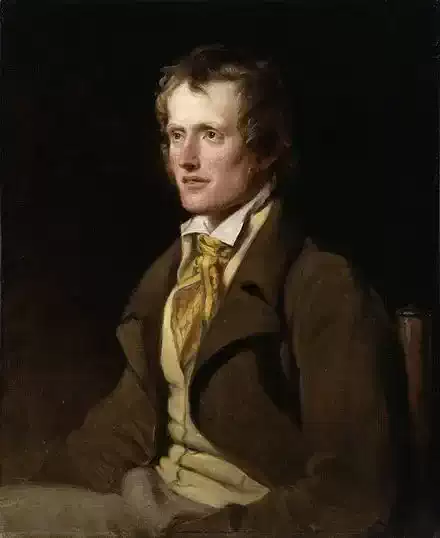
John Clare
The Stranger
The Stranger
When trouble haunts me, need I sigh?
No, rather smile away despair;
For those have been more sad than I,
With burthens more than I could bear;
Aye, gone rejoicing under care
Where I had sunk in black despair.
When pain disturbs my peace and rest,
Am I a hopeless grief to keep,
When some have slept on torture's breast
And smiled as in the sweetest sleep,
Aye, peace on thorns, in faith forgiven,
And pillowed on the hope of heaven?
Though low and poor and broken down,
Am I to think myself distrest?
No, rather laugh where others frown
And think my being truly blest;
For others I can daily see
More worthy riches worse than me.
Aye, once a stranger blest the earth
Who never caused a heart to mourn,
Whose very voice gave sorrow mirth--
And how did earth his worth return?
It spurned him from its lowliest lot,
The meanest station owned him not;
An outcast thrown in sorrow's way,
A fugitive that knew no sin,
Yet in lone places forced to stray--
Men would not take the stranger in.
Yet peace, though much himself he mourned,
Was all to others he returned.
* * * * *
His presence was a peace to all,
He bade the sorrowful rejoice.
Pain turned to pleasure at his call,
Health lived and issued from his voice.
He healed the sick and sent abroad
The dumb rejoicing in the Lord.
The blind met daylight in his eye,
The joys of everlasting day;
The sick found health in his reply;
The cripple threw his crutch away.
Yet he with troubles did remain
And suffered poverty and pain.
Yet none could say of wrong he did,
And scorn was ever standing bye;
Accusers by their conscience chid,
When proof was sought, made no reply.
Yet without sin he suffered more
Than ever sinners did before.
When trouble haunts me, need I sigh?
No, rather smile away despair;
For those have been more sad than I,
With burthens more than I could bear;
Aye, gone rejoicing under care
Where I had sunk in black despair.
When pain disturbs my peace and rest,
Am I a hopeless grief to keep,
When some have slept on torture's breast
And smiled as in the sweetest sleep,
Aye, peace on thorns, in faith forgiven,
And pillowed on the hope of heaven?
Though low and poor and broken down,
Am I to think myself distrest?
No, rather laugh where others frown
And think my being truly blest;
For others I can daily see
More worthy riches worse than me.
Aye, once a stranger blest the earth
Who never caused a heart to mourn,
Whose very voice gave sorrow mirth--
And how did earth his worth return?
It spurned him from its lowliest lot,
The meanest station owned him not;
An outcast thrown in sorrow's way,
A fugitive that knew no sin,
Yet in lone places forced to stray--
Men would not take the stranger in.
Yet peace, though much himself he mourned,
Was all to others he returned.
* * * * *
His presence was a peace to all,
He bade the sorrowful rejoice.
Pain turned to pleasure at his call,
Health lived and issued from his voice.
He healed the sick and sent abroad
The dumb rejoicing in the Lord.
The blind met daylight in his eye,
The joys of everlasting day;
The sick found health in his reply;
The cripple threw his crutch away.
Yet he with troubles did remain
And suffered poverty and pain.
Yet none could say of wrong he did,
And scorn was ever standing bye;
Accusers by their conscience chid,
When proof was sought, made no reply.
Yet without sin he suffered more
Than ever sinners did before.
444
John Clare
The Peasant Poet
The Peasant Poet
He loved the brook's soft sound,
The swallow swimming by.
He loved the daisy-covered ground,
The cloud-bedappled sky.
To him the dismal storm appeared
The very voice of God;
And when the evening rack was reared
Stood Moses with his rod.
And everything his eyes surveyed,
The insects in the brake,
Were creatures God Almighty made,
He loved them for His sake--
A silent man in life's affairs,
A thinker from a boy,
A peasant in his daily cares,
A poet in his joy.
He loved the brook's soft sound,
The swallow swimming by.
He loved the daisy-covered ground,
The cloud-bedappled sky.
To him the dismal storm appeared
The very voice of God;
And when the evening rack was reared
Stood Moses with his rod.
And everything his eyes surveyed,
The insects in the brake,
Were creatures God Almighty made,
He loved them for His sake--
A silent man in life's affairs,
A thinker from a boy,
A peasant in his daily cares,
A poet in his joy.
448
John Clare
Love Cannot Die
Love Cannot Die
In crime and enmity they lie
Who sin and tell us love can die,
Who say to us in slander's breath
That love belongs to sin and death.
From heaven it came on angel's wing
To bloom on earth, eternal spring;
In falsehood's enmity they lie
Who sin and tell us love can die.
Twas born upon an angel's breast.
The softest dreams, the sweetest rest,
The brightest sun, the bluest sky,
Are love's own home and canopy.
The thought that cheers this heart of mine
Is that of love; love so divine
They sin who say in slander's breath
That love belongs to sin and death.
The sweetest voice that lips contain,
The sweetest thought that leaves the brain,
The sweetest feeling of the heart-There's
pleasure in its very smart.
The scent of rose and cinnamon
Is not like love remembered on;
In falsehood's enmity they lie
Who sin and tell us love can die.
In crime and enmity they lie
Who sin and tell us love can die,
Who say to us in slander's breath
That love belongs to sin and death.
From heaven it came on angel's wing
To bloom on earth, eternal spring;
In falsehood's enmity they lie
Who sin and tell us love can die.
Twas born upon an angel's breast.
The softest dreams, the sweetest rest,
The brightest sun, the bluest sky,
Are love's own home and canopy.
The thought that cheers this heart of mine
Is that of love; love so divine
They sin who say in slander's breath
That love belongs to sin and death.
The sweetest voice that lips contain,
The sweetest thought that leaves the brain,
The sweetest feeling of the heart-There's
pleasure in its very smart.
The scent of rose and cinnamon
Is not like love remembered on;
In falsehood's enmity they lie
Who sin and tell us love can die.
402
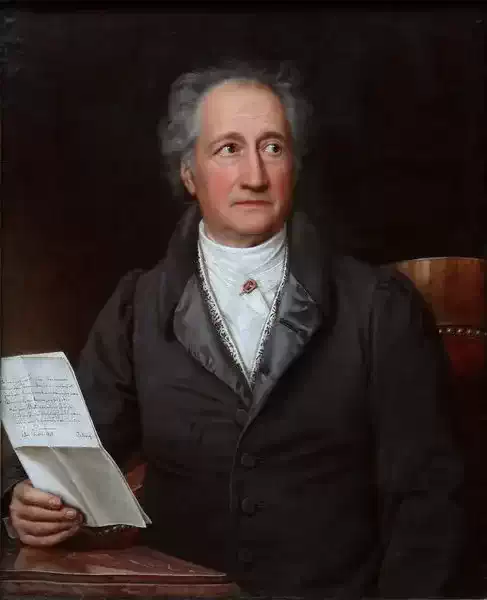
Johann Wolfgang von Goethe
Winter Journey Over The Hartz Mountain
Winter Journey Over The Hartz Mountain
LIKE the vulture
Who on heavy morning clouds
With gentle wing reposing
Looks for his prey,--
Hover, my song!
For a God hath
Unto each prescribed
His destined path,
Which the happy one
Runs o'er swiftly
To his glad goal:
He whose heart cruel
Fate hath contracted,
Struggles but vainly
Against all the barriers
The brazen thread raises,
But which the harsh shears
Must one day sever.
Through gloomy thickets
Presseth the wild deer on,
And with the sparrows
Long have the wealthy
Settled themselves in the marsh.
Easy 'tis following the chariot
That by Fortune is driven,
Like the baggage that moves
Over well-mended highways
After the train of a prince.
But who stands there apart?
In the thicket, lost is his path;
Behind him the bushes
Are closing together,
The grass springs up again,
The desert engulphs him.
Ah, who'll heal his afflictions,
To whom balsam was poison,
Who, from love's fullness,
Drank in misanthropy only?
First despised, and now a despiser,
He, in secret, wasteth
All that he is worth,
In a selfishness vain.
If there be, on thy psaltery,
Father of Love, but one tone
That to his ear may be pleasing,
Oh, then, quicken his heart!
Clear his cloud-enveloped eyes
Over the thousand fountains
Close by the thirsty one
In the desert.
Thou who createst much joy,
For each a measure o'erflowing,
Bless the sons of the chase
When on the track of the prey,
With a wild thirsting for blood,
Youthful and joyous
Avenging late the injustice
Which the peasant resisted
Vainly for years with his staff.
But the lonely one veil
Within thy gold clouds!
Surround with winter-green,
Until the roses bloom again,
The humid locks,
Oh Love, of thy minstrel!
With thy glimmering torch
Lightest thou him
Through the fords when 'tis night,
Over bottomless places
On desert-like plains;
With the thousand colours of morning
Gladd'nest his bosom;
With the fierce-biting storm
Bearest him proudly on high;
Winter torrents rush from the cliffs,--
Blend with his psalms;
An altar of grateful delight
He finds in the much-dreaded mountain's
Snow-begirded summit,
Which foreboding nations
Crown'd with spirit-dances.
Thou stand'st with breast inscrutable,
Mysteriously disclosed,
High o'er the wondering world,
And look'st from clouds
Upon its realms and its majesty,
Which thou from the veins of thy brethren
Near thee dost water.
LIKE the vulture
Who on heavy morning clouds
With gentle wing reposing
Looks for his prey,--
Hover, my song!
For a God hath
Unto each prescribed
His destined path,
Which the happy one
Runs o'er swiftly
To his glad goal:
He whose heart cruel
Fate hath contracted,
Struggles but vainly
Against all the barriers
The brazen thread raises,
But which the harsh shears
Must one day sever.
Through gloomy thickets
Presseth the wild deer on,
And with the sparrows
Long have the wealthy
Settled themselves in the marsh.
Easy 'tis following the chariot
That by Fortune is driven,
Like the baggage that moves
Over well-mended highways
After the train of a prince.
But who stands there apart?
In the thicket, lost is his path;
Behind him the bushes
Are closing together,
The grass springs up again,
The desert engulphs him.
Ah, who'll heal his afflictions,
To whom balsam was poison,
Who, from love's fullness,
Drank in misanthropy only?
First despised, and now a despiser,
He, in secret, wasteth
All that he is worth,
In a selfishness vain.
If there be, on thy psaltery,
Father of Love, but one tone
That to his ear may be pleasing,
Oh, then, quicken his heart!
Clear his cloud-enveloped eyes
Over the thousand fountains
Close by the thirsty one
In the desert.
Thou who createst much joy,
For each a measure o'erflowing,
Bless the sons of the chase
When on the track of the prey,
With a wild thirsting for blood,
Youthful and joyous
Avenging late the injustice
Which the peasant resisted
Vainly for years with his staff.
But the lonely one veil
Within thy gold clouds!
Surround with winter-green,
Until the roses bloom again,
The humid locks,
Oh Love, of thy minstrel!
With thy glimmering torch
Lightest thou him
Through the fords when 'tis night,
Over bottomless places
On desert-like plains;
With the thousand colours of morning
Gladd'nest his bosom;
With the fierce-biting storm
Bearest him proudly on high;
Winter torrents rush from the cliffs,--
Blend with his psalms;
An altar of grateful delight
He finds in the much-dreaded mountain's
Snow-begirded summit,
Which foreboding nations
Crown'd with spirit-dances.
Thou stand'st with breast inscrutable,
Mysteriously disclosed,
High o'er the wondering world,
And look'st from clouds
Upon its realms and its majesty,
Which thou from the veins of thy brethren
Near thee dost water.
398
Johann Wolfgang von Goethe
Three Palinodias - 03 Rain And Rainbow
Three Palinodias - 03 Rain And Rainbow
DURING a heavy storm it chanced
That from his room a cockney glanced
At the fierce tempest as it broke,
While to his neighbour thus he spoke:
"The thunder has our awe inspired,
Our barns by lightning have been fired,--
Our sins to punish, I suppose;
But in return, to soothe our woes,
See how the rain in torrents fell,
Making the harvest promise well!
But it's a rainbow that I spy
Extending o'er the dark-grey sky?
With it I'm sure we may dispense,
The colour'd cheat! The vain pretence!"
Dame Iris straightway thus replied:
"Dost dare my beauty to deride?
In realms of space God station'd me
A type of better worlds to be
To eyes that from life's sorrows rove
In cheerful hope to Heav'n above,
And, through the mists that hover here
God and his precepts blest revere.
Do thou, then, grovel like the swine,
And to the ground thy snout confine,
But suffer the enlighten'd eye
To feast upon my majesty."
DURING a heavy storm it chanced
That from his room a cockney glanced
At the fierce tempest as it broke,
While to his neighbour thus he spoke:
"The thunder has our awe inspired,
Our barns by lightning have been fired,--
Our sins to punish, I suppose;
But in return, to soothe our woes,
See how the rain in torrents fell,
Making the harvest promise well!
But it's a rainbow that I spy
Extending o'er the dark-grey sky?
With it I'm sure we may dispense,
The colour'd cheat! The vain pretence!"
Dame Iris straightway thus replied:
"Dost dare my beauty to deride?
In realms of space God station'd me
A type of better worlds to be
To eyes that from life's sorrows rove
In cheerful hope to Heav'n above,
And, through the mists that hover here
God and his precepts blest revere.
Do thou, then, grovel like the swine,
And to the ground thy snout confine,
But suffer the enlighten'd eye
To feast upon my majesty."
415
Johann Wolfgang von Goethe
Three Palinodias - 01
Three Palinodias - 01
"Incense is hut a tribute for the gods,--
To mortals 'tis but poison."
THE smoke that from thine altar blows,
Can it the gods offend?
For I observe thou hold'st thy nose--
Pray what does this portend?
Mankind deem incense to excel
Each other earthly thing,
So he that cannot bear its smell,
No incense e'er should bring.
With unmoved face by thee at least
To dolls is homage given;
If not obstructed by the priest,
The scent mounts up to heaven.
"Incense is hut a tribute for the gods,--
To mortals 'tis but poison."
THE smoke that from thine altar blows,
Can it the gods offend?
For I observe thou hold'st thy nose--
Pray what does this portend?
Mankind deem incense to excel
Each other earthly thing,
So he that cannot bear its smell,
No incense e'er should bring.
With unmoved face by thee at least
To dolls is homage given;
If not obstructed by the priest,
The scent mounts up to heaven.
372
Johann Wolfgang von Goethe
Thoughts On Jesus Christ's Decent Into Hell
Thoughts On Jesus Christ's Decent Into Hell
WHAT wondrous noise is heard around!
Through heaven exulting voices sound,
A mighty army marches on
By thousand millions follow'd, lo,
To yon dark place makes haste to go
God's Son, descending from His throne!
He goes--the tempests round Him break,
As Judge and Hero cometh He;
He goes--the constellations quake,
The sun, the world quake fearfully.
I see Him in His victor-car,
On fiery axles borne afar,
Who on the cross for us expired.
The triumph to yon realms He shows,--
Remote from earth, where star ne'er glows,
The triumph He for us acquired.
He cometh, Hell to extirpate,
Whom He, by dying, wellnigh kill'd;
He shall pronounce her fearful fate
Hark! now the curse is straight fulfill'd.
Hell sees the victor come at last,
She feels that now her reign is past,
She quakes and fears to meet His sight;
She knows His thunders' terrors dread,
In vain she seeks to hide her head,
Attempts to fly, but vain is flight;
Vainly she hastes to 'scape pursuit
And to avoid her Judge's eye;
The Lord's fierce wrath restrains her foot
Like brazen chains,--she cannot fly.
Here lies the Dragon, trampled down,
He lies, and feels God's angry frown,
He feels, and grinneth hideously;
He feels Hell's speechless agonies,
A thousand times he howls and sighs:
"Oh, burning flames! quick, swallow me!"
There lies he in the fiery waves,
By torments rack'd and pangs infernal,
Instant annihilation craves,
And hears, those pangs will be eternal.
Those mighty squadrons, too, are here,
The partners of his cursed career,
Yet far less bad than he were they.
Here lies the countless throng combined,
In black and fearful crowds entwined,
While round him fiery tempests play;
He sees how they the Judge avoid,
He sees the storm upon them feed,
Yet is not at the sight o'erjoy'd,
Because his pangs e'en theirs exceed.
The Son of Man in triumph passes
Down to Hell's wild and black morasses,
And there unfolds His majesty.
Hell cannot bear the bright array,
For, since her first created day.
Darkness alone e'er govern'd she.
She lay remote from ev'ry light
With torments fill'd in Chaos here;
God turn'd for ever from her sight
His radiant features' glory clear.
Within the realms she calls her own,
She sees the splendour of the Son,
His dreaded glories shining forth;
She sees Him clad in rolling thunder,
She sees the rocks all quake with wonder,
When God before her stands in wrath.
She sees He comes her Judge to be,
She feels the awful pangs inside her,
Herself to slay endeavours she,
But e'en this comfort is denied her.
Now looks she back, with pains untold,
Upon those happy times of old,
When those glories gave her joy;
When yet her heart revered the truth,
When her glad soul, in endless youth
And rapture dwelt, without alloy.
She calls to mind with madden'd thought
How over man her wiles prevail'd;
To take revenge on God she sought,
And feels the vengeance it entail'd.
God was made man, and came to earth.
Then Satan cried with fearful mirth:
"E'en He my victim now shall be!"
He sought to slay the Lord Most High,
The world's Creator now must die;
But, Satan, endless woe to thee!
Thou thought'st to overcome Him then,
Rejoicing in His suffering;
But he in triumph comes again
To bind thee: Death! where is thy sting?
Speak, Hell! where is thy victory?
Thy power destroy'd and scatter'd see!
Know'st thou not now the Highest's might?
See, Satan, see thy rule o'erthrown!
By thousand-varying pangs weigh'd down,
Thou dwell'st in dark and endless night.
As though by lightning struck thou liest,
No gleam of rapture far or wide;
In vain! no hope thou there decriest,--
For me alone Messiah died!
A howling rises through the air,
A trembling fills each dark vault there,
When Christ to Hell is seen to come.
She snarls with rage, but needs must cower
Before our mighty hero's power;
He signs--and Hell is straightway dumb.
Before his voice the thunders break,
On high His victor-banner blows;
E'en angels at His fury quake,
When Christ to the dread judgment goes.
Now speaks He, and His voice is thunder,
He speaks, the rocks are rent in sunder,
His breath is like devouring flames.
Thus speaks He: "Tremble, ye accurs'd!
He who from Eden hurl'd you erst,
Your kingdom's overthrow proclaims.
Look up! My children once were ye,
Your arms against Me then ye turn'd,
Ye fell, that ye might sinners be,
Ye've now the wages that ye earn'd.
"My greatest foeman from that day,
Ye led my dearest friends astray,--
As ye had fallen, man must fall.
To kill him evermore ye sought,
'They all shall die the death,' ye thought;
But howl! for Me I won them all.
For them alone did I descend,
For them pray'd, suffer'd, perish'd I.
Ye ne'er shall gain your wicked end;
Who trusts in Me shall never die.
"In endless chains here lie ye now,
Nothing can save you from the slough.
Not boldness, not regret for crime.
Lie, then, and writhe in brimstone fire!
'Twas ye yourselves drew down Mine ire,
Lie and lament throughout all time!
And also ye, whom I selected,
E'en ye forever I disown,
For ye My saving grace rejected
Ye murmur? blame yourselves alone!
"Ye might have lived with Me in bliss,
For I of yore had promis'd this;
Ye sinn'd, and all My precepts slighted
Wrapp'd in the sleep of sin ye dwelt,
Now is My fearful judgment felt,
By a just doom your guilt requited."--
Thus spake He, and a fearful storm
From Him proceeds, the lightnings glow,
The thunders seize each wicked form,
And hurl them in the gulf below.
The God-man closeth Hell's sad doors,
In all His majesty He soars
From those dark regions back to light.
He sitteth at the Father's side;
Oh, friends, what joy doth this betide!
For us, for us He still will fight!
The angels sacred quire around
Rejoice before the mighty Lord,
So that all creatures hear the sound:
"Zebaoth's God be aye ador'd!"
WHAT wondrous noise is heard around!
Through heaven exulting voices sound,
A mighty army marches on
By thousand millions follow'd, lo,
To yon dark place makes haste to go
God's Son, descending from His throne!
He goes--the tempests round Him break,
As Judge and Hero cometh He;
He goes--the constellations quake,
The sun, the world quake fearfully.
I see Him in His victor-car,
On fiery axles borne afar,
Who on the cross for us expired.
The triumph to yon realms He shows,--
Remote from earth, where star ne'er glows,
The triumph He for us acquired.
He cometh, Hell to extirpate,
Whom He, by dying, wellnigh kill'd;
He shall pronounce her fearful fate
Hark! now the curse is straight fulfill'd.
Hell sees the victor come at last,
She feels that now her reign is past,
She quakes and fears to meet His sight;
She knows His thunders' terrors dread,
In vain she seeks to hide her head,
Attempts to fly, but vain is flight;
Vainly she hastes to 'scape pursuit
And to avoid her Judge's eye;
The Lord's fierce wrath restrains her foot
Like brazen chains,--she cannot fly.
Here lies the Dragon, trampled down,
He lies, and feels God's angry frown,
He feels, and grinneth hideously;
He feels Hell's speechless agonies,
A thousand times he howls and sighs:
"Oh, burning flames! quick, swallow me!"
There lies he in the fiery waves,
By torments rack'd and pangs infernal,
Instant annihilation craves,
And hears, those pangs will be eternal.
Those mighty squadrons, too, are here,
The partners of his cursed career,
Yet far less bad than he were they.
Here lies the countless throng combined,
In black and fearful crowds entwined,
While round him fiery tempests play;
He sees how they the Judge avoid,
He sees the storm upon them feed,
Yet is not at the sight o'erjoy'd,
Because his pangs e'en theirs exceed.
The Son of Man in triumph passes
Down to Hell's wild and black morasses,
And there unfolds His majesty.
Hell cannot bear the bright array,
For, since her first created day.
Darkness alone e'er govern'd she.
She lay remote from ev'ry light
With torments fill'd in Chaos here;
God turn'd for ever from her sight
His radiant features' glory clear.
Within the realms she calls her own,
She sees the splendour of the Son,
His dreaded glories shining forth;
She sees Him clad in rolling thunder,
She sees the rocks all quake with wonder,
When God before her stands in wrath.
She sees He comes her Judge to be,
She feels the awful pangs inside her,
Herself to slay endeavours she,
But e'en this comfort is denied her.
Now looks she back, with pains untold,
Upon those happy times of old,
When those glories gave her joy;
When yet her heart revered the truth,
When her glad soul, in endless youth
And rapture dwelt, without alloy.
She calls to mind with madden'd thought
How over man her wiles prevail'd;
To take revenge on God she sought,
And feels the vengeance it entail'd.
God was made man, and came to earth.
Then Satan cried with fearful mirth:
"E'en He my victim now shall be!"
He sought to slay the Lord Most High,
The world's Creator now must die;
But, Satan, endless woe to thee!
Thou thought'st to overcome Him then,
Rejoicing in His suffering;
But he in triumph comes again
To bind thee: Death! where is thy sting?
Speak, Hell! where is thy victory?
Thy power destroy'd and scatter'd see!
Know'st thou not now the Highest's might?
See, Satan, see thy rule o'erthrown!
By thousand-varying pangs weigh'd down,
Thou dwell'st in dark and endless night.
As though by lightning struck thou liest,
No gleam of rapture far or wide;
In vain! no hope thou there decriest,--
For me alone Messiah died!
A howling rises through the air,
A trembling fills each dark vault there,
When Christ to Hell is seen to come.
She snarls with rage, but needs must cower
Before our mighty hero's power;
He signs--and Hell is straightway dumb.
Before his voice the thunders break,
On high His victor-banner blows;
E'en angels at His fury quake,
When Christ to the dread judgment goes.
Now speaks He, and His voice is thunder,
He speaks, the rocks are rent in sunder,
His breath is like devouring flames.
Thus speaks He: "Tremble, ye accurs'd!
He who from Eden hurl'd you erst,
Your kingdom's overthrow proclaims.
Look up! My children once were ye,
Your arms against Me then ye turn'd,
Ye fell, that ye might sinners be,
Ye've now the wages that ye earn'd.
"My greatest foeman from that day,
Ye led my dearest friends astray,--
As ye had fallen, man must fall.
To kill him evermore ye sought,
'They all shall die the death,' ye thought;
But howl! for Me I won them all.
For them alone did I descend,
For them pray'd, suffer'd, perish'd I.
Ye ne'er shall gain your wicked end;
Who trusts in Me shall never die.
"In endless chains here lie ye now,
Nothing can save you from the slough.
Not boldness, not regret for crime.
Lie, then, and writhe in brimstone fire!
'Twas ye yourselves drew down Mine ire,
Lie and lament throughout all time!
And also ye, whom I selected,
E'en ye forever I disown,
For ye My saving grace rejected
Ye murmur? blame yourselves alone!
"Ye might have lived with Me in bliss,
For I of yore had promis'd this;
Ye sinn'd, and all My precepts slighted
Wrapp'd in the sleep of sin ye dwelt,
Now is My fearful judgment felt,
By a just doom your guilt requited."--
Thus spake He, and a fearful storm
From Him proceeds, the lightnings glow,
The thunders seize each wicked form,
And hurl them in the gulf below.
The God-man closeth Hell's sad doors,
In all His majesty He soars
From those dark regions back to light.
He sitteth at the Father's side;
Oh, friends, what joy doth this betide!
For us, for us He still will fight!
The angels sacred quire around
Rejoice before the mighty Lord,
So that all creatures hear the sound:
"Zebaoth's God be aye ador'd!"
301
Johann Wolfgang von Goethe
The Wanderer's Storm-Song
The Wanderer's Storm-Song
He whom thou ne'er leavest, Genius,
Feels no dread within his heart
At the tempest or the rain.
He whom thou ne'er leavest, Genius,
Will to the rain-clouds,
Will to the hailstorm,
Sing in reply
As the lark sings,
Oh thou on high!
Him whom thou ne'er leavest, Genius,
Thou wilt raise above the mud-track
With thy fiery pinions.
He will wander,
As, with flowery feet,
Over Deucalion's dark flood,
Python-slaying, light, glorious,
Pythius Apollo.
Him whom thou ne'er leavest, Genius,
Thou wilt place upon thy fleecy pinion
When he sleepeth on the rock,--
Thou wilt shelter with thy guardian wing
In the forest's midnight hour.
Him whom thou ne'er leavest, Genius,
Thou wilt wrap up warmly
In the snow-drift;
Tow'rd the warmth approach the Muses,
Tow'rd the warmth approach the Graces.
Ye Muses, hover round me!
Ye Graces also!
That is water, that is earth,
And the son of water and of earth
Over which I wander,
Like the gods.
Ye are pure, like the heart of the water,
Ye are pure like the marrow of earth,
Hov'ring round me, while I hover
Over water, o'er the earth
Like the gods.
Shall he, then, return,
The small, the dark, the fiery peasant?
Shall he, then, return, waiting
Only thy gifts, oh Father Bromius,
And brightly gleaming, warmth-spreading fire?
Return with joy?
And I, whom ye attended,
Ye Muses and ye Graces,
Whom all awaits that ye,
Ye Muses and ye Graces,
Of circling bliss in life
Have glorified--shall I
Return dejected?
Father Bromius!
Thourt the Genius,
Genius of ages,
Thou'rt what inward glow
To Pindar was,
What to the world
Phoebus Apollo.
Woe! Woe Inward warmth,
Spirit-warmth,
Central-point!
Glow, and vie with
Phoebus Apollo!
Coldly soon
His regal look
Over thee will swiftly glide,-
Envy-struck
Linger o'er the cedar's strength,
Which, to flourish,
Waits him not.
Why doth my lay name thee the last?
Thee, from whom it began,
Thee, in whom it endeth,
Thee, from whom it flows,
Jupiter Pluvius!
Tow'rd thee streams my song.
And a Castalian spring
Runs as a fellow-brook,
Runs to the idle ones,
Mortal, happy ones,
Apart from thee,
Who cov'rest me around,
Jupiter Pluvius!
Not by the elm-tree
Him didst thou visit,
With the pair of doves
Held in his gentle arm,--
With the beauteous garland of roses,--
Caressing him, so blest in his flowers,
Anacreon,
Storm-breathing godhead!
Not in the poplar grove,
Near the Sybaris' strand,
Not on the mountain's
Sun-illumined brow
Didst thou seize him,
The flower-singing,
Honey-breathing,
Sweetly nodding
Theocritus.
When the wheels were rattling,
Wheel on wheel tow'rd the goal,
High arose
The sound of the lash
Of youths with victory glowing,
In the dust rolling,
As from the mountain fall
Showers of stones in the vale--
Then thy soul was brightly glowing, Pindar--
Glowing? Poor heart!
There, on the hill,--
Heavenly might!
But enough glow
Thither to wend,
Where is my cot!
He whom thou ne'er leavest, Genius,
Feels no dread within his heart
At the tempest or the rain.
He whom thou ne'er leavest, Genius,
Will to the rain-clouds,
Will to the hailstorm,
Sing in reply
As the lark sings,
Oh thou on high!
Him whom thou ne'er leavest, Genius,
Thou wilt raise above the mud-track
With thy fiery pinions.
He will wander,
As, with flowery feet,
Over Deucalion's dark flood,
Python-slaying, light, glorious,
Pythius Apollo.
Him whom thou ne'er leavest, Genius,
Thou wilt place upon thy fleecy pinion
When he sleepeth on the rock,--
Thou wilt shelter with thy guardian wing
In the forest's midnight hour.
Him whom thou ne'er leavest, Genius,
Thou wilt wrap up warmly
In the snow-drift;
Tow'rd the warmth approach the Muses,
Tow'rd the warmth approach the Graces.
Ye Muses, hover round me!
Ye Graces also!
That is water, that is earth,
And the son of water and of earth
Over which I wander,
Like the gods.
Ye are pure, like the heart of the water,
Ye are pure like the marrow of earth,
Hov'ring round me, while I hover
Over water, o'er the earth
Like the gods.
Shall he, then, return,
The small, the dark, the fiery peasant?
Shall he, then, return, waiting
Only thy gifts, oh Father Bromius,
And brightly gleaming, warmth-spreading fire?
Return with joy?
And I, whom ye attended,
Ye Muses and ye Graces,
Whom all awaits that ye,
Ye Muses and ye Graces,
Of circling bliss in life
Have glorified--shall I
Return dejected?
Father Bromius!
Thourt the Genius,
Genius of ages,
Thou'rt what inward glow
To Pindar was,
What to the world
Phoebus Apollo.
Woe! Woe Inward warmth,
Spirit-warmth,
Central-point!
Glow, and vie with
Phoebus Apollo!
Coldly soon
His regal look
Over thee will swiftly glide,-
Envy-struck
Linger o'er the cedar's strength,
Which, to flourish,
Waits him not.
Why doth my lay name thee the last?
Thee, from whom it began,
Thee, in whom it endeth,
Thee, from whom it flows,
Jupiter Pluvius!
Tow'rd thee streams my song.
And a Castalian spring
Runs as a fellow-brook,
Runs to the idle ones,
Mortal, happy ones,
Apart from thee,
Who cov'rest me around,
Jupiter Pluvius!
Not by the elm-tree
Him didst thou visit,
With the pair of doves
Held in his gentle arm,--
With the beauteous garland of roses,--
Caressing him, so blest in his flowers,
Anacreon,
Storm-breathing godhead!
Not in the poplar grove,
Near the Sybaris' strand,
Not on the mountain's
Sun-illumined brow
Didst thou seize him,
The flower-singing,
Honey-breathing,
Sweetly nodding
Theocritus.
When the wheels were rattling,
Wheel on wheel tow'rd the goal,
High arose
The sound of the lash
Of youths with victory glowing,
In the dust rolling,
As from the mountain fall
Showers of stones in the vale--
Then thy soul was brightly glowing, Pindar--
Glowing? Poor heart!
There, on the hill,--
Heavenly might!
But enough glow
Thither to wend,
Where is my cot!
355
Johann Wolfgang von Goethe
The Rule Of Life
The Rule Of Life
IF thou wouldst live unruffled by care,
Let not the past torment thee e'er;
As little as possible be thou annoy'd,
And let the present be ever enjoy'd;
Ne'er let thy breast with hate be supplied,
And to God the future confide.
IF thou wouldst live unruffled by care,
Let not the past torment thee e'er;
As little as possible be thou annoy'd,
And let the present be ever enjoy'd;
Ne'er let thy breast with hate be supplied,
And to God the future confide.
392
Johann Wolfgang von Goethe
The Pariah - The Pariah's Thanks
The Pariah - The Pariah's Thanks
MIGHTY Brama, now I'll bless thee!
'Tis from thee that worlds proceed!
As my ruler I confess thee,
For of all thou takest heed.
All thy thousand ears thou keepest
Open to each child of earth;
We, 'mongst mortals sunk the deepest,
Have from thee received new birth.
Bear in mind the woman's story,
Who, through grief, divine became;
Now I'll wait to view His glory,
Who omnipotence can claim.
MIGHTY Brama, now I'll bless thee!
'Tis from thee that worlds proceed!
As my ruler I confess thee,
For of all thou takest heed.
All thy thousand ears thou keepest
Open to each child of earth;
We, 'mongst mortals sunk the deepest,
Have from thee received new birth.
Bear in mind the woman's story,
Who, through grief, divine became;
Now I'll wait to view His glory,
Who omnipotence can claim.
358
Johann Wolfgang von Goethe
The Mountain Village
The Mountain Village
"THE mountain village was destroy'd;
But see how soon is fill'd the void!
Shingles and boards, as by magic arise,
The babe in his cradle and swaddling-clothes lies;
How blest to trust to God's protection!"
Behold a wooden new erection,
So that, if sparks and wind but choose,
God's self at such a game must lose!
"THE mountain village was destroy'd;
But see how soon is fill'd the void!
Shingles and boards, as by magic arise,
The babe in his cradle and swaddling-clothes lies;
How blest to trust to God's protection!"
Behold a wooden new erection,
So that, if sparks and wind but choose,
God's self at such a game must lose!
455
Johann Wolfgang von Goethe
The Garlands
The Garlands
KLOPSTOCK would lead us away from Pindus; no longer for laurel
May we be eager--the homely acorn alone must content us;
Yet he himself his more-than-epic crusade is conducting
High on Golgotha's summit, that foreign gods he may honour!
Yet, on what hill he prefers, let him gather the angels together,
Suffer deserted disciples to weep o'er the grave of the just one:
There where a hero and saint hath died, where a bard breath'd his numbers,
Both for our life and our death an ensample of courage resplendent
And of the loftiest human worth to bequeath,--ev'ry nation
There will joyously kneel in devotion ecstatic, revering
Thorn and laurel garland, and all its charms and its tortures.
KLOPSTOCK would lead us away from Pindus; no longer for laurel
May we be eager--the homely acorn alone must content us;
Yet he himself his more-than-epic crusade is conducting
High on Golgotha's summit, that foreign gods he may honour!
Yet, on what hill he prefers, let him gather the angels together,
Suffer deserted disciples to weep o'er the grave of the just one:
There where a hero and saint hath died, where a bard breath'd his numbers,
Both for our life and our death an ensample of courage resplendent
And of the loftiest human worth to bequeath,--ev'ry nation
There will joyously kneel in devotion ecstatic, revering
Thorn and laurel garland, and all its charms and its tortures.
450
Johann Wolfgang von Goethe
The Consecrated Spot
The Consecrated Spot
WHEN in the dance of the Nymphs, in the moonlight so holy assembled,
Mingle the Graces, down from Olympus in secret descending,
Here doth the minstrel hide, and list to their numbers enthralling,
Here doth he watch their silent dances' mysterious measure.
All that is glorious in Heaven, and all that the earth in her beauty
Ever hath brought into life, the dreamer awake sees before him;
All he repeats to the Muses, and lest the gods should be anger'd,
How to tell of secrets discreetly, the Muses instruct him.
WHEN in the dance of the Nymphs, in the moonlight so holy assembled,
Mingle the Graces, down from Olympus in secret descending,
Here doth the minstrel hide, and list to their numbers enthralling,
Here doth he watch their silent dances' mysterious measure.
All that is glorious in Heaven, and all that the earth in her beauty
Ever hath brought into life, the dreamer awake sees before him;
All he repeats to the Muses, and lest the gods should be anger'd,
How to tell of secrets discreetly, the Muses instruct him.
340
Johann Wolfgang von Goethe
The Convivial Book - Can The Koran From Eternity Be?
The Convivial Book - Can The Koran From Eternity Be?
'Tis worth not a thought!
Can the Koran a creation, then, be?
Of that, I know nought!
Yet that the book of all books it must be,
I believe, as a Mussulman ought.
That from Eternity wine, though, must be,
I ever have thought;
That 'twas ordain'd, ere the Angels, to be,
As a truth may be taught.
Drinkers, however these matters may be,
Gaze on God's face, fearing nought.
'Tis worth not a thought!
Can the Koran a creation, then, be?
Of that, I know nought!
Yet that the book of all books it must be,
I believe, as a Mussulman ought.
That from Eternity wine, though, must be,
I ever have thought;
That 'twas ordain'd, ere the Angels, to be,
As a truth may be taught.
Drinkers, however these matters may be,
Gaze on God's face, fearing nought.
263
Johann Wolfgang von Goethe
The Book Of Paradise - The Seven Sleepers
The Book Of Paradise - The Seven Sleepers
Six among the courtiers favour'd
Fly before the Caesar's fury,
Who would as a god be worshipp'd,
Though in truth no god appearing,
For a fly prevents him ever
From enjoying food at table.
Though with fans his servants scare it,
They the fly can never banish.
It torments him, stings, and troubles,
And the festal board perplexes,
Then returning like the herald
Of the olden crafty Fly-God.
'What!'--the striplings say together-'
Shall a fly a god embarrass?
Shall a god drink, eat at table,
Like us mortals? No, the Only,
Who the sun and moon created,
And the glowing stars arch'd o'er us,
He is God,--we'll fly!'--The gentle,
Lightly shod, and dainty striplings
Did a shepherd meet, and hide them,
With himself, within a cavern.
And the sheep-dog will not leave them,--
Scared away, his foot all-mangled,
To his master still he presses,
And he joins the hidden party,
Joins the favorites of slumber.
And the prince, whom they had fled from,
Fondly-furious, thinks of vengeance,
And, discarding sword and fire,
Has them walled-up in the cavern,
Walled-up fast with bricks and mortar.
But the others slumber ever,
And the Angel, their protector,
Gives before God's throne this notice
'To the right and left alternate
Have I ever cared to turn them,
That their fair and youthful members
Be not by the mould-damp injured;
Clefts within the rocks I open'd,
That the sun may, rising, setting,
Keep their cheeks in youthful freshness.'
So they lie there, bless'd by Heaven.
And, with forepaws sound and scatheless,
Sleeps the dog in gentle slumber.
Years come round, and years fly onward,
And the youths at length awaken,
And the wall, which now had moldered,
From its very age has fallen.
And Jamblika says,--whose beauty
Far exceedeth all the others,--
When the fearful shepherd lingers:-'
I will run, and food procure you,
Life and piece of gold I'll wager!'--
Ephebus had many a year now
Own'd the teaching of the Prophet
Jesus (Peace be with the Good One!)
And he ran, and at the gateway
Were the warders and the others.
Yet he to the nearest baker's,
Seeking bread, went swiftly onwards.-'
Rogue!' thus cried the baker--'hast thou,
Youth, a treasure, then, discover'd?
Give me,--for the gold betrays thee,--
Give me half, to keep thy secret!'--
And they quarrel.--To the monarch
Comes the matter; and the monarch
Fain would halve it, like the baker.
Now the miracle is proven
Slowly by a hundred tokens.
He can e'en his right establish
To the palace he erected,
For a pillar, when pierced open.
Leads to wealth he said 'twould lead to.
Soon are gather'd there whole races,
Their relationship to show him.
And as great-grandfather, nobly
Stands Jamblika's youthful figure.
As of ancestors, he hears them,
Speaking of his son and grandsons.
His great-grandsons stand around him,
Like a race of valiant mortals,
Him to honour,--him, the youngest.
And one token on another
Rises up, the proof completing;
The identity is proven
Of himself, and of his comrades.
Now returns he to the cavern,
With him go both king and people.--
Neither to the king nor people
E'er returns that chosen mortal;
For the Seven, who for ages--
Eight was, with the dog, their number-
Had from all the world been sunder'd,
Gabriel's mysterious power,
To the will of God obedient,
Hath to Paradise conducted,--
And the cave was closed for ever.
Six among the courtiers favour'd
Fly before the Caesar's fury,
Who would as a god be worshipp'd,
Though in truth no god appearing,
For a fly prevents him ever
From enjoying food at table.
Though with fans his servants scare it,
They the fly can never banish.
It torments him, stings, and troubles,
And the festal board perplexes,
Then returning like the herald
Of the olden crafty Fly-God.
'What!'--the striplings say together-'
Shall a fly a god embarrass?
Shall a god drink, eat at table,
Like us mortals? No, the Only,
Who the sun and moon created,
And the glowing stars arch'd o'er us,
He is God,--we'll fly!'--The gentle,
Lightly shod, and dainty striplings
Did a shepherd meet, and hide them,
With himself, within a cavern.
And the sheep-dog will not leave them,--
Scared away, his foot all-mangled,
To his master still he presses,
And he joins the hidden party,
Joins the favorites of slumber.
And the prince, whom they had fled from,
Fondly-furious, thinks of vengeance,
And, discarding sword and fire,
Has them walled-up in the cavern,
Walled-up fast with bricks and mortar.
But the others slumber ever,
And the Angel, their protector,
Gives before God's throne this notice
'To the right and left alternate
Have I ever cared to turn them,
That their fair and youthful members
Be not by the mould-damp injured;
Clefts within the rocks I open'd,
That the sun may, rising, setting,
Keep their cheeks in youthful freshness.'
So they lie there, bless'd by Heaven.
And, with forepaws sound and scatheless,
Sleeps the dog in gentle slumber.
Years come round, and years fly onward,
And the youths at length awaken,
And the wall, which now had moldered,
From its very age has fallen.
And Jamblika says,--whose beauty
Far exceedeth all the others,--
When the fearful shepherd lingers:-'
I will run, and food procure you,
Life and piece of gold I'll wager!'--
Ephebus had many a year now
Own'd the teaching of the Prophet
Jesus (Peace be with the Good One!)
And he ran, and at the gateway
Were the warders and the others.
Yet he to the nearest baker's,
Seeking bread, went swiftly onwards.-'
Rogue!' thus cried the baker--'hast thou,
Youth, a treasure, then, discover'd?
Give me,--for the gold betrays thee,--
Give me half, to keep thy secret!'--
And they quarrel.--To the monarch
Comes the matter; and the monarch
Fain would halve it, like the baker.
Now the miracle is proven
Slowly by a hundred tokens.
He can e'en his right establish
To the palace he erected,
For a pillar, when pierced open.
Leads to wealth he said 'twould lead to.
Soon are gather'd there whole races,
Their relationship to show him.
And as great-grandfather, nobly
Stands Jamblika's youthful figure.
As of ancestors, he hears them,
Speaking of his son and grandsons.
His great-grandsons stand around him,
Like a race of valiant mortals,
Him to honour,--him, the youngest.
And one token on another
Rises up, the proof completing;
The identity is proven
Of himself, and of his comrades.
Now returns he to the cavern,
With him go both king and people.--
Neither to the king nor people
E'er returns that chosen mortal;
For the Seven, who for ages--
Eight was, with the dog, their number-
Had from all the world been sunder'd,
Gabriel's mysterious power,
To the will of God obedient,
Hath to Paradise conducted,--
And the cave was closed for ever.
320