

Poems in this topic
Faith, Spirituality and Religion
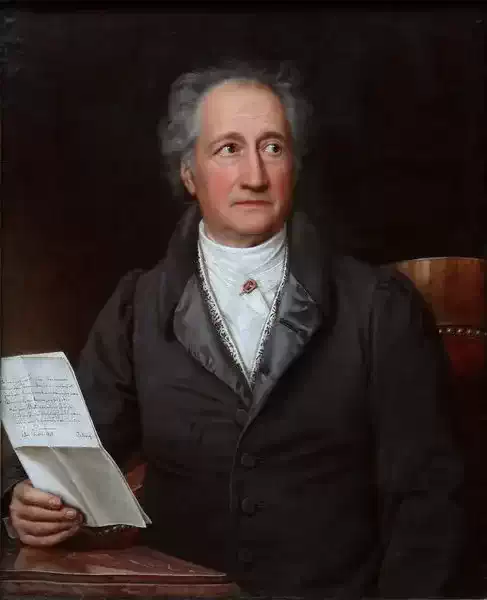
Johann Wolfgang von Goethe
Songs
Songs
SONGS are like painted window-panes!
In darkness wrapp'd the church remains,
If from the market-place we view it;
Thus sees the ignoramus through it.
No wonder that he deems it tame,--
And all his life 'twill be the same.
But let us now inside repair,
And greet the holy Chapel there!
At once the whole seems clear and bright,
Each ornament is bathed in light,
And fraught with meaning to the sight.
God's children! thus your fortune prize,
Be edified, and feast your eyes!
SONGS are like painted window-panes!
In darkness wrapp'd the church remains,
If from the market-place we view it;
Thus sees the ignoramus through it.
No wonder that he deems it tame,--
And all his life 'twill be the same.
But let us now inside repair,
And greet the holy Chapel there!
At once the whole seems clear and bright,
Each ornament is bathed in light,
And fraught with meaning to the sight.
God's children! thus your fortune prize,
Be edified, and feast your eyes!
457
Johann Wolfgang von Goethe
Solitude
Solitude
OH ye kindly nymphs, who dwell 'mongst the rocks and the thickets,
Grant unto each whatsoe'er he may in silence desire!
Comfort impart to the mourner, and give to the doubter instruction,
And let the lover rejoice, finding the bliss that he craves.
For from the gods ye received what they ever denied unto mortals,
Power to comfort and aid all who in you may confide.
OH ye kindly nymphs, who dwell 'mongst the rocks and the thickets,
Grant unto each whatsoe'er he may in silence desire!
Comfort impart to the mourner, and give to the doubter instruction,
And let the lover rejoice, finding the bliss that he craves.
For from the gods ye received what they ever denied unto mortals,
Power to comfort and aid all who in you may confide.
396
Johann Wolfgang von Goethe
Rhymed Distichs
Rhymed Distichs
WHO trusts in God,
Fears not His rod.
THIS truth may be by all believed:
Whom God deceives, is well deceived.
HOW? when? and where?-No answer comes from high;
Thou wait'st for the Because, and yet thou ask'st not Why?
IF the whole is ever to gladden thee,
That whole in the smallest thing thou must see.
WATER its living strength first shows,
When obstacles its course oppose.
TRANSPARENT appears the radiant air,
Though steel and stone in its breast it may bear;
At length they'll meet with fiery power,
And metal and stones on the earth will shower.
WHATE'ER a living flame may surround,
No longer is shapeless, or earthly bound.
'Tis now invisible, flies from earth,
And hastens on high to the place of its birth.
WHO trusts in God,
Fears not His rod.
THIS truth may be by all believed:
Whom God deceives, is well deceived.
HOW? when? and where?-No answer comes from high;
Thou wait'st for the Because, and yet thou ask'st not Why?
IF the whole is ever to gladden thee,
That whole in the smallest thing thou must see.
WATER its living strength first shows,
When obstacles its course oppose.
TRANSPARENT appears the radiant air,
Though steel and stone in its breast it may bear;
At length they'll meet with fiery power,
And metal and stones on the earth will shower.
WHATE'ER a living flame may surround,
No longer is shapeless, or earthly bound.
'Tis now invisible, flies from earth,
And hastens on high to the place of its birth.
425
Johann Wolfgang von Goethe
Procemion
Procemion
IN His blest name, who was His own creation,
Who from all time makes making his vocation;
The name of Him who makes our faith so bright,
Love, confidence, activity, and might;
In that One's name, who, named though oft He be,
Unknown is ever in Reality:
As far as ear can reach, or eyesight dim,
Thou findest but the known resembling Him;
How high so'er thy fiery spirit hovers,
Its simile and type it straight discovers
Onward thou'rt drawn, with feelings light and gay,
Where'er thou goest, smiling is the way;
No more thou numbrest, reckonest no time,
Each step is infinite, each step sublime.
WHAT God would outwardly alone control,
And on his finger whirl the mighty Whole?
He loves the inner world to move, to view
Nature in Him, Himself in Nature too,
So that what in Him works, and is, and lives,
The measure of His strength, His spirit gives.
WITHIN us all a universe doth dwell;
And hence each people's usage laudable,
That ev'ry one the Best that meets his eyes
As God, yea e'en his God, doth recognise;
To Him both earth and heaven surrenders he,
Fears Him, and loves Him too, if that may be.
IN His blest name, who was His own creation,
Who from all time makes making his vocation;
The name of Him who makes our faith so bright,
Love, confidence, activity, and might;
In that One's name, who, named though oft He be,
Unknown is ever in Reality:
As far as ear can reach, or eyesight dim,
Thou findest but the known resembling Him;
How high so'er thy fiery spirit hovers,
Its simile and type it straight discovers
Onward thou'rt drawn, with feelings light and gay,
Where'er thou goest, smiling is the way;
No more thou numbrest, reckonest no time,
Each step is infinite, each step sublime.
WHAT God would outwardly alone control,
And on his finger whirl the mighty Whole?
He loves the inner world to move, to view
Nature in Him, Himself in Nature too,
So that what in Him works, and is, and lives,
The measure of His strength, His spirit gives.
WITHIN us all a universe doth dwell;
And hence each people's usage laudable,
That ev'ry one the Best that meets his eyes
As God, yea e'en his God, doth recognise;
To Him both earth and heaven surrenders he,
Fears Him, and loves Him too, if that may be.
464
Johann Wolfgang von Goethe
My Goddess
My Goddess
SAY, which Immortal
Merits the highest reward?
With none contend I,
But I will give it
To the aye-changing,
Ever-moving
Wondrous daughter of Jove.
His best-beloved offspring.
Sweet Phantasy.
For unto her
Hath he granted
All the fancies which erst
To none allow'd he
Saving himself;
Now he takes his pleasure
In the mad one.
She may, crowned with roses,
With staff twined round with lilies,
Roam thro' flow'ry valleys,
Rule the butterfly-people,
And soft-nourishing dew
With bee-like lips
Drink from the blossom:
Or else she may
With fluttering hair
And gloomy looks
Sigh in the wind
Round rocky cliffs,
And thousand-hued.
Like morn and even.
Ever changing,
Like moonbeam's light,
To mortals appear.
Let us all, then,
Adore the Father!
The old, the mighty,
Who such a beauteous
Ne'er-fading spouse
Deigns to accord
To perishing mortals!
To us alone
Doth he unite her,
With heavenly bonds,
While he commands her,
in joy and sorrow,
As a true spouse
Never to fly us.
All the remaining
Races so poor
Of life-teeming earth.
In children so rich.
Wander and feed
In vacant enjoyment,
And 'mid the dark sorrows
Of evanescent
Restricted life,Bow'd
by the heavy
Yoke of Necessity.
But unto us he
Hath his most versatile,
Most cherished daughter
Granted,-what joy!
Lovingly greet her
As a beloved one!
Give her the woman's
Place in our home!
And oh, may the aged
Stepmother Wisdom
Her gentle spirit
Ne'er seek to harm!
Yet know I her sister,
The older, sedater,
Mine own silent friend;
Oh, may she never,
Till life's lamp is quench'd,
Turn away from me,-
That noble inciter,
Comforter,-Hope!
SAY, which Immortal
Merits the highest reward?
With none contend I,
But I will give it
To the aye-changing,
Ever-moving
Wondrous daughter of Jove.
His best-beloved offspring.
Sweet Phantasy.
For unto her
Hath he granted
All the fancies which erst
To none allow'd he
Saving himself;
Now he takes his pleasure
In the mad one.
She may, crowned with roses,
With staff twined round with lilies,
Roam thro' flow'ry valleys,
Rule the butterfly-people,
And soft-nourishing dew
With bee-like lips
Drink from the blossom:
Or else she may
With fluttering hair
And gloomy looks
Sigh in the wind
Round rocky cliffs,
And thousand-hued.
Like morn and even.
Ever changing,
Like moonbeam's light,
To mortals appear.
Let us all, then,
Adore the Father!
The old, the mighty,
Who such a beauteous
Ne'er-fading spouse
Deigns to accord
To perishing mortals!
To us alone
Doth he unite her,
With heavenly bonds,
While he commands her,
in joy and sorrow,
As a true spouse
Never to fly us.
All the remaining
Races so poor
Of life-teeming earth.
In children so rich.
Wander and feed
In vacant enjoyment,
And 'mid the dark sorrows
Of evanescent
Restricted life,Bow'd
by the heavy
Yoke of Necessity.
But unto us he
Hath his most versatile,
Most cherished daughter
Granted,-what joy!
Lovingly greet her
As a beloved one!
Give her the woman's
Place in our home!
And oh, may the aged
Stepmother Wisdom
Her gentle spirit
Ne'er seek to harm!
Yet know I her sister,
The older, sedater,
Mine own silent friend;
Oh, may she never,
Till life's lamp is quench'd,
Turn away from me,-
That noble inciter,
Comforter,-Hope!
372
Johann Wolfgang von Goethe
Legend
Legend
THERE lived in the desert a holy man
To whom a goat-footed Faun one day
Paid a visit, and thus began
To his surprise: 'I entreat thee to pray
That grace to me and my friends may be given,
That we may be able to mount to Heaven,
For great is our thirst for heav'nly bliss.'
The holy man made answer to this:
'Much danger is lurking in thy petition,
Nor will it be easy to gain admission;
Thou dost not come with an angel's salute;
For I see thou wearest a cloven foot.'
The wild man paused, and then answer'd he:
'What doth my goat's foot matter to thee?
Full many I've known into heaven to pass
Straight and with ease, with the head of an ass!'
THERE lived in the desert a holy man
To whom a goat-footed Faun one day
Paid a visit, and thus began
To his surprise: 'I entreat thee to pray
That grace to me and my friends may be given,
That we may be able to mount to Heaven,
For great is our thirst for heav'nly bliss.'
The holy man made answer to this:
'Much danger is lurking in thy petition,
Nor will it be easy to gain admission;
Thou dost not come with an angel's salute;
For I see thou wearest a cloven foot.'
The wild man paused, and then answer'd he:
'What doth my goat's foot matter to thee?
Full many I've known into heaven to pass
Straight and with ease, with the head of an ass!'
452
Johann Wolfgang von Goethe
It Is Good
It Is Good
IN Paradise while moonbeams play'd,
Jehovah found, in slumber deep,
Adam fast sunk; He gently laid
Eve near him,--she, too, fell asleep.
There lay they now, on earth's fair shrine,
God's two most beauteous thoughts divine.--
When this He saw, He cried:--'Tis Good!!!
And scarce could move from where He stood.
No wonder, that our joy's complete
While eye and eye responsive meet,
When this blest thought of rapture moves us--
That we're with Him who truly loves us,
And if He cries:--Good, let it be!
'Tis so for both, it seems to me.
Thou'rt clasp'd within these arms of mine,
Dearest of all God's thoughts divine!
IN Paradise while moonbeams play'd,
Jehovah found, in slumber deep,
Adam fast sunk; He gently laid
Eve near him,--she, too, fell asleep.
There lay they now, on earth's fair shrine,
God's two most beauteous thoughts divine.--
When this He saw, He cried:--'Tis Good!!!
And scarce could move from where He stood.
No wonder, that our joy's complete
While eye and eye responsive meet,
When this blest thought of rapture moves us--
That we're with Him who truly loves us,
And if He cries:--Good, let it be!
'Tis so for both, it seems to me.
Thou'rt clasp'd within these arms of mine,
Dearest of all God's thoughts divine!
356
Johann Wolfgang von Goethe
Ganymede
Ganymede
How, in the light of morning,
Round me thou glowest,
Spring, thou beloved one!
With thousand-varying loving bliss
The sacred emotions
Born of thy warmth eternal
Press 'gainst my bosom,
Thou endlessly fair one!
Could I but hold thee clasp'd
Within mine arms!
Ah! upon thy bosom
Lay I, pining,
And then thy flowers, thy grass,
Were pressing against my heart.
Thou coolest the burning
Thirst of my bosom,
Beauteous morning breeze!
The nightingale then calls me
Sweetly from out of the misty vale.
I come, I come!
Whither? Ah, whither?
Up, up, lies my course.
While downward the clouds
Are hovering, the clouds
Are bending to meet yearning love.
For me,
Within thine arms
Upwards!
Embraced and embracing!
Upwards into thy bosom,
Oh Father all-loving!
How, in the light of morning,
Round me thou glowest,
Spring, thou beloved one!
With thousand-varying loving bliss
The sacred emotions
Born of thy warmth eternal
Press 'gainst my bosom,
Thou endlessly fair one!
Could I but hold thee clasp'd
Within mine arms!
Ah! upon thy bosom
Lay I, pining,
And then thy flowers, thy grass,
Were pressing against my heart.
Thou coolest the burning
Thirst of my bosom,
Beauteous morning breeze!
The nightingale then calls me
Sweetly from out of the misty vale.
I come, I come!
Whither? Ah, whither?
Up, up, lies my course.
While downward the clouds
Are hovering, the clouds
Are bending to meet yearning love.
For me,
Within thine arms
Upwards!
Embraced and embracing!
Upwards into thy bosom,
Oh Father all-loving!
474
Johann Wolfgang von Goethe
From Faust - II. Prologue In Heaven
From Faust - II. Prologue In Heaven
THE ARCHANGELS' SONG.
RAPHAEL.
THE sun still chaunts, as in old time,
With brother-spheres in choral song,
And with his thunder-march sublime
Moves his predestined course along.
Strength find the angels in his sight,
Though he by none may fathomed be;
Still glorious is each work of might
As when first form'd in majesty.
GABRIEL.
And swift and swift, in wondrous guise,
Revolves the earth in splendour bright,
The radiant hues of Paradise
Alternating with deepest night.
From out the gulf against the rock,
In spreading billows foams the ocean,--
And cliff and sea with mighty shock,
The spheres whirl round in endless motion.
MICHAEL.
And storms in emulation growl
From land to sea, from sea to land,
And fashion, as they wildly howl,
A circling, wonder-working band.
Destructive flames in mad career
Precede Thy thunders on their way;
Yet, Lord, Thy messengers revere
The soft mutations of Thy day.
THE THREE.
Strength find the angels in Thy sight,
Though none may hope to fathom Thee;
Still glorious are Thy works of might,
As when first form'd in majesty.
THE ARCHANGELS' SONG.
RAPHAEL.
THE sun still chaunts, as in old time,
With brother-spheres in choral song,
And with his thunder-march sublime
Moves his predestined course along.
Strength find the angels in his sight,
Though he by none may fathomed be;
Still glorious is each work of might
As when first form'd in majesty.
GABRIEL.
And swift and swift, in wondrous guise,
Revolves the earth in splendour bright,
The radiant hues of Paradise
Alternating with deepest night.
From out the gulf against the rock,
In spreading billows foams the ocean,--
And cliff and sea with mighty shock,
The spheres whirl round in endless motion.
MICHAEL.
And storms in emulation growl
From land to sea, from sea to land,
And fashion, as they wildly howl,
A circling, wonder-working band.
Destructive flames in mad career
Precede Thy thunders on their way;
Yet, Lord, Thy messengers revere
The soft mutations of Thy day.
THE THREE.
Strength find the angels in Thy sight,
Though none may hope to fathom Thee;
Still glorious are Thy works of might,
As when first form'd in majesty.
361
Johann Wolfgang von Goethe
Faithful Eckart
Faithful Eckart
"OH, would we were further! Oh, would we were home,
The phantoms of night tow'rd us hastily come,
The band of the Sorceress sisters.
They hitherward speed, and on finding us here,
They'll drink, though with toil we have fetch'd it, the beer,
And leave us the pitchers all empty."
Thus speaking, the children with fear take to flight,
When sudden an old man appears in their sight:
"Be quiet, child! children, be quiet!
From hunting they come, and their thirst they would still,
So leave them to swallow as much as they will,
And the Evil Ones then will be gracious."
As said, so 'twas done! and the phantoms draw near,
And shadowlike seem they, and grey they appear,
~Yet blithely they sip and they revel
The beer has all vanish'd, the pitchers are void;
With cries and with shouts the wild hunters, o'erjoy'd,
Speed onward o'er vale and o'er mountain.
The children in terror fly nimbly tow'rd home,
And with them the kind one is careful to come:
"My darlings, oh, be not so mournful!-
"They'll blame us and beat us, until we are dead."-"
No, no! ye will find that all goes well," he said;
"Be silent as mice, then, and listen!
"And he by whose counsels thus wisely ye're taught,
Is he who with children loves ever to sport.
The trusty and faithful old Eckart.
Ye have heard of the wonder for many a day,
But ne'er had a proof of the marvellous lay,--
Your hands hold a proof most convincing."
They arrive at their home, and their pitchers they place
By the side of their parents, with fear on their face,
Awaiting a beating and scolding.
But see what they're tasting: the choicest of beer!
Though three times and four times they quaff the good cheer
The pitchers remain still unemptied.
The marvel it lasts till the dawning of day;
All people who hear of it doubtless will say:
"What happen'd at length to the pitchers?"
In secret the children they smile, as they wait;
At last, though, they stammer, and stutter, and prate,
And straightway the pitchers were empty.
And if, children, with kindness address'd ye may be,
Whether father, or master, or alderman he,
Obey him, and follow his bidding!
And if 'tis unpleasant to bridle the tongue,
Yet talking is bad, silence good for the young--
And then will the beer fill your pitchers!
"OH, would we were further! Oh, would we were home,
The phantoms of night tow'rd us hastily come,
The band of the Sorceress sisters.
They hitherward speed, and on finding us here,
They'll drink, though with toil we have fetch'd it, the beer,
And leave us the pitchers all empty."
Thus speaking, the children with fear take to flight,
When sudden an old man appears in their sight:
"Be quiet, child! children, be quiet!
From hunting they come, and their thirst they would still,
So leave them to swallow as much as they will,
And the Evil Ones then will be gracious."
As said, so 'twas done! and the phantoms draw near,
And shadowlike seem they, and grey they appear,
~Yet blithely they sip and they revel
The beer has all vanish'd, the pitchers are void;
With cries and with shouts the wild hunters, o'erjoy'd,
Speed onward o'er vale and o'er mountain.
The children in terror fly nimbly tow'rd home,
And with them the kind one is careful to come:
"My darlings, oh, be not so mournful!-
"They'll blame us and beat us, until we are dead."-"
No, no! ye will find that all goes well," he said;
"Be silent as mice, then, and listen!
"And he by whose counsels thus wisely ye're taught,
Is he who with children loves ever to sport.
The trusty and faithful old Eckart.
Ye have heard of the wonder for many a day,
But ne'er had a proof of the marvellous lay,--
Your hands hold a proof most convincing."
They arrive at their home, and their pitchers they place
By the side of their parents, with fear on their face,
Awaiting a beating and scolding.
But see what they're tasting: the choicest of beer!
Though three times and four times they quaff the good cheer
The pitchers remain still unemptied.
The marvel it lasts till the dawning of day;
All people who hear of it doubtless will say:
"What happen'd at length to the pitchers?"
In secret the children they smile, as they wait;
At last, though, they stammer, and stutter, and prate,
And straightway the pitchers were empty.
And if, children, with kindness address'd ye may be,
Whether father, or master, or alderman he,
Obey him, and follow his bidding!
And if 'tis unpleasant to bridle the tongue,
Yet talking is bad, silence good for the young--
And then will the beer fill your pitchers!
417
Johann Wolfgang von Goethe
Book Of Suleika - The Reunion
Book Of Suleika - The Reunion
CAN it be! of stars the star,
Do I press thee to my heart?
In the night of distance far,
What deep gulf, what bitter smart!
Yes, 'tis thou, indeed, at last,
Of my joys the partner dear!
Mindful, though, of sorrows past,
I the present needs must fear.
When the still-unfashion'd earth
Lay on God's eternal breast,
He ordain'd its hour of birth,
With creative joy possess'd.
Then a heavy sigh arose,
When He spake the sentence:--"Be!"
And the All, with mighty throes,
Burst into reality.
And when thus was born the light,
Darkness near it fear'd to stay,
And the elements with might
Fled on every side away;
Each on some far-distant trace,
Each with visions wild employ,
Numb, in boundless realm of space,
Harmony and feeling-void.
Dumb was all, all still and dead,
For the first time, God alone!
Then He form'd the morning-red,
Which soon made its kindness known:
It unravelled from the waste,
Bright and glowing harmony,
And once more with love was grac'd
What contended formerly.
And with earnest, noble strife,
Each its own Peculiar sought;
Back to full, unbounded life
Sight and feeling soon were brought.
Wherefore, if 'tis done, explore
How? why give the manner, name?
Allah need create no more,
We his world ourselves can frame.
So, with morning pinions bright,
To thy mouth was I impell'd;
Stamped with thousand seals by night,
Star-clear is the bond fast held.
Paragons on earth are we
Both of grief and joy sublime,
And a second sentence:--"Be!"
Parts us not a second time.
CAN it be! of stars the star,
Do I press thee to my heart?
In the night of distance far,
What deep gulf, what bitter smart!
Yes, 'tis thou, indeed, at last,
Of my joys the partner dear!
Mindful, though, of sorrows past,
I the present needs must fear.
When the still-unfashion'd earth
Lay on God's eternal breast,
He ordain'd its hour of birth,
With creative joy possess'd.
Then a heavy sigh arose,
When He spake the sentence:--"Be!"
And the All, with mighty throes,
Burst into reality.
And when thus was born the light,
Darkness near it fear'd to stay,
And the elements with might
Fled on every side away;
Each on some far-distant trace,
Each with visions wild employ,
Numb, in boundless realm of space,
Harmony and feeling-void.
Dumb was all, all still and dead,
For the first time, God alone!
Then He form'd the morning-red,
Which soon made its kindness known:
It unravelled from the waste,
Bright and glowing harmony,
And once more with love was grac'd
What contended formerly.
And with earnest, noble strife,
Each its own Peculiar sought;
Back to full, unbounded life
Sight and feeling soon were brought.
Wherefore, if 'tis done, explore
How? why give the manner, name?
Allah need create no more,
We his world ourselves can frame.
So, with morning pinions bright,
To thy mouth was I impell'd;
Stamped with thousand seals by night,
Star-clear is the bond fast held.
Paragons on earth are we
Both of grief and joy sublime,
And a second sentence:--"Be!"
Parts us not a second time.
499
Johann Wolfgang von Goethe
Book Of Paradise - The Privileged Men
Book Of Paradise - The Privileged Men
AFTER THE BATTLE OF BADE, BENEATH THE CANOPY OF HEAVEN.
MAHOMET (Speaks).
LET the foeman sorrow o'er his dead,
Ne'er will they return again to light;
O'er our brethren let no tear be shed,
For they dwell above yon spheres so bright.
All the seven planets open throw
All their metal doors with mighty shock,
And the forms of those we loved below
At the gates of Eden boldly knock.
There they find, with bliss ne'er dream'd before,
Glories that my flight first show'd to eye,
When the wondrous steed my person bore
In one second through the realms on high.
Wisdom's trees, in cypress-order growing,
High uphold the golden apples sweet;
Trees of life, their spreading shadows throwing,
Shade each blossoming plant, each flow'ry seat.
Now a balmy zephyr from the East
Brings the heavenly maidens to thy view;
With the eye thou now dost taste the feast,
Soon the sight pervades thee through and through.
There they stand, to ask thee thy career:
Mighty plans? or dangerous bloody rout?
Thou'rt a hero, know they,--for Thourt here,
What a hero?--This they'll fathom out.
By thy wounds soon clearly this is shown,
Wounds that write thy fame's undying story;
Wounds the true believer mark alone,
When have perish'd joy and earthly glory.
To chiosks and arbors thou art brought,
Fill'd with checkered marble columns bright;
To the noble grape-juice, solace-fraught,
They the guest with kindly sips invite.
Youth! Thou'rt welcome more than e'er was youth
All alike are radiant and serene;
When thou tak'st one to thine heart with truth,
Of thy band she'll be the friend and queen.
So prepare thee for this place of rest,
Never can it now be changed again;
Maids like these will ever make thee blest,
Wines like these will never harm thy brain.
AFTER THE BATTLE OF BADE, BENEATH THE CANOPY OF HEAVEN.
MAHOMET (Speaks).
LET the foeman sorrow o'er his dead,
Ne'er will they return again to light;
O'er our brethren let no tear be shed,
For they dwell above yon spheres so bright.
All the seven planets open throw
All their metal doors with mighty shock,
And the forms of those we loved below
At the gates of Eden boldly knock.
There they find, with bliss ne'er dream'd before,
Glories that my flight first show'd to eye,
When the wondrous steed my person bore
In one second through the realms on high.
Wisdom's trees, in cypress-order growing,
High uphold the golden apples sweet;
Trees of life, their spreading shadows throwing,
Shade each blossoming plant, each flow'ry seat.
Now a balmy zephyr from the East
Brings the heavenly maidens to thy view;
With the eye thou now dost taste the feast,
Soon the sight pervades thee through and through.
There they stand, to ask thee thy career:
Mighty plans? or dangerous bloody rout?
Thou'rt a hero, know they,--for Thourt here,
What a hero?--This they'll fathom out.
By thy wounds soon clearly this is shown,
Wounds that write thy fame's undying story;
Wounds the true believer mark alone,
When have perish'd joy and earthly glory.
To chiosks and arbors thou art brought,
Fill'd with checkered marble columns bright;
To the noble grape-juice, solace-fraught,
They the guest with kindly sips invite.
Youth! Thou'rt welcome more than e'er was youth
All alike are radiant and serene;
When thou tak'st one to thine heart with truth,
Of thy band she'll be the friend and queen.
So prepare thee for this place of rest,
Never can it now be changed again;
Maids like these will ever make thee blest,
Wines like these will never harm thy brain.
392
Johann Wolfgang von Goethe
Book Of Parables - In The Koran With Strange Delight
Book Of Parables - In The Koran With Strange Delight
In the Koran with strange delight
A peacock's feather met my sight:
Thou'rt welcome in this holy place,
The highest prize on earth's wide face!
As in the stars of heaven, in thee,
God's greatness in the small we see;
For he whose gaze whole worlds bath bless'd
His eye hath even here impress'd,
And the light down in beauty dress'd,
So that e'en monarchs cannot hope
In splendour with the bird to cope.
Meekly enjoy thy happy lot,
And so deserve that holy spot!
In the Koran with strange delight
A peacock's feather met my sight:
Thou'rt welcome in this holy place,
The highest prize on earth's wide face!
As in the stars of heaven, in thee,
God's greatness in the small we see;
For he whose gaze whole worlds bath bless'd
His eye hath even here impress'd,
And the light down in beauty dress'd,
So that e'en monarchs cannot hope
In splendour with the bird to cope.
Meekly enjoy thy happy lot,
And so deserve that holy spot!
279
Johann Wolfgang von Goethe
Book Of Parables - Bulbul's Song
Book Of Parables - Bulbul's Song
BULBUL'S song, through night hours cold,
Rose to Allah's throne on high;
To reward her melody,
Giveth he a cage of gold.
Such a cage are limbs of men,--
Though at first she feels confin'd,
Yet when all she brings to mind,
Straight the spirit sings again.
BULBUL'S song, through night hours cold,
Rose to Allah's throne on high;
To reward her melody,
Giveth he a cage of gold.
Such a cage are limbs of men,--
Though at first she feels confin'd,
Yet when all she brings to mind,
Straight the spirit sings again.
340
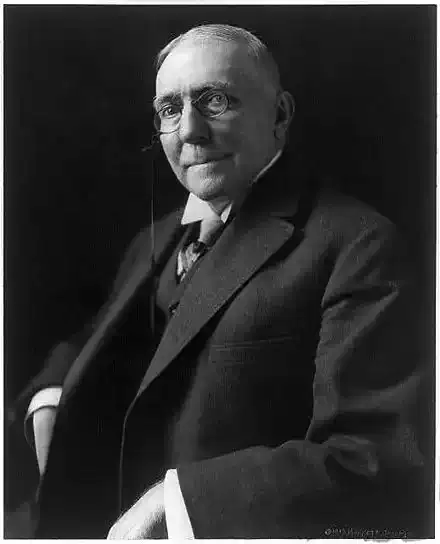
James Whitcomb Riley
When Bessie Died
When Bessie Died
If from your own the dimpled hands had slipped,
And ne'er would nestle in your palm again;
If the white feet into the grave had tripped--'
When Bessie died--
We braided the brown hair, and tied
It just as her own little hands
Had fastened back the silken strands
A thousand times-- the crimson bit
Of ribbon woven into it
That she had worn with childish pride--
Smoothed down the dainty bow-- and cried
When Bessie died.
When Bessie died--
We drew the nursery blinds aside,
And as the morning in the room
Burst like a primrose into bloom,
Her pet canary's cage we hung
Where she might hear him when he sung--
And yet not any note he tried,
Though she lay listening folded-eyed.
When Bessie died--
We writhed in prayer unsatisfied:
We begged of God, and He did smile
In silence on us all the while;
And we did see Him, through our tears,
Enfolding that fair form of hers,
She laughing back against His love
The kisses had nothing of--
And death to us He still denied,
When Bessie died--
When Bessie died.
If from your own the dimpled hands had slipped,
And ne'er would nestle in your palm again;
If the white feet into the grave had tripped--'
When Bessie died--
We braided the brown hair, and tied
It just as her own little hands
Had fastened back the silken strands
A thousand times-- the crimson bit
Of ribbon woven into it
That she had worn with childish pride--
Smoothed down the dainty bow-- and cried
When Bessie died.
When Bessie died--
We drew the nursery blinds aside,
And as the morning in the room
Burst like a primrose into bloom,
Her pet canary's cage we hung
Where she might hear him when he sung--
And yet not any note he tried,
Though she lay listening folded-eyed.
When Bessie died--
We writhed in prayer unsatisfied:
We begged of God, and He did smile
In silence on us all the while;
And we did see Him, through our tears,
Enfolding that fair form of hers,
She laughing back against His love
The kisses had nothing of--
And death to us He still denied,
When Bessie died--
When Bessie died.
273
James Whitcomb Riley
We Must Believe
We Must Believe
_'Lord, I believe: help Thou mine unbelief.'_
We must believe--
Being from birth endowed with love and trust--
Born unto loving;--and how simply just
That love--that faith!--even in the blossom-face
The babe drops dreamward in its resting-place,
Intuitively conscious of the sure
Awakening to rapture ever pure
And sweet and saintly as the mother's own,
Or the awed father's, as his arms are thrown
O'er wife and child, to round about them weave
And wind and bind them as one harvest-sheaf
Of love--to cleave to, and _forever_ cleave....
Lord, I believe:
Help Thou mine unbelief.
We must believe--
Impelled since infancy to seek some clear
Fulfillment, still withheld all seekers here;--
For never have we seen perfection nor
The glory we are ever seeking for:
But we _have_ seen--all mortal souls as one--
Have seen its _promise_, in the morning sun--
Its blest assurance, in the stars of night;--
The ever-dawning of the dark to light;--
The tears down-falling from all eyes that grieve--
The eyes uplifting from all deeps of grief,
Yearning for what at last we shall receive....
Lord, I believe:
Help Thou mine unbelief.
We must believe--
For still all unappeased our hunger goes,
From life's first waking, to its last repose:
The briefest life of any babe, or man
Outwearing even the allotted span,
Is each a life unfinished--incomplete:
For these, then, of th' outworn, or unworn feet
Denied one toddling step--O there must be
Some fair, green, flowery pathway endlessly
Winding through lands Elysian! Lord, receive
And lead each as Thine Own Child--even the Chief
Of us who didst Immortal life achieve....
Lord, I believe:
Help Thou mine unbelief.
_'Lord, I believe: help Thou mine unbelief.'_
We must believe--
Being from birth endowed with love and trust--
Born unto loving;--and how simply just
That love--that faith!--even in the blossom-face
The babe drops dreamward in its resting-place,
Intuitively conscious of the sure
Awakening to rapture ever pure
And sweet and saintly as the mother's own,
Or the awed father's, as his arms are thrown
O'er wife and child, to round about them weave
And wind and bind them as one harvest-sheaf
Of love--to cleave to, and _forever_ cleave....
Lord, I believe:
Help Thou mine unbelief.
We must believe--
Impelled since infancy to seek some clear
Fulfillment, still withheld all seekers here;--
For never have we seen perfection nor
The glory we are ever seeking for:
But we _have_ seen--all mortal souls as one--
Have seen its _promise_, in the morning sun--
Its blest assurance, in the stars of night;--
The ever-dawning of the dark to light;--
The tears down-falling from all eyes that grieve--
The eyes uplifting from all deeps of grief,
Yearning for what at last we shall receive....
Lord, I believe:
Help Thou mine unbelief.
We must believe--
For still all unappeased our hunger goes,
From life's first waking, to its last repose:
The briefest life of any babe, or man
Outwearing even the allotted span,
Is each a life unfinished--incomplete:
For these, then, of th' outworn, or unworn feet
Denied one toddling step--O there must be
Some fair, green, flowery pathway endlessly
Winding through lands Elysian! Lord, receive
And lead each as Thine Own Child--even the Chief
Of us who didst Immortal life achieve....
Lord, I believe:
Help Thou mine unbelief.
275
James Whitcomb Riley
The Watches Of The Night
The Watches Of The Night
O the waiting in the watches of the night!
In the darkness, desolation, and contrition and affright;
The awful hush that holds us shut away from all delight:
The ever weary memory that ever weary goes
Recounting ever over every aching loss it knows--
The ever weary eyelids gasping ever for repose--
In the dreary, weary watches of the night!
Dark--stifling dark--the watches of the night!
With tingling nerves at tension, how the blackness flashes white
With spectral visitations smitten past the inner sight!--
What shuddering sense of wrongs we've wrought
that may not be redressed--
Of tears we did not brush away--of lips we left unpressed,
And hands that we let fall, with all their loyalty unguessed!
Ah! the empty, empty watches of the night!
What solace in the watches of the night?--
What frailest staff of hope to stay--what faintest shaft of light?
Do we _dream_ and dare _believe_ it, that by never weight of right
Of our own poor weak deservings, we shall win the dawn at last--
Our famished souls find freedom from this penance for the past,
In a faith that leaps and lightens from the gloom
that flees aghast--
Shall we survive the watches of the night?
One leads us through the watches of the night--
By the ceaseless intercession of our loved ones lost to sight
He is with us through all trials, in His mercy and His might;--
With our mothers there about Him, all our sorrow disappears,
Till the silence of our sobbing is the prayer the Master hears,
And His hand is laid upon us with the tenderness of tears
In the waning of the watches of the night.
O the waiting in the watches of the night!
In the darkness, desolation, and contrition and affright;
The awful hush that holds us shut away from all delight:
The ever weary memory that ever weary goes
Recounting ever over every aching loss it knows--
The ever weary eyelids gasping ever for repose--
In the dreary, weary watches of the night!
Dark--stifling dark--the watches of the night!
With tingling nerves at tension, how the blackness flashes white
With spectral visitations smitten past the inner sight!--
What shuddering sense of wrongs we've wrought
that may not be redressed--
Of tears we did not brush away--of lips we left unpressed,
And hands that we let fall, with all their loyalty unguessed!
Ah! the empty, empty watches of the night!
What solace in the watches of the night?--
What frailest staff of hope to stay--what faintest shaft of light?
Do we _dream_ and dare _believe_ it, that by never weight of right
Of our own poor weak deservings, we shall win the dawn at last--
Our famished souls find freedom from this penance for the past,
In a faith that leaps and lightens from the gloom
that flees aghast--
Shall we survive the watches of the night?
One leads us through the watches of the night--
By the ceaseless intercession of our loved ones lost to sight
He is with us through all trials, in His mercy and His might;--
With our mothers there about Him, all our sorrow disappears,
Till the silence of our sobbing is the prayer the Master hears,
And His hand is laid upon us with the tenderness of tears
In the waning of the watches of the night.
319
James Whitcomb Riley
The Shower
The Shower
The landscape, like the awed face of a child,
Grew curiously blurred; a hush of death
Fell on the fields, and in the darkened wild
The zephyr held its breath.
No wavering glamour-work of light and shade
Dappled the shivering surface of the brook;
The frightened ripples in their ambuscade
Of willows thrilled and shook.
The sullen day grew darker, and anon
Dim flashes of pent anger lit the sky;
With rumbling wheels of wrath came rolling on
The storm's artillery.
The cloud above put on its blackest frown,
And then, as with a vengeful cry of pain,
The lightning snatched it, ripped and flung it down
In ravelled shreds of rain:
While I, transfigured by some wondrous art,
Bowed with the thirsty lilies to the sod,
My empty soul brimmed over, and my heart
Drenched with the love of God.
The landscape, like the awed face of a child,
Grew curiously blurred; a hush of death
Fell on the fields, and in the darkened wild
The zephyr held its breath.
No wavering glamour-work of light and shade
Dappled the shivering surface of the brook;
The frightened ripples in their ambuscade
Of willows thrilled and shook.
The sullen day grew darker, and anon
Dim flashes of pent anger lit the sky;
With rumbling wheels of wrath came rolling on
The storm's artillery.
The cloud above put on its blackest frown,
And then, as with a vengeful cry of pain,
The lightning snatched it, ripped and flung it down
In ravelled shreds of rain:
While I, transfigured by some wondrous art,
Bowed with the thirsty lilies to the sod,
My empty soul brimmed over, and my heart
Drenched with the love of God.
299
James Whitcomb Riley
The Rainy Morning
The Rainy Morning
The dawn of the day was dreary,
And the lowering clouds o'erhead
Wept in a silent sorrow
Where the sweet sunshine lay dead;
And a wind came out of the eastward
Like an endless sigh of pain,
And the leaves fell down in the pathway
And writhed in the falling rain.
I had tried in a brave endeavor
To chord my harp with the sun,
But the strings would slacken ever,
And the task was a weary one:
And so, like a child impatient
And sick of a discontent,
I bowed in a shower of tear-drops
And mourned with the instrument.
And lo! as I bowed, the splendor
Of the sun bent over me,
With a touch as warm and tender
As a father's hand might be:
And, even as I felt its presence,
My clouded soul grew bright,
And the tears, like the rain of morning,
Melted in mists of light.
The dawn of the day was dreary,
And the lowering clouds o'erhead
Wept in a silent sorrow
Where the sweet sunshine lay dead;
And a wind came out of the eastward
Like an endless sigh of pain,
And the leaves fell down in the pathway
And writhed in the falling rain.
I had tried in a brave endeavor
To chord my harp with the sun,
But the strings would slacken ever,
And the task was a weary one:
And so, like a child impatient
And sick of a discontent,
I bowed in a shower of tear-drops
And mourned with the instrument.
And lo! as I bowed, the splendor
Of the sun bent over me,
With a touch as warm and tender
As a father's hand might be:
And, even as I felt its presence,
My clouded soul grew bright,
And the tears, like the rain of morning,
Melted in mists of light.
319
James Whitcomb Riley
The Legend Glorified
The Legend Glorified
'I deem that God is not disquieted'--
This in a mighty poet's rhymes I read;
And blazoned so forever doth abide
Within my soul the legend glorified.
Though awful tempests thunder overhead,
I deem that God is not disquieted,--
The faith that trembles somewhat yet is sure
Through storm and darkness of a way secure.
Bleak winters, when the naked spirit hears
The break of hearts, through stinging sleet of tears,
I deem that God is not disquieted;
Against all stresses am I clothed and fed.
Nay, even with fixed eyes and broken breath,
My feet dip down into the tides of death,
Nor any friend be left, nor prayer be said,
I deem that God is not disquieted.
'I deem that God is not disquieted'--
This in a mighty poet's rhymes I read;
And blazoned so forever doth abide
Within my soul the legend glorified.
Though awful tempests thunder overhead,
I deem that God is not disquieted,--
The faith that trembles somewhat yet is sure
Through storm and darkness of a way secure.
Bleak winters, when the naked spirit hears
The break of hearts, through stinging sleet of tears,
I deem that God is not disquieted;
Against all stresses am I clothed and fed.
Nay, even with fixed eyes and broken breath,
My feet dip down into the tides of death,
Nor any friend be left, nor prayer be said,
I deem that God is not disquieted.
275
James Whitcomb Riley
The Hereafter
The Hereafter
Hereafter! O we need not waste
Our smiles or tears, whatever befall:
No happiness but holds a taste
Of something sweeter, after all;--
No depth of agony but feels
Some fragment of abiding trust,--
Whatever death unlocks or seals,
The mute beyond is just.
Hereafter! O we need not waste
Our smiles or tears, whatever befall:
No happiness but holds a taste
Of something sweeter, after all;--
No depth of agony but feels
Some fragment of abiding trust,--
Whatever death unlocks or seals,
The mute beyond is just.
272
James Whitcomb Riley
The Curse Of The Wandering Foot
The Curse Of The Wandering Foot
All hope of rest withdrawn me?--
What dread command hath put
This awful curse upon me--
The curse of the wandering foot!
Forward and backward and thither,
And hither and yon again--
Wandering ever! And whither?
Answer them, God! Amen.
The blue skies are far o'er me---
The bleak fields near below:
Where the mother that bore me?--
Where her grave in the snow?--
Glad in her trough of a coffin--
The sad eyes frozen shut
That wept so often, often,
The curse of the wandering foot!
Here in your marts I care not
Whatsoever ye think.
Good folk many who dare not
Give me to eat and drink:
Give me to sup of your pity--
Feast me on prayers!--O ye,
Met I your Christ in the city
He would fare forth with me--
Forward and onward and thither,
And hither again and yon,
With milk for our drink together
And honey to feed upon--
Nor hope of rest withdrawn us,
Since the one Father put
The blessed curse upon us--
The curse of the wandering foot.
All hope of rest withdrawn me?--
What dread command hath put
This awful curse upon me--
The curse of the wandering foot!
Forward and backward and thither,
And hither and yon again--
Wandering ever! And whither?
Answer them, God! Amen.
The blue skies are far o'er me---
The bleak fields near below:
Where the mother that bore me?--
Where her grave in the snow?--
Glad in her trough of a coffin--
The sad eyes frozen shut
That wept so often, often,
The curse of the wandering foot!
Here in your marts I care not
Whatsoever ye think.
Good folk many who dare not
Give me to eat and drink:
Give me to sup of your pity--
Feast me on prayers!--O ye,
Met I your Christ in the city
He would fare forth with me--
Forward and onward and thither,
And hither again and yon,
With milk for our drink together
And honey to feed upon--
Nor hope of rest withdrawn us,
Since the one Father put
The blessed curse upon us--
The curse of the wandering foot.
266
James Whitcomb Riley
The Chant Of The Cross-Bearing Child
The Chant Of The Cross-Bearing Child
I bear dis cross dis many a mile.
O de cross-bearin' chile--
De cross-bearin' chile!
I bear dis cross 'long many a road
Wha' de pink ain't bloom' an' de grass done mowed.
O de cross-bearin' chile--
De cross-bearin' chile!
Hits on my conscience all dese days
Fo' ter bear de cross ut de good Lord lays
On my po' soul, an' ter lif my praise.
O de cross-bearin' chile--
De cross-bearin' chile!
I 's nigh-'bout weak ez I mos' kin be,
Yit de Marstah call an' He say,--'You 's free
Fo' ter 'cept dis cross, an' ter cringe yo' knee
To no n'er man in de worl' but me!'
O de cross-bearin' chile--
De cross-bearin' chile!
Says you guess wrong, ef I let you guess--
Says you 'spec' mo', an'-a you git less:--
Says you go eas', says you go wes',
An' whense you fine de road ut you like bes'
You betteh take ch'ice er any er de res'!
O de cross-bearin' chile--
De cross-bearin' chile!
He build my feet, an' He fix de signs
Dat de shoe hit pinch an' de shoe hit bines
Ef I on'y w'ah eights an-a wanter w'ah nines;
I hone fo' de rain, an' de sun hit shines,
An' whilse I hunt de sun, hits de rain I fines.-O-
a trim my lamp, an-a gyrd my lines!
O de cross-bearin' chile--
De cross-bearin' chile!
I wade de wet, an' I walk de dry:
I done tromp long, an' I done clim high;
An' I pilgrim on ter de jasper sky,
An' I taken de resk fo' ter cas' my eye
Wha' de Gate swing wide an' de Lord draw nigh,
An' de Trump hit blow, an' I hear de cry,-'
You lay dat cross down by an' by!--
O de Cross-bearin' Chile--
Do Cross-bearin' Chile!'
I bear dis cross dis many a mile.
O de cross-bearin' chile--
De cross-bearin' chile!
I bear dis cross 'long many a road
Wha' de pink ain't bloom' an' de grass done mowed.
O de cross-bearin' chile--
De cross-bearin' chile!
Hits on my conscience all dese days
Fo' ter bear de cross ut de good Lord lays
On my po' soul, an' ter lif my praise.
O de cross-bearin' chile--
De cross-bearin' chile!
I 's nigh-'bout weak ez I mos' kin be,
Yit de Marstah call an' He say,--'You 's free
Fo' ter 'cept dis cross, an' ter cringe yo' knee
To no n'er man in de worl' but me!'
O de cross-bearin' chile--
De cross-bearin' chile!
Says you guess wrong, ef I let you guess--
Says you 'spec' mo', an'-a you git less:--
Says you go eas', says you go wes',
An' whense you fine de road ut you like bes'
You betteh take ch'ice er any er de res'!
O de cross-bearin' chile--
De cross-bearin' chile!
He build my feet, an' He fix de signs
Dat de shoe hit pinch an' de shoe hit bines
Ef I on'y w'ah eights an-a wanter w'ah nines;
I hone fo' de rain, an' de sun hit shines,
An' whilse I hunt de sun, hits de rain I fines.-O-
a trim my lamp, an-a gyrd my lines!
O de cross-bearin' chile--
De cross-bearin' chile!
I wade de wet, an' I walk de dry:
I done tromp long, an' I done clim high;
An' I pilgrim on ter de jasper sky,
An' I taken de resk fo' ter cas' my eye
Wha' de Gate swing wide an' de Lord draw nigh,
An' de Trump hit blow, an' I hear de cry,-'
You lay dat cross down by an' by!--
O de Cross-bearin' Chile--
Do Cross-bearin' Chile!'
237
James Whitcomb Riley
Out Of Nazareth
Out Of Nazareth
'He shall sleep unscathed of thieves
Who loves Allah and believes.'
Thus heard one who shared the tent,
In the far-off Orient,
Of the Bedouin ben Ahrzz--
Nobler never loved the stars
Through the palm-leaves nigh the dim
Dawn his courser neighed to him!
He said: 'Let the sands be swarmed
With such thieves as I, and thou
Shalt at morning rise unharmed,
Light as eyelash to the brow
Of thy camel amber-eyed,
Ever munching either side,
Striding still, with nestled knees,
Through the midnight's oases.'
'Who can rob thee an thou hast
More than this that thou hast cast
At my feet-- this dust of gold?
Simply this and that, all told!
Hast thou not a treasure of
Such a thing as men call love?'
'Can the dusky band I lead
Rob thee of thy daily need
Of a whiter soul, or steal
What thy lordly prayers reveal?
Who could be enriched of thee
By such hoard of poverty
As thy niggard hand pretends
To dole me-- thy worst of friends?
Therefore shouldst thou pause to bless
One indeed who blesses thee:
Robbing thee, I dispossess
But myself--. Pray thou for me!'
He shall sleep unscathed of thieves
Who loves Allah and believes.
'He shall sleep unscathed of thieves
Who loves Allah and believes.'
Thus heard one who shared the tent,
In the far-off Orient,
Of the Bedouin ben Ahrzz--
Nobler never loved the stars
Through the palm-leaves nigh the dim
Dawn his courser neighed to him!
He said: 'Let the sands be swarmed
With such thieves as I, and thou
Shalt at morning rise unharmed,
Light as eyelash to the brow
Of thy camel amber-eyed,
Ever munching either side,
Striding still, with nestled knees,
Through the midnight's oases.'
'Who can rob thee an thou hast
More than this that thou hast cast
At my feet-- this dust of gold?
Simply this and that, all told!
Hast thou not a treasure of
Such a thing as men call love?'
'Can the dusky band I lead
Rob thee of thy daily need
Of a whiter soul, or steal
What thy lordly prayers reveal?
Who could be enriched of thee
By such hoard of poverty
As thy niggard hand pretends
To dole me-- thy worst of friends?
Therefore shouldst thou pause to bless
One indeed who blesses thee:
Robbing thee, I dispossess
But myself--. Pray thou for me!'
He shall sleep unscathed of thieves
Who loves Allah and believes.
252