

Poems in this topic
Gratitude

Henry Lawson
That There Dog O' Mine
That There Dog O' Mine
Macquarie the shearer had met with an accident. To tell the truth, he had been in a
drunken row at a wayside shanty, from which he had escaped with three fractured ribs,
a cracked head, and various minor abrasions. His dog, Tally, had been a sober but
savage participator in the drunken row, and had escaped with a broken leg.
Macquarie afterwards shouldered his swag and staggered and struggled along the track
ten miles to the Union-Town Hospital. Lord knows how he did it. He didn't exactly know
himself. Tally limped behind all the way on three legs. The doctors examined the man's
injuries and were surprised at his endurance.
Even doctors are surprised sometimes - though they don't always show it. Of course
they would take him in, but they objected to Tally. Dogs were not allowed on the
premises. 'You will have to turn that dog out,' they said to the shearer, as he sat on
the edge of a bed.
Macquarie said nothing. 'We cannot allow dogs about the place, my man,' said the
doctor in a louder tone, thinking the man was deaf. 'Tie him up in the yard then.' 'No.
He must go out. Dogs are not permitted on the grounds.'
Macquarie rose slowly to his feet, shut his agony behind his set teeth painfully
buttoned his shirt over his hairy chest, took up his waistcoat, and staggered to the
comer where the swag lay. 'What are you going to do?' they asked.
'You ain't going to let my dog stop?' 'No. It's against the rules. There are no dogs
allowed on the premises.' He stooped and lifted his swag, but the pain was too great,
and he leaned back against the wall.
'Come, come now! man alive!' exclaimed the doctor, impatiently. 'You must be mad.
You know you are not in a fit state to go out. Let the wardsman help you to undress.'
'No!' said Macquarie. 'No. If you won't take my dog in you don't take me. He's got a
broken leg and wants fixing up just - just as much as - as I do.
If I'm good enough to come in, he's good enough - and - and better.' He paused
awhile, breathing painfully, and then went on. 'That - that there old dog of mine has
follered me faithful and true, these twelve long hard and hungry years. He's about about
the only thing that ever cared whether I lived or fell and rotted on the cursed
track.'
He rested again; then he continued: 'That - that there dog was pupped on the track,'
he said with a sad sort of smile. 'I carried him for months in a billy can and afterwards
on my swag when he was knocked up… And the old slut - his mother - she'd foller
along quite contented - sniff the billy now and again - just to see if he was all right…
She follered me for God knows how many years. She follered me till she was blind and
for a year after. She folleredme till she could crawl along through the dust no
longer, and - and then I killed her, because I couldn't leave her behind alive! '
He rested again. 'And this here old dog,' he continued, touching Tally's upturned nose
with his knotted fingers, 'this here old dog has follered me for - for ten years; through
floods and droughts, through fair times and - and hard - mostly hard; and kept me
from going mad when I had no mate nor money on the lonely track and watched over
me for weeks when I was drunk - drugged and poisoned at the cursed shanties; and
saved my life more'n once, and got kicks and curses very often for thanks; and forgave
me for it all; and - and fought for me.
He was the only living thing that stood up for me against that crawling push of curs
when they set onter me at the shanty back yonder - and he left his mark on some of
'em too; and - and so did I.' He took another spell.
Then he drew in his breath, shut his teeth hard, shouldered his swag, stepped into the
doorway, and faced round again. The dog limped out of the comer and looked up
anxiously. 'That there dog,' said Macquarie to the Hospital staff in general, 'is a better
dog than I'm a man - or you too, it seems - and a better Christian.
He's been a better mate to me than I ever was to any man - or any man to me. He's
watched over me; kep' me from getting robbed many a time; fought for me; saved my
life and took drunken kicks and curses for thanks - and forgave me. He's been a true,
straight, honest, and faithful mate to me - and I ain't going to desert him now. I ain't
going to kick him out in the road with a broken leg. I - Oh, my God! my back!'
He groaned and lurched forward, but they caught him, slipped off the swag, and laid
him on a bed. Half an hour later the shearer was comfortably fixed up. 'Where's my
dog?' he asked, when he came to himself.
'Oh, the dog's all right,' said the nurse, rather impatiently. 'Don't bother. The doctor's
setting his leg out in the yard.'
Macquarie the shearer had met with an accident. To tell the truth, he had been in a
drunken row at a wayside shanty, from which he had escaped with three fractured ribs,
a cracked head, and various minor abrasions. His dog, Tally, had been a sober but
savage participator in the drunken row, and had escaped with a broken leg.
Macquarie afterwards shouldered his swag and staggered and struggled along the track
ten miles to the Union-Town Hospital. Lord knows how he did it. He didn't exactly know
himself. Tally limped behind all the way on three legs. The doctors examined the man's
injuries and were surprised at his endurance.
Even doctors are surprised sometimes - though they don't always show it. Of course
they would take him in, but they objected to Tally. Dogs were not allowed on the
premises. 'You will have to turn that dog out,' they said to the shearer, as he sat on
the edge of a bed.
Macquarie said nothing. 'We cannot allow dogs about the place, my man,' said the
doctor in a louder tone, thinking the man was deaf. 'Tie him up in the yard then.' 'No.
He must go out. Dogs are not permitted on the grounds.'
Macquarie rose slowly to his feet, shut his agony behind his set teeth painfully
buttoned his shirt over his hairy chest, took up his waistcoat, and staggered to the
comer where the swag lay. 'What are you going to do?' they asked.
'You ain't going to let my dog stop?' 'No. It's against the rules. There are no dogs
allowed on the premises.' He stooped and lifted his swag, but the pain was too great,
and he leaned back against the wall.
'Come, come now! man alive!' exclaimed the doctor, impatiently. 'You must be mad.
You know you are not in a fit state to go out. Let the wardsman help you to undress.'
'No!' said Macquarie. 'No. If you won't take my dog in you don't take me. He's got a
broken leg and wants fixing up just - just as much as - as I do.
If I'm good enough to come in, he's good enough - and - and better.' He paused
awhile, breathing painfully, and then went on. 'That - that there old dog of mine has
follered me faithful and true, these twelve long hard and hungry years. He's about about
the only thing that ever cared whether I lived or fell and rotted on the cursed
track.'
He rested again; then he continued: 'That - that there dog was pupped on the track,'
he said with a sad sort of smile. 'I carried him for months in a billy can and afterwards
on my swag when he was knocked up… And the old slut - his mother - she'd foller
along quite contented - sniff the billy now and again - just to see if he was all right…
She follered me for God knows how many years. She follered me till she was blind and
for a year after. She folleredme till she could crawl along through the dust no
longer, and - and then I killed her, because I couldn't leave her behind alive! '
He rested again. 'And this here old dog,' he continued, touching Tally's upturned nose
with his knotted fingers, 'this here old dog has follered me for - for ten years; through
floods and droughts, through fair times and - and hard - mostly hard; and kept me
from going mad when I had no mate nor money on the lonely track and watched over
me for weeks when I was drunk - drugged and poisoned at the cursed shanties; and
saved my life more'n once, and got kicks and curses very often for thanks; and forgave
me for it all; and - and fought for me.
He was the only living thing that stood up for me against that crawling push of curs
when they set onter me at the shanty back yonder - and he left his mark on some of
'em too; and - and so did I.' He took another spell.
Then he drew in his breath, shut his teeth hard, shouldered his swag, stepped into the
doorway, and faced round again. The dog limped out of the comer and looked up
anxiously. 'That there dog,' said Macquarie to the Hospital staff in general, 'is a better
dog than I'm a man - or you too, it seems - and a better Christian.
He's been a better mate to me than I ever was to any man - or any man to me. He's
watched over me; kep' me from getting robbed many a time; fought for me; saved my
life and took drunken kicks and curses for thanks - and forgave me. He's been a true,
straight, honest, and faithful mate to me - and I ain't going to desert him now. I ain't
going to kick him out in the road with a broken leg. I - Oh, my God! my back!'
He groaned and lurched forward, but they caught him, slipped off the swag, and laid
him on a bed. Half an hour later the shearer was comfortably fixed up. 'Where's my
dog?' he asked, when he came to himself.
'Oh, the dog's all right,' said the nurse, rather impatiently. 'Don't bother. The doctor's
setting his leg out in the yard.'
223
Henry Lawson
Talbragar
Talbragar
Jack Denver died on Talbragar when Christmas Eve began,
And there was sorrow round the place, for Denver was a man;
Jack Denver’s wife bowed down her head—her daughter’s grief was wild,
And big Ben Duggan by the bed stood sobbing like a child.
But big Ben Duggan saddled up, and galloped fast and far,
To raise the biggest funeral ever seen on Talbragar.
By station home
And shearing shed
Ben Duggan cried, “Jack Denver’s dead!
Roll up at Talbragar!”
He borrowed horses here and there, and rode all Christmas Eve,
And scarcely paused a moment’s time the mournful news to leave;
He rode by lonely huts and farms, until the day was done
And then he turned his horse’s head and made for Ross’s Run.
No Bushman in a single day had ridden half so far
Since Johnson brought the doctor to his wife at Talbragar.
By diggers’ camps
Ben Duggan sped—
At each he cried, “Jack Denver’s dead!
Roll up at Talbragar!”
That night he passed the humpies of the splitters on the ridge,
And roused the bullock-drivers camped at Belinfante’s Bridge;
And as he climbed the ridge again the moon shone on the rise;
The soft white moonbeams glistened in the tears that filled his eyes;
He dashed the rebel drops away—for blinding things they are—
But ’twas his best and truest friend who died on Talbragar.
At Blackman’s Run
Before the dawn,
Ben Duggan cried, “Jack Denver’s gone!
Roll up at Talbragar!”
At all the shanties round the place they‘d beard his horse’s tramp,
He took the track to Wilson’s Luck, and told the diggers’ camp;
But in the gorge by Deadman’s Gap the mountain shades were black,
And there a newly-fallen tree was lying on the track—
He saw too late, and then he heard the swift hoof ’s sudden jar,
And big Ben Duggan ne’er again rode home to Talbragar.
“The wretch is drunk,
And Denver’s dead—
A burning shame!” the people said
Next day at Talbragar.
For thirty miles round Talbragar the boys rolled up in strength,
And Denver had a funeral a good long mile in length;
Round Denver’s grave that Christmas day rough Bushmen’s eyes were dim—
The Western Bushmen knew the way to bury dead like him;
But some returning homeward found, by light of moon and star,
Ben Duggan dying in the rocks, ten miles from Talbragar.
They knelt around.
He raised his head
And faintly gasped, “Jack Denver’s dead,
Roll up at Talbragar!”
But one short hour before he died he woke and understood;
They told him, when he asked them, that the funeral was good;
And then there came into his eyes a sad and softened light.
He said. “Poor Denver’s wife and kids—you’ll see that they’re all right?”
And still the careless Bushmen tell by tent and shanty bar
How Duggan raised a funeral years back on Talbragar.
And far and wide
When Duggan died.
The bushmen of the western side
Rode in to Talbragar.
Jack Denver died on Talbragar when Christmas Eve began,
And there was sorrow round the place, for Denver was a man;
Jack Denver’s wife bowed down her head—her daughter’s grief was wild,
And big Ben Duggan by the bed stood sobbing like a child.
But big Ben Duggan saddled up, and galloped fast and far,
To raise the biggest funeral ever seen on Talbragar.
By station home
And shearing shed
Ben Duggan cried, “Jack Denver’s dead!
Roll up at Talbragar!”
He borrowed horses here and there, and rode all Christmas Eve,
And scarcely paused a moment’s time the mournful news to leave;
He rode by lonely huts and farms, until the day was done
And then he turned his horse’s head and made for Ross’s Run.
No Bushman in a single day had ridden half so far
Since Johnson brought the doctor to his wife at Talbragar.
By diggers’ camps
Ben Duggan sped—
At each he cried, “Jack Denver’s dead!
Roll up at Talbragar!”
That night he passed the humpies of the splitters on the ridge,
And roused the bullock-drivers camped at Belinfante’s Bridge;
And as he climbed the ridge again the moon shone on the rise;
The soft white moonbeams glistened in the tears that filled his eyes;
He dashed the rebel drops away—for blinding things they are—
But ’twas his best and truest friend who died on Talbragar.
At Blackman’s Run
Before the dawn,
Ben Duggan cried, “Jack Denver’s gone!
Roll up at Talbragar!”
At all the shanties round the place they‘d beard his horse’s tramp,
He took the track to Wilson’s Luck, and told the diggers’ camp;
But in the gorge by Deadman’s Gap the mountain shades were black,
And there a newly-fallen tree was lying on the track—
He saw too late, and then he heard the swift hoof ’s sudden jar,
And big Ben Duggan ne’er again rode home to Talbragar.
“The wretch is drunk,
And Denver’s dead—
A burning shame!” the people said
Next day at Talbragar.
For thirty miles round Talbragar the boys rolled up in strength,
And Denver had a funeral a good long mile in length;
Round Denver’s grave that Christmas day rough Bushmen’s eyes were dim—
The Western Bushmen knew the way to bury dead like him;
But some returning homeward found, by light of moon and star,
Ben Duggan dying in the rocks, ten miles from Talbragar.
They knelt around.
He raised his head
And faintly gasped, “Jack Denver’s dead,
Roll up at Talbragar!”
But one short hour before he died he woke and understood;
They told him, when he asked them, that the funeral was good;
And then there came into his eyes a sad and softened light.
He said. “Poor Denver’s wife and kids—you’ll see that they’re all right?”
And still the careless Bushmen tell by tent and shanty bar
How Duggan raised a funeral years back on Talbragar.
And far and wide
When Duggan died.
The bushmen of the western side
Rode in to Talbragar.
400
Henry Lawson
Send Round the Hat
Send Round the Hat
Now this is the creed from the Book of the Bush –
Should be simple and plain to a dunce:
"If a man’s in a hole you must pass round the hat –
Were he jail-bird or gentleman once."
Now this is the creed from the Book of the Bush –
Should be simple and plain to a dunce:
"If a man’s in a hole you must pass round the hat –
Were he jail-bird or gentleman once."
287
Henry Lawson
Ned’s Delicate Way
Ned’s Delicate Way
Ned knew I was short of tobacco one day,
And that I was too proud to ask for it;
He hated such pride, but his delicate way
Forbade him to take me to task for it.
I loathed to be cadging tobacco from Ned,
But, when I was just on the brink of it;
‘I’ve got a new brand of tobacco”, he said –
“Try a smoke, and let’s know what you think of it.”
Ned knew I was short of tobacco one day,
And that I was too proud to ask for it;
He hated such pride, but his delicate way
Forbade him to take me to task for it.
I loathed to be cadging tobacco from Ned,
But, when I was just on the brink of it;
‘I’ve got a new brand of tobacco”, he said –
“Try a smoke, and let’s know what you think of it.”
202
Henry Lawson
My Literary Friend
My Literary Friend
Once I wrote a little poem which I thought was very fine,
And I showed the printer’s copy to a critic friend of mine,
First he praised the thing a little, then he found a little fault;
‘The ideas are good,’ he muttered, ‘but the rhythm seems to halt.’
So I straighten’d up the rhythm where he marked it with his pen,
And I copied it and showed it to my clever friend again.
‘You’ve improved the metre greatly, but the rhymes are bad,’ he said,
As he read it slowly, scratching surplus wisdom from his head.
So I worked as he suggested (I believe in taking time),
And I burnt the ‘midnight taper’ while I straightened up the rhyme.
‘It is better now,’ he muttered, ‘you go on and you’ll succeed,
‘It has got a ring about it—the ideas are what you need.’
So I worked for hours upon it (I go on when I commence),
And I kept in view the rhythm and the jingle and the sense,
And I copied it and took it to my solemn friend once more—
It reminded him of something he had somewhere read before.
Now the people say I’d never put such horrors into print
If I wasn’t too conceited to accept a friendly hint,
And my dearest friends are certain that I’d profit in the end
If I’d always show my copy to a literary friend.
Once I wrote a little poem which I thought was very fine,
And I showed the printer’s copy to a critic friend of mine,
First he praised the thing a little, then he found a little fault;
‘The ideas are good,’ he muttered, ‘but the rhythm seems to halt.’
So I straighten’d up the rhythm where he marked it with his pen,
And I copied it and showed it to my clever friend again.
‘You’ve improved the metre greatly, but the rhymes are bad,’ he said,
As he read it slowly, scratching surplus wisdom from his head.
So I worked as he suggested (I believe in taking time),
And I burnt the ‘midnight taper’ while I straightened up the rhyme.
‘It is better now,’ he muttered, ‘you go on and you’ll succeed,
‘It has got a ring about it—the ideas are what you need.’
So I worked for hours upon it (I go on when I commence),
And I kept in view the rhythm and the jingle and the sense,
And I copied it and took it to my solemn friend once more—
It reminded him of something he had somewhere read before.
Now the people say I’d never put such horrors into print
If I wasn’t too conceited to accept a friendly hint,
And my dearest friends are certain that I’d profit in the end
If I’d always show my copy to a literary friend.
250
Henry Lawson
I'd Back Again the World
I'd Back Again the World
She's not like an empress,
And crowned with raven hair,
She is not “pert an’ bonny,”
Nor “winsome, wee, an’ fair.”
But when a man’s in trouble,
And darkest shadows fall,
She’s just a little woman
I’d back against them all.
I’d back against them all,
When friends on rocks are hurled—
Oh, she’s the little woman
I’d back against the world.
She has her little temper
(As all the world can know)
When things are running smoothly,
She sometimes lets it go;
But when the sea is stormy,
And clouds are like a pall,
Oh, she’s the little woman
I’d back against them all.
I’d back against the world,
When darkest shadows fall—
Oh, she’s the little woman
I’d back against them all.
She’s had to stand at business
Till she was fit to drop;
She has to count the pennies
When she goes to the shop.
She has no land or terrace,
Nor money in the bank,
And, save what’s in her ownself,
No influence nor rank.
No influence nor rank
While darker shadows fall—
Oh, she’s a little woman
I’d back against them all.
It will not last for ever,
As old time goes his rounds,
Where now she counts the pennies
She yet shall count the pounds.
And those who laugh to see her,
Or pass her unawares,
Shall stand beside her motor car,
And bow her up the stairs.
And bow her up the stairs,
When foes on rocks are hurled—
For she’s the little woman
I’ll back against the world.
Or may I slave in prisons,
In mental misery,
And no one write a letter,
And no one visit me!
And may I rot with paupers,
A ditch without a stone,
My work be never quoted,
And my grave be never known.
My work be never quoted,
When friends on rocks are hurled—
Ah! she’s a little woman
I’d back against the world.
She's not like an empress,
And crowned with raven hair,
She is not “pert an’ bonny,”
Nor “winsome, wee, an’ fair.”
But when a man’s in trouble,
And darkest shadows fall,
She’s just a little woman
I’d back against them all.
I’d back against them all,
When friends on rocks are hurled—
Oh, she’s the little woman
I’d back against the world.
She has her little temper
(As all the world can know)
When things are running smoothly,
She sometimes lets it go;
But when the sea is stormy,
And clouds are like a pall,
Oh, she’s the little woman
I’d back against them all.
I’d back against the world,
When darkest shadows fall—
Oh, she’s the little woman
I’d back against them all.
She’s had to stand at business
Till she was fit to drop;
She has to count the pennies
When she goes to the shop.
She has no land or terrace,
Nor money in the bank,
And, save what’s in her ownself,
No influence nor rank.
No influence nor rank
While darker shadows fall—
Oh, she’s a little woman
I’d back against them all.
It will not last for ever,
As old time goes his rounds,
Where now she counts the pennies
She yet shall count the pounds.
And those who laugh to see her,
Or pass her unawares,
Shall stand beside her motor car,
And bow her up the stairs.
And bow her up the stairs,
When foes on rocks are hurled—
For she’s the little woman
I’ll back against the world.
Or may I slave in prisons,
In mental misery,
And no one write a letter,
And no one visit me!
And may I rot with paupers,
A ditch without a stone,
My work be never quoted,
And my grave be never known.
My work be never quoted,
When friends on rocks are hurled—
Ah! she’s a little woman
I’d back against the world.
246
Henry Lawson
Black Bonnet
Black Bonnet
A day of seeming innocence,
A glorious sun and sky,
And, just above my picket fence,
Black Bonnet passing by.
In knitted gloves and quaint old dress,
Without a spot or smirch,
Her worn face lit with peacefulness,
Old Granny goes to church.
Her hair is richly white, like milk,
That long ago was fair --
And glossy still the old black silk
She keeps for "chapel wear";
Her bonnet, of a bygone style,
That long has passed away,
She must have kept a weary while
Just as it is to-day.
The parasol of days gone by --
Old days that seemed the best --
The hymn and prayer books carried high
Against her warm, thin breast;
As she had clasped -- come smiles come tears,
Come hardship, aye, and worse --
On market days, through faded years,
The slender household purse.
Although the road is rough and steep,
She takes it with a will,
For, since she hushed her first to sleep
Her way has been uphill.
Instinctively I bare my head
(A sinful one, alas!)
Whene'er I see, by church bells led,
Brave Old Black Bonnet pass.
For she has known the cold and heat
And dangers of the Track:
Has fought bush-fires to save the wheat
And little home Out Back.
By barren creeks the Bushman loves,
By stockyard, hut, and pen,
The withered hands in those old gloves
Have done the work of men.
.....
They called it "Service" long ago
When Granny yet was young,
And in the chapel, sweet and low,
As girls her daughters sung.
And when in church she bends her head
(But not as others do)
She sees her loved ones, and her dead
And hears their voices too.
Fair as the Saxons in her youth,
Not forward, and not shy;
And strong in healthy life and truth
As after years went by:
She often laughed with sinners vain,
Yet passed from faith to sight --
God gave her beauty back again
The more her hair grew white.
She came out in the Early Days,
(Green seas, and blue -- and grey) --
The village fair, and English ways,
Seemed worlds and worlds away.
She fought the haunting loneliness
Where brooding gum trees stood;
And won through sickness and distress
As Englishwomen could.
.....
By verdant swath and ivied wall
The congregation's seen --
White nothings where the shadows fall,
Black blots against the green.
The dull, suburban people meet
And buzz in little groups,
While down the white steps to the street
A quaint old figure stoops.
And then along my picket fence
Where staring wallflowers grow -World-
wise Old Age, and Common-sense! --
Black Bonnet, nodding slow.
But not alone; for on each side
A little dot attends
In snowy frock and sash of pride,
And these are Granny's friends.
To them her mind is clear and bright,
Her old ideas are new;
They know her "real talk" is right,
Her "fairy talk" is true.
And they converse as grown-ups may,
When all the news is told;
The one so wisely young to-day,
The two so wisely old.
At home, with dinner waiting there,
She smooths her hair and face,
And puts her bonnet by with care
And dons a cap of lace.
The table minds its p's and q's
Lest one perchance be hit
By some rare dart which is a part
Of her old-fashioned wit.
.....
Her son and son's wife are asleep,
She puts her apron on --
The quiet house is hers to keep,
With all the youngsters gone.
There's scarce a sound of dish on dish
Or cup slipped into cup,
When left alone, as is her wish,
Black Bonnet "washes up."
A day of seeming innocence,
A glorious sun and sky,
And, just above my picket fence,
Black Bonnet passing by.
In knitted gloves and quaint old dress,
Without a spot or smirch,
Her worn face lit with peacefulness,
Old Granny goes to church.
Her hair is richly white, like milk,
That long ago was fair --
And glossy still the old black silk
She keeps for "chapel wear";
Her bonnet, of a bygone style,
That long has passed away,
She must have kept a weary while
Just as it is to-day.
The parasol of days gone by --
Old days that seemed the best --
The hymn and prayer books carried high
Against her warm, thin breast;
As she had clasped -- come smiles come tears,
Come hardship, aye, and worse --
On market days, through faded years,
The slender household purse.
Although the road is rough and steep,
She takes it with a will,
For, since she hushed her first to sleep
Her way has been uphill.
Instinctively I bare my head
(A sinful one, alas!)
Whene'er I see, by church bells led,
Brave Old Black Bonnet pass.
For she has known the cold and heat
And dangers of the Track:
Has fought bush-fires to save the wheat
And little home Out Back.
By barren creeks the Bushman loves,
By stockyard, hut, and pen,
The withered hands in those old gloves
Have done the work of men.
.....
They called it "Service" long ago
When Granny yet was young,
And in the chapel, sweet and low,
As girls her daughters sung.
And when in church she bends her head
(But not as others do)
She sees her loved ones, and her dead
And hears their voices too.
Fair as the Saxons in her youth,
Not forward, and not shy;
And strong in healthy life and truth
As after years went by:
She often laughed with sinners vain,
Yet passed from faith to sight --
God gave her beauty back again
The more her hair grew white.
She came out in the Early Days,
(Green seas, and blue -- and grey) --
The village fair, and English ways,
Seemed worlds and worlds away.
She fought the haunting loneliness
Where brooding gum trees stood;
And won through sickness and distress
As Englishwomen could.
.....
By verdant swath and ivied wall
The congregation's seen --
White nothings where the shadows fall,
Black blots against the green.
The dull, suburban people meet
And buzz in little groups,
While down the white steps to the street
A quaint old figure stoops.
And then along my picket fence
Where staring wallflowers grow -World-
wise Old Age, and Common-sense! --
Black Bonnet, nodding slow.
But not alone; for on each side
A little dot attends
In snowy frock and sash of pride,
And these are Granny's friends.
To them her mind is clear and bright,
Her old ideas are new;
They know her "real talk" is right,
Her "fairy talk" is true.
And they converse as grown-ups may,
When all the news is told;
The one so wisely young to-day,
The two so wisely old.
At home, with dinner waiting there,
She smooths her hair and face,
And puts her bonnet by with care
And dons a cap of lace.
The table minds its p's and q's
Lest one perchance be hit
By some rare dart which is a part
Of her old-fashioned wit.
.....
Her son and son's wife are asleep,
She puts her apron on --
The quiet house is hers to keep,
With all the youngsters gone.
There's scarce a sound of dish on dish
Or cup slipped into cup,
When left alone, as is her wish,
Black Bonnet "washes up."
262
Henry Lawson
Andy's Return
Andy's Return
With pannikins all rusty,
And billy burnt and black,
And clothes all torn and dusty,
That scarcely hide his back;
With sun-cracked saddle-leather,
And knotted greenhide rein,
And face burnt brown with weather,
Our Andy’s home again!
His unkempt hair is faded
With sleeping in the wet,
He’s looking old and jaded;
But he is hearty yet.
With eyes sunk in their sockets—
But merry as of yore;
With big cheques in his pockets,
Our Andy’s home once more!
Old Uncle’s bright and cheerful;
He wears a smiling face;
And Aunty’s never tearful
Now Andy’s round the place.
Old Blucher barks for gladness;
He broke his rusty chain,
And leapt in joyous madness
When Andy came again.
With tales of flood and famine,
On distant northern tracks,
And shady yarns—‘baal gammon!’
Of dealings with the blacks,
From where the skies hang lazy
On many a northern plain,
From regions dim and hazy
Our Andy’s home again!
His toil is nearly over;
He’ll soon enjoy his gains.
Not long he’ll be a drover,
And cross the lonely plains.
We’ll happy be for ever
When he’ll no longer roam,
But by some deep, cool river
Will make us all a home.
With pannikins all rusty,
And billy burnt and black,
And clothes all torn and dusty,
That scarcely hide his back;
With sun-cracked saddle-leather,
And knotted greenhide rein,
And face burnt brown with weather,
Our Andy’s home again!
His unkempt hair is faded
With sleeping in the wet,
He’s looking old and jaded;
But he is hearty yet.
With eyes sunk in their sockets—
But merry as of yore;
With big cheques in his pockets,
Our Andy’s home once more!
Old Uncle’s bright and cheerful;
He wears a smiling face;
And Aunty’s never tearful
Now Andy’s round the place.
Old Blucher barks for gladness;
He broke his rusty chain,
And leapt in joyous madness
When Andy came again.
With tales of flood and famine,
On distant northern tracks,
And shady yarns—‘baal gammon!’
Of dealings with the blacks,
From where the skies hang lazy
On many a northern plain,
From regions dim and hazy
Our Andy’s home again!
His toil is nearly over;
He’ll soon enjoy his gains.
Not long he’ll be a drover,
And cross the lonely plains.
We’ll happy be for ever
When he’ll no longer roam,
But by some deep, cool river
Will make us all a home.
336
Henry Lawson
A Word from the Bards
A Word from the Bards
IT IS New Year’s Day and I rise to state that here on the Sydney side
The Bards have commenced to fill out of late and they’re showing their binjies with
pride
They’re patting their binjies with pride, old man, and I want you to understand,
That a binjied bard is a bard indeed when he sings in the Southern Land,
Old chaps,
When he sings in the Southern Land.
For the Southern Land is the Poet’s Home, and over the world’s wide roam,
There was never till now a binjied bard that lived in a poet’s home, old man;
For the poet’s home was a hell on earth, and I want you to understand,
That it isn’t exactly a paradise down here in the Southern Land,
Old chap,
Down here in the Southern Land.
The Beer and the Bailiff were gone last night and the “temple” doorstep clean,
And our heads are clear and our hearts are light with wine from the Riverine—
With wine from the Riverine, old man, and I want you to understand
That Bard, Beer and Bailiff too long were kin down here in the Southern Land,
Old man,
Down here in the Southern Land.
It is not because of a larger fee, nor yet that the bards are free,
For the bards I know and the bards I see are married enough for three;
Are married enough for three, old man, and I want you to understand,
They’ve a right to be married enough for four, down here in the Southern Land,
My girl,
Down here in the Southern Land.
But I think it’s because a bird went round and twittered in ears of men
That bards have care and the world seems bare as seen from the rhyming den,
And twittered in ears of men, old chaps, and got folks to understand
That a poet is something more than a joke down here in the Southern Land,
Old man,
Down here in the Southern Land.
IT IS New Year’s Day and I rise to state that here on the Sydney side
The Bards have commenced to fill out of late and they’re showing their binjies with
pride
They’re patting their binjies with pride, old man, and I want you to understand,
That a binjied bard is a bard indeed when he sings in the Southern Land,
Old chaps,
When he sings in the Southern Land.
For the Southern Land is the Poet’s Home, and over the world’s wide roam,
There was never till now a binjied bard that lived in a poet’s home, old man;
For the poet’s home was a hell on earth, and I want you to understand,
That it isn’t exactly a paradise down here in the Southern Land,
Old chap,
Down here in the Southern Land.
The Beer and the Bailiff were gone last night and the “temple” doorstep clean,
And our heads are clear and our hearts are light with wine from the Riverine—
With wine from the Riverine, old man, and I want you to understand
That Bard, Beer and Bailiff too long were kin down here in the Southern Land,
Old man,
Down here in the Southern Land.
It is not because of a larger fee, nor yet that the bards are free,
For the bards I know and the bards I see are married enough for three;
Are married enough for three, old man, and I want you to understand,
They’ve a right to be married enough for four, down here in the Southern Land,
My girl,
Down here in the Southern Land.
But I think it’s because a bird went round and twittered in ears of men
That bards have care and the world seems bare as seen from the rhyming den,
And twittered in ears of men, old chaps, and got folks to understand
That a poet is something more than a joke down here in the Southern Land,
Old man,
Down here in the Southern Land.
267
Henry Lawson
A Mate can do no Wrong
A Mate can do no Wrong
We learnt the creed at Hungerford,
We learnt the creed at Bourke;
We learnt it in the good times
And learnt it out of work.
We learnt it by the harbour-side
And on the billabong:
'No matter what a mate may do,
A mate can do no wrong!'
He’s like a king in this respect
(No matter what they do),
And, king-like, shares in storm and shine
The Throne of Life with you.
We learnt it when we were in gaol
And put it in a song:
' No matter what a mate may do,
A mate can do no wrong!'
They’ll say he said a bitter word
When he’s away or dead.
We’re loyal to his memory,
No matter what he said.
And we should never hesitate,
But strike out good and strong,
And jolt the slanderer on the jaw –
A mate can do no wrong !
We learnt the creed at Hungerford,
We learnt the creed at Bourke;
We learnt it in the good times
And learnt it out of work.
We learnt it by the harbour-side
And on the billabong:
'No matter what a mate may do,
A mate can do no wrong!'
He’s like a king in this respect
(No matter what they do),
And, king-like, shares in storm and shine
The Throne of Life with you.
We learnt it when we were in gaol
And put it in a song:
' No matter what a mate may do,
A mate can do no wrong!'
They’ll say he said a bitter word
When he’s away or dead.
We’re loyal to his memory,
No matter what he said.
And we should never hesitate,
But strike out good and strong,
And jolt the slanderer on the jaw –
A mate can do no wrong !
258
Henry Lawson
I only woke this morning
I only woke this morning
To find the world is fair—
I’m going on for forty,
With scarcely one grey hair;
I’m going on for forty,
Where man’s strong life begins,
With scarce a sign of crows’ feet,
In spite of all my sins.
Then here’s the living Forties!
The Forties! The Forties!
Then here’s the living Forties!
We’re good for ten years more.
The teens were black and bitter,
A smothered boyhood’s grave—
A farm-drudge in the drought-time,
A weary workshop slave.
But twenty years have laid them,
And all the world is fair—
We’ll find time in the Forties,
To have some boyhood there.
Then here’s the wide, free Forties—
The Forties! The Forties!
Then here’s the wide, free Forties!
We’re good for ten years more!
The twenties they were noble,
The bravest years, I think;
’Twas man to man in trouble,
In working and in drink;
’Twas man to man in fighting,
For money or for praise.
And we’ll find in the Forties
Some more Bohemian days.
Then here’s the wiser Forties!
The Forties! The Forties!
Then here’s the wiser Forties!
We’re good for ten years more.
The thirties were the fate years;
I fought behind the scenes.
The thirties were more cruel
And blacker than the teens;
I held them not but bore them—
They were no years of mine;
But they are going from me,
For I am thirty-nine.
So here’s the stronger Forties!
The Forties! The Forties!
And here’s the good old Forties!
We’re good for ten years more.
To find the world is fair—
I’m going on for forty,
With scarcely one grey hair;
I’m going on for forty,
Where man’s strong life begins,
With scarce a sign of crows’ feet,
In spite of all my sins.
Then here’s the living Forties!
The Forties! The Forties!
Then here’s the living Forties!
We’re good for ten years more.
The teens were black and bitter,
A smothered boyhood’s grave—
A farm-drudge in the drought-time,
A weary workshop slave.
But twenty years have laid them,
And all the world is fair—
We’ll find time in the Forties,
To have some boyhood there.
Then here’s the wide, free Forties—
The Forties! The Forties!
Then here’s the wide, free Forties!
We’re good for ten years more!
The twenties they were noble,
The bravest years, I think;
’Twas man to man in trouble,
In working and in drink;
’Twas man to man in fighting,
For money or for praise.
And we’ll find in the Forties
Some more Bohemian days.
Then here’s the wiser Forties!
The Forties! The Forties!
Then here’s the wiser Forties!
We’re good for ten years more.
The thirties were the fate years;
I fought behind the scenes.
The thirties were more cruel
And blacker than the teens;
I held them not but bore them—
They were no years of mine;
But they are going from me,
For I am thirty-nine.
So here’s the stronger Forties!
The Forties! The Forties!
And here’s the good old Forties!
We’re good for ten years more.
253
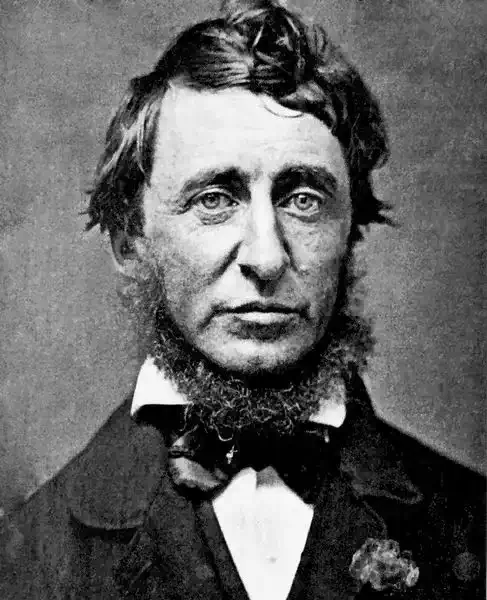
Henry David Thoreau
The Inward Morning
The Inward Morning
Packed in my mind lie all the clothes
Which outward nature wears,
And in its fashion's hourly change
It all things else repairs.
In vain I look for change abroad,
And can no difference find,
Till some new ray of peace uncalled
Illumes my inmost mind.
What is it gilds the trees and clouds,
And paints the heavens so gay,
But yonder fast-abiding light
With its unchanging ray?
Lo, when the sun streams through the wood,
Upon a winter's morn,
Where'er his silent beams intrude,
The murky night is gone.
How could the patient pine have known
The morning breeze would come,
Or humble flowers anticipate
The insect's noonday hum--
Till the new light with morning cheer
From far streamed through the aisles,
And nimbly told the forest trees
For many stretching miles?
I've heard within my inmost soul
Such cheerful morning news,
In the horizon of my mind
Have seen such orient hues,
As in the twilight of the dawn,
When the first birds awake,
Are heard within some silent wood,
Where they the small twigs break,
Or in the eastern skies are seen,
Before the sun appears,
The harbingers of summer heats
Which from afar he bears.
Packed in my mind lie all the clothes
Which outward nature wears,
And in its fashion's hourly change
It all things else repairs.
In vain I look for change abroad,
And can no difference find,
Till some new ray of peace uncalled
Illumes my inmost mind.
What is it gilds the trees and clouds,
And paints the heavens so gay,
But yonder fast-abiding light
With its unchanging ray?
Lo, when the sun streams through the wood,
Upon a winter's morn,
Where'er his silent beams intrude,
The murky night is gone.
How could the patient pine have known
The morning breeze would come,
Or humble flowers anticipate
The insect's noonday hum--
Till the new light with morning cheer
From far streamed through the aisles,
And nimbly told the forest trees
For many stretching miles?
I've heard within my inmost soul
Such cheerful morning news,
In the horizon of my mind
Have seen such orient hues,
As in the twilight of the dawn,
When the first birds awake,
Are heard within some silent wood,
Where they the small twigs break,
Or in the eastern skies are seen,
Before the sun appears,
The harbingers of summer heats
Which from afar he bears.
223
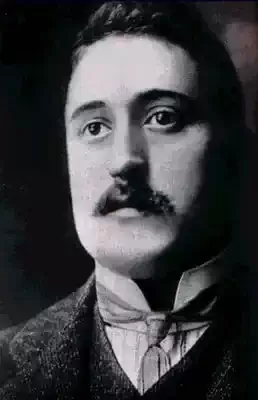
Guillaume Apollinaire
Pour Y.B.
Pour Y.B.
Bien qu'il me vienne en août votre quatrain d'avril
M'a gardé de tout mal et de toute blessure
Votre douceur me suit durant mon aventure
Au long de cet an sombre ainsi que fut l'an mil
Je vous remercierai s'il se peut je l'assure
Quand nous aurons vaincu le Boche lâche et vil
Dont la vertu française a ressenti l'injure.
Bien qu'il me vienne en août votre quatrain d'avril
M'a gardé de tout mal et de toute blessure
Votre douceur me suit durant mon aventure
Au long de cet an sombre ainsi que fut l'an mil
Je vous remercierai s'il se peut je l'assure
Quand nous aurons vaincu le Boche lâche et vil
Dont la vertu française a ressenti l'injure.
755

George Herbert
The Thanksgiving
The Thanksgiving
Oh King of grief! (a title strange, yet true,
To thee of all kings only due)
Oh King of wounds! how shall I grieve for thee,
Who in all grief preventest me?
Shall I weep blood? why thou has wept such store
That all thy body was one door.
Shall I be scourged, flouted, boxed, sold?
'Tis but to tell the tale is told.
'My God, my God, why dost thou part from me? '
Was such a grief as cannot be.
Shall I then sing, skipping, thy doleful story,
And side with thy triumphant glory?
Shall thy strokes be my stroking? thorns, my flower?
Thy rod, my posy? cross, my bower?
But how then shall I imitate thee, and
Copy thy fair, though bloody hand?
Surely I will revenge me on thy love,
And try who shall victorious prove.
If thou dost give me wealth, I will restore
All back unto thee by the poor.
If thou dost give me honour, men shall see,
The honour doth belong to thee.
I will not marry; or, if she be mine,
She and her children shall be thine.
My bosom friend, if he blaspheme thy name,
I will tear thence his love and fame.
One half of me being gone, the rest I give
Unto some Chapel, die or live.
As for thy passion - But of that anon,
When with the other I have done.
For thy predestination I'll contrive,
That three years hence, if I survive,
I'll build a spittle, or mend common ways,
But mend mine own without delays.
Then I will use the works of thy creation,
As if I us'd them but for fashion.
The world and I will quarrel; and the year
Shall not perceive, that I am here.
My music shall find thee, and ev'ry string
Shall have his attribute to sing;
That all together may accord in thee,
And prove one God, one harmony.
If thou shalt give me wit, it shall appear;
If thou hast giv'n it me, 'tis here.
Nay, I will read thy book, and never move
Till I have found therein thy love;
Thy art of love, which I'll turn back on thee,
O my dear Saviour, Victory!
Then for thy passion - I will do for that -
Alas, my God, I know not what.
Oh King of grief! (a title strange, yet true,
To thee of all kings only due)
Oh King of wounds! how shall I grieve for thee,
Who in all grief preventest me?
Shall I weep blood? why thou has wept such store
That all thy body was one door.
Shall I be scourged, flouted, boxed, sold?
'Tis but to tell the tale is told.
'My God, my God, why dost thou part from me? '
Was such a grief as cannot be.
Shall I then sing, skipping, thy doleful story,
And side with thy triumphant glory?
Shall thy strokes be my stroking? thorns, my flower?
Thy rod, my posy? cross, my bower?
But how then shall I imitate thee, and
Copy thy fair, though bloody hand?
Surely I will revenge me on thy love,
And try who shall victorious prove.
If thou dost give me wealth, I will restore
All back unto thee by the poor.
If thou dost give me honour, men shall see,
The honour doth belong to thee.
I will not marry; or, if she be mine,
She and her children shall be thine.
My bosom friend, if he blaspheme thy name,
I will tear thence his love and fame.
One half of me being gone, the rest I give
Unto some Chapel, die or live.
As for thy passion - But of that anon,
When with the other I have done.
For thy predestination I'll contrive,
That three years hence, if I survive,
I'll build a spittle, or mend common ways,
But mend mine own without delays.
Then I will use the works of thy creation,
As if I us'd them but for fashion.
The world and I will quarrel; and the year
Shall not perceive, that I am here.
My music shall find thee, and ev'ry string
Shall have his attribute to sing;
That all together may accord in thee,
And prove one God, one harmony.
If thou shalt give me wit, it shall appear;
If thou hast giv'n it me, 'tis here.
Nay, I will read thy book, and never move
Till I have found therein thy love;
Thy art of love, which I'll turn back on thee,
O my dear Saviour, Victory!
Then for thy passion - I will do for that -
Alas, my God, I know not what.
267
George Herbert
The Holdfast
The Holdfast
I threatened to observe the strict decree
Of my deare God with all my power and might:
But I was told by one, `It could not be;
Yet I might trust in God to be my light.'
`Then will I trust,' said I, `in Him alone.'
`Nay, ev'n to trust in Him, was also His:
We must confesse that nothing is our own.'
`Then I confesse that He my succour is.'
`But to have nought is ours, not to confesse
That we have nought.' I stood amaz'd at this,
Much troubled, till I heard a friend expresse
That all things were more ours by being His:
What Adam had, and forfeited for all,
Christ keepeth now, Who cannot fail or fall.
I threatened to observe the strict decree
Of my deare God with all my power and might:
But I was told by one, `It could not be;
Yet I might trust in God to be my light.'
`Then will I trust,' said I, `in Him alone.'
`Nay, ev'n to trust in Him, was also His:
We must confesse that nothing is our own.'
`Then I confesse that He my succour is.'
`But to have nought is ours, not to confesse
That we have nought.' I stood amaz'd at this,
Much troubled, till I heard a friend expresse
That all things were more ours by being His:
What Adam had, and forfeited for all,
Christ keepeth now, Who cannot fail or fall.
295
George Herbert
The Altar
The Altar
A broken ALTAR, Lord, thy servant rears,
Made of a heart and cemented with tears;
Whose parts are as thy hand did frame;
No workman's tool hath touch'd the same.
A HEART alone
Is such a stone,
As nothing but
Thy pow'r doth cut.
Wherefore each part
Of my hard heart
Meets in this frame
To praise thy name.
That if I chance to hold my peace,
These stones to praise thee may not cease.
Oh, let thy blessed SACRIFICE be mine,
And sanctify this ALTAR to be thine.
A broken ALTAR, Lord, thy servant rears,
Made of a heart and cemented with tears;
Whose parts are as thy hand did frame;
No workman's tool hath touch'd the same.
A HEART alone
Is such a stone,
As nothing but
Thy pow'r doth cut.
Wherefore each part
Of my hard heart
Meets in this frame
To praise thy name.
That if I chance to hold my peace,
These stones to praise thee may not cease.
Oh, let thy blessed SACRIFICE be mine,
And sanctify this ALTAR to be thine.
231
George Herbert
Grace
Grace
My stock lies dead and no increase
Doth my dull husbandry improve:
O let thy graces without cease
Drop from above!
If still the sun should hide his face,
Thy house would but a dungeon prove,
Thy works, night's captives: O let grace
Drop from above!
The dew doth ev'ry morning fall;
And shall the dew outstrip thy dove?
The dew, for which grass cannot call,
Drop from above.
Death is still working like a mole,
And digs my grave at each remove:
Let grace work too, and on my soul
Drop from above.
Sin is still hammering my heart
Unto a hardness, void of love:
Let suppling grace, to cross his art,
Drop from above.
O come! for thou dost know the way.
Or if to me thou wilt not move,
Remove me, where I need not say,
'Drop from above.'
My stock lies dead and no increase
Doth my dull husbandry improve:
O let thy graces without cease
Drop from above!
If still the sun should hide his face,
Thy house would but a dungeon prove,
Thy works, night's captives: O let grace
Drop from above!
The dew doth ev'ry morning fall;
And shall the dew outstrip thy dove?
The dew, for which grass cannot call,
Drop from above.
Death is still working like a mole,
And digs my grave at each remove:
Let grace work too, and on my soul
Drop from above.
Sin is still hammering my heart
Unto a hardness, void of love:
Let suppling grace, to cross his art,
Drop from above.
O come! for thou dost know the way.
Or if to me thou wilt not move,
Remove me, where I need not say,
'Drop from above.'
257
George Herbert
Employment (I)
Employment (I)
If as a flower doth spread and die,
Thou wouldst extend me to some good,
Before I were by frost's extremity
Nipt in the bud;
The sweetness and the praise were thine;
But the extension and the room,
Which in thy garland I should fill, were mine
At thy great doom.
For as thou dost impart thy grace,
The greater shall our glory be.
The measure of our joys is in this place,
The stuff with thee.
Let me not languish then, and spend
A life as barren to thy praise,
As is the dust, to which that life doth tend,
But with delays.
All things are busy; only I
Neither bring honey with the bees,
Nor flowers to make that, nor the husbandry
To water these.
I am no link of thy great chain,
But all my company is a weed.
Lord place me in thy consort; give one strain
To my poor reed.
If as a flower doth spread and die,
Thou wouldst extend me to some good,
Before I were by frost's extremity
Nipt in the bud;
The sweetness and the praise were thine;
But the extension and the room,
Which in thy garland I should fill, were mine
At thy great doom.
For as thou dost impart thy grace,
The greater shall our glory be.
The measure of our joys is in this place,
The stuff with thee.
Let me not languish then, and spend
A life as barren to thy praise,
As is the dust, to which that life doth tend,
But with delays.
All things are busy; only I
Neither bring honey with the bees,
Nor flowers to make that, nor the husbandry
To water these.
I am no link of thy great chain,
But all my company is a weed.
Lord place me in thy consort; give one strain
To my poor reed.
261
George Herbert
Affliction (II)
Affliction (II)
Kill me not ev'ry day,
Thou Lord of life, since thy one death for me
Is more than all my deaths can be,
Though I in broken pay
Die over each hour of Methusalem's stay.
If all men's tears were let
Into one common sewer, sea, and brine;
What were they all, compar'd to thine?
Wherein if they were set,
They would discolour thy most bloody sweat.
Thou art my grief alone,
Thou Lord conceal it not: and as thou art
All my delight, so all my smart:
Thy cross took up in one,
By way of imprest, all my future moan.
Kill me not ev'ry day,
Thou Lord of life, since thy one death for me
Is more than all my deaths can be,
Though I in broken pay
Die over each hour of Methusalem's stay.
If all men's tears were let
Into one common sewer, sea, and brine;
What were they all, compar'd to thine?
Wherein if they were set,
They would discolour thy most bloody sweat.
Thou art my grief alone,
Thou Lord conceal it not: and as thou art
All my delight, so all my smart:
Thy cross took up in one,
By way of imprest, all my future moan.
223
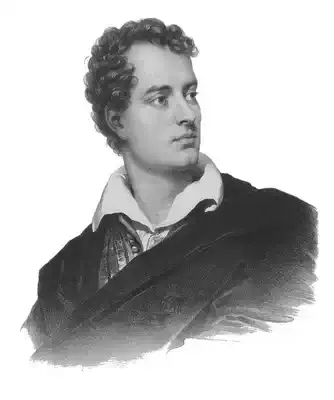
Lord Byron
To George, Earl Delwarr
To George, Earl Delwarr
Oh! yes, I will own we were dear to each other;
The friendships of childhood, though fleeting are true;
The love which you felt was the love of a brother,
Nor less the affection I cherish'd for you.
But Friendship can vary her gentle dominion;
The attachment of years in a moment expires:
Like Love, too, she moves on a swiftwaving
pinion,
But glows not, like Love, with unquenchable fires.
Full oft have we wander'd through Ida together,
And blest were the scenes of our youth, I allow:
In the spring of our life, how serene is the weather!
But winter's rude tempests are gathering now.
No more with affection shall memory blending,
The wonted delights of our childhood retrace:
When pride steels the bosom, the heart is unbending,
And what would be Justice appears a disgrace.
However, dear George, for I still must esteem you;
The few whom I love I can never upbraid:
The chance which has lost may in future redeem you,
Repentance will cancel the vow you have made.
I will not complain, and though chill'd is affection,
With me no corroding resentment shall live:
My bosom is calm'd by the simple reflection,
That both may be wrong, and that both should forgive.
You knew that my soul, that my heart, my existence,
If danger demanded, were wholly your own.
You knew me unalter'd by years or by distance
Devoted to love and to friendship alone.
You knew but
away with the vain retropection!
The bond of affection no longer endures;
Too late you may droop o'er the fond recollection,
And sigh for the friend who was formerly yours.
For the present, we part,I
will hope not for ever;
For time and regret will restore you at last:
To forget our dimension we both should endeavour,
I ask no atonement, but days like the past.
Oh! yes, I will own we were dear to each other;
The friendships of childhood, though fleeting are true;
The love which you felt was the love of a brother,
Nor less the affection I cherish'd for you.
But Friendship can vary her gentle dominion;
The attachment of years in a moment expires:
Like Love, too, she moves on a swiftwaving
pinion,
But glows not, like Love, with unquenchable fires.
Full oft have we wander'd through Ida together,
And blest were the scenes of our youth, I allow:
In the spring of our life, how serene is the weather!
But winter's rude tempests are gathering now.
No more with affection shall memory blending,
The wonted delights of our childhood retrace:
When pride steels the bosom, the heart is unbending,
And what would be Justice appears a disgrace.
However, dear George, for I still must esteem you;
The few whom I love I can never upbraid:
The chance which has lost may in future redeem you,
Repentance will cancel the vow you have made.
I will not complain, and though chill'd is affection,
With me no corroding resentment shall live:
My bosom is calm'd by the simple reflection,
That both may be wrong, and that both should forgive.
You knew that my soul, that my heart, my existence,
If danger demanded, were wholly your own.
You knew me unalter'd by years or by distance
Devoted to love and to friendship alone.
You knew but
away with the vain retropection!
The bond of affection no longer endures;
Too late you may droop o'er the fond recollection,
And sigh for the friend who was formerly yours.
For the present, we part,I
will hope not for ever;
For time and regret will restore you at last:
To forget our dimension we both should endeavour,
I ask no atonement, but days like the past.
566
Lord Byron
To A Lady, Who Presented The Author With The Velvet Band Which Bound Her
To A Lady, Who Presented The Author With The Velvet Band Which Bound Her
Tresses
This Band, which bound thy yellow hair,
Is mine, sweet girl! Thy pledge of love;
It claims my warmest, dearest care,
Like relics left of saints above.
Oh! I will wear it next my heart;
'Twill blind my soul in bonds to thee;
From me again 't will ne'er depart,
But mingle in the grave with me.
The dew I gather from thy lip
Is not so dear to me as this;
That I but for a moment sip,
And banquet on a transient bliss:
This will recall each youthful scene,
E'en when our lives are on the wane;
The leaves of Love will still be green
When Memory bids them bud again.
Oh! little lock of golden hue,
In gently waving ringlet curl'd
By the dear head on which you grow,
I would not lose you for a world.
Not though a thousand more adorn
The polish'd brow where once you shone,
Like rays which gild a cloudless morn,
Beneath Columbia's fervid zone.
Tresses
This Band, which bound thy yellow hair,
Is mine, sweet girl! Thy pledge of love;
It claims my warmest, dearest care,
Like relics left of saints above.
Oh! I will wear it next my heart;
'Twill blind my soul in bonds to thee;
From me again 't will ne'er depart,
But mingle in the grave with me.
The dew I gather from thy lip
Is not so dear to me as this;
That I but for a moment sip,
And banquet on a transient bliss:
This will recall each youthful scene,
E'en when our lives are on the wane;
The leaves of Love will still be green
When Memory bids them bud again.
Oh! little lock of golden hue,
In gently waving ringlet curl'd
By the dear head on which you grow,
I would not lose you for a world.
Not though a thousand more adorn
The polish'd brow where once you shone,
Like rays which gild a cloudless morn,
Beneath Columbia's fervid zone.
493
Lord Byron
Stanzas Written On The Road Between Florence And Pisa
Stanzas Written On The Road Between Florence And Pisa
Oh, talk not to me of a name great in story;
The days of our youth are the days of our glory;
And the myrtle and ivy of sweet twoandtwenty
Are worth all your laurels, though ever so plenty.
What are garlands and crowns to the brow that is wrinkled?
'Tis but as a dead flower with Maydew
besprinkled:
Then away with all such from the head that is hoary!
What care I for the wreaths that can only give glory?
O Fame!—if I e'er took delight in thy praises,
'Twas less for the sake of thy highsounding
phrases,
Than to see the bright eyes of the dear one discover
She thought that I was not unworthy to love her.
There chiefly I sought thee, there only I found thee;
Her glance was the best of the rays that surround thee;
When it sparkled o'er aught that was bright in my story,
I knew it was love, and I felt it was glory.
Oh, talk not to me of a name great in story;
The days of our youth are the days of our glory;
And the myrtle and ivy of sweet twoandtwenty
Are worth all your laurels, though ever so plenty.
What are garlands and crowns to the brow that is wrinkled?
'Tis but as a dead flower with Maydew
besprinkled:
Then away with all such from the head that is hoary!
What care I for the wreaths that can only give glory?
O Fame!—if I e'er took delight in thy praises,
'Twas less for the sake of thy highsounding
phrases,
Than to see the bright eyes of the dear one discover
She thought that I was not unworthy to love her.
There chiefly I sought thee, there only I found thee;
Her glance was the best of the rays that surround thee;
When it sparkled o'er aught that was bright in my story,
I knew it was love, and I felt it was glory.
457
Lord Byron
Stanzas To Augusta (II.)
Stanzas To Augusta (II.)
I.
Though the day of my destiny's over,
And the star of my fate hath declined,
Thy soft heart refused to discover
The faults which so many could find;
Though thy soul with my grief was acquainted,
It shrunk not to share it with me,
And the love which my spirit hath painted
It never hath found but in thee.
II.
Then when nature around me is smiling,
The last smile which answers to mine,
I do not believe it beguiling,
Because it reminds me of thine;
And when winds are at war with the ocean.
As the breasts I believed in with me,
If their billows excite an emotion,
It is that they bear me from thee.
III.
Though the rock of my last hope is shiver'd,
And its fragments are sunk in the wave,
Though I feel that my soul is deliver'd
To pain it
shall not be its slave.
There is many a pang to pursue me:
They may crush, but they shall not contemn;
They may torture, but shall not subdue me
'Tis of thee that I think not
of them.
IV.
Though human, thou didst not deceive me,
Though woman, thou didst not forsake,
Though loved, thou forborest to grieve me,
Though slander'd, thou never couldst shake;
Though trusted, thou didst not disclaim me,
Though parted, it was not to fly,
Though watchful, 'twas not to defame me,
Nor, mute, that the world might belie.
V.
Yet I blame not the world, nor despise it,
Nor the war of the many with one;
If my soul was not fitted to prize it,
'Twas folly not sooner to shun:
And if dearly that error hath cost me,
And more than I once could foresee,
I have found that, whatever it lost me,
It could not deprive me of thee.
VI.
From the wreck of the past, which hath perish'd
Thus much I at least may recall
It hath taught me that what I most cherish'd
Deserved to be dearest of all:
In the desert a fountain is springing,
In the wide waste there still is a tree,
And a bird in the solitude singing,
Which speaks to my spirit of thee.
I.
Though the day of my destiny's over,
And the star of my fate hath declined,
Thy soft heart refused to discover
The faults which so many could find;
Though thy soul with my grief was acquainted,
It shrunk not to share it with me,
And the love which my spirit hath painted
It never hath found but in thee.
II.
Then when nature around me is smiling,
The last smile which answers to mine,
I do not believe it beguiling,
Because it reminds me of thine;
And when winds are at war with the ocean.
As the breasts I believed in with me,
If their billows excite an emotion,
It is that they bear me from thee.
III.
Though the rock of my last hope is shiver'd,
And its fragments are sunk in the wave,
Though I feel that my soul is deliver'd
To pain it
shall not be its slave.
There is many a pang to pursue me:
They may crush, but they shall not contemn;
They may torture, but shall not subdue me
'Tis of thee that I think not
of them.
IV.
Though human, thou didst not deceive me,
Though woman, thou didst not forsake,
Though loved, thou forborest to grieve me,
Though slander'd, thou never couldst shake;
Though trusted, thou didst not disclaim me,
Though parted, it was not to fly,
Though watchful, 'twas not to defame me,
Nor, mute, that the world might belie.
V.
Yet I blame not the world, nor despise it,
Nor the war of the many with one;
If my soul was not fitted to prize it,
'Twas folly not sooner to shun:
And if dearly that error hath cost me,
And more than I once could foresee,
I have found that, whatever it lost me,
It could not deprive me of thee.
VI.
From the wreck of the past, which hath perish'd
Thus much I at least may recall
It hath taught me that what I most cherish'd
Deserved to be dearest of all:
In the desert a fountain is springing,
In the wide waste there still is a tree,
And a bird in the solitude singing,
Which speaks to my spirit of thee.
699
Lord Byron
Lines Written On A Blank Leaf Of 'The Pleasures Of Memory'
Lines Written On A Blank Leaf Of 'The Pleasures Of Memory'
Absent or present, still to thee,
My friend, what magic spells belong!
As all can tell, who share, like me,
In turn thy converse and thy song.
But when the dreaded hour shall come
By Friendship ever deem'd too nigh,
And `MEMORY' o'er her Druid's tomb
Shall weep that aught of thee can die,
How fondly will she then repay
Thy homage offer'd at her shrine, to
And blend, while ages roll away,
Her name immortally with thine!
April 19, 1812
Absent or present, still to thee,
My friend, what magic spells belong!
As all can tell, who share, like me,
In turn thy converse and thy song.
But when the dreaded hour shall come
By Friendship ever deem'd too nigh,
And `MEMORY' o'er her Druid's tomb
Shall weep that aught of thee can die,
How fondly will she then repay
Thy homage offer'd at her shrine, to
And blend, while ages roll away,
Her name immortally with thine!
April 19, 1812
325