

Poems in this topic
Gratitude
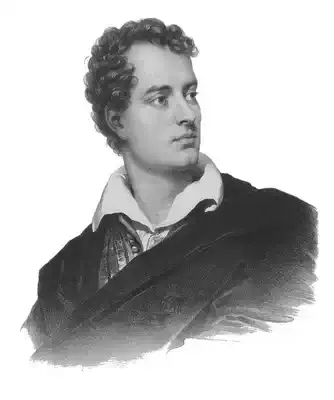
Lord Byron
Lines To A Lady Weeping
Lines To A Lady Weeping
Weep, daughter of a royal line,
A Sire's disgrace, a realm's decay;
Ah! happy if each tear of thine
Could wash a father's fault away!
Weepfor
thy tears are Virtue's tearsAuspicious
to these suffering isles;
And be each drop in future years
Repaid thee by thy people's smiles!
Weep, daughter of a royal line,
A Sire's disgrace, a realm's decay;
Ah! happy if each tear of thine
Could wash a father's fault away!
Weepfor
thy tears are Virtue's tearsAuspicious
to these suffering isles;
And be each drop in future years
Repaid thee by thy people's smiles!
451
Lord Byron
Lines Addressed To A Young Lady
Lines Addressed To A Young Lady
Doubtless, sweet girl! the hissing lead,
Wafting destruction o'er thy charms,
And hurtling o'er thy lovely head,
Has fill'd that breast with fond alarms.
Surely some envious demon's force,
Vex'd to behold such beauty here,
Impell'd the bullet's viewless course,
Diverted from its first career.
Yes! in that nearly fatal hour
The ball obey'd some hellborn
guide;
But Heaven, with interposing power,
In pity turn'd the death aside.
Yet, as perchance one trembling tear
Upon that thrilling bosom fell;
Which I, th' unconscious cause of fear,
Extracted fromn its glistening cell:
Say, what dire penance can atone
For such an outrage done to thee?
Arraign'd before thy beauty's throne,
What punishment wilt thou decree?
Might I perform the judge's part,
The sentence I should scarce deplore;
It only would restore a heart
Which but belong'd to thee before.
The least atonement I can make
Is to become no longer free;
Henceforth I breathe but for thy sake,
Thou shalt be all in all to me.
But thou, perhaps, may'st now reject
Such expiation of my guilt;
Come then, some other mode elect;
Let it be death, or what thou wilt.
Choose then, relentless! and I swear
Nought shall thy dread decree prevent;
Yet holdone
little word forbear!
Let it be aught but banishment.
Doubtless, sweet girl! the hissing lead,
Wafting destruction o'er thy charms,
And hurtling o'er thy lovely head,
Has fill'd that breast with fond alarms.
Surely some envious demon's force,
Vex'd to behold such beauty here,
Impell'd the bullet's viewless course,
Diverted from its first career.
Yes! in that nearly fatal hour
The ball obey'd some hellborn
guide;
But Heaven, with interposing power,
In pity turn'd the death aside.
Yet, as perchance one trembling tear
Upon that thrilling bosom fell;
Which I, th' unconscious cause of fear,
Extracted fromn its glistening cell:
Say, what dire penance can atone
For such an outrage done to thee?
Arraign'd before thy beauty's throne,
What punishment wilt thou decree?
Might I perform the judge's part,
The sentence I should scarce deplore;
It only would restore a heart
Which but belong'd to thee before.
The least atonement I can make
Is to become no longer free;
Henceforth I breathe but for thy sake,
Thou shalt be all in all to me.
But thou, perhaps, may'st now reject
Such expiation of my guilt;
Come then, some other mode elect;
Let it be death, or what thou wilt.
Choose then, relentless! and I swear
Nought shall thy dread decree prevent;
Yet holdone
little word forbear!
Let it be aught but banishment.
438
Lord Byron
From The Last Hill That Looks On Thy Once Holy Dome
From The Last Hill That Looks On Thy Once Holy Dome
I.
From the last hill that looks on thy once holy dome,
I beheld thee, Oh Sion! when rendered to Rome:
'Twas thy last sun went down, and the flames of thy fall
Flash'd back on the last glance I gave to thy wall.
II.
I look'd for thy temple, I look'd for my home,
And forgot for a moment my bondage to come;
I beheld but the deathfire
that fed on thy fane,
And the fastfetter'd
hands that made vengeance in vain.
III.
Oh many an eve, the high spot whence I gazed
Had reflected the last beam of day as it blazed;
While I stood on the height, and beheld the decline
Of the rays from the mountain that shone on thy shrine.
IV.
And now on that mountain I stood on that day,
But I marked not the twilight beam melting away;
Oh! would that the lightning had glared in its stead,
And the thunderbolt burst on the conqueror's head!
V.
But the Gods of the Pagan shall never profane
The shrine where Jehovah disdain'd not to reign;
And scattered and scorn'd as thy people may be,
Our worship, oh Father! is only for thee.
I.
From the last hill that looks on thy once holy dome,
I beheld thee, Oh Sion! when rendered to Rome:
'Twas thy last sun went down, and the flames of thy fall
Flash'd back on the last glance I gave to thy wall.
II.
I look'd for thy temple, I look'd for my home,
And forgot for a moment my bondage to come;
I beheld but the deathfire
that fed on thy fane,
And the fastfetter'd
hands that made vengeance in vain.
III.
Oh many an eve, the high spot whence I gazed
Had reflected the last beam of day as it blazed;
While I stood on the height, and beheld the decline
Of the rays from the mountain that shone on thy shrine.
IV.
And now on that mountain I stood on that day,
But I marked not the twilight beam melting away;
Oh! would that the lightning had glared in its stead,
And the thunderbolt burst on the conqueror's head!
V.
But the Gods of the Pagan shall never profane
The shrine where Jehovah disdain'd not to reign;
And scattered and scorn'd as thy people may be,
Our worship, oh Father! is only for thee.
478
Lord Byron
Epistle To Augusta
Epistle To Augusta
I.
My sister! my sweet sister! if a name
Dearer and purer were, it should be thine;
Mountains and seas divide us, but I claim
No tears, but tenderness to answer mine:
Go where I will, to me thou art the sameA
loved regret which I would not resign,
There yet are two things in my destiny,
A
world to roam through, and a home with thee.
II.
The first were nothinghad
I still the last,
It were the haven of my happiness;
But other claims and other ties thou hast,
And mine is not the wish to make them less.
A strange doom is thy father's son's, and past
Recalling, as it lies beyond redress;
Reversed for him our grandsire's fate of yore,
He had no rest at sea, nor I on shore.
III.
If my inheritance of storms hath been
In other elements, and on the rocks
Of perils, overlook'd or unforeseen,
I have sustain'd my share of worldly shocks,
The fault was mine; nor do I seek to screen
My errors with defensive paradox;
I have been cunning in mine overthrow,
The careful pilot of my proper woe.
IV.
Mine were my faults, and mine be their reward.
My whole life was a contest, since the day
That gave me being, gave me that which marr'd
The gift,a
fate, or will, that walk'd astray;
And I at times have found the struggle hard,
And thought of shaking off my bonds of clay:
But now I fain would for a time survive,
If but to see what next can well arrive.
V.
Kingdoms and empires in my little day
I have outlived, and yet I am not old;
And when I look on this, the petty spray
Of my own years of trouble, which have roll'd
Like a wild bay of breakers, melts away
SomethingI
know not whatdoes
still uphold
A spirit of slight patience; not in vain,
Even for its own sake, do we purchase pain.
VI.
Perhaps the workings of defiance stir
Within me or
perhaps a cold despair,
Brought on when ills habitually recur,
Perhaps a kinder clime, or purer air,
(For even to this may change of soul refer,
And with light armour we may learn to bear,)
Have taught me a strange quiet, which was not
The chief companion of a calmer lot.
VII.
I feel almost at times as I have felt
In happy childhood; trees, and flowers, and brooks,
Which do remember me of where I dwelt
Ere my young mind was sacrificed to books,
Come as of yore upon me, and can melt
My heart with recognition of their looks;
And even at moments I could think I see
Some living thing to lovebut
none like thee.
VIII.
Here are the Alpine landscapes which create
A fund for contemplation;to
admire
Is a brief feeling of a trivial date;
But something worthier do such scenes inspire:
Here to be lonely is not desolate'
For much I view which I could most desire,
And, above all, a lake I can behold
Lovelier, not dearer, than our own of old.
IX.
Oh that thou wert but with me! but
I grow
The fool of my own wishes, and forget
The solitude which I have vaunted so
Has lost its praise in this but one regret;
There may be others which I less may show
I am not of the plaintive mood, and yet
I feel an ebb in my philosophy,
And the tide rising in my alter'd eye.
X.
I did remind thee of our own dear Lake,
By the old Hall which may be mine no more.
Leman's is fair; but think not I forsake
The sweet remembrance of a dearer shore:
Sad havoc Time must with my memory make,
Ere that or thou can fade these eyes before;
Though, like all things which I have loved they are
Resign 'd For ever, or divided far.
XI.
The world is all before me; I but ask
Of Nature that with which she will comply
It is but in her summer's sun to bask,
To mingle with the quiet of her sky,
To see her gentle face without a mask,
And never gaze on it with apathy.
She was my early friend, and now shall be
My sister till
I look again on thee.
XII.
I can reduce all feelings but this one;
And that I would not; for at length I see
Such scenes as those wherein my life begun.
The earliest even
the only paths for me Had
I but sooner learnt the crowd to shun,
I had been better than I now can be;
The passions which have torn me would have slept;
I had not suffer'd, and thou hadst not wept.
XIII.
With false Ambition what had I to do?
Little with Love, and least of all with Fame;
And yet they came unsought, and with me grew,
And made me all which they can make a
name.
Yet this was not the end I did pursue;
Surely I once beheld a nobler aim.
But all is over I
am one the more
To baffled millions which have gone before.
XIV.
And for the future, this world's future may
From me demand but little of my care;
I have outlived myself by many a day;
Having survived so many things that were;
My years have been no slumber, but the prey
Of ceaseless vigils; for I had the share
Of life which might have fill'd a century,
Before its fourth in time had pass'd me by.
XV.
And for the remnant which may be to come
I am content; and for the past I feel
Not thankless,for
within the crowded sum
Of struggles, happiness at times would steal,
And for the present, I would not benumb
My feelings further. Nor
shall I conceal
That with all this I still can look around,
And worship Nature with a thought profound.
XVI.
For thee, my own sweet sister, in thy heart
I know myself secure, as thou in mine;
We were and are I
am, even as thou art
Beings who ne'er each other can resign;
It is the same, together or apart,
From life's commencement to its slow decline
We are entwinedlet
death come slow or fast,
The tie which bound the first endures the last!
I.
My sister! my sweet sister! if a name
Dearer and purer were, it should be thine;
Mountains and seas divide us, but I claim
No tears, but tenderness to answer mine:
Go where I will, to me thou art the sameA
loved regret which I would not resign,
There yet are two things in my destiny,
A
world to roam through, and a home with thee.
II.
The first were nothinghad
I still the last,
It were the haven of my happiness;
But other claims and other ties thou hast,
And mine is not the wish to make them less.
A strange doom is thy father's son's, and past
Recalling, as it lies beyond redress;
Reversed for him our grandsire's fate of yore,
He had no rest at sea, nor I on shore.
III.
If my inheritance of storms hath been
In other elements, and on the rocks
Of perils, overlook'd or unforeseen,
I have sustain'd my share of worldly shocks,
The fault was mine; nor do I seek to screen
My errors with defensive paradox;
I have been cunning in mine overthrow,
The careful pilot of my proper woe.
IV.
Mine were my faults, and mine be their reward.
My whole life was a contest, since the day
That gave me being, gave me that which marr'd
The gift,a
fate, or will, that walk'd astray;
And I at times have found the struggle hard,
And thought of shaking off my bonds of clay:
But now I fain would for a time survive,
If but to see what next can well arrive.
V.
Kingdoms and empires in my little day
I have outlived, and yet I am not old;
And when I look on this, the petty spray
Of my own years of trouble, which have roll'd
Like a wild bay of breakers, melts away
SomethingI
know not whatdoes
still uphold
A spirit of slight patience; not in vain,
Even for its own sake, do we purchase pain.
VI.
Perhaps the workings of defiance stir
Within me or
perhaps a cold despair,
Brought on when ills habitually recur,
Perhaps a kinder clime, or purer air,
(For even to this may change of soul refer,
And with light armour we may learn to bear,)
Have taught me a strange quiet, which was not
The chief companion of a calmer lot.
VII.
I feel almost at times as I have felt
In happy childhood; trees, and flowers, and brooks,
Which do remember me of where I dwelt
Ere my young mind was sacrificed to books,
Come as of yore upon me, and can melt
My heart with recognition of their looks;
And even at moments I could think I see
Some living thing to lovebut
none like thee.
VIII.
Here are the Alpine landscapes which create
A fund for contemplation;to
admire
Is a brief feeling of a trivial date;
But something worthier do such scenes inspire:
Here to be lonely is not desolate'
For much I view which I could most desire,
And, above all, a lake I can behold
Lovelier, not dearer, than our own of old.
IX.
Oh that thou wert but with me! but
I grow
The fool of my own wishes, and forget
The solitude which I have vaunted so
Has lost its praise in this but one regret;
There may be others which I less may show
I am not of the plaintive mood, and yet
I feel an ebb in my philosophy,
And the tide rising in my alter'd eye.
X.
I did remind thee of our own dear Lake,
By the old Hall which may be mine no more.
Leman's is fair; but think not I forsake
The sweet remembrance of a dearer shore:
Sad havoc Time must with my memory make,
Ere that or thou can fade these eyes before;
Though, like all things which I have loved they are
Resign 'd For ever, or divided far.
XI.
The world is all before me; I but ask
Of Nature that with which she will comply
It is but in her summer's sun to bask,
To mingle with the quiet of her sky,
To see her gentle face without a mask,
And never gaze on it with apathy.
She was my early friend, and now shall be
My sister till
I look again on thee.
XII.
I can reduce all feelings but this one;
And that I would not; for at length I see
Such scenes as those wherein my life begun.
The earliest even
the only paths for me Had
I but sooner learnt the crowd to shun,
I had been better than I now can be;
The passions which have torn me would have slept;
I had not suffer'd, and thou hadst not wept.
XIII.
With false Ambition what had I to do?
Little with Love, and least of all with Fame;
And yet they came unsought, and with me grew,
And made me all which they can make a
name.
Yet this was not the end I did pursue;
Surely I once beheld a nobler aim.
But all is over I
am one the more
To baffled millions which have gone before.
XIV.
And for the future, this world's future may
From me demand but little of my care;
I have outlived myself by many a day;
Having survived so many things that were;
My years have been no slumber, but the prey
Of ceaseless vigils; for I had the share
Of life which might have fill'd a century,
Before its fourth in time had pass'd me by.
XV.
And for the remnant which may be to come
I am content; and for the past I feel
Not thankless,for
within the crowded sum
Of struggles, happiness at times would steal,
And for the present, I would not benumb
My feelings further. Nor
shall I conceal
That with all this I still can look around,
And worship Nature with a thought profound.
XVI.
For thee, my own sweet sister, in thy heart
I know myself secure, as thou in mine;
We were and are I
am, even as thou art
Beings who ne'er each other can resign;
It is the same, together or apart,
From life's commencement to its slow decline
We are entwinedlet
death come slow or fast,
The tie which bound the first endures the last!
551
Lord Byron
Address, Spoken At The Opening Of Drury-Lane Theatre. Saturday, October
Address, Spoken At The Opening Of Drury-Lane Theatre. Saturday, October
10, 1812
In one dread night our city saw, and sigh'd,
Bow'd to the dust, the Drama's tower of pride
In one short hour beheld the blazing fane,
Apollo sink, and Shakspeare cease to reign.
Ye who beheld, (oh! sight admired and mourn'd,
Whose radiance mock'd the ruin it adorn'd!)
Through clouds of fire the massy fragments riven,
Like Israel's pillar, chase the night from heaven;
Saw the long column of revolving flames
Shake its red shadow o'er the startled Thames, While thousands, throng'd around the
burning dome,
Shrank back appall'd, and trembled for their home,
As glared the volumed blaze, and ghastly shone
The skies, with lightnings awful as their own,
Till blackening ashes and the lonely wall
Usurp 'd the Muse's realm, and mark'd her fall;
Say shall
this new, nor less aspiring pile,
Rear'd where once rose the mightiest in our isle,
Know the same favour which the former knew,
A shrine for Shakspeareworthy
him and you?
Yesit
shall bethe
magic of that name
Defies the scythe of time, the torch of flame;
On the same spot still consecrates the scene,
And bids the Drama be where she hath been:
This fabric's birth attests the potent spellIndulge
our honest pride, and say, How well!
As soars this fare to emulate the last,
Oh! might we draw our omens from the past,
Some hour propitious to our prayers may boast
Names such as hallow still the dome we lost.
On Drury first your Siddons' thrilling art
O'erwhelm'd the gentlest, storm'd the sternest heart.
On Drury, Garrick's latest laurels grew;
Here your last tears retiring Roscius drew,
Sigh'd his last thanks, and wept his last adieu:
But still for living wit the wreaths may bloom,
That only waste their odours o'er the tomb.
Such Drury claim'd and claimsnor
you refuse
One tribute to revive his slumbering muse;
With garlands deck your own Menander's head,
Nor hoard your honours idly for the dead.
Dear are the days which made our annals bright,
Ere Garrick fled, or Brinsley ceased to write.
Heirs to their labours, like all highborn
heirs,
Vain of our ancestry as they of theirs;
While thus Remembrance borrows Banquo's glass
To claim the sceptred shadows as they pass,
And we the mirror hold, where imaged shine
Immortal names, emblazon'd on our line,
Pauseere
their feebler offspring you condemn,
Reflect how hard the task to rival them!
Friends of the stage! to whom both Players and Plays
Must sue alike for pardon or for praise.
Whose judging voice and eye alone direct
The boundless power to cherish or reject;
If e'er frivolity has led to fame,
And made us blush that you forbore to blame;
If e'er the sinking stage could condescend
To soothe the sickly taste it dare not mend,
All past reproach may present scenes refute,
And censure, wisely loud, be justly mute!
Oh! since your fiat stamps the Drama's laws,
Forbear to mock us with misplaced applause;
So pride shall doubly nerve the actor's powers,
And reason's voice be echo'd back by ours!
This greeting o'er, the ancient rule obey'd
The Drama's homage by her herald paid,
Receive our welcome too, whose every tone
Springs from our hearts, and fair would win your own.
The curtain risesmay
our stage unfold
Scenes not unworthy Drury's days of old!
Britons our judges, Nature for our guide,
Still may we pleaselong,
long may you preside.
10, 1812
In one dread night our city saw, and sigh'd,
Bow'd to the dust, the Drama's tower of pride
In one short hour beheld the blazing fane,
Apollo sink, and Shakspeare cease to reign.
Ye who beheld, (oh! sight admired and mourn'd,
Whose radiance mock'd the ruin it adorn'd!)
Through clouds of fire the massy fragments riven,
Like Israel's pillar, chase the night from heaven;
Saw the long column of revolving flames
Shake its red shadow o'er the startled Thames, While thousands, throng'd around the
burning dome,
Shrank back appall'd, and trembled for their home,
As glared the volumed blaze, and ghastly shone
The skies, with lightnings awful as their own,
Till blackening ashes and the lonely wall
Usurp 'd the Muse's realm, and mark'd her fall;
Say shall
this new, nor less aspiring pile,
Rear'd where once rose the mightiest in our isle,
Know the same favour which the former knew,
A shrine for Shakspeareworthy
him and you?
Yesit
shall bethe
magic of that name
Defies the scythe of time, the torch of flame;
On the same spot still consecrates the scene,
And bids the Drama be where she hath been:
This fabric's birth attests the potent spellIndulge
our honest pride, and say, How well!
As soars this fare to emulate the last,
Oh! might we draw our omens from the past,
Some hour propitious to our prayers may boast
Names such as hallow still the dome we lost.
On Drury first your Siddons' thrilling art
O'erwhelm'd the gentlest, storm'd the sternest heart.
On Drury, Garrick's latest laurels grew;
Here your last tears retiring Roscius drew,
Sigh'd his last thanks, and wept his last adieu:
But still for living wit the wreaths may bloom,
That only waste their odours o'er the tomb.
Such Drury claim'd and claimsnor
you refuse
One tribute to revive his slumbering muse;
With garlands deck your own Menander's head,
Nor hoard your honours idly for the dead.
Dear are the days which made our annals bright,
Ere Garrick fled, or Brinsley ceased to write.
Heirs to their labours, like all highborn
heirs,
Vain of our ancestry as they of theirs;
While thus Remembrance borrows Banquo's glass
To claim the sceptred shadows as they pass,
And we the mirror hold, where imaged shine
Immortal names, emblazon'd on our line,
Pauseere
their feebler offspring you condemn,
Reflect how hard the task to rival them!
Friends of the stage! to whom both Players and Plays
Must sue alike for pardon or for praise.
Whose judging voice and eye alone direct
The boundless power to cherish or reject;
If e'er frivolity has led to fame,
And made us blush that you forbore to blame;
If e'er the sinking stage could condescend
To soothe the sickly taste it dare not mend,
All past reproach may present scenes refute,
And censure, wisely loud, be justly mute!
Oh! since your fiat stamps the Drama's laws,
Forbear to mock us with misplaced applause;
So pride shall doubly nerve the actor's powers,
And reason's voice be echo'd back by ours!
This greeting o'er, the ancient rule obey'd
The Drama's homage by her herald paid,
Receive our welcome too, whose every tone
Springs from our hearts, and fair would win your own.
The curtain risesmay
our stage unfold
Scenes not unworthy Drury's days of old!
Britons our judges, Nature for our guide,
Still may we pleaselong,
long may you preside.
523
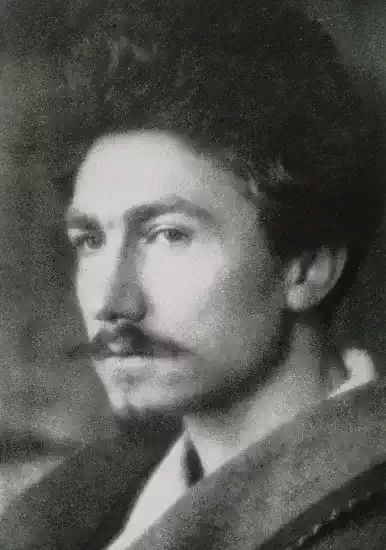
Ezra Pound
Night Litany
Night Litany
O Dieu, purifiez nos cceurs!
Purifiez nos coeurs !
Yea the lines hast thou laid unto me
in pleasant places,
And the beauty of this thy Venice
hast thou shown unto me
Until is its loveliness become unto me
a thing of tears.
O God, what great kindness
have we done in times past
and forgotten it,
That thou givest this wonder unto us,
O God of waters?
O God of the night,
What great sorrow
Cometh unto us,
That thou thus repayest us
Before the time of its coming?
O God of silence,
Purifiez nos coeurs,
Purifiez nos coeurs,
For we have seen
The glory of the shadow of the
likeness of thine handmaid,
Yea, the glory of the shadow
of thy Beauty hath walked
Upon the shadow of the waters
In this thy Venice.
And before the holiness
Of the shadow of thy handmaid
Have I hidden mine eyes,
O God of waters.
O God of silence,
Purifiez nos coeurs,
Purifiez nos coeurs,
O God of waters,
make clean our hearts within us,
For I have seen the
Shadow of this thy Venice
Floating upon the waters,
And thy stars
Have seen this thing, out of their far courses
Have they seen this thing,
O God of waters,
Even as are thy stars
Silent unto us in their far-coursing,
Even so is mine heart
become silent within me.
Purifiez nos coeurs,
O God of the silence,
Purifiez nos coeurs,
O God of waters.
O Dieu, purifiez nos cceurs!
Purifiez nos coeurs !
Yea the lines hast thou laid unto me
in pleasant places,
And the beauty of this thy Venice
hast thou shown unto me
Until is its loveliness become unto me
a thing of tears.
O God, what great kindness
have we done in times past
and forgotten it,
That thou givest this wonder unto us,
O God of waters?
O God of the night,
What great sorrow
Cometh unto us,
That thou thus repayest us
Before the time of its coming?
O God of silence,
Purifiez nos coeurs,
Purifiez nos coeurs,
For we have seen
The glory of the shadow of the
likeness of thine handmaid,
Yea, the glory of the shadow
of thy Beauty hath walked
Upon the shadow of the waters
In this thy Venice.
And before the holiness
Of the shadow of thy handmaid
Have I hidden mine eyes,
O God of waters.
O God of silence,
Purifiez nos coeurs,
Purifiez nos coeurs,
O God of waters,
make clean our hearts within us,
For I have seen the
Shadow of this thy Venice
Floating upon the waters,
And thy stars
Have seen this thing, out of their far courses
Have they seen this thing,
O God of waters,
Even as are thy stars
Silent unto us in their far-coursing,
Even so is mine heart
become silent within me.
Purifiez nos coeurs,
O God of the silence,
Purifiez nos coeurs,
O God of waters.
528
Ezra Pound
In Tempore Senectutis
In Tempore Senectutis
When I am old
I will not have you look apart
From me, into the cold,
Friend of my heart,
Nor be sad in your remembrance
Of the careless, mad-heart semblance
That the wind hath blown away
When I am old.
When I am old
And the white hot wonder-fire
Unto the world seem cold,
My soul's desire
Know you then that all life's shower,
The rain of the years, that hour
Shall make blow for us one flower,
Including all, when we are old.
When I am old
If you remember
Any love save what is then
Hearth light unto life's December
Be your joy of past sweet chalices
To know then naught but this
"How many wonders are less sweet
Than love I bear to thee
When I am old."
When I am old
I will not have you look apart
From me, into the cold,
Friend of my heart,
Nor be sad in your remembrance
Of the careless, mad-heart semblance
That the wind hath blown away
When I am old.
When I am old
And the white hot wonder-fire
Unto the world seem cold,
My soul's desire
Know you then that all life's shower,
The rain of the years, that hour
Shall make blow for us one flower,
Including all, when we are old.
When I am old
If you remember
Any love save what is then
Hearth light unto life's December
Be your joy of past sweet chalices
To know then naught but this
"How many wonders are less sweet
Than love I bear to thee
When I am old."
472
Ezra Pound
Ezra on the Strike
Ezra on the Strike
Wal, Thanksgivin' do be comin' round.
With the price of turkeys on the bound,
And coal, by gum! Thet were just found,
Is surely gettin' cheaper.
The winds will soon begin to howl,
And winter, in its yearly growl,
Across the medders begin to prowl,
And Jack Frost gettin' deeper.
By shucks! It seems to me,
That you I orter be
Thankful, that our Ted could see
A way to operate it.
I sez to Mandy, sure, sez I,
I'll bet thet air patch o' rye
Thet he'll squash 'em by-and-by,
And he did, by cricket!
No use talkin', he's the man -
One of the best thet ever ran,
Fer didn't I turn Republican
One o' the fust?
I 'lowed as how he'd beat the rest,
But old Si Perkins, he hemmed and guessed,
And sed as how it wuzn't best
To meddle with the trust.
Wal, Thanksgivin' do be comin' round.
With the price of turkeys on the bound,
And coal, by gum! Thet were just found,
Is surely gettin' cheaper.
The winds will soon begin to howl,
And winter, in its yearly growl,
Across the medders begin to prowl,
And Jack Frost gettin' deeper.
By shucks! It seems to me,
That you I orter be
Thankful, that our Ted could see
A way to operate it.
I sez to Mandy, sure, sez I,
I'll bet thet air patch o' rye
Thet he'll squash 'em by-and-by,
And he did, by cricket!
No use talkin', he's the man -
One of the best thet ever ran,
Fer didn't I turn Republican
One o' the fust?
I 'lowed as how he'd beat the rest,
But old Si Perkins, he hemmed and guessed,
And sed as how it wuzn't best
To meddle with the trust.
454
Ezra Pound
Erat Hora
Erat Hora
‘Thank you, whatever comes.' And then she turned
And, as the ray of sun on hanging flowers
Fades when the wind hath lifted them aside,
Went swiftly from me. Nay, whatever comes
One hour was sunlit and the most high gods
May not make boast of any better thing
Than to have watched that hour as it passed.
‘Thank you, whatever comes.' And then she turned
And, as the ray of sun on hanging flowers
Fades when the wind hath lifted them aside,
Went swiftly from me. Nay, whatever comes
One hour was sunlit and the most high gods
May not make boast of any better thing
Than to have watched that hour as it passed.
430
Ezra Pound
Alf’s Twelfth Bit
Alf’s Twelfth Bit
BALLAD FOR THE TIMES' SPECIAL SILVER NUMBER
Sez the Times a silver lining
Is what has set us pining,
Montague, Montague!
In the season sad and weary
When our minds are very bleary,
Montague, Montague!
There is Sir Hen. Deterding
His phrases interlarding,
Montague, Montague!
With the this and that and what
For putting silver on the spot,
Montague, Montague!
Just drop it in the slot
And it will surely boil the pot,
Montague, Montague!
Gold, of course, is solid too,
But some silver set to stew
Might do, too. Montague!
With a lively wood-pulp ‘ad’.
To cheer the bad and sad,
Montague, Montague!
BALLAD FOR THE TIMES' SPECIAL SILVER NUMBER
Sez the Times a silver lining
Is what has set us pining,
Montague, Montague!
In the season sad and weary
When our minds are very bleary,
Montague, Montague!
There is Sir Hen. Deterding
His phrases interlarding,
Montague, Montague!
With the this and that and what
For putting silver on the spot,
Montague, Montague!
Just drop it in the slot
And it will surely boil the pot,
Montague, Montague!
Gold, of course, is solid too,
But some silver set to stew
Might do, too. Montague!
With a lively wood-pulp ‘ad’.
To cheer the bad and sad,
Montague, Montague!
477

Emily Jane Brontë
Well Hast Thou spoke
Well Hast Thou spoke
Well hast thou spoken, and yet not taught
A feeling strange or new;
Thou hast but roused a latent thought,
A cloud-closed beam of sunshine brought
To gleam in open view.
Deep down, concealed within my soul,
That light lies hid from men;
Yet glows unquenched--though shadows roll,
Its gentle ray cannot control--
About the sullen den.
Was I not vexed, in these gloomy ways
To walk alone so long?
Around me, wretches uttering praise,
Or howling o'er their hopeless days,
And each with Frenzy's tongue;--
A brotherhood of misery,
Their smiles as sad as sighs;
Whose madness daily maddened me,
Distorting into agony
The bliss before my eyes!
So stood I, in Heaven's glorious sun,
And in the glare of Hell;
My spirit drank a mingled tone,
Of seraph's song, and demon's moan;
What my soul bore, my soul alone
Within itself may tell!
Like a soft, air above a sea,
Tossed by the tempest's stir;
A thaw-wind, melting quietly
The snow-drift on some wintry lea;
No: what sweet thing resembles thee,
My thoughtful Comforter?
And yet a little longer speak,
Calm this resentful mood;
And while the savage heart grows meek,
For other token do not seek,
But let the tear upon my cheek
Evince my gratitude!
Well hast thou spoken, and yet not taught
A feeling strange or new;
Thou hast but roused a latent thought,
A cloud-closed beam of sunshine brought
To gleam in open view.
Deep down, concealed within my soul,
That light lies hid from men;
Yet glows unquenched--though shadows roll,
Its gentle ray cannot control--
About the sullen den.
Was I not vexed, in these gloomy ways
To walk alone so long?
Around me, wretches uttering praise,
Or howling o'er their hopeless days,
And each with Frenzy's tongue;--
A brotherhood of misery,
Their smiles as sad as sighs;
Whose madness daily maddened me,
Distorting into agony
The bliss before my eyes!
So stood I, in Heaven's glorious sun,
And in the glare of Hell;
My spirit drank a mingled tone,
Of seraph's song, and demon's moan;
What my soul bore, my soul alone
Within itself may tell!
Like a soft, air above a sea,
Tossed by the tempest's stir;
A thaw-wind, melting quietly
The snow-drift on some wintry lea;
No: what sweet thing resembles thee,
My thoughtful Comforter?
And yet a little longer speak,
Calm this resentful mood;
And while the savage heart grows meek,
For other token do not seek,
But let the tear upon my cheek
Evince my gratitude!
243
Emily Jane Brontë
My Comforter
My Comforter
Well hast thou spoken, and yet, not taught
A feeling strange or new;
Thou hast but roused a latent thought,
A cloud-closed beam of sunshine, brought
To gleam in open view.
Deep down, concealed within my soul,
That light lies hid from men;
Yet, glows unquenched - though shadows roll,
Its gentle ray cannot control,
About the sullen den.
Was I not vexed, in these gloomy ways
To walk alone so long?
Around me, wretches uttering praise,
Or howling o'er their hopeless days,
And each with Frenzy's tongue; -
A brotherhood of misery,
Their smiles as sad as sighs;
Whose madness daily maddened me,
Distorting into agony
The bliss before my eyes!
So stood I, in Heaven's glorious sun,
And in the glare of Hell;
My spirit drank a mingled tone,
Of seraph's song, and demon's moan;
What my soul bore, my soul alone
Within itself may tell!
Like a soft air, above a sea,
Tossed by the tempest's stir;
A thaw-wind, melting quietly
The snow-drift, on some wintry lea;
No: what sweet thing resembles thee,
My thoughtful Comforter?
And yet a little longer speak,
Calm this resentful mood;
And while the savage heart grows meek,
For other token do not seek,
But let the tear upon my cheek
Evince my gratitude!
Well hast thou spoken, and yet, not taught
A feeling strange or new;
Thou hast but roused a latent thought,
A cloud-closed beam of sunshine, brought
To gleam in open view.
Deep down, concealed within my soul,
That light lies hid from men;
Yet, glows unquenched - though shadows roll,
Its gentle ray cannot control,
About the sullen den.
Was I not vexed, in these gloomy ways
To walk alone so long?
Around me, wretches uttering praise,
Or howling o'er their hopeless days,
And each with Frenzy's tongue; -
A brotherhood of misery,
Their smiles as sad as sighs;
Whose madness daily maddened me,
Distorting into agony
The bliss before my eyes!
So stood I, in Heaven's glorious sun,
And in the glare of Hell;
My spirit drank a mingled tone,
Of seraph's song, and demon's moan;
What my soul bore, my soul alone
Within itself may tell!
Like a soft air, above a sea,
Tossed by the tempest's stir;
A thaw-wind, melting quietly
The snow-drift, on some wintry lea;
No: what sweet thing resembles thee,
My thoughtful Comforter?
And yet a little longer speak,
Calm this resentful mood;
And while the savage heart grows meek,
For other token do not seek,
But let the tear upon my cheek
Evince my gratitude!
250
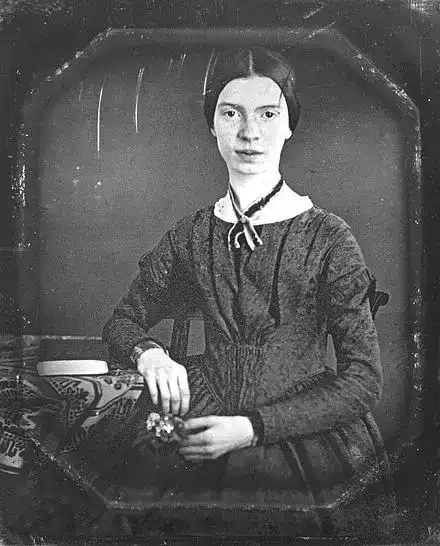
Emily Dickinson
When I was small, a Woman died
When I was small, a Woman died
596
When I was small, a Woman diedToday-
her Only Boy
Went up from the Potomac-
His face all Victory
To look at her-How slowly
The Seasons must have turned
Till Bullets clipt an Angle
And He passed quickly round-
If pride shall be in Paradise-
Ourself cannot decide-
Of their imperial Conduct-
No person testified-
But, proud in Apparition-
That Woman and her Boy
Pass back and forth, before my Brain
As even in the sky
I'm confident that Bravoes-
Perpetual break abroad
For Braveries, remote as this
In Scarlet Maryland-
596
When I was small, a Woman diedToday-
her Only Boy
Went up from the Potomac-
His face all Victory
To look at her-How slowly
The Seasons must have turned
Till Bullets clipt an Angle
And He passed quickly round-
If pride shall be in Paradise-
Ourself cannot decide-
Of their imperial Conduct-
No person testified-
But, proud in Apparition-
That Woman and her Boy
Pass back and forth, before my Brain
As even in the sky
I'm confident that Bravoes-
Perpetual break abroad
For Braveries, remote as this
In Scarlet Maryland-
268
Emily Dickinson
This is my letter to the world,
This is my letter to the world,
This is my letter to the world,
That never wrote to me,--
The simple news that Nature told,
With tender majesty.
Her message is committed
To hands I cannot see;
For love of her, sweet countrymen,
Judge tenderly of me!
This is my letter to the world,
That never wrote to me,--
The simple news that Nature told,
With tender majesty.
Her message is committed
To hands I cannot see;
For love of her, sweet countrymen,
Judge tenderly of me!
268
Emily Dickinson
They ask but our Delight
They ask but our Delight
868
They ask but our Delight-
The Darlings of the Soil
And grant us all their Countenance
For a penurious smile.
868
They ask but our Delight-
The Darlings of the Soil
And grant us all their Countenance
For a penurious smile.
265
Emily Dickinson
There is another sky
There is another sky
2
There is another sky,
Ever serene and fair,
And there is another sunshine,
Though it be darkness there;
Never mind faded forests, Austin,
Never mind silent fields-
Here is a little forest,
Whose leaf is ever green;
Here is a brighter garden,
Where not a frost has been;
In its unfading flowers
I hear the bright bee hum:
Prithee, my brother,
Into my garden come!
2
There is another sky,
Ever serene and fair,
And there is another sunshine,
Though it be darkness there;
Never mind faded forests, Austin,
Never mind silent fields-
Here is a little forest,
Whose leaf is ever green;
Here is a brighter garden,
Where not a frost has been;
In its unfading flowers
I hear the bright bee hum:
Prithee, my brother,
Into my garden come!
599
Emily Dickinson
The World-stands-solemner-to me
The World-stands-solemner-to me
493
The World-stands-solemner-to me-
Since I was wed-to Him-
A modesty befits the soul
That bears another's-name-
A doubt-if it be fair-indeed-
To wear that perfect-pearl-
The Man-upon the Woman-binds-
To clasp her soul-for all-
A prayer, that it more angel-prove-
A whiter Gift-within-
To that munificence, that chose-
So unadorned-a Queen-
A Gratitude-that such be true-
It had esteemed the Dream-
Too beautiful-for Shape to prove-
Or posture-to redeem!
493
The World-stands-solemner-to me-
Since I was wed-to Him-
A modesty befits the soul
That bears another's-name-
A doubt-if it be fair-indeed-
To wear that perfect-pearl-
The Man-upon the Woman-binds-
To clasp her soul-for all-
A prayer, that it more angel-prove-
A whiter Gift-within-
To that munificence, that chose-
So unadorned-a Queen-
A Gratitude-that such be true-
It had esteemed the Dream-
Too beautiful-for Shape to prove-
Or posture-to redeem!
215
Emily Dickinson
The Robin for the Crumb
The Robin for the Crumb
864
The Robin for the Crumb
Returns no syllable
But long records the Lady's name
In Silver Chronicle.
864
The Robin for the Crumb
Returns no syllable
But long records the Lady's name
In Silver Chronicle.
269
Emily Dickinson
The Night was wide, and furnished scant
The Night was wide, and furnished scant
589
The Night was wide, and furnished scant
With but a single Star-
That often as a Cloud it met-
Blew out itself-for fear-
The Wind pursued the little Bush-
And drove away the Leaves
November left-then clambered up
And fretted in the Eaves-
No Squirrel went abroad-
A Dog's belated feet
Like intermittent Plush, he heard
Adown the empty Street-
To feel if Blinds be fast-
And closer to the fire-
Her little Rocking Chair to draw-
And shiver for the Poor-
The Housewife's gentle Task-
How pleasanter-said she
Unto the Sofa opposite-
The Sleet-than May, no Thee-
589
The Night was wide, and furnished scant
With but a single Star-
That often as a Cloud it met-
Blew out itself-for fear-
The Wind pursued the little Bush-
And drove away the Leaves
November left-then clambered up
And fretted in the Eaves-
No Squirrel went abroad-
A Dog's belated feet
Like intermittent Plush, he heard
Adown the empty Street-
To feel if Blinds be fast-
And closer to the fire-
Her little Rocking Chair to draw-
And shiver for the Poor-
The Housewife's gentle Task-
How pleasanter-said she
Unto the Sofa opposite-
The Sleet-than May, no Thee-
272
Emily Dickinson
The Judge is like the Owl
The Judge is like the Owl
699
The Judge is like the OwlI've
heard my Father tell-
And Owls do build in Oaks-
So here's an Amber Sill-
That slanted in my Path-
When going to the Barn-
And if it serve You for a House-
Itself is not in vain-
About the price-'tis small-
I only ask a Tune
At Midnight-Let the Owl select
His favorite Refrain.
699
The Judge is like the OwlI've
heard my Father tell-
And Owls do build in Oaks-
So here's an Amber Sill-
That slanted in my Path-
When going to the Barn-
And if it serve You for a House-
Itself is not in vain-
About the price-'tis small-
I only ask a Tune
At Midnight-Let the Owl select
His favorite Refrain.
274
Emily Dickinson
The Grass so little has to do
The Grass so little has to do
The Grass so little has to do –
A Sphere of simple Green –
With only Butterflies to brood
And Bees to entertain –
And stir all day to pretty Tunes
The Breezes fetch along –
And hold the Sunshine in its lap
And bow to everything –
And thread the Dews, all night, like Pearls –
And make itself so fine
A Duchess were too common
For such a noticing –
And even when it dies – to pass
In Odors so divine –
Like Lowly spices, lain to sleep –
Or Spikenards, perishing –
And then, in Sovereign Barns to dwell –
And dream the Days away,
The Grass so little has to do
I wish I were a Hay –
The Grass so little has to do –
A Sphere of simple Green –
With only Butterflies to brood
And Bees to entertain –
And stir all day to pretty Tunes
The Breezes fetch along –
And hold the Sunshine in its lap
And bow to everything –
And thread the Dews, all night, like Pearls –
And make itself so fine
A Duchess were too common
For such a noticing –
And even when it dies – to pass
In Odors so divine –
Like Lowly spices, lain to sleep –
Or Spikenards, perishing –
And then, in Sovereign Barns to dwell –
And dream the Days away,
The Grass so little has to do
I wish I were a Hay –
215
Emily Dickinson
The Black Berry—wears a Thorn in his side
The Black Berry—wears a Thorn in his side
The Black Berry—wears a Thorn in his side—
But no Man heard Him cry—
He offers His Berry, just the same
To Partridge—and to Boy—
He sometimes holds upon the Fence—
Or struggles to a Tree—
Or clasps a Rock, with both His Hands—
But not for Sympathy—
We—tell a Hurt—to cool it—
This Mourner—to the Sky
A little further reaches—instead—
Brave Black Berry—
The Black Berry—wears a Thorn in his side—
But no Man heard Him cry—
He offers His Berry, just the same
To Partridge—and to Boy—
He sometimes holds upon the Fence—
Or struggles to a Tree—
Or clasps a Rock, with both His Hands—
But not for Sympathy—
We—tell a Hurt—to cool it—
This Mourner—to the Sky
A little further reaches—instead—
Brave Black Berry—
238
Emily Dickinson
The Birds begun at Four o'clock
The Birds begun at Four o'clock
783
The Birds begun at Four o'clock-
Their period for Dawn-
A Music numerous as space-
But neighboring as Noon-
I could not count their Force-
Their Voices did expend
As Brook by Brook bestows itself
To multiply the Pond.
Their Witnesses were not-
Except occasional man-
In homely industry arrayed-
To overtake the Morn-
Nor was it for applause-
That I could ascertain-
But independent Ecstasy
Of Deity and Men-
By Six, the Flood had done-
No Tumult there had been
Of Dressing, or Departure-
And yet the Band was gone-
The Sun engrossed the East-
The Day controlled the World-
The Miracle that introduced
Forgotten, as fulfilled.
783
The Birds begun at Four o'clock-
Their period for Dawn-
A Music numerous as space-
But neighboring as Noon-
I could not count their Force-
Their Voices did expend
As Brook by Brook bestows itself
To multiply the Pond.
Their Witnesses were not-
Except occasional man-
In homely industry arrayed-
To overtake the Morn-
Nor was it for applause-
That I could ascertain-
But independent Ecstasy
Of Deity and Men-
By Six, the Flood had done-
No Tumult there had been
Of Dressing, or Departure-
And yet the Band was gone-
The Sun engrossed the East-
The Day controlled the World-
The Miracle that introduced
Forgotten, as fulfilled.
356
Emily Dickinson
That first Day, when you praised Me, Sweet
That first Day, when you praised Me, Sweet
659
That first Day, when you praised Me, Sweet,
And said that I was strong-
And could be mighty, if I liked-
That Day-the Days among-
Glows Central-like a Jewel
Between Diverging Golds-
The Minor One-that gleamed behind-
And Vaster-of the World's.
659
That first Day, when you praised Me, Sweet,
And said that I was strong-
And could be mighty, if I liked-
That Day-the Days among-
Glows Central-like a Jewel
Between Diverging Golds-
The Minor One-that gleamed behind-
And Vaster-of the World's.
271