

Poems in this topic
War and Peace
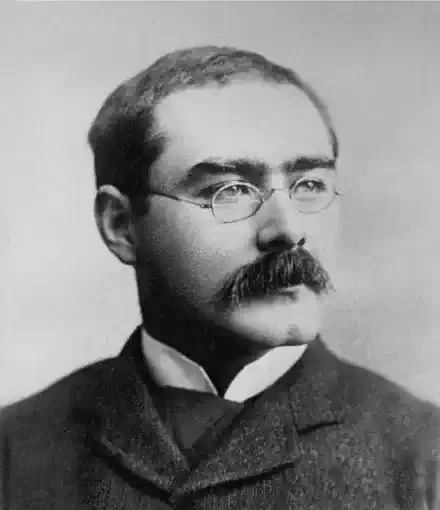
Rudyard Kipling
Ulster
Ulster
("Their webs shall not become garments, neither shall they
cover themselves with their works: their works are works
of inquity and the act of violence is in their hands." --
Isaiah lix. .)
The dark eleventh hour
Draws on and sees us sold
To every evil power
We fought against of old.
Rebellion, rapine hate
Oppression, wrong and greed
Are loosed to rule our fate,
By England's act and deed.
The Faith in which we stand,
The laws we made and guard,
Our honour, lives, and land
Are given for reward
To Murder done by night,
To Treason taught by day,
To folly, sloth, and spite,
And we are thrust away.
The blood our fathers spilt,
Our love, our toils, our pains,
Are counted us for guilt,
And only bind our chains.
Before an Empire's eyes
The traitor claims his price.
What need of further lies?
We are the sacrifice.
We asked no more than leave
To reap where we had sown,
Through good and ill to cleave
To our own flag and throne.
Now England's shot and steel
Beneath that flag must show
How loyal hearts should kneel
To England's oldest foe.
We know the war prepared
On every peaceful home,
We know the hells declared
For such as serve not Rome --
The terror, threats, and dread
In market, hearth, and field --
We know, when all is said,
We perish if we yield.
Believe, we dare not boast,
Believe, we do not fear --
We stand to pay the cost
In all that men hold dear.
What answer from the North?
One Law, one Land, one Throne.
If England drive us forth
We shall not fall alone!
("Their webs shall not become garments, neither shall they
cover themselves with their works: their works are works
of inquity and the act of violence is in their hands." --
Isaiah lix. .)
The dark eleventh hour
Draws on and sees us sold
To every evil power
We fought against of old.
Rebellion, rapine hate
Oppression, wrong and greed
Are loosed to rule our fate,
By England's act and deed.
The Faith in which we stand,
The laws we made and guard,
Our honour, lives, and land
Are given for reward
To Murder done by night,
To Treason taught by day,
To folly, sloth, and spite,
And we are thrust away.
The blood our fathers spilt,
Our love, our toils, our pains,
Are counted us for guilt,
And only bind our chains.
Before an Empire's eyes
The traitor claims his price.
What need of further lies?
We are the sacrifice.
We asked no more than leave
To reap where we had sown,
Through good and ill to cleave
To our own flag and throne.
Now England's shot and steel
Beneath that flag must show
How loyal hearts should kneel
To England's oldest foe.
We know the war prepared
On every peaceful home,
We know the hells declared
For such as serve not Rome --
The terror, threats, and dread
In market, hearth, and field --
We know, when all is said,
We perish if we yield.
Believe, we dare not boast,
Believe, we do not fear --
We stand to pay the cost
In all that men hold dear.
What answer from the North?
One Law, one Land, one Throne.
If England drive us forth
We shall not fall alone!
518
Rudyard Kipling
Two Kopjes
Two Kopjes
(Made Yeomanry towards End of Boer War)
Only two African kopjes,
Only the cart-tracks that wind
Empty and open between 'em,
Only the Transvaal behind;
Only an Aldershot column
Marching to conquer the land . . .
Only a sudden and solemn
Visit, unarmed, to the Rand.
Then scorn not the African kopje,
The kopje that smiles in the heat,
The wholly unoccupied kopje,
The home of Cornelius and Piet.
You can never be sure of your kopje,
But of this be you blooming well sure,
A kopje is always a kopje,
And a Boojer is always a Boer!
Only two African kopjes,
Only the vultures above,
Only baboons--at the bottom,
Only some buck on the move;
Only a Kensington draper
Only pretending to scout . . .
.Only bad news for the paper,
Only another knock-out.
Then mock not the African kopje,
And rub not your flank on its side,
The silent and simmering kopje,
The kopje beloved by the guide.
You can never be, etc.
Only two African kopjes,
Only the dust of their wheels,
Only a bolted commando,
Only our guns at their heels . . .
Only a little barb-wire,
Only a natural fort,
Only "by sections retire,"
Only "regret to report! "
Then mock not the .African kopje,
Especially when it is twins,
One sharp and one table-topped kopje
For that's where the trouble begins.
You never can be, etc.
Only two African kopjes
Baited the same as before--
Only we've had it so often,
Only we're taking no more . . .
Only a wave to our troopers,
Only our flanks swinging past,
Only a dozen voorloopers,.
Only we've learned it at last!
Then mock not the African kopje,
But take off your hat to the same,
The patient, impartial old kopje,
The kopje that taught us the game!
For all that we knew in the Columns,
And all they've forgot on the Staff,
We learned at the Fight o' Two Kopjes,
Which lasted two years an' a half.
mock not the African kopje,
Not even when peace has been signed--
The kopje that isn't a kopje--
The kopje that copies its kind.
You can never be sure of your kopje,
But of this be you blooming well sure,
That a kopje is always a kopje,
And a Boojer is always a Boer!
(Made Yeomanry towards End of Boer War)
Only two African kopjes,
Only the cart-tracks that wind
Empty and open between 'em,
Only the Transvaal behind;
Only an Aldershot column
Marching to conquer the land . . .
Only a sudden and solemn
Visit, unarmed, to the Rand.
Then scorn not the African kopje,
The kopje that smiles in the heat,
The wholly unoccupied kopje,
The home of Cornelius and Piet.
You can never be sure of your kopje,
But of this be you blooming well sure,
A kopje is always a kopje,
And a Boojer is always a Boer!
Only two African kopjes,
Only the vultures above,
Only baboons--at the bottom,
Only some buck on the move;
Only a Kensington draper
Only pretending to scout . . .
.Only bad news for the paper,
Only another knock-out.
Then mock not the African kopje,
And rub not your flank on its side,
The silent and simmering kopje,
The kopje beloved by the guide.
You can never be, etc.
Only two African kopjes,
Only the dust of their wheels,
Only a bolted commando,
Only our guns at their heels . . .
Only a little barb-wire,
Only a natural fort,
Only "by sections retire,"
Only "regret to report! "
Then mock not the .African kopje,
Especially when it is twins,
One sharp and one table-topped kopje
For that's where the trouble begins.
You never can be, etc.
Only two African kopjes
Baited the same as before--
Only we've had it so often,
Only we're taking no more . . .
Only a wave to our troopers,
Only our flanks swinging past,
Only a dozen voorloopers,.
Only we've learned it at last!
Then mock not the African kopje,
But take off your hat to the same,
The patient, impartial old kopje,
The kopje that taught us the game!
For all that we knew in the Columns,
And all they've forgot on the Staff,
We learned at the Fight o' Two Kopjes,
Which lasted two years an' a half.
mock not the African kopje,
Not even when peace has been signed--
The kopje that isn't a kopje--
The kopje that copies its kind.
You can never be sure of your kopje,
But of this be you blooming well sure,
That a kopje is always a kopje,
And a Boojer is always a Boer!
439
Rudyard Kipling
The Young British Soldier
The Young British Soldier
When the 'arf-made recruity goes out to the East
'E acts like a babe an' 'e drinks like a beast,
An' 'e wonders because 'e is frequent deceased
Ere 'e's fit for to serve as a soldier.
Serve, serve, serve as a soldier,
Serve, serve, serve as a soldier,
Serve, serve, serve as a soldier,
So-oldier ~OF~ the Queen!
Now all you recruities what's drafted to-day,
You shut up your rag-box an' 'ark to my lay,
An' I'll sing you a soldier as far as I may:
A soldier what's fit for a soldier.
Fit, fit, fit for a soldier . . .
First mind you steer clear o' the grog-sellers' huts,
For they sell you Fixed Bay'nets that rots out your guts --
Ay, drink that 'ud eat the live steel from your butts --
An' it's bad for the young British soldier.
Bad, bad, bad for the soldier . . .
When the cholera comes -- as it will past a doubt --
Keep out of the wet and don't go on the shout,
For the sickness gets in as the liquor dies out,
An' it crumples the young British soldier.
Crum-, crum-, crumples the soldier . . .
But the worst o' your foes is the sun over'ead:
You ~must~ wear your 'elmet for all that is said:
If 'e finds you uncovered 'e'll knock you down dead,
An' you'll die like a fool of a soldier.
Fool, fool, fool of a soldier . . .
If you're cast for fatigue by a sergeant unkind,
Don't grouse like a woman nor crack on nor blind;
Be handy and civil, and then you will find
That it's beer for the young British soldier.
Beer, beer, beer for the soldier . . .
Now, if you must marry, take care she is old --
A troop-sergeant's widow's the nicest I'm told,
For beauty won't help if your rations is cold,
Nor love ain't enough for a soldier.
'Nough, 'nough, 'nough for a soldier . . .
If the wife should go wrong with a comrade, be loath
To shoot when you catch 'em -- you'll swing, on my oath! --
Make 'im take 'er and keep 'er: that's Hell for them both,
An' you're shut o' the curse of a soldier.
Curse, curse, curse of a soldier . . .
When first under fire an' you're wishful to duck,
Don't look nor take 'eed at the man that is struck,
Be thankful you're livin', and trust to your luck
And march to your front like a soldier.
Front, front, front like a soldier . . .
When 'arf of your bullets fly wide in the ditch,
Don't call your Martini a cross-eyed old bitch;
She's human as you are -- you treat her as sich,
An' she'll fight for the young British soldier.
Fight, fight, fight for the soldier . . .
When shakin' their bustles like ladies so fine,
The guns o' the enemy wheel into line,
Shoot low at the limbers an' don't mind the shine,
For noise never startles the soldier.
Start-, start-, startles the soldier . . .
If your officer's dead and the sergeants look white,
Remember it's ruin to run from a fight:
So take open order, lie down, and sit tight,
And wait for supports like a soldier.
Wait, wait, wait like a soldier . . .
When you're wounded and left on Afghanistan's plains,
And the women come out to cut up what remains,
Jest roll to your rifle and blow out your brains
An' go to your Gawd like a soldier.
Go, go, go like a soldier,
Go, go, go like a soldier,
Go, go, go like a soldier,
So-oldier ~of~ the Queen!
When the 'arf-made recruity goes out to the East
'E acts like a babe an' 'e drinks like a beast,
An' 'e wonders because 'e is frequent deceased
Ere 'e's fit for to serve as a soldier.
Serve, serve, serve as a soldier,
Serve, serve, serve as a soldier,
Serve, serve, serve as a soldier,
So-oldier ~OF~ the Queen!
Now all you recruities what's drafted to-day,
You shut up your rag-box an' 'ark to my lay,
An' I'll sing you a soldier as far as I may:
A soldier what's fit for a soldier.
Fit, fit, fit for a soldier . . .
First mind you steer clear o' the grog-sellers' huts,
For they sell you Fixed Bay'nets that rots out your guts --
Ay, drink that 'ud eat the live steel from your butts --
An' it's bad for the young British soldier.
Bad, bad, bad for the soldier . . .
When the cholera comes -- as it will past a doubt --
Keep out of the wet and don't go on the shout,
For the sickness gets in as the liquor dies out,
An' it crumples the young British soldier.
Crum-, crum-, crumples the soldier . . .
But the worst o' your foes is the sun over'ead:
You ~must~ wear your 'elmet for all that is said:
If 'e finds you uncovered 'e'll knock you down dead,
An' you'll die like a fool of a soldier.
Fool, fool, fool of a soldier . . .
If you're cast for fatigue by a sergeant unkind,
Don't grouse like a woman nor crack on nor blind;
Be handy and civil, and then you will find
That it's beer for the young British soldier.
Beer, beer, beer for the soldier . . .
Now, if you must marry, take care she is old --
A troop-sergeant's widow's the nicest I'm told,
For beauty won't help if your rations is cold,
Nor love ain't enough for a soldier.
'Nough, 'nough, 'nough for a soldier . . .
If the wife should go wrong with a comrade, be loath
To shoot when you catch 'em -- you'll swing, on my oath! --
Make 'im take 'er and keep 'er: that's Hell for them both,
An' you're shut o' the curse of a soldier.
Curse, curse, curse of a soldier . . .
When first under fire an' you're wishful to duck,
Don't look nor take 'eed at the man that is struck,
Be thankful you're livin', and trust to your luck
And march to your front like a soldier.
Front, front, front like a soldier . . .
When 'arf of your bullets fly wide in the ditch,
Don't call your Martini a cross-eyed old bitch;
She's human as you are -- you treat her as sich,
An' she'll fight for the young British soldier.
Fight, fight, fight for the soldier . . .
When shakin' their bustles like ladies so fine,
The guns o' the enemy wheel into line,
Shoot low at the limbers an' don't mind the shine,
For noise never startles the soldier.
Start-, start-, startles the soldier . . .
If your officer's dead and the sergeants look white,
Remember it's ruin to run from a fight:
So take open order, lie down, and sit tight,
And wait for supports like a soldier.
Wait, wait, wait like a soldier . . .
When you're wounded and left on Afghanistan's plains,
And the women come out to cut up what remains,
Jest roll to your rifle and blow out your brains
An' go to your Gawd like a soldier.
Go, go, go like a soldier,
Go, go, go like a soldier,
Go, go, go like a soldier,
So-oldier ~of~ the Queen!
534
Rudyard Kipling
The Rhyme Of The Three Captains
The Rhyme Of The Three Captains
. . . At the close of a winter day,
Their anchors down, by London town, the Three Great Captains lay;
And one was Admiral of the North from Solway Firth to Skye,
And one was Lord of the Wessex coast and all the lands thereby,
And one was Master of the Thames from Limehouse to Blackwall,
And he was Captain of the Fleet -- the bravest of them all.
Their good guns guarded their great gray sides
that were thirty foot in the sheer,
When there came a certain trading-brig with news of a privateer.
Her rigging was rough with the clotted drift that drives in a Northern breeze,
Her sides were clogged with the lazy weed that spawns in the Eastern seas.
Light she rode in the rude tide-rip, to left and right she rolled,
And the skipper sat on the scuttle-butt and stared at an empty hold.
"I ha' paid Port dues for your Law," quoth he, "and where is the Law ye boast
If I sail unscathed from a heathen port to be robbed on a Christian coast?
Ye have smoked the hives of the Laccadives as we burn the lice in a bunk,
We tack not now to a Gallang prow or a plunging Pei-ho junk;
I had no fear but the seas were clear as far as a sail might fare
Till I met with a lime-washed Yankee brig that rode off Finisterre.
There were canvas blinds to his bow-gun ports to screen the weight he bore,
And the signals ran for a merchantman from Sandy Hook to the Nore.
He would not fly the Rovers' flag -- the bloody or the black,
But now he floated the Gridiron and now he flaunted the Jack.
He spoke of the Law as he crimped my crew -- he swore it was only a loan;
But when I would ask for my own again, he swore it was none of my own.
He has taken my little parrakeets that nest beneath the Line,
He has stripped my rails of the shaddock-frails and the green unripened pine;
He has taken my bale of dammer and spice I won beyond the seas,
He has taken my grinning heathen gods -- and what should he want o' these?
My foremast would not mend his boom, my deckhouse patch his boats;
He has whittled the two, this Yank Yahoo, to peddle for shoe-peg oats.
I could not fight for the failing light and a rough beam-sea beside,
But I hulled him once for a clumsy crimp and twice because he lied.
Had I had guns (as I had goods) to work my Christian harm,
I had run him up from his quarter-deck to trade with his own yard-arm;
I had nailed his ears to my capstan-head, and ripped them off with a saw,
And soused them in the bilgewater, and served them to him raw;
I had flung him blind in a rudderless boat to rot in the rocking dark,
I had towed him aft of his own craft, a bait for his brother shark;
I had lapped him round with cocoa husk, and drenched him with the oil,
And lashed him fast to his own mast to blaze above my spoil;
I had stripped his hide for my hammock-side,
and tasselled his beard i' the mesh,
And spitted his crew on the live bamboo
that grows through the gangrened flesh;
I had hove him down by the mangroves brown,
where the mud-reef sucks and draws,
Moored by the heel to his own keel to wait for the land-crab's claws!
He is lazar within and lime without, ye can nose him far enow,
For he carries the taint of a musky ship -- the reek of the slaver's dhow!"
The skipper looked at the tiering guns and the bulwarks tall and cold,
And the Captains Three full courteously peered down at the gutted hold,
And the Captains Three called courteously from deck to scuttle-butt: --
"Good Sir, we ha' dealt with that merchantman or ever your teeth were cut.
Your words be words of a lawless race, and the Law it standeth thus:
He comes of a race that have never a Law, and he never has boarded us.
We ha' sold him canvas and rope and spar -- we know that his price is fair,
And we know that he weeps for the lack of a Law as he rides off Finisterre.
And since he is damned for a gallows-thief by you and better than you,
We hold it meet that the English fleet should know that we hold him true."
The skipper called to the tall taffrail: -- "And what is that to me?
Did ever you hear of a Yankee brig that rifled a Seventy-three?
Do I loom so large from your quarter-deck that I lift like a ship o' the Line?
He has learned to run from a shotted gun and harry such craft as mine.
There is never a Law on the Cocos Keys to hold a white man in,
But we do not steal the niggers' meal, for that is a nigger's sin.
Must he have his Law as a quid to chaw, or laid in brass on his wheel?
Does he steal with tears when he buccaneers?
'Fore Gad, then, why does he steal?"
The skipper bit on a deep-sea word, and the word it was not sweet,
For he could see the Captains Three had signalled to the Fleet.
But three and two, in white and blue, the whimpering flags began: --
"We have heard a tale of a -- foreign sail, but he is a merchantman."
The skipper peered beneath his palm and swore by the Great Horn Spoon: --
"'Fore Gad, the Chaplain of the Fleet would bless my picaroon!"
By two and three the flags blew free to lash the laughing air: --
"We have sold our spars to the merchantman -- we know that his price is fair."
The skipper winked his Western eye, and swore by a China storm: --
"They ha' rigged him a Joseph's jury-coat to keep his honour warm."
The halliards twanged against the tops, the bunting bellied broad,
The skipper spat in the empty hold and mourned for a wasted cord.
Masthead -- masthead, the signal sped by the line o' the British craft;
The skipper called to his Lascar crew, and put her about and laughed: --
"It's mainsail haul, my bully boys all -- we'll out to the seas again --
Ere they set us to paint their pirate saint, or scrub at his grapnel-chain.
It's fore-sheet free, with her head to the sea,
and the swing of the unbought brine --
We'll make no sport in an English court till we come as a ship o' the Line:
Till we come as a ship o' the Line, my lads, of thirty foot in the sheer,
Lifting again from the outer main with news of a privateer;
Flying his pluck at our mizzen-truck for weft of Admiralty,
Heaving his head for our dipsey-lead in sign that we keep the sea.
Then fore-sheet home as she lifts to the foam -- we stand on the outward tack,
We are paid in the coin of the white man's trade --
the bezant is hard, ay, and black.
The frigate-bird shall carry my word to the Kling and the Orang-Laut
How a man may sail from a heathen coast to be robbed in a Christian port;
How a man may be robbed in Christian port while Three Great Captains there
Shall dip their flag to a slaver's rag -- to show that his trade is fair!"
. . . At the close of a winter day,
Their anchors down, by London town, the Three Great Captains lay;
And one was Admiral of the North from Solway Firth to Skye,
And one was Lord of the Wessex coast and all the lands thereby,
And one was Master of the Thames from Limehouse to Blackwall,
And he was Captain of the Fleet -- the bravest of them all.
Their good guns guarded their great gray sides
that were thirty foot in the sheer,
When there came a certain trading-brig with news of a privateer.
Her rigging was rough with the clotted drift that drives in a Northern breeze,
Her sides were clogged with the lazy weed that spawns in the Eastern seas.
Light she rode in the rude tide-rip, to left and right she rolled,
And the skipper sat on the scuttle-butt and stared at an empty hold.
"I ha' paid Port dues for your Law," quoth he, "and where is the Law ye boast
If I sail unscathed from a heathen port to be robbed on a Christian coast?
Ye have smoked the hives of the Laccadives as we burn the lice in a bunk,
We tack not now to a Gallang prow or a plunging Pei-ho junk;
I had no fear but the seas were clear as far as a sail might fare
Till I met with a lime-washed Yankee brig that rode off Finisterre.
There were canvas blinds to his bow-gun ports to screen the weight he bore,
And the signals ran for a merchantman from Sandy Hook to the Nore.
He would not fly the Rovers' flag -- the bloody or the black,
But now he floated the Gridiron and now he flaunted the Jack.
He spoke of the Law as he crimped my crew -- he swore it was only a loan;
But when I would ask for my own again, he swore it was none of my own.
He has taken my little parrakeets that nest beneath the Line,
He has stripped my rails of the shaddock-frails and the green unripened pine;
He has taken my bale of dammer and spice I won beyond the seas,
He has taken my grinning heathen gods -- and what should he want o' these?
My foremast would not mend his boom, my deckhouse patch his boats;
He has whittled the two, this Yank Yahoo, to peddle for shoe-peg oats.
I could not fight for the failing light and a rough beam-sea beside,
But I hulled him once for a clumsy crimp and twice because he lied.
Had I had guns (as I had goods) to work my Christian harm,
I had run him up from his quarter-deck to trade with his own yard-arm;
I had nailed his ears to my capstan-head, and ripped them off with a saw,
And soused them in the bilgewater, and served them to him raw;
I had flung him blind in a rudderless boat to rot in the rocking dark,
I had towed him aft of his own craft, a bait for his brother shark;
I had lapped him round with cocoa husk, and drenched him with the oil,
And lashed him fast to his own mast to blaze above my spoil;
I had stripped his hide for my hammock-side,
and tasselled his beard i' the mesh,
And spitted his crew on the live bamboo
that grows through the gangrened flesh;
I had hove him down by the mangroves brown,
where the mud-reef sucks and draws,
Moored by the heel to his own keel to wait for the land-crab's claws!
He is lazar within and lime without, ye can nose him far enow,
For he carries the taint of a musky ship -- the reek of the slaver's dhow!"
The skipper looked at the tiering guns and the bulwarks tall and cold,
And the Captains Three full courteously peered down at the gutted hold,
And the Captains Three called courteously from deck to scuttle-butt: --
"Good Sir, we ha' dealt with that merchantman or ever your teeth were cut.
Your words be words of a lawless race, and the Law it standeth thus:
He comes of a race that have never a Law, and he never has boarded us.
We ha' sold him canvas and rope and spar -- we know that his price is fair,
And we know that he weeps for the lack of a Law as he rides off Finisterre.
And since he is damned for a gallows-thief by you and better than you,
We hold it meet that the English fleet should know that we hold him true."
The skipper called to the tall taffrail: -- "And what is that to me?
Did ever you hear of a Yankee brig that rifled a Seventy-three?
Do I loom so large from your quarter-deck that I lift like a ship o' the Line?
He has learned to run from a shotted gun and harry such craft as mine.
There is never a Law on the Cocos Keys to hold a white man in,
But we do not steal the niggers' meal, for that is a nigger's sin.
Must he have his Law as a quid to chaw, or laid in brass on his wheel?
Does he steal with tears when he buccaneers?
'Fore Gad, then, why does he steal?"
The skipper bit on a deep-sea word, and the word it was not sweet,
For he could see the Captains Three had signalled to the Fleet.
But three and two, in white and blue, the whimpering flags began: --
"We have heard a tale of a -- foreign sail, but he is a merchantman."
The skipper peered beneath his palm and swore by the Great Horn Spoon: --
"'Fore Gad, the Chaplain of the Fleet would bless my picaroon!"
By two and three the flags blew free to lash the laughing air: --
"We have sold our spars to the merchantman -- we know that his price is fair."
The skipper winked his Western eye, and swore by a China storm: --
"They ha' rigged him a Joseph's jury-coat to keep his honour warm."
The halliards twanged against the tops, the bunting bellied broad,
The skipper spat in the empty hold and mourned for a wasted cord.
Masthead -- masthead, the signal sped by the line o' the British craft;
The skipper called to his Lascar crew, and put her about and laughed: --
"It's mainsail haul, my bully boys all -- we'll out to the seas again --
Ere they set us to paint their pirate saint, or scrub at his grapnel-chain.
It's fore-sheet free, with her head to the sea,
and the swing of the unbought brine --
We'll make no sport in an English court till we come as a ship o' the Line:
Till we come as a ship o' the Line, my lads, of thirty foot in the sheer,
Lifting again from the outer main with news of a privateer;
Flying his pluck at our mizzen-truck for weft of Admiralty,
Heaving his head for our dipsey-lead in sign that we keep the sea.
Then fore-sheet home as she lifts to the foam -- we stand on the outward tack,
We are paid in the coin of the white man's trade --
the bezant is hard, ay, and black.
The frigate-bird shall carry my word to the Kling and the Orang-Laut
How a man may sail from a heathen coast to be robbed in a Christian port;
How a man may be robbed in Christian port while Three Great Captains there
Shall dip their flag to a slaver's rag -- to show that his trade is fair!"
423
Rudyard Kipling
The Return
The Return
Peace is declared, and I return
To 'Ackneystadt, but not the same;
Things 'ave transpired which made me learn
The size and meanin' of the game.
I did no more than others did,
I don't know where the change began;
I started as a average kid,
I finished as a thinkin' man.
If England was what England seems
An' not the England of our dreams,
But only putty, brass, an' paint,
'Ow quick we'd drop 'er! But she ain't!
Before my gappin' mouth could speak
I 'eard it in my comrade's tone;
I saw it on my neighbour's cheek
Before I felt it flush my own.
An' last it come to me--not pride,
Nor yet conceit, but on the 'ole
(If such a term may be applied),
The makin's of a bloomin' soul.
Rivers at night that cluck an' jeer,
Plains which the moonshine turns to sea,
Mountains that never let you near,
An' stars to all eternity;
An' the quick-breathin' dark that fills
The 'ollows of the wilderness,
When the wind worries through the 'ills--
These may 'ave taught me more or less.
Towns without people, ten times took,
An' ten times left an' burned at last;
An' starvin' dogs that come to look
For owners when a column passed;
An' quiet, 'omesick talks between
Men, met by night, you never knew
Until--'is face--by shellfire seen--
Once--an' struck off. They taught me, too.
The day's lay-out--the mornin' sun
Beneath your 'at-brim as you sight;
The dinner-'ush from noon till one,
An' the full roar that lasts till night;
An' the pore dead that look so old
An' was so young an hour ago,
An' legs tied down before they're cold--
These are the things which make you know.
Also Time runnin' into years--
A thousand Places left be'ind--
An' Men from both two 'emispheres
Discussin' things of every kind;
So much more near than I 'ad known,
So much more great than I 'ad guessed--
An' me, like all the rest, alone--
But reachin' out to all the rest!
So 'ath it come to me--not pride,
Nor yet conceit, but on the 'ole
(If such a term may be applied),
The makin's of a bloomin' soul.
But now, discharged, I fall away
To do with little things again....
Gawd, 'oo knows all I cannot say,
Look after me in Thamesfontein!
If England was what England seems
An' not the England of our dreams,
But only putty, brass, an' paint,
'Ow quick we'd chuck 'er! But she ain't!
Peace is declared, and I return
To 'Ackneystadt, but not the same;
Things 'ave transpired which made me learn
The size and meanin' of the game.
I did no more than others did,
I don't know where the change began;
I started as a average kid,
I finished as a thinkin' man.
If England was what England seems
An' not the England of our dreams,
But only putty, brass, an' paint,
'Ow quick we'd drop 'er! But she ain't!
Before my gappin' mouth could speak
I 'eard it in my comrade's tone;
I saw it on my neighbour's cheek
Before I felt it flush my own.
An' last it come to me--not pride,
Nor yet conceit, but on the 'ole
(If such a term may be applied),
The makin's of a bloomin' soul.
Rivers at night that cluck an' jeer,
Plains which the moonshine turns to sea,
Mountains that never let you near,
An' stars to all eternity;
An' the quick-breathin' dark that fills
The 'ollows of the wilderness,
When the wind worries through the 'ills--
These may 'ave taught me more or less.
Towns without people, ten times took,
An' ten times left an' burned at last;
An' starvin' dogs that come to look
For owners when a column passed;
An' quiet, 'omesick talks between
Men, met by night, you never knew
Until--'is face--by shellfire seen--
Once--an' struck off. They taught me, too.
The day's lay-out--the mornin' sun
Beneath your 'at-brim as you sight;
The dinner-'ush from noon till one,
An' the full roar that lasts till night;
An' the pore dead that look so old
An' was so young an hour ago,
An' legs tied down before they're cold--
These are the things which make you know.
Also Time runnin' into years--
A thousand Places left be'ind--
An' Men from both two 'emispheres
Discussin' things of every kind;
So much more near than I 'ad known,
So much more great than I 'ad guessed--
An' me, like all the rest, alone--
But reachin' out to all the rest!
So 'ath it come to me--not pride,
Nor yet conceit, but on the 'ole
(If such a term may be applied),
The makin's of a bloomin' soul.
But now, discharged, I fall away
To do with little things again....
Gawd, 'oo knows all I cannot say,
Look after me in Thamesfontein!
If England was what England seems
An' not the England of our dreams,
But only putty, brass, an' paint,
'Ow quick we'd chuck 'er! But she ain't!
457
Rudyard Kipling
The Outlaws
The Outlaws
Through learned and laborious years
They set themselves to find
Fresh terrors and undreamed-of fears
To heap upon mankind.
ALl that they drew from Heaven above
Or digged from earth beneath,
They laid into their treasure-trove
And arsenals of death:
While, for well-weighed advantage sake,
Ruler and ruled alike
Built up the faith they meant to break
When the fit hour should strike.
They traded with the careless earth,
And good return it gave:
They plotted by their neighbour's hearth
The means to make him slave.
When all was ready to their hand
They loosed their hidden sword,
And utterly laid waste a land
Their oath was pledged to guard.
Coldly they went about to raise
To life and make more dread
Abominations of old days,
That men believed were dead.
They paid the price to reach their goal
Across a world in flame;
But their own hate slew their own soul
Before that victory came.
Through learned and laborious years
They set themselves to find
Fresh terrors and undreamed-of fears
To heap upon mankind.
ALl that they drew from Heaven above
Or digged from earth beneath,
They laid into their treasure-trove
And arsenals of death:
While, for well-weighed advantage sake,
Ruler and ruled alike
Built up the faith they meant to break
When the fit hour should strike.
They traded with the careless earth,
And good return it gave:
They plotted by their neighbour's hearth
The means to make him slave.
When all was ready to their hand
They loosed their hidden sword,
And utterly laid waste a land
Their oath was pledged to guard.
Coldly they went about to raise
To life and make more dread
Abominations of old days,
That men believed were dead.
They paid the price to reach their goal
Across a world in flame;
But their own hate slew their own soul
Before that victory came.
419
Rudyard Kipling
The Lowestoft Boat
The Lowestoft Boat
East Coast Patrols of the War, -
In Lowestoft a boat was laid,
Mark well what I do say!
And she was built for the herring-trade,
But she has gone a-rovin', a-rovin', a-rovin',
The Lord knows where!
They gave her Government coal to burn,
And a Q.F. gun at bow and stern,
And sent her out a-rovin', etc.
Her skipper was mate of a bucko ship
Which always killed one man per trip,
So he is used to rovin', etc.
Her mate was skipper of a chapel in Wales,
And so he fights in topper and tails--
Religi-ous tho' rovin', etc.
Her engineer is fifty-eight,'
So he's prepared to meet his fate,
Which ain't unlikely rovin', etc.
Her leading-stoker's seventeen,
So he don't know what the Judgments mean,
Unless he cops 'em rovin', etc.
Her cook was chef in the Lost Dogs' Home,
Mark well what I do say!
And I'm sorry for Fritz when they all come
A-rovin', a-rovin', a-roarin' and a-rovin',
Round the North Sea rovin',
The Lord knows where!
East Coast Patrols of the War, -
In Lowestoft a boat was laid,
Mark well what I do say!
And she was built for the herring-trade,
But she has gone a-rovin', a-rovin', a-rovin',
The Lord knows where!
They gave her Government coal to burn,
And a Q.F. gun at bow and stern,
And sent her out a-rovin', etc.
Her skipper was mate of a bucko ship
Which always killed one man per trip,
So he is used to rovin', etc.
Her mate was skipper of a chapel in Wales,
And so he fights in topper and tails--
Religi-ous tho' rovin', etc.
Her engineer is fifty-eight,'
So he's prepared to meet his fate,
Which ain't unlikely rovin', etc.
Her leading-stoker's seventeen,
So he don't know what the Judgments mean,
Unless he cops 'em rovin', etc.
Her cook was chef in the Lost Dogs' Home,
Mark well what I do say!
And I'm sorry for Fritz when they all come
A-rovin', a-rovin', a-roarin' and a-rovin',
Round the North Sea rovin',
The Lord knows where!
470
Rudyard Kipling
The Light That Failed
The Light That Failed
So we settled it all when the storm was done
As comfy as comfy could be;
And I was to wait in the barn, my dears,
Because I was only three.
And Teddy would run to the rainbow's foot
Because he was five and a man--
And that's how it all began, my dears,
And that's how it all began!
Then we brought the lances down--then the trumpets blew--
When we went to Kandahar, ridin' two an' two.
Ridin'--ridin'--ridin' two an' two!
Ta-ra-ra-ra-ra-ra-a!
All the way to Kandahar,
Ridin' two an' two.
The wolf-cub at even lay hid in the corn,
When the smoke of the cooking hung grey.
He knew where the doe made a couch for her fawn,
And he looked to his strength for his prey.
But the moon swept the smoke-wreaths away;
And he turned from his meal in the villager's close,
And he bayed to the moon as she rose.
"I have a thousand men," said he,
"To wait upon my will;
And towers nine upon the Tyne,
And three upon the Till."
"And what care I for your men? " said she,
"Or towers from Tyne to Till?
Sith you must go with me," said she,
"To wait upon my will.
And you may lead a thousand men
Nor ever draw the rein,
But before you lead the Fairy Queen
'Twill burst your heart in twain."
He has slipped his foot from the stirrup-bar,
The bridle from his hand,
And he is bound by hand and foot
To the Queen of Fairy Land.
"If I have taken the common clay
And wrought it cunningly
In the shape of a God that was digged a clod,
The greater honour to me."
"If thou hast taken the common clay,
And thy hands be not free
From the taint of the soil, thou hast made thy spoil
The greater shame to thee."
The lark will make her hymn to God,
The partridge call her brood,
While I forget the heath I trod,
The fields wherein I stood.
'Tis dule to know not night from morn,
But greater dule to know
I can but hear the hunter's horn
That once I used to blow.
There were three friends that buried the fourth,
The mould in his mouth and the dust in his eyes,
And they .went south and east and north--
The strong man fights but the sick man dies.
There were three friends that spoke of the dead--
The strong man fights but the sick man dies--
"And would he were here with us now," they said,
"The Sun in our face and the wind in our eyes."
Yet at the last ere our spearmen had found him,
Yet at the last, ere a sword-thrust could save,
Yet at the last, with his masters around him,
He spoke of the Faith as a master to slave.
Yet at the last though the Kafirs had maimed him,
Broken by bondage and wrecked by the reiver,
Yet at the last, tho' the darkness had claimed him,
He colled on Allah and died a Believer!
So we settled it all when the storm was done
As comfy as comfy could be;
And I was to wait in the barn, my dears,
Because I was only three.
And Teddy would run to the rainbow's foot
Because he was five and a man--
And that's how it all began, my dears,
And that's how it all began!
Then we brought the lances down--then the trumpets blew--
When we went to Kandahar, ridin' two an' two.
Ridin'--ridin'--ridin' two an' two!
Ta-ra-ra-ra-ra-ra-a!
All the way to Kandahar,
Ridin' two an' two.
The wolf-cub at even lay hid in the corn,
When the smoke of the cooking hung grey.
He knew where the doe made a couch for her fawn,
And he looked to his strength for his prey.
But the moon swept the smoke-wreaths away;
And he turned from his meal in the villager's close,
And he bayed to the moon as she rose.
"I have a thousand men," said he,
"To wait upon my will;
And towers nine upon the Tyne,
And three upon the Till."
"And what care I for your men? " said she,
"Or towers from Tyne to Till?
Sith you must go with me," said she,
"To wait upon my will.
And you may lead a thousand men
Nor ever draw the rein,
But before you lead the Fairy Queen
'Twill burst your heart in twain."
He has slipped his foot from the stirrup-bar,
The bridle from his hand,
And he is bound by hand and foot
To the Queen of Fairy Land.
"If I have taken the common clay
And wrought it cunningly
In the shape of a God that was digged a clod,
The greater honour to me."
"If thou hast taken the common clay,
And thy hands be not free
From the taint of the soil, thou hast made thy spoil
The greater shame to thee."
The lark will make her hymn to God,
The partridge call her brood,
While I forget the heath I trod,
The fields wherein I stood.
'Tis dule to know not night from morn,
But greater dule to know
I can but hear the hunter's horn
That once I used to blow.
There were three friends that buried the fourth,
The mould in his mouth and the dust in his eyes,
And they .went south and east and north--
The strong man fights but the sick man dies.
There were three friends that spoke of the dead--
The strong man fights but the sick man dies--
"And would he were here with us now," they said,
"The Sun in our face and the wind in our eyes."
Yet at the last ere our spearmen had found him,
Yet at the last, ere a sword-thrust could save,
Yet at the last, with his masters around him,
He spoke of the Faith as a master to slave.
Yet at the last though the Kafirs had maimed him,
Broken by bondage and wrecked by the reiver,
Yet at the last, tho' the darkness had claimed him,
He colled on Allah and died a Believer!
418
Rudyard Kipling
The Last of the Light Brigade
The Last of the Light Brigade
There were thirty million English who talked of England's might,
There were twenty broken troopers who lacked a bed for the night.
They had neither food nor money, they had neither service nor trade;
They were only shiftless soldiers, the last of the Light Brigade.
They felt that life was fleeting; they knew not that art was long,
That though they were dying of famine, they lived in deathless song.
They asked for a little money to keep the wolf from the door;
And the thirty million English sent twenty pounds and four!
They laid their heads together that were scarred and lined and grey;
Keen were the Russian sabres, but want was keener than they;
And an old Troop-Sergeant muttered, "Let us go to the man who writes
The things on Balaclava the kiddies at school recites."
They went without bands or colours, a regiment ten-file strong,
To look for the Master-singer who had crowned them all in his song;
And, waiting his servant's order, by the garden gate they stayed,
A desolate little cluster, the last of the Light Brigade.
They strove to stand to attention, to straighten the toil-bowed back;
They drilled on an empty stomach, the loose-knit files fell slack;
With stooping of weary shoulders, in garments tattered and frayed,
They shambled into his presence, the last of the Light Brigade.
The old Troop-Sergeant was spokesman, and "Beggin' your pardon," he said,
"You wrote o' the Light Brigade, sir. Here's all that isn't dead.
An' it's all come true what you wrote, sir, regardin' the mouth of hell;
For we're all of us nigh to the workhouse, an, we thought we'd call an' tell.
"No, thank you, we don't want food, sir; but couldn't you take an' write
A sort of 'to be continued' and 'see next page' o' the fight?
We think that someone has blundered, an' couldn't you tell 'em how?
You wrote we were heroes once, sir. Please, write we are starving now."
The poor little army departed, limping and lean and forlorn.
And the heart of the Master-singer grew hot with "the scorn of scorn."
And he wrote for them wonderful verses that swept the land like flame,
Till the fatted souls of the English were scourged with the thing called Shame.
O thirty million English that babble of England's might,
Behold there are twenty heroes who lack their food to-night;
Our children's children are lisping to "honour the charge they made-"
And we leave to the streets and the workhouse the charge of the Light Brigade!
There were thirty million English who talked of England's might,
There were twenty broken troopers who lacked a bed for the night.
They had neither food nor money, they had neither service nor trade;
They were only shiftless soldiers, the last of the Light Brigade.
They felt that life was fleeting; they knew not that art was long,
That though they were dying of famine, they lived in deathless song.
They asked for a little money to keep the wolf from the door;
And the thirty million English sent twenty pounds and four!
They laid their heads together that were scarred and lined and grey;
Keen were the Russian sabres, but want was keener than they;
And an old Troop-Sergeant muttered, "Let us go to the man who writes
The things on Balaclava the kiddies at school recites."
They went without bands or colours, a regiment ten-file strong,
To look for the Master-singer who had crowned them all in his song;
And, waiting his servant's order, by the garden gate they stayed,
A desolate little cluster, the last of the Light Brigade.
They strove to stand to attention, to straighten the toil-bowed back;
They drilled on an empty stomach, the loose-knit files fell slack;
With stooping of weary shoulders, in garments tattered and frayed,
They shambled into his presence, the last of the Light Brigade.
The old Troop-Sergeant was spokesman, and "Beggin' your pardon," he said,
"You wrote o' the Light Brigade, sir. Here's all that isn't dead.
An' it's all come true what you wrote, sir, regardin' the mouth of hell;
For we're all of us nigh to the workhouse, an, we thought we'd call an' tell.
"No, thank you, we don't want food, sir; but couldn't you take an' write
A sort of 'to be continued' and 'see next page' o' the fight?
We think that someone has blundered, an' couldn't you tell 'em how?
You wrote we were heroes once, sir. Please, write we are starving now."
The poor little army departed, limping and lean and forlorn.
And the heart of the Master-singer grew hot with "the scorn of scorn."
And he wrote for them wonderful verses that swept the land like flame,
Till the fatted souls of the English were scourged with the thing called Shame.
O thirty million English that babble of England's might,
Behold there are twenty heroes who lack their food to-night;
Our children's children are lisping to "honour the charge they made-"
And we leave to the streets and the workhouse the charge of the Light Brigade!
534
Rudyard Kipling
The Jacket
The Jacket
Through the Plagues of Egyp' we was chasin' Arabi,
Gettin' down an' shovin' in the sun;
An' you might 'ave called us dirty, an' you might ha' called us dry,
An' you might 'ave 'eard us talkin' at the gun.
But the Captain 'ad 'is jacket, an' the jacket it was new --
('Orse Gunners, listen to my song!)
An' the wettin' of the jacket is the proper thing to do,
Nor we didn't keep 'im waitin' very long.
One day they gave us orders for to shell a sand redoubt,
Loadin' down the axle-arms with case;
But the Captain knew 'is dooty, an' he took the crackers out
An' he put some proper liquor in its place.
An' the Captain saw the shrapnel, which is six-an'-thirty clear.
('Orse Gunners, listen to my song!)
"Will you draw the weight," sez 'e, "or will you draw the beer?"
An' we didn't keep 'im waitin' very long.
~For the Captain, etc.~
Then we trotted gentle, not to break the bloomin' glass,
Though the Arabites 'ad all their ranges marked;
But we dursn't 'ardly gallop, for the most was bottled Bass,
An' we'd dreamed of it since we was disembarked:
So we fired economic with the shells we 'ad in 'and,
('Orse Gunners, listen to my song!)
But the beggars under cover 'ad the impidence to stand,
An' we couldn't keep 'em waitin' very long.
~And the Captain, etc.~
So we finished 'arf the liquor (an' the Captain took champagne),
An' the Arabites was shootin' all the while;
An' we left our wounded 'appy with the empties on the plain,
An' we used the bloomin' guns for pro-jec-tile!
We limbered up an' galloped -- there were nothin' else to do --
('Orse Gunners, listen to my song!)
An' the Battery came a-boundin' like a boundin' kangaroo,
But they didn't watch us comin' very long.
~As the Captain, etc.~
We was goin' most extended -- we was drivin' very fine,
An' the Arabites were loosin' 'igh an' wide,
Till the Captain took the glassy with a rattlin' right incline,
An' we dropped upon their 'eads the other side.
Then we give 'em quarter -- such as 'adn't up and cut,
('Orse Gunners, listen to my song!)
An' the Captain stood a limberful of fizzy -- somethin' Brutt,
But we didn't leave it fizzing very long.
~For the Captain, etc.~
We might ha' been court-martialled, but it all come out all right
When they signalled us to join the main command.
There was every round expended, there was every gunner tight,
An' the Captain waved a corkscrew in 'is 'and.
~But the Captain 'ad 'is jacket, etc.~
Through the Plagues of Egyp' we was chasin' Arabi,
Gettin' down an' shovin' in the sun;
An' you might 'ave called us dirty, an' you might ha' called us dry,
An' you might 'ave 'eard us talkin' at the gun.
But the Captain 'ad 'is jacket, an' the jacket it was new --
('Orse Gunners, listen to my song!)
An' the wettin' of the jacket is the proper thing to do,
Nor we didn't keep 'im waitin' very long.
One day they gave us orders for to shell a sand redoubt,
Loadin' down the axle-arms with case;
But the Captain knew 'is dooty, an' he took the crackers out
An' he put some proper liquor in its place.
An' the Captain saw the shrapnel, which is six-an'-thirty clear.
('Orse Gunners, listen to my song!)
"Will you draw the weight," sez 'e, "or will you draw the beer?"
An' we didn't keep 'im waitin' very long.
~For the Captain, etc.~
Then we trotted gentle, not to break the bloomin' glass,
Though the Arabites 'ad all their ranges marked;
But we dursn't 'ardly gallop, for the most was bottled Bass,
An' we'd dreamed of it since we was disembarked:
So we fired economic with the shells we 'ad in 'and,
('Orse Gunners, listen to my song!)
But the beggars under cover 'ad the impidence to stand,
An' we couldn't keep 'em waitin' very long.
~And the Captain, etc.~
So we finished 'arf the liquor (an' the Captain took champagne),
An' the Arabites was shootin' all the while;
An' we left our wounded 'appy with the empties on the plain,
An' we used the bloomin' guns for pro-jec-tile!
We limbered up an' galloped -- there were nothin' else to do --
('Orse Gunners, listen to my song!)
An' the Battery came a-boundin' like a boundin' kangaroo,
But they didn't watch us comin' very long.
~As the Captain, etc.~
We was goin' most extended -- we was drivin' very fine,
An' the Arabites were loosin' 'igh an' wide,
Till the Captain took the glassy with a rattlin' right incline,
An' we dropped upon their 'eads the other side.
Then we give 'em quarter -- such as 'adn't up and cut,
('Orse Gunners, listen to my song!)
An' the Captain stood a limberful of fizzy -- somethin' Brutt,
But we didn't leave it fizzing very long.
~For the Captain, etc.~
We might ha' been court-martialled, but it all come out all right
When they signalled us to join the main command.
There was every round expended, there was every gunner tight,
An' the Captain waved a corkscrew in 'is 'and.
~But the Captain 'ad 'is jacket, etc.~
493
Rudyard Kipling
The Greek National Anthem
The Greek National Anthem
We knew thee of old,
Oh divinely restored,
By the light of thine eyes
And the light of thy Sword.
From the graves of our slain
Shall thy valour prevail
As we greet thee again --
Hail, Liberty! Hail!
Long time didst thou dwell
Mid the peoples that mourn,
Awaiting some voice
That should bid thee return.
Ah, slow broke that day
And no man dared call,
For the shadow of tyranny
Lay over all:
And we saw thee sad-eyed,
The tears on thy cheeks
While thy raiment was dyed
In the blood of the Greeks.
Yet, behold now thy sons
With impetuous breath
Go forth to the fight
Seeking Freedom or Death.
From the graves of our slain
Shall thy valour prevail
As we greet thee again
Hail, Liberty! Hail!
We knew thee of old,
Oh divinely restored,
By the light of thine eyes
And the light of thy Sword.
From the graves of our slain
Shall thy valour prevail
As we greet thee again --
Hail, Liberty! Hail!
Long time didst thou dwell
Mid the peoples that mourn,
Awaiting some voice
That should bid thee return.
Ah, slow broke that day
And no man dared call,
For the shadow of tyranny
Lay over all:
And we saw thee sad-eyed,
The tears on thy cheeks
While thy raiment was dyed
In the blood of the Greeks.
Yet, behold now thy sons
With impetuous breath
Go forth to the fight
Seeking Freedom or Death.
From the graves of our slain
Shall thy valour prevail
As we greet thee again
Hail, Liberty! Hail!
429
Rudyard Kipling
The French Wars
The French Wars
Napoleonic
The boats of Newhaven and Folkestone and Dover
To Dieppe and Boulogne and to Calais cross over;
And in each of those runs there is not a square yard
Where the English and French haven't fought and fought hard!
If the ships that were sunk could be floated once more,
They'd stretch like a raft from the shore to the shore,
And we'd see, as we crossed, every pattern and plan
Of ship that was built since sea-fighting began.
There'd be biremes and brigantines, cutters and sloops,
Cogs, carracks and galleons with gay gilded poops--
Hoys, caravels, ketches, corvettes and the rest,
As thick as regattas, from Ramsgate to Brest.
But the galley's of Caesar, the squadrons of Sluys,
And Nelson's crack frigates are hid from our eyes,
Where the high Seventy-fours of Napoleon's days
Lie down with Deal luggers and French chasse-marees.
They'll answer no signal--they rest on the ooze,
With their honey-combed guns and their skeleton crews--
And racing above them, through sunshine or gale,
The Cross-Channel packets come in with the Mail.
Then the poor sea-sick passengers, English and French,
Must open their trunks on. the Custom-house bench,
While the officers rummage for smuggled cigars
And nobody thinks of our blood-thirsty wars!
Napoleonic
The boats of Newhaven and Folkestone and Dover
To Dieppe and Boulogne and to Calais cross over;
And in each of those runs there is not a square yard
Where the English and French haven't fought and fought hard!
If the ships that were sunk could be floated once more,
They'd stretch like a raft from the shore to the shore,
And we'd see, as we crossed, every pattern and plan
Of ship that was built since sea-fighting began.
There'd be biremes and brigantines, cutters and sloops,
Cogs, carracks and galleons with gay gilded poops--
Hoys, caravels, ketches, corvettes and the rest,
As thick as regattas, from Ramsgate to Brest.
But the galley's of Caesar, the squadrons of Sluys,
And Nelson's crack frigates are hid from our eyes,
Where the high Seventy-fours of Napoleon's days
Lie down with Deal luggers and French chasse-marees.
They'll answer no signal--they rest on the ooze,
With their honey-combed guns and their skeleton crews--
And racing above them, through sunshine or gale,
The Cross-Channel packets come in with the Mail.
Then the poor sea-sick passengers, English and French,
Must open their trunks on. the Custom-house bench,
While the officers rummage for smuggled cigars
And nobody thinks of our blood-thirsty wars!
487
Rudyard Kipling
The English Flag
The English Flag
Above the portico a flag-staff, bearing the Union Jack,
remained fluttering in the flames for some time, but ultimately
when it fell the crowds rent the air with shouts,
and seemed to see significance in the incident. -- DAILY PAPERS.
Winds of the World, give answer! They are whimpering to and fro --
And what should they know of England who only England know? --
The poor little street-bred people that vapour and fume and brag,
They are lifting their heads in the stillness to yelp at the English Flag!
Must we borrow a clout from the Boer -- to plaster anew with dirt?
An Irish liar's bandage, or an English coward's shirt?
We may not speak of England; her Flag's to sell or share.
What is the Flag of England? Winds of the World, declare!
The North Wind blew: -- "From Bergen my steel-shod vanguards go;
I chase your lazy whalers home from the Disko floe;
By the great North Lights above me I work the will of God,
And the liner splits on the ice-field or the Dogger fills with cod.
"I barred my gates with iron, I shuttered my doors with flame,
Because to force my ramparts your nutshell navies came;
I took the sun from their presence, I cut them down with my blast,
And they died, but the Flag of England blew free ere the spirit passed.
"The lean white bear hath seen it in the long, long Arctic night,
The musk-ox knows the standard that flouts the Northern Light:
What is the Flag of England? Ye have but my bergs to dare,
Ye have but my drifts to conquer. Go forth, for it is there!"
The South Wind sighed: -- "From the Virgins my mid-sea course was ta'en
Over a thousand islands lost in an idle main,
Where the sea-egg flames on the coral and the long-backed breakers croon
Their endless ocean legends to the lazy, locked lagoon.
"Strayed amid lonely islets, mazed amid outer keys,
I waked the palms to laughter -- I tossed the scud in the breeze --
Never was isle so little, never was sea so lone,
But over the scud and the palm-trees an English flag was flown.
"I have wrenched it free from the halliard to hang for a wisp on the Horn;
I have chased it north to the Lizard -- ribboned and rolled and torn;
I have spread its fold o'er the dying, adrift in a hopeless sea;
I have hurled it swift on the slaver, and seen the slave set free.
"My basking sunfish know it, and wheeling albatross,
Where the lone wave fills with fire beneath the Southern Cross.
What is the Flag of England? Ye have but my reefs to dare,
Ye have but my seas to furrow. Go forth, for it is there!"
The East Wind roared: -- "From the Kuriles, the Bitter Seas, I come,
And me men call the Home-Wind, for I bring the English home.
Look -- look well to your shipping! By the breath of my mad typhoon
I swept your close-packed Praya and beached your best at Kowloon!
"The reeling junks behind me and the racing seas before,
I raped your richest roadstead -- I plundered Singapore!
I set my hand on the Hoogli; as a hooded snake she rose,
And I flung your stoutest steamers to roost with the startled crows.
"Never the lotus closes, never the wild-fowl wake,
But a soul goes out on the East Wind that died for England's sake --
Man or woman or suckling, mother or bride or maid --
Because on the bones of the English the English Flag is stayed.
"The desert-dust hath dimmed it, the flying wild-ass knows,
The scared white leopard winds it across the taintless snows.
What is the Flag of England? Ye have but my sun to dare,
Ye have but my sands to travel. Go forth, for it is there!"
The West Wind called: -- "In squadrons the thoughtless galleons fly
That bear the wheat and cattle lest street-bred people die.
They make my might their porter, they make my house their path,
Till I loose my neck from their rudder and whelm them all in my wrath.
"I draw the gliding fog-bank as a snake is drawn from the hole,
They bellow one to the other, the frighted ship-bells toll,
For day is a drifting terror till I raise the shroud with my breath,
And they see strange bows above them and the two go locked to death.
"But whether in calm or wrack-wreath, whether by dark or day,
I heave them whole to the conger or rip their plates away,
First of the scattered legions, under a shrieking sky,
Dipping between the rollers, the English Flag goes by.
"The dead dumb fog hath wrapped it -- the frozen dews have kissed --
The naked stars have seen it, a fellow-star in the mist.
What is the Flag of England? Ye have but my breath to dare,
Ye have but my waves to conquer. Go forth, for it is there!"
Above the portico a flag-staff, bearing the Union Jack,
remained fluttering in the flames for some time, but ultimately
when it fell the crowds rent the air with shouts,
and seemed to see significance in the incident. -- DAILY PAPERS.
Winds of the World, give answer! They are whimpering to and fro --
And what should they know of England who only England know? --
The poor little street-bred people that vapour and fume and brag,
They are lifting their heads in the stillness to yelp at the English Flag!
Must we borrow a clout from the Boer -- to plaster anew with dirt?
An Irish liar's bandage, or an English coward's shirt?
We may not speak of England; her Flag's to sell or share.
What is the Flag of England? Winds of the World, declare!
The North Wind blew: -- "From Bergen my steel-shod vanguards go;
I chase your lazy whalers home from the Disko floe;
By the great North Lights above me I work the will of God,
And the liner splits on the ice-field or the Dogger fills with cod.
"I barred my gates with iron, I shuttered my doors with flame,
Because to force my ramparts your nutshell navies came;
I took the sun from their presence, I cut them down with my blast,
And they died, but the Flag of England blew free ere the spirit passed.
"The lean white bear hath seen it in the long, long Arctic night,
The musk-ox knows the standard that flouts the Northern Light:
What is the Flag of England? Ye have but my bergs to dare,
Ye have but my drifts to conquer. Go forth, for it is there!"
The South Wind sighed: -- "From the Virgins my mid-sea course was ta'en
Over a thousand islands lost in an idle main,
Where the sea-egg flames on the coral and the long-backed breakers croon
Their endless ocean legends to the lazy, locked lagoon.
"Strayed amid lonely islets, mazed amid outer keys,
I waked the palms to laughter -- I tossed the scud in the breeze --
Never was isle so little, never was sea so lone,
But over the scud and the palm-trees an English flag was flown.
"I have wrenched it free from the halliard to hang for a wisp on the Horn;
I have chased it north to the Lizard -- ribboned and rolled and torn;
I have spread its fold o'er the dying, adrift in a hopeless sea;
I have hurled it swift on the slaver, and seen the slave set free.
"My basking sunfish know it, and wheeling albatross,
Where the lone wave fills with fire beneath the Southern Cross.
What is the Flag of England? Ye have but my reefs to dare,
Ye have but my seas to furrow. Go forth, for it is there!"
The East Wind roared: -- "From the Kuriles, the Bitter Seas, I come,
And me men call the Home-Wind, for I bring the English home.
Look -- look well to your shipping! By the breath of my mad typhoon
I swept your close-packed Praya and beached your best at Kowloon!
"The reeling junks behind me and the racing seas before,
I raped your richest roadstead -- I plundered Singapore!
I set my hand on the Hoogli; as a hooded snake she rose,
And I flung your stoutest steamers to roost with the startled crows.
"Never the lotus closes, never the wild-fowl wake,
But a soul goes out on the East Wind that died for England's sake --
Man or woman or suckling, mother or bride or maid --
Because on the bones of the English the English Flag is stayed.
"The desert-dust hath dimmed it, the flying wild-ass knows,
The scared white leopard winds it across the taintless snows.
What is the Flag of England? Ye have but my sun to dare,
Ye have but my sands to travel. Go forth, for it is there!"
The West Wind called: -- "In squadrons the thoughtless galleons fly
That bear the wheat and cattle lest street-bred people die.
They make my might their porter, they make my house their path,
Till I loose my neck from their rudder and whelm them all in my wrath.
"I draw the gliding fog-bank as a snake is drawn from the hole,
They bellow one to the other, the frighted ship-bells toll,
For day is a drifting terror till I raise the shroud with my breath,
And they see strange bows above them and the two go locked to death.
"But whether in calm or wrack-wreath, whether by dark or day,
I heave them whole to the conger or rip their plates away,
First of the scattered legions, under a shrieking sky,
Dipping between the rollers, the English Flag goes by.
"The dead dumb fog hath wrapped it -- the frozen dews have kissed --
The naked stars have seen it, a fellow-star in the mist.
What is the Flag of England? Ye have but my breath to dare,
Ye have but my waves to conquer. Go forth, for it is there!"
665
Rudyard Kipling
The Dutch in the Medway
The Dutch in the Medway
If wars were won by feasting,
Or victory by song,
Or safety found in sleeping sound,
How England would be strong!
But honour and dominion
Are not maintainéd so,
They're only got by sword and shot,
And this the Dutchmen know!
The moneys that should feed us,
You spend on your delight,
How can you then have sailor-men
To aid you in your fight?
Our fish and cheese are rotten,
Which makes the scurvy grow—
We cannot serve you if we starve,
And this the Dutchmen know!
Our ships in every harbour
Be neither whole nor sound,
And, when we seek to mend a leak,
No oakum can be found,
Or, if it is, the caulkers,
And carpenters also,
For lack of pay have gone away,
And this the Dutchmen know!
Mere powder, guns, and bullets,
We scarce can get at all,
Their price was spent in merriment
And revel at Whitehall,
While we in tattered doublets
From ship to ship must row,
Beseeching friends for odds and ends—
And this the Dutchmen know!
No King will heed our warnings,
No Court will pay our claims—
Our King and Court for their disport
Do sell the very Thames!
For, now De Ruyter's topsails,
Off naked Chatham show,
We dare not meet him with our fleet—
And this the Dutchmen know!
If wars were won by feasting,
Or victory by song,
Or safety found in sleeping sound,
How England would be strong!
But honour and dominion
Are not maintainéd so,
They're only got by sword and shot,
And this the Dutchmen know!
The moneys that should feed us,
You spend on your delight,
How can you then have sailor-men
To aid you in your fight?
Our fish and cheese are rotten,
Which makes the scurvy grow—
We cannot serve you if we starve,
And this the Dutchmen know!
Our ships in every harbour
Be neither whole nor sound,
And, when we seek to mend a leak,
No oakum can be found,
Or, if it is, the caulkers,
And carpenters also,
For lack of pay have gone away,
And this the Dutchmen know!
Mere powder, guns, and bullets,
We scarce can get at all,
Their price was spent in merriment
And revel at Whitehall,
While we in tattered doublets
From ship to ship must row,
Beseeching friends for odds and ends—
And this the Dutchmen know!
No King will heed our warnings,
No Court will pay our claims—
Our King and Court for their disport
Do sell the very Thames!
For, now De Ruyter's topsails,
Off naked Chatham show,
We dare not meet him with our fleet—
And this the Dutchmen know!
477
Rudyard Kipling
The Decline of the West
The Decline of the West
Now it is not good for the Christian's health to hustle the Aryan
brown,
For the Christian riles, and the Aryan smiles, and he weareth the
Christian down;
And the end of the fight is a tombstone white with the name of
the late deceased,
And the epitaph drear: "A Fool lies here who tried to hustle the
East."
Now it is not good for the Christian's health to hustle the Aryan
brown,
For the Christian riles, and the Aryan smiles, and he weareth the
Christian down;
And the end of the fight is a tombstone white with the name of
the late deceased,
And the epitaph drear: "A Fool lies here who tried to hustle the
East."
657
Rudyard Kipling
The Changelings
The Changelings
R.N.V.R, Sea Constables
Or ever the battered liners sank
With their passengers to the dark
I was head of a Walworth Bank,
And you were a grocer's clerk.
I was a dealer in stocks and shares,
And you in butters and teas;
And we both abandoned our own affairs
And took to the dreadful seas.
Wet and worry about our ways--
Panic, onset and flight--
Had us in charge for a thousand days
And thousand-year-long night.
We saw more than the nights could hide--
More than the waves could keep--
And--certain faces over the side
Which do not go from our sleep.
We were more tired than words can tell
While the pied craft fled by,
And the swinging mounds of the Western swell
Hoisted us Heavens-high...
Now there is nothing -- not even our rank--
To witness what we have been;
And I am returned to my Walworth Bank
And you to your margarine!
R.N.V.R, Sea Constables
Or ever the battered liners sank
With their passengers to the dark
I was head of a Walworth Bank,
And you were a grocer's clerk.
I was a dealer in stocks and shares,
And you in butters and teas;
And we both abandoned our own affairs
And took to the dreadful seas.
Wet and worry about our ways--
Panic, onset and flight--
Had us in charge for a thousand days
And thousand-year-long night.
We saw more than the nights could hide--
More than the waves could keep--
And--certain faces over the side
Which do not go from our sleep.
We were more tired than words can tell
While the pied craft fled by,
And the swinging mounds of the Western swell
Hoisted us Heavens-high...
Now there is nothing -- not even our rank--
To witness what we have been;
And I am returned to my Walworth Bank
And you to your margarine!
492
Rudyard Kipling
The Ballad of the Clampherdown
The Ballad of the Clampherdown
It was our war-ship Clampherdown
Would sweep the Channel clean,
Wherefore she kept her hatches close
When the merry Channel chops arose,
To save the bleached marine.
She had one bow-gun of a hundred ton
And a great stern-gun beside.
They dipped their noses deep in the sea,
They racked their stays and stanchions free
In the wash of the wind-whipped tide.
It was our war-ship Clampherdown,
Fell in with a cruiser light
That carried the dainty Hotchkiss gun
And a pair of heels wherewith to run
From the grip of a close-fought fight.
She opened fire at seven miles --
As ye shoot at a bobbing cork --
And once she fired and twice she fired,
Till the bow-gun dropped like a lily tired
That lolls upon the stalk.
"Captain, the bow-gun melts apace,
The deck-beams break below,
'Twere well to rest for an hour or twain,
And botch the shattered plates again."
And he answered, "Make it so."
She opened fire within the mile --
As ye shoot at the flying duck --
And the great stern-gun shot fair and true,
With the heave of the ship, to the stainless blue,
And the great stern-turret stuck.
"Captain, the turret fills with steam,
The feed-pipes burst below --
You can hear the hiss of the helpless ram,
You can hear the twisted runners jam."
And he answered, "Turn and go!"
It was our war-ship Clampherdown,
And grimly did she roll;
Swung round to take the cruiser's fire
As the White Whale faces the Thresher's ire
When they war by the frozen Pole.
"Captain, the shells are falling fast,
And faster still fall we;
And it is not meet for English stock
To bide in the heart of an eight-day clock
The death they cannot see."
"Lie down, lie down, my bold A.B.,
We drift upon her beam;
We dare not ram, for she can run;
And dare ye fire another gun,
And die in the peeling steam?"
It was our war-ship Clampherdown
That carried an armour-belt;
But fifty feet at stern and bow
Lay bare as the paunch of the purser's sow,
To the hail of the Nordenfeldt.
"Captain, they hack us through and through;
The chilled steel bolts are swift!
We have emptied our bunkers in open sea,
Their shrapnel bursts where our coal should be."
And he answered, "Let her drift."
It was our war-ship Clampherdown,
Swung round upon the tide,
Her two dumb guns glared south and north,
And the blood and the bubbling steam ran forth,
And she ground the cruiser's side.
"Captain, they cry, the fight is done,
They bid you send your sword."
And he answered, "Grapple her stern and bow.
They have asked for the steel. They shall have it now;
Out cutlasses and board!"
It was our war-ship Clampherdown
Spewed up four hundred men;
And the scalded stokers yelped delight,
As they rolled in the waist and heard the fight,
Stamp o'er their steel-walled pen.
They cleared the cruiser end to end,
From conning-tower to hold.
They fought as they fought in Nelson's fleet;
They were stripped to the waist, they were bare to the feet,
As it was in the days of old.
It was the sinking Clampherdown
Heaved up her battered side --
And carried a million pounds in steel,
To the cod and the corpse-fed conger-eel,
And the scour of the Channel tide.
It was the crew of the Clampherdown
Stood out to sweep the sea,
On a cruiser won from an ancient foe,
As it was in the days of long ago,
And as it still shall be!
It was our war-ship Clampherdown
Would sweep the Channel clean,
Wherefore she kept her hatches close
When the merry Channel chops arose,
To save the bleached marine.
She had one bow-gun of a hundred ton
And a great stern-gun beside.
They dipped their noses deep in the sea,
They racked their stays and stanchions free
In the wash of the wind-whipped tide.
It was our war-ship Clampherdown,
Fell in with a cruiser light
That carried the dainty Hotchkiss gun
And a pair of heels wherewith to run
From the grip of a close-fought fight.
She opened fire at seven miles --
As ye shoot at a bobbing cork --
And once she fired and twice she fired,
Till the bow-gun dropped like a lily tired
That lolls upon the stalk.
"Captain, the bow-gun melts apace,
The deck-beams break below,
'Twere well to rest for an hour or twain,
And botch the shattered plates again."
And he answered, "Make it so."
She opened fire within the mile --
As ye shoot at the flying duck --
And the great stern-gun shot fair and true,
With the heave of the ship, to the stainless blue,
And the great stern-turret stuck.
"Captain, the turret fills with steam,
The feed-pipes burst below --
You can hear the hiss of the helpless ram,
You can hear the twisted runners jam."
And he answered, "Turn and go!"
It was our war-ship Clampherdown,
And grimly did she roll;
Swung round to take the cruiser's fire
As the White Whale faces the Thresher's ire
When they war by the frozen Pole.
"Captain, the shells are falling fast,
And faster still fall we;
And it is not meet for English stock
To bide in the heart of an eight-day clock
The death they cannot see."
"Lie down, lie down, my bold A.B.,
We drift upon her beam;
We dare not ram, for she can run;
And dare ye fire another gun,
And die in the peeling steam?"
It was our war-ship Clampherdown
That carried an armour-belt;
But fifty feet at stern and bow
Lay bare as the paunch of the purser's sow,
To the hail of the Nordenfeldt.
"Captain, they hack us through and through;
The chilled steel bolts are swift!
We have emptied our bunkers in open sea,
Their shrapnel bursts where our coal should be."
And he answered, "Let her drift."
It was our war-ship Clampherdown,
Swung round upon the tide,
Her two dumb guns glared south and north,
And the blood and the bubbling steam ran forth,
And she ground the cruiser's side.
"Captain, they cry, the fight is done,
They bid you send your sword."
And he answered, "Grapple her stern and bow.
They have asked for the steel. They shall have it now;
Out cutlasses and board!"
It was our war-ship Clampherdown
Spewed up four hundred men;
And the scalded stokers yelped delight,
As they rolled in the waist and heard the fight,
Stamp o'er their steel-walled pen.
They cleared the cruiser end to end,
From conning-tower to hold.
They fought as they fought in Nelson's fleet;
They were stripped to the waist, they were bare to the feet,
As it was in the days of old.
It was the sinking Clampherdown
Heaved up her battered side --
And carried a million pounds in steel,
To the cod and the corpse-fed conger-eel,
And the scour of the Channel tide.
It was the crew of the Clampherdown
Stood out to sweep the sea,
On a cruiser won from an ancient foe,
As it was in the days of long ago,
And as it still shall be!
364
Rudyard Kipling
The Ballad Of The Clampherdown
The Ballad Of The "Clampherdown"
It was our war-ship ~Clampherdown~
Would sweep the Channel clean,
Wherefore she kept her hatches close
When the merry Channel chops arose,
To save the bleached marine.
She had one bow-gun of a hundred ton,
And a great stern-gun beside;
They dipped their noses deep in the sea,
They racked their stays and stanchions free
In the wash of the wind-whipped tide.
It was our war-ship ~Clampherdown~,
Fell in with a cruiser light
That carried the dainty Hotchkiss gun
And a pair o' heels wherewith to run
From the grip of a close-fought fight.
She opened fire at seven miles --
As ye shoot at a bobbing cork --
And once she fired and twice she fired,
Till the bow-gun drooped like a lily tired
That lolls upon the stalk.
"Captain, the bow-gun melts apace,
The deck-beams break below,
'Twere well to rest for an hour or twain,
And botch the shattered plates again."
And he answered, "Make it so."
She opened fire within the mile --
As ye shoot at the flying duck --
And the great stern-gun shot fair and true,
With the heave of the ship, to the stainless blue,
And the great stern-turret stuck.
"Captain, the turret fills with steam,
The feed-pipes burst below --
You can hear the hiss of the helpless ram,
You can hear the twisted runners jam."
And he answered, "Turn and go!"
It was our war-ship ~Clampherdown~,
And grimly did she roll;
Swung round to take the cruiser's fire
As the White Whale faces the Thresher's ire
When they war by the frozen Pole.
"Captain, the shells are falling fast,
And faster still fall we;
And it is not meet for English stock
To bide in the heart of an eight-day clock
The death they cannot see."
"Lie down, lie down, my bold A.B.,
We drift upon her beam;
We dare not ram, for she can run;
And dare ye fire another gun,
And die in the peeling steam?"
It was our war-ship ~Clampherdown~
That carried an armour-belt;
But fifty feet at stern and bow
Lay bare as the paunch of the purser's sow,
To the hail of the ~Nordenfeldt~.
"Captain, they hack us through and through;
The chilled steel bolts are swift!
We have emptied the bunkers in open sea,
Their shrapnel bursts where our coal should be."
And he answered, "Let her drift."
It was our war-ship ~Clampherdown~,
Swung round upon the tide,
Her two dumb guns glared south and north,
And the blood and the bubbling steam ran forth,
And she ground the cruiser's side.
"Captain, they cry, the fight is done,
They bid you send your sword."
And he answered, "Grapple her stern and bow.
They have asked for the steel. They shall have it now;
Out cutlasses and board!"
It was our war-ship ~Clampherdown~
Spewed up four hundred men;
And the scalded stokers yelped delight,
As they rolled in the waist and heard the fight
Stamp o'er their steel-walled pen.
They cleared the cruiser end to end,
From conning-tower to hold.
They fought as they fought in Nelson's fleet;
They were stripped to the waist, they were bare to the feet,
As it was in the days of old.
It was the sinking ~Clampherdown~
Heaved up her battered side --
And carried a million pounds in steel,
To the cod and the corpse-fed conger-eel,
And the scour of the Channel tide.
It was the crew of the ~Clampherdown~
Stood out to sweep the sea,
On a cruiser won from an ancient foe,
As it was in the days of long ago,
And as it still shall be.
It was our war-ship ~Clampherdown~
Would sweep the Channel clean,
Wherefore she kept her hatches close
When the merry Channel chops arose,
To save the bleached marine.
She had one bow-gun of a hundred ton,
And a great stern-gun beside;
They dipped their noses deep in the sea,
They racked their stays and stanchions free
In the wash of the wind-whipped tide.
It was our war-ship ~Clampherdown~,
Fell in with a cruiser light
That carried the dainty Hotchkiss gun
And a pair o' heels wherewith to run
From the grip of a close-fought fight.
She opened fire at seven miles --
As ye shoot at a bobbing cork --
And once she fired and twice she fired,
Till the bow-gun drooped like a lily tired
That lolls upon the stalk.
"Captain, the bow-gun melts apace,
The deck-beams break below,
'Twere well to rest for an hour or twain,
And botch the shattered plates again."
And he answered, "Make it so."
She opened fire within the mile --
As ye shoot at the flying duck --
And the great stern-gun shot fair and true,
With the heave of the ship, to the stainless blue,
And the great stern-turret stuck.
"Captain, the turret fills with steam,
The feed-pipes burst below --
You can hear the hiss of the helpless ram,
You can hear the twisted runners jam."
And he answered, "Turn and go!"
It was our war-ship ~Clampherdown~,
And grimly did she roll;
Swung round to take the cruiser's fire
As the White Whale faces the Thresher's ire
When they war by the frozen Pole.
"Captain, the shells are falling fast,
And faster still fall we;
And it is not meet for English stock
To bide in the heart of an eight-day clock
The death they cannot see."
"Lie down, lie down, my bold A.B.,
We drift upon her beam;
We dare not ram, for she can run;
And dare ye fire another gun,
And die in the peeling steam?"
It was our war-ship ~Clampherdown~
That carried an armour-belt;
But fifty feet at stern and bow
Lay bare as the paunch of the purser's sow,
To the hail of the ~Nordenfeldt~.
"Captain, they hack us through and through;
The chilled steel bolts are swift!
We have emptied the bunkers in open sea,
Their shrapnel bursts where our coal should be."
And he answered, "Let her drift."
It was our war-ship ~Clampherdown~,
Swung round upon the tide,
Her two dumb guns glared south and north,
And the blood and the bubbling steam ran forth,
And she ground the cruiser's side.
"Captain, they cry, the fight is done,
They bid you send your sword."
And he answered, "Grapple her stern and bow.
They have asked for the steel. They shall have it now;
Out cutlasses and board!"
It was our war-ship ~Clampherdown~
Spewed up four hundred men;
And the scalded stokers yelped delight,
As they rolled in the waist and heard the fight
Stamp o'er their steel-walled pen.
They cleared the cruiser end to end,
From conning-tower to hold.
They fought as they fought in Nelson's fleet;
They were stripped to the waist, they were bare to the feet,
As it was in the days of old.
It was the sinking ~Clampherdown~
Heaved up her battered side --
And carried a million pounds in steel,
To the cod and the corpse-fed conger-eel,
And the scour of the Channel tide.
It was the crew of the ~Clampherdown~
Stood out to sweep the sea,
On a cruiser won from an ancient foe,
As it was in the days of long ago,
And as it still shall be.
438
Rudyard Kipling
The Anvil
The Anvil
England's on the anvil--hear the hammers ring--
Clanging from the Severn to the Tyne!
Never was a blacksmith like our Norman King--
England's being hammered, hammered, hammered into line!
England's on the anvil! Heavy are the blows!
(But the work will be a marvel when it's done.)
Little bits of Kingdoms cannot stand against their foes.
England's being hammered hammered, hammered into one!
There shall be one people--it shall serve one Lord--
(Neither Prist nor Baron shall escape!)
It shall have one speech and law, soul and strength and sword.
England's being hammered, hammered, hammered into
shape!
England's on the anvil--hear the hammers ring--
Clanging from the Severn to the Tyne!
Never was a blacksmith like our Norman King--
England's being hammered, hammered, hammered into line!
England's on the anvil! Heavy are the blows!
(But the work will be a marvel when it's done.)
Little bits of Kingdoms cannot stand against their foes.
England's being hammered hammered, hammered into one!
There shall be one people--it shall serve one Lord--
(Neither Prist nor Baron shall escape!)
It shall have one speech and law, soul and strength and sword.
England's being hammered, hammered, hammered into
shape!
535
Rudyard Kipling
The American Rebellion
The American Rebellion
Before
Twas not while England's sword unsheathed
Put half a world to flight,
Nor while their new-built cities breathed
Secure behind her might;
Not while she poured from Pole to Line
Treasure and ships and men--
These worshippers at Freedoms shrine
They did not quit her then!
Not till their toes were driven forth
By England o'er the main--
Not till the Frenchman from the North
Had gone with shattered Spain;
Not till the clean-swept oceans showed
No hostile flag unrolled,
Did they remember that they owed
To Freedom--and were bold!
After
The snow lies thick on Valley Forge,
The ice on the Delaware,
But the poor dead soldiers of King George
They neither know nor care.
Not though the earliest primrose break
On the sunny side of the lane,
And scuffling rookeries awake
Their England' s spring again.
They will not stir when the drifts are gone,
Or the ice melts out of the bay:
And the men that served with Washington
Lie all as still as they.
They will not stir though the mayflower blows
In the moist dark woods of pine,
And every rock-strewn pasture shows
Mullein and columbine.
Each for his land, in a fair fight,
Encountered strove, and died,
And the kindly earth that knows no spite
Covers them side by side.
She is too busy to think of war;
She has all the world to make gay;
And, behold, the yearly flowers are
Where they were in our fathers' day!
Golden-rod by the pasture-wall
When the columbine is dead,
And sumach leaves that turn, in fall,
Bright as the blood they shed.
Before
Twas not while England's sword unsheathed
Put half a world to flight,
Nor while their new-built cities breathed
Secure behind her might;
Not while she poured from Pole to Line
Treasure and ships and men--
These worshippers at Freedoms shrine
They did not quit her then!
Not till their toes were driven forth
By England o'er the main--
Not till the Frenchman from the North
Had gone with shattered Spain;
Not till the clean-swept oceans showed
No hostile flag unrolled,
Did they remember that they owed
To Freedom--and were bold!
After
The snow lies thick on Valley Forge,
The ice on the Delaware,
But the poor dead soldiers of King George
They neither know nor care.
Not though the earliest primrose break
On the sunny side of the lane,
And scuffling rookeries awake
Their England' s spring again.
They will not stir when the drifts are gone,
Or the ice melts out of the bay:
And the men that served with Washington
Lie all as still as they.
They will not stir though the mayflower blows
In the moist dark woods of pine,
And every rock-strewn pasture shows
Mullein and columbine.
Each for his land, in a fair fight,
Encountered strove, and died,
And the kindly earth that knows no spite
Covers them side by side.
She is too busy to think of war;
She has all the world to make gay;
And, behold, the yearly flowers are
Where they were in our fathers' day!
Golden-rod by the pasture-wall
When the columbine is dead,
And sumach leaves that turn, in fall,
Bright as the blood they shed.
481
Rudyard Kipling
Tarrant Moss
Tarrant Moss
I closed and drew for my love's sake
That now is false to me,
And I slew the Reiver of Tarrant Moss
And set Dumeny free.
They have gone down, they have gone down,
They are standing all arow -
Twenty knights in the peat-water,
That never struck a blow!
Their armour shall not dull nor rust,
Their flesh shall not decay,
For Tarrant Moss holds them in trust,
Until the Judgment Day.
Their soul went from them in their youth,
Ah God, that mine had gone,
Whenas I leaned on my love's truth
And not on my sword alone!
Whenas I leaned on lad's belief
And not on my naked blade -
And I slew a thief, and an honest thief,
For the sake of a worthless maid.
They have laid the Reiver low in his place,
They have set me up on high,
But the twenty knights in the peat-water
Are luckier than I!
And ever they give me gold and praise
And ever I mourn my loss -
For I struck the blow for my false love's sake
And not for the Men of the Moss!
I closed and drew for my love's sake
That now is false to me,
And I slew the Reiver of Tarrant Moss
And set Dumeny free.
They have gone down, they have gone down,
They are standing all arow -
Twenty knights in the peat-water,
That never struck a blow!
Their armour shall not dull nor rust,
Their flesh shall not decay,
For Tarrant Moss holds them in trust,
Until the Judgment Day.
Their soul went from them in their youth,
Ah God, that mine had gone,
Whenas I leaned on my love's truth
And not on my sword alone!
Whenas I leaned on lad's belief
And not on my naked blade -
And I slew a thief, and an honest thief,
For the sake of a worthless maid.
They have laid the Reiver low in his place,
They have set me up on high,
But the twenty knights in the peat-water
Are luckier than I!
And ever they give me gold and praise
And ever I mourn my loss -
For I struck the blow for my false love's sake
And not for the Men of the Moss!
478
Rudyard Kipling
Snarleyow
Snarleyow
This 'appened in a battle to a batt'ry of the corps
Which is first among the women an' amazin' first in war;
An' what the bloomin' battle was I don't remember now,
But Two's off-lead 'e answered to the name o' ~Snarleyow~.
Down in the Infantry, nobody cares;
Down in the Cavalry, Colonel 'e swears;
But down in the lead with the wheel at the flog
Turns the bold Bombardier to a little whipped dog!
They was movin' into action, they was needed very sore,
To learn a little schoolin' to a native army corps,
They 'ad nipped against an uphill, they was tuckin' down the brow,
When a tricky, trundlin' roundshot give the knock to ~Snarleyow~.
They cut 'im loose an' left 'im -- 'e was almost tore in two --
But he tried to follow after as a well-trained 'orse should do;
'E went an' fouled the limber, an' the Driver's Brother squeals:
"Pull up, pull up for ~Snarleyow~ -- 'is head's between 'is 'eels!"
The Driver 'umped 'is shoulder, for the wheels was goin' round,
An' there ain't no "Stop, conductor!" when a batt'ry's changin' ground;
Sez 'e: "I broke the beggar in, an' very sad I feels,
But I couldn't pull up, not for ~you~ -- your 'ead between your 'eels!"
'E 'adn't 'ardly spoke the word, before a droppin' shell
A little right the batt'ry an' between the sections fell;
An' when the smoke 'ad cleared away, before the limber wheels,
There lay the Driver's Brother with 'is 'ead between 'is 'eels.
Then sez the Driver's Brother, an' 'is words was very plain,
"For Gawd's own sake get over me, an' put me out o' pain."
They saw 'is wounds was mortial, an' they judged that it was best,
So they took an' drove the limber straight across 'is back an' chest.
The Driver 'e give nothin' 'cept a little coughin' grunt,
But 'e swung 'is 'orses 'andsome when it came to "Action Front!"
An' if one wheel was juicy, you may lay your Monday head
'Twas juicier for the niggers when the case begun to spread.
The moril of this story, it is plainly to be seen:
You 'avn't got no families when servin' of the Queen --
You 'avn't got no brothers, fathers, sisters, wives, or sons --
If you want to win your battles take an' work your bloomin' guns!
Down in the Infantry, nobody cares;
Down in the Cavalry, Colonel 'e swears;
But down in the lead with the wheel at the flog
Turns the bold Bombardier to a little whipped dog!
This 'appened in a battle to a batt'ry of the corps
Which is first among the women an' amazin' first in war;
An' what the bloomin' battle was I don't remember now,
But Two's off-lead 'e answered to the name o' ~Snarleyow~.
Down in the Infantry, nobody cares;
Down in the Cavalry, Colonel 'e swears;
But down in the lead with the wheel at the flog
Turns the bold Bombardier to a little whipped dog!
They was movin' into action, they was needed very sore,
To learn a little schoolin' to a native army corps,
They 'ad nipped against an uphill, they was tuckin' down the brow,
When a tricky, trundlin' roundshot give the knock to ~Snarleyow~.
They cut 'im loose an' left 'im -- 'e was almost tore in two --
But he tried to follow after as a well-trained 'orse should do;
'E went an' fouled the limber, an' the Driver's Brother squeals:
"Pull up, pull up for ~Snarleyow~ -- 'is head's between 'is 'eels!"
The Driver 'umped 'is shoulder, for the wheels was goin' round,
An' there ain't no "Stop, conductor!" when a batt'ry's changin' ground;
Sez 'e: "I broke the beggar in, an' very sad I feels,
But I couldn't pull up, not for ~you~ -- your 'ead between your 'eels!"
'E 'adn't 'ardly spoke the word, before a droppin' shell
A little right the batt'ry an' between the sections fell;
An' when the smoke 'ad cleared away, before the limber wheels,
There lay the Driver's Brother with 'is 'ead between 'is 'eels.
Then sez the Driver's Brother, an' 'is words was very plain,
"For Gawd's own sake get over me, an' put me out o' pain."
They saw 'is wounds was mortial, an' they judged that it was best,
So they took an' drove the limber straight across 'is back an' chest.
The Driver 'e give nothin' 'cept a little coughin' grunt,
But 'e swung 'is 'orses 'andsome when it came to "Action Front!"
An' if one wheel was juicy, you may lay your Monday head
'Twas juicier for the niggers when the case begun to spread.
The moril of this story, it is plainly to be seen:
You 'avn't got no families when servin' of the Queen --
You 'avn't got no brothers, fathers, sisters, wives, or sons --
If you want to win your battles take an' work your bloomin' guns!
Down in the Infantry, nobody cares;
Down in the Cavalry, Colonel 'e swears;
But down in the lead with the wheel at the flog
Turns the bold Bombardier to a little whipped dog!
466
Rudyard Kipling
Soldier, Soldier
Soldier, Soldier
"Soldier, soldier come from the wars,
Why don't you march with my true love?"
"We're fresh from off the ship an' 'e's maybe give the slip,
An' you'd best go look for a new love."
New love! True love!
Best go look for a new love,
The dead they cannot rise, an' you'd better dry your eyes,
An' you'd best go look for a new love.
"Soldier, soldier come from the wars,
What did you see o' my true love?"
"I seed 'im serve the Queen in a suit o' rifle-green,
An' you'd best go look for a new love."
"Soldier, soldier come from the wars,
Did ye see no more o' my true love?"
"I seed 'im runnin' by when the shots begun to fly --
But you'd best go look for a new love."
"Soldier, soldier come from the wars,
Did aught take 'arm to my true love?"
"I couldn't see the fight, for the smoke it lay so white --
An' you'd best go look for a new love."
"Soldier, soldier come from the wars,
I'll up an' tend to my true love!"
"'E's lying on the dead with a bullet through 'is 'ead,
An' you'd best go look for a new love."
"Soldier, soldier come from the wars,
I'll down an' die with my true love!"
"The pit we dug'll 'ide 'im an' the twenty men beside 'im --
An' you'd best go look for a new love."
"Soldier, soldier come from the wars,
Do you bring no sign from my true love?"
"I bring a lock of 'air that 'e allus used to wear,
An' you'd best go look for a new love."
"Soldier, soldier come from the wars,
O then I know it's true I've lost my true love!"
"An' I tell you truth again -- when you've lost the feel o' pain
You'd best take me for your true love."
True love! New love!
Best take 'im for a new love,
The dead they cannot rise, an' you'd better dry your eyes,
An' you'd best take 'im for your true love.
"Soldier, soldier come from the wars,
Why don't you march with my true love?"
"We're fresh from off the ship an' 'e's maybe give the slip,
An' you'd best go look for a new love."
New love! True love!
Best go look for a new love,
The dead they cannot rise, an' you'd better dry your eyes,
An' you'd best go look for a new love.
"Soldier, soldier come from the wars,
What did you see o' my true love?"
"I seed 'im serve the Queen in a suit o' rifle-green,
An' you'd best go look for a new love."
"Soldier, soldier come from the wars,
Did ye see no more o' my true love?"
"I seed 'im runnin' by when the shots begun to fly --
But you'd best go look for a new love."
"Soldier, soldier come from the wars,
Did aught take 'arm to my true love?"
"I couldn't see the fight, for the smoke it lay so white --
An' you'd best go look for a new love."
"Soldier, soldier come from the wars,
I'll up an' tend to my true love!"
"'E's lying on the dead with a bullet through 'is 'ead,
An' you'd best go look for a new love."
"Soldier, soldier come from the wars,
I'll down an' die with my true love!"
"The pit we dug'll 'ide 'im an' the twenty men beside 'im --
An' you'd best go look for a new love."
"Soldier, soldier come from the wars,
Do you bring no sign from my true love?"
"I bring a lock of 'air that 'e allus used to wear,
An' you'd best go look for a new love."
"Soldier, soldier come from the wars,
O then I know it's true I've lost my true love!"
"An' I tell you truth again -- when you've lost the feel o' pain
You'd best take me for your true love."
True love! New love!
Best take 'im for a new love,
The dead they cannot rise, an' you'd better dry your eyes,
An' you'd best take 'im for your true love.
462
Rudyard Kipling
Shillin' A Day
Shillin' A Day
My name is O'Kelly, I've heard the Revelly
From Birr to Bareilly, from Leeds to Lahore,
Hong-Kong and Peshawur,
Lucknow and Etawah,
And fifty-five more all endin' in "pore".
Black Death and his quickness, the depth and the thickness,
Of sorrow and sickness I've known on my way,
But I'm old and I'm nervis,
I'm cast from the Service,
And all I deserve is a shillin' a day.
(~Chorus~) Shillin' a day,
Bloomin' good pay --
Lucky to touch it, a shillin' a day!
Oh, it drives me half crazy to think of the days I
Went slap for the Ghazi, my sword at my side,
When we rode Hell-for-leather
Both squadrons together,
That didn't care whether we lived or we died.
But it's no use despairin', my wife must go charin'
An' me commissairin' the pay-bills to better,
So if me you be'old
In the wet and the cold,
By the Grand Metropold, won't you give me a letter?
(~Full chorus~) Give 'im a letter --
'Can't do no better,
Late Troop-Sergeant-Major an' -- runs with a letter!
Think what 'e's been,
Think what 'e's seen,
Think of his pension an' ----
GAWD SAVE THE QUEEN.
My name is O'Kelly, I've heard the Revelly
From Birr to Bareilly, from Leeds to Lahore,
Hong-Kong and Peshawur,
Lucknow and Etawah,
And fifty-five more all endin' in "pore".
Black Death and his quickness, the depth and the thickness,
Of sorrow and sickness I've known on my way,
But I'm old and I'm nervis,
I'm cast from the Service,
And all I deserve is a shillin' a day.
(~Chorus~) Shillin' a day,
Bloomin' good pay --
Lucky to touch it, a shillin' a day!
Oh, it drives me half crazy to think of the days I
Went slap for the Ghazi, my sword at my side,
When we rode Hell-for-leather
Both squadrons together,
That didn't care whether we lived or we died.
But it's no use despairin', my wife must go charin'
An' me commissairin' the pay-bills to better,
So if me you be'old
In the wet and the cold,
By the Grand Metropold, won't you give me a letter?
(~Full chorus~) Give 'im a letter --
'Can't do no better,
Late Troop-Sergeant-Major an' -- runs with a letter!
Think what 'e's been,
Think what 'e's seen,
Think of his pension an' ----
GAWD SAVE THE QUEEN.
475