

Poems in this topic
Humanity and Solidarity

Robert W. Service
Marie Antoinette
Marie Antoinette
They told to Marie Antoinette:
"The beggers at your gate
Have eyes too sad for tears to wet,
And for your pity wait."
But Marie only laughed and said:
"My heart they will not ache:
If people starve for want of bread
Let them eat cake."
The Court re-echoed her bon mot;
It rang around the land,
Till masses wakened from their woe
With scyth and pick in hand.
It took a careless, callous phrase
To rouse the folk forlorn:
A million roared the Marseillaise:
Freedom was born.
And so to Marie Antoinette
Let's pay a tribute due;
Humanity owes her a debt,
(Ironical, it's true).
She sparked world revolution red,
And as with glee they bore
Upon a pike her lovely head
--Her curls dripped gore.
They told to Marie Antoinette:
"The beggers at your gate
Have eyes too sad for tears to wet,
And for your pity wait."
But Marie only laughed and said:
"My heart they will not ache:
If people starve for want of bread
Let them eat cake."
The Court re-echoed her bon mot;
It rang around the land,
Till masses wakened from their woe
With scyth and pick in hand.
It took a careless, callous phrase
To rouse the folk forlorn:
A million roared the Marseillaise:
Freedom was born.
And so to Marie Antoinette
Let's pay a tribute due;
Humanity owes her a debt,
(Ironical, it's true).
She sparked world revolution red,
And as with glee they bore
Upon a pike her lovely head
--Her curls dripped gore.
226
Robert W. Service
Mad Maria
Mad Maria
Mad Maria in the Square
Sits upon a wicker chair.
When the keeper asks the price
Mad Maria counts her lice.
No pesito can she pay,
So he shrugs and goes away;
Hopes she'll pay him with her prayers,
Shabby keeper of the chairs.
Mad Maria counts her lice,
Cracks them once and cracks them twice,
Combs them from her sunny hair;
People stop to turn and stare.
Innocent in thought and deed
Mad Maria pays no heed,
And the Cross upon her breast
Proves her blessed of the blest.
So she sings her little song,
Happy as the day is long,
hunting in her camisole
Shy partakers of her dole;
thinking: Heaven please forgive -
Even lice have leave to live;
(But sweet Reader, do not blame,
For she kills them just the same.)
Mad Maria goes unchid,
Mildest maid in all Madrid;
While around in serried ranks
Rear the bold facades of Banks;
But when wrath of Heaven smites
Hosts of Mammon's parasites,
Mad Maria will not fall,
Being oh so very small.
Pariahs to God belong,
to be weak is to be strong;
Fools are richer than the wise,
And who see with shining eyes
Angels in the sordid street
Deem their happiness complete. . . .
Mad Maria counts her beads,
Cracks her lice and - Heaven heeds.
Mad Maria in the Square
Sits upon a wicker chair.
When the keeper asks the price
Mad Maria counts her lice.
No pesito can she pay,
So he shrugs and goes away;
Hopes she'll pay him with her prayers,
Shabby keeper of the chairs.
Mad Maria counts her lice,
Cracks them once and cracks them twice,
Combs them from her sunny hair;
People stop to turn and stare.
Innocent in thought and deed
Mad Maria pays no heed,
And the Cross upon her breast
Proves her blessed of the blest.
So she sings her little song,
Happy as the day is long,
hunting in her camisole
Shy partakers of her dole;
thinking: Heaven please forgive -
Even lice have leave to live;
(But sweet Reader, do not blame,
For she kills them just the same.)
Mad Maria goes unchid,
Mildest maid in all Madrid;
While around in serried ranks
Rear the bold facades of Banks;
But when wrath of Heaven smites
Hosts of Mammon's parasites,
Mad Maria will not fall,
Being oh so very small.
Pariahs to God belong,
to be weak is to be strong;
Fools are richer than the wise,
And who see with shining eyes
Angels in the sordid street
Deem their happiness complete. . . .
Mad Maria counts her beads,
Cracks her lice and - Heaven heeds.
254
Robert W. Service
Lowly Laureate
Lowly Laureate
O Sacred Muse, my lyre excuse! -
My verse is vagrant singing;
Rhyme I invoke for simple folk
Of penny-wise upbringing:
For Grannies grey to paste away
Within an album cover;
For maids in class to primly pass,
And lads to linger over.
I take the clay of every day
And mould it in my fashion;
I seek to trace the commonplace
With humor and compassion.
Of earth am I, and meekly try
To be supremely human:
To please, I plan, the little man,
And win the little women.
No evil theme shall daunt my dream
Of fellow-love and pity;
I tune my lute to prostitute,
To priest I pipe my ditty.
Through gutter-grime be in my rhyme,
I bow to altars holy. . . .
Lord, humble me, so I may be
A Laureate of the Lowly.
O Sacred Muse, my lyre excuse! -
My verse is vagrant singing;
Rhyme I invoke for simple folk
Of penny-wise upbringing:
For Grannies grey to paste away
Within an album cover;
For maids in class to primly pass,
And lads to linger over.
I take the clay of every day
And mould it in my fashion;
I seek to trace the commonplace
With humor and compassion.
Of earth am I, and meekly try
To be supremely human:
To please, I plan, the little man,
And win the little women.
No evil theme shall daunt my dream
Of fellow-love and pity;
I tune my lute to prostitute,
To priest I pipe my ditty.
Through gutter-grime be in my rhyme,
I bow to altars holy. . . .
Lord, humble me, so I may be
A Laureate of the Lowly.
227
Robert W. Service
God's Grief
God's Grief
"Lord God of Hosts," the people pray,
"Make strong our arms that we may slay
Our cursed foe and win the day."
"Lord God of Battles," cries the foe,
"Guide us to strike a bloody blow,
And lay the adversary low."
But brooding o'er the battle smother
Bewails the Lord: "Brother to brother,
Why must ye slaughter one another?
When will ye come to understand
My peace, and hand reach out to hand,
In every race, in every land?"
And yet, his weary words despite,
Went murderously on the fight,
Till God from mankind hid His sight,
Saying: "Poor children, must you gain
To brotherhood through millions slain?
--Was anguish on the Cross in vain?"
"Lord God of Hosts," the people pray,
"Make strong our arms that we may slay
Our cursed foe and win the day."
"Lord God of Battles," cries the foe,
"Guide us to strike a bloody blow,
And lay the adversary low."
But brooding o'er the battle smother
Bewails the Lord: "Brother to brother,
Why must ye slaughter one another?
When will ye come to understand
My peace, and hand reach out to hand,
In every race, in every land?"
And yet, his weary words despite,
Went murderously on the fight,
Till God from mankind hid His sight,
Saying: "Poor children, must you gain
To brotherhood through millions slain?
--Was anguish on the Cross in vain?"
203
Robert W. Service
Ernie Pyle
Ernie Pyle
I wish I had a simple style
In writing verse,
As in his prose had Ernie Pyle,
So true and terse;
Springing so forthright from the heart
With guileless art.
I wish I could put back a dram
As Ernie could;
I wish that I could cuss and damn
As soldier should;
And fain with every verse would I
Ernie outvie.
Alas! I cannot claim his high
Humanity;
Nor emulate his pungent, dry
Profanity;
Nor share his love of common folk
Who bear life's yolk.
Oh Ernie, who on earth I knew
In war and wine,
Though frail of fame, in soul how you
Were pure and fine!
I'm proud that once when we were plastered
You called me 'bastard.'
I wish I had a simple style
In writing verse,
As in his prose had Ernie Pyle,
So true and terse;
Springing so forthright from the heart
With guileless art.
I wish I could put back a dram
As Ernie could;
I wish that I could cuss and damn
As soldier should;
And fain with every verse would I
Ernie outvie.
Alas! I cannot claim his high
Humanity;
Nor emulate his pungent, dry
Profanity;
Nor share his love of common folk
Who bear life's yolk.
Oh Ernie, who on earth I knew
In war and wine,
Though frail of fame, in soul how you
Were pure and fine!
I'm proud that once when we were plastered
You called me 'bastard.'
166
Robert W. Service
Enemy Conscript
Enemy Conscript
What are we fighting for,
We fellows who go to war?
fighting for Freedom's sake!
(You give me the belly-ache.)
Freedom to starve or slave!
Freedom! aye, in the grave.
Fighting for "hearth and home,"
Who haven't an inch of loam?
Hearth? Why even a byre
Can only be ours for hire.
Dying for future peace?
Killing that killing cease?
To hell with such tripe, I say.
"Sufficient unto the day."
It isn't much fun being dead.
Better to le in bed,
Cuddle up to the wife,
Making, not taking life.
To the corpse that stinks in the clay,
Does it matter who wins the day?
What odds if tyrants reign?
They can't put irons on the brain.
One always can eat one's grub,
Smoke and drink in a pub.
There's happiness in a glass,
A pipe and the kiss of a lass.
It's the best we get anyhow,
In the life we are living now.
Who's wanting a hero's fate?
To the dead cheers come too late.
Flesh is softer than steel;
Wounds are weary to heal.
In the maniac hell of the fray
Who is there dares to say?
"Hate will be vanquished by Love;
God's in His Heaven above."
When those who govern us lead
The lads they command to bleed;
When rulers march at the head,
And statesmen fall with the dead;
When Kings leap into the fray,
Fight in the old-time way,
Perish beside their men,
Maybe, O maybe then
War will be part of the past,
Peace will triumph at last.
Meantime such lads as I,
Who wouldn't have harmed a fly,
Have got to get out and kill
Lads whom we bear no ill;
As simple as we, no doubt,
Who seek what it's all about;
Who die in defence of - what?
Homes that they haven't got;
Who perish when all they ask
is to finish the daily task;
Make bread for the little ones,
Not feed the greed of the guns,
When fields of battle are red,
And diplomats die in bed.
What are we fighting for,
We fellows who go to war?
fighting for Freedom's sake!
(You give me the belly-ache.)
Freedom to starve or slave!
Freedom! aye, in the grave.
Fighting for "hearth and home,"
Who haven't an inch of loam?
Hearth? Why even a byre
Can only be ours for hire.
Dying for future peace?
Killing that killing cease?
To hell with such tripe, I say.
"Sufficient unto the day."
It isn't much fun being dead.
Better to le in bed,
Cuddle up to the wife,
Making, not taking life.
To the corpse that stinks in the clay,
Does it matter who wins the day?
What odds if tyrants reign?
They can't put irons on the brain.
One always can eat one's grub,
Smoke and drink in a pub.
There's happiness in a glass,
A pipe and the kiss of a lass.
It's the best we get anyhow,
In the life we are living now.
Who's wanting a hero's fate?
To the dead cheers come too late.
Flesh is softer than steel;
Wounds are weary to heal.
In the maniac hell of the fray
Who is there dares to say?
"Hate will be vanquished by Love;
God's in His Heaven above."
When those who govern us lead
The lads they command to bleed;
When rulers march at the head,
And statesmen fall with the dead;
When Kings leap into the fray,
Fight in the old-time way,
Perish beside their men,
Maybe, O maybe then
War will be part of the past,
Peace will triumph at last.
Meantime such lads as I,
Who wouldn't have harmed a fly,
Have got to get out and kill
Lads whom we bear no ill;
As simple as we, no doubt,
Who seek what it's all about;
Who die in defence of - what?
Homes that they haven't got;
Who perish when all they ask
is to finish the daily task;
Make bread for the little ones,
Not feed the greed of the guns,
When fields of battle are red,
And diplomats die in bed.
216
Robert W. Service
Einstein
Einstein
A little mousey man he was
With board, and chalk in hand;
And millions were awestruck because
They couldn't understand.
Said he: 'E equals Mc2:
I'll prove it true.'
No doubt you can, your marvel man,
But will it serve our good?
Will it prolong our living span
And multiply our food?
Will it bring peace between the nations
To make equations?
Our thanks are due no doubt to you
For truth beyond our ken;
But after all what did you do
To ease the lot of men?
How can a thousand 'yous' be priced
Beside a Christ?
A little mousey man he was
With board, and chalk in hand;
And millions were awestruck because
They couldn't understand.
Said he: 'E equals Mc2:
I'll prove it true.'
No doubt you can, your marvel man,
But will it serve our good?
Will it prolong our living span
And multiply our food?
Will it bring peace between the nations
To make equations?
Our thanks are due no doubt to you
For truth beyond our ken;
But after all what did you do
To ease the lot of men?
How can a thousand 'yous' be priced
Beside a Christ?
235
Robert W. Service
Don't Cheer
Don't Cheer
Don't cheer, damn you! Don't cheer!
Silence! Your bitterest tear
Is fulsomely sweet to-day. . . .
Down on your knees and pray.
See, they sing as they go,
Marching row upon row.
Who will be spared to return,
Sombre and starkly stern?
Chaps whom we knew - s0 strange,
Distant and dark with change;
Silent as those they slew,
Something in them dead too.
Who will return this way,
To sing as they sing to-day.
Send to the glut of the guns
Bravest and best of you sons.
Hurl a million to slaughter,
Blood flowing like Thames water;
Pile up pyramid high
Your dead to the anguished sky;
A monument down all time
Of hate and horror and crime.
Weep, rage, pity, curse, fear -
Anything, but . . . don't cheer.
Sow to the ploughing guns
Seed of your splendid sons.
Let your heroic slain
Richly manure the plain.
What will the harvest be?
Unborn of Unborn will see. . . .
Dark is the sky and drear. . . .
For the pity of God don't cheer.
Dark and dread is their way.
Who sing as they march to-day. . . .
Humble your hearts and pray.
Don't cheer, damn you! Don't cheer!
Silence! Your bitterest tear
Is fulsomely sweet to-day. . . .
Down on your knees and pray.
See, they sing as they go,
Marching row upon row.
Who will be spared to return,
Sombre and starkly stern?
Chaps whom we knew - s0 strange,
Distant and dark with change;
Silent as those they slew,
Something in them dead too.
Who will return this way,
To sing as they sing to-day.
Send to the glut of the guns
Bravest and best of you sons.
Hurl a million to slaughter,
Blood flowing like Thames water;
Pile up pyramid high
Your dead to the anguished sky;
A monument down all time
Of hate and horror and crime.
Weep, rage, pity, curse, fear -
Anything, but . . . don't cheer.
Sow to the ploughing guns
Seed of your splendid sons.
Let your heroic slain
Richly manure the plain.
What will the harvest be?
Unborn of Unborn will see. . . .
Dark is the sky and drear. . . .
For the pity of God don't cheer.
Dark and dread is their way.
Who sing as they march to-day. . . .
Humble your hearts and pray.
245
Robert W. Service
Charity
Charity
The Princess was of ancient line,
Of royal race was she;
Like cameo her face was fine,
With sad serentiy:
Yet bent she toiled with dimming eye,
Her rice and milk to buy.
With lacework that for pity plead,
So out of date it seemed,
She sought to make her daily bread,
As of her past she dreamed:
And though sometimes I heard her sigh,
I never knew her cry.
Her patient heart was full of hope,
For health she gave God thanks,
Till one day in an envelope
I sealed a thousand francs,
And 'neath her door for her to see
I slipped it secretly.
'Twas long after, I came to know
My gift she never spent,
But gave to one of greater woe,
And wearily she went . . .
To be of charity a part,-That
stabbed her to the heart.
For one dark day we found her dead:
Oh she was sweet to see!
Exalted in her garret bed
With face like ivory . . .
Aye, though from lack of food she died,
Unflawed she flagged her pride.
The Princess was of ancient line,
Of royal race was she;
Like cameo her face was fine,
With sad serentiy:
Yet bent she toiled with dimming eye,
Her rice and milk to buy.
With lacework that for pity plead,
So out of date it seemed,
She sought to make her daily bread,
As of her past she dreamed:
And though sometimes I heard her sigh,
I never knew her cry.
Her patient heart was full of hope,
For health she gave God thanks,
Till one day in an envelope
I sealed a thousand francs,
And 'neath her door for her to see
I slipped it secretly.
'Twas long after, I came to know
My gift she never spent,
But gave to one of greater woe,
And wearily she went . . .
To be of charity a part,-That
stabbed her to the heart.
For one dark day we found her dead:
Oh she was sweet to see!
Exalted in her garret bed
With face like ivory . . .
Aye, though from lack of food she died,
Unflawed she flagged her pride.
267
Robert W. Service
Ant Hill
Ant Hill
Black ants have made a musty mound
My purple pine tree under,
And I am often to be found,
Regarding it with wonder.
Yet as I watch, somehow it;s odd,
Above their busy striving
I feel like an ironic god
Surveying human striving.
Then one day came my serving maid,
And just in time I caught her,
For on each lusty arm she weighed
A pail of boiling water.
She said with glee: "When this I spill,
Of life they'll soon be lacking."
Said I: "If even one you kill,
You bitch! I'll send you packing."
Just think - ten thousand eager lives
In that toil-worn upcasting,
Their homes, their babies and their wives
Destroyed in one fell blasting!
Imagine that swift-scalding hell! . . .
And though, mayhap, it seems a
Fantastic, far-fetched parallel -
Remember . . . Hiroshima.
Black ants have made a musty mound
My purple pine tree under,
And I am often to be found,
Regarding it with wonder.
Yet as I watch, somehow it;s odd,
Above their busy striving
I feel like an ironic god
Surveying human striving.
Then one day came my serving maid,
And just in time I caught her,
For on each lusty arm she weighed
A pail of boiling water.
She said with glee: "When this I spill,
Of life they'll soon be lacking."
Said I: "If even one you kill,
You bitch! I'll send you packing."
Just think - ten thousand eager lives
In that toil-worn upcasting,
Their homes, their babies and their wives
Destroyed in one fell blasting!
Imagine that swift-scalding hell! . . .
And though, mayhap, it seems a
Fantastic, far-fetched parallel -
Remember . . . Hiroshima.
244
Robert W. Service
Agnostic Apology
Agnostic Apology
I am a stout materialist;
With abstract terms I can't agree,
And so I've made a little list
Of words that don't make sense to me.
To fool my reason I refuse,
For honest thinking is my goal;
And that is why I rarely use
Vague words like Soul.
In terms of matter I am sure
This world of our can be defined;
And so with theories obscure
I will not mystify my mind;
And though I use it more or less,
Describing alcoholic scenes,
I do not know, I must confess,
What Spirit means.
When I survey this cosmic scene,
The term "Creator" seems absurd;
The Universe has always been,
Creation never has occurred.
But in my Lexicon of Doubt
It strikes me definitely odd,
One word I never dare to flout,
One syllable the mountains shout,
Three letters that the stars spell out:
GOD.
I am a stout materialist;
With abstract terms I can't agree,
And so I've made a little list
Of words that don't make sense to me.
To fool my reason I refuse,
For honest thinking is my goal;
And that is why I rarely use
Vague words like Soul.
In terms of matter I am sure
This world of our can be defined;
And so with theories obscure
I will not mystify my mind;
And though I use it more or less,
Describing alcoholic scenes,
I do not know, I must confess,
What Spirit means.
When I survey this cosmic scene,
The term "Creator" seems absurd;
The Universe has always been,
Creation never has occurred.
But in my Lexicon of Doubt
It strikes me definitely odd,
One word I never dare to flout,
One syllable the mountains shout,
Three letters that the stars spell out:
GOD.
231
Robert W. Service
Abandoned Dog
Abandoned Dog
They dumped it on the lonely road,
Then like a streak they sped;
And as along the way I strode
I thought that it was dead:
And then I saw that yelping pup
Rise, race to catch them up.
You know how silly wee dogs are.
It thought they were in fun.
Trying to overtake their car
I saw it run and run:
But as they faster, faster went,
It stumbled, sore and spent.
I found it prone upon the way;
Of life was little token.
As limply in the dust it lay
I thought its heart was broken:
Then one dim eye it opened and
It sought to like my hand.
Of course I took it gently up
And brought it to my wife
Who loves all dogs, and now that pup
Shares in our happy life:
Yet how I curse the bastards who
Its good luck never knew!
They dumped it on the lonely road,
Then like a streak they sped;
And as along the way I strode
I thought that it was dead:
And then I saw that yelping pup
Rise, race to catch them up.
You know how silly wee dogs are.
It thought they were in fun.
Trying to overtake their car
I saw it run and run:
But as they faster, faster went,
It stumbled, sore and spent.
I found it prone upon the way;
Of life was little token.
As limply in the dust it lay
I thought its heart was broken:
Then one dim eye it opened and
It sought to like my hand.
Of course I took it gently up
And brought it to my wife
Who loves all dogs, and now that pup
Shares in our happy life:
Yet how I curse the bastards who
Its good luck never knew!
290
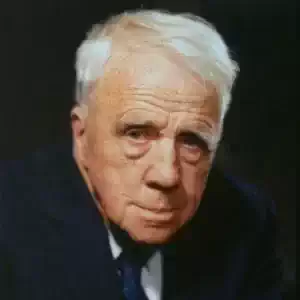
Robert Frost
The Exposed Nest
The Exposed Nest
You were forever finding some new play.
So when I saw you down on hands and knees
I the meadow, busy with the new-cut hay,
Trying, I thought, to set it up on end,
I went to show you how to make it stay,
If that was your idea, against the breeze,
And, if you asked me, even help pretend
To make it root again and grow afresh.
But 'twas no make-believe with you today,
Nor was the grass itself your real concern,
Though I found your hand full of wilted fern,
Steel-bright June-grass, and blackening heads of clovers.
'Twas a nest full of young birds on the ground
The cutter-bar had just gone champing over
(Miraculously without tasking flesh)
And left defenseless to the heat and light.
You wanted to restore them to their right
Of something interposed between their sight
And too much world at once--could means be found.
The way the nest-full every time we stirred
Stood up to us as to a mother-bird
Whose coming home has been too long deferred,
Made me ask would the mother-bird return
And care for them in such a change of scene
And might out meddling make her more afraid.
That was a thing we could not wait to learn.
We saw the risk we took in doing good,
But dared not spare to do the best we could
Though harm should come of it; so built the screen
You had begun, and gave them back their shade.
All this to prove we cared. Why is there then
No more to tell? We turned to other things.
I haven't any memory--have you?--
Of ever coming to the place again
To see if the birds lived the first night through,
And so at last to learn to use their wings.
You were forever finding some new play.
So when I saw you down on hands and knees
I the meadow, busy with the new-cut hay,
Trying, I thought, to set it up on end,
I went to show you how to make it stay,
If that was your idea, against the breeze,
And, if you asked me, even help pretend
To make it root again and grow afresh.
But 'twas no make-believe with you today,
Nor was the grass itself your real concern,
Though I found your hand full of wilted fern,
Steel-bright June-grass, and blackening heads of clovers.
'Twas a nest full of young birds on the ground
The cutter-bar had just gone champing over
(Miraculously without tasking flesh)
And left defenseless to the heat and light.
You wanted to restore them to their right
Of something interposed between their sight
And too much world at once--could means be found.
The way the nest-full every time we stirred
Stood up to us as to a mother-bird
Whose coming home has been too long deferred,
Made me ask would the mother-bird return
And care for them in such a change of scene
And might out meddling make her more afraid.
That was a thing we could not wait to learn.
We saw the risk we took in doing good,
But dared not spare to do the best we could
Though harm should come of it; so built the screen
You had begun, and gave them back their shade.
All this to prove we cared. Why is there then
No more to tell? We turned to other things.
I haven't any memory--have you?--
Of ever coming to the place again
To see if the birds lived the first night through,
And so at last to learn to use their wings.
475
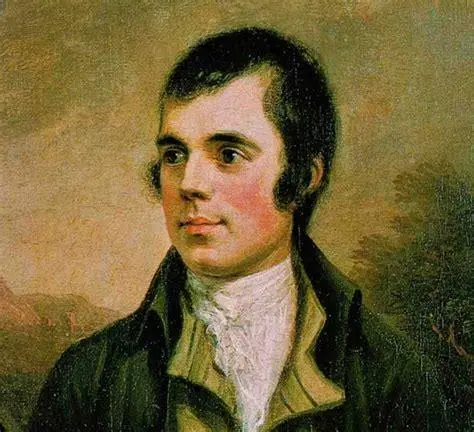
Robert Burns
Tragic Fragment
Tragic Fragment
All devil as I am-a damned wretch,
A hardened, stubborn, unrepenting villain,
Still my heart melts at human wretchedness;
And with sincere but unavailing sighs
I view the helpless children of distress:
With tears indignant I behold the oppressor
Rejoicing in the honest man's destruction,
Whose unsubmitting heart was all his crime. -
Ev'n you, ye hapless crew! I pity you;
Ye, whom the seeming good think sin to pity;
Ye poor, despised, abandoned vagabonds,
Whom Vice, as usual, has turn'd o'er to ruin.
Oh! but for friends and interposing Heaven,
I had been driven forth like you forlorn,
The most detested, worthless wretch among you!
O injured God! Thy goodness has endow'd me
With talents passing most of my compeers,
Which I in just proportion have abused-
As far surpassing other common villains
As Thou in natural parts has given me more.
All devil as I am-a damned wretch,
A hardened, stubborn, unrepenting villain,
Still my heart melts at human wretchedness;
And with sincere but unavailing sighs
I view the helpless children of distress:
With tears indignant I behold the oppressor
Rejoicing in the honest man's destruction,
Whose unsubmitting heart was all his crime. -
Ev'n you, ye hapless crew! I pity you;
Ye, whom the seeming good think sin to pity;
Ye poor, despised, abandoned vagabonds,
Whom Vice, as usual, has turn'd o'er to ruin.
Oh! but for friends and interposing Heaven,
I had been driven forth like you forlorn,
The most detested, worthless wretch among you!
O injured God! Thy goodness has endow'd me
With talents passing most of my compeers,
Which I in just proportion have abused-
As far surpassing other common villains
As Thou in natural parts has given me more.
236
Robert Burns
For a' That and a' That
For a' That and a' That
Is there, for honest poverty,
That hings his head, an' a' that?
The coward slave, we pass him by,
We dare be poor for a' that!
For a' that, an' a' that,
Our toils obscure, an' a' that;
The rank is but the guinea's stamp;
The man's the gowd for a' that,
What tho' on hamely fare we dine,
Wear hoddin-gray, an' a' that;
Gie fools their silks, and knaves their wine,
A man's a man for a' that.
For a' that, an' a' that,
Their tinsel show an' a' that;
The honest man, tho' e'er sae poor,
Is king o' men for a' that.
Ye see yon birkie, ca'd a lord
Wha struts, an' stares, an' a' that;
Tho' hundreds worship at his word,
He's but a coof for a' that:
For a' that, an' a' that,
His riband, star, an' a' that,
The man o' independent mind,
He looks and laughs at a' that.
A prince can mak a belted knight,
A marquis, duke, an' a' that;
But an honest man's aboon his might,
Guid faith he mauna fa' that!
For a' that, an' a' that,
Their dignities, an' a' that,
The pith o' sense, an' pride o' worth,
Are higher rank than a' that.
Then let us pray that come it may,
As come it will for a' that,
That sense and worth, o'er a' the earth,
May bear the gree, an' a' that.
For a' that, an' a' that,
It's coming yet, for a' that,
That man to man, the warld o'er,
Shall brothers be for a' that.
Is there, for honest poverty,
That hings his head, an' a' that?
The coward slave, we pass him by,
We dare be poor for a' that!
For a' that, an' a' that,
Our toils obscure, an' a' that;
The rank is but the guinea's stamp;
The man's the gowd for a' that,
What tho' on hamely fare we dine,
Wear hoddin-gray, an' a' that;
Gie fools their silks, and knaves their wine,
A man's a man for a' that.
For a' that, an' a' that,
Their tinsel show an' a' that;
The honest man, tho' e'er sae poor,
Is king o' men for a' that.
Ye see yon birkie, ca'd a lord
Wha struts, an' stares, an' a' that;
Tho' hundreds worship at his word,
He's but a coof for a' that:
For a' that, an' a' that,
His riband, star, an' a' that,
The man o' independent mind,
He looks and laughs at a' that.
A prince can mak a belted knight,
A marquis, duke, an' a' that;
But an honest man's aboon his might,
Guid faith he mauna fa' that!
For a' that, an' a' that,
Their dignities, an' a' that,
The pith o' sense, an' pride o' worth,
Are higher rank than a' that.
Then let us pray that come it may,
As come it will for a' that,
That sense and worth, o'er a' the earth,
May bear the gree, an' a' that.
For a' that, an' a' that,
It's coming yet, for a' that,
That man to man, the warld o'er,
Shall brothers be for a' that.
231
Robert Burns
Address to the Unco Guid
Address to the Unco Guid
My Son, these maxims make a rule,
An' lump them aye thegither;
The Rigid Righteous is a fool,
The Rigid Wise anither:
The cleanest corn that ere was dight
May hae some pyles o' caff in;
So ne'er a fellow creature slight
For random fits o' daffin.
Solomon.--Eccles. ch. vii. verse
O ye wha are sae guid yoursel',
Sae pious and sae holy,
Ye've nought to do but mark and tell
Your neibours' fauts and folly!
Whase life is like a weel-gaun mill,
Supplied wi' store o' water;
The heapèd happer's ebbing still,
An' still the clap plays clatter.
Hear me, ye venerable core,
As counsel for poor mortals
That frequent pass douce Wisdom's door
For glaikit Folly's portals:
I, for their thoughtless, careless sakes,
Would here propone defences--
Their donsie tricks, their black mistakes,
Their failings and mischances.
Ye see your state wi' theirs compared,
And shudder at the niffer;
But cast a moment's fair regard,
What makes the mighty differ?
Discount what scant occassion gave,
That purity ye pride in;
And (what's aft mair than a' the lave)
Your better art o' hidin.
Think, when your castigated pulse
Gies now and then a wallop,
What ragings must his veins convulse,
That still eternal gallop!
Wi' wind and tide fair i' your tail,
Right on ye scud your sea-way;
But in the teeth o' baith to sail,
It maks a unco lee-way.
See Social Life and Glee sit down,
All joyous and unthinking,
Till, quite transmugrified, they're grown
Debauchery and Drinking:
O would they stay to calculate
Th' external consequences;
Or your more dreaded hell to state
Damnation of expenses!
Ye high, exalted, virtuous dames,
Tied up in godly laces,
Before ye gie poor Frailty names,
Suppose a change o' cases;
A dear-lov'd lad, convenience snug,
A treach'rous inclination--
But let me whisper i' your lug,
Ye're aiblins nae temptation.
Then gently scan your brother man,
Still gentler sister woman;
Tho' they may gang a kennin wrang,
To step aside is human;
One point must still be greatly dark,--
The moving Why they do it;
And just as lamely can ye mark,
How far perhaps they rue it.
Who made the heart, 'tis He alone
Decidedly can try us;
He knows each chord, its various tone,
Each spring, its various bias:
Then at the balance let's be mute,
We never can adjust it;
What's done we partly may compute,
But know not what's resisted.
My Son, these maxims make a rule,
An' lump them aye thegither;
The Rigid Righteous is a fool,
The Rigid Wise anither:
The cleanest corn that ere was dight
May hae some pyles o' caff in;
So ne'er a fellow creature slight
For random fits o' daffin.
Solomon.--Eccles. ch. vii. verse
O ye wha are sae guid yoursel',
Sae pious and sae holy,
Ye've nought to do but mark and tell
Your neibours' fauts and folly!
Whase life is like a weel-gaun mill,
Supplied wi' store o' water;
The heapèd happer's ebbing still,
An' still the clap plays clatter.
Hear me, ye venerable core,
As counsel for poor mortals
That frequent pass douce Wisdom's door
For glaikit Folly's portals:
I, for their thoughtless, careless sakes,
Would here propone defences--
Their donsie tricks, their black mistakes,
Their failings and mischances.
Ye see your state wi' theirs compared,
And shudder at the niffer;
But cast a moment's fair regard,
What makes the mighty differ?
Discount what scant occassion gave,
That purity ye pride in;
And (what's aft mair than a' the lave)
Your better art o' hidin.
Think, when your castigated pulse
Gies now and then a wallop,
What ragings must his veins convulse,
That still eternal gallop!
Wi' wind and tide fair i' your tail,
Right on ye scud your sea-way;
But in the teeth o' baith to sail,
It maks a unco lee-way.
See Social Life and Glee sit down,
All joyous and unthinking,
Till, quite transmugrified, they're grown
Debauchery and Drinking:
O would they stay to calculate
Th' external consequences;
Or your more dreaded hell to state
Damnation of expenses!
Ye high, exalted, virtuous dames,
Tied up in godly laces,
Before ye gie poor Frailty names,
Suppose a change o' cases;
A dear-lov'd lad, convenience snug,
A treach'rous inclination--
But let me whisper i' your lug,
Ye're aiblins nae temptation.
Then gently scan your brother man,
Still gentler sister woman;
Tho' they may gang a kennin wrang,
To step aside is human;
One point must still be greatly dark,--
The moving Why they do it;
And just as lamely can ye mark,
How far perhaps they rue it.
Who made the heart, 'tis He alone
Decidedly can try us;
He knows each chord, its various tone,
Each spring, its various bias:
Then at the balance let's be mute,
We never can adjust it;
What's done we partly may compute,
But know not what's resisted.
320
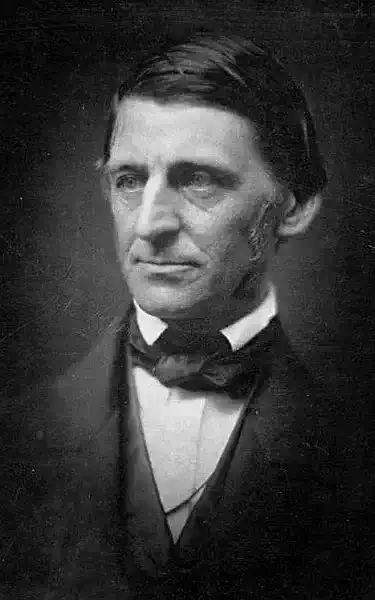
Ralph Waldo Emerson
Seashore
Seashore
I heard or seemed to hear the chiding Sea
Say, Pilgrim, why so late and slow to come?
Am I not always here, thy summer home?
Is not my voice thy music, morn and eve?
My breath thy healthful climate in the heats,
My touch thy antidote, my bay thy bath?
Was ever building like my terraces?
Was ever couch magnificent as mine?
Lie on the warm rock-ledges, and there learn
A little hut suffices like a town.
I make your sculptured architecture vain,
Vain beside mine. I drive my wedges home,
And carve the coastwise mountain into caves.
Lo! here is Rome and Nineveh and Thebes,
Karnak and Pyramid and Giant's Stairs
Half piled or prostrate; and my newest slab
Older than all thy race.
Behold the Sea,
The opaline, the plentiful and strong,
Yet beautiful as is the rose in June,
Fresh as the trickling rainbow of July;
Sea full of food, the nourisher of kinds,
Purger of earth, and medicine of men;
Creating a sweet climate by my breath,
Washing out harms and griefs from memory,
And, in my mathematic ebb and flow,
Giving a hint of that which changes not.
Rich are the sea-gods:--who gives gifts but they?
They grope the sea for pearls, but more than pearls:
They pluck Force thence, and give it to the wise.
For every wave is wealth to Dædalus,
Wealth to the cunning artist who can work
This matchless strength. Where shall he find, O waves!
A load your Atlas shoulders cannot lift?
I with my hammer pounding evermore
The rocky coast, smite Andes into dust,
Strewing my bed, and, in another age,
Rebuild a continent of better men.
Then I unbar the doors: my paths lead out
The exodus of nations: I dispersed
Men to all shores that front the hoary main.
I too have arts and sorceries;
Illusion dwells forever with the wave.
I know what spells are laid. Leave me to deal
With credulous and imaginative man;
For, though he scoop my water in his palm,
A few rods off he deems it gems and clouds.
Planting strange fruits and sunshine on the shore,
I make some coast alluring, some lone isle,
To distant men, who must go there, or die.
I heard or seemed to hear the chiding Sea
Say, Pilgrim, why so late and slow to come?
Am I not always here, thy summer home?
Is not my voice thy music, morn and eve?
My breath thy healthful climate in the heats,
My touch thy antidote, my bay thy bath?
Was ever building like my terraces?
Was ever couch magnificent as mine?
Lie on the warm rock-ledges, and there learn
A little hut suffices like a town.
I make your sculptured architecture vain,
Vain beside mine. I drive my wedges home,
And carve the coastwise mountain into caves.
Lo! here is Rome and Nineveh and Thebes,
Karnak and Pyramid and Giant's Stairs
Half piled or prostrate; and my newest slab
Older than all thy race.
Behold the Sea,
The opaline, the plentiful and strong,
Yet beautiful as is the rose in June,
Fresh as the trickling rainbow of July;
Sea full of food, the nourisher of kinds,
Purger of earth, and medicine of men;
Creating a sweet climate by my breath,
Washing out harms and griefs from memory,
And, in my mathematic ebb and flow,
Giving a hint of that which changes not.
Rich are the sea-gods:--who gives gifts but they?
They grope the sea for pearls, but more than pearls:
They pluck Force thence, and give it to the wise.
For every wave is wealth to Dædalus,
Wealth to the cunning artist who can work
This matchless strength. Where shall he find, O waves!
A load your Atlas shoulders cannot lift?
I with my hammer pounding evermore
The rocky coast, smite Andes into dust,
Strewing my bed, and, in another age,
Rebuild a continent of better men.
Then I unbar the doors: my paths lead out
The exodus of nations: I dispersed
Men to all shores that front the hoary main.
I too have arts and sorceries;
Illusion dwells forever with the wave.
I know what spells are laid. Leave me to deal
With credulous and imaginative man;
For, though he scoop my water in his palm,
A few rods off he deems it gems and clouds.
Planting strange fruits and sunshine on the shore,
I make some coast alluring, some lone isle,
To distant men, who must go there, or die.
396
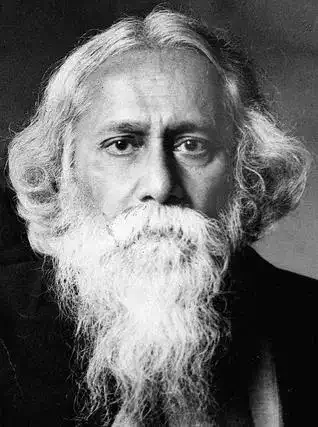
Rabindranath Tagore
Unending Love
Unending Love
I seem to have loved you in numberless forms, numberless times…
In life after life, in age after age, forever.
My spellbound heart has made and remade the necklace of songs,
That you take as a gift, wear round your neck in your many forms,
In life after life, in age after age, forever.
Whenever I hear old chronicles of love, it's age-old pain,
It's ancient tale of being apart or together.
As I stare on and on into the past, in the end you emerge,
Clad in the light of a pole-star piercing the darkness of time:
You become an image of what is remembered forever.
You and I have floated here on the stream that brings from the fount.
At the heart of time, love of one for another.
We have played along side millions of lovers, shared in the same
Shy sweetness of meeting, the same distressful tears of farewell-
Old love but in shapes that renew and renew forever.
Today it is heaped at your feet, it has found its end in you
The love of all man’s days both past and forever:
Universal joy, universal sorrow, universal life.
The memories of all loves merging with this one love of ours –
And the songs of every poet past and forever.
I seem to have loved you in numberless forms, numberless times…
In life after life, in age after age, forever.
My spellbound heart has made and remade the necklace of songs,
That you take as a gift, wear round your neck in your many forms,
In life after life, in age after age, forever.
Whenever I hear old chronicles of love, it's age-old pain,
It's ancient tale of being apart or together.
As I stare on and on into the past, in the end you emerge,
Clad in the light of a pole-star piercing the darkness of time:
You become an image of what is remembered forever.
You and I have floated here on the stream that brings from the fount.
At the heart of time, love of one for another.
We have played along side millions of lovers, shared in the same
Shy sweetness of meeting, the same distressful tears of farewell-
Old love but in shapes that renew and renew forever.
Today it is heaped at your feet, it has found its end in you
The love of all man’s days both past and forever:
Universal joy, universal sorrow, universal life.
The memories of all loves merging with this one love of ours –
And the songs of every poet past and forever.
1,145
Rabindranath Tagore
Poems On Man
Poems On Man
Man goes into the noisy crowd
to drown his own clamour of silence.
Man is immortal; therefore he must die endlessly.
For life is a creative idea;
it can only find itself in changing forms.
Man's abiding happiness is not in getting anything
but in giving himself up to what is greater than himself,
to ideas which are larger than his individual life,
the idea of his country,
of humanity,
of God.
Man goes into the noisy crowd
to drown his own clamour of silence.
Man is immortal; therefore he must die endlessly.
For life is a creative idea;
it can only find itself in changing forms.
Man's abiding happiness is not in getting anything
but in giving himself up to what is greater than himself,
to ideas which are larger than his individual life,
the idea of his country,
of humanity,
of God.
475
Rabindranath Tagore
Leave This
Leave This
Leave this chanting and singing and telling of beads!
Whom dost thou worship in this lonely dark corner of a temple with doors all shut?
Open thine eyes and see thy God is not before thee!
He is there where the tiller is tilling the hard ground
and where the pathmaker is breaking stones.
He is with them in sun and in shower,
and his garment is covered with dust.
Put off thy holy mantle and even like him come down on the dusty soil!
Deliverance?
Where is this deliverance to be found?
Our master himself has joyfully taken upon him the bonds of creation;
he is bound with us all for ever.
Come out of thy meditations and leave aside thy flowers and incense!
What harm is there if thy clothes become tattered and stained?
Meet him and stand by him in toil and in sweat of thy brow.
Leave this chanting and singing and telling of beads!
Whom dost thou worship in this lonely dark corner of a temple with doors all shut?
Open thine eyes and see thy God is not before thee!
He is there where the tiller is tilling the hard ground
and where the pathmaker is breaking stones.
He is with them in sun and in shower,
and his garment is covered with dust.
Put off thy holy mantle and even like him come down on the dusty soil!
Deliverance?
Where is this deliverance to be found?
Our master himself has joyfully taken upon him the bonds of creation;
he is bound with us all for ever.
Come out of thy meditations and leave aside thy flowers and incense!
What harm is there if thy clothes become tattered and stained?
Meet him and stand by him in toil and in sweat of thy brow.
817
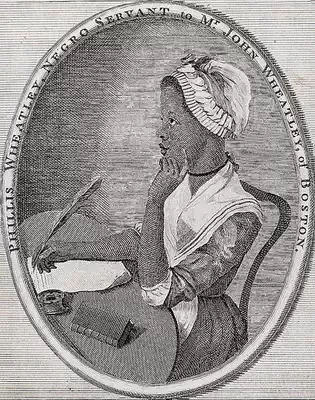
Phillis Wheatley
One Being Brought From Africa To America
One Being Brought From Africa To America
'TWAS mercy brought me from my Pagan land,
Taught my benighted soul to understand
That there's a God, that there's a Saviour too:
Once I redemption neither sought now knew,
Some view our sable race with scornful eye,
'Their colour is a diabolic die.'
Remember, Christians, Negroes, black as Cain,
May be refin'd, and join th' angelic train.
'TWAS mercy brought me from my Pagan land,
Taught my benighted soul to understand
That there's a God, that there's a Saviour too:
Once I redemption neither sought now knew,
Some view our sable race with scornful eye,
'Their colour is a diabolic die.'
Remember, Christians, Negroes, black as Cain,
May be refin'd, and join th' angelic train.
402
Phillis Wheatley
An Hymn to Humanity
An Hymn to Humanity
I.
Lo! for this dark terrestrial ball
Forsakes his azure-paved hall
A prince of heav'nly birth!
Divine Humanity behold,
What wonders rise, what charms unfold
At his descent to earth!
II.
The bosoms of the great and good
With wonder and delight he view'd,
And fix'd his empire there:
Him, close compressing to his breast,
The sire of gods and men address'd,
"My son, my heav'nly fair!
III.
"Descend to earth, there place thy throne;
"To succour man's afflicted son
"Each human heart inspire:
"To act in bounties unconfin'd
"Enlarge the close contracted mind,
"And fill it with thy fire."
IV.
Quick as the word, with swift career
He wings his course from star to star,
And leaves the bright abode.
The Virtue did his charms impart;
Their G-----! then thy raptur'd heart
Perceiv'd the rushing God:
V.
For when thy pitying eye did see
The languid muse in low degree,
Then, then at thy desire
Descended the celestial nine;
O'er me methought they deign'd to shine,
And deign'd to string my lyre.
VI.
Can Afric's muse forgetful prove?
Or can such friendship fail to move
A tender human heart?
Immortal Friendship laurel-crown'd
The smiling Graces all surround
With ev'ry heav'nly Art.
I.
Lo! for this dark terrestrial ball
Forsakes his azure-paved hall
A prince of heav'nly birth!
Divine Humanity behold,
What wonders rise, what charms unfold
At his descent to earth!
II.
The bosoms of the great and good
With wonder and delight he view'd,
And fix'd his empire there:
Him, close compressing to his breast,
The sire of gods and men address'd,
"My son, my heav'nly fair!
III.
"Descend to earth, there place thy throne;
"To succour man's afflicted son
"Each human heart inspire:
"To act in bounties unconfin'd
"Enlarge the close contracted mind,
"And fill it with thy fire."
IV.
Quick as the word, with swift career
He wings his course from star to star,
And leaves the bright abode.
The Virtue did his charms impart;
Their G-----! then thy raptur'd heart
Perceiv'd the rushing God:
V.
For when thy pitying eye did see
The languid muse in low degree,
Then, then at thy desire
Descended the celestial nine;
O'er me methought they deign'd to shine,
And deign'd to string my lyre.
VI.
Can Afric's muse forgetful prove?
Or can such friendship fail to move
A tender human heart?
Immortal Friendship laurel-crown'd
The smiling Graces all surround
With ev'ry heav'nly Art.
345

Paul Laurence Dunbar
Frederick Douglass
Frederick Douglass
A hush is over all the teeming lists,
And there is pause, a breath-space in the strife;
A spirit brave has passed beyond the mists
And vapors that obscure the sun of life.
And Ethiopia, with bosom torn,
Laments the passing of her noblest born.
She weeps for him a mother's burning tears--
She loved him with a mother's deepest love
He was her champion thro' direful years,
And held her weal all other ends above.
When Bondage held her bleeding in the dust,
He raised her up and whispered, 'Hope and Trust.'
For her his voice, a fearless clarion, rung
That broke in warning on the ears of men;
For her the strong bow of his pow'r he strung
And sent his arrows to the very den
Where grim Oppression held his bloody place
And gloated o'er the mis'ries of a race.
And he was no soft-tongued apologist;
He spoke straight-forward, fearlessly uncowed;
The sunlight of his truth dispelled the mist
And set in bold relief each dark-hued cloud;
To sin and crime he gave their proper hue,
And hurled at evil what was evil's due.
Thro' good and ill report he cleaved his way
Right onward, with his face set toward the heights,
Nor feared to face the foeman's dread array--
The lash of scorn, the sting of petty spites.
He dared the lightning in the lightning's track,
And answered thunder with his thunder back.
When men maligned him and their torrent wrath
In furious imprecations o'er him broke,
He kept his counsel as he kept his path;
'Twas for his race, not for himself, he spoke.
He knew the import of his Master's call
And felt himself too mighty to be small.
No miser in the good he held was he--
His kindness followed his horizon's rim.
His heart, his talents and his hands were free
To all who truly needed aught of him.
Where poverty and ignorance were rife,
He gave his bounty as he gave his life.
The place and cause that first aroused his might
Still proved its pow'r until his latest day.
In Freedom's lists and for the aid of Right
Still in the foremost rank he waged the fray;
Wrong lived; His occupation was not gone.
He died in action with his armor on!
We weep for him, but we have touched his hand,
And felt the magic of his presence nigh,
The current that he sent thro' out the land,
The kindling spirit of his battle-cry
O'er all that holds us we shall triumph yet
And place our banner where his hopes were set!
Oh, Douglass, thou hast passed beyond the shore,
But still thy voice is ringing o'er the gale!
Thou 'st taught thy race how high her hopes may soar
And bade her seek the heights, nor faint, nor fail.
She will not fail, she heeds thy stirring cry,
She knows thy guardian spirit will be nigh,
And rising from beneath the chast'ning rod,
She stretches out her bleeding hands to God!
A hush is over all the teeming lists,
And there is pause, a breath-space in the strife;
A spirit brave has passed beyond the mists
And vapors that obscure the sun of life.
And Ethiopia, with bosom torn,
Laments the passing of her noblest born.
She weeps for him a mother's burning tears--
She loved him with a mother's deepest love
He was her champion thro' direful years,
And held her weal all other ends above.
When Bondage held her bleeding in the dust,
He raised her up and whispered, 'Hope and Trust.'
For her his voice, a fearless clarion, rung
That broke in warning on the ears of men;
For her the strong bow of his pow'r he strung
And sent his arrows to the very den
Where grim Oppression held his bloody place
And gloated o'er the mis'ries of a race.
And he was no soft-tongued apologist;
He spoke straight-forward, fearlessly uncowed;
The sunlight of his truth dispelled the mist
And set in bold relief each dark-hued cloud;
To sin and crime he gave their proper hue,
And hurled at evil what was evil's due.
Thro' good and ill report he cleaved his way
Right onward, with his face set toward the heights,
Nor feared to face the foeman's dread array--
The lash of scorn, the sting of petty spites.
He dared the lightning in the lightning's track,
And answered thunder with his thunder back.
When men maligned him and their torrent wrath
In furious imprecations o'er him broke,
He kept his counsel as he kept his path;
'Twas for his race, not for himself, he spoke.
He knew the import of his Master's call
And felt himself too mighty to be small.
No miser in the good he held was he--
His kindness followed his horizon's rim.
His heart, his talents and his hands were free
To all who truly needed aught of him.
Where poverty and ignorance were rife,
He gave his bounty as he gave his life.
The place and cause that first aroused his might
Still proved its pow'r until his latest day.
In Freedom's lists and for the aid of Right
Still in the foremost rank he waged the fray;
Wrong lived; His occupation was not gone.
He died in action with his armor on!
We weep for him, but we have touched his hand,
And felt the magic of his presence nigh,
The current that he sent thro' out the land,
The kindling spirit of his battle-cry
O'er all that holds us we shall triumph yet
And place our banner where his hopes were set!
Oh, Douglass, thou hast passed beyond the shore,
But still thy voice is ringing o'er the gale!
Thou 'st taught thy race how high her hopes may soar
And bade her seek the heights, nor faint, nor fail.
She will not fail, she heeds thy stirring cry,
She knows thy guardian spirit will be nigh,
And rising from beneath the chast'ning rod,
She stretches out her bleeding hands to God!
1,118
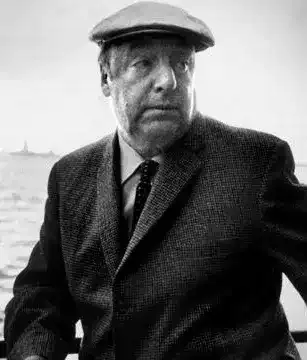
Pablo Neruda
The People
The People
I recall that man and not two centuries
have passed since I saw him,
he went neither by horse nor by carriage:
purely on foot
he outstripped
distances,
and carried no sword or armour,
only nets on his shoulder,
axe or hammer or spade,
never fighting the rest of his species:
his exploits were with water and earth,
with wheat so that it turned into bread,
with giant trees to render them wood,
with walls to open up doors,
with sand to construct the walls,
and with ocean for it to bear.
I knew him and he is still not cancelled in me.
The carriages fell to pieces,
war destroyed doors and walls,
the city was a handful of ashes,
all the clothes turned to dust,
and he remains to me,
he survives in the sand,
when everything before
seemed imperishable but him.
In the going and coming of families
at times he was my father or kinsman
or perhaps it was scarcely him or not
the one who did not return to his house
because water or earth swallowed him up
or a tree or an engine killed him,
or he was the saddened carpenter
who went behind the coffin, without tears,
someone in the end who had no name,
except those that metal or timber have,
and on whom others gazed from on high
without seeing the ant
for the anthill
and so that when his feet did not stir,
because the poor exhausted one had died,
they never saw what they had not seen:
already there were other feet where he'd been.
The other feet were still his,
and the other hands,
the man remained:
when it seemed that now he was done for
he was the same once more,
there he was digging again at the earth,
cutting cloth, minus a shirt,
there he was and was not, like before,
he had gone down and was once more,
and since he never owned graveyards,
or tombs, nor was his name carved
on the stone he sweated to quarry,
no one knew he had come
and no one knew when he died,
so that only when the poor man could
he returned to life once more, without it being noted.
He was the man, no doubt of it, without heritage,
without cattle, without a flag,
and he was not distinguished from others,
the others who were him,
from the heights he was grey like the subsoil,
tanned like the leather,
he was yellow reaping the wheat,
he was black down in the mine,
he was the colour of stone on the fortress,
in the fishing boat the colour of tuna,
and the colour of horses in the meadow:
how could anyone distinguish him
if he was inseparable, elemental,
earth, coal or sea vested in man?
Where he lived whatever
a man touched grew:
the hostile stones,
quarried
by his hands,
took on order
and one by one formed
the right clarity of a building,
he made bread with his hands,
moved the engines,
the distances peopled themselves with towns,
other men grew,
bees arrived,
and by man's creating and breeding
spring walked the market squares
between bakeries and doves.
The maker of loaves was forgotten,
he who quarried and journeyed, beating down
and opening furrows, transporting sand,
when everything existed he no longer existed,
he gave his existence, that's all.
He went elsewhere to labour, and at last
he was dead, rolling
like a stone in the river:
death carried him downstream.
I, who knew him, saw him descend
till he was no longer except what he left:
roads he could scarcely know,
houses he never ever would live in.
I turn to see him, and I await him
I see him in his grave and resurrected.
I distinguish him among all
who are his equals
and it seems to me it cannot be,
that like this we go nowhere,
that to survive like this holds no glory.
I believe that this man
must be enthroned, rightly shod and crowned.
I believe that those who made such things
must be the masters of all these things.
And that those who made bread should eat!
And those in the mines must have light!
Enough now of grey men enslaved!
Enough of the pale 'missing ones'!
Not another man passes except as a king.
Not a single woman without her crown.
Golden gauntlets for every hand.
Fruits of the sun for all the unknowns!
I knew that man and when I could,
when he still had eyes in his head,
when he still had a voice in his mouth
I searched for him among tombs, and I said
grasping his arm that was not yet dust:
'All will be gone, you will live on,
You ignite life.
You made what is yours.'
So let no one trouble themselves when
I seem to be alone and am not alone,
I am with no one and speak for them all:
Some listen to me, without knowing,
but those I sing, those who do know
go on being born, and will fill up the Earth.
I recall that man and not two centuries
have passed since I saw him,
he went neither by horse nor by carriage:
purely on foot
he outstripped
distances,
and carried no sword or armour,
only nets on his shoulder,
axe or hammer or spade,
never fighting the rest of his species:
his exploits were with water and earth,
with wheat so that it turned into bread,
with giant trees to render them wood,
with walls to open up doors,
with sand to construct the walls,
and with ocean for it to bear.
I knew him and he is still not cancelled in me.
The carriages fell to pieces,
war destroyed doors and walls,
the city was a handful of ashes,
all the clothes turned to dust,
and he remains to me,
he survives in the sand,
when everything before
seemed imperishable but him.
In the going and coming of families
at times he was my father or kinsman
or perhaps it was scarcely him or not
the one who did not return to his house
because water or earth swallowed him up
or a tree or an engine killed him,
or he was the saddened carpenter
who went behind the coffin, without tears,
someone in the end who had no name,
except those that metal or timber have,
and on whom others gazed from on high
without seeing the ant
for the anthill
and so that when his feet did not stir,
because the poor exhausted one had died,
they never saw what they had not seen:
already there were other feet where he'd been.
The other feet were still his,
and the other hands,
the man remained:
when it seemed that now he was done for
he was the same once more,
there he was digging again at the earth,
cutting cloth, minus a shirt,
there he was and was not, like before,
he had gone down and was once more,
and since he never owned graveyards,
or tombs, nor was his name carved
on the stone he sweated to quarry,
no one knew he had come
and no one knew when he died,
so that only when the poor man could
he returned to life once more, without it being noted.
He was the man, no doubt of it, without heritage,
without cattle, without a flag,
and he was not distinguished from others,
the others who were him,
from the heights he was grey like the subsoil,
tanned like the leather,
he was yellow reaping the wheat,
he was black down in the mine,
he was the colour of stone on the fortress,
in the fishing boat the colour of tuna,
and the colour of horses in the meadow:
how could anyone distinguish him
if he was inseparable, elemental,
earth, coal or sea vested in man?
Where he lived whatever
a man touched grew:
the hostile stones,
quarried
by his hands,
took on order
and one by one formed
the right clarity of a building,
he made bread with his hands,
moved the engines,
the distances peopled themselves with towns,
other men grew,
bees arrived,
and by man's creating and breeding
spring walked the market squares
between bakeries and doves.
The maker of loaves was forgotten,
he who quarried and journeyed, beating down
and opening furrows, transporting sand,
when everything existed he no longer existed,
he gave his existence, that's all.
He went elsewhere to labour, and at last
he was dead, rolling
like a stone in the river:
death carried him downstream.
I, who knew him, saw him descend
till he was no longer except what he left:
roads he could scarcely know,
houses he never ever would live in.
I turn to see him, and I await him
I see him in his grave and resurrected.
I distinguish him among all
who are his equals
and it seems to me it cannot be,
that like this we go nowhere,
that to survive like this holds no glory.
I believe that this man
must be enthroned, rightly shod and crowned.
I believe that those who made such things
must be the masters of all these things.
And that those who made bread should eat!
And those in the mines must have light!
Enough now of grey men enslaved!
Enough of the pale 'missing ones'!
Not another man passes except as a king.
Not a single woman without her crown.
Golden gauntlets for every hand.
Fruits of the sun for all the unknowns!
I knew that man and when I could,
when he still had eyes in his head,
when he still had a voice in his mouth
I searched for him among tombs, and I said
grasping his arm that was not yet dust:
'All will be gone, you will live on,
You ignite life.
You made what is yours.'
So let no one trouble themselves when
I seem to be alone and am not alone,
I am with no one and speak for them all:
Some listen to me, without knowing,
but those I sing, those who do know
go on being born, and will fill up the Earth.
554