

Poems in this topic
Youth

Henry Lawson
I only woke this morning
I only woke this morning
To find the world is fair—
I’m going on for forty,
With scarcely one grey hair;
I’m going on for forty,
Where man’s strong life begins,
With scarce a sign of crows’ feet,
In spite of all my sins.
Then here’s the living Forties!
The Forties! The Forties!
Then here’s the living Forties!
We’re good for ten years more.
The teens were black and bitter,
A smothered boyhood’s grave—
A farm-drudge in the drought-time,
A weary workshop slave.
But twenty years have laid them,
And all the world is fair—
We’ll find time in the Forties,
To have some boyhood there.
Then here’s the wide, free Forties—
The Forties! The Forties!
Then here’s the wide, free Forties!
We’re good for ten years more!
The twenties they were noble,
The bravest years, I think;
’Twas man to man in trouble,
In working and in drink;
’Twas man to man in fighting,
For money or for praise.
And we’ll find in the Forties
Some more Bohemian days.
Then here’s the wiser Forties!
The Forties! The Forties!
Then here’s the wiser Forties!
We’re good for ten years more.
The thirties were the fate years;
I fought behind the scenes.
The thirties were more cruel
And blacker than the teens;
I held them not but bore them—
They were no years of mine;
But they are going from me,
For I am thirty-nine.
So here’s the stronger Forties!
The Forties! The Forties!
And here’s the good old Forties!
We’re good for ten years more.
To find the world is fair—
I’m going on for forty,
With scarcely one grey hair;
I’m going on for forty,
Where man’s strong life begins,
With scarce a sign of crows’ feet,
In spite of all my sins.
Then here’s the living Forties!
The Forties! The Forties!
Then here’s the living Forties!
We’re good for ten years more.
The teens were black and bitter,
A smothered boyhood’s grave—
A farm-drudge in the drought-time,
A weary workshop slave.
But twenty years have laid them,
And all the world is fair—
We’ll find time in the Forties,
To have some boyhood there.
Then here’s the wide, free Forties—
The Forties! The Forties!
Then here’s the wide, free Forties!
We’re good for ten years more!
The twenties they were noble,
The bravest years, I think;
’Twas man to man in trouble,
In working and in drink;
’Twas man to man in fighting,
For money or for praise.
And we’ll find in the Forties
Some more Bohemian days.
Then here’s the wiser Forties!
The Forties! The Forties!
Then here’s the wiser Forties!
We’re good for ten years more.
The thirties were the fate years;
I fought behind the scenes.
The thirties were more cruel
And blacker than the teens;
I held them not but bore them—
They were no years of mine;
But they are going from me,
For I am thirty-nine.
So here’s the stronger Forties!
The Forties! The Forties!
And here’s the good old Forties!
We’re good for ten years more.
253
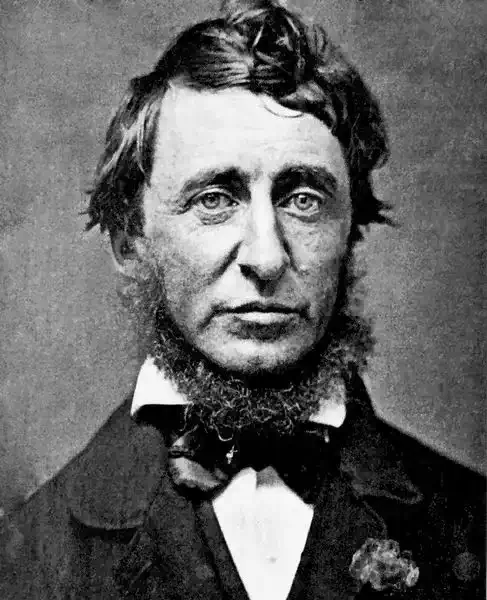
Henry David Thoreau
Rumors from an Aeolian Harp
Rumors from an Aeolian Harp
There is a vale which none hath seen,
Where foot of man has never been,
Such as here lives with toil and strife,
An anxious and a sinful life.
There every virtue has its birth,
Ere it descends upon the earth,
And thither every deed returns,
Which in the generous bosom burns.
There love is warm, and youth is young,
And poetry is yet unsung.
For Virtue still adventures there,
And freely breathes her native air.
And ever, if you hearken well,
You still may hear its vesper bell,
And tread of high-souled men go by,
Their thoughts conversing with the sky.
There is a vale which none hath seen,
Where foot of man has never been,
Such as here lives with toil and strife,
An anxious and a sinful life.
There every virtue has its birth,
Ere it descends upon the earth,
And thither every deed returns,
Which in the generous bosom burns.
There love is warm, and youth is young,
And poetry is yet unsung.
For Virtue still adventures there,
And freely breathes her native air.
And ever, if you hearken well,
You still may hear its vesper bell,
And tread of high-souled men go by,
Their thoughts conversing with the sky.
313
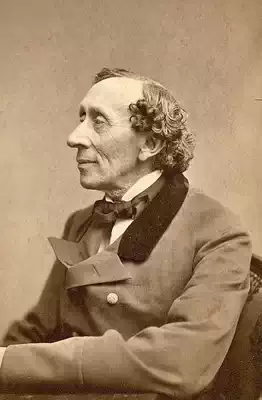
Hans Christian Andersen
April
April
'- Frihed, synger Du, April!
med nyfødt Grønt og Sommer-Smiil.'
*
(Strandveien).
En ung Herre (til Hest).
O, April! en deilig Maaned!
En Champagne-Maaned er Du!
Gjennem Snee og Vinterkulde
Du fremsprudler Liv og Varme.
Sommersol og Vinterhagel,
Marken Grøn, og dog lidt Snee!
Mig i Sind og Skind Du ligner,
Som en Draabe ligner Draaben.
Ungdomsglad jeg slynger Armen
Om hver buttet deilig Pige,
Trykker Kys paa Barm og Læbe;
Sværmer nu hos Pleisch og Minni, 1
Siger Vittighed, par Diable!
-Andre Tider Regn og Taage,
Slemme Breve uden Penge;
Creditorer slaae paa Døren. -
Det er nu en Hagelbyge!
Solen skinner! - bort med Griller!
Du April, min egen Maaned!
En Champagne-Maaned er du!
(han jager afsted).
Elskeren (under Træet).
Høit paa Grenen Fuglen gynger;
Hører dog, hvor smukt den synger!
Qviddrer lystigt, hvad den veed,
Synger om min Kjærlighed;
Nævner over tusind' Gange
Hendes Navn i sine Sange.
Hjertet finder atter Ro,
Thi jeg veed, hun er mig tro!
Fuglen.
Vinter-Kulden mig bortskræmmed'.
Bryllup er der nu i Hjemmet;
Bruden var Din Hjertenskjær,
-Du forstaaer ei Sangen her - !
Elskeren.
Budskab den fra hende bringer,
O, saa saligt , sødt det klinger!
Mig hun seer paa Tankens Strøm
Og i hendes bedste Drøm.
Fuglen.
-Brud og Brudgom sad nu sammen,
Der var Lystighed og Gammen,
Smukt om Troskab blev der talt,
Men, - ak! Dig ei Talen gjaldt.
Elskeren.
Gud! til Dig jeg Tak vil sende;
Fader, ja Du gav mig hende!
Hun, min første Kjærlighed
Min i Tid og Evighed!
Lille Fugl! løft glad Din Vinge,
Hilsen Du til hende bringe;
Du om Troskab synge maa,
Ogsaa hun vil Dig forstaae!
*
Chor af de Kjørende.
Med Graad i Øie, med Smiil paa Kind,
I Elskovs Drømme, i Sind og Skind,
Hvor ligner Du - o, Pigelil!
-April.
See Haabet med sin Blomsterkrands,
Dets hele Liv er kun en Dands!
Hvad fandt Du i dets Graad og Smiil?
-April!
For Laurbærkrandsen paa sin Grav
Saa mangen Helt sit Liv hengav;
Maaskee han løb mod Dødens Piil
April!
Fortuna med sit Hersker-Blik,
Og Brittens Tro 2 i Politik,
Hvor ligne I og Eders Smiil
April!
Den hele Jord, det hele Liv,
Med Kjærlighed, med Sorg og Kiv,
Er med sin Stræben, Kamp og Smiil
April!
*
Vandringsmanden.
Nei, Frihed synger Du, April,
Med nyfødt Grønt og Sommer-Smiil!
Stolt svulmer frem hver Aae, hver Bæk,
Alt grønnes her den brune Hæk,
Og Sneen smelter bort paa Vang,
Mens Fuglen synger Friheds Sang!
En lille Fugl (paa Grenen).
Hen over Sø og salten Vand
Jeg kommer fra et fremmed Land;
Nær Polens Grændse Landet laae,
I Byen jeg en Galge saae,
Der var saa mange Navne paa.
Men Heltenavne man kun skrev,
Og Hædersstøtte Galgen blev,
Thi bøiede sig hver en Fri
Ærbødigt, mens han gik forbi,
Og aarle, alt ved Lærkens Slag,
Den stod bekrandset næste Dag.*
Jeg satte mig paa Støtten lidt,
Og sang mit Friheds Qvirrevit!
*Historisk Sandhed.
Eccho.
'Qvirrevit!'
Fuglen.
Ak! er min Friheds Sang ei meer?
Eccho.
'Ei meer!'
En skikkelig Mand.
Hvad behager? Her er allerede saadan en Qvinkeleren og Qviddren med Spurve og
Lærker! Alt det Fugle-Rak, vor Herre lader skabe, kommer strax og giver deres Besyv!
-Nu kan de da snart faae lidt i Skrotten igjen, nu Sommeren kommer! Hvor det ellers
er et deiligt Veir.
En Kritiker.
Hr. Forfatter! Gud bevare os! hvad tænker De paa? At lade saadan en Person komme
ind her? Er det Orden? Er det Logik? Hvad skal denne skikkelige Mand i Friheds
Maaneden?
Forfatteren.
Det er just en poetisk Frihed.
Kritikeren .
Vil De bare see at faae ham ud! eller jeg skal lære Dem [rettet fra 'dem'] begge to! ['!'
rettet fra '?']
Den skikkelige Mand.
Hvad? Faae mig ud! - Har jeg ikke Lov at spadsere i April Maaned? - Jeg fornærmer
ingen, og jeg skylder, Gud skee Lov, heller ingen Noget.
Kritikeren.
Jeg skal rive ham ned 3 i Kritikkerne!
Den skikkelige Mand.
Kom han mig ikke saa! for jeg har en Søstersøn, der skal op til første Examen næste
Aar, og han har allerede længe skrevet den Ene og den Anden en X for et U 4 i
Bladene; - men uden Navn - det er en Fandens Dreng, tag han sig i Agt for ham. -
Forfatteren.
O Gud, mine Herrer, De sætte mig i den største Forskrækkelse! Kom dog ikke op at
slaaes. -
Kritikeren.
Vil De forbyde os det! Hvad vil De med Deres skikkelige Mand her? Er De ikke selv
Skyld i det Hele. Nu vil jeg banke ham -
Forfatteren.
Ja Gud bevare os! det er jo Frihedens Maaned.
(trækker sig tilbage).
En ung Maler.
(kommer med sin Mappe og sine Tegne-Redskaber).
Den friske grønne Eng med sine Damme,
Den knopped' brune Skov, den aabne Sø,
Og Skyerne ved Firmamentets Ramme,
Der i en violetblaa Taage døe,
Dem maler jeg, de blive skal mit Eie.
(Han sætter sig paa en Steen under Træet).
Smukt hæver sig det lille Fiskerleie!
See, Garnet hænger udspændt høit ved Strand!
Her ligger Baaden trukket op paa Land,
Og Græsset under den, for Solen skjult,
Staaer høit og tykt, men med et grønligt Guult.
To Smaa-Børn lege foran Huset hist
Med tørre Pinde og en Bøgeqvist. ['.' indsat her]
De plante dem en Have smukt i Solen,
Mens Bedstemoder her i Lænestolen
Maa tage Plads og lege med de Smaae.
De [',' slettet] som to muntre Vaarens [',' slettet] Alfer staae
Ved Vintrens Snee, hvor mangt et Minde hviler.
Ømt til de kjære Smaae den Gamle smiler!
Vandringsmanden.
Hvor festligt klinger over Bondens Vang
Fra Kirketaarnet Klokkens dybe Klang,
Mens Havets Bølger synge med fra Stranden;
Hør, det er Paaske, Christus er opstanden!
Bølgerne.
Sæt Dig her paa Stenen, ved det brune Tang,
Vi skal Dig fortælle mangen Havfrue-Sang.
Dybt, saa dybt dernede, paa den vaade Grund,
Bygge Havets Piger, under Øresund.
Der er' [',' slettet] smukke Blomster, Tangen er saa grøn,
Og - som Søens Lillier er den Havfrue skjøn!
Tidt i Sommer-Natten hun fra Dybet gaaer,
Leger da heroppe med sit lange Haar.
Hver April hun bringer, under Bølge-Sang,
Danmark Friheds-Krandsen af sit grønne Tang;
Og mens Vinter-Kysten blomstrer smukt igjen,
Synger Danmarks frelse ved Niels Ebbesen;*
Synger Brittens Skjændsel og hans fule 5 Smiil,
Mens hun skjænker Danmark Krandsen for April!**
'- Frihed, synger Du, April!
med nyfødt Grønt og Sommer-Smiil.'
*
(Strandveien).
En ung Herre (til Hest).
O, April! en deilig Maaned!
En Champagne-Maaned er Du!
Gjennem Snee og Vinterkulde
Du fremsprudler Liv og Varme.
Sommersol og Vinterhagel,
Marken Grøn, og dog lidt Snee!
Mig i Sind og Skind Du ligner,
Som en Draabe ligner Draaben.
Ungdomsglad jeg slynger Armen
Om hver buttet deilig Pige,
Trykker Kys paa Barm og Læbe;
Sværmer nu hos Pleisch og Minni, 1
Siger Vittighed, par Diable!
-Andre Tider Regn og Taage,
Slemme Breve uden Penge;
Creditorer slaae paa Døren. -
Det er nu en Hagelbyge!
Solen skinner! - bort med Griller!
Du April, min egen Maaned!
En Champagne-Maaned er du!
(han jager afsted).
Elskeren (under Træet).
Høit paa Grenen Fuglen gynger;
Hører dog, hvor smukt den synger!
Qviddrer lystigt, hvad den veed,
Synger om min Kjærlighed;
Nævner over tusind' Gange
Hendes Navn i sine Sange.
Hjertet finder atter Ro,
Thi jeg veed, hun er mig tro!
Fuglen.
Vinter-Kulden mig bortskræmmed'.
Bryllup er der nu i Hjemmet;
Bruden var Din Hjertenskjær,
-Du forstaaer ei Sangen her - !
Elskeren.
Budskab den fra hende bringer,
O, saa saligt , sødt det klinger!
Mig hun seer paa Tankens Strøm
Og i hendes bedste Drøm.
Fuglen.
-Brud og Brudgom sad nu sammen,
Der var Lystighed og Gammen,
Smukt om Troskab blev der talt,
Men, - ak! Dig ei Talen gjaldt.
Elskeren.
Gud! til Dig jeg Tak vil sende;
Fader, ja Du gav mig hende!
Hun, min første Kjærlighed
Min i Tid og Evighed!
Lille Fugl! løft glad Din Vinge,
Hilsen Du til hende bringe;
Du om Troskab synge maa,
Ogsaa hun vil Dig forstaae!
*
Chor af de Kjørende.
Med Graad i Øie, med Smiil paa Kind,
I Elskovs Drømme, i Sind og Skind,
Hvor ligner Du - o, Pigelil!
-April.
See Haabet med sin Blomsterkrands,
Dets hele Liv er kun en Dands!
Hvad fandt Du i dets Graad og Smiil?
-April!
For Laurbærkrandsen paa sin Grav
Saa mangen Helt sit Liv hengav;
Maaskee han løb mod Dødens Piil
April!
Fortuna med sit Hersker-Blik,
Og Brittens Tro 2 i Politik,
Hvor ligne I og Eders Smiil
April!
Den hele Jord, det hele Liv,
Med Kjærlighed, med Sorg og Kiv,
Er med sin Stræben, Kamp og Smiil
April!
*
Vandringsmanden.
Nei, Frihed synger Du, April,
Med nyfødt Grønt og Sommer-Smiil!
Stolt svulmer frem hver Aae, hver Bæk,
Alt grønnes her den brune Hæk,
Og Sneen smelter bort paa Vang,
Mens Fuglen synger Friheds Sang!
En lille Fugl (paa Grenen).
Hen over Sø og salten Vand
Jeg kommer fra et fremmed Land;
Nær Polens Grændse Landet laae,
I Byen jeg en Galge saae,
Der var saa mange Navne paa.
Men Heltenavne man kun skrev,
Og Hædersstøtte Galgen blev,
Thi bøiede sig hver en Fri
Ærbødigt, mens han gik forbi,
Og aarle, alt ved Lærkens Slag,
Den stod bekrandset næste Dag.*
Jeg satte mig paa Støtten lidt,
Og sang mit Friheds Qvirrevit!
*Historisk Sandhed.
Eccho.
'Qvirrevit!'
Fuglen.
Ak! er min Friheds Sang ei meer?
Eccho.
'Ei meer!'
En skikkelig Mand.
Hvad behager? Her er allerede saadan en Qvinkeleren og Qviddren med Spurve og
Lærker! Alt det Fugle-Rak, vor Herre lader skabe, kommer strax og giver deres Besyv!
-Nu kan de da snart faae lidt i Skrotten igjen, nu Sommeren kommer! Hvor det ellers
er et deiligt Veir.
En Kritiker.
Hr. Forfatter! Gud bevare os! hvad tænker De paa? At lade saadan en Person komme
ind her? Er det Orden? Er det Logik? Hvad skal denne skikkelige Mand i Friheds
Maaneden?
Forfatteren.
Det er just en poetisk Frihed.
Kritikeren .
Vil De bare see at faae ham ud! eller jeg skal lære Dem [rettet fra 'dem'] begge to! ['!'
rettet fra '?']
Den skikkelige Mand.
Hvad? Faae mig ud! - Har jeg ikke Lov at spadsere i April Maaned? - Jeg fornærmer
ingen, og jeg skylder, Gud skee Lov, heller ingen Noget.
Kritikeren.
Jeg skal rive ham ned 3 i Kritikkerne!
Den skikkelige Mand.
Kom han mig ikke saa! for jeg har en Søstersøn, der skal op til første Examen næste
Aar, og han har allerede længe skrevet den Ene og den Anden en X for et U 4 i
Bladene; - men uden Navn - det er en Fandens Dreng, tag han sig i Agt for ham. -
Forfatteren.
O Gud, mine Herrer, De sætte mig i den største Forskrækkelse! Kom dog ikke op at
slaaes. -
Kritikeren.
Vil De forbyde os det! Hvad vil De med Deres skikkelige Mand her? Er De ikke selv
Skyld i det Hele. Nu vil jeg banke ham -
Forfatteren.
Ja Gud bevare os! det er jo Frihedens Maaned.
(trækker sig tilbage).
En ung Maler.
(kommer med sin Mappe og sine Tegne-Redskaber).
Den friske grønne Eng med sine Damme,
Den knopped' brune Skov, den aabne Sø,
Og Skyerne ved Firmamentets Ramme,
Der i en violetblaa Taage døe,
Dem maler jeg, de blive skal mit Eie.
(Han sætter sig paa en Steen under Træet).
Smukt hæver sig det lille Fiskerleie!
See, Garnet hænger udspændt høit ved Strand!
Her ligger Baaden trukket op paa Land,
Og Græsset under den, for Solen skjult,
Staaer høit og tykt, men med et grønligt Guult.
To Smaa-Børn lege foran Huset hist
Med tørre Pinde og en Bøgeqvist. ['.' indsat her]
De plante dem en Have smukt i Solen,
Mens Bedstemoder her i Lænestolen
Maa tage Plads og lege med de Smaae.
De [',' slettet] som to muntre Vaarens [',' slettet] Alfer staae
Ved Vintrens Snee, hvor mangt et Minde hviler.
Ømt til de kjære Smaae den Gamle smiler!
Vandringsmanden.
Hvor festligt klinger over Bondens Vang
Fra Kirketaarnet Klokkens dybe Klang,
Mens Havets Bølger synge med fra Stranden;
Hør, det er Paaske, Christus er opstanden!
Bølgerne.
Sæt Dig her paa Stenen, ved det brune Tang,
Vi skal Dig fortælle mangen Havfrue-Sang.
Dybt, saa dybt dernede, paa den vaade Grund,
Bygge Havets Piger, under Øresund.
Der er' [',' slettet] smukke Blomster, Tangen er saa grøn,
Og - som Søens Lillier er den Havfrue skjøn!
Tidt i Sommer-Natten hun fra Dybet gaaer,
Leger da heroppe med sit lange Haar.
Hver April hun bringer, under Bølge-Sang,
Danmark Friheds-Krandsen af sit grønne Tang;
Og mens Vinter-Kysten blomstrer smukt igjen,
Synger Danmarks frelse ved Niels Ebbesen;*
Synger Brittens Skjændsel og hans fule 5 Smiil,
Mens hun skjænker Danmark Krandsen for April!**
363

Gwendolyn Brooks
We Real Cool
We Real Cool
The Pool Players.
Seven at the Golden Shovel.
We real cool. We
Left school. We
Lurk late. We
Strike straight. We
Sing sin. We
Thin gin. We
Jazz June. We
Die soon.
The Pool Players.
Seven at the Golden Shovel.
We real cool. We
Left school. We
Lurk late. We
Strike straight. We
Sing sin. We
Thin gin. We
Jazz June. We
Die soon.
285
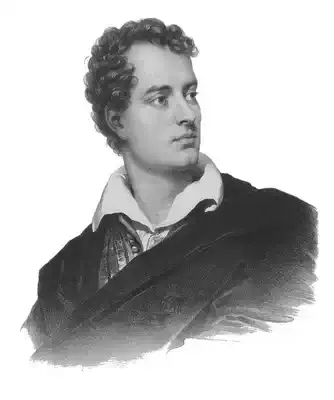
Lord Byron
Stanzas Written On The Road Between Florence And Pisa
Stanzas Written On The Road Between Florence And Pisa
Oh, talk not to me of a name great in story;
The days of our youth are the days of our glory;
And the myrtle and ivy of sweet twoandtwenty
Are worth all your laurels, though ever so plenty.
What are garlands and crowns to the brow that is wrinkled?
'Tis but as a dead flower with Maydew
besprinkled:
Then away with all such from the head that is hoary!
What care I for the wreaths that can only give glory?
O Fame!—if I e'er took delight in thy praises,
'Twas less for the sake of thy highsounding
phrases,
Than to see the bright eyes of the dear one discover
She thought that I was not unworthy to love her.
There chiefly I sought thee, there only I found thee;
Her glance was the best of the rays that surround thee;
When it sparkled o'er aught that was bright in my story,
I knew it was love, and I felt it was glory.
Oh, talk not to me of a name great in story;
The days of our youth are the days of our glory;
And the myrtle and ivy of sweet twoandtwenty
Are worth all your laurels, though ever so plenty.
What are garlands and crowns to the brow that is wrinkled?
'Tis but as a dead flower with Maydew
besprinkled:
Then away with all such from the head that is hoary!
What care I for the wreaths that can only give glory?
O Fame!—if I e'er took delight in thy praises,
'Twas less for the sake of thy highsounding
phrases,
Than to see the bright eyes of the dear one discover
She thought that I was not unworthy to love her.
There chiefly I sought thee, there only I found thee;
Her glance was the best of the rays that surround thee;
When it sparkled o'er aught that was bright in my story,
I knew it was love, and I felt it was glory.
457
Lord Byron
Answer To Some Elegant Verses Sent By A Friend To The Author, Complaining
Answer To Some Elegant Verses Sent By A Friend To The Author, Complaining
That One Of His Descriptions Was Rather Too Warmly Drawn
'But if any old lady, knight, priest or physician
Should condemn me for printing a second edition;
If good Madam Squintum my work should abuse,
May I venture to give her a smack of my muse?'~New Bath Guide.
CANDOUR compels me, BECHER! to commend
The verse which blends the censor with the friend.
Your strong yet just reproof extorts applause
From me, the heedless and imprudent cause.
For this wild error which pervades my strain,
I sue for pardon, — must I sue In vain?
The wise sometlrnes ftom Wisdom's ways depart:
Can youth then hush the dlctates of the heart?
Precepts of prudence curb, but can't control
The fierce emotions of the flowing soul.
When Love's delirium haunts the glowing mind
Limping Decorum lingers far behind:
Vainly the dotard mends her prudish pace,
Outstript and vanquish'd In the mental chase.
The young, the old, have worn the chains of love;
Let those they ne'er confined my lay reprove:
Let those whose souls Conternn the pleasing power
Their censures on the hapless victim shower.
Oh! how I hate the nerveless, frigid song,
The ceaseless echo of the rhyming throng,
Whose labour'd lines In chilling numbers flow,
To paint a pang the author ne'er can know!
The artless Helicon I boast is youth;—
My lyre, the heart; my muse, the simple truth.
Far be 't from me the 'vlrgin's stand' to 'taint':
Seduction's dread is here no slight restraint.
The maid whose virgin breast is void of guile,
Whose wishes dimple in a modest smile,
Whose downcast eye disdains the wanton leer,
Firzn in her virtue's strength, yet not severe
She whom a conscious grace shall thus refine
Will ne'er be 'tainted' by a strain of mine.
But for the nymph whose premature desires
Torment her bosom with unholy fires,
No net to snare her willing heart is spread
Sho would have fallen, though she ne'er had read.
For me, I fain would please the chosen few,
Whose souls, to feeling and to nature true,
Will spare the childish verse, and not destroy
The light effusions of a heedless boy.
I seek not glory from the senseless crowd;
Of fancied laurels I shall ne'er he proud;
Their warrnest plaudits I would scarcely prize,
Their sneers or censures I alike despise.
That One Of His Descriptions Was Rather Too Warmly Drawn
'But if any old lady, knight, priest or physician
Should condemn me for printing a second edition;
If good Madam Squintum my work should abuse,
May I venture to give her a smack of my muse?'~New Bath Guide.
CANDOUR compels me, BECHER! to commend
The verse which blends the censor with the friend.
Your strong yet just reproof extorts applause
From me, the heedless and imprudent cause.
For this wild error which pervades my strain,
I sue for pardon, — must I sue In vain?
The wise sometlrnes ftom Wisdom's ways depart:
Can youth then hush the dlctates of the heart?
Precepts of prudence curb, but can't control
The fierce emotions of the flowing soul.
When Love's delirium haunts the glowing mind
Limping Decorum lingers far behind:
Vainly the dotard mends her prudish pace,
Outstript and vanquish'd In the mental chase.
The young, the old, have worn the chains of love;
Let those they ne'er confined my lay reprove:
Let those whose souls Conternn the pleasing power
Their censures on the hapless victim shower.
Oh! how I hate the nerveless, frigid song,
The ceaseless echo of the rhyming throng,
Whose labour'd lines In chilling numbers flow,
To paint a pang the author ne'er can know!
The artless Helicon I boast is youth;—
My lyre, the heart; my muse, the simple truth.
Far be 't from me the 'vlrgin's stand' to 'taint':
Seduction's dread is here no slight restraint.
The maid whose virgin breast is void of guile,
Whose wishes dimple in a modest smile,
Whose downcast eye disdains the wanton leer,
Firzn in her virtue's strength, yet not severe
She whom a conscious grace shall thus refine
Will ne'er be 'tainted' by a strain of mine.
But for the nymph whose premature desires
Torment her bosom with unholy fires,
No net to snare her willing heart is spread
Sho would have fallen, though she ne'er had read.
For me, I fain would please the chosen few,
Whose souls, to feeling and to nature true,
Will spare the childish verse, and not destroy
The light effusions of a heedless boy.
I seek not glory from the senseless crowd;
Of fancied laurels I shall ne'er he proud;
Their warrnest plaudits I would scarcely prize,
Their sneers or censures I alike despise.
423

Emily Jane Brontë
The Elder's Rebuke
The Elder's Rebuke
'Listen! When your hair, like mine,
Takes a tint of silver gray;
When your eyes, with dimmer shine,
Watch life's bubbles float away:
When you, young man, have borne like me
The weary weight of sixty-three,
Then shall penance sore be paid
For those hours so wildly squandered;
And the words that now fall dead
On your ear, be deeply pondered—
Pondered and approved at last:
But their virtue will be past!
'Glorious is the prize of Duty,
Though she be 'a serious power';
Treacherous all the lures of Beauty,
Thorny bud and poisonous flower!
'Mirth is but a mad beguiling
Of the golden-gifted time;
Love—a demon-meteor, wiling
Heedless feet to gulfs of crime.
'Those who follow earthly pleasure,
Heavenly knowledge will not lead;
Wisdom hides from them her treasure,
Virtue bids them evil-speed!
'Vainly may their hearts repenting.
Seek for aid in future years;
Wisdom, scorned, knows no relenting;
Virtue is not won by fears.'
Thus spake the ice-blooded elder gray;
The young man scoffed as he turned away,
Turned to the call of a sweet lute's measure,
Waked by the lightsome touch of pleasure:
Had he ne'er met a gentler teacher,
Woe had been wrought by that pitiless preacher.
'Listen! When your hair, like mine,
Takes a tint of silver gray;
When your eyes, with dimmer shine,
Watch life's bubbles float away:
When you, young man, have borne like me
The weary weight of sixty-three,
Then shall penance sore be paid
For those hours so wildly squandered;
And the words that now fall dead
On your ear, be deeply pondered—
Pondered and approved at last:
But their virtue will be past!
'Glorious is the prize of Duty,
Though she be 'a serious power';
Treacherous all the lures of Beauty,
Thorny bud and poisonous flower!
'Mirth is but a mad beguiling
Of the golden-gifted time;
Love—a demon-meteor, wiling
Heedless feet to gulfs of crime.
'Those who follow earthly pleasure,
Heavenly knowledge will not lead;
Wisdom hides from them her treasure,
Virtue bids them evil-speed!
'Vainly may their hearts repenting.
Seek for aid in future years;
Wisdom, scorned, knows no relenting;
Virtue is not won by fears.'
Thus spake the ice-blooded elder gray;
The young man scoffed as he turned away,
Turned to the call of a sweet lute's measure,
Waked by the lightsome touch of pleasure:
Had he ne'er met a gentler teacher,
Woe had been wrought by that pitiless preacher.
274
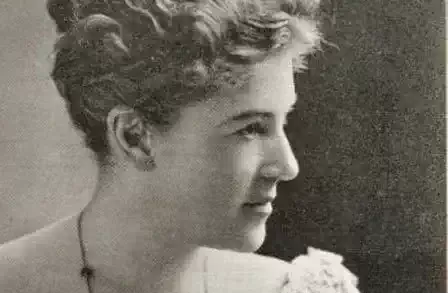
Ella Wheeler Wilcox
The Lady And The Dame
The Lady And The Dame
So thou hast the art, good dame, thou swearest,
To keep Time's perishing touch at bay
From the roseate splendor of the cheek so tender,
And the silver threads from the gold away;
And the tell-tale years that have hurried by us
Shall tiptoe back, and, with kind good-will,
They shall take their traces from off our faces,
If we will trust to thy magic skill.
Thou speakest fairly; but if I listen
And buy thy secret and prove its truth,
Hast thou the potion and magic lotion
To give me also the heart of youth?
With the cheek of rose and the eye of beauty,
And the lustrous locks of life's lost prime,
Wilt thou bring thronging each hope and longing
That made the glory of that dead Time?
When the sap in the trees sets young buds bursting,
And the song of the birds fills the air like spray,
Will rivers of feeling come once more stealing
From the beautiful hills of the far-away?
Wilt thou demolish the tower of reason
And fling forever down into the dust,
The caution time brought me, the lessons life taught me,
And put in their places my old sweet trust?
If Time's footprint from my brow is driven,
Canst thou, too, take with thy subtle powers
The burden of thinking, and let me go drinking
The careless pleasures of youth's bright hours?
If silver threads from my tresses vanish,
If a glow once more in my pale cheek gleams,
Wilt thou slay duty and give back the beauty
Of days untroubled by aught but dreams?
When the soft, fair arms of the siren Summer
Encircle the earth in their languorous fold,
Will vast, deep oceans of sweet emotions
Surge through my veins as they surged of old?
Canst thou bring back from a day long vanished
The leaping pulse and the boundless aim?
I will pay thee double for all thy trouble,
If thou wilt restore all these, good dame.
So thou hast the art, good dame, thou swearest,
To keep Time's perishing touch at bay
From the roseate splendor of the cheek so tender,
And the silver threads from the gold away;
And the tell-tale years that have hurried by us
Shall tiptoe back, and, with kind good-will,
They shall take their traces from off our faces,
If we will trust to thy magic skill.
Thou speakest fairly; but if I listen
And buy thy secret and prove its truth,
Hast thou the potion and magic lotion
To give me also the heart of youth?
With the cheek of rose and the eye of beauty,
And the lustrous locks of life's lost prime,
Wilt thou bring thronging each hope and longing
That made the glory of that dead Time?
When the sap in the trees sets young buds bursting,
And the song of the birds fills the air like spray,
Will rivers of feeling come once more stealing
From the beautiful hills of the far-away?
Wilt thou demolish the tower of reason
And fling forever down into the dust,
The caution time brought me, the lessons life taught me,
And put in their places my old sweet trust?
If Time's footprint from my brow is driven,
Canst thou, too, take with thy subtle powers
The burden of thinking, and let me go drinking
The careless pleasures of youth's bright hours?
If silver threads from my tresses vanish,
If a glow once more in my pale cheek gleams,
Wilt thou slay duty and give back the beauty
Of days untroubled by aught but dreams?
When the soft, fair arms of the siren Summer
Encircle the earth in their languorous fold,
Will vast, deep oceans of sweet emotions
Surge through my veins as they surged of old?
Canst thou bring back from a day long vanished
The leaping pulse and the boundless aim?
I will pay thee double for all thy trouble,
If thou wilt restore all these, good dame.
356
Ella Wheeler Wilcox
Life Is A Privilege
Life Is A Privilege
Life is a privilege. Its youthful days
Shine with the radiance of continuous Mays.
To live, to breathe, to wonder and desire,
To feed with dreams the heart’s perpetual fire,
To thrill with virtuous passions, and to glow
With great ambitions – in one hour to know
The depths and heights of feeling – God! in truth,
How beautiful, how beautiful is youth!
Life is a privilege. Like some rare rose
The mysteries of the human mind unclose.
What marvels lie in the earth, and air, and sea!
What stores of knowledge wait our opening key!
What sunny roads of happiness lead out
Beyond the realms of indolence and doubt!
And what large pleasures smile upon and bless
The busy avenues of usefulness!
Life is a privilege. Thought the noontide fades
And shadows fall along the winding glades,
Though joy-blooms wither in the autumn air,
Yet the sweet scent of sympathy is there.
Pale sorrow leads us closer to our kind,
And in the serious hours of life we find
Depths in the souls of men which lend new worth
And majesty to this brief span of earth.
Life is a privilege. If some sad fate
Sends us alone to seek the exit gate,
If men forsake us and as shadows fall,
Still does the supreme privilege of all
Come in that reaching upward of the soul
To find the welcoming Presence at the goal,
And in the Knowledge that our feet have trod
Paths that led from, and must wind back, to God.
Life is a privilege. Its youthful days
Shine with the radiance of continuous Mays.
To live, to breathe, to wonder and desire,
To feed with dreams the heart’s perpetual fire,
To thrill with virtuous passions, and to glow
With great ambitions – in one hour to know
The depths and heights of feeling – God! in truth,
How beautiful, how beautiful is youth!
Life is a privilege. Like some rare rose
The mysteries of the human mind unclose.
What marvels lie in the earth, and air, and sea!
What stores of knowledge wait our opening key!
What sunny roads of happiness lead out
Beyond the realms of indolence and doubt!
And what large pleasures smile upon and bless
The busy avenues of usefulness!
Life is a privilege. Thought the noontide fades
And shadows fall along the winding glades,
Though joy-blooms wither in the autumn air,
Yet the sweet scent of sympathy is there.
Pale sorrow leads us closer to our kind,
And in the serious hours of life we find
Depths in the souls of men which lend new worth
And majesty to this brief span of earth.
Life is a privilege. If some sad fate
Sends us alone to seek the exit gate,
If men forsake us and as shadows fall,
Still does the supreme privilege of all
Come in that reaching upward of the soul
To find the welcoming Presence at the goal,
And in the Knowledge that our feet have trod
Paths that led from, and must wind back, to God.
617
Ella Wheeler Wilcox
Into The World
Into The World
Out over childhood's borders,
Manhood's brave banners unfurled,
Weighed down with precepts and orders
A boy has gone into the world.
Nobody thinks it pathetic-
For he is a strong-armed youth.
But where is the vision prophetic
To forecast his future with truth?
No more a child to be petted
And sheltered away from the strife;
Henceforth-a man to be fretted
And worn with the worries of life.
Henceforth a man with others
To scramble and push in the race,
To jostle and crowd with his brothers,
To struggle for gain and place.
Now though his heart is breaking,
Henceforth his lids must be dry;
Now though his soul is aching,
He must not utter a cry.
Now if his brain is troubled,
Now if his courage has gone,
Still must his strength be doubled,
Still must the battle go on.
Now if success shall crown him,
Oh, how the world will cheer.
Now if misfortune shall down him,
Oh, how the scoffer will jeer.
Virtue and truth attend him,
Into the vortex whirled,
God and His angels defend him-
A boy has gone into the world.
Out over childhood's borders,
Manhood's brave banners unfurled,
Weighed down with precepts and orders
A boy has gone into the world.
Nobody thinks it pathetic-
For he is a strong-armed youth.
But where is the vision prophetic
To forecast his future with truth?
No more a child to be petted
And sheltered away from the strife;
Henceforth-a man to be fretted
And worn with the worries of life.
Henceforth a man with others
To scramble and push in the race,
To jostle and crowd with his brothers,
To struggle for gain and place.
Now though his heart is breaking,
Henceforth his lids must be dry;
Now though his soul is aching,
He must not utter a cry.
Now if his brain is troubled,
Now if his courage has gone,
Still must his strength be doubled,
Still must the battle go on.
Now if success shall crown him,
Oh, how the world will cheer.
Now if misfortune shall down him,
Oh, how the scoffer will jeer.
Virtue and truth attend him,
Into the vortex whirled,
God and His angels defend him-
A boy has gone into the world.
401
Ella Wheeler Wilcox
In France I Saw A Hill
In France I Saw A Hill
In France I saw a hill-a gentle slope
Rising above old tombs to greet the gleam
From soft spring skies. Beyond these skies dwells hope,
But those green graves bespeak a broken dream.
There was a row of narrow beds, new-made;
Each bore a starry banner and a cross.
And each the name of one who, ere he played
His rôle of warrior, met earth's final loss.
They were so young, so eager for the fray!
And thoughts of glory filled each boyish heart,
When over dangerous seas they sailed away
To face the foe and play some splendid part.
But in the tedious toil, the dull routine
Which must precede achievement on the field,
Disease, that secret enemy with mean
Sly tactics, forced them to disarm and yield.
So they were buried on that hill in France,
Before their ears had heard the battle din;
Before life gave them its dramatic chance-
A lasting fame, or glorious death to win.
Yet, looking up beyond their graves of green,
I seem to see them wearing band and star;
Men are rewarded in the Worlds Unseen
Not for the way they die, but what they are.
In France I saw a hill-a gentle slope
Rising above old tombs to greet the gleam
From soft spring skies. Beyond these skies dwells hope,
But those green graves bespeak a broken dream.
There was a row of narrow beds, new-made;
Each bore a starry banner and a cross.
And each the name of one who, ere he played
His rôle of warrior, met earth's final loss.
They were so young, so eager for the fray!
And thoughts of glory filled each boyish heart,
When over dangerous seas they sailed away
To face the foe and play some splendid part.
But in the tedious toil, the dull routine
Which must precede achievement on the field,
Disease, that secret enemy with mean
Sly tactics, forced them to disarm and yield.
So they were buried on that hill in France,
Before their ears had heard the battle din;
Before life gave them its dramatic chance-
A lasting fame, or glorious death to win.
Yet, looking up beyond their graves of green,
I seem to see them wearing band and star;
Men are rewarded in the Worlds Unseen
Not for the way they die, but what they are.
423
Ella Wheeler Wilcox
At an Old Drawer
At an Old Drawer
Before this scarf was faded,
What hours of mirth it knew;
How gayly it paraded
From smiling eyes to view.
The days were tinged with glory,
The nights too quickly sped,
And life was like a story
Where all the people wed.
Before this rosebud wilted,
How passionately sweet
The wild waltz smelled and lilted
In time for flying feet;
How loud the bassoons muttered,
The horns grew madly shrill,
And oh! the vows lips uttered
That hearts could not fulfill.
Before this fan was broken,
Behind its lace and pearl
What whispered words were spoken,
What hearts were in a whirl;
What homesteads were selected
In Fancy's realm of Spain,
What castles were erected
Without a room for pain.
When this odd glove was mated,
How thrilling seemed the play;
Maybe our hearts are sated--
We tire so soon to-day.
O, thrust away these treasures,
They speak the dreary truth;
We have outgrown the pleasures
And keen delights of youth.
Before this scarf was faded,
What hours of mirth it knew;
How gayly it paraded
From smiling eyes to view.
The days were tinged with glory,
The nights too quickly sped,
And life was like a story
Where all the people wed.
Before this rosebud wilted,
How passionately sweet
The wild waltz smelled and lilted
In time for flying feet;
How loud the bassoons muttered,
The horns grew madly shrill,
And oh! the vows lips uttered
That hearts could not fulfill.
Before this fan was broken,
Behind its lace and pearl
What whispered words were spoken,
What hearts were in a whirl;
What homesteads were selected
In Fancy's realm of Spain,
What castles were erected
Without a room for pain.
When this odd glove was mated,
How thrilling seemed the play;
Maybe our hearts are sated--
We tire so soon to-day.
O, thrust away these treasures,
They speak the dreary truth;
We have outgrown the pleasures
And keen delights of youth.
447
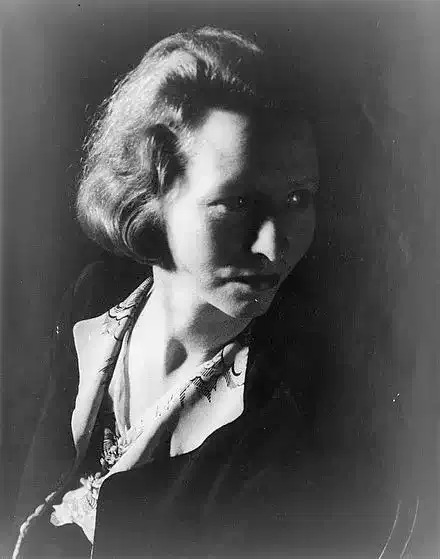
Edna St. Vincent Millay
Being Young And Green
Being Young And Green
Being Young and Green, I said in love's despite:
Never in the world will I to living wight
Give over, air my mind
To anyone,
Hang out its ancient secrets in the strong wind
To be shredded and faded—
Oh, me, invaded
And sacked by the wind and the sun!
Being Young and Green, I said in love's despite:
Never in the world will I to living wight
Give over, air my mind
To anyone,
Hang out its ancient secrets in the strong wind
To be shredded and faded—
Oh, me, invaded
And sacked by the wind and the sun!
302
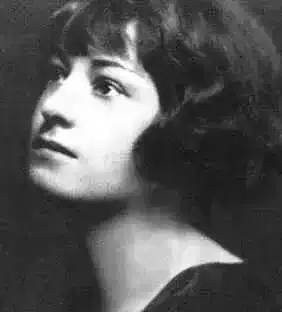
Dorothy Parker
Lullaby
Lullaby
Sleep, pretty lady, the night is enfolding you;
Drift, and so lightly, on crystalline streams.
Wrapped in its perfumes, the darkness is holding you;
Starlight bespangles the way of your dreams.
Chorus the nightingales, wistfully amorous;
Blessedly quiet, the blare of the day.
All the sweet hours may your visions be glamorous-
Sleep, pretty lady, as long as you may.
Sleep, pretty lady, the night shall be still for you;
Silvered and silent, it watches you rest.
Each little breeze, in its eagerness, will for you
Murmur the melodies ancient and blest.
So in the midnight does happiness capture us;
Morning is dim with another day's tears.
Give yourself sweetly to images rapturous-
Sleep, pretty lady, a couple of years.
Sleep, pretty lady, the world awaits day with you;
Girlish and golden, the slender young moon.
Grant the fond darkness its mystical way with you;
Morning returns to us ever too soon.
Roses unfold, in their loveliness, all for you;
Blossom the lilies for hope of your glance.
When you're awake, all the men go and fall for you-
Sleep, pretty lady, and give me a chance.
Sleep, pretty lady, the night is enfolding you;
Drift, and so lightly, on crystalline streams.
Wrapped in its perfumes, the darkness is holding you;
Starlight bespangles the way of your dreams.
Chorus the nightingales, wistfully amorous;
Blessedly quiet, the blare of the day.
All the sweet hours may your visions be glamorous-
Sleep, pretty lady, as long as you may.
Sleep, pretty lady, the night shall be still for you;
Silvered and silent, it watches you rest.
Each little breeze, in its eagerness, will for you
Murmur the melodies ancient and blest.
So in the midnight does happiness capture us;
Morning is dim with another day's tears.
Give yourself sweetly to images rapturous-
Sleep, pretty lady, a couple of years.
Sleep, pretty lady, the world awaits day with you;
Girlish and golden, the slender young moon.
Grant the fond darkness its mystical way with you;
Morning returns to us ever too soon.
Roses unfold, in their loveliness, all for you;
Blossom the lilies for hope of your glance.
When you're awake, all the men go and fall for you-
Sleep, pretty lady, and give me a chance.
468

D.H. Lawrence
Virgin Youth
Virgin Youth
Now and again
All my body springs alive,
And the life that is polarised in my eyes,
That quivers between my eyes and mouth,
Flies like a wild thing across my body,
Leaving my eyes half-empty, and clamorous,
Filling my still breasts with a flush and a flame,
Gathering the soft ripples below my breast
Into urgent, passionate waves,
And my soft, slumbering belly
Quivering awake with one impulse of desire,
Gathers itself fiercely together;
And my docile, fluent arms
Knotting themselves with wild strength
To clasp—what they have never clasped.
Then I tremble, and go trembling
Under the wild, strange tyranny of my body,
Till it has spent itself,
And the relentless nodality of my eyes reasserts itself,
Till the bursten flood of life ebbs back to my eyes,
Back from my beautiful, lonely body
Tired and unsatisfied.
Now and again
All my body springs alive,
And the life that is polarised in my eyes,
That quivers between my eyes and mouth,
Flies like a wild thing across my body,
Leaving my eyes half-empty, and clamorous,
Filling my still breasts with a flush and a flame,
Gathering the soft ripples below my breast
Into urgent, passionate waves,
And my soft, slumbering belly
Quivering awake with one impulse of desire,
Gathers itself fiercely together;
And my docile, fluent arms
Knotting themselves with wild strength
To clasp—what they have never clasped.
Then I tremble, and go trembling
Under the wild, strange tyranny of my body,
Till it has spent itself,
And the relentless nodality of my eyes reasserts itself,
Till the bursten flood of life ebbs back to my eyes,
Back from my beautiful, lonely body
Tired and unsatisfied.
232
D.H. Lawrence
A Youth Mowing
A Youth Mowing
There are four men mowing down by the Isar;
I can hear the swish of the scythe-strokes, four
Sharp breaths taken: yea, and I
Am sorry for what's in store.
The first man out of the four that's mowing
Is mine, I claim him once and for all;
Though it's sorry I am, on his young feet, knowing
None of the trouble he's led to stall.
As he sees me bringing the dinner, he lifts
His head as proud as a deer that looks
Shoulder-deep out of the corn; and wipes
His scythe-blade bright, unhooks
The scythe-stone and over the stubble to me.
Lad, thou hast gotten a child in me,
Laddie, a man thou'lt ha'e to be,
Yea, though I'm sorry for thee.
There are four men mowing down by the Isar;
I can hear the swish of the scythe-strokes, four
Sharp breaths taken: yea, and I
Am sorry for what's in store.
The first man out of the four that's mowing
Is mine, I claim him once and for all;
Though it's sorry I am, on his young feet, knowing
None of the trouble he's led to stall.
As he sees me bringing the dinner, he lifts
His head as proud as a deer that looks
Shoulder-deep out of the corn; and wipes
His scythe-blade bright, unhooks
The scythe-stone and over the stubble to me.
Lad, thou hast gotten a child in me,
Laddie, a man thou'lt ha'e to be,
Yea, though I'm sorry for thee.
229

Christina Rossetti
The Bourne
The Bourne
Underneath the growing grass,
Underneath the living flowers,
Deeper than the sound of showers:
There we shall not count the hours
By the shadows as they pass.
Youth and health will be but vain,
Beauty reckoned of no worth:
There a very little girth
Can hold round what once the earth
Seemed too narrow to contain.
Underneath the growing grass,
Underneath the living flowers,
Deeper than the sound of showers:
There we shall not count the hours
By the shadows as they pass.
Youth and health will be but vain,
Beauty reckoned of no worth:
There a very little girth
Can hold round what once the earth
Seemed too narrow to contain.
253
Christina Rossetti
Song IV
Song IV
Oh roses for the flush of youth,
And laurel for the perfect prime;
But pluck an ivy branch for me
Grown old before my time.
Oh violets for the grave of youth,
And bay for those dead in their prime;
Give me the withered leaves I chose
Before in the old time.
Oh roses for the flush of youth,
And laurel for the perfect prime;
But pluck an ivy branch for me
Grown old before my time.
Oh violets for the grave of youth,
And bay for those dead in their prime;
Give me the withered leaves I chose
Before in the old time.
211
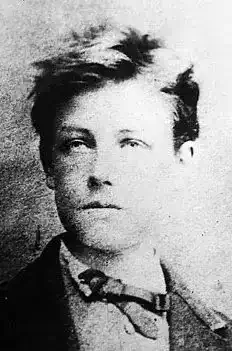
Arthur Rimbaud
Romance
Romance
When you are seventeen you aren't really serious.
-One fine evening, you've had enough of beer and lemonade,
And the rowdy cafes with their dazzling lights!
-You go walking beneath the green lime trees of the promenade.
The lime trees smell good on fine evenings in June!
The air is so soft sometimes, you close your eyelids;
The wind, full of sounds, - the town's not far away -
Carries odours of vines, and odours of beer...
II
-Then you see a very tiny rag
Of dark blue, framed by a small branch,
Pierced by an unlucky star which is melting away
With soft little shivers, small, perfectly white...
June night! Seventeen! - You let yourself get drunk.
The sap is champagne and goes straight to your head...
You are wandering; you feel a kiss on your lips
Which quivers there like something small and alive...
III
Your mad heart goes Crusoeing through all the romances,
-When, under the light of a pale street lamp,
Passes a young girl with charming little airs,
In the shadow of her father's terrifying stiff collar...
And because you strike her as absurdly naif,
As she trots along in her little ankle boots,
She turns, wide awake, with a brisk movement...
And then cavatinas die on your lips...
IV
You're in love. Taken until the month of August.
You're in love - Your sonnets make Her laugh.
All your friends disappear, you are not quite the thing.
-Then your adored one, one evening, condescends to write to you...!
That evening,... - you go back again to the dazzling cafes,
You ask for beer or for lemonade...
-You are not really serious when you are seventeen
And there are green lime trees on the promenade...
Original French
Roman
I
On n'est pas sérieux, quand on a dix-sept ans.
-Un beau soir, foin des bocks et de la limonade,
Des cafés tapageurs aux lustres éclatants !
-On va sous les tilleuls verts de la promenade.
Les tilleuls sentent bon dans les bons soirs de juin !
L'air est parfois si doux, qu'on ferme la paupière ;
Le vent chargé de bruits - la ville n'est pas loin -
A des parfums de vigne et des parfums de bière....
II
-Voilà qu'on aperçoit un tout petit chiffon
D'azur sombre, encadré d'une petite branche,
Piqué d'une mauvaise étoile, qui se fond
Avec de doux frissons, petite et toute blanche...
Nuit de juin ! Dix-sept ans ! - On se laisse griser.
La sève est du champagne et vous monte à la tête...
On divague ; on se sent aux lèvres un baiser
Qui palpite là, comme une petite bête....
III
Le coeur fou Robinsonne à travers les romans,
Lorsque, dans la clarté d'un pâle réverbère,
Passe une demoiselle aux petits airs charmants,
Sous l'ombre du faux col effrayant de son père...
Et, comme elle vous trouve immensément naïf,
Tout en faisant trotter ses petites bottines,
Elle se tourne, alerte et d'un mouvement vif....
-Sur vos lèvres alors meurent les cavatines...
IV
Vous êtes amoureux. Loué jusqu'au mois d'août.
Vous êtes amoureux. - Vos sonnets La font rire.
Tous vos amis s'en vont, vous êtes mauvais goût.
-Puis l'adorée, un soir, a daigné vous écrire...!
-Ce soir-là,... - vous rentrez aux cafés éclatants,
Vous demandez des bocks ou de la limonade..
-On n'est pas sérieux, quand on a dix-sept ans
Et qu'on a des tilleuls verts sur la promenade.
When you are seventeen you aren't really serious.
-One fine evening, you've had enough of beer and lemonade,
And the rowdy cafes with their dazzling lights!
-You go walking beneath the green lime trees of the promenade.
The lime trees smell good on fine evenings in June!
The air is so soft sometimes, you close your eyelids;
The wind, full of sounds, - the town's not far away -
Carries odours of vines, and odours of beer...
II
-Then you see a very tiny rag
Of dark blue, framed by a small branch,
Pierced by an unlucky star which is melting away
With soft little shivers, small, perfectly white...
June night! Seventeen! - You let yourself get drunk.
The sap is champagne and goes straight to your head...
You are wandering; you feel a kiss on your lips
Which quivers there like something small and alive...
III
Your mad heart goes Crusoeing through all the romances,
-When, under the light of a pale street lamp,
Passes a young girl with charming little airs,
In the shadow of her father's terrifying stiff collar...
And because you strike her as absurdly naif,
As she trots along in her little ankle boots,
She turns, wide awake, with a brisk movement...
And then cavatinas die on your lips...
IV
You're in love. Taken until the month of August.
You're in love - Your sonnets make Her laugh.
All your friends disappear, you are not quite the thing.
-Then your adored one, one evening, condescends to write to you...!
That evening,... - you go back again to the dazzling cafes,
You ask for beer or for lemonade...
-You are not really serious when you are seventeen
And there are green lime trees on the promenade...
Original French
Roman
I
On n'est pas sérieux, quand on a dix-sept ans.
-Un beau soir, foin des bocks et de la limonade,
Des cafés tapageurs aux lustres éclatants !
-On va sous les tilleuls verts de la promenade.
Les tilleuls sentent bon dans les bons soirs de juin !
L'air est parfois si doux, qu'on ferme la paupière ;
Le vent chargé de bruits - la ville n'est pas loin -
A des parfums de vigne et des parfums de bière....
II
-Voilà qu'on aperçoit un tout petit chiffon
D'azur sombre, encadré d'une petite branche,
Piqué d'une mauvaise étoile, qui se fond
Avec de doux frissons, petite et toute blanche...
Nuit de juin ! Dix-sept ans ! - On se laisse griser.
La sève est du champagne et vous monte à la tête...
On divague ; on se sent aux lèvres un baiser
Qui palpite là, comme une petite bête....
III
Le coeur fou Robinsonne à travers les romans,
Lorsque, dans la clarté d'un pâle réverbère,
Passe une demoiselle aux petits airs charmants,
Sous l'ombre du faux col effrayant de son père...
Et, comme elle vous trouve immensément naïf,
Tout en faisant trotter ses petites bottines,
Elle se tourne, alerte et d'un mouvement vif....
-Sur vos lèvres alors meurent les cavatines...
IV
Vous êtes amoureux. Loué jusqu'au mois d'août.
Vous êtes amoureux. - Vos sonnets La font rire.
Tous vos amis s'en vont, vous êtes mauvais goût.
-Puis l'adorée, un soir, a daigné vous écrire...!
-Ce soir-là,... - vous rentrez aux cafés éclatants,
Vous demandez des bocks ou de la limonade..
-On n'est pas sérieux, quand on a dix-sept ans
Et qu'on a des tilleuls verts sur la promenade.
700
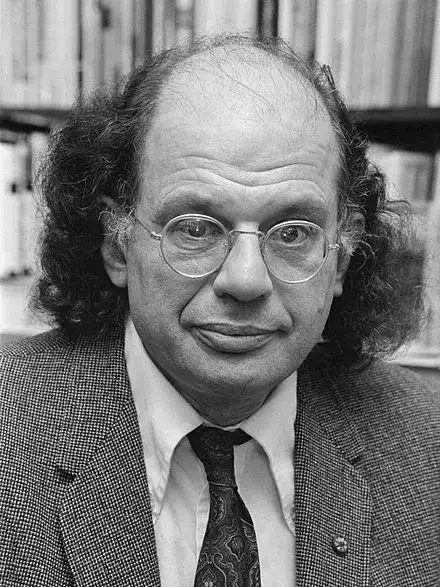
Allen Ginsberg
Kral Majales (King of May)
Kral Majales (King of May)
And the Communists have nothing to offer but fat cheeks and eyeglasses and
lying policemen
and the Capitalists proffer Napalm and money in green suitcases to the
Naked,
and the Communists create heavy industry but the heart is also heavy
and the beautiful engineers are all dead, the secret technicians conspire for
their own glamour
in the Future, in the Future, but now drink vodka and lament the Security
Forces,
and the Capitalists drink gin and whiskey on airplanes but let Indian brown
millions starve
and when Communist and Capitalist assholes tangle the Just man is arrested
or robbed or has his head cut off,
but not like Kabir, and the cigarette cough of the Just man above the clouds
in the bright sunshine is a salute to the health of the blue sky.
For I was arrested thrice in Prague, once for singing drunk on Narodni
street,
once knocked down on the midnight pavement by a mustached agent who
screamed out BOUZERANT,
once for losing my notebooks of unusual sex politics dream opinions,
and I was sent from Havana by planes by detectives in green uniform,
and I was sent from Prague by plane by detectives in Czechoslovakian
business suits,
Cardplayers out of Cezanne, the two strange dolls that entered Joseph K's
room at morn
also entered mine and ate at my table, and examined my scribbles,
and followed me night and morn from the houses of the lovers to the cafes of
Centrum -
And I am the King of May, which is the power of sexual youth,
and I am the King of May, which is long hair of Adam and Beard of my
own body
and I am the King of May, which is Kral Majales in the Czechoslovakian
tongue,
and I am the King of May, which is old Human poesy, and 100,000 people
chose my name,
and I am the King of May, and in a few minutes I will land at London
Airport,
and I am the King of May, naturally, for I am of Slavic parentage and a
Buddhist Jew
who whorships the Sacred Heart of Christ the blue body of Krishna the
straight back of Ram
the beads of Chango the Nigerian singing Shiva Shiva in a manner which
I have invented,
and the King of May is a middleeuropean honor, mine in the XX century
despite space ships and the Time Machine, because I have heard the voice of Blake
in a vision
and repeat that voice. And I am the King of May that sleeps with teenagers
laughing.
And I am the King of May, that I may be expelled from my Kingdom with
Honor, as of old,
To show the difference between Caesar's Kingdom and the Kingdom of the
May of Man
and I am the King of May because I touched my finger to my forehead
saluting
a luminous heavy girl trembling hands who said 'one moment Mr. Ginsberg'
before a fat young Plainclothesman stepped between our bodies - I was
going to England and
I am the King of May, in a giant jetplane touching Albion's airfield
trembling in fear
as the plane roars to a landing on the gray concrete, shakes & expels air,
and rolls slowly to a stop under the clouds with part of blue heaven still
visible.
And tho' I am the King of May, the Marxists have beat me upon the street,
kept me up all night in Police Station, followed me thru Springtime
Prague, detained me in secret and deported me from our kingdom by
airplane.
This I have written this poem on a jet seat in mid Heaven.
And the Communists have nothing to offer but fat cheeks and eyeglasses and
lying policemen
and the Capitalists proffer Napalm and money in green suitcases to the
Naked,
and the Communists create heavy industry but the heart is also heavy
and the beautiful engineers are all dead, the secret technicians conspire for
their own glamour
in the Future, in the Future, but now drink vodka and lament the Security
Forces,
and the Capitalists drink gin and whiskey on airplanes but let Indian brown
millions starve
and when Communist and Capitalist assholes tangle the Just man is arrested
or robbed or has his head cut off,
but not like Kabir, and the cigarette cough of the Just man above the clouds
in the bright sunshine is a salute to the health of the blue sky.
For I was arrested thrice in Prague, once for singing drunk on Narodni
street,
once knocked down on the midnight pavement by a mustached agent who
screamed out BOUZERANT,
once for losing my notebooks of unusual sex politics dream opinions,
and I was sent from Havana by planes by detectives in green uniform,
and I was sent from Prague by plane by detectives in Czechoslovakian
business suits,
Cardplayers out of Cezanne, the two strange dolls that entered Joseph K's
room at morn
also entered mine and ate at my table, and examined my scribbles,
and followed me night and morn from the houses of the lovers to the cafes of
Centrum -
And I am the King of May, which is the power of sexual youth,
and I am the King of May, which is long hair of Adam and Beard of my
own body
and I am the King of May, which is Kral Majales in the Czechoslovakian
tongue,
and I am the King of May, which is old Human poesy, and 100,000 people
chose my name,
and I am the King of May, and in a few minutes I will land at London
Airport,
and I am the King of May, naturally, for I am of Slavic parentage and a
Buddhist Jew
who whorships the Sacred Heart of Christ the blue body of Krishna the
straight back of Ram
the beads of Chango the Nigerian singing Shiva Shiva in a manner which
I have invented,
and the King of May is a middleeuropean honor, mine in the XX century
despite space ships and the Time Machine, because I have heard the voice of Blake
in a vision
and repeat that voice. And I am the King of May that sleeps with teenagers
laughing.
And I am the King of May, that I may be expelled from my Kingdom with
Honor, as of old,
To show the difference between Caesar's Kingdom and the Kingdom of the
May of Man
and I am the King of May because I touched my finger to my forehead
saluting
a luminous heavy girl trembling hands who said 'one moment Mr. Ginsberg'
before a fat young Plainclothesman stepped between our bodies - I was
going to England and
I am the King of May, in a giant jetplane touching Albion's airfield
trembling in fear
as the plane roars to a landing on the gray concrete, shakes & expels air,
and rolls slowly to a stop under the clouds with part of blue heaven still
visible.
And tho' I am the King of May, the Marxists have beat me upon the street,
kept me up all night in Police Station, followed me thru Springtime
Prague, detained me in secret and deported me from our kingdom by
airplane.
This I have written this poem on a jet seat in mid Heaven.
815
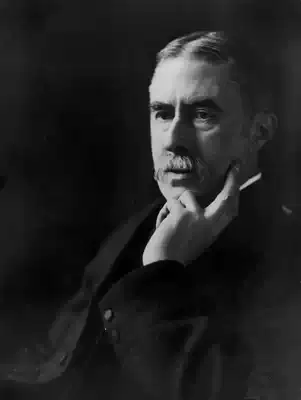
Alfred Edward Housman
Westward on the High-Hilled Plains
Westward on the High-Hilled Plains
Westward on the high-hilled plains
Where for me the world began,
Still, I think, in newer veins
Frets the changeless blood of man.
Now that other lads than I
Strip to bathe on Severn shore,
They, no help, for all they try,
Tread the mill I trod before.
There, when hueless is the west
And the darkness hushes wide,
Where the lad lies down to rest
Stands the troubled dream beside.
There, on thoughts that once were mine,
Day looks down the eastern steep,
And the youth at morning shine
Makes the vow he will not keep.
Westward on the high-hilled plains
Where for me the world began,
Still, I think, in newer veins
Frets the changeless blood of man.
Now that other lads than I
Strip to bathe on Severn shore,
They, no help, for all they try,
Tread the mill I trod before.
There, when hueless is the west
And the darkness hushes wide,
Where the lad lies down to rest
Stands the troubled dream beside.
There, on thoughts that once were mine,
Day looks down the eastern steep,
And the youth at morning shine
Makes the vow he will not keep.
463
Previous
Page 3