

Poems in this topic
Memories and Recollections
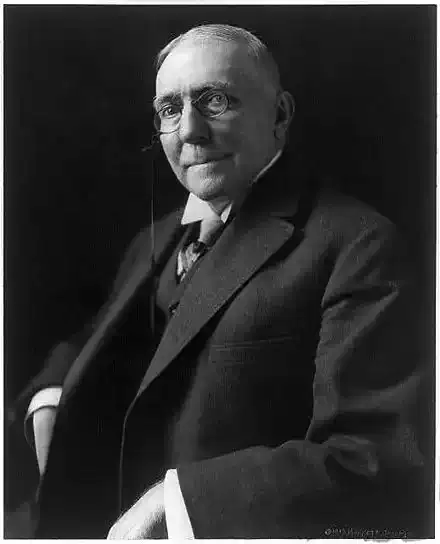
James Whitcomb Riley
The Ancient Printman
The Ancient Printman
'O Printerman of sallow face,
And look of absent guile,
Is it the 'copy' on your 'case'
That causes you to smile?
Or is it some old treasure scrap
You cull from Memory's file?
'I fain would guess its mystery--
For often I can trace
A fellow dreamer's history
Whene'er it haunts the face;
Your fancy's running riot
In a retrospective race!
'Ah, Printerman, you're straying
Afar from 'stick' and type--
Your heart has 'gone a-maying,'
And you taste old kisses, ripe
Again on lips that pucker
At your old asthmatic pipe!
'You are dreaming of old pleasures
That have faded from your view;
And the music-burdened measures
Of the laughs you listen to
Are now but angel-echoes--
O, have I spoken true?'
The ancient Printer hinted
With a motion full of grace
To where the words were printed
On a card above his 'case,'-'
I am deaf and dumb!' I left him
With a smile upon his face.
'O Printerman of sallow face,
And look of absent guile,
Is it the 'copy' on your 'case'
That causes you to smile?
Or is it some old treasure scrap
You cull from Memory's file?
'I fain would guess its mystery--
For often I can trace
A fellow dreamer's history
Whene'er it haunts the face;
Your fancy's running riot
In a retrospective race!
'Ah, Printerman, you're straying
Afar from 'stick' and type--
Your heart has 'gone a-maying,'
And you taste old kisses, ripe
Again on lips that pucker
At your old asthmatic pipe!
'You are dreaming of old pleasures
That have faded from your view;
And the music-burdened measures
Of the laughs you listen to
Are now but angel-echoes--
O, have I spoken true?'
The ancient Printer hinted
With a motion full of grace
To where the words were printed
On a card above his 'case,'-'
I am deaf and dumb!' I left him
With a smile upon his face.
290
James Whitcomb Riley
Old Man's Nursery Rhyme
Old Man's Nursery Rhyme
I.
In the jolly winters
Of the long-ago,
It was not so cold as now--
O! No! No!
Then, as I remember,
Snowballs, to eat,
Were as good as apples now,
And every bit as sweet!
II.
In the jolly winters
Of the dead-and-gone,
Bub was warm as summer,
With his red mitts on,--
Just in his little waistAnd-
pants all together,
Who ever heard him growl
About cold weather?
III.
In the jolly winters of the long-ago--
Was it _half_ so cold as now?
O! No! No!
Who caught his death o' cold,
Making prints of men
Flat-backed in snow that now's
Twice as cold again?
IV.
In the jolly winters
Of the dead-and-gone,
Startin' out rabbit-hunting
Early as the dawn,--
Who ever froze his fingers,
Ears, heels, or toes,-Or'd
a cared if he had?
Nobody knows!
V.
Nights by the kitchen-stove,
Shelling white and red
Corn in the skillet, and
Sleepin' four abed!
Ah! the jolly winters
Of the long-ago!
We were not so old as now-
O! No! No!
I.
In the jolly winters
Of the long-ago,
It was not so cold as now--
O! No! No!
Then, as I remember,
Snowballs, to eat,
Were as good as apples now,
And every bit as sweet!
II.
In the jolly winters
Of the dead-and-gone,
Bub was warm as summer,
With his red mitts on,--
Just in his little waistAnd-
pants all together,
Who ever heard him growl
About cold weather?
III.
In the jolly winters of the long-ago--
Was it _half_ so cold as now?
O! No! No!
Who caught his death o' cold,
Making prints of men
Flat-backed in snow that now's
Twice as cold again?
IV.
In the jolly winters
Of the dead-and-gone,
Startin' out rabbit-hunting
Early as the dawn,--
Who ever froze his fingers,
Ears, heels, or toes,-Or'd
a cared if he had?
Nobody knows!
V.
Nights by the kitchen-stove,
Shelling white and red
Corn in the skillet, and
Sleepin' four abed!
Ah! the jolly winters
Of the long-ago!
We were not so old as now-
O! No! No!
331
James Whitcomb Riley
Nothin' To Say
Nothin' To Say
Nothin' to say, my daughter! Nothin' at all to say!
Gyrls that's in love, I've noticed, ginerly has their way!
Yer mother did, afore you, when her folks objected to me--
Yit here I am, and here you air; and yer mother--where is she?
You look lots like yer mother: Purty much same in size;
And about the same complected; and favor about the eyes:
Like her, too, about _livin_' here,--because _she_ couldn't stay:
It'll 'most seem like you was dead--like her!--But I hain't got nothin' to say!
She left you her little Bible--writ yer name acrost the page--
And left her ear bobs fer you, ef ever you come of age.
I've allus kep' 'em and gyuarded 'em, but ef yer goin' away--
Nothin' to say, my daughter! Nothin' at all to say!
You don't rikollect her, I reckon? No; you wasn't a year old then!
And now yer--how old _air_ you? W'y, child, not '_twenty_!' When?
And yer nex' birthday's in Aprile? and you want to git married that day?
... I wisht yer mother was livin'!--But--I hain't got nothin' to say!
Twenty year! and as good a gyrl as parent ever found!
There's a straw ketched onto yer dress there--I'll bresh it off--turn round.
(Her mother was jes' twenty when us two run away!)
Nothin' to say, my daughter! Nothin' at all to say!
Nothin' to say, my daughter! Nothin' at all to say!
Gyrls that's in love, I've noticed, ginerly has their way!
Yer mother did, afore you, when her folks objected to me--
Yit here I am, and here you air; and yer mother--where is she?
You look lots like yer mother: Purty much same in size;
And about the same complected; and favor about the eyes:
Like her, too, about _livin_' here,--because _she_ couldn't stay:
It'll 'most seem like you was dead--like her!--But I hain't got nothin' to say!
She left you her little Bible--writ yer name acrost the page--
And left her ear bobs fer you, ef ever you come of age.
I've allus kep' 'em and gyuarded 'em, but ef yer goin' away--
Nothin' to say, my daughter! Nothin' at all to say!
You don't rikollect her, I reckon? No; you wasn't a year old then!
And now yer--how old _air_ you? W'y, child, not '_twenty_!' When?
And yer nex' birthday's in Aprile? and you want to git married that day?
... I wisht yer mother was livin'!--But--I hain't got nothin' to say!
Twenty year! and as good a gyrl as parent ever found!
There's a straw ketched onto yer dress there--I'll bresh it off--turn round.
(Her mother was jes' twenty when us two run away!)
Nothin' to say, my daughter! Nothin' at all to say!
312
James Whitcomb Riley
Kingry's Mill
Kingry's Mill
On old Brandywine-- about
Where White's Lots is now laid out,
And the old crick narries down
To the ditch that splits the town--,
Kingry's Mill stood. Hardly see
Where the old dam ust to be;
Shallor, long, dry trought o' grass
Where the old race ust to pass!
That's be'n forty years ago--
Forty years o' frost and snow--
Forty years o' shade and shine
Sence them boyhood-days o' mine--!
All the old landmarks o' town.
Changed about, er rotted down!
Where's the Tanyard? Where's the Still?
Tell me where's old Kingry's Mill?
Don't seem furder back, to me,
I'll be dogg'd! Than yisterd'y,
Since us fellers, in bare feet
And straw hats, went through the wheat,
Cuttin' 'crost the shortest shoot
Fer that-air old ellum root
Jest above the mill-dam-- where
The blame' cars now crosses there!
Through the willers down the crick
We could see the old mill stick
Its red gable up, as if
It jest knowed we'd stol'd the skiff!
See the winders in the sun
Blink like they wuz wonderun'
What the miller ort to do
With sich boys as me and you!
But old Kingry--! Who could fear
That old chap, with all his cheer--?
Leanin' at the window-sill,
Er the half-door o' the mill,
Swoppin' lies, and pokin' fun,
'N jigglin' like his hoppers done--
Laughin' grists o' gold and red
Right out o' the wagon-bed!
What did he keer where we went--?
'Jest keep out o' devilment,
And don't fool around the belts,
Bolts, ner burrs, ner nothin' else
'Bout the blame machinery,
And that's all I ast!' says-ee.
Then we'd climb the stairs, and play
In the bran-bins half the day!
Rickollect the dusty wall,
And the spider-webs, and all!
Rickollect the trimblin' spout
Where the meal come josslln' out--
Stand and comb yer fingers through
The fool-truck an hour er two--
Felt so sorto' warm-like and
Soothin' to a feller's hand!
Climb, high up above the stream,
And 'coon' out the wobbly beam
And peek down from out the lof'
Where the weather-boards was off-Gee-
mun-nee! w'y, it takes grit
Even jest to think of it--!
Lookin' 'way down there below
On the worter roarin' so!
Rickollect the flume, and wheel,
And the worter slosh and reel
And jest ravel out in froth
Flossier'n satin cloth!
Rickollect them paddles jest
Knock the bubbles galley-west,
And plunge under, and come up
Drippin' like a worter-pup!
And to see them old things gone
That I onc't was bettin' on,
In rale p'int o' fact, I feel
kindo' like that worter-wheel--,
Sorto' drippy-like and wet
Round the eyes-- but paddlin' yet,
And in mem'ry, loafin' still
Down around old Kingry's Mill!
On old Brandywine-- about
Where White's Lots is now laid out,
And the old crick narries down
To the ditch that splits the town--,
Kingry's Mill stood. Hardly see
Where the old dam ust to be;
Shallor, long, dry trought o' grass
Where the old race ust to pass!
That's be'n forty years ago--
Forty years o' frost and snow--
Forty years o' shade and shine
Sence them boyhood-days o' mine--!
All the old landmarks o' town.
Changed about, er rotted down!
Where's the Tanyard? Where's the Still?
Tell me where's old Kingry's Mill?
Don't seem furder back, to me,
I'll be dogg'd! Than yisterd'y,
Since us fellers, in bare feet
And straw hats, went through the wheat,
Cuttin' 'crost the shortest shoot
Fer that-air old ellum root
Jest above the mill-dam-- where
The blame' cars now crosses there!
Through the willers down the crick
We could see the old mill stick
Its red gable up, as if
It jest knowed we'd stol'd the skiff!
See the winders in the sun
Blink like they wuz wonderun'
What the miller ort to do
With sich boys as me and you!
But old Kingry--! Who could fear
That old chap, with all his cheer--?
Leanin' at the window-sill,
Er the half-door o' the mill,
Swoppin' lies, and pokin' fun,
'N jigglin' like his hoppers done--
Laughin' grists o' gold and red
Right out o' the wagon-bed!
What did he keer where we went--?
'Jest keep out o' devilment,
And don't fool around the belts,
Bolts, ner burrs, ner nothin' else
'Bout the blame machinery,
And that's all I ast!' says-ee.
Then we'd climb the stairs, and play
In the bran-bins half the day!
Rickollect the dusty wall,
And the spider-webs, and all!
Rickollect the trimblin' spout
Where the meal come josslln' out--
Stand and comb yer fingers through
The fool-truck an hour er two--
Felt so sorto' warm-like and
Soothin' to a feller's hand!
Climb, high up above the stream,
And 'coon' out the wobbly beam
And peek down from out the lof'
Where the weather-boards was off-Gee-
mun-nee! w'y, it takes grit
Even jest to think of it--!
Lookin' 'way down there below
On the worter roarin' so!
Rickollect the flume, and wheel,
And the worter slosh and reel
And jest ravel out in froth
Flossier'n satin cloth!
Rickollect them paddles jest
Knock the bubbles galley-west,
And plunge under, and come up
Drippin' like a worter-pup!
And to see them old things gone
That I onc't was bettin' on,
In rale p'int o' fact, I feel
kindo' like that worter-wheel--,
Sorto' drippy-like and wet
Round the eyes-- but paddlin' yet,
And in mem'ry, loafin' still
Down around old Kingry's Mill!
275
James Whitcomb Riley
Jack-In-The-Box
Jack-In-The-Box
_(Grandfather, musing.)_
In childish days! O memory,
You bring such curious things to me!--
Laughs to the lip--tears to the eye,
In looking on the gifts that lie
Like broken playthings scattered o'er
Imagination's nursery floor!
Did these old hands once click the key
That let 'Jack's' box-lid upward fly,
And that blear-eyed, fur-whiskered elf
Leap, as though frightened at himself,
And quiveringly lean and stare
At me, his jailer, laughing there?
A child then! Now--I only know
They call me very old; and so
They will not let me have my way,--
But uselessly I sit all day
Here by the chimney-jamb, and poke
The lazy fire, and smoke and smoke,
And watch the wreaths swoop up the flue,
And chuckle--ay, I often do--
Seeing again, all vividly,
Jack-in-the-box leap, as in glee
To see how much he looks like me!
... They talk. I can't hear what they say--
But I am glad, clean through and through
Sometimes, in fancying that they
Are saying, 'Sweet, that fancy strays
In age back to our childish days!'
_(Grandfather, musing.)_
In childish days! O memory,
You bring such curious things to me!--
Laughs to the lip--tears to the eye,
In looking on the gifts that lie
Like broken playthings scattered o'er
Imagination's nursery floor!
Did these old hands once click the key
That let 'Jack's' box-lid upward fly,
And that blear-eyed, fur-whiskered elf
Leap, as though frightened at himself,
And quiveringly lean and stare
At me, his jailer, laughing there?
A child then! Now--I only know
They call me very old; and so
They will not let me have my way,--
But uselessly I sit all day
Here by the chimney-jamb, and poke
The lazy fire, and smoke and smoke,
And watch the wreaths swoop up the flue,
And chuckle--ay, I often do--
Seeing again, all vividly,
Jack-in-the-box leap, as in glee
To see how much he looks like me!
... They talk. I can't hear what they say--
But I am glad, clean through and through
Sometimes, in fancying that they
Are saying, 'Sweet, that fancy strays
In age back to our childish days!'
289
James Whitcomb Riley
In The Dark
In The Dark
O in the depths of midnight
What fancies haunt the brain!
When even the sigh of the sleeper
Sounds like a sob of pain.
A sense of awe and of wonder
I may never well define,--
For the thoughts that come in the shadows
Never come in the shine.
The old clock down in the parlor
Like a sleepless mourner grieves,
And the seconds drip in the silence
As the rain drips from the eaves.
And I think of the hands that signal
The hours there in the gloom,
And wonder what angel watchers
Wait in the darkened room.
And I think of the smiling faces
That used to watch and wait,
Till the click of the clock was answered
By the click of the opening gate.--
They are not there now in the evening--
Morning or noon--not there;
Yet I know that they keep their vigil,
And wait for me Somewhere.
O in the depths of midnight
What fancies haunt the brain!
When even the sigh of the sleeper
Sounds like a sob of pain.
A sense of awe and of wonder
I may never well define,--
For the thoughts that come in the shadows
Never come in the shine.
The old clock down in the parlor
Like a sleepless mourner grieves,
And the seconds drip in the silence
As the rain drips from the eaves.
And I think of the hands that signal
The hours there in the gloom,
And wonder what angel watchers
Wait in the darkened room.
And I think of the smiling faces
That used to watch and wait,
Till the click of the clock was answered
By the click of the opening gate.--
They are not there now in the evening--
Morning or noon--not there;
Yet I know that they keep their vigil,
And wait for me Somewhere.
297
James Whitcomb Riley
How Did You Rest, Last Night?
How Did You Rest, Last Night?
'How did you rest, last night?'-I've
heard my gran'pap say
Them words a thousand times--that's right--
Jes them words thataway!
As punctchul-like as morning dast
To ever heave in sight
Gran'pap 'ud allus haf to ast-'
How did you rest, last night?'
Us young-uns used to grin,
At breakfast, on the sly,
And mock the wobble of his chin
And eyebrows belt so high
And kind: _'How did you rest, last night?'_
We'd mumble and let on
Our voices trimbled, and our sight
Was dim, and hearin' gone.
* * * * *
Bad as I used to be,
All I'm a-wantin' is
As puore and ca'm a sleep fer me
And sweet a sleep as his!
And so I pray, on Jedgment Day
To wake, and with its light
See _his_ face dawn, and hear him say-'
How did you rest, last night?'
'How did you rest, last night?'-I've
heard my gran'pap say
Them words a thousand times--that's right--
Jes them words thataway!
As punctchul-like as morning dast
To ever heave in sight
Gran'pap 'ud allus haf to ast-'
How did you rest, last night?'
Us young-uns used to grin,
At breakfast, on the sly,
And mock the wobble of his chin
And eyebrows belt so high
And kind: _'How did you rest, last night?'_
We'd mumble and let on
Our voices trimbled, and our sight
Was dim, and hearin' gone.
* * * * *
Bad as I used to be,
All I'm a-wantin' is
As puore and ca'm a sleep fer me
And sweet a sleep as his!
And so I pray, on Jedgment Day
To wake, and with its light
See _his_ face dawn, and hear him say-'
How did you rest, last night?'
322
James Whitcomb Riley
Grandfather Squeers
Grandfather Squeers
'My grandfather Squeers,' said The Raggedy Man,
As he solemnly lighted his pipe and began-
'The most indestructible man, for his years,
And the grandest on earth, was my grandfather Squeers!
'He said, when he rounded his three-score-and-ten,
'I've the hang of it now and can do it again!'
'He had frozen his heels so repeatedly, he
Could tell by them just what the weather would be;
'And would laugh and declare, 'while the _Almanac_ would
Most falsely prognosticate, _he_ never could!'
'Such a hale constitution had grandfather Squeers
That, 'though he'd used '_navy_' for sixty odd years,
'He still chewed a dime's-worth six days of the week,
While the seventh he passed with a chew in each cheek:
'Then my grandfather Squeers had a singular knack
Of sitting around on the small of his back,
'With his legs like a letter Y stretched o'er the grate
Wherein 'twas his custom to ex-pec-tor-ate.
'He was fond of tobacco in _manifold_ ways,
And would sit on the door-step, of sunshiny days,
'And smoke leaf-tobacco he'd raised strictly for
The pipe he'd used all through The Mexican War.'
And The Raggedy Man said, refilling the bowl
Of his own pipe and leisurely picking a coal
From the stove with his finger and thumb, 'You can see
What a tee-nacious habit he's fastened on me!
'And my grandfather Squeers took a special delight
In pruning his corns every Saturday night
'With a horn-handled razor, whose edge he excused
By saying 'twas one that his grandfather used;
'And, though deeply etched in the haft of the same
Was the ever-euphonious Wostenholm's name,
''Twas my grandfather's custom to boast of the blade
As 'A Seth Thomas razor--the best ever made!'
'No Old Settlers' Meeting, or Pioneers' Fair,
Was complete without grandfather Squeers in the chair
'To lead off the programme by telling folks how
'He used to shoot deer where the Court-House stands now'-
'How 'he felt, of a truth, to live over the past,
When the country was wild and unbroken and vast,
''That the little log cabin was just plenty fine
For himself, his companion, and fambly of nine!-
''When they didn't have even a pump, or a tin,
But drunk surface-water, year out and year in,
''From the old-fashioned gourd that was sweeter, by odds,
Than the goblets of gold at the lips of the gods!''
Then The Raggedy Man paused to plaintively say
It was clockin' along to'rds the close of the day--
And he'd _ought_ to get back to his work on the lawn,--
Then dreamily blubbered his pipe and went on:
'His teeth were imperfect--my grandfather owned
That he couldn't eat oysters unless they were 'boned';
'And his eyes were so weak, and so feeble of sight,
He couldn't sleep with them unless, every night,
'He put on his spectacles--all he possessed,--
Three pairs--with his goggles on top of the rest.
'And my grandfather always, retiring at night,
Blew down the lamp-chimney to put out the light;
'Then he'd curl up on edge like a shaving, in bed,
And puff and smoke pipes in his sleep, it is said:
'And would snore oftentimes as the legends relate,
Till his folks were wrought up to a terrible state,-
'Then he'd snort, and rear up, and roll over; and there,
In the subsequent hush they could hear him chew air.
'And so glaringly bald was the top of his head
That many's the time he has musingly said,
'As his eyes journeyed o'er its reflex in the glass,-'
I must set out a few signs of _Keep Off the Grass!_'
'So remarkably deaf was my grandfather Squeers
That he had to wear lightning-rods over his ears
'To even hear thunder--and oftentimes then
He was forced to request it to thunder again.'
'My grandfather Squeers,' said The Raggedy Man,
As he solemnly lighted his pipe and began-
'The most indestructible man, for his years,
And the grandest on earth, was my grandfather Squeers!
'He said, when he rounded his three-score-and-ten,
'I've the hang of it now and can do it again!'
'He had frozen his heels so repeatedly, he
Could tell by them just what the weather would be;
'And would laugh and declare, 'while the _Almanac_ would
Most falsely prognosticate, _he_ never could!'
'Such a hale constitution had grandfather Squeers
That, 'though he'd used '_navy_' for sixty odd years,
'He still chewed a dime's-worth six days of the week,
While the seventh he passed with a chew in each cheek:
'Then my grandfather Squeers had a singular knack
Of sitting around on the small of his back,
'With his legs like a letter Y stretched o'er the grate
Wherein 'twas his custom to ex-pec-tor-ate.
'He was fond of tobacco in _manifold_ ways,
And would sit on the door-step, of sunshiny days,
'And smoke leaf-tobacco he'd raised strictly for
The pipe he'd used all through The Mexican War.'
And The Raggedy Man said, refilling the bowl
Of his own pipe and leisurely picking a coal
From the stove with his finger and thumb, 'You can see
What a tee-nacious habit he's fastened on me!
'And my grandfather Squeers took a special delight
In pruning his corns every Saturday night
'With a horn-handled razor, whose edge he excused
By saying 'twas one that his grandfather used;
'And, though deeply etched in the haft of the same
Was the ever-euphonious Wostenholm's name,
''Twas my grandfather's custom to boast of the blade
As 'A Seth Thomas razor--the best ever made!'
'No Old Settlers' Meeting, or Pioneers' Fair,
Was complete without grandfather Squeers in the chair
'To lead off the programme by telling folks how
'He used to shoot deer where the Court-House stands now'-
'How 'he felt, of a truth, to live over the past,
When the country was wild and unbroken and vast,
''That the little log cabin was just plenty fine
For himself, his companion, and fambly of nine!-
''When they didn't have even a pump, or a tin,
But drunk surface-water, year out and year in,
''From the old-fashioned gourd that was sweeter, by odds,
Than the goblets of gold at the lips of the gods!''
Then The Raggedy Man paused to plaintively say
It was clockin' along to'rds the close of the day--
And he'd _ought_ to get back to his work on the lawn,--
Then dreamily blubbered his pipe and went on:
'His teeth were imperfect--my grandfather owned
That he couldn't eat oysters unless they were 'boned';
'And his eyes were so weak, and so feeble of sight,
He couldn't sleep with them unless, every night,
'He put on his spectacles--all he possessed,--
Three pairs--with his goggles on top of the rest.
'And my grandfather always, retiring at night,
Blew down the lamp-chimney to put out the light;
'Then he'd curl up on edge like a shaving, in bed,
And puff and smoke pipes in his sleep, it is said:
'And would snore oftentimes as the legends relate,
Till his folks were wrought up to a terrible state,-
'Then he'd snort, and rear up, and roll over; and there,
In the subsequent hush they could hear him chew air.
'And so glaringly bald was the top of his head
That many's the time he has musingly said,
'As his eyes journeyed o'er its reflex in the glass,-'
I must set out a few signs of _Keep Off the Grass!_'
'So remarkably deaf was my grandfather Squeers
That he had to wear lightning-rods over his ears
'To even hear thunder--and oftentimes then
He was forced to request it to thunder again.'
316
James Whitcomb Riley
Friday Afternoon
Friday Afternoon
To William Morris Pierson
[1868-1870]
Of the wealth of facts and fancies
That our memories may recall,
The old school-day romances
Are the dearest, after all!--.
When some sweet thought revises
The half-forgotten tune
That opened 'Exercises'
On 'Friday Afternoon.'
We seem to hear the clicking
Of the pencil and the pen,
And the solemn, ceaseless ticking
Of the timepiece ticking then;
And we note the watchful master,
As he waves the warning rod,
With our own heart beating faster
Than the boy's who threw the wad.
Some little hand uplifted,
And the creaking of a shoe:--
A problem left unsifted
For the teacher's hand to do:
The murmured hum of learning--
And the flutter of a book;
The smell of something burning,
And the school's inquiring look.
The bashful boy in blushes;
And the girl, with glancing eyes,
Who hides her smiles, and hushes
The laugh about to rise,--
Then, with a quick invention,
Assumes a serious face,
To meet the words, 'Attention!
Every scholar in his place!'
The opening song, page 20.--
Ah! dear old 'Golden Wreath,'
You willed your sweets in plenty;
And some who look beneath
The leaves of Time will linger,
And loving tears will start,
As Fancy trails her finger
O'er the index of the heart.
'Good News from Home'--We hear it
Welling tremulous, yet clear
And holy as the spirit
Of the song we used to hear-
'Good news for me' (A throbbing
And an aching melody)-'
Has come across the'--(sobbing,
Yea, and salty) 'dark blue sea!'
Or the paean 'Scotland's burning!'
With its mighty surge and swell
Of chorus, still returning
To its universal yell--
Till we're almost glad to drop to
Something sad and full of pain--
And 'Skip verse three,' and stop, too,
Ere our hearts are broke again.
Then 'the big girls'' compositions,
With their doubt, and hope, and glow
Of heart and face,--conditions
Of 'the big boys'--even so,--
When themes of 'Spring,' and 'Summer'
And of 'Fall,' and 'Winter-time'
Droop our heads and hold us dumber
Than the sleigh-bell's fancied chime.
Elocutionary science-(
Still in changeless infancy!)--
With its 'Cataline's Defiance,'
And 'The Banner of the Free':
Or, lured from Grandma's attic,
A ramshackle 'rocker' there,
Adds a skreek of the dramatic
To the poet's 'Old Arm-Chair.'
Or the 'Speech of Logan' shifts us
From the pathos, to the fire;
And Tell (with Gessler) lifts us
Many noble notches higher.--
Till a youngster, far from sunny,
With sad eyes of watery blue,
Winds up with something 'funny,'
Like 'Cock-a-doodle-do!'
Then a dialogue--selected
For its realistic worth:--
The Cruel Boy detected
With a turtle turned to earth
Back downward; and, in pleading,
The Good Boy--strangely gay
At such a sad proceeding--
Says, 'Turn him over, pray!'
So the exercises taper
Through gradations of delight
To the reading of 'The Paper,'
Which is entertaining--quite!
For it goes ahead and mentions
'If a certain Mr. O.
Has serious intentions
That he ought to tell her so.'
It also 'Asks permission
To intimate to 'John'
The dubious condition
Of the ground he's standing on';
And, dropping the suggestion
To 'mind what he's about,'
It stuns him with the question:
'Does his mother know he's out?'
And among the contributions
To this 'Academic Press'
Are 'Versified Effusions'
By--'Our lady editress'--
Which fact is proudly stated
By the CHIEF of the concern,-'
Though the verse communicated
Bears the pen-name 'Fanny Fern.' '
. . . . . .
When all has been recited,
And the teacher's bell is heard,
And visitors, invited,
Have dropped a kindly word,
A hush of holy feeling
Falls down upon us there,
As though the day were kneeling,
With the twilight for the prayer.
. . . . . .
Midst the wealth of facts and fancies
That our memories may recall,
Thus the old school-day romances
Are the dearest, after all!--
When some sweet thought revises
The half-forgotten tune
That opened 'Exercises,'
On 'Friday Afternoon.'
To William Morris Pierson
[1868-1870]
Of the wealth of facts and fancies
That our memories may recall,
The old school-day romances
Are the dearest, after all!--.
When some sweet thought revises
The half-forgotten tune
That opened 'Exercises'
On 'Friday Afternoon.'
We seem to hear the clicking
Of the pencil and the pen,
And the solemn, ceaseless ticking
Of the timepiece ticking then;
And we note the watchful master,
As he waves the warning rod,
With our own heart beating faster
Than the boy's who threw the wad.
Some little hand uplifted,
And the creaking of a shoe:--
A problem left unsifted
For the teacher's hand to do:
The murmured hum of learning--
And the flutter of a book;
The smell of something burning,
And the school's inquiring look.
The bashful boy in blushes;
And the girl, with glancing eyes,
Who hides her smiles, and hushes
The laugh about to rise,--
Then, with a quick invention,
Assumes a serious face,
To meet the words, 'Attention!
Every scholar in his place!'
The opening song, page 20.--
Ah! dear old 'Golden Wreath,'
You willed your sweets in plenty;
And some who look beneath
The leaves of Time will linger,
And loving tears will start,
As Fancy trails her finger
O'er the index of the heart.
'Good News from Home'--We hear it
Welling tremulous, yet clear
And holy as the spirit
Of the song we used to hear-
'Good news for me' (A throbbing
And an aching melody)-'
Has come across the'--(sobbing,
Yea, and salty) 'dark blue sea!'
Or the paean 'Scotland's burning!'
With its mighty surge and swell
Of chorus, still returning
To its universal yell--
Till we're almost glad to drop to
Something sad and full of pain--
And 'Skip verse three,' and stop, too,
Ere our hearts are broke again.
Then 'the big girls'' compositions,
With their doubt, and hope, and glow
Of heart and face,--conditions
Of 'the big boys'--even so,--
When themes of 'Spring,' and 'Summer'
And of 'Fall,' and 'Winter-time'
Droop our heads and hold us dumber
Than the sleigh-bell's fancied chime.
Elocutionary science-(
Still in changeless infancy!)--
With its 'Cataline's Defiance,'
And 'The Banner of the Free':
Or, lured from Grandma's attic,
A ramshackle 'rocker' there,
Adds a skreek of the dramatic
To the poet's 'Old Arm-Chair.'
Or the 'Speech of Logan' shifts us
From the pathos, to the fire;
And Tell (with Gessler) lifts us
Many noble notches higher.--
Till a youngster, far from sunny,
With sad eyes of watery blue,
Winds up with something 'funny,'
Like 'Cock-a-doodle-do!'
Then a dialogue--selected
For its realistic worth:--
The Cruel Boy detected
With a turtle turned to earth
Back downward; and, in pleading,
The Good Boy--strangely gay
At such a sad proceeding--
Says, 'Turn him over, pray!'
So the exercises taper
Through gradations of delight
To the reading of 'The Paper,'
Which is entertaining--quite!
For it goes ahead and mentions
'If a certain Mr. O.
Has serious intentions
That he ought to tell her so.'
It also 'Asks permission
To intimate to 'John'
The dubious condition
Of the ground he's standing on';
And, dropping the suggestion
To 'mind what he's about,'
It stuns him with the question:
'Does his mother know he's out?'
And among the contributions
To this 'Academic Press'
Are 'Versified Effusions'
By--'Our lady editress'--
Which fact is proudly stated
By the CHIEF of the concern,-'
Though the verse communicated
Bears the pen-name 'Fanny Fern.' '
. . . . . .
When all has been recited,
And the teacher's bell is heard,
And visitors, invited,
Have dropped a kindly word,
A hush of holy feeling
Falls down upon us there,
As though the day were kneeling,
With the twilight for the prayer.
. . . . . .
Midst the wealth of facts and fancies
That our memories may recall,
Thus the old school-day romances
Are the dearest, after all!--
When some sweet thought revises
The half-forgotten tune
That opened 'Exercises,'
On 'Friday Afternoon.'
356
James Whitcomb Riley
Find The Favorite
Find The Favorite
Our three cats is Maltese cats,
An' they's two that's white,--
An' bofe of 'em's _deef_--an' that's
'Cause their _eyes_ ain't right.--
Uncle say that _Huxley_ say
Eyes of _white_ Maltese--
When they don't match thataway-They're
deef as you please!
_Girls, they_ like our white cats best,
'Cause they're white as snow,
Yes, an' look the stylishest--
But they're deef, you know!
They don't know their names, an' don't
Hear us when we call
'Come in, Nick an' Finn!'--they won't
Come fer us at all!
But our _other_ cat, _he_ knows
Mister Nick an' Finn,-Mowg's
_his_ name,--an' when _he_ goes
Fer 'em, they come in!
Mowgli's _all_ his name--the same
Me an' Muvver took
Like the Wolf-Child's _other_ name,
In 'The Jungul Book.'
I bet Mowg's the smartest cat
In the world!--_He's_ not
_White_, but mousy-plush, with that
Smoky gloss he's got!
All's got little bells to ring,
Round their neck; but none
Only Mowg _knows_ anything-He's
the only one!
I ist 'spect sometimes he hate
White cats' stupid ways:--
He won't hardly 'sociate
With 'em, lots o' days!
Mowg wants in where _we_ air,--well,
He'll ist take his paw
An' ist ring an' ring his bell
There till me er Ma
Er _some_body lets him in
Nen an' shuts the door.-
An', when he wants out ag'in,
Nen he'll ring some more.
Ort to hear our Katy tell!
She sleeps 'way up-stairs;
An' last night she hear Mowg's bell
Ringin' round _some_wheres...
Trees grows by her winder.--So,
She lean out an' see
Mowg up there, 'way out, you know,
In the clingstone-tree;-
An'-sir! he ist _hint_ an' _ring_,--
Till she ketch an' plat
Them limbs;--nen he crawl an' spring
In where Katy's at!
Our three cats is Maltese cats,
An' they's two that's white,--
An' bofe of 'em's _deef_--an' that's
'Cause their _eyes_ ain't right.--
Uncle say that _Huxley_ say
Eyes of _white_ Maltese--
When they don't match thataway-They're
deef as you please!
_Girls, they_ like our white cats best,
'Cause they're white as snow,
Yes, an' look the stylishest--
But they're deef, you know!
They don't know their names, an' don't
Hear us when we call
'Come in, Nick an' Finn!'--they won't
Come fer us at all!
But our _other_ cat, _he_ knows
Mister Nick an' Finn,-Mowg's
_his_ name,--an' when _he_ goes
Fer 'em, they come in!
Mowgli's _all_ his name--the same
Me an' Muvver took
Like the Wolf-Child's _other_ name,
In 'The Jungul Book.'
I bet Mowg's the smartest cat
In the world!--_He's_ not
_White_, but mousy-plush, with that
Smoky gloss he's got!
All's got little bells to ring,
Round their neck; but none
Only Mowg _knows_ anything-He's
the only one!
I ist 'spect sometimes he hate
White cats' stupid ways:--
He won't hardly 'sociate
With 'em, lots o' days!
Mowg wants in where _we_ air,--well,
He'll ist take his paw
An' ist ring an' ring his bell
There till me er Ma
Er _some_body lets him in
Nen an' shuts the door.-
An', when he wants out ag'in,
Nen he'll ring some more.
Ort to hear our Katy tell!
She sleeps 'way up-stairs;
An' last night she hear Mowg's bell
Ringin' round _some_wheres...
Trees grows by her winder.--So,
She lean out an' see
Mowg up there, 'way out, you know,
In the clingstone-tree;-
An'-sir! he ist _hint_ an' _ring_,--
Till she ketch an' plat
Them limbs;--nen he crawl an' spring
In where Katy's at!
291
James Whitcomb Riley
Dead Leaves
Dead Leaves
DAWN
As though a gipsy maiden with dim look,
Sat crooning by the roadside of the year,
So, Autumn, in thy strangeness, thou art here
To read dark fortunes for us from the book
Of fate; thou flingest in the crinkled brook
The trembling maple's gold, and frosty-clear
Thy mocking laughter thrills the atmosphere,
And drifting on its current calls the rook
To other lands. As one who wades, alone,
Deep in the dusk, and hears the minor talk
Of distant melody, and finds the tone,
In some wierd way compelling him to stalk
The paths of childhood over,--so I moan,
And like a troubled sleeper, groping, walk.
DUSK
The frightened herds of clouds across the sky
Trample the sunshine down, and chase the day
Into the dusky forest-lands of gray
And somber twilight. Far, and faint, and high
The wild goose trails his harrow, with a cry
Sad as the wail of some poor castaway
Who sees a vessel drifting far astray
Of his last hope, and lays him down to die.
The children, riotous from school, grow bold
And quarrel with the wind, whose angry gust
Plucks off the summer hat, and flaps the fold
Of many a crimson cloak, and twirls the dust
In spiral shapes grotesque, and dims the gold
Of gleaming tresses with the blur of rust.
NIGHT
Funereal Darkness, drear and desolate,
Muffles the world. The moaning of the wind
Is piteous with sobs of saddest kind;
And laughter is a phantom at the gate
Of memory. The long-neglected grate
Within sprouts into flame and lights the mind
With hopes and wishes long ago refined
To ashes,--long departed friends await
Our words of welcome: and our lips are dumb
And powerless to greet the ones that press
Old kisses there. The baby beats its drum,
And fancy marches to the dear caress
Of mother-arms, and all the gleeful hum
Of home intrudes upon our loneliness.
DAWN
As though a gipsy maiden with dim look,
Sat crooning by the roadside of the year,
So, Autumn, in thy strangeness, thou art here
To read dark fortunes for us from the book
Of fate; thou flingest in the crinkled brook
The trembling maple's gold, and frosty-clear
Thy mocking laughter thrills the atmosphere,
And drifting on its current calls the rook
To other lands. As one who wades, alone,
Deep in the dusk, and hears the minor talk
Of distant melody, and finds the tone,
In some wierd way compelling him to stalk
The paths of childhood over,--so I moan,
And like a troubled sleeper, groping, walk.
DUSK
The frightened herds of clouds across the sky
Trample the sunshine down, and chase the day
Into the dusky forest-lands of gray
And somber twilight. Far, and faint, and high
The wild goose trails his harrow, with a cry
Sad as the wail of some poor castaway
Who sees a vessel drifting far astray
Of his last hope, and lays him down to die.
The children, riotous from school, grow bold
And quarrel with the wind, whose angry gust
Plucks off the summer hat, and flaps the fold
Of many a crimson cloak, and twirls the dust
In spiral shapes grotesque, and dims the gold
Of gleaming tresses with the blur of rust.
NIGHT
Funereal Darkness, drear and desolate,
Muffles the world. The moaning of the wind
Is piteous with sobs of saddest kind;
And laughter is a phantom at the gate
Of memory. The long-neglected grate
Within sprouts into flame and lights the mind
With hopes and wishes long ago refined
To ashes,--long departed friends await
Our words of welcome: and our lips are dumb
And powerless to greet the ones that press
Old kisses there. The baby beats its drum,
And fancy marches to the dear caress
Of mother-arms, and all the gleeful hum
Of home intrudes upon our loneliness.
296
James Whitcomb Riley
Company Manners
Company Manners
When Bess gave her Dollies a Tea, said she,-'
It's unpolite, when they's Company,
To say you've drinked _two_ cups, you see,--
But say you've drinked _a couple_ of tea.'
When Bess gave her Dollies a Tea, said she,-'
It's unpolite, when they's Company,
To say you've drinked _two_ cups, you see,--
But say you've drinked _a couple_ of tea.'
306
James Whitcomb Riley
Blooms Of May
Blooms Of May
But yesterday!...
O blooms of May,
And summer roses--Where-away?
O stars above,
And lips of love
And all the honeyed sweets thereof!
O lad and lass
And orchard-pass,
And briered lane, and daisied grass!
O gleam and gloom,
And woodland bloom,
And breezy breaths of all perfume!--
No more for me
Or mine shall be
Thy raptures--save in memory,--
No more--no more--
Till through the Door
Of Glory gleam the days of yore.
But yesterday!...
O blooms of May,
And summer roses--Where-away?
O stars above,
And lips of love
And all the honeyed sweets thereof!
O lad and lass
And orchard-pass,
And briered lane, and daisied grass!
O gleam and gloom,
And woodland bloom,
And breezy breaths of all perfume!--
No more for me
Or mine shall be
Thy raptures--save in memory,--
No more--no more--
Till through the Door
Of Glory gleam the days of yore.
297
James Whitcomb Riley
An Old Sweetheart Of Mine
An Old Sweetheart Of Mine
As one who cons at evening o'er an album all alone,
And muses on the faces of the friends that he has known,
So I turn the leaves of Fancy, till in shadowy design
I find the smiling features of an old sweetheart of mine.
The lamplight seems to glimmer with a flicker of surprise,
As I turn it low, to rest me of the dazzle in my eyes,
And light my pipe in silence, save a sigh that seems to yoke
Its fate with my tobacco, and to vanish with the smoke.
'Tis a fragrant retrospection, for the loving thoughts that start
Into being are like perfumes from the blossom of the heart;
And to dream the old dreams over is a luxury divine—
When my truant fancies wander with that old sweetheart of mine.
Though I hear, beneath my study, like a fluttering of wings,
The voices of my children and the mother as she sings,
I feel no twinge of conscience to deny me any theme
When Care has cast her anchor in the harbor of a dream.
In fact, to speak in earnest, I believe it adds a charm
To spice the good a trifle with a little dust of harm;
For I find an extra flavor in Memory's mellow wine
That makes me drink the deeper to that old sweetheart of mine.
A face of lily-beauty, with a form of airy grace,
Floats out of my tobacco as the genii from the vase;
And I thrill beneath the glances of a pair of azure eyes,
As glowing as the summer and as tender as the skies.
I can see the pink sunbonnet and the little checkered dress
She wore when first I kissed her, and she answered the caress
With the written declaration that, 'as surely as the vine
Grew round the stump,' she loved me,—that old sweetheart of mine!
And again I feel the pressure of her slender little hand,
As we used to talk together of the future we had planned:
When I should be a poet, and with nothing else to do
But write the tender verses that she set the music to;
When we should live together in a cozy little cot,
Hid in a nest of roses, with a fairy garden-spot,
Where the vines were ever fruited, and the weather ever fine,
And the birds were ever singing for that old sweetheart of mine;
And I should be her lover forever and a day,
And she my faithful sweetheart till the golden hair was gray;
And we should be so happy that when either's lips were dumb
They would not smile in heaven till the other's kiss had come.
But ah! my dream is broken by a step upon the stair,
And the door is softly opened, and my wife is standing there!
Yet with eagerness and rapture all my visions I resign
To greet the living presence of that old sweetheart of mine.
As one who cons at evening o'er an album all alone,
And muses on the faces of the friends that he has known,
So I turn the leaves of Fancy, till in shadowy design
I find the smiling features of an old sweetheart of mine.
The lamplight seems to glimmer with a flicker of surprise,
As I turn it low, to rest me of the dazzle in my eyes,
And light my pipe in silence, save a sigh that seems to yoke
Its fate with my tobacco, and to vanish with the smoke.
'Tis a fragrant retrospection, for the loving thoughts that start
Into being are like perfumes from the blossom of the heart;
And to dream the old dreams over is a luxury divine—
When my truant fancies wander with that old sweetheart of mine.
Though I hear, beneath my study, like a fluttering of wings,
The voices of my children and the mother as she sings,
I feel no twinge of conscience to deny me any theme
When Care has cast her anchor in the harbor of a dream.
In fact, to speak in earnest, I believe it adds a charm
To spice the good a trifle with a little dust of harm;
For I find an extra flavor in Memory's mellow wine
That makes me drink the deeper to that old sweetheart of mine.
A face of lily-beauty, with a form of airy grace,
Floats out of my tobacco as the genii from the vase;
And I thrill beneath the glances of a pair of azure eyes,
As glowing as the summer and as tender as the skies.
I can see the pink sunbonnet and the little checkered dress
She wore when first I kissed her, and she answered the caress
With the written declaration that, 'as surely as the vine
Grew round the stump,' she loved me,—that old sweetheart of mine!
And again I feel the pressure of her slender little hand,
As we used to talk together of the future we had planned:
When I should be a poet, and with nothing else to do
But write the tender verses that she set the music to;
When we should live together in a cozy little cot,
Hid in a nest of roses, with a fairy garden-spot,
Where the vines were ever fruited, and the weather ever fine,
And the birds were ever singing for that old sweetheart of mine;
And I should be her lover forever and a day,
And she my faithful sweetheart till the golden hair was gray;
And we should be so happy that when either's lips were dumb
They would not smile in heaven till the other's kiss had come.
But ah! my dream is broken by a step upon the stair,
And the door is softly opened, and my wife is standing there!
Yet with eagerness and rapture all my visions I resign
To greet the living presence of that old sweetheart of mine.
349
James Whitcomb Riley
A Tale Of The Airly Days
A Tale Of The Airly Days
Oh! tell me a tale of the airly days--
Of the times as they ust to be;
'Piller of Fi-er' and 'Shakespeare's Plays'
Is a' most too deep fer me!
I want plane facts, and I want plane words,
Of the good old-fashioned ways,
When speech run free as the songs of birds
'Way back in the airly days.
Tell me a tale of the timber-lands--
Of the old-time pioneers;
Somepin' a pore man understands
With his feelins's well as ears.
Tell of the old log house,--about
The loft, and the puncheon flore--
The old fi-er-place, with the crane swung out,
And the latch-string thrugh the door.
Tell of the things jest as they was--
They don't need no excuse!-Don't
tech 'em up like the poets does,
Tel theyr all too fine fer use!--
Say they was 'leven in the fambily--
Two beds, and the chist, below,
And the trundle-beds that each helt three,
And the clock and the old bureau.
Then blow the horn at the old back-door
Tel the echoes all halloo,
And the childern gethers home onc't more,
Jest as they ust to do:
Blow fer Pap tel he hears and comes,
With Tomps and Elias, too,
A-marchin' home, with the fife and drums
And the old Red White and Blue!
Blow and blow tel the sound draps low
As the moan of the whipperwill,
And wake up Mother, and Ruth and Jo,
All sleepin' at Bethel Hill:
Blow and call tel the faces all
Shine out in the back-log's blaze,
And the shadders dance on the old hewed wall
As they did in the airly days.
Oh! tell me a tale of the airly days--
Of the times as they ust to be;
'Piller of Fi-er' and 'Shakespeare's Plays'
Is a' most too deep fer me!
I want plane facts, and I want plane words,
Of the good old-fashioned ways,
When speech run free as the songs of birds
'Way back in the airly days.
Tell me a tale of the timber-lands--
Of the old-time pioneers;
Somepin' a pore man understands
With his feelins's well as ears.
Tell of the old log house,--about
The loft, and the puncheon flore--
The old fi-er-place, with the crane swung out,
And the latch-string thrugh the door.
Tell of the things jest as they was--
They don't need no excuse!-Don't
tech 'em up like the poets does,
Tel theyr all too fine fer use!--
Say they was 'leven in the fambily--
Two beds, and the chist, below,
And the trundle-beds that each helt three,
And the clock and the old bureau.
Then blow the horn at the old back-door
Tel the echoes all halloo,
And the childern gethers home onc't more,
Jest as they ust to do:
Blow fer Pap tel he hears and comes,
With Tomps and Elias, too,
A-marchin' home, with the fife and drums
And the old Red White and Blue!
Blow and blow tel the sound draps low
As the moan of the whipperwill,
And wake up Mother, and Ruth and Jo,
All sleepin' at Bethel Hill:
Blow and call tel the faces all
Shine out in the back-log's blaze,
And the shadders dance on the old hewed wall
As they did in the airly days.
304
James Whitcomb Riley
A Song Of Long Ago
A Song Of Long Ago
A song of Long Ago:
Sing it lightly--sing it low--
Sing it softly--like the lisping of the lips we used to know
When our baby-laughter spilled
From the glad hearts ever filled
With music blithe as robin ever trilled!
Let the fragrant summer-breeze,
And the leaves of locust-trees,
And the apple-buds and blossoms, and the wings of honey-bees,
All palpitate with glee,
Till the happy harmony
Brings back each childish joy to you and me.
Let the eyes of fancy turn
Where the tumbled pippins burn
Like embers in the orchard's lap of tangled grass and fern,--
There let the old path wind
In and out and on behind
The cider-press that chuckles as we grind.
Blend in the song the moan
Of the dove that grieves alone,
And the wild whir of the locust, and the bumble's drowsy drone;
And the low of cows that call
Through the pasture-bars when all
The landscape fades away at evenfall.
Then, far away and clear,
Through the dusky atmosphere,
Let the wailing of the kildee be the only sound we hear:
O sad and sweet and low
As the memory may know
Is the glad-pathetic song of Long Ago!
A song of Long Ago:
Sing it lightly--sing it low--
Sing it softly--like the lisping of the lips we used to know
When our baby-laughter spilled
From the glad hearts ever filled
With music blithe as robin ever trilled!
Let the fragrant summer-breeze,
And the leaves of locust-trees,
And the apple-buds and blossoms, and the wings of honey-bees,
All palpitate with glee,
Till the happy harmony
Brings back each childish joy to you and me.
Let the eyes of fancy turn
Where the tumbled pippins burn
Like embers in the orchard's lap of tangled grass and fern,--
There let the old path wind
In and out and on behind
The cider-press that chuckles as we grind.
Blend in the song the moan
Of the dove that grieves alone,
And the wild whir of the locust, and the bumble's drowsy drone;
And the low of cows that call
Through the pasture-bars when all
The landscape fades away at evenfall.
Then, far away and clear,
Through the dusky atmosphere,
Let the wailing of the kildee be the only sound we hear:
O sad and sweet and low
As the memory may know
Is the glad-pathetic song of Long Ago!
296
James Whitcomb Riley
A Dream Of Long Ago
A Dream Of Long Ago
Lying listless in the mosses
Underneath a tree that tosses
Flakes of sunshine, and embosses
Its green shadow with the snow-Drowsy-
eyed, I sink in slumber
Born of fancies without number--
Tangled fancies that encumber
Me with dreams of long ago.
Ripples of the river singing;
And the water-lilies swinging
Bells of Parian, and ringing
Peals of perfume faint and fine,
While old forms and fairy faces
Leap from out their hiding-places
In the past, with glad embraces
Fraught with kisses sweet as wine.
Willows dip their slender fingers
O'er the little fisher's stringers,
While he baits his hook and lingers
Till the shadows gather dim;
And afar off comes a calling
Like the sounds of water falling,
With the lazy echoes drawling
Messages of haste to him.
Little naked feet that tinkle
Through the stubble-fields, and twinkle
Down the winding road, and sprinkle
Little mists of dusty rain,
While in pasture-lands the cattle
Cease their grazing with a rattle
Of the bells whose clappers tattle
To their masters down the lane.
Trees that hold their tempting treasures
O'er the orchard's hedge embrasures,
Furnish their forbidden pleasures
As in Eden lands of old;
And the coming of the master
Indicates a like disaster
To the frightened heart that faster
Beats pulsations manifold.
Puckered lips whose pipings tingle
In staccato notes that mingle
Musically with the jingle-
Haunted winds that lightly fan
Mellow twilights, crimson-tinted
By the sun, and picture-printed
Like a book that sweetly hinted
Of the Nights Arabian.
Porticoes with columns plaited
And entwined with vines and freighted
With a bloom all radiated
With the light of moon and star;
Where some tender voice is winging
In sad flights of song, and singing
To the dancing fingers flinging
Dripping from the sweet guitar.
Would my dreams were never taken
From me: that with faith unshaken
I might sleep and never waken
On a weary world of woe!
Links of love would never sever
As I dreamed them, never, never!
I would glide along forever
Through the dreams of long ago.
Lying listless in the mosses
Underneath a tree that tosses
Flakes of sunshine, and embosses
Its green shadow with the snow-Drowsy-
eyed, I sink in slumber
Born of fancies without number--
Tangled fancies that encumber
Me with dreams of long ago.
Ripples of the river singing;
And the water-lilies swinging
Bells of Parian, and ringing
Peals of perfume faint and fine,
While old forms and fairy faces
Leap from out their hiding-places
In the past, with glad embraces
Fraught with kisses sweet as wine.
Willows dip their slender fingers
O'er the little fisher's stringers,
While he baits his hook and lingers
Till the shadows gather dim;
And afar off comes a calling
Like the sounds of water falling,
With the lazy echoes drawling
Messages of haste to him.
Little naked feet that tinkle
Through the stubble-fields, and twinkle
Down the winding road, and sprinkle
Little mists of dusty rain,
While in pasture-lands the cattle
Cease their grazing with a rattle
Of the bells whose clappers tattle
To their masters down the lane.
Trees that hold their tempting treasures
O'er the orchard's hedge embrasures,
Furnish their forbidden pleasures
As in Eden lands of old;
And the coming of the master
Indicates a like disaster
To the frightened heart that faster
Beats pulsations manifold.
Puckered lips whose pipings tingle
In staccato notes that mingle
Musically with the jingle-
Haunted winds that lightly fan
Mellow twilights, crimson-tinted
By the sun, and picture-printed
Like a book that sweetly hinted
Of the Nights Arabian.
Porticoes with columns plaited
And entwined with vines and freighted
With a bloom all radiated
With the light of moon and star;
Where some tender voice is winging
In sad flights of song, and singing
To the dancing fingers flinging
Dripping from the sweet guitar.
Would my dreams were never taken
From me: that with faith unshaken
I might sleep and never waken
On a weary world of woe!
Links of love would never sever
As I dreamed them, never, never!
I would glide along forever
Through the dreams of long ago.
273
James Whitcomb Riley
As she told me it was father
As she told me it was father
From a foreign land returned.
. . . . . . .
I said--when I was calm again,
And thoughtfully once more
Had dwelt upon my mother's words
Of just the day before,-
'I DON'T look like my father,
As you told me yesterday--
I know I don't--or father
Would have run the other way.'
From a foreign land returned.
. . . . . . .
I said--when I was calm again,
And thoughtfully once more
Had dwelt upon my mother's words
Of just the day before,-
'I DON'T look like my father,
As you told me yesterday--
I know I don't--or father
Would have run the other way.'
271
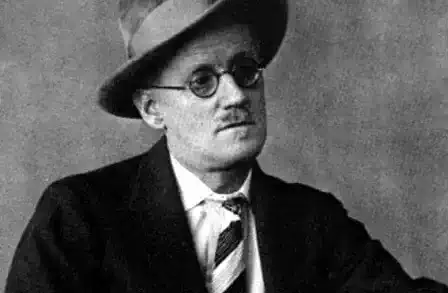
James Joyce
Thou Leanest to the Shell of Night
Thou Leanest to the Shell of Night
Thou leanest to the shell of night,
Dear lady, a divining ear.
In that soft choiring of delight
What sound hath made thy heart to fear?
Seemed it of rivers rushing forth
From the grey deserts of the north?
That mood of thine
Is his, if thou but scan it well,
Who a mad tale bequeaths to us
At ghosting hour conjurable -- -
And all for some strange name he read
In Purchas or in Holinshed.
Thou leanest to the shell of night,
Dear lady, a divining ear.
In that soft choiring of delight
What sound hath made thy heart to fear?
Seemed it of rivers rushing forth
From the grey deserts of the north?
That mood of thine
Is his, if thou but scan it well,
Who a mad tale bequeaths to us
At ghosting hour conjurable -- -
And all for some strange name he read
In Purchas or in Holinshed.
169
James Joyce
The Twilight Turns
The Twilight Turns
The twilight turns from amethyst
To deep and deeper blue,
The lamp fills with a pale green glow
The trees of the avenue.
The old piano plays an air,
Sedate and slow and gay;
She bends upon the yellow keys,
Her head inclines this way.
Shy thought and grave wide eyes and hands
That wander as they list -- -
The twilight turns to darker blue
With lights of amethyst.
The twilight turns from amethyst
To deep and deeper blue,
The lamp fills with a pale green glow
The trees of the avenue.
The old piano plays an air,
Sedate and slow and gay;
She bends upon the yellow keys,
Her head inclines this way.
Shy thought and grave wide eyes and hands
That wander as they list -- -
The twilight turns to darker blue
With lights of amethyst.
193
James Joyce
Rain Has Fallen All the Day
Rain Has Fallen All the Day
Rain has fallen all the day.
O come among the laden trees:
The leaves lie thick upon the way
Of memories.
Staying a little by the way
Of memories shall we depart.
Come, my beloved, where I may
Speak to your heart.
Rain has fallen all the day.
O come among the laden trees:
The leaves lie thick upon the way
Of memories.
Staying a little by the way
Of memories shall we depart.
Come, my beloved, where I may
Speak to your heart.
182
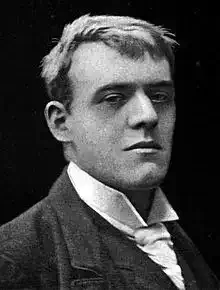
Hilaire Belloc
The Statue
The Statue
When we are dead, some Hunting-boy will pass
And find a stone half-hidden in tall grass
And grey with age: but having seen that stone
(Which was your image), ride more slowly on.
When we are dead, some Hunting-boy will pass
And find a stone half-hidden in tall grass
And grey with age: but having seen that stone
(Which was your image), ride more slowly on.
367