

Poems in this topic
Memories and Recollections
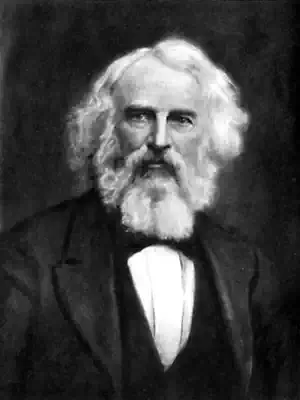
Henry Wadsworth Longfellow
Elliot's Oak
Elliot's Oak
Thou ancient oak! whose myriad leaves are loud
With sounds of unintelligible speech,
Sounds as of surges on a shingly beach,
Or multitudinous murmurs of a crowd;
With some mysterious gift of tongues endowed,
Thou speakest a different dialect to each;
To me a language that no man can teach,
Of a lost race, long vanished like a cloud.
For underneath thy shade, in days remote,
Seated like Abraham at eventide
Beneath the oaks of Mamre, the unknown
Apostle of the Indians, Eliot, wrote
His Bible in a language that hath died
And is forgotten, save by thee alone.
Thou ancient oak! whose myriad leaves are loud
With sounds of unintelligible speech,
Sounds as of surges on a shingly beach,
Or multitudinous murmurs of a crowd;
With some mysterious gift of tongues endowed,
Thou speakest a different dialect to each;
To me a language that no man can teach,
Of a lost race, long vanished like a cloud.
For underneath thy shade, in days remote,
Seated like Abraham at eventide
Beneath the oaks of Mamre, the unknown
Apostle of the Indians, Eliot, wrote
His Bible in a language that hath died
And is forgotten, save by thee alone.
315
Henry Wadsworth Longfellow
Delia. (Birds Of Passage. Flight The Fifth)
Delia. (Birds Of Passage. Flight The Fifth)
Sweet as the tender fragrance that survives,
When martyred flowers breathe out their little lives,
Sweet as a song that once consoled our pain,
But never will be sung to us again,
Is thy remembrance. Now the hour of rest
Hath come to thee. Sleep, darling; it is best.
Sweet as the tender fragrance that survives,
When martyred flowers breathe out their little lives,
Sweet as a song that once consoled our pain,
But never will be sung to us again,
Is thy remembrance. Now the hour of rest
Hath come to thee. Sleep, darling; it is best.
233
Henry Wadsworth Longfellow
By The Fireside : The Open Window
By The Fireside : The Open Window
The old house by the lindens
Stood silent in the shade,
And on the gravelled pathway
The light and shadow played.
I saw the nursery windows
Wide open to the air;
But the faces of the children,
They were no longer there.
The large Newfoundland house-dog
Was standing by the door;
He looked for his little playmates,
Who would return no more.
They walked not under the lindens,
They played not in the hall;
But shadow, and silence, and sadness
Were hanging over all.
The birds sang in the branches,
With sweet, familiar tone;
But the voices of the children
Will be heard in dreams alone!
And the boy that walked beside me,
He could not understand
Why closer in mine, ah! closer,
I pressed his warm, soft hand!
The old house by the lindens
Stood silent in the shade,
And on the gravelled pathway
The light and shadow played.
I saw the nursery windows
Wide open to the air;
But the faces of the children,
They were no longer there.
The large Newfoundland house-dog
Was standing by the door;
He looked for his little playmates,
Who would return no more.
They walked not under the lindens,
They played not in the hall;
But shadow, and silence, and sadness
Were hanging over all.
The birds sang in the branches,
With sweet, familiar tone;
But the voices of the children
Will be heard in dreams alone!
And the boy that walked beside me,
He could not understand
Why closer in mine, ah! closer,
I pressed his warm, soft hand!
303
Henry Wadsworth Longfellow
By The Fireside : Resignation
By The Fireside : Resignation
There is no flock, however watched and tended,
But one dead lamb is there!
There is no fireside, howsoe'er defended,
But has one vacant chair!
The air is full of farewells to the dying,
And mournings for the dead;
The heart of Rachel, for her children crying,
Will not be comforted!
Let us be patient! These severe afflictions
Not from the ground arise,
But oftentimes celestial benedictions
Assume this dark disguise.
We see but dimly through the mists and vapors;
Amid these earthly damps
What seem to us but sad, funereal tapers
May be heaven's distant lamps.
There is no Death! What seems so is transition;
This life of mortal breath
Is but a suburb of the life elysian,
Whose portal we call Death.
She is not dead,--the child of our affection,--
But gone unto that school
Where she no longer needs our poor protection,
And Christ himself doth rule.
In that great cloister's stillness and seclusion,
By guardian angels led,
Safe from temptation, safe from sin's pollution,
She lives, whom we call dead.
Day after day we think what she is doing
In those bright realms of air;
Year after year, her tender steps pursuing,
Behold her grown more fair.
Thus do we walk with her, and keep unbroken
The bond which nature gives,
Thinking that our remembrance, though unspoken,
May reach her where she lives.
Not as a child shall we again behold her;
For when with raptures wild
In our embraces we again enfold her,
She will not be a child;
But a fair maiden, in her Father's mansion,
Clothed with celestial grace;
And beautiful with all the soul's expansion
Shall we behold her face.
And though at times impetuous with emotion
And anguish long suppressed,
The swelling heart heaves moaning like the ocean,
That cannot be at rest,--
We will be patient, and assuage the feeling
We may not wholly stay;
By silence sanctifying, not concealing,
The grief that must have way.
There is no flock, however watched and tended,
But one dead lamb is there!
There is no fireside, howsoe'er defended,
But has one vacant chair!
The air is full of farewells to the dying,
And mournings for the dead;
The heart of Rachel, for her children crying,
Will not be comforted!
Let us be patient! These severe afflictions
Not from the ground arise,
But oftentimes celestial benedictions
Assume this dark disguise.
We see but dimly through the mists and vapors;
Amid these earthly damps
What seem to us but sad, funereal tapers
May be heaven's distant lamps.
There is no Death! What seems so is transition;
This life of mortal breath
Is but a suburb of the life elysian,
Whose portal we call Death.
She is not dead,--the child of our affection,--
But gone unto that school
Where she no longer needs our poor protection,
And Christ himself doth rule.
In that great cloister's stillness and seclusion,
By guardian angels led,
Safe from temptation, safe from sin's pollution,
She lives, whom we call dead.
Day after day we think what she is doing
In those bright realms of air;
Year after year, her tender steps pursuing,
Behold her grown more fair.
Thus do we walk with her, and keep unbroken
The bond which nature gives,
Thinking that our remembrance, though unspoken,
May reach her where she lives.
Not as a child shall we again behold her;
For when with raptures wild
In our embraces we again enfold her,
She will not be a child;
But a fair maiden, in her Father's mansion,
Clothed with celestial grace;
And beautiful with all the soul's expansion
Shall we behold her face.
And though at times impetuous with emotion
And anguish long suppressed,
The swelling heart heaves moaning like the ocean,
That cannot be at rest,--
We will be patient, and assuage the feeling
We may not wholly stay;
By silence sanctifying, not concealing,
The grief that must have way.
357
Henry Wadsworth Longfellow
Belfry of Bruges, The
Belfry of Bruges, The
In the market-place of Bruges stands the belfry old and brown;
Thrice consumed and thrice rebuilded, still it watches o'er the
town.
As the summer morn was breaking, on that lofty tower I stood,
And the world threw off the darkness, like the weeds of
widowhood.
Thick with towns and hamlets studded, and with streams and vapors
gray,
Like a shield embossed with silver, round and vast the landscape
lay.
At my feet the city slumbered. From its chimneys, here and
there,
Wreaths of snow-white smoke, ascending, vanished, ghost-like,
into air.
Not a sound rose from the city at that early morning hour,
But I heard a heart of iron beating in the ancient tower.
From their nests beneath the rafters sang the swallows wild and
high;
And the world, beneath me sleeping, seemed more distant than the
sky.
Then most musical and solemn, bringing back the olden times,
With their strange, unearthly changes rang the melancholy chimes,
Like the psalms from some old cloister, when the nuns sing in the
choir;
And the great bell tolled among them, like the chanting of a
friar.
Visions of the days departed, shadowy phantoms filled my brain;
They who live in history only seemed to walk the earth again;
All the Foresters of Flanders,--mighty Baldwin Bras de Fer,
Lyderick du Bucq and Cressy Philip, Guy de Dampierre.
I beheld the pageants splendid that adorned those days of old;
Stately dames, like queens attended, knights who bore the Fleece
of Gold
Lombard and Venetian merchants with deep-laden argosies;
Ministers from twenty nations; more than royal pomp and ease.
I beheld proud Maximilian, kneeling humbly on the ground;
I beheld the gentle Mary, hunting with her hawk and hound;
And her lighted bridal-chamber, where a duke slept with the
queen,
And the armed guard around them, and the sword unsheathed
between.
I beheld the Flemish weavers, with Namur and Juliers bold,
Marching homeward from the bloody battle of the Spurs of Gold;
Saw the light at Minnewater, saw the White Hoods moving west,
Saw great Artevelde victorious scale the Golden Dragon's nest.
And again the whiskered Spaniard all the land with terror smote;
And again the wild alarum sounded from the tocsin's throat;
Till the bell of Ghent responded o'er lagoon and dike of sand,
"I am Roland! I am Roland! there is victory in the land!"
Then the sound of drums aroused me. The awakened city's roar
Chased the phantoms I had summoned back into their graves once
more.
Hours had passed away like minutes; and, before I was aware,
Lo! the shadow of the belfry crossed the sun-illumined square.
In the market-place of Bruges stands the belfry old and brown;
Thrice consumed and thrice rebuilded, still it watches o'er the
town.
As the summer morn was breaking, on that lofty tower I stood,
And the world threw off the darkness, like the weeds of
widowhood.
Thick with towns and hamlets studded, and with streams and vapors
gray,
Like a shield embossed with silver, round and vast the landscape
lay.
At my feet the city slumbered. From its chimneys, here and
there,
Wreaths of snow-white smoke, ascending, vanished, ghost-like,
into air.
Not a sound rose from the city at that early morning hour,
But I heard a heart of iron beating in the ancient tower.
From their nests beneath the rafters sang the swallows wild and
high;
And the world, beneath me sleeping, seemed more distant than the
sky.
Then most musical and solemn, bringing back the olden times,
With their strange, unearthly changes rang the melancholy chimes,
Like the psalms from some old cloister, when the nuns sing in the
choir;
And the great bell tolled among them, like the chanting of a
friar.
Visions of the days departed, shadowy phantoms filled my brain;
They who live in history only seemed to walk the earth again;
All the Foresters of Flanders,--mighty Baldwin Bras de Fer,
Lyderick du Bucq and Cressy Philip, Guy de Dampierre.
I beheld the pageants splendid that adorned those days of old;
Stately dames, like queens attended, knights who bore the Fleece
of Gold
Lombard and Venetian merchants with deep-laden argosies;
Ministers from twenty nations; more than royal pomp and ease.
I beheld proud Maximilian, kneeling humbly on the ground;
I beheld the gentle Mary, hunting with her hawk and hound;
And her lighted bridal-chamber, where a duke slept with the
queen,
And the armed guard around them, and the sword unsheathed
between.
I beheld the Flemish weavers, with Namur and Juliers bold,
Marching homeward from the bloody battle of the Spurs of Gold;
Saw the light at Minnewater, saw the White Hoods moving west,
Saw great Artevelde victorious scale the Golden Dragon's nest.
And again the whiskered Spaniard all the land with terror smote;
And again the wild alarum sounded from the tocsin's throat;
Till the bell of Ghent responded o'er lagoon and dike of sand,
"I am Roland! I am Roland! there is victory in the land!"
Then the sound of drums aroused me. The awakened city's roar
Chased the phantoms I had summoned back into their graves once
more.
Hours had passed away like minutes; and, before I was aware,
Lo! the shadow of the belfry crossed the sun-illumined square.
448
Henry Wadsworth Longfellow
A Gleam of Sunshine
A Gleam of Sunshine
This is the place. Stand still, my steed,
Let me review the scene,
And summon from the shadowy Past
The forms that once have been.
The Past and Present here unite
Beneath Time's flowing tide,
Like footprints hidden by a brook,
But seen on either side.
Here runs the highway to the town;
There the green lane descends,
Through which I walked to church with thee,
O gentlest of my friends!
The shadow of the linden-trees
Lay moving on the grass;
Between them and the moving boughs,
A shadow, thou didst pass.
Thy dress was like the lilies,
And thy heart as pure as they:
One of God's holy messengers
Did walk with me that day.
I saw the branches of the trees
Bend down thy touch to meet,
The clover-blossoms in the grass
Rise up to kiss thy feet,
"Sleep, sleep to-day, tormenting cares,
Of earth and folly born!"
Solemnly sang the village choir
On that sweet Sabbath morn.
Through the closed blinds the golden sun
Poured in a dusty beam,
Like the celestial ladder seen
By Jacob in his dream.
And ever and anon, the wind,
Sweet-scented with the hay,
Turned o'er the hymn-book's fluttering leaves
That on the window lay.
Long was the good man's sermon,
Yet it seemed not so to me;
For he spake of Ruth the beautiful,
And still I thought of thee.
Long was the prayer he uttered,
Yet it seemed not so to me;
For in my heart I prayed with him,
And still I thought of thee.
But now, alas! the place seems changed;
Thou art no longer here:
Part of the sunshine of the scene
With thee did disappear.
Though thoughts, deep-rooted in my heart,
Like pine-trees dark and high,
Subdue the light of noon, and breathe
A low and ceaseless sigh;
This memory brightens o'er the past,
As when the sun, concealed
Behind some cloud that near us hangs
Shines on a distant field.
This is the place. Stand still, my steed,
Let me review the scene,
And summon from the shadowy Past
The forms that once have been.
The Past and Present here unite
Beneath Time's flowing tide,
Like footprints hidden by a brook,
But seen on either side.
Here runs the highway to the town;
There the green lane descends,
Through which I walked to church with thee,
O gentlest of my friends!
The shadow of the linden-trees
Lay moving on the grass;
Between them and the moving boughs,
A shadow, thou didst pass.
Thy dress was like the lilies,
And thy heart as pure as they:
One of God's holy messengers
Did walk with me that day.
I saw the branches of the trees
Bend down thy touch to meet,
The clover-blossoms in the grass
Rise up to kiss thy feet,
"Sleep, sleep to-day, tormenting cares,
Of earth and folly born!"
Solemnly sang the village choir
On that sweet Sabbath morn.
Through the closed blinds the golden sun
Poured in a dusty beam,
Like the celestial ladder seen
By Jacob in his dream.
And ever and anon, the wind,
Sweet-scented with the hay,
Turned o'er the hymn-book's fluttering leaves
That on the window lay.
Long was the good man's sermon,
Yet it seemed not so to me;
For he spake of Ruth the beautiful,
And still I thought of thee.
Long was the prayer he uttered,
Yet it seemed not so to me;
For in my heart I prayed with him,
And still I thought of thee.
But now, alas! the place seems changed;
Thou art no longer here:
Part of the sunshine of the scene
With thee did disappear.
Though thoughts, deep-rooted in my heart,
Like pine-trees dark and high,
Subdue the light of noon, and breathe
A low and ceaseless sigh;
This memory brightens o'er the past,
As when the sun, concealed
Behind some cloud that near us hangs
Shines on a distant field.
440
Henry Van Dyke
To James Whitcomb Riley
To James Whitcomb Riley
On his "Book of Joyous Children"
Yours is a garden of old-fashioned flowers;
Joyous children delight to play there;
Weary men find rest in its bowers,
Watching the lingering light of day there.
Old-time tunes and young love's laughter
Ripple and run among the roses;
Memory's echoes, murmuring after,
Fill the dusk when the long day closes.
Simple songs with a cadence olden--
These you learned in the Forest of Arden:
Friendly flowers with hearts all golden--
These you borrowed from Eden's garden.
This is the reason why all men love you;
Truth to life is the charm of art:
Other poets may soar above you--
You keep close to the human heart.
On his "Book of Joyous Children"
Yours is a garden of old-fashioned flowers;
Joyous children delight to play there;
Weary men find rest in its bowers,
Watching the lingering light of day there.
Old-time tunes and young love's laughter
Ripple and run among the roses;
Memory's echoes, murmuring after,
Fill the dusk when the long day closes.
Simple songs with a cadence olden--
These you learned in the Forest of Arden:
Friendly flowers with hearts all golden--
These you borrowed from Eden's garden.
This is the reason why all men love you;
Truth to life is the charm of art:
Other poets may soar above you--
You keep close to the human heart.
294
Henry Van Dyke
New Year's Eve
New Year's Eve
I
The other night I had a dream, most clear
And comforting, complete
In every line, a crystal sphere,
And full of intimate and secret cheer.
Therefore I will repeat
That vision, dearest heart, to you,
As of a thing not feigned, but very true,
Yes, true as ever in my life befell;
And you, perhaps, can tell
Whether my dream was really sad or sweet.
II
The shadows flecked the elm-embowered street
I knew so well, long, long ago;
And on the pillared porch where Marguerite
Had sat with me, the moonlight lay like snow.
But she, my comrade and my friend of youth,
Most gaily wise,
Most innocently loved, --
She of the blue-grey eyes
That ever smiled and ever spoke the truth, --
From that familiar dwelling, where she moved
Like mirth incarnate in the years before,
Had gone into the hidden house of Death.
I thought the garden wore
White mourning for her blessed innocence,
And the syringa's breath
Came from the corner by the fence,
Where she had made her rustic seat,
With fragrance passionate, intense,
As if it breathed a sigh for Marguerite.
My heart was heavy with a sense
Of something good forever gone. I sought
Vainly for some consoling thought,
Some comfortable word that I could say
To the sad father, whom I visited again
For the first time since she had gone away.
The bell rang shrill and lonely, -- then
The door was opened, and I sent my name
To him, -- but ah! 't was Marguerite who came!
There in the dear old dusky room she stood
Beneath the lamp, just as she used to stand,
In tender mocking mood.
"You did not ask for me," she said,
"And so I will not let you take my hand;
"But I must hear what secret talk you planned
"With father. Come, my friend, be good,
"And tell me your affairs of state:
"Why you have stayed away and made me wait
"So long. Sit down beside me here, -"
And, do you know, it seemed a year
"Since we have talked together, -- why so late?"
Amazed, incredulous, confused with joy
I hardly dared to show,
And stammering like a boy,
I took the place she showed me at her side;
And then the talk flowed on with brimming tide
Through the still night,
While she with influence light
Controlled it, as the moon the flood.
She knew where I had been, what I had done,
What work was planned, and what begun;
My troubles, failures, fears she understood,
And touched them with a heart so kind,
That every care was melted from my mind,
And every hope grew bright,
And life seemed moving on to happy ends.
(Ah, what self-beggared fool was he
That said a woman cannot be
The very best of friends?)
Then there were memories of old times,
Recalled with many a gentle jest;
And at the last she brought the book of rhymes
We made together, trying to translate
The Songs of Heine (hers were always best).
"Now come," she said,
"To-night we will collaborate
"Again; I'll put you to the test.
"Here's one I never found the way to do, -"
The simplest are the hardest ones, you know, -"
I give this song to you."
And then she read:
Mein kind, wir waren Kinder,
Zei Kinder, jung und froh.
* * * * * * * * * *
But all the while a silent question stirred
Within me, though I dared not speak the word:
"Is it herself, and is she truly here,
"And was I dreaming when I heard
"That she was dead last year?
"Or was it true, and is she but a shade
"Who brings a fleeting joy to eye and ear,
"Cold though so kind, and will she gently fade
"When her sweet ghostly part is played
"And the light-curtain falls at dawn of day?"
But while my heart was troubled by this fear
So deeply that I could not speak it out,
Lest all my happiness should disappear,
I thought me of a cunning way
To hide the question and dissolve the doubt.
"Will you not give me now your hand,
"Dear Marguerite," I asked, "to touch and hold,
"That by this token I may understand
"You are the same true friend you were of old?"
She answered with a smile so bright and calm
It seemed as if I saw new stars arise
In the deep heaven of her eyes;
And smiling so, she laid her palm
In mine. Dear God, it was not cold
But warm with vital heat!
"You live!" I cried, "you live, dear Marguerite!"
Then I awoke; but strangely comforted,
Although I knew again that she was dead.
III
Yes, there's the dream! And was it sweet or sad?
Dear mistress of my waking and my sleep,
Present reward of all my heart's desire,
Watching with me beside the winter fire,
Interpret now this vision that I had.
But while you read the meaning, let me keep
The touch of you: for the Old Year with storm
Is passing through the midnight, and doth shake
The corners of the house, -- man oh! my heart would break
Unless both dreaming and awake
My hand could feel your hand was warm, warm, warm!
I
The other night I had a dream, most clear
And comforting, complete
In every line, a crystal sphere,
And full of intimate and secret cheer.
Therefore I will repeat
That vision, dearest heart, to you,
As of a thing not feigned, but very true,
Yes, true as ever in my life befell;
And you, perhaps, can tell
Whether my dream was really sad or sweet.
II
The shadows flecked the elm-embowered street
I knew so well, long, long ago;
And on the pillared porch where Marguerite
Had sat with me, the moonlight lay like snow.
But she, my comrade and my friend of youth,
Most gaily wise,
Most innocently loved, --
She of the blue-grey eyes
That ever smiled and ever spoke the truth, --
From that familiar dwelling, where she moved
Like mirth incarnate in the years before,
Had gone into the hidden house of Death.
I thought the garden wore
White mourning for her blessed innocence,
And the syringa's breath
Came from the corner by the fence,
Where she had made her rustic seat,
With fragrance passionate, intense,
As if it breathed a sigh for Marguerite.
My heart was heavy with a sense
Of something good forever gone. I sought
Vainly for some consoling thought,
Some comfortable word that I could say
To the sad father, whom I visited again
For the first time since she had gone away.
The bell rang shrill and lonely, -- then
The door was opened, and I sent my name
To him, -- but ah! 't was Marguerite who came!
There in the dear old dusky room she stood
Beneath the lamp, just as she used to stand,
In tender mocking mood.
"You did not ask for me," she said,
"And so I will not let you take my hand;
"But I must hear what secret talk you planned
"With father. Come, my friend, be good,
"And tell me your affairs of state:
"Why you have stayed away and made me wait
"So long. Sit down beside me here, -"
And, do you know, it seemed a year
"Since we have talked together, -- why so late?"
Amazed, incredulous, confused with joy
I hardly dared to show,
And stammering like a boy,
I took the place she showed me at her side;
And then the talk flowed on with brimming tide
Through the still night,
While she with influence light
Controlled it, as the moon the flood.
She knew where I had been, what I had done,
What work was planned, and what begun;
My troubles, failures, fears she understood,
And touched them with a heart so kind,
That every care was melted from my mind,
And every hope grew bright,
And life seemed moving on to happy ends.
(Ah, what self-beggared fool was he
That said a woman cannot be
The very best of friends?)
Then there were memories of old times,
Recalled with many a gentle jest;
And at the last she brought the book of rhymes
We made together, trying to translate
The Songs of Heine (hers were always best).
"Now come," she said,
"To-night we will collaborate
"Again; I'll put you to the test.
"Here's one I never found the way to do, -"
The simplest are the hardest ones, you know, -"
I give this song to you."
And then she read:
Mein kind, wir waren Kinder,
Zei Kinder, jung und froh.
* * * * * * * * * *
But all the while a silent question stirred
Within me, though I dared not speak the word:
"Is it herself, and is she truly here,
"And was I dreaming when I heard
"That she was dead last year?
"Or was it true, and is she but a shade
"Who brings a fleeting joy to eye and ear,
"Cold though so kind, and will she gently fade
"When her sweet ghostly part is played
"And the light-curtain falls at dawn of day?"
But while my heart was troubled by this fear
So deeply that I could not speak it out,
Lest all my happiness should disappear,
I thought me of a cunning way
To hide the question and dissolve the doubt.
"Will you not give me now your hand,
"Dear Marguerite," I asked, "to touch and hold,
"That by this token I may understand
"You are the same true friend you were of old?"
She answered with a smile so bright and calm
It seemed as if I saw new stars arise
In the deep heaven of her eyes;
And smiling so, she laid her palm
In mine. Dear God, it was not cold
But warm with vital heat!
"You live!" I cried, "you live, dear Marguerite!"
Then I awoke; but strangely comforted,
Although I knew again that she was dead.
III
Yes, there's the dream! And was it sweet or sad?
Dear mistress of my waking and my sleep,
Present reward of all my heart's desire,
Watching with me beside the winter fire,
Interpret now this vision that I had.
But while you read the meaning, let me keep
The touch of you: for the Old Year with storm
Is passing through the midnight, and doth shake
The corners of the house, -- man oh! my heart would break
Unless both dreaming and awake
My hand could feel your hand was warm, warm, warm!
345
Henry Van Dyke
Hudson's Last Voyage
Hudson's Last Voyage
June 22, 1611
THE SHALLOP ON HUDSON BAY
One sail in sight upon the lonely sea
And only one, God knows! For never ship
But mine broke through the icy gates that guard
These waters, greater grown than any since
We left the shores of England. We were first,
My men, to battle in between the bergs
And floes to these wide waves. This gulf is mine;
I name it! and that flying sail is mine!
And there, hull-down below that flying sail,
The ship that staggers home is mine, mine, mine!
My ship Discoverie!
The sullen dogs
Of mutineers, the bitches' whelps that snatched
Their food and bit the hand that nourished them,
Have stolen her. You ingrate Henry Greene,
I picked you from the gutter of Houndsditch,
And paid your debts, and kept you in my house,
And brought you here to make a man of you!
You Robert Juet, ancient, crafty man,
Toothless and tremulous, how many times
Have I employed you as a master's mate
To give you bread? And you Abacuck Prickett,
You sailor-clerk, you salted puritan,
You knew the plot and silently agreed,
Salving your conscience with a pious lie!
Yes, all of you -- hounds, rebels, thieves! Bring back
My ship!
Too late, -- I rave, -- they cannot hear
My voice: and if they heard, a drunken laugh
Would be their answer; for their minds have caught
The fatal firmness of the fool's resolve,
That looks like courage but is only fear.
They'll blunder on, and lose my ship, and drown, --
Or blunder home to England and be hanged.
Their skeletons will rattle in the chains
Of some tall gibbet on the Channel cliffs,
While passing mariners look up and say:
"Those are the rotten bones of Hudson's men
"Who left their captain in the frozen North!"
O God of justice, why hast Thou ordained
Plans of the wise and actions of the brave
Dependent on the aid of fools and cowards?
Look, -- there she goes, -- her topsails in the sun
Gleam from the ragged ocean edge, and drop
Clean out of sight! So let the traitors go
Clean out of mind! We'll think of braver things!
Come closer in the boat, my friends. John King,
You take the tiller, keep her head nor'west.
You Philip Staffe, the only one who chose
Freely to share our little shallop's fate,
Rather than travel in the hell-bound ship, --
Too good an English seaman to desert
These crippled comrades, -- try to make them rest
More easy on the thwarts. And John, my son,
My little shipmate, come and lean your head
Against your father's knee. Do you recall
That April morn in Ethelburga's church,
Five years ago, when side by side we kneeled
To take the sacrament with all our men,
Before the Hopewell left St. Catherine's docks
On our first voyage? It was then I vowed
My sailor-soul and years to search the sea
Until we found the water-path that leads
From Europe into Asia.
I believe
That God has poured the ocean round His world,
Not to divide, but to unite the lands.
And all the English captains that have dared
In little ships to plough uncharted waves, --
Davis and Drake, Hawkins and Frobisher,
Raleigh and Gilbert, -- all the other names, --
Are written in the chivalry of God
As men who served His purpose. I would claim
A place among that knighthood of the sea;
And I have earned it, though my quest should fail!
For, mark me well, the honour of our life
Derives from this: to have a certain aim
Before us always, which our will must seek
Amid the peril of uncertain ways.
Then, though we miss the goal, our search is crowned
With courage, and we find along our path
A rich reward of unexpected things.
Press towards the aim: take fortune as it fares!
I know not why, but something in my heart
Has always whispered, "Westward seek your goal!"
Three times they sent me east, but still I turned
The bowsprit west, and felt among the floes
Of ruttling ice along the Gröneland coast,
And down the rugged shore of Newfoundland,
And past the rocky capes and wooded bays
Where Gosnold sailed, -- like one who feels his way
With outstretched hand across a darkened room, --
I groped among the inlets and the isles,
To find the passage to the Land of Spice.
I have not found it yet, -- but I have found
Things worth the finding!
Son, have you forgot
Those mellow autumn days, two years ago,
When first we sent our little ship Half-Moon, --
The flag of Holland floating at her peak, --
Across a sandy bar, and sounded in
Among the channels, to a goodly bay
Where all the navies of the world could ride?
A fertile island that the redmen called
Manhattan, lay above the bay: the land
Around was bountiful and friendly fair.
But never land was fair enough to hold
The seaman from the calling of the sea.
And so we bore to westward of the isle,
Along a mighty inlet, where the tide
Was troubled by a downward-flowing flood
That seemed to come from far away, -- perhaps
From some mysterious gulf of Tartary?
Inland we held our course; by palisades
Of naked rock where giants might have built
Their fortress; and by rolling hills adorned
With forests rich in timber for great ships;
Through narrows where the mountains shut us in
With frowning cliffs that seemed to bar the stream;
And then through open reaches where the banks
Sloped to the water gently, with their fields
Of corn and lentils smiling in the sun.
Ten days we voyaged through that placid land,
Until we came to shoals, and sent a boat
Upstream to find, -- what I already knew, --
We travelled on a river, not a strait.
But what a river! God has never poured
A stream more royal through a land more rich.
Even now I see it flowing in my dream,
While coming ages people it with men
Of manhood equal to the river's pride.
I see the wigwams of the redmen changed
To ample houses, and the tiny plots
Of maize and green tobacco broadened out
To prosperous farms, that spread o'er hill and dale
The many-coloured mantle of their crops;
I see the terraced vineyard on the slope
Where now the fox-grape loops its tangled vine;
And cattle feeding where the red deer roam;
And wild-bees gathered into busy hives,
To store the silver comb with golden sweet;
And all the promised land begins to flow
With milk and honey. Stately manors rise
Along the banks, and castles top the hills,
And little villages grow populous with trade,
Until the river runs as proudly as the Rhine, --
The thread that links a hundred towns and towers!
And looking deeper in my dream, I see
A mighty city covering the isle
They call Manhattan, equal in her state
To all the older capitals of earth, --
The gateway city of a golden world, --
A city girt with masts, and crowned with spires,
And swarming with a host of busy men,
While to her open door across the bay
The ships of all the nations flock like doves.
My name will be remembered there, for men
Will say, "This river and this isle were found
By Henry Hudson, on his way to seek
The Northwest Passage into Farthest Inde."
Yes! yes! I sought it then, I seek it still, --
My great adventure and my guiding star!
For look ye, friends, our voyage is not done;
We hold by hope as long as life endures!
Somewhere among these floating fields of ice,
Somewhere along this westward widening bay,
Somewhere beneath this luminous northern night,
The channel opens to the Orient, --
I know it, -- and some day a little ship
Will push her bowsprit in, and battle through!
And why not ours, -- to-morrow, -- who can tell?
The lucky chance awaits the fearless heart!
These are the longest days of all the year;
The world is round and God is everywhere,
And while our shallop floats we still can steer.
So point her up, John King, nor'west by north.
We 'l1 keep the honour of a certain aim
Amid the peril of uncertain ways,
And sail ahead, and leave the rest to God.
June 22, 1611
THE SHALLOP ON HUDSON BAY
One sail in sight upon the lonely sea
And only one, God knows! For never ship
But mine broke through the icy gates that guard
These waters, greater grown than any since
We left the shores of England. We were first,
My men, to battle in between the bergs
And floes to these wide waves. This gulf is mine;
I name it! and that flying sail is mine!
And there, hull-down below that flying sail,
The ship that staggers home is mine, mine, mine!
My ship Discoverie!
The sullen dogs
Of mutineers, the bitches' whelps that snatched
Their food and bit the hand that nourished them,
Have stolen her. You ingrate Henry Greene,
I picked you from the gutter of Houndsditch,
And paid your debts, and kept you in my house,
And brought you here to make a man of you!
You Robert Juet, ancient, crafty man,
Toothless and tremulous, how many times
Have I employed you as a master's mate
To give you bread? And you Abacuck Prickett,
You sailor-clerk, you salted puritan,
You knew the plot and silently agreed,
Salving your conscience with a pious lie!
Yes, all of you -- hounds, rebels, thieves! Bring back
My ship!
Too late, -- I rave, -- they cannot hear
My voice: and if they heard, a drunken laugh
Would be their answer; for their minds have caught
The fatal firmness of the fool's resolve,
That looks like courage but is only fear.
They'll blunder on, and lose my ship, and drown, --
Or blunder home to England and be hanged.
Their skeletons will rattle in the chains
Of some tall gibbet on the Channel cliffs,
While passing mariners look up and say:
"Those are the rotten bones of Hudson's men
"Who left their captain in the frozen North!"
O God of justice, why hast Thou ordained
Plans of the wise and actions of the brave
Dependent on the aid of fools and cowards?
Look, -- there she goes, -- her topsails in the sun
Gleam from the ragged ocean edge, and drop
Clean out of sight! So let the traitors go
Clean out of mind! We'll think of braver things!
Come closer in the boat, my friends. John King,
You take the tiller, keep her head nor'west.
You Philip Staffe, the only one who chose
Freely to share our little shallop's fate,
Rather than travel in the hell-bound ship, --
Too good an English seaman to desert
These crippled comrades, -- try to make them rest
More easy on the thwarts. And John, my son,
My little shipmate, come and lean your head
Against your father's knee. Do you recall
That April morn in Ethelburga's church,
Five years ago, when side by side we kneeled
To take the sacrament with all our men,
Before the Hopewell left St. Catherine's docks
On our first voyage? It was then I vowed
My sailor-soul and years to search the sea
Until we found the water-path that leads
From Europe into Asia.
I believe
That God has poured the ocean round His world,
Not to divide, but to unite the lands.
And all the English captains that have dared
In little ships to plough uncharted waves, --
Davis and Drake, Hawkins and Frobisher,
Raleigh and Gilbert, -- all the other names, --
Are written in the chivalry of God
As men who served His purpose. I would claim
A place among that knighthood of the sea;
And I have earned it, though my quest should fail!
For, mark me well, the honour of our life
Derives from this: to have a certain aim
Before us always, which our will must seek
Amid the peril of uncertain ways.
Then, though we miss the goal, our search is crowned
With courage, and we find along our path
A rich reward of unexpected things.
Press towards the aim: take fortune as it fares!
I know not why, but something in my heart
Has always whispered, "Westward seek your goal!"
Three times they sent me east, but still I turned
The bowsprit west, and felt among the floes
Of ruttling ice along the Gröneland coast,
And down the rugged shore of Newfoundland,
And past the rocky capes and wooded bays
Where Gosnold sailed, -- like one who feels his way
With outstretched hand across a darkened room, --
I groped among the inlets and the isles,
To find the passage to the Land of Spice.
I have not found it yet, -- but I have found
Things worth the finding!
Son, have you forgot
Those mellow autumn days, two years ago,
When first we sent our little ship Half-Moon, --
The flag of Holland floating at her peak, --
Across a sandy bar, and sounded in
Among the channels, to a goodly bay
Where all the navies of the world could ride?
A fertile island that the redmen called
Manhattan, lay above the bay: the land
Around was bountiful and friendly fair.
But never land was fair enough to hold
The seaman from the calling of the sea.
And so we bore to westward of the isle,
Along a mighty inlet, where the tide
Was troubled by a downward-flowing flood
That seemed to come from far away, -- perhaps
From some mysterious gulf of Tartary?
Inland we held our course; by palisades
Of naked rock where giants might have built
Their fortress; and by rolling hills adorned
With forests rich in timber for great ships;
Through narrows where the mountains shut us in
With frowning cliffs that seemed to bar the stream;
And then through open reaches where the banks
Sloped to the water gently, with their fields
Of corn and lentils smiling in the sun.
Ten days we voyaged through that placid land,
Until we came to shoals, and sent a boat
Upstream to find, -- what I already knew, --
We travelled on a river, not a strait.
But what a river! God has never poured
A stream more royal through a land more rich.
Even now I see it flowing in my dream,
While coming ages people it with men
Of manhood equal to the river's pride.
I see the wigwams of the redmen changed
To ample houses, and the tiny plots
Of maize and green tobacco broadened out
To prosperous farms, that spread o'er hill and dale
The many-coloured mantle of their crops;
I see the terraced vineyard on the slope
Where now the fox-grape loops its tangled vine;
And cattle feeding where the red deer roam;
And wild-bees gathered into busy hives,
To store the silver comb with golden sweet;
And all the promised land begins to flow
With milk and honey. Stately manors rise
Along the banks, and castles top the hills,
And little villages grow populous with trade,
Until the river runs as proudly as the Rhine, --
The thread that links a hundred towns and towers!
And looking deeper in my dream, I see
A mighty city covering the isle
They call Manhattan, equal in her state
To all the older capitals of earth, --
The gateway city of a golden world, --
A city girt with masts, and crowned with spires,
And swarming with a host of busy men,
While to her open door across the bay
The ships of all the nations flock like doves.
My name will be remembered there, for men
Will say, "This river and this isle were found
By Henry Hudson, on his way to seek
The Northwest Passage into Farthest Inde."
Yes! yes! I sought it then, I seek it still, --
My great adventure and my guiding star!
For look ye, friends, our voyage is not done;
We hold by hope as long as life endures!
Somewhere among these floating fields of ice,
Somewhere along this westward widening bay,
Somewhere beneath this luminous northern night,
The channel opens to the Orient, --
I know it, -- and some day a little ship
Will push her bowsprit in, and battle through!
And why not ours, -- to-morrow, -- who can tell?
The lucky chance awaits the fearless heart!
These are the longest days of all the year;
The world is round and God is everywhere,
And while our shallop floats we still can steer.
So point her up, John King, nor'west by north.
We 'l1 keep the honour of a certain aim
Amid the peril of uncertain ways,
And sail ahead, and leave the rest to God.
318
Henry Van Dyke
Dulcis Memoria
Dulcis Memoria
Long, long ago I heard a little song,
(Ah, was it long ago, or yesterday?)
So lowly, slowly wound the tune along,
That far into my heart it found the way:
A melody consoling and endearing;
And still, in silent hours, I'm often hearing
The small, sweet song that does not die away.
Long, long ago I saw a little flower,-(
Ah, was it long ago, or yesterday?)
So fair of face and fragrant for an hour,
That something dear to me it seemed to say:
A thought of joy that blossomed into being
Without a word; and now I'm often seeing
The friendly flower that does not fade away.
Long, long ago we had a little child,-(
Ah, was it long ago, or yesterday?)
Into his mother's eyes and mine he smiled
Unconscious love; warm in our arms he lay.
An angel called! Dear heart, we could not hold him;
Yet secretly your arms and mine infold him--
Our little child who does not go away.
Long, long ago? Ah, memory, make it clear-(
It was not long ago, but yesterday,)
So little and so helpless and so dear
Let not the song be lost, the flower decay!
His voice, his waking eyes, his gentle sleeping:
The smallest things are safest in thy keeping.
Sweet memory, keep our child with us always.
Long, long ago I heard a little song,
(Ah, was it long ago, or yesterday?)
So lowly, slowly wound the tune along,
That far into my heart it found the way:
A melody consoling and endearing;
And still, in silent hours, I'm often hearing
The small, sweet song that does not die away.
Long, long ago I saw a little flower,-(
Ah, was it long ago, or yesterday?)
So fair of face and fragrant for an hour,
That something dear to me it seemed to say:
A thought of joy that blossomed into being
Without a word; and now I'm often seeing
The friendly flower that does not fade away.
Long, long ago we had a little child,-(
Ah, was it long ago, or yesterday?)
Into his mother's eyes and mine he smiled
Unconscious love; warm in our arms he lay.
An angel called! Dear heart, we could not hold him;
Yet secretly your arms and mine infold him--
Our little child who does not go away.
Long, long ago? Ah, memory, make it clear-(
It was not long ago, but yesterday,)
So little and so helpless and so dear
Let not the song be lost, the flower decay!
His voice, his waking eyes, his gentle sleeping:
The smallest things are safest in thy keeping.
Sweet memory, keep our child with us always.
360

Henry Lawson
Watching The Crows
Watching The Crows
A bushman got lost in a scrub in the North,
And all the long morning the searchers went forth.
They swore at the rain that had washed out the tracks
And left not a trace for the eyes of the blacks;
But, trusting the signs that the blackfellow knows,
A quiet old darkey stood watching the crows.
The solemn old blackman stood silently by;
He stood like a statue, his face to the sky.
Black Billy was out of the bearings—we thought—
If he looked above for the bushman we sought;
For we rather suspected the spirit would go
In—well, quite another direction, you know.
Most bushmen on solemn occasions will joke,
And unto Black Bill ’twas the super who spoke.
He asked, as he cocked his red nose in the air—
“You think it old Harrison sit down up there?”
“I’m watching the crows. Where the white man lies dead
The crows will fly over,” the blackfellow said.
The blackfellow died, and long years have gone round
Since the day when old Harrison’s body was found;
But still do I see, in my vision at night,
A faint figure come like a shadow in sight,
And nearer and nearer it comes till it grows
Like the form of that blackfellow—“watching the crows”.
A bushman got lost in a scrub in the North,
And all the long morning the searchers went forth.
They swore at the rain that had washed out the tracks
And left not a trace for the eyes of the blacks;
But, trusting the signs that the blackfellow knows,
A quiet old darkey stood watching the crows.
The solemn old blackman stood silently by;
He stood like a statue, his face to the sky.
Black Billy was out of the bearings—we thought—
If he looked above for the bushman we sought;
For we rather suspected the spirit would go
In—well, quite another direction, you know.
Most bushmen on solemn occasions will joke,
And unto Black Bill ’twas the super who spoke.
He asked, as he cocked his red nose in the air—
“You think it old Harrison sit down up there?”
“I’m watching the crows. Where the white man lies dead
The crows will fly over,” the blackfellow said.
The blackfellow died, and long years have gone round
Since the day when old Harrison’s body was found;
But still do I see, in my vision at night,
A faint figure come like a shadow in sight,
And nearer and nearer it comes till it grows
Like the form of that blackfellow—“watching the crows”.
285
Henry Lawson
Till All the Bad Things Came Untrue
Till All the Bad Things Came Untrue
BY blacksoil plains burned grey with drought
Where desert shrubs and grasses grow,
Along the Land of Furthest Out
That only Overlanders know.
I dreamed I camped on river grass
In bends where river timber grew—
I dreamed, I dreamed the days to pass
Till all the bad things came untrue.
I dreamed that I was young again,
But was not young as I had been,
My path through life seemed fair and plain,
My sight and hearing clear and keen.
No longer bent nor lined and grey,
I met and loved and worshipped you—
I dreamed, I dreamed the days away
Till all the sad things came untrue.
I dreamed a home of freestone stood
With toned tiled roofs as roofs should be,
By cliff and fall and beach and wood
With wide verandahs to the sea.
I dreamed a hale gudeman and wife,
With sons and daughters well-to-do,
Lived there the glorious old home life
And all the mad things were untrue.
From blacksoil plains burned bare with drought
Where years are sown that never grow—
From dead grey creeks of dreams and drought,
Through black-ridged wastes of weirdest woe,
I tramped and camped with fearsome fare
Until the sea-scape came in view,
And lo! the home lay smiling there
And all the bad things were untrue.
BY blacksoil plains burned grey with drought
Where desert shrubs and grasses grow,
Along the Land of Furthest Out
That only Overlanders know.
I dreamed I camped on river grass
In bends where river timber grew—
I dreamed, I dreamed the days to pass
Till all the bad things came untrue.
I dreamed that I was young again,
But was not young as I had been,
My path through life seemed fair and plain,
My sight and hearing clear and keen.
No longer bent nor lined and grey,
I met and loved and worshipped you—
I dreamed, I dreamed the days away
Till all the sad things came untrue.
I dreamed a home of freestone stood
With toned tiled roofs as roofs should be,
By cliff and fall and beach and wood
With wide verandahs to the sea.
I dreamed a hale gudeman and wife,
With sons and daughters well-to-do,
Lived there the glorious old home life
And all the mad things were untrue.
From blacksoil plains burned bare with drought
Where years are sown that never grow—
From dead grey creeks of dreams and drought,
Through black-ridged wastes of weirdest woe,
I tramped and camped with fearsome fare
Until the sea-scape came in view,
And lo! the home lay smiling there
And all the bad things were untrue.
204
Henry Lawson
To a Pair of Blucher Boots
To a Pair of Blucher Boots
OLD acquaintance unforgotten,
Though you may be “ugly brutes”—
Though your leather’s cracked and rotten,
Worn-out pair of Blucher boots.
’Tis the richer man before you,
Dearer leathers grace his feet;
’Twas the better man that wore you
In the tramps through dust and heat!
Oft rebuffed by “super’s” snarling,
When I asked him for a “show”,
On that long tramp to the Darling
In the days of long ago;
Tell me, if you know it, whether,
As I sadly tramped away,
Bore I heavy on your leather,
Worn-out pair of Bluchers, say?
Though your leather’s cracked and rotten,
Though you may be ugly brutes,
I’ll preserve you unforgotten,
Worn-out pair of Blucher boots!
OLD acquaintance unforgotten,
Though you may be “ugly brutes”—
Though your leather’s cracked and rotten,
Worn-out pair of Blucher boots.
’Tis the richer man before you,
Dearer leathers grace his feet;
’Twas the better man that wore you
In the tramps through dust and heat!
Oft rebuffed by “super’s” snarling,
When I asked him for a “show”,
On that long tramp to the Darling
In the days of long ago;
Tell me, if you know it, whether,
As I sadly tramped away,
Bore I heavy on your leather,
Worn-out pair of Bluchers, say?
Though your leather’s cracked and rotten,
Though you may be ugly brutes,
I’ll preserve you unforgotten,
Worn-out pair of Blucher boots!
248
Henry Lawson
The Stringy-Bark Tree
The Stringy-Bark Tree
There's the whitebox and pine on the ridges afar,
Where the iron-bark, blue-gum, and peppermint are;
There is many another, but dearest to me,
And the king of them all was the stringy-bark tree.
Then of stringy-bark slabs were the walls of the hut,
And from stringy-bark saplings the rafters were cut;
And the roof that long sheltered my brothers and me
Was of broad sheets of bark from the stringy-bark tree.
And when sawn-timber homes were built out in the West,
Then for walls and for ceilings its wood was the best;
And for shingles and palings to last while men be,
There was nothing on earth like the stringy-bark tree.
Far up the long gullies the timber-trucks went,
Over tracks that seemed hopeless, by bark hut and tent;
And the gaunt timber-finder, who rode at his ease,
Led them on to a gully of stringy-bark trees.
Now still from the ridges, by ways that are dark,
Come the shingles and palings they call stringy-bark;
Though you ride through long gullies a twelve months you’ll see
But the old whitened stumps of the stringy-bark tree.
There's the whitebox and pine on the ridges afar,
Where the iron-bark, blue-gum, and peppermint are;
There is many another, but dearest to me,
And the king of them all was the stringy-bark tree.
Then of stringy-bark slabs were the walls of the hut,
And from stringy-bark saplings the rafters were cut;
And the roof that long sheltered my brothers and me
Was of broad sheets of bark from the stringy-bark tree.
And when sawn-timber homes were built out in the West,
Then for walls and for ceilings its wood was the best;
And for shingles and palings to last while men be,
There was nothing on earth like the stringy-bark tree.
Far up the long gullies the timber-trucks went,
Over tracks that seemed hopeless, by bark hut and tent;
And the gaunt timber-finder, who rode at his ease,
Led them on to a gully of stringy-bark trees.
Now still from the ridges, by ways that are dark,
Come the shingles and palings they call stringy-bark;
Though you ride through long gullies a twelve months you’ll see
But the old whitened stumps of the stringy-bark tree.
275
Henry Lawson
The Song Of Old Joe Swallow
The Song Of Old Joe Swallow
When I was up the country in the rough and early days,
I used to work along ov Jimmy Nowlett's bullick-drays;
Then the reelroad wasn't heered on, an' the bush was wild an' strange,
An' we useter draw the timber from the saw-pits in the range --
Load provisions for the stations, an' we'd travel far and slow
Through the plains an' 'cross the ranges in the days of long ago.
Then it's yoke up the bullicks and tramp beside 'em slow,
An' saddle up yer horses an' a-ridin' we will go,
To the bullick-drivin', cattle-drovin',
Nigger, digger, roarin', rovin'
Days o' long ago.
Once me and Jimmy Nowlett loaded timber for the town,
But we hadn't gone a dozen mile before the rain come down,
An' me an' Jimmy Nowlett an' the bullicks an' the dray
Was cut off on some risin' ground while floods around us lay;
An' we soon run short of tucker an' terbacca, which was bad,
An' pertaters dipped in honey was the only tuck we had.
An' half our bullicks perished when the drought was on the land,
An' the burnin' heat that dazzles as it dances on the sand;
When the sun-baked clay an' gravel paves for miles the burnin' creeks,
An' at ev'ry step yer travel there a rottin' carcase reeks --
But we pulled ourselves together, for we never used ter know
What a feather bed was good for in those days o' long ago.
But in spite ov barren ridges an' in spite ov mud an' heat,
An' dust that browned the bushes when it rose from bullicks' feet,
An' in spite ov cold and chilblains when the bush was white with frost,
An' in spite of muddy water where the burnin' plain was crossed,
An' in spite of modern progress, and in spite of all their blow,
'Twas a better land to live in, in the days o' long ago.
When the frosty moon was shinin' o'er the ranges like a lamp,
An' a lot of bullick-drivers was a-campin' on the camp,
When the fire was blazin' cheery an' the pipes was drawin' well,
Then our songs we useter chorus an' our yarns we useter tell;
An' we'd talk ov lands we come from, and ov chaps we useter know,
For there always was behind us OTHER days o' long ago.
Ah, them early days was ended when the reelroad crossed the plain,
But in dreams I often tramp beside the bullick-team again:
Still we pauses at the shanty just to have a drop er cheer,
Still I feels a kind ov pleasure when the campin'-ground is near;
Still I smells the old tarpaulin me an' Jimmy useter throw
O'er the timber-truck for shelter in the days ov long ago.
I have been a-driftin' back'ards with the changes ov the land,
An' if I spoke ter bullicks now they wouldn't understand,
But when Mary wakes me sudden in the night I'll often say:
`Come here, Spot, an' stan' up, Bally, blank an' blank an' come-eer-way.'
An' she says that, when I'm sleepin', oft my elerquince 'ill flow
In the bullick-drivin' language ov the days o' long ago.
Well, the pub will soon be closin', so I'll give the thing a rest;
But if you should drop on Nowlett in the far an' distant west --
An' if Jimmy uses doubleyou instead of ar an' vee,
An' if he drops his aitches, then you're sure to know it's he.
An' yer won't forgit to arsk him if he still remembers Joe
As knowed him up the country in the days o' long ago.
Then it's yoke up the bullicks and tramp beside 'em slow,
An' saddle up yer horses an' a-ridin' we will go,
To the bullick-drivin', cattle-drovin',
Nigger, digger, roarin', rovin'
Days o' long ago.
When I was up the country in the rough and early days,
I used to work along ov Jimmy Nowlett's bullick-drays;
Then the reelroad wasn't heered on, an' the bush was wild an' strange,
An' we useter draw the timber from the saw-pits in the range --
Load provisions for the stations, an' we'd travel far and slow
Through the plains an' 'cross the ranges in the days of long ago.
Then it's yoke up the bullicks and tramp beside 'em slow,
An' saddle up yer horses an' a-ridin' we will go,
To the bullick-drivin', cattle-drovin',
Nigger, digger, roarin', rovin'
Days o' long ago.
Once me and Jimmy Nowlett loaded timber for the town,
But we hadn't gone a dozen mile before the rain come down,
An' me an' Jimmy Nowlett an' the bullicks an' the dray
Was cut off on some risin' ground while floods around us lay;
An' we soon run short of tucker an' terbacca, which was bad,
An' pertaters dipped in honey was the only tuck we had.
An' half our bullicks perished when the drought was on the land,
An' the burnin' heat that dazzles as it dances on the sand;
When the sun-baked clay an' gravel paves for miles the burnin' creeks,
An' at ev'ry step yer travel there a rottin' carcase reeks --
But we pulled ourselves together, for we never used ter know
What a feather bed was good for in those days o' long ago.
But in spite ov barren ridges an' in spite ov mud an' heat,
An' dust that browned the bushes when it rose from bullicks' feet,
An' in spite ov cold and chilblains when the bush was white with frost,
An' in spite of muddy water where the burnin' plain was crossed,
An' in spite of modern progress, and in spite of all their blow,
'Twas a better land to live in, in the days o' long ago.
When the frosty moon was shinin' o'er the ranges like a lamp,
An' a lot of bullick-drivers was a-campin' on the camp,
When the fire was blazin' cheery an' the pipes was drawin' well,
Then our songs we useter chorus an' our yarns we useter tell;
An' we'd talk ov lands we come from, and ov chaps we useter know,
For there always was behind us OTHER days o' long ago.
Ah, them early days was ended when the reelroad crossed the plain,
But in dreams I often tramp beside the bullick-team again:
Still we pauses at the shanty just to have a drop er cheer,
Still I feels a kind ov pleasure when the campin'-ground is near;
Still I smells the old tarpaulin me an' Jimmy useter throw
O'er the timber-truck for shelter in the days ov long ago.
I have been a-driftin' back'ards with the changes ov the land,
An' if I spoke ter bullicks now they wouldn't understand,
But when Mary wakes me sudden in the night I'll often say:
`Come here, Spot, an' stan' up, Bally, blank an' blank an' come-eer-way.'
An' she says that, when I'm sleepin', oft my elerquince 'ill flow
In the bullick-drivin' language ov the days o' long ago.
Well, the pub will soon be closin', so I'll give the thing a rest;
But if you should drop on Nowlett in the far an' distant west --
An' if Jimmy uses doubleyou instead of ar an' vee,
An' if he drops his aitches, then you're sure to know it's he.
An' yer won't forgit to arsk him if he still remembers Joe
As knowed him up the country in the days o' long ago.
Then it's yoke up the bullicks and tramp beside 'em slow,
An' saddle up yer horses an' a-ridin' we will go,
To the bullick-drivin', cattle-drovin',
Nigger, digger, roarin', rovin'
Days o' long ago.
277
Henry Lawson
The Soldier Birds
The Soldier Birds
I mind the river from Mount Frome
To Ballanshantie’s Bridge,
The Mudgee Hills, and Buckaroo,
Lowe’s Peak, and Granite Ridge.
The “tailers” in the creek beneath,
The rugged she-oak boles,
The river cod where shallows linked,
The willowed water-holes.
I mind the blacksoil river flats,
The red soil levels, too,
The sidings where below the scrub
The golden wattles grew;
The track that ran by Tierney’s Gap,
The dusk and ghost alarms,
The glorious morning on the hills,
And all the German farms.
I mind the blue-grey gully bush,
The slab-and-shingle school,
The “soldier birds” that picked the crumbs
Beneath the infants’ stool.
(Ah! did those little soldier birds,
That whispered, ever know
That one of us should rise so high
And sadly sink so low?)
I mind the lessons that we droned
In books from Irish schools,
The canings and the keepings-in
For breaking bounds and rules.
Ah! little did the teacher dream
That one of us, perchance,
Might write in London to be read
In Germany and France.
I mind the days we played at camp
With billy-can and swag,
I mind the notes sent home by girls
When someone “played the wag.”
Ah! little did the master think
(Who’d lost the roving star)
What truants in their after years
Would play the wag so far.
I mind when first he gave to me
A pen and ink to write,
And, last, the “Fourth Class Forms” he made
I shared with Lucy White.
The other boys were other boys,
With cricket ball and bat,
They had a fine contempt for girls,
But they got over that.
The “rounders” where the girls came in—
The Tomboy and the rest—
The earnest game of Pris’ners’ Base—
The game that I liked best.
The kangarooing on the ridge,
And in the brown moonlight,
The “possuming” across the flats,
With dogs and gun at night.
The “specking” in old diggers’ heaps
For “colours” after rain,
The horse-shoes saved against the time
The circus came again,
And sold to Jimmy Siver-right—
The blacksmith on the flat;
The five-corners, the swimming hole—
Oh! I remember that!
I mind the holland “dinner bags”—
A book bag of green baize—
The bread and dripping, bread and meat,
And bread and treacle days.
The bread and butter swopped for meat,
The crumb we swopped for crust—
We’ve married—and divorced—since then,
And most old homes are dust.
It was the time, it was the place—
Australia’s hardest page—
When boys were cast for farming work
At fourteen years of age.
It was the time, it was the place,
The latter “Early Day,”
When boys ride home from old bark schools
And to the world away.
I’ve drifted through Port Said since then,
Naples and Leicester Square,
And Collins and Macquarie Streets—
I know the secrets there.
Ah me! The country boy and girl,
The country lass and lad,
As innocent as soldier birds,
Though we thought we were bad!
But, spite of all their daring truth,
And some work that shall last,
The bitter years of my brave youth
Are better in the past.
This does not call for bitterness,
Nor does it call for tears,
The purest little thing perhaps
I’ve printed here for years.
The railway runs by Mudgee Hills,
Old farms are lost or lone,
And children’s children sadly go
To schools of brick and stone.
Yet are the same. The Mudgee Hills
And Mudgee skies as fair—
And the little grey-clad soldier birds
Are just as busy there.
I mind the river from Mount Frome
To Ballanshantie’s Bridge,
The Mudgee Hills, and Buckaroo,
Lowe’s Peak, and Granite Ridge.
The “tailers” in the creek beneath,
The rugged she-oak boles,
The river cod where shallows linked,
The willowed water-holes.
I mind the blacksoil river flats,
The red soil levels, too,
The sidings where below the scrub
The golden wattles grew;
The track that ran by Tierney’s Gap,
The dusk and ghost alarms,
The glorious morning on the hills,
And all the German farms.
I mind the blue-grey gully bush,
The slab-and-shingle school,
The “soldier birds” that picked the crumbs
Beneath the infants’ stool.
(Ah! did those little soldier birds,
That whispered, ever know
That one of us should rise so high
And sadly sink so low?)
I mind the lessons that we droned
In books from Irish schools,
The canings and the keepings-in
For breaking bounds and rules.
Ah! little did the teacher dream
That one of us, perchance,
Might write in London to be read
In Germany and France.
I mind the days we played at camp
With billy-can and swag,
I mind the notes sent home by girls
When someone “played the wag.”
Ah! little did the master think
(Who’d lost the roving star)
What truants in their after years
Would play the wag so far.
I mind when first he gave to me
A pen and ink to write,
And, last, the “Fourth Class Forms” he made
I shared with Lucy White.
The other boys were other boys,
With cricket ball and bat,
They had a fine contempt for girls,
But they got over that.
The “rounders” where the girls came in—
The Tomboy and the rest—
The earnest game of Pris’ners’ Base—
The game that I liked best.
The kangarooing on the ridge,
And in the brown moonlight,
The “possuming” across the flats,
With dogs and gun at night.
The “specking” in old diggers’ heaps
For “colours” after rain,
The horse-shoes saved against the time
The circus came again,
And sold to Jimmy Siver-right—
The blacksmith on the flat;
The five-corners, the swimming hole—
Oh! I remember that!
I mind the holland “dinner bags”—
A book bag of green baize—
The bread and dripping, bread and meat,
And bread and treacle days.
The bread and butter swopped for meat,
The crumb we swopped for crust—
We’ve married—and divorced—since then,
And most old homes are dust.
It was the time, it was the place—
Australia’s hardest page—
When boys were cast for farming work
At fourteen years of age.
It was the time, it was the place,
The latter “Early Day,”
When boys ride home from old bark schools
And to the world away.
I’ve drifted through Port Said since then,
Naples and Leicester Square,
And Collins and Macquarie Streets—
I know the secrets there.
Ah me! The country boy and girl,
The country lass and lad,
As innocent as soldier birds,
Though we thought we were bad!
But, spite of all their daring truth,
And some work that shall last,
The bitter years of my brave youth
Are better in the past.
This does not call for bitterness,
Nor does it call for tears,
The purest little thing perhaps
I’ve printed here for years.
The railway runs by Mudgee Hills,
Old farms are lost or lone,
And children’s children sadly go
To schools of brick and stone.
Yet are the same. The Mudgee Hills
And Mudgee skies as fair—
And the little grey-clad soldier birds
Are just as busy there.
258
Henry Lawson
The Song of a Prison
The Song of a Prison
Now this is the song of a prison—a song of a gaol or jug—
A ballad of quod or of chokey, the ultimate home of the mug.
The yard where the Foolish are drafted; Hell’s school where the harmless are taught;
For the big beast never is captured and the great thief never is caught.
A song of the trollop’s victim, and the dealer in doubtful eggs,
And a song of the man who was ruined by the lie with a thousand legs.
A song of suspected persons and rouge-and-vagabond pals,
And of persons beyond suspicion—the habitual criminals.
’Tis a song of the weary warders, whom prisoners call “the screws”—
A class of men who I fancy would cleave to the “Evening News.”
They look after their treasures sadly. By the screw of their keys they are known,
And they screw them many times daily before they draw their own.
It is written on paper pilfered from the prison printery,
With a stolen stump of a pencil that a felon smuggled for me.
And he’d have got twenty-four hours in the cells if he had been caught,
With bread to eat and water to drink and plenty of food for thought.
And I paid in chews of tobacco from one who is in for life;
But he is a decent fellow—he only murdered his wife.
(He is cherub-like, jolly, good-natured, and frank as the skies above,
And his Christian name is Joseph, and his other, ye gods! is Love!)
The Governor knows, and the Deputy, and all of the warders know,
Once a week, and on Sunday, we sit in a sinful row,
And bargain for chews of tobacco under the cover of prayer—
And the harmless Anglican chaplain is the only innocent there.
Staircase and doors of iron, no sign of a plank or brick,
Ceilings and floors of sandstone, and the cell walls two feet thick;
Cell like a large-sized coffin, or a small-sized tomb, and white,
And it strikes a chill to the backbone on the warmest summer night.
For fifteen hours they leave you to brood in the gloom and cold
On the cheats that you should have cheated, and the lies that you should have told;
On the money that would release you, you lent to many a friend,
And the many a generous action you suffered for in the end.
Grey daylight follows softly the heartless electric light
That printed the bars of the window on the wall of the cell all night
The darkness has vanished “hushing” when there is nothing to hush—
And I think of the old grey daylight on the teamster’s camp in the bush.
I think of the low bark homestead, the yard and the sinister bail,
And the shed in a hole in the gully—a pigsty compared with gaol;
The drought and the rows and the nagging; the hill where a flat grave is—
The gaol of my boyhood as dreadful and barren and grey as this.
We rise at six when the bell rings, and roll up our blankets neat,
Then we pace the cell till seven, brain-dulled, and with leaden feet.
Bolts clank, and the iron doors open, light floods from an iron-barred arch—
And we start with a start galvanic at the passionless, “Left—Quick march!”
Down the crooked and winding staircase in the great wrong-angular well,
Like the crooked stairs that of late years we have stumbled down to Hell;
We empty the tubs and muster, with the prison slouch and tread,
And we take to the cells our breakfast of hominy and of bread.
The church in its squat round tower, with Christ in His thorny wreath—
The reception house is below it, so the gates of Hell are beneath,
Where sinners are clad and numbered, when hope for a while has
And above us the gilded rooster that crowed when Peter lied.
What avail is the prayer of the abbess? Or the raving of Cock-eyed Liz?
The holy hermit in his cell, or the Holy Terror in his?
Brothers and sisters of Heaven, seen through the bars in a wall,
As we see the uncaught sinners—and God have mercy on all.
Now this is the song of a prison—a song of a gaol or jug—
A ballad of quod or of chokey, the ultimate home of the mug.
The yard where the Foolish are drafted; Hell’s school where the harmless are taught;
For the big beast never is captured and the great thief never is caught.
A song of the trollop’s victim, and the dealer in doubtful eggs,
And a song of the man who was ruined by the lie with a thousand legs.
A song of suspected persons and rouge-and-vagabond pals,
And of persons beyond suspicion—the habitual criminals.
’Tis a song of the weary warders, whom prisoners call “the screws”—
A class of men who I fancy would cleave to the “Evening News.”
They look after their treasures sadly. By the screw of their keys they are known,
And they screw them many times daily before they draw their own.
It is written on paper pilfered from the prison printery,
With a stolen stump of a pencil that a felon smuggled for me.
And he’d have got twenty-four hours in the cells if he had been caught,
With bread to eat and water to drink and plenty of food for thought.
And I paid in chews of tobacco from one who is in for life;
But he is a decent fellow—he only murdered his wife.
(He is cherub-like, jolly, good-natured, and frank as the skies above,
And his Christian name is Joseph, and his other, ye gods! is Love!)
The Governor knows, and the Deputy, and all of the warders know,
Once a week, and on Sunday, we sit in a sinful row,
And bargain for chews of tobacco under the cover of prayer—
And the harmless Anglican chaplain is the only innocent there.
Staircase and doors of iron, no sign of a plank or brick,
Ceilings and floors of sandstone, and the cell walls two feet thick;
Cell like a large-sized coffin, or a small-sized tomb, and white,
And it strikes a chill to the backbone on the warmest summer night.
For fifteen hours they leave you to brood in the gloom and cold
On the cheats that you should have cheated, and the lies that you should have told;
On the money that would release you, you lent to many a friend,
And the many a generous action you suffered for in the end.
Grey daylight follows softly the heartless electric light
That printed the bars of the window on the wall of the cell all night
The darkness has vanished “hushing” when there is nothing to hush—
And I think of the old grey daylight on the teamster’s camp in the bush.
I think of the low bark homestead, the yard and the sinister bail,
And the shed in a hole in the gully—a pigsty compared with gaol;
The drought and the rows and the nagging; the hill where a flat grave is—
The gaol of my boyhood as dreadful and barren and grey as this.
We rise at six when the bell rings, and roll up our blankets neat,
Then we pace the cell till seven, brain-dulled, and with leaden feet.
Bolts clank, and the iron doors open, light floods from an iron-barred arch—
And we start with a start galvanic at the passionless, “Left—Quick march!”
Down the crooked and winding staircase in the great wrong-angular well,
Like the crooked stairs that of late years we have stumbled down to Hell;
We empty the tubs and muster, with the prison slouch and tread,
And we take to the cells our breakfast of hominy and of bread.
The church in its squat round tower, with Christ in His thorny wreath—
The reception house is below it, so the gates of Hell are beneath,
Where sinners are clad and numbered, when hope for a while has
And above us the gilded rooster that crowed when Peter lied.
What avail is the prayer of the abbess? Or the raving of Cock-eyed Liz?
The holy hermit in his cell, or the Holy Terror in his?
Brothers and sisters of Heaven, seen through the bars in a wall,
As we see the uncaught sinners—and God have mercy on all.
245
Henry Lawson
The Professional Wanderer
The Professional Wanderer
When you’ve knocked about the country—been away from home for years;
When the past, by distance softened, nearly fills your eyes with tears—
You are haunted oft, wherever or however you may roam,
By a fancy that you ought to go and see the folks at home.
You forget the family quarrels—little things that used to jar—
And you think of how they’ll worry—how they wonder where you are;
You will think you served them badly, and your own part you’ll condemn,
And it strikes you that you’ll surely be a novelty to them,
For your voice has somewhat altered, and your face has somewhat changed—
And your views of men and matters over wider fields have ranged.
Then it’s time to save your money, or to watch it (how it goes!);
Then it’s time to get a ‘Gladstone’ and a decent suit of clothes;
Then it’s time to practise daily with a hair-brush and a comb,
Till you drop in unexpected on the folks and friends at home.
When you’ve been at home for some time, and the novelty’s worn off,
And old chums no longer court you, and your friends begin to scoff;
When ‘the girls’ no longer kiss you, crying ‘Jack! how you have changed!’
When you’re stale to your relations, and their manner seems estranged ;
When the old domestic quarrels, round the table thrice a day,
Make it too much like the old times—make you wish you’d stayed away,
When, in short, you’ve spent your money in the fulness of your heart,
And your clothes are getting shabby . . . Then it’s high time to depart.
When you’ve knocked about the country—been away from home for years;
When the past, by distance softened, nearly fills your eyes with tears—
You are haunted oft, wherever or however you may roam,
By a fancy that you ought to go and see the folks at home.
You forget the family quarrels—little things that used to jar—
And you think of how they’ll worry—how they wonder where you are;
You will think you served them badly, and your own part you’ll condemn,
And it strikes you that you’ll surely be a novelty to them,
For your voice has somewhat altered, and your face has somewhat changed—
And your views of men and matters over wider fields have ranged.
Then it’s time to save your money, or to watch it (how it goes!);
Then it’s time to get a ‘Gladstone’ and a decent suit of clothes;
Then it’s time to practise daily with a hair-brush and a comb,
Till you drop in unexpected on the folks and friends at home.
When you’ve been at home for some time, and the novelty’s worn off,
And old chums no longer court you, and your friends begin to scoff;
When ‘the girls’ no longer kiss you, crying ‘Jack! how you have changed!’
When you’re stale to your relations, and their manner seems estranged ;
When the old domestic quarrels, round the table thrice a day,
Make it too much like the old times—make you wish you’d stayed away,
When, in short, you’ve spent your money in the fulness of your heart,
And your clothes are getting shabby . . . Then it’s high time to depart.
237
Henry Lawson
The Old Jimmy Woodser
The Old Jimmy Woodser
The old Jimmy Woodser comes into the bar
Unwelcomed, unnoticed, unknown,
Too old and too odd to be drunk with, by far;
So he glides to the end where the lunch baskets are
And they say that he tipples alone.
His frockcoat is green and the nap is no more,
And his hat is not quite at its best;
He wears the peaked collar our grandfathers wore,
The black-ribbon tie that was legal of yore,
And the coat buttoned over his breast.
When first he came in, for a moment I thought
That my vision or wits were astray;
For a picture and page out of Dickens he brought--‘
Twas an old file dropped in from the Chancery Court
To the wine-vault just over the way.
But I dreamed, as he tasted his “bitter” to-night
And the lights in the bar-room grew dim,
That the shades of the friends of that other day’s light,
And of girls that were bright in our grandfathers” sight,
Lifted shadowy glasses to him.
Then I opened the door, and the old man passed out,
With his short, shuffling step and bowed head;
And I sighed; for I felt, as I turned me about,
An odd sense of respect---born of whisky no doubt---
For the life that was fifty years dead.
And I thought---there are times when our memory trends
Through the future, as ‘twere on its own---
That I, out-of-date ere my pilgrimage ends,
In a new-fashioned bar to dead loves and dead friends
Might drink, like the old man, alone.
The old Jimmy Woodser comes into the bar
Unwelcomed, unnoticed, unknown,
Too old and too odd to be drunk with, by far;
So he glides to the end where the lunch baskets are
And they say that he tipples alone.
His frockcoat is green and the nap is no more,
And his hat is not quite at its best;
He wears the peaked collar our grandfathers wore,
The black-ribbon tie that was legal of yore,
And the coat buttoned over his breast.
When first he came in, for a moment I thought
That my vision or wits were astray;
For a picture and page out of Dickens he brought--‘
Twas an old file dropped in from the Chancery Court
To the wine-vault just over the way.
But I dreamed, as he tasted his “bitter” to-night
And the lights in the bar-room grew dim,
That the shades of the friends of that other day’s light,
And of girls that were bright in our grandfathers” sight,
Lifted shadowy glasses to him.
Then I opened the door, and the old man passed out,
With his short, shuffling step and bowed head;
And I sighed; for I felt, as I turned me about,
An odd sense of respect---born of whisky no doubt---
For the life that was fifty years dead.
And I thought---there are times when our memory trends
Through the future, as ‘twere on its own---
That I, out-of-date ere my pilgrimage ends,
In a new-fashioned bar to dead loves and dead friends
Might drink, like the old man, alone.
256
Henry Lawson
The Memories They Bring
The Memories They Bring
I would never waste the hours
Of the time that is mine own,
Writing verses about flowers
For their own sweet sakes alone;
Gushing as a schoolgirl gushes
Over babies at their best—
Or as poets trill of thrushes,
Larks, and starlings and the rest.
I am not a man who praises
Beauty that he cannot see,
But the buttercups and daisies
Bring my childhood back to me;
And before life’s bitter battle,
That breaks lion hearts and kills,
Oh the waratah and wattle
Saw my boyhood on the hills.
It was “Cissy” or Cecilia,
And I loved her very much,
When I wore the white camelia
That will wither at a touch.
Ah, the fairest chapter closes
With lilies white and blue,
When the wild days with the roses
Cast their glamour over you!
Vine leaves fall and laurels wither
(Madd’ning drink and pride insane),
And the fate that sends us hither
Ever takes us back again.
Fading flowers—slow pulsations—
Flowers pressed for memory
But the red and pink carnations
Speak most bitter things to me.
I would never waste the hours
Of the time that is mine own,
Writing verses about flowers
For their own sweet sakes alone;
Gushing as a schoolgirl gushes
Over babies at their best—
Or as poets trill of thrushes,
Larks, and starlings and the rest.
I am not a man who praises
Beauty that he cannot see,
But the buttercups and daisies
Bring my childhood back to me;
And before life’s bitter battle,
That breaks lion hearts and kills,
Oh the waratah and wattle
Saw my boyhood on the hills.
It was “Cissy” or Cecilia,
And I loved her very much,
When I wore the white camelia
That will wither at a touch.
Ah, the fairest chapter closes
With lilies white and blue,
When the wild days with the roses
Cast their glamour over you!
Vine leaves fall and laurels wither
(Madd’ning drink and pride insane),
And the fate that sends us hither
Ever takes us back again.
Fading flowers—slow pulsations—
Flowers pressed for memory
But the red and pink carnations
Speak most bitter things to me.
248
Henry Lawson
The Last Review
The Last Review
Turn the light down, nurse, and leave me, while I hold my last review,
For
the Bush
is slipping from me, and the town is going too:
Draw the blinds, the streets are lighted, and I hear the tramp of feet—
And I’m weary, very weary, of the
Faces in the Street
.
In the dens of Grind and Heartbreak, in the streets of Never-Rest,
I have lost the scent and colour and the music of the West:
And I would recall old faces with the memories they bring—
Where are Bill and Jim and Mary and the
Songs They used to Sing
?
They are coming! They are coming! they are passing through the room
With the smell of gum leaves burning, and the scent of
Wattle bloom!
And behind them in the timber, after dust and heat and toil,
Others sit beside the camp fire yarning while the billies boil.
In the Gap above the ridges there’s a flash and there’s a glow—
Swiftly down the scrub-clad siding come the
Lights of Cobb and Co
.:
Red face from the box-seat beaming—Oh, how plain those faces come!
From his ‘Golden-Hole’ ’tis Peter M’Intosh who’s going home.
Dusty patch in desolation, bare slab walls and earthen floor,
And a blinding drought is blazing from horizons to the door:
Milkless tea and ration sugar, damper junk and pumpkin mash—
And a
Day on our Selection
passes by me in a flash.
Rush of big wild-eyed store bullocks while the sheep crawl hopelessly,
And the loaded wool teams rolling, lurching on like ships at sea:
With his whip across his shoulder (and the wind just now abeam),
There goes
Jimmy Nowlett
ploughing through the dust beside his team!
Sunrise on the diggings! (Oh! what life and hearts and hopes are here)
From a hundred pointing forges comes a tinkle, tinkle clear—
Strings of drays with wash to puddle, clack of countless windlass boles,
Here and there
the red flag flying
, flying over golden holes.
Picturesque, unreal, romantic, chivalrous, and brave and free;
Clean in living, true in mateship—reckless generosity.
Mates are buried here as comrades who on fields of battle fall—
And—the dreams, the aching, hoping lover hearts beneath it all!
Rough-built theatres and stages where the world’s best actors trod—
Singers bringing reckless rovers nearer boyhood, home and God;
Paid in laughter, tears and nuggets in the play that fortune plays—
’Tis the palmy days of Gulgong—Gulgong in
the Roaring Days.
Pass the same old scenes before me—and again my heart can ache—
There the
Drover’s Wife
sits watching (not as Eve did) for a snake.
And I see the drear deserted goldfields when the night is late,
And the stony face of Mason watching by his
Father’s Mate.
And I see my
Haggard Women
plainly as they were in life,
’Tis the form of Mrs. Spicer and her friend,
Joe Wilson’s wife,
Sitting hand in hand
‘Past Carin
’,’ not a sigh and not a moan,
Staring steadily before her and the tears just trickle down.
It was
No Place for a Woman
—where the women worked like men—
From the Bush and Jones’ Alley come their haunting forms again.
And, let this thing be remembered when I’ve answered to the roll,
That I pitied haggard women—wrote for them with all my soul.
Narrow bed-room in the City in the hard days that are dead—
An alarm clock on the table, and a pale boy on the bed:
Arvie Aspinalls Alarm Clock with its harsh and startling call
Never more shall break his slumbers—I was Arvie Aspinall.
Maoriland
and
Steelman
, cynic, spieler, stiff-lipped, battler-through
(Kept a wife and child in comfort, but of course they never knew—
Thought he was an honest bagman)—Well, old man, you needn’t hug—
Sentimental; you of all men!—Steelman, Oh! I was a mug!
Ghostly lines of scrub at daybreak—dusty daybreak in the drought—
And a lonely swagman tramping on the track to
Further Out
:
Like a shade the form of Mitchell, nose-bag full and bluey up
And between the swag and shoulders lolls his foolish cattle-pup.
Kindly cynic, sad comedian! Mitchell! when you’ve left the Track,
And have shed your load of sorrow as we slipped our swags out back,
We shall have a yarn together in the land of
Rest Awhile
—
And across his ragged shoulder Mitchell smiles his quiet smile.
Shearing sheds and tracks and shanties—girls that wait at homestead gates—
Camps and stern-eyed Union leaders, and
Joe Wilson and his Mates
True and straight, and to my fancy, each one as he passes through
Deftly down upon the table slips a dusty ‘note’ or two.
So at last the end has found me—(end of all the human push)
And again in silence round me come my
Children of the Bush
!—
Listen, who are young, and let them—if I in late and bitter days
Wrote some reckless lines—forget them—there is little there to praise.
I was human, very human, and if in the days misspent
I have injured man or woman, it was done without intent.
If at times I blundered blindly—bitter heart and aching brow—
If I wrote a line unkindly—I am sorry for it now.
Days in London
like a nightmare—dreams of foreign lands and sea—
And
Australia
is the only land that seemeth real to me.
Tell the Bushmen to Australia and each other to be true—
‘Tell the boys to stick together!’ I have held my
Last Review.
Turn the light down, nurse, and leave me, while I hold my last review,
For
the Bush
is slipping from me, and the town is going too:
Draw the blinds, the streets are lighted, and I hear the tramp of feet—
And I’m weary, very weary, of the
Faces in the Street
.
In the dens of Grind and Heartbreak, in the streets of Never-Rest,
I have lost the scent and colour and the music of the West:
And I would recall old faces with the memories they bring—
Where are Bill and Jim and Mary and the
Songs They used to Sing
?
They are coming! They are coming! they are passing through the room
With the smell of gum leaves burning, and the scent of
Wattle bloom!
And behind them in the timber, after dust and heat and toil,
Others sit beside the camp fire yarning while the billies boil.
In the Gap above the ridges there’s a flash and there’s a glow—
Swiftly down the scrub-clad siding come the
Lights of Cobb and Co
.:
Red face from the box-seat beaming—Oh, how plain those faces come!
From his ‘Golden-Hole’ ’tis Peter M’Intosh who’s going home.
Dusty patch in desolation, bare slab walls and earthen floor,
And a blinding drought is blazing from horizons to the door:
Milkless tea and ration sugar, damper junk and pumpkin mash—
And a
Day on our Selection
passes by me in a flash.
Rush of big wild-eyed store bullocks while the sheep crawl hopelessly,
And the loaded wool teams rolling, lurching on like ships at sea:
With his whip across his shoulder (and the wind just now abeam),
There goes
Jimmy Nowlett
ploughing through the dust beside his team!
Sunrise on the diggings! (Oh! what life and hearts and hopes are here)
From a hundred pointing forges comes a tinkle, tinkle clear—
Strings of drays with wash to puddle, clack of countless windlass boles,
Here and there
the red flag flying
, flying over golden holes.
Picturesque, unreal, romantic, chivalrous, and brave and free;
Clean in living, true in mateship—reckless generosity.
Mates are buried here as comrades who on fields of battle fall—
And—the dreams, the aching, hoping lover hearts beneath it all!
Rough-built theatres and stages where the world’s best actors trod—
Singers bringing reckless rovers nearer boyhood, home and God;
Paid in laughter, tears and nuggets in the play that fortune plays—
’Tis the palmy days of Gulgong—Gulgong in
the Roaring Days.
Pass the same old scenes before me—and again my heart can ache—
There the
Drover’s Wife
sits watching (not as Eve did) for a snake.
And I see the drear deserted goldfields when the night is late,
And the stony face of Mason watching by his
Father’s Mate.
And I see my
Haggard Women
plainly as they were in life,
’Tis the form of Mrs. Spicer and her friend,
Joe Wilson’s wife,
Sitting hand in hand
‘Past Carin
’,’ not a sigh and not a moan,
Staring steadily before her and the tears just trickle down.
It was
No Place for a Woman
—where the women worked like men—
From the Bush and Jones’ Alley come their haunting forms again.
And, let this thing be remembered when I’ve answered to the roll,
That I pitied haggard women—wrote for them with all my soul.
Narrow bed-room in the City in the hard days that are dead—
An alarm clock on the table, and a pale boy on the bed:
Arvie Aspinalls Alarm Clock with its harsh and startling call
Never more shall break his slumbers—I was Arvie Aspinall.
Maoriland
and
Steelman
, cynic, spieler, stiff-lipped, battler-through
(Kept a wife and child in comfort, but of course they never knew—
Thought he was an honest bagman)—Well, old man, you needn’t hug—
Sentimental; you of all men!—Steelman, Oh! I was a mug!
Ghostly lines of scrub at daybreak—dusty daybreak in the drought—
And a lonely swagman tramping on the track to
Further Out
:
Like a shade the form of Mitchell, nose-bag full and bluey up
And between the swag and shoulders lolls his foolish cattle-pup.
Kindly cynic, sad comedian! Mitchell! when you’ve left the Track,
And have shed your load of sorrow as we slipped our swags out back,
We shall have a yarn together in the land of
Rest Awhile
—
And across his ragged shoulder Mitchell smiles his quiet smile.
Shearing sheds and tracks and shanties—girls that wait at homestead gates—
Camps and stern-eyed Union leaders, and
Joe Wilson and his Mates
True and straight, and to my fancy, each one as he passes through
Deftly down upon the table slips a dusty ‘note’ or two.
So at last the end has found me—(end of all the human push)
And again in silence round me come my
Children of the Bush
!—
Listen, who are young, and let them—if I in late and bitter days
Wrote some reckless lines—forget them—there is little there to praise.
I was human, very human, and if in the days misspent
I have injured man or woman, it was done without intent.
If at times I blundered blindly—bitter heart and aching brow—
If I wrote a line unkindly—I am sorry for it now.
Days in London
like a nightmare—dreams of foreign lands and sea—
And
Australia
is the only land that seemeth real to me.
Tell the Bushmen to Australia and each other to be true—
‘Tell the boys to stick together!’ I have held my
Last Review.
258
Henry Lawson
The Heart of the Swag
The Heart of the Swag
Oh, the track through the scrub groweth ever more dreary,
And lower and lower his grey head doth bow;
For the swagman is old and the swagman is weary—
He’s been tramping for over a century now.
He tramps in a worn-out old “side spring” and “blucher,”
His hat is a ruin, his coat is a rag,
And he carries forever, far into the future,
The key of his life in the core of his swag.
There are old-fashioned portraits of girls who are grannies,
There are tresses of dark hair whose owner’s are grey;
There are faded old letters from Marys and Annies,
And Toms, Dicks, and Harrys, dead many a day.
There are broken-heart secrets and bitter-heart reasons—
They are sewn in a canvas or calico bag,
And wrapped up in oilskin through dark rainy seasons,
And he carries them safe in the core of his swag.
There are letters that should have been burnt in the past time,
For he reads them alone, and a devil it brings;
There were farewells that should have been said for the last time,
For, forever and ever the love for her springs.
But he keeps them all precious, and keeps them in order,
And no matter to man how his footsteps may drag,
There’s a friend who will find, when he crosses the Border,
That the Heart of the Man’s in the Heart of his swag.
Oh, the track through the scrub groweth ever more dreary,
And lower and lower his grey head doth bow;
For the swagman is old and the swagman is weary—
He’s been tramping for over a century now.
He tramps in a worn-out old “side spring” and “blucher,”
His hat is a ruin, his coat is a rag,
And he carries forever, far into the future,
The key of his life in the core of his swag.
There are old-fashioned portraits of girls who are grannies,
There are tresses of dark hair whose owner’s are grey;
There are faded old letters from Marys and Annies,
And Toms, Dicks, and Harrys, dead many a day.
There are broken-heart secrets and bitter-heart reasons—
They are sewn in a canvas or calico bag,
And wrapped up in oilskin through dark rainy seasons,
And he carries them safe in the core of his swag.
There are letters that should have been burnt in the past time,
For he reads them alone, and a devil it brings;
There were farewells that should have been said for the last time,
For, forever and ever the love for her springs.
But he keeps them all precious, and keeps them in order,
And no matter to man how his footsteps may drag,
There’s a friend who will find, when he crosses the Border,
That the Heart of the Man’s in the Heart of his swag.
243
Henry Lawson
The Glass On The Bar
The Glass On The Bar
Three bushmen one morning rode up to an inn,
And one of them called for the drinks with a grin;
They'd only returned from a trip to the North,
And, eager to greet them, the landlord came forth.
He absently poured out a glass of Three Star.
And set down that drink with the rest on the bar.
`There, that is for Harry,' he said, `and it's queer,
'Tis the very same glass that he drank from last year;
His name's on the glass, you can read it like print,
He scratched it himself with an old piece of flint;
I remember his drink -- it was always Three Star' --
And the landlord looked out through the door of the bar.
He looked at the horses, and counted but three:
`You were always together -- where's Harry?' cried he.
Oh, sadly they looked at the glass as they said,
`You may put it away, for our old mate is dead;'
But one, gazing out o'er the ridges afar,
Said, `We owe him a shout -- leave the glass on the bar.'
They thought of the far-away grave on the plain,
They thought of the comrade who came not again,
They lifted their glasses, and sadly they said:
`We drink to the name of the mate who is dead.'
And the sunlight streamed in, and a light like a star
Seemed to glow in the depth of the glass on the bar.
And still in that shanty a tumbler is seen,
It stands by the clock, ever polished and clean;
And often the strangers will read as they pass
The name of a bushman engraved on the glass;
And though on the shelf but a dozen there are,
That glass never stands with the rest on the bar.
Three bushmen one morning rode up to an inn,
And one of them called for the drinks with a grin;
They'd only returned from a trip to the North,
And, eager to greet them, the landlord came forth.
He absently poured out a glass of Three Star.
And set down that drink with the rest on the bar.
`There, that is for Harry,' he said, `and it's queer,
'Tis the very same glass that he drank from last year;
His name's on the glass, you can read it like print,
He scratched it himself with an old piece of flint;
I remember his drink -- it was always Three Star' --
And the landlord looked out through the door of the bar.
He looked at the horses, and counted but three:
`You were always together -- where's Harry?' cried he.
Oh, sadly they looked at the glass as they said,
`You may put it away, for our old mate is dead;'
But one, gazing out o'er the ridges afar,
Said, `We owe him a shout -- leave the glass on the bar.'
They thought of the far-away grave on the plain,
They thought of the comrade who came not again,
They lifted their glasses, and sadly they said:
`We drink to the name of the mate who is dead.'
And the sunlight streamed in, and a light like a star
Seemed to glow in the depth of the glass on the bar.
And still in that shanty a tumbler is seen,
It stands by the clock, ever polished and clean;
And often the strangers will read as they pass
The name of a bushman engraved on the glass;
And though on the shelf but a dozen there are,
That glass never stands with the rest on the bar.
270
Henry Lawson
Song of the Old Bullock-Driver
Song of the Old Bullock-Driver
Far back in the days when the blacks used to ramble
In long single file ’neath the evergreen tree,
The wool-teams in season came down from Coonamble,
And journeyed for weeks on their way to the sea,
’Twas then that our hearts and our sinews were stronger,
For those were the days when the bushman was bred.
We journeyed on roads that were rougher and longer
Than roads where the feet of our grandchildren tread.
With mates who have gone to the great Never-Never,
And mates whom I’ve not seen for many a day,
I camped on the banks of the Cudgegong River
And yarned at the fire by the old bullock-dray.
I would summon them back from the far Riverina,
From days that shall be from all others distinct,
And sing to the sound of an old concertina
Their rugged old songs where strange fancies were linked.
We never were lonely, for, camping together,
We yarned and we smoked the long evenings away,
And little I cared for the signs of the weather
When snug in my hammock slung under the dray.
We rose with the dawn, were it ever so chilly,
When yokes and tarpaulins were covered with frost,
And toasted the bacon and boiled the black billy,
Where high on the camp-fire the branches were tossed.
On flats where the air was suggestive of ’possums,
And homesteads and fences were hinting of change,
We saw the faint glimmer of appletree blossoms
And far in the distance the blue of the range;
And here in the rain, there was small use in flogging
The poor, tortured bullocks that tugged at the load,
When down to the axles the waggons were bogging
And traffic was making a marsh of the road.
’Twas hard on the beasts on the terrible pinches,
Where two teams of bullocks were yoked to a load,
And tugging and slipping, and moving by inches,
Half-way to the summit they clung to the road.
And then, when the last of the pinches was bested,
(You’ll surely not say that a glass was a sin?)
The bullocks lay down ’neath the gum trees and rested —
The bullockies steered for the bar of the inn.
Then slowly we crawled by the trees that kept tally
Of miles that were passed on the long journey down.
We saw the wild beauty of Capertee Valley,
As slowly we rounded the base of the Crown.
But, ah! the poor bullocks were cruelly goaded
While climbing the hills from the flats and the vales;
’Twas here that the teams were so often unloaded
That all knew the meaning of ‘counting your bales.’
And, oh! but the best-paying load that I carried
Was one to the run where my sweetheart was nurse.
We courted awhile, and agreed to get married,
And couple our futures for better or worse.
And as my old feet grew too weary to drag on
The miles of rough metal they met by the way,
My eldest grew up and I gave him the waggon —
He’s plodding along by the bullocks to-day.
Far back in the days when the blacks used to ramble
In long single file ’neath the evergreen tree,
The wool-teams in season came down from Coonamble,
And journeyed for weeks on their way to the sea,
’Twas then that our hearts and our sinews were stronger,
For those were the days when the bushman was bred.
We journeyed on roads that were rougher and longer
Than roads where the feet of our grandchildren tread.
With mates who have gone to the great Never-Never,
And mates whom I’ve not seen for many a day,
I camped on the banks of the Cudgegong River
And yarned at the fire by the old bullock-dray.
I would summon them back from the far Riverina,
From days that shall be from all others distinct,
And sing to the sound of an old concertina
Their rugged old songs where strange fancies were linked.
We never were lonely, for, camping together,
We yarned and we smoked the long evenings away,
And little I cared for the signs of the weather
When snug in my hammock slung under the dray.
We rose with the dawn, were it ever so chilly,
When yokes and tarpaulins were covered with frost,
And toasted the bacon and boiled the black billy,
Where high on the camp-fire the branches were tossed.
On flats where the air was suggestive of ’possums,
And homesteads and fences were hinting of change,
We saw the faint glimmer of appletree blossoms
And far in the distance the blue of the range;
And here in the rain, there was small use in flogging
The poor, tortured bullocks that tugged at the load,
When down to the axles the waggons were bogging
And traffic was making a marsh of the road.
’Twas hard on the beasts on the terrible pinches,
Where two teams of bullocks were yoked to a load,
And tugging and slipping, and moving by inches,
Half-way to the summit they clung to the road.
And then, when the last of the pinches was bested,
(You’ll surely not say that a glass was a sin?)
The bullocks lay down ’neath the gum trees and rested —
The bullockies steered for the bar of the inn.
Then slowly we crawled by the trees that kept tally
Of miles that were passed on the long journey down.
We saw the wild beauty of Capertee Valley,
As slowly we rounded the base of the Crown.
But, ah! the poor bullocks were cruelly goaded
While climbing the hills from the flats and the vales;
’Twas here that the teams were so often unloaded
That all knew the meaning of ‘counting your bales.’
And, oh! but the best-paying load that I carried
Was one to the run where my sweetheart was nurse.
We courted awhile, and agreed to get married,
And couple our futures for better or worse.
And as my old feet grew too weary to drag on
The miles of rough metal they met by the way,
My eldest grew up and I gave him the waggon —
He’s plodding along by the bullocks to-day.
250