

Poems in this topic
Memories and Recollections
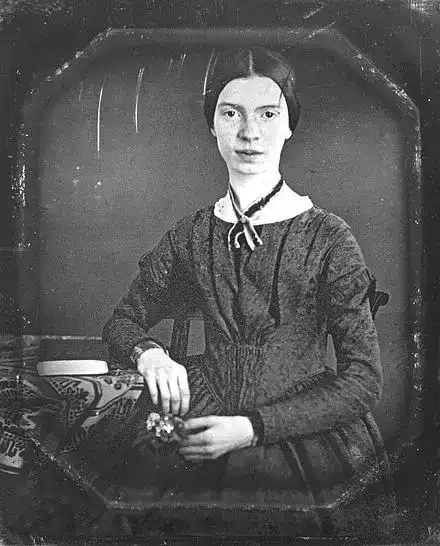
Emily Dickinson
Knows how to forget!
Knows how to forget!
433
Knows how to forget!
But could It teach it?
Easiest of Arts, they say
When one learn how
Dull Hearts have died
In the Acquisition
Sacrificed for Science
Is common, though, now-
I went to School
But was not wiser
Globe did not teach it
Nor Logarithm Show
"How to forget"!
Say-some-Philosopher!
Ah, to be erudite
Enough to know!
Is it in a Book?
So, I could buy it-
Is it like a Planet?
Telescopes would know-
If it be invention
It must have a Patent.
Rabbi of the Wise Book
Don't you know?
433
Knows how to forget!
But could It teach it?
Easiest of Arts, they say
When one learn how
Dull Hearts have died
In the Acquisition
Sacrificed for Science
Is common, though, now-
I went to School
But was not wiser
Globe did not teach it
Nor Logarithm Show
"How to forget"!
Say-some-Philosopher!
Ah, to be erudite
Enough to know!
Is it in a Book?
So, I could buy it-
Is it like a Planet?
Telescopes would know-
If it be invention
It must have a Patent.
Rabbi of the Wise Book
Don't you know?
324
Emily Dickinson
Joy to have merited the Pain
Joy to have merited the Pain
788
Joy to have merited the Pain-
To merit the Release-
Joy to have perished every step-
To Compass Paradise
Pardon-to look upon thy face-
With these old fashioned Eyes-
Better than new-could be-for that-
Though bought in Paradise-
Because they looked on thee before-
And thou hast looked on them-
Prove Me-My Hazel Witnesses
The features are the same-
So fleet thou wert, when present-
So infinite-when gone-
An Orient's Apparition-
Remanded of the Morn-
The Height I recollect'
Twas even with the Hills-
The Depth upon my Soul was notched-
As Floods-on Whites of Wheels-
To Haunt-till Time have dropped
His last Decade away,
And Haunting actualize-to last
At least-Eternity-
788
Joy to have merited the Pain-
To merit the Release-
Joy to have perished every step-
To Compass Paradise
Pardon-to look upon thy face-
With these old fashioned Eyes-
Better than new-could be-for that-
Though bought in Paradise-
Because they looked on thee before-
And thou hast looked on them-
Prove Me-My Hazel Witnesses
The features are the same-
So fleet thou wert, when present-
So infinite-when gone-
An Orient's Apparition-
Remanded of the Morn-
The Height I recollect'
Twas even with the Hills-
The Depth upon my Soul was notched-
As Floods-on Whites of Wheels-
To Haunt-till Time have dropped
His last Decade away,
And Haunting actualize-to last
At least-Eternity-
273
Emily Dickinson
In Ebon Box, when years have flown
In Ebon Box, when years have flown
169
In Ebon Box, when years have flown
To reverently peer,
Wiping away the velvet dust
Summers have sprinkled there!
To hold a letter to the light-
Grown Tawny now, with time-
To con the faded syllables
That quickened us like Wine!
Perhaps a Flower's shrivelled check
Among its stores to find-
Plucked far away, some morning-
By gallant-mouldering hand!
A curl, perhaps, from foreheads
Our Constancy forgot-
Perhaps, an Antique trinket-
In vanished fashions set!
And then to lay them quiet back-
And go about its care-
As if the little Ebon Box
Were none of our affair!
169
In Ebon Box, when years have flown
To reverently peer,
Wiping away the velvet dust
Summers have sprinkled there!
To hold a letter to the light-
Grown Tawny now, with time-
To con the faded syllables
That quickened us like Wine!
Perhaps a Flower's shrivelled check
Among its stores to find-
Plucked far away, some morning-
By gallant-mouldering hand!
A curl, perhaps, from foreheads
Our Constancy forgot-
Perhaps, an Antique trinket-
In vanished fashions set!
And then to lay them quiet back-
And go about its care-
As if the little Ebon Box
Were none of our affair!
290
Emily Dickinson
If anybody's friend be dead
If anybody's friend be dead
509
If anybody's friend be dead
It's sharpest of the theme
The thinking how they walked alive-
At such and such a time-
Their costume, of a Sunday,
Some manner of the Hair-
A prank nobody knew but them
Lost, in the Sepulchre-
How warm, they were, on such a day,
You almost feel the date-
So short way off it seems-
And now-they're Centuries from that-
How pleased they were, at what you said-
You try to touch the smile
And dip your fingers in the frost-
When was it-Can you tell-
You asked the Company to teaAcquaintance-
just a few-
And chatted close with this Grand Thing
That don't remember you-
Past Bows, and Invitations-
Past Interview, and Vow-
Past what Ourself can estimateThat-
makes the Quick of Woe!
509
If anybody's friend be dead
It's sharpest of the theme
The thinking how they walked alive-
At such and such a time-
Their costume, of a Sunday,
Some manner of the Hair-
A prank nobody knew but them
Lost, in the Sepulchre-
How warm, they were, on such a day,
You almost feel the date-
So short way off it seems-
And now-they're Centuries from that-
How pleased they were, at what you said-
You try to touch the smile
And dip your fingers in the frost-
When was it-Can you tell-
You asked the Company to teaAcquaintance-
just a few-
And chatted close with this Grand Thing
That don't remember you-
Past Bows, and Invitations-
Past Interview, and Vow-
Past what Ourself can estimateThat-
makes the Quick of Woe!
388
Emily Dickinson
I years had been from home,
I years had been from home,
I years had been from home,
And now, before the door,
I dared not open, lest a face
I never saw before
Stare vacant into mine
And ask my business there.
My business,--just a life I left,
Was such still dwelling there?
I fumbled at my nerve,
I scanned the windows near;
The silence like an ocean rolled,
And broke against my ear.
I laughed a wooden laugh
That I could fear a door,
Who danger and the dead had faced,
But never quaked before.
I fitted to the latch
My hand, with trembling care,
Lest back the awful door should spring,
And leave me standing there.
I moved my fingers off
As cautiously as glass,
And held my ears, and like a thief
Fled gasping from the house.
I years had been from home,
And now, before the door,
I dared not open, lest a face
I never saw before
Stare vacant into mine
And ask my business there.
My business,--just a life I left,
Was such still dwelling there?
I fumbled at my nerve,
I scanned the windows near;
The silence like an ocean rolled,
And broke against my ear.
I laughed a wooden laugh
That I could fear a door,
Who danger and the dead had faced,
But never quaked before.
I fitted to the latch
My hand, with trembling care,
Lest back the awful door should spring,
And leave me standing there.
I moved my fingers off
As cautiously as glass,
And held my ears, and like a thief
Fled gasping from the house.
708
Emily Dickinson
I felt my life with both my hands
I felt my life with both my hands
351
I felt my life with both my hands
To see if it was there-
I held my spirit to the Glass,
To prove it possibler-
I turned my Being round and round
And paused at every pound
To ask the Owner's name-
For doubt, that I should know the Sound-
I judged my features-jarred my hair-
I pushed my dimples by, and waited-
If they-twinkled back-
Conviction might, of me-
I told myself, "Take Courage, FriendThat-
was a former time-
But we might learn to like the Heaven,
As well as our Old Home!"
351
I felt my life with both my hands
To see if it was there-
I held my spirit to the Glass,
To prove it possibler-
I turned my Being round and round
And paused at every pound
To ask the Owner's name-
For doubt, that I should know the Sound-
I judged my features-jarred my hair-
I pushed my dimples by, and waited-
If they-twinkled back-
Conviction might, of me-
I told myself, "Take Courage, FriendThat-
was a former time-
But we might learn to like the Heaven,
As well as our Old Home!"
309
Emily Dickinson
Home
Home
Years I had been from home,
And now, before the door
I dared not open, lest a face
I never saw before
Stare vacant into mine
And ask my business there.
My business, - just a life I left,
Was such still dwelling there?
I fumbled at my nerve,
I scanned the windows near;
The silence like an ocean rolled,
And broke against my ear.
I laughed a wooden laugh
That I could fear a door,
Who danger and the dead had faced,
But never quaked before.
I fitted to the latch
My hand, with trembling care,
Lest back the awful door should spring,
And leave me standing there.
I moved my fingers off
As cautiously as glass,
And held my ears, and like a thief
Fled gasping from the house.
Years I had been from home,
And now, before the door
I dared not open, lest a face
I never saw before
Stare vacant into mine
And ask my business there.
My business, - just a life I left,
Was such still dwelling there?
I fumbled at my nerve,
I scanned the windows near;
The silence like an ocean rolled,
And broke against my ear.
I laughed a wooden laugh
That I could fear a door,
Who danger and the dead had faced,
But never quaked before.
I fitted to the latch
My hand, with trembling care,
Lest back the awful door should spring,
And leave me standing there.
I moved my fingers off
As cautiously as glass,
And held my ears, and like a thief
Fled gasping from the house.
320
Emily Dickinson
Heart, We Will Forget Him
Heart, We Will Forget Him
Heart, we will forget him,
You and I, tonight!
You must forget the warmth he gave,
I will forget the light.
When you have done pray tell me,
Then I, my thoughts, will dim.
Haste! ‘lest while you’re lagging
I may remember him!
Heart, we will forget him,
You and I, tonight!
You must forget the warmth he gave,
I will forget the light.
When you have done pray tell me,
Then I, my thoughts, will dim.
Haste! ‘lest while you’re lagging
I may remember him!
284
Emily Dickinson
He forgot—and I—remembered
He forgot—and I—remembered
203
He forgot—and I—remembered—
'Twas an everyday affair—
Long ago as Christ and Peter—
"Warmed them" at the "Temple fire."
"Thou wert with him"—quoth "the Damsel"?
"No"—said Peter, 'twasn't me—
Jesus merely "looked" at Peter—
Could I do aught else—to Thee?
203
He forgot—and I—remembered—
'Twas an everyday affair—
Long ago as Christ and Peter—
"Warmed them" at the "Temple fire."
"Thou wert with him"—quoth "the Damsel"?
"No"—said Peter, 'twasn't me—
Jesus merely "looked" at Peter—
Could I do aught else—to Thee?
286
Emily Dickinson
Have any like Myself
Have any like Myself
736
Have any like Myself
Investigating March,
New Houses on the Hill descried-
And possibly a Church-
That were not, We are sure-
As lately as the Snow-
And are Today-if We exist-
Though how may this be so?
Have any like Myself
Conjectured Who may be
The Occupants of the Adobes-
So easy to the Sky
'Twould seem that God should be
The nearest Neighbor to-
And Heaven-a convenient Grace
For Show, or Company-
Have any like Myself
Preserved the Charm secure
By shunning carefully the Place
All Seasons of the Year,
Excepting March-'Tis then
My Villages be seen-
And possibly a Steeple-
Not afterward-by Men-
736
Have any like Myself
Investigating March,
New Houses on the Hill descried-
And possibly a Church-
That were not, We are sure-
As lately as the Snow-
And are Today-if We exist-
Though how may this be so?
Have any like Myself
Conjectured Who may be
The Occupants of the Adobes-
So easy to the Sky
'Twould seem that God should be
The nearest Neighbor to-
And Heaven-a convenient Grace
For Show, or Company-
Have any like Myself
Preserved the Charm secure
By shunning carefully the Place
All Seasons of the Year,
Excepting March-'Tis then
My Villages be seen-
And possibly a Steeple-
Not afterward-by Men-
298
Emily Dickinson
After a hundred years
After a hundred years
After a hundred years
Nobody knows the place,--
Agony, that enacted there,
Motionless as peace.
Weeds triumphant ranged,
Strangers strolled and spelled
At the lone orthography
Of the elder dead.
Winds of summer fields
Recollect the way,--
Instinct picking up the key
Dropped by memory.
After a hundred years
Nobody knows the place,--
Agony, that enacted there,
Motionless as peace.
Weeds triumphant ranged,
Strangers strolled and spelled
At the lone orthography
Of the elder dead.
Winds of summer fields
Recollect the way,--
Instinct picking up the key
Dropped by memory.
249
Emily Dickinson
A precious—mouldering pleasure
A precious—mouldering pleasure
371
A precious—mouldering pleasure—'tis—
To meet an Antique Book—
In just the Dress his Century wore—
A privilege—I think—
His venerable Hand to take—
And warming in our own—
A passage back—or two—to make—
To Times when he—was young—
His quaint opinions—to inspect—
His thought to ascertain
On Themes concern our mutual mind—
The Literature of Man—
What interested Scholars—most—
What Competitions ran—
When Plato—was a Certainty—
And Sophocles—a Man—
When Sappho—was a living Girl—
And Beatrice wore
The Gown that Dante—deified—
Facts Centuries before
He traverses—familiar—
As One should come to Town—
And tell you all your Dreams—were true—
He lived—where Dreams were born—
His presence is Enchantment—
You beg him not to go—
Old Volume shake their Vellum Heads
And tantalize—just so—
371
A precious—mouldering pleasure—'tis—
To meet an Antique Book—
In just the Dress his Century wore—
A privilege—I think—
His venerable Hand to take—
And warming in our own—
A passage back—or two—to make—
To Times when he—was young—
His quaint opinions—to inspect—
His thought to ascertain
On Themes concern our mutual mind—
The Literature of Man—
What interested Scholars—most—
What Competitions ran—
When Plato—was a Certainty—
And Sophocles—a Man—
When Sappho—was a living Girl—
And Beatrice wore
The Gown that Dante—deified—
Facts Centuries before
He traverses—familiar—
As One should come to Town—
And tell you all your Dreams—were true—
He lived—where Dreams were born—
His presence is Enchantment—
You beg him not to go—
Old Volume shake their Vellum Heads
And tantalize—just so—
410
Emily Dickinson
A loss of something ever felt I
A loss of something ever felt I
959
A loss of something ever felt I-
The first that I could recollect
Bereft I was-of what I knew not
Too young that any should suspect
A Mourner walked among the children
I notwithstanding went about
As one bemoaning a Dominion
Itself the only Prince cast out-
Elder, Today, a session wiser
And fainter, too, as Wiseness is-
I find myself still softly searching
For my Delinguent Palaces-
And a Suspicion, like a Finger
Touches my Forehead now and then
That I am looking oppositely
For the site of the Kingdom of Heaven-
959
A loss of something ever felt I-
The first that I could recollect
Bereft I was-of what I knew not
Too young that any should suspect
A Mourner walked among the children
I notwithstanding went about
As one bemoaning a Dominion
Itself the only Prince cast out-
Elder, Today, a session wiser
And fainter, too, as Wiseness is-
I find myself still softly searching
For my Delinguent Palaces-
And a Suspicion, like a Finger
Touches my Forehead now and then
That I am looking oppositely
For the site of the Kingdom of Heaven-
361
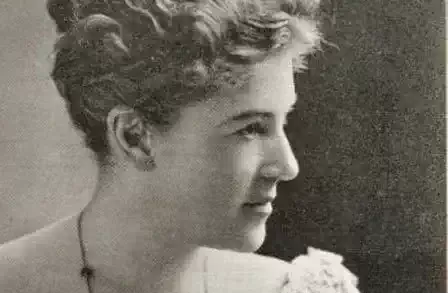
Ella Wheeler Wilcox
Worldly Wisdom
Worldly Wisdom
If it were in my dead Past’s power
To let my Present bask
In some lost pleasure for an hour,
This is the boon I’d ask:
Re-pedestal from out the dust
Where long ago ‘twas hurled,
My beautiful incautious trust
In this unworthy world.
The symbol of my souls own truth –
I saw it go with tears –
The sweet unwisdom of my youth –
That vanished with the years.
Since knowledge brings us only grief,
I would return again
To happy ignorance and belief
In motives and in men.
For worldly wisdom learned in pain
Is in itself a cross,
Significant mayhap of gain,
Yet sign of saddest loss.
If it were in my dead Past’s power
To let my Present bask
In some lost pleasure for an hour,
This is the boon I’d ask:
Re-pedestal from out the dust
Where long ago ‘twas hurled,
My beautiful incautious trust
In this unworthy world.
The symbol of my souls own truth –
I saw it go with tears –
The sweet unwisdom of my youth –
That vanished with the years.
Since knowledge brings us only grief,
I would return again
To happy ignorance and belief
In motives and in men.
For worldly wisdom learned in pain
Is in itself a cross,
Significant mayhap of gain,
Yet sign of saddest loss.
421
Ella Wheeler Wilcox
Why The Daisies Are Not All White
Why The Daisies Are Not All White
Uncle Rob says:
Once the daisies all were white,
Till a baby fellow
Ate his supper down one night,
And stained his face all yellow.
Smeared with butter, off to bed
Crept the sleepy flower.
'Fie!' the good nurse dew-drop said,
Come now to my bower.
'Let me wash you clean, I pray,
Like the pink and rosy.'
But the daisy pulled away
Like a stubborn posy.
All unwashed he went to sleep,
Naughty little fellow.
Ever since he's had to keep
That great patch of yellow.
So Uncle Rob says.
Uncle Rob says:
Once the daisies all were white,
Till a baby fellow
Ate his supper down one night,
And stained his face all yellow.
Smeared with butter, off to bed
Crept the sleepy flower.
'Fie!' the good nurse dew-drop said,
Come now to my bower.
'Let me wash you clean, I pray,
Like the pink and rosy.'
But the daisy pulled away
Like a stubborn posy.
All unwashed he went to sleep,
Naughty little fellow.
Ever since he's had to keep
That great patch of yellow.
So Uncle Rob says.
353
Ella Wheeler Wilcox
Through The Valley
Through The Valley
(After James Thomson)
As I came through the Valley of Despair,
As I came through the valley, onmy sight,
More awful that the darkness of the night,
Shone glimpses of a Past that had been fair,
And memories of eyes that used to smile,
And wafts of perfume from a vanished isle,
As I came through the valley.
As I came through the valley I could see,
As I came through the valley, fair and far,
As drowning men look up and see a star,
The fading shore of my lost Used-to-be;
And like an arrow in my heart I heard
The last sad notes of Hope’s expiring bird,
As I came through the valley.
As I came through the valley desolate,
As I came through the valley, like a beam
Of lurid lightning I beheld a gleam
Of Love’s great eyes that now were full of hate.
Dear God! dear God! I could bear all but that;
But I fell down soul-stricken, dead, thereat,
As I came through the valley.
(After James Thomson)
As I came through the Valley of Despair,
As I came through the valley, onmy sight,
More awful that the darkness of the night,
Shone glimpses of a Past that had been fair,
And memories of eyes that used to smile,
And wafts of perfume from a vanished isle,
As I came through the valley.
As I came through the valley I could see,
As I came through the valley, fair and far,
As drowning men look up and see a star,
The fading shore of my lost Used-to-be;
And like an arrow in my heart I heard
The last sad notes of Hope’s expiring bird,
As I came through the valley.
As I came through the valley desolate,
As I came through the valley, like a beam
Of lurid lightning I beheld a gleam
Of Love’s great eyes that now were full of hate.
Dear God! dear God! I could bear all but that;
But I fell down soul-stricken, dead, thereat,
As I came through the valley.
471
Ella Wheeler Wilcox
The Yellow-Covered Almanac
The Yellow-Covered Almanac
I left the farm when mother died and changed my place of dwelling
To daughter Susie’s stylish house right on the city street:
And there was them before I came that sort of scared me, telling
How I would find the town folks’ ways so difficult to meet;
They said I’d have no comfort in the rustling, fixed-up throng,
And I’d have to wear stiff collars every weekday, right along.
I find I take to city ways just like a duck to water;
I like the racket and the noise and never tire of shows;
And there’s no end of comfort in the mansion of my daughter,
And everything is right at hand and money freely flows;
And hired help is all about, just listenin’ to my call –
But I miss the yellow almanac off my old kitchen wall.
The house is full of calendars from the attic to the cellar,
They’re painted in all colours and are fancy like to see,
But in this one in particular I’m not a modern feller,
And the yellow-covered almanac is good enough for me.
I’m used to it, I’ve seen it round from boyhood to old age,
And I rather like the jokin’ at the bottom of the page.
I like the way its ‘S’ stood out to show the week’s beginning,
(In these new-fangled calendars the days seem sort of mixed) ,
And the man upon the cover, though he wa’n’t exactly winnin’,
With lungs and liver all exposed, still showed how we are fixed;
And the letters and credentials hat was writ to Mr. Ayer
I’ve often on a rainy day found readin’ pretty fair.
I tried to buy one recently; there wa’n’t none in the city!
They toted out great calendars, in every shape and style.
I looked at them in cold disdain, and answered ‘em in pity –
‘I’d rather have my almanac than all that costly pile.’
And though I take to city life, I’m lonesome after all
For that old yellow almanac upon my kitchen wall.
I left the farm when mother died and changed my place of dwelling
To daughter Susie’s stylish house right on the city street:
And there was them before I came that sort of scared me, telling
How I would find the town folks’ ways so difficult to meet;
They said I’d have no comfort in the rustling, fixed-up throng,
And I’d have to wear stiff collars every weekday, right along.
I find I take to city ways just like a duck to water;
I like the racket and the noise and never tire of shows;
And there’s no end of comfort in the mansion of my daughter,
And everything is right at hand and money freely flows;
And hired help is all about, just listenin’ to my call –
But I miss the yellow almanac off my old kitchen wall.
The house is full of calendars from the attic to the cellar,
They’re painted in all colours and are fancy like to see,
But in this one in particular I’m not a modern feller,
And the yellow-covered almanac is good enough for me.
I’m used to it, I’ve seen it round from boyhood to old age,
And I rather like the jokin’ at the bottom of the page.
I like the way its ‘S’ stood out to show the week’s beginning,
(In these new-fangled calendars the days seem sort of mixed) ,
And the man upon the cover, though he wa’n’t exactly winnin’,
With lungs and liver all exposed, still showed how we are fixed;
And the letters and credentials hat was writ to Mr. Ayer
I’ve often on a rainy day found readin’ pretty fair.
I tried to buy one recently; there wa’n’t none in the city!
They toted out great calendars, in every shape and style.
I looked at them in cold disdain, and answered ‘em in pity –
‘I’d rather have my almanac than all that costly pile.’
And though I take to city life, I’m lonesome after all
For that old yellow almanac upon my kitchen wall.
354
Ella Wheeler Wilcox
The Saddest Hour
The Saddest Hour
The saddest hour of anguish and of loss
Is not that season of supreme despair
When we can find no least light anywhere
To gild the dread, black shadow of the Cross;
Not in that luxury of sorrow when
We sup on salt of tears, and drink the gall
Of memories of days beyond recall—
Of lost delights that cannot come again.
But when, with eyes that are no longer wet,
We look out on the great, wide world of men,
And, smiling, lean toward a bright to-morrow,
Then backward shrink, with sudden keen regret,
To find that we are learning to forget:
Ah! then we face the saddest hour of sorrow.
The saddest hour of anguish and of loss
Is not that season of supreme despair
When we can find no least light anywhere
To gild the dread, black shadow of the Cross;
Not in that luxury of sorrow when
We sup on salt of tears, and drink the gall
Of memories of days beyond recall—
Of lost delights that cannot come again.
But when, with eyes that are no longer wet,
We look out on the great, wide world of men,
And, smiling, lean toward a bright to-morrow,
Then backward shrink, with sudden keen regret,
To find that we are learning to forget:
Ah! then we face the saddest hour of sorrow.
399
Ella Wheeler Wilcox
The Duet
The Duet
I was smoking a cigarette;
Maud, my wife, and the tenor McKey
Were singing together a blithe duet,
And days it were better I should forget
Came suddenly back to me,
Days when life seemed a gay masque ball
And to love and be loved as the sum of it all.
As they sang together the whole scene fled,
The room’s rich hangings, the sweet home air,
Stately Maud, with her proud blonde head,
And I seemed to see in her place instead
A wealth of blue-black hair,
And a face, ah! your face, - yours, Lisette,
A face it were wiser I should forget.
We were back – well, no matter when or where,
But you remember, I know, Lisette,
I saw you, dainty, and debonnaire,
With the very same look you used to wear
In the days I should forget.
And your lips, as red as the vintage we quaffed,
Were pearl-edged bumpers of wine when you laughed.
Two small slippers with big rosettes
Peeped out under your kilt-skirt there,
While we sat smoking our cigarettes
(Oh, I shall be dust when my heart forgets!)
And singing that selfsame air;
And between the verses for interlude,
I kissed your throat, and your shoulders nude.
You were so full of a subtle fire,
You were so warm and so sweet, Lisette;
You were everything men admire,
And there were no fetters to make us tire;
For you were – a pretty grisette.
But you loved, as only such natures can,
With a love that makes heaven of hell for a man.
****
They have ceased singing that old duet,
Stately Maud and the tenor McKey.
‘You are burning your coat with your cigarette,
And qu’avez-vous, dearest, your lids are wet, ’
Maud says, as she leans o’er me.
And I smile, and lie to her, husband-wise,
‘Oh, it is nothing but smoke in my eyes.’
I was smoking a cigarette;
Maud, my wife, and the tenor McKey
Were singing together a blithe duet,
And days it were better I should forget
Came suddenly back to me,
Days when life seemed a gay masque ball
And to love and be loved as the sum of it all.
As they sang together the whole scene fled,
The room’s rich hangings, the sweet home air,
Stately Maud, with her proud blonde head,
And I seemed to see in her place instead
A wealth of blue-black hair,
And a face, ah! your face, - yours, Lisette,
A face it were wiser I should forget.
We were back – well, no matter when or where,
But you remember, I know, Lisette,
I saw you, dainty, and debonnaire,
With the very same look you used to wear
In the days I should forget.
And your lips, as red as the vintage we quaffed,
Were pearl-edged bumpers of wine when you laughed.
Two small slippers with big rosettes
Peeped out under your kilt-skirt there,
While we sat smoking our cigarettes
(Oh, I shall be dust when my heart forgets!)
And singing that selfsame air;
And between the verses for interlude,
I kissed your throat, and your shoulders nude.
You were so full of a subtle fire,
You were so warm and so sweet, Lisette;
You were everything men admire,
And there were no fetters to make us tire;
For you were – a pretty grisette.
But you loved, as only such natures can,
With a love that makes heaven of hell for a man.
****
They have ceased singing that old duet,
Stately Maud and the tenor McKey.
‘You are burning your coat with your cigarette,
And qu’avez-vous, dearest, your lids are wet, ’
Maud says, as she leans o’er me.
And I smile, and lie to her, husband-wise,
‘Oh, it is nothing but smoke in my eyes.’
448
Ella Wheeler Wilcox
The Camp Fire
The Camp Fire
When night hung low and dew fell damp,
There fell athwart the shadows
The gleaming watchfires of the camp,
Like glow-worms on the meadows.
The sentinel his measured beat
With measured tread was keeping,
While like bronze statues at his feet
Lay tired soldiers, sleeping.
On some worn faces of the men
There crept a homesick yearning,
Which made it almost seem again,
The child-look was returning.
While on full many a youthful brow,
Till now to care a stranger,
The premature grave lines told how
They had grown old through danger.
One, in his slumber, laughed with joy,
The laughing echoes mocked him,
He thought beside his baby boy
He sat and gaily rocked him.
O pitying angels! Thou wert kind
To end this brief elysian,
He found what he no more could find
Save in a dreamer's vision.
The clear note of a mocking bird-
That star of sound-came falling
Down thro' the night; one, wakeful, heard
And answered to the calling,
And then upon the ear there broke
That sweet, pathetic measure,
That song that wakes-as then it woke,
Such mingled pain and pleasure.
One voice at first, and then the sound
Pulsed like a great bell's swinging,
'Tenting to-night on the old camp ground,'
The whole roused camp was singing.
The sense of warfare's discontent
Gave place to warfare's glory;
Right merrily the swift hours went
With song, and jest, and story.
They sang the song of Old John Brown,
Whose march goes on forever;
It made them thirsty for renown,
It fired them with endeavor.
So much of that great heart lives still,
So much of that great spirit-
His very name shoots like a thrill
Through all men when they hear it.
They found in tales of march and fight
New courage as they listened,
And while they watched the weird camp-light,
And while the still stars glistened,
Like some stern comrade's voice, there broke
And swept from hill to valley
'Til all the sleeping echoes woke,-
The bugle's call to rally!
'To arms! to arms! the foe is near!'
Ah, brave hearts were ye equal
To hearing through without one fear
The whole tale's bloody sequel?
The laurel wreath, the victor's cry,
These are not all of glory;
The gaping wound, the glazing eye,
They, too, are in the story.
And when again their tents were spread,
And by campfires they slumbered,
The missing faces of the dead
The living ones outnumbered.
And yet, their memories animate
The hearts that still survive them,
And holy seems the task, and great,
For one hour to revive them.
When night hung low and dew fell damp,
There fell athwart the shadows
The gleaming watchfires of the camp,
Like glow-worms on the meadows.
The sentinel his measured beat
With measured tread was keeping,
While like bronze statues at his feet
Lay tired soldiers, sleeping.
On some worn faces of the men
There crept a homesick yearning,
Which made it almost seem again,
The child-look was returning.
While on full many a youthful brow,
Till now to care a stranger,
The premature grave lines told how
They had grown old through danger.
One, in his slumber, laughed with joy,
The laughing echoes mocked him,
He thought beside his baby boy
He sat and gaily rocked him.
O pitying angels! Thou wert kind
To end this brief elysian,
He found what he no more could find
Save in a dreamer's vision.
The clear note of a mocking bird-
That star of sound-came falling
Down thro' the night; one, wakeful, heard
And answered to the calling,
And then upon the ear there broke
That sweet, pathetic measure,
That song that wakes-as then it woke,
Such mingled pain and pleasure.
One voice at first, and then the sound
Pulsed like a great bell's swinging,
'Tenting to-night on the old camp ground,'
The whole roused camp was singing.
The sense of warfare's discontent
Gave place to warfare's glory;
Right merrily the swift hours went
With song, and jest, and story.
They sang the song of Old John Brown,
Whose march goes on forever;
It made them thirsty for renown,
It fired them with endeavor.
So much of that great heart lives still,
So much of that great spirit-
His very name shoots like a thrill
Through all men when they hear it.
They found in tales of march and fight
New courage as they listened,
And while they watched the weird camp-light,
And while the still stars glistened,
Like some stern comrade's voice, there broke
And swept from hill to valley
'Til all the sleeping echoes woke,-
The bugle's call to rally!
'To arms! to arms! the foe is near!'
Ah, brave hearts were ye equal
To hearing through without one fear
The whole tale's bloody sequel?
The laurel wreath, the victor's cry,
These are not all of glory;
The gaping wound, the glazing eye,
They, too, are in the story.
And when again their tents were spread,
And by campfires they slumbered,
The missing faces of the dead
The living ones outnumbered.
And yet, their memories animate
The hearts that still survive them,
And holy seems the task, and great,
For one hour to revive them.
332
Ella Wheeler Wilcox
Queries
Queries
Well, how has it been with you since we met
That last strange time of a hundred times?
When we met to swear that we could forget—
I your caresses, and you my rhymes—
The rhyme of my lays that rang like a bell,
And the rhyme of my heart with yours, as well?
How has it been since we drank that last kiss,
That was bitter with lees of the wasted wine,
When the tattered remains of a threadbare bliss,
And the worn-out shreds of a joy divine,
With a year's best dreams and hopes, were cast
Into the rag-bag of the Past?
Since Time, the rag-buyer, hurried away,
With a chuckle of glee at a bargain made,
Did you discover, like me, one day,
That, hid in the folds of those garments frayed,
Were priceless jewels and diadems—
The soul's best treasures, the heart's best gems?
Have you, too, found that you could not supply
The place of those jewels so rare and chaste?
Do all that you borrow or beg or buy
Prove to be nothing but skilful paste?
Have you found pleasure, as I found art,
Not all-sufficient to fill your heart?
Do you sometimes sigh for the tattered shreds
Of the old delight that we cast away,
And find no worth in the silken threads
Of newer fabrics we wear to-day?
Have you thought the bitter of that last kiss
Better than sweets of a later bliss?
What idle queries!—or yes or no—
Whatever your answer, I understand
That there is no pathway by which we can go
Back to the dead past's wonderland;
And the gems he purchased from me, from you,
There is no rebuying from Time, the Jew
Well, how has it been with you since we met
That last strange time of a hundred times?
When we met to swear that we could forget—
I your caresses, and you my rhymes—
The rhyme of my lays that rang like a bell,
And the rhyme of my heart with yours, as well?
How has it been since we drank that last kiss,
That was bitter with lees of the wasted wine,
When the tattered remains of a threadbare bliss,
And the worn-out shreds of a joy divine,
With a year's best dreams and hopes, were cast
Into the rag-bag of the Past?
Since Time, the rag-buyer, hurried away,
With a chuckle of glee at a bargain made,
Did you discover, like me, one day,
That, hid in the folds of those garments frayed,
Were priceless jewels and diadems—
The soul's best treasures, the heart's best gems?
Have you, too, found that you could not supply
The place of those jewels so rare and chaste?
Do all that you borrow or beg or buy
Prove to be nothing but skilful paste?
Have you found pleasure, as I found art,
Not all-sufficient to fill your heart?
Do you sometimes sigh for the tattered shreds
Of the old delight that we cast away,
And find no worth in the silken threads
Of newer fabrics we wear to-day?
Have you thought the bitter of that last kiss
Better than sweets of a later bliss?
What idle queries!—or yes or no—
Whatever your answer, I understand
That there is no pathway by which we can go
Back to the dead past's wonderland;
And the gems he purchased from me, from you,
There is no rebuying from Time, the Jew
335
Ella Wheeler Wilcox
Platonic
Platonic
I knew it the first of the summer,
I knew it the same at the end,
That you and your love were plighted,
But couldn’t you be my friend?
Couldn’t we sit in the twilight,
Couldn’t we walk on the shore
With only a pleasant friendship
To bind us, and nothing more?
There was not a word of folly
Spoken between us two,
Though we lingered oft in the garden
Till the roses were wet with dew.
We touched on a thousand subjects –
The moon and the worlds above, -
And our talk was tinctured with science,
And everything else, save love.
A wholly Platonic friendship
You said I had proven to you
Could bind a man and a woman
The whole long season through,
With never a thought of flirting,
Though both were in their youth,
What would you have said, my lady,
If you had known the truth!
What would you have done, I wonder,
Had I gone on my knees to you
And told you my passionate story,
There in the dusk and the dew?
My burning, burdensome story,
Hidden and hushed so long –
My story of hopeless loving –
Say, would you have thought it wrong?
But I fought with my heart and conquered,
I hid my wound from sight;
You were going away in the morning,
And I said a calm goodnight.
But now when I sit in the twilight,
Or when I walk by the sea
That friendship, quite Platonic,
Comes surging over me.
And a passionate longing fills me
For the roses, the dusk, the dew;
For the beautiful summer vanished,
For the moonlight walks – and you.
I knew it the first of the summer,
I knew it the same at the end,
That you and your love were plighted,
But couldn’t you be my friend?
Couldn’t we sit in the twilight,
Couldn’t we walk on the shore
With only a pleasant friendship
To bind us, and nothing more?
There was not a word of folly
Spoken between us two,
Though we lingered oft in the garden
Till the roses were wet with dew.
We touched on a thousand subjects –
The moon and the worlds above, -
And our talk was tinctured with science,
And everything else, save love.
A wholly Platonic friendship
You said I had proven to you
Could bind a man and a woman
The whole long season through,
With never a thought of flirting,
Though both were in their youth,
What would you have said, my lady,
If you had known the truth!
What would you have done, I wonder,
Had I gone on my knees to you
And told you my passionate story,
There in the dusk and the dew?
My burning, burdensome story,
Hidden and hushed so long –
My story of hopeless loving –
Say, would you have thought it wrong?
But I fought with my heart and conquered,
I hid my wound from sight;
You were going away in the morning,
And I said a calm goodnight.
But now when I sit in the twilight,
Or when I walk by the sea
That friendship, quite Platonic,
Comes surging over me.
And a passionate longing fills me
For the roses, the dusk, the dew;
For the beautiful summer vanished,
For the moonlight walks – and you.
378
Ella Wheeler Wilcox
Now I lay Me
Now I lay Me
When I pass from earth away,
Palsied though I be and gray,
May my spirit keep so young
That my failing, faltering tongue
Frames that prayer so dear to me
Taught me at my mother's knee:
'Now I lay me down to sleep,'
(Passing to Eternal rest
On the loving parent breast)
'I pray the Lord my soul to keep;'
(From all danger safe and calm
In the hollow of His palm
'If I should die before I wake,'
(Drifting with a bated breath
Out of slumber into death,)
'I pray the Lord my soul to take.'
(From the body's claim set free
Sheltered in the Great to be.)
Simple prayer of trust and truth
Taught me in my early youth-
Let my soul its beauty keep
When I lay me down to sleep.
When I pass from earth away,
Palsied though I be and gray,
May my spirit keep so young
That my failing, faltering tongue
Frames that prayer so dear to me
Taught me at my mother's knee:
'Now I lay me down to sleep,'
(Passing to Eternal rest
On the loving parent breast)
'I pray the Lord my soul to keep;'
(From all danger safe and calm
In the hollow of His palm
'If I should die before I wake,'
(Drifting with a bated breath
Out of slumber into death,)
'I pray the Lord my soul to take.'
(From the body's claim set free
Sheltered in the Great to be.)
Simple prayer of trust and truth
Taught me in my early youth-
Let my soul its beauty keep
When I lay me down to sleep.
468
Ella Wheeler Wilcox
Memory's Mansion
Memory's Mansion
In Memory's Mansion are wonderful rooms,
And I wander about them at will;
And I pause at the casements, where boxes of blooms
Are sending sweet scents o'er the sill.
I lean from a window that looks on a lawn;
From a turret that looks on the wave.
But I draw down the shade when I see on some glade
A stone standing guard by a grave.
To Memory's attic I clambered one day
When the roof was resounding with rain,
And there, among relics long hidden away,
I rummaged with heart ache and pain.
A hope long surrendered and covered with dust,
A pastime, out-grown and forgot,
And a fragment of love all corroded with rust,
Were lying heaped up in one spot.
And there on the floor of that garret was tossed
A friendship too fragile to last,
With pieces of dearly bought pleasures that cost
Vast fortunes of pain in the past,
A fabric of passion, once vivid and bright,
As the breast of a robin in Spring,
Was spread out before me-a terrible sight-
A moth-eaten rag of a thing.
Then down the deep stairway I hurriedly went,
And into fair chambers below;
But the mansion seemed filled with the old attic scent
Wherever my footsteps would go.
Though in Memory's House I still wander full oft,
No more to the garret I climb;
And I leave all the rubbish heaped there in the loft
To the hands of the Housekeeper, Time.
In Memory's Mansion are wonderful rooms,
And I wander about them at will;
And I pause at the casements, where boxes of blooms
Are sending sweet scents o'er the sill.
I lean from a window that looks on a lawn;
From a turret that looks on the wave.
But I draw down the shade when I see on some glade
A stone standing guard by a grave.
To Memory's attic I clambered one day
When the roof was resounding with rain,
And there, among relics long hidden away,
I rummaged with heart ache and pain.
A hope long surrendered and covered with dust,
A pastime, out-grown and forgot,
And a fragment of love all corroded with rust,
Were lying heaped up in one spot.
And there on the floor of that garret was tossed
A friendship too fragile to last,
With pieces of dearly bought pleasures that cost
Vast fortunes of pain in the past,
A fabric of passion, once vivid and bright,
As the breast of a robin in Spring,
Was spread out before me-a terrible sight-
A moth-eaten rag of a thing.
Then down the deep stairway I hurriedly went,
And into fair chambers below;
But the mansion seemed filled with the old attic scent
Wherever my footsteps would go.
Though in Memory's House I still wander full oft,
No more to the garret I climb;
And I leave all the rubbish heaped there in the loft
To the hands of the Housekeeper, Time.
498