

Poems in this topic
Memories and Recollections
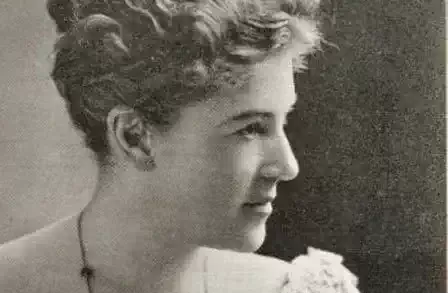
Ella Wheeler Wilcox
Little Queen
Little Queen
Do you remember the name I wore –
The old pet-name of Little Queen –
In the dear, dead days that are no more,
The happiest days of our lives, I ween?
For we loved with that passionate love of youth
That blesses but once with its perfect bliss, -
A love that, in spite of its trust and truth,
Seems never to thrive, in a world like this.
I lived for you, and you lived for me;
All was centred in “Little Queen”;
And never a thought in our hearts had we
That strife or trouble could come between,
What utter sinking of self it was!
How little we cared for the world of men!
For love’s fair kingdom, and loves’ sweet laws,
Were all of the world and life to us then.
But a love like ours was a challenge to fate;
She rang down the curtains and shifted the scene;
Yet sometimes now, when the day grows late,
I can hear you calling for Little Queen;
For a happy home and a busy life
Can never wholly crowd out our past;
In the twilight pauses that come from strife,
You will think of me while life shall last.
And however sweet the voice of fame
May sing to me of a great world’s praise,
I shall long sometimes for the old pet-name
That you gave to me in the dear, dead days;
And nothing the angel band can say,
When I reach the shores of the great Unseen,
Can please me so much as on that day
To hear your greeting of “Little Queen.”
Do you remember the name I wore –
The old pet-name of Little Queen –
In the dear, dead days that are no more,
The happiest days of our lives, I ween?
For we loved with that passionate love of youth
That blesses but once with its perfect bliss, -
A love that, in spite of its trust and truth,
Seems never to thrive, in a world like this.
I lived for you, and you lived for me;
All was centred in “Little Queen”;
And never a thought in our hearts had we
That strife or trouble could come between,
What utter sinking of self it was!
How little we cared for the world of men!
For love’s fair kingdom, and loves’ sweet laws,
Were all of the world and life to us then.
But a love like ours was a challenge to fate;
She rang down the curtains and shifted the scene;
Yet sometimes now, when the day grows late,
I can hear you calling for Little Queen;
For a happy home and a busy life
Can never wholly crowd out our past;
In the twilight pauses that come from strife,
You will think of me while life shall last.
And however sweet the voice of fame
May sing to me of a great world’s praise,
I shall long sometimes for the old pet-name
That you gave to me in the dear, dead days;
And nothing the angel band can say,
When I reach the shores of the great Unseen,
Can please me so much as on that day
To hear your greeting of “Little Queen.”
432
Ella Wheeler Wilcox
Daft
Daft
In the warm yellow smile of the morning,
She stands at the lattice pane,
And watches the strong young binders
Stride down to the fields of grain.
And she counts them over and over
As they pass her cottage door:
Are they six, she counts them seven;
Are they seven, she counts one more.
When the sun swings high in the heavens,
And the reapers go shouting home,
She calls to the household, saying,
'Make haste! for the binders have come
And Johnnie will want his dinner He
was always a hungry child';
And they answer, 'Yes, it ia waiting';
Then tell you, 'Her brain is wild.'
Again, in the hush of the evening,
When the work of the day is done,
And the binders go singing homeward
In the last red rays of the sun,
She will sit at the threshold waiting,
And with her withered face lights with joy:
'Come, Johnnie, ' she says, as they pass her,
'Come into the house, my boy.'
Five summers ago her Johnnie
Went out in the smile of the morn,
Singing across the meadow,
Striding down through the corn -
He towered above the binders,
Walking on either side,
And the mother's heart within her
Swelled with exultant pride.
For he was the light of the household His
brown eyes were wells of truth,
And his face was the face of the morning,
Lit with its pure, fresh youth,
And his song rang out from the hilltops
Like the mellow blast of a horn,
And he strode o'er the fresh shorn meadows,
And down through the rows of corn.
But hushed were the voices of singing,
Hushed by the presence of death,
As back to the cottage they bore him In
the noontide's scorching breath,
For the heat of the sun had slain him,
Had smitten the heart in his breast,
And he who towered above them
Lay lower than all the rest.
The grain grows ripe in the sunshine,
And the summers ebb and flow,
And the binders stride to their labour
And sing as they come and go;
But never again from the hilltops
Echoes the voice like a horn;
Never up from the meadows,
Never back from the corn.
Yet the poor, crazed brain of the mother
Fancies him always near;
She is blest in her strange delusion,
For she knoweth no pain nor fear,
And always she counts the binders
As they pass by her cottage door;
Are they six, she counts them seven;
Are they seven, she counts one more.
In the warm yellow smile of the morning,
She stands at the lattice pane,
And watches the strong young binders
Stride down to the fields of grain.
And she counts them over and over
As they pass her cottage door:
Are they six, she counts them seven;
Are they seven, she counts one more.
When the sun swings high in the heavens,
And the reapers go shouting home,
She calls to the household, saying,
'Make haste! for the binders have come
And Johnnie will want his dinner He
was always a hungry child';
And they answer, 'Yes, it ia waiting';
Then tell you, 'Her brain is wild.'
Again, in the hush of the evening,
When the work of the day is done,
And the binders go singing homeward
In the last red rays of the sun,
She will sit at the threshold waiting,
And with her withered face lights with joy:
'Come, Johnnie, ' she says, as they pass her,
'Come into the house, my boy.'
Five summers ago her Johnnie
Went out in the smile of the morn,
Singing across the meadow,
Striding down through the corn -
He towered above the binders,
Walking on either side,
And the mother's heart within her
Swelled with exultant pride.
For he was the light of the household His
brown eyes were wells of truth,
And his face was the face of the morning,
Lit with its pure, fresh youth,
And his song rang out from the hilltops
Like the mellow blast of a horn,
And he strode o'er the fresh shorn meadows,
And down through the rows of corn.
But hushed were the voices of singing,
Hushed by the presence of death,
As back to the cottage they bore him In
the noontide's scorching breath,
For the heat of the sun had slain him,
Had smitten the heart in his breast,
And he who towered above them
Lay lower than all the rest.
The grain grows ripe in the sunshine,
And the summers ebb and flow,
And the binders stride to their labour
And sing as they come and go;
But never again from the hilltops
Echoes the voice like a horn;
Never up from the meadows,
Never back from the corn.
Yet the poor, crazed brain of the mother
Fancies him always near;
She is blest in her strange delusion,
For she knoweth no pain nor fear,
And always she counts the binders
As they pass by her cottage door;
Are they six, she counts them seven;
Are they seven, she counts one more.
434
Ella Wheeler Wilcox
Artist's Life
Artist's Life
Of all the waltzes the great Strauss wrote,
mad with melody, rhythm--rife
From the very first to the final note,
Give me his "Artist's Life!"
It stirs my blood to my finger ends,
Thrills me and fills me with vague unrest,
And all that is sweetest and saddest blends
Together within my breast.
It brings back that night in the dim arcade,
In love's sweet morning and life's best prime,
When the great brass orchestra played and played,
And set our thoughts to rhyme.
It brings back that Winter of mad delights,
Of leaping pulses and tripping feet,
And those languid moon-washed Summer nights
When we heard the band in the street.
It brings back rapture and glee and glow,
It brings back passion and pain and strife,
And so of all the waltzes I know,
Give me the "Artist's Life."
For it is so full of the dear old time--
So full of the dear friends I knew.
And under its rhythm, and lilt, and rhyme,
I am always finding--you.
Of all the waltzes the great Strauss wrote,
mad with melody, rhythm--rife
From the very first to the final note,
Give me his "Artist's Life!"
It stirs my blood to my finger ends,
Thrills me and fills me with vague unrest,
And all that is sweetest and saddest blends
Together within my breast.
It brings back that night in the dim arcade,
In love's sweet morning and life's best prime,
When the great brass orchestra played and played,
And set our thoughts to rhyme.
It brings back that Winter of mad delights,
Of leaping pulses and tripping feet,
And those languid moon-washed Summer nights
When we heard the band in the street.
It brings back rapture and glee and glow,
It brings back passion and pain and strife,
And so of all the waltzes I know,
Give me the "Artist's Life."
For it is so full of the dear old time--
So full of the dear friends I knew.
And under its rhythm, and lilt, and rhyme,
I am always finding--you.
378
Ella Wheeler Wilcox
An Empty Crib
An Empty Crib
Beside a crib that holds a baby’s stocking,
A tattered picture book, a broken toy,
A sleeping mother dreams that she is rocking
Her fair-haired cherub boy.
Upon the cradle’s side her light touch keeping,
She gently rocks it, crooning low a song;
And smiles to think her little one is sleeping,
So peacefully and long.
Step light, breathe low, break not her rapturous dreaming,
Wake not the sleeper from her trance of joy,
For never more save in sweet slumber-seeming
Will she watch o’er her little boy.
God pity her when from her dream Elysian
She wakes to see the empty crib, and weep;
Knowing her joy was but a sleeper’s vision,
Tread lightly – let her sleep.
Beside a crib that holds a baby’s stocking,
A tattered picture book, a broken toy,
A sleeping mother dreams that she is rocking
Her fair-haired cherub boy.
Upon the cradle’s side her light touch keeping,
She gently rocks it, crooning low a song;
And smiles to think her little one is sleeping,
So peacefully and long.
Step light, breathe low, break not her rapturous dreaming,
Wake not the sleeper from her trance of joy,
For never more save in sweet slumber-seeming
Will she watch o’er her little boy.
God pity her when from her dream Elysian
She wakes to see the empty crib, and weep;
Knowing her joy was but a sleeper’s vision,
Tread lightly – let her sleep.
363
Ella Wheeler Wilcox
A Leaf
A Leaf
Somebody said, in the crowd, last eve,
That you were married, or soon to be.
I have not thought of you, I believe,
Since last we parted. Let me see:
Five long Summers have passed since then –
Each has been pleasant in its own way –
And you are but one of a dozen men
Who have played the suitor a Summer day.
But, nevertheless, when I heard your name,
Coupled with some one’s, not my own,
There burned in my bosom a sudden flame,
That carried me back to the day that is flown.
I was sitting again by the laughing brook,
With you at my feet, and the sky above,
And my heart was fluttering under your look –
The unmistakable look of Love.
Again your breath, like a South wind, fanned
My cheek, where the blushes came and went;
And the tender clasp of your strong, warm hand
Sudden thrills through my pulses sent.
Again you were mine by Love’s decree:
So for a moment it seemed last night,
When somebody mentioned your name to me.
Just for the moment I thought you mine –
Loving me, wooing me, as of old.
The tale remembered seemed half divine –
Though I held it lightly enough when told.
The past seemed fairer than when it was near,
As ‘blessings brighten when taking flight, ’
And just for the moment I held you near –
When somebody mentioned your name last night.
Somebody said, in the crowd, last eve,
That you were married, or soon to be.
I have not thought of you, I believe,
Since last we parted. Let me see:
Five long Summers have passed since then –
Each has been pleasant in its own way –
And you are but one of a dozen men
Who have played the suitor a Summer day.
But, nevertheless, when I heard your name,
Coupled with some one’s, not my own,
There burned in my bosom a sudden flame,
That carried me back to the day that is flown.
I was sitting again by the laughing brook,
With you at my feet, and the sky above,
And my heart was fluttering under your look –
The unmistakable look of Love.
Again your breath, like a South wind, fanned
My cheek, where the blushes came and went;
And the tender clasp of your strong, warm hand
Sudden thrills through my pulses sent.
Again you were mine by Love’s decree:
So for a moment it seemed last night,
When somebody mentioned your name to me.
Just for the moment I thought you mine –
Loving me, wooing me, as of old.
The tale remembered seemed half divine –
Though I held it lightly enough when told.
The past seemed fairer than when it was near,
As ‘blessings brighten when taking flight, ’
And just for the moment I held you near –
When somebody mentioned your name last night.
405
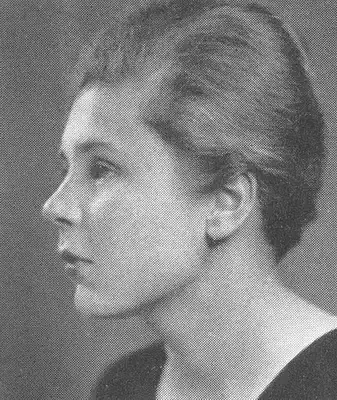
Elizabeth Bishop
The Monument
The Monument
Now can you see the monument? It is of wood
built somewhat like a box. No. Built
like several boxes in descending sizes
one above the other.
Each is turned half-way round so that
its corners point toward the sides
of the one below and the angles alternate.
Then on the topmost cube is set
a sort of fleur-de-lys of weathered wood,
long petals of board, pierced with odd holes,
four-sided, stiff, ecclesiastical.
From it four thin, warped poles spring out,
(slanted like fishing-poles or flag-poles)
and from them jig-saw work hangs down,
four lines of vaguely whittled ornament
over the edges of the boxes
to the ground.
The monument is one-third set against
a sea; two-thirds against a sky.
The view is geared
(that is, the view's perspective)
so low there is no "far away,"
and we are far away within the view.
A sea of narrow, horizontal boards
lies out behind our lonely monument,
its long grains alternating right and left
like floor-boards--spotted, swarming-still,
and motionless. A sky runs parallel,
and it is palings, coarser than the sea's:
splintery sunlight and long-fibred clouds.
"Why does the strange sea make no sound?
Is it because we're far away?
Where are we? Are we in Asia Minor,
or in Mongolia?"
An ancient promontory,
an ancient principality whose artist-prince
might have wanted to build a monument
to mark a tomb or boundary, or make
a melancholy or romantic scene of it...
"But that queer sea looks made of wood,
half-shining, like a driftwood, sea.
And the sky looks wooden, grained with cloud.
It's like a stage-set; it is all so flat!
Those clouds are full of glistening splinters!
What is that?"
It is the monument.
"It's piled-up boxes,
outlined with shoddy fret-work, half-fallen off,
cracked and unpainted. It looks old."
--The strong sunlight, the wind from the sea,
all the conditions of its existence,
may have flaked off the paint, if ever it was painted,
and made it homelier than it was.
"Why did you bring me here to see it?
A temple of crates in cramped and crated scenery,
what can it prove?
I am tired of breathing this eroded air,
this dryness in which the monument is cracking."
It is an artifact
of wood. Wood holds together better
than sea or cloud or and could by itself,
much better than real sea or sand or cloud.
It chose that way to grow and not to move.
The monument's an object, yet those decorations,
carelessly nailed, looking like nothing at all,
give it away as having life, and wishing;
wanting to be a monument, to cherish something.
The crudest scroll-work says "commemorate,"
while once each day the light goes around it
like a prowling animal,
or the rain falls on it, or the wind blows into it.
It may be solid, may be hollow.
The bones of the artist-prince may be inside
or far away on even drier soil.
But roughly but adequately it can shelter
what is within (which after all
cannot have been intended to be seen).
It is the beginning of a painting,
a piece of sculpture, or poem, or monument,
and all of wood. Watch it closely.
Now can you see the monument? It is of wood
built somewhat like a box. No. Built
like several boxes in descending sizes
one above the other.
Each is turned half-way round so that
its corners point toward the sides
of the one below and the angles alternate.
Then on the topmost cube is set
a sort of fleur-de-lys of weathered wood,
long petals of board, pierced with odd holes,
four-sided, stiff, ecclesiastical.
From it four thin, warped poles spring out,
(slanted like fishing-poles or flag-poles)
and from them jig-saw work hangs down,
four lines of vaguely whittled ornament
over the edges of the boxes
to the ground.
The monument is one-third set against
a sea; two-thirds against a sky.
The view is geared
(that is, the view's perspective)
so low there is no "far away,"
and we are far away within the view.
A sea of narrow, horizontal boards
lies out behind our lonely monument,
its long grains alternating right and left
like floor-boards--spotted, swarming-still,
and motionless. A sky runs parallel,
and it is palings, coarser than the sea's:
splintery sunlight and long-fibred clouds.
"Why does the strange sea make no sound?
Is it because we're far away?
Where are we? Are we in Asia Minor,
or in Mongolia?"
An ancient promontory,
an ancient principality whose artist-prince
might have wanted to build a monument
to mark a tomb or boundary, or make
a melancholy or romantic scene of it...
"But that queer sea looks made of wood,
half-shining, like a driftwood, sea.
And the sky looks wooden, grained with cloud.
It's like a stage-set; it is all so flat!
Those clouds are full of glistening splinters!
What is that?"
It is the monument.
"It's piled-up boxes,
outlined with shoddy fret-work, half-fallen off,
cracked and unpainted. It looks old."
--The strong sunlight, the wind from the sea,
all the conditions of its existence,
may have flaked off the paint, if ever it was painted,
and made it homelier than it was.
"Why did you bring me here to see it?
A temple of crates in cramped and crated scenery,
what can it prove?
I am tired of breathing this eroded air,
this dryness in which the monument is cracking."
It is an artifact
of wood. Wood holds together better
than sea or cloud or and could by itself,
much better than real sea or sand or cloud.
It chose that way to grow and not to move.
The monument's an object, yet those decorations,
carelessly nailed, looking like nothing at all,
give it away as having life, and wishing;
wanting to be a monument, to cherish something.
The crudest scroll-work says "commemorate,"
while once each day the light goes around it
like a prowling animal,
or the rain falls on it, or the wind blows into it.
It may be solid, may be hollow.
The bones of the artist-prince may be inside
or far away on even drier soil.
But roughly but adequately it can shelter
what is within (which after all
cannot have been intended to be seen).
It is the beginning of a painting,
a piece of sculpture, or poem, or monument,
and all of wood. Watch it closely.
636
Elizabeth Bishop
North Haven
North Haven
In Memoriam: Robert Lowell
I can make out the rigging of a schooner
a mile off; I can count
the new cones on the spruce. It is so still
the pale bay wears a milky skin; the sky
no clouds except for one long, carded horse¹s tail.
The islands haven't shifted since last summer,
even if I like to pretend they have-drifting,
in a dreamy sort of way,
a little north, a little south, or sidewise-and
that they¹re free within the blue frontiers of bay.
This month our favorite one is full of flowers:
buttercups, red clover, purple vetch,
hackweed still burning, daisies pied, eyebright,
the fragrant bedstraw's incandescent stars,
and more, returned, to paint the meadows with delight.
The goldfinches are back, or others like them,
and the white-throated sparrow's five-note song,
pleading and pleading, brings tears to the eyes.
Nature repeats herself, or almost does:
repeat, repeat, repeat; revise, revise, revise.
Years ago, you told me it was here
(in 1932?) you first "discovered girls"
and learned to sail, and learned to kiss.
You had "such fun," you said, that classic summer.
("Fun"--it always seemed to leave you at a loss...)
You left North Haven, anchored in its rock,
afloat in mystic blue...And now--you've left
for good. You can't derange, or rearrange,
your poems again. (But the sparrows can their song.)
The words won't change again. Sad friend, you cannot change.
In Memoriam: Robert Lowell
I can make out the rigging of a schooner
a mile off; I can count
the new cones on the spruce. It is so still
the pale bay wears a milky skin; the sky
no clouds except for one long, carded horse¹s tail.
The islands haven't shifted since last summer,
even if I like to pretend they have-drifting,
in a dreamy sort of way,
a little north, a little south, or sidewise-and
that they¹re free within the blue frontiers of bay.
This month our favorite one is full of flowers:
buttercups, red clover, purple vetch,
hackweed still burning, daisies pied, eyebright,
the fragrant bedstraw's incandescent stars,
and more, returned, to paint the meadows with delight.
The goldfinches are back, or others like them,
and the white-throated sparrow's five-note song,
pleading and pleading, brings tears to the eyes.
Nature repeats herself, or almost does:
repeat, repeat, repeat; revise, revise, revise.
Years ago, you told me it was here
(in 1932?) you first "discovered girls"
and learned to sail, and learned to kiss.
You had "such fun," you said, that classic summer.
("Fun"--it always seemed to leave you at a loss...)
You left North Haven, anchored in its rock,
afloat in mystic blue...And now--you've left
for good. You can't derange, or rearrange,
your poems again. (But the sparrows can their song.)
The words won't change again. Sad friend, you cannot change.
610
Elizabeth Bishop
One Art
One Art
The art of losing isn't hard to master;
so many things seem filled with the intent
to be lost that their loss is no disaster,
Lose something every day. Accept the fluster
of lost door keys, the hour badly spent.
The art of losing isn't hard to master.
Then practice losing farther, losing faster:
places, and names, and where it was you meant
to travel. None of these will bring disaster.
I lost my mother's watch. And look! my last, or
next-to-last, of three beloved houses went.
The art of losing isn't hard to master.
I lost two cities, lovely ones. And, vaster,
some realms I owned, two rivers, a continent.
I miss them, but it wasn't a disaster.
-Even losing you (the joking voice, a gesture
I love) I shan't have lied. It's evident
the art of losing's not too hard to master
though it may look like (Write it!) like a disaster.
The art of losing isn't hard to master;
so many things seem filled with the intent
to be lost that their loss is no disaster,
Lose something every day. Accept the fluster
of lost door keys, the hour badly spent.
The art of losing isn't hard to master.
Then practice losing farther, losing faster:
places, and names, and where it was you meant
to travel. None of these will bring disaster.
I lost my mother's watch. And look! my last, or
next-to-last, of three beloved houses went.
The art of losing isn't hard to master.
I lost two cities, lovely ones. And, vaster,
some realms I owned, two rivers, a continent.
I miss them, but it wasn't a disaster.
-Even losing you (the joking voice, a gesture
I love) I shan't have lied. It's evident
the art of losing's not too hard to master
though it may look like (Write it!) like a disaster.
824
Elizabeth Bishop
Five Flights Up
Five Flights Up
Still dark.
The unknown bird sits on his usual branch.
The little dog next door barks in his sleep
inquiringly, just once.
Perhaps in his sleep, too, the bird inquires
once or twice, quavering.
Questions---if that is what they are--answered
directly, simply,
by day itself.
Enormous morning, ponderous, meticulous;
gray light streaking each bare branch,
each single twig, along one side,
making another tree, of glassy veins...
The bird still sits there. Now he seems to yawn.
The little black dog runs in his yard.
His owner's voice arises, stern,
"You ought to be ashamed!"
What has he done?
He bounces cheerfully up and down;
he rushes in circles in the fallen leaves.
Obviously, he has no sense of shame.
He and the bird know everything is answered,
all taken care of,
no need to ask again.
---Yesterday brought to today so lightly!
(A yesterday I find almost impossible to lift.)
Still dark.
The unknown bird sits on his usual branch.
The little dog next door barks in his sleep
inquiringly, just once.
Perhaps in his sleep, too, the bird inquires
once or twice, quavering.
Questions---if that is what they are--answered
directly, simply,
by day itself.
Enormous morning, ponderous, meticulous;
gray light streaking each bare branch,
each single twig, along one side,
making another tree, of glassy veins...
The bird still sits there. Now he seems to yawn.
The little black dog runs in his yard.
His owner's voice arises, stern,
"You ought to be ashamed!"
What has he done?
He bounces cheerfully up and down;
he rushes in circles in the fallen leaves.
Obviously, he has no sense of shame.
He and the bird know everything is answered,
all taken care of,
no need to ask again.
---Yesterday brought to today so lightly!
(A yesterday I find almost impossible to lift.)
568
Elizabeth Bishop
Arrival At Santos
Arrival At Santos
Here is a coast; here is a harbor;
here, after a meager diet of horizon, is some scenery:
impractically shaped and--who knows?--self-pitying mountains,
sad and harsh beneath their frivolous greenery,
with a little church on top of one. And warehouses,
some of them painted a feeble pink, or blue,
and some tall, uncertain palms. Oh, tourist,
is this how this country is going to answer you
and your immodest demands for a different world,
and a better life, and complete comprehension
of both at last, and immediately,
after eighteen days of suspension?
Finish your breakfast. The tender is coming,
a strange and ancient craft, flying a strange and brilliant rag.
So that's the flag. I never saw it before.
I somehow never thought of there being a flag,
but of course there was, all along. And coins, I presume,
and paper money; they remain to be seen.
And gingerly now we climb down the ladder backward,
myself and a fellow passenger named Miss Breen,
descending into the midst of twenty-six freighters
waiting to be loaded with green coffee beaus.
Please, boy, do be more careful with that boat hook!
Watch out! Oh! It has caught Miss Breen's
skirt! There! Miss Breen is about seventy,
a retired police lieutenant, six feet tall,
with beautiful bright blue eyes and a kind expression.
Her home, when she is at home, is in Glens Fall
s, New York. There. We are settled.
The customs officials will speak English, we hope,
and leave us our bourbon and cigarettes.
Ports are necessities, like postage stamps, or soap,
but they seldom seem to care what impression they make,
or, like this, only attempt, since it does not matter,
the unassertive colors of soap, or postage stamps-wasting
away like the former, slipping the way the latter
do when we mail the letters we wrote on the boat,
either because the glue here is very inferior
or because of the heat. We leave Santos at once;
we are driving to the interior.
Here is a coast; here is a harbor;
here, after a meager diet of horizon, is some scenery:
impractically shaped and--who knows?--self-pitying mountains,
sad and harsh beneath their frivolous greenery,
with a little church on top of one. And warehouses,
some of them painted a feeble pink, or blue,
and some tall, uncertain palms. Oh, tourist,
is this how this country is going to answer you
and your immodest demands for a different world,
and a better life, and complete comprehension
of both at last, and immediately,
after eighteen days of suspension?
Finish your breakfast. The tender is coming,
a strange and ancient craft, flying a strange and brilliant rag.
So that's the flag. I never saw it before.
I somehow never thought of there being a flag,
but of course there was, all along. And coins, I presume,
and paper money; they remain to be seen.
And gingerly now we climb down the ladder backward,
myself and a fellow passenger named Miss Breen,
descending into the midst of twenty-six freighters
waiting to be loaded with green coffee beaus.
Please, boy, do be more careful with that boat hook!
Watch out! Oh! It has caught Miss Breen's
skirt! There! Miss Breen is about seventy,
a retired police lieutenant, six feet tall,
with beautiful bright blue eyes and a kind expression.
Her home, when she is at home, is in Glens Fall
s, New York. There. We are settled.
The customs officials will speak English, we hope,
and leave us our bourbon and cigarettes.
Ports are necessities, like postage stamps, or soap,
but they seldom seem to care what impression they make,
or, like this, only attempt, since it does not matter,
the unassertive colors of soap, or postage stamps-wasting
away like the former, slipping the way the latter
do when we mail the letters we wrote on the boat,
either because the glue here is very inferior
or because of the heat. We leave Santos at once;
we are driving to the interior.
617
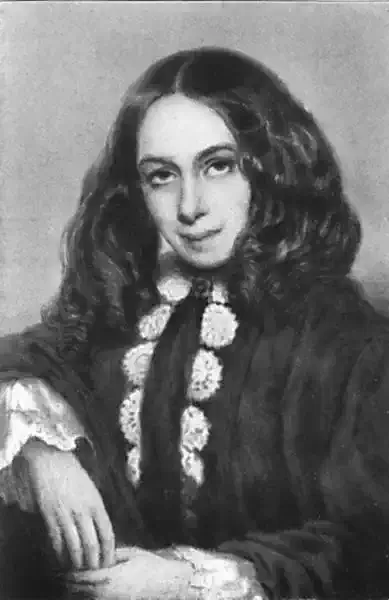
Elizabeth Barrett Browning
XXX
XXX
I see thine image through my tears to-night,
And yet to-day I saw thee smiling. How
Refer the cause ?--Beloved, is it thou
Or I, who makes me sad ? The acolyte
Amid the chanted joy and thankful rite
May so fall flat, with pale insensate brow,
On the altar-stair. I hear thy voice and vow,
Perplexed, uncertain, since thou art out of sight,
As he, in his swooning ears, the choir's Amen.
Beloved, dost thou love ? or did I see all
The glory as I dreamed, and fainted when
Too vehement light dilated my ideal,
For my soul's eyes ? Will that light come again,
As now these tears come--falling hot and real ?
I see thine image through my tears to-night,
And yet to-day I saw thee smiling. How
Refer the cause ?--Beloved, is it thou
Or I, who makes me sad ? The acolyte
Amid the chanted joy and thankful rite
May so fall flat, with pale insensate brow,
On the altar-stair. I hear thy voice and vow,
Perplexed, uncertain, since thou art out of sight,
As he, in his swooning ears, the choir's Amen.
Beloved, dost thou love ? or did I see all
The glory as I dreamed, and fainted when
Too vehement light dilated my ideal,
For my soul's eyes ? Will that light come again,
As now these tears come--falling hot and real ?
599
Elizabeth Barrett Browning
Sonnet XXXIII: Yes, Call Me by My Pet-Name!
Sonnet XXXIII: Yes, Call Me by My Pet-Name!
Yes, call me by my pet-name! let me hear
The name I used to run at, when a child,
From innocent play, and leave the cowslips piled,
To glance up in some face that proved me dear
With the look of its eyes. I miss the clear
Fond voices which, being drawn and reconciled
Into the music of Heaven's undefiled,
Call me no longer. Silence on the bier,
While I call God--call God!--So let thy mouth
Be heir to those who are now exanimate.
Gather the north flowers to complete the south,
And catch the early love up in the late.
Yes, call me by that name,--and I, in truth,
With the same heart, will answer and not wait.
Yes, call me by my pet-name! let me hear
The name I used to run at, when a child,
From innocent play, and leave the cowslips piled,
To glance up in some face that proved me dear
With the look of its eyes. I miss the clear
Fond voices which, being drawn and reconciled
Into the music of Heaven's undefiled,
Call me no longer. Silence on the bier,
While I call God--call God!--So let thy mouth
Be heir to those who are now exanimate.
Gather the north flowers to complete the south,
And catch the early love up in the late.
Yes, call me by that name,--and I, in truth,
With the same heart, will answer and not wait.
399
Elizabeth Barrett Browning
Sonnet XVIII: I Never Gave a Lock of Hair
Sonnet XVIII: I Never Gave a Lock of Hair
I never gave a lock of hair away
To a man, dearest, except this to thee,
Which now upon my fingers thoughtfully,
I ring out to the full brown length and say
Take it. My day of youth went yesterday;
My hair no longer bounds to my foot's glee,
Nor plant I it from rose or myrtle-tree,
As girls do, any more: it only may
Now shade on two pale cheeks the mark of tears,
Taught drooping from the head that hangs aside
Through sorrow's trick. I thought the funeral-shears
Would take this first, but Love is justified,--
Take it thou,--finding pure, from all those years,
The kiss my mother left here when she died.
I never gave a lock of hair away
To a man, dearest, except this to thee,
Which now upon my fingers thoughtfully,
I ring out to the full brown length and say
Take it. My day of youth went yesterday;
My hair no longer bounds to my foot's glee,
Nor plant I it from rose or myrtle-tree,
As girls do, any more: it only may
Now shade on two pale cheeks the mark of tears,
Taught drooping from the head that hangs aside
Through sorrow's trick. I thought the funeral-shears
Would take this first, but Love is justified,--
Take it thou,--finding pure, from all those years,
The kiss my mother left here when she died.
424
Elizabeth Barrett Browning
Sonnet 18 - I never gave a lock of hair away
Sonnet 18 - I never gave a lock of hair away
XVIII
I never gave a lock of hair away
To a man, Dearest, except this to thee,
Which now upon my fingers thoughtfully,
I ring out to the full brown length and say
'Take it.' My day of youth went yesterday;
My hair no longer bounds to my foot's glee,
Nor plant I it from rose or myrtle-tree,
As girls do, any more: it only may
Now shade on two pale cheeks the mark of tears,
Taught drooping from the head that hangs aside
Through sorrow's trick. I thought the funeral-shears
Would take this first, but Love is justified,-
Take it thou,-finding pure, from all those years,
The kiss my mother left here when she died.
XVIII
I never gave a lock of hair away
To a man, Dearest, except this to thee,
Which now upon my fingers thoughtfully,
I ring out to the full brown length and say
'Take it.' My day of youth went yesterday;
My hair no longer bounds to my foot's glee,
Nor plant I it from rose or myrtle-tree,
As girls do, any more: it only may
Now shade on two pale cheeks the mark of tears,
Taught drooping from the head that hangs aside
Through sorrow's trick. I thought the funeral-shears
Would take this first, but Love is justified,-
Take it thou,-finding pure, from all those years,
The kiss my mother left here when she died.
390
Elizabeth Barrett Browning
Sonnet 20 - Beloved, my Beloved, when I think
Sonnet 20 - Beloved, my Beloved, when I think
XX
Beloved, my Beloved, when I think
That thou wast in the world a year ago,
What time I sat alone here in the snow
And saw no footprint, heard the silence sink
No moment at thy voice, but, link by link,
Went counting all my chains as if that so
They never could fall off at any blow
Struck by thy possible hand,-why, thus I drink
Of life's great cup of wonder ! Wonderful,
Never to feel thee thrill the day or night
With personal act or speech,-nor ever cull
Some prescience of thee with the blossoms white
Thou sawest growing! Atheists are as dull,
Who cannot guess God's presence out of sight.
XX
Beloved, my Beloved, when I think
That thou wast in the world a year ago,
What time I sat alone here in the snow
And saw no footprint, heard the silence sink
No moment at thy voice, but, link by link,
Went counting all my chains as if that so
They never could fall off at any blow
Struck by thy possible hand,-why, thus I drink
Of life's great cup of wonder ! Wonderful,
Never to feel thee thrill the day or night
With personal act or speech,-nor ever cull
Some prescience of thee with the blossoms white
Thou sawest growing! Atheists are as dull,
Who cannot guess God's presence out of sight.
368
Elizabeth Barrett Browning
Minstrelsy
Minstrelsy
For ever, since my childish looks
Could rest on Nature's pictured books;
For ever, since my childish tongue
Could name the themes our bards have sung;
So long, the sweetness of their singing
Hath been to me a rapture bringing!
Yet ask me not the reason why
I have delight in minstrelsy.
I know that much whereof I sing,
Is shapen but for vanishing;
I know that summer's flower and leaf
And shine and shade are very brief,
And that the heart they brighten, may,
Before them all, be sheathed in clay! --
I do not know the reason why
I have delight in minstrelsy.
A few there are, whose smile and praise
My minstrel hope, would kindly raise:
But, of those few -- Death may impress
The lips of some with silentness;
While some may friendship's faith resign,
And heed no more a song of mine. --
Ask not, ask not the reason why
I have delight in minstrelsy.
The sweetest song that minstrels sing,
Will charm not Joy to tarrying;
The greenest bay that earth can grow,
Will shelter not in burning woe;
A thousand voices will not cheer,
When one is mute that aye is dear! --
Is there, alas! no reason why
I have delight in minstrelsy.
I do not know! The turf is green
Beneath the rain's fast-dropping sheen,
Yet asks not why that deeper hue
Doth all its tender leaves renew; --
And I, like-minded, am content,
While music to my soul is sent,
To question not the reason why
I have delight in minstrelsy.
Years pass -- my life with them shall pass:
And soon, the cricket in the grass
And summer bird, shall louder sing
Than she who owns a minstrel's string.
Oh then may some, the dear and few,
Recall her love, whose truth they knew;
When all forget to question why
She had delight in minstrelsy!
For ever, since my childish looks
Could rest on Nature's pictured books;
For ever, since my childish tongue
Could name the themes our bards have sung;
So long, the sweetness of their singing
Hath been to me a rapture bringing!
Yet ask me not the reason why
I have delight in minstrelsy.
I know that much whereof I sing,
Is shapen but for vanishing;
I know that summer's flower and leaf
And shine and shade are very brief,
And that the heart they brighten, may,
Before them all, be sheathed in clay! --
I do not know the reason why
I have delight in minstrelsy.
A few there are, whose smile and praise
My minstrel hope, would kindly raise:
But, of those few -- Death may impress
The lips of some with silentness;
While some may friendship's faith resign,
And heed no more a song of mine. --
Ask not, ask not the reason why
I have delight in minstrelsy.
The sweetest song that minstrels sing,
Will charm not Joy to tarrying;
The greenest bay that earth can grow,
Will shelter not in burning woe;
A thousand voices will not cheer,
When one is mute that aye is dear! --
Is there, alas! no reason why
I have delight in minstrelsy.
I do not know! The turf is green
Beneath the rain's fast-dropping sheen,
Yet asks not why that deeper hue
Doth all its tender leaves renew; --
And I, like-minded, am content,
While music to my soul is sent,
To question not the reason why
I have delight in minstrelsy.
Years pass -- my life with them shall pass:
And soon, the cricket in the grass
And summer bird, shall louder sing
Than she who owns a minstrel's string.
Oh then may some, the dear and few,
Recall her love, whose truth they knew;
When all forget to question why
She had delight in minstrelsy!
482
Elizabeth Barrett Browning
A Sea-Side Walk
A Sea-Side Walk
We walked beside the sea,
After a day which perished silently
Of its own glory---like the Princess weird
Who, combating the Genius, scorched and seared,
Uttered with burning breath, 'Ho! victory!'
And sank adown, an heap of ashes pale;
So runs the Arab tale.
The sky above us showed
An universal and unmoving cloud,
On which, the cliffs permitted us to see
Only the outline of their majesty,
As master-minds, when gazed at by the crowd!
And, shining with a gloom, the water grey
Swang in its moon-taught way.
Nor moon nor stars were out.
They did not dare to tread so soon about,
Though trembling, in the footsteps of the sun.
The light was neither night's nor day's, but one
Which, life-like, had a beauty in its doubt;
And Silence's impassioned breathings round
Seemed wandering into sound.
O solemn-beating heart
Of nature! I have knowledge that thou art
Bound unto man's by cords he cannot sever---
And, what time they are slackened by him ever,
So to attest his own supernal part,
Still runneth thy vibration fast and strong,
The slackened cord along.
For though we never spoke
Of the grey water anal the shaded rock,---
Dark wave and stone, unconsciously, were fused
Into the plaintive speaking that we used,
Of absent friends and memories unforsook;
And, had we seen each other's face, we had
Seen haply, each was sad.
We walked beside the sea,
After a day which perished silently
Of its own glory---like the Princess weird
Who, combating the Genius, scorched and seared,
Uttered with burning breath, 'Ho! victory!'
And sank adown, an heap of ashes pale;
So runs the Arab tale.
The sky above us showed
An universal and unmoving cloud,
On which, the cliffs permitted us to see
Only the outline of their majesty,
As master-minds, when gazed at by the crowd!
And, shining with a gloom, the water grey
Swang in its moon-taught way.
Nor moon nor stars were out.
They did not dare to tread so soon about,
Though trembling, in the footsteps of the sun.
The light was neither night's nor day's, but one
Which, life-like, had a beauty in its doubt;
And Silence's impassioned breathings round
Seemed wandering into sound.
O solemn-beating heart
Of nature! I have knowledge that thou art
Bound unto man's by cords he cannot sever---
And, what time they are slackened by him ever,
So to attest his own supernal part,
Still runneth thy vibration fast and strong,
The slackened cord along.
For though we never spoke
Of the grey water anal the shaded rock,---
Dark wave and stone, unconsciously, were fused
Into the plaintive speaking that we used,
Of absent friends and memories unforsook;
And, had we seen each other's face, we had
Seen haply, each was sad.
659
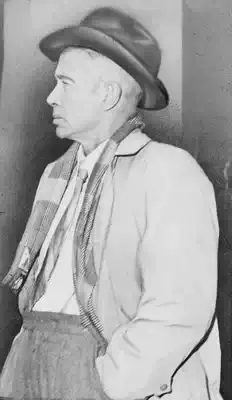
E. E. Cummings
my sweet old etcetera
my sweet old etcetera
my sweet old etcetera
aunt lucy during the recent
war could and what
is more did tell you just
what everybody was fighting
for,
my sister
Isabel created hundreds
(and
hundreds)of socks not to
mention fleaproof earwarmers
etcetera wristers etcetera, my
mother hoped that
i would die etcetera
bravely of course my father used
to become hoarse talking about how it was
a privilege and if only he
could meanwhile my
self etcetera lay quietly
in the deep mud et
cetera
(dreaming,
et
cetera, of
Your smile
eyes knees and of your Etcetera)
my sweet old etcetera
aunt lucy during the recent
war could and what
is more did tell you just
what everybody was fighting
for,
my sister
Isabel created hundreds
(and
hundreds)of socks not to
mention fleaproof earwarmers
etcetera wristers etcetera, my
mother hoped that
i would die etcetera
bravely of course my father used
to become hoarse talking about how it was
a privilege and if only he
could meanwhile my
self etcetera lay quietly
in the deep mud et
cetera
(dreaming,
et
cetera, of
Your smile
eyes knees and of your Etcetera)
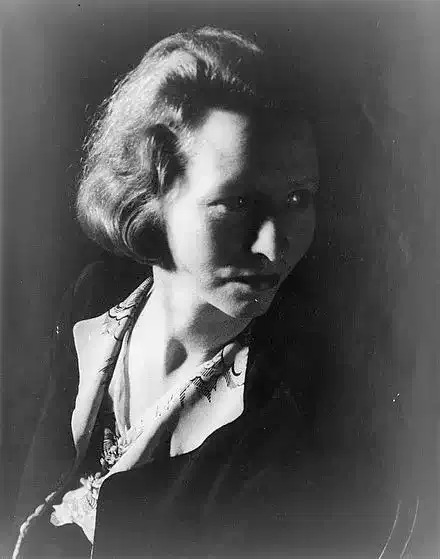
545
Edna St. Vincent Millay
Sonnets 04: Only Until This Cigarette Is Ended
Sonnets 04: Only Until This Cigarette Is Ended
Only until this cigarette is ended,
A little moment at the end of all,
While on the floor the quiet ashes fall,
And in the firelight to a lance extended,
Bizarrely with the jazzing music blended,
The broken shadow dances on the wall,
I will permit my memory to recall
The vision of you, by all my dreams attended.
And then adieu,—farewell!—the dream is done.
Yours is a face of which I can forget
The color and the features, every one,
The words not ever, and the smiles not yet;
But in your day this moment is the sun
Upon a hill, after the sun has set.
Only until this cigarette is ended,
A little moment at the end of all,
While on the floor the quiet ashes fall,
And in the firelight to a lance extended,
Bizarrely with the jazzing music blended,
The broken shadow dances on the wall,
I will permit my memory to recall
The vision of you, by all my dreams attended.
And then adieu,—farewell!—the dream is done.
Yours is a face of which I can forget
The color and the features, every one,
The words not ever, and the smiles not yet;
But in your day this moment is the sun
Upon a hill, after the sun has set.
253
Edna St. Vincent Millay
Sonnets (1923)
Sonnets (1923)
VIII8.
Oh, oh, you will be sorry for that word!
.
Give back my book and take my kiss instead.
.
Was it my enemy or my friend I heard,
.
"What a big book for such a little head!"
.
Come, I will show you now my newest hat,
.
And you may watch me purse my mouth and prink!
.
Oh, I shall love you still, and all of that.
.
I never again shall tell you what I think.
.
I shall be sweet and crafty, soft and sly;
.
You will not catch me reading any more:
.
I shall be called a wife to pattern by;
.
And some day when you knock and push the door,
.
Some sane day, not too bright and not too stormy,
.
I shall be gone, and you may whistle for me. IX9.
Here is a wound that never will heal, I know,
.
Being wrought not of a dearness and a death,
.
But of a love turned ashes and the breath
.
Gone out of beauty; never again will grow
.
The grass on that scarred acre, though I sow
.
Young seed there yearly and the sky bequeath
.
Its friendly weathers down, far underneath
.
Shall be such bitterness of an old woe.
.
That April should be shattered by a gust,
.
That August should be levelled by a rain,
.
I can endure, and that the lifted dust
.
Of man should settle to the earth again;
.
But that a dream can die, will be a thrust
.
Between my ribs forever of hot pain. XVIII18.
I, being born a woman and distressed
.
By all the needs and notions of my kind,
.
Am urged by your propinquity to find
.
Your person fair, and feel a certain zest
.
To bear your body's weight upon my breast:
.
So subtly is the fume of life designed,
.
To clarify the pulse and cloud the mind,
.
And leave me once again undone, possessed.
.
Think not for this, however, the poor treason
.
Of my stout blood against my staggering brain,
.
I shall remember you with love, or season
.
My scorn with pity, -- let me make it plain:
.
I find this frenzy insufficient reason
.
For conversation when we meet again. XIX19.
What lips my lips have kissed, and where, and why,
.
I have forgotten, and what arms have lain
.
Under my head till morning; but the rain
.
Is full of ghosts to-night, that tap and sigh
.
Upon the glass and listen for reply,
.
And in my heart there stirs a quiet pain
.
For unremembered lads that not again
.
Will turn to me at midnight with a cry.
.
Thus in the winter stands the lonely tree,
.
Nor knows what birds have vanished one by one,
.
Yet knows its boughs more silent than before:
.
I cannot say what loves have come and gone,
.
I only know that summer sang in me
.
A little while, that in me sings no more.
VIII8.
Oh, oh, you will be sorry for that word!
.
Give back my book and take my kiss instead.
.
Was it my enemy or my friend I heard,
.
"What a big book for such a little head!"
.
Come, I will show you now my newest hat,
.
And you may watch me purse my mouth and prink!
.
Oh, I shall love you still, and all of that.
.
I never again shall tell you what I think.
.
I shall be sweet and crafty, soft and sly;
.
You will not catch me reading any more:
.
I shall be called a wife to pattern by;
.
And some day when you knock and push the door,
.
Some sane day, not too bright and not too stormy,
.
I shall be gone, and you may whistle for me. IX9.
Here is a wound that never will heal, I know,
.
Being wrought not of a dearness and a death,
.
But of a love turned ashes and the breath
.
Gone out of beauty; never again will grow
.
The grass on that scarred acre, though I sow
.
Young seed there yearly and the sky bequeath
.
Its friendly weathers down, far underneath
.
Shall be such bitterness of an old woe.
.
That April should be shattered by a gust,
.
That August should be levelled by a rain,
.
I can endure, and that the lifted dust
.
Of man should settle to the earth again;
.
But that a dream can die, will be a thrust
.
Between my ribs forever of hot pain. XVIII18.
I, being born a woman and distressed
.
By all the needs and notions of my kind,
.
Am urged by your propinquity to find
.
Your person fair, and feel a certain zest
.
To bear your body's weight upon my breast:
.
So subtly is the fume of life designed,
.
To clarify the pulse and cloud the mind,
.
And leave me once again undone, possessed.
.
Think not for this, however, the poor treason
.
Of my stout blood against my staggering brain,
.
I shall remember you with love, or season
.
My scorn with pity, -- let me make it plain:
.
I find this frenzy insufficient reason
.
For conversation when we meet again. XIX19.
What lips my lips have kissed, and where, and why,
.
I have forgotten, and what arms have lain
.
Under my head till morning; but the rain
.
Is full of ghosts to-night, that tap and sigh
.
Upon the glass and listen for reply,
.
And in my heart there stirs a quiet pain
.
For unremembered lads that not again
.
Will turn to me at midnight with a cry.
.
Thus in the winter stands the lonely tree,
.
Nor knows what birds have vanished one by one,
.
Yet knows its boughs more silent than before:
.
I cannot say what loves have come and gone,
.
I only know that summer sang in me
.
A little while, that in me sings no more.
366
Edna St. Vincent Millay
Sonnet III: Mindful of you the sodden earth
Sonnet III: Mindful of you the sodden earth
Mindful of you the sodden earth in spring,
And all the flowers that in the springtime grow,
And dusty roads, and thistles, and the slow
Rising of the round moon, all throats that sing
The summer through, and each departing wing,
And all the nests that the bared branches show,
And all winds that in any weather blow,
And all the storms that the four seasons bring.
You go no more on your exultant feet
Up paths that only mist and morning knew,
Or watch the wind, or listen to the beat
Of a bird's wings too high in air to view,--
But you were something more than young and sweet
And fair,--and the long year remembers you.
Mindful of you the sodden earth in spring,
And all the flowers that in the springtime grow,
And dusty roads, and thistles, and the slow
Rising of the round moon, all throats that sing
The summer through, and each departing wing,
And all the nests that the bared branches show,
And all winds that in any weather blow,
And all the storms that the four seasons bring.
You go no more on your exultant feet
Up paths that only mist and morning knew,
Or watch the wind, or listen to the beat
Of a bird's wings too high in air to view,--
But you were something more than young and sweet
And fair,--and the long year remembers you.
284
Edna St. Vincent Millay
Scrub
Scrub
If I grow bitterly,
Like a gnarled and stunted tree,
Bearing harshly of my youth
Puckered fruit that sears the mouth;
If I make of my drawn boughs
An Inshospitable House,
Out of which I nevery pry
Towards the water and the sky,
Under which I stand and hide
And hear the day go by outside;
It is that a wind to strong
Bent my back when I was young,
It is that I fear the rain
Lest it blister me again.
If I grow bitterly,
Like a gnarled and stunted tree,
Bearing harshly of my youth
Puckered fruit that sears the mouth;
If I make of my drawn boughs
An Inshospitable House,
Out of which I nevery pry
Towards the water and the sky,
Under which I stand and hide
And hear the day go by outside;
It is that a wind to strong
Bent my back when I was young,
It is that I fear the rain
Lest it blister me again.
396
Edna St. Vincent Millay
Memorial To D.C.
Memorial To D.C.
(Vassar College, 1918)
O, loveliest throat of all sweet throats,
Where now no more the music is,
With hands that wrote you little notes
I write you little elegies!
(Vassar College, 1918)
O, loveliest throat of all sweet throats,
Where now no more the music is,
With hands that wrote you little notes
I write you little elegies!
345
Edna St. Vincent Millay
Interim
Interim
The room is full of you!—As I came in
And closed the door behind me, all at once
A something in the air, intangible,
Yet stiff with meaning, struck my senses sick!—
Sharp, unfamiliar odors have destroyed
Each other room's dear personality.
The heavy scent of damp, funereal flowers,—
The very essence, hush-distilled, of Death—
Has strangled that habitual breath of home
Whose expiration leaves all houses dead;
And wheresoe'er I look is hideous change.
Save here. Here 'twas as if a weed-choked gate
Had opened at my touch, and I had stepped
Into some long-forgot, enchanted, strange,
Sweet garden of a thousand years ago
And suddenly thought, "I have been here before!"
You are not here. I know that you are gone,
And will not ever enter here again.
And yet it seems to me, if I should speak,
Your silent step must wake across the hall;
If I should turn my head, that your sweet eyes
Would kiss me from the door.—So short a time
To teach my life its transposition to
This difficult and unaccustomed key!—
The room is as you left it; your last touch—
A thoughtless pressure, knowing not itself
As saintly—hallows now each simple thing;
Hallows and glorifies, and glows between
The dust's grey fingers like a shielded light.
There is your book, just as you laid it down,
Face to the table,—I cannot believe
That you are gone!—Just then it seemed to me
You must be here. I almost laughed to think
How like reality the dream had been;
Yet knew before I laughed, and so was still.
That book, outspread, just as you laid it down!
Perhaps you thought, "I wonder what comes next,
And whether this or this will be the end";
So rose, and left it, thinking to return.
Perhaps that chair, when you arose and passed
Out of the room, rocked silently a while
Ere it again was still. When you were gone
Forever from the room, perhaps that chair,
Stirred by your movement, rocked a little while,
Silently, to and fro...
And here are the last words your fingers wrote,
Scrawled in broad characters across a page
In this brown book I gave you. Here your hand,
Guiding your rapid pen, moved up and down.
Here with a looping knot you crossed a "t,"
And here another like it, just beyond
These two eccentric "e's." You were so small,
And wrote so brave a hand!
How strange it seems
That of all words these are the words you chose!
And yet a simple choice; you did not know
You would not write again. If you had known—
But then, it does not matter,—and indeed
If you had known there was so little time
You would have dropped your pen and come to me
And this page would be empty, and some phrase
Other than this would hold my wonder now.
Yet, since you could not know, and it befell
That these are the last words your fingers wrote,
There is a dignity some might not see
In this, "I picked the first sweet-pea to-day."
To-day! Was there an opening bud beside it
You left until to-morrow?—O my love,
The things that withered,—and you came not back
That day you filled this circle of my arms
That now is empty. (O my empty life!)
That day—that day you picked the first sweet-pea,—
And brought it in to show me! I recall
With terrible distinctness how the smell
Of your cool gardens drifted in with you.
I know, you held it up for me to see
And flushed because I looked not at the flower,
But at your face; and when behind my look
You saw such unmistakable intent
You laughed and brushed your flower against my lips.
(You were the fairest thing God ever made,
I think.) And then your hands above my heart
Drew down its stem into a fastening,
And while your head was bent I kissed your hair.
I wonder if you knew. (Beloved hands!
Somehow I cannot seem to see them still.
Somehow I cannot seem to see the dust
In your bright hair.) What is the need of Heaven
When earth can be so sweet?—If only God
Had let us love,—and show the world the way!
Strange cancellings must ink th' eternal books
When love-crossed-out will bring the answer right!
That first sweet-pea! I wonder where it is.
It seems to me I laid it down somewhere,
And yet,—I am not sure. I am not sure,
Even, if it was white or pink; for then
'Twas much like any other flower to me
Save that it was the first. I did not know
Then, that it was the last. If I had known—
But then, it does not matter. Strange how few,
After all's said and done, the things that are
Of moment.
Few indeed! When I can make
Of ten small words a rope to hang the world!
"I had you and I have you now no more."
There, there it dangles,—where's the little truth
That can for long keep footing under that
When its slack syllables tighten to a thought?
Here, let me write it down! I wish to see
Just how a thing like that will look on paper!
"I had you and I have you now no more."
O little words, how can you run so straight
Across the page, beneath the weight you bear?
How can you fall apart, whom such a theme
Has bound together, and hereafter aid
In trivial expression, that have been
So hideously dignified?—Would God
That tearing you apart would tear the thread
I strung you on! Would God—O God, my mind
Stretches asunder on this merciless rack
Of imagery! O, let me sleep a while!
Would I could sleep, and wake to find me back
In that sweet summer afternoon with you.
Summer? Tis summer still by the calendar!
How easily could God, if He so willed,
Set back the world a little turn or two!
Correct its griefs, and bring its joys again!
We were so wholly one I had not thought
That we could die apart. I had not thought
That I could move,—and you be stiff and still!
That I could speak,—and you perforce be dumb!
I think our heart-strings were, like warp and woof
In some firm fabric, woven in and out;
Your golden filaments in fair design
Across my duller fibre. And to-day
The shining strip is rent; the exquisite
Fine pattern is destroyed; part of your heart
Aches in my breast; part of my heart lies chilled
In the damp earth with you. I have been tom
In two, and suffer for the rest of me.
What is my life to me? And what am I
To life,—a ship whose star has guttered out?
A Fear that in the deep night starts awake
Perpetually, to find its senses strained
Against the taut strings of the quivering air,
Awaiting the return of some dread chord?
Dark, Dark, is all I find for metaphor;
All else were contrast,—save that contrast's wall
Is down, and all opposed things flow together
Into a vast monotony, where night
And day, and frost and thaw, and death and life,
Are synonyms. What now—what now to me
Are all the jabbering birds and foolish flowers
That clutter up the world? You were my song!
Now, let discord scream! You were my flower!
Now let the world grow weeds! For I shall not
Plant things above your grave—(the common balm
Of the conventional woe for its own wound!)
Amid sensations rendered negative
By your elimination stands to-day,
Certain, unmixed, the element of grief;
I sorrow; and I shall not mock my truth
With travesties of suffering, nor seek
To effigy its incorporeal bulk
In little wry-faced images of woe.
I cannot call you back; and I desire
No utterance of my immaterial voice.
I cannot even turn my face this way
Or that, and say, "My face is turned to you";
I know not where you are, I do not know
If Heaven hold you or if earth transmute,
Body and soul, you into earth again;
But this I know:—not for one second's space
Shall I insult my sight with visionings
Such as the credulous crowd so eager-eyed
Beholds, self-conjured, in the empty air.
Let the world wail! Let drip its easy tears!
My sorrow shall be dumb!
—What do I say?
God! God!—God pity me! Am I gone mad
That I should spit upon a rosary?
Am I become so shrunken? Would to God
I too might feel that frenzied faith whose touch
Makes temporal the most enduring grief;
Though it must walk a while, as is its wont,
With wild lamenting! Would I too might weep
Where weeps the world and hangs its piteous wreaths
For its new dead! Not Truth, but Faith, it is
That keeps the world alive. If all at once
Faith were to slacken,—that unconscious faith
Which must, I know, yet be the corner-stone
Of all believing,—birds now flying fearless
Across would drop in terror to the earth;
Fishes would drown; and the all-governing reins
Would tangle in the frantic hands of God
And the worlds gallop headlong to destruction!
O God, I see it now, and my sick brain
Staggers and swoons! How often over me
Flashes this breathlessness of sudden sight
In which I see the universe unrolled
Before me like a scroll and read thereon
Chaos and Doom, where helpless planets whirl
Dizzily round and round and round and round,
Like tops across a table, gathering speed
With every spin, to waver on the edge
One instant—looking over—and the next
To shudder and lurch forward out of sight—
* * * * * * *
Ah, I am worn out—I am wearied out—
It is too much—I am but flesh and blood,
And I must sleep. Though you were dead again,
I am but flesh and blood and I must sleep.
The room is full of you!—As I came in
And closed the door behind me, all at once
A something in the air, intangible,
Yet stiff with meaning, struck my senses sick!—
Sharp, unfamiliar odors have destroyed
Each other room's dear personality.
The heavy scent of damp, funereal flowers,—
The very essence, hush-distilled, of Death—
Has strangled that habitual breath of home
Whose expiration leaves all houses dead;
And wheresoe'er I look is hideous change.
Save here. Here 'twas as if a weed-choked gate
Had opened at my touch, and I had stepped
Into some long-forgot, enchanted, strange,
Sweet garden of a thousand years ago
And suddenly thought, "I have been here before!"
You are not here. I know that you are gone,
And will not ever enter here again.
And yet it seems to me, if I should speak,
Your silent step must wake across the hall;
If I should turn my head, that your sweet eyes
Would kiss me from the door.—So short a time
To teach my life its transposition to
This difficult and unaccustomed key!—
The room is as you left it; your last touch—
A thoughtless pressure, knowing not itself
As saintly—hallows now each simple thing;
Hallows and glorifies, and glows between
The dust's grey fingers like a shielded light.
There is your book, just as you laid it down,
Face to the table,—I cannot believe
That you are gone!—Just then it seemed to me
You must be here. I almost laughed to think
How like reality the dream had been;
Yet knew before I laughed, and so was still.
That book, outspread, just as you laid it down!
Perhaps you thought, "I wonder what comes next,
And whether this or this will be the end";
So rose, and left it, thinking to return.
Perhaps that chair, when you arose and passed
Out of the room, rocked silently a while
Ere it again was still. When you were gone
Forever from the room, perhaps that chair,
Stirred by your movement, rocked a little while,
Silently, to and fro...
And here are the last words your fingers wrote,
Scrawled in broad characters across a page
In this brown book I gave you. Here your hand,
Guiding your rapid pen, moved up and down.
Here with a looping knot you crossed a "t,"
And here another like it, just beyond
These two eccentric "e's." You were so small,
And wrote so brave a hand!
How strange it seems
That of all words these are the words you chose!
And yet a simple choice; you did not know
You would not write again. If you had known—
But then, it does not matter,—and indeed
If you had known there was so little time
You would have dropped your pen and come to me
And this page would be empty, and some phrase
Other than this would hold my wonder now.
Yet, since you could not know, and it befell
That these are the last words your fingers wrote,
There is a dignity some might not see
In this, "I picked the first sweet-pea to-day."
To-day! Was there an opening bud beside it
You left until to-morrow?—O my love,
The things that withered,—and you came not back
That day you filled this circle of my arms
That now is empty. (O my empty life!)
That day—that day you picked the first sweet-pea,—
And brought it in to show me! I recall
With terrible distinctness how the smell
Of your cool gardens drifted in with you.
I know, you held it up for me to see
And flushed because I looked not at the flower,
But at your face; and when behind my look
You saw such unmistakable intent
You laughed and brushed your flower against my lips.
(You were the fairest thing God ever made,
I think.) And then your hands above my heart
Drew down its stem into a fastening,
And while your head was bent I kissed your hair.
I wonder if you knew. (Beloved hands!
Somehow I cannot seem to see them still.
Somehow I cannot seem to see the dust
In your bright hair.) What is the need of Heaven
When earth can be so sweet?—If only God
Had let us love,—and show the world the way!
Strange cancellings must ink th' eternal books
When love-crossed-out will bring the answer right!
That first sweet-pea! I wonder where it is.
It seems to me I laid it down somewhere,
And yet,—I am not sure. I am not sure,
Even, if it was white or pink; for then
'Twas much like any other flower to me
Save that it was the first. I did not know
Then, that it was the last. If I had known—
But then, it does not matter. Strange how few,
After all's said and done, the things that are
Of moment.
Few indeed! When I can make
Of ten small words a rope to hang the world!
"I had you and I have you now no more."
There, there it dangles,—where's the little truth
That can for long keep footing under that
When its slack syllables tighten to a thought?
Here, let me write it down! I wish to see
Just how a thing like that will look on paper!
"I had you and I have you now no more."
O little words, how can you run so straight
Across the page, beneath the weight you bear?
How can you fall apart, whom such a theme
Has bound together, and hereafter aid
In trivial expression, that have been
So hideously dignified?—Would God
That tearing you apart would tear the thread
I strung you on! Would God—O God, my mind
Stretches asunder on this merciless rack
Of imagery! O, let me sleep a while!
Would I could sleep, and wake to find me back
In that sweet summer afternoon with you.
Summer? Tis summer still by the calendar!
How easily could God, if He so willed,
Set back the world a little turn or two!
Correct its griefs, and bring its joys again!
We were so wholly one I had not thought
That we could die apart. I had not thought
That I could move,—and you be stiff and still!
That I could speak,—and you perforce be dumb!
I think our heart-strings were, like warp and woof
In some firm fabric, woven in and out;
Your golden filaments in fair design
Across my duller fibre. And to-day
The shining strip is rent; the exquisite
Fine pattern is destroyed; part of your heart
Aches in my breast; part of my heart lies chilled
In the damp earth with you. I have been tom
In two, and suffer for the rest of me.
What is my life to me? And what am I
To life,—a ship whose star has guttered out?
A Fear that in the deep night starts awake
Perpetually, to find its senses strained
Against the taut strings of the quivering air,
Awaiting the return of some dread chord?
Dark, Dark, is all I find for metaphor;
All else were contrast,—save that contrast's wall
Is down, and all opposed things flow together
Into a vast monotony, where night
And day, and frost and thaw, and death and life,
Are synonyms. What now—what now to me
Are all the jabbering birds and foolish flowers
That clutter up the world? You were my song!
Now, let discord scream! You were my flower!
Now let the world grow weeds! For I shall not
Plant things above your grave—(the common balm
Of the conventional woe for its own wound!)
Amid sensations rendered negative
By your elimination stands to-day,
Certain, unmixed, the element of grief;
I sorrow; and I shall not mock my truth
With travesties of suffering, nor seek
To effigy its incorporeal bulk
In little wry-faced images of woe.
I cannot call you back; and I desire
No utterance of my immaterial voice.
I cannot even turn my face this way
Or that, and say, "My face is turned to you";
I know not where you are, I do not know
If Heaven hold you or if earth transmute,
Body and soul, you into earth again;
But this I know:—not for one second's space
Shall I insult my sight with visionings
Such as the credulous crowd so eager-eyed
Beholds, self-conjured, in the empty air.
Let the world wail! Let drip its easy tears!
My sorrow shall be dumb!
—What do I say?
God! God!—God pity me! Am I gone mad
That I should spit upon a rosary?
Am I become so shrunken? Would to God
I too might feel that frenzied faith whose touch
Makes temporal the most enduring grief;
Though it must walk a while, as is its wont,
With wild lamenting! Would I too might weep
Where weeps the world and hangs its piteous wreaths
For its new dead! Not Truth, but Faith, it is
That keeps the world alive. If all at once
Faith were to slacken,—that unconscious faith
Which must, I know, yet be the corner-stone
Of all believing,—birds now flying fearless
Across would drop in terror to the earth;
Fishes would drown; and the all-governing reins
Would tangle in the frantic hands of God
And the worlds gallop headlong to destruction!
O God, I see it now, and my sick brain
Staggers and swoons! How often over me
Flashes this breathlessness of sudden sight
In which I see the universe unrolled
Before me like a scroll and read thereon
Chaos and Doom, where helpless planets whirl
Dizzily round and round and round and round,
Like tops across a table, gathering speed
With every spin, to waver on the edge
One instant—looking over—and the next
To shudder and lurch forward out of sight—
* * * * * * *
Ah, I am worn out—I am wearied out—
It is too much—I am but flesh and blood,
And I must sleep. Though you were dead again,
I am but flesh and blood and I must sleep.
422