

Poems in this topic
Death and Mourning
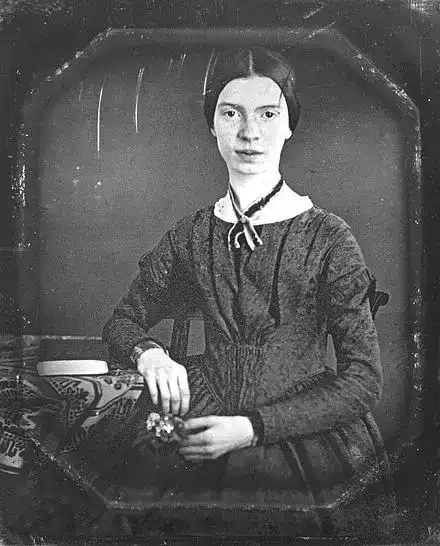
Emily Dickinson
Ample make this bed.
Ample make this bed.
Ample make this bed.
Make this bed with awe;
In it wait till judgment break
Excellent and fair.
Be its mattress straight,
Be its pillow round;
Let no sunrise' yellow noise
Interrupt this ground.
Ample make this bed.
Make this bed with awe;
In it wait till judgment break
Excellent and fair.
Be its mattress straight,
Be its pillow round;
Let no sunrise' yellow noise
Interrupt this ground.
386
Emily Dickinson
All overgrown by cunning moss
All overgrown by cunning moss
148
All overgrown by cunning moss,
All interspersed with weed,
The little cage of "Currer Bell"
In quiet "Haworth" laid.
Gathered from many wanderings-
Gethsemane can tell
Thro' what transporting anguish
She reached the Asphodel!
Soft falls the sounds of Eden
Upon her puzzled ear-
Oh what an afternoon for Heaven,
When "Bronte" entered there!
148
All overgrown by cunning moss,
All interspersed with weed,
The little cage of "Currer Bell"
In quiet "Haworth" laid.
Gathered from many wanderings-
Gethsemane can tell
Thro' what transporting anguish
She reached the Asphodel!
Soft falls the sounds of Eden
Upon her puzzled ear-
Oh what an afternoon for Heaven,
When "Bronte" entered there!
277
Emily Dickinson
All but Death, can be Adjusted
All but Death, can be Adjusted
749
All but Death, can be Adjusted-
Dynasties repairedSystems-
settled in their SocketsCitadels-
dissolved-
Wastes of Lives-resown with Colors
By Succeeding SpringsDeath-
unto itself-Exception-
Is exempt from Change-
749
All but Death, can be Adjusted-
Dynasties repairedSystems-
settled in their SocketsCitadels-
dissolved-
Wastes of Lives-resown with Colors
By Succeeding SpringsDeath-
unto itself-Exception-
Is exempt from Change-
278
Emily Dickinson
After great pain, a formal feeling comes -- (341)
After great pain, a formal feeling comes -- (341)
After great pain, a formal feeling comes --
The Nerves sit ceremonious, like Tombs
The stiff Heart questions, was it He, that bore,
And Yesterday, or Centuries before?
The Feet, mechanical, go round --
Of Ground, or Air, or Ought --
A Wooden way
Regardless grown,
A Quartz contentment, like a stone --
This is the Hour of Lead --
Remembered, if outlived,
As Freezing persons, recollect the Snow --
First -- Chill -- then Stupor -- then the letting go --
After great pain, a formal feeling comes --
The Nerves sit ceremonious, like Tombs
The stiff Heart questions, was it He, that bore,
And Yesterday, or Centuries before?
The Feet, mechanical, go round --
Of Ground, or Air, or Ought --
A Wooden way
Regardless grown,
A Quartz contentment, like a stone --
This is the Hour of Lead --
Remembered, if outlived,
As Freezing persons, recollect the Snow --
First -- Chill -- then Stupor -- then the letting go --
252
Emily Dickinson
A throe upon the features
A throe upon the features
71
A throe upon the features-
A hurry in the breath-
An ecstasy of parting
Denominated "Death"-
An anguish at the mention
Which when to patience grown,
I've known permission given
To rejoin its own.
71
A throe upon the features-
A hurry in the breath-
An ecstasy of parting
Denominated "Death"-
An anguish at the mention
Which when to patience grown,
I've known permission given
To rejoin its own.
274
Emily Dickinson
A Solemn thing within the Soul
A Solemn thing within the Soul
483
A Solemn thing within the Soul
To feel itself get ripe-
And golden hang-while farther up-
The Maker's Ladders stop-
And in the Orchard far below-
You hear a Being-drop-
A Wonderful-to feel the Sun
Still toiling at the Cheek
You thought was finished-
Cool of eye, and critical of Work-
He shifts the stem-a little-
To give your Core-a look-
But solemnest-to know
Your chance in Harvest moves
A little nearer-Every Sun
The Single-to some lives.
483
A Solemn thing within the Soul
To feel itself get ripe-
And golden hang-while farther up-
The Maker's Ladders stop-
And in the Orchard far below-
You hear a Being-drop-
A Wonderful-to feel the Sun
Still toiling at the Cheek
You thought was finished-
Cool of eye, and critical of Work-
He shifts the stem-a little-
To give your Core-a look-
But solemnest-to know
Your chance in Harvest moves
A little nearer-Every Sun
The Single-to some lives.
282
Emily Dickinson
A Shade upon the mind there passes
A Shade upon the mind there passes
882
A Shade upon the mind there passes
As when on Noon
A Cloud the mighty Sun encloses
Remembering
That some there be too numb to notice
Oh God
Why give if Thou must take away
The Loved?
882
A Shade upon the mind there passes
As when on Noon
A Cloud the mighty Sun encloses
Remembering
That some there be too numb to notice
Oh God
Why give if Thou must take away
The Loved?
244
Emily Dickinson
A Death blow is a Life blow to Some
A Death blow is a Life blow to Some
816
A Death blow is a Life blow to Some
Who till they died, did not alive become-
Who had they lived, had died but when
They died, Vitality begun.
816
A Death blow is a Life blow to Some
Who till they died, did not alive become-
Who had they lived, had died but when
They died, Vitality begun.
390
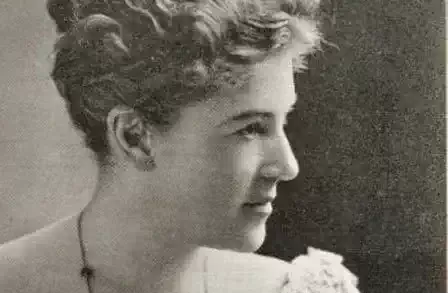
Ella Wheeler Wilcox
Widows
Widows
The world was widowed by the death of Christ:
Vainly its suffering soul for peace has sought
And found it not.
For nothing, nothing, nothing has sufficed
To bring back comfort to the stricken house
From whence has gone the Master and the Spouse.
In its long widowhood the world has striven
To find diversion. It has turned away
From the vast awefull silences of Heaven
(Which answer but with silence when we pray)
And sought for something to assuage its grief.
Some surcease and relief
From sorrow, in pursuit of mortal joys.
It drowned God's stillness in a sea of noise;
It lost God's presence in a blur of forms;
Till, bruised and bleeding with life's brutal storms,
Unto immutable and speechless space
The World lifts up its face,
Its haggard, tear-drenched face,
And cries aloud for faith's supreme reward,
The promised Second Coming of its Lord.
So many widows, widows everywhere,
The whole earth teems with widows.
Guns that blare-
Winged monsters of the air-
And deep-sea monsters leaping through the water,
Hell bent on slaughter,
All these plough paths for widows. Maids at dawn,
And brides at noon, ere eventide pass on
Into the ranks of widows: but to weep
Just for a little space; then will grief sleep
In their young bosoms, where sweet hope belongs,
New love will sing once more its age-old songs,
And life bloom as a rose-tree blooms again
After a night of rain.
There are complacent widows clothed in crêpe
Who simulate a grief that is not real.
Through paths of seeming sorrow they escape
From disappointed hopes to some ideal,
Or, from the penury of unloved wives
Walk forth to opulent lives.
And there are widows who shed all their tears
Just at the first
In one wild burst,
And then go lilting lightly down the years:
Black butterflies, they flit from flower to flower
And live in the thin pleasures of the hour;
Merging their tender memories of the dead
In tenderer dreams of being once more wed.
But there are others: women who have proved
That loving greatly means so being loved.
Women who through full beauteous years have grown
Into the very body, souls, and heart
Of their dear comrades. When death tears apart
Such close-knit bonds as these, and one alone
Out to the larger freer life is called,
And one is left-
Then God in heaven must sometimes be appalled
At the wild anguish of the soul bereft,
And unto His Son must say, 'I did not know
Mortals could suffer so.'
But Christ, remembering Gethsemane,
Will answer softly, 'It was known to Me.'
God's alchemist, old Time, will merge to calm
That bitter anguish; but there is no balm
Save the sweet certitude that each long day
Is one step in a stair
That circles up to where freed spirits stay.
Widows, so many widows everywhere.
The world was widowed by the death of Christ,
And nothing, nothing, nothing has sufficed
To bring back comfort to the stricken house
From whence has gone the Master and the Spouse.
Hasten, dear Lord, with Thy Millennium,
Hasten and come.
The world was widowed by the death of Christ:
Vainly its suffering soul for peace has sought
And found it not.
For nothing, nothing, nothing has sufficed
To bring back comfort to the stricken house
From whence has gone the Master and the Spouse.
In its long widowhood the world has striven
To find diversion. It has turned away
From the vast awefull silences of Heaven
(Which answer but with silence when we pray)
And sought for something to assuage its grief.
Some surcease and relief
From sorrow, in pursuit of mortal joys.
It drowned God's stillness in a sea of noise;
It lost God's presence in a blur of forms;
Till, bruised and bleeding with life's brutal storms,
Unto immutable and speechless space
The World lifts up its face,
Its haggard, tear-drenched face,
And cries aloud for faith's supreme reward,
The promised Second Coming of its Lord.
So many widows, widows everywhere,
The whole earth teems with widows.
Guns that blare-
Winged monsters of the air-
And deep-sea monsters leaping through the water,
Hell bent on slaughter,
All these plough paths for widows. Maids at dawn,
And brides at noon, ere eventide pass on
Into the ranks of widows: but to weep
Just for a little space; then will grief sleep
In their young bosoms, where sweet hope belongs,
New love will sing once more its age-old songs,
And life bloom as a rose-tree blooms again
After a night of rain.
There are complacent widows clothed in crêpe
Who simulate a grief that is not real.
Through paths of seeming sorrow they escape
From disappointed hopes to some ideal,
Or, from the penury of unloved wives
Walk forth to opulent lives.
And there are widows who shed all their tears
Just at the first
In one wild burst,
And then go lilting lightly down the years:
Black butterflies, they flit from flower to flower
And live in the thin pleasures of the hour;
Merging their tender memories of the dead
In tenderer dreams of being once more wed.
But there are others: women who have proved
That loving greatly means so being loved.
Women who through full beauteous years have grown
Into the very body, souls, and heart
Of their dear comrades. When death tears apart
Such close-knit bonds as these, and one alone
Out to the larger freer life is called,
And one is left-
Then God in heaven must sometimes be appalled
At the wild anguish of the soul bereft,
And unto His Son must say, 'I did not know
Mortals could suffer so.'
But Christ, remembering Gethsemane,
Will answer softly, 'It was known to Me.'
God's alchemist, old Time, will merge to calm
That bitter anguish; but there is no balm
Save the sweet certitude that each long day
Is one step in a stair
That circles up to where freed spirits stay.
Widows, so many widows everywhere.
The world was widowed by the death of Christ,
And nothing, nothing, nothing has sufficed
To bring back comfort to the stricken house
From whence has gone the Master and the Spouse.
Hasten, dear Lord, with Thy Millennium,
Hasten and come.
353
Ella Wheeler Wilcox
When Love Is Lost
When Love Is Lost
When love is lost, the day sets towards the night,
Albeit the morning sun may still be bright,
And not one cloud-ship sails across the sky.
Yet from the places where it used to lie
Gone is the lustrous glory of the light.
No splendour rests in any mountain height,
No scene spreads fair and beauteous to the sight;
All, all seems dull and dreary to the eye
When love is lost.
Love lends to life its grandeur and its might;
Love goes, and leaves behind it gloom and blight;
Like ghosts of time the pallid hours drag by,
And grief's one happy thought is that we die.
Ah, what can recompense us for its flight
When love is lost?
When love is lost, the day sets towards the night,
Albeit the morning sun may still be bright,
And not one cloud-ship sails across the sky.
Yet from the places where it used to lie
Gone is the lustrous glory of the light.
No splendour rests in any mountain height,
No scene spreads fair and beauteous to the sight;
All, all seems dull and dreary to the eye
When love is lost.
Love lends to life its grandeur and its might;
Love goes, and leaves behind it gloom and blight;
Like ghosts of time the pallid hours drag by,
And grief's one happy thought is that we die.
Ah, what can recompense us for its flight
When love is lost?
422
Ella Wheeler Wilcox
Tired
Tired
I am tired to-night, and something,
The wind maybe, or the rain,
Or the cry of a bird in the copse outside,
Has brought back the past and its pain.
And I feel as I sit here thinking,
That the hand of a dead old June
Has reached out hold of my heart’s loose strings,
And is drawing them up in tune.
I am tired to-night, and I miss you,
And long for you, love, through tears;
And it seems but to-day that I saw you go –
You, who have been gone for years.
And I seem to be newly lonely –
I, who am so much alone;
And the strings of my heart are well in tune,
But they have not the same old tone.
I am tired; and that old sorrow
Sweeps down the bed of my soul,
As a turbulent river might suddenly break
Away from a dam’s control.
It beareth a wreck on its bosom,
A wreck with a snow-white sail,
And the hand on my heart-strings thrums away,
But they only respond with a wail.
I am tired to-night, and something,
The wind maybe, or the rain,
Or the cry of a bird in the copse outside,
Has brought back the past and its pain.
And I feel as I sit here thinking,
That the hand of a dead old June
Has reached out hold of my heart’s loose strings,
And is drawing them up in tune.
I am tired to-night, and I miss you,
And long for you, love, through tears;
And it seems but to-day that I saw you go –
You, who have been gone for years.
And I seem to be newly lonely –
I, who am so much alone;
And the strings of my heart are well in tune,
But they have not the same old tone.
I am tired; and that old sorrow
Sweeps down the bed of my soul,
As a turbulent river might suddenly break
Away from a dam’s control.
It beareth a wreck on its bosom,
A wreck with a snow-white sail,
And the hand on my heart-strings thrums away,
But they only respond with a wail.
365
Ella Wheeler Wilcox
The Saddest Hour
The Saddest Hour
The saddest hour of anguish and of loss
Is not that season of supreme despair
When we can find no least light anywhere
To gild the dread, black shadow of the Cross;
Not in that luxury of sorrow when
We sup on salt of tears, and drink the gall
Of memories of days beyond recall—
Of lost delights that cannot come again.
But when, with eyes that are no longer wet,
We look out on the great, wide world of men,
And, smiling, lean toward a bright to-morrow,
Then backward shrink, with sudden keen regret,
To find that we are learning to forget:
Ah! then we face the saddest hour of sorrow.
The saddest hour of anguish and of loss
Is not that season of supreme despair
When we can find no least light anywhere
To gild the dread, black shadow of the Cross;
Not in that luxury of sorrow when
We sup on salt of tears, and drink the gall
Of memories of days beyond recall—
Of lost delights that cannot come again.
But when, with eyes that are no longer wet,
We look out on the great, wide world of men,
And, smiling, lean toward a bright to-morrow,
Then backward shrink, with sudden keen regret,
To find that we are learning to forget:
Ah! then we face the saddest hour of sorrow.
399
Ella Wheeler Wilcox
The Question
The Question
Beside us in our seeking after pleasures,
Through all our restless striving after fame,
Thorough all our search for worldly gains and treasures
There walketh one whom no man likes to name.
Silent he follows, veiled of form and feature,
Indifferent if we sorrow or rejoice,
Yet that day comes when every living creature
Must look upon his face and hear his voice.
When that day comes to you, and Death, unmasking,
Shall bar your path, and say, “Behold the end, ”
What are the questions that he will be asking
About your past? Have you considered, friend?
I think he will not chide you for your sinning,
Nor for your creeds or dogmas will he care;
He will but ask, “From your life’s first beginning
How many burdens have you helped to bear? ”
Beside us in our seeking after pleasures,
Through all our restless striving after fame,
Thorough all our search for worldly gains and treasures
There walketh one whom no man likes to name.
Silent he follows, veiled of form and feature,
Indifferent if we sorrow or rejoice,
Yet that day comes when every living creature
Must look upon his face and hear his voice.
When that day comes to you, and Death, unmasking,
Shall bar your path, and say, “Behold the end, ”
What are the questions that he will be asking
About your past? Have you considered, friend?
I think he will not chide you for your sinning,
Nor for your creeds or dogmas will he care;
He will but ask, “From your life’s first beginning
How many burdens have you helped to bear? ”
405
Ella Wheeler Wilcox
The Messenger
The Messenger
She rose up in the early dawn,
And white and silently she moved
About the house. Four men had gone
To battle for the land they loved,
And she, the mother and the wife,
Waited for tidings from the strife.
How still the house seemed! and her tread
Was like the footsteps of the dead.
The long day passed; the dark night came.
She had not seen a human face.
Some voice spoke suddenly her name.
How loud it echoed in that place,
Where, day on day, no sound was heard
But her own footsteps. 'Bring you word,'
She cried to whom she could not see,
'Word from the battle-plain to me?'
A soldier entered at the door,
And stood within the dim firelight;
'I bring you tidings of the four,'
He said, 'who left you for the fight.'
'God bless you, friend,' she cried, 'speak on!
For I can bear it. One is gone?'
'Ay, one is gone!' he said. 'Which one?'
'Dear lady, he, your eldest son.'
A deathly pallor shot across
Her withered face; she did not weep.
She said: 'It is a grievous loss,
But God gives His belovèd sleep.
What of the living-of the three?
And when can they come back to me?'
The soldier turned away his head:
'Lady, your husband, too, is dead.'
She put her hand upon her brow;
A wild, sharp pain was in her eyes.
'My husband! Oh, God, help me now!'
The soldier heard her shuddering sighs.
The task was harder than he thought.
'Your youngest son, dear madam, fought
Close at his father's side; both fell
Dead, by the bursting of a shell.'
She moved her lips and seemed to moan.
Her face had paled to ashen gray:
'Then one is left me-one alone,'
She said, 'of four who marched away.
Oh, overruling, All-wise God,
How can I pass beneath Thy rod!'
The soldier walked across the floor,
Paused at the window, at the door,
Wiped the cold dew-drops from his cheek
And sought the mourner's side again.
'Once more, dear lady, I must speak:
Your last remaining son was slain
Just at the closing of the fight,
'Twas he who sent me here to-night.'
'God knows,' the man said afterward,
'The fight itself was not so hard.'
She rose up in the early dawn,
And white and silently she moved
About the house. Four men had gone
To battle for the land they loved,
And she, the mother and the wife,
Waited for tidings from the strife.
How still the house seemed! and her tread
Was like the footsteps of the dead.
The long day passed; the dark night came.
She had not seen a human face.
Some voice spoke suddenly her name.
How loud it echoed in that place,
Where, day on day, no sound was heard
But her own footsteps. 'Bring you word,'
She cried to whom she could not see,
'Word from the battle-plain to me?'
A soldier entered at the door,
And stood within the dim firelight;
'I bring you tidings of the four,'
He said, 'who left you for the fight.'
'God bless you, friend,' she cried, 'speak on!
For I can bear it. One is gone?'
'Ay, one is gone!' he said. 'Which one?'
'Dear lady, he, your eldest son.'
A deathly pallor shot across
Her withered face; she did not weep.
She said: 'It is a grievous loss,
But God gives His belovèd sleep.
What of the living-of the three?
And when can they come back to me?'
The soldier turned away his head:
'Lady, your husband, too, is dead.'
She put her hand upon her brow;
A wild, sharp pain was in her eyes.
'My husband! Oh, God, help me now!'
The soldier heard her shuddering sighs.
The task was harder than he thought.
'Your youngest son, dear madam, fought
Close at his father's side; both fell
Dead, by the bursting of a shell.'
She moved her lips and seemed to moan.
Her face had paled to ashen gray:
'Then one is left me-one alone,'
She said, 'of four who marched away.
Oh, overruling, All-wise God,
How can I pass beneath Thy rod!'
The soldier walked across the floor,
Paused at the window, at the door,
Wiped the cold dew-drops from his cheek
And sought the mourner's side again.
'Once more, dear lady, I must speak:
Your last remaining son was slain
Just at the closing of the fight,
'Twas he who sent me here to-night.'
'God knows,' the man said afterward,
'The fight itself was not so hard.'
377
Ella Wheeler Wilcox
The Little Bird
The Little Bird
The father sits in his lonely room,
Outside sings a little bird.
But the shadows are laden with death and gloom,
And the song is all unheard.
The father's heart is the home of sorrow;
His breast is the seat of grief!
Who will hunt the paper for him on the morrow
Who will bring him sweet relief
From wearing his thoughts with innocent chat?
Who will find his slippers and bring his hat?
Still the little bird sings
And flutters her wings;
The refrain of her song is, 'Gos knows best!
He giveth His little children rest.'
What can she know of these sorrowful things?
The mother sits by the desolate hearth,
And weeps o'er a vacant chair.
Sorrow has taken the place of mirth Joy
has resigned to despair.
Bitter the cup the mother is drinking,
So bitter the tear-drops start.
Sad are the thoughts the mother is thinking
Oh, they will break her heart.
Who will on errands, and romp and play,
And mimic the robins the livelong day?
Still the little bird sings
And flutters her wings;
'God reigns in heaven, and He will keep
The dear little children that fall asleep.'
What can she know of these sorrowful things?
Grandmother sits by the open door,
And her tears fall down like rain.
Was there ever a household so sad before,
Will it ever be glad agaiin?
Many unwelcome thoughts come flitting
Into the granddame's mind.
Who will take up the stitches she drops in knitting?
Who will her snuff-box find?
Who'll bring her glasses, and wheel her chair,
And tie her kerchief, and comb her hair?
Still the little bird sings
And flutters her wings;
'God above doeth all things well,
I sang it the same when my nestlings fell.'
Ah! this knows the bird of these sorrowful things.
The father sits in his lonely room,
Outside sings a little bird.
But the shadows are laden with death and gloom,
And the song is all unheard.
The father's heart is the home of sorrow;
His breast is the seat of grief!
Who will hunt the paper for him on the morrow
Who will bring him sweet relief
From wearing his thoughts with innocent chat?
Who will find his slippers and bring his hat?
Still the little bird sings
And flutters her wings;
The refrain of her song is, 'Gos knows best!
He giveth His little children rest.'
What can she know of these sorrowful things?
The mother sits by the desolate hearth,
And weeps o'er a vacant chair.
Sorrow has taken the place of mirth Joy
has resigned to despair.
Bitter the cup the mother is drinking,
So bitter the tear-drops start.
Sad are the thoughts the mother is thinking
Oh, they will break her heart.
Who will on errands, and romp and play,
And mimic the robins the livelong day?
Still the little bird sings
And flutters her wings;
'God reigns in heaven, and He will keep
The dear little children that fall asleep.'
What can she know of these sorrowful things?
Grandmother sits by the open door,
And her tears fall down like rain.
Was there ever a household so sad before,
Will it ever be glad agaiin?
Many unwelcome thoughts come flitting
Into the granddame's mind.
Who will take up the stitches she drops in knitting?
Who will her snuff-box find?
Who'll bring her glasses, and wheel her chair,
And tie her kerchief, and comb her hair?
Still the little bird sings
And flutters her wings;
'God above doeth all things well,
I sang it the same when my nestlings fell.'
Ah! this knows the bird of these sorrowful things.
534
Ella Wheeler Wilcox
The Little White Hearse
The Little White Hearse
Somebody’s baby was buried to-day –
The empty white hearse from the grave rumbled back,
And the morning somehow seemed less smiling and gay
As I paused on the sidewalk while it crossed on its way,
And a shadow seemed drawn o’er the sun’s golden track.
Somebody’s baby was laid out to rest,
White as a snowdrop, and fair to behold,
And the soft little hands were crossed over the breast,
And those hands and the lips and the eyelids were pressed
With kisses as hot as the eyelids were cold.
Somebody saw it go out of her sight,
Under the coffin lid – out through the door;
Somebody finds only darkness and blight
All through the glory of summer-sun light;
Somebody’s baby will waken no more.
Somebody’s sorrow is making me weep:
I know not her name, but I echo her cry,
For the dearly bought baby she longed so to keep,
The baby that rode to its long-lasting sleep
In the little white hearse that went rumbling by.
I know not her name, but her sorrow I know;
While I paused on the crossing I lived it once more,
And back to my heart surged that river of woe
That but in the breast of a mother can flow;
For the little white hearse has been, too, at my door.
Somebody’s baby was buried to-day –
The empty white hearse from the grave rumbled back,
And the morning somehow seemed less smiling and gay
As I paused on the sidewalk while it crossed on its way,
And a shadow seemed drawn o’er the sun’s golden track.
Somebody’s baby was laid out to rest,
White as a snowdrop, and fair to behold,
And the soft little hands were crossed over the breast,
And those hands and the lips and the eyelids were pressed
With kisses as hot as the eyelids were cold.
Somebody saw it go out of her sight,
Under the coffin lid – out through the door;
Somebody finds only darkness and blight
All through the glory of summer-sun light;
Somebody’s baby will waken no more.
Somebody’s sorrow is making me weep:
I know not her name, but I echo her cry,
For the dearly bought baby she longed so to keep,
The baby that rode to its long-lasting sleep
In the little white hearse that went rumbling by.
I know not her name, but her sorrow I know;
While I paused on the crossing I lived it once more,
And back to my heart surged that river of woe
That but in the breast of a mother can flow;
For the little white hearse has been, too, at my door.
449
Ella Wheeler Wilcox
The Land Of The Gone-Away Souls
The Land Of The Gone-Away Souls
Oh! that is a beautiful land, I wis,
The land of the Gone-away Souls.
Yes, a lovelier region by far than this
(Though this is a world most fair).
The goodliest goal of all good goals,
Else why do our friends stay there?
I walk in a world that is sweet with friends,
And earth I have ever held dear;
Yes, love with duty and beauty blends
To render the earth-place bright.
But faster and faster, year on year,
My comrades hurry from sight.
They hurry away to the Over-There,
And few of them say farewell;
Yes, they go away with a secret air
As if on a secret quest.
And they come not back to earth to tell
Why that land seems the best.
Messages come from the mystic sphere,
But few know the code of that land,
Yes, many the message but few who hear,
In the din of the world below,
Or hearing the message, can understand
Those truths which we long to know.
But it must be the goal of all good goals,
And I think of it more and more.
Yes, think of that land of the Gone-Away Souls
And its growing hosts of friends
Who will hail my bark when it touches shore
Where the last brief journey ends.
Oh! that is a beautiful land, I wis,
The land of the Gone-away Souls.
Yes, a lovelier region by far than this
(Though this is a world most fair).
The goodliest goal of all good goals,
Else why do our friends stay there?
I walk in a world that is sweet with friends,
And earth I have ever held dear;
Yes, love with duty and beauty blends
To render the earth-place bright.
But faster and faster, year on year,
My comrades hurry from sight.
They hurry away to the Over-There,
And few of them say farewell;
Yes, they go away with a secret air
As if on a secret quest.
And they come not back to earth to tell
Why that land seems the best.
Messages come from the mystic sphere,
But few know the code of that land,
Yes, many the message but few who hear,
In the din of the world below,
Or hearing the message, can understand
Those truths which we long to know.
But it must be the goal of all good goals,
And I think of it more and more.
Yes, think of that land of the Gone-Away Souls
And its growing hosts of friends
Who will hail my bark when it touches shore
Where the last brief journey ends.
405
Ella Wheeler Wilcox
Spectres
Spectres
How terrible these nights are when alone
With our scarred hearts, we sit in solitude,
And some old sorrow, to the world unknown,
Does suddenly with silent steps intrude.
After the guests departed, and the light
Burned dimly in my room, there came to me,
As noiselessly as shadows of the night,
The spectre of a woe that used to be.
Out of the gruesome darkness and the gloom
I saw it peering; and, in still despair,
I watched it gliding swift across the room,
Until it came and stood beside my chair.
Why, need I tell thee what its shape or name?
Thou hast thy secret hidden from the light:
And be it sin or sorrow, woe or shame,
Thou dost not like to meet it in the night.
And yet it comes. As certainly as death,
And far more cruel since death ends all pain,
On lonesome nights we feel its icy breath,
And turn and face the thing we fancied slain.
With shrinking hearts, we view the ghastly shape;
We look into its eyes with fear and dread,
And know that we can never more escape
Until the grave doth fold us with the dead.
On the swift maelstrom of the eddying world
We hurl our woes, and think they are no more.
But round and round by dizzy billows whirled,
They reach out sinewy arms and swim to shore.
How terrible these nights are when alone
With our scarred hearts, we sit in solitude,
And some old sorrow, to the world unknown,
Does suddenly with silent steps intrude.
After the guests departed, and the light
Burned dimly in my room, there came to me,
As noiselessly as shadows of the night,
The spectre of a woe that used to be.
Out of the gruesome darkness and the gloom
I saw it peering; and, in still despair,
I watched it gliding swift across the room,
Until it came and stood beside my chair.
Why, need I tell thee what its shape or name?
Thou hast thy secret hidden from the light:
And be it sin or sorrow, woe or shame,
Thou dost not like to meet it in the night.
And yet it comes. As certainly as death,
And far more cruel since death ends all pain,
On lonesome nights we feel its icy breath,
And turn and face the thing we fancied slain.
With shrinking hearts, we view the ghastly shape;
We look into its eyes with fear and dread,
And know that we can never more escape
Until the grave doth fold us with the dead.
On the swift maelstrom of the eddying world
We hurl our woes, and think they are no more.
But round and round by dizzy billows whirled,
They reach out sinewy arms and swim to shore.
397
Ella Wheeler Wilcox
Slain
Slain
Hollow a grave where the willows wave,
And lay him under the grasses,
Where the pitying breeze bloweth up from the seas,
And murmurs a chant as it passes.
Lay the beautiful face and the form of grace
Away from the gaze of mortal.
Let us hope that his soul has gained the goal
Over the shining portal.
Hope! Ah! we thrill with a terrible chill.
Ah! pen, can you tell the story
Of the one who died in his manhood's pride,
Slain in the morn of his glory?
There's a blemish of shame on the dear one's name,
For he died as the drunkard dieth.
The ruddy wine-mug was the fiend who dug
The grave where our darling lieth.
O God! and his soul, was it lost in the bowl?
Has it gone where the wicked goeth?
Shall he bear the sin, and the tempter go in
Where the beautiful city gloweth?
Hush! O my heart! act well thy part,
Nor question a Father's kindness,
And strive not to see the thing hid from thee
By a veil of earthly blindness.
But all through the wine may there shimmer and shine,
As it glimmers and glows in the glasses,
A coffin and grave, and the willows that wave
Over our dead 'neath the grasses.
Hollow a grave where the willows wave,
And lay him under the grasses,
Where the pitying breeze bloweth up from the seas,
And murmurs a chant as it passes.
Lay the beautiful face and the form of grace
Away from the gaze of mortal.
Let us hope that his soul has gained the goal
Over the shining portal.
Hope! Ah! we thrill with a terrible chill.
Ah! pen, can you tell the story
Of the one who died in his manhood's pride,
Slain in the morn of his glory?
There's a blemish of shame on the dear one's name,
For he died as the drunkard dieth.
The ruddy wine-mug was the fiend who dug
The grave where our darling lieth.
O God! and his soul, was it lost in the bowl?
Has it gone where the wicked goeth?
Shall he bear the sin, and the tempter go in
Where the beautiful city gloweth?
Hush! O my heart! act well thy part,
Nor question a Father's kindness,
And strive not to see the thing hid from thee
By a veil of earthly blindness.
But all through the wine may there shimmer and shine,
As it glimmers and glows in the glasses,
A coffin and grave, and the willows that wave
Over our dead 'neath the grasses.
393
Ella Wheeler Wilcox
Over The May Hill
Over The May Hill
All through the night time, and all through the day time,
Dreading the morning and dreading the night,
Nearer and nearer we drift to the May time
Season of beauty and season of blight,
Leaves on the linden, and sun on the meadow,
Green in the garden, and bloom everywhere,
Gloom in my heart, and a terrible shadow,
Walks by me, sits by me, stands by my chair.
Oh, but the birds by the brooklet are cheery,
Oh, but the woods show such delicate greens,
Strange how you droop and how soon you are weary-
Too well I know what that weariness means.
But how could I know in the crisp winter weather
(Though sometimes I notices a catch in your breath),
Riding and singing and dancing together,
How could I know you were racing with death?
How could I know when we danced until morning,
And you were the gayest of all the gay crowd-
With only that shortness of breath for a warning,
How could I know that you danced for a shroud?
Whirling and whirling through moonlight and star-light,
Rocking as lightly as boats on the wave,
Down in your eyes shone a deep light-a far light,
How could I know 'twas the light to your grave?
Day by day, day by day, nearing and nearing,
Hid under greenness, and beauty and bloom,
Cometh the shape and the shadow I'm fearing,
'Over the May hill' is waiting your tomb.
The season of mirth and of music is over-
I have danced my last dance, I have sung my last song,
Under the violets, under the clover,
My heart and my love will be lying ere long.
All through the night time, and all through the day time,
Dreading the morning and dreading the night,
Nearer and nearer we drift to the May time
Season of beauty and season of blight,
Leaves on the linden, and sun on the meadow,
Green in the garden, and bloom everywhere,
Gloom in my heart, and a terrible shadow,
Walks by me, sits by me, stands by my chair.
Oh, but the birds by the brooklet are cheery,
Oh, but the woods show such delicate greens,
Strange how you droop and how soon you are weary-
Too well I know what that weariness means.
But how could I know in the crisp winter weather
(Though sometimes I notices a catch in your breath),
Riding and singing and dancing together,
How could I know you were racing with death?
How could I know when we danced until morning,
And you were the gayest of all the gay crowd-
With only that shortness of breath for a warning,
How could I know that you danced for a shroud?
Whirling and whirling through moonlight and star-light,
Rocking as lightly as boats on the wave,
Down in your eyes shone a deep light-a far light,
How could I know 'twas the light to your grave?
Day by day, day by day, nearing and nearing,
Hid under greenness, and beauty and bloom,
Cometh the shape and the shadow I'm fearing,
'Over the May hill' is waiting your tomb.
The season of mirth and of music is over-
I have danced my last dance, I have sung my last song,
Under the violets, under the clover,
My heart and my love will be lying ere long.
356
Ella Wheeler Wilcox
One By One
One By One
Little by little and one by one,
Out of the ether, were worlds created;
Star and planet and sea and sun,
All in the nebulous Nothing waited
Till the Nameless One Who has many a name
Called them to being and forth they came.
All things mighty and all things small,
Stone and flower and sentient being,
Each is an answer to that one call,
A part of Himself that His will is freeing-
Freeing to go on the long, long way
That winds back home at the end of the day.
Little by little does mortal man
Build his castles for joy and glory,
And one by one time shatters each plan
And lowers his palaces, story by story-
Story by story, till earth is just
A row of graves in the lowly dust.
One by one, whatever was called,
Must be called back to the primal Centre.
Let no soul tremble or be appalled,
For the heart of the Maker is where we enter-
Is where we enter to gain new force
Before we are sent on another course.
And one by one, as He calls us back,
We shall find the souls that we loved with passion,
In the great way-stations along the track,
And clasp them again in the old, sweet fashion-
In the old, sweet fashion when earth we trod-
And journey along with them up to God.
Little by little and one by one,
Out of the ether, were worlds created;
Star and planet and sea and sun,
All in the nebulous Nothing waited
Till the Nameless One Who has many a name
Called them to being and forth they came.
All things mighty and all things small,
Stone and flower and sentient being,
Each is an answer to that one call,
A part of Himself that His will is freeing-
Freeing to go on the long, long way
That winds back home at the end of the day.
Little by little does mortal man
Build his castles for joy and glory,
And one by one time shatters each plan
And lowers his palaces, story by story-
Story by story, till earth is just
A row of graves in the lowly dust.
One by one, whatever was called,
Must be called back to the primal Centre.
Let no soul tremble or be appalled,
For the heart of the Maker is where we enter-
Is where we enter to gain new force
Before we are sent on another course.
And one by one, as He calls us back,
We shall find the souls that we loved with passion,
In the great way-stations along the track,
And clasp them again in the old, sweet fashion-
In the old, sweet fashion when earth we trod-
And journey along with them up to God.
413
Ella Wheeler Wilcox
Mockery
Mockery
Why do we grudge our sweets so to the living
Who, God knows, find at best too much of gall,
And then with generous, open hands kneel, giving
Unto the dead our all?
Why do we pierce the warm hearts, sin or sorrow,
With idle jests, or scorn, or cruel sneers,
And when it cannot know, on some to-morrow,
Speak of its woe through tears?
What do the dead care, for the tender token—
The love, the praise, the floral offerings?
But palpitating, living hearts are broken
For want of just these things.
Why do we grudge our sweets so to the living
Who, God knows, find at best too much of gall,
And then with generous, open hands kneel, giving
Unto the dead our all?
Why do we pierce the warm hearts, sin or sorrow,
With idle jests, or scorn, or cruel sneers,
And when it cannot know, on some to-morrow,
Speak of its woe through tears?
What do the dead care, for the tender token—
The love, the praise, the floral offerings?
But palpitating, living hearts are broken
For want of just these things.
299
Ella Wheeler Wilcox
Mesalliance
Mesalliance
I am troubled to-night with a curious pain;
It is not of the flesh, it is not of the brain,
Nor yet of a heart that is breaking:
But down still deeper, and out of sight—
In the place where the soul and the body unite—
There lies the scat of the aching.
They have been lovers in days gone by;
But the soul is fickle, and longs to fly
From the fettering mesalliance:
And she tears at the bonds which are binding her so,
And pleads with the body to let her go,
But he will not yield compliance.
For the body loves, as he loved in the past,
When he wedded the soul; and he holds her fast,
And swears that he will not loose her;
That he will keep her and hide her away
For ever and ever and for a day
From the arms of Death, the seducer.
Ah! this is the strife that is wearying me—
The strife 'twixt a soul that would be free
And a body that will not let her.
And I say to my soul, 'Be calm, and wait;
For I tell ye truly that soon or late
Ye surely shall drop each fetter.'
And I say to the body, 'Be kind, I pray;
For the soul is not of thy mortal clay,
But is formed in spirit fashion.'
And still through the hours of the solemn night
I can hear my sad soul's plea for flight,
And my body's reply of passion.
I am troubled to-night with a curious pain;
It is not of the flesh, it is not of the brain,
Nor yet of a heart that is breaking:
But down still deeper, and out of sight—
In the place where the soul and the body unite—
There lies the scat of the aching.
They have been lovers in days gone by;
But the soul is fickle, and longs to fly
From the fettering mesalliance:
And she tears at the bonds which are binding her so,
And pleads with the body to let her go,
But he will not yield compliance.
For the body loves, as he loved in the past,
When he wedded the soul; and he holds her fast,
And swears that he will not loose her;
That he will keep her and hide her away
For ever and ever and for a day
From the arms of Death, the seducer.
Ah! this is the strife that is wearying me—
The strife 'twixt a soul that would be free
And a body that will not let her.
And I say to my soul, 'Be calm, and wait;
For I tell ye truly that soon or late
Ye surely shall drop each fetter.'
And I say to the body, 'Be kind, I pray;
For the soul is not of thy mortal clay,
But is formed in spirit fashion.'
And still through the hours of the solemn night
I can hear my sad soul's plea for flight,
And my body's reply of passion.
441
Ella Wheeler Wilcox
Lost
Lost
You left me with the autumn time;
When the winter stripped the forest bare,
Then dressed it in his spotless rime;
When frosts were lurking in the air
You left me here and went away.
The winds were cold; you could not stay.
You sought a warmer clime, until
The south wind, artful maid, should break
The winter's trumpets, and should fill
The air with songs of birds; and wake
The sleeping blossoms on the plain
And make the brooks to flow again.
I thought that the winter desolate,
And all times felt a sense of loss.
I taught my longing heart to wait,
And said, 'When Spring shall come across
The hills, with blossoms in her track,
The she, our loved one, will come back.'
And now the hills with grass and moss
The spring with cunning hands has spread,
And yet I feel my grievous loss.
My heart will not be comforted,
But crieth daily, 'Where is she
You promised should come back to me? '
Oh, love! where are you? day by day
I seek to find you, but in vain.
Men point me to a grave, and say:
'There is her bed upon the plain.'
But though I see no trace of you,
I cannot thiink their words are true.
You were too sweet to wholly pass
Away from earth, and leave no trace;
You were to fair to let the grass
Grow rank and tall above your face.
Your voice, that mocked the robin's trill,
I cannot think is hushed and still.
I thought I saw your golden hair
One day, and reached to touch a strand;
I found but yellow sunbeams there
The bright rays fell aslant my hand,
And seemed to mock, with lights and shades,
The silken meshes of your braids.
Again, I thought I saw your hand
Wave, as if beckoning to me;
I found 'twas but a lily, fanned
By the cool zephyrs from the sea.
Oh, love! I find no trace of you -
I wonder if their words were true?
One day I heard a singing voice;
A burst of music, trill on trill.
It made my very soul rejoice;
My heart gave and exultant thrill.
I cried, 'Oh heart, we've found her - hush! '
But no - 'twas the silver-throated thrush.
And once I thought I saw your face,
And wild with joy I ran to you;
But found, when I had reached the place,
'Twas a blush rose, bathed in dew.
Ah, love! I think you must be dead;
And I believe the words they said.
You left me with the autumn time;
When the winter stripped the forest bare,
Then dressed it in his spotless rime;
When frosts were lurking in the air
You left me here and went away.
The winds were cold; you could not stay.
You sought a warmer clime, until
The south wind, artful maid, should break
The winter's trumpets, and should fill
The air with songs of birds; and wake
The sleeping blossoms on the plain
And make the brooks to flow again.
I thought that the winter desolate,
And all times felt a sense of loss.
I taught my longing heart to wait,
And said, 'When Spring shall come across
The hills, with blossoms in her track,
The she, our loved one, will come back.'
And now the hills with grass and moss
The spring with cunning hands has spread,
And yet I feel my grievous loss.
My heart will not be comforted,
But crieth daily, 'Where is she
You promised should come back to me? '
Oh, love! where are you? day by day
I seek to find you, but in vain.
Men point me to a grave, and say:
'There is her bed upon the plain.'
But though I see no trace of you,
I cannot thiink their words are true.
You were too sweet to wholly pass
Away from earth, and leave no trace;
You were to fair to let the grass
Grow rank and tall above your face.
Your voice, that mocked the robin's trill,
I cannot think is hushed and still.
I thought I saw your golden hair
One day, and reached to touch a strand;
I found but yellow sunbeams there
The bright rays fell aslant my hand,
And seemed to mock, with lights and shades,
The silken meshes of your braids.
Again, I thought I saw your hand
Wave, as if beckoning to me;
I found 'twas but a lily, fanned
By the cool zephyrs from the sea.
Oh, love! I find no trace of you -
I wonder if their words were true?
One day I heard a singing voice;
A burst of music, trill on trill.
It made my very soul rejoice;
My heart gave and exultant thrill.
I cried, 'Oh heart, we've found her - hush! '
But no - 'twas the silver-throated thrush.
And once I thought I saw your face,
And wild with joy I ran to you;
But found, when I had reached the place,
'Twas a blush rose, bathed in dew.
Ah, love! I think you must be dead;
And I believe the words they said.
457