

Poems in this topic
Death and Mourning

Christina Rossetti
The Ghost’s Petition
The Ghost’s Petition
'There's a footstep coming: look out and see,'
'The leaves are falling, the wind is calling;
No one cometh across the lea.'—
'There's a footstep coming; O sister, look.'—
'The ripple flashes, the white foam dashes;
No one cometh across the brook.'—
'But he promised that he would come:
To-night, to-morrow, in joy or sorrow,
He must keep his word, and must come home.
'For he promised that he would come:
His word was given; from earth or heaven,
He must keep his word, and must come home.
'Go to sleep, my sweet sister Jane;
You can slumber, who need not number
Hour after hour, in doubt and pain.
'I shall sit here awhile, and watch;
Listening, hoping, for one hand groping
In deep shadow to find the latch.'
After the dark, and before the light,
One lay sleeping; and one sat weeping,
Who had watched and wept the weary night.
After the night, and before the day,
One lay sleeping; and one sat weeping—
Watching, weeping for one away.
There came a footstep climbing the stair;
Some one standing out on the landing
Shook the door like a puff of air—
Shook the door, and in he passed.
Did he enter? In the room centre
Stood her husband: the door shut fast.
'O Robin, but you are cold—
Chilled with the night-dew: so lily-white you
Look like a stray lamb from our fold.
'O Robin, but you are late:
Come and sit near me—sit here and cheer me.'—
(Blue the flame burnt in the grate.)
'Lay not down your head on my breast:
I cannot hold you, kind wife, nor fold you
In the shelter that you love best.
'Feel not after my clasping hand:
I am but a shadow, come from the meadow
Where many lie, but no tree can stand.
'We are trees which have shed their leaves:
Our heads lie low there, but no tears flow there;
Only I grieve for my wife who grieves.
'I could rest if you would not moan
Hour after hour; I have no power
To shut my ears where I lie alone.
'I could rest if you would not cry;
But there's no sleeping while you sit weeping—
Watching, weeping so bitterly.'—
'Woe's me! woe's me! for this I have heard.
Oh night of sorrow!—oh black to-morrow!
Is it thus that you keep your word?
'O you who used so to shelter me
Warm from the least wind—why, now the east wind
Is warmer than you, whom I quake to see.
'O my husband of flesh and blood,
For whom my mother I left, and brother,
And all I had, accounting it good,
'What do you do there, underground,
In the dark hollow? I'm fain to follow.
What do you do there?—what have you found?'—
'What I do there I must not tell:
But I have plenty: kind wife, content ye:
It is well with us—it is well.
'Tender hand hath made our nest;
Our fear is ended, our hope is blended
With present pleasure, and we have rest.'—
'Oh, but Robin, I'm fain to come,
If your present days are so pleasant;
For my days are so wearisome.
'Yet I'll dry my tears for your sake:
Why should I tease you, who cannot please you
Any more with the pains I take?'
'There's a footstep coming: look out and see,'
'The leaves are falling, the wind is calling;
No one cometh across the lea.'—
'There's a footstep coming; O sister, look.'—
'The ripple flashes, the white foam dashes;
No one cometh across the brook.'—
'But he promised that he would come:
To-night, to-morrow, in joy or sorrow,
He must keep his word, and must come home.
'For he promised that he would come:
His word was given; from earth or heaven,
He must keep his word, and must come home.
'Go to sleep, my sweet sister Jane;
You can slumber, who need not number
Hour after hour, in doubt and pain.
'I shall sit here awhile, and watch;
Listening, hoping, for one hand groping
In deep shadow to find the latch.'
After the dark, and before the light,
One lay sleeping; and one sat weeping,
Who had watched and wept the weary night.
After the night, and before the day,
One lay sleeping; and one sat weeping—
Watching, weeping for one away.
There came a footstep climbing the stair;
Some one standing out on the landing
Shook the door like a puff of air—
Shook the door, and in he passed.
Did he enter? In the room centre
Stood her husband: the door shut fast.
'O Robin, but you are cold—
Chilled with the night-dew: so lily-white you
Look like a stray lamb from our fold.
'O Robin, but you are late:
Come and sit near me—sit here and cheer me.'—
(Blue the flame burnt in the grate.)
'Lay not down your head on my breast:
I cannot hold you, kind wife, nor fold you
In the shelter that you love best.
'Feel not after my clasping hand:
I am but a shadow, come from the meadow
Where many lie, but no tree can stand.
'We are trees which have shed their leaves:
Our heads lie low there, but no tears flow there;
Only I grieve for my wife who grieves.
'I could rest if you would not moan
Hour after hour; I have no power
To shut my ears where I lie alone.
'I could rest if you would not cry;
But there's no sleeping while you sit weeping—
Watching, weeping so bitterly.'—
'Woe's me! woe's me! for this I have heard.
Oh night of sorrow!—oh black to-morrow!
Is it thus that you keep your word?
'O you who used so to shelter me
Warm from the least wind—why, now the east wind
Is warmer than you, whom I quake to see.
'O my husband of flesh and blood,
For whom my mother I left, and brother,
And all I had, accounting it good,
'What do you do there, underground,
In the dark hollow? I'm fain to follow.
What do you do there?—what have you found?'—
'What I do there I must not tell:
But I have plenty: kind wife, content ye:
It is well with us—it is well.
'Tender hand hath made our nest;
Our fear is ended, our hope is blended
With present pleasure, and we have rest.'—
'Oh, but Robin, I'm fain to come,
If your present days are so pleasant;
For my days are so wearisome.
'Yet I'll dry my tears for your sake:
Why should I tease you, who cannot please you
Any more with the pains I take?'
251
Christina Rossetti
The Bourne
The Bourne
Underneath the growing grass,
Underneath the living flowers,
Deeper than the sound of showers:
There we shall not count the hours
By the shadows as they pass.
Youth and health will be but vain,
Beauty reckoned of no worth:
There a very little girth
Can hold round what once the earth
Seemed too narrow to contain.
Underneath the growing grass,
Underneath the living flowers,
Deeper than the sound of showers:
There we shall not count the hours
By the shadows as they pass.
Youth and health will be but vain,
Beauty reckoned of no worth:
There a very little girth
Can hold round what once the earth
Seemed too narrow to contain.
253
Christina Rossetti
Sweet Death
Sweet Death
The sweetest blossoms die.
And so it was that, going day by day
Unto the church to praise and pray,
And crossing the green churchyard thoughtfully,
I saw how on the graves the flowers
Shed their fresh leaves in showers,
And how their perfume rose up to the sky
Before it passed away.
The youngest blossoms die.
They die, and fall and nourish the rich earth
From which they lately had their birth;
Sweet life, but sweeter death that passeth by
And is as though it had not been:—
All colors turn to green:
The bright hues vanish, and the odours fly,
The grass hath lasting worth.
And youth and beauty die.
So be it, O my God, Thou God of truth:
Better than beauty and than youth
Are Saints and Angels, a glad company;
And Thou, O lord, our Rest and Ease,
Are better far than these.
Why should we shrink from our full harvest? why
Prefer to glean with Ruth?
The sweetest blossoms die.
And so it was that, going day by day
Unto the church to praise and pray,
And crossing the green churchyard thoughtfully,
I saw how on the graves the flowers
Shed their fresh leaves in showers,
And how their perfume rose up to the sky
Before it passed away.
The youngest blossoms die.
They die, and fall and nourish the rich earth
From which they lately had their birth;
Sweet life, but sweeter death that passeth by
And is as though it had not been:—
All colors turn to green:
The bright hues vanish, and the odours fly,
The grass hath lasting worth.
And youth and beauty die.
So be it, O my God, Thou God of truth:
Better than beauty and than youth
Are Saints and Angels, a glad company;
And Thou, O lord, our Rest and Ease,
Are better far than these.
Why should we shrink from our full harvest? why
Prefer to glean with Ruth?
227
Christina Rossetti
Sound Sleep
Sound Sleep
Some are laughing, some are weeping;
She is sleeping, only sleeping.
Round her rest wild flowers are creeping;
There the wind is heaping, heaping
Sweetest sweets of Summer's keeping.
By the corn-fields ripe for reaping.
There are lilies, and there blushes
The deep rose, and there the thrushes
Sing till latest sunlight flushes
In the west; a fresh wind brushes
Through the leaves while evening hushes.
There by day the lark is singing
And the grass and weeds are springing;
There by night the bat is winging;
There for ever winds are bringing
Far-off chimes of church-bells ringing.
Night and morning, noon and even,
Their sound fills her dreams with Heaven:
The long strife at lent is striven:
Till her grave-bands shall be riven
Such is the good portion given
To her soul at rest and shriven.
Some are laughing, some are weeping;
She is sleeping, only sleeping.
Round her rest wild flowers are creeping;
There the wind is heaping, heaping
Sweetest sweets of Summer's keeping.
By the corn-fields ripe for reaping.
There are lilies, and there blushes
The deep rose, and there the thrushes
Sing till latest sunlight flushes
In the west; a fresh wind brushes
Through the leaves while evening hushes.
There by day the lark is singing
And the grass and weeds are springing;
There by night the bat is winging;
There for ever winds are bringing
Far-off chimes of church-bells ringing.
Night and morning, noon and even,
Their sound fills her dreams with Heaven:
The long strife at lent is striven:
Till her grave-bands shall be riven
Such is the good portion given
To her soul at rest and shriven.
221
Christina Rossetti
Remember
Remember
Remember me when I am gone away,
Gone far away into the silent land;
When you can no more hold me by the hand,
Nor I half turn to go yet turning stay.
Remember me when no more day by day
You tell me of our future that you plann'd:
Only remember me; you understand
It will be late to counsel then or pray.
Yet if you should forget me for a while
And afterwards remember, do not grieve:
For if the darkness and corruption leave
A vestige of the thoughts that once I had,
Better by far you should forget and smile
Than that you should remember and be sad.
Remember me when I am gone away,
Gone far away into the silent land;
When you can no more hold me by the hand,
Nor I half turn to go yet turning stay.
Remember me when no more day by day
You tell me of our future that you plann'd:
Only remember me; you understand
It will be late to counsel then or pray.
Yet if you should forget me for a while
And afterwards remember, do not grieve:
For if the darkness and corruption leave
A vestige of the thoughts that once I had,
Better by far you should forget and smile
Than that you should remember and be sad.
223
Christina Rossetti
Requiem
Requiem
When I am dead, my dearest,
Sing no sad songs for me;
Plant thou no roses at my head,
Nor shady cypress tree:
Be the green grass above me
With showers and dewdrops wet;
And if thou wilt, remember,
And if thou wilt, forget.
I shall not see the shadows,
I shall not feel the rain;
I shall not hear the nightingale
Sing on, as if in pain:
And dreaming through the twilight
That doth not rise nor set,
Haply I may remember,
And haply may forget.
When I am dead, my dearest,
Sing no sad songs for me;
Plant thou no roses at my head,
Nor shady cypress tree:
Be the green grass above me
With showers and dewdrops wet;
And if thou wilt, remember,
And if thou wilt, forget.
I shall not see the shadows,
I shall not feel the rain;
I shall not hear the nightingale
Sing on, as if in pain:
And dreaming through the twilight
That doth not rise nor set,
Haply I may remember,
And haply may forget.
300
Christina Rossetti
One Day
One Day
I will tell you when they met:
In the limpid days of Spring;
Elder boughs were budding yet,
Oaken boughs looked wintry still,
But primrose and veined violet
In the mossful turf were set,
While meeting birds made haste to sing
And build with right good will.
I will tell you when they parted:
When plenteous Autumn sheaves were brown,
Then they parted heavy-hearted;
The full rejoicing sun looked down
As grand as in the days before;
Only they had lost a crown;
Only to them those days of yore
Could come back nevermore.
When shall they meet? I cannot tell,
Indeed, when they shall meet again,
Except some day in Paradise:
For this they wait, one waits in pain.
Beyond the sea of death love lies
For ever, yesterday, to-day;
Angels shall ask them, 'Is it well?'
And they shall answer, 'Yea.'
I will tell you when they met:
In the limpid days of Spring;
Elder boughs were budding yet,
Oaken boughs looked wintry still,
But primrose and veined violet
In the mossful turf were set,
While meeting birds made haste to sing
And build with right good will.
I will tell you when they parted:
When plenteous Autumn sheaves were brown,
Then they parted heavy-hearted;
The full rejoicing sun looked down
As grand as in the days before;
Only they had lost a crown;
Only to them those days of yore
Could come back nevermore.
When shall they meet? I cannot tell,
Indeed, when they shall meet again,
Except some day in Paradise:
For this they wait, one waits in pain.
Beyond the sea of death love lies
For ever, yesterday, to-day;
Angels shall ask them, 'Is it well?'
And they shall answer, 'Yea.'
253
Christina Rossetti
Marvel of Marvels
Marvel of Marvels
MARVEL of marvels, if I myself shall behold
With mine own eyes my King in His city of gold;
Where the least of lambs is spotless white in the fold,
Where the least and last of saints in spotless white is stoled,
Where the dimmest head beyond a moon is aureoled.
O saints, my beloved, now mouldering to mould in the mould,
Shall I see you lift your heads, see your cerements unroll'd,
See with these very eyes? who now in darkness and cold
Tremble for the midnight cry, the rapture, the tale untold,--
The Bridegroom cometh, cometh, His Bride to enfold!
Cold it is, my beloved, since your funeral bell was toll'd:
Cold it is, O my King, how cold alone on the wold!
MARVEL of marvels, if I myself shall behold
With mine own eyes my King in His city of gold;
Where the least of lambs is spotless white in the fold,
Where the least and last of saints in spotless white is stoled,
Where the dimmest head beyond a moon is aureoled.
O saints, my beloved, now mouldering to mould in the mould,
Shall I see you lift your heads, see your cerements unroll'd,
See with these very eyes? who now in darkness and cold
Tremble for the midnight cry, the rapture, the tale untold,--
The Bridegroom cometh, cometh, His Bride to enfold!
Cold it is, my beloved, since your funeral bell was toll'd:
Cold it is, O my King, how cold alone on the wold!
190
Christina Rossetti
Fluttered Wings
Fluttered Wings
The splendour of the kindling day,
The splendor of the setting sun,
These move my soul to wend its way,
And have done
With all we grasp and toil amongst and say.
The paling roses of a cloud,
The fading bow that arches space,
These woo my fancy toward my shroud,
Toward the place
Of faces veil’d, and heads discrown’d and bow’d.
The nation of the awful stars,
The wandering star whose blaze is brief,
These make me beat against the bars
Of my grief;
My tedious grief, twin to the life it mars.
O fretted heart toss’d to and fro,
So fain to flee, so fain to rest!
All glories that are high or low,
East or west,
Grow dim to thee who art so fain to go.
The splendour of the kindling day,
The splendor of the setting sun,
These move my soul to wend its way,
And have done
With all we grasp and toil amongst and say.
The paling roses of a cloud,
The fading bow that arches space,
These woo my fancy toward my shroud,
Toward the place
Of faces veil’d, and heads discrown’d and bow’d.
The nation of the awful stars,
The wandering star whose blaze is brief,
These make me beat against the bars
Of my grief;
My tedious grief, twin to the life it mars.
O fretted heart toss’d to and fro,
So fain to flee, so fain to rest!
All glories that are high or low,
East or west,
Grow dim to thee who art so fain to go.
230
Christina Rossetti
Dead In The Cold, A Song-Singing Thrush
Dead In The Cold, A Song-Singing Thrush
Dead in the cold, a song-singing thrush,
Dead at the foot of a snowberry bush, -
Weave him a coffin of rush,
Dig him a grave where the soft mosses grow,
Raise him a tombstone of snow.
Dead in the cold, a song-singing thrush,
Dead at the foot of a snowberry bush, -
Weave him a coffin of rush,
Dig him a grave where the soft mosses grow,
Raise him a tombstone of snow.
242
Christina Rossetti
Dead Before Death
Dead Before Death
Ah! changed and cold, how changed and very cold,
With stiffened smiling lips and cold calm eyes:
Changed, yet the same; much knowing, little wise;
This was the promise of the days of old!
Grown hard and stubborn in the ancient mould,
Grown rigid in the sham of lifelong lies:
We hoped for better things as years would rise,
But it is over as a tale once told.
All fallen the blossom that no fruitage bore,
All lost the present and the future time,
All lost, all lost, the lapse that went before:
So lost till death shut-to the opened door,
So lost from chime to everlasting chime,
So cold and lost for ever evermore.
Ah! changed and cold, how changed and very cold,
With stiffened smiling lips and cold calm eyes:
Changed, yet the same; much knowing, little wise;
This was the promise of the days of old!
Grown hard and stubborn in the ancient mould,
Grown rigid in the sham of lifelong lies:
We hoped for better things as years would rise,
But it is over as a tale once told.
All fallen the blossom that no fruitage bore,
All lost the present and the future time,
All lost, all lost, the lapse that went before:
So lost till death shut-to the opened door,
So lost from chime to everlasting chime,
So cold and lost for ever evermore.
343
Christina Rossetti
Cobwebs
Cobwebs
It is a land with neither night nor day,
Nor heat nor cold, nor any wind, nor rain,
Nor hills nor valleys; but one even plain
Stretches thro' long unbroken miles away:
While thro' the sluggish air a twilight grey
Broodeth; no moons or seasons wax and wane,
No ebb and flow are there among the main,
No bud-time no leaf-falling there for aye,
No ripple on the sea, no shifting sand,
No beat of wings to stir the stagnant space,
And loveless sea: no trace of days before,
No guarded home, no time-worn restingplace
No future hope no fear forevermore.
It is a land with neither night nor day,
Nor heat nor cold, nor any wind, nor rain,
Nor hills nor valleys; but one even plain
Stretches thro' long unbroken miles away:
While thro' the sluggish air a twilight grey
Broodeth; no moons or seasons wax and wane,
No ebb and flow are there among the main,
No bud-time no leaf-falling there for aye,
No ripple on the sea, no shifting sand,
No beat of wings to stir the stagnant space,
And loveless sea: no trace of days before,
No guarded home, no time-worn restingplace
No future hope no fear forevermore.
259
Christina Rossetti
Christian And Jew
Christian And Jew
A Dialogue
'Oh happy happy land!
Angels like rushes stand
About the wells of light.'—
'Alas, I have not eyes for this fair sight:
Hold fast my hand.'—
'As in a soft wind, they
Bend all one blessed way,
Each bowed in his own glory, star with star.'—
'I cannot see so far,
Here shadows are.'—
'White-winged the cherubim,
Yet whiter seraphim,
Glow white with intense fire of love.'—
'Mine eyes are dim:
I look in vain above,
And miss their hymn.'—
'Angels, Archangels cry
One to other ceaselessly
(I hear them sing)
One 'Holy, Holy, Holy' to their King.'—
'I do not hear them, I.'—
'At one side Paradise
Is curtained from the rest,
Made green for wearied eyes;
Much softer than the breast
Of mother-dove clad in a rainbow's dyes.
'All precious souls are there
Most safe, elect by grace,
All tears are wiped for ever from their face:
Untired in prayer
They wait and praise
Hidden for a little space.
'Boughs of the Living Vine
They spread in summer shine
Green leaf with leaf:
Sap of the Royal Vine it stirs like wine
In all both less and chief.
'Sing to the Lord,
All spirits of all flesh, sing;
For He hath not abhorred
Our low estate nor scorn'd our offering:
Shout to our King.'—
'But Zion said:
My Lord forgetteth me.
Lo, she hath made her bed
In dust; forsaken weepeth she
Where alien rivers swell the sea.
'She laid her body as the ground,
Her tender body as the ground to those
Who passed; her harpstrings cannot sound
In a strange land; discrowned
She sits, and drunk with woes.'—
'O drunken not with wine,
Whose sins and sorrows have fulfilled the sum,—
Be not afraid, arise, be no more dumb;
Arise, shine,
For thy light is come.'—
'Can these bones live?'—
'God knows:
The prophet saw such clothed with flesh and skin;
A wind blew on them and life entered in;
They shook and rose.
Hasten the time, O Lord, blot out their sin,
Let life begin.'
A Dialogue
'Oh happy happy land!
Angels like rushes stand
About the wells of light.'—
'Alas, I have not eyes for this fair sight:
Hold fast my hand.'—
'As in a soft wind, they
Bend all one blessed way,
Each bowed in his own glory, star with star.'—
'I cannot see so far,
Here shadows are.'—
'White-winged the cherubim,
Yet whiter seraphim,
Glow white with intense fire of love.'—
'Mine eyes are dim:
I look in vain above,
And miss their hymn.'—
'Angels, Archangels cry
One to other ceaselessly
(I hear them sing)
One 'Holy, Holy, Holy' to their King.'—
'I do not hear them, I.'—
'At one side Paradise
Is curtained from the rest,
Made green for wearied eyes;
Much softer than the breast
Of mother-dove clad in a rainbow's dyes.
'All precious souls are there
Most safe, elect by grace,
All tears are wiped for ever from their face:
Untired in prayer
They wait and praise
Hidden for a little space.
'Boughs of the Living Vine
They spread in summer shine
Green leaf with leaf:
Sap of the Royal Vine it stirs like wine
In all both less and chief.
'Sing to the Lord,
All spirits of all flesh, sing;
For He hath not abhorred
Our low estate nor scorn'd our offering:
Shout to our King.'—
'But Zion said:
My Lord forgetteth me.
Lo, she hath made her bed
In dust; forsaken weepeth she
Where alien rivers swell the sea.
'She laid her body as the ground,
Her tender body as the ground to those
Who passed; her harpstrings cannot sound
In a strange land; discrowned
She sits, and drunk with woes.'—
'O drunken not with wine,
Whose sins and sorrows have fulfilled the sum,—
Be not afraid, arise, be no more dumb;
Arise, shine,
For thy light is come.'—
'Can these bones live?'—
'God knows:
The prophet saw such clothed with flesh and skin;
A wind blew on them and life entered in;
They shook and rose.
Hasten the time, O Lord, blot out their sin,
Let life begin.'
177
Christina Rossetti
Bride Song
Bride Song
From 'The Prince's Progress'
TOO late for love, too late for joy,
Too late, too late!
You loiter'd on the road too long,
You trifled at the gate:
The enchanted dove upon her branch
Died without a mate;
The enchanted princess in her tower
Slept, died, behind the grate;
Her heart was starving all this while
You made it wait.
Ten years ago, five years ago,
One year ago,
Even then you had arrived in time,
Though somewhat slow;
Then you had known her living face
Which now you cannot know:
The frozen fountain would have leap'd,
The buds gone on to blow,
The warm south wind would have awaked
To melt the snow.
Is she fair now as she lies?
Once she was fair;
Meet queen for any kingly king,
With gold-dust on her hair.
Now there are poppies in her locks,
White poppies she must wear;
Must wear a veil to shroud her face
And the want graven there:
Or is the hunger fed at length,
Cast off the care?
We never saw her with a smile
Or with a frown;
Her bed seem'd never soft to her,
Though toss'd of down;
She little heeded what she wore,
Kirtle, or wreath, or gown;
We think her white brows often ached
Beneath her crown,
Till silvery hairs show'd in her locks
That used to be so brown.
We never heard her speak in haste:
Her tones were sweet,
And modulated just so much
As it was meet:
Her heart sat silent through the noise
And concourse of the street.
There was no hurry in her hands,
No hurry in her feet;
There was no bliss drew nigh to her,
That she might run to greet.
You should have wept her yesterday,
Wasting upon her bed:
But wherefore should you weep to-day
That she is dead?
Lo, we who love weep not to-day,
But crown her royal head.
Let be these poppies that we strew,
Your roses are too red:
Let be these poppies, not for you
Cut down and spread.
From 'The Prince's Progress'
TOO late for love, too late for joy,
Too late, too late!
You loiter'd on the road too long,
You trifled at the gate:
The enchanted dove upon her branch
Died without a mate;
The enchanted princess in her tower
Slept, died, behind the grate;
Her heart was starving all this while
You made it wait.
Ten years ago, five years ago,
One year ago,
Even then you had arrived in time,
Though somewhat slow;
Then you had known her living face
Which now you cannot know:
The frozen fountain would have leap'd,
The buds gone on to blow,
The warm south wind would have awaked
To melt the snow.
Is she fair now as she lies?
Once she was fair;
Meet queen for any kingly king,
With gold-dust on her hair.
Now there are poppies in her locks,
White poppies she must wear;
Must wear a veil to shroud her face
And the want graven there:
Or is the hunger fed at length,
Cast off the care?
We never saw her with a smile
Or with a frown;
Her bed seem'd never soft to her,
Though toss'd of down;
She little heeded what she wore,
Kirtle, or wreath, or gown;
We think her white brows often ached
Beneath her crown,
Till silvery hairs show'd in her locks
That used to be so brown.
We never heard her speak in haste:
Her tones were sweet,
And modulated just so much
As it was meet:
Her heart sat silent through the noise
And concourse of the street.
There was no hurry in her hands,
No hurry in her feet;
There was no bliss drew nigh to her,
That she might run to greet.
You should have wept her yesterday,
Wasting upon her bed:
But wherefore should you weep to-day
That she is dead?
Lo, we who love weep not to-day,
But crown her royal head.
Let be these poppies that we strew,
Your roses are too red:
Let be these poppies, not for you
Cut down and spread.
284
Christina Rossetti
Baby Lies So Fast Asleep
Baby Lies So Fast Asleep
Baby lies so fast asleep
That we cannot wake her:
Will the angels clad in white
Fly from heaven to take her?
Baby lies so fast asleep
That no pain can grieve her;
Put a snowdrop in her hand,
Kiss her once and leave her.
Baby lies so fast asleep
That we cannot wake her:
Will the angels clad in white
Fly from heaven to take her?
Baby lies so fast asleep
That no pain can grieve her;
Put a snowdrop in her hand,
Kiss her once and leave her.
241
Christina Rossetti
At Home
At Home
When I was dead, my spirit turned
To seek the much-frequented house:
I passed the door, and saw my friends
Feasting beneath green orange boughs;
From hand to hand they pushed the wine,
They sucked the pulp of plum and peach;
They sang, they jested, and they laughed,
For each was loved of each.
I listened to thier honest chat:
Said one: "To-morrow we shall be
Plod plod along the featureless sands,
And coasting miles and miles of sea."
Said one: "Before the turn of tide
We will achieve the eyrie-seat."
Said one: "To-morrow shall be like
To-day, but much more sweet."
"To-morrow," said they, strong with hope,
And dwelt upon the pleasant way:
"To-morrow," cried they, one and all,
While no one spoke of yesterday.
Their life stood full at blessed noon;
I, only I, had passed away:
"To-morrow and to-day," they cried;
I was of yesterday.
I shivered comfortless, but cast
No chill across the table-cloth;
I, all-forgotten, shivered, sad
To stay, and yet to part how loth:
I passed from the familiar room,
I who from love had passed away,
Like the remembrance of a guest
That tarrieth but a day.
When I was dead, my spirit turned
To seek the much-frequented house:
I passed the door, and saw my friends
Feasting beneath green orange boughs;
From hand to hand they pushed the wine,
They sucked the pulp of plum and peach;
They sang, they jested, and they laughed,
For each was loved of each.
I listened to thier honest chat:
Said one: "To-morrow we shall be
Plod plod along the featureless sands,
And coasting miles and miles of sea."
Said one: "Before the turn of tide
We will achieve the eyrie-seat."
Said one: "To-morrow shall be like
To-day, but much more sweet."
"To-morrow," said they, strong with hope,
And dwelt upon the pleasant way:
"To-morrow," cried they, one and all,
While no one spoke of yesterday.
Their life stood full at blessed noon;
I, only I, had passed away:
"To-morrow and to-day," they cried;
I was of yesterday.
I shivered comfortless, but cast
No chill across the table-cloth;
I, all-forgotten, shivered, sad
To stay, and yet to part how loth:
I passed from the familiar room,
I who from love had passed away,
Like the remembrance of a guest
That tarrieth but a day.
223
Christina Rossetti
An End
An End
Love, strong as Death, is dead.
Come, let us make his bed
Among the dying flowers:
A green turf at his head;
And a stone at his feet,
Whereon we may sit
In the quiet evening hours.
He was born in the Spring,
And died before the harvesting:
On the last warm summer day
He left us; he would not stay
For Autumn twilight cold and grey.
Sit we by his grave, and sing
He is gone away.
To few chords and sad and low
Sing we so:
Be our eyes fixed on the grass
Shadow-veiled as the years pass
While we think of all that was
In the long ago.
Love, strong as Death, is dead.
Come, let us make his bed
Among the dying flowers:
A green turf at his head;
And a stone at his feet,
Whereon we may sit
In the quiet evening hours.
He was born in the Spring,
And died before the harvesting:
On the last warm summer day
He left us; he would not stay
For Autumn twilight cold and grey.
Sit we by his grave, and sing
He is gone away.
To few chords and sad and low
Sing we so:
Be our eyes fixed on the grass
Shadow-veiled as the years pass
While we think of all that was
In the long ago.
221
Christina Rossetti
A Dream
A Dream
Once in a dream (for once I dreamed of you)
We stood together in an open field;
Above our heads two swift-winged pigeons wheeled,
Sporting at ease and courting full in view.
When loftier still a broadening darkness flew,
Down-swooping, and a ravenous hawk revealed;
Too weak to fight, too fond to fly, they yield;
So farewell life and love and pleasures new.
Then as their plumes fell fluttering to the ground,
Their snow-white plumage flecked with crimson drops,
I wept, and thought I turned towards you to weep:
But you were gone; while rustling hedgerow tops
Bent in a wind which bore to me a sound
Of far-off piteous bleat of lambs and sheep.
Once in a dream (for once I dreamed of you)
We stood together in an open field;
Above our heads two swift-winged pigeons wheeled,
Sporting at ease and courting full in view.
When loftier still a broadening darkness flew,
Down-swooping, and a ravenous hawk revealed;
Too weak to fight, too fond to fly, they yield;
So farewell life and love and pleasures new.
Then as their plumes fell fluttering to the ground,
Their snow-white plumage flecked with crimson drops,
I wept, and thought I turned towards you to weep:
But you were gone; while rustling hedgerow tops
Bent in a wind which bore to me a sound
Of far-off piteous bleat of lambs and sheep.
265
Christina Rossetti
A Better Ressurection
A Better Ressurection
I have no wit, no words, no tears;
My heart within me like a stone
Is numbed too much for hopes or fears.
Look right, look left, I dwell alone;
I lift mine eyes, but dimmed with grief
No everlasting hills I see;
My life is in the falling leaf:
O Jesus, quicken me.
My life is like a faded leaf,
My harvest dwindled to a husk:
Truly my life is void and brief
And tedious in the barren dusk;
My life is like a frozen thing,
No bud nor greenness can I see:
Yet rise it shall--the sap of spring;
O Jesus, rise in me.
My life is like a broken bowl,
A broken bowl that cannot hold
One drop of water for my soul
Or cordial in the searching cold;
Cast in the fire the perished thing;
Melt and remould it, till it be
A royal cup for Him, my King:
O Jesus, drink of me.
I have no wit, no words, no tears;
My heart within me like a stone
Is numbed too much for hopes or fears.
Look right, look left, I dwell alone;
I lift mine eyes, but dimmed with grief
No everlasting hills I see;
My life is in the falling leaf:
O Jesus, quicken me.
My life is like a faded leaf,
My harvest dwindled to a husk:
Truly my life is void and brief
And tedious in the barren dusk;
My life is like a frozen thing,
No bud nor greenness can I see:
Yet rise it shall--the sap of spring;
O Jesus, rise in me.
My life is like a broken bowl,
A broken bowl that cannot hold
One drop of water for my soul
Or cordial in the searching cold;
Cast in the fire the perished thing;
Melt and remould it, till it be
A royal cup for Him, my King:
O Jesus, drink of me.
212
Christina Rossetti
A Baby's Cradle With No Baby In It
A Baby's Cradle With No Baby In It
A baby's cradle with no baby in it,
A baby's grave where autumn leaves drop sere;
The sweet soul gathered home to Paradise,
The body waiting here.
A baby's cradle with no baby in it,
A baby's grave where autumn leaves drop sere;
The sweet soul gathered home to Paradise,
The body waiting here.
191

Charlotte Brontë
Mementos
Mementos
ARRANGING longlocked
drawers and shelves
Of cabinets, shut up for years,
What a strange task we've set ourselves !
How still the lonely room appears !
How strange this mass of ancient treasures,
Mementos of past pains and pleasures;
These volumes, clasped with costly stone,
With print all faded, gilding gone;
These fans of leaves, from Indian treesThese
crimson shells, from Indian seasThese
tiny portraits, set in ringsOnce,
doubtless, deemed such precious things;
Keepsakes bestowed by Love on Faith,
And worn till the receiver's death,
Now stored with cameos, china, shells,
In this old closet's dusty cells.
I scarcely think, for ten long years,
A hand has touched these relics old;
And, coating each, slowformed,
appears,
The growth of green and antique mould.
All in this house is mossing over;
All is unused, and dim, and damp;
Nor light, nor warmth, the rooms discoverBereft
for years of fire and lamp.
The sun, sometimes in summer, enters
The casements, with reviving ray;
But the long rains of many winters
Moulder the very walls away.
And outside all is ivy, clinging
To chimney, lattice, gable grey;
Scarcely one little red rose springing
Through the green moss can force its way.
Unscared, the daw, and starling nestle,
Where the tall turret rises high,
And winds alone come near to rustle
The thick leaves where their cradles lie.
I sometimes think, when late at even
I climb the stair reluctantly,
Some shape that should be well in heaven,
Or ill elsewhere, will pass by me.
I fear to see the very faces,
Familiar thirty years ago,
Even in the old accustomed places
Which look so cold and gloomy now.
I've come, to close the window, hither,
At twilight, when the sun was down,
And Fear, my very soul would wither,
Lest something should be dimly shown.
Too much the buried form resembling,
Of her who once was mistress here;
Lest doubtful shade, or moonbeam trembling,
Might take her aspect, once so dear.
Hers was this chamber; in her time
It seemed to me a pleasant room,
For then no cloud of grief or crime
Had cursed it with a settled gloom;
I had not seen death's image laid
In shroud and sheet, on yonder bed.
Before she married, she was blestBlest
in her youth, blest in her worth;
Her mind was calm, its sunny rest
Shone in her eyes more clear than mirth.
And when attired in rich array,
Light, lustrous hair about her brow,
She yonder sata
kind of day
Lit upwhat
seems so gloomy now.
These grim oak walls, even then were grim;
That old carved chair, was then antique;
But what around looked dusk and dim
Served as a foil to her fresh cheek;
Her neck, and arms, of hue so fair,
Eyes of unclouded, smiling, light;
Her soft, and curled, and floating hair,
Gems and attire, as rainbow bright.
Reclined in yonder deep recess,
Ofttimes she would, at evening, lie
Watching the sun; she seemed to bless
With happy glance the glorious sky.
She loved such scenes, and as she gazed,
Her face evinced her spirit's mood;
Beauty or grandeur ever raised
In her, a deepfelt
gratitude.
But of all lovely things, she loved
A cloudless moon, on summer night;
Full oft have I impatience proved
To see how long, her still delight
Would find a theme in reverie.
Out on the lawn, or where the trees
Let in the lustre fitfully,
As their boughs parted momently,
To the soft, languid, summer breeze.
Alas ! that she should e'er have flung
Those pure, though lonely joys awayDeceived
by false and guileful tongue,
She gave her hand, then suffered wrong;
Oppressed, illused,
she faded young,
And died of grief by slow decay.
Open that casketlook
how bright
Those jewels flash upon the sight;
The brilliants have not lost a ray
Of lustre, since her wedding day.
But seeupon
that pearly chainHow
dim lies time's discolouring stain !
I've seen that by her daughter worn:
For, e'er she died, a child was born;
A child that ne'er its mother knew,
That lone, and almost friendless grew;
For, ever, when its step drew nigh,
Averted was the father's eye;
And then, a life impure and wild
Made him a stranger to his child;
Absorbed in vice, he little cared
On what she did, or how she fared.
The love withheld, she never sought,
She grew uncherishedlearnt
untaught;
To her the inward life of thought
Full soon was open laid.
I know not if her friendlessness
Did sometimes on her spirit press,
But plaint she never made.
The bookshelves
were her darling treasure,
She rarely seemed the time to measure
While she could read alone.
And she too loved the twilight wood,
And often, in her mother's mood,
Away to yonder hill would hie,
Like her, to watch the setting sun,
Or see the stars born, one by one,
Out of the darkening sky.
Nor would she leave that hill till night
Trembled from pole to pole with light;
Even then, upon her homeward way,
Longlong
her wandering steps delayed
To quit the sombre forest shade,
Through which her eerie pathway lay.
You ask if she had beauty's grace ?
I know notbut
a nobler face
My eyes have seldom seen;
A keen and fine intelligence,
And, better still, the truest sense
Were in her speaking mien.
But bloom or lustre was there none,
Only at moments, fitful shone
An ardour in her eye,
That kindled on her cheek a flush,
Warm as a red sky's passing blush
And quick with energy.
Her speech, too, was not common speech,
No wish to shine, or aim to teach,
Was in her words displayed:
She still began with quiet sense,
But oft the force of eloquence
Came to her lips in aid;
Language and voice unconscious changed,
And thoughts, in other words arranged,
Her fervid soul transfused
Into the hearts of those who heard,
And transient strength and ardour stirred,
In minds to strength unused.
Yet in gay crowd or festal glare,
Grave and retiring was her air;
'Twas seldom, save with me alone,
That fire of feeling freely shone;
She loved not awe's nor wonder's gaze,
Nor even exaggerated praise,
Nor even notice, if too keen
The curious gazer searched her mien.
Nature's own green expanse revealed
The world, the pleasures, she could prize;
On free hillside,
in sunny field,
In quiet spots by woods concealed,
Grew wild and fresh her chosen joys,
Yet Nature's feelings deeply lay
In that endowed and youthful frame;
Shrined in her heart and hid from day,
They burned unseen with silent flame;
In youth's first search for mental light,
She lived but to reflect and learn,
But soon her mind's maturer might
For stronger task did pant and yearn;
And stronger task did fate assign,
Task that a giant's strength might strain;
To suffer long and ne'er repine,
Be calm in frenzy, smile at pain.
Pale with the secret war of feeling,
Sustained with courage, mute, yet high;
The wounds at which she bled, revealing
Only by altered cheek and eye;
She bore in silencebut
when passion
Surged in her soul with ceaseless foam,
The storm at last brought desolation,
And drove her exiled from her home.
And silent still, she straight assembled
The wrecks of strength her soul retained;
For though the wasted body trembled,
The unconquered mind, to quail, disdained.
She crossed the seanow
lone she wanders
By Seine's, or Rhine's, or Arno's flow;
Fain would I know if distance renders
Relief or comfort to her woe.
Fain would I know if, henceforth, ever,
These eyes shall read in hers again,
That light of love which faded never,
Though dimmed so long with secret pain.
She will return, but cold and altered,
Like all whose hopes too soon depart;
Like all on whom have beat, unsheltered,
The bitter blasts that blight the heart.
No more shall I behold her lying
Calm on a pillow, smoothed by me;
No more that spirit, worn with sighing,
Will know the rest of infancy.
If still the paths of lore she follow,
'Twill be with tired and goaded will;
She'll only toil, the aching hollow,
The joyless blank of life to fill.
And oh ! full oft, quite spent and weary,
Her hand will pause, her head decline;
That labour seems so hard and dreary,
On which no ray of hope may shine.
Thus the pale blight of time and sorrow
Will shade with grey her soft, dark hair
Then comes the day that knows no morrow,
And death succeeds to long despair.
So speaks experience, sage and hoary;
I see it plainly, know it well,
Like one who, having read a story,
Each incident therein can tell.
Touch not that ring, 'twas his, the sire
Of that forsaken child;
And nought his relics can inspire
Save memories, sindefiled.
I, who sat by his wife's deathbed,
I, who his daughter loved,
Could almost curse the guilty dead,
For woes, the guiltless proved.
And heaven did cursethey
found him laid,
When crime for wrath was rife,
Coldwith
the suicidal blade
Clutched in his desperate gripe.
'Twas near that long deserted hut,
Which in the wood decays,
Death's axe, selfwielded,
struck his root,
And lopped his desperate days.
You know the spot, where three black trees,
Lift up their branches fell,
And moaning, ceaseless as the seas,
Still seem, in every passing breeze,
The deed of blood to tell.
They named him mad, and laid his bones
Where holier ashes lie;
Yet doubt not that his spirit groans,
In hell's eternity.
But, lo ! night, closing o'er the earth,
Infects our thoughts with gloom;
Come, let us strive to rally mirth,
Where glows a clear and tranquil hearth
In some more cheerful room.
ARRANGING longlocked
drawers and shelves
Of cabinets, shut up for years,
What a strange task we've set ourselves !
How still the lonely room appears !
How strange this mass of ancient treasures,
Mementos of past pains and pleasures;
These volumes, clasped with costly stone,
With print all faded, gilding gone;
These fans of leaves, from Indian treesThese
crimson shells, from Indian seasThese
tiny portraits, set in ringsOnce,
doubtless, deemed such precious things;
Keepsakes bestowed by Love on Faith,
And worn till the receiver's death,
Now stored with cameos, china, shells,
In this old closet's dusty cells.
I scarcely think, for ten long years,
A hand has touched these relics old;
And, coating each, slowformed,
appears,
The growth of green and antique mould.
All in this house is mossing over;
All is unused, and dim, and damp;
Nor light, nor warmth, the rooms discoverBereft
for years of fire and lamp.
The sun, sometimes in summer, enters
The casements, with reviving ray;
But the long rains of many winters
Moulder the very walls away.
And outside all is ivy, clinging
To chimney, lattice, gable grey;
Scarcely one little red rose springing
Through the green moss can force its way.
Unscared, the daw, and starling nestle,
Where the tall turret rises high,
And winds alone come near to rustle
The thick leaves where their cradles lie.
I sometimes think, when late at even
I climb the stair reluctantly,
Some shape that should be well in heaven,
Or ill elsewhere, will pass by me.
I fear to see the very faces,
Familiar thirty years ago,
Even in the old accustomed places
Which look so cold and gloomy now.
I've come, to close the window, hither,
At twilight, when the sun was down,
And Fear, my very soul would wither,
Lest something should be dimly shown.
Too much the buried form resembling,
Of her who once was mistress here;
Lest doubtful shade, or moonbeam trembling,
Might take her aspect, once so dear.
Hers was this chamber; in her time
It seemed to me a pleasant room,
For then no cloud of grief or crime
Had cursed it with a settled gloom;
I had not seen death's image laid
In shroud and sheet, on yonder bed.
Before she married, she was blestBlest
in her youth, blest in her worth;
Her mind was calm, its sunny rest
Shone in her eyes more clear than mirth.
And when attired in rich array,
Light, lustrous hair about her brow,
She yonder sata
kind of day
Lit upwhat
seems so gloomy now.
These grim oak walls, even then were grim;
That old carved chair, was then antique;
But what around looked dusk and dim
Served as a foil to her fresh cheek;
Her neck, and arms, of hue so fair,
Eyes of unclouded, smiling, light;
Her soft, and curled, and floating hair,
Gems and attire, as rainbow bright.
Reclined in yonder deep recess,
Ofttimes she would, at evening, lie
Watching the sun; she seemed to bless
With happy glance the glorious sky.
She loved such scenes, and as she gazed,
Her face evinced her spirit's mood;
Beauty or grandeur ever raised
In her, a deepfelt
gratitude.
But of all lovely things, she loved
A cloudless moon, on summer night;
Full oft have I impatience proved
To see how long, her still delight
Would find a theme in reverie.
Out on the lawn, or where the trees
Let in the lustre fitfully,
As their boughs parted momently,
To the soft, languid, summer breeze.
Alas ! that she should e'er have flung
Those pure, though lonely joys awayDeceived
by false and guileful tongue,
She gave her hand, then suffered wrong;
Oppressed, illused,
she faded young,
And died of grief by slow decay.
Open that casketlook
how bright
Those jewels flash upon the sight;
The brilliants have not lost a ray
Of lustre, since her wedding day.
But seeupon
that pearly chainHow
dim lies time's discolouring stain !
I've seen that by her daughter worn:
For, e'er she died, a child was born;
A child that ne'er its mother knew,
That lone, and almost friendless grew;
For, ever, when its step drew nigh,
Averted was the father's eye;
And then, a life impure and wild
Made him a stranger to his child;
Absorbed in vice, he little cared
On what she did, or how she fared.
The love withheld, she never sought,
She grew uncherishedlearnt
untaught;
To her the inward life of thought
Full soon was open laid.
I know not if her friendlessness
Did sometimes on her spirit press,
But plaint she never made.
The bookshelves
were her darling treasure,
She rarely seemed the time to measure
While she could read alone.
And she too loved the twilight wood,
And often, in her mother's mood,
Away to yonder hill would hie,
Like her, to watch the setting sun,
Or see the stars born, one by one,
Out of the darkening sky.
Nor would she leave that hill till night
Trembled from pole to pole with light;
Even then, upon her homeward way,
Longlong
her wandering steps delayed
To quit the sombre forest shade,
Through which her eerie pathway lay.
You ask if she had beauty's grace ?
I know notbut
a nobler face
My eyes have seldom seen;
A keen and fine intelligence,
And, better still, the truest sense
Were in her speaking mien.
But bloom or lustre was there none,
Only at moments, fitful shone
An ardour in her eye,
That kindled on her cheek a flush,
Warm as a red sky's passing blush
And quick with energy.
Her speech, too, was not common speech,
No wish to shine, or aim to teach,
Was in her words displayed:
She still began with quiet sense,
But oft the force of eloquence
Came to her lips in aid;
Language and voice unconscious changed,
And thoughts, in other words arranged,
Her fervid soul transfused
Into the hearts of those who heard,
And transient strength and ardour stirred,
In minds to strength unused.
Yet in gay crowd or festal glare,
Grave and retiring was her air;
'Twas seldom, save with me alone,
That fire of feeling freely shone;
She loved not awe's nor wonder's gaze,
Nor even exaggerated praise,
Nor even notice, if too keen
The curious gazer searched her mien.
Nature's own green expanse revealed
The world, the pleasures, she could prize;
On free hillside,
in sunny field,
In quiet spots by woods concealed,
Grew wild and fresh her chosen joys,
Yet Nature's feelings deeply lay
In that endowed and youthful frame;
Shrined in her heart and hid from day,
They burned unseen with silent flame;
In youth's first search for mental light,
She lived but to reflect and learn,
But soon her mind's maturer might
For stronger task did pant and yearn;
And stronger task did fate assign,
Task that a giant's strength might strain;
To suffer long and ne'er repine,
Be calm in frenzy, smile at pain.
Pale with the secret war of feeling,
Sustained with courage, mute, yet high;
The wounds at which she bled, revealing
Only by altered cheek and eye;
She bore in silencebut
when passion
Surged in her soul with ceaseless foam,
The storm at last brought desolation,
And drove her exiled from her home.
And silent still, she straight assembled
The wrecks of strength her soul retained;
For though the wasted body trembled,
The unconquered mind, to quail, disdained.
She crossed the seanow
lone she wanders
By Seine's, or Rhine's, or Arno's flow;
Fain would I know if distance renders
Relief or comfort to her woe.
Fain would I know if, henceforth, ever,
These eyes shall read in hers again,
That light of love which faded never,
Though dimmed so long with secret pain.
She will return, but cold and altered,
Like all whose hopes too soon depart;
Like all on whom have beat, unsheltered,
The bitter blasts that blight the heart.
No more shall I behold her lying
Calm on a pillow, smoothed by me;
No more that spirit, worn with sighing,
Will know the rest of infancy.
If still the paths of lore she follow,
'Twill be with tired and goaded will;
She'll only toil, the aching hollow,
The joyless blank of life to fill.
And oh ! full oft, quite spent and weary,
Her hand will pause, her head decline;
That labour seems so hard and dreary,
On which no ray of hope may shine.
Thus the pale blight of time and sorrow
Will shade with grey her soft, dark hair
Then comes the day that knows no morrow,
And death succeeds to long despair.
So speaks experience, sage and hoary;
I see it plainly, know it well,
Like one who, having read a story,
Each incident therein can tell.
Touch not that ring, 'twas his, the sire
Of that forsaken child;
And nought his relics can inspire
Save memories, sindefiled.
I, who sat by his wife's deathbed,
I, who his daughter loved,
Could almost curse the guilty dead,
For woes, the guiltless proved.
And heaven did cursethey
found him laid,
When crime for wrath was rife,
Coldwith
the suicidal blade
Clutched in his desperate gripe.
'Twas near that long deserted hut,
Which in the wood decays,
Death's axe, selfwielded,
struck his root,
And lopped his desperate days.
You know the spot, where three black trees,
Lift up their branches fell,
And moaning, ceaseless as the seas,
Still seem, in every passing breeze,
The deed of blood to tell.
They named him mad, and laid his bones
Where holier ashes lie;
Yet doubt not that his spirit groans,
In hell's eternity.
But, lo ! night, closing o'er the earth,
Infects our thoughts with gloom;
Come, let us strive to rally mirth,
Where glows a clear and tranquil hearth
In some more cheerful room.
306
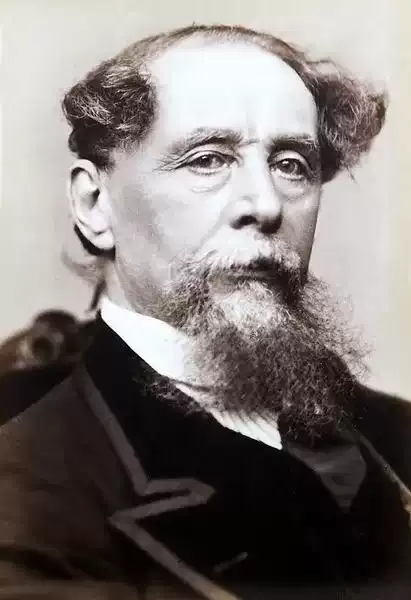
Charles Dickens
The Song Of The Wreck
The Song Of The Wreck
The wind blew high, the waters raved,
A ship drove on the land,
A hundred human creatures saved
Kneel'd down upon the sand.
Threescore were drown'd, threescore were thrown
Upon the black rocks wild,
And thus among them, left alone,
They found one helpless child.
A seaman rough, to shipwreck bred,
Stood out from all the rest,
And gently laid the lonely head
Upon his honest breast.
And travelling o'er the desert wide
It was a solemn joy,
To see them, ever side by side,
The sailor and the boy.
In famine, sickness, hunger, thirst,
The two were still but one,
Until the strong man droop'd the first
And felt his labors done.
Then to a trusty friend he spake,
'Across the desert wide,
Oh, take this poor boy for my sake!'
And kiss'd the child and died.
Toiling along in weary plight
Through heavy jungle, mire,
These two came later every night
To warm them at the fire.
Until the captain said one day
'O seaman, good and kind,
To save thyself now come away,
And leave the boy behind!'
The child was slumbering near the blaze:
'O captain, let him rest
Until it sinks, when God's own ways
Shall teach us what is best!'
They watch'd the whiten'd, ashy heap,
They touch'd the child in vain;
They did not leave him there asleep,
He never woke again.
The wind blew high, the waters raved,
A ship drove on the land,
A hundred human creatures saved
Kneel'd down upon the sand.
Threescore were drown'd, threescore were thrown
Upon the black rocks wild,
And thus among them, left alone,
They found one helpless child.
A seaman rough, to shipwreck bred,
Stood out from all the rest,
And gently laid the lonely head
Upon his honest breast.
And travelling o'er the desert wide
It was a solemn joy,
To see them, ever side by side,
The sailor and the boy.
In famine, sickness, hunger, thirst,
The two were still but one,
Until the strong man droop'd the first
And felt his labors done.
Then to a trusty friend he spake,
'Across the desert wide,
Oh, take this poor boy for my sake!'
And kiss'd the child and died.
Toiling along in weary plight
Through heavy jungle, mire,
These two came later every night
To warm them at the fire.
Until the captain said one day
'O seaman, good and kind,
To save thyself now come away,
And leave the boy behind!'
The child was slumbering near the blaze:
'O captain, let him rest
Until it sinks, when God's own ways
Shall teach us what is best!'
They watch'd the whiten'd, ashy heap,
They touch'd the child in vain;
They did not leave him there asleep,
He never woke again.
414
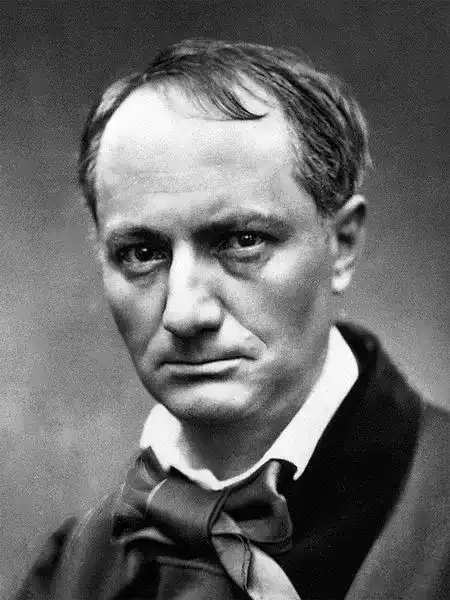
Charles Baudelaire
The Carcass
The Carcass
Remember that object we saw, dear soul,
In the sweetness of a summer morn:
At a bend of the path a loathsome carrion
On a bed with pebbles strewn,
With legs raised like a lustful woman,
Burning and sweating poisons,
It spread open, nonchalant and scornful,
Its belly, ripe with exhalations.
The sun shone onto the rotting heap,
As if to bring it to the boil,
And tender a hundredfold to vast Nature
All that together she had joined;
And the sky watched that superb carcass
Like a flower blossom out.
The stench was so strong that on the grass
You thought you would pass out.
Flies hummed upon the putrid belly,
Whence larvae in black battalions spread
And like a heavy liquid flowed
Along the tatters deliquescing.
All together it unfurled, and rose like a wave
And bubbling it sprang forth;
One might have believed that, with a faint breath filled,
The body, multiplying, lived.
And this world gave out a strange music
Like of running water and of wind,
Or of grain in a winnow
Rhythmically shaken and tossed.
Form was erased and all but a vision,
A sketch slow to take shape
On a forgotten canvas, which the artist finishes
From memory alone.
Behind the rocks a fretting bitch
Looked at us with fierce mien
Anxious to retrieve from the corpse
A morsel that she had dropped.
Yet to this rot you shall be like,
To this horrid corruption,
Star of my eyes, sun of desire,
You, my angel and my passion!
Yes, such you shall be, you, queen of all graces,
After the last sacraments,
When you go beneath the grass and waxy flowers,
To mold among the skeletons.
Then, oh my beauty! You must tell the vermin,
As it eats you up with kisses,
That I have preserved the form and essence divine
Of my decayed loves.
Remember that object we saw, dear soul,
In the sweetness of a summer morn:
At a bend of the path a loathsome carrion
On a bed with pebbles strewn,
With legs raised like a lustful woman,
Burning and sweating poisons,
It spread open, nonchalant and scornful,
Its belly, ripe with exhalations.
The sun shone onto the rotting heap,
As if to bring it to the boil,
And tender a hundredfold to vast Nature
All that together she had joined;
And the sky watched that superb carcass
Like a flower blossom out.
The stench was so strong that on the grass
You thought you would pass out.
Flies hummed upon the putrid belly,
Whence larvae in black battalions spread
And like a heavy liquid flowed
Along the tatters deliquescing.
All together it unfurled, and rose like a wave
And bubbling it sprang forth;
One might have believed that, with a faint breath filled,
The body, multiplying, lived.
And this world gave out a strange music
Like of running water and of wind,
Or of grain in a winnow
Rhythmically shaken and tossed.
Form was erased and all but a vision,
A sketch slow to take shape
On a forgotten canvas, which the artist finishes
From memory alone.
Behind the rocks a fretting bitch
Looked at us with fierce mien
Anxious to retrieve from the corpse
A morsel that she had dropped.
Yet to this rot you shall be like,
To this horrid corruption,
Star of my eyes, sun of desire,
You, my angel and my passion!
Yes, such you shall be, you, queen of all graces,
After the last sacraments,
When you go beneath the grass and waxy flowers,
To mold among the skeletons.
Then, oh my beauty! You must tell the vermin,
As it eats you up with kisses,
That I have preserved the form and essence divine
Of my decayed loves.
940
Charles Baudelaire
Lethe
Lethe
Come to my heart, cruel, insensible one,
Adored tiger, monster with the indolent air;
I would for a long time plunge my trembling fingers
Into the heavy tresses of your hair;
And in your garments that exhale your perfume
I would bury my aching head,
And breathe, like a withered flower,
The sweet, stale reek of my love that is dead.
I want to sleep! sleep rather than live!
And in a slumber, dubious as the tomb's,
I would lavish my kisses without remorse
Upon the burnished copper of your limbs.
To swallow my abated sobs
Nothing equals your bed's abyss;
Forgetfulness dwells in your mouth,
And Lethe flows from your kiss.
My destiny, henceforth my pleasure,
I shall obey, predestined instrument,
Docile martyr, condemned innocent,
Whose fervour but augments his torment.
I shall suck, to drown my rancour,
Nepenthe, hemlock, an opiate,
At the charming tips of this pointed breast
That has never imprisoned a heart.
Come to my heart, cruel, insensible one,
Adored tiger, monster with the indolent air;
I would for a long time plunge my trembling fingers
Into the heavy tresses of your hair;
And in your garments that exhale your perfume
I would bury my aching head,
And breathe, like a withered flower,
The sweet, stale reek of my love that is dead.
I want to sleep! sleep rather than live!
And in a slumber, dubious as the tomb's,
I would lavish my kisses without remorse
Upon the burnished copper of your limbs.
To swallow my abated sobs
Nothing equals your bed's abyss;
Forgetfulness dwells in your mouth,
And Lethe flows from your kiss.
My destiny, henceforth my pleasure,
I shall obey, predestined instrument,
Docile martyr, condemned innocent,
Whose fervour but augments his torment.
I shall suck, to drown my rancour,
Nepenthe, hemlock, an opiate,
At the charming tips of this pointed breast
That has never imprisoned a heart.
625