

Poems in this topic
Death and Mourning
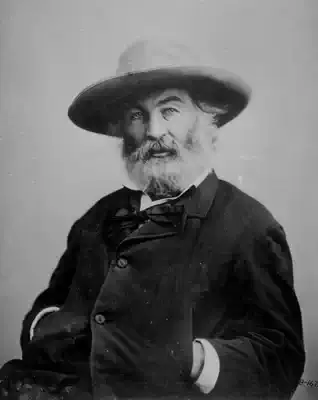
Walt Whitman
Come Up From The Fields, Father
Come Up From The Fields, Father
Come up from the fields, father, here's a letter from our Pete;
And come to the front door, mother-here's a letter from thy dear
son.
Lo, 'tis autumn;
Lo, where the trees, deeper green, yellower and redder,
Cool and sweeten Ohio's villages, with leaves fluttering in the
moderate wind;
Where apples ripe in the orchards hang, and grapes on the trellis'd
vines;
(Smell you the smell of the grapes on the vines?
Smell you the buckwheat, where the bees were lately buzzing?)
Above all, lo, the sky, so calm, so transparent after the rain, and
with wondrous clouds;
Below, too, all calm, all vital and beautiful-and the farm prospers
well. 10
Down in the fields all prospers well;
But now from the fields come, father-come at the daughter's call;
And come to the entry, mother-to the front door come, right away.
Fast as she can she hurries-something ominous-her steps trembling;
She does not tarry to smoothe her hair, nor adjust her cap.
Open the envelope quickly;
O this is not our son's writing, yet his name is sign'd;
O a strange hand writes for our dear son-O stricken mother's soul!
All swims before her eyes-flashes with black-she catches the main
words only;
Sentences broken-gun-shot wound in the breast, cavalry skirmish,
taken to hospital, 20
At present low, but will soon be better.
Ah, now, the single figure to me,
Amid all teeming and wealthy Ohio, with all its cities and farms,
Sickly white in the face, and dull in the head, very faint,
By the jamb of a door leans.
Grieve not so, dear mother, (the just-grown daughter speaks through
her sobs;
The little sisters huddle around, speechless and dismay'd ;)
See, dearest mother, the letter says Pete will soon be better.
Alas, poor boy, he will never be better, (nor may-be needs to be
better, that brave and simple soul ;)
While they stand at home at the door, he is dead already; 30
The only son is dead.
But the mother needs to be better;
She, with thin form, presently drest in black;
By day her meals untouch'd-then at night fitfully sleeping, often
waking,
In the midnight waking, weeping, longing with one deep longing,
O that she might withdraw unnoticed-silent from life, escape and
withdraw,
To follow, to seek, to be with her dear dead son.
Come up from the fields, father, here's a letter from our Pete;
And come to the front door, mother-here's a letter from thy dear
son.
Lo, 'tis autumn;
Lo, where the trees, deeper green, yellower and redder,
Cool and sweeten Ohio's villages, with leaves fluttering in the
moderate wind;
Where apples ripe in the orchards hang, and grapes on the trellis'd
vines;
(Smell you the smell of the grapes on the vines?
Smell you the buckwheat, where the bees were lately buzzing?)
Above all, lo, the sky, so calm, so transparent after the rain, and
with wondrous clouds;
Below, too, all calm, all vital and beautiful-and the farm prospers
well. 10
Down in the fields all prospers well;
But now from the fields come, father-come at the daughter's call;
And come to the entry, mother-to the front door come, right away.
Fast as she can she hurries-something ominous-her steps trembling;
She does not tarry to smoothe her hair, nor adjust her cap.
Open the envelope quickly;
O this is not our son's writing, yet his name is sign'd;
O a strange hand writes for our dear son-O stricken mother's soul!
All swims before her eyes-flashes with black-she catches the main
words only;
Sentences broken-gun-shot wound in the breast, cavalry skirmish,
taken to hospital, 20
At present low, but will soon be better.
Ah, now, the single figure to me,
Amid all teeming and wealthy Ohio, with all its cities and farms,
Sickly white in the face, and dull in the head, very faint,
By the jamb of a door leans.
Grieve not so, dear mother, (the just-grown daughter speaks through
her sobs;
The little sisters huddle around, speechless and dismay'd ;)
See, dearest mother, the letter says Pete will soon be better.
Alas, poor boy, he will never be better, (nor may-be needs to be
better, that brave and simple soul ;)
While they stand at home at the door, he is dead already; 30
The only son is dead.
But the mother needs to be better;
She, with thin form, presently drest in black;
By day her meals untouch'd-then at night fitfully sleeping, often
waking,
In the midnight waking, weeping, longing with one deep longing,
O that she might withdraw unnoticed-silent from life, escape and
withdraw,
To follow, to seek, to be with her dear dead son.
444
Walt Whitman
As Toilsome I Wander'd
As Toilsome I Wander'd
AS TOILSOME I wander'd Virginia's woods,
To the music of rustling leaves, kick'd by my feet, (for 'twas
autumn,)
I mark'd at the foot of a tree the grave of a soldier,
Mortally wounded he, and buried on the retreat, (easily all could I
understand;)
The halt of a mid-day hour, when up! no time to lose--yet this sign
left,
On a tablet scrawl'd and nail'd on the tree by the grave,
Bold, cautious, true, and my loving comrade.
Long, long I muse, then on my way go wandering;
Many a changeful season to follow, and many a scene of life;
Yet at times through changeful season and scene, abrupt, alone, or in
the crowded street, 10
Comes before me the unknown soldier's grave--comes the inscription
rude in Virginia's woods,
Bold, cautious, true, and my loving comrade.
AS TOILSOME I wander'd Virginia's woods,
To the music of rustling leaves, kick'd by my feet, (for 'twas
autumn,)
I mark'd at the foot of a tree the grave of a soldier,
Mortally wounded he, and buried on the retreat, (easily all could I
understand;)
The halt of a mid-day hour, when up! no time to lose--yet this sign
left,
On a tablet scrawl'd and nail'd on the tree by the grave,
Bold, cautious, true, and my loving comrade.
Long, long I muse, then on my way go wandering;
Many a changeful season to follow, and many a scene of life;
Yet at times through changeful season and scene, abrupt, alone, or in
the crowded street, 10
Comes before me the unknown soldier's grave--comes the inscription
rude in Virginia's woods,
Bold, cautious, true, and my loving comrade.
441
Walt Whitman
Ashes Of Soldiers
Ashes Of Soldiers
Again a verse for sake of you,
You soldiers in the ranks--you Volunteers,
Who bravely fighting, silent fell,
To fill unmention'd graves.
ASHES of soldiers!
As I muse, retrospective, murmuring a chant in thought,
Lo! the war resumes--again to my sense your shapes,
And again the advance of armies.
Noiseless as mists and vapors,
From their graves in the trenches ascending,
From the cemeteries all through Virginia and Tennessee,
From every point of the compass, out of the countless unnamed graves,
In wafted clouds, in myraids large, or squads of twos or threes, or
single ones, they come,
And silently gather round me. 10
Now sound no note, O trumpeters!
Not at the head of my cavalry, parading on spirited horses,
With sabres drawn and glist'ning, and carbines by their thighs--(ah,
my brave horsemen!
My handsome, tan-faced horsemen! what life, what joy and pride,
With all the perils, were yours!)
Nor you drummers--neither at reveille, at dawn,
Nor the long roll alarming the camp--nor even the muffled beat for a
burial;
Nothing from you, this time, O drummers, bearing my warlike drums.
But aside from these, and the marts of wealth, and the crowded
promenade,
Admitting around me comrades close, unseen by the rest, and
voiceless, 20
The slain elate and alive again--the dust and debris alive,
I chant this chant of my silent soul, in the name of all dead
soldiers.
Faces so pale, with wondrous eyes, very dear, gather closer yet;
Draw close, but speak not.
Phantoms of countless lost!
Invisible to the rest, henceforth become my companions!
Follow me ever! desert me not, while I live.
Sweet are the blooming cheeks of the living! sweet are the musical
voices sounding!
But sweet, ah sweet, are the dead, with their silent eyes.
Dearest comrades! all is over and long gone; 30
But love is not over--and what love, O comrades!
Perfume from battle-fields rising--up from foetor arising.
Perfume therefore my chant, O love! immortal Love!
Give me to bathe the memories of all dead soldiers,
Shroud them, embalm them, cover them all over with tender pride!
Perfume all! make all wholesome!
Make these ashes to nourish and blossom,
O love! O chant! solve all, fructify all with the last chemistry.
Give me exhaustless--make me a fountain,
That I exhale love from me wherever I go, like a moist perennial dew,
For the ashes of all dead soldiers.
Again a verse for sake of you,
You soldiers in the ranks--you Volunteers,
Who bravely fighting, silent fell,
To fill unmention'd graves.
ASHES of soldiers!
As I muse, retrospective, murmuring a chant in thought,
Lo! the war resumes--again to my sense your shapes,
And again the advance of armies.
Noiseless as mists and vapors,
From their graves in the trenches ascending,
From the cemeteries all through Virginia and Tennessee,
From every point of the compass, out of the countless unnamed graves,
In wafted clouds, in myraids large, or squads of twos or threes, or
single ones, they come,
And silently gather round me. 10
Now sound no note, O trumpeters!
Not at the head of my cavalry, parading on spirited horses,
With sabres drawn and glist'ning, and carbines by their thighs--(ah,
my brave horsemen!
My handsome, tan-faced horsemen! what life, what joy and pride,
With all the perils, were yours!)
Nor you drummers--neither at reveille, at dawn,
Nor the long roll alarming the camp--nor even the muffled beat for a
burial;
Nothing from you, this time, O drummers, bearing my warlike drums.
But aside from these, and the marts of wealth, and the crowded
promenade,
Admitting around me comrades close, unseen by the rest, and
voiceless, 20
The slain elate and alive again--the dust and debris alive,
I chant this chant of my silent soul, in the name of all dead
soldiers.
Faces so pale, with wondrous eyes, very dear, gather closer yet;
Draw close, but speak not.
Phantoms of countless lost!
Invisible to the rest, henceforth become my companions!
Follow me ever! desert me not, while I live.
Sweet are the blooming cheeks of the living! sweet are the musical
voices sounding!
But sweet, ah sweet, are the dead, with their silent eyes.
Dearest comrades! all is over and long gone; 30
But love is not over--and what love, O comrades!
Perfume from battle-fields rising--up from foetor arising.
Perfume therefore my chant, O love! immortal Love!
Give me to bathe the memories of all dead soldiers,
Shroud them, embalm them, cover them all over with tender pride!
Perfume all! make all wholesome!
Make these ashes to nourish and blossom,
O love! O chant! solve all, fructify all with the last chemistry.
Give me exhaustless--make me a fountain,
That I exhale love from me wherever I go, like a moist perennial dew,
For the ashes of all dead soldiers.
444
Walt Whitman
As If A Phantom Caress'd Me
As If A Phantom Caress'd Me
AS if a phantom caress'd me,
I thought I was not alone, walking here by the shore;
But the one I thought was with me, as now I walk by the shore--the
one I loved, that caress'd me,
As I lean and look through the glimmering light--that one has utterly
disappear'd,
And those appear that are hateful to me, and mock me.
AS if a phantom caress'd me,
I thought I was not alone, walking here by the shore;
But the one I thought was with me, as now I walk by the shore--the
one I loved, that caress'd me,
As I lean and look through the glimmering light--that one has utterly
disappear'd,
And those appear that are hateful to me, and mock me.
495
Walt Whitman
As At Thy Portals Also Death
As At Thy Portals Also Death
AS at thy portals also death,
Entering thy sovereign, dim, illimitable grounds,
To memories of my mother, to the divine blending, maternity,
To her, buried and gone, yet buried not, gone not from me,
(I see again the calm benignant face fresh and beautiful still,
I sit by the form in the coffin,
I kiss and kiss convulsively again the sweet old lips, the cheeks,
the closed eyes in the coffin;)
To her, the ideal woman, practical, spiritual, of all of earth, life,
love, to me the best,
I grave a monumental line, before I go, amid these songs,
And set a tombstone here. 10
AS at thy portals also death,
Entering thy sovereign, dim, illimitable grounds,
To memories of my mother, to the divine blending, maternity,
To her, buried and gone, yet buried not, gone not from me,
(I see again the calm benignant face fresh and beautiful still,
I sit by the form in the coffin,
I kiss and kiss convulsively again the sweet old lips, the cheeks,
the closed eyes in the coffin;)
To her, the ideal woman, practical, spiritual, of all of earth, life,
love, to me the best,
I grave a monumental line, before I go, amid these songs,
And set a tombstone here. 10
438
Walt Whitman
A Sight In Camp
A Sight In Camp
A SIGHT in camp in the day-break grey and dim,
As from my tent I emerge so early, sleepless,
As slow I walk in the cool fresh air, the path near by the hospital
tent,
Three forms I see on stretchers lying, brought out there, untended
lying,
Over each the blanket spread, ample brownish woollen blanket,
Grey and heavy blanket, folding, covering all.
Curious, I halt, and silent stand;
Then with light fingers I from the face of the nearest, the first,
just lift the blanket:
Who are you, elderly man so gaunt and grim, with well-grey'd hair,
and flesh all sunken about the eyes?
Who are you, my dear comrade? 10
Then to the second I step--And who are you, my child and darling?
Who are you, sweet boy, with cheeks yet blooming?
Then to the third--a face nor child, nor old, very calm, as of
beautiful yellow-white ivory;
Young man, I think I know you--I think this face of yours is the face
of the Christ himself;
Dead and divine, and brother of all, and here again he lies.
A SIGHT in camp in the day-break grey and dim,
As from my tent I emerge so early, sleepless,
As slow I walk in the cool fresh air, the path near by the hospital
tent,
Three forms I see on stretchers lying, brought out there, untended
lying,
Over each the blanket spread, ample brownish woollen blanket,
Grey and heavy blanket, folding, covering all.
Curious, I halt, and silent stand;
Then with light fingers I from the face of the nearest, the first,
just lift the blanket:
Who are you, elderly man so gaunt and grim, with well-grey'd hair,
and flesh all sunken about the eyes?
Who are you, my dear comrade? 10
Then to the second I step--And who are you, my child and darling?
Who are you, sweet boy, with cheeks yet blooming?
Then to the third--a face nor child, nor old, very calm, as of
beautiful yellow-white ivory;
Young man, I think I know you--I think this face of yours is the face
of the Christ himself;
Dead and divine, and brother of all, and here again he lies.
485
Walt Whitman
A March In The Ranks, Hard-prest
A March In The Ranks, Hard-prest
A MARCH in the ranks hard-prest, and the road unknown;
A route through a heavy wood, with muffled steps in the darkness;
Our army foil'd with loss severe, and the sullen remnant retreating;
Till after midnight glimmer upon us, the lights of a dim-lighted
building;
We come to an open space in the woods, and halt by the dim-lighted
building;
'Tis a large old church at the crossing roads--'tis now an impromptu
hospital;
--Entering but for a minute, I see a sight beyond all the pictures
and poems ever made:
Shadows of deepest, deepest black, just lit by moving candles and
lamps,
And by one great pitchy torch, stationary, with wild red flame, and
clouds of smoke;
By these, crowds, groups of forms, vaguely I see, on the floor, some
in the pews laid down; 10
At my feet more distinctly, a soldier, a mere lad, in danger of
bleeding to death, (he is shot in the abdomen;)
I staunch the blood temporarily, (the youngster's face is white as a
lily;)
Then before I depart I sweep my eyes o'er the scene, fain to absorb
it all;
Faces, varieties, postures beyond description, most in obscurity,
some of them dead;
Surgeons operating, attendants holding lights, the smell of ether,
the odor of blood;
The crowd, O the crowd of the bloody forms of soldiers--the yard
outside also fill'd;
Some on the bare ground, some on planks or stretchers, some in the
death-spasm sweating;
An occasional scream or cry, the doctor's shouted orders or calls;
The glisten of the little steel instruments catching the glint of the
torches;
These I resume as I chant--I see again the forms, I smell the
odor; 20
Then hear outside the orders given, Fall in, my men, Fall in;
But first I bend to the dying lad--his eyes open--a half-smile gives
he me;
Then the eyes close, calmly close, and I speed forth to the darkness,
Resuming, marching, ever in darkness marching, on in the ranks,
The unknown road still marching.
A MARCH in the ranks hard-prest, and the road unknown;
A route through a heavy wood, with muffled steps in the darkness;
Our army foil'd with loss severe, and the sullen remnant retreating;
Till after midnight glimmer upon us, the lights of a dim-lighted
building;
We come to an open space in the woods, and halt by the dim-lighted
building;
'Tis a large old church at the crossing roads--'tis now an impromptu
hospital;
--Entering but for a minute, I see a sight beyond all the pictures
and poems ever made:
Shadows of deepest, deepest black, just lit by moving candles and
lamps,
And by one great pitchy torch, stationary, with wild red flame, and
clouds of smoke;
By these, crowds, groups of forms, vaguely I see, on the floor, some
in the pews laid down; 10
At my feet more distinctly, a soldier, a mere lad, in danger of
bleeding to death, (he is shot in the abdomen;)
I staunch the blood temporarily, (the youngster's face is white as a
lily;)
Then before I depart I sweep my eyes o'er the scene, fain to absorb
it all;
Faces, varieties, postures beyond description, most in obscurity,
some of them dead;
Surgeons operating, attendants holding lights, the smell of ether,
the odor of blood;
The crowd, O the crowd of the bloody forms of soldiers--the yard
outside also fill'd;
Some on the bare ground, some on planks or stretchers, some in the
death-spasm sweating;
An occasional scream or cry, the doctor's shouted orders or calls;
The glisten of the little steel instruments catching the glint of the
torches;
These I resume as I chant--I see again the forms, I smell the
odor; 20
Then hear outside the orders given, Fall in, my men, Fall in;
But first I bend to the dying lad--his eyes open--a half-smile gives
he me;
Then the eyes close, calmly close, and I speed forth to the darkness,
Resuming, marching, ever in darkness marching, on in the ranks,
The unknown road still marching.
472
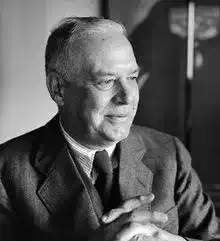
Wallace Stevens
The Emperor of Ice-Cream
The Emperor of Ice-Cream
Call the roller of big cigars,
The muscular one, and bid him whip
In kitchen cups concupiscent curds.
Let the wenches dawdle in such dress
As they are used to wear, and let the boys
Bring flowers in last month's newspapers.
Let be be finale of seem.
The only emperor is the emperor of ice-cream.
Take from the dresser of deal.
Lacking the three glass knobs, that sheet
On which she embroidered fantails once
And spread it so as to cover her face.
If her horny feet protrude, they come
To show how cold she is, and dumb.
Let the lamp affix its beam.
The only emperor is the emperor of ice-cream.
Call the roller of big cigars,
The muscular one, and bid him whip
In kitchen cups concupiscent curds.
Let the wenches dawdle in such dress
As they are used to wear, and let the boys
Bring flowers in last month's newspapers.
Let be be finale of seem.
The only emperor is the emperor of ice-cream.
Take from the dresser of deal.
Lacking the three glass knobs, that sheet
On which she embroidered fantails once
And spread it so as to cover her face.
If her horny feet protrude, they come
To show how cold she is, and dumb.
Let the lamp affix its beam.
The only emperor is the emperor of ice-cream.
310
Wallace Stevens
Madame la Fleurie
Madame la Fleurie
Weight him down, O side-stars, with the great weightings of
the end.
Seal him there. He looked in a glass of the earth and thought
he lived in it.
Now, he brings all that he saw into the earth, to the waiting
parent.
His crisp knowledge is devoured by her, beneath a dew.
Weight him, weight, weight him with the sleepiness of the
moon.
It was only a glass because he looked in it. It was nothing he
could be told.
It was a language he spoke, because he must, yet did not know.
It was a page he had found in the handbook of heartbreak.
The black fugatos are strumming the blackness of black...
The thick strings stutter the finial gutturals.
He does not lie there remembering the blue-jay, say the jay.
His grief is that his mother should feed on him, himself and
what he saw,
In that distant chamber, a bearded queen, wicked in her dead
light.
Weight him down, O side-stars, with the great weightings of
the end.
Seal him there. He looked in a glass of the earth and thought
he lived in it.
Now, he brings all that he saw into the earth, to the waiting
parent.
His crisp knowledge is devoured by her, beneath a dew.
Weight him, weight, weight him with the sleepiness of the
moon.
It was only a glass because he looked in it. It was nothing he
could be told.
It was a language he spoke, because he must, yet did not know.
It was a page he had found in the handbook of heartbreak.
The black fugatos are strumming the blackness of black...
The thick strings stutter the finial gutturals.
He does not lie there remembering the blue-jay, say the jay.
His grief is that his mother should feed on him, himself and
what he saw,
In that distant chamber, a bearded queen, wicked in her dead
light.
309
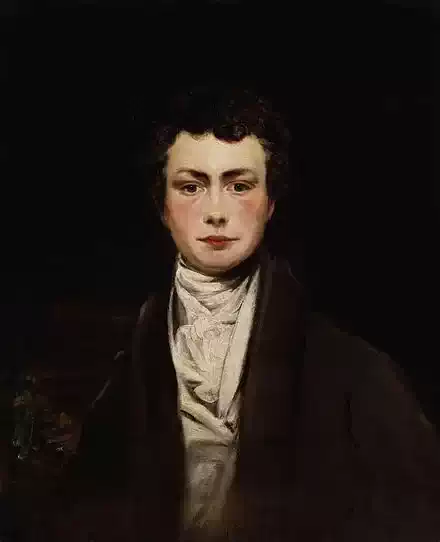
Thomas Moore
The Light of Other Days
The Light of Other Days
OFT, in the stilly night,
Ere slumber's chain has bound me,
Fond Memory brings the light
Of other days around me:
The smiles, the tears
Of boyhood's years,
The words of love then spoken;
The eyes that shone,
Now dimm'd and gone,
The cheerful hearts now broken!
Thus, in the stilly night,
Ere slumber's chain has bound me,
Sad Memory brings the light
Of other days around me.
When I remember all
The friends, so link'd together,
I've seen around me fall
Like leaves in wintry weather,
I feel like one
Who treads alone
Some banquet-hall deserted,
Whose lights are fled,
Whose garlands dead,
And all but he departed!
Thus, in the stilly night,
Ere slumber's chain has bound me.
Sad Memory brings the light
Of other days around me.
OFT, in the stilly night,
Ere slumber's chain has bound me,
Fond Memory brings the light
Of other days around me:
The smiles, the tears
Of boyhood's years,
The words of love then spoken;
The eyes that shone,
Now dimm'd and gone,
The cheerful hearts now broken!
Thus, in the stilly night,
Ere slumber's chain has bound me,
Sad Memory brings the light
Of other days around me.
When I remember all
The friends, so link'd together,
I've seen around me fall
Like leaves in wintry weather,
I feel like one
Who treads alone
Some banquet-hall deserted,
Whose lights are fled,
Whose garlands dead,
And all but he departed!
Thus, in the stilly night,
Ere slumber's chain has bound me.
Sad Memory brings the light
Of other days around me.
220
Thomas Moore
She is Far From the Land
She is Far From the Land
She is far from the land where her young hero sleeps,
And lovers are round her, sighing;
But coldly she turns from their gaze, and weeps,
For her heart in his grave is lying.
She sings the wild song of her dear native plains,
Every note which he loved awaking; --
Ah! little they think, who delight in her strains,
How the heart of the Minstrel is breaking.
He had lived for his love, for his country he died,
They were all that to life had entwined him;
Nor soon shall the tears of his country be dried,
Nor long will his Love stay behind him.
Oh! make her a grave where the sunbeams rest,
When they promise a glorious morrow;
They'll shine o'er her sleep, like a smile from the West,
From her own loved island of sorrow.
She is far from the land where her young hero sleeps,
And lovers are round her, sighing;
But coldly she turns from their gaze, and weeps,
For her heart in his grave is lying.
She sings the wild song of her dear native plains,
Every note which he loved awaking; --
Ah! little they think, who delight in her strains,
How the heart of the Minstrel is breaking.
He had lived for his love, for his country he died,
They were all that to life had entwined him;
Nor soon shall the tears of his country be dried,
Nor long will his Love stay behind him.
Oh! make her a grave where the sunbeams rest,
When they promise a glorious morrow;
They'll shine o'er her sleep, like a smile from the West,
From her own loved island of sorrow.
128
Thomas Moore
Oh, Ye Dead!
Oh, Ye Dead!
Oh, ye Dead! oh, ye Dead! whom we know by the light you give
From your cold gleaming eyes, though you move like men who live,
Why leave you thus your graves,
In far off fields and waves,
Where the worm and the sea-bird only know your bed,
To haunt this spot where all
Those eyes that wept your fall,
And the hearts that wail'd you, like your own, lie dead?
It is true, it is true, we are shadows cold and wan;
And the fair and the brave whom we loved on earth are gone;
But still thus even in death,
So sweet the living breath
Of the fields and the flowers in our youth we wander'd o'er,
That ere, condemn'd, we go
To freeze 'mid Hecla's snow,
We would taste it a while, and think we live once more!
Oh, ye Dead! oh, ye Dead! whom we know by the light you give
From your cold gleaming eyes, though you move like men who live,
Why leave you thus your graves,
In far off fields and waves,
Where the worm and the sea-bird only know your bed,
To haunt this spot where all
Those eyes that wept your fall,
And the hearts that wail'd you, like your own, lie dead?
It is true, it is true, we are shadows cold and wan;
And the fair and the brave whom we loved on earth are gone;
But still thus even in death,
So sweet the living breath
Of the fields and the flowers in our youth we wander'd o'er,
That ere, condemn'd, we go
To freeze 'mid Hecla's snow,
We would taste it a while, and think we live once more!
185
Thomas Moore
Oh, Banquet Not
Oh, Banquet Not
Oh, banquet not in those shining bowers,
Where Youth resorts, but come to me,
For mine's a garden of faded flowers,
More fit for sorrow, for age, and thee.
And there we shall have our feast of tears,
And many a cup in silence pour;
Our guests, the shades of former years,
Our toasts, to lips that bloom no more.
There, while the myrtle's withering boughs
Their lifeless leaves around us shed,
We'll brim the bowl to broken vows
To friends long lost, the changed, the dead.
Or, while some blighted laurel waves
Its branches o'er the dreary spot,
We'll drink to those neglected graves
Where valour sleeps, unnamed, forgot.
Oh, banquet not in those shining bowers,
Where Youth resorts, but come to me,
For mine's a garden of faded flowers,
More fit for sorrow, for age, and thee.
And there we shall have our feast of tears,
And many a cup in silence pour;
Our guests, the shades of former years,
Our toasts, to lips that bloom no more.
There, while the myrtle's withering boughs
Their lifeless leaves around us shed,
We'll brim the bowl to broken vows
To friends long lost, the changed, the dead.
Or, while some blighted laurel waves
Its branches o'er the dreary spot,
We'll drink to those neglected graves
Where valour sleeps, unnamed, forgot.
210
Thomas Moore
Oh! Breathe Not His Name
Oh! Breathe Not His Name
Oh! breathe not his name, let it sleep in the shade,
Where cold and unhonour'd his relics are laid:
Sad, silent, and dark, be the tears that we shed,
As the night-dew that falls on the grass o'er his head.
But the night-dew that falls, though in silence it weeps,
Shall brighten with verdure the grave where he sleeps;
And the tear that we shed, though in secret it rolls,
Shall long keep his memory green in our souls.
Oh! breathe not his name, let it sleep in the shade,
Where cold and unhonour'd his relics are laid:
Sad, silent, and dark, be the tears that we shed,
As the night-dew that falls on the grass o'er his head.
But the night-dew that falls, though in silence it weeps,
Shall brighten with verdure the grave where he sleeps;
And the tear that we shed, though in secret it rolls,
Shall long keep his memory green in our souls.
158
Thomas Moore
It Is Not the Tear At This Moment Shed
It Is Not the Tear At This Moment Shed
It is not the tear at this moment shed,
When the cold turf has just been laid o'er him,
That can tell how beloved was the friend that's fled,
Or how deep in our hearts we deplore him.
'Tis the tear, through many a long day wept,
'Tis life's whole path o'ershaded;
'Tis the one remembrance, fondly kept,
When all lighter griefs have faded.
Thus his memory, like some holy light,
Kept alive in our hearts, will improve them,
For worth shall look fairer, and truth more bright,
When we think how he lived but to love them.
And as fresher flowers the sod perfume
Where buried saints are lying,
So our hearts shall borrow a sweetening bloom
From the image he left there in dying!
It is not the tear at this moment shed,
When the cold turf has just been laid o'er him,
That can tell how beloved was the friend that's fled,
Or how deep in our hearts we deplore him.
'Tis the tear, through many a long day wept,
'Tis life's whole path o'ershaded;
'Tis the one remembrance, fondly kept,
When all lighter griefs have faded.
Thus his memory, like some holy light,
Kept alive in our hearts, will improve them,
For worth shall look fairer, and truth more bright,
When we think how he lived but to love them.
And as fresher flowers the sod perfume
Where buried saints are lying,
So our hearts shall borrow a sweetening bloom
From the image he left there in dying!
175
Thomas Moore
I Wish I Was By That Dim Lake
I Wish I Was By That Dim Lake
I wish I was by that dim Lake,
Where sinful souls their farewell take
Of this vain world, and half-way lie
In death's cold shadow, ere they die.
There, there, far from thee,
Deceitful world, my home should be;
Where, come what might of gloom and pain,
False hope should n'er deceive again.
The lifeless sky, the mournful sound
Of unseen waters falling round;
The dry leaves, quivering o'er my head,
Like man, unquiet even when dead!
These, ay, these shall wean
My soul from life's deluding scene,
And turn each thought, o'ercharged with gloom
Like willows, downward towards the tomb.
As they, who to their couch at night
Would win repose, first quench the light,
So must the hopes, that keep this breast
Awake, be quench'd, ere it can rest.
Cold, cold, this heart must grow,
Unmmoved by either joy or woe,
Like freezing founts, where all that's thrown
Within their current turns to stone.
I wish I was by that dim Lake,
Where sinful souls their farewell take
Of this vain world, and half-way lie
In death's cold shadow, ere they die.
There, there, far from thee,
Deceitful world, my home should be;
Where, come what might of gloom and pain,
False hope should n'er deceive again.
The lifeless sky, the mournful sound
Of unseen waters falling round;
The dry leaves, quivering o'er my head,
Like man, unquiet even when dead!
These, ay, these shall wean
My soul from life's deluding scene,
And turn each thought, o'ercharged with gloom
Like willows, downward towards the tomb.
As they, who to their couch at night
Would win repose, first quench the light,
So must the hopes, that keep this breast
Awake, be quench'd, ere it can rest.
Cold, cold, this heart must grow,
Unmmoved by either joy or woe,
Like freezing founts, where all that's thrown
Within their current turns to stone.
209
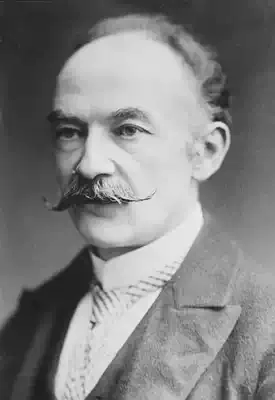
Thomas Hardy
To An Orphan Child
To An Orphan Child
A Whimsey
AH, child, thou art but half thy darling mother's;
Hers couldst thou wholly be,
My light in thee would outglow all in others;
She would relive to me.
But niggard Nature's trick of birth
Bars, lest she overjoy,
Renewal of the loved on earth
Save with alloy.
The Dame has no regard, alas, my maiden,
For love and loss like mine--
No sympathy with mind-sight memory-laden;
Only with fickle eyne.
To her mechanic artistry
My dreams are all unknown,
And why I wish that thou couldst be
But One's alone!
A Whimsey
AH, child, thou art but half thy darling mother's;
Hers couldst thou wholly be,
My light in thee would outglow all in others;
She would relive to me.
But niggard Nature's trick of birth
Bars, lest she overjoy,
Renewal of the loved on earth
Save with alloy.
The Dame has no regard, alas, my maiden,
For love and loss like mine--
No sympathy with mind-sight memory-laden;
Only with fickle eyne.
To her mechanic artistry
My dreams are all unknown,
And why I wish that thou couldst be
But One's alone!
242
Thomas Hardy
Thoughts of Phena
Thoughts of Phena
at news of her death
Not a line of her writing have I
Not a thread of her hair,
No mark of her late time as dame in her dwelling, whereby
I may picture her there;
And in vain do I urge my unsight
To conceive my lost prize
At her close, whom I knew when her dreams were upbrimming with light
And with laughter her eyes.
What scenes spread around her last days,
Sad, shining, or dim?
Did her gifts and compassions enray and enarch her sweet ways
With an aureate nimb?
Or did life-light decline from her years,
And mischances control
Her full day-star; unease, or regret, or forebodings, or fears
Disennoble her soul?
Thus I do but the phantom retain
Of the maiden of yore
As my relic; yet haply the best of her--fined in my brain
It may be the more
That no line of her writing have I,
Nor a thread of her hair,
No mark of her late time as dame in her dwelling, whereby
I may picture her there.
March .
at news of her death
Not a line of her writing have I
Not a thread of her hair,
No mark of her late time as dame in her dwelling, whereby
I may picture her there;
And in vain do I urge my unsight
To conceive my lost prize
At her close, whom I knew when her dreams were upbrimming with light
And with laughter her eyes.
What scenes spread around her last days,
Sad, shining, or dim?
Did her gifts and compassions enray and enarch her sweet ways
With an aureate nimb?
Or did life-light decline from her years,
And mischances control
Her full day-star; unease, or regret, or forebodings, or fears
Disennoble her soul?
Thus I do but the phantom retain
Of the maiden of yore
As my relic; yet haply the best of her--fined in my brain
It may be the more
That no line of her writing have I,
Nor a thread of her hair,
No mark of her late time as dame in her dwelling, whereby
I may picture her there.
March .
309
Thomas Hardy
The Tree: An Old Man's Story
The Tree: An Old Man's Story
I
Its roots are bristling in the air
Like some mad Earth-god's spiny hair;
The loud south-wester's swell and yell
Smote it at midnight, and it fell.
Thus ends the tree
Where Some One sat with me.
II
Its boughs, which none but darers trod,
A child may step on from the sod,
And twigs that earliest met the dawn
Are lit the last upon the lawn.
Cart off the tree
Beneath whose trunk sat we!
III
Yes, there we sat: she cooed content,
And bats ringed round, and daylight went;
The gnarl, our seat, is wrenched and sunk,
Prone that queer pocket in the trunk
Where lay the key
To her pale mystery.
IV
"Years back, within this pocket-hole
I found, my Love, a hurried scrawl
Meant not for me," at length said I;
"I glanced thereat, and let it lie:
The words were three -
'Beloved, I agree.'
V
"Who placed it here; to what request
It gave assent, I never guessed.
Some prayer of some hot heart, no doubt,
To some coy maiden hereabout,
Just as, maybe,
With you, Sweet Heart, and me."
VI
She waited, till with quickened breath
She spoke, as one who banisheth
Reserves that lovecraft heeds so well,
To ease some mighty wish to tell:
"'Twas I," said she,
"Who wrote thus clinchingly.
VII
"My lover's wife--aye, wife!--knew nought
Of what we felt, and bore, and thought . . .
He'd said: 'I wed with thee or die:
She stands between, 'tis true. But why?
Do thou agree,
And--she shalt cease to be.'
VIII
"How I held back, how love supreme
Involved me madly in his scheme
Why should I say? . . . I wrote assent
(You found it hid) to his intent . . .
She--DIED . . . But he
Came not to wed with me.
IX
"O shrink not, Love!--Had these eyes seen
But once thine own, such had not been!
But we were strangers . . . Thus the plot
Cleared passion's path.--Why came he not
To wed with me? . . .
He wived the gibbet-tree."
X
- Under that oak of heretofore
Sat Sweetheart mine with me no more:
By many a Fiord, and Strom, and Fleuve
Have I since wandered . . . Soon, for love,
Distraught went she -
'Twas said for love of me.
I
Its roots are bristling in the air
Like some mad Earth-god's spiny hair;
The loud south-wester's swell and yell
Smote it at midnight, and it fell.
Thus ends the tree
Where Some One sat with me.
II
Its boughs, which none but darers trod,
A child may step on from the sod,
And twigs that earliest met the dawn
Are lit the last upon the lawn.
Cart off the tree
Beneath whose trunk sat we!
III
Yes, there we sat: she cooed content,
And bats ringed round, and daylight went;
The gnarl, our seat, is wrenched and sunk,
Prone that queer pocket in the trunk
Where lay the key
To her pale mystery.
IV
"Years back, within this pocket-hole
I found, my Love, a hurried scrawl
Meant not for me," at length said I;
"I glanced thereat, and let it lie:
The words were three -
'Beloved, I agree.'
V
"Who placed it here; to what request
It gave assent, I never guessed.
Some prayer of some hot heart, no doubt,
To some coy maiden hereabout,
Just as, maybe,
With you, Sweet Heart, and me."
VI
She waited, till with quickened breath
She spoke, as one who banisheth
Reserves that lovecraft heeds so well,
To ease some mighty wish to tell:
"'Twas I," said she,
"Who wrote thus clinchingly.
VII
"My lover's wife--aye, wife!--knew nought
Of what we felt, and bore, and thought . . .
He'd said: 'I wed with thee or die:
She stands between, 'tis true. But why?
Do thou agree,
And--she shalt cease to be.'
VIII
"How I held back, how love supreme
Involved me madly in his scheme
Why should I say? . . . I wrote assent
(You found it hid) to his intent . . .
She--DIED . . . But he
Came not to wed with me.
IX
"O shrink not, Love!--Had these eyes seen
But once thine own, such had not been!
But we were strangers . . . Thus the plot
Cleared passion's path.--Why came he not
To wed with me? . . .
He wived the gibbet-tree."
X
- Under that oak of heretofore
Sat Sweetheart mine with me no more:
By many a Fiord, and Strom, and Fleuve
Have I since wandered . . . Soon, for love,
Distraught went she -
'Twas said for love of me.
233
Thomas Hardy
The Supplanter: A Tale
The Supplanter: A Tale
I
He bends his travel-tarnished feet
To where she wastes in clay:
From day-dawn until eve he fares
Along the wintry way;
From day-dawn until eve repairs
Unto her mound to pray.
II
"Are these the gravestone shapes that meet
My forward-straining view?
Or forms that cross a window-blind
In circle, knot, and queue:
Gay forms, that cross and whirl and wind
To music throbbing through?" -
III
"The Keeper of the Field of Tombs
Dwells by its gateway-pier;
He celebrates with feast and dance
His daughter's twentieth year:
He celebrates with wine of France
The birthday of his dear." -
IV
"The gates are shut when evening glooms:
Lay down your wreath, sad wight;
To-morrow is a time more fit
For placing flowers aright:
The morning is the time for it;
Come, wake with us to-night!" -
V
He grounds his wreath, and enters in,
And sits, and shares their cheer. -
"I fain would foot with you, young man,
Before all others here;
I fain would foot it for a span
With such a cavalier!"
VI
She coaxes, clasps, nor fails to win
His first-unwilling hand:
The merry music strikes its staves,
The dancers quickly band;
And with the damsel of the graves
He duly takes his stand.
VII
"You dance divinely, stranger swain,
Such grace I've never known.
O longer stay! Breathe not adieu
And leave me here alone!
O longer stay: to her be true
Whose heart is all your own!" -
VIII
"I mark a phantom through the pane,
That beckons in despair,
Its mouth all drawn with heavy moan -
Her to whom once I sware!" -
"Nay; 'tis the lately carven stone
Of some strange girl laid there!" -
IX
"I see white flowers upon the floor
Betrodden to a clot;
My wreath were they?"--"Nay; love me much,
Swear you'll forget me not!
'Twas but a wreath! Full many such
Are brought here and forgot."
* * *
X
The watches of the night grow hoar,
He rises ere the sun;
"Now could I kill thee here!" he says,
"For winning me from one
Who ever in her living days
Was pure as cloistered nun!"
XI
She cowers, and he takes his track
Afar for many a mile,
For evermore to be apart
From her who could beguile
His senses by her burning heart,
And win his love awhile.
XII
A year: and he is travelling back
To her who wastes in clay;
From day-dawn until eve he fares
Along the wintry way,
From day-dawn until eve repairs
Unto her mound to pray.
XIII
And there he sets him to fulfil
His frustrate first intent:
And lay upon her bed, at last,
The offering earlier meant:
When, on his stooping figure, ghast
And haggard eyes are bent.
XIV
"O surely for a little while
You can be kind to me!
For do you love her, do you hate,
She knows not--cares not she:
Only the living feel the weight
Of loveless misery!
XV
"I own my sin; I've paid its cost,
Being outcast, shamed, and bare:
I give you daily my whole heart,
Your babe my tender care,
I pour you prayers; and aye to part
Is more than I can bear!"
XVI
He turns--unpitying, passion-tossed;
"I know you not!" he cries,
"Nor know your child. I knew this maid,
But she's in Paradise!"
And swiftly in the winter shade
He breaks from her and flies.
I
He bends his travel-tarnished feet
To where she wastes in clay:
From day-dawn until eve he fares
Along the wintry way;
From day-dawn until eve repairs
Unto her mound to pray.
II
"Are these the gravestone shapes that meet
My forward-straining view?
Or forms that cross a window-blind
In circle, knot, and queue:
Gay forms, that cross and whirl and wind
To music throbbing through?" -
III
"The Keeper of the Field of Tombs
Dwells by its gateway-pier;
He celebrates with feast and dance
His daughter's twentieth year:
He celebrates with wine of France
The birthday of his dear." -
IV
"The gates are shut when evening glooms:
Lay down your wreath, sad wight;
To-morrow is a time more fit
For placing flowers aright:
The morning is the time for it;
Come, wake with us to-night!" -
V
He grounds his wreath, and enters in,
And sits, and shares their cheer. -
"I fain would foot with you, young man,
Before all others here;
I fain would foot it for a span
With such a cavalier!"
VI
She coaxes, clasps, nor fails to win
His first-unwilling hand:
The merry music strikes its staves,
The dancers quickly band;
And with the damsel of the graves
He duly takes his stand.
VII
"You dance divinely, stranger swain,
Such grace I've never known.
O longer stay! Breathe not adieu
And leave me here alone!
O longer stay: to her be true
Whose heart is all your own!" -
VIII
"I mark a phantom through the pane,
That beckons in despair,
Its mouth all drawn with heavy moan -
Her to whom once I sware!" -
"Nay; 'tis the lately carven stone
Of some strange girl laid there!" -
IX
"I see white flowers upon the floor
Betrodden to a clot;
My wreath were they?"--"Nay; love me much,
Swear you'll forget me not!
'Twas but a wreath! Full many such
Are brought here and forgot."
* * *
X
The watches of the night grow hoar,
He rises ere the sun;
"Now could I kill thee here!" he says,
"For winning me from one
Who ever in her living days
Was pure as cloistered nun!"
XI
She cowers, and he takes his track
Afar for many a mile,
For evermore to be apart
From her who could beguile
His senses by her burning heart,
And win his love awhile.
XII
A year: and he is travelling back
To her who wastes in clay;
From day-dawn until eve he fares
Along the wintry way,
From day-dawn until eve repairs
Unto her mound to pray.
XIII
And there he sets him to fulfil
His frustrate first intent:
And lay upon her bed, at last,
The offering earlier meant:
When, on his stooping figure, ghast
And haggard eyes are bent.
XIV
"O surely for a little while
You can be kind to me!
For do you love her, do you hate,
She knows not--cares not she:
Only the living feel the weight
Of loveless misery!
XV
"I own my sin; I've paid its cost,
Being outcast, shamed, and bare:
I give you daily my whole heart,
Your babe my tender care,
I pour you prayers; and aye to part
Is more than I can bear!"
XVI
He turns--unpitying, passion-tossed;
"I know you not!" he cries,
"Nor know your child. I knew this maid,
But she's in Paradise!"
And swiftly in the winter shade
He breaks from her and flies.
197
Thomas Hardy
The Stranger's Song
The Stranger's Song
(As sung by Mr. Charles Charrington in the play of "The Three Wayfarers")
O MY trade it is the rarest one,
Simple shepherds all--
My trade is a sight to see;
For my customers I tie, and take 'em up on high,
And waft 'em to a far countree!
My tools are but common ones,
Simple shepherds all--
My tools are no sight to see:
A little hempen string, and a post whereon to swing,
Are implements enough for me!
To-morrow is my working day,
Simple shepherds all--
To-morrow is a working day for me:
For the farmer's sheep is slain, and the lad who did it ta'en,
And on his soul may God ha' mer-cy!
(As sung by Mr. Charles Charrington in the play of "The Three Wayfarers")
O MY trade it is the rarest one,
Simple shepherds all--
My trade is a sight to see;
For my customers I tie, and take 'em up on high,
And waft 'em to a far countree!
My tools are but common ones,
Simple shepherds all--
My tools are no sight to see:
A little hempen string, and a post whereon to swing,
Are implements enough for me!
To-morrow is my working day,
Simple shepherds all--
To-morrow is a working day for me:
For the farmer's sheep is slain, and the lad who did it ta'en,
And on his soul may God ha' mer-cy!
245
Thomas Hardy
The Ghost of the Past
The Ghost of the Past
We two kept house, the Past and I,
The Past and I;
I tended while it hovered nigh,
Leaving me never alone.
It was a spectral housekeeping
Where fell no jarring tone,
As strange, as still a housekeeping
As ever has been known.
As daily I went up the stair,
And down the stair,
I did not mind the Bygone there --
The Present once to me;
Its moving meek companionship
I wished might ever be,
There was in that companionship
Something of ecstasy.
It dwelt with me just as it was,
Just as it was
When first its prospects gave me pause
In wayward wanderings,
Before the years had torn old troths
As they tear all sweet things,
Before gaunt griefs had torn old troths
And dulled old rapturings.
And then its form began to fade,
Began to fade,
Its gentle echoes faintlier played
At eves upon my ear
Than when the autumn's look embrowned
The lonely chambers here,
The autumn's settling shades embrowned
Nooks that it haunted near.
And so with time my vision less,
Yea, less and less
Makes of that Past my housemistress,
It dwindles in my eye;
It looms a far-off skeleton
And not a comrade nigh,
A fitful far-off skeleton
Dimming as days draw by.
We two kept house, the Past and I,
The Past and I;
I tended while it hovered nigh,
Leaving me never alone.
It was a spectral housekeeping
Where fell no jarring tone,
As strange, as still a housekeeping
As ever has been known.
As daily I went up the stair,
And down the stair,
I did not mind the Bygone there --
The Present once to me;
Its moving meek companionship
I wished might ever be,
There was in that companionship
Something of ecstasy.
It dwelt with me just as it was,
Just as it was
When first its prospects gave me pause
In wayward wanderings,
Before the years had torn old troths
As they tear all sweet things,
Before gaunt griefs had torn old troths
And dulled old rapturings.
And then its form began to fade,
Began to fade,
Its gentle echoes faintlier played
At eves upon my ear
Than when the autumn's look embrowned
The lonely chambers here,
The autumn's settling shades embrowned
Nooks that it haunted near.
And so with time my vision less,
Yea, less and less
Makes of that Past my housemistress,
It dwindles in my eye;
It looms a far-off skeleton
And not a comrade nigh,
A fitful far-off skeleton
Dimming as days draw by.
192
Thomas Hardy
Mad Judy
Mad Judy
When the hamlet hailed a birth
Judy used to cry:
When she heard our christening mirth
She would kneel and sigh.
She was crazed, we knew, and we
Humoured her infirmity.
When the daughters and the sons
Gathered them to wed,
And we like-intending ones
Danced till dawn was red,
She would rock and mutter, "More
Comers to this stony shore!"
When old Headsman Death laid hands
On a babe or twain,
She would feast, and by her brands
Sing her songs again.
What she liked we let her do,
Judy was insane, we knew.
When the hamlet hailed a birth
Judy used to cry:
When she heard our christening mirth
She would kneel and sigh.
She was crazed, we knew, and we
Humoured her infirmity.
When the daughters and the sons
Gathered them to wed,
And we like-intending ones
Danced till dawn was red,
She would rock and mutter, "More
Comers to this stony shore!"
When old Headsman Death laid hands
On a babe or twain,
She would feast, and by her brands
Sing her songs again.
What she liked we let her do,
Judy was insane, we knew.
237
Thomas Hardy
Lines On The Loss Of The Titanic
Lines On The Loss Of The "Titanic"
In a solitude of the sea
Deep from human vanity,
And the Pride of Life that planned her, stilly couches she.
Steel chambers, late the pyres
Of her salamandrine fires,
Cold currents thrid, and turn to rhythmic tidal lyres.
Over the mirrors meant
To glass the opulent
The sea-worm crawls -- grotesque, slimed, dumb, indifferent.
Jewels in joy designed
To ravish the sensuous mind
Lie lightless, all their sparkles bleared and black and blind.
Dim moon-eyed fishes near
Gaze at the gilded gear
And query: "What does this vaingloriousness down here?" ...
Well: while was fashioning
This creature of cleaving wing,
The Immanent Will that stirs and urges everything
Prepared a sinister mate
For her -- so gaily great --
A Shape of Ice, for the time far and dissociate.
And as the smart ship grew
In stature, grace, and hue,
In shadowy silent distance grew the Iceberg too.
Alien they seemed to be;
No mortal eye could see
The intimate welding of their later history,
Or sign that they were bent
By paths coincident
On being anon twin halves of one august event,
Till the Spinner of the Years
Said "Now!" And each one hears,
And consummation comes, and jars two hemispheres.
In a solitude of the sea
Deep from human vanity,
And the Pride of Life that planned her, stilly couches she.
Steel chambers, late the pyres
Of her salamandrine fires,
Cold currents thrid, and turn to rhythmic tidal lyres.
Over the mirrors meant
To glass the opulent
The sea-worm crawls -- grotesque, slimed, dumb, indifferent.
Jewels in joy designed
To ravish the sensuous mind
Lie lightless, all their sparkles bleared and black and blind.
Dim moon-eyed fishes near
Gaze at the gilded gear
And query: "What does this vaingloriousness down here?" ...
Well: while was fashioning
This creature of cleaving wing,
The Immanent Will that stirs and urges everything
Prepared a sinister mate
For her -- so gaily great --
A Shape of Ice, for the time far and dissociate.
And as the smart ship grew
In stature, grace, and hue,
In shadowy silent distance grew the Iceberg too.
Alien they seemed to be;
No mortal eye could see
The intimate welding of their later history,
Or sign that they were bent
By paths coincident
On being anon twin halves of one august event,
Till the Spinner of the Years
Said "Now!" And each one hears,
And consummation comes, and jars two hemispheres.
370