

Poems in this topic
Romantic Love
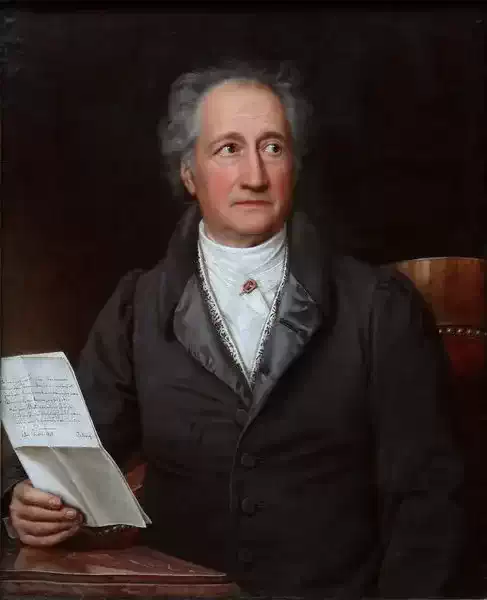
Johann Wolfgang von Goethe
Book Of Suleika - Hatem 03
Book Of Suleika - Hatem 03
HOLD me, locks, securely caught
In the circle of her face!
Dear brown serpents, I have nought
To repay this act of grace,
Save a heart whose love ne'er dies,
Throbbing with aye-youthful glow;
For a raging ETA lies
'Neath its veil of mist and snow.
Yonder mountain's stately brow
Thou, like morning beams, dost shame;
Once again feels Hatem now
Spring's soft breath and summer's flame.
One more bumper! Fill the glass;
This last cup I pledge to thee!--
By mine ashes if she pass,
"He consumed," she'll say, "for me."
HOLD me, locks, securely caught
In the circle of her face!
Dear brown serpents, I have nought
To repay this act of grace,
Save a heart whose love ne'er dies,
Throbbing with aye-youthful glow;
For a raging ETA lies
'Neath its veil of mist and snow.
Yonder mountain's stately brow
Thou, like morning beams, dost shame;
Once again feels Hatem now
Spring's soft breath and summer's flame.
One more bumper! Fill the glass;
This last cup I pledge to thee!--
By mine ashes if she pass,
"He consumed," she'll say, "for me."
422
Johann Wolfgang von Goethe
Book Of Love - The Types
Book Of Love - The Types
LIST, and in memory bear
These six fond loving pair.
Love, when aroused, kept true
Rustan and Rad!
Strangers approach from far
Joseph and Suleika;
Love, void of hope, is in
Ferhad and Schirin.
Born for each other are
Medschnun and Lily;
Loving, though old and grey,
Dschemil saw Boteinah.
Love's sweet caprice anon,
Brown maid and Solomon!
If thou dost mark them well,
Stronger thy love will swell.
LIST, and in memory bear
These six fond loving pair.
Love, when aroused, kept true
Rustan and Rad!
Strangers approach from far
Joseph and Suleika;
Love, void of hope, is in
Ferhad and Schirin.
Born for each other are
Medschnun and Lily;
Loving, though old and grey,
Dschemil saw Boteinah.
Love's sweet caprice anon,
Brown maid and Solomon!
If thou dost mark them well,
Stronger thy love will swell.
285
Johann Wolfgang von Goethe
Apparent Death
Apparent Death
WEEP, maiden, weep here o'er the tomb of Love;
He died of nothing--by mere chance was slain.
But is he really dead?--oh, that I cannot prove:
A nothing, a mere chance, oft gives him life again.
WEEP, maiden, weep here o'er the tomb of Love;
He died of nothing--by mere chance was slain.
But is he really dead?--oh, that I cannot prove:
A nothing, a mere chance, oft gives him life again.
515
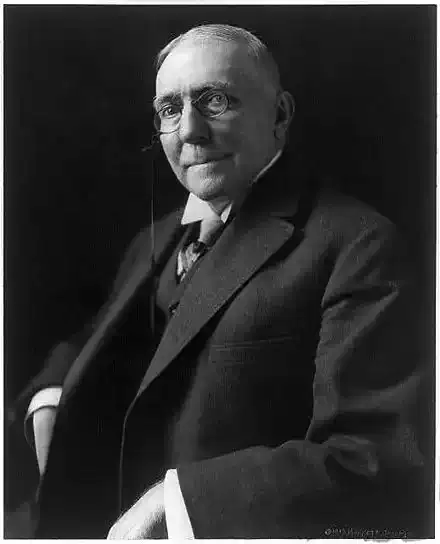
James Whitcomb Riley
Their Sweet Sorrow
Their Sweet Sorrow
They meet to say farewell: Their way
Of saying this is hard to say--.
He holds her hand an Instant, wholly
Distressed-- and she unclasps it slowly,
He lends his gaze evasively
Over the printed page that she
Recurs to, with a new-moon shoulder
Glimpsed from the lace-mists that infold her.
The clock, beneath its crystal cup,
Discreetly clicks-- 'Quick! Act! Speak up!'
A tension circles both her slender
Wrists-- and her raised eyes flash in splendor,
Even as he feels his dazzled own--.
Then blindingly, round either thrown,
They feel a stress of arms that ever
Strain tremblingly-- and 'Never! Never!'
Is whispered brokenly, with half
A sob, like a belated laugh--,
While cloyingly their blurred kiss closes--,
Sweet as the dew's lip to the rose's.
They meet to say farewell: Their way
Of saying this is hard to say--.
He holds her hand an Instant, wholly
Distressed-- and she unclasps it slowly,
He lends his gaze evasively
Over the printed page that she
Recurs to, with a new-moon shoulder
Glimpsed from the lace-mists that infold her.
The clock, beneath its crystal cup,
Discreetly clicks-- 'Quick! Act! Speak up!'
A tension circles both her slender
Wrists-- and her raised eyes flash in splendor,
Even as he feels his dazzled own--.
Then blindingly, round either thrown,
They feel a stress of arms that ever
Strain tremblingly-- and 'Never! Never!'
Is whispered brokenly, with half
A sob, like a belated laugh--,
While cloyingly their blurred kiss closes--,
Sweet as the dew's lip to the rose's.
298
James Whitcomb Riley
The Same Old Story
The Same Old Story
The same old story told again--
The maiden droops her head,
The ripening glow of her crimson cheek
Is answering in her stead.
The pleading tone of a trembling voice
Is telling her the way
He loved her when his heart was young
In Youth's sunshiny day:
The trembling tongue, the longing tone,
Imploringly ask why
They can not be as happy now
As in the days gone by.
And two more hearts, tumultuous
With overflowing joy,
Are dancing to the music
Which that dear, provoking boy
Is twanging on his bowstring,
As, fluttering his wings,
He sends his love-charged arrows
While merrily be sings:
'Ho! ho! my dainty maiden,
It surely can not be
You are thinking you are master
Of your heart, when it is me.'
And another gleaming arrow
Does the little god's behest,
And the dainty little maiden
Falls upon her lover's breast.
'The same old story told again,'
And listened o'er and o'er,
Will still be new, and pleasing, too,
Till 'Time shall be no more.'
The same old story told again--
The maiden droops her head,
The ripening glow of her crimson cheek
Is answering in her stead.
The pleading tone of a trembling voice
Is telling her the way
He loved her when his heart was young
In Youth's sunshiny day:
The trembling tongue, the longing tone,
Imploringly ask why
They can not be as happy now
As in the days gone by.
And two more hearts, tumultuous
With overflowing joy,
Are dancing to the music
Which that dear, provoking boy
Is twanging on his bowstring,
As, fluttering his wings,
He sends his love-charged arrows
While merrily be sings:
'Ho! ho! my dainty maiden,
It surely can not be
You are thinking you are master
Of your heart, when it is me.'
And another gleaming arrow
Does the little god's behest,
And the dainty little maiden
Falls upon her lover's breast.
'The same old story told again,'
And listened o'er and o'er,
Will still be new, and pleasing, too,
Till 'Time shall be no more.'
288
James Whitcomb Riley
The Katydids
The Katydids
Sometimes I keep
From going to sleep,
To hear the katydids 'cheep-cheep!'
And think they say
Their prayers that way;
But _katydids_ don't have to _pray_!
I listen when
They cheep again
And so, I think, they're _singing_ then!
But, no; I'm wrong,--
The sound's too long
And all-alike to be a song!
I think, 'Well, there!
I do declare,
If it is neither song nor prayer,
It's _talk_--and quite
Too vain and light
For me to listen to all night!'
And so, I smile,
And think,--'Now I'll
Not listen for a little while!'--
Then, sweet and clear,
Next '_cheep_' I hear
'S a _kiss_.... Good morning, Mommy dear!
Sometimes I keep
From going to sleep,
To hear the katydids 'cheep-cheep!'
And think they say
Their prayers that way;
But _katydids_ don't have to _pray_!
I listen when
They cheep again
And so, I think, they're _singing_ then!
But, no; I'm wrong,--
The sound's too long
And all-alike to be a song!
I think, 'Well, there!
I do declare,
If it is neither song nor prayer,
It's _talk_--and quite
Too vain and light
For me to listen to all night!'
And so, I smile,
And think,--'Now I'll
Not listen for a little while!'--
Then, sweet and clear,
Next '_cheep_' I hear
'S a _kiss_.... Good morning, Mommy dear!
294
James Whitcomb Riley
Say Something To Me
Say Something To Me
Say something to me! I've waited so long--
Waited and wondered in vain;
Only a sentence would fall like a song
Over this listening pain--
Over a silence that glowers and frowns,--
Even my pencil to-night
Slips in the dews of my sorrow and wounds
Each tender word that I write.
Say something to me--if only to tell
Me you remember the past;
Let the sweet words, like the notes of a bell,
Ring out my vigil at last.
O it were better, far better than this
Doubt and distrust in the breast,--
For in the wine of a fanciful kiss
I could taste Heaven, and--rest.
Say something to me! I kneel and I plead,
In my wild need, for a word;
If my poor heart from this silence were freed,
I could soar up like a bird
In the glad morning, and twitter and sing,
Carol and warble and cry
Blithe as the lark as he cruises awing
Over the deeps of the sky.
Say something to me! I've waited so long--
Waited and wondered in vain;
Only a sentence would fall like a song
Over this listening pain--
Over a silence that glowers and frowns,--
Even my pencil to-night
Slips in the dews of my sorrow and wounds
Each tender word that I write.
Say something to me--if only to tell
Me you remember the past;
Let the sweet words, like the notes of a bell,
Ring out my vigil at last.
O it were better, far better than this
Doubt and distrust in the breast,--
For in the wine of a fanciful kiss
I could taste Heaven, and--rest.
Say something to me! I kneel and I plead,
In my wild need, for a word;
If my poor heart from this silence were freed,
I could soar up like a bird
In the glad morning, and twitter and sing,
Carol and warble and cry
Blithe as the lark as he cruises awing
Over the deeps of the sky.
271
James Whitcomb Riley
Noey's Night-Piece
Noey's Night-Piece
'They ain't much 'tale' about it!' Noey said.-'
K'tawby grapes wuz gittin' good-n-red
I rickollect; and Tubb Kingry and me
'Ud kindo' browse round town, daytime, to see
What neighbers 'peared to have the most to spare
'At wuz git-at-able and no dog there
When we come round to git 'em, say 'bout ten
O'clock at night when mostly old folks then
Wuz snorin' at each other like they yit
Helt some old grudge 'at never slep' a bit.
Well, at the _Pars'nige_--ef ye'll call to mind,-They's
'bout the biggest grape-arber you'll find
'Most anywheres.--And mostly there, we knowed
They wuz _k'tawbies_ thick as ever growed--
And more'n they'd _p'serve_.--Besides I've heerd
Ma say k'tawby-grape-p'serves jes 'peared
A waste o' sugar, anyhow!--And so
My conscience stayed outside and lem me go
With Tubb, one night, the back-way, clean up through
That long black arber to the end next to
The house, where the k'tawbies, don't you know,
Wuz thickest. And t'uz lucky we went _slow_,--
Fer jest as we wuz cropin' tords the gray-
End, like, of the old arber--heerd Tubb say
In a skeered whisper, 'Hold up! They's some one
Jes slippin' in here!--and _looks like a gun_
He's carryin'!' I _golly!_ we both spread
Out flat aginst the ground!
''What's that?' Tubb said.--
And jest then--'_plink! plunk! plink!_' we heerd something
Under the back-porch-winder.--Then, i jing!
Of course we rickollected 'bout the young
School-mam 'at wuz a-boardin' there, and sung,
And played on the melodium in the choir.--
And she 'uz 'bout as purty to admire
As any girl in town!--the fac's is, she
Jest _wuz_, them times, to a dead certainty,
The belle o' this-here bailywick!--But--Well,-I'd
best git back to what I'm tryin' to tell:--
It wuz some feller come to serenade
Miss Wetherell: And there he plunked and played
His old guitar, and sung, and kep' his eye
Set on her winder, blacker'n the sky!--
And black it _stayed_.--But mayby she wuz 'way
From home, er wore out--bein' _Saturday!_
'It _seemed_ a good-'eal _longer_, but I _know_
He sung and plunked there half a' hour er so
Afore, it 'peared like, he could ever git
His own free qualified consents to quit
And go off 'bout his business. When he went
I bet you could a-bought him fer a cent!
'And now, behold ye all!--as Tubb and me
Wuz 'bout to raise up,--right in front we see
A feller slippin' out the arber, square
Smack under that-air little winder where
The _other_ feller had been standin'.--And
The thing he wuz a-carryin' in his hand
Wuzn't no _gun_ at all!--It wuz a _flute_,--
And _whoop-ee!_ how it did git up and toot
And chirp and warble, tel a mockin'-bird
'Ud dast to never let hisse'f be heerd
Ferever, after sich miracalous, high
Jim-cracks and grand skyrootics played there by
Yer Cousin Rufus!--Yes-sir; it wuz him!--
And what's more,--all a-suddent that-air dim
Dark winder o' Miss Wetherell's wuz lit
Up like a' oyshture-sign, and under it
We see him sort o' wet his lips and smile
Down 'long his row o' dancin' fingers, while
He kindo' stiffened up and kinked his breath
And everlastin'ly jest blowed the peth
Out o' that-air old one-keyed flute o' his.
And, bless their hearts, that's all the 'tale' they is!'
And even as Noey closed, all radiantly
The unconscious hero of the history,
Returning, met a perfect driving storm
Of welcome--a reception strangely warm
And _unaccountable_, to _him_, although
Most _gratifying_,--and he told them so.
'I only urge,' he said, 'my right to be
Enlightened.' And a voice said: '_Certainly:_--
During your absence we agreed that you
Should tell us all a story, old or new,
Just in the immediate happy frame of mind
We knew you would return in.'
So, resigned,
The ready flutist tossed his hat aside--
Glanced at the children, smiled, and thus complied.
'They ain't much 'tale' about it!' Noey said.-'
K'tawby grapes wuz gittin' good-n-red
I rickollect; and Tubb Kingry and me
'Ud kindo' browse round town, daytime, to see
What neighbers 'peared to have the most to spare
'At wuz git-at-able and no dog there
When we come round to git 'em, say 'bout ten
O'clock at night when mostly old folks then
Wuz snorin' at each other like they yit
Helt some old grudge 'at never slep' a bit.
Well, at the _Pars'nige_--ef ye'll call to mind,-They's
'bout the biggest grape-arber you'll find
'Most anywheres.--And mostly there, we knowed
They wuz _k'tawbies_ thick as ever growed--
And more'n they'd _p'serve_.--Besides I've heerd
Ma say k'tawby-grape-p'serves jes 'peared
A waste o' sugar, anyhow!--And so
My conscience stayed outside and lem me go
With Tubb, one night, the back-way, clean up through
That long black arber to the end next to
The house, where the k'tawbies, don't you know,
Wuz thickest. And t'uz lucky we went _slow_,--
Fer jest as we wuz cropin' tords the gray-
End, like, of the old arber--heerd Tubb say
In a skeered whisper, 'Hold up! They's some one
Jes slippin' in here!--and _looks like a gun_
He's carryin'!' I _golly!_ we both spread
Out flat aginst the ground!
''What's that?' Tubb said.--
And jest then--'_plink! plunk! plink!_' we heerd something
Under the back-porch-winder.--Then, i jing!
Of course we rickollected 'bout the young
School-mam 'at wuz a-boardin' there, and sung,
And played on the melodium in the choir.--
And she 'uz 'bout as purty to admire
As any girl in town!--the fac's is, she
Jest _wuz_, them times, to a dead certainty,
The belle o' this-here bailywick!--But--Well,-I'd
best git back to what I'm tryin' to tell:--
It wuz some feller come to serenade
Miss Wetherell: And there he plunked and played
His old guitar, and sung, and kep' his eye
Set on her winder, blacker'n the sky!--
And black it _stayed_.--But mayby she wuz 'way
From home, er wore out--bein' _Saturday!_
'It _seemed_ a good-'eal _longer_, but I _know_
He sung and plunked there half a' hour er so
Afore, it 'peared like, he could ever git
His own free qualified consents to quit
And go off 'bout his business. When he went
I bet you could a-bought him fer a cent!
'And now, behold ye all!--as Tubb and me
Wuz 'bout to raise up,--right in front we see
A feller slippin' out the arber, square
Smack under that-air little winder where
The _other_ feller had been standin'.--And
The thing he wuz a-carryin' in his hand
Wuzn't no _gun_ at all!--It wuz a _flute_,--
And _whoop-ee!_ how it did git up and toot
And chirp and warble, tel a mockin'-bird
'Ud dast to never let hisse'f be heerd
Ferever, after sich miracalous, high
Jim-cracks and grand skyrootics played there by
Yer Cousin Rufus!--Yes-sir; it wuz him!--
And what's more,--all a-suddent that-air dim
Dark winder o' Miss Wetherell's wuz lit
Up like a' oyshture-sign, and under it
We see him sort o' wet his lips and smile
Down 'long his row o' dancin' fingers, while
He kindo' stiffened up and kinked his breath
And everlastin'ly jest blowed the peth
Out o' that-air old one-keyed flute o' his.
And, bless their hearts, that's all the 'tale' they is!'
And even as Noey closed, all radiantly
The unconscious hero of the history,
Returning, met a perfect driving storm
Of welcome--a reception strangely warm
And _unaccountable_, to _him_, although
Most _gratifying_,--and he told them so.
'I only urge,' he said, 'my right to be
Enlightened.' And a voice said: '_Certainly:_--
During your absence we agreed that you
Should tell us all a story, old or new,
Just in the immediate happy frame of mind
We knew you would return in.'
So, resigned,
The ready flutist tossed his hat aside--
Glanced at the children, smiled, and thus complied.
266
James Whitcomb Riley
My Bride That Is To Be
My Bride That Is To Be
O soul of mine, look out and see
My bride, my bride that is to be!
Reach out with mad, impatient hands,
And draw aside futurity
As one might draw a veil aside--
And so unveil her where she stands
Madonna-like and glorified--
The queen of undiscovered lands
Of love, to where she beckons me--
My bride--my bride that is to be.
The shadow of a willow-tree
That wavers on a garden-wall
In summertime may never fall
In attitude as gracefully
As my fair bride that is to be;--
Nor ever Autumn's leaves of brown
As lightly flutter to the lawn
As fall her fairy-feet upon
The path of love she loiters down.-O'er
drops of dew she walks, and yet
Not one may stain her sandal wet--
Aye, she might _dance_ upon the way
Nor crush a single drop to spray,
So airy-like she seems to me,--
My bride, my bride that is to be.
I know not if her eyes are light
As summer skies or dark as night,--
I only know that they are dim
With mystery: In vain I peer
To make their hidden meaning clear,
While o'er their surface, like a tear
That ripples to the silken brim,
A look of longing seems to swim
All worn and wearylike to me;
And then, as suddenly, my sight
Is blinded with a smile so bright,
Through folded lids I still may see
My bride, my bride that is to be.
Her face is like a night of June
Upon whose brow the crescent-moon
Hangs pendant in a diadem
Of stars, with envy lighting them.--
And, like a wild cascade, her hair
Floods neck and shoulder, arm and wrist,
Till only through a gleaming mist
I seem to see a siren there,
With lips of love and melody
And open arms and heaving breast
Wherein I fling myself to rest,
The while my heart cries hopelessly
For my fair bride that is to be....
Nay, foolish heart and blinded eyes!
My bride hath need of no disguise.--
But, rather, let her come to me
In such a form as bent above
My pillow when in infancy
I knew not anything but love.--
O let her come from out the lands
Of Womanhood--not fairy isles,--
And let her come with Woman's hands
And Woman's eyes of tears and smiles,--
With Woman's hopefulness and grace
Of patience lighting up her face:
And let her diadem be wrought
Of kindly deed and prayerful thought,
That ever over all distress
May beam the light of cheerfulness.--
And let her feet be brave to fare
The labyrinths of doubt and care,
That, following, my own may find
The path to Heaven God designed.--
O let her come like this to me--
My bride--my bride that is to be.
O soul of mine, look out and see
My bride, my bride that is to be!
Reach out with mad, impatient hands,
And draw aside futurity
As one might draw a veil aside--
And so unveil her where she stands
Madonna-like and glorified--
The queen of undiscovered lands
Of love, to where she beckons me--
My bride--my bride that is to be.
The shadow of a willow-tree
That wavers on a garden-wall
In summertime may never fall
In attitude as gracefully
As my fair bride that is to be;--
Nor ever Autumn's leaves of brown
As lightly flutter to the lawn
As fall her fairy-feet upon
The path of love she loiters down.-O'er
drops of dew she walks, and yet
Not one may stain her sandal wet--
Aye, she might _dance_ upon the way
Nor crush a single drop to spray,
So airy-like she seems to me,--
My bride, my bride that is to be.
I know not if her eyes are light
As summer skies or dark as night,--
I only know that they are dim
With mystery: In vain I peer
To make their hidden meaning clear,
While o'er their surface, like a tear
That ripples to the silken brim,
A look of longing seems to swim
All worn and wearylike to me;
And then, as suddenly, my sight
Is blinded with a smile so bright,
Through folded lids I still may see
My bride, my bride that is to be.
Her face is like a night of June
Upon whose brow the crescent-moon
Hangs pendant in a diadem
Of stars, with envy lighting them.--
And, like a wild cascade, her hair
Floods neck and shoulder, arm and wrist,
Till only through a gleaming mist
I seem to see a siren there,
With lips of love and melody
And open arms and heaving breast
Wherein I fling myself to rest,
The while my heart cries hopelessly
For my fair bride that is to be....
Nay, foolish heart and blinded eyes!
My bride hath need of no disguise.--
But, rather, let her come to me
In such a form as bent above
My pillow when in infancy
I knew not anything but love.--
O let her come from out the lands
Of Womanhood--not fairy isles,--
And let her come with Woman's hands
And Woman's eyes of tears and smiles,--
With Woman's hopefulness and grace
Of patience lighting up her face:
And let her diadem be wrought
Of kindly deed and prayerful thought,
That ever over all distress
May beam the light of cheerfulness.--
And let her feet be brave to fare
The labyrinths of doubt and care,
That, following, my own may find
The path to Heaven God designed.--
O let her come like this to me--
My bride--my bride that is to be.
320
James Whitcomb Riley
Moon-Drowned
Moon-Drowned
'Twas the height of the fete when we quitted the riot,
And quietly stole to the terrace alone,
Where, pale as the lovers that ever swear by it,
The moon it
The sight of the stars and the moon and the sea,
And the infinite skies of that opulent night of
Purple and gold and ivory!
The lisp of the lip of the ripple just under--
The half-awake nightingale's dream in the yews--
Came up from the water, and down from the wonder
Of shadowy foliage, drowsed with the dews,--
Unsteady the firefly's taper--unsteady
The poise of the stars, and their light in the tide,
As it struggled and writhed in caress of the eddy,
As love in the billowy breast of a bride.
The far-away lilt of the waltz rippled to us,
And through us the exquisite thrill of the air:
Like the scent of bruised bloom was her breath, and its dew was
Not honier-sweet than her warm kisses were.
We stood there enchanted.--And O the delight of
The sight of the stars and the moon and the sea,
And the infinite skies of that opulent night of
Purple and gold and ivory!
'Twas the height of the fete when we quitted the riot,
And quietly stole to the terrace alone,
Where, pale as the lovers that ever swear by it,
The moon it
The sight of the stars and the moon and the sea,
And the infinite skies of that opulent night of
Purple and gold and ivory!
The lisp of the lip of the ripple just under--
The half-awake nightingale's dream in the yews--
Came up from the water, and down from the wonder
Of shadowy foliage, drowsed with the dews,--
Unsteady the firefly's taper--unsteady
The poise of the stars, and their light in the tide,
As it struggled and writhed in caress of the eddy,
As love in the billowy breast of a bride.
The far-away lilt of the waltz rippled to us,
And through us the exquisite thrill of the air:
Like the scent of bruised bloom was her breath, and its dew was
Not honier-sweet than her warm kisses were.
We stood there enchanted.--And O the delight of
The sight of the stars and the moon and the sea,
And the infinite skies of that opulent night of
Purple and gold and ivory!
306
James Whitcomb Riley
Judith
Judith
O her eyes are amber-fine--
Dark and deep as wells of wine,
While her smile is like the noon
Splendor of a day of June.
If she sorrow--lo! her face
It is like a flowery space
In bright meadows, overlaid
With light clouds and lulled with shade
If she laugh--it is the trill
Of the wayward whippoorwill
Over upland pastures, heard
Echoed by the mocking-bird
In dim thickets dense with bloom
And blurred cloyings of perfume.
If she sigh--a zephyr swells
Over odorous asphodels
And wan lilies in lush plots
Of moon-drown'd forget-me-nots.
Then, the soft touch of her hand--
Takes all breath to understand
What to liken it thereto!--
Never roseleaf rinsed with dew
Might slip soother-suave than slips
Her slow palm, the while her lips
Swoon through mine, with kiss on kiss
Sweet as heated honey is.
O her eyes are amber-fine--
Dark and deep as wells of wine,
While her smile is like the noon
Splendor of a day of June.
If she sorrow--lo! her face
It is like a flowery space
In bright meadows, overlaid
With light clouds and lulled with shade
If she laugh--it is the trill
Of the wayward whippoorwill
Over upland pastures, heard
Echoed by the mocking-bird
In dim thickets dense with bloom
And blurred cloyings of perfume.
If she sigh--a zephyr swells
Over odorous asphodels
And wan lilies in lush plots
Of moon-drown'd forget-me-nots.
Then, the soft touch of her hand--
Takes all breath to understand
What to liken it thereto!--
Never roseleaf rinsed with dew
Might slip soother-suave than slips
Her slow palm, the while her lips
Swoon through mine, with kiss on kiss
Sweet as heated honey is.
310
James Whitcomb Riley
Inscribed
Inscribed
To the Elect of Love,--or side-by-side
In raptest ecstasy, or sundered wide
By seas that bear no message to or fro
Between the loved and lost of long ago.
So were I but a minstrel, deft
At weaving, with the trembling strings
Of my glad harp, the warp and weft
Of rondels such as rapture sings,-I'd
loop my lyre across my breast,
Nor stay me till my knee found rest
In midnight banks of bud and flower
Beneath my lady's lattice-bower.
And there, drenched with the teary dews,
I'd woo her with such wondrous art
As well might stanch the songs that ooze
Out of the mockbird's breaking heart;
So light, so tender, and so sweet
Should be the words I would repeat,
Her casement, on my gradual sight,
Would blossom as a lily might.
To the Elect of Love,--or side-by-side
In raptest ecstasy, or sundered wide
By seas that bear no message to or fro
Between the loved and lost of long ago.
So were I but a minstrel, deft
At weaving, with the trembling strings
Of my glad harp, the warp and weft
Of rondels such as rapture sings,-I'd
loop my lyre across my breast,
Nor stay me till my knee found rest
In midnight banks of bud and flower
Beneath my lady's lattice-bower.
And there, drenched with the teary dews,
I'd woo her with such wondrous art
As well might stanch the songs that ooze
Out of the mockbird's breaking heart;
So light, so tender, and so sweet
Should be the words I would repeat,
Her casement, on my gradual sight,
Would blossom as a lily might.
338
James Whitcomb Riley
In Bohemia
In Bohemia
Ha! My dear! I'm back again--
Vendor of Bohemia's wares!
Lordy! How it pants a man
Climbing up those awful stairs!
Well, I've made the dealer say
Your sketch _might_ sell, anyway!
And I've made a publisher
Hear my poem, Kate, my dear.
In Bohemia, Kate, my dear--
Lodgers in a musty flat
On the top floor--living here
Neighborless, and used to that,--
Like a nest beneath the eaves,
So our little home receives
Only guests of chirping cheer-We'll
be happy, Kate, my dear!
Under your north-light there, you
At your easel, with a stain
On your nose of Prussian blue,
Paint your bits of shine and rain;
With my feet thrown up at will
O'er my littered window-sill,
I write rhymes that ring as clear
As your laughter, Kate, my dear.
Puff my pipe, and stroke my hair--
Bite my pencil-tip and gaze
At you, mutely mooning there
O'er your 'Aprils' and your 'Mays!'
Equal inspiration in
Dimples of your cheek and chin,
And the golden atmosphere
Of your paintings, Kate, my dear!
_Trying_! Yes, at times it is,
To clink happy rhymes, and fling
On the canvas scenes of bliss,
When we are half famishing!--
When your 'jersey' rips in spots,
And your hat's 'forget-me-nots'
Have grown tousled, old and sere--
It is trying, Kate, my dear!
But--as sure--_some_ picture sells,
And--sometimes--the poetry--
Bless us! How the parrot yells
His acclaims at you and me!
How we revel then in scenes
Of high banqueting!--sardines-Salads--
olives--and a sheer
Pint of sherry, Kate, my dear!
Even now I cross your palm,
With this great round world of gold!-'
Talking wild?' Perhaps I am--
Then, this little five-year-old!--
Call it anything you will,
So it lifts your face until
I may kiss away that tear
Ere it drowns me, Kate, my dear.
Ha! My dear! I'm back again--
Vendor of Bohemia's wares!
Lordy! How it pants a man
Climbing up those awful stairs!
Well, I've made the dealer say
Your sketch _might_ sell, anyway!
And I've made a publisher
Hear my poem, Kate, my dear.
In Bohemia, Kate, my dear--
Lodgers in a musty flat
On the top floor--living here
Neighborless, and used to that,--
Like a nest beneath the eaves,
So our little home receives
Only guests of chirping cheer-We'll
be happy, Kate, my dear!
Under your north-light there, you
At your easel, with a stain
On your nose of Prussian blue,
Paint your bits of shine and rain;
With my feet thrown up at will
O'er my littered window-sill,
I write rhymes that ring as clear
As your laughter, Kate, my dear.
Puff my pipe, and stroke my hair--
Bite my pencil-tip and gaze
At you, mutely mooning there
O'er your 'Aprils' and your 'Mays!'
Equal inspiration in
Dimples of your cheek and chin,
And the golden atmosphere
Of your paintings, Kate, my dear!
_Trying_! Yes, at times it is,
To clink happy rhymes, and fling
On the canvas scenes of bliss,
When we are half famishing!--
When your 'jersey' rips in spots,
And your hat's 'forget-me-nots'
Have grown tousled, old and sere--
It is trying, Kate, my dear!
But--as sure--_some_ picture sells,
And--sometimes--the poetry--
Bless us! How the parrot yells
His acclaims at you and me!
How we revel then in scenes
Of high banqueting!--sardines-Salads--
olives--and a sheer
Pint of sherry, Kate, my dear!
Even now I cross your palm,
With this great round world of gold!-'
Talking wild?' Perhaps I am--
Then, this little five-year-old!--
Call it anything you will,
So it lifts your face until
I may kiss away that tear
Ere it drowns me, Kate, my dear.
286
James Whitcomb Riley
If I Knew What Poets Know
If I Knew What Poets Know
If I knew what poets know,
Would I write a rhyme
Of the buds that never blow
In the summer-time?
Would I sing of golden seeds
Springing up in ironweeds?
And of rain-drops turned to snow,
If I knew what poets know?
Did I know what poets do,
Would I sing a song
Sadder than the pigeon's coo
When the days are long?
Where I found a heart in pain,
I would make it glad again;
And the false should be the true,
Did I know what poets do.
If I knew what poets know,
I would find a theme
Sweeter than the placid flow
Of the fairest dream:
I would sing of love that lives
On the errors it forgives;
And the world would better grow
If I knew what poets know.
If I knew what poets know,
Would I write a rhyme
Of the buds that never blow
In the summer-time?
Would I sing of golden seeds
Springing up in ironweeds?
And of rain-drops turned to snow,
If I knew what poets know?
Did I know what poets do,
Would I sing a song
Sadder than the pigeon's coo
When the days are long?
Where I found a heart in pain,
I would make it glad again;
And the false should be the true,
Did I know what poets do.
If I knew what poets know,
I would find a theme
Sweeter than the placid flow
Of the fairest dream:
I would sing of love that lives
On the errors it forgives;
And the world would better grow
If I knew what poets know.
289
James Whitcomb Riley
Her Hair
Her Hair
The beauty of her hair bewilders me--
Pouring adown the brow, its cloven tide
Swirling about the ears on either side
And storming round the neck tumultuously:
Or like the lights of old antiquity
Through mullioned windows, in cathedrals wide
Spilled moltenly o'er figures deified
In chastest marble, nude of drapery.
And so I love it--. Either unconfined;
Or plaited in close braidings manifold;
Or smoothly drawn; or indolently twined
In careless knots whose coilings come unrolled
At any lightest kiss; or by the wind
Whipped out in flossy ravellings of gold.
The beauty of her hair bewilders me--
Pouring adown the brow, its cloven tide
Swirling about the ears on either side
And storming round the neck tumultuously:
Or like the lights of old antiquity
Through mullioned windows, in cathedrals wide
Spilled moltenly o'er figures deified
In chastest marble, nude of drapery.
And so I love it--. Either unconfined;
Or plaited in close braidings manifold;
Or smoothly drawn; or indolently twined
In careless knots whose coilings come unrolled
At any lightest kiss; or by the wind
Whipped out in flossy ravellings of gold.
359
James Whitcomb Riley
Her Beautiful Hands
Her Beautiful Hands
Your hands--they are strangely fair!
O Fair--for the jewels that sparkle there,-Fair--
for the witchery of the spell
That ivory keys alone can tell;
But when their delicate touches rest
Here in my own do I love them best,
As I clasp with eager, acquisitive spans
My glorious treasure of beautiful hands!
Marvelous--wonderful--beautiful hands!
They can coax roses to bloom in the strands
Of your brown tresses; and ribbons will twine,
Under mysterious touches of thine,
Into such knots as entangle the soul
And fetter the heart under such a control
As only the strength of my love understands--
My passionate love for your beautiful hands.
As I remember the first fair touch
Of those beautiful hands that I love so much,
I seem to thrill as I then was thrilled,
Kissing the glove that I found unfilled--
When I met your gaze, and the queenly bow,
As you said to me, laughingly, 'Keep it now!' . . .
And dazed and alone in a dream I stand,
Kissing this ghost of your beautiful hand.
When first I loved, in the long ago,
And held your hand as I told you so--
Pressed and caressed it and gave it a kiss
And said 'I could die for a hand like this!'
Little I dreamed love's fullness yet
Had to ripen when eyes were wet
And prayers were vain in their wild demands
For one warm touch of your beautiful hands.
. . . . . . . . .
Beautiful Hands!--O Beautiful Hands!
Could you reach out of the alien lands
Where you are lingering, and give me, to-night,
Only a touch--were it ever so light--
My heart were soothed, and my weary brain
Would lull itself into rest again;
For there is no solace the world commands
Like the caress of your beautiful hands.
Your hands--they are strangely fair!
O Fair--for the jewels that sparkle there,-Fair--
for the witchery of the spell
That ivory keys alone can tell;
But when their delicate touches rest
Here in my own do I love them best,
As I clasp with eager, acquisitive spans
My glorious treasure of beautiful hands!
Marvelous--wonderful--beautiful hands!
They can coax roses to bloom in the strands
Of your brown tresses; and ribbons will twine,
Under mysterious touches of thine,
Into such knots as entangle the soul
And fetter the heart under such a control
As only the strength of my love understands--
My passionate love for your beautiful hands.
As I remember the first fair touch
Of those beautiful hands that I love so much,
I seem to thrill as I then was thrilled,
Kissing the glove that I found unfilled--
When I met your gaze, and the queenly bow,
As you said to me, laughingly, 'Keep it now!' . . .
And dazed and alone in a dream I stand,
Kissing this ghost of your beautiful hand.
When first I loved, in the long ago,
And held your hand as I told you so--
Pressed and caressed it and gave it a kiss
And said 'I could die for a hand like this!'
Little I dreamed love's fullness yet
Had to ripen when eyes were wet
And prayers were vain in their wild demands
For one warm touch of your beautiful hands.
. . . . . . . . .
Beautiful Hands!--O Beautiful Hands!
Could you reach out of the alien lands
Where you are lingering, and give me, to-night,
Only a touch--were it ever so light--
My heart were soothed, and my weary brain
Would lull itself into rest again;
For there is no solace the world commands
Like the caress of your beautiful hands.
288
James Whitcomb Riley
Farmer Whipple--Bachelor
Farmer Whipple--Bachelor
It's a mystery to see me--a man o' fifty-four,
Who's lived a cross old bachelor fer thirty year' and more-A-
lookin' glad and smilin'! And they's none o' you can say
That you can guess the reason why I feel so good to-day!
I must tell you all about it! But I'll have to deviate
A little in beginnin', so's to set the matter straight
As to how it comes to happen that I never took a wife--
Kindo' 'crawfish' from the Present to the Springtime of my life!
I was brought up in the country: Of a family of five--
Three brothers and a sister--I'm the only one alive,--
Fer they all died little babies; and 'twas one o' Mother's ways,
You know, to want a daughter; so she took a girl to raise.
The sweetest little thing she was, with rosy cheeks, and fat--
We was little chunks o' shavers then about as high as that!
But someway we sort a' SUITED-like! and Mother she'd declare
She never laid her eyes on a more lovin' pair
Than WE was! So we growed up side by side fer thirteen year',
And every hour of it she growed to me more dear!-W'y,
even Father's dyin', as he did, I do believe
Warn't more affectin' to me than it was to see her grieve!
I was then a lad o' twenty; and I felt a flash o' pride
In thinkin' all depended on ME now to pervide
Fer Mother and fer Mary; and I went about the place
With sleeves rolled up--and workin', with a mighty smilin'
face.--
Fer SOMEPIN' ELSE was workin'! but not a word I said
Of a certain sort o' notion that was runnin' through my head,-'
Some day I'd maybe marry, and a BROTHER'S love was one
Thing--a LOVER'S was another!' was the way the notion run!
I remember onc't in harvest, when the 'cradle-in' ' was done,
(When the harvest of my summers mounted up to twenty-one),
I was ridin' home with Mary at the closin' o' the day-A-
chawin' straws and thinkin', in a lover's lazy way!
And Mary's cheeks was burnin' like the sunset down the lane:
I noticed she was thinkin', too, and ast her to explain.
Well--when she turned and KISSED ME, WITH HER ARMS AROUND
ME--LAW!
I'd a bigger load o' Heaven than I had a load o' straw!
I don't p'tend to learnin', but I'll tell you what's a fac',
They's a mighty truthful sayin' somers in a' almanac--
Er SOMERS--'bout 'puore happiness'--perhaps some folks'll laugh
At the idy--'only lastin' jest two seconds and a half.'-
But it's jest as true as preachin'!--fer that was a SISTER'S
kiss,
And a sister's lovin' confidence a-tellin' to me this:-'
SHE was happy, BEIN' PROMISED TO THE SON O' FARMER BROWN.'--
And my feelin's struck a pardnership with sunset and went down!
I don't know HOW I acted, and I don't know WHAT I said,--
Fer my heart seemed jest a-turnin' to an ice-cold lump o' lead;
And the hosses kind o'glimmered before me in the road,
And the lines fell from my fingers--And that was all I knowed-
Fer--well, I don't know HOW long--They's a dim rememberence
Of a sound o' snortin' horses, and a stake-and-ridered fence
A-whizzin' past, and wheat-sheaves a-dancin' in the air,
And Mary screamin' 'Murder!' and a-runnin' up to where
_I_ was layin' by the roadside, and the wagon upside down
A-leanin' on the gate-post, with the wheels a-whirlin' roun'!
And I tried to raise and meet her, but I couldn't, with a vague
Sort o' notion comin' to me that I had a broken leg.
Well, the women nussed me through it; but many a time I'd sigh
As I'd keep a-gittin' better instid o' goin' to die,
And wonder what was left ME worth livin' fer below,
When the girl I loved was married to another, don't you know!
And my thoughts was as rebellious as the folks was good and kind
When Brown and Mary married--Railly must 'a' been my MIND
Was kind o' out o' kilter!--fer I hated Brown, you see,
Worse'n PIZEN--and the feller whittled crutches out fer ME--
And done a thousand little ac's o' kindness and respec'--
And me a-wishin' all the time that I could break his neck!
My relief was like a mourner's when the funeral is done
When they moved to Illinois in the Fall o' Forty-one.
Then I went to work in airnest--I had nothin' much in view
But to drownd out rickollections--and it kep' me busy, too!
But I slowly thrived and prospered, tel Mother used to say
She expected yit to see me a wealthy man some day.
Then I'd think how little MONEY was, compared to happiness--
And who'd be left to use it when I died I couldn't guess!
But I've still kep' speculatin' and a-gainin' year by year,
Tel I'm payin' half the taxes in the county, mighty near!
Well!--A year ago er better, a letter comes to hand
Astin' how I'd like to dicker fer some Illinois land-'
The feller that had owned it,' it went ahead to state,
'Had jest deceased, insolvent, leavin' chance to speculate,'--
And then it closed by sayin' that I'd 'better come and see.'-
I'd never been West, anyhow--a'most too wild fer ME,
I'd allus had a notion; but a lawyer here in town
Said I'd find myself mistakend when I come to look around.
So I bids good-by to Mother, and I jumps aboard the train,
A-thinkin' what I'd bring her when I come back home again--
And ef she'd had an idy what the present was to be,
I think it's more'n likely she'd 'a' went along with me!
Cars is awful tejus ridin', fer all they go so fast!
But finally they called out my stoppin'-place at last:
And that night, at the tavern, I dreamp' I was a train
O' cars, and SKEERED at somepin', runnin' down a country lane!
Well, in the morning airly--after huntin' up the man--
The lawyer who was wantin' to swap the piece o' land--
We started fer the country; and I ast the history
Of the farm--its former owner--and so forth, etcetery!
And--well--it was interESTin'--I su'prised him, I suppose,
By the loud and frequent manner in which I blowed my nose!--
But his su'prise was greater, and it made him wonder more,
When I kissed and hugged the widder when she met us at the
door!--
IT WAS MARY: . . . They's a feelin' a-hidin' down in here--
Of course I can't explain it, ner ever make it clear.--
It was with us in that meetin', I don't want you to fergit!
And it makes me kind o'nervous when I think about it yit!
I BOUGHT that farm, and DEEDED it, afore I left the town
With 'title clear to mansions in the skies,' to Mary Brown!
And fu'thermore, I took her and the CHILDERN--fer you see,
They'd never seed their Grandma--and I fetched 'em home with me.
So NOW you've got an idy why a man o' fifty-four,
Who's lived a cross old bachelor fer thirty year' and more
Is a-lookin' glad and smilin'!--And I've jest come into town
To git a pair o' license fer to MARRY Mary Brown.
It's a mystery to see me--a man o' fifty-four,
Who's lived a cross old bachelor fer thirty year' and more-A-
lookin' glad and smilin'! And they's none o' you can say
That you can guess the reason why I feel so good to-day!
I must tell you all about it! But I'll have to deviate
A little in beginnin', so's to set the matter straight
As to how it comes to happen that I never took a wife--
Kindo' 'crawfish' from the Present to the Springtime of my life!
I was brought up in the country: Of a family of five--
Three brothers and a sister--I'm the only one alive,--
Fer they all died little babies; and 'twas one o' Mother's ways,
You know, to want a daughter; so she took a girl to raise.
The sweetest little thing she was, with rosy cheeks, and fat--
We was little chunks o' shavers then about as high as that!
But someway we sort a' SUITED-like! and Mother she'd declare
She never laid her eyes on a more lovin' pair
Than WE was! So we growed up side by side fer thirteen year',
And every hour of it she growed to me more dear!-W'y,
even Father's dyin', as he did, I do believe
Warn't more affectin' to me than it was to see her grieve!
I was then a lad o' twenty; and I felt a flash o' pride
In thinkin' all depended on ME now to pervide
Fer Mother and fer Mary; and I went about the place
With sleeves rolled up--and workin', with a mighty smilin'
face.--
Fer SOMEPIN' ELSE was workin'! but not a word I said
Of a certain sort o' notion that was runnin' through my head,-'
Some day I'd maybe marry, and a BROTHER'S love was one
Thing--a LOVER'S was another!' was the way the notion run!
I remember onc't in harvest, when the 'cradle-in' ' was done,
(When the harvest of my summers mounted up to twenty-one),
I was ridin' home with Mary at the closin' o' the day-A-
chawin' straws and thinkin', in a lover's lazy way!
And Mary's cheeks was burnin' like the sunset down the lane:
I noticed she was thinkin', too, and ast her to explain.
Well--when she turned and KISSED ME, WITH HER ARMS AROUND
ME--LAW!
I'd a bigger load o' Heaven than I had a load o' straw!
I don't p'tend to learnin', but I'll tell you what's a fac',
They's a mighty truthful sayin' somers in a' almanac--
Er SOMERS--'bout 'puore happiness'--perhaps some folks'll laugh
At the idy--'only lastin' jest two seconds and a half.'-
But it's jest as true as preachin'!--fer that was a SISTER'S
kiss,
And a sister's lovin' confidence a-tellin' to me this:-'
SHE was happy, BEIN' PROMISED TO THE SON O' FARMER BROWN.'--
And my feelin's struck a pardnership with sunset and went down!
I don't know HOW I acted, and I don't know WHAT I said,--
Fer my heart seemed jest a-turnin' to an ice-cold lump o' lead;
And the hosses kind o'glimmered before me in the road,
And the lines fell from my fingers--And that was all I knowed-
Fer--well, I don't know HOW long--They's a dim rememberence
Of a sound o' snortin' horses, and a stake-and-ridered fence
A-whizzin' past, and wheat-sheaves a-dancin' in the air,
And Mary screamin' 'Murder!' and a-runnin' up to where
_I_ was layin' by the roadside, and the wagon upside down
A-leanin' on the gate-post, with the wheels a-whirlin' roun'!
And I tried to raise and meet her, but I couldn't, with a vague
Sort o' notion comin' to me that I had a broken leg.
Well, the women nussed me through it; but many a time I'd sigh
As I'd keep a-gittin' better instid o' goin' to die,
And wonder what was left ME worth livin' fer below,
When the girl I loved was married to another, don't you know!
And my thoughts was as rebellious as the folks was good and kind
When Brown and Mary married--Railly must 'a' been my MIND
Was kind o' out o' kilter!--fer I hated Brown, you see,
Worse'n PIZEN--and the feller whittled crutches out fer ME--
And done a thousand little ac's o' kindness and respec'--
And me a-wishin' all the time that I could break his neck!
My relief was like a mourner's when the funeral is done
When they moved to Illinois in the Fall o' Forty-one.
Then I went to work in airnest--I had nothin' much in view
But to drownd out rickollections--and it kep' me busy, too!
But I slowly thrived and prospered, tel Mother used to say
She expected yit to see me a wealthy man some day.
Then I'd think how little MONEY was, compared to happiness--
And who'd be left to use it when I died I couldn't guess!
But I've still kep' speculatin' and a-gainin' year by year,
Tel I'm payin' half the taxes in the county, mighty near!
Well!--A year ago er better, a letter comes to hand
Astin' how I'd like to dicker fer some Illinois land-'
The feller that had owned it,' it went ahead to state,
'Had jest deceased, insolvent, leavin' chance to speculate,'--
And then it closed by sayin' that I'd 'better come and see.'-
I'd never been West, anyhow--a'most too wild fer ME,
I'd allus had a notion; but a lawyer here in town
Said I'd find myself mistakend when I come to look around.
So I bids good-by to Mother, and I jumps aboard the train,
A-thinkin' what I'd bring her when I come back home again--
And ef she'd had an idy what the present was to be,
I think it's more'n likely she'd 'a' went along with me!
Cars is awful tejus ridin', fer all they go so fast!
But finally they called out my stoppin'-place at last:
And that night, at the tavern, I dreamp' I was a train
O' cars, and SKEERED at somepin', runnin' down a country lane!
Well, in the morning airly--after huntin' up the man--
The lawyer who was wantin' to swap the piece o' land--
We started fer the country; and I ast the history
Of the farm--its former owner--and so forth, etcetery!
And--well--it was interESTin'--I su'prised him, I suppose,
By the loud and frequent manner in which I blowed my nose!--
But his su'prise was greater, and it made him wonder more,
When I kissed and hugged the widder when she met us at the
door!--
IT WAS MARY: . . . They's a feelin' a-hidin' down in here--
Of course I can't explain it, ner ever make it clear.--
It was with us in that meetin', I don't want you to fergit!
And it makes me kind o'nervous when I think about it yit!
I BOUGHT that farm, and DEEDED it, afore I left the town
With 'title clear to mansions in the skies,' to Mary Brown!
And fu'thermore, I took her and the CHILDERN--fer you see,
They'd never seed their Grandma--and I fetched 'em home with me.
So NOW you've got an idy why a man o' fifty-four,
Who's lived a cross old bachelor fer thirty year' and more
Is a-lookin' glad and smilin'!--And I've jest come into town
To git a pair o' license fer to MARRY Mary Brown.
381
James Whitcomb Riley
Dreamer, Say
Dreamer, Say
Dreamer, say, will you dream for me
A wild sweet dream of a foreign land,
Whose border sips of a foaming sea
With lips of coral and silver sand;
Where warm winds loll on the shady deeps,
Or lave themselves in the tearful mist
The great wild wave of the breaker weeps
O'er crags of opal and amethyst?
Dreamer, say, will you dream a dream
Of tropic shades in the lands of shine,
Where the lily leans o'er an amber stream
That flows like a rill of wasted wine,--
Where the palm-trees, lifting their shields of green,
Parry the shafts of the Indian sun
Whose splintering vengeance falls between
The reeds below where the waters run?
Dreamer, say, will you dream of love
That lives in a land of sweet perfume,
Where the stars drip down from the skies above
In molten spatters of bud and bloom?
Where never the weary eyes are wet,
And never a sob in the balmy air,
And only the laugh of the paroquet
Breaks the sleep of the silence there?
Dreamer, say, will you dream for me
A wild sweet dream of a foreign land,
Whose border sips of a foaming sea
With lips of coral and silver sand;
Where warm winds loll on the shady deeps,
Or lave themselves in the tearful mist
The great wild wave of the breaker weeps
O'er crags of opal and amethyst?
Dreamer, say, will you dream a dream
Of tropic shades in the lands of shine,
Where the lily leans o'er an amber stream
That flows like a rill of wasted wine,--
Where the palm-trees, lifting their shields of green,
Parry the shafts of the Indian sun
Whose splintering vengeance falls between
The reeds below where the waters run?
Dreamer, say, will you dream of love
That lives in a land of sweet perfume,
Where the stars drip down from the skies above
In molten spatters of bud and bloom?
Where never the weary eyes are wet,
And never a sob in the balmy air,
And only the laugh of the paroquet
Breaks the sleep of the silence there?
285
James Whitcomb Riley
Dear Hands
Dear Hands
The touches of her hands are like the fall
Of velvet snowflakes; like the touch of down
The peach just brushes 'gainst the garden wall;
The flossy fondlings of the thistle-wisp
Caught in the crinkle of a leaf of brown
The blighting frost hath turned from green to crisp.
Soft as the falling of the dusk at night,
The touches of her hands, and the delight--
The touches of her hands!
The touches of her hands are like the dew
That falls so softly down no one e'er knew
The touch thereof save lovers like to one
Astray in lights where ranged Endymion.
O rarely soft, the touches of her hands,
As drowsy zephyrs in enchanted lands;
Or pulse of dying fay; or fairy sighs,
Or--in between the midnight and the dawn,
When long unrest and tears and fears are gone--
Sleep, smoothing down the lids of weary eyes.
The touches of her hands are like the fall
Of velvet snowflakes; like the touch of down
The peach just brushes 'gainst the garden wall;
The flossy fondlings of the thistle-wisp
Caught in the crinkle of a leaf of brown
The blighting frost hath turned from green to crisp.
Soft as the falling of the dusk at night,
The touches of her hands, and the delight--
The touches of her hands!
The touches of her hands are like the dew
That falls so softly down no one e'er knew
The touch thereof save lovers like to one
Astray in lights where ranged Endymion.
O rarely soft, the touches of her hands,
As drowsy zephyrs in enchanted lands;
Or pulse of dying fay; or fairy sighs,
Or--in between the midnight and the dawn,
When long unrest and tears and fears are gone--
Sleep, smoothing down the lids of weary eyes.
324
James Whitcomb Riley
By Her White Bed
By Her White Bed
By her white bed I muse a little space:
She fell asleep--not very long ago,--
And yet the grass was here and not the snow--
The leaf, the bud, the blossom, and--her face!-Midsummer's
heaven above us, and the grace
Of Lovers own day, from dawn to afterglow;
The fireflies' glimmering, and the sweet and low
Plaint of the whip-poor-wills, and every place
In thicker twilight for the roses' scent.
Then _night_.--She slept--in such tranquility,
I walk atiptoe still, nor _dare_ to weep,
Feeling, in all this hush, she rests content--
That though God stood to wake her for me, she
Would mutely plead: 'Nay, Lord! Let _him_ so sleep.'
By her white bed I muse a little space:
She fell asleep--not very long ago,--
And yet the grass was here and not the snow--
The leaf, the bud, the blossom, and--her face!-Midsummer's
heaven above us, and the grace
Of Lovers own day, from dawn to afterglow;
The fireflies' glimmering, and the sweet and low
Plaint of the whip-poor-wills, and every place
In thicker twilight for the roses' scent.
Then _night_.--She slept--in such tranquility,
I walk atiptoe still, nor _dare_ to weep,
Feeling, in all this hush, she rests content--
That though God stood to wake her for me, she
Would mutely plead: 'Nay, Lord! Let _him_ so sleep.'
303
James Whitcomb Riley
Art And Love
Art And Love
He faced his canvas (as a seer whose ken
Pierces the crust of this existence through)
And smiled beyond on that his genius knew
Ere mated with his being. Conscious then
Of his high theme alone, he smiled again
Straight back upon himself in many a hue
And tint, and light and shade, which slowly grew
Enfeatured of a fair girl's face, as when
First time she smiles for love's sake with no fear.
So wrought he, witless that behind him leant
A woman, with old features, dim and sear,
And glamoured eyes that felt the brimming tear,
And with a voice, like some sad instrument,
That sighing said, 'I'm dead there; love me here!'
He faced his canvas (as a seer whose ken
Pierces the crust of this existence through)
And smiled beyond on that his genius knew
Ere mated with his being. Conscious then
Of his high theme alone, he smiled again
Straight back upon himself in many a hue
And tint, and light and shade, which slowly grew
Enfeatured of a fair girl's face, as when
First time she smiles for love's sake with no fear.
So wrought he, witless that behind him leant
A woman, with old features, dim and sear,
And glamoured eyes that felt the brimming tear,
And with a voice, like some sad instrument,
That sighing said, 'I'm dead there; love me here!'
321
James Whitcomb Riley
An Old Sweetheart Of Mine
An Old Sweetheart Of Mine
As one who cons at evening o'er an album all alone,
And muses on the faces of the friends that he has known,
So I turn the leaves of Fancy, till in shadowy design
I find the smiling features of an old sweetheart of mine.
The lamplight seems to glimmer with a flicker of surprise,
As I turn it low, to rest me of the dazzle in my eyes,
And light my pipe in silence, save a sigh that seems to yoke
Its fate with my tobacco, and to vanish with the smoke.
'Tis a fragrant retrospection, for the loving thoughts that start
Into being are like perfumes from the blossom of the heart;
And to dream the old dreams over is a luxury divine—
When my truant fancies wander with that old sweetheart of mine.
Though I hear, beneath my study, like a fluttering of wings,
The voices of my children and the mother as she sings,
I feel no twinge of conscience to deny me any theme
When Care has cast her anchor in the harbor of a dream.
In fact, to speak in earnest, I believe it adds a charm
To spice the good a trifle with a little dust of harm;
For I find an extra flavor in Memory's mellow wine
That makes me drink the deeper to that old sweetheart of mine.
A face of lily-beauty, with a form of airy grace,
Floats out of my tobacco as the genii from the vase;
And I thrill beneath the glances of a pair of azure eyes,
As glowing as the summer and as tender as the skies.
I can see the pink sunbonnet and the little checkered dress
She wore when first I kissed her, and she answered the caress
With the written declaration that, 'as surely as the vine
Grew round the stump,' she loved me,—that old sweetheart of mine!
And again I feel the pressure of her slender little hand,
As we used to talk together of the future we had planned:
When I should be a poet, and with nothing else to do
But write the tender verses that she set the music to;
When we should live together in a cozy little cot,
Hid in a nest of roses, with a fairy garden-spot,
Where the vines were ever fruited, and the weather ever fine,
And the birds were ever singing for that old sweetheart of mine;
And I should be her lover forever and a day,
And she my faithful sweetheart till the golden hair was gray;
And we should be so happy that when either's lips were dumb
They would not smile in heaven till the other's kiss had come.
But ah! my dream is broken by a step upon the stair,
And the door is softly opened, and my wife is standing there!
Yet with eagerness and rapture all my visions I resign
To greet the living presence of that old sweetheart of mine.
As one who cons at evening o'er an album all alone,
And muses on the faces of the friends that he has known,
So I turn the leaves of Fancy, till in shadowy design
I find the smiling features of an old sweetheart of mine.
The lamplight seems to glimmer with a flicker of surprise,
As I turn it low, to rest me of the dazzle in my eyes,
And light my pipe in silence, save a sigh that seems to yoke
Its fate with my tobacco, and to vanish with the smoke.
'Tis a fragrant retrospection, for the loving thoughts that start
Into being are like perfumes from the blossom of the heart;
And to dream the old dreams over is a luxury divine—
When my truant fancies wander with that old sweetheart of mine.
Though I hear, beneath my study, like a fluttering of wings,
The voices of my children and the mother as she sings,
I feel no twinge of conscience to deny me any theme
When Care has cast her anchor in the harbor of a dream.
In fact, to speak in earnest, I believe it adds a charm
To spice the good a trifle with a little dust of harm;
For I find an extra flavor in Memory's mellow wine
That makes me drink the deeper to that old sweetheart of mine.
A face of lily-beauty, with a form of airy grace,
Floats out of my tobacco as the genii from the vase;
And I thrill beneath the glances of a pair of azure eyes,
As glowing as the summer and as tender as the skies.
I can see the pink sunbonnet and the little checkered dress
She wore when first I kissed her, and she answered the caress
With the written declaration that, 'as surely as the vine
Grew round the stump,' she loved me,—that old sweetheart of mine!
And again I feel the pressure of her slender little hand,
As we used to talk together of the future we had planned:
When I should be a poet, and with nothing else to do
But write the tender verses that she set the music to;
When we should live together in a cozy little cot,
Hid in a nest of roses, with a fairy garden-spot,
Where the vines were ever fruited, and the weather ever fine,
And the birds were ever singing for that old sweetheart of mine;
And I should be her lover forever and a day,
And she my faithful sweetheart till the golden hair was gray;
And we should be so happy that when either's lips were dumb
They would not smile in heaven till the other's kiss had come.
But ah! my dream is broken by a step upon the stair,
And the door is softly opened, and my wife is standing there!
Yet with eagerness and rapture all my visions I resign
To greet the living presence of that old sweetheart of mine.
349
James Whitcomb Riley
A Variation
A Variation
I am tired of this!
Nothing else but loving!
Nothing else but kiss and kiss,
Coo, and turtle-doving!
Can't you change the order some?
Hate me just a little--come!
Lay aside your 'dears,'
'Darlings,' 'kings,' and 'princes!'--
Call me knave, and dry your tears--
Nothing in me winces,--
Call me something low and base--
Something that will suit the case!
Wish I had your eyes
And their drooping lashes!
I would dry their teary lies
Up with lightning-flashes--
Make your sobbing lips unsheathe
All the glitter of your teeth!
Can't you lift one word--
With some pang of laughter--
Louder than the drowsy bird
Crooning 'neath the rafter?
Just one bitter word, to shriek
Madly at me as I speak!
How I hate the fair
Beauty of your forehead!
How I hate your fragrant hair!
How I hate the torrid
Touches of your splendid lips,
And the kiss that drips and drips!
Ah, you pale at last!
And your face is lifted
Like a white sail to the blast,
And your hands are shifted
Into fists: and, towering thus,
You are simply glorious!
Now before me looms
Something more than human;
Something more than beauty blooms
In the wrath of Woman--
Something to bow down before
Reverently and adore.
I am tired of this!
Nothing else but loving!
Nothing else but kiss and kiss,
Coo, and turtle-doving!
Can't you change the order some?
Hate me just a little--come!
Lay aside your 'dears,'
'Darlings,' 'kings,' and 'princes!'--
Call me knave, and dry your tears--
Nothing in me winces,--
Call me something low and base--
Something that will suit the case!
Wish I had your eyes
And their drooping lashes!
I would dry their teary lies
Up with lightning-flashes--
Make your sobbing lips unsheathe
All the glitter of your teeth!
Can't you lift one word--
With some pang of laughter--
Louder than the drowsy bird
Crooning 'neath the rafter?
Just one bitter word, to shriek
Madly at me as I speak!
How I hate the fair
Beauty of your forehead!
How I hate your fragrant hair!
How I hate the torrid
Touches of your splendid lips,
And the kiss that drips and drips!
Ah, you pale at last!
And your face is lifted
Like a white sail to the blast,
And your hands are shifted
Into fists: and, towering thus,
You are simply glorious!
Now before me looms
Something more than human;
Something more than beauty blooms
In the wrath of Woman--
Something to bow down before
Reverently and adore.
261
James Whitcomb Riley
A Song of the Road
A Song of the Road
O I will walk with you, my lad, whichever way you fare,
You'll have me, too, the side o' you, with heart as light as air;
No care for where the road you take's a-leadin' anywhere,--
It can but be a joyful ja'nt whilst you journey there.
The road you take's the path o' love, an' that's the bridth o' two--
An' I will walk with you, my lad -- O I will walk with you.
Ho! I will walk with you, my lad,
Be weather black or blue
Or roadsides frost or dew, my lad --
O I will walk with you.
Aye, glad, my lad, I'll walk with you, whatever winds may blow,
Or summer blossoms stay our steps, or blinding drifts of snow;
The way thay you set face an' foot 's the way that I will go,
An' brave I'll be, abreast o' ye, the Saints and Angels know!
With loyal hand in loyal hand, an' one heart made o' two,
Through summer's gold, or winter's cold, It's I will walk with you.
Sure, I will walk with you, my lad,
A love ordains me to,--
To Heaven's door, an' through, my lad.
O I will walk with you.
O I will walk with you, my lad, whichever way you fare,
You'll have me, too, the side o' you, with heart as light as air;
No care for where the road you take's a-leadin' anywhere,--
It can but be a joyful ja'nt whilst you journey there.
The road you take's the path o' love, an' that's the bridth o' two--
An' I will walk with you, my lad -- O I will walk with you.
Ho! I will walk with you, my lad,
Be weather black or blue
Or roadsides frost or dew, my lad --
O I will walk with you.
Aye, glad, my lad, I'll walk with you, whatever winds may blow,
Or summer blossoms stay our steps, or blinding drifts of snow;
The way thay you set face an' foot 's the way that I will go,
An' brave I'll be, abreast o' ye, the Saints and Angels know!
With loyal hand in loyal hand, an' one heart made o' two,
Through summer's gold, or winter's cold, It's I will walk with you.
Sure, I will walk with you, my lad,
A love ordains me to,--
To Heaven's door, an' through, my lad.
O I will walk with you.
281