

Poems in this topic
Change and Transformation
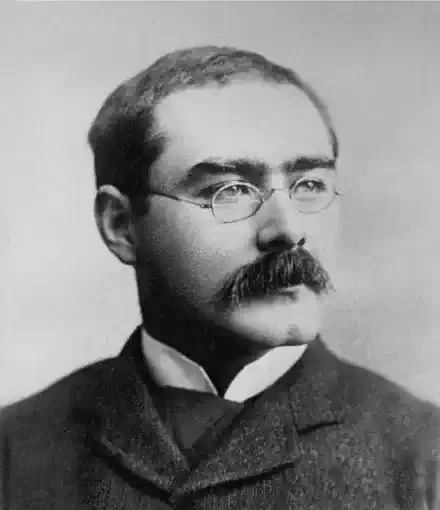
Rudyard Kipling
Columns
Columns
(Mobile Columns of the Boer War)
Out o' the wilderness, dusty an' dry
(Time, an' 'igh time to be trekkin' again!)
Oo is it 'eads to the Detail Supply?
A sectioin, a pompom, an' six 'undred men.
'Ere comes the clerk with 'is lantern an' keys
(Time, an 'igh time to be trekkin 'again!)
" Surplus of everything--draw what you please
"For the section, the pompom, an' six 'unrdred men."
"What are our orders an' where do we lay? .
(Time, an 'igh time to be trekkin' again!)
"You came after dark--you will leave before day,
"You section, you pompom, you six' undred men!"
Down the tin street, 'alf awake an 'unfed,
'Ark to 'em blessin' the Gen'ral in bed!
Now by the church an' the outspan they wind--
Over the ridge an' it's all lef' be'ind
For the section, etc.
Soon they will camp as the dawn's growin' grey,
Roll up for coffee an' sleep while they may--
The section , etc.
Read their 'ome letters, their papers an' such,
For they'll move after dark to astonish the Dutch
With a section, etc.
'Untin' for shade as the long hours pass--
Blankets on rifles or burrows in grass,
Lies the section, etc.
Dossin' or beatin' a shirt in the sun,
Watching chameleons or cleanin' a gun,
Waits the section, etc.
With nothin' but stillness as far as you please,
An' the silly mirage stringin' islands an' seas
Round the section, etc.
So they strips off their hide an' they grills in their bones,
Till the shadows crawl out from beneath the pore stones
Toward the section, etc.
An' the Mauser-bird stops an' the jacals begin
A the 'orse-guard comes up and the Gunners 'ook in
As a 'int the pompom an' six 'undred men . . . .
Off through the dark with the stars to rely on---
(Alpha Centauri an' somethin' Orion)
Moves the section, etc.
Same bloomin' 'ole which the ant-bear 'as broke,
Same bloomin' stumble an' same bloomin' joke
Down the section, etc.
Same "which is right?" where the cart-tracks divide,
Same "give it up" from the same clever guide
To the section, etc.
Same tumble-down on the same 'idden farm,
Same white-eyed Kaffir 'oo gives the alarm--
Of the section, etc.
Same shootin' wild at the end o' the night,
Same flyin'-tackle an' same messy fight,
By the section, etc.
Same ugly 'iccup an' same 'orrid squeal,
When it's too dark to see an' it's too late to feel
In the section, etc.
(Same batch of prisoners, 'airy an' still,
Watchin' their comrades bolt over the 'ill
From the section, etc.)
Same chilly glare in the eye of the sun
As 'e gets up displeasured to see what was done
By the section, etc.
Same splash o' pink on the stoep or the kraal,
An' the same quiet face which 'as finished with all
In the section, the pompom, an' six 'undred men.
Out o' the wilderness, dusty an' dry
(Time, an' 'igh time to be trekkin' again!)
' Oo is it 'eads to the Detail Supply ?
A section, a pompom, an 'six' 'undred men.
(Mobile Columns of the Boer War)
Out o' the wilderness, dusty an' dry
(Time, an' 'igh time to be trekkin' again!)
Oo is it 'eads to the Detail Supply?
A sectioin, a pompom, an' six 'undred men.
'Ere comes the clerk with 'is lantern an' keys
(Time, an 'igh time to be trekkin 'again!)
" Surplus of everything--draw what you please
"For the section, the pompom, an' six 'unrdred men."
"What are our orders an' where do we lay? .
(Time, an 'igh time to be trekkin' again!)
"You came after dark--you will leave before day,
"You section, you pompom, you six' undred men!"
Down the tin street, 'alf awake an 'unfed,
'Ark to 'em blessin' the Gen'ral in bed!
Now by the church an' the outspan they wind--
Over the ridge an' it's all lef' be'ind
For the section, etc.
Soon they will camp as the dawn's growin' grey,
Roll up for coffee an' sleep while they may--
The section , etc.
Read their 'ome letters, their papers an' such,
For they'll move after dark to astonish the Dutch
With a section, etc.
'Untin' for shade as the long hours pass--
Blankets on rifles or burrows in grass,
Lies the section, etc.
Dossin' or beatin' a shirt in the sun,
Watching chameleons or cleanin' a gun,
Waits the section, etc.
With nothin' but stillness as far as you please,
An' the silly mirage stringin' islands an' seas
Round the section, etc.
So they strips off their hide an' they grills in their bones,
Till the shadows crawl out from beneath the pore stones
Toward the section, etc.
An' the Mauser-bird stops an' the jacals begin
A the 'orse-guard comes up and the Gunners 'ook in
As a 'int the pompom an' six 'undred men . . . .
Off through the dark with the stars to rely on---
(Alpha Centauri an' somethin' Orion)
Moves the section, etc.
Same bloomin' 'ole which the ant-bear 'as broke,
Same bloomin' stumble an' same bloomin' joke
Down the section, etc.
Same "which is right?" where the cart-tracks divide,
Same "give it up" from the same clever guide
To the section, etc.
Same tumble-down on the same 'idden farm,
Same white-eyed Kaffir 'oo gives the alarm--
Of the section, etc.
Same shootin' wild at the end o' the night,
Same flyin'-tackle an' same messy fight,
By the section, etc.
Same ugly 'iccup an' same 'orrid squeal,
When it's too dark to see an' it's too late to feel
In the section, etc.
(Same batch of prisoners, 'airy an' still,
Watchin' their comrades bolt over the 'ill
From the section, etc.)
Same chilly glare in the eye of the sun
As 'e gets up displeasured to see what was done
By the section, etc.
Same splash o' pink on the stoep or the kraal,
An' the same quiet face which 'as finished with all
In the section, the pompom, an' six 'undred men.
Out o' the wilderness, dusty an' dry
(Time, an' 'igh time to be trekkin' again!)
' Oo is it 'eads to the Detail Supply ?
A section, a pompom, an 'six' 'undred men.
451
3
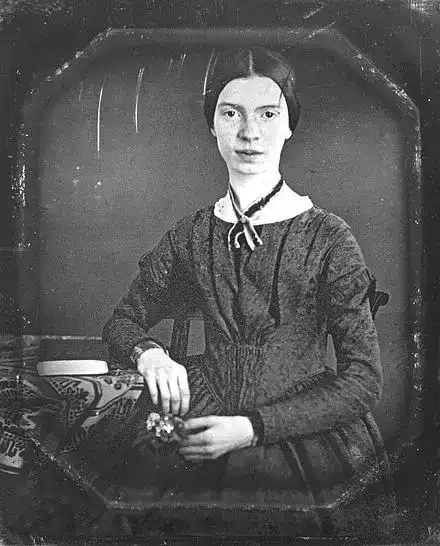
Emily Dickinson
We see-Comparatively
We see-Comparatively
534
We see-Comparatively-
The Thing so towering high
We could not grasp its segment
Unaided-Yesterday-
This Morning's finer Verdict-
Makes scarcely worth the toil-
A furrow-Our Cordillera-
Our Apennine-a Knoll-
Perhaps 'tis kindly-done us-
The Anguish-and the loss-
The wrenching-for His Firmament
The Thing belonged to us-
To spare these Striding Spirits
Some Morning of Chagrin-
The waking in a Gnat's-embrace-
Our Giants-further on-
534
We see-Comparatively-
The Thing so towering high
We could not grasp its segment
Unaided-Yesterday-
This Morning's finer Verdict-
Makes scarcely worth the toil-
A furrow-Our Cordillera-
Our Apennine-a Knoll-
Perhaps 'tis kindly-done us-
The Anguish-and the loss-
The wrenching-for His Firmament
The Thing belonged to us-
To spare these Striding Spirits
Some Morning of Chagrin-
The waking in a Gnat's-embrace-
Our Giants-further on-
1,059
1
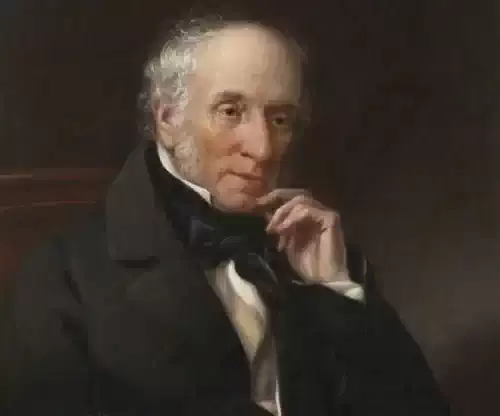
William Wordsworth
Waterfall and The Eglantine, The
Waterfall and The Eglantine, The
"Begone, thou fond presumptuous Elf,"
Exclaimed an angry Voice,
"Nor dare to thrust thy foolish self
Between me and my choice!"
A small Cascade fresh swoln with snows
Thus threatened a poor Briar-rose,
That, all bespattered with his foam,
And dancing high and dancing low,
Was living, as a child might know,
In an unhappy home.
II
"Dost thou presume my course to block?
Off, off! or, puny Thing!
I'll hurl thee headlong with the rock
To which thy fibres cling."
The Flood was tyrannous and strong;
The patient Briar suffered long,
Nor did he utter groan or sigh,
Hoping the danger would be past;
But, seeing no relief, at last,
He ventured to reply.
III
"Ah!" said the Briar, "blame me not;
Why should we dwell in strife?
We who in this sequestered spot
Once lived a happy life!
You stirred me on my rocky bed--
What pleasure through my veins you spread
The summer long, from day to day,
My leaves you freshened and bedewed;
Nor was it common gratitude
That did your cares repay.
IV
"When spring came on with bud and bell,
Among these rocks did I
Before you hang my wreaths to tell
That gentle days were nigh!
And in the sultry summer hours,
I sheltered you with leaves and flowers;
And in my leaves--now shed and gone,
The linnet lodged, and for us two
Chanted his pretty songs, when you
Had little voice or none.
V
"But now proud thoughts are in your breast--
What grief is mine you see,
Ah! would you think, even yet how blest
Together we might be!
Though of both leaf and flower bereft,
Some ornaments to me are left--
Rich store of scarlet hips is mine,
With which I, in my humble way,
Would deck you many a winter day,
A happy Eglantine!"
VI
What more he said I cannot tell,
The Torrent down the rocky dell
Came thundering loud and fast;
I listened, nor aught else could hear;
The Briar quaked--and much I fear
Those accents were his last.
"Begone, thou fond presumptuous Elf,"
Exclaimed an angry Voice,
"Nor dare to thrust thy foolish self
Between me and my choice!"
A small Cascade fresh swoln with snows
Thus threatened a poor Briar-rose,
That, all bespattered with his foam,
And dancing high and dancing low,
Was living, as a child might know,
In an unhappy home.
II
"Dost thou presume my course to block?
Off, off! or, puny Thing!
I'll hurl thee headlong with the rock
To which thy fibres cling."
The Flood was tyrannous and strong;
The patient Briar suffered long,
Nor did he utter groan or sigh,
Hoping the danger would be past;
But, seeing no relief, at last,
He ventured to reply.
III
"Ah!" said the Briar, "blame me not;
Why should we dwell in strife?
We who in this sequestered spot
Once lived a happy life!
You stirred me on my rocky bed--
What pleasure through my veins you spread
The summer long, from day to day,
My leaves you freshened and bedewed;
Nor was it common gratitude
That did your cares repay.
IV
"When spring came on with bud and bell,
Among these rocks did I
Before you hang my wreaths to tell
That gentle days were nigh!
And in the sultry summer hours,
I sheltered you with leaves and flowers;
And in my leaves--now shed and gone,
The linnet lodged, and for us two
Chanted his pretty songs, when you
Had little voice or none.
V
"But now proud thoughts are in your breast--
What grief is mine you see,
Ah! would you think, even yet how blest
Together we might be!
Though of both leaf and flower bereft,
Some ornaments to me are left--
Rich store of scarlet hips is mine,
With which I, in my humble way,
Would deck you many a winter day,
A happy Eglantine!"
VI
What more he said I cannot tell,
The Torrent down the rocky dell
Came thundering loud and fast;
I listened, nor aught else could hear;
The Briar quaked--and much I fear
Those accents were his last.
313
William Wordsworth
Mutability
Mutability
FROM low to high doth dissolution climb,
And sink from high to low, along a scale
Of awful notes, whose concord shall not fail;
A musical but melancholy chime,
Which they can hear who meddle not with crime,
Nor avarice, nor over-anxious care.
Truth fails not; but her outward forms that bear
The longest date do melt like frosty rime,
That in the morning whiten'd hill and plain
And is no more; drop like the tower sublime
Of yesterday, which royally did wear
His crown of weeds, but could not even sustain
Some casual shout that broke the silent air,
Or the unimaginable touch of Time.
FROM low to high doth dissolution climb,
And sink from high to low, along a scale
Of awful notes, whose concord shall not fail;
A musical but melancholy chime,
Which they can hear who meddle not with crime,
Nor avarice, nor over-anxious care.
Truth fails not; but her outward forms that bear
The longest date do melt like frosty rime,
That in the morning whiten'd hill and plain
And is no more; drop like the tower sublime
Of yesterday, which royally did wear
His crown of weeds, but could not even sustain
Some casual shout that broke the silent air,
Or the unimaginable touch of Time.
225

William Shakespeare
Sonnet XXXIII
Sonnet XXXIII
Full many a glorious morning have I seen
Flatter the mountain-tops with sovereign eye,
Kissing with golden face the meadows green,
Gilding pale streams with heavenly alchemy;
Anon permit the basest clouds to ride
With ugly rack on his celestial face,
And from the forlorn world his visage hide,
Stealing unseen to west with this disgrace:
Even so my sun one early morn did shine
With all triumphant splendor on my brow;
But out, alack! he was but one hour mine;
The region cloud hath mask'd him from me now.
Yet him for this my love no whit disdaineth;
Suns of the world may stain when heaven's sun staineth.
Full many a glorious morning have I seen
Flatter the mountain-tops with sovereign eye,
Kissing with golden face the meadows green,
Gilding pale streams with heavenly alchemy;
Anon permit the basest clouds to ride
With ugly rack on his celestial face,
And from the forlorn world his visage hide,
Stealing unseen to west with this disgrace:
Even so my sun one early morn did shine
With all triumphant splendor on my brow;
But out, alack! he was but one hour mine;
The region cloud hath mask'd him from me now.
Yet him for this my love no whit disdaineth;
Suns of the world may stain when heaven's sun staineth.
363
William Shakespeare
Sonnet XI
Sonnet XI
As fast as thou shalt wane, so fast thou growest
In one of thine, from that which thou departest;
And that fresh blood which youngly thou bestowest
Thou mayst call thine when thou from youth convertest.
Herein lives wisdom, beauty and increase:
Without this, folly, age and cold decay:
If all were minded so, the times should cease
And threescore year would make the world away.
Let those whom Nature hath not made for store,
Harsh featureless and rude, barrenly perish:
Look, whom she best endow'd she gave the more;
Which bounteous gift thou shouldst in bounty cherish:
She carved thee for her seal, and meant thereby
Thou shouldst print more, not let that copy die.
As fast as thou shalt wane, so fast thou growest
In one of thine, from that which thou departest;
And that fresh blood which youngly thou bestowest
Thou mayst call thine when thou from youth convertest.
Herein lives wisdom, beauty and increase:
Without this, folly, age and cold decay:
If all were minded so, the times should cease
And threescore year would make the world away.
Let those whom Nature hath not made for store,
Harsh featureless and rude, barrenly perish:
Look, whom she best endow'd she gave the more;
Which bounteous gift thou shouldst in bounty cherish:
She carved thee for her seal, and meant thereby
Thou shouldst print more, not let that copy die.
253
William Shakespeare
Sonnet CXIX
Sonnet CXIX
What potions have I drunk of Siren tears,
Distill'd from limbecks foul as hell within,
Applying fears to hopes and hopes to fears,
Still losing when I saw myself to win!
What wretched errors hath my heart committed,
Whilst it hath thought itself so blessed never!
How have mine eyes out of their spheres been fitted
In the distraction of this madding fever!
O benefit of ill! now I find true
That better is by evil still made better;
And ruin'd love, when it is built anew,
Grows fairer than at first, more strong, far greater.
So I return rebuked to my content
And gain by ill thrice more than I have spent.
What potions have I drunk of Siren tears,
Distill'd from limbecks foul as hell within,
Applying fears to hopes and hopes to fears,
Still losing when I saw myself to win!
What wretched errors hath my heart committed,
Whilst it hath thought itself so blessed never!
How have mine eyes out of their spheres been fitted
In the distraction of this madding fever!
O benefit of ill! now I find true
That better is by evil still made better;
And ruin'd love, when it is built anew,
Grows fairer than at first, more strong, far greater.
So I return rebuked to my content
And gain by ill thrice more than I have spent.
350
William Shakespeare
Sonnet CXI: O, for my sake do you with Fortune chide
Sonnet CXI: O, for my sake do you with Fortune chide
O, for my sake do you with Fortune chide,
The guilty goddess of my harmful deeds,
That did not better for my life provide
Than public means which public manners breeds.
Thence comes it that my name receives a brand,
And almost thence my nature is subdu'd
To what it works in, like the dyer's hand.
Pity me then and wish I were renew'd;
Whilst, like a willing patient, I will drink
Potions of eisel 'gainst my strong infection;
No bitterness that I will bitter think,
Nor double penance, to correct correction.
Pity me then, dear friend, and I assure ye
Even that your pity is enough to cure me.
O, for my sake do you with Fortune chide,
The guilty goddess of my harmful deeds,
That did not better for my life provide
Than public means which public manners breeds.
Thence comes it that my name receives a brand,
And almost thence my nature is subdu'd
To what it works in, like the dyer's hand.
Pity me then and wish I were renew'd;
Whilst, like a willing patient, I will drink
Potions of eisel 'gainst my strong infection;
No bitterness that I will bitter think,
Nor double penance, to correct correction.
Pity me then, dear friend, and I assure ye
Even that your pity is enough to cure me.
265
William Shakespeare
Sonnet 5: Those hours, that with gentle work did frame
Sonnet 5: Those hours, that with gentle work did frame
Those hours, that with gentle work did frame
The lovely gaze where every eye doth dwell,
Will play the tyrants to the very same
And that unfair which fairly doth excel;
For never-resting Time leads summer on
To hideous winter and confounds him there,
Sap checked with frost and lusty leaves quite gone,
Beauty o'ersnowed and bareness everywhere.
Then, were not summer's distillation left
A liquid prisoner pent in walls of glass,
Beauty's effect with beauty were bereft,
Nor it nor no remembrance what it was.
But flowers distilled, though they with winter meet,
Leese but their show; their substance still lives sweet.
Those hours, that with gentle work did frame
The lovely gaze where every eye doth dwell,
Will play the tyrants to the very same
And that unfair which fairly doth excel;
For never-resting Time leads summer on
To hideous winter and confounds him there,
Sap checked with frost and lusty leaves quite gone,
Beauty o'ersnowed and bareness everywhere.
Then, were not summer's distillation left
A liquid prisoner pent in walls of glass,
Beauty's effect with beauty were bereft,
Nor it nor no remembrance what it was.
But flowers distilled, though they with winter meet,
Leese but their show; their substance still lives sweet.
349
William Shakespeare
Sonnet 145:
Sonnet 145:
Those lips that Love's own hand did make
Breath'd forth the sound that said I hate
To me that languish'd for her sake:
But when she saw my woeful state,
Straight in her heart did mercy come.
Chiding that tongue, that ever sweet
Was used in giving gentle doom:
And taught it thus anew to greet:
'I hate' she alter'd with an end
That follow'd it as gentle day
Doth follow night, who like a fiend
From heaven to hell is flown away.
'I hate' from hate away she threw,
And sav'd my life, saying 'not you'
Those lips that Love's own hand did make
Breath'd forth the sound that said I hate
To me that languish'd for her sake:
But when she saw my woeful state,
Straight in her heart did mercy come.
Chiding that tongue, that ever sweet
Was used in giving gentle doom:
And taught it thus anew to greet:
'I hate' she alter'd with an end
That follow'd it as gentle day
Doth follow night, who like a fiend
From heaven to hell is flown away.
'I hate' from hate away she threw,
And sav'd my life, saying 'not you'
311
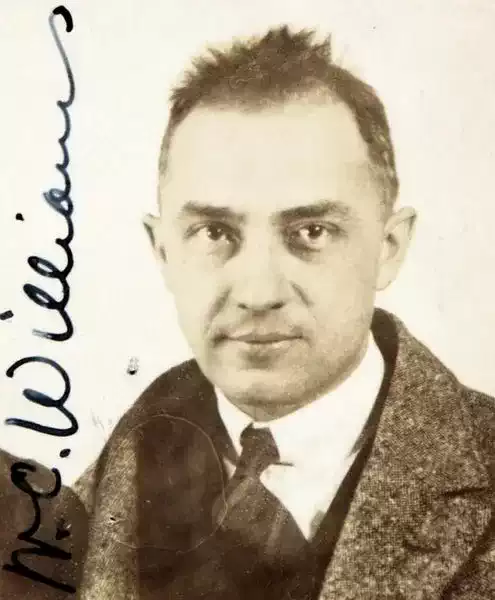
William Carlos Williams
The Term
The Term
A rumpled sheet
Of brown paper
About the length
And apparent bulk
Of a man was
Rolling with the
Wind slowly over
And over in
The street as
A car drove down
Upon it and
Crushed it to
The ground. Unlike
A man it rose
Again rolling
With the wind over
And over to be as
It was before.
Anonymous submission.
A rumpled sheet
Of brown paper
About the length
And apparent bulk
Of a man was
Rolling with the
Wind slowly over
And over in
The street as
A car drove down
Upon it and
Crushed it to
The ground. Unlike
A man it rose
Again rolling
With the wind over
And over to be as
It was before.
Anonymous submission.
300
William Carlos Williams
Overture to a Dance of Locomotives
Overture to a Dance of Locomotives
Men with picked voices chant the names
of cities in a huge gallery: promises
that pull through descending stairways
to a deep rumbling.
The rubbing feet
of those coming to be carried quicken a
grey pavement into soft light that rocks
to and fro, under the domed ceiling,
across and across from pale
earthcolored walls of bare limestone.
Covertly the hands of a great clock
go round and round! Were they to
move quickly and at once the whole
secret would be out and the shuffling
of all ants be done forever.
A leaning pyramid of sunlight, narrowing
out at a high window, moves by the clock:
disaccordant hands straining out from
a center: inevitable postures infinitely
repeated--
two--twofour--twoeight!
Porters in red hats run on narrow platforms.
This way ma'am!
--important not to take
the wrong train!
Lights from the concrete
ceiling hang crooked but--
Poised horizontal
on glittering parallels the dingy cylinders
packed with a warm glow--inviting entry--
pull against the hour. But brakes can
hold a fixed posture till--
The whistle!
Not twoeight. Not twofour. Two!
Gliding windows. Colored cooks sweating
in a small kitchen. Taillights--
In time: twofour!
In time: twoeight!
--rivers are tunneled: trestles
cross oozy swampland: wheels repeating
the same gesture remain relatively
stationary: rails forever parallel
return on themselves infinitely.
The dance is sure.
Men with picked voices chant the names
of cities in a huge gallery: promises
that pull through descending stairways
to a deep rumbling.
The rubbing feet
of those coming to be carried quicken a
grey pavement into soft light that rocks
to and fro, under the domed ceiling,
across and across from pale
earthcolored walls of bare limestone.
Covertly the hands of a great clock
go round and round! Were they to
move quickly and at once the whole
secret would be out and the shuffling
of all ants be done forever.
A leaning pyramid of sunlight, narrowing
out at a high window, moves by the clock:
disaccordant hands straining out from
a center: inevitable postures infinitely
repeated--
two--twofour--twoeight!
Porters in red hats run on narrow platforms.
This way ma'am!
--important not to take
the wrong train!
Lights from the concrete
ceiling hang crooked but--
Poised horizontal
on glittering parallels the dingy cylinders
packed with a warm glow--inviting entry--
pull against the hour. But brakes can
hold a fixed posture till--
The whistle!
Not twoeight. Not twofour. Two!
Gliding windows. Colored cooks sweating
in a small kitchen. Taillights--
In time: twofour!
In time: twoeight!
--rivers are tunneled: trestles
cross oozy swampland: wheels repeating
the same gesture remain relatively
stationary: rails forever parallel
return on themselves infinitely.
The dance is sure.
543
William Carlos Williams
Light Hearted Author
Light Hearted Author
The birches are mad with green points
the wood's edge is burning with their green,
burning, seething--No, no, no.
The birches are opening their leaves one
by one. Their delicate leaves unfold cold
and separate, one by one. Slender tassels
hang swaying from the delicate branch tips--
Oh, I cannot say it. There is no word.
Black is split at once into flowers. In
every bog and ditch, flares of
small fire, white flowers!--Agh,
the birches are mad, mad with their green.
The world is gone, torn into shreds
with this blessing. What have I left undone
that I should have undertaken?
O my brother, you redfaced, living man
ignorant, stupid whose feet are upon
this same dirt that I touch--and eat.
We are alone in this terror, alone,
face to face on this road, you and I,
wrapped by this flame!
Let the polished plows stay idle,
their gloss already on the black soil.
But that face of yours--!
Answer me. I will clutch you. I
will hug you, grip you. I will poke my face
into your face and force you to see me.
Take me in your arms, tell me the commonest
thing that is in your mind to say,
say anything. I will understand you--!
It is the madness of the birch leaves opening
cold, one by one.
My rooms will receive me. But my rooms
are no longer sweet spaces where comfort
is ready to wait on me with its crumbs.
A darkness has brushed them. The mass
of yellow tulips in the bowl is shrunken.
Every familiar object is changed and dwarfed.
I am shaken, broken against a might
that splits comfort, blows apart
my careful partitions, crushes my house
and leaves me--with shrinking heart
and startled, empty eyes--peering out
into a cold world.
In the spring I would be drunk! In the spring
I would be drunk and lie forgetting all things.
Your face! Give me your face, Yang Kue Fei!
your hands, your lips to drink!
Give me your wrists to drink--
I drag you, I am drowned in you, you
overwhelm me! Drink!
Save me! The shad bush is in the edge
of the clearing. The yards in a fury
of lilac blossoms are driving me mad with terror.
Drink and lie forgetting the world.
And coldly the birch leaves are opening one by one.
Coldly I observe them and wait for the end.
And it ends.
The birches are mad with green points
the wood's edge is burning with their green,
burning, seething--No, no, no.
The birches are opening their leaves one
by one. Their delicate leaves unfold cold
and separate, one by one. Slender tassels
hang swaying from the delicate branch tips--
Oh, I cannot say it. There is no word.
Black is split at once into flowers. In
every bog and ditch, flares of
small fire, white flowers!--Agh,
the birches are mad, mad with their green.
The world is gone, torn into shreds
with this blessing. What have I left undone
that I should have undertaken?
O my brother, you redfaced, living man
ignorant, stupid whose feet are upon
this same dirt that I touch--and eat.
We are alone in this terror, alone,
face to face on this road, you and I,
wrapped by this flame!
Let the polished plows stay idle,
their gloss already on the black soil.
But that face of yours--!
Answer me. I will clutch you. I
will hug you, grip you. I will poke my face
into your face and force you to see me.
Take me in your arms, tell me the commonest
thing that is in your mind to say,
say anything. I will understand you--!
It is the madness of the birch leaves opening
cold, one by one.
My rooms will receive me. But my rooms
are no longer sweet spaces where comfort
is ready to wait on me with its crumbs.
A darkness has brushed them. The mass
of yellow tulips in the bowl is shrunken.
Every familiar object is changed and dwarfed.
I am shaken, broken against a might
that splits comfort, blows apart
my careful partitions, crushes my house
and leaves me--with shrinking heart
and startled, empty eyes--peering out
into a cold world.
In the spring I would be drunk! In the spring
I would be drunk and lie forgetting all things.
Your face! Give me your face, Yang Kue Fei!
your hands, your lips to drink!
Give me your wrists to drink--
I drag you, I am drowned in you, you
overwhelm me! Drink!
Save me! The shad bush is in the edge
of the clearing. The yards in a fury
of lilac blossoms are driving me mad with terror.
Drink and lie forgetting the world.
And coldly the birch leaves are opening one by one.
Coldly I observe them and wait for the end.
And it ends.
370
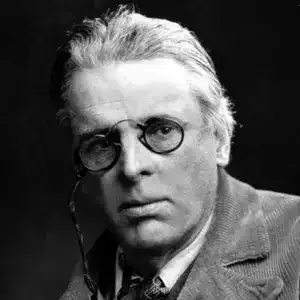
William Butler Yeats
The Gyres
The Gyres
THE GYRES! the gyres! Old Rocky Face, look forth;
Things thought too long can be no longer thought,
For beauty dies of beauty, worth of worth,
And ancient lineaments are blotted out.
Irrational streams of blood are staining earth;
Empedocles has thrown all things about;
Hector is dead and there's a light in Troy;
We that look on but laugh in tragic joy.
What matter though numb nightmare ride on top,
And blood and mire the sensitive body stain?
What matter? Heave no sigh, let no tear drop,
A-greater, a more gracious time has gone;
For painted forms or boxes of make-up
In ancient tombs I sighed, but not again;
What matter? Out of cavern comes a voice,
And all it knows is that one word 'Rejoice!'
Conduct and work grow coarse, and coarse the soul,
What matter? Those that Rocky Face holds dear,
Lovers of horses and of women, shall,
From marble of a broken sepulchre,
Or dark betwixt the polecat and the owl,
Or any rich, dark nothing disinter
The workman, noble and saint, and all things run
On that unfashionable gyre again.
THE GYRES! the gyres! Old Rocky Face, look forth;
Things thought too long can be no longer thought,
For beauty dies of beauty, worth of worth,
And ancient lineaments are blotted out.
Irrational streams of blood are staining earth;
Empedocles has thrown all things about;
Hector is dead and there's a light in Troy;
We that look on but laugh in tragic joy.
What matter though numb nightmare ride on top,
And blood and mire the sensitive body stain?
What matter? Heave no sigh, let no tear drop,
A-greater, a more gracious time has gone;
For painted forms or boxes of make-up
In ancient tombs I sighed, but not again;
What matter? Out of cavern comes a voice,
And all it knows is that one word 'Rejoice!'
Conduct and work grow coarse, and coarse the soul,
What matter? Those that Rocky Face holds dear,
Lovers of horses and of women, shall,
From marble of a broken sepulchre,
Or dark betwixt the polecat and the owl,
Or any rich, dark nothing disinter
The workman, noble and saint, and all things run
On that unfashionable gyre again.
389
William Butler Yeats
Sailing To Byzantium
Sailing To Byzantium
I
That is no country for old men. The young
In one another's arms, birds in the trees
---Those dying generations---at their song,
The salmon-falls, the mackerel-crowded seas,
Fish, flesh, or fowl commend all summer long
Whatever is begotten, born, and dies.
Caught in that sensual music all neglect
Monuments of unaging intellect.
II
An aged man is but a paltry thing,
A tattered coat upon a stick, unless
Soul clap its hands and sing, and louder sing
For every tatter in its mortal dress,
Nor is there singing school but studying
Monuments of its own magnificence;
And therefore I have sailed the seas and come
To the holy city of Byzantium.
III
O sages standing in God's holy fire
As in the gold mosaic of a wall,
Come from the holy fire, perne in a gyre,
And be the singing-masters of my soul.
Consume my heart away; sick with desire
And fastened to a dying animal
It knows not what it is; and gather me
Into the artifice of eternity.
IV
Once out of nature I shall never take
My bodily form from any natural thing,
But such a form as Grecian goldsmiths make
Of hammered gold and gold enamelling
To keep a drowsy Emperor awake;
Or set upon a golden bough to sing
To lords and ladies of Byzantium
Of what is past, or passing, or to come.
I
That is no country for old men. The young
In one another's arms, birds in the trees
---Those dying generations---at their song,
The salmon-falls, the mackerel-crowded seas,
Fish, flesh, or fowl commend all summer long
Whatever is begotten, born, and dies.
Caught in that sensual music all neglect
Monuments of unaging intellect.
II
An aged man is but a paltry thing,
A tattered coat upon a stick, unless
Soul clap its hands and sing, and louder sing
For every tatter in its mortal dress,
Nor is there singing school but studying
Monuments of its own magnificence;
And therefore I have sailed the seas and come
To the holy city of Byzantium.
III
O sages standing in God's holy fire
As in the gold mosaic of a wall,
Come from the holy fire, perne in a gyre,
And be the singing-masters of my soul.
Consume my heart away; sick with desire
And fastened to a dying animal
It knows not what it is; and gather me
Into the artifice of eternity.
IV
Once out of nature I shall never take
My bodily form from any natural thing,
But such a form as Grecian goldsmiths make
Of hammered gold and gold enamelling
To keep a drowsy Emperor awake;
Or set upon a golden bough to sing
To lords and ladies of Byzantium
Of what is past, or passing, or to come.
565
William Butler Yeats
He Mourns For The Change That Has Come Upon Him And His Beloved, And
He Mourns For The Change That Has Come Upon Him And His Beloved, And
Longs For The End Of The World
DO you not hear me calling, white deer with no horns?
I have been changed to a hound with one red ear;
I have been in the Path of Stones and the Wood of Thorns,
For somebody hid hatred and hope and desire and fear
Under my feet that they follow you night and day.
A man with a hazel wand came without sound;
He changed me suddenly; I was looking another way;
And now my calling is but the calling of a hound;
And Time and Birth and Change are hurrying by.
I would that the Boar without bristles had come from the West
And had rooted the sun and moon and stars out of the sky
And lay in the darkness, grunting, and turning to his rest.
Longs For The End Of The World
DO you not hear me calling, white deer with no horns?
I have been changed to a hound with one red ear;
I have been in the Path of Stones and the Wood of Thorns,
For somebody hid hatred and hope and desire and fear
Under my feet that they follow you night and day.
A man with a hazel wand came without sound;
He changed me suddenly; I was looking another way;
And now my calling is but the calling of a hound;
And Time and Birth and Change are hurrying by.
I would that the Boar without bristles had come from the West
And had rooted the sun and moon and stars out of the sky
And lay in the darkness, grunting, and turning to his rest.
362
William Butler Yeats
Easter, 1916
Easter, 1916
I have met them at close of day
Coming with vivid faces
From counter or desk among grey
Eighteenth-century houses.
I have passed with a nod of the head
Or polite meaningless words,
Or have lingered awhile and said
Polite meaningless words,
And thought before I had done
Of a mocking tale or a gibe
To please a companion
Around the fire at the club,
Being certain that they and I
But lived where motley is worn:
All changed, changed utterly:
A terrible beauty is born.
That woman's days were spent
In ignorant good-will,
Her nights in argument
Until her voice grew shrill.
What voice more sweet than hers
When, young and beautiful,
She rode to harriers?
This man had kept a school
And rode our winged horse;
This other his helper and friend
Was coming into his force;
He might have won fame in the end,
So sensitive his nature seemed,
So daring and sweet his thought.
This other man I had dreamed
A drunken, vainglorious lout.
He had done most bitter wrong
To some who are near my heart,
Yet I number him in the song;
He, too, has resigned his part
In the casual comedy;
He, too, has been changed in his turn,
Transformed utterly:
A terrible beauty is born.
Hearts with one purpose alone
Through summer and winter seem
Enchanted to a stone
To trouble the living stream.
The horse that comes from the road.
The rider, the birds that range
From cloud to tumbling cloud,
Minute by minute they change;
A shadow of cloud on the stream
Changes minute by minute;
A horse-hoof slides on the brim,
And a horse plashes within it;
The long-legged moor-hens dive,
And hens to moor-cocks call;
Minute by minute they live:
The stone's in the midst of all.
Too long a sacrifice
Can make a stone of the heart.
O when may it suffice?
That is Heaven's part, our part
To murmur name upon name,
As a mother names her child
When sleep at last has come
On limbs that had run wild.
What is it but nightfall?
No, no, not night but death;
Was it needless death after all?
For England may keep faith
For all that is done and said.
We know their dream; enough
To know they dreamed and are dead;
And what if excess of love
Bewildered them till they died?
I write it out in a verse -
MacDonagh and MacBride
And Connolly and pearse
Now and in time to be,
Wherever green is worn,
Are changed, changed utterly:
A terrible beauty is born.
I have met them at close of day
Coming with vivid faces
From counter or desk among grey
Eighteenth-century houses.
I have passed with a nod of the head
Or polite meaningless words,
Or have lingered awhile and said
Polite meaningless words,
And thought before I had done
Of a mocking tale or a gibe
To please a companion
Around the fire at the club,
Being certain that they and I
But lived where motley is worn:
All changed, changed utterly:
A terrible beauty is born.
That woman's days were spent
In ignorant good-will,
Her nights in argument
Until her voice grew shrill.
What voice more sweet than hers
When, young and beautiful,
She rode to harriers?
This man had kept a school
And rode our winged horse;
This other his helper and friend
Was coming into his force;
He might have won fame in the end,
So sensitive his nature seemed,
So daring and sweet his thought.
This other man I had dreamed
A drunken, vainglorious lout.
He had done most bitter wrong
To some who are near my heart,
Yet I number him in the song;
He, too, has resigned his part
In the casual comedy;
He, too, has been changed in his turn,
Transformed utterly:
A terrible beauty is born.
Hearts with one purpose alone
Through summer and winter seem
Enchanted to a stone
To trouble the living stream.
The horse that comes from the road.
The rider, the birds that range
From cloud to tumbling cloud,
Minute by minute they change;
A shadow of cloud on the stream
Changes minute by minute;
A horse-hoof slides on the brim,
And a horse plashes within it;
The long-legged moor-hens dive,
And hens to moor-cocks call;
Minute by minute they live:
The stone's in the midst of all.
Too long a sacrifice
Can make a stone of the heart.
O when may it suffice?
That is Heaven's part, our part
To murmur name upon name,
As a mother names her child
When sleep at last has come
On limbs that had run wild.
What is it but nightfall?
No, no, not night but death;
Was it needless death after all?
For England may keep faith
For all that is done and said.
We know their dream; enough
To know they dreamed and are dead;
And what if excess of love
Bewildered them till they died?
I write it out in a verse -
MacDonagh and MacBride
And Connolly and pearse
Now and in time to be,
Wherever green is worn,
Are changed, changed utterly:
A terrible beauty is born.
630
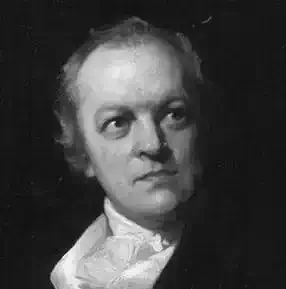
William Blake
The Book of Urizen: Chapter IX
The Book of Urizen: Chapter IX
. Then the Inhabitants of those Cities:
Felt their Nerves change into Marrow
And hardening Bones began
In swift diseases and torments,
In throbbings & shootings & grindings
Thro' all the coasts; till weaken'd
The Senses inward rush'd shrinking,
Beneath the dark net of infection.
. Till the shrunken eyes clouded over
Discernd not the woven hipocrisy
But the streaky slime in their heavens
Brought together by narrowing perceptions
Appeard transparent air; for their eyes
Grew small like the eyes of a man
And in reptile forms shrinking together
Of seven feet stature they remaind
. Six days they shrunk up from existence
And on the seventh day they rested
And they bless'd the seventh day, in sick hope:
And forgot their eternal life
. And their thirty cities divided
In form of a human heart
No more could they rise at will
In the infinite void, but bound down
To earth by their narrowing perceptions
They lived a period of years
Then left a noisom body
To the jaws of devouring darkness
. And their children wept, & built
Tombs in the desolate places,
And form'd laws of prudence, and call'd them
The eternal laws of God
. And the thirty cities remaind
Surrounded by salt floods, now call'd
Africa: its name was then Egypt.
. The remaining sons of Urizen
Beheld their brethren shrink together
Beneath the Net of Urizen;
Perswasion was in vain;
For the ears of the inhabitants,
Were wither'd, & deafen'd, & cold:
And their eyes could not discern,
Their brethren of other cities.
. So Fuzon call'd all together
The remaining children of Urizen:
And they left the pendulous earth:
They called it Egypt, & left it.
. And the salt ocean rolled englob'd.
. Then the Inhabitants of those Cities:
Felt their Nerves change into Marrow
And hardening Bones began
In swift diseases and torments,
In throbbings & shootings & grindings
Thro' all the coasts; till weaken'd
The Senses inward rush'd shrinking,
Beneath the dark net of infection.
. Till the shrunken eyes clouded over
Discernd not the woven hipocrisy
But the streaky slime in their heavens
Brought together by narrowing perceptions
Appeard transparent air; for their eyes
Grew small like the eyes of a man
And in reptile forms shrinking together
Of seven feet stature they remaind
. Six days they shrunk up from existence
And on the seventh day they rested
And they bless'd the seventh day, in sick hope:
And forgot their eternal life
. And their thirty cities divided
In form of a human heart
No more could they rise at will
In the infinite void, but bound down
To earth by their narrowing perceptions
They lived a period of years
Then left a noisom body
To the jaws of devouring darkness
. And their children wept, & built
Tombs in the desolate places,
And form'd laws of prudence, and call'd them
The eternal laws of God
. And the thirty cities remaind
Surrounded by salt floods, now call'd
Africa: its name was then Egypt.
. The remaining sons of Urizen
Beheld their brethren shrink together
Beneath the Net of Urizen;
Perswasion was in vain;
For the ears of the inhabitants,
Were wither'd, & deafen'd, & cold:
And their eyes could not discern,
Their brethren of other cities.
. So Fuzon call'd all together
The remaining children of Urizen:
And they left the pendulous earth:
They called it Egypt, & left it.
. And the salt ocean rolled englob'd.
464
William Blake
The Angel
The Angel
I dreamt a dream! What can it mean?
And that I was a maiden Queen
Guarded by an Angel mild:
Witless woe was ne'er beguiled!
And I wept both night and day,
And he wiped my tears away;
And I wept both day and night,
And hid from him my heart's delight.
So he took his wings, and fled;
Then the morn blushed rosy red.
I dried my tears, and armed my fears
With ten-thousand shields and spears.
Soon my Angel came again;
I was armed, he came in vain;
For the time of youth was fled,
And grey hairs were on my head.
I dreamt a dream! What can it mean?
And that I was a maiden Queen
Guarded by an Angel mild:
Witless woe was ne'er beguiled!
And I wept both night and day,
And he wiped my tears away;
And I wept both day and night,
And hid from him my heart's delight.
So he took his wings, and fled;
Then the morn blushed rosy red.
I dried my tears, and armed my fears
With ten-thousand shields and spears.
Soon my Angel came again;
I was armed, he came in vain;
For the time of youth was fled,
And grey hairs were on my head.
544
William Blake
Crystal Cabinet, The
Crystal Cabinet, The
The Maiden caught me in the wild,
Where I was dancing merrily;
She put me into her Cabinet,
And lock'd me up with a golden key.
This cabinet is form'd of gold
And pearl and crystal shining bright,
And within it opens into a world
And a little lovely moony night.
Another England there I saw
Another London with its Tower,
Another Thames and other hills,
And another pleasant Surrey bower.
Another Maiden like herself,
Translucent, lovely, shining clear,
Threefold each in the other clos'd
O, what a pleasant trembling fear!
O, what a smile! a threefold smile
Fill'd me, that like a flame I burn'd;
I bent to kiss the lovely Maid,
And found a threefold kiss return'd.
I strove to seize the inmost form
With ardor fierce and hands of flame,
But burst the Crystal Cabinet,
And like a weeping Babe became--
A weeping Babe upon the wild,
And weeping Woman pale reclin'd,
And in the outward air again,
I fill'd with woes the passing wind.
.
The Maiden caught me in the wild,
Where I was dancing merrily;
She put me into her Cabinet,
And lock'd me up with a golden key.
This cabinet is form'd of gold
And pearl and crystal shining bright,
And within it opens into a world
And a little lovely moony night.
Another England there I saw
Another London with its Tower,
Another Thames and other hills,
And another pleasant Surrey bower.
Another Maiden like herself,
Translucent, lovely, shining clear,
Threefold each in the other clos'd
O, what a pleasant trembling fear!
O, what a smile! a threefold smile
Fill'd me, that like a flame I burn'd;
I bent to kiss the lovely Maid,
And found a threefold kiss return'd.
I strove to seize the inmost form
With ardor fierce and hands of flame,
But burst the Crystal Cabinet,
And like a weeping Babe became--
A weeping Babe upon the wild,
And weeping Woman pale reclin'd,
And in the outward air again,
I fill'd with woes the passing wind.
.
464

Wilfred Owen
Uriconium: an Ode
Uriconium: an Ode
It lieth low near merry England's heart
Like a long-buried sin; and Englishmen
Forget that in its death their sires had part.
And, like a sin, Time lays it bare again
To tell of races wronged,
And ancient glories suddenly overcast,
And treasures flung to fire and rabble wrath.
If thou hast ever longed
To lift the gloomy curtain of Time Past,
And spy the secret things that Hades hath,
Here through this riven ground take such a view.
The dust, that fell unnoted as a dew,
Wrapped the dead city's face like mummy-cloth:
All is as was: except for worm and moth.
Since Jove was worshipped under Wrekin's shade
Or Latin phrase was writ in Shropshire stone,
Since Druid chaunts desponded in this glade
Or Tuscan general called that field his own,
How long ago? How long?
How long since wanderers in the Stretton Hills
Met men of shaggy hair and savage jaw,
With flint and copper prong,
Aiming behind their dikes and thorny grilles?
Ah! those were days before the axe and saw,
Then were the nights when this mid-forest town
Held breath to hear the wolves come yelping down,
And ponderous bears 'long Severn lifted paw,
And nuzzling boars ran grunting through the shaw.
Ah me! full fifteen hundred times the wheat
Hath risen, and bowed, and fallen to human hunger
Since those imperial days were made complete.
The weary moon hath waxen old and younger
These eighteen thousand times
Without a shrine to greet her gentle ray.
And other temples rose; to Power and Pelf,
And chimed centurial chimes
Until their very bells are worn away.
While King by King lay cold on vaulted shelf
And wars closed wars, and many a Marmion fell,
And dearths and plagues holp sire and son to hell;
And old age stiffened many a lively elf
And many a poet's heart outdrained itself.
I had forgot that so remote an age
Beyond the horizon of our little sight,
Is far from us by no more spanless gauge
Than day and night, succeeding day and night,
Until I looked on Thee,
Thou ghost of a dead city, or its husk!
But even as we could walk by field and hedge
Hence to the distant sea
So, by the rote of common dawn and dusk,
We travel back to history's utmost edge.
Yea, when through thy old streets I took my way,
And recked a thousand years as yesterday,
Methought sage fancy wrought a sacrilege
To steal for me such godly privilege!
For here lie remnants from a banquet table -
Oysters and marrow-bones, and seeds of grape -
The statement of whose age must sound a fable;
And Samian jars, whose sheen and flawless shape
Look fresh from potter's mould.
Plasters with Roman finger-marks impressed;
Bracelets that from the warm Italian arm
Might seem to be scarce cold;
And spears - the same that pushed the Cymry west-
Unblunted yet; with tools of forge and farm
Abandoned, as a man in sudden fear
Drops what he holds to help his swift career:
For sudden was Rome's flight, and wild the alarm.
The Saxon shock was like Vesuvius' qualm.
O ye who prate of modern art and craft .
Mark well that Gaulish brooch, and test that screw!
Art's fairest buds on antique stem are graft.
Under the sun is nothing wholly new!
At Viricon today
The village anvil rests on Roman base
And in a garden, may be seen a bower
With pillars for its stay
That anciently in basilic had place.
The church's font is but a pagan dower:
A Temple's column, hollowed into this.
So is the glory of our artifice,
Our pleasure and our worship, but the flower
Of Roman custom and of Roman power.
O ye who laugh and, living as if Time
Meant but the twelve hours ticking round your dial,
Find it too short for thee, watch the sublime,
Slow, epochal time-registers awhile,
Which are Antiquities.
O ye who weep and call all your life too long
And moan: Was ever sorrow like to mine?
Muse on the memories
That sad sepulchral stones and ruins prolong.
Here might men drink of wonder like strong wine
And feel ephemeral troubles soothed and curbed.
Yet farmers, wroth to have their laws disturbed,
Are sooner roused for little loss to pine
Than we are moved by mighty woes long syne.
Above this reverend ground, what traveller checks?
Yet cities such as these one time would breed
Apocalyptic visions of world-wrecks.
Let Saxon men return to them, and heed!
They slew and burnt,
But after, prized what Rome had given away
Out of her strength and her prosperity.
Have they yet learnt
The precious truth distilled from Rome's decay?
Ruins! On England's heart press heavily!
For Rome hath left us more than walls and words
And better yet shall leave; and more than herds
Or land or gold gave the Celts to us in fee;
E'en Blood, which makes poets sing and prophets see.
It lieth low near merry England's heart
Like a long-buried sin; and Englishmen
Forget that in its death their sires had part.
And, like a sin, Time lays it bare again
To tell of races wronged,
And ancient glories suddenly overcast,
And treasures flung to fire and rabble wrath.
If thou hast ever longed
To lift the gloomy curtain of Time Past,
And spy the secret things that Hades hath,
Here through this riven ground take such a view.
The dust, that fell unnoted as a dew,
Wrapped the dead city's face like mummy-cloth:
All is as was: except for worm and moth.
Since Jove was worshipped under Wrekin's shade
Or Latin phrase was writ in Shropshire stone,
Since Druid chaunts desponded in this glade
Or Tuscan general called that field his own,
How long ago? How long?
How long since wanderers in the Stretton Hills
Met men of shaggy hair and savage jaw,
With flint and copper prong,
Aiming behind their dikes and thorny grilles?
Ah! those were days before the axe and saw,
Then were the nights when this mid-forest town
Held breath to hear the wolves come yelping down,
And ponderous bears 'long Severn lifted paw,
And nuzzling boars ran grunting through the shaw.
Ah me! full fifteen hundred times the wheat
Hath risen, and bowed, and fallen to human hunger
Since those imperial days were made complete.
The weary moon hath waxen old and younger
These eighteen thousand times
Without a shrine to greet her gentle ray.
And other temples rose; to Power and Pelf,
And chimed centurial chimes
Until their very bells are worn away.
While King by King lay cold on vaulted shelf
And wars closed wars, and many a Marmion fell,
And dearths and plagues holp sire and son to hell;
And old age stiffened many a lively elf
And many a poet's heart outdrained itself.
I had forgot that so remote an age
Beyond the horizon of our little sight,
Is far from us by no more spanless gauge
Than day and night, succeeding day and night,
Until I looked on Thee,
Thou ghost of a dead city, or its husk!
But even as we could walk by field and hedge
Hence to the distant sea
So, by the rote of common dawn and dusk,
We travel back to history's utmost edge.
Yea, when through thy old streets I took my way,
And recked a thousand years as yesterday,
Methought sage fancy wrought a sacrilege
To steal for me such godly privilege!
For here lie remnants from a banquet table -
Oysters and marrow-bones, and seeds of grape -
The statement of whose age must sound a fable;
And Samian jars, whose sheen and flawless shape
Look fresh from potter's mould.
Plasters with Roman finger-marks impressed;
Bracelets that from the warm Italian arm
Might seem to be scarce cold;
And spears - the same that pushed the Cymry west-
Unblunted yet; with tools of forge and farm
Abandoned, as a man in sudden fear
Drops what he holds to help his swift career:
For sudden was Rome's flight, and wild the alarm.
The Saxon shock was like Vesuvius' qualm.
O ye who prate of modern art and craft .
Mark well that Gaulish brooch, and test that screw!
Art's fairest buds on antique stem are graft.
Under the sun is nothing wholly new!
At Viricon today
The village anvil rests on Roman base
And in a garden, may be seen a bower
With pillars for its stay
That anciently in basilic had place.
The church's font is but a pagan dower:
A Temple's column, hollowed into this.
So is the glory of our artifice,
Our pleasure and our worship, but the flower
Of Roman custom and of Roman power.
O ye who laugh and, living as if Time
Meant but the twelve hours ticking round your dial,
Find it too short for thee, watch the sublime,
Slow, epochal time-registers awhile,
Which are Antiquities.
O ye who weep and call all your life too long
And moan: Was ever sorrow like to mine?
Muse on the memories
That sad sepulchral stones and ruins prolong.
Here might men drink of wonder like strong wine
And feel ephemeral troubles soothed and curbed.
Yet farmers, wroth to have their laws disturbed,
Are sooner roused for little loss to pine
Than we are moved by mighty woes long syne.
Above this reverend ground, what traveller checks?
Yet cities such as these one time would breed
Apocalyptic visions of world-wrecks.
Let Saxon men return to them, and heed!
They slew and burnt,
But after, prized what Rome had given away
Out of her strength and her prosperity.
Have they yet learnt
The precious truth distilled from Rome's decay?
Ruins! On England's heart press heavily!
For Rome hath left us more than walls and words
And better yet shall leave; and more than herds
Or land or gold gave the Celts to us in fee;
E'en Blood, which makes poets sing and prophets see.
150

Walter de la Mare
When the Rose is Faded
When the Rose is Faded
When the rose is faded,
Memory may still dwell on
Her beauty shadowed,
And the sweet smell gone.
That vanishing loveliness,
That burdening breath,
No bond of life hath then,
Nor grief of death.
'Tis the immortal thought
Whose passion still
Makes the changing
The unchangeable.
Oh, thus thy beauty,
Loveliest on earth to me,
Dark with no sorrow, shines
And burns, with thee.
When the rose is faded,
Memory may still dwell on
Her beauty shadowed,
And the sweet smell gone.
That vanishing loveliness,
That burdening breath,
No bond of life hath then,
Nor grief of death.
'Tis the immortal thought
Whose passion still
Makes the changing
The unchangeable.
Oh, thus thy beauty,
Loveliest on earth to me,
Dark with no sorrow, shines
And burns, with thee.
292
Walter de la Mare
Music
Music
When music sounds, gone is the earth I know,
And all her lovely things even lovelier grow;
Her flowers in vision flame, her forest trees
Lift burdened branches, stilled with ecstasies.
When music sounds, out of the water rise
Naiads whose beauty dims my waking eyes,
Rapt in strange dreams burns each enchanted face,
With solemn echoing stirs their dwelling-place.
When music sounds, all that I was I am
Ere to this haunt of brooding dust I came;
And from Time's woods break into distant song
The swift-winged hours, as I hasten along.
When music sounds, gone is the earth I know,
And all her lovely things even lovelier grow;
Her flowers in vision flame, her forest trees
Lift burdened branches, stilled with ecstasies.
When music sounds, out of the water rise
Naiads whose beauty dims my waking eyes,
Rapt in strange dreams burns each enchanted face,
With solemn echoing stirs their dwelling-place.
When music sounds, all that I was I am
Ere to this haunt of brooding dust I came;
And from Time's woods break into distant song
The swift-winged hours, as I hasten along.
385
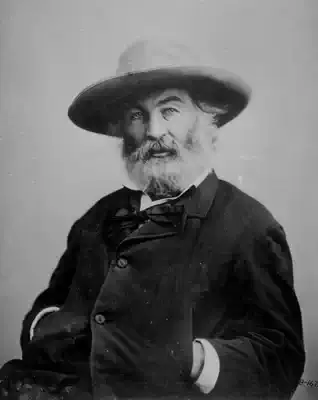
Walt Whitman
We Two-How Long We Were Fool'd
We Two-How Long We Were Fool'd
WE two--how long we were fool'd!
Now transmuted, we swiftly escape, as Nature escapes;
We are Nature--long have we been absent, but now we return;
We become plants, leaves, foliage, roots, bark;
We are bedded in the ground--we are rocks;
We are oaks--we grow in the openings side by side;
We browse--we are two among the wild herds, spontaneous as any;
We are two fishes swimming in the sea together;
We are what the locust blossoms are--we drop scent around the lanes,
mornings and evenings;
We are also the coarse smut of beasts, vegetables, minerals; 10
We are two predatory hawks--we soar above, and look down;
We are two resplendent suns--we it is who balance ourselves, orbic
and stellar--we are as two comets;
We prowl fang'd and four-footed in the woods--we spring on prey;
We are two clouds, forenoons and afternoons, driving overhead;
We are seas mingling--we are two of those cheerful waves, rolling
over each other, and interwetting each other;
We are what the atmosphere is, transparent, receptive, pervious,
impervious:
We are snow, rain, cold, darkness--we are each product and influence
of the globe;
We have circled and circled till we have arrived home again--we two
have;
We have voided all but freedom, and all but our own joy.
WE two--how long we were fool'd!
Now transmuted, we swiftly escape, as Nature escapes;
We are Nature--long have we been absent, but now we return;
We become plants, leaves, foliage, roots, bark;
We are bedded in the ground--we are rocks;
We are oaks--we grow in the openings side by side;
We browse--we are two among the wild herds, spontaneous as any;
We are two fishes swimming in the sea together;
We are what the locust blossoms are--we drop scent around the lanes,
mornings and evenings;
We are also the coarse smut of beasts, vegetables, minerals; 10
We are two predatory hawks--we soar above, and look down;
We are two resplendent suns--we it is who balance ourselves, orbic
and stellar--we are as two comets;
We prowl fang'd and four-footed in the woods--we spring on prey;
We are two clouds, forenoons and afternoons, driving overhead;
We are seas mingling--we are two of those cheerful waves, rolling
over each other, and interwetting each other;
We are what the atmosphere is, transparent, receptive, pervious,
impervious:
We are snow, rain, cold, darkness--we are each product and influence
of the globe;
We have circled and circled till we have arrived home again--we two
have;
We have voided all but freedom, and all but our own joy.
515
Page 1
Next