

Poems in this topic
Change and Transformation
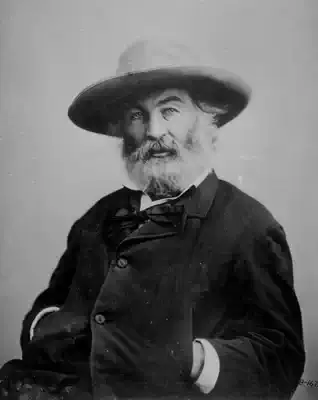
Walt Whitman
We Two-How Long We Were Fool'd
We Two-How Long We Were Fool'd
WE two--how long we were fool'd!
Now transmuted, we swiftly escape, as Nature escapes;
We are Nature--long have we been absent, but now we return;
We become plants, leaves, foliage, roots, bark;
We are bedded in the ground--we are rocks;
We are oaks--we grow in the openings side by side;
We browse--we are two among the wild herds, spontaneous as any;
We are two fishes swimming in the sea together;
We are what the locust blossoms are--we drop scent around the lanes,
mornings and evenings;
We are also the coarse smut of beasts, vegetables, minerals; 10
We are two predatory hawks--we soar above, and look down;
We are two resplendent suns--we it is who balance ourselves, orbic
and stellar--we are as two comets;
We prowl fang'd and four-footed in the woods--we spring on prey;
We are two clouds, forenoons and afternoons, driving overhead;
We are seas mingling--we are two of those cheerful waves, rolling
over each other, and interwetting each other;
We are what the atmosphere is, transparent, receptive, pervious,
impervious:
We are snow, rain, cold, darkness--we are each product and influence
of the globe;
We have circled and circled till we have arrived home again--we two
have;
We have voided all but freedom, and all but our own joy.
WE two--how long we were fool'd!
Now transmuted, we swiftly escape, as Nature escapes;
We are Nature--long have we been absent, but now we return;
We become plants, leaves, foliage, roots, bark;
We are bedded in the ground--we are rocks;
We are oaks--we grow in the openings side by side;
We browse--we are two among the wild herds, spontaneous as any;
We are two fishes swimming in the sea together;
We are what the locust blossoms are--we drop scent around the lanes,
mornings and evenings;
We are also the coarse smut of beasts, vegetables, minerals; 10
We are two predatory hawks--we soar above, and look down;
We are two resplendent suns--we it is who balance ourselves, orbic
and stellar--we are as two comets;
We prowl fang'd and four-footed in the woods--we spring on prey;
We are two clouds, forenoons and afternoons, driving overhead;
We are seas mingling--we are two of those cheerful waves, rolling
over each other, and interwetting each other;
We are what the atmosphere is, transparent, receptive, pervious,
impervious:
We are snow, rain, cold, darkness--we are each product and influence
of the globe;
We have circled and circled till we have arrived home again--we two
have;
We have voided all but freedom, and all but our own joy.
515
Walt Whitman
This Compost
This Compost
SOMETHING startles me where I thought I was safest;
I withdraw from the still woods I loved;
I will not go now on the pastures to walk;
I will not strip the clothes from my body to meet my lover the sea;
I will not touch my flesh to the earth, as to other flesh, to renew
me.
O how can it be that the ground does not sicken?
How can you be alive, you growths of spring?
How can you furnish health, you blood of herbs, roots, orchards,
grain?
Are they not continually putting distemper'd corpses within you?
Is not every continent work'd over and over with sour dead? 10
Where have you disposed of their carcasses?
Those drunkards and gluttons of so many generations;
Where have you drawn off all the foul liquid and meat?
I do not see any of it upon you to-day--or perhaps I am deceiv'd;
I will run a furrow with my plough--I will press my spade through the
sod, and turn it up underneath;
I am sure I shall expose some of the foul meat.
Behold this compost! behold it well!
Perhaps every mite has once form'd part of a sick person--Yet behold!
The grass of spring covers the prairies,
The bean bursts noislessly through the mould in the garden, 20
The delicate spear of the onion pierces upward,
The apple-buds cluster together on the apple-branches,
The resurrection of the wheat appears with pale visage out of its
graves,
The tinge awakes over the willow-tree and the mulberry-tree,
The he-birds carol mornings and evenings, while the she-birds sit on
their nests,
The young of poultry break through the hatch'd eggs,
The new-born of animals appear--the calf is dropt from the cow, the
colt from the mare,
Out of its little hill faithfully rise the potato's dark green
leaves,
Out of its hill rises the yellow maize-stalk--the lilacs bloom in the
door-yards;
The summer growth is innocent and disdainful above all those strata
of sour dead. 30
What chemistry!
That the winds are really not infectious,
That this is no cheat, this transparent green-wash of the sea, which
is so amorous after me,
That it is safe to allow it to lick my naked body all over with its
tongues,
That it will not endanger me with the fevers that have deposited
themselves in it,
That all is clean forever and forever.
That the cool drink from the well tastes so good,
That blackberries are so flavorous and juicy,
That the fruits of the apple-orchard, and of the orange-orchard--that
melons, grapes, peaches, plums, will none of them poison me,
That when I recline on the grass I do not catch any disease, 40
Though probably every spear of grass rises out of what was once a
catching disease.
Now I am terrified at the Earth! it is that calm and patient,
It grows such sweet things out of such corruptions,
It turns harmless and stainless on its axis, with such endless
successions of diseas'd corpses,
It distils such exquisite winds out of such infused fetor,
It renews with such unwitting looks, its prodigal, annual, sumptuous
crops,
It gives such divine materials to men, and accepts such leavings from
them at last.
SOMETHING startles me where I thought I was safest;
I withdraw from the still woods I loved;
I will not go now on the pastures to walk;
I will not strip the clothes from my body to meet my lover the sea;
I will not touch my flesh to the earth, as to other flesh, to renew
me.
O how can it be that the ground does not sicken?
How can you be alive, you growths of spring?
How can you furnish health, you blood of herbs, roots, orchards,
grain?
Are they not continually putting distemper'd corpses within you?
Is not every continent work'd over and over with sour dead? 10
Where have you disposed of their carcasses?
Those drunkards and gluttons of so many generations;
Where have you drawn off all the foul liquid and meat?
I do not see any of it upon you to-day--or perhaps I am deceiv'd;
I will run a furrow with my plough--I will press my spade through the
sod, and turn it up underneath;
I am sure I shall expose some of the foul meat.
Behold this compost! behold it well!
Perhaps every mite has once form'd part of a sick person--Yet behold!
The grass of spring covers the prairies,
The bean bursts noislessly through the mould in the garden, 20
The delicate spear of the onion pierces upward,
The apple-buds cluster together on the apple-branches,
The resurrection of the wheat appears with pale visage out of its
graves,
The tinge awakes over the willow-tree and the mulberry-tree,
The he-birds carol mornings and evenings, while the she-birds sit on
their nests,
The young of poultry break through the hatch'd eggs,
The new-born of animals appear--the calf is dropt from the cow, the
colt from the mare,
Out of its little hill faithfully rise the potato's dark green
leaves,
Out of its hill rises the yellow maize-stalk--the lilacs bloom in the
door-yards;
The summer growth is innocent and disdainful above all those strata
of sour dead. 30
What chemistry!
That the winds are really not infectious,
That this is no cheat, this transparent green-wash of the sea, which
is so amorous after me,
That it is safe to allow it to lick my naked body all over with its
tongues,
That it will not endanger me with the fevers that have deposited
themselves in it,
That all is clean forever and forever.
That the cool drink from the well tastes so good,
That blackberries are so flavorous and juicy,
That the fruits of the apple-orchard, and of the orange-orchard--that
melons, grapes, peaches, plums, will none of them poison me,
That when I recline on the grass I do not catch any disease, 40
Though probably every spear of grass rises out of what was once a
catching disease.
Now I am terrified at the Earth! it is that calm and patient,
It grows such sweet things out of such corruptions,
It turns harmless and stainless on its axis, with such endless
successions of diseas'd corpses,
It distils such exquisite winds out of such infused fetor,
It renews with such unwitting looks, its prodigal, annual, sumptuous
crops,
It gives such divine materials to men, and accepts such leavings from
them at last.
458
Walt Whitman
Spirit Whose Work Is Done
Spirit Whose Work Is Done
SPIRIT whose work is done! spirit of dreadful hours!
Ere, departing, fade from my eyes your forests of bayonets;
Spirit of gloomiest fears and doubts, (yet onward ever unfaltering
pressing;)
Spirit of many a solemn day, and many a savage scene! Electric
spirit!
That with muttering voice, through the war now closed, like a
tireless phantom flitted,
Rousing the land with breath of flame, while you beat and beat the
drum;
--Now, as the sound of the drum, hollow and harsh to the last,
reverberates round me;
As your ranks, your immortal ranks, return, return from the battles;
While the muskets of the young men yet lean over their shoulders; 10
While I look on the bayonets bristling over their shoulders;
While those slanted bayonets, whole forests of them, appearing in the
distance, approach and pass on, returning homeward,
Moving with steady motion, swaying to and fro, to the right and left,
Evenly, lightly rising and falling, as the steps keep time;
--Spirit of hours I knew, all hectic red one day, but pale as death
next day;
Touch my mouth, ere you depart--press my lips close!
Leave me your pulses of rage! bequeath them to me! fill me with
currents convulsive!
Let them scorch and blister out of my chants, when you are gone;
Let them identify you to the future, in these songs.
SPIRIT whose work is done! spirit of dreadful hours!
Ere, departing, fade from my eyes your forests of bayonets;
Spirit of gloomiest fears and doubts, (yet onward ever unfaltering
pressing;)
Spirit of many a solemn day, and many a savage scene! Electric
spirit!
That with muttering voice, through the war now closed, like a
tireless phantom flitted,
Rousing the land with breath of flame, while you beat and beat the
drum;
--Now, as the sound of the drum, hollow and harsh to the last,
reverberates round me;
As your ranks, your immortal ranks, return, return from the battles;
While the muskets of the young men yet lean over their shoulders; 10
While I look on the bayonets bristling over their shoulders;
While those slanted bayonets, whole forests of them, appearing in the
distance, approach and pass on, returning homeward,
Moving with steady motion, swaying to and fro, to the right and left,
Evenly, lightly rising and falling, as the steps keep time;
--Spirit of hours I knew, all hectic red one day, but pale as death
next day;
Touch my mouth, ere you depart--press my lips close!
Leave me your pulses of rage! bequeath them to me! fill me with
currents convulsive!
Let them scorch and blister out of my chants, when you are gone;
Let them identify you to the future, in these songs.
453
Walt Whitman
Eidólons
Eidólons
I MET a Seer,
Passing the hues and objects of the world,
The fields of art and learning, pleasure, sense,
To glean Eidólons.
Put in thy chants, said he,
No more the puzzling hour, nor day--nor segments, parts, put in,
Put first before the rest, as light for all, and entrance-song of
all,
That of Eidólons.
Ever the dim beginning;
Ever the growth, the rounding of the circle; 10
Ever the summit, and the merge at last, (to surely start again,)
Eidólons! Eidólons!
Ever the mutable!
Ever materials, changing, crumbling, re-cohering;
Ever the ateliers, the factories divine,
Issuing Eidólons!
Lo! I or you!
Or woman, man, or State, known or unknown,
We seeming solid wealth, strength, beauty build,
But really build Eidólons. 20
The ostent evanescent;
The substance of an artist's mood, or savan's studies long,
Or warrior's, martyr's, hero's toils,
To fashion his Eidólon.
Of every human life,
(The units gather'd, posted--not a thought, emotion, deed, left out;)
The whole, or large or small, summ'd, added up,
In its Eidólon.
The old, old urge;
Based on the ancient pinnacles, lo! newer, higher pinnacles; 30
From Science and the Modern still impell'd,
The old, old urge, Eidólons.
The present, now and here,
America's busy, teeming, intricate whirl,
Of aggregate and segregate, for only thence releasing,
To-day's Eidólons.
These, with the past,
Of vanish'd lands--of all the reigns of kings across the sea,
Old conquerors, old campaigns, old sailors' voyages,
Joining Eidólons. 40
Densities, growth, façades,
Strata of mountains, soils, rocks, giant trees,
Far-born, far-dying, living long, to leave,
Eidólons everlasting.
Exaltè, rapt, extatic,
The visible but their womb of birth,
Of orbic tendencies to shape, and shape, and shape,
The mighty Earth-Eidólon.
All space, all time,
(The stars, the terrible perturbations of the suns, 50
Swelling, collapsing, ending--serving their longer, shorter use,)
Fill'd with Eidólons only.
The noiseless myriads!
The infinite oceans where the rivers empty!
The separate, countless free identities, like eyesight;
The true realities, Eidólons.
Not this the World,
Nor these the Universes--they the Universes,
Purport and end--ever the permanent life of life,
Eidólons, Eidólons. 60
Beyond thy lectures, learn'd professor,
Beyond thy telescope or spectroscope, observer keen--beyond all
mathematics,
Beyond the doctor's surgery, anatomy--beyond the chemist with his
chemistry,
The entities of entities, Eidólons.
Unfix'd, yet fix'd;
Ever shall be--ever have been, and are,
Sweeping the present to the infinite future,
Eidólons, Eidólons, Eidólons.
The prophet and the bard,
Shall yet maintain themselves--in higher stages yet, 70
Shall mediate to the Modern, to Democracy--interpret yet to them,
God, and Eidólons.
And thee, My Soul!
Joys, ceaseless exercises, exaltations!
Thy yearning amply fed at last, prepared to meet,
Thy mates, Eidólons.
Thy Body permanent,
The Body lurking there within thy Body,
The only purport of the Form thou art--the real I myself,
An image, an Eidólon. 80
Thy very songs, not in thy songs;
No special strains to sing--none for itself;
But from the whole resulting, rising at last and floating,
A round, full-orb'd Eidólon.
I MET a Seer,
Passing the hues and objects of the world,
The fields of art and learning, pleasure, sense,
To glean Eidólons.
Put in thy chants, said he,
No more the puzzling hour, nor day--nor segments, parts, put in,
Put first before the rest, as light for all, and entrance-song of
all,
That of Eidólons.
Ever the dim beginning;
Ever the growth, the rounding of the circle; 10
Ever the summit, and the merge at last, (to surely start again,)
Eidólons! Eidólons!
Ever the mutable!
Ever materials, changing, crumbling, re-cohering;
Ever the ateliers, the factories divine,
Issuing Eidólons!
Lo! I or you!
Or woman, man, or State, known or unknown,
We seeming solid wealth, strength, beauty build,
But really build Eidólons. 20
The ostent evanescent;
The substance of an artist's mood, or savan's studies long,
Or warrior's, martyr's, hero's toils,
To fashion his Eidólon.
Of every human life,
(The units gather'd, posted--not a thought, emotion, deed, left out;)
The whole, or large or small, summ'd, added up,
In its Eidólon.
The old, old urge;
Based on the ancient pinnacles, lo! newer, higher pinnacles; 30
From Science and the Modern still impell'd,
The old, old urge, Eidólons.
The present, now and here,
America's busy, teeming, intricate whirl,
Of aggregate and segregate, for only thence releasing,
To-day's Eidólons.
These, with the past,
Of vanish'd lands--of all the reigns of kings across the sea,
Old conquerors, old campaigns, old sailors' voyages,
Joining Eidólons. 40
Densities, growth, façades,
Strata of mountains, soils, rocks, giant trees,
Far-born, far-dying, living long, to leave,
Eidólons everlasting.
Exaltè, rapt, extatic,
The visible but their womb of birth,
Of orbic tendencies to shape, and shape, and shape,
The mighty Earth-Eidólon.
All space, all time,
(The stars, the terrible perturbations of the suns, 50
Swelling, collapsing, ending--serving their longer, shorter use,)
Fill'd with Eidólons only.
The noiseless myriads!
The infinite oceans where the rivers empty!
The separate, countless free identities, like eyesight;
The true realities, Eidólons.
Not this the World,
Nor these the Universes--they the Universes,
Purport and end--ever the permanent life of life,
Eidólons, Eidólons. 60
Beyond thy lectures, learn'd professor,
Beyond thy telescope or spectroscope, observer keen--beyond all
mathematics,
Beyond the doctor's surgery, anatomy--beyond the chemist with his
chemistry,
The entities of entities, Eidólons.
Unfix'd, yet fix'd;
Ever shall be--ever have been, and are,
Sweeping the present to the infinite future,
Eidólons, Eidólons, Eidólons.
The prophet and the bard,
Shall yet maintain themselves--in higher stages yet, 70
Shall mediate to the Modern, to Democracy--interpret yet to them,
God, and Eidólons.
And thee, My Soul!
Joys, ceaseless exercises, exaltations!
Thy yearning amply fed at last, prepared to meet,
Thy mates, Eidólons.
Thy Body permanent,
The Body lurking there within thy Body,
The only purport of the Form thou art--the real I myself,
An image, an Eidólon. 80
Thy very songs, not in thy songs;
No special strains to sing--none for itself;
But from the whole resulting, rising at last and floating,
A round, full-orb'd Eidólon.
413
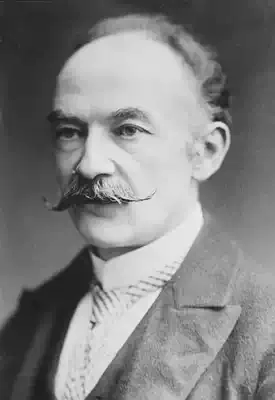
Thomas Hardy
Transformations
Transformations
Portion of this yew
Is a man my grandsire knew,
Bosomed here at its foot:
This branch may be his wife,
A ruddy human life
Now turned to a green shoot.
These grasses must be made
Of her who often prayed,
Last century, for repose;
And the fair girl long ago
Whom I often tried to know
May be entering this rose.
So, they are not underground,
But as nerves and veins abound
In the growths of upper air,
And they feel the sun and rain,
And the energy again
That made them what they were!
Portion of this yew
Is a man my grandsire knew,
Bosomed here at its foot:
This branch may be his wife,
A ruddy human life
Now turned to a green shoot.
These grasses must be made
Of her who often prayed,
Last century, for repose;
And the fair girl long ago
Whom I often tried to know
May be entering this rose.
So, they are not underground,
But as nerves and veins abound
In the growths of upper air,
And they feel the sun and rain,
And the energy again
That made them what they were!
251
Thomas Hardy
Then and Now
Then and Now
When battles were fought
With a chivalrous sense of should and ought,
In spirit men said,
"End we quick or dead,
Honour is some reward!
Let us fight fair -- for our own best or worst;
So, Gentlemen of the Guard,
Fire first!"
In the open they stood,
Man to man in his knightlihood:
They would not deign
To profit by a stain
On the honourable rules,
Knowing that practise perfidy no man durst
Who in the heroic schools
Was nurst.
But now, behold, what
Is war with those where honour is not!
Rama laments
Its dead innocents;
Herod howls: "Sly slaughter
Rules now! Let us, by modes once called accurst,
Overhead, under water,
Stab first."
When battles were fought
With a chivalrous sense of should and ought,
In spirit men said,
"End we quick or dead,
Honour is some reward!
Let us fight fair -- for our own best or worst;
So, Gentlemen of the Guard,
Fire first!"
In the open they stood,
Man to man in his knightlihood:
They would not deign
To profit by a stain
On the honourable rules,
Knowing that practise perfidy no man durst
Who in the heroic schools
Was nurst.
But now, behold, what
Is war with those where honour is not!
Rama laments
Its dead innocents;
Herod howls: "Sly slaughter
Rules now! Let us, by modes once called accurst,
Overhead, under water,
Stab first."
277
Thomas Hardy
The Sleep-Worker
The Sleep-Worker
When wilt thou wake, O Mother, wake and see -
As one who, held in trance, has laboured long
By vacant rote and prepossession strong -
The coils that thou hast wrought unwittingly;
Wherein have place, unrealized by thee,
Fair growths, foul cankers, right enmeshed with wrong,
Strange orchestras of victim-shriek and song,
And curious blends of ache and ecstasy? -
Should that morn come, and show thy opened eyes
All that Life's palpitating tissues feel,
How wilt thou bear thyself in thy surprise? -
Wilt thou destroy, in one wild shock of shame,
Thy whole high heaving firmamental frame,
Or patiently adjust, amend, and heal?
When wilt thou wake, O Mother, wake and see -
As one who, held in trance, has laboured long
By vacant rote and prepossession strong -
The coils that thou hast wrought unwittingly;
Wherein have place, unrealized by thee,
Fair growths, foul cankers, right enmeshed with wrong,
Strange orchestras of victim-shriek and song,
And curious blends of ache and ecstasy? -
Should that morn come, and show thy opened eyes
All that Life's palpitating tissues feel,
How wilt thou bear thyself in thy surprise? -
Wilt thou destroy, in one wild shock of shame,
Thy whole high heaving firmamental frame,
Or patiently adjust, amend, and heal?
241
Thomas Hardy
The Sick God
The Sick God
I
In days when men had joy of war,
A God of Battles sped each mortal jar;
The peoples pledged him heart and hand,
From Israel's land to isles afar.
II
His crimson form, with clang and chime,
Flashed on each murk and murderous meeting-time,
And kings invoked, for rape and raid,
His fearsome aid in rune and rhyme.
III
On bruise and blood-hole, scar and seam,
On blade and bolt, he flung his fulgid beam:
His haloes rayed the very gore,
And corpses wore his glory-gleam.
IV
Often an early King or Queen,
And storied hero onward, knew his sheen;
'Twas glimpsed by Wolfe, by Ney anon,
And Nelson on his blue demesne.
V
But new light spread. That god's gold nimb
And blazon have waned dimmer and more dim;
Even his flushed form begins to fade,
Till but a shade is left of him.
VI
That modern meditation broke
His spell, that penmen's pleadings dealt a stroke,
Say some; and some that crimes too dire
Did much to mire his crimson cloak.
VII
Yea, seeds of crescive sympathy
Were sown by those more excellent than he,
Long known, though long contemned till then -
The gods of men in amity.
VIII
Souls have grown seers, and thought out-brings
The mournful many-sidedness of things
With foes as friends, enfeebling ires
And fury-fires by gaingivings!
IX
He scarce impassions champions now;
They do and dare, but tensely--pale of brow;
And would they fain uplift the arm
Of that faint form they know not how.
X
Yet wars arise, though zest grows cold;
Wherefore, at whiles, as 'twere in ancient mould
He looms, bepatched with paint and lath;
But never hath he seemed the old!
XI
Let men rejoice, let men deplore.
The lurid Deity of heretofore
Succumbs to one of saner nod;
The Battle-god is god no more.
I
In days when men had joy of war,
A God of Battles sped each mortal jar;
The peoples pledged him heart and hand,
From Israel's land to isles afar.
II
His crimson form, with clang and chime,
Flashed on each murk and murderous meeting-time,
And kings invoked, for rape and raid,
His fearsome aid in rune and rhyme.
III
On bruise and blood-hole, scar and seam,
On blade and bolt, he flung his fulgid beam:
His haloes rayed the very gore,
And corpses wore his glory-gleam.
IV
Often an early King or Queen,
And storied hero onward, knew his sheen;
'Twas glimpsed by Wolfe, by Ney anon,
And Nelson on his blue demesne.
V
But new light spread. That god's gold nimb
And blazon have waned dimmer and more dim;
Even his flushed form begins to fade,
Till but a shade is left of him.
VI
That modern meditation broke
His spell, that penmen's pleadings dealt a stroke,
Say some; and some that crimes too dire
Did much to mire his crimson cloak.
VII
Yea, seeds of crescive sympathy
Were sown by those more excellent than he,
Long known, though long contemned till then -
The gods of men in amity.
VIII
Souls have grown seers, and thought out-brings
The mournful many-sidedness of things
With foes as friends, enfeebling ires
And fury-fires by gaingivings!
IX
He scarce impassions champions now;
They do and dare, but tensely--pale of brow;
And would they fain uplift the arm
Of that faint form they know not how.
X
Yet wars arise, though zest grows cold;
Wherefore, at whiles, as 'twere in ancient mould
He looms, bepatched with paint and lath;
But never hath he seemed the old!
XI
Let men rejoice, let men deplore.
The lurid Deity of heretofore
Succumbs to one of saner nod;
The Battle-god is god no more.
238
Thomas Hardy
Song of Hope
Song of Hope
O sweet To-morrow! -
After to-day
There will away
This sense of sorrow.
Then let us borrow
Hope, for a gleaming
Soon will be streaming,
Dimmed by no gray -
No gray!
While the winds wing us
Sighs from The Gone,
Nearer to dawn
Minute-beats bring us;
When there will sing us
Larks of a glory
Waiting our story
Further anon -
Anon!
Doff the black token,
Don the red shoon,
Right and retune
Viol-strings broken;
Null the words spoken
In speeches of rueing,
The night cloud is hueing,
To-morrow shines soon -
Shines soon!
O sweet To-morrow! -
After to-day
There will away
This sense of sorrow.
Then let us borrow
Hope, for a gleaming
Soon will be streaming,
Dimmed by no gray -
No gray!
While the winds wing us
Sighs from The Gone,
Nearer to dawn
Minute-beats bring us;
When there will sing us
Larks of a glory
Waiting our story
Further anon -
Anon!
Doff the black token,
Don the red shoon,
Right and retune
Viol-strings broken;
Null the words spoken
In speeches of rueing,
The night cloud is hueing,
To-morrow shines soon -
Shines soon!
255
Thomas Hardy
On an Invitation to the United States
On an Invitation to the United States
I
My ardours for emprize nigh lost
Since Life has bared its bones to me,
I shrink to seek a modern coast
Whose riper times have yet to be;
Where the new regions claim them free
From that long drip of human tears
Which peoples old in tragedy
Have left upon the centuried years.
II
For, wonning in these ancient lands,
Enchased and lettered as a tomb,
And scored with prints of perished hands,
And chronicled with dates of doom,
Though my own Being bear no bloom
I trace the lives such scenes enshrine,
Give past exemplars present room,
And their experience count as mine.
I
My ardours for emprize nigh lost
Since Life has bared its bones to me,
I shrink to seek a modern coast
Whose riper times have yet to be;
Where the new regions claim them free
From that long drip of human tears
Which peoples old in tragedy
Have left upon the centuried years.
II
For, wonning in these ancient lands,
Enchased and lettered as a tomb,
And scored with prints of perished hands,
And chronicled with dates of doom,
Though my own Being bear no bloom
I trace the lives such scenes enshrine,
Give past exemplars present room,
And their experience count as mine.
216
Thomas Hardy
Middle-Age Enthusiasms
Middle-Age Enthusiasms
To M. H.
WE passed where flag and flower
Signalled a jocund throng;
We said: "Go to, the hour
Is apt!"--and joined the song;
And, kindling, laughed at life and care,
Although we knew no laugh lay there.
We walked where shy birds stood
Watching us, wonder-dumb;
Their friendship met our mood;
We cried: "We'll often come:
We'll come morn, noon, eve, everywhen!"
--We doubted we should come again.
We joyed to see strange sheens
Leap from quaint leaves in shade;
A secret light of greens
They'd for their pleasure made.
We said: "We'll set such sorts as these!"
--We knew with night the wish would cease.
"So sweet the place," we said,
"Its tacit tales so dear,
Our thoughts, when breath has sped,
Will meet and mingle here!"...
"Words!" mused we. "Passed the mortal door,
Our thoughts will reach this nook no more."
To M. H.
WE passed where flag and flower
Signalled a jocund throng;
We said: "Go to, the hour
Is apt!"--and joined the song;
And, kindling, laughed at life and care,
Although we knew no laugh lay there.
We walked where shy birds stood
Watching us, wonder-dumb;
Their friendship met our mood;
We cried: "We'll often come:
We'll come morn, noon, eve, everywhen!"
--We doubted we should come again.
We joyed to see strange sheens
Leap from quaint leaves in shade;
A secret light of greens
They'd for their pleasure made.
We said: "We'll set such sorts as these!"
--We knew with night the wish would cease.
"So sweet the place," we said,
"Its tacit tales so dear,
Our thoughts, when breath has sped,
Will meet and mingle here!"...
"Words!" mused we. "Passed the mortal door,
Our thoughts will reach this nook no more."
258
Thomas Hardy
Heiress And Architect
Heiress And Architect
For A. W. B.
SHE sought the Studios, beckoning to her side
An arch-designer, for she planned to build.
He was of wise contrivance, deeply skilled
In every intervolve of high and wide--
Well fit to be her guide.
"Whatever it be,"
Responded he,
With cold, clear voice, and cold, clear view,
"In true accord with prudent fashionings
For such vicissitudes as living brings,
And thwarting not the law of stable things,
That will I do."
"Shape me," she said, "high walls with tracery
And open ogive-work, that scent and hue
Of buds, and travelling bees, may come in through,
The note of birds, and singings of the sea,
For these are much to me."
"An idle whim!"
Broke forth from him
Whom nought could warm to gallantries:
"Cede all these buds and birds, the zephyr's call,
And scents, and hues, and things that falter all,
And choose as best the close and surly wall,
For winter's freeze."
"Then frame," she cried, "wide fronts of crystal glass,
That I may show my laughter and my light--
Light like the sun's by day, the stars' by night--
Till rival heart-queens, envying, wail, 'Alas,
Her glory!' as they pass."
"O maid misled!"
He sternly said,
Whose facile foresight pierced her dire;
"Where shall abide the soul when, sick of glee,
It shrinks, and hides, and prays no eye may see?
Those house them best who house for secrecy,
For you will tire."
"A little chamber, then, with swan and dove
Ranged thickly, and engrailed with rare device
Of reds and purples, for a Paradise
Wherein my Love may greet me, I my Love,
When he shall know thereof?"
"This, too, is ill,"
He answered still,
The man who swayed her like a shade.
"An hour will come when sight of such sweet nook
Would bring a bitterness too sharp to brook,
When brighter eyes have won away his look;
For you will fade."
Then said she faintly: "O, contrive some way--
Some narrow winding turret, quite mine own,
To reach a loft where I may grieve alone!
It is a slight thing; hence do not, I pray,
This last dear fancy slay!"
"Such winding ways
Fit not your days,"
Said he, the man of measuring eye;
"I must even fashion as my rule declares,
To wit: Give space (since life ends unawares)
To hale a coffined corpse adown the stairs;
For you will die."
For A. W. B.
SHE sought the Studios, beckoning to her side
An arch-designer, for she planned to build.
He was of wise contrivance, deeply skilled
In every intervolve of high and wide--
Well fit to be her guide.
"Whatever it be,"
Responded he,
With cold, clear voice, and cold, clear view,
"In true accord with prudent fashionings
For such vicissitudes as living brings,
And thwarting not the law of stable things,
That will I do."
"Shape me," she said, "high walls with tracery
And open ogive-work, that scent and hue
Of buds, and travelling bees, may come in through,
The note of birds, and singings of the sea,
For these are much to me."
"An idle whim!"
Broke forth from him
Whom nought could warm to gallantries:
"Cede all these buds and birds, the zephyr's call,
And scents, and hues, and things that falter all,
And choose as best the close and surly wall,
For winter's freeze."
"Then frame," she cried, "wide fronts of crystal glass,
That I may show my laughter and my light--
Light like the sun's by day, the stars' by night--
Till rival heart-queens, envying, wail, 'Alas,
Her glory!' as they pass."
"O maid misled!"
He sternly said,
Whose facile foresight pierced her dire;
"Where shall abide the soul when, sick of glee,
It shrinks, and hides, and prays no eye may see?
Those house them best who house for secrecy,
For you will tire."
"A little chamber, then, with swan and dove
Ranged thickly, and engrailed with rare device
Of reds and purples, for a Paradise
Wherein my Love may greet me, I my Love,
When he shall know thereof?"
"This, too, is ill,"
He answered still,
The man who swayed her like a shade.
"An hour will come when sight of such sweet nook
Would bring a bitterness too sharp to brook,
When brighter eyes have won away his look;
For you will fade."
Then said she faintly: "O, contrive some way--
Some narrow winding turret, quite mine own,
To reach a loft where I may grieve alone!
It is a slight thing; hence do not, I pray,
This last dear fancy slay!"
"Such winding ways
Fit not your days,"
Said he, the man of measuring eye;
"I must even fashion as my rule declares,
To wit: Give space (since life ends unawares)
To hale a coffined corpse adown the stairs;
For you will die."
271
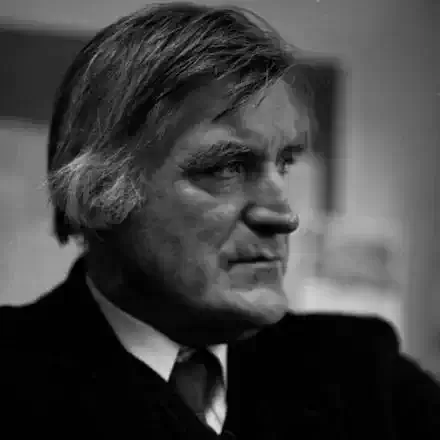
Ted Hughes
Bride and Groom Lie Hidden for Three Days
Bride and Groom Lie Hidden for Three Days
She gives him his eyes, she found them
Among some rubble, among some beetles
He gives her her skin
He just seemed to pull it down out of the air and lay it over her
She weeps with fearfulness and astonishment
She has found his hands for him, and fitted them freshly at the wrists
They are amazed at themselves, they go feeling all over her
He has assembled her spine, he cleaned each piece carefully
And sets them in perfect order
A superhuman puzzle but he is inspired
She leans back twisting this way and that, using it and laughing
Incredulous
Now she has brought his feet, she is connecting them
So that his whole body lights up
And he has fashioned her new hips
With all fittings complete and with newly wound coils, all shiningly oiled
He is polishing every part, he himself can hardly believe it
They keep taking each other to the sun, they find they can easily
To test each new thing at each new step
And now she smoothes over him the plates of his skull
So that the joints are invisible
And now he connects her throat, her breasts and the pit of her stomach
With a single wire
She gives him his teeth, tying the the roots to the centrepin of his body
He sets the little circlets on her fingertips
She stiches his body here and there with steely purple silk
He oils the delicate cogs of her mouth
She inlays with deep cut scrolls the nape of his neck
He sinks into place the inside of her thighs
So, gasping with joy, with cries of wonderment
Like two gods of mud
Sprawling in the dirt, but with infinite care
They bring each other to perfection.
She gives him his eyes, she found them
Among some rubble, among some beetles
He gives her her skin
He just seemed to pull it down out of the air and lay it over her
She weeps with fearfulness and astonishment
She has found his hands for him, and fitted them freshly at the wrists
They are amazed at themselves, they go feeling all over her
He has assembled her spine, he cleaned each piece carefully
And sets them in perfect order
A superhuman puzzle but he is inspired
She leans back twisting this way and that, using it and laughing
Incredulous
Now she has brought his feet, she is connecting them
So that his whole body lights up
And he has fashioned her new hips
With all fittings complete and with newly wound coils, all shiningly oiled
He is polishing every part, he himself can hardly believe it
They keep taking each other to the sun, they find they can easily
To test each new thing at each new step
And now she smoothes over him the plates of his skull
So that the joints are invisible
And now he connects her throat, her breasts and the pit of her stomach
With a single wire
She gives him his teeth, tying the the roots to the centrepin of his body
He sets the little circlets on her fingertips
She stiches his body here and there with steely purple silk
He oils the delicate cogs of her mouth
She inlays with deep cut scrolls the nape of his neck
He sinks into place the inside of her thighs
So, gasping with joy, with cries of wonderment
Like two gods of mud
Sprawling in the dirt, but with infinite care
They bring each other to perfection.
334

Siegfried Sassoon
The Heritage
The Heritage
Cry out on Time that he may take away
Your cold philosophies that give no hint
Of spirit-quickened flesh; fall down and pray
That Death come never with a face of flint:
Death is our heritage; with Life we share
The sunlight that must own his darkening hour:
Within his very presence yet we dare
To gather gladness like a fading flower.
For even as this, our joy not long may live
Perfect; and most in change the heart can trace
The miracle of life and human things:
All we have held to destiny we give;
Dawn glimmers on the soul-forsaken face;
Not we, but others, hear the bird that sings.
Cry out on Time that he may take away
Your cold philosophies that give no hint
Of spirit-quickened flesh; fall down and pray
That Death come never with a face of flint:
Death is our heritage; with Life we share
The sunlight that must own his darkening hour:
Within his very presence yet we dare
To gather gladness like a fading flower.
For even as this, our joy not long may live
Perfect; and most in change the heart can trace
The miracle of life and human things:
All we have held to destiny we give;
Dawn glimmers on the soul-forsaken face;
Not we, but others, hear the bird that sings.
113
Siegfried Sassoon
The Death-Bed
The Death-Bed
He drowsed and was aware of silence heaped
Round him, unshaken as the steadfast walls;
Aqueous like floating rays of amber light,
Soaring and quivering in the wings of sleep.
Silence and safety; and his mortal shore
Lipped by the inward, moonless waves of death.
Someone was holding water to his mouth.
He swallowed, unresisting; moaned and dropped
Through crimson gloom to darkness; and forgot
The opiate throb and ache that was his wound.
Water—calm, sliding green above the weir.
Water—a sky-lit alley for his boat,
Bird- voiced, and bordered with reflected flowers
And shaken hues of summer; drifting down,
He dipped contented oars, and sighed, and slept.
Night, with a gust of wind, was in the ward,
Blowing the curtain to a glimmering curve.
Night. He was blind; he could not see the stars
Glinting among the wraiths of wandering cloud;
Queer blots of colour, purple, scarlet, green,
Flickered and faded in his drowning eyes.
Rain—he could hear it rustling through the dark;
Fragrance and passionless music woven as one;
Warm rain on drooping roses; pattering showers
That soak the woods; not the harsh rain that sweeps
Behind the thunder, but a trickling peace,
Gently and slowly washing life away.
He stirred, shifting his body; then the pain
Leapt like a prowling beast, and gripped and tore
His groping dreams with grinding claws and fangs.
But someone was beside him; soon he lay
Shuddering because that evil thing had passed.
And death, who'd stepped toward him, paused and stared.
Light many lamps and gather round his bed.
Lend him your eyes, warm blood, and will to live.
Speak to him; rouse him; you may save him yet.
He's young; he hated War; how should he die
When cruel old campaigners win safe through?
But death replied: 'I choose him.' So he went,
And there was silence in the summer night;
Silence and safety; and the veils of sleep.
Then, far away, the thudding of the guns.
He drowsed and was aware of silence heaped
Round him, unshaken as the steadfast walls;
Aqueous like floating rays of amber light,
Soaring and quivering in the wings of sleep.
Silence and safety; and his mortal shore
Lipped by the inward, moonless waves of death.
Someone was holding water to his mouth.
He swallowed, unresisting; moaned and dropped
Through crimson gloom to darkness; and forgot
The opiate throb and ache that was his wound.
Water—calm, sliding green above the weir.
Water—a sky-lit alley for his boat,
Bird- voiced, and bordered with reflected flowers
And shaken hues of summer; drifting down,
He dipped contented oars, and sighed, and slept.
Night, with a gust of wind, was in the ward,
Blowing the curtain to a glimmering curve.
Night. He was blind; he could not see the stars
Glinting among the wraiths of wandering cloud;
Queer blots of colour, purple, scarlet, green,
Flickered and faded in his drowning eyes.
Rain—he could hear it rustling through the dark;
Fragrance and passionless music woven as one;
Warm rain on drooping roses; pattering showers
That soak the woods; not the harsh rain that sweeps
Behind the thunder, but a trickling peace,
Gently and slowly washing life away.
He stirred, shifting his body; then the pain
Leapt like a prowling beast, and gripped and tore
His groping dreams with grinding claws and fangs.
But someone was beside him; soon he lay
Shuddering because that evil thing had passed.
And death, who'd stepped toward him, paused and stared.
Light many lamps and gather round his bed.
Lend him your eyes, warm blood, and will to live.
Speak to him; rouse him; you may save him yet.
He's young; he hated War; how should he die
When cruel old campaigners win safe through?
But death replied: 'I choose him.' So he went,
And there was silence in the summer night;
Silence and safety; and the veils of sleep.
Then, far away, the thudding of the guns.
80
Siegfried Sassoon
Noah
Noah
When old Noah stared across the floods,
Sky and water melted into one
Looking-glass of shifting tides and sun.
Mountain-tops were few: the ship was foul:
All the morn old Noah marvelled greatly
At this weltering world that shone so stately,
Drowning deep the rivers and the plains.
Through the stillness came a rippling breeze;
Noah sighed, remembering the green trees.
Clear along the morning stooped a bird,—
Lit beside him with a blossomed sprig.
Earth was saved; and Noah danced a jig.
When old Noah stared across the floods,
Sky and water melted into one
Looking-glass of shifting tides and sun.
Mountain-tops were few: the ship was foul:
All the morn old Noah marvelled greatly
At this weltering world that shone so stately,
Drowning deep the rivers and the plains.
Through the stillness came a rippling breeze;
Noah sighed, remembering the green trees.
Clear along the morning stooped a bird,—
Lit beside him with a blossomed sprig.
Earth was saved; and Noah danced a jig.
88
Siegfried Sassoon
Butterflies
Butterflies
Frail Travellers, deftly flickering over the flowers;
O living flowers against the heedless blue
Of summer days, what sends them dancing through
This fiery-blossom’d revel of the hours?
Theirs are the musing silences between
The enraptured crying of shrill birds that make
Heaven in the wood while summer dawns awake;
And theirs the faintest winds that hush the green.
And they are as my soul that wings its way
Out of the starlit dimness into morn:
And they are as my tremulous being—born
To know but this, the phantom glare of day.
Frail Travellers, deftly flickering over the flowers;
O living flowers against the heedless blue
Of summer days, what sends them dancing through
This fiery-blossom’d revel of the hours?
Theirs are the musing silences between
The enraptured crying of shrill birds that make
Heaven in the wood while summer dawns awake;
And theirs the faintest winds that hush the green.
And they are as my soul that wings its way
Out of the starlit dimness into morn:
And they are as my tremulous being—born
To know but this, the phantom glare of day.
98
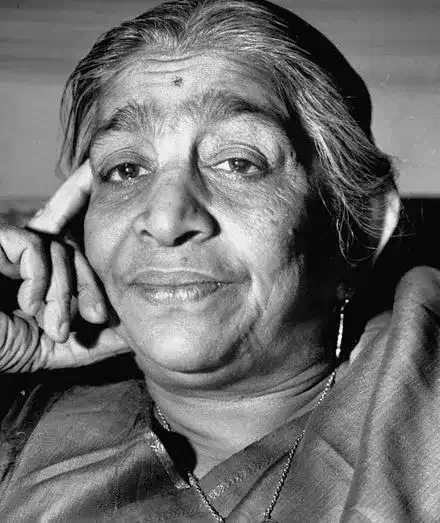
Sarojini Naidu
Transcience
Transcience
Nay, do not grieve tho' life be full of sadness,
Dawn will not veil her spleandor for your grief,
Nor spring deny their bright, appointed beauty
To lotus blossom and ashoka leaf.
Nay, do not pine, tho' life be dark with trouble,
Time will not pause or tarry on his way;
To-day that seems so long, so strange, so bitter,
Will soon be some forgotten yesterday.
Nay, do not weep; new hopes, new dreams, new faces,
The unspent joy of all the unborn years,
Will prove your heart a traitor to its sorrow,
And make your eyes unfaithful to their tears.
Nay, do not grieve tho' life be full of sadness,
Dawn will not veil her spleandor for your grief,
Nor spring deny their bright, appointed beauty
To lotus blossom and ashoka leaf.
Nay, do not pine, tho' life be dark with trouble,
Time will not pause or tarry on his way;
To-day that seems so long, so strange, so bitter,
Will soon be some forgotten yesterday.
Nay, do not weep; new hopes, new dreams, new faces,
The unspent joy of all the unborn years,
Will prove your heart a traitor to its sorrow,
And make your eyes unfaithful to their tears.
289

Sarah Teasdale
Embers
Embers
I said, "My youth is gone
Like a fire beaten out by the rain,
That will never sway and sing
Or play with the wind again."
I said, "It is no great sorrow
That quenched my youth in me,
But only little sorrows
Beating ceaselessly."
I thought my youth was gone,
But you returned --
Like a flame at the call of the wind
It leaped and burned;
Threw off its ashen cloak,
And gowned anew
Gave itself like a bride
Once more to you.
I said, "My youth is gone
Like a fire beaten out by the rain,
That will never sway and sing
Or play with the wind again."
I said, "It is no great sorrow
That quenched my youth in me,
But only little sorrows
Beating ceaselessly."
I thought my youth was gone,
But you returned --
Like a flame at the call of the wind
It leaped and burned;
Threw off its ashen cloak,
And gowned anew
Gave itself like a bride
Once more to you.
417
Sarah Teasdale
Change
Change
Remember me as I was then;
Turn from me now, but always see
The laughing shadowy girl who stood
At midnight by the flowering tree,
With eyes that love had made as bright
As the trembling stars of the summer night.
Turn from me now, but always hear
The muted laughter in the dew
Of that one year of youth we had,
The only youth we ever knew --
Turn from me now, or you will see
What other years have done to me.
Remember me as I was then;
Turn from me now, but always see
The laughing shadowy girl who stood
At midnight by the flowering tree,
With eyes that love had made as bright
As the trembling stars of the summer night.
Turn from me now, but always hear
The muted laughter in the dew
Of that one year of youth we had,
The only youth we ever knew --
Turn from me now, or you will see
What other years have done to me.
481
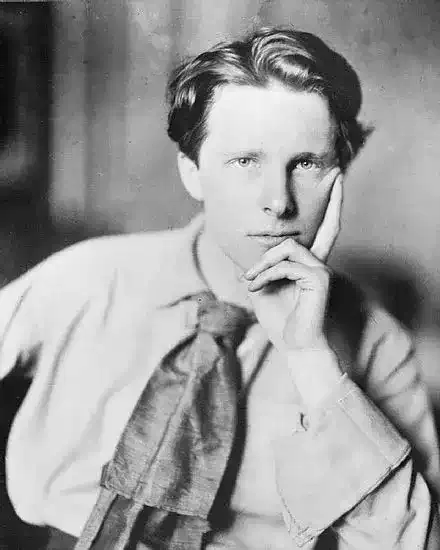
Rupert Brooke
The Night Journey
The Night Journey
Hands and lit faces eddy to a line;
The dazed last minutes click; the clamour dies.
Beyond the great-swung arc o’ the roof, divine,
Night, smoky-scarv’d, with thousand coloured eyes
Glares the imperious mystery of the way.
Thirsty for dark, you feel the long-limbed train
Throb, stretch, thrill motion, slide, pull out and sway,
Strain for the far, pause, draw to strength again.…
As a man, caught by some great hour, will rise,
Slow-limbed, to meet the light or find his love;
And, breathing long, with staring sightless eyes,
Hands out, head back, agape and silent, move
Sure as a flood, smooth as a vast wind blowing;
And, gathering power and purpose as he goes,
Unstumbling, unreluctant, strong, unknowing,
Borne by a will not his, that lifts, that grows,
Sweep out to darkness, triumphing in his goal,
Out of the fire, out of the little room.…
—There is an end appointed, O my soul!
Crimson and green the signals burn; the gloom
Is hung with steam’s far-blowing livid streamers.
Lost into God, as lights in light, we fly,
Grown one with will, end-drunken huddled dreamers.
The white lights roar. The sounds of the world die.
And lips and laughter are forgotten things.
Speed sharpens; grows. Into the night, and on,
The strength and splendour of our purpose swings.
The lamps fade; and the stars. We are alone.
Hands and lit faces eddy to a line;
The dazed last minutes click; the clamour dies.
Beyond the great-swung arc o’ the roof, divine,
Night, smoky-scarv’d, with thousand coloured eyes
Glares the imperious mystery of the way.
Thirsty for dark, you feel the long-limbed train
Throb, stretch, thrill motion, slide, pull out and sway,
Strain for the far, pause, draw to strength again.…
As a man, caught by some great hour, will rise,
Slow-limbed, to meet the light or find his love;
And, breathing long, with staring sightless eyes,
Hands out, head back, agape and silent, move
Sure as a flood, smooth as a vast wind blowing;
And, gathering power and purpose as he goes,
Unstumbling, unreluctant, strong, unknowing,
Borne by a will not his, that lifts, that grows,
Sweep out to darkness, triumphing in his goal,
Out of the fire, out of the little room.…
—There is an end appointed, O my soul!
Crimson and green the signals burn; the gloom
Is hung with steam’s far-blowing livid streamers.
Lost into God, as lights in light, we fly,
Grown one with will, end-drunken huddled dreamers.
The white lights roar. The sounds of the world die.
And lips and laughter are forgotten things.
Speed sharpens; grows. Into the night, and on,
The strength and splendour of our purpose swings.
The lamps fade; and the stars. We are alone.
213
Rupert Brooke
Night Journey, The
Night Journey, The
Hands and lit faces eddy to a line;
The dazed last minutes click; the clamour dies.
Beyond the great-swung arc o' the roof, divine,
Night, smoky-scarv'd, with thousand coloured eyes
Glares the imperious mystery of the way.
Thirsty for dark, you feel the long-limbed train
Throb, stretch, thrill motion, slide, pull out and sway,
Strain for the far, pause, draw to strength again. . . .
As a man, caught by some great hour, will rise,
Slow-limbed, to meet the light or find his love;
And, breathing long, with staring sightless eyes,
Hands out, head back, agape and silent, move
Sure as a flood, smooth as a vast wind blowing;
And, gathering power and purpose as he goes,
Unstumbling, unreluctant, strong, unknowing,
Borne by a will not his, that lifts, that grows,
Sweep out to darkness, triumphing in his goal,
Out of the fire, out of the little room. . . .
-- There is an end appointed, O my soul!
Crimson and green the signals burn; the gloom
Is hung with steam's far-blowing livid streamers.
Lost into God, as lights in light, we fly,
Grown one with will, end-drunken huddled dreamers.
The white lights roar. The sounds of the world die.
And lips and laughter are forgotten things.
Speed sharpens; grows. Into the night, and on,
The strength and splendour of our purpose swings.
The lamps fade; and the stars. We are alone.
Hands and lit faces eddy to a line;
The dazed last minutes click; the clamour dies.
Beyond the great-swung arc o' the roof, divine,
Night, smoky-scarv'd, with thousand coloured eyes
Glares the imperious mystery of the way.
Thirsty for dark, you feel the long-limbed train
Throb, stretch, thrill motion, slide, pull out and sway,
Strain for the far, pause, draw to strength again. . . .
As a man, caught by some great hour, will rise,
Slow-limbed, to meet the light or find his love;
And, breathing long, with staring sightless eyes,
Hands out, head back, agape and silent, move
Sure as a flood, smooth as a vast wind blowing;
And, gathering power and purpose as he goes,
Unstumbling, unreluctant, strong, unknowing,
Borne by a will not his, that lifts, that grows,
Sweep out to darkness, triumphing in his goal,
Out of the fire, out of the little room. . . .
-- There is an end appointed, O my soul!
Crimson and green the signals burn; the gloom
Is hung with steam's far-blowing livid streamers.
Lost into God, as lights in light, we fly,
Grown one with will, end-drunken huddled dreamers.
The white lights roar. The sounds of the world die.
And lips and laughter are forgotten things.
Speed sharpens; grows. Into the night, and on,
The strength and splendour of our purpose swings.
The lamps fade; and the stars. We are alone.
177
Rupert Brooke
Mary and Gabriel
Mary and Gabriel
Young Mary, loitering once her garden way,
Felt a warm splendour grow in the April day,
As wine that blushes water through. And soon,
Out of the gold air of the afternoon,
One knelt before her: hair he had, or fire,
Bound back above his ears with golden wire,
Baring the eager marble of his face.
Not man's nor woman's was the immortal grace
Rounding the limbs beneath that robe of white,
And lighting the proud eyes with changeless light,
Incurious. Calm as his wings, and fair,
That presence filled the garden.
She stood there,
Saying, "What would you, Sir?"
He told his word,
"Blessed art thou of women!" Half she heard,
Hands folded and face bowed, half long had known,
The message of that clear and holy tone,
That fluttered hot sweet sobs about her heart;
Such serene tidings moved such human smart.
Her breath came quick as little flakes of snow.
Her hands crept up her breast. She did but know
It was not hers. She felt a trembling stir
Within her body, a will too strong for her
That held and filled and mastered all. With eyes
Closed, and a thousand soft short broken sighs,
She gave submission; fearful, meek, and glad. . . .
She wished to speak. Under her breasts she had
Such multitudinous burnings, to and fro,
And throbs not understood; she did not know
If they were hurt or joy for her; but only
That she was grown strange to herself, half lonely,
All wonderful, filled full of pains to come
And thoughts she dare not think, swift thoughts and dumb,
Human, and quaint, her own, yet very far,
Divine, dear, terrible, familiar . . .
Her heart was faint for telling; to relate
Her limbs' sweet treachery, her strange high estate,
Over and over, whispering, half revealing,
Weeping; and so find kindness to her healing.
'Twixt tears and laughter, panic hurrying her,
She raised her eyes to that fair messenger.
He knelt unmoved, immortal; with his eyes
Gazing beyond her, calm to the calm skies;
Radiant, untroubled in his wisdom, kind.
His sheaf of lilies stirred not in the wind.
How should she, pitiful with mortality,
Try the wide peace of that felicity
With ripples of her perplexed shaken heart,
And hints of human ecstasy, human smart,
And whispers of the lonely weight she bore,
And how her womb within was hers no more
And at length hers?
Being tired, she bowed her head;
And said, "So be it!"
The great wings were spread
Showering glory on the fields, and fire.
The whole air, singing, bore him up, and higher,
Unswerving, unreluctant. Soon he shone
A gold speck in the gold skies; then was gone.
The air was colder, and grey. She stood alone.
Young Mary, loitering once her garden way,
Felt a warm splendour grow in the April day,
As wine that blushes water through. And soon,
Out of the gold air of the afternoon,
One knelt before her: hair he had, or fire,
Bound back above his ears with golden wire,
Baring the eager marble of his face.
Not man's nor woman's was the immortal grace
Rounding the limbs beneath that robe of white,
And lighting the proud eyes with changeless light,
Incurious. Calm as his wings, and fair,
That presence filled the garden.
She stood there,
Saying, "What would you, Sir?"
He told his word,
"Blessed art thou of women!" Half she heard,
Hands folded and face bowed, half long had known,
The message of that clear and holy tone,
That fluttered hot sweet sobs about her heart;
Such serene tidings moved such human smart.
Her breath came quick as little flakes of snow.
Her hands crept up her breast. She did but know
It was not hers. She felt a trembling stir
Within her body, a will too strong for her
That held and filled and mastered all. With eyes
Closed, and a thousand soft short broken sighs,
She gave submission; fearful, meek, and glad. . . .
She wished to speak. Under her breasts she had
Such multitudinous burnings, to and fro,
And throbs not understood; she did not know
If they were hurt or joy for her; but only
That she was grown strange to herself, half lonely,
All wonderful, filled full of pains to come
And thoughts she dare not think, swift thoughts and dumb,
Human, and quaint, her own, yet very far,
Divine, dear, terrible, familiar . . .
Her heart was faint for telling; to relate
Her limbs' sweet treachery, her strange high estate,
Over and over, whispering, half revealing,
Weeping; and so find kindness to her healing.
'Twixt tears and laughter, panic hurrying her,
She raised her eyes to that fair messenger.
He knelt unmoved, immortal; with his eyes
Gazing beyond her, calm to the calm skies;
Radiant, untroubled in his wisdom, kind.
His sheaf of lilies stirred not in the wind.
How should she, pitiful with mortality,
Try the wide peace of that felicity
With ripples of her perplexed shaken heart,
And hints of human ecstasy, human smart,
And whispers of the lonely weight she bore,
And how her womb within was hers no more
And at length hers?
Being tired, she bowed her head;
And said, "So be it!"
The great wings were spread
Showering glory on the fields, and fire.
The whole air, singing, bore him up, and higher,
Unswerving, unreluctant. Soon he shone
A gold speck in the gold skies; then was gone.
The air was colder, and grey. She stood alone.
250
Rupert Brooke
And love has changed to kindliness
And love has changed to kindliness
When love has changed to kindliness --
Oh, love, our hungry lips, that press
So tight that Time's an old god's dream
Nodding in heaven, and whisper stuff
Seven million years were not enough
To think on after, make it seem
Less than the breath of children playing,
A blasphemy scarce worth the saying,
A sorry jest, "When love has grown
To kindliness -- to kindliness!" . . .
And yet -- the best that either's known
Will change, and wither, and be less,
At last, than comfort, or its own
Remembrance. And when some caress
Tendered in habit (once a flame
All heaven sang out to) wakes the shame
Unworded, in the steady eyes
We'll have, -- that day, what shall we do?
Being so noble, kill the two
Who've reached their second-best? Being wise,
Break cleanly off, and get away.
Follow down other windier skies
New lures, alone? Or shall we stay,
Since this is all we've known, content
In the lean twilight of such day,
And not remember, not lament?
That time when all is over, and
Hand never flinches, brushing hand;
And blood lies quiet, for all you're near;
And it's but spoken words we hear,
Where trumpets sang; when the mere skies
Are stranger and nobler than your eyes;
And flesh is flesh, was flame before;
And infinite hungers leap no more
In the chance swaying of your dress;
And love has changed to kindliness.
When love has changed to kindliness --
Oh, love, our hungry lips, that press
So tight that Time's an old god's dream
Nodding in heaven, and whisper stuff
Seven million years were not enough
To think on after, make it seem
Less than the breath of children playing,
A blasphemy scarce worth the saying,
A sorry jest, "When love has grown
To kindliness -- to kindliness!" . . .
And yet -- the best that either's known
Will change, and wither, and be less,
At last, than comfort, or its own
Remembrance. And when some caress
Tendered in habit (once a flame
All heaven sang out to) wakes the shame
Unworded, in the steady eyes
We'll have, -- that day, what shall we do?
Being so noble, kill the two
Who've reached their second-best? Being wise,
Break cleanly off, and get away.
Follow down other windier skies
New lures, alone? Or shall we stay,
Since this is all we've known, content
In the lean twilight of such day,
And not remember, not lament?
That time when all is over, and
Hand never flinches, brushing hand;
And blood lies quiet, for all you're near;
And it's but spoken words we hear,
Where trumpets sang; when the mere skies
Are stranger and nobler than your eyes;
And flesh is flesh, was flame before;
And infinite hungers leap no more
In the chance swaying of your dress;
And love has changed to kindliness.
202