

Poems in this topic
Nation and Patriotism
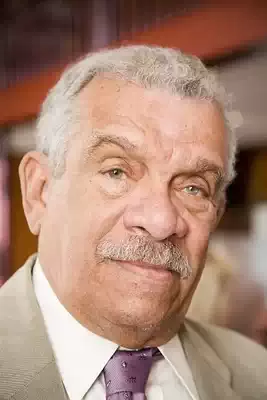
Derek Walcott
A Far Cry From Africa
A Far Cry From Africa
A wind is ruffling the tawny pelt
Of Africa, Kikuyu, quick as flies,
Batten upon the bloodstreams of the veldt.
Corpses are scattered through a paradise.
Only the worm, colonel of carrion, cries:
'Waste no compassion on these separate dead!'
Statistics justify and scholars seize
The salients of colonial policy.
What is that to the white child hacked in bed?
To savages, expendable as Jews?
Threshed out by beaters, the long rushes break
In a white dust of ibises whose cries
Have wheeled since civilizations dawn
>From the parched river or beast-teeming plain.
The violence of beast on beast is read
As natural law, but upright man
Seeks his divinity by inflicting pain.
Delirious as these worried beasts, his wars
Dance to the tightened carcass of a drum,
While he calls courage still that native dread
Of the white peace contracted by the dead.
Again brutish necessity wipes its hands
Upon the napkin of a dirty cause, again
A waste of our compassion, as with Spain,
The gorilla wrestles with the superman.
I who am poisoned with the blood of both,
Where shall I turn, divided to the vein?
I who have cursed
The drunken officer of British rule, how choose
Between this Africa and the English tongue I love?
Betray them both, or give back what they give?
How can I face such slaughter and be cool?
How can I turn from Africa and live?
A wind is ruffling the tawny pelt
Of Africa, Kikuyu, quick as flies,
Batten upon the bloodstreams of the veldt.
Corpses are scattered through a paradise.
Only the worm, colonel of carrion, cries:
'Waste no compassion on these separate dead!'
Statistics justify and scholars seize
The salients of colonial policy.
What is that to the white child hacked in bed?
To savages, expendable as Jews?
Threshed out by beaters, the long rushes break
In a white dust of ibises whose cries
Have wheeled since civilizations dawn
>From the parched river or beast-teeming plain.
The violence of beast on beast is read
As natural law, but upright man
Seeks his divinity by inflicting pain.
Delirious as these worried beasts, his wars
Dance to the tightened carcass of a drum,
While he calls courage still that native dread
Of the white peace contracted by the dead.
Again brutish necessity wipes its hands
Upon the napkin of a dirty cause, again
A waste of our compassion, as with Spain,
The gorilla wrestles with the superman.
I who am poisoned with the blood of both,
Where shall I turn, divided to the vein?
I who have cursed
The drunken officer of British rule, how choose
Between this Africa and the English tongue I love?
Betray them both, or give back what they give?
How can I face such slaughter and be cool?
How can I turn from Africa and live?
1,875

Claude Mckay
Africa
Africa
The sun sought thy dim bed and brought forth light,
The sciences were sucklings at thy breast;
When all the world was young in pregnant night
Thy slaves toiled at thy monumental best.
Thou ancient treasure-land, thou modern prize,
New peoples marvel at thy pyramids!
The years roll on, thy sphinx of riddle eyes
Watches the mad world with immobile lids.
The Hebrews humbled them at Pharaoh's name.
Cradle of Power! Yet all things were in vain!
Honor and Glory, Arrogance and Fame!
They went. The darkness swallowed thee again.
Thou art the harlot, now thy time is done,
Of all the mighty nations of the sun.
The sun sought thy dim bed and brought forth light,
The sciences were sucklings at thy breast;
When all the world was young in pregnant night
Thy slaves toiled at thy monumental best.
Thou ancient treasure-land, thou modern prize,
New peoples marvel at thy pyramids!
The years roll on, thy sphinx of riddle eyes
Watches the mad world with immobile lids.
The Hebrews humbled them at Pharaoh's name.
Cradle of Power! Yet all things were in vain!
Honor and Glory, Arrogance and Fame!
They went. The darkness swallowed thee again.
Thou art the harlot, now thy time is done,
Of all the mighty nations of the sun.
449
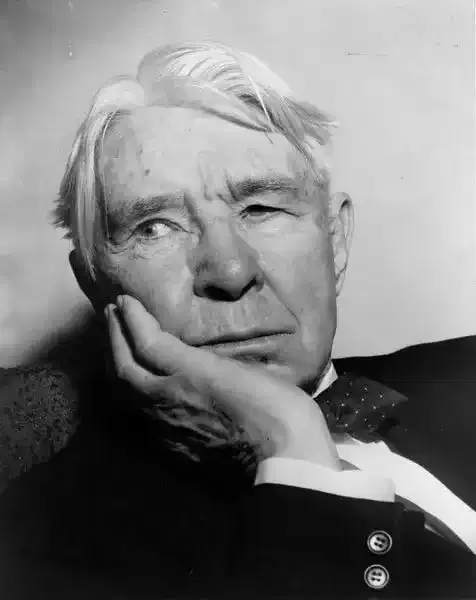
Carl Sandburg
I Am The People, The Mob
I Am The People, The Mob
I Am the people--the mob--the crowd--the mass.
Do you know that all the great work of the world is
done through me?
I am the workingman, the inventor, the maker of the
world's food and clothes.
I am the audience that witnesses history. The Napoleons
come from me and the Lincolns. They die. And
then I send forth more Napoleons and Lincolns.
I am the seed ground. I am a prairie that will stand
for much plowing. Terrible storms pass over me.
I forget. The best of me is sucked out and wasted.
I forget. Everything but Death comes to me and
makes me work and give up what I have. And I
forget.
Sometimes I growl, shake myself and spatter a few red
drops for history to remember. Then--I forget.
When I, the People, learn to remember, when I, the
People, use the lessons of yesterday and no longer
forget who robbed me last year, who played me for
a fool--then there will be no speaker in all the world
say the name: 'The People,' with any fleck of a
sneer in his voice or any far-off smile of derision.
The mob--the crowd--the mass--will arrive then.
I Am the people--the mob--the crowd--the mass.
Do you know that all the great work of the world is
done through me?
I am the workingman, the inventor, the maker of the
world's food and clothes.
I am the audience that witnesses history. The Napoleons
come from me and the Lincolns. They die. And
then I send forth more Napoleons and Lincolns.
I am the seed ground. I am a prairie that will stand
for much plowing. Terrible storms pass over me.
I forget. The best of me is sucked out and wasted.
I forget. Everything but Death comes to me and
makes me work and give up what I have. And I
forget.
Sometimes I growl, shake myself and spatter a few red
drops for history to remember. Then--I forget.
When I, the People, learn to remember, when I, the
People, use the lessons of yesterday and no longer
forget who robbed me last year, who played me for
a fool--then there will be no speaker in all the world
say the name: 'The People,' with any fleck of a
sneer in his voice or any far-off smile of derision.
The mob--the crowd--the mass--will arrive then.
292
Carl Sandburg
A Tall Man
A Tall Man
The mouth of this man is a gaunt strong mouth.
The head of this man is a gaunt strong head.
The jaws of this man are bone of the Rocky Mountains, the Appalachians.
The eyes of this man are chlorine of two sobbing oceans,
Foam, salt, green, wind, the changing unknown.
The neck of this man is pith of buffalo prairie, old longing and new beckoning of corn
belt or cotton belt,
Either a proud Sequoia trunk of the wilderness
Or huddling lumber of a sawmill waiting to be a roof.
Brother mystery to man and mob mystery,
Brother cryptic to lifted cryptic hands,
He is night and abyss, he is white sky of sun, he is the head of the people.
The heart of him the red drops of the people,
The wish of him the steady gray-eagle crag-hunting flights of the people.
Humble dust of a wheel-worn road,
Slashed sod under the iron-shining plow,
These of service in him, these and many cities, many borders, many wrangles between
Alaska and the Isthmus, between the Isthmus and the Horn, and east and west of
Omaha, and east and west of Paris, Berlin, Petrograd.
The blood in his right wrist and the blood in his left wrist run with the right wrist
wisdom of the many and the left wrist wisdom of the many.
It is the many he knows, the gaunt strong hunger of the many.
The mouth of this man is a gaunt strong mouth.
The head of this man is a gaunt strong head.
The jaws of this man are bone of the Rocky Mountains, the Appalachians.
The eyes of this man are chlorine of two sobbing oceans,
Foam, salt, green, wind, the changing unknown.
The neck of this man is pith of buffalo prairie, old longing and new beckoning of corn
belt or cotton belt,
Either a proud Sequoia trunk of the wilderness
Or huddling lumber of a sawmill waiting to be a roof.
Brother mystery to man and mob mystery,
Brother cryptic to lifted cryptic hands,
He is night and abyss, he is white sky of sun, he is the head of the people.
The heart of him the red drops of the people,
The wish of him the steady gray-eagle crag-hunting flights of the people.
Humble dust of a wheel-worn road,
Slashed sod under the iron-shining plow,
These of service in him, these and many cities, many borders, many wrangles between
Alaska and the Isthmus, between the Isthmus and the Horn, and east and west of
Omaha, and east and west of Paris, Berlin, Petrograd.
The blood in his right wrist and the blood in his left wrist run with the right wrist
wisdom of the many and the left wrist wisdom of the many.
It is the many he knows, the gaunt strong hunger of the many.
489
Boris Pasternak
On Early Trains
On Early Trains
This winter I was outside Moscow,
But when the time for work came round,
Through the blizzard, biting frost and snow,
I made the journey into town.
At the hour I stepped outside the door
Not a soul could be seen on the street,
And through the forest darkness drifted forth
The crunching echo of my tramping feet.
At the crossing I was greeted
By the willows of the vacant plot.
The constellations towered above the world
In the dark chill of January's pit.
And usually, there behind the yards,
The number forty or the early mail
Would overhaul me, pulling hard,
But the six forty-five was my own train.
Suddenly some invisible tentacles
Would draw into a circle lines of light,
As a massive searchlight hurtled past
On to the viaduct out of the night.
Once in the carriage's tuffy heat
I would allow myself to sink
Into the state of innate weakness
I imbibed with my mother's milk.
Through all the struggles of the past,
Through all the years of war and want,
I gazed on Russia'a unique face
In silent awe and wonderment.
Passing beyond this adoration,
I worshipped as I looked around
At countrywomen, students, workers
Living on the edge of town.
I could not see a single trace
Of servitude imposed by poverty.
Each new discomfort and each change
Was borne with lordly dignity.
Bunched close together in a group,
Boys and girls sat reading there,
Struck varied poses as they read,
Drinking in the words like vital air.
Moscow greeted us in darkness
Already lined with silver light,
As we emerged from underground,
Out of the ambiguity of night.
Our future pressed against the rails,
Flooding my senses as they went,
With floral soap's lingering trace
And honey-cakes' enticing scent.
This winter I was outside Moscow,
But when the time for work came round,
Through the blizzard, biting frost and snow,
I made the journey into town.
At the hour I stepped outside the door
Not a soul could be seen on the street,
And through the forest darkness drifted forth
The crunching echo of my tramping feet.
At the crossing I was greeted
By the willows of the vacant plot.
The constellations towered above the world
In the dark chill of January's pit.
And usually, there behind the yards,
The number forty or the early mail
Would overhaul me, pulling hard,
But the six forty-five was my own train.
Suddenly some invisible tentacles
Would draw into a circle lines of light,
As a massive searchlight hurtled past
On to the viaduct out of the night.
Once in the carriage's tuffy heat
I would allow myself to sink
Into the state of innate weakness
I imbibed with my mother's milk.
Through all the struggles of the past,
Through all the years of war and want,
I gazed on Russia'a unique face
In silent awe and wonderment.
Passing beyond this adoration,
I worshipped as I looked around
At countrywomen, students, workers
Living on the edge of town.
I could not see a single trace
Of servitude imposed by poverty.
Each new discomfort and each change
Was borne with lordly dignity.
Bunched close together in a group,
Boys and girls sat reading there,
Struck varied poses as they read,
Drinking in the words like vital air.
Moscow greeted us in darkness
Already lined with silver light,
As we emerged from underground,
Out of the ambiguity of night.
Our future pressed against the rails,
Flooding my senses as they went,
With floral soap's lingering trace
And honey-cakes' enticing scent.
597

Anonymous
Beowulf (The Prelude)
Beowulf (The Prelude)
PRELUDE OF THE FOUNDER OF THE DANISH HOUSE
LO, praise of the prowess of people-kings
of spear-armed Danes, in days long sped,
we have heard, and what honor the athelings won!
Oft Scyld the Scefing from squadroned foes,
from many a tribe, the mead-bench tore,
awing the earls. Since erst he lay
friendless, a foundling, fate repaid him:
for he waxed under welkin, in wealth he throve,
till before him the folk, both far and near,
who house by the whale-path, heard his mandate,
gave him gifts: a good king he!
To him an heir was afterward born,
a son in his halls, whom heaven sent
to favor the folk, feeling their woe
that erst they had lacked an earl for leader
so long a while; the Lord endowed him,
the Wielder of Wonder, with world's renown.
Famed was this Beowulf: far flew the boast of him,
son of Scyld, in the Scandian lands.
So becomes it a youth to quit him well
with his father's friends, by fee and gift,
that to aid him, aged, in after days,
come warriors willing, should war draw nigh,
liegemen loyal: by lauded deeds
shall an earl have honor in every clan.
Forth he fared at the fated moment,
sturdy Scyld to the shelter of God.
Then they bore him over to ocean's billow,
loving clansmen, as late he charged them,
while wielded words the winsome Scyld,
the leader beloved who long had ruled....
In the roadstead rocked a ring-dight vessel,
ice-flecked, outbound, atheling's barge:
there laid they down their darling lord
on the breast of the boat, the breaker-of-rings,
by the mast the mighty one. Many a treasure
fetched from far was freighted with him.
No ship have I known so nobly dight
with weapons of war and weeds of battle,
with breastplate and blade: on his bosom lay
a heaped hoard that hence should go
far o'er the flood with him floating away.
No less these loaded the lordly gifts,
thanes' huge treasure, than those had done
who in former time forth had sent him
sole on the seas, a suckling child.
High o'er his head they hoist the standard,
a gold-wove banner; let billows take him,
gave him to ocean. Grave were their spirits,
mournful their mood. No man is able
to say in sooth, no son of the halls,
no hero 'neath heaven, -- who harbored that freight!
PRELUDE OF THE FOUNDER OF THE DANISH HOUSE
LO, praise of the prowess of people-kings
of spear-armed Danes, in days long sped,
we have heard, and what honor the athelings won!
Oft Scyld the Scefing from squadroned foes,
from many a tribe, the mead-bench tore,
awing the earls. Since erst he lay
friendless, a foundling, fate repaid him:
for he waxed under welkin, in wealth he throve,
till before him the folk, both far and near,
who house by the whale-path, heard his mandate,
gave him gifts: a good king he!
To him an heir was afterward born,
a son in his halls, whom heaven sent
to favor the folk, feeling their woe
that erst they had lacked an earl for leader
so long a while; the Lord endowed him,
the Wielder of Wonder, with world's renown.
Famed was this Beowulf: far flew the boast of him,
son of Scyld, in the Scandian lands.
So becomes it a youth to quit him well
with his father's friends, by fee and gift,
that to aid him, aged, in after days,
come warriors willing, should war draw nigh,
liegemen loyal: by lauded deeds
shall an earl have honor in every clan.
Forth he fared at the fated moment,
sturdy Scyld to the shelter of God.
Then they bore him over to ocean's billow,
loving clansmen, as late he charged them,
while wielded words the winsome Scyld,
the leader beloved who long had ruled....
In the roadstead rocked a ring-dight vessel,
ice-flecked, outbound, atheling's barge:
there laid they down their darling lord
on the breast of the boat, the breaker-of-rings,
by the mast the mighty one. Many a treasure
fetched from far was freighted with him.
No ship have I known so nobly dight
with weapons of war and weeds of battle,
with breastplate and blade: on his bosom lay
a heaped hoard that hence should go
far o'er the flood with him floating away.
No less these loaded the lordly gifts,
thanes' huge treasure, than those had done
who in former time forth had sent him
sole on the seas, a suckling child.
High o'er his head they hoist the standard,
a gold-wove banner; let billows take him,
gave him to ocean. Grave were their spirits,
mournful their mood. No man is able
to say in sooth, no son of the halls,
no hero 'neath heaven, -- who harbored that freight!
274
Anonymous
Will He No Come Back Again?
Will He No Come Back Again?
Royal Charlie's now awa,
Safely owre the friendly main;
Mony a heart will break in twa,
Should he ne'er come back again.
Will you no come back again?
Will you no come back again?
Better lo'ed you'll never be,
And will you no come back again?
Mony a traitor 'mang the isles
Brak the band o' nature's law;
Mony a traitor, wi' his wiles,
Sought to wear his life awa.
Will he no come back again?
Will he no come back again?
Better lo'ed he'll never be,
And will he no come back again?
The hills he trode were a' his ain,
And bed beneath the birken tree;
The bush that hid him on the plain,
There's none on earth can claim but he.
Will he no come back again?
Will he no come back again?
Better lo'ed he'll never be,
And will he no come back again?
Whene'er I hear the blackbird sing,
Unto the e'ening sinking down,
Or merl that makes the woods to ring,
To me they hae nae ither soun',
Than, Will he no come back again?
Will he no come back again?
Better lo'ed he'll never be,
And will he no come back again?
Mony a gallant sodger fought,
Mony a gallant chief did fa';
Death itself were dearly bought,
A' for Scotland's king and law.
Will he no come back again?
Will he no come back again?
Better lo'ed he'll never be,
And will he no come back again?
Sweet the lav'rock's note and lang,
Lilting wildly up the glen;
And aye the o'erword o' the sang
Is "Will he no come back again?"
Will he no come back again?
Will he no come back again?
Better lo'ed he'll never be,
And will he no come back again?
Royal Charlie's now awa,
Safely owre the friendly main;
Mony a heart will break in twa,
Should he ne'er come back again.
Will you no come back again?
Will you no come back again?
Better lo'ed you'll never be,
And will you no come back again?
Mony a traitor 'mang the isles
Brak the band o' nature's law;
Mony a traitor, wi' his wiles,
Sought to wear his life awa.
Will he no come back again?
Will he no come back again?
Better lo'ed he'll never be,
And will he no come back again?
The hills he trode were a' his ain,
And bed beneath the birken tree;
The bush that hid him on the plain,
There's none on earth can claim but he.
Will he no come back again?
Will he no come back again?
Better lo'ed he'll never be,
And will he no come back again?
Whene'er I hear the blackbird sing,
Unto the e'ening sinking down,
Or merl that makes the woods to ring,
To me they hae nae ither soun',
Than, Will he no come back again?
Will he no come back again?
Better lo'ed he'll never be,
And will he no come back again?
Mony a gallant sodger fought,
Mony a gallant chief did fa';
Death itself were dearly bought,
A' for Scotland's king and law.
Will he no come back again?
Will he no come back again?
Better lo'ed he'll never be,
And will he no come back again?
Sweet the lav'rock's note and lang,
Lilting wildly up the glen;
And aye the o'erword o' the sang
Is "Will he no come back again?"
Will he no come back again?
Will he no come back again?
Better lo'ed he'll never be,
And will he no come back again?
221
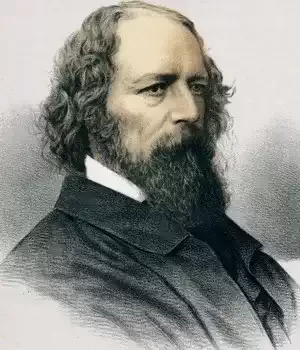
Alfred Lord Tennyson
You Ask Me, Why, Tho' Ill at Ease
You Ask Me, Why, Tho' Ill at Ease
You ask me, why, tho' ill at ease,
Within this region I subsist,
Whose spirits falter in the mist,
And languish for the purple seas.
It is the land that freemen till,
That sober-suited Freedom chose,
The land, where girt with friends or foes
A man may speak the thing he will;
A land of settled government,
A land of just and old renown,
Where Freedom slowly broadens down
From precedent to precedent:
Where faction seldom gathers head,
But by degrees to fullness wrought,
The strength of some diffusive thought
Hath time and space to work and spread.
Should banded unions persecute
Opinion, and induce a time
When single thought is civil crime,
And individual freedom mute;
Tho' Power should make from land to land
The name of Britain trebly great-Tho'
every channel of the State
Should fill and choke with golden sand-
Yet waft me from the harbour-mouth,
Wild wind! I seek a warmer sky,
And I will see before I die
The palms and temples of the South.
You ask me, why, tho' ill at ease,
Within this region I subsist,
Whose spirits falter in the mist,
And languish for the purple seas.
It is the land that freemen till,
That sober-suited Freedom chose,
The land, where girt with friends or foes
A man may speak the thing he will;
A land of settled government,
A land of just and old renown,
Where Freedom slowly broadens down
From precedent to precedent:
Where faction seldom gathers head,
But by degrees to fullness wrought,
The strength of some diffusive thought
Hath time and space to work and spread.
Should banded unions persecute
Opinion, and induce a time
When single thought is civil crime,
And individual freedom mute;
Tho' Power should make from land to land
The name of Britain trebly great-Tho'
every channel of the State
Should fill and choke with golden sand-
Yet waft me from the harbour-mouth,
Wild wind! I seek a warmer sky,
And I will see before I die
The palms and temples of the South.
440
Alfred Lord Tennyson
To The Queen
To The Queen
O loyal to the royal in thyself,
And loyal to thy land, as this to thee--
Bear witness, that rememberable day,
When, pale as yet, and fever-worn, the Prince
Who scarce had plucked his flickering life again
From halfway down the shadow of the grave,
Past with thee through thy people and their love,
And London rolled one tide of joy through all
Her trebled millions, and loud leagues of man
And welcome! witness, too, the silent cry,
The prayer of many a race and creed, and clime--
Thunderless lightnings striking under sea
From sunset and sunrise of all thy realm,
And that true North, whereof we lately heard
A strain to shame us 'keep you to yourselves;
So loyal is too costly! friends--your love
Is but a burthen: loose the bond, and go.'
Is this the tone of empire? here the faith
That made us rulers? this, indeed, her voice
And meaning, whom the roar of Hougoumont
Left mightiest of all peoples under heaven?
What shock has fooled her since, that she should speak
So feebly? wealthier--wealthier--hour by hour!
The voice of Britain, or a sinking land,
Some third-rate isle half-lost among her seas?
THERE rang her voice, when the full city pealed
Thee and thy Prince! The loyal to their crown
Are loyal to their own far sons, who love
Our ocean-empire with her boundless homes
For ever-broadening England, and her throne
In our vast Orient, and one isle, one isle,
That knows not her own greatness: if she knows
And dreads it we are fallen. --But thou, my Queen,
Not for itself, but through thy living love
For one to whom I made it o'er his grave
Sacred, accept this old imperfect tale,
New-old, and shadowing Sense at war with Soul,
Ideal manhood closed in real man,
Rather than that gray king, whose name, a ghost,
Streams like a cloud, man-shaped, from mountain peak,
And cleaves to cairn and cromlech still; or him
Of Geoffrey's book, or him of Malleor's, one
Touched by the adulterous finger of a time
That hovered between war and wantonness,
And crownings and dethronements: take withal
Thy poet's blessing, and his trust that Heaven
Will blow the tempest in the distance back
From thine and ours: for some are sacred, who mark,
Or wisely or unwisely, signs of storm,
Waverings of every vane with every wind,
And wordy trucklings to the transient hour,
And fierce or careless looseners of the faith,
And Softness breeding scorn of simple life,
Or Cowardice, the child of lust for gold,
Or Labour, with a groan and not a voice,
Or Art with poisonous honey stolen from France,
And that which knows, but careful for itself,
And that which knows not, ruling that which knows
To its own harm: the goal of this great world
Lies beyond sight: yet--if our slowly-grown
And crowned Republic's crowning common-sense,
That saved her many times, not fail--their fears
Are morning shadows huger than the shapes
That cast them, not those gloomier which forego
The darkness of that battle in the West,
Where all of high and holy dies away.
O loyal to the royal in thyself,
And loyal to thy land, as this to thee--
Bear witness, that rememberable day,
When, pale as yet, and fever-worn, the Prince
Who scarce had plucked his flickering life again
From halfway down the shadow of the grave,
Past with thee through thy people and their love,
And London rolled one tide of joy through all
Her trebled millions, and loud leagues of man
And welcome! witness, too, the silent cry,
The prayer of many a race and creed, and clime--
Thunderless lightnings striking under sea
From sunset and sunrise of all thy realm,
And that true North, whereof we lately heard
A strain to shame us 'keep you to yourselves;
So loyal is too costly! friends--your love
Is but a burthen: loose the bond, and go.'
Is this the tone of empire? here the faith
That made us rulers? this, indeed, her voice
And meaning, whom the roar of Hougoumont
Left mightiest of all peoples under heaven?
What shock has fooled her since, that she should speak
So feebly? wealthier--wealthier--hour by hour!
The voice of Britain, or a sinking land,
Some third-rate isle half-lost among her seas?
THERE rang her voice, when the full city pealed
Thee and thy Prince! The loyal to their crown
Are loyal to their own far sons, who love
Our ocean-empire with her boundless homes
For ever-broadening England, and her throne
In our vast Orient, and one isle, one isle,
That knows not her own greatness: if she knows
And dreads it we are fallen. --But thou, my Queen,
Not for itself, but through thy living love
For one to whom I made it o'er his grave
Sacred, accept this old imperfect tale,
New-old, and shadowing Sense at war with Soul,
Ideal manhood closed in real man,
Rather than that gray king, whose name, a ghost,
Streams like a cloud, man-shaped, from mountain peak,
And cleaves to cairn and cromlech still; or him
Of Geoffrey's book, or him of Malleor's, one
Touched by the adulterous finger of a time
That hovered between war and wantonness,
And crownings and dethronements: take withal
Thy poet's blessing, and his trust that Heaven
Will blow the tempest in the distance back
From thine and ours: for some are sacred, who mark,
Or wisely or unwisely, signs of storm,
Waverings of every vane with every wind,
And wordy trucklings to the transient hour,
And fierce or careless looseners of the faith,
And Softness breeding scorn of simple life,
Or Cowardice, the child of lust for gold,
Or Labour, with a groan and not a voice,
Or Art with poisonous honey stolen from France,
And that which knows, but careful for itself,
And that which knows not, ruling that which knows
To its own harm: the goal of this great world
Lies beyond sight: yet--if our slowly-grown
And crowned Republic's crowning common-sense,
That saved her many times, not fail--their fears
Are morning shadows huger than the shapes
That cast them, not those gloomier which forego
The darkness of that battle in the West,
Where all of high and holy dies away.
476
Alfred Lord Tennyson
Of Old Sat Freedom on the Heights
Of Old Sat Freedom on the Heights
Of old sat Freedom on the heights,
The thunders breaking at her feet:
Above her shook the starry lights:
She heard the torrents meet.
There in her place she did rejoice,
Self-gather'd in her prophet-mind,
But fragments of her mighty voice
Came rolling on the wind.
Then stept she down thro' town and field
To mingle with the human race,
And part by part to men reveal'd
The fulness of her face-
Grave mother of majestic works,
From her isle-altar gazing down,
Who, God-like, grasps the triple forks,
And, King-like, wears the crown:
Her open eyes desire the truth.
The wisdom of a thousand years
Is in them. May perpetual youth
Keep dry their light from tears;
That her fair form may stand and shine,
Make bright our days and light our dreams,
Turning to scorn with lips divine
The falsehood of extremes!
Of old sat Freedom on the heights,
The thunders breaking at her feet:
Above her shook the starry lights:
She heard the torrents meet.
There in her place she did rejoice,
Self-gather'd in her prophet-mind,
But fragments of her mighty voice
Came rolling on the wind.
Then stept she down thro' town and field
To mingle with the human race,
And part by part to men reveal'd
The fulness of her face-
Grave mother of majestic works,
From her isle-altar gazing down,
Who, God-like, grasps the triple forks,
And, King-like, wears the crown:
Her open eyes desire the truth.
The wisdom of a thousand years
Is in them. May perpetual youth
Keep dry their light from tears;
That her fair form may stand and shine,
Make bright our days and light our dreams,
Turning to scorn with lips divine
The falsehood of extremes!
392
Alfred Lord Tennyson
Dedication
Dedication
Dedication
These to His Memory--since he held them dear,
Perchance as finding there unconsciously
Some image of himself--I dedicate,
I dedicate, I consecrate with tears--
These Idylls.
And indeed He seems to me
Scarce other than my king's ideal knight,
`Who reverenced his conscience as his king;
Whose glory was, redressing human wrong;
Who spake no slander, no, nor listened to it;
Who loved one only and who clave to her--'
Her--over all whose realms to their last isle,
Commingled with the gloom of imminent war,
The shadow of His loss drew like eclipse,
Darkening the world. We have lost him: he is gone:
We know him now: all narrow jealousies
Are silent; and we see him as he moved,
How modest, kindly, all-accomplished, wise,
With what sublime repression of himself,
And in what limits, and how tenderly;
Not swaying to this faction or to that;
Not making his high place the lawless perch
Of winged ambitions, nor a vantage-ground
For pleasure; but through all this tract of years
Wearing the white flower of a blameless life,
Before a thousand peering littlenesses,
In that fierce light which beats upon a throne,
And blackens every blot: for where is he,
Who dares foreshadow for an only son
A lovelier life, a more unstained, than his?
Or how should England dreaming of HIS sons
Hope more for these than some inheritance
Of such a life, a heart, a mind as thine,
Thou noble Father of her Kings to be,
Laborious for her people and her poor--
Voice in the rich dawn of an ampler day-
Far-sighted summoner of War and Waste
To fruitful strifes and rivalries of peace--
Sweet nature gilded by the gracious gleam
Of letters, dear to Science, dear to Art,
Dear to thy land and ours, a Prince indeed,
Beyond all titles, and a household name,
Hereafter, through all times, Albert the Good.
Break not, O woman's-heart, but still endure;
Break not, for thou art Royal, but endure,
Remembering all the beauty of that star
Which shone so close beside Thee that ye made
One light together, but has past and leaves
The Crown a lonely splendour.
May all love,
His love, unseen but felt, o'ershadow Thee,
The love of all Thy sons encompass Thee,
The love of all Thy daughters cherish Thee,
The love of all Thy people comfort Thee,
Till God's love set Thee at his side again!
Dedication
These to His Memory--since he held them dear,
Perchance as finding there unconsciously
Some image of himself--I dedicate,
I dedicate, I consecrate with tears--
These Idylls.
And indeed He seems to me
Scarce other than my king's ideal knight,
`Who reverenced his conscience as his king;
Whose glory was, redressing human wrong;
Who spake no slander, no, nor listened to it;
Who loved one only and who clave to her--'
Her--over all whose realms to their last isle,
Commingled with the gloom of imminent war,
The shadow of His loss drew like eclipse,
Darkening the world. We have lost him: he is gone:
We know him now: all narrow jealousies
Are silent; and we see him as he moved,
How modest, kindly, all-accomplished, wise,
With what sublime repression of himself,
And in what limits, and how tenderly;
Not swaying to this faction or to that;
Not making his high place the lawless perch
Of winged ambitions, nor a vantage-ground
For pleasure; but through all this tract of years
Wearing the white flower of a blameless life,
Before a thousand peering littlenesses,
In that fierce light which beats upon a throne,
And blackens every blot: for where is he,
Who dares foreshadow for an only son
A lovelier life, a more unstained, than his?
Or how should England dreaming of HIS sons
Hope more for these than some inheritance
Of such a life, a heart, a mind as thine,
Thou noble Father of her Kings to be,
Laborious for her people and her poor--
Voice in the rich dawn of an ampler day-
Far-sighted summoner of War and Waste
To fruitful strifes and rivalries of peace--
Sweet nature gilded by the gracious gleam
Of letters, dear to Science, dear to Art,
Dear to thy land and ours, a Prince indeed,
Beyond all titles, and a household name,
Hereafter, through all times, Albert the Good.
Break not, O woman's-heart, but still endure;
Break not, for thou art Royal, but endure,
Remembering all the beauty of that star
Which shone so close beside Thee that ye made
One light together, but has past and leaves
The Crown a lonely splendour.
May all love,
His love, unseen but felt, o'ershadow Thee,
The love of all Thy sons encompass Thee,
The love of all Thy daughters cherish Thee,
The love of all Thy people comfort Thee,
Till God's love set Thee at his side again!
549
Alfred Lord Tennyson
Boadicea
Boadicea
While about the shore of Mona those Neronian legionaries
Burnt and broke the grove and altar of the Druid and Druidess,
Far in the East Boadicea, standing loftily charioted,
Mad and maddening all that heard her in her fierce volubility,
Girt by half the tribes of Britain, near the colony Camulodune,
Yell'd and shriek'd between her daughters o'er a wild confederacy.
`They that scorn the tribes and call us Britain's barbarous populaces,
Did they hear me, would they listen, did they pity me supplicating?
Shall I heed them in their anguish? shall I brook to be supplicated?
Hear Icenian, Catieuchlanian, hear Coritanian, Trinobant!
Must their ever-ravening eagle's beak and talon annihilate us?
Tear the noble hear of Britain, leave it gorily quivering?
Bark an answer, Britain's raven! bark and blacken innumerable,
Blacken round the Roman carrion, make the carcase a skeleton,
Kite and kestrel, wolf and wolfkin, from the wilderness, wallow in it,
Till the face of Bel be brighten'd, Taranis be propitiated.
Lo their colony half-defended! lo their colony, Camulodune!
There the horde of Roman robbers mock at a barbarous adversary.
There the hive of Roman liars worship a gluttonous emperor-idiot.
Such is Rome, and this her deity: hear it, Spirit of Cassivelaun!
`Hear it, Gods! the Gods have heard it, O Icenian, O Coritanian!
Doubt not ye the Gods have answer'd, Catieuchlanian, Trinobant.
These have told us all their anger in miraculous utterances,
Thunder, a flying fire in heaven, a murmur heard aerially,
Phantom sound of blows descending, moan of an enemy massacred,
Phantom wail of women and children, multitudinous agonies.
Bloodily flow'd the Tamesa rolling phantom bodies of horses and men;
Then a phantom colony smoulder'd on the refluent estuary;
Lastly yonder yester-even, suddenly giddily tottering--
There was one who watch'd and told me--down their statue of Victory fell.
Lo their precious Roman bantling, lo the colony Camulodune,
Shall we teach it a Roman lesson? shall we care to be pitiful?
Shall we deal with it as an infant? shall we dandle it amorously?
`Hear Icenian, Catieuchlanian, hear Coritanian, Trinobant!
While I roved about the forest, long and bitterly meditating,
There I heard them in the darkness, at the mystical ceremony,
Loosely robed in flying raiment, sang the terrible prophetesses.
"Fear not, isle of blowing woodland, isle of silvery parapets!
Tho' the Roman eagle shadow thee, tho' the gathering enemy narrow thee,
Thou shalt wax and he shall dwindle, thou shalt be the mighty one yet!
Thine the liberty, thine the glory, thine the deeds to be celebrated,
Thine the myriad-rolling ocean, light and shadow illimitable,
Thine the lands of lasting summer, many-blossoming Paradises,
Thine the North and thine the South and thine the battle-thunder of God."
So they chanted: how shall Britain light upon auguries happier?
So they chanted in the darkness, and there cometh a victory now.
Hear Icenian, Catieuchlanian, hear Coritanian, Trinobant!
Me the wife of rich Prasutagus, me the lover of liberty,
Me they seized and me they tortured, me they lash'd and humiliated,
Me the sport of ribald Veterans, mine of ruffian violators!
See they sit, they hide their faces, miserable in ignominy!
Wherefore in me burns an anger, not by blood to be satiated.
Lo the palaces and the temple, lo the colony Camulodune!
There they ruled, and thence they wasted all the flourishing territory,
Thither at their will they haled the yellow-ringleted Britoness--
Bloodily, bloodily fall the battle-axe, unexhausted, inexorable.
Shout Icenian, Catieuchlanian, shout Coritanian, Trinobant,
Till the victim hear within and yearn to hurry precipitously
Like the leaf in a roaring whirlwind, like the smoke in a hurricane whirl'd.
Lo the colony, there they rioted in the city of Cunobeline!
There they drank in cups of emerald, there at tables of ebony lay,
Rolling on their purple couches in their tender effeminacy.
There they dwelt and there they rioted; there--there--they dwell no more.
Burst the gates, and burn the palaces, break the works of the statuary,
Take the hoary Roman head and shatter it, hold it abominable,
Cut the Roman boy to pieces in his lust and voluptuousness,
Lash the maiden into swooning, me they lash'd and humiliated,
Chop the breasts from off the mother, dash the brains of the little one out,
Up my Britons, on my chariot, on my chargers, trample them under us.'
So the Queen Boadicea, standing loftily charioted,
Brandishing in her hand a dart and rolling glances lioness-like,
Yell'd and shriek'd between her daughters in her fierce volubility.
Till her people all around the royal chariot agitated,
Madly dash'd the darts together, writhing barbarous lineaments,
Made the noise of frosty woodlands, when they shiver in January,
Roar'd as when the rolling breakers boom and blanch on the precipices,
Yell'd as when the winds of winter tear an oak on a promontory.
So the silent colony hearing her tumultuous adversaries
Clash the darts and on the buckler beat with rapid unanimous hand,
Thought on all her evil tyrannies, all her pitiless avarice,
Till she felt the heart within her fall and flutter tremulously,
Then her pulses at the clamoring of her enemy fainted away.
Out of evil evil flourishes, out of tyranny tyranny buds.
Ran the land with Roman slaughter, multitudinous agonies.
Perish'd many a maid and matron, many a valorous legionary.
Fell the colony, city, and citadel, London, Verulam, Camulodune.
While about the shore of Mona those Neronian legionaries
Burnt and broke the grove and altar of the Druid and Druidess,
Far in the East Boadicea, standing loftily charioted,
Mad and maddening all that heard her in her fierce volubility,
Girt by half the tribes of Britain, near the colony Camulodune,
Yell'd and shriek'd between her daughters o'er a wild confederacy.
`They that scorn the tribes and call us Britain's barbarous populaces,
Did they hear me, would they listen, did they pity me supplicating?
Shall I heed them in their anguish? shall I brook to be supplicated?
Hear Icenian, Catieuchlanian, hear Coritanian, Trinobant!
Must their ever-ravening eagle's beak and talon annihilate us?
Tear the noble hear of Britain, leave it gorily quivering?
Bark an answer, Britain's raven! bark and blacken innumerable,
Blacken round the Roman carrion, make the carcase a skeleton,
Kite and kestrel, wolf and wolfkin, from the wilderness, wallow in it,
Till the face of Bel be brighten'd, Taranis be propitiated.
Lo their colony half-defended! lo their colony, Camulodune!
There the horde of Roman robbers mock at a barbarous adversary.
There the hive of Roman liars worship a gluttonous emperor-idiot.
Such is Rome, and this her deity: hear it, Spirit of Cassivelaun!
`Hear it, Gods! the Gods have heard it, O Icenian, O Coritanian!
Doubt not ye the Gods have answer'd, Catieuchlanian, Trinobant.
These have told us all their anger in miraculous utterances,
Thunder, a flying fire in heaven, a murmur heard aerially,
Phantom sound of blows descending, moan of an enemy massacred,
Phantom wail of women and children, multitudinous agonies.
Bloodily flow'd the Tamesa rolling phantom bodies of horses and men;
Then a phantom colony smoulder'd on the refluent estuary;
Lastly yonder yester-even, suddenly giddily tottering--
There was one who watch'd and told me--down their statue of Victory fell.
Lo their precious Roman bantling, lo the colony Camulodune,
Shall we teach it a Roman lesson? shall we care to be pitiful?
Shall we deal with it as an infant? shall we dandle it amorously?
`Hear Icenian, Catieuchlanian, hear Coritanian, Trinobant!
While I roved about the forest, long and bitterly meditating,
There I heard them in the darkness, at the mystical ceremony,
Loosely robed in flying raiment, sang the terrible prophetesses.
"Fear not, isle of blowing woodland, isle of silvery parapets!
Tho' the Roman eagle shadow thee, tho' the gathering enemy narrow thee,
Thou shalt wax and he shall dwindle, thou shalt be the mighty one yet!
Thine the liberty, thine the glory, thine the deeds to be celebrated,
Thine the myriad-rolling ocean, light and shadow illimitable,
Thine the lands of lasting summer, many-blossoming Paradises,
Thine the North and thine the South and thine the battle-thunder of God."
So they chanted: how shall Britain light upon auguries happier?
So they chanted in the darkness, and there cometh a victory now.
Hear Icenian, Catieuchlanian, hear Coritanian, Trinobant!
Me the wife of rich Prasutagus, me the lover of liberty,
Me they seized and me they tortured, me they lash'd and humiliated,
Me the sport of ribald Veterans, mine of ruffian violators!
See they sit, they hide their faces, miserable in ignominy!
Wherefore in me burns an anger, not by blood to be satiated.
Lo the palaces and the temple, lo the colony Camulodune!
There they ruled, and thence they wasted all the flourishing territory,
Thither at their will they haled the yellow-ringleted Britoness--
Bloodily, bloodily fall the battle-axe, unexhausted, inexorable.
Shout Icenian, Catieuchlanian, shout Coritanian, Trinobant,
Till the victim hear within and yearn to hurry precipitously
Like the leaf in a roaring whirlwind, like the smoke in a hurricane whirl'd.
Lo the colony, there they rioted in the city of Cunobeline!
There they drank in cups of emerald, there at tables of ebony lay,
Rolling on their purple couches in their tender effeminacy.
There they dwelt and there they rioted; there--there--they dwell no more.
Burst the gates, and burn the palaces, break the works of the statuary,
Take the hoary Roman head and shatter it, hold it abominable,
Cut the Roman boy to pieces in his lust and voluptuousness,
Lash the maiden into swooning, me they lash'd and humiliated,
Chop the breasts from off the mother, dash the brains of the little one out,
Up my Britons, on my chariot, on my chargers, trample them under us.'
So the Queen Boadicea, standing loftily charioted,
Brandishing in her hand a dart and rolling glances lioness-like,
Yell'd and shriek'd between her daughters in her fierce volubility.
Till her people all around the royal chariot agitated,
Madly dash'd the darts together, writhing barbarous lineaments,
Made the noise of frosty woodlands, when they shiver in January,
Roar'd as when the rolling breakers boom and blanch on the precipices,
Yell'd as when the winds of winter tear an oak on a promontory.
So the silent colony hearing her tumultuous adversaries
Clash the darts and on the buckler beat with rapid unanimous hand,
Thought on all her evil tyrannies, all her pitiless avarice,
Till she felt the heart within her fall and flutter tremulously,
Then her pulses at the clamoring of her enemy fainted away.
Out of evil evil flourishes, out of tyranny tyranny buds.
Ran the land with Roman slaughter, multitudinous agonies.
Perish'd many a maid and matron, many a valorous legionary.
Fell the colony, city, and citadel, London, Verulam, Camulodune.
471
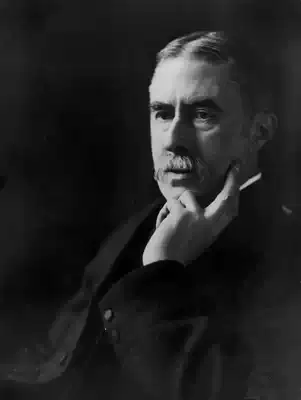
Alfred Edward Housman
From Clee to heaven the beacon burns,
From Clee to heaven the beacon burns,
The shires have seen it plain,
From north and south the sign returns
And beacons burn again.
Look left, look right, the hills are bright,
The dales are light between,
Because 'tis fifty years to-night
That God has saved the Queen.
Now, when the flame they watch not towers
About the soil they trod,
Lads, we'll remember friends of ours
Who shared the work with God.
To skies that knit their heartstrings right,
To fields that bred them brave,
The saviours come not home to-night:
Themselves they could not save.
It dawns in Asia, tombstones show
And Shropshire names are read;
And the Nile spills his overflow
Beside the Severn's dead.
We pledge in peace by farm and town
The Queen they served in war,
And fire the beacons up and down
The land they perished for.
"God save the Queen" we living sing,
From height to height 'tis heard;
And with the rest your voices ring,
Lads of the Fifty-third.
Oh, God will save her, fear you not:
Be you the men you've been,
Get you the sons your fathers got,
And God will save the Queen.
The shires have seen it plain,
From north and south the sign returns
And beacons burn again.
Look left, look right, the hills are bright,
The dales are light between,
Because 'tis fifty years to-night
That God has saved the Queen.
Now, when the flame they watch not towers
About the soil they trod,
Lads, we'll remember friends of ours
Who shared the work with God.
To skies that knit their heartstrings right,
To fields that bred them brave,
The saviours come not home to-night:
Themselves they could not save.
It dawns in Asia, tombstones show
And Shropshire names are read;
And the Nile spills his overflow
Beside the Severn's dead.
We pledge in peace by farm and town
The Queen they served in war,
And fire the beacons up and down
The land they perished for.
"God save the Queen" we living sing,
From height to height 'tis heard;
And with the rest your voices ring,
Lads of the Fifty-third.
Oh, God will save her, fear you not:
Be you the men you've been,
Get you the sons your fathers got,
And God will save the Queen.
459
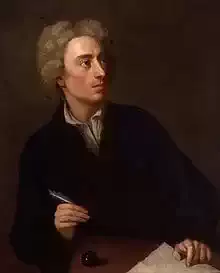
Alexander Pope
Verses Left by Mr. Pope
Verses Left by Mr. Pope
With no poetic ardour fir'd
I press the bed where Wilmot lay;
That here he lov'd, or here expir'd,
Begets no numbers grave or gay.
Beneath thy roof, Argyle, are bred
Such thoughts as prompt the brave to lie
Stretch'd out in honour's nobler bed,
Beneath a nobler roof - the sky.
Such flames as high in patriots burn,
Yet stoop to bless a child or wife;
And such as wicked kings may mourn,
When freedom is more dear than life.
With no poetic ardour fir'd
I press the bed where Wilmot lay;
That here he lov'd, or here expir'd,
Begets no numbers grave or gay.
Beneath thy roof, Argyle, are bred
Such thoughts as prompt the brave to lie
Stretch'd out in honour's nobler bed,
Beneath a nobler roof - the sky.
Such flames as high in patriots burn,
Yet stoop to bless a child or wife;
And such as wicked kings may mourn,
When freedom is more dear than life.
356
Previous
Page 12