

Poems in this topic
Night and Moon
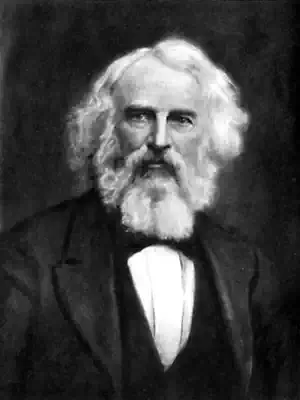
Henry Wadsworth Longfellow
Italian Scenery
Italian Scenery
Night rests in beauty on Mont Alto.
Beneath its shade the beauteous Arno sleeps
In vallombrosa's bosom, and dark trees
Bend with a calm and quiet shadow down
Upon the beauty of that silent river.
Still in the west a melancholy smile
Mantles the lips of day, and twilight pale
Moves like a spectre in the dusky sky,
While eve's sweet star on the fast-fading year
Smiles calmly. Music steals at intervals
Across the water, with a tremulous swell,
From out the upland dingle of tall firs;
And a faint footfall sounds, where, dim and dark,
Hangs the gray willow from the river's brink,
O'ershadowing its current. Slowly there
The lover's gondola drops down the stream,
Silent, save when its dipping oar is heard,
Or in its eddy sighs the rippling wave.
Mouldering and moss-grown through the lapse of years,
In motionless beauty stands the giant oak;
Whilst those that saw its green and flourishing youth
Are gone and are forgotten. Soft the fount,
Whose secret springs the star-light pale discloses,
Gushes in hollow music; and beyond
The broader river sweeps its silent way,
Mingling a silver current with that sea,
Whose waters have no tides, coming nor going.
On noiseless wing along that fair blue sea
The halcyon flits; and where the wearied storm
Left a loud moaning, all is peace again.
A calm is on the deep. The winds that came
O'er the dark sea-surge with a tremulous breathing,
And mourned on the dark cliff where weeds grew rank,
And to the autumnal death-dirge the deep sea
Heaved its long billows, with a cheerless song
Have passed away to the cold earth again,
Like a wayfaring mourner. Silently
Up from the calm sea's dim and distant verge,
Full and unveiled, the moon's broad disk emerges.
On Tivoli, and where the fairy hues
Of autumn glow upon Abruzzi's woods,
The silver light is spreading. Far above,
Encompassed with their thin, cold atmosphere,
The Apennines uplift their snowy brows,
Glowing with colder beauty, where unheard
The eagle screams in the fathomless, ether,
And stays his wearied wing. Here let us pause.
The spirit of these solitudes -- the soul
That dwells within these steep and difficult places--
Spearks a mysterious language to mine own,
And brings unutterable musings. Earth
Sleeps in the shades of nightfall, and the sea
Spreads like a thin blue haze beneath my feet;
Whilst the gray columns and the mouldering tombs
Of the Imperial City, hidden deep
Beneath the mantle of their shadows, rest.
My spirit looks on earth. A heavnly voice
Comes silently: 'Dreamer, is earth thy dwelling?
Lo! Nursed within that fair and fruitful bosom,
Which has sustained thy being, and within
The colder breast of Ocean, lie the germs
Of thine own dissolution! E'en the air,
That fans the clear blue sky, and gives thee strength,
Up from the sullen lake of mouldering reeds,
And the wide waste of forest, where the osier
Thrives in the damp and motionless atmosphere,
Shall bring the dire and wasting pestilence,
And blight they cheek. Dram thou of higher things:
This world is not thy home!' And yet my eye
Rests upon earth again. How beautiful,
Where wild Velino heaves its sullen aves
Down the high cliff of gray and shapeless granite,
Hung on the curling mist, the moonlight bow
Arches the perilous river! A soft light
Silvers the Albanian mountains, and the haze
That rests upon their summits mellows down
The austerer features of their beauty. Faint
And dim-discovered glow, the Sabine hills;
And, listening to the sea's monotonous shell,
High on the cliffs of Terracina stands
The castle of the royal Goth* in ruins.
But night is in her wane: day's early flush
Glows like a hectic on her fading cheek,
Wasting its beauty. And the opening dawn
With cheerful luster lights the royal city,
Where, with its proud tiara of dark towers,
It sleeps upon its own romantic bay.
Night rests in beauty on Mont Alto.
Beneath its shade the beauteous Arno sleeps
In vallombrosa's bosom, and dark trees
Bend with a calm and quiet shadow down
Upon the beauty of that silent river.
Still in the west a melancholy smile
Mantles the lips of day, and twilight pale
Moves like a spectre in the dusky sky,
While eve's sweet star on the fast-fading year
Smiles calmly. Music steals at intervals
Across the water, with a tremulous swell,
From out the upland dingle of tall firs;
And a faint footfall sounds, where, dim and dark,
Hangs the gray willow from the river's brink,
O'ershadowing its current. Slowly there
The lover's gondola drops down the stream,
Silent, save when its dipping oar is heard,
Or in its eddy sighs the rippling wave.
Mouldering and moss-grown through the lapse of years,
In motionless beauty stands the giant oak;
Whilst those that saw its green and flourishing youth
Are gone and are forgotten. Soft the fount,
Whose secret springs the star-light pale discloses,
Gushes in hollow music; and beyond
The broader river sweeps its silent way,
Mingling a silver current with that sea,
Whose waters have no tides, coming nor going.
On noiseless wing along that fair blue sea
The halcyon flits; and where the wearied storm
Left a loud moaning, all is peace again.
A calm is on the deep. The winds that came
O'er the dark sea-surge with a tremulous breathing,
And mourned on the dark cliff where weeds grew rank,
And to the autumnal death-dirge the deep sea
Heaved its long billows, with a cheerless song
Have passed away to the cold earth again,
Like a wayfaring mourner. Silently
Up from the calm sea's dim and distant verge,
Full and unveiled, the moon's broad disk emerges.
On Tivoli, and where the fairy hues
Of autumn glow upon Abruzzi's woods,
The silver light is spreading. Far above,
Encompassed with their thin, cold atmosphere,
The Apennines uplift their snowy brows,
Glowing with colder beauty, where unheard
The eagle screams in the fathomless, ether,
And stays his wearied wing. Here let us pause.
The spirit of these solitudes -- the soul
That dwells within these steep and difficult places--
Spearks a mysterious language to mine own,
And brings unutterable musings. Earth
Sleeps in the shades of nightfall, and the sea
Spreads like a thin blue haze beneath my feet;
Whilst the gray columns and the mouldering tombs
Of the Imperial City, hidden deep
Beneath the mantle of their shadows, rest.
My spirit looks on earth. A heavnly voice
Comes silently: 'Dreamer, is earth thy dwelling?
Lo! Nursed within that fair and fruitful bosom,
Which has sustained thy being, and within
The colder breast of Ocean, lie the germs
Of thine own dissolution! E'en the air,
That fans the clear blue sky, and gives thee strength,
Up from the sullen lake of mouldering reeds,
And the wide waste of forest, where the osier
Thrives in the damp and motionless atmosphere,
Shall bring the dire and wasting pestilence,
And blight they cheek. Dram thou of higher things:
This world is not thy home!' And yet my eye
Rests upon earth again. How beautiful,
Where wild Velino heaves its sullen aves
Down the high cliff of gray and shapeless granite,
Hung on the curling mist, the moonlight bow
Arches the perilous river! A soft light
Silvers the Albanian mountains, and the haze
That rests upon their summits mellows down
The austerer features of their beauty. Faint
And dim-discovered glow, the Sabine hills;
And, listening to the sea's monotonous shell,
High on the cliffs of Terracina stands
The castle of the royal Goth* in ruins.
But night is in her wane: day's early flush
Glows like a hectic on her fading cheek,
Wasting its beauty. And the opening dawn
With cheerful luster lights the royal city,
Where, with its proud tiara of dark towers,
It sleeps upon its own romantic bay.
355
Henry Wadsworth Longfellow
In The Harbour: Chimes
In The Harbour: Chimes
Sweet chimes! that in the loneliness of night
Salute the passing hour, and in the dark
And silent chambers of the household mark
The movements of the myriad orbs of light!
Through my closed eyelids, by the inner sight,
I see the constellations in the arc
Of their great circles moving on, and hark!
I almost hear them singing in their flight.
Better than sleep it is to lie awake,
O'er-canopied by the vast starry dome
Of the immeasurable sky; to feel
The slumbering world sink under us, and make
Hardly an eddy,--a mere rush of foam
On the great sea beneath a sinking keel.
Sweet chimes! that in the loneliness of night
Salute the passing hour, and in the dark
And silent chambers of the household mark
The movements of the myriad orbs of light!
Through my closed eyelids, by the inner sight,
I see the constellations in the arc
Of their great circles moving on, and hark!
I almost hear them singing in their flight.
Better than sleep it is to lie awake,
O'er-canopied by the vast starry dome
Of the immeasurable sky; to feel
The slumbering world sink under us, and make
Hardly an eddy,--a mere rush of foam
On the great sea beneath a sinking keel.
275
Henry Wadsworth Longfellow
Evening Star, The
Evening Star, The
Lo! in the painted oriel of the West,
Whose panes the sunken sun incarnadines,
Like a fair lady at her casement, shines
The evening star, the star of love and rest!
And then anon she doth herself divest
Of all her radiant garments, and reclines
Behind the sombre screen of yonder pines,
With slumber and soft dreams of love oppressed.
O my beloved, my sweet Hesperus!
My morning and my evening star of love!
My best and gentlest lady! even thus,
As that fair planet in the sky above,
Dost thou retire unto thy rest at night,
And from thy darkened window fades the light.
Lo! in the painted oriel of the West,
Whose panes the sunken sun incarnadines,
Like a fair lady at her casement, shines
The evening star, the star of love and rest!
And then anon she doth herself divest
Of all her radiant garments, and reclines
Behind the sombre screen of yonder pines,
With slumber and soft dreams of love oppressed.
O my beloved, my sweet Hesperus!
My morning and my evening star of love!
My best and gentlest lady! even thus,
As that fair planet in the sky above,
Dost thou retire unto thy rest at night,
And from thy darkened window fades the light.
416
Henry Wadsworth Longfellow
By The Seaside : Twilight
By The Seaside : Twilight
The twilight is sad and cloudy,
The wind blows wild and free,
And like the wings of sea-birds
Flash the white caps of the sea.
But in the fisherman's cottage
There shines a ruddier light,
And a little face at the window
Peers out into the night.
Close, close it is pressed to the window,
As if those childish eyes
Were looking into the darkness,
To see some form arise.
And a woman's waving shadow
Is passing to and fro,
Now rising to the ceiling,
Now bowing and bending low.
What tale do the roaring ocean,
And the night-wind, bleak and wild,
As they beat at the crazy casement,
Tell to that little child?
And why do the roaring ocean,
And the night-wind, wild and bleak,
As they beat at the heart of the mother,
Drive the color from her cheek?
The twilight is sad and cloudy,
The wind blows wild and free,
And like the wings of sea-birds
Flash the white caps of the sea.
But in the fisherman's cottage
There shines a ruddier light,
And a little face at the window
Peers out into the night.
Close, close it is pressed to the window,
As if those childish eyes
Were looking into the darkness,
To see some form arise.
And a woman's waving shadow
Is passing to and fro,
Now rising to the ceiling,
Now bowing and bending low.
What tale do the roaring ocean,
And the night-wind, bleak and wild,
As they beat at the crazy casement,
Tell to that little child?
And why do the roaring ocean,
And the night-wind, wild and bleak,
As they beat at the heart of the mother,
Drive the color from her cheek?
366
Henry Wadsworth Longfellow
By The Seaside : The Evening Star
By The Seaside : The Evening Star
Lo! in the paintedoriel of the West,
Whose panes the sunken sun incarnadines,
Like a fair lady at her casement, shines
The evening star, the star of love and rest!
And then anon she doth herself divest
Of all her radiant garments, and reclines
Behind the sombre screen of yonder pines,
With slumber and soft dreams of love oppressed.
O my beloved, my sweet Hesperus!
My morning and my evening star of love!
My best and gentlest lady! even thus,
As that fair planet in the sky above,
Dost thou retire unto thy rest at night,
And from thy darkened window fades the light.
Lo! in the paintedoriel of the West,
Whose panes the sunken sun incarnadines,
Like a fair lady at her casement, shines
The evening star, the star of love and rest!
And then anon she doth herself divest
Of all her radiant garments, and reclines
Behind the sombre screen of yonder pines,
With slumber and soft dreams of love oppressed.
O my beloved, my sweet Hesperus!
My morning and my evening star of love!
My best and gentlest lady! even thus,
As that fair planet in the sky above,
Dost thou retire unto thy rest at night,
And from thy darkened window fades the light.
363
Henry Van Dyke
Twilight in the Alps
Twilight in the Alps
I love the hour that comes, with dusky hair
And dewy feet, along the Alpine dells
To lead the cattle forth. A thousand bells
Go chiming after her across the fair
And flowery uplands, while the rosy flare
Of sunset on the snowy mountain dwells,
And valleys darken, and the drowsy spells
Of peace are woven through the purple air.
Dear is the magic of this hour: she seems
To walk before the dark by falling rills,
And lend a sweeter song to hidden streams;
She opens all the doors of night, and fills
With moving bells the music of my dreams,
That wander far among the sleeping hills.
I love the hour that comes, with dusky hair
And dewy feet, along the Alpine dells
To lead the cattle forth. A thousand bells
Go chiming after her across the fair
And flowery uplands, while the rosy flare
Of sunset on the snowy mountain dwells,
And valleys darken, and the drowsy spells
Of peace are woven through the purple air.
Dear is the magic of this hour: she seems
To walk before the dark by falling rills,
And lend a sweeter song to hidden streams;
She opens all the doors of night, and fills
With moving bells the music of my dreams,
That wander far among the sleeping hills.
316

Henry Lawson
In Possum Land
In Possum Land
In Possum Land the nights are fair,
The streams are fresh and clear;
No dust is in the moonlit air;
No traffic jars the ear.
With Possums gambolling overhead,
'Neath western stars so grand,
Ah! would that we could make our bed
Tonight in Possum Land.
In Possum Land the nights are fair,
The streams are fresh and clear;
No dust is in the moonlit air;
No traffic jars the ear.
With Possums gambolling overhead,
'Neath western stars so grand,
Ah! would that we could make our bed
Tonight in Possum Land.
249
Henry Lawson
Coomera
Coomera
THERE’S a pretty little story with a touch of moonlit glory
Comes from Beenleigh on the Logan, but we don’t know if it’s true;
For we scarcely dare to credit ev’rything they say who edit
Those unhappy country papers ’twixt the ocean and Barcoo.
’Twas the man who owned the wherry at the first Coomera ferry
Who was sitting cold and lonely while he counted out his tin;
When the cloudy curtain lifting let the moonlight on a drifting
Boat, that floated down the river with a pallid form therein.
And they say that Sergeant Carey (with the man who ran the ferry),
Started down to save the body from the cruel heartless sea,
And in spite of wind and water, soon they reached the barque and caught her;
And they tied the boat behind them while they wondered “who was he?”
O the moon shone bright as ever as they towed him up the river,
And they found within the pocket that was nearest to his breast—
Just an antidote for sorrow, that would tide him o’er the morrow—
(Flask of Brandy); but we’d better draw the curtain o’er the rest.
Yet, in case the point’s too finely drawn (we know we joke divinely),
And the reader fails to see it with a magnifying glass,
We will say the man who floated, while the moonlight o’er him gloated,
Was not dead and gone to heaven—he was only drunk, alas!THERE’S a pretty little
story with a touch of moonlit glory
Comes from Beenleigh on the Logan, but we don’t know if it’s true;
For we scarcely dare to credit ev’rything they say who edit
Those unhappy country papers ’twixt the ocean and Barcoo.
’Twas the man who owned the wherry at the first Coomera ferry
Who was sitting cold and lonely while he counted out his tin;
When the cloudy curtain lifting let the moonlight on a drifting
Boat, that floated down the river with a pallid form therein.
And they say that Sergeant Carey (with the man who ran the ferry),
Started down to save the body from the cruel heartless sea,
And in spite of wind and water, soon they reached the barque and caught her;
And they tied the boat behind them while they wondered “who was he?”
O the moon shone bright as ever as they towed him up the river,
And they found within the pocket that was nearest to his breast—
Just an antidote for sorrow, that would tide him o’er the morrow—
(Flask of Brandy); but we’d better draw the curtain o’er the rest.
Yet, in case the point’s too finely drawn (we know we joke divinely),
And the reader fails to see it with a magnifying glass,
We will say the man who floated, while the moonlight o’er him gloated,
Was not dead and gone to heaven—he was only drunk, alas!
For we scarcely dare to credit ev’rything they say who edit
Those unhappy country papers ’twixt the ocean and Barcoo.
’Twas the man who owned the wherry at the first Coomera ferry
Who was sitting cold and lonely while he counted out his tin;
When the cloudy curtain lifting let the moonlight on a drifting
Boat, that floated down the river with a pallid form therein.
And they say that Sergeant Carey (with the man who ran the ferry),
Started down to save the body from the cruel heartless sea,
And in spite of wind and water, soon they reached the barque and caught her;
And they tied the boat behind them while they wondered “who was he?”
O the moon shone bright as ever as they towed him up the river,
And they found within the pocket that was nearest to his breast—
Just an antidote for sorrow, that would tide him o’er the morrow—
(Flask of Brandy); but we’d better draw the curtain o’er the rest.
Yet, in case the point’s too finely drawn (we know we joke divinely),
And the reader fails to see it with a magnifying glass,
We will say the man who floated, while the moonlight o’er him gloated,
Was not dead and gone to heaven—he was only drunk, alas!
THERE’S a pretty little story with a touch of moonlit glory
Comes from Beenleigh on the Logan, but we don’t know if it’s true;
For we scarcely dare to credit ev’rything they say who edit
Those unhappy country papers ’twixt the ocean and Barcoo.
’Twas the man who owned the wherry at the first Coomera ferry
Who was sitting cold and lonely while he counted out his tin;
When the cloudy curtain lifting let the moonlight on a drifting
Boat, that floated down the river with a pallid form therein.
And they say that Sergeant Carey (with the man who ran the ferry),
Started down to save the body from the cruel heartless sea,
And in spite of wind and water, soon they reached the barque and caught her;
And they tied the boat behind them while they wondered “who was he?”
O the moon shone bright as ever as they towed him up the river,
And they found within the pocket that was nearest to his breast—
Just an antidote for sorrow, that would tide him o’er the morrow—
(Flask of Brandy); but we’d better draw the curtain o’er the rest.
Yet, in case the point’s too finely drawn (we know we joke divinely),
And the reader fails to see it with a magnifying glass,
We will say the man who floated, while the moonlight o’er him gloated,
Was not dead and gone to heaven—he was only drunk, alas!THERE’S a pretty little
story with a touch of moonlit glory
Comes from Beenleigh on the Logan, but we don’t know if it’s true;
For we scarcely dare to credit ev’rything they say who edit
Those unhappy country papers ’twixt the ocean and Barcoo.
’Twas the man who owned the wherry at the first Coomera ferry
Who was sitting cold and lonely while he counted out his tin;
When the cloudy curtain lifting let the moonlight on a drifting
Boat, that floated down the river with a pallid form therein.
And they say that Sergeant Carey (with the man who ran the ferry),
Started down to save the body from the cruel heartless sea,
And in spite of wind and water, soon they reached the barque and caught her;
And they tied the boat behind them while they wondered “who was he?”
O the moon shone bright as ever as they towed him up the river,
And they found within the pocket that was nearest to his breast—
Just an antidote for sorrow, that would tide him o’er the morrow—
(Flask of Brandy); but we’d better draw the curtain o’er the rest.
Yet, in case the point’s too finely drawn (we know we joke divinely),
And the reader fails to see it with a magnifying glass,
We will say the man who floated, while the moonlight o’er him gloated,
Was not dead and gone to heaven—he was only drunk, alas!
For we scarcely dare to credit ev’rything they say who edit
Those unhappy country papers ’twixt the ocean and Barcoo.
’Twas the man who owned the wherry at the first Coomera ferry
Who was sitting cold and lonely while he counted out his tin;
When the cloudy curtain lifting let the moonlight on a drifting
Boat, that floated down the river with a pallid form therein.
And they say that Sergeant Carey (with the man who ran the ferry),
Started down to save the body from the cruel heartless sea,
And in spite of wind and water, soon they reached the barque and caught her;
And they tied the boat behind them while they wondered “who was he?”
O the moon shone bright as ever as they towed him up the river,
And they found within the pocket that was nearest to his breast—
Just an antidote for sorrow, that would tide him o’er the morrow—
(Flask of Brandy); but we’d better draw the curtain o’er the rest.
Yet, in case the point’s too finely drawn (we know we joke divinely),
And the reader fails to see it with a magnifying glass,
We will say the man who floated, while the moonlight o’er him gloated,
Was not dead and gone to heaven—he was only drunk, alas!
249
Henry Lawson
Above Lavender Bay
Above Lavender Bay
’Tis glorious morning everywhere
Save where the alleys lie—
I see the fleecy steam jets bid
“Good morning” to the sky.
The gullies of the waratah
Are near, with fall and pool,
And by the shadowed western rocks
The bays are fresh and cool.
To “points” that hint of Italy—
Of Italy and Spain—
I see the busy ferry boats
Come nosing round again.
To the toy station down below
I see the toy trains run—
(I wonder when those ferry boats
Will get their business done?)
Above the Bay called Lavender
This bard is domiciled,
Where up through rich, dark greenery
The red-tiled roofs are piled—
(At least some are—I hope that soon
They all shall be red-tiled)—
A moonlight night in middle-age
That makes one feel a child.
Close over, to the nearer left—
That feels the ocean breeze—
A full moon in a dim blue sky
A church spire and dark trees.
And, further right, the harsher heights
Of Mosman, Double Bay,
And Rose Bay, with their scattered lights,
Have softened with the day.
And fair across to where we know
The shelving sea cliffs are—
The lighthouse, with a still faint glow,
Beneath a twinkling star.
Across the harbour from the right,
And fairly in a line,
The Clock-tower on the City Hall,
A ship-mast and a pine.
The pale and bright, yet dusky blue,
And crossed by fleecy bars,
Flings out the brilliant city lights,
The moonlight and the stars—
And like a transformation scene,
On sheet glass down below,
The fairy-lighted ferry boats
Are gliding to and fro.
’Tis glorious morning everywhere
Save where the alleys lie—
I see the fleecy steam jets bid
“Good morning” to the sky.
The gullies of the waratah
Are near, with fall and pool,
And by the shadowed western rocks
The bays are fresh and cool.
To “points” that hint of Italy—
Of Italy and Spain—
I see the busy ferry boats
Come nosing round again.
To the toy station down below
I see the toy trains run—
(I wonder when those ferry boats
Will get their business done?)
Above the Bay called Lavender
This bard is domiciled,
Where up through rich, dark greenery
The red-tiled roofs are piled—
(At least some are—I hope that soon
They all shall be red-tiled)—
A moonlight night in middle-age
That makes one feel a child.
Close over, to the nearer left—
That feels the ocean breeze—
A full moon in a dim blue sky
A church spire and dark trees.
And, further right, the harsher heights
Of Mosman, Double Bay,
And Rose Bay, with their scattered lights,
Have softened with the day.
And fair across to where we know
The shelving sea cliffs are—
The lighthouse, with a still faint glow,
Beneath a twinkling star.
Across the harbour from the right,
And fairly in a line,
The Clock-tower on the City Hall,
A ship-mast and a pine.
The pale and bright, yet dusky blue,
And crossed by fleecy bars,
Flings out the brilliant city lights,
The moonlight and the stars—
And like a transformation scene,
On sheet glass down below,
The fairy-lighted ferry boats
Are gliding to and fro.
310
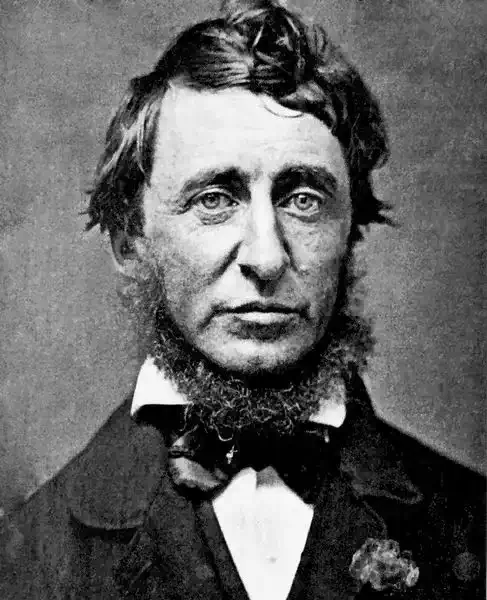
Henry David Thoreau
Pray to What Earth Does This Sweet Cold Belong
Pray to What Earth Does This Sweet Cold Belong
Pray to what earth does this sweet cold belong,
Which asks no duties and no conscience?
The moon goes up by leaps, her cheerful path
In some far summer stratum of the sky,
While stars with their cold shine bedot her way.
The fields gleam mildly back upon the sky,
And far and near upon the leafless shrubs
The snow dust still emits a silver light.
Under the hedge, where drift banks are their screen,
The titmice now pursue their downy dreams,
As often in the sweltering summer nights
The bee doth drop asleep in the flower cup,
When evening overtakes him with his load.
By the brooksides, in the still, genial night,
The more adventurous wanderer may hear
The crystals shoot and form, and winter slow
Increase his rule by gentlest summer means.
Pray to what earth does this sweet cold belong,
Which asks no duties and no conscience?
The moon goes up by leaps, her cheerful path
In some far summer stratum of the sky,
While stars with their cold shine bedot her way.
The fields gleam mildly back upon the sky,
And far and near upon the leafless shrubs
The snow dust still emits a silver light.
Under the hedge, where drift banks are their screen,
The titmice now pursue their downy dreams,
As often in the sweltering summer nights
The bee doth drop asleep in the flower cup,
When evening overtakes him with his load.
By the brooksides, in the still, genial night,
The more adventurous wanderer may hear
The crystals shoot and form, and winter slow
Increase his rule by gentlest summer means.
177
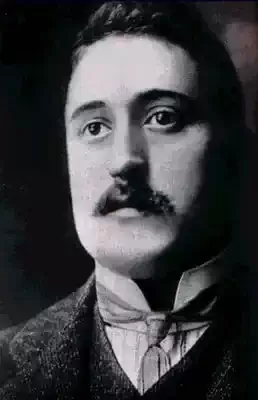
Guillaume Apollinaire
Moonlight
Moonlight
Mellifluent moon on the lips of the maddened
The orchards and towns are greedy tonight
The stars appear like the image of bees
Of this luminous honey that offends the vines
For now all sweet in their fall from the sky
Each ray of moonlight’s a ray of honey
Now hid I conceive the sweetest adventure
I fear stings of fire from this Polar bee
that sets these deceptive rays in my hands
And takes its moon-honey to the rose of the winds
Mellifluent moon on the lips of the maddened
The orchards and towns are greedy tonight
The stars appear like the image of bees
Of this luminous honey that offends the vines
For now all sweet in their fall from the sky
Each ray of moonlight’s a ray of honey
Now hid I conceive the sweetest adventure
I fear stings of fire from this Polar bee
that sets these deceptive rays in my hands
And takes its moon-honey to the rose of the winds
866

Federico García Lorca
Nocturnos De La Ventana
Nocturnos De La Ventana
1
Alta va la luna.
Bajo corre el viento.
(Mis largas miradas,
exploran el cielo.)
Luna sobre el agua,
Luna bajo el viento.
(Mis cortas miradas,
exploran el suelo.)
Las voces de dos niñas
venían. Sin el esfuerzo,
de la luna del agua,
me fuí a la del cielo.
2
Un brazo de la noche
entra por mi ventana.
Un gran brazo moreno
con pulseras de agua.
Sobre un cristal azul
jugaba al río mi alma.
Los instantes heridos
por el reloj... pasaban.
3
Asomo la cabeza
por mi ventana, y veo
cómo quiere cortarla
la cuchilla del viento.
En esta guillotina
invisible, yo he puesto
las cabezas sin ojos
de todos mis deseos.
Y un olor de limón
llenó el instante inmenso,
mientras se convertía
en flor de gasa el viento.
4
Al estanque se le ha muerto
hoy una niña de agua.
Está fuera del estanque,
sobre el suelo amortajada.
De la cabeza a sus muslos
un pez la cruza, llamándola.
El viento le dice “niña”
mas no puede despertarla.
El estanque tiene suelta
su cabellera de algas
y al aire sus grises tetas
estremecidas de ranas.
Dios te salve. Rezaremos
a Nuestra Señora de Agua
por la niña del estanque
muerta bajo las manzanas.
Yo luego pondré a su lado
dos pequeñas calabazas
para que se tenga a flote,
¡ay! sobre la mar salada.
1
Alta va la luna.
Bajo corre el viento.
(Mis largas miradas,
exploran el cielo.)
Luna sobre el agua,
Luna bajo el viento.
(Mis cortas miradas,
exploran el suelo.)
Las voces de dos niñas
venían. Sin el esfuerzo,
de la luna del agua,
me fuí a la del cielo.
2
Un brazo de la noche
entra por mi ventana.
Un gran brazo moreno
con pulseras de agua.
Sobre un cristal azul
jugaba al río mi alma.
Los instantes heridos
por el reloj... pasaban.
3
Asomo la cabeza
por mi ventana, y veo
cómo quiere cortarla
la cuchilla del viento.
En esta guillotina
invisible, yo he puesto
las cabezas sin ojos
de todos mis deseos.
Y un olor de limón
llenó el instante inmenso,
mientras se convertía
en flor de gasa el viento.
4
Al estanque se le ha muerto
hoy una niña de agua.
Está fuera del estanque,
sobre el suelo amortajada.
De la cabeza a sus muslos
un pez la cruza, llamándola.
El viento le dice “niña”
mas no puede despertarla.
El estanque tiene suelta
su cabellera de algas
y al aire sus grises tetas
estremecidas de ranas.
Dios te salve. Rezaremos
a Nuestra Señora de Agua
por la niña del estanque
muerta bajo las manzanas.
Yo luego pondré a su lado
dos pequeñas calabazas
para que se tenga a flote,
¡ay! sobre la mar salada.
836
Ezra Pound
The Jewel Stairs' Grievance
The Jewel Stairs' Grievance
The jewelled steps are already quite white with dew,
It is so late that the dew soaks my gauze stockings,
And I let down the crystal curtain
And watch the moon through the clear autumn.
The jewelled steps are already quite white with dew,
It is so late that the dew soaks my gauze stockings,
And I let down the crystal curtain
And watch the moon through the clear autumn.
436

Emily Jane Brontë
The Sun Has Set
The Sun Has Set
The sun has set, and the long grass now
Waves dreamily in the evening wind;
And the wild bird has flown from that old gray stone
In some warm nook a couch to find.
In all the lonely landscape round
I see no light and hear no sound,
Except the wind that far away
Come sighing o'er the healthy sea.
The sun has set, and the long grass now
Waves dreamily in the evening wind;
And the wild bird has flown from that old gray stone
In some warm nook a couch to find.
In all the lonely landscape round
I see no light and hear no sound,
Except the wind that far away
Come sighing o'er the healthy sea.
214
Emily Jane Brontë
Stars
Stars
Ah! why, because the dazzling sun
Restored our Earth to joy,
Have you departed, every one,
And left a desert sky?
All through the night, your glorious eyes
Were gazing down in mine,
And, with a full heart's thankful sighs,
I blessed that watch divine.
I was at peace, and drank your beams
As they were life to me;
And revelled in my changeful dreams,
Like petrel on the sea.
Thought followed thought, star followed star
Through boundless regions on;
While one sweet influence, near and far,
Thrilled through, and proved us one!
Why did the morning dawn to break
So great, so pure a spell;
And scorch with fire the tranquil cheek,
Where your cool radiance fell?
Blood-red, he rose, and arrow-straight,
His fierce beams struck my brow;
The soul of nature sprang, elate,
But mine sank sad and low.
My lids closed down, yet through their veil
I saw him, blazinig, still,
And steep in gold the misty dale,
And flash upon the hill.
I turned me to the pillow, then,
To call back night, and see
Your words of solemn light, again,
Throb with my heart, and me!
It would not do - the pillow glowed,
And glowed both roof and floor;
And birds sang loudly in the wood,
And fresh winds shook the door;
The curtains waved, the wakened flies
Were murmuring round my room,
Imprisoned there, till I should rise,
And give them leave to roam.
O stars, and dreams, and gentle night;
O night and stars, return!
And hide me from the hostile light
That does not warm, but burn;
That drains the blood of suffering men;
Drinks tears, instead of dew;
Let me sleep through his blinding reign,
And only wake with you!
Ah! why, because the dazzling sun
Restored our Earth to joy,
Have you departed, every one,
And left a desert sky?
All through the night, your glorious eyes
Were gazing down in mine,
And, with a full heart's thankful sighs,
I blessed that watch divine.
I was at peace, and drank your beams
As they were life to me;
And revelled in my changeful dreams,
Like petrel on the sea.
Thought followed thought, star followed star
Through boundless regions on;
While one sweet influence, near and far,
Thrilled through, and proved us one!
Why did the morning dawn to break
So great, so pure a spell;
And scorch with fire the tranquil cheek,
Where your cool radiance fell?
Blood-red, he rose, and arrow-straight,
His fierce beams struck my brow;
The soul of nature sprang, elate,
But mine sank sad and low.
My lids closed down, yet through their veil
I saw him, blazinig, still,
And steep in gold the misty dale,
And flash upon the hill.
I turned me to the pillow, then,
To call back night, and see
Your words of solemn light, again,
Throb with my heart, and me!
It would not do - the pillow glowed,
And glowed both roof and floor;
And birds sang loudly in the wood,
And fresh winds shook the door;
The curtains waved, the wakened flies
Were murmuring round my room,
Imprisoned there, till I should rise,
And give them leave to roam.
O stars, and dreams, and gentle night;
O night and stars, return!
And hide me from the hostile light
That does not warm, but burn;
That drains the blood of suffering men;
Drinks tears, instead of dew;
Let me sleep through his blinding reign,
And only wake with you!
237
Emily Jane Brontë
Ah! Why, Because the Dazzling Sun
Ah! Why, Because the Dazzling Sun
Ah! why, because the dazzling sun
Restored my earth to joy
Have you departed, every one,
And left a desert sky?
All through the night, your glorious eyes
Were gazing down in mine,
And with a full heart's thankful sighs
I blessed that watch divine!
I was at peace, and drank your beams
As they were life to me
And revelled in my changeful dreams
Like petrel on the sea.
Thought followed thought—star followed star
Through boundless regions on,
While one sweet influence, near and far,
Thrilled through and proved us one.
Why did the morning rise to break
So great, so pure a spell,
And scorch with fire the tranquil cheek
Where your cool radiance fell?
Blood-red he rose, and arrow-straight,
His fierce beams struck my brow;
The soul of Nature sprang elate,
But mine sank sad and low!
My lids closed down—yet through their veil
I saw him blazing still;
And bathe in gold the misty dale,
And flash upon the hill.
I turned me to the pillow then
To call back Night, and see
Your worlds of solemn light, again
Throb with my heart and me!
It would not do—the pillow glowed
And glowed both roof and floor,
And birds sang loudly in the wood,
And fresh winds shook the door.
The curtains waved, the wakened flies
Were murmuring round my room,
Imprisoned there, till I should rise
And give them leave to roam.
O Stars and Dreams and Gentle Night;
O Night and Stars return!
And hide me from the hostile light
That does not warm, but burn—
That drains the blood of suffering men;
Drinks tears, instead of dew:
Let me sleep through his blinding reign,
And only wake with you!
Ah! why, because the dazzling sun
Restored my earth to joy
Have you departed, every one,
And left a desert sky?
All through the night, your glorious eyes
Were gazing down in mine,
And with a full heart's thankful sighs
I blessed that watch divine!
I was at peace, and drank your beams
As they were life to me
And revelled in my changeful dreams
Like petrel on the sea.
Thought followed thought—star followed star
Through boundless regions on,
While one sweet influence, near and far,
Thrilled through and proved us one.
Why did the morning rise to break
So great, so pure a spell,
And scorch with fire the tranquil cheek
Where your cool radiance fell?
Blood-red he rose, and arrow-straight,
His fierce beams struck my brow;
The soul of Nature sprang elate,
But mine sank sad and low!
My lids closed down—yet through their veil
I saw him blazing still;
And bathe in gold the misty dale,
And flash upon the hill.
I turned me to the pillow then
To call back Night, and see
Your worlds of solemn light, again
Throb with my heart and me!
It would not do—the pillow glowed
And glowed both roof and floor,
And birds sang loudly in the wood,
And fresh winds shook the door.
The curtains waved, the wakened flies
Were murmuring round my room,
Imprisoned there, till I should rise
And give them leave to roam.
O Stars and Dreams and Gentle Night;
O Night and Stars return!
And hide me from the hostile light
That does not warm, but burn—
That drains the blood of suffering men;
Drinks tears, instead of dew:
Let me sleep through his blinding reign,
And only wake with you!
218
Emily Dickinson
This-is the land-the Sunset washes
This-is the land-the Sunset washes
266
This-is the land-the Sunset washesThese-
are the Banks of the Yellow Sea-
Where it rose-or whither it rushesThese-
are the Western Mystery!
Night after Night
Her purple traffic
Strews the landing with Opal BalesMerchantmen-
poise upon HorizonsDip-
and vanish like Orioles!
266
This-is the land-the Sunset washesThese-
are the Banks of the Yellow Sea-
Where it rose-or whither it rushesThese-
are the Western Mystery!
Night after Night
Her purple traffic
Strews the landing with Opal BalesMerchantmen-
poise upon HorizonsDip-
and vanish like Orioles!
267
Emily Dickinson
The Night was wide, and furnished scant
The Night was wide, and furnished scant
589
The Night was wide, and furnished scant
With but a single Star-
That often as a Cloud it met-
Blew out itself-for fear-
The Wind pursued the little Bush-
And drove away the Leaves
November left-then clambered up
And fretted in the Eaves-
No Squirrel went abroad-
A Dog's belated feet
Like intermittent Plush, he heard
Adown the empty Street-
To feel if Blinds be fast-
And closer to the fire-
Her little Rocking Chair to draw-
And shiver for the Poor-
The Housewife's gentle Task-
How pleasanter-said she
Unto the Sofa opposite-
The Sleet-than May, no Thee-
589
The Night was wide, and furnished scant
With but a single Star-
That often as a Cloud it met-
Blew out itself-for fear-
The Wind pursued the little Bush-
And drove away the Leaves
November left-then clambered up
And fretted in the Eaves-
No Squirrel went abroad-
A Dog's belated feet
Like intermittent Plush, he heard
Adown the empty Street-
To feel if Blinds be fast-
And closer to the fire-
Her little Rocking Chair to draw-
And shiver for the Poor-
The Housewife's gentle Task-
How pleasanter-said she
Unto the Sofa opposite-
The Sleet-than May, no Thee-
272
Emily Dickinson
She sweeps with many-colored brooms,
She sweeps with many-colored brooms,
She sweeps with many-colored brooms,
And leaves the shreds behind;
Oh, housewife in the evening west,
Come back, and dust the pond!
You dropped a purple ravelling in,
You dropped an amber thread;
And now you've littered all the East
With duds of emerald!
And still she plies her spotted brooms,
And still the aprons fly,
Till brooms fade softly into stars --
And then I come away.
She sweeps with many-colored brooms,
And leaves the shreds behind;
Oh, housewife in the evening west,
Come back, and dust the pond!
You dropped a purple ravelling in,
You dropped an amber thread;
And now you've littered all the East
With duds of emerald!
And still she plies her spotted brooms,
And still the aprons fly,
Till brooms fade softly into stars --
And then I come away.
369
Emily Dickinson
Presentiment is that long shadow on the lawn
Presentiment is that long shadow on the lawn
Presentiment is that long shadow on the lawn
Indicative that suns go down;
The notice to the startled grass
That darkness is about to pass.
Presentiment is that long shadow on the lawn
Indicative that suns go down;
The notice to the startled grass
That darkness is about to pass.
257
Emily Dickinson
I know some lonely Houses off the Road
I know some lonely Houses off the Road
289
I know some lonely Houses off the Road
A Robber'd like the look of-
Wooden barred,
And Windows hanging low,
Inviting to-
A Portico,
Where two could creepOne-
hand the Tools-
The other peep-
To make sure All's Asleep-
Old fashioned eyes-
Not easy to surprise!
How orderly the Kitchen'd look, by night,
With just a Clock-
But they could gag the Tick-
And Mice won't bark-
And so the Walls-don't tellNone-
will-
A pair of Spectacles ajar just stir-
An Almanac's aware-
Was it the Mat-winked,
Or a Nervous Star?
The Moon-slides down the stair,
To see who's there!
There's plunder-where-
Tankard, or SpoonEarring-
or Stone-
A Watch-Some Ancient Brooch
To match the Grandmama-
Staid sleeping-there
Day-rattles-too
Stealth's-slow-
The Sun has got as far
As the third Sycamore-
Screams Chanticleer
"Who's there"?
And Echoes-Trains away,
Sneer-"Where"!
While the old Couple, just astir,
Fancy the Sunrise-left the door ajar!
289
I know some lonely Houses off the Road
A Robber'd like the look of-
Wooden barred,
And Windows hanging low,
Inviting to-
A Portico,
Where two could creepOne-
hand the Tools-
The other peep-
To make sure All's Asleep-
Old fashioned eyes-
Not easy to surprise!
How orderly the Kitchen'd look, by night,
With just a Clock-
But they could gag the Tick-
And Mice won't bark-
And so the Walls-don't tellNone-
will-
A pair of Spectacles ajar just stir-
An Almanac's aware-
Was it the Mat-winked,
Or a Nervous Star?
The Moon-slides down the stair,
To see who's there!
There's plunder-where-
Tankard, or SpoonEarring-
or Stone-
A Watch-Some Ancient Brooch
To match the Grandmama-
Staid sleeping-there
Day-rattles-too
Stealth's-slow-
The Sun has got as far
As the third Sycamore-
Screams Chanticleer
"Who's there"?
And Echoes-Trains away,
Sneer-"Where"!
While the old Couple, just astir,
Fancy the Sunrise-left the door ajar!
384
Ella Wheeler Wilcox
Warning
Warning
High in the heavens I saw the moon this morning,
Albeit the sun shone bright;
Unto my soul it spoke, in voice of warning,
‘Remember Night! ’
High in the heavens I saw the moon this morning,
Albeit the sun shone bright;
Unto my soul it spoke, in voice of warning,
‘Remember Night! ’
320
Elizabeth Bishop
Insomnia
Insomnia
The moon in the bureau mirror
looks out a million miles
(and perhaps with pride, at herself,
but she never, never smiles)
far and away beyond sleep, or
perhaps she's a daytime sleeper.
By the Universe deserted,
she'd tell it to go to hell,
and she'd find a body of water,
or a mirror, on which to dwell.
So wrap up care in a cobweb
and drop it down the well
into that world inverted
where left is always right,
where the shadows are really the body,
where we stay awake all night,
where the heavens are shallow as the sea
is now deep, and you love me.
The moon in the bureau mirror
looks out a million miles
(and perhaps with pride, at herself,
but she never, never smiles)
far and away beyond sleep, or
perhaps she's a daytime sleeper.
By the Universe deserted,
she'd tell it to go to hell,
and she'd find a body of water,
or a mirror, on which to dwell.
So wrap up care in a cobweb
and drop it down the well
into that world inverted
where left is always right,
where the shadows are really the body,
where we stay awake all night,
where the heavens are shallow as the sea
is now deep, and you love me.
526
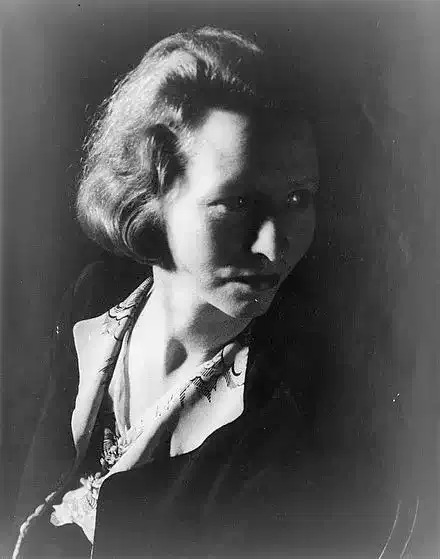
Edna St. Vincent Millay
Night Is My Sister, And How Deep In Love
Night Is My Sister, And How Deep In Love
Night is my sister, and how deep in love,
How drowned in love and weedily washed ashore,
There to be fretted by the drag and shove
At the tide's edge, I lie—these things and more:
Whose arm alone between me and the sand,
Whose voice alone, whose pitiful breath brought near,
Could thaw these nostrils and unlock this hand,
She could advise you, should you care to hear.
Small chance, however, in a storm so black,
A man will leave his friendly fire and snug
For a drowned woman's sake, and bring her back
To drip and scatter shells upon the rug.
No one but Night, with tears on her dark face,
Watches beside me in this windy place.
Night is my sister, and how deep in love,
How drowned in love and weedily washed ashore,
There to be fretted by the drag and shove
At the tide's edge, I lie—these things and more:
Whose arm alone between me and the sand,
Whose voice alone, whose pitiful breath brought near,
Could thaw these nostrils and unlock this hand,
She could advise you, should you care to hear.
Small chance, however, in a storm so black,
A man will leave his friendly fire and snug
For a drowned woman's sake, and bring her back
To drip and scatter shells upon the rug.
No one but Night, with tears on her dark face,
Watches beside me in this windy place.
360