

Poems in this topic
Nostalgia
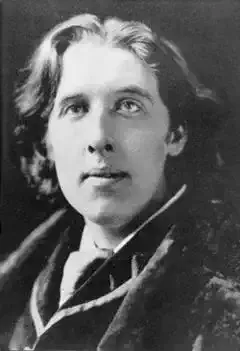
Oscar Wilde
Theocritus - A Villanelle
O singer of Persephone!
In the dim meadows desolate
Dost thou remember Sicily?
Still through the ivy flits the bee
Where Amaryllis lies in state;
O Singer of Persephone!
Simaetha calls on Hecate
And hears the wild dogs at the gate;
Dost thou remember Sicily?
Still by the light and laughing sea
Poor Polypheme bemoans his fate;
O Singer of Persephone!
And still in boyish rivalry
Young Daphnis challenges his mate;
Dost thou remember Sicily?
Slim Lacon keeps a goat for thee,
For thee the jocund shepherds wait;
O Singer of Persephone!
Dost thou remember Sicily?
In the dim meadows desolate
Dost thou remember Sicily?
Still through the ivy flits the bee
Where Amaryllis lies in state;
O Singer of Persephone!
Simaetha calls on Hecate
And hears the wild dogs at the gate;
Dost thou remember Sicily?
Still by the light and laughing sea
Poor Polypheme bemoans his fate;
O Singer of Persephone!
And still in boyish rivalry
Young Daphnis challenges his mate;
Dost thou remember Sicily?
Slim Lacon keeps a goat for thee,
For thee the jocund shepherds wait;
O Singer of Persephone!
Dost thou remember Sicily?
636
Oscar Wilde
Taedium Vitae
To stab my youth with desperate knives, to wear
This paltry age's gaudy livery,
To let each base hand filch my treasury,
To mesh my soul within a woman's hair,
And be mere Fortune's lackeyed groom, - I swear
I love it not! these things are less to me
Than the thin foam that frets upon the sea,
Less than the thistledown of summer air
Which hath no seed: better to stand aloof
Far from these slanderous fools who mock my life
Knowing me not, better the lowliest roof
Fit for the meanest hind to sojourn in,
Than to go back to that hoarse cave of strife
Where my white soul first kissed the mouth of sin.
This paltry age's gaudy livery,
To let each base hand filch my treasury,
To mesh my soul within a woman's hair,
And be mere Fortune's lackeyed groom, - I swear
I love it not! these things are less to me
Than the thin foam that frets upon the sea,
Less than the thistledown of summer air
Which hath no seed: better to stand aloof
Far from these slanderous fools who mock my life
Knowing me not, better the lowliest roof
Fit for the meanest hind to sojourn in,
Than to go back to that hoarse cave of strife
Where my white soul first kissed the mouth of sin.
808
Oscar Wilde
Sonnet On Approaching Italy
I reached the Alps: the soul within me burned,
Italia, my Italia, at thy name:
And when from out the mountain's heart I came
And saw the land for which my life had yearned,
I laughed as one who some great prize had earned:
And musing on the marvel of thy fame
I watched the day, till marked with wounds of flame
The turquoise sky to burnished gold was turned.
The pine-trees waved as waves a woman's hair,
And in the orchards every twining spray
Was breaking into flakes of blossoming foam:
But when I knew that far away at Rome
In evil bonds a second Peter lay,
I wept to see the land so very fair.
TURIN.
Italia, my Italia, at thy name:
And when from out the mountain's heart I came
And saw the land for which my life had yearned,
I laughed as one who some great prize had earned:
And musing on the marvel of thy fame
I watched the day, till marked with wounds of flame
The turquoise sky to burnished gold was turned.
The pine-trees waved as waves a woman's hair,
And in the orchards every twining spray
Was breaking into flakes of blossoming foam:
But when I knew that far away at Rome
In evil bonds a second Peter lay,
I wept to see the land so very fair.
TURIN.
655
Oscar Wilde
Pan - Double Villanelle
I.
O goat-foot God of Arcady!
This modern world is grey and old,
And what remains to us of thee?
No more the shepherd lads in glee
Throw apples at thy wattled fold,
O goat-foot God of Arcady!
Nor through the laurels can one see
Thy soft brown limbs, thy beard of gold
And what remains to us of thee?
And dull and dead our Thames would be,
For here the winds are chill and cold,
O goat-loot God of Arcady!
Then keep the tomb of Helice,
Thine olive-woods, thy vine-clad wold,
And what remains to us of thee?
Though many an unsung elegy
Sleeps in the reeds our rivers hold,
O goat-foot God of Arcady!
Ah, what remains to us of thee?
II.
Ah, leave the hills of Arcady,
Thy satyrs and their wanton play,
This modern world hath need of thee.
No nymph or Faun indeed have we,
For Faun and nymph are old and grey,
Ah, leave the hills of Arcady!
This is the land where liberty
Lit grave-browed Milton on his way,
This modern world hath need of thee!
A land of ancient chivalry
Where gentle Sidney saw the day,
Ah, leave the hills of Arcady!
This fierce sea-lion of the sea,
This England lacks some stronger lay,
This modern world hath need of thee!
Then blow some trumpet loud and free,
And give thine oaten pipe away,
Ah, leave the hills of Arcady!
This modern world hath need of thee!
O goat-foot God of Arcady!
This modern world is grey and old,
And what remains to us of thee?
No more the shepherd lads in glee
Throw apples at thy wattled fold,
O goat-foot God of Arcady!
Nor through the laurels can one see
Thy soft brown limbs, thy beard of gold
And what remains to us of thee?
And dull and dead our Thames would be,
For here the winds are chill and cold,
O goat-loot God of Arcady!
Then keep the tomb of Helice,
Thine olive-woods, thy vine-clad wold,
And what remains to us of thee?
Though many an unsung elegy
Sleeps in the reeds our rivers hold,
O goat-foot God of Arcady!
Ah, what remains to us of thee?
II.
Ah, leave the hills of Arcady,
Thy satyrs and their wanton play,
This modern world hath need of thee.
No nymph or Faun indeed have we,
For Faun and nymph are old and grey,
Ah, leave the hills of Arcady!
This is the land where liberty
Lit grave-browed Milton on his way,
This modern world hath need of thee!
A land of ancient chivalry
Where gentle Sidney saw the day,
Ah, leave the hills of Arcady!
This fierce sea-lion of the sea,
This England lacks some stronger lay,
This modern world hath need of thee!
Then blow some trumpet loud and free,
And give thine oaten pipe away,
Ah, leave the hills of Arcady!
This modern world hath need of thee!
747
Oscar Wilde
Desespoir
The seasons send their ruin as they go,
For in the spring the narciss shows its head
Nor withers till the rose has flamed to red,
And in the autumn purple violets blow,
And the slim crocus stirs the winter snow;
Wherefore yon leafless trees will bloom again
And this grey land grow green with summer rain
And send up cowslips for some boy to mow.
But what of life whose bitter hungry sea
Flows at our heels, and gloom of sunless night
Covers the days which never more return?
Ambition, love and all the thoughts that burn
We lose too soon, and only find delight
In withered husks of some dead memory.
For in the spring the narciss shows its head
Nor withers till the rose has flamed to red,
And in the autumn purple violets blow,
And the slim crocus stirs the winter snow;
Wherefore yon leafless trees will bloom again
And this grey land grow green with summer rain
And send up cowslips for some boy to mow.
But what of life whose bitter hungry sea
Flows at our heels, and gloom of sunless night
Covers the days which never more return?
Ambition, love and all the thoughts that burn
We lose too soon, and only find delight
In withered husks of some dead memory.
1,295
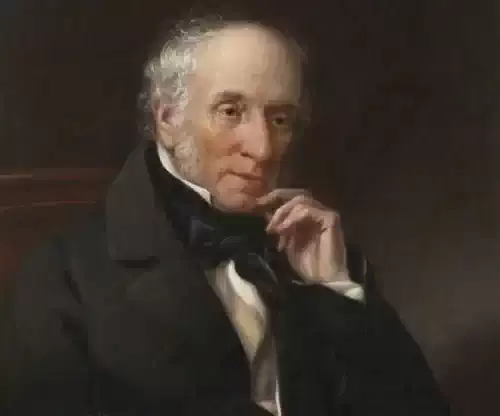
William Wordsworth
Yarrow Unvisited
Yarrow Unvisited
. From Stirling castle we had seen
The mazy Forth unravelled;
Had trod the banks of Clyde, and Tay,
And with the Tweed had travelled;
And when we came to Clovenford,
Then said my "winsome Marrow ,"
"Whate'er betide, we'll turn aside,
And see the Braes of Yarrow."
"Let Yarrow folk, frae Selkirk town,
Who have been buying, selling,
Go back to Yarrow, 'tis their own;
Each maiden to her dwelling!
On Yarrow's banks let her herons feed,
Hares couch, and rabbits burrow!
But we will downward with the Tweed
Nor turn aside to Yarrow.
"There's Galla Water, Leader Haughs,
Both lying right before us;
And Dryborough, where with chiming Tweed
The lintwhites sing in chorus;
There's pleasant Tiviot-dale, a land
Made blithe with plough and harrow:
Why throw away a needful day
To go in search of Yarrow?
"What's Yarrow but a river bare,
That glides the dark hills under?
There are a thousand such elsewhere
As worthy of your wonder."
--Strange words they seemed of slight and scorn;
My True-love sighed for sorrow;
And looked me in the face, to think
I thus could speak of Yarrow!
"Oh! green," said I, "are Yarrow's holms,
And sweet is Yarrow flowing!
Fair hangs the apple frae the rock,
But we will leave it growing.
O'er hilly path, and open Strath,
We'll wander Scotland thorough;
But, though so near, we will not turn
Into the dale of Yarrow.
"Let beeves and home-bred kine partake
The sweets of Burn-mill meadow,
The swan on still St. Mary's Lake
Float double, swan and shadow!
We will not see them; will not go,
To-day, nor yet to-morrow;
Enough if in our hearts we know
There's such a place as Yarrow.
"Be Yarrow stream unseen, unknown!
It must, or we shall rue it:
We have a vision of our own;
Ah! why should we undo it?
The treasured dreams of times long past,
We'll keep them, winsome Marrow!
For when we'er there, although 'tis fair,
'Twill be another Yarrow!
"If Care with freezing years should come,
And wandering seem but folly,--
Should we be loth to stir from home,
And yet be melancholy;
Should life be dull, and spirits low,
'Twill soothe us in our sorrow,
That earth has something yet to show,
The bonny holms of Yarrow!"
. From Stirling castle we had seen
The mazy Forth unravelled;
Had trod the banks of Clyde, and Tay,
And with the Tweed had travelled;
And when we came to Clovenford,
Then said my "winsome Marrow ,"
"Whate'er betide, we'll turn aside,
And see the Braes of Yarrow."
"Let Yarrow folk, frae Selkirk town,
Who have been buying, selling,
Go back to Yarrow, 'tis their own;
Each maiden to her dwelling!
On Yarrow's banks let her herons feed,
Hares couch, and rabbits burrow!
But we will downward with the Tweed
Nor turn aside to Yarrow.
"There's Galla Water, Leader Haughs,
Both lying right before us;
And Dryborough, where with chiming Tweed
The lintwhites sing in chorus;
There's pleasant Tiviot-dale, a land
Made blithe with plough and harrow:
Why throw away a needful day
To go in search of Yarrow?
"What's Yarrow but a river bare,
That glides the dark hills under?
There are a thousand such elsewhere
As worthy of your wonder."
--Strange words they seemed of slight and scorn;
My True-love sighed for sorrow;
And looked me in the face, to think
I thus could speak of Yarrow!
"Oh! green," said I, "are Yarrow's holms,
And sweet is Yarrow flowing!
Fair hangs the apple frae the rock,
But we will leave it growing.
O'er hilly path, and open Strath,
We'll wander Scotland thorough;
But, though so near, we will not turn
Into the dale of Yarrow.
"Let beeves and home-bred kine partake
The sweets of Burn-mill meadow,
The swan on still St. Mary's Lake
Float double, swan and shadow!
We will not see them; will not go,
To-day, nor yet to-morrow;
Enough if in our hearts we know
There's such a place as Yarrow.
"Be Yarrow stream unseen, unknown!
It must, or we shall rue it:
We have a vision of our own;
Ah! why should we undo it?
The treasured dreams of times long past,
We'll keep them, winsome Marrow!
For when we'er there, although 'tis fair,
'Twill be another Yarrow!
"If Care with freezing years should come,
And wandering seem but folly,--
Should we be loth to stir from home,
And yet be melancholy;
Should life be dull, and spirits low,
'Twill soothe us in our sorrow,
That earth has something yet to show,
The bonny holms of Yarrow!"
282
William Wordsworth
Written in London. September,
Written in London. September,
. O Friend! I know not which way I must look
For comfort, being, as I am, opprest,
To think that now our life is only drest
For show; mean handy-work of craftsman, cook,
Or groom! -- We must run glittering like a brook
In the open sunshine, or we are unblest:
The wealthiest man among us is the best:
No grandeur now in nature or in book
Delights us. Rapine, avarice, expense,
This is idolatry; and these we adore:
Plain living and high thinking are no more:
The homely beauty of the good old cause
Is gone; our peace, our fearful innocence,
And pure religion breathing household laws.
. O Friend! I know not which way I must look
For comfort, being, as I am, opprest,
To think that now our life is only drest
For show; mean handy-work of craftsman, cook,
Or groom! -- We must run glittering like a brook
In the open sunshine, or we are unblest:
The wealthiest man among us is the best:
No grandeur now in nature or in book
Delights us. Rapine, avarice, expense,
This is idolatry; and these we adore:
Plain living and high thinking are no more:
The homely beauty of the good old cause
Is gone; our peace, our fearful innocence,
And pure religion breathing household laws.
209
William Wordsworth
Two April Mornings, The
Two April Mornings, The
We walked along, while bright and red
Uprose the morning sun;
And Matthew stopped, he looked, and said,
"The will of God be done!"
A village schoolmaster was he,
With hair of glittering grey;
As blithe a man as yon could see
On a spring holiday.
And on that morning, through the grass,
And by the steaming rills,
We travelled merrily, to pass
A day among the hills.
"Our work," said I, "was well begun,
Then, from thy breast what thought,
Beneath so beautiful a sun,
So sad a sigh has brought?"
A second time did Matthew stop;
And fixing still his eye
Upon the eastern mountain-top,
To me he made reply:
"Yon cloud with that long purple cleft
Brings fresh into my mind
A day like this which I have left
Full thirty years behind.
"And just above yon slope of corn
Such colours, and no other,
Were in the sky, that April morn,
Of this the very brother.
"With rod and line I sued the sport
Which that sweet season gave,
And, to the church-yard come, stopped short
Beside my daughter's grave.
"Nine summers had she scarcely seen,
The pride of all the vale;
And then she sang;--she would have been
A very nightingale.
"Six feet in earth my Emma lay;
And yet I loved her more,
For so it seemed, than till that day
I e'er had loved before.
"And, turning from her grave, I met,
Beside the church-yard yew,
A blooming Girl, whose hair was wet
With points of morning dew.
"A basket on her head she bare;
Her brow was smooth and white:
To see a child so very fair,
It was a pure delight!
"No fountain from its rocky cave
E'er tripped with foot so free;
She seemed as happy as a wave
That dances on the sea.
"There came from me a sigh of pain
Which I could ill confine;
I looked at her, and looked again:
And did not wish her mine!"
Matthew is in his grave, yet now,
Methinks, I see him stand,
As at that moment, with a bough
Of wilding in his hand.
We walked along, while bright and red
Uprose the morning sun;
And Matthew stopped, he looked, and said,
"The will of God be done!"
A village schoolmaster was he,
With hair of glittering grey;
As blithe a man as yon could see
On a spring holiday.
And on that morning, through the grass,
And by the steaming rills,
We travelled merrily, to pass
A day among the hills.
"Our work," said I, "was well begun,
Then, from thy breast what thought,
Beneath so beautiful a sun,
So sad a sigh has brought?"
A second time did Matthew stop;
And fixing still his eye
Upon the eastern mountain-top,
To me he made reply:
"Yon cloud with that long purple cleft
Brings fresh into my mind
A day like this which I have left
Full thirty years behind.
"And just above yon slope of corn
Such colours, and no other,
Were in the sky, that April morn,
Of this the very brother.
"With rod and line I sued the sport
Which that sweet season gave,
And, to the church-yard come, stopped short
Beside my daughter's grave.
"Nine summers had she scarcely seen,
The pride of all the vale;
And then she sang;--she would have been
A very nightingale.
"Six feet in earth my Emma lay;
And yet I loved her more,
For so it seemed, than till that day
I e'er had loved before.
"And, turning from her grave, I met,
Beside the church-yard yew,
A blooming Girl, whose hair was wet
With points of morning dew.
"A basket on her head she bare;
Her brow was smooth and white:
To see a child so very fair,
It was a pure delight!
"No fountain from its rocky cave
E'er tripped with foot so free;
She seemed as happy as a wave
That dances on the sea.
"There came from me a sigh of pain
Which I could ill confine;
I looked at her, and looked again:
And did not wish her mine!"
Matthew is in his grave, yet now,
Methinks, I see him stand,
As at that moment, with a bough
Of wilding in his hand.
230
William Wordsworth
To The Daisy
To The Daisy
IN youth from rock to rock I went
From hill to hill in discontent
Of pleasure high and turbulent,
Most pleased when most uneasy;
But now my own delights I make,---
Thirst at every rill can slake,
And gladly Nature's love partake,
Of Thee, sweet Daisy!
Thee Winter in the garland wears
That thinly decks his few gray hairs;
Spring parts the clouds with softest airs,
That she may sun thee;
Whole Summer-fields are thine by right;
And Autumn, melancholy Wight!
Doth in thy crimson head delight
When rains are on thee.
In shoals and bands, a morrice train,
Thou greet'st the traveller in the lane;
Pleased at his greeting thee again;
Yet nothing daunted,
Nor grieved if thou be set at nought:
And oft alone in nooks remote
We meet thee, like a pleasant thought,
When such are wanted.
Be violets in their secret mews
The flowers the wanton Zephyrs choose;
Proud be the rose, with rains and dew
Her head impearling,
Thou liv'st with less ambitious aim,
Yet hast not gone without thy fame;
Thou art indeed by many a claim
The Poet's darling.
If to a rock from rain he fly,
Or, some bright day of April sky,
Imprisoned by hot sunshine lie
Near the green holly,
And wearily at length should fare;
He need but look about, and there
Thou art!---a friend at hand, to care
His melancholy.
A hundred times, by rock or bower,
Ere thus I have lain couched an hour,
Have I derived from thy sweet power
Some apprehension
Some steady love; some brief delight;
Some memory that had taken flight;
Some chime of fancy wrong or right;
Of stray invention.
If stately passions in me burn,
And one chance look to Thee should turn,
I drink out of an humbler urn
A lowlier pleasure;
The homely sympathy that heeds
The common life, our nature breeds;
A wisdom fitted to the needs
Of hearts at leisure.
Fresh-smitten by the morning ray,
When thou art up, alert and gay,
Then, cheerful Flower! my spirits play
With kindred gladness:
And when, at dusk, by dews opprest
Thou sink'st, the image of thy rest
Hath often eased my pensive breast
Of careful sadness.
And all day long I number yet,
All seasons through, another debt,
Which I, wherever thou art met,
To thee am owing;
An instinct call it, a blind sense;
A happy, genial influence,
Coming one knows not how, nor whence,
Nor whither going.
Child of the Year! that round dost run
Thy pleasant course,---when day's begun
As ready to salute the sun
As lark or leveret,
Thy long-lost praise thou shalt regain;
Nor be less dear to future men
Than in old time;---thou not in vain
Art Nature's favourite.
IN youth from rock to rock I went
From hill to hill in discontent
Of pleasure high and turbulent,
Most pleased when most uneasy;
But now my own delights I make,---
Thirst at every rill can slake,
And gladly Nature's love partake,
Of Thee, sweet Daisy!
Thee Winter in the garland wears
That thinly decks his few gray hairs;
Spring parts the clouds with softest airs,
That she may sun thee;
Whole Summer-fields are thine by right;
And Autumn, melancholy Wight!
Doth in thy crimson head delight
When rains are on thee.
In shoals and bands, a morrice train,
Thou greet'st the traveller in the lane;
Pleased at his greeting thee again;
Yet nothing daunted,
Nor grieved if thou be set at nought:
And oft alone in nooks remote
We meet thee, like a pleasant thought,
When such are wanted.
Be violets in their secret mews
The flowers the wanton Zephyrs choose;
Proud be the rose, with rains and dew
Her head impearling,
Thou liv'st with less ambitious aim,
Yet hast not gone without thy fame;
Thou art indeed by many a claim
The Poet's darling.
If to a rock from rain he fly,
Or, some bright day of April sky,
Imprisoned by hot sunshine lie
Near the green holly,
And wearily at length should fare;
He need but look about, and there
Thou art!---a friend at hand, to care
His melancholy.
A hundred times, by rock or bower,
Ere thus I have lain couched an hour,
Have I derived from thy sweet power
Some apprehension
Some steady love; some brief delight;
Some memory that had taken flight;
Some chime of fancy wrong or right;
Of stray invention.
If stately passions in me burn,
And one chance look to Thee should turn,
I drink out of an humbler urn
A lowlier pleasure;
The homely sympathy that heeds
The common life, our nature breeds;
A wisdom fitted to the needs
Of hearts at leisure.
Fresh-smitten by the morning ray,
When thou art up, alert and gay,
Then, cheerful Flower! my spirits play
With kindred gladness:
And when, at dusk, by dews opprest
Thou sink'st, the image of thy rest
Hath often eased my pensive breast
Of careful sadness.
And all day long I number yet,
All seasons through, another debt,
Which I, wherever thou art met,
To thee am owing;
An instinct call it, a blind sense;
A happy, genial influence,
Coming one knows not how, nor whence,
Nor whither going.
Child of the Year! that round dost run
Thy pleasant course,---when day's begun
As ready to salute the sun
As lark or leveret,
Thy long-lost praise thou shalt regain;
Nor be less dear to future men
Than in old time;---thou not in vain
Art Nature's favourite.
297
William Wordsworth
To A Butterfly ()
To A Butterfly ()
I'VE watched you now a full half-hour,
Self-poised upon that yellow flower;
And, little Butterfly! indeed
I know not if you sleep or feed.
How motionless!---not frozen seas
More motionless! and then
What joy awaits you, when the breeze
Hath found you out among the trees,
And calls you forth again !
This plot of orchard-ground is ours;
My trees they are, my Sister's flowers;
Here rest your wing when they are weary;
Here lodge as in a sanctuary!
Come often to us, fear no wrong;
Sit near us on the bough!
We'll talk of sunshine and of song,
And summer days, when we were young;
Sweet childish days, that were as long
As twenty days are now.
I'VE watched you now a full half-hour,
Self-poised upon that yellow flower;
And, little Butterfly! indeed
I know not if you sleep or feed.
How motionless!---not frozen seas
More motionless! and then
What joy awaits you, when the breeze
Hath found you out among the trees,
And calls you forth again !
This plot of orchard-ground is ours;
My trees they are, my Sister's flowers;
Here rest your wing when they are weary;
Here lodge as in a sanctuary!
Come often to us, fear no wrong;
Sit near us on the bough!
We'll talk of sunshine and of song,
And summer days, when we were young;
Sweet childish days, that were as long
As twenty days are now.
373
William Wordsworth
To A Butterfly (second poem)
To A Butterfly (second poem)
I've watched you now a full half-hour,
Self-poised upon that yellow flower;
And, little Butterfly! indeed
I know not if you sleep or feed.
How motionless!---not frozen seas
More motionless! and then
What joy awaits you, when the breeze
Hath found you out among the trees,
And calls you forth again !
This plot of orchard-ground is ours;
My trees they are, my Sister's flowers;
Here rest your wing when they are weary;
Here lodge as in a sanctuary!
Come often to us, fear no wrong;
Sit near us on the bough!
We'll talk of sunshine and of song,
And summer days, when we were young;
Sweet childish days, that were as long
As twenty days are now.
I've watched you now a full half-hour,
Self-poised upon that yellow flower;
And, little Butterfly! indeed
I know not if you sleep or feed.
How motionless!---not frozen seas
More motionless! and then
What joy awaits you, when the breeze
Hath found you out among the trees,
And calls you forth again !
This plot of orchard-ground is ours;
My trees they are, my Sister's flowers;
Here rest your wing when they are weary;
Here lodge as in a sanctuary!
Come often to us, fear no wrong;
Sit near us on the bough!
We'll talk of sunshine and of song,
And summer days, when we were young;
Sweet childish days, that were as long
As twenty days are now.
443
William Wordsworth
She Dwelt Among Untrodden Ways
She Dwelt Among Untrodden Ways
SHE dwelt among the untrodden ways
Beside the springs of Dove,
Maid whom there were none to praise
And very few to love:
A violet by a mosy tone
Half hidden from the eye!
---Fair as a star, when only one
Is shining in the sky.
She lived unknown, and few could know
When Lucy ceased to be;
But she is in her grave, and, oh,
The difference to me!
SHE dwelt among the untrodden ways
Beside the springs of Dove,
Maid whom there were none to praise
And very few to love:
A violet by a mosy tone
Half hidden from the eye!
---Fair as a star, when only one
Is shining in the sky.
She lived unknown, and few could know
When Lucy ceased to be;
But she is in her grave, and, oh,
The difference to me!
210
William Wordsworth
On the Extinction of the Venetian Republic
On the Extinction of the Venetian Republic
ONCE did she hold the gorgeous East in fee;
And was the safeguard of the West: the worth
Of Venice did not fall below her birth,
Venice, the eldest Child of Liberty.
She was a maiden City, bright and free;
No guile seduced, no force could violate;
And, when she took unto herself a mate,
She must espouse the everlasting Sea.
And what if she had seen those glories fade,
Those titles vanish, and that strength decay;
Yet shall some tribute of regret be paid
When her long life hath reach'd its final day:
Men are we, and must grieve when even the Shade
Of that which once was great is pass'd away.
ONCE did she hold the gorgeous East in fee;
And was the safeguard of the West: the worth
Of Venice did not fall below her birth,
Venice, the eldest Child of Liberty.
She was a maiden City, bright and free;
No guile seduced, no force could violate;
And, when she took unto herself a mate,
She must espouse the everlasting Sea.
And what if she had seen those glories fade,
Those titles vanish, and that strength decay;
Yet shall some tribute of regret be paid
When her long life hath reach'd its final day:
Men are we, and must grieve when even the Shade
Of that which once was great is pass'd away.
339
William Wordsworth
Ode, On Intimations Of Immortality
Ode, On Intimations Of Immortality
I
There was a time when meadow, grove, and stream,
The earth, and every common sight,
To me did seem
Apparelled in celestial light,
The glory and the freshness of a dream.
It is not now as it hath been of yore;--
Turn wheresoe'er I may,
By night or day,
The things which I have seen I now can see no more.
II
The Rainbow comes and goes,
And lovely is the Rose,
The Moon doth with delight
Look round her when the heavens are bare,
Waters on a starry night
Are beautiful and fair;
The sunshine is a glorious birth;
But yet I know, where'er I go,
That there hath past away a glory from the earth.
III
Now, while the birds thus sing a joyous song,
And while the young lambs bound
As to the tabor's sound,
To me alone there came a thought of grief:
A timely utterance gave that thought relief,
And I again am strong:
The cataracts blow their trumpets from the steep;
No more shall grief of mine the season wrong;
I hear the Echoes through the mountains throng,
The Winds come to me from the fields of sleep,
And all the earth is gay;
Land and sea
Give themselves up to jollity,
And with the heart of May
Doth every Beast keep holiday;--
Thou Child of Joy,
Shout round me, let me hear thy shouts, thou happy
Shepherd-boy!
IV
Ye blessed Creatures, I have heard the call
Ye to each other make; I see
The heavens laugh with you in your jubilee;
My heart is at your festival,
My head hath its coronal,
The fulness of your bliss, I feel--I feel it all.
Oh evil day! if I were sullen
While Earth herself is adorning,
This sweet May-morning,
And the Children are culling
On every side,
In a thousand valleys far and wide,
Fresh flowers; while the sun shines warm,
And the Babe leaps up on his Mother's arm:--
I hear, I hear, with joy I hear!
--But there's a Tree, of many, one,
A single Field which I have looked upon,
Both of them speak of something that is gone:
The Pansy at my feet
Doth the same tale repeat:
Whither is fled the visionary gleam?
Where is it now, the glory and the dream?
V
Our birth is but a sleep and a forgetting:
The Soul that rises with us, our life's Star,
Hath had elsewhere its setting,
And cometh from afar:
Not in entire forgetfulness,
And not in utter nakedness,
But trailing clouds of glory do we come
From God, who is our home:
Heaven lies about us in our infancy!
Shades of the prison-house begin to close
Upon the growing Boy,
But He beholds the light, and whence it flows,
He sees it in his joy;
The Youth, who daily farther from the east
Must travel, still is Nature's Priest,
And by the vision splendid
Is on his way attended;
At length the Man perceives it die away,
And fade into the light of common day.
VI
Earth fills her lap with pleasures of her own;
Yearnings she hath in her own natural kind,
And, even with something of a Mother's mind,
And no unworthy aim,
The homely Nurse doth all she can
To make her Foster-child, her Inmate Man,
Forget the glories he hath known,
And that imperial palace whence he came.
VII
Behold the Child among his new-born blisses,
A six years' Darling of a pigmy size!
See, where 'mid work of his own hand he lies,
Fretted by sallies of his mother's kisses,
With light upon him from his father's eyes!
See, at his feet, some little plan or chart,
Some fragment from his dream of human life,
Shaped by himself with newly-learned art;
A wedding or a festival,
A mourning or a funeral;
And this hath now his heart,
And unto this he frames his song:
Then will he fit his tongue
To dialogues of business, love, or strife;
But it will not be long
Ere this be thrown aside,
And with new joy and pride
The little Actor cons another part;
Filling from time to time his "humorous stage"
With all the Persons, down to palsied Age,
That Life brings with her in her equipage;
As if his whole vocation
Were endless imitation.
VIII
Thou, whose exterior semblance doth belie
Thy Soul's immensity;
Thou best Philosopher, who yet dost keep
Thy heritage, thou Eye among the blind,
That, deaf and silent, read'st the eternal deep,
Haunted for ever by the eternal mind,--
Mighty Prophet! Seer blest!
On whom those truths do rest,
Which we are toiling all our lives to find,
In darkness lost, the darkness of the grave;
Thou, over whom thy Immortality
Broods like the Day, a Master o'er a Slave,
A Presence which is not to be put by;
Thou little Child, yet glorious in the might
Of heaven-born freedom on thy being's height,
Why with such earnest pains dost thou provoke
The years to bring the inevitable yoke,
Thus blindly with thy blessedness at strife?
Full soon thy Soul shall have her earthly freight,
And custom lie upon thee with a weight
Heavy as frost, and deep almost as life!
IX
O joy! that in our embers
Is something that doth live,
That nature yet remembers
What was so fugitive!
The thought of our past years in me doth breed
Perpetual benediction: not indeed
For that which is most worthy to be blest--
Delight and liberty, the simple creed
Of Childhood, whether busy or at rest,
With new-fledged hope still fluttering in his breast:--
Not for these I raise
The song of thanks and praise;
But for those obstinate questionings
Of sense and outward things,
Fallings from us, vanishings;
Blank misgivings of a Creature
Moving about in worlds not realised,
High instincts before which our mortal Nature
Did tremble like a guilty Thing surprised:
But for those first affections,
Those shadowy recollections,
Which, be they what they may,
Are yet the fountain light of all our day,
Are yet a master light of all our seeing;
Uphold us, cherish, and have power to make
Our noisy years seem moments in the being
Of the eternal Silence: truths that wake,
To perish never;
Which neither listlessness, nor mad endeavour,
Nor Man nor Boy,
Nor all that is at enmity with joy,
Can utterly abolish or destroy!
Hence in a season of calm weather
Though inland far we be,
Our Souls have sight of that immortal sea
Which brought us hither,
Can in a moment travel thither,
And see the Children sport upon the shore,
And hear the mighty waters rolling evermore.
X
Then sing, ye Birds, sing, sing a joyous song!
And let the young Lambs bound
As to the tabor's sound!
We in thought will join your throng,
Ye that pipe and ye that play,
Ye that through your hearts to-day
Feel the gladness of the May!
What though the radiance which was once so bright
Be now for ever taken from my sight,
Though nothing can bring back the hour
Of splendour in the grass, of glory in the flower;
We will grieve not, rather find
Strength in what remains behind;
In the primal sympathy
Which having been must ever be;
In the soothing thoughts that spring
Out of human suffering;
In the faith that looks through death,
In years that bring the philosophic mind.
XI
And O, ye Fountains, Meadows, Hills, and Groves,
Forebode not any severing of our loves!
Yet in my heart of hearts I feel your might;
I only have relinquished one delight
To live beneath your more habitual sway.
I love the Brooks which down their channels fret,
Even more than when I tripped lightly as they;
The innocent brightness of a new-born Day
Is lovely yet;
The Clouds that gather round the setting sun
Do take a sober colouring from an eye
That hath kept watch o'er man's mortality;
Another race hath been, and other palms are won.
Thanks to the human heart by which we live,
Thanks to its tenderness, its joys, and fears,
To me the meanest flower that blows can give
Thoughts that do often lie too deep for tears.
I
There was a time when meadow, grove, and stream,
The earth, and every common sight,
To me did seem
Apparelled in celestial light,
The glory and the freshness of a dream.
It is not now as it hath been of yore;--
Turn wheresoe'er I may,
By night or day,
The things which I have seen I now can see no more.
II
The Rainbow comes and goes,
And lovely is the Rose,
The Moon doth with delight
Look round her when the heavens are bare,
Waters on a starry night
Are beautiful and fair;
The sunshine is a glorious birth;
But yet I know, where'er I go,
That there hath past away a glory from the earth.
III
Now, while the birds thus sing a joyous song,
And while the young lambs bound
As to the tabor's sound,
To me alone there came a thought of grief:
A timely utterance gave that thought relief,
And I again am strong:
The cataracts blow their trumpets from the steep;
No more shall grief of mine the season wrong;
I hear the Echoes through the mountains throng,
The Winds come to me from the fields of sleep,
And all the earth is gay;
Land and sea
Give themselves up to jollity,
And with the heart of May
Doth every Beast keep holiday;--
Thou Child of Joy,
Shout round me, let me hear thy shouts, thou happy
Shepherd-boy!
IV
Ye blessed Creatures, I have heard the call
Ye to each other make; I see
The heavens laugh with you in your jubilee;
My heart is at your festival,
My head hath its coronal,
The fulness of your bliss, I feel--I feel it all.
Oh evil day! if I were sullen
While Earth herself is adorning,
This sweet May-morning,
And the Children are culling
On every side,
In a thousand valleys far and wide,
Fresh flowers; while the sun shines warm,
And the Babe leaps up on his Mother's arm:--
I hear, I hear, with joy I hear!
--But there's a Tree, of many, one,
A single Field which I have looked upon,
Both of them speak of something that is gone:
The Pansy at my feet
Doth the same tale repeat:
Whither is fled the visionary gleam?
Where is it now, the glory and the dream?
V
Our birth is but a sleep and a forgetting:
The Soul that rises with us, our life's Star,
Hath had elsewhere its setting,
And cometh from afar:
Not in entire forgetfulness,
And not in utter nakedness,
But trailing clouds of glory do we come
From God, who is our home:
Heaven lies about us in our infancy!
Shades of the prison-house begin to close
Upon the growing Boy,
But He beholds the light, and whence it flows,
He sees it in his joy;
The Youth, who daily farther from the east
Must travel, still is Nature's Priest,
And by the vision splendid
Is on his way attended;
At length the Man perceives it die away,
And fade into the light of common day.
VI
Earth fills her lap with pleasures of her own;
Yearnings she hath in her own natural kind,
And, even with something of a Mother's mind,
And no unworthy aim,
The homely Nurse doth all she can
To make her Foster-child, her Inmate Man,
Forget the glories he hath known,
And that imperial palace whence he came.
VII
Behold the Child among his new-born blisses,
A six years' Darling of a pigmy size!
See, where 'mid work of his own hand he lies,
Fretted by sallies of his mother's kisses,
With light upon him from his father's eyes!
See, at his feet, some little plan or chart,
Some fragment from his dream of human life,
Shaped by himself with newly-learned art;
A wedding or a festival,
A mourning or a funeral;
And this hath now his heart,
And unto this he frames his song:
Then will he fit his tongue
To dialogues of business, love, or strife;
But it will not be long
Ere this be thrown aside,
And with new joy and pride
The little Actor cons another part;
Filling from time to time his "humorous stage"
With all the Persons, down to palsied Age,
That Life brings with her in her equipage;
As if his whole vocation
Were endless imitation.
VIII
Thou, whose exterior semblance doth belie
Thy Soul's immensity;
Thou best Philosopher, who yet dost keep
Thy heritage, thou Eye among the blind,
That, deaf and silent, read'st the eternal deep,
Haunted for ever by the eternal mind,--
Mighty Prophet! Seer blest!
On whom those truths do rest,
Which we are toiling all our lives to find,
In darkness lost, the darkness of the grave;
Thou, over whom thy Immortality
Broods like the Day, a Master o'er a Slave,
A Presence which is not to be put by;
Thou little Child, yet glorious in the might
Of heaven-born freedom on thy being's height,
Why with such earnest pains dost thou provoke
The years to bring the inevitable yoke,
Thus blindly with thy blessedness at strife?
Full soon thy Soul shall have her earthly freight,
And custom lie upon thee with a weight
Heavy as frost, and deep almost as life!
IX
O joy! that in our embers
Is something that doth live,
That nature yet remembers
What was so fugitive!
The thought of our past years in me doth breed
Perpetual benediction: not indeed
For that which is most worthy to be blest--
Delight and liberty, the simple creed
Of Childhood, whether busy or at rest,
With new-fledged hope still fluttering in his breast:--
Not for these I raise
The song of thanks and praise;
But for those obstinate questionings
Of sense and outward things,
Fallings from us, vanishings;
Blank misgivings of a Creature
Moving about in worlds not realised,
High instincts before which our mortal Nature
Did tremble like a guilty Thing surprised:
But for those first affections,
Those shadowy recollections,
Which, be they what they may,
Are yet the fountain light of all our day,
Are yet a master light of all our seeing;
Uphold us, cherish, and have power to make
Our noisy years seem moments in the being
Of the eternal Silence: truths that wake,
To perish never;
Which neither listlessness, nor mad endeavour,
Nor Man nor Boy,
Nor all that is at enmity with joy,
Can utterly abolish or destroy!
Hence in a season of calm weather
Though inland far we be,
Our Souls have sight of that immortal sea
Which brought us hither,
Can in a moment travel thither,
And see the Children sport upon the shore,
And hear the mighty waters rolling evermore.
X
Then sing, ye Birds, sing, sing a joyous song!
And let the young Lambs bound
As to the tabor's sound!
We in thought will join your throng,
Ye that pipe and ye that play,
Ye that through your hearts to-day
Feel the gladness of the May!
What though the radiance which was once so bright
Be now for ever taken from my sight,
Though nothing can bring back the hour
Of splendour in the grass, of glory in the flower;
We will grieve not, rather find
Strength in what remains behind;
In the primal sympathy
Which having been must ever be;
In the soothing thoughts that spring
Out of human suffering;
In the faith that looks through death,
In years that bring the philosophic mind.
XI
And O, ye Fountains, Meadows, Hills, and Groves,
Forebode not any severing of our loves!
Yet in my heart of hearts I feel your might;
I only have relinquished one delight
To live beneath your more habitual sway.
I love the Brooks which down their channels fret,
Even more than when I tripped lightly as they;
The innocent brightness of a new-born Day
Is lovely yet;
The Clouds that gather round the setting sun
Do take a sober colouring from an eye
That hath kept watch o'er man's mortality;
Another race hath been, and other palms are won.
Thanks to the human heart by which we live,
Thanks to its tenderness, its joys, and fears,
To me the meanest flower that blows can give
Thoughts that do often lie too deep for tears.
514
William Wordsworth
Ode on Intimations of Immortality from Recollections of Early Childhood
Ode on Intimations of Immortality from Recollections of Early Childhood
There was a time when meadow, grove, and stream,
The earth, and every common sight
To me did seem
Apparelled in celestial light,
The glory and the freshness of a dream.
It is not now as it hath been of yore;--
Turn wheresoe'er I may,
By night or day,
The things which I have seen I now can see no more.
The rainbow comes and goes,
And lovely is the rose;
The moon doth with delight
Look round her when the heavens are bare;
Waters on a starry night
Are beautiful and fair;
The sunshine is a glorious birth;
But yet I know, where'er I go,
That there hath past away a glory from the earth.
Now, while the birds thus sing a joyous song,
And while the young lambs bound
As to the tabor's sound,
To me alone there came a thought of grief:
A timely utterance gave that thought relief,
And I again am strong.
The cataracts blow their trumpets from the steep,--
No more shall grief of mine the season wrong:
I hear the echoes through the mountains throng.
The winds come to me from the fields of sleep,
And all the earth is gay;
Land and sea
Give themselves up to jollity,
And with the heart of May
Doth every beast keep holiday;--
Thou child of joy,
Shout round me, let me hear thy shouts, thou happy
Shepherd-boy!
Ye blesséd Creatures, I have heard the call
Ye to each other make; I see
The heavens laugh with you in your jubilee;
My heart is at your festival,
My head hath its coronal,
The fulness of your bliss, I feel--I feel it all.
O evil day! if I were sullen
While Earth herself is adorning
This sweet May-morning;
And the children are culling
On every side
In a thousand valleys far and wide
Fresh flowers; while the sun shines warm,
And the babe leaps up on his mother's arm:--
I hear, I hear, with joy I hear!
--But there's a tree, of many, one,
A single field which I have look'd upon,
Both of them speak of something that is gone:
The pansy at my feet
Doth the same tale repeat:
Whither is fled the visionary gleam?
Where is it now, the glory and the dream?
Our birth is but a sleep and a forgetting;
The Soul that rises with us, our life's Star,
Hath had elsewhere its setting
And cometh from afar;
Not in entire forgetfulness,
And not in utter nakedness,
But trailing clouds of glory do we come
From God, who is our home:
Heaven lies about us in our infancy!
Shades of the prison-house begin to close
Upon the growing Boy,
But he beholds the light, and whence it flows,
He sees it in his joy;
The Youth, who daily farther from the east
Must travel, still is Nature's priest,
And by the vision splendid
Is on his way attended;
At length the Man perceives it die away,
And fade into the light of common day.
Earth fills her lap with pleasures of her own;
Yearnings she hath in her own natural kind,
And, even with something of a mother's mind,
And no unworthy aim,
The homely nurse doth all she can
To make her foster-child, her inmate, Man,
Forget the glories he hath known,
And that imperial palace whence he came.
Behold the Child among his new-born blisses,
A six years' darling of a pigmy size!
See, where 'mid work of his own hand he lies,
Fretted by sallies of his mother's kisses,
With light upon him from his father's eyes!
See, at his feet, some little plan or chart,
Some fragment from his dream of human life,
Shaped by himself with newly-learned art;
A wedding or a festival,
A mourning or a funeral;
And this hath now his heart,
And unto this he frames his song:
Then will he fit his tongue
To dialogues of business, love, or strife;
But it will not be long
Ere this be thrown aside,
And with new joy and pride
The little actor cons another part;
Filling from time to time his 'humorous stage'
With all the Persons, down to palsied Age,
That life brings with her in her equipage;
As if his whole vocation
Were endless imitation.
Thou, whose exterior semblance doth belie
Thy soul's immensity;
Thou best philosopher, who yet dost keep
Thy heritage, thou eye among the blind,
That, deaf and silent, read'st the eternal deep,
Haunted for ever by the eternal Mind,--
Mighty Prophet! Seer blest!
On whom those truths rest
Which we are toiling all our lives to find,
In darkness lost, the darkness of the grave;
Thou, over whom thy Immortality
Broods like the day, a master o'er a slave,
A Presence which is not to be put by;
To whom the grave
Is but a lonely bed, without the sense of sight
Of day or the warm light,
A place of thoughts where we in waiting lie;
Thou little child, yet glorious in the might
Of heaven-born freedom on thy being's height,
Why with such earnest pains dost thou provoke
The years to bring the inevitable yoke,
Thus blindly with thy blessedness at strife?
Full soon thy soul shall have her earthly freight,
And custom lie upon thee with a weight
Heavy as frost, and deep almost as life!
joy! that in our embers
Is something that doth live,
That Nature yet remembers
What was so fugitive!
The thought of our past years in me doth breed
Perpetual benediction: not indeed
For that which is most worthy to be blest,
Delight and liberty, the simple creed
Of Childhood, whether busy or at rest,
With new-fledged hope still fluttering in his breast:--
--Not for these I raise
The song of thanks and praise;
But for those obstinate questionings
Of sense and outward things,
Failings from us, vanishings,
Blank misgivings of a creature
Moving about in worlds not realized,
High instincts, before which our mortal nature
Did tremble like a guilty thing surprised:
But for those first affections,
Those shadowy recollections,
Which, be they what they may,
Are yet the fountain-light of all our day,
Are yet a master-light of all our seeing;
Uphold us--cherish--and have power to make
Our noisy years seem moments in the being
Of the eternal Silence: truths that wake,
To perish never;
Which neither listlessness, nor mad endeavour,
Nor man nor boy,
Nor all that is at enmity with joy,
Can utterly abolish or destroy!
Hence, in a season of calm weather
Though inland far we be,
Our souls have sight of that immortal sea
Which brought us hither;
Can in a moment travel thither--
And see the children sport upon the shore,
And hear the mighty waters rolling evermore.
Then, sing, ye birds, sing, sing a joyous song!
And let the young lambs bound
As to the tabor's sound!
We, in thought, will join your throng,
Ye that pipe and ye that play,
Ye that through your hearts to-day
Feel the gladness of the May!
What though the radiance which was once so bright
Be now for ever taken from my sight,
Though nothing can bring back the hour
Of splendour in the grass, of glory in the flower;
We will grieve not, rather find
Strength in what remains behind;
In the primal sympathy
Which having been must ever be;
In the soothing thoughts that spring
Out of human suffering;
In the faith that looks through death,
In years that bring the philosophic mind.
And , ye Fountains, Meadows, Hills, and Groves,
Forebode not any severing of our loves!
Yet in my heart of hearts I feel your might;
I only have relinquish'd one delight
To live beneath your more habitual sway;
I love the brooks which down their channels fret
Even more than when I tripp'd lightly as they;
The innocent brightness of a new-born day
Is lovely yet;
The clouds that gather round the setting sun
Do take a sober colouring from an eye
That hath kept watch o'er man's mortality;
Another race hath been, and other palms are won.
Thanks to the human heart by which we live,
Thanks to its tenderness, its joys, and fears,
To me the meanest flower that blows can give
Thoughts that do often lie too deep for tears.
There was a time when meadow, grove, and stream,
The earth, and every common sight
To me did seem
Apparelled in celestial light,
The glory and the freshness of a dream.
It is not now as it hath been of yore;--
Turn wheresoe'er I may,
By night or day,
The things which I have seen I now can see no more.
The rainbow comes and goes,
And lovely is the rose;
The moon doth with delight
Look round her when the heavens are bare;
Waters on a starry night
Are beautiful and fair;
The sunshine is a glorious birth;
But yet I know, where'er I go,
That there hath past away a glory from the earth.
Now, while the birds thus sing a joyous song,
And while the young lambs bound
As to the tabor's sound,
To me alone there came a thought of grief:
A timely utterance gave that thought relief,
And I again am strong.
The cataracts blow their trumpets from the steep,--
No more shall grief of mine the season wrong:
I hear the echoes through the mountains throng.
The winds come to me from the fields of sleep,
And all the earth is gay;
Land and sea
Give themselves up to jollity,
And with the heart of May
Doth every beast keep holiday;--
Thou child of joy,
Shout round me, let me hear thy shouts, thou happy
Shepherd-boy!
Ye blesséd Creatures, I have heard the call
Ye to each other make; I see
The heavens laugh with you in your jubilee;
My heart is at your festival,
My head hath its coronal,
The fulness of your bliss, I feel--I feel it all.
O evil day! if I were sullen
While Earth herself is adorning
This sweet May-morning;
And the children are culling
On every side
In a thousand valleys far and wide
Fresh flowers; while the sun shines warm,
And the babe leaps up on his mother's arm:--
I hear, I hear, with joy I hear!
--But there's a tree, of many, one,
A single field which I have look'd upon,
Both of them speak of something that is gone:
The pansy at my feet
Doth the same tale repeat:
Whither is fled the visionary gleam?
Where is it now, the glory and the dream?
Our birth is but a sleep and a forgetting;
The Soul that rises with us, our life's Star,
Hath had elsewhere its setting
And cometh from afar;
Not in entire forgetfulness,
And not in utter nakedness,
But trailing clouds of glory do we come
From God, who is our home:
Heaven lies about us in our infancy!
Shades of the prison-house begin to close
Upon the growing Boy,
But he beholds the light, and whence it flows,
He sees it in his joy;
The Youth, who daily farther from the east
Must travel, still is Nature's priest,
And by the vision splendid
Is on his way attended;
At length the Man perceives it die away,
And fade into the light of common day.
Earth fills her lap with pleasures of her own;
Yearnings she hath in her own natural kind,
And, even with something of a mother's mind,
And no unworthy aim,
The homely nurse doth all she can
To make her foster-child, her inmate, Man,
Forget the glories he hath known,
And that imperial palace whence he came.
Behold the Child among his new-born blisses,
A six years' darling of a pigmy size!
See, where 'mid work of his own hand he lies,
Fretted by sallies of his mother's kisses,
With light upon him from his father's eyes!
See, at his feet, some little plan or chart,
Some fragment from his dream of human life,
Shaped by himself with newly-learned art;
A wedding or a festival,
A mourning or a funeral;
And this hath now his heart,
And unto this he frames his song:
Then will he fit his tongue
To dialogues of business, love, or strife;
But it will not be long
Ere this be thrown aside,
And with new joy and pride
The little actor cons another part;
Filling from time to time his 'humorous stage'
With all the Persons, down to palsied Age,
That life brings with her in her equipage;
As if his whole vocation
Were endless imitation.
Thou, whose exterior semblance doth belie
Thy soul's immensity;
Thou best philosopher, who yet dost keep
Thy heritage, thou eye among the blind,
That, deaf and silent, read'st the eternal deep,
Haunted for ever by the eternal Mind,--
Mighty Prophet! Seer blest!
On whom those truths rest
Which we are toiling all our lives to find,
In darkness lost, the darkness of the grave;
Thou, over whom thy Immortality
Broods like the day, a master o'er a slave,
A Presence which is not to be put by;
To whom the grave
Is but a lonely bed, without the sense of sight
Of day or the warm light,
A place of thoughts where we in waiting lie;
Thou little child, yet glorious in the might
Of heaven-born freedom on thy being's height,
Why with such earnest pains dost thou provoke
The years to bring the inevitable yoke,
Thus blindly with thy blessedness at strife?
Full soon thy soul shall have her earthly freight,
And custom lie upon thee with a weight
Heavy as frost, and deep almost as life!
joy! that in our embers
Is something that doth live,
That Nature yet remembers
What was so fugitive!
The thought of our past years in me doth breed
Perpetual benediction: not indeed
For that which is most worthy to be blest,
Delight and liberty, the simple creed
Of Childhood, whether busy or at rest,
With new-fledged hope still fluttering in his breast:--
--Not for these I raise
The song of thanks and praise;
But for those obstinate questionings
Of sense and outward things,
Failings from us, vanishings,
Blank misgivings of a creature
Moving about in worlds not realized,
High instincts, before which our mortal nature
Did tremble like a guilty thing surprised:
But for those first affections,
Those shadowy recollections,
Which, be they what they may,
Are yet the fountain-light of all our day,
Are yet a master-light of all our seeing;
Uphold us--cherish--and have power to make
Our noisy years seem moments in the being
Of the eternal Silence: truths that wake,
To perish never;
Which neither listlessness, nor mad endeavour,
Nor man nor boy,
Nor all that is at enmity with joy,
Can utterly abolish or destroy!
Hence, in a season of calm weather
Though inland far we be,
Our souls have sight of that immortal sea
Which brought us hither;
Can in a moment travel thither--
And see the children sport upon the shore,
And hear the mighty waters rolling evermore.
Then, sing, ye birds, sing, sing a joyous song!
And let the young lambs bound
As to the tabor's sound!
We, in thought, will join your throng,
Ye that pipe and ye that play,
Ye that through your hearts to-day
Feel the gladness of the May!
What though the radiance which was once so bright
Be now for ever taken from my sight,
Though nothing can bring back the hour
Of splendour in the grass, of glory in the flower;
We will grieve not, rather find
Strength in what remains behind;
In the primal sympathy
Which having been must ever be;
In the soothing thoughts that spring
Out of human suffering;
In the faith that looks through death,
In years that bring the philosophic mind.
And , ye Fountains, Meadows, Hills, and Groves,
Forebode not any severing of our loves!
Yet in my heart of hearts I feel your might;
I only have relinquish'd one delight
To live beneath your more habitual sway;
I love the brooks which down their channels fret
Even more than when I tripp'd lightly as they;
The innocent brightness of a new-born day
Is lovely yet;
The clouds that gather round the setting sun
Do take a sober colouring from an eye
That hath kept watch o'er man's mortality;
Another race hath been, and other palms are won.
Thanks to the human heart by which we live,
Thanks to its tenderness, its joys, and fears,
To me the meanest flower that blows can give
Thoughts that do often lie too deep for tears.
188
William Wordsworth
She Dwelt Among Untrodden Ways
"She Dwelt Among Untrodden Ways"
She dwelt among the untrodden ways
Beside the springs of Dove,
Maid whom there were none to praise
And very few to love:
A violet by a mosy tone
Half hidden from the eye!
---Fair as a star, when only one
Is shining in the sky.
She lived unknown, and few could know
When Lucy ceased to be;
But she is in her grave, and, oh,
The difference to me!
She dwelt among the untrodden ways
Beside the springs of Dove,
Maid whom there were none to praise
And very few to love:
A violet by a mosy tone
Half hidden from the eye!
---Fair as a star, when only one
Is shining in the sky.
She lived unknown, and few could know
When Lucy ceased to be;
But she is in her grave, and, oh,
The difference to me!
448

William Shakespeare
To Me, Fair Friend, You Never Can Be Old
To Me, Fair Friend, You Never Can Be Old
To me, fair Friend, you never can be old,
For as you were when first your eye I eyed
Such seems your beauty still, Three winters' cold
Have from the forests shook three summers' pride;
Three beauteous springs to yellow autmun turn'd
In process of the seasons have I seen,
Three April perfumes in three hot Junes burn'd,
Since first I saw you fresh, which yet are green.
Ah! yes doth beauty, like a dial-hand,
Steal from his figure, and no pace perceived;
So your sweet hue, which methinks still doth stand,
Hath motion, and mine eye may be deceived,
For fear of which, hear this, thou age unbred,-
Ere you were born, was beauty's summer dead.
To me, fair Friend, you never can be old,
For as you were when first your eye I eyed
Such seems your beauty still, Three winters' cold
Have from the forests shook three summers' pride;
Three beauteous springs to yellow autmun turn'd
In process of the seasons have I seen,
Three April perfumes in three hot Junes burn'd,
Since first I saw you fresh, which yet are green.
Ah! yes doth beauty, like a dial-hand,
Steal from his figure, and no pace perceived;
So your sweet hue, which methinks still doth stand,
Hath motion, and mine eye may be deceived,
For fear of which, hear this, thou age unbred,-
Ere you were born, was beauty's summer dead.
286
William Shakespeare
Sonnet CVI
Sonnet CVI
When in the chronicle of wasted time
I see descriptions of the fairest wights,
And beauty making beautiful old rhyme
In praise of ladies dead and lovely knights,
Then, in the blazon of sweet beauty's best,
Of hand, of foot, of lip, of eye, of brow,
I see their antique pen would have express'd
Even such a beauty as you master now.
So all their praises are but prophecies
Of this our time, all you prefiguring;
And, for they look'd but with divining eyes,
They had not skill enough your worth to sing:
For we, which now behold these present days,
Had eyes to wonder, but lack tongues to praise.
When in the chronicle of wasted time
I see descriptions of the fairest wights,
And beauty making beautiful old rhyme
In praise of ladies dead and lovely knights,
Then, in the blazon of sweet beauty's best,
Of hand, of foot, of lip, of eye, of brow,
I see their antique pen would have express'd
Even such a beauty as you master now.
So all their praises are but prophecies
Of this our time, all you prefiguring;
And, for they look'd but with divining eyes,
They had not skill enough your worth to sing:
For we, which now behold these present days,
Had eyes to wonder, but lack tongues to praise.
379

William Ernest Henley
O Gather Me the Rose
O Gather Me the Rose
O gather me the rose, the rose,
While yet in flower we find it,
For summer smiles, but summer goes,
And winter waits behind it.
For with the dream foregone, foregone,
The deed foreborn forever,
The worm Regret will canker on,
And time will turn him never.
So were it well to love, my love,
And cheat of any laughter
The fate beneath us, and above,
The dark before and after.
The myrtle and the rose, the rose,
The sunshine and the swallow,
The dream that comes, the wish that goes
The memories that follow!
O gather me the rose, the rose,
While yet in flower we find it,
For summer smiles, but summer goes,
And winter waits behind it.
For with the dream foregone, foregone,
The deed foreborn forever,
The worm Regret will canker on,
And time will turn him never.
So were it well to love, my love,
And cheat of any laughter
The fate beneath us, and above,
The dark before and after.
The myrtle and the rose, the rose,
The sunshine and the swallow,
The dream that comes, the wish that goes
The memories that follow!
163
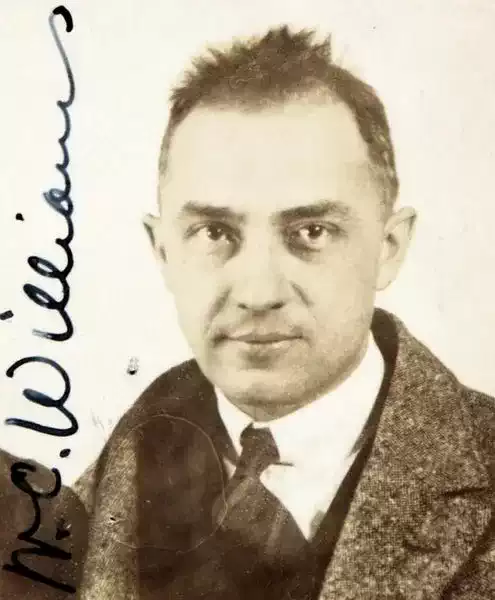
William Carlos Williams
The Lonely Street
The Lonely Street
School is over. It is too hot
to walk at ease. At ease
in light frocks they walk the streets
to while the time away.
They have grown tall. They hold
pink flames in their right hands.
In white from head to foot,
with sidelong, idle look--
in yellow, floating stuff,
black sash and stockings--
touching their avid mouths
with pink sugar on a stick--
like a carnation each holds in her hand--
they mount the lonely street.
School is over. It is too hot
to walk at ease. At ease
in light frocks they walk the streets
to while the time away.
They have grown tall. They hold
pink flames in their right hands.
In white from head to foot,
with sidelong, idle look--
in yellow, floating stuff,
black sash and stockings--
touching their avid mouths
with pink sugar on a stick--
like a carnation each holds in her hand--
they mount the lonely street.
416
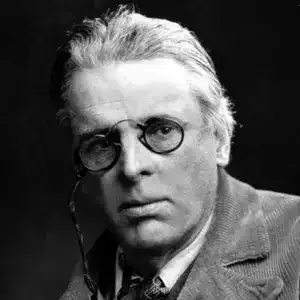
William Butler Yeats
Under Saturn
Under Saturn
DO not because this day I have grown saturnine
Imagine that lost love, inseparable from my thought
Because I have no other youth, can make me pine;
For how should I forget the wisdom that you brought,
The comfort that you made? Although my wits have gone
On a fantastic ride, my horse's flanks are spurred
By childish memories of an old cross Pollexfen,
And of a Middleton, whose name you never heard,
And of a red-haired Yeats whose looks, although he died
Before my time, seem like a vivid memory.
You heard that labouring man who had served my people. He said
Upon the open road, near to the Sligo quay --
No, no, not said, but cried it out -- 'You have come again,
And surely after twenty years it was time to come.'
I am thinking of a child's vow sworn in vain
Never to leave that valley his fathers called their home.
DO not because this day I have grown saturnine
Imagine that lost love, inseparable from my thought
Because I have no other youth, can make me pine;
For how should I forget the wisdom that you brought,
The comfort that you made? Although my wits have gone
On a fantastic ride, my horse's flanks are spurred
By childish memories of an old cross Pollexfen,
And of a Middleton, whose name you never heard,
And of a red-haired Yeats whose looks, although he died
Before my time, seem like a vivid memory.
You heard that labouring man who had served my people. He said
Upon the open road, near to the Sligo quay --
No, no, not said, but cried it out -- 'You have come again,
And surely after twenty years it was time to come.'
I am thinking of a child's vow sworn in vain
Never to leave that valley his fathers called their home.
437
William Butler Yeats
Under The Round Tower
Under The Round Tower
'ALTHOUGH I'd lie lapped up in linen
A deal I'd sweat and little earn
If I should live as live the neighbours,'
Cried the beggar, Billy Byrne;
'Stretch bones till the daylight come
On great-grandfather's battered tomb.'
Upon a grey old battered tombstone
In Glendalough beside the stream
Where the O'Byrnes and Byrnes are buried,
He stretched his bones and fell in a dream
Of sun and moon that a good hour
Bellowed and pranced in the round tower;
Of golden king and Silver lady,
Bellowing up and bellowing round,
Till toes mastered a sweet measure,
Mouth mastered a sweet sound,
Prancing round and prancing up
Until they pranced upon the top.
That golden king and that wild lady
Sang till stars began to fade,
Hands gripped in hands, toes close together,
Hair spread on the wind they made;
That lady and that golden king
Could like a brace of blackbirds sing.
'It's certain that my luck is broken,'
That rambling jailbird Billy said;
'Before nightfall I'll pick a pocket
And snug it in a feather bed.
I cannot find the peace of home
On great-grandfather's battered tomb.'
'ALTHOUGH I'd lie lapped up in linen
A deal I'd sweat and little earn
If I should live as live the neighbours,'
Cried the beggar, Billy Byrne;
'Stretch bones till the daylight come
On great-grandfather's battered tomb.'
Upon a grey old battered tombstone
In Glendalough beside the stream
Where the O'Byrnes and Byrnes are buried,
He stretched his bones and fell in a dream
Of sun and moon that a good hour
Bellowed and pranced in the round tower;
Of golden king and Silver lady,
Bellowing up and bellowing round,
Till toes mastered a sweet measure,
Mouth mastered a sweet sound,
Prancing round and prancing up
Until they pranced upon the top.
That golden king and that wild lady
Sang till stars began to fade,
Hands gripped in hands, toes close together,
Hair spread on the wind they made;
That lady and that golden king
Could like a brace of blackbirds sing.
'It's certain that my luck is broken,'
That rambling jailbird Billy said;
'Before nightfall I'll pick a pocket
And snug it in a feather bed.
I cannot find the peace of home
On great-grandfather's battered tomb.'
374
William Butler Yeats
Towards Break Of Day
Towards Break Of Day
WAS it the double of my dream
The woman that by me lay
Dreamed, or did we halve a dream
Under the first cold gleam of day?
I thought: 'There is a waterfall
Upon Ben Bulben side
That all my childhood counted dear;
Were I to travel far and wide
I could not find a thing so dear.'
My memories had magnified
So many times childish delight.
I would have touched it like a child
But knew my finger could but have touched
Cold stone and water. I grew wild.
Even accusing Heaven because
It had set down among its laws:
Nothing that we love over-much
Is ponderable to our touch.
I dreamed towards break of day,
The cold blown spray in my nostril.
But she that beside me lay
Had watched in bitterer sleep
The marvellous stag of Arthur,
That lofty white stag, leap
From mountain steep to steep.
WAS it the double of my dream
The woman that by me lay
Dreamed, or did we halve a dream
Under the first cold gleam of day?
I thought: 'There is a waterfall
Upon Ben Bulben side
That all my childhood counted dear;
Were I to travel far and wide
I could not find a thing so dear.'
My memories had magnified
So many times childish delight.
I would have touched it like a child
But knew my finger could but have touched
Cold stone and water. I grew wild.
Even accusing Heaven because
It had set down among its laws:
Nothing that we love over-much
Is ponderable to our touch.
I dreamed towards break of day,
The cold blown spray in my nostril.
But she that beside me lay
Had watched in bitterer sleep
The marvellous stag of Arthur,
That lofty white stag, leap
From mountain steep to steep.
482
William Butler Yeats
The Withering Of The Boughs
The Withering Of The Boughs
I CRIED when the moon was mutmuring to the birds:
'Let peewit call and curlew cry where they will,
I long for your merry and tender and pitiful words,
For the roads are unending, and there is no place to my mind.'
The honey-pale moon lay low on the sleepy hill,
And I fell asleep upon lonely Echtge of streams.
No boughs have withered because of the wintry wind;
The boughs have withered because I have told them my dreams.
I know of the leafy paths that the witches take
Who come with their crowns of pearl and their spindles of wool,
And their secret smile, out of the depths of the lake;
I know where a dim moon drifts, where the Danaan kind
Wind and unwind their dances when the light grows cool
On the island lawns, their feet where the pale foam gleams.
No boughs have withered because of the wintry wind;
The boughs have withered because I have told them my dreams.
I know of the sleepy country, where swans fly round
Coupled with golden chains, and sing as they fly.
A king and a queen are wandering there, and the sound
Has made them so happy and hopeless, so deaf and so blind
With wisdom, they wander till all the years have gone by;
I know, and the curlew and peewit on Echtge of streams.
No boughs have withered because of the wintry wind;
The boughs have withered because I have told them my dreams.
I CRIED when the moon was mutmuring to the birds:
'Let peewit call and curlew cry where they will,
I long for your merry and tender and pitiful words,
For the roads are unending, and there is no place to my mind.'
The honey-pale moon lay low on the sleepy hill,
And I fell asleep upon lonely Echtge of streams.
No boughs have withered because of the wintry wind;
The boughs have withered because I have told them my dreams.
I know of the leafy paths that the witches take
Who come with their crowns of pearl and their spindles of wool,
And their secret smile, out of the depths of the lake;
I know where a dim moon drifts, where the Danaan kind
Wind and unwind their dances when the light grows cool
On the island lawns, their feet where the pale foam gleams.
No boughs have withered because of the wintry wind;
The boughs have withered because I have told them my dreams.
I know of the sleepy country, where swans fly round
Coupled with golden chains, and sing as they fly.
A king and a queen are wandering there, and the sound
Has made them so happy and hopeless, so deaf and so blind
With wisdom, they wander till all the years have gone by;
I know, and the curlew and peewit on Echtge of streams.
No boughs have withered because of the wintry wind;
The boughs have withered because I have told them my dreams.
411
Page 1
Next