

Poems in this topic
Nostalgia
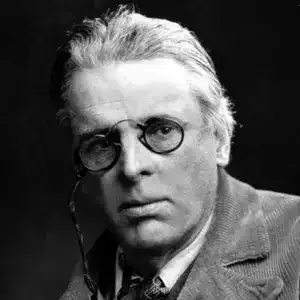
William Butler Yeats
The Withering Of The Boughs
The Withering Of The Boughs
I CRIED when the moon was mutmuring to the birds:
'Let peewit call and curlew cry where they will,
I long for your merry and tender and pitiful words,
For the roads are unending, and there is no place to my mind.'
The honey-pale moon lay low on the sleepy hill,
And I fell asleep upon lonely Echtge of streams.
No boughs have withered because of the wintry wind;
The boughs have withered because I have told them my dreams.
I know of the leafy paths that the witches take
Who come with their crowns of pearl and their spindles of wool,
And their secret smile, out of the depths of the lake;
I know where a dim moon drifts, where the Danaan kind
Wind and unwind their dances when the light grows cool
On the island lawns, their feet where the pale foam gleams.
No boughs have withered because of the wintry wind;
The boughs have withered because I have told them my dreams.
I know of the sleepy country, where swans fly round
Coupled with golden chains, and sing as they fly.
A king and a queen are wandering there, and the sound
Has made them so happy and hopeless, so deaf and so blind
With wisdom, they wander till all the years have gone by;
I know, and the curlew and peewit on Echtge of streams.
No boughs have withered because of the wintry wind;
The boughs have withered because I have told them my dreams.
I CRIED when the moon was mutmuring to the birds:
'Let peewit call and curlew cry where they will,
I long for your merry and tender and pitiful words,
For the roads are unending, and there is no place to my mind.'
The honey-pale moon lay low on the sleepy hill,
And I fell asleep upon lonely Echtge of streams.
No boughs have withered because of the wintry wind;
The boughs have withered because I have told them my dreams.
I know of the leafy paths that the witches take
Who come with their crowns of pearl and their spindles of wool,
And their secret smile, out of the depths of the lake;
I know where a dim moon drifts, where the Danaan kind
Wind and unwind their dances when the light grows cool
On the island lawns, their feet where the pale foam gleams.
No boughs have withered because of the wintry wind;
The boughs have withered because I have told them my dreams.
I know of the sleepy country, where swans fly round
Coupled with golden chains, and sing as they fly.
A king and a queen are wandering there, and the sound
Has made them so happy and hopeless, so deaf and so blind
With wisdom, they wander till all the years have gone by;
I know, and the curlew and peewit on Echtge of streams.
No boughs have withered because of the wintry wind;
The boughs have withered because I have told them my dreams.
412
William Butler Yeats
The White Birds
The White Birds
I WOULD that we were, my beloved, white birds on the foam of the sea!
We tire of the flame of the meteor, before it can fade and flee;
And the flame of the blue star of twilight, hung low on the rim of the sky,
Has awaked in our hearts, my beloved, a sadness that may not die.
A weariness comes from those dreamers, dew-dabbled, the lily and rose;
Ah, dream not of them, my beloved, the flame of the meteor that goes,
Or the flame of the blue star that lingers hung low in the fall of the dew:
For I would we were changed to white birds on the wandering foam: I and you!
I am haunted by numberless islands, and many a Danaan shore,
Where Time would surely forget us, and Sorrow come near us no more;
Soon far from the rose and the lily and fret of the flames would we be,
Were we only white birds, my beloved, buoyed out on the foam of the sea!
I WOULD that we were, my beloved, white birds on the foam of the sea!
We tire of the flame of the meteor, before it can fade and flee;
And the flame of the blue star of twilight, hung low on the rim of the sky,
Has awaked in our hearts, my beloved, a sadness that may not die.
A weariness comes from those dreamers, dew-dabbled, the lily and rose;
Ah, dream not of them, my beloved, the flame of the meteor that goes,
Or the flame of the blue star that lingers hung low in the fall of the dew:
For I would we were changed to white birds on the wandering foam: I and you!
I am haunted by numberless islands, and many a Danaan shore,
Where Time would surely forget us, and Sorrow come near us no more;
Soon far from the rose and the lily and fret of the flames would we be,
Were we only white birds, my beloved, buoyed out on the foam of the sea!
440
William Butler Yeats
The Wild Swans At Coole
The Wild Swans At Coole
THE trees are in their autumn beauty,
The woodland paths are dry,
Under the October twilight the water
Mirrors a still sky;
Upon the brimming water among the stones
Are nine-and-fifty Swans.
The nineteenth autumn has come upon me
Since I first made my count;
I saw, before I had well finished,
All suddenly mount
And scatter wheeling in great broken rings
Upon their clamorous wings.
I have looked upon those brilliant creatures,
And now my heart is sore.
All's changed since I, hearing at twilight,
The first time on this shore,
The bell-beat of their wings above my head,
Trod with a lighter tread.
Unwearied still, lover by lover,
They paddle in the cold
Companionable streams or climb the air;
Their hearts have not grown old;
Passion or conquest, wander where they will,
Attend upon them still.
But now they drift on the still water,
Mysterious, beautiful;
Among what rushes will they build,
By what lake's edge or pool
Delight men's eyes when I awake some day
To find they have flown away?
THE trees are in their autumn beauty,
The woodland paths are dry,
Under the October twilight the water
Mirrors a still sky;
Upon the brimming water among the stones
Are nine-and-fifty Swans.
The nineteenth autumn has come upon me
Since I first made my count;
I saw, before I had well finished,
All suddenly mount
And scatter wheeling in great broken rings
Upon their clamorous wings.
I have looked upon those brilliant creatures,
And now my heart is sore.
All's changed since I, hearing at twilight,
The first time on this shore,
The bell-beat of their wings above my head,
Trod with a lighter tread.
Unwearied still, lover by lover,
They paddle in the cold
Companionable streams or climb the air;
Their hearts have not grown old;
Passion or conquest, wander where they will,
Attend upon them still.
But now they drift on the still water,
Mysterious, beautiful;
Among what rushes will they build,
By what lake's edge or pool
Delight men's eyes when I awake some day
To find they have flown away?
367
William Butler Yeats
The Three Bushes
The Three Bushes
SAID lady once to lover,
'None can rely upon
A love that lacks its proper food;
And if your love were gone
How could you sing those songs of love?
I should be blamed, young man.
O my dear, O my dear.
Have no lit candles in your room,'
That lovely lady said,
'That I at midnight by the clock
May creep into your bed,
For if I saw myself creep in
I think I should drop dead.'
O my dear, O my dear.
'I love a man in secret,
Dear chambermaid,' said she.
'I know that I must drop down dead
If he stop loving me,
Yet what could I but drop down dead
If I lost my chastity?
O my dear, O my dear.
'So you must lie beside him
And let him think me there.
And maybe we are all the same
Where no candles are,
And maybe we are all the same
That stip the body bare.'
O my dear, O my dear.
But no dogs barked, and midnights chimed,
And through the chime she'd say,
'That was a lucky thought of mine,
My lover. looked so gay';
But heaved a sigh if the chambermaid
Looked half asleep all day.
O my dear, O my dear.
'No, not another song,' siid he,
'Because my lady came
A year ago for the first time
At midnight to my room,
And I must lie between the sheets
When the clock begins to chime.'
O my dear, O my d-ear.
'A laughing, crying, sacred song,
A leching song,' they said.
Did ever men hear such a song?
No, but that day they did.
Did ever man ride such a race?
No, not until he rode.
O my dear, O my dear.
But when his horse had put its hoof
Into a rabbit-hole
He dropped upon his head and died.
His lady saw it all
And dropped and died thereon, for she
Loved him with her soul.
O my dear, O my dear.
The chambermaid lived long, and took
Their graves into her charge,
And there two bushes planted
That when they had grown large
Seemed sprung from but a single root
So did their roses merge.
O my dear, O my dear.
When she was old and dying,
The priest came where she was;
She made a full confession.
Long looked he in her face,
And O he was a good man
And understood her case.
O my dear, O my dear.
He bade them take and bury her
Beside her lady's man,
And set a rose-tree on her grave,
And now none living can,
When they have plucked a rose there,
Know where its roots began.
O my dear, O my dear.
SAID lady once to lover,
'None can rely upon
A love that lacks its proper food;
And if your love were gone
How could you sing those songs of love?
I should be blamed, young man.
O my dear, O my dear.
Have no lit candles in your room,'
That lovely lady said,
'That I at midnight by the clock
May creep into your bed,
For if I saw myself creep in
I think I should drop dead.'
O my dear, O my dear.
'I love a man in secret,
Dear chambermaid,' said she.
'I know that I must drop down dead
If he stop loving me,
Yet what could I but drop down dead
If I lost my chastity?
O my dear, O my dear.
'So you must lie beside him
And let him think me there.
And maybe we are all the same
Where no candles are,
And maybe we are all the same
That stip the body bare.'
O my dear, O my dear.
But no dogs barked, and midnights chimed,
And through the chime she'd say,
'That was a lucky thought of mine,
My lover. looked so gay';
But heaved a sigh if the chambermaid
Looked half asleep all day.
O my dear, O my dear.
'No, not another song,' siid he,
'Because my lady came
A year ago for the first time
At midnight to my room,
And I must lie between the sheets
When the clock begins to chime.'
O my dear, O my d-ear.
'A laughing, crying, sacred song,
A leching song,' they said.
Did ever men hear such a song?
No, but that day they did.
Did ever man ride such a race?
No, not until he rode.
O my dear, O my dear.
But when his horse had put its hoof
Into a rabbit-hole
He dropped upon his head and died.
His lady saw it all
And dropped and died thereon, for she
Loved him with her soul.
O my dear, O my dear.
The chambermaid lived long, and took
Their graves into her charge,
And there two bushes planted
That when they had grown large
Seemed sprung from but a single root
So did their roses merge.
O my dear, O my dear.
When she was old and dying,
The priest came where she was;
She made a full confession.
Long looked he in her face,
And O he was a good man
And understood her case.
O my dear, O my dear.
He bade them take and bury her
Beside her lady's man,
And set a rose-tree on her grave,
And now none living can,
When they have plucked a rose there,
Know where its roots began.
O my dear, O my dear.
424
William Butler Yeats
The Song Of The Happy Shepherd
The Song Of The Happy Shepherd
THE woods of Arcady are dead,
And over is their antique joy;
Of old the world on dreaming fed;
Grey Truth is now her painted toy;
Yet still she turns her restless head:
But O, sick children of the world,
Of all the many changing things
In dreary dancing past us whirled,
To the cracked tune that Chronos sings,
Words alone are certain good.
Where are now the warring kings,
Word be-mockers? -- By the Rood,
Where are now the watring kings?
An idle word is now their glory,
By the stammering schoolboy said,
Reading some entangled story:
The kings of the old time are dead;
The wandering earth herself may be
Only a sudden flaming word,
In clanging space a moment heard,
Troubling the endless reverie.
Then nowise worship dusty deeds,
Nor seek, for this is also sooth,
To hunger fiercely after truth,
Lest all thy toiling only breeds
New dreams, new dreams; there is no truth
Saving in thine own heart. Seek, then,
No learning from the starry men,
Who follow with the optic glass
The whirling ways of stars that pass --
Seek, then, for this is also sooth,
No word of theirs -- the cold star-bane
Has cloven and rent their hearts in twain,
And dead is all their human truth.
Go gather by the humming sea
Some twisted, echo-harbouring shell.
And to its lips thy story tell,
And they thy comforters will be.
Rewording in melodious guile
Thy fretful words a little while,
Till they shall singing fade in ruth
And die a pearly brotherhood;
For words alone are certain good:
Sing, then, for this is also sooth.
I must be gone: there is a grave
Where daffodil and lily wave,
And I would please the hapless faun,
Buried under the sleepy ground,
With mirthful songs before the dawn.
His shouting days with mirth were crowned;
And still I dream he treads the lawn,
Walking ghostly in the dew,
Pierced by my glad singing through,
My songs of old earth's dreamy youth:
But ah! she dreams not now; dream thou!
For fair are poppies on the brow:
Dream, dream, for this is also sooth.
THE woods of Arcady are dead,
And over is their antique joy;
Of old the world on dreaming fed;
Grey Truth is now her painted toy;
Yet still she turns her restless head:
But O, sick children of the world,
Of all the many changing things
In dreary dancing past us whirled,
To the cracked tune that Chronos sings,
Words alone are certain good.
Where are now the warring kings,
Word be-mockers? -- By the Rood,
Where are now the watring kings?
An idle word is now their glory,
By the stammering schoolboy said,
Reading some entangled story:
The kings of the old time are dead;
The wandering earth herself may be
Only a sudden flaming word,
In clanging space a moment heard,
Troubling the endless reverie.
Then nowise worship dusty deeds,
Nor seek, for this is also sooth,
To hunger fiercely after truth,
Lest all thy toiling only breeds
New dreams, new dreams; there is no truth
Saving in thine own heart. Seek, then,
No learning from the starry men,
Who follow with the optic glass
The whirling ways of stars that pass --
Seek, then, for this is also sooth,
No word of theirs -- the cold star-bane
Has cloven and rent their hearts in twain,
And dead is all their human truth.
Go gather by the humming sea
Some twisted, echo-harbouring shell.
And to its lips thy story tell,
And they thy comforters will be.
Rewording in melodious guile
Thy fretful words a little while,
Till they shall singing fade in ruth
And die a pearly brotherhood;
For words alone are certain good:
Sing, then, for this is also sooth.
I must be gone: there is a grave
Where daffodil and lily wave,
And I would please the hapless faun,
Buried under the sleepy ground,
With mirthful songs before the dawn.
His shouting days with mirth were crowned;
And still I dream he treads the lawn,
Walking ghostly in the dew,
Pierced by my glad singing through,
My songs of old earth's dreamy youth:
But ah! she dreams not now; dream thou!
For fair are poppies on the brow:
Dream, dream, for this is also sooth.
488
William Butler Yeats
The Pilgrim
The Pilgrim
I FASTED for some forty days on bread and buttermilk,
For passing round the bottle with girls in rags or silk,
In country shawl or Paris cloak, had put my wits astray,
And what's the good of women, for all that they can say
Is fol de rol de rolly O.
Round Lough Derg's holy island I went upon the stones,
I prayed at all the Stations upon my matrow-bones,
And there I found an old man, and though, I prayed all day
And that old man beside me, nothing would he say
But fol de rol de rolly O.
All know that all the dead in the world about that place are stuck,
And that should mother seek her son she'd have but little luck
Because the fires of purgatory have ate their shapes away;
I swear to God I questioned them, and all they had to say
Was fol de rol de rolly O.
A great black ragged bird appeared when I was in the boat;
Some twenty feet from tip to tip had it stretched rightly out,
With flopping and with flapping it made a great display,
But I never stopped to question, what could the boatman say
But fol de rol de rolly O.
Now I am in the public-house and lean upon the wall,
So come in rags or come in silk, in cloak or country shawl,
And come with learned lovers or with what men you may,
For I can put the whole lot down, and all I have to say
Is fol de rol de rolly O.
I FASTED for some forty days on bread and buttermilk,
For passing round the bottle with girls in rags or silk,
In country shawl or Paris cloak, had put my wits astray,
And what's the good of women, for all that they can say
Is fol de rol de rolly O.
Round Lough Derg's holy island I went upon the stones,
I prayed at all the Stations upon my matrow-bones,
And there I found an old man, and though, I prayed all day
And that old man beside me, nothing would he say
But fol de rol de rolly O.
All know that all the dead in the world about that place are stuck,
And that should mother seek her son she'd have but little luck
Because the fires of purgatory have ate their shapes away;
I swear to God I questioned them, and all they had to say
Was fol de rol de rolly O.
A great black ragged bird appeared when I was in the boat;
Some twenty feet from tip to tip had it stretched rightly out,
With flopping and with flapping it made a great display,
But I never stopped to question, what could the boatman say
But fol de rol de rolly O.
Now I am in the public-house and lean upon the wall,
So come in rags or come in silk, in cloak or country shawl,
And come with learned lovers or with what men you may,
For I can put the whole lot down, and all I have to say
Is fol de rol de rolly O.
382
William Butler Yeats
The Nineteenth Century And After
The Nineteenth Century And After
THOUGH the great song return no more
There's keen delight in what we have:
The rattle of pebbles on the shore
Under the receding wave.
THOUGH the great song return no more
There's keen delight in what we have:
The rattle of pebbles on the shore
Under the receding wave.
321
William Butler Yeats
The Meditation Of The Old Fisherman
The Meditation Of The Old Fisherman
YOU waves, though you dance by my feet like children at play,
Though you glow and you glance, though you purr and you dart;
In the Junes that were warmer than these are, the waves were more gay,
When I was a boy with never a crack in my heart.
The herring are not in the tides as they were of old;
My sorrow! for many a creak gave the creel in the-cart
That carried the take to Sligo town to be sold,
When I was a boy with never a crack in my heart.
And ah, you proud maiden, you are not so fair when his oar
Is heard on the water, as they were, the proud and apart,
Who paced in the eve by the nets on the pebbly shore,
When I was a boy with never a crack in my heart.
YOU waves, though you dance by my feet like children at play,
Though you glow and you glance, though you purr and you dart;
In the Junes that were warmer than these are, the waves were more gay,
When I was a boy with never a crack in my heart.
The herring are not in the tides as they were of old;
My sorrow! for many a creak gave the creel in the-cart
That carried the take to Sligo town to be sold,
When I was a boy with never a crack in my heart.
And ah, you proud maiden, you are not so fair when his oar
Is heard on the water, as they were, the proud and apart,
Who paced in the eve by the nets on the pebbly shore,
When I was a boy with never a crack in my heart.
311
William Butler Yeats
The Man Who Dreamed Of Faeryland
The Man Who Dreamed Of Faeryland
HE stood among a crowd at Dromahair;
His heart hung all upon a silken dress,
And he had known at last some tenderness,
Before earth took him to her stony care;
But when a man poured fish into a pile,
It Seemed they raised their little silver heads,
And sang what gold morning or evening sheds
Upon a woven world-forgotten isle
Where people love beside the ravelled seas;
That Time can never mar a lover's vows
Under that woven changeless roof of boughs:
The singing shook him out of his new ease.
He wandered by the sands of Lissadell;
His mind ran all on money cares and fears,
And he had known at last some prudent years
Before they heaped his grave under the hill;
But while he passed before a plashy place,
A lug-worm with its grey and muddy mouth
Sang that somewhere to north or west or south
There dwelt a gay, exulting, gentle race
Under the golden or the silver skies;
That if a dancer stayed his hungry foot
It seemed the sun and moon were in the fruit:
And at that singing he was no more wise.
He mused beside the well of Scanavin,
He mused upon his mockers: without fail
His sudden vengeance were a country tale,
When earthy night had drunk his body in;
But one small knot-grass growing by the pool
Sang where -- unnecessary cruel voice --
Old silence bids its chosen race rejoice,
Whatever ravelled waters rise and fall
Or stormy silver fret the gold of day,
And midnight there enfold them like a fleece
And lover there by lover be at peace.
The tale drove his fine angry mood away.
He slept under the hill of Lugnagall;
And might have known at last unhaunted sleep
Under that cold and vapour-turbaned steep,
Now that the earth had taken man and all:
Did not the worms that spired about his bones
proclaim with that unwearied, reedy cry
That God has laid His fingers on the sky,
That from those fingers glittering summer runs
Upon the dancer by the dreamless wave.
Why should those lovers that no lovers miss
Dream, until God burn Nature with a kiss?
The man has found no comfort in the grave.
HE stood among a crowd at Dromahair;
His heart hung all upon a silken dress,
And he had known at last some tenderness,
Before earth took him to her stony care;
But when a man poured fish into a pile,
It Seemed they raised their little silver heads,
And sang what gold morning or evening sheds
Upon a woven world-forgotten isle
Where people love beside the ravelled seas;
That Time can never mar a lover's vows
Under that woven changeless roof of boughs:
The singing shook him out of his new ease.
He wandered by the sands of Lissadell;
His mind ran all on money cares and fears,
And he had known at last some prudent years
Before they heaped his grave under the hill;
But while he passed before a plashy place,
A lug-worm with its grey and muddy mouth
Sang that somewhere to north or west or south
There dwelt a gay, exulting, gentle race
Under the golden or the silver skies;
That if a dancer stayed his hungry foot
It seemed the sun and moon were in the fruit:
And at that singing he was no more wise.
He mused beside the well of Scanavin,
He mused upon his mockers: without fail
His sudden vengeance were a country tale,
When earthy night had drunk his body in;
But one small knot-grass growing by the pool
Sang where -- unnecessary cruel voice --
Old silence bids its chosen race rejoice,
Whatever ravelled waters rise and fall
Or stormy silver fret the gold of day,
And midnight there enfold them like a fleece
And lover there by lover be at peace.
The tale drove his fine angry mood away.
He slept under the hill of Lugnagall;
And might have known at last unhaunted sleep
Under that cold and vapour-turbaned steep,
Now that the earth had taken man and all:
Did not the worms that spired about his bones
proclaim with that unwearied, reedy cry
That God has laid His fingers on the sky,
That from those fingers glittering summer runs
Upon the dancer by the dreamless wave.
Why should those lovers that no lovers miss
Dream, until God burn Nature with a kiss?
The man has found no comfort in the grave.
372
William Butler Yeats
The Living Beauty
The Living Beauty
I BADE, because the wick and oil are spent
And frozen are the channels of the blood,
My discontented heart to draw content
From beauty that is cast out of a mould
In bronze, or that in dazzling marble appears,
Appears, but when wc have gone is gone again,
Being more indifferent to our solitude
Than 'twere an apparition. O heart, we are old;
The living beauty is for younger men:
We cannot pay its rribute of wild tears.
I BADE, because the wick and oil are spent
And frozen are the channels of the blood,
My discontented heart to draw content
From beauty that is cast out of a mould
In bronze, or that in dazzling marble appears,
Appears, but when wc have gone is gone again,
Being more indifferent to our solitude
Than 'twere an apparition. O heart, we are old;
The living beauty is for younger men:
We cannot pay its rribute of wild tears.
283
William Butler Yeats
The Fairy Pendant
The Fairy Pendant
Scene: A circle of Druidic stones
First Fairy: Afar from our lawn and our levee,
O sister of sorrowful gaze!
Where the roses in scarlet are heavy
And dream of the end of their days,
You move in another dominion
And hang o'er the historied stone:
Unpruned in your beautiful pinion
Who wander and whisper alone.
All: Come away while the moon's in the woodland,
We'll dance and then feast in a dairy.
Though youngest of all in our good band,
You are wasting away, little fairy.
Second Fairy: Ah! cruel ones, leave me alone now
While I murmur a little and ponder
The history here in the stone now;
Then away and away I will wander,
And measure the minds of the flowers,
And gaze on the meadow-mice wary,
And number their days and their hours--
All: You're wasting away, little fairy.
Second Fairy: O shining ones, lightly with song pass,
Ah! leave me, I pray you and beg.
My mother drew forth from the long grass
A piece of a nightingle's egg,
And cradled me here where are sung,
Of birds even, longings for aery
Wild wisdoms of spirit and tongue.
All: You're wasting away, little fairy.
First Fairy [turning away]: Though the tenderest roses were round you,
The soul of this pitiless place
With pitiless magic has bound you--
Ah! woe for the loss of your face,
And the loss of your laugh with its lightness--
Ah! woe for your wings and your head--
Ah! woe for your eyes and their brightness--
Ah! woe for your slippers of red.
We'll dance and then feast in a dairy.
Though youngest of all in our good band,
She's wasting away, little fairy.
Scene: A circle of Druidic stones
First Fairy: Afar from our lawn and our levee,
O sister of sorrowful gaze!
Where the roses in scarlet are heavy
And dream of the end of their days,
You move in another dominion
And hang o'er the historied stone:
Unpruned in your beautiful pinion
Who wander and whisper alone.
All: Come away while the moon's in the woodland,
We'll dance and then feast in a dairy.
Though youngest of all in our good band,
You are wasting away, little fairy.
Second Fairy: Ah! cruel ones, leave me alone now
While I murmur a little and ponder
The history here in the stone now;
Then away and away I will wander,
And measure the minds of the flowers,
And gaze on the meadow-mice wary,
And number their days and their hours--
All: You're wasting away, little fairy.
Second Fairy: O shining ones, lightly with song pass,
Ah! leave me, I pray you and beg.
My mother drew forth from the long grass
A piece of a nightingle's egg,
And cradled me here where are sung,
Of birds even, longings for aery
Wild wisdoms of spirit and tongue.
All: You're wasting away, little fairy.
First Fairy [turning away]: Though the tenderest roses were round you,
The soul of this pitiless place
With pitiless magic has bound you--
Ah! woe for the loss of your face,
And the loss of your laugh with its lightness--
Ah! woe for your wings and your head--
Ah! woe for your eyes and their brightness--
Ah! woe for your slippers of red.
We'll dance and then feast in a dairy.
Though youngest of all in our good band,
She's wasting away, little fairy.
400
William Butler Yeats
The Dedication To A Book Of Stories
The Dedication To A Book Of Stories
SELECTED FROM THE IRISH NOVELISTS
THERE was a green branch hung with many a bell
When her own people ruled this tragic Eire;
And from its murmuring greenness, calm of Faery,
A Druid kindness, on all hearers fell.
It charmed away the merchant from his guile,
And turned the farmer's memory from his cattle,
And hushed in sleep the roaring ranks of battle:
And all grew friendly for a little while.
Ah, Exiles wandering over lands and seas,
And planning, plotting always that some morrow
May set a stone upon ancestral Sorrow!
I also bear a bell-branch full of ease.
I tore it from green boughs winds tore and tossed
Until the sap of summer had grown weary!
I tore it from the barren boughs of Eire,
That country where a man can be so crossed;
Can be so battered, badgered and destroyed
That he's a loveless man: gay bells bring laughter
That shakes a mouldering cobweb from the rafter;
And yet the saddest chimes are best enjoyed.
Gay bells or sad, they bring you memories
Of half-forgotten innocent old places:
We and our bitterness have left no traces
On Munster grass and Connemara skies.
SELECTED FROM THE IRISH NOVELISTS
THERE was a green branch hung with many a bell
When her own people ruled this tragic Eire;
And from its murmuring greenness, calm of Faery,
A Druid kindness, on all hearers fell.
It charmed away the merchant from his guile,
And turned the farmer's memory from his cattle,
And hushed in sleep the roaring ranks of battle:
And all grew friendly for a little while.
Ah, Exiles wandering over lands and seas,
And planning, plotting always that some morrow
May set a stone upon ancestral Sorrow!
I also bear a bell-branch full of ease.
I tore it from green boughs winds tore and tossed
Until the sap of summer had grown weary!
I tore it from the barren boughs of Eire,
That country where a man can be so crossed;
Can be so battered, badgered and destroyed
That he's a loveless man: gay bells bring laughter
That shakes a mouldering cobweb from the rafter;
And yet the saddest chimes are best enjoyed.
Gay bells or sad, they bring you memories
Of half-forgotten innocent old places:
We and our bitterness have left no traces
On Munster grass and Connemara skies.
397
William Butler Yeats
September 1913
September 1913
What need you, being come to sense,
But fumble in a greasy till
And add the halfpence to the pence
And prayer to shivering prayer, until
You have dried the marrow from the bone?
For men were born to pray and save:
Romantic Ireland's dead and gone,
It's with O'Leary in the grave.
Yet they were of a different kind,
The names that stilled your childish play,
They have gone about the world like wind,
But little time had they to pray
For whom the hangman's rope was spun,
And what, God help us, could they save?
Romantic Ireland's dead and gone,
It's with O'Leary in the grave.
Was it for this the wild geese spread
The grey wing upon every tide;
For this that all that blood was shed,
For this Edward Fitzgerald died,
And Robert Emmet and Wolfe Tone,
All that delirium of the brave?
Romantic Ireland's dead and gone,
It's with O'Leary in the grave.
Yet could we turn the years again,
And call those exiles as they were
In all their loneliness and pain,
You'd cry, 'Some woman's yellow hair
Has maddened every mother's son':
They weighed so lightly what they gave.
But let them be, they're dead and gone,
They're with O'Leary in the grave.
What need you, being come to sense,
But fumble in a greasy till
And add the halfpence to the pence
And prayer to shivering prayer, until
You have dried the marrow from the bone?
For men were born to pray and save:
Romantic Ireland's dead and gone,
It's with O'Leary in the grave.
Yet they were of a different kind,
The names that stilled your childish play,
They have gone about the world like wind,
But little time had they to pray
For whom the hangman's rope was spun,
And what, God help us, could they save?
Romantic Ireland's dead and gone,
It's with O'Leary in the grave.
Was it for this the wild geese spread
The grey wing upon every tide;
For this that all that blood was shed,
For this Edward Fitzgerald died,
And Robert Emmet and Wolfe Tone,
All that delirium of the brave?
Romantic Ireland's dead and gone,
It's with O'Leary in the grave.
Yet could we turn the years again,
And call those exiles as they were
In all their loneliness and pain,
You'd cry, 'Some woman's yellow hair
Has maddened every mother's son':
They weighed so lightly what they gave.
But let them be, they're dead and gone,
They're with O'Leary in the grave.
528
William Butler Yeats
On Woman
On Woman
MAY God be praised for woman
That gives up all her mind,
A man may find in no man
A friendship of her kind
That covers all he has brought
As with her flesh and bone,
Nor quarrels with a thought
Because it is not her own.
Though pedantry denies,
It's plain the Bible means
That Solomon grew wise
While talking with his queens.
Yet never could, although
They say he counted grass,
Count all the praises due
When Sheba was his lass,
When she the iron wrought, or
When from the smithy fire
It shuddered in the water:
Harshness of their desire
That made them stretch and yawn,
pleasure that comes with sleep,
Shudder that made them one.
What else He give or keep
God grant me -- no, not here,
For I am not so bold
To hope a thing so dear
Now I am growing old,
But when, if the tale's true,
The Pestle of the moon
That pounds up all anew
Brings me to birth again --
To find what once I had
And know what once I have known,
Until I am driven mad,
Sleep driven from my bed.
By tenderness and care.
pity, an aching head,
Gnashing of teeth, despair;
And all because of some one
perverse creature of chance,
And live like Solomon
That Sheba led a dance.
MAY God be praised for woman
That gives up all her mind,
A man may find in no man
A friendship of her kind
That covers all he has brought
As with her flesh and bone,
Nor quarrels with a thought
Because it is not her own.
Though pedantry denies,
It's plain the Bible means
That Solomon grew wise
While talking with his queens.
Yet never could, although
They say he counted grass,
Count all the praises due
When Sheba was his lass,
When she the iron wrought, or
When from the smithy fire
It shuddered in the water:
Harshness of their desire
That made them stretch and yawn,
pleasure that comes with sleep,
Shudder that made them one.
What else He give or keep
God grant me -- no, not here,
For I am not so bold
To hope a thing so dear
Now I am growing old,
But when, if the tale's true,
The Pestle of the moon
That pounds up all anew
Brings me to birth again --
To find what once I had
And know what once I have known,
Until I am driven mad,
Sleep driven from my bed.
By tenderness and care.
pity, an aching head,
Gnashing of teeth, despair;
And all because of some one
perverse creature of chance,
And live like Solomon
That Sheba led a dance.
412
William Butler Yeats
Mad As The Mist And Snow
Mad As The Mist And Snow
Bolt and bar the shutter,
For the foul winds blow:
Our minds are at their best this night,
And I seem to know
That everything outside us is
Mad as the mist and snow.
Horace there by Homer stands,
Plato stands below,
And here is Tully's open page.
How many years ago
Were you and I unlettered lads
Mad as the mist and snow?
You ask what makes me sigh, old friend,
What makes me shudder so?
I shudder and I sigh to think
That even Cicero
And many-minded Homer were
Mad as the mist and snow.
Bolt and bar the shutter,
For the foul winds blow:
Our minds are at their best this night,
And I seem to know
That everything outside us is
Mad as the mist and snow.
Horace there by Homer stands,
Plato stands below,
And here is Tully's open page.
How many years ago
Were you and I unlettered lads
Mad as the mist and snow?
You ask what makes me sigh, old friend,
What makes me shudder so?
I shudder and I sigh to think
That even Cicero
And many-minded Homer were
Mad as the mist and snow.
407
William Butler Yeats
Introductory Lines (The Shadowy Waters)
Introductory Lines (The Shadowy Waters)
I walked among the seven woods of Coole:
Shan-walla, where a willow-hordered pond
Gathers the wild duck from the winter dawn;
Shady Kyle-dortha; sunnier Kyle-na-no,
Where many hundred squirrels are as happy
As though they had been hidden by green bough's
Where old age cannot find them; Paire-na-lee,
Where hazel and ash and privet blind the paths:
Dim Paire-na-carraig, where the wild bees fling
Their sudden fragrances on the green air;
Dim Paire-na-tarav, where enchanted eyes
Have seen immortal, mild, proud shadows walk;
Dim Inchy wood, that hides badger and fox
And marten-cat, and borders that old wood
Wise Buddy Early called the wicked wood:
Seven odours, seven murmurs, seven woods.
I had not eyes like those enchanted eyes,
Yet dreamed that beings happier than men
Moved round me in the shadows, and at night
My dreams were clown by voices and by fires;
And the images I have woven in this story
Of Forgael and Dectora and the empty waters
Moved round me in the voices and the fires,
And more I may not write of, for they that cleave
The waters of sleep can make a chattering tongue
Heavy like stone, their wisdom being half silence.
How shall I name you, immortal, mild, proud shadows?
I only know that all we know comes from you,
And that you come from Eden on flying feet.
Is Eden far away, or do you hide
From human thought, as hares and mice and coneys
That run before the reaping-hook and lie
In the last ridge of the barley? Do our woods
And winds and ponds cover more quiet woods,
More shining winds, more star-glimmering ponds?
Is Eden out of time and out of space?
And do you gather about us when pale light
Shining on water and fallen among leaves,
And winds blowing from flowers, and whirr of feathers
And the green quiet, have uplifted the heart?
I have made this poem for you, that men may read it
Before they read of Forgael and Dectora,
As men in the old times, before the harps began,
Poured out wine for the high invisible ones.
I walked among the seven woods of Coole:
Shan-walla, where a willow-hordered pond
Gathers the wild duck from the winter dawn;
Shady Kyle-dortha; sunnier Kyle-na-no,
Where many hundred squirrels are as happy
As though they had been hidden by green bough's
Where old age cannot find them; Paire-na-lee,
Where hazel and ash and privet blind the paths:
Dim Paire-na-carraig, where the wild bees fling
Their sudden fragrances on the green air;
Dim Paire-na-tarav, where enchanted eyes
Have seen immortal, mild, proud shadows walk;
Dim Inchy wood, that hides badger and fox
And marten-cat, and borders that old wood
Wise Buddy Early called the wicked wood:
Seven odours, seven murmurs, seven woods.
I had not eyes like those enchanted eyes,
Yet dreamed that beings happier than men
Moved round me in the shadows, and at night
My dreams were clown by voices and by fires;
And the images I have woven in this story
Of Forgael and Dectora and the empty waters
Moved round me in the voices and the fires,
And more I may not write of, for they that cleave
The waters of sleep can make a chattering tongue
Heavy like stone, their wisdom being half silence.
How shall I name you, immortal, mild, proud shadows?
I only know that all we know comes from you,
And that you come from Eden on flying feet.
Is Eden far away, or do you hide
From human thought, as hares and mice and coneys
That run before the reaping-hook and lie
In the last ridge of the barley? Do our woods
And winds and ponds cover more quiet woods,
More shining winds, more star-glimmering ponds?
Is Eden out of time and out of space?
And do you gather about us when pale light
Shining on water and fallen among leaves,
And winds blowing from flowers, and whirr of feathers
And the green quiet, have uplifted the heart?
I have made this poem for you, that men may read it
Before they read of Forgael and Dectora,
As men in the old times, before the harps began,
Poured out wine for the high invisible ones.
386
William Butler Yeats
I Am Of Ireland
I Am Of Ireland
'I am of Ireland,
And the Holy Land of Ireland,
And time runs on,' cried she.
'Come out of charity,
Come dance with me in Ireland.'
One man, one man alone
In that outlandish gear,
One solitary man
Of all that rambled there
Had turned his stately head.
That is a long way off,
And time runs on,' he said,
'And the night grows rough.'
'I am of Ireland,
And the Holy Land of Ireland,
And time runs on,' cried she.
'Come out of charity
And dance with me in Ireland.'
'The fiddlers are all thumbs,
Or the fiddle-string accursed,
The drums and the kettledrums
And the trumpets all are burst,
And the trombone,' cried he,
'The trumpet and trombone,'
And cocked a malicious eye,
'But time runs on, runs on.'
I am of Ireland,
And the Holy Land of Ireland,
And time runs on,' cried she.
"Come out of charity
And dance with me in Ireland.'
'I am of Ireland,
And the Holy Land of Ireland,
And time runs on,' cried she.
'Come out of charity,
Come dance with me in Ireland.'
One man, one man alone
In that outlandish gear,
One solitary man
Of all that rambled there
Had turned his stately head.
That is a long way off,
And time runs on,' he said,
'And the night grows rough.'
'I am of Ireland,
And the Holy Land of Ireland,
And time runs on,' cried she.
'Come out of charity
And dance with me in Ireland.'
'The fiddlers are all thumbs,
Or the fiddle-string accursed,
The drums and the kettledrums
And the trumpets all are burst,
And the trombone,' cried he,
'The trumpet and trombone,'
And cocked a malicious eye,
'But time runs on, runs on.'
I am of Ireland,
And the Holy Land of Ireland,
And time runs on,' cried she.
"Come out of charity
And dance with me in Ireland.'
388
William Butler Yeats
In Memory Of Alfred Pollexfen
In Memory Of Alfred Pollexfen
FIVE-AND-TWENTY years have gone
Since old William pollexfen
Laid his strong bones down in death
By his wife Elizabeth
In the grey stone tomb he made.
And after twenty years they laid
In that tomb by him and her
His son George, the astrologer;
And Masons drove from miles away
To scatter the Acacia spray
Upon a melancholy man
Who had ended where his breath began.
Many a son and daughter lies
Far from the customary skies,
The Mall and Eades's grammar school,
In London or in Liverpool;
But where is laid the sailor John
That so many lands had known,
Quiet lands or unquiet seas
Where the Indians trade or Japanese?
He never found his rest ashore,
Moping for one voyage more.
Where have they laid the sailor John?
And yesterday the youngest son,
A humorous, unambitious man,
Was buried near the astrologer,
Yesterday in the tenth year
Since he who had been contented long.
A nobody in a great throng,
Decided he would journey home,
Now that his fiftieth year had come,
And 'Mr. Alfred' be again
Upon the lips of common men
Who carried in their memory
His childhood and his family.
At all these death-beds women heard
A visionary white sea-bird
Lamenting that a man should die;
And with that cry I have raised my cry.
FIVE-AND-TWENTY years have gone
Since old William pollexfen
Laid his strong bones down in death
By his wife Elizabeth
In the grey stone tomb he made.
And after twenty years they laid
In that tomb by him and her
His son George, the astrologer;
And Masons drove from miles away
To scatter the Acacia spray
Upon a melancholy man
Who had ended where his breath began.
Many a son and daughter lies
Far from the customary skies,
The Mall and Eades's grammar school,
In London or in Liverpool;
But where is laid the sailor John
That so many lands had known,
Quiet lands or unquiet seas
Where the Indians trade or Japanese?
He never found his rest ashore,
Moping for one voyage more.
Where have they laid the sailor John?
And yesterday the youngest son,
A humorous, unambitious man,
Was buried near the astrologer,
Yesterday in the tenth year
Since he who had been contented long.
A nobody in a great throng,
Decided he would journey home,
Now that his fiftieth year had come,
And 'Mr. Alfred' be again
Upon the lips of common men
Who carried in their memory
His childhood and his family.
At all these death-beds women heard
A visionary white sea-bird
Lamenting that a man should die;
And with that cry I have raised my cry.
452
William Butler Yeats
His Phoenix
His Phoenix
THERE is a queen in China, or maybe it's in Spain,
And birthdays and holidays such praises can be heard
Of her unblemished lineaments, a whiteness with no stain,
That she might be that sprightly girl trodden by a bird;
And there's a score of duchesses, surpassing woma-kind,
Or who have found a painter to make them so for pay
And smooth out stain and blemish with the elegance of his mind:
I knew a phoenix in my youth, so let them have their day.
The young men every night applaud their Gaby's laughing eye,
And Ruth St. Denis had more charm although she had poor luck;
From nineteen hundred nine or ten, Pavlova's had the cry
And there's a player in the States who gathers up her cloak
And flings herself out of the room when Juliet would be bride
With all a woman's passion, a child's imperious way,
And there are -- but no matter if there are scores beside:
I knew a phoenix in my youth, so let them have their day.
There's Margaret and Marjorie and Dorothy and Nan,
A Daphne and a Mary who live in privacy;
One's had her fill of lovers, another's had but one,
Another boasts, 'I pick and choose and have but two or three.'
If head and limb have beauty and the instep's high and light
They can spread out what sail they please for all I have to say,
Be but the breakers of men's hearts or engines of delight:
I knew a phoenix in my youth, so let them have their day.
There'll be that crowd, that barbarous crowd, through all the centuries,
And who can say but some young belle may walk and talk men wild
Who is my beauty's equal, though that my heart denies,
But not the exact likeness, the simplicity of a child,
And that proud look as though she had gazed into the burning sun,
And all the shapely body no tittle gone astray.
I mourn for that most lonely thing; and yet God's will be done:
I knew a phoenix in my youth, so let them have their day.
THERE is a queen in China, or maybe it's in Spain,
And birthdays and holidays such praises can be heard
Of her unblemished lineaments, a whiteness with no stain,
That she might be that sprightly girl trodden by a bird;
And there's a score of duchesses, surpassing woma-kind,
Or who have found a painter to make them so for pay
And smooth out stain and blemish with the elegance of his mind:
I knew a phoenix in my youth, so let them have their day.
The young men every night applaud their Gaby's laughing eye,
And Ruth St. Denis had more charm although she had poor luck;
From nineteen hundred nine or ten, Pavlova's had the cry
And there's a player in the States who gathers up her cloak
And flings herself out of the room when Juliet would be bride
With all a woman's passion, a child's imperious way,
And there are -- but no matter if there are scores beside:
I knew a phoenix in my youth, so let them have their day.
There's Margaret and Marjorie and Dorothy and Nan,
A Daphne and a Mary who live in privacy;
One's had her fill of lovers, another's had but one,
Another boasts, 'I pick and choose and have but two or three.'
If head and limb have beauty and the instep's high and light
They can spread out what sail they please for all I have to say,
Be but the breakers of men's hearts or engines of delight:
I knew a phoenix in my youth, so let them have their day.
There'll be that crowd, that barbarous crowd, through all the centuries,
And who can say but some young belle may walk and talk men wild
Who is my beauty's equal, though that my heart denies,
But not the exact likeness, the simplicity of a child,
And that proud look as though she had gazed into the burning sun,
And all the shapely body no tittle gone astray.
I mourn for that most lonely thing; and yet God's will be done:
I knew a phoenix in my youth, so let them have their day.
436
William Butler Yeats
He Mourns For The Change That Has Come Upon Him And His Beloved, And
He Mourns For The Change That Has Come Upon Him And His Beloved, And
Longs For The End Of The World
DO you not hear me calling, white deer with no horns?
I have been changed to a hound with one red ear;
I have been in the Path of Stones and the Wood of Thorns,
For somebody hid hatred and hope and desire and fear
Under my feet that they follow you night and day.
A man with a hazel wand came without sound;
He changed me suddenly; I was looking another way;
And now my calling is but the calling of a hound;
And Time and Birth and Change are hurrying by.
I would that the Boar without bristles had come from the West
And had rooted the sun and moon and stars out of the sky
And lay in the darkness, grunting, and turning to his rest.
Longs For The End Of The World
DO you not hear me calling, white deer with no horns?
I have been changed to a hound with one red ear;
I have been in the Path of Stones and the Wood of Thorns,
For somebody hid hatred and hope and desire and fear
Under my feet that they follow you night and day.
A man with a hazel wand came without sound;
He changed me suddenly; I was looking another way;
And now my calling is but the calling of a hound;
And Time and Birth and Change are hurrying by.
I would that the Boar without bristles had come from the West
And had rooted the sun and moon and stars out of the sky
And lay in the darkness, grunting, and turning to his rest.
362
William Butler Yeats
Friends
Friends
NOW must I these three praise --
Three women that have wrought
What joy is in my days:
One because no thought,
Nor those unpassing cares,
No, not in these fifteen
Many-times-troubled years,
Could ever come between
Mind and delighted mind;
And one because her hand
Had strength that could unbind
What none can understand,
What none can have and thrive,
Youth's dreamy load, till she
So changed me that I live
Labouring in ecstasy.
And what of her that took
All till my youth was gone
With scarce a pitying look?
How could I praise that one?
When day begins to break
I count my good and bad,
Being wakeful for her sake,
Remembering what she had,
What eagle look still shows,
While up from my heart's root
So great a sweetness flows
I shake from head to foot.
NOW must I these three praise --
Three women that have wrought
What joy is in my days:
One because no thought,
Nor those unpassing cares,
No, not in these fifteen
Many-times-troubled years,
Could ever come between
Mind and delighted mind;
And one because her hand
Had strength that could unbind
What none can understand,
What none can have and thrive,
Youth's dreamy load, till she
So changed me that I live
Labouring in ecstasy.
And what of her that took
All till my youth was gone
With scarce a pitying look?
How could I praise that one?
When day begins to break
I count my good and bad,
Being wakeful for her sake,
Remembering what she had,
What eagle look still shows,
While up from my heart's root
So great a sweetness flows
I shake from head to foot.
378
William Butler Yeats
Ephemera
Ephemera
'YOUR eyes that once were never weary of mine
Are bowed in sotrow under pendulous lids,
Because our love is waning.'
And then She:
'Although our love is waning, let us stand
By the lone border of the lake once more,
Together in that hour of gentleness
When the poor tired child, passion, falls asleep.
How far away the stars seem, and how far
Is our first kiss, and ah, how old my heart!'
Pensive they paced along the faded leaves,
While slowly he whose hand held hers replied:
'Passion has often worn our wandering hearts.'
The woods were round them, and the yellow leaves
Fell like faint meteors in the gloom, and once
A rabbit old and lame limped down the path;
Autumn was over him: and now they stood
On the lone border of the lake once more:
Turning, he saw that she had thrust dead leaves
Gathered in silence, dewy as her eyes,
In bosom and hair.
'Ah, do not mourn,' he said,
'That we are tired, for other loves await us;
Hate on and love through unrepining hours.
Before us lies eternity; our souls
Are love, and a continual farewell.'
'YOUR eyes that once were never weary of mine
Are bowed in sotrow under pendulous lids,
Because our love is waning.'
And then She:
'Although our love is waning, let us stand
By the lone border of the lake once more,
Together in that hour of gentleness
When the poor tired child, passion, falls asleep.
How far away the stars seem, and how far
Is our first kiss, and ah, how old my heart!'
Pensive they paced along the faded leaves,
While slowly he whose hand held hers replied:
'Passion has often worn our wandering hearts.'
The woods were round them, and the yellow leaves
Fell like faint meteors in the gloom, and once
A rabbit old and lame limped down the path;
Autumn was over him: and now they stood
On the lone border of the lake once more:
Turning, he saw that she had thrust dead leaves
Gathered in silence, dewy as her eyes,
In bosom and hair.
'Ah, do not mourn,' he said,
'That we are tired, for other loves await us;
Hate on and love through unrepining hours.
Before us lies eternity; our souls
Are love, and a continual farewell.'
429
William Butler Yeats
Fallen Majesty
Fallen Majesty
Although crowds gathered once if she but showed her face,
And even old men's eyes grew dim, this hand alone,
Like some last courtier at a gypsy camping-place
Babbling of fallen majesty, records what's gone.
The lineaments, a heart that laughter has made sweet,
These, these remain, but I record what's gone. A crowd
Will gather, and not know it walks the very street
Whereon a thing once walked that seemed a burning cloud.
Although crowds gathered once if she but showed her face,
And even old men's eyes grew dim, this hand alone,
Like some last courtier at a gypsy camping-place
Babbling of fallen majesty, records what's gone.
The lineaments, a heart that laughter has made sweet,
These, these remain, but I record what's gone. A crowd
Will gather, and not know it walks the very street
Whereon a thing once walked that seemed a burning cloud.
320
William Butler Yeats
Down By The Salley Gardens
Down By The Salley Gardens
DOWN by the salley gardens my love and I did meet;
She passed the salley gardens with little snow-white feet.
She bid me take love easy, as the leaves grow on the tree;
But I, being young and foolish, with her would not agree.
In a field by the river my love and I did stand,
And on my leaning shoulder she laid her snow-white hand.
She bid me take life easy, as the grass grows on the weirs;
But I was young and foolish, and now am full of tears.
DOWN by the salley gardens my love and I did meet;
She passed the salley gardens with little snow-white feet.
She bid me take love easy, as the leaves grow on the tree;
But I, being young and foolish, with her would not agree.
In a field by the river my love and I did stand,
And on my leaning shoulder she laid her snow-white hand.
She bid me take life easy, as the grass grows on the weirs;
But I was young and foolish, and now am full of tears.
365