

Poems in this topic
Anguish
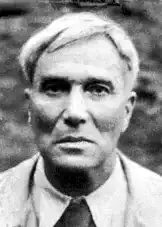
Boris Pasternak
To the Memory of Demon
To the Memory of Demon
Used to come in the blue
Of the glacier, at night, from Tamara.
With his wingtips he drew
Where the nightmares should boom, where to bar them.
Did not sob, nor entwine
The denuded, the wounded, the ailing…
A stone slab has survived
By the Georgian church, at the railings.
Hunchback shadows, distressed,
Did not dance by the fence of the temple.
Soft, about the princess
The zurna did not question the lamplight,
But the sparks in his hair
Were aglitter and bursting phosphorous,
And the giant did not hear
The dark Caucasus greying for sorrow.
Used to come in the blue
Of the glacier, at night, from Tamara.
With his wingtips he drew
Where the nightmares should boom, where to bar them.
Did not sob, nor entwine
The denuded, the wounded, the ailing…
A stone slab has survived
By the Georgian church, at the railings.
Hunchback shadows, distressed,
Did not dance by the fence of the temple.
Soft, about the princess
The zurna did not question the lamplight,
But the sparks in his hair
Were aglitter and bursting phosphorous,
And the giant did not hear
The dark Caucasus greying for sorrow.
547
Boris Pasternak
Oh terrible, beloved! A poet's loving
Oh terrible, beloved! A poet's loving
Oh terrible, beloved! A poet's loving
Is a restless god's passionate rage,
And chaos out into the world comes creeping,
As in the ancient fossil age.
His eyes weep him mist by the ton,
Enveloped in tears he is mammoth-like,
Out of fashion. He knows it must not be done.
Ages have passed-he does not know why.
He sees wedding parties all around,
Drunken unions celebrated unaware,
Common frogspawn found in every pond
Ritually adorned as precious caviare.
Like some Watteau pearl, how cleverly
A snuffbox embraces all life's matter,
And vengeance is wreaked on him, probably
Because, where they distort and flatter,
Where simpering comfort lies and fawns,
Where they rub idle shoulders, crawl like drones,
He will raise your sister from the ground,
Use her like a bacchante from the Grecian urns,
And pour into his kiss the Andes' melting,
And morning in the steppe, under the sway
Of dusted stars, as night's pallid bleating
Bustles about the village on its way.
And the botanical vestry's dense blackness,
And all the ravine's age-old breath,
Waft over the ennui of the stuffed mattress,
And the forest's ancient chaos spurts forth
Oh terrible, beloved! A poet's loving
Is a restless god's passionate rage,
And chaos out into the world comes creeping,
As in the ancient fossil age.
His eyes weep him mist by the ton,
Enveloped in tears he is mammoth-like,
Out of fashion. He knows it must not be done.
Ages have passed-he does not know why.
He sees wedding parties all around,
Drunken unions celebrated unaware,
Common frogspawn found in every pond
Ritually adorned as precious caviare.
Like some Watteau pearl, how cleverly
A snuffbox embraces all life's matter,
And vengeance is wreaked on him, probably
Because, where they distort and flatter,
Where simpering comfort lies and fawns,
Where they rub idle shoulders, crawl like drones,
He will raise your sister from the ground,
Use her like a bacchante from the Grecian urns,
And pour into his kiss the Andes' melting,
And morning in the steppe, under the sway
Of dusted stars, as night's pallid bleating
Bustles about the village on its way.
And the botanical vestry's dense blackness,
And all the ravine's age-old breath,
Waft over the ennui of the stuffed mattress,
And the forest's ancient chaos spurts forth
465
Boris Pasternak
My desk is not so wide that I might lean
My desk is not so wide that I might lean
My desk is not so wide that I might lean
Against the edge and reach out past the shell
Of board and glass, beyond the isthmus in
The endless miles of my scraped out farewell.
(It's night there now.) Beyond your sultry neck.
(They went to bed.) Behind your shoulders' realm.
(Switched off the light.) At dawn, I'd give them back.
The porch would touch them with a sleepy stem.
No, not with snowflakes! With your arms! Reach far!
Oh you, ten fingers of my pain, the light
Of crystal winter stars-and every star
A sign of northbound snowbound trains being late.
My desk is not so wide that I might lean
Against the edge and reach out past the shell
Of board and glass, beyond the isthmus in
The endless miles of my scraped out farewell.
(It's night there now.) Beyond your sultry neck.
(They went to bed.) Behind your shoulders' realm.
(Switched off the light.) At dawn, I'd give them back.
The porch would touch them with a sleepy stem.
No, not with snowflakes! With your arms! Reach far!
Oh you, ten fingers of my pain, the light
Of crystal winter stars-and every star
A sign of northbound snowbound trains being late.
489
Boris Pasternak
I hang limp on the Creator's pen
I hang limp on the Creator's pen
I hang limp on the Creator's pen
Like a large drop of lilac gloss-paint.
Underneath are dykes' secrets; the air
From the railways is sodden and sticky,
Of the fumes of coal and night fires reeking.
But the moment night kills sunset's glare,
It turns pink itself, tinged with far flares,
And the fence stands stiff, paradox-stricken.
It keeps muttering: stop it till dawn.
Let the dry whiting finally settle.
Hard as nails is the worm-eaten ground,
And the echo's as keen as a skittle.
Warm spring wind, spots of cheviot and mud,
Early naileries' hoots faraway,
On the grater of cobble-stones road,
As on radishes lavishly sprayed,
Tears stand out clearly at break of day.
Like an acrid drop of thick lead paint,
I hang on to the Creator's pen.
I hang limp on the Creator's pen
Like a large drop of lilac gloss-paint.
Underneath are dykes' secrets; the air
From the railways is sodden and sticky,
Of the fumes of coal and night fires reeking.
But the moment night kills sunset's glare,
It turns pink itself, tinged with far flares,
And the fence stands stiff, paradox-stricken.
It keeps muttering: stop it till dawn.
Let the dry whiting finally settle.
Hard as nails is the worm-eaten ground,
And the echo's as keen as a skittle.
Warm spring wind, spots of cheviot and mud,
Early naileries' hoots faraway,
On the grater of cobble-stones road,
As on radishes lavishly sprayed,
Tears stand out clearly at break of day.
Like an acrid drop of thick lead paint,
I hang on to the Creator's pen.
481
Boris Pasternak
After the Interval
After the Interval
About three months ago, when first
Upon our open, unprotected
And freezing garden snowstorms burst
In sudden fury, I reflected
That I would shut myself away
And in seclusion write a section
Of winter poems, day by day,
To supplement my spring collection.
But nonsense piled up mountain-high,
Like snow-drifts hindering and stifling
And half the winter had gone by,
Against all hopes, in petty trifling.
I understood, alas, too late
Why winter-while the snow was falling,
Piercing the darkness with its flakes-
From outside at my house was calling;
And while with numb white-frozen lips
It whispered, urging me to hurry,
I sharpened pencils, played with clips,
Made feeble jokes and did not worry.
While at my desk I dawdled on
By lamp-light on an early morning,
The winter had appeared and gone-
A wasted and unheeded warning.
About three months ago, when first
Upon our open, unprotected
And freezing garden snowstorms burst
In sudden fury, I reflected
That I would shut myself away
And in seclusion write a section
Of winter poems, day by day,
To supplement my spring collection.
But nonsense piled up mountain-high,
Like snow-drifts hindering and stifling
And half the winter had gone by,
Against all hopes, in petty trifling.
I understood, alas, too late
Why winter-while the snow was falling,
Piercing the darkness with its flakes-
From outside at my house was calling;
And while with numb white-frozen lips
It whispered, urging me to hurry,
I sharpened pencils, played with clips,
Made feeble jokes and did not worry.
While at my desk I dawdled on
By lamp-light on an early morning,
The winter had appeared and gone-
A wasted and unheeded warning.
603
Boris Pasternak
A Sultrier Dawn
A Sultrier Dawn
All morning high up on the eaves
Above your window
A dove kept cooing.
Like shirtsleeves The boughs seemed frayed.
It drizzled. Clouds came low to raid
The dusty marketplace.
My anguish on a peddlar's tray
They rocked;
I was afraid.
I begged the clouds that they should stop.
It seemed that they could hear me.
Dawn was as grey as in the shrub
Grey prisoners' angry murmur.
I pleaded with them to bring near
The hour when I would hear
Tidbits of shattered songs
And your wash-basin's roar and splash
Like mountain torrents' headlong rush,
The heat of cheek and brow
On glass as hot as ice and on
The pier-glass table flow.
My plea could not be heard on high
Because the clouds
Talked much too loud
Behind their flag in powdered quiet
Wet like a heavy army coat,
Like threshed sheaves' dusty rub-a-dub
Or like a quarrel in the shrub.
I pleaded with themDon't
torment me!
I can't sleep.
But-it was drizzling; dragging feet,
The clouds marched down the dusty street
Like recruits from the village in the morning.
They dragged themselves along
An hour or an age,
Like prisoners of war,
Or like the dying wheeze:
'Nurse please,
Some water.'
All morning high up on the eaves
Above your window
A dove kept cooing.
Like shirtsleeves The boughs seemed frayed.
It drizzled. Clouds came low to raid
The dusty marketplace.
My anguish on a peddlar's tray
They rocked;
I was afraid.
I begged the clouds that they should stop.
It seemed that they could hear me.
Dawn was as grey as in the shrub
Grey prisoners' angry murmur.
I pleaded with them to bring near
The hour when I would hear
Tidbits of shattered songs
And your wash-basin's roar and splash
Like mountain torrents' headlong rush,
The heat of cheek and brow
On glass as hot as ice and on
The pier-glass table flow.
My plea could not be heard on high
Because the clouds
Talked much too loud
Behind their flag in powdered quiet
Wet like a heavy army coat,
Like threshed sheaves' dusty rub-a-dub
Or like a quarrel in the shrub.
I pleaded with themDon't
torment me!
I can't sleep.
But-it was drizzling; dragging feet,
The clouds marched down the dusty street
Like recruits from the village in the morning.
They dragged themselves along
An hour or an age,
Like prisoners of war,
Or like the dying wheeze:
'Nurse please,
Some water.'
567
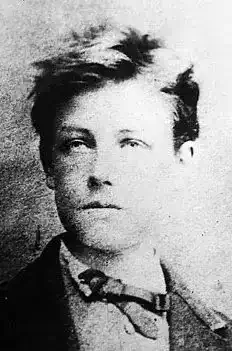
Arthur Rimbaud
Working People
Working People
O that warm February morning!
The untimely south came
to stir up our absurd paupers' memories,
our young distress.
Henrika had on a brown
and white checked cotton skirt
which must have been worn in the last century,
a bonnet with ribbons and a silk scarf.
It was much sadder than any mourning.
We were taking a stroll in the suburbs.
The weather was overcast
and that wind from the south
excited all the evil odors of the desolate
garden and the dried fields.
It did not seem to weary my wife as it did me.
In a puddle left by the rains of the preceding month,
on a fairly high path,
she called my attention to some very little fishes.
The city with its smoke and its factory noises
followed us far out along the roads.
O other world, habituation
blessed by sky and shade!
The south brought black miserable memories
of my childhood, my summer despairs,
the horrible quantity of strength
and of knowledge that fate has always kept from me.
No! we will not spend the summer
in this avaricious country
where we shall never be anything
but affianced orphans.
I want this hardened arm
to stop dragging _a cherished image._
O that warm February morning!
The untimely south came
to stir up our absurd paupers' memories,
our young distress.
Henrika had on a brown
and white checked cotton skirt
which must have been worn in the last century,
a bonnet with ribbons and a silk scarf.
It was much sadder than any mourning.
We were taking a stroll in the suburbs.
The weather was overcast
and that wind from the south
excited all the evil odors of the desolate
garden and the dried fields.
It did not seem to weary my wife as it did me.
In a puddle left by the rains of the preceding month,
on a fairly high path,
she called my attention to some very little fishes.
The city with its smoke and its factory noises
followed us far out along the roads.
O other world, habituation
blessed by sky and shade!
The south brought black miserable memories
of my childhood, my summer despairs,
the horrible quantity of strength
and of knowledge that fate has always kept from me.
No! we will not spend the summer
in this avaricious country
where we shall never be anything
but affianced orphans.
I want this hardened arm
to stop dragging _a cherished image._
543
Arthur Rimbaud
The Soul
The Soul
Eternal Undines, split the pure water.
Venus, sister of azure, stir up the clear wave.
Wandering Jews of Norway, tell me of snow;
old beloved exiles tell me of the sea.
Myself: No, no more of these pure drinks,
these water-flowers for glasses;
neither legends nor faces quench my thirst;
singer, your god-child is my thirst so mad,
a mouthless intimate hydra
which consumes and ravages.
Eternal Undines, split the pure water.
Venus, sister of azure, stir up the clear wave.
Wandering Jews of Norway, tell me of snow;
old beloved exiles tell me of the sea.
Myself: No, no more of these pure drinks,
these water-flowers for glasses;
neither legends nor faces quench my thirst;
singer, your god-child is my thirst so mad,
a mouthless intimate hydra
which consumes and ravages.
600
Arthur Rimbaud
Song Of The Highest Tower
Song Of The Highest Tower
Idle youth
Enslaved to everything,
By being too sensitive
I have wasted my life.
Ah ! Let the time come
When hearts are enamoured.
I said to myself : let be,
And let no one see you :
Do without the promise
Of higher joys.
Let nothing delay you,
Majestic retirement.
I have endured so long
That I have forgotten everything ;
Fear and suffering
Have flown to the skies.
And morbid thirst
Darkens my veins.
Thus the meadow
Given over to oblivion,
Grown up, and flowering
With frankincense and tares
To the wild buzzing
Of a hundred filthy flies.
Oh ! the thousand bereavements
Of the poor soul
Which possesses only the image
Of Our Lady ! Can one pray
To the Virgin Mary ?
Idle youth
Enslaved by everything,
By being too sensitive
I have wasted my life.
Ah ! Let the time come
When hearts are enamoured !
Idle youth
Enslaved to everything,
By being too sensitive
I have wasted my life.
Ah ! Let the time come
When hearts are enamoured.
I said to myself : let be,
And let no one see you :
Do without the promise
Of higher joys.
Let nothing delay you,
Majestic retirement.
I have endured so long
That I have forgotten everything ;
Fear and suffering
Have flown to the skies.
And morbid thirst
Darkens my veins.
Thus the meadow
Given over to oblivion,
Grown up, and flowering
With frankincense and tares
To the wild buzzing
Of a hundred filthy flies.
Oh ! the thousand bereavements
Of the poor soul
Which possesses only the image
Of Our Lady ! Can one pray
To the Virgin Mary ?
Idle youth
Enslaved by everything,
By being too sensitive
I have wasted my life.
Ah ! Let the time come
When hearts are enamoured !
789
Arthur Rimbaud
May Banners
May Banners
In the bright lime-tree branches
Dies a fainting mort. But lively song
Flutters among the currant bushes.
So that our bloods may laugh in our veins,
See the vines tangling themselves.
The sky is as pretty as an angel,
The azure and the wave commune.
I go out. If a sunbeam wounds me
I shall succumb on the moss.
Being patient and being bored
Are too simple. To the devil with my cares.
I want dramatic summer
To bind me to its chariot of fortune.
Let me most because of you, o Nature, -
Ah ! less alone and less useless ! - die.
There where the Shepherds, it's strange,
Die more or less because of the world.
I am willing that the seasons should wear me out.
To you, Nature, I surrender ;
With my hunger and all my thirst.
And, if it please you, feed and water me.
Nothing, nothing at all deceives me ;
To laugh at the sun is to laugh at one's parents,
But I do not wish to laugh at anything ;
And may this misfortune go free.
~~
May Banners
(alternative translation
)
In the bright branches of the lindens dies a sickly hunting call.
But the lively songs fly about in the currant bushes.
So that our blood will laugh in our veins, here are the vines all entangled.
The sky is pretty as an angel.
The azure and the wave commune.
I go out. If a ray of light wounds me, I will expire on the moss
To be patient and to be bored are to simple. Fie* on my cares.
I want a dramatic summer to bind me to it's chariot of fortune.
Let me, o nature, mostly through you
-Ah ! less alone and less worthless ! - die.
In the place where the shepherds, it is strange,
die approximately through out the world
I am willing that the seasons wear me out.
To you nature, I give myself over;
And my hunger and all my thirst.
And, if you will, feed and water me.
Nothing at all deceives me;
To laugh at the sun is to laugh at one's parents,
but I do not want to laugh at anything;
And may this misfortune be free.
In the bright lime-tree branches
Dies a fainting mort. But lively song
Flutters among the currant bushes.
So that our bloods may laugh in our veins,
See the vines tangling themselves.
The sky is as pretty as an angel,
The azure and the wave commune.
I go out. If a sunbeam wounds me
I shall succumb on the moss.
Being patient and being bored
Are too simple. To the devil with my cares.
I want dramatic summer
To bind me to its chariot of fortune.
Let me most because of you, o Nature, -
Ah ! less alone and less useless ! - die.
There where the Shepherds, it's strange,
Die more or less because of the world.
I am willing that the seasons should wear me out.
To you, Nature, I surrender ;
With my hunger and all my thirst.
And, if it please you, feed and water me.
Nothing, nothing at all deceives me ;
To laugh at the sun is to laugh at one's parents,
But I do not wish to laugh at anything ;
And may this misfortune go free.
~~
May Banners
(alternative translation
)
In the bright branches of the lindens dies a sickly hunting call.
But the lively songs fly about in the currant bushes.
So that our blood will laugh in our veins, here are the vines all entangled.
The sky is pretty as an angel.
The azure and the wave commune.
I go out. If a ray of light wounds me, I will expire on the moss
To be patient and to be bored are to simple. Fie* on my cares.
I want a dramatic summer to bind me to it's chariot of fortune.
Let me, o nature, mostly through you
-Ah ! less alone and less worthless ! - die.
In the place where the shepherds, it is strange,
die approximately through out the world
I am willing that the seasons wear me out.
To you nature, I give myself over;
And my hunger and all my thirst.
And, if you will, feed and water me.
Nothing at all deceives me;
To laugh at the sun is to laugh at one's parents,
but I do not want to laugh at anything;
And may this misfortune be free.
525
Arthur Rimbaud
Friends
Friends
Come, the Wines are off to the seaside,
and the waves by the million!
Look at wild Bitter rolling from the mountain tops!
Let us reach, like good pilgrims, green-pillared Absinthe…
Myself: No more of these landscapes.
What is drunkenness, friends?
I had soon - rather, even - rot in the pond,
beneath the horrible scum, near the floating driftwood.
Come, the Wines are off to the seaside,
and the waves by the million!
Look at wild Bitter rolling from the mountain tops!
Let us reach, like good pilgrims, green-pillared Absinthe…
Myself: No more of these landscapes.
What is drunkenness, friends?
I had soon - rather, even - rot in the pond,
beneath the horrible scum, near the floating driftwood.
478
Arthur Rimbaud
Evening Prayer
Evening Prayer
I spend my life sitting - like an angel
in the hands of a barber - a deeply fluted beer mug
in my fist, belly and neck curved,
a Gambier pipe in my teeth, under the air
swelling with impalpable veils of smoke.
Like the warm excrements in an old dovecote,
a thousand dreams burn softly inside me,
and at times my sad heart is like sap-wood bled
on by the dark yellow gold of its sweats.
Then, when I have carefully swallowed my dreams,
I turn, having drunk thirty or forty tankards,
and gather myself together to relieve bitter need:
As sweetly as the Saviour of Hyssops
and of Cedar I piss towards dark skies,
very high and very far;
and receive the approval of the great heliotropes.
I spend my life sitting - like an angel
in the hands of a barber - a deeply fluted beer mug
in my fist, belly and neck curved,
a Gambier pipe in my teeth, under the air
swelling with impalpable veils of smoke.
Like the warm excrements in an old dovecote,
a thousand dreams burn softly inside me,
and at times my sad heart is like sap-wood bled
on by the dark yellow gold of its sweats.
Then, when I have carefully swallowed my dreams,
I turn, having drunk thirty or forty tankards,
and gather myself together to relieve bitter need:
As sweetly as the Saviour of Hyssops
and of Cedar I piss towards dark skies,
very high and very far;
and receive the approval of the great heliotropes.
643
Arthur Rimbaud
Being Beauteous
Being Beauteous
Against a fall of snow, a Being Beauiful, and very tall.
Whistlings of death and circles of faint music
Make this adored body, swelling and trembling
Like a specter, rise...
Black and scarlet gashes burst in the gleaming flesh.
The true colors of life grow dark,
Shimmering and sperate
In the scaffolding, around the Vision.
Shiverings mutter and rise,
And the furious taste of these effects is charged
With deadly whistlings and the raucous music
That the world, far behind us, hurls at our mother of beauty...
She retreats, she rises up...
Oh! Our bones have put on new flesh, for love.
Oh ash-white face
Oh tousled hair
O crystal arms!
On this cannot I mean to destroy myself
In a swirling of trees and soft air!
Against a fall of snow, a Being Beauiful, and very tall.
Whistlings of death and circles of faint music
Make this adored body, swelling and trembling
Like a specter, rise...
Black and scarlet gashes burst in the gleaming flesh.
The true colors of life grow dark,
Shimmering and sperate
In the scaffolding, around the Vision.
Shiverings mutter and rise,
And the furious taste of these effects is charged
With deadly whistlings and the raucous music
That the world, far behind us, hurls at our mother of beauty...
She retreats, she rises up...
Oh! Our bones have put on new flesh, for love.
Oh ash-white face
Oh tousled hair
O crystal arms!
On this cannot I mean to destroy myself
In a swirling of trees and soft air!
850

Anonymous
Phillada flouts Me
Phillada flouts Me
O WHAT a plague is love!
How shall I bear it?
She will inconstant prove,
I greatly fear it.
She so torments my mind
That my strength faileth,
And wavers with the wind
As a ship saileth.
Please her the best I may,
She loves still to gainsay;
Alack and well-a-day!
Phillada flouts me.
At the fair yesterday
She did pass by me;
She look'd another way
And would not spy me:
I woo'd her for to dine,
But could not get her;
Will had her to the wine--
He might entreat her.
With Daniel she did dance,
On me she look'd askance:
O thrice unhappy chance!
Phillada flouts me.
Fair maid, be not so coy,
Do not disdain me!
I am my mother's joy:
Sweet, entertain me!
She'll give me, when she dies,
All that is fitting:
Her poultry and her bees,
And her goose sitting,
A pair of mattrass beds,
And a bag full of shreds;
And yet, for all this guedes,
Phillada flouts me!
She hath a clout of mine
Wrought with blue coventry,
Which she keeps for a sign
Of my fidelity:
But i' faith, if she flinch
She shall not wear it;
To Tib, my t'other wench,
I mean to bear it.
And yet it grieves my heart
So soon from her to part:
Death strike me with his dart!
Phillada flouts me.
Thou shalt eat crudded cream
All the year lasting,
And drink the crystal stream
Pleasant in tasting;
Whig and whey whilst thou lust,
And bramble-berries,
Pie-lid and pastry-crust,
Pears, plums, and cherries.
Thy raiment shall be thin,
Made of a weevil's skin--
Yet all 's not worth a pin!
Phillada flouts me.
In the last month of May
I made her posies;
I heard her often say
That she loved roses.
Cowslips and gillyflowers
And the white lily
I brought to deck the bowers
For my sweet Philly.
But she did all disdain,
And threw them back again;
Therefore 'tis flat and plain
Phillada flouts me.
Fair maiden, have a care,
And in time take me;
I can have those as fair
If you forsake me:
For Doll the dairy-maid
Laugh'd at me lately,
And wanton Winifred
Favours me greatly.
One throws milk on my clothes,
T'other plays with my nose;
What wanting signs are those?
Phillada flouts me.
I cannot work nor sleep
At all in season:
Love wounds my heart so deep
Without all reason.
I 'gin to pine away
In my love's shadow,
Like as a fat beast may,
Penn'd in a meadow.
I shall be dead, I fear,
Within this thousand year:
And all for that my dear
Phillada flouts me.
O WHAT a plague is love!
How shall I bear it?
She will inconstant prove,
I greatly fear it.
She so torments my mind
That my strength faileth,
And wavers with the wind
As a ship saileth.
Please her the best I may,
She loves still to gainsay;
Alack and well-a-day!
Phillada flouts me.
At the fair yesterday
She did pass by me;
She look'd another way
And would not spy me:
I woo'd her for to dine,
But could not get her;
Will had her to the wine--
He might entreat her.
With Daniel she did dance,
On me she look'd askance:
O thrice unhappy chance!
Phillada flouts me.
Fair maid, be not so coy,
Do not disdain me!
I am my mother's joy:
Sweet, entertain me!
She'll give me, when she dies,
All that is fitting:
Her poultry and her bees,
And her goose sitting,
A pair of mattrass beds,
And a bag full of shreds;
And yet, for all this guedes,
Phillada flouts me!
She hath a clout of mine
Wrought with blue coventry,
Which she keeps for a sign
Of my fidelity:
But i' faith, if she flinch
She shall not wear it;
To Tib, my t'other wench,
I mean to bear it.
And yet it grieves my heart
So soon from her to part:
Death strike me with his dart!
Phillada flouts me.
Thou shalt eat crudded cream
All the year lasting,
And drink the crystal stream
Pleasant in tasting;
Whig and whey whilst thou lust,
And bramble-berries,
Pie-lid and pastry-crust,
Pears, plums, and cherries.
Thy raiment shall be thin,
Made of a weevil's skin--
Yet all 's not worth a pin!
Phillada flouts me.
In the last month of May
I made her posies;
I heard her often say
That she loved roses.
Cowslips and gillyflowers
And the white lily
I brought to deck the bowers
For my sweet Philly.
But she did all disdain,
And threw them back again;
Therefore 'tis flat and plain
Phillada flouts me.
Fair maiden, have a care,
And in time take me;
I can have those as fair
If you forsake me:
For Doll the dairy-maid
Laugh'd at me lately,
And wanton Winifred
Favours me greatly.
One throws milk on my clothes,
T'other plays with my nose;
What wanting signs are those?
Phillada flouts me.
I cannot work nor sleep
At all in season:
Love wounds my heart so deep
Without all reason.
I 'gin to pine away
In my love's shadow,
Like as a fat beast may,
Penn'd in a meadow.
I shall be dead, I fear,
Within this thousand year:
And all for that my dear
Phillada flouts me.
253
Anonymous
Edom o' Gordon
Edom o' Gordon
IT fell about the Martinmas,
When the wind blew shrill and cauld,
Said Edom o' Gordon to his men,
'We maun draw to a hauld.
'And what a hauld sall we draw to,
My merry men and me?
We will gae to the house o' the Rodes,
To see that fair ladye.'
The lady stood on her castle wa',
Beheld baith dale and down;
There she was ware of a host of men
Cam riding towards the town.
'O see ye not, my merry men a',
O see ye not what I see?
Methinks I see a host of men;
I marvel wha they be.'
She ween'd it had been her lovely lord,
As he cam riding hame;
It was the traitor, Edom o' Gordon,
Wha reck'd nae sin nor shame.
She had nae sooner buskit hersell,
And putten on her gown,
But Edom o' Gordon an' his men
Were round about the town.
They had nae sooner supper set,
Nae sooner said the grace,
But Edom o' Gordon an' his men
Were lighted about the place.
The lady ran up to her tower-head,
Sae fast as she could hie,
To see if by her fair speeches
She could wi' him agree.
'Come doun to me, ye lady gay,
Come doun, come doun to me;
This night sall ye lig within mine arms,
To-morrow my bride sall be.'
'I winna come down, ye fals Gordon,
I winna come down to thee;
I winna forsake my ain dear lord,
That is sae far frae me.'
'Gie owre your house, ye lady fair,
Gie owre your house to me;
Or I sall brenn yoursel therein,
But and your babies three.'
'I winna gie owre, ye fals Gordon,
To nae sic traitor as yee;
And if ye brenn my ain dear babes,
My lord sall mak ye dree.
'Now reach my pistol, Glaud, my man,
And charge ye weel my gun;
For, but an I pierce that bluidy butcher,
My babes, we been undone!'
She stood upon her castle wa',
And let twa bullets flee:
She miss'd that bluidy butcher's heart,
And only razed his knee.
'Set fire to the house!' quo' fals Gordon,
All wud wi' dule and ire:
'Fals lady, ye sall rue this deid
As ye brenn in the fire!'
Wae worth, wae worth ye, Jock, my man!
I paid ye weel your fee;
Why pu' ye out the grund-wa' stane,
Lets in the reek to me?
'And e'en wae worth ye, Jock, my man!
I paid ye weel your hire;
Why pu' ye out the grund-wa' stane,
To me lets in the fire?'
'Ye paid me weel my hire, ladye,
Ye paid me weel my fee:
But now I'm Edom o' Gordon's man--
Maun either do or die.'
O then bespake her little son,
Sat on the nurse's knee:
Says, 'Mither dear, gie owre this house,
For the reek it smithers me.'
'I wad gie a' my gowd, my bairn,
Sae wad I a' my fee,
For ae blast o' the western wind,
To blaw the reek frae thee.'
O then bespake her dochter dear--
She was baith jimp and sma':
'O row me in a pair o' sheets,
And tow me owre the wa'!'
They row'd her in a pair o' sheets,
And tow'd her owre the wa';
But on the point o' Gordon's spear
She gat a deadly fa'.
O bonnie, bonnie was her mouth,
And cherry were her cheiks,
And clear, clear was her yellow hair,
Whereon the red blood dreips.
Then wi' his spear he turn'd her owre;
O gin her face was wane!
He said, 'Ye are the first that e'er
I wish'd alive again.'
He turn'd her owre and owre again;
O gin her skin was white!
'I might hae spared that bonnie face
To hae been some man's delight.
'Busk and boun, my merry men a',
For ill dooms I do guess;
I canna look in that bonnie face
As it lies on the grass.'
'Wha looks to freits, my master dear,
It 's freits will follow them;
Let it ne'er be said that Edom o' Gordon
Was daunted by a dame.'
But when the lady saw the fire
Come flaming owre her head,
She wept, and kiss'd her children twain,
Says, 'Bairns, we been but dead.'
The Gordon then his bugle blew,
And said, 'Awa', awa'!
This house o' the Rodes is a' in a flame;
I hauld it time to ga'.'
And this way lookit her ain dear lord,
As he cam owre the lea;
He saw his castle a' in a lowe,
As far as he could see.
The sair, O sair, his mind misgave,
And all his heart was wae:
'Put on, put on, my wighty men,
Sae fast as ye can gae.
'Put on, put on, my wighty men,
Sae fast as ye can drie!
For he that 's hindmost o' the thrang
Sall ne'er get good o' me.'
Then some they rade, and some they ran,
Out-owre the grass and bent;
But ere the foremost could win up,
Baith lady and babes were brent.
And after the Gordon he is gane,
Sae fast as he might drie;
And soon i' the Gordon's foul heart's blude
He 's wroken his dear ladye.
IT fell about the Martinmas,
When the wind blew shrill and cauld,
Said Edom o' Gordon to his men,
'We maun draw to a hauld.
'And what a hauld sall we draw to,
My merry men and me?
We will gae to the house o' the Rodes,
To see that fair ladye.'
The lady stood on her castle wa',
Beheld baith dale and down;
There she was ware of a host of men
Cam riding towards the town.
'O see ye not, my merry men a',
O see ye not what I see?
Methinks I see a host of men;
I marvel wha they be.'
She ween'd it had been her lovely lord,
As he cam riding hame;
It was the traitor, Edom o' Gordon,
Wha reck'd nae sin nor shame.
She had nae sooner buskit hersell,
And putten on her gown,
But Edom o' Gordon an' his men
Were round about the town.
They had nae sooner supper set,
Nae sooner said the grace,
But Edom o' Gordon an' his men
Were lighted about the place.
The lady ran up to her tower-head,
Sae fast as she could hie,
To see if by her fair speeches
She could wi' him agree.
'Come doun to me, ye lady gay,
Come doun, come doun to me;
This night sall ye lig within mine arms,
To-morrow my bride sall be.'
'I winna come down, ye fals Gordon,
I winna come down to thee;
I winna forsake my ain dear lord,
That is sae far frae me.'
'Gie owre your house, ye lady fair,
Gie owre your house to me;
Or I sall brenn yoursel therein,
But and your babies three.'
'I winna gie owre, ye fals Gordon,
To nae sic traitor as yee;
And if ye brenn my ain dear babes,
My lord sall mak ye dree.
'Now reach my pistol, Glaud, my man,
And charge ye weel my gun;
For, but an I pierce that bluidy butcher,
My babes, we been undone!'
She stood upon her castle wa',
And let twa bullets flee:
She miss'd that bluidy butcher's heart,
And only razed his knee.
'Set fire to the house!' quo' fals Gordon,
All wud wi' dule and ire:
'Fals lady, ye sall rue this deid
As ye brenn in the fire!'
Wae worth, wae worth ye, Jock, my man!
I paid ye weel your fee;
Why pu' ye out the grund-wa' stane,
Lets in the reek to me?
'And e'en wae worth ye, Jock, my man!
I paid ye weel your hire;
Why pu' ye out the grund-wa' stane,
To me lets in the fire?'
'Ye paid me weel my hire, ladye,
Ye paid me weel my fee:
But now I'm Edom o' Gordon's man--
Maun either do or die.'
O then bespake her little son,
Sat on the nurse's knee:
Says, 'Mither dear, gie owre this house,
For the reek it smithers me.'
'I wad gie a' my gowd, my bairn,
Sae wad I a' my fee,
For ae blast o' the western wind,
To blaw the reek frae thee.'
O then bespake her dochter dear--
She was baith jimp and sma':
'O row me in a pair o' sheets,
And tow me owre the wa'!'
They row'd her in a pair o' sheets,
And tow'd her owre the wa';
But on the point o' Gordon's spear
She gat a deadly fa'.
O bonnie, bonnie was her mouth,
And cherry were her cheiks,
And clear, clear was her yellow hair,
Whereon the red blood dreips.
Then wi' his spear he turn'd her owre;
O gin her face was wane!
He said, 'Ye are the first that e'er
I wish'd alive again.'
He turn'd her owre and owre again;
O gin her skin was white!
'I might hae spared that bonnie face
To hae been some man's delight.
'Busk and boun, my merry men a',
For ill dooms I do guess;
I canna look in that bonnie face
As it lies on the grass.'
'Wha looks to freits, my master dear,
It 's freits will follow them;
Let it ne'er be said that Edom o' Gordon
Was daunted by a dame.'
But when the lady saw the fire
Come flaming owre her head,
She wept, and kiss'd her children twain,
Says, 'Bairns, we been but dead.'
The Gordon then his bugle blew,
And said, 'Awa', awa'!
This house o' the Rodes is a' in a flame;
I hauld it time to ga'.'
And this way lookit her ain dear lord,
As he cam owre the lea;
He saw his castle a' in a lowe,
As far as he could see.
The sair, O sair, his mind misgave,
And all his heart was wae:
'Put on, put on, my wighty men,
Sae fast as ye can gae.
'Put on, put on, my wighty men,
Sae fast as ye can drie!
For he that 's hindmost o' the thrang
Sall ne'er get good o' me.'
Then some they rade, and some they ran,
Out-owre the grass and bent;
But ere the foremost could win up,
Baith lady and babes were brent.
And after the Gordon he is gane,
Sae fast as he might drie;
And soon i' the Gordon's foul heart's blude
He 's wroken his dear ladye.
205
Anonymous
Advice to a Lover
Advice to a Lover
The sea hath many thousand sands,
The sun hath motes as many;
The sky is full of stars, and Love
As full of woes as any:
Believe me, that do know the elf,
And make no trial by thyself!
It is in truth a pretty toy
For babes to play withal:
But O, the honies of our youth
Are oft our age's gall:
Self-proof in time will make thee know
He was a prophet told thee so:
A prophet that, Cassandra-like,
Tells truth without belief;
For headstrong Youth will run his race,
Although his goal be grief: -
Love's Martyr, when his heat is past,
Proves Care's Confessor at the last.
The sea hath many thousand sands,
The sun hath motes as many;
The sky is full of stars, and Love
As full of woes as any:
Believe me, that do know the elf,
And make no trial by thyself!
It is in truth a pretty toy
For babes to play withal:
But O, the honies of our youth
Are oft our age's gall:
Self-proof in time will make thee know
He was a prophet told thee so:
A prophet that, Cassandra-like,
Tells truth without belief;
For headstrong Youth will run his race,
Although his goal be grief: -
Love's Martyr, when his heat is past,
Proves Care's Confessor at the last.
238
Anonymous
Episode
Episode
"THEN he goes to his chamber, a grief-song chants
alone for his lost. Too large all seems,
homestead and house. So the helmet-of-Weders
hid in his heart for Herebeald
waves of woe. No way could he take
to avenge on the slayer slaughter so foul;
nor e'en could he harass that hero at all
with loathing deed, though he loved him not.
And so for the sorrow his soul endured,
men's gladness he gave up and God's light chose.
Lands and cities he left his sons
(as the wealthy do) when he went from earth.
There was strife and struggle 'twixt Swede and Geat
o'er the width of waters; war arose,
hard battle-horror, when Hrethel died,
and Ongentheow's offspring grew
strife-keen, bold, nor brooked o'er the seas
pact of peace, but pushed their hosts
to harass in hatred by Hreosnabeorh.
Men of my folk for that feud had vengeance,
for woful war ('tis widely known),
though one of them bought it with blood of his heart,
a bargain hard: for Haethcyn proved
fatal that fray, for the first-of-Geats.
At morn, I heard, was the murderer killed
by kinsman for kinsman, with clash of sword,
when Ongentheow met Eofor there.
Wide split the war-helm: wan he fell,
hoary Scylfing; the hand that smote him
of feud was mindful, nor flinched from the death-blow.
-- "For all that he gave me, my gleaming sword
repaid him at war, -- such power I wielded, --
for lordly treasure: with land he entrusted me,
homestead and house. He had no need
from Swedish realm, or from Spear-Dane folk,
or from men of the Gifths, to get him help, --
some warrior worse for wage to buy!
Ever I fought in the front of all,
sole to the fore; and so shall I fight
while I bide in life and this blade shall last
that early and late hath loyal proved
since for my doughtiness Daeghrefn fell,
slain by my hand, the Hugas' champion.
Nor fared he thence to the Frisian king
with the booty back, and breast-adornments;
but, slain in struggle, that standard-bearer
fell, atheling brave. Not with blade was he slain,
but his bones were broken by brawny gripe,
his heart-waves stilled. -- The sword-edge now,
hard blade and my hand, for the hoard shall strive."
Beowulf spake, and a battle-vow made
his last of all: "I have lived through many
wars in my youth; now once again,
old folk-defender, feud will I seek,
do doughty deeds, if the dark destroyer
forth from his cavern come to fight me!"
Then hailed he the helmeted heroes all,
for the last time greeting his liegemen dear,
comrades of war: "I should carry no weapon,
no sword to the serpent, if sure I knew
how, with such enemy, else my vows
I could gain as I did in Grendel's day.
But fire in this fight I must fear me now,
and poisonous breath; so I bring with me
breastplate and board. From the barrow's keeper
no footbreadth flee I. One fight shall end
our war by the wall, as Wyrd allots,
all mankind's master. My mood is bold
but forbears to boast o'er this battling-flyer.
-- Now abide by the barrow, ye breastplate-mailed,
ye heroes in harness, which of us twain
better from battle-rush bear his wounds.
Wait ye the finish. The fight is not yours,
nor meet for any but me alone
to measure might with this monster here
and play the hero. Hardily I
shall win that wealth, or war shall seize,
cruel killing, your king and lord!"
Up stood then with shield the sturdy champion,
stayed by the strength of his single manhood,
and hardy 'neath helmet his harness bore
under cleft of the cliffs: no coward's path!
Soon spied by the wall that warrior chief,
survivor of many a victory-field
where foemen fought with furious clashings,
an arch of stone; and within, a stream
that broke from the barrow. The brooklet's wave
was hot with fire. The hoard that way
he never could hope unharmed to near,
or endure those deeps, for the dragon's flame.
Then let from his breast, for he burst with rage,
the Weder-Geat prince a word outgo;
stormed the stark-heart; stern went ringing
and clear his cry 'neath the cliff-rocks gray.
The hoard-guard heard a human voice;
his rage was enkindled. No respite now
for pact of peace! The poison-breath
of that foul worm first came forth from the cave,
hot reek-of-fight: the rocks resounded.
Stout by the stone-way his shield he raised,
lord of the Geats, against the loathed-one;
while with courage keen that coiled foe
came seeking strife. The sturdy king
had drawn his sword, not dull of edge,
heirloom old; and each of the two
felt fear of his foe, though fierce their mood.
Stoutly stood with his shield high-raised
the warrior king, as the worm now coiled
together amain: the mailed-one waited.
Now, spire by spire, fast sped and glided
that blazing serpent. The shield protected,
soul and body a shorter while
for the hero-king than his heart desired,
could his will have wielded the welcome respite
but once in his life! But Wyrd denied it,
and victory's honors. -- His arm he lifted
lord of the Geats, the grim foe smote
with atheling's heirloom. Its edge was turned
brown blade, on the bone, and bit more feebly
than its noble master had need of then
in his baleful stress. -- Then the barrow's keeper
waxed full wild for that weighty blow,
cast deadly flames; wide drove and far
those vicious fires. No victor's glory
the Geats' lord boasted; his brand had failed,
naked in battle, as never it should,
excellent iron! -- 'Twas no easy path
that Ecgtheow's honored heir must tread
over the plain to the place of the foe;
for against his will he must win a home
elsewhere far, as must all men, leaving
this lapsing life! -- Not long it was
ere those champions grimly closed again.
The hoard-guard was heartened; high heaved hisbreast
once more; and by peril was pressed again,
enfolded in flames, the folk-commander!
Nor yet about him his band of comrades,
sons of athelings, armed stood
with warlike front: to the woods they bent them,
their lives to save. But the soul of one
with care was cumbered. Kinship true
can never be marred in a noble mind!
"THEN he goes to his chamber, a grief-song chants
alone for his lost. Too large all seems,
homestead and house. So the helmet-of-Weders
hid in his heart for Herebeald
waves of woe. No way could he take
to avenge on the slayer slaughter so foul;
nor e'en could he harass that hero at all
with loathing deed, though he loved him not.
And so for the sorrow his soul endured,
men's gladness he gave up and God's light chose.
Lands and cities he left his sons
(as the wealthy do) when he went from earth.
There was strife and struggle 'twixt Swede and Geat
o'er the width of waters; war arose,
hard battle-horror, when Hrethel died,
and Ongentheow's offspring grew
strife-keen, bold, nor brooked o'er the seas
pact of peace, but pushed their hosts
to harass in hatred by Hreosnabeorh.
Men of my folk for that feud had vengeance,
for woful war ('tis widely known),
though one of them bought it with blood of his heart,
a bargain hard: for Haethcyn proved
fatal that fray, for the first-of-Geats.
At morn, I heard, was the murderer killed
by kinsman for kinsman, with clash of sword,
when Ongentheow met Eofor there.
Wide split the war-helm: wan he fell,
hoary Scylfing; the hand that smote him
of feud was mindful, nor flinched from the death-blow.
-- "For all that he gave me, my gleaming sword
repaid him at war, -- such power I wielded, --
for lordly treasure: with land he entrusted me,
homestead and house. He had no need
from Swedish realm, or from Spear-Dane folk,
or from men of the Gifths, to get him help, --
some warrior worse for wage to buy!
Ever I fought in the front of all,
sole to the fore; and so shall I fight
while I bide in life and this blade shall last
that early and late hath loyal proved
since for my doughtiness Daeghrefn fell,
slain by my hand, the Hugas' champion.
Nor fared he thence to the Frisian king
with the booty back, and breast-adornments;
but, slain in struggle, that standard-bearer
fell, atheling brave. Not with blade was he slain,
but his bones were broken by brawny gripe,
his heart-waves stilled. -- The sword-edge now,
hard blade and my hand, for the hoard shall strive."
Beowulf spake, and a battle-vow made
his last of all: "I have lived through many
wars in my youth; now once again,
old folk-defender, feud will I seek,
do doughty deeds, if the dark destroyer
forth from his cavern come to fight me!"
Then hailed he the helmeted heroes all,
for the last time greeting his liegemen dear,
comrades of war: "I should carry no weapon,
no sword to the serpent, if sure I knew
how, with such enemy, else my vows
I could gain as I did in Grendel's day.
But fire in this fight I must fear me now,
and poisonous breath; so I bring with me
breastplate and board. From the barrow's keeper
no footbreadth flee I. One fight shall end
our war by the wall, as Wyrd allots,
all mankind's master. My mood is bold
but forbears to boast o'er this battling-flyer.
-- Now abide by the barrow, ye breastplate-mailed,
ye heroes in harness, which of us twain
better from battle-rush bear his wounds.
Wait ye the finish. The fight is not yours,
nor meet for any but me alone
to measure might with this monster here
and play the hero. Hardily I
shall win that wealth, or war shall seize,
cruel killing, your king and lord!"
Up stood then with shield the sturdy champion,
stayed by the strength of his single manhood,
and hardy 'neath helmet his harness bore
under cleft of the cliffs: no coward's path!
Soon spied by the wall that warrior chief,
survivor of many a victory-field
where foemen fought with furious clashings,
an arch of stone; and within, a stream
that broke from the barrow. The brooklet's wave
was hot with fire. The hoard that way
he never could hope unharmed to near,
or endure those deeps, for the dragon's flame.
Then let from his breast, for he burst with rage,
the Weder-Geat prince a word outgo;
stormed the stark-heart; stern went ringing
and clear his cry 'neath the cliff-rocks gray.
The hoard-guard heard a human voice;
his rage was enkindled. No respite now
for pact of peace! The poison-breath
of that foul worm first came forth from the cave,
hot reek-of-fight: the rocks resounded.
Stout by the stone-way his shield he raised,
lord of the Geats, against the loathed-one;
while with courage keen that coiled foe
came seeking strife. The sturdy king
had drawn his sword, not dull of edge,
heirloom old; and each of the two
felt fear of his foe, though fierce their mood.
Stoutly stood with his shield high-raised
the warrior king, as the worm now coiled
together amain: the mailed-one waited.
Now, spire by spire, fast sped and glided
that blazing serpent. The shield protected,
soul and body a shorter while
for the hero-king than his heart desired,
could his will have wielded the welcome respite
but once in his life! But Wyrd denied it,
and victory's honors. -- His arm he lifted
lord of the Geats, the grim foe smote
with atheling's heirloom. Its edge was turned
brown blade, on the bone, and bit more feebly
than its noble master had need of then
in his baleful stress. -- Then the barrow's keeper
waxed full wild for that weighty blow,
cast deadly flames; wide drove and far
those vicious fires. No victor's glory
the Geats' lord boasted; his brand had failed,
naked in battle, as never it should,
excellent iron! -- 'Twas no easy path
that Ecgtheow's honored heir must tread
over the plain to the place of the foe;
for against his will he must win a home
elsewhere far, as must all men, leaving
this lapsing life! -- Not long it was
ere those champions grimly closed again.
The hoard-guard was heartened; high heaved hisbreast
once more; and by peril was pressed again,
enfolded in flames, the folk-commander!
Nor yet about him his band of comrades,
sons of athelings, armed stood
with warlike front: to the woods they bent them,
their lives to save. But the soul of one
with care was cumbered. Kinship true
can never be marred in a noble mind!
245
Anonymous
Beowulf (Episode )
Beowulf (Episode )
To him the stateliest spake in answer;
the warriors' leader his word-hoard unlocked: --
"We are by kin of the clan of Geats,
and Hygelac's own hearth-fellows we.
To folk afar was my father known,
noble atheling, Ecgtheow named.
Full of winters, he fared away
aged from earth; he is honored still
through width of the world by wise men all.
To thy lord and liege in loyal mood
we hasten hither, to Healfdene's son,
people-protector: be pleased to advise us!
To that mighty-one come we on mickle errand,
to the lord of the Danes; nor deem I right
that aught be hidden. We hear -- thou knowest
if sooth it is -- the saying of men,
that amid the Scyldings a scathing monster,
dark ill-doer, in dusky nights
shows terrific his rage unmatched,
hatred and murder. To Hrothgar I
in greatness of soul would succor bring,
so the Wise-and-Brave may worst his foes, --
if ever the end of ills is fated,
of cruel contest, if cure shall follow,
and the boiling care-waves cooler grow;
else ever afterward anguish-days
he shall suffer in sorrow while stands in place
high on its hill that house unpeered!"
Astride his steed, the strand-ward answered,
clansman unquailing: "The keen-souled thane
must be skilled to sever and sunder duly
words and works, if he well intends.
I gather, this band is graciously bent
to the Scyldings' master. March, then, bearing
weapons and weeds the way I show you.
I will bid my men your boat meanwhile
to guard for fear lest foemen come, --
your new-tarred ship by shore of ocean
faithfully watching till once again
it waft o'er the waters those well-loved thanes,
-- winding-neck'd wood, -- to Weders' bounds,
heroes such as the hest of fate
shall succor and save from the shock of war."
They bent them to march, -- the boat lay still,
fettered by cable and fast at anchor,
broad-bosomed ship. -- Then shone the boars
over the cheek-guard; chased with gold,
keen and gleaming, guard it kept
o'er the man of war, as marched along
heroes in haste, till the hall they saw,
broad of gable and bright with gold:
that was the fairest, 'mid folk of earth,
of houses 'neath heaven, where Hrothgar lived,
and the gleam of it lightened o'er lands afar.
The sturdy shieldsman showed that bright
burg-of-the-boldest; bade them go
straightway thither; his steed then turned,
hardy hero, and hailed them thus: --
"Tis time that I fare from you. Father Almighty
in grace and mercy guard you well,
safe in your seekings. Seaward I go,
'gainst hostile warriors hold my watch."
To him the stateliest spake in answer;
the warriors' leader his word-hoard unlocked: --
"We are by kin of the clan of Geats,
and Hygelac's own hearth-fellows we.
To folk afar was my father known,
noble atheling, Ecgtheow named.
Full of winters, he fared away
aged from earth; he is honored still
through width of the world by wise men all.
To thy lord and liege in loyal mood
we hasten hither, to Healfdene's son,
people-protector: be pleased to advise us!
To that mighty-one come we on mickle errand,
to the lord of the Danes; nor deem I right
that aught be hidden. We hear -- thou knowest
if sooth it is -- the saying of men,
that amid the Scyldings a scathing monster,
dark ill-doer, in dusky nights
shows terrific his rage unmatched,
hatred and murder. To Hrothgar I
in greatness of soul would succor bring,
so the Wise-and-Brave may worst his foes, --
if ever the end of ills is fated,
of cruel contest, if cure shall follow,
and the boiling care-waves cooler grow;
else ever afterward anguish-days
he shall suffer in sorrow while stands in place
high on its hill that house unpeered!"
Astride his steed, the strand-ward answered,
clansman unquailing: "The keen-souled thane
must be skilled to sever and sunder duly
words and works, if he well intends.
I gather, this band is graciously bent
to the Scyldings' master. March, then, bearing
weapons and weeds the way I show you.
I will bid my men your boat meanwhile
to guard for fear lest foemen come, --
your new-tarred ship by shore of ocean
faithfully watching till once again
it waft o'er the waters those well-loved thanes,
-- winding-neck'd wood, -- to Weders' bounds,
heroes such as the hest of fate
shall succor and save from the shock of war."
They bent them to march, -- the boat lay still,
fettered by cable and fast at anchor,
broad-bosomed ship. -- Then shone the boars
over the cheek-guard; chased with gold,
keen and gleaming, guard it kept
o'er the man of war, as marched along
heroes in haste, till the hall they saw,
broad of gable and bright with gold:
that was the fairest, 'mid folk of earth,
of houses 'neath heaven, where Hrothgar lived,
and the gleam of it lightened o'er lands afar.
The sturdy shieldsman showed that bright
burg-of-the-boldest; bade them go
straightway thither; his steed then turned,
hardy hero, and hailed them thus: --
"Tis time that I fare from you. Father Almighty
in grace and mercy guard you well,
safe in your seekings. Seaward I go,
'gainst hostile warriors hold my watch."
237
Anonymous
Beowulf (Episode )
Beowulf (Episode )
WENT he forth to find at fall of night
that haughty house, and heed wherever
the Ring-Danes, outrevelled, to rest had gone.
Found within it the atheling band
asleep after feasting and fearless of sorrow,
of human hardship. Unhallowed wight,
grim and greedy, he grasped betimes,
wrathful, reckless, from resting-places,
thirty of the thanes, and thence he rushed
fain of his fell spoil, faring homeward,
laden with slaughter, his lair to seek.
Then at the dawning, as day was breaking,
the might of Grendel to men was known;
then after wassail was wail uplifted,
loud moan in the morn. The mighty chief,
atheling excellent, unblithe sat,
labored in woe for the loss of his thanes,
when once had been traced the trail of the fiend,
spirit accurst: too cruel that sorrow,
too long, too loathsome. Not late the respite;
with night returning, anew began
ruthless murder; he recked no whit,
firm in his guilt, of the feud and crime.
They were easy to find who elsewhere sought
in room remote their rest at night,
bed in the bowers, when that bale was shown,
was seen in sooth, with surest token, --
the hall-thane's hate. Such held themselves
far and fast who the fiend outran!
Thus ruled unrighteous and raged his fill
one against all; until empty stood
that lordly building, and long it bode so.
Twelve years' tide the trouble he bore,
sovran of Scyldings, sorrows in plenty,
boundless cares. There came unhidden
tidings true to the tribes of men,
in sorrowful songs, how ceaselessly Grendel
harassed Hrothgar, what hate he bore him,
what murder and massacre, many a year,
feud unfading, -- refused consent
to deal with any of Daneland's earls,
make pact of peace, or compound for gold:
still less did the wise men ween to get
great fee for the feud from his fiendish hands.
But the evil one ambushed old and young
death-shadow dark, and dogged them still,
lured, or lurked in the livelong night
of misty moorlands: men may say not
where the haunts of these Hell-Runes be.
Such heaping of horrors the hater of men,
lonely roamer, wrought unceasing,
harassings heavy. O'er Heorot he lorded,
gold-bright hall, in gloomy nights;
and ne'er could the prince approach his throne,
-- 'twas judgment of God, -- or have joy in his hall.
Sore was the sorrow to Scyldings'-friend,
heart-rending misery. Many nobles
sat assembled, and searched out counsel
how it were best for bold-hearted men
against harassing terror to try their hand.
Whiles they vowed in their heathen fanes
altar-offerings, asked with words
that the slayer-of-souls would succor give them
for the pain of their people. Their practice this,
their heathen hope; 'twas Hell they thought of
in mood of their mind. Almighty they knew not,
Doomsman of Deeds and dreadful Lord,
nor Heaven's-Helmet heeded they ever,
Wielder-of-Wonder. -- Woe for that man
who in harm and hatred hales his soul
to fiery embraces; -- nor favor nor change
awaits he ever. But well for him
that after death-day may draw to his Lord,
and friendship find in the Father's arms!
WENT he forth to find at fall of night
that haughty house, and heed wherever
the Ring-Danes, outrevelled, to rest had gone.
Found within it the atheling band
asleep after feasting and fearless of sorrow,
of human hardship. Unhallowed wight,
grim and greedy, he grasped betimes,
wrathful, reckless, from resting-places,
thirty of the thanes, and thence he rushed
fain of his fell spoil, faring homeward,
laden with slaughter, his lair to seek.
Then at the dawning, as day was breaking,
the might of Grendel to men was known;
then after wassail was wail uplifted,
loud moan in the morn. The mighty chief,
atheling excellent, unblithe sat,
labored in woe for the loss of his thanes,
when once had been traced the trail of the fiend,
spirit accurst: too cruel that sorrow,
too long, too loathsome. Not late the respite;
with night returning, anew began
ruthless murder; he recked no whit,
firm in his guilt, of the feud and crime.
They were easy to find who elsewhere sought
in room remote their rest at night,
bed in the bowers, when that bale was shown,
was seen in sooth, with surest token, --
the hall-thane's hate. Such held themselves
far and fast who the fiend outran!
Thus ruled unrighteous and raged his fill
one against all; until empty stood
that lordly building, and long it bode so.
Twelve years' tide the trouble he bore,
sovran of Scyldings, sorrows in plenty,
boundless cares. There came unhidden
tidings true to the tribes of men,
in sorrowful songs, how ceaselessly Grendel
harassed Hrothgar, what hate he bore him,
what murder and massacre, many a year,
feud unfading, -- refused consent
to deal with any of Daneland's earls,
make pact of peace, or compound for gold:
still less did the wise men ween to get
great fee for the feud from his fiendish hands.
But the evil one ambushed old and young
death-shadow dark, and dogged them still,
lured, or lurked in the livelong night
of misty moorlands: men may say not
where the haunts of these Hell-Runes be.
Such heaping of horrors the hater of men,
lonely roamer, wrought unceasing,
harassings heavy. O'er Heorot he lorded,
gold-bright hall, in gloomy nights;
and ne'er could the prince approach his throne,
-- 'twas judgment of God, -- or have joy in his hall.
Sore was the sorrow to Scyldings'-friend,
heart-rending misery. Many nobles
sat assembled, and searched out counsel
how it were best for bold-hearted men
against harassing terror to try their hand.
Whiles they vowed in their heathen fanes
altar-offerings, asked with words
that the slayer-of-souls would succor give them
for the pain of their people. Their practice this,
their heathen hope; 'twas Hell they thought of
in mood of their mind. Almighty they knew not,
Doomsman of Deeds and dreadful Lord,
nor Heaven's-Helmet heeded they ever,
Wielder-of-Wonder. -- Woe for that man
who in harm and hatred hales his soul
to fiery embraces; -- nor favor nor change
awaits he ever. But well for him
that after death-day may draw to his Lord,
and friendship find in the Father's arms!
247
Anonymous
Sir Patrick Spence
Sir Patrick Spence
The king sits in Dumferling toune,
Drinking the blude-reid wine:
"O whar will I get guid sailor,
To sail this schip of mine?"
Up and spak an eldern knicht,
Sat at the kings richt kne:
"Sir Patrick Spence is the best sailor
That sails upon the se."
The king has written a braid letter,
And signd it wi his hand,
And sent it to Sir Patrick Spence,
Was walking on the sand.
The first line that Sir Patrick red,
A loud lauch lauched he;
The next line that Sir Patrick red,
The teir blinded his ee.
"O wha is this has don this deid,
This ill deid don to me,
To send me out this time o' the yeir,
To sail upon the se!
"Mak hast, mak haste, my mirry men all,
Our guid schip sails the morne:"
"O say na sae, my master deir,
For I feir a deadlie storme.
"Late late yestreen I saw the new moone,
Wi the auld moone in hir arme,
And I feir, I feir, my deir master,
That we will cum to harme."
O our Scots nobles wer richt laith
To weet their cork-heild schoone;
Bot lang owre a' the play wer playd,
Thair hats they swam aboone.
O lang, lang may their ladies sit,
Wi thair fans into their hand,
Or eir they se Sir Patrick Spence
Cum sailing to the land.
O lang, lang may the ladies stand,
Wi thair gold kems in their hair,
Waiting for thair ain deir lords,
For they'll se thame na mair.
Haf owre, haf owre to Aberdour,
It's fiftie fadom deip,
And thair lies guid Sir Patrick Spence,
Wi the Scots lords at his feit.
The king sits in Dumferling toune,
Drinking the blude-reid wine:
"O whar will I get guid sailor,
To sail this schip of mine?"
Up and spak an eldern knicht,
Sat at the kings richt kne:
"Sir Patrick Spence is the best sailor
That sails upon the se."
The king has written a braid letter,
And signd it wi his hand,
And sent it to Sir Patrick Spence,
Was walking on the sand.
The first line that Sir Patrick red,
A loud lauch lauched he;
The next line that Sir Patrick red,
The teir blinded his ee.
"O wha is this has don this deid,
This ill deid don to me,
To send me out this time o' the yeir,
To sail upon the se!
"Mak hast, mak haste, my mirry men all,
Our guid schip sails the morne:"
"O say na sae, my master deir,
For I feir a deadlie storme.
"Late late yestreen I saw the new moone,
Wi the auld moone in hir arme,
And I feir, I feir, my deir master,
That we will cum to harme."
O our Scots nobles wer richt laith
To weet their cork-heild schoone;
Bot lang owre a' the play wer playd,
Thair hats they swam aboone.
O lang, lang may their ladies sit,
Wi thair fans into their hand,
Or eir they se Sir Patrick Spence
Cum sailing to the land.
O lang, lang may the ladies stand,
Wi thair gold kems in their hair,
Waiting for thair ain deir lords,
For they'll se thame na mair.
Haf owre, haf owre to Aberdour,
It's fiftie fadom deip,
And thair lies guid Sir Patrick Spence,
Wi the Scots lords at his feit.
307

Anne Brontë
Fragment
Fragment
Yes I will take a cheerful tone
And feign to share their heartless glee,
But I would rather weep alone
Than laugh amid their revelry.
Yes I will take a cheerful tone
And feign to share their heartless glee,
But I would rather weep alone
Than laugh amid their revelry.
88
Anne Brontë
A Voice From The Dungeon
A Voice From The Dungeon
I'm buried now; I've done with life;
I've done with hate, revenge and strife;
I've done with joy, and hope and love
And all the bustling world above.
Long have I dwelt forgotten here
In pining woe and dull despair;
This place of solitude and gloom
Must be my dungeon and my tomb.
No hope, no pleasure can I find:
I am grown weary of my mind;
Often in balmy sleep I try
To gain a rest from misery,
And in one hour of calm repose
To find a respite from my woes,
But dreamless sleep is not for me
And I am still in misery.
I dream of liberty, 'tis true,
But then I dream of sorrow too,
Of blood and guilt and horrid woes,
Of tortured friends and happy foes;
I dream about the world, but then
I dream of fiends instead of men;
Each smiling hope so quickly fades
And such a lurid gloom pervades
That world that
when I wake and see
Those dreary phantoms fade and flee,
Even in my dungeon I can smile,
And taste of joy a little while.
And yet it is not always so;
I dreamt a little while ago
That all was as it used to be:
A fresh free wind passed over me;
It was a pleasant summer's day,
The sun shone forth with cheering ray,
Methought a little lovely child
Looked up into my face and smiled.
My heart was full, I wept for joy,
It was my own, my darling boy;
I clasped him to my breast and he
Kissed me and laughed in childish glee.
Just them I heard in whisper sweet
A well known voice my name repeat.
His father stood before my eyes;
I gazed at him in mute surprise,
I thought he smiled and spoke to me,
But still in silent ecstasy
I gazed at him; I could not speak;
I uttered one long piercing shriek.
Alas! Alas! That cursed scream
Aroused me from my heavenly dream;
I looked around in wild despair,
I called them, but they were not there;
The father and the child are gone,
And I must live and die alone.
Marina Sabia
I'm buried now; I've done with life;
I've done with hate, revenge and strife;
I've done with joy, and hope and love
And all the bustling world above.
Long have I dwelt forgotten here
In pining woe and dull despair;
This place of solitude and gloom
Must be my dungeon and my tomb.
No hope, no pleasure can I find:
I am grown weary of my mind;
Often in balmy sleep I try
To gain a rest from misery,
And in one hour of calm repose
To find a respite from my woes,
But dreamless sleep is not for me
And I am still in misery.
I dream of liberty, 'tis true,
But then I dream of sorrow too,
Of blood and guilt and horrid woes,
Of tortured friends and happy foes;
I dream about the world, but then
I dream of fiends instead of men;
Each smiling hope so quickly fades
And such a lurid gloom pervades
That world that
when I wake and see
Those dreary phantoms fade and flee,
Even in my dungeon I can smile,
And taste of joy a little while.
And yet it is not always so;
I dreamt a little while ago
That all was as it used to be:
A fresh free wind passed over me;
It was a pleasant summer's day,
The sun shone forth with cheering ray,
Methought a little lovely child
Looked up into my face and smiled.
My heart was full, I wept for joy,
It was my own, my darling boy;
I clasped him to my breast and he
Kissed me and laughed in childish glee.
Just them I heard in whisper sweet
A well known voice my name repeat.
His father stood before my eyes;
I gazed at him in mute surprise,
I thought he smiled and spoke to me,
But still in silent ecstasy
I gazed at him; I could not speak;
I uttered one long piercing shriek.
Alas! Alas! That cursed scream
Aroused me from my heavenly dream;
I looked around in wild despair,
I called them, but they were not there;
The father and the child are gone,
And I must live and die alone.
Marina Sabia
84
Anne Brontë
A Prisoner in a Dungeon Deep
A Prisoner in a Dungeon Deep
A prisoner in a dungeon deep
Sat musing silently;
His head was rested on his hand,
His elbow on his knee.
Turned he his thoughts to future times
Or are they backward cast?
For freedom is he pining now
Or mourning for the past?
No, he has lived so long enthralled
Alone in dungeon gloom
That he has lost regret and hope,
Has ceased to mourn his doom.
He pines not for the light of day
Nor sighs for freedom now;
Such weary thoughts have ceased at length
To rack his burning brow.
Lost in a maze of wandering thoughts
He sits unmoving there;
That posture and that look proclaim
The stupor of despair.
Yet not for ever did that mood
Of sullen calm prevail;
There was a something in his eye
That told another tale.
It did not speak of reason gone,
It was not madness quite;
It was a fitful flickering fire,
A strange uncertain light.
And sooth to say, these latter years
Strange fancies now and then
Had filled his cell with scenes of life
And forms of living men.
A mind that cannot cease to think
Why needs he cherish there?
Torpor may bring relief to pain
And madness to despair.
Such wildering scenes, such flitting shapes
As feverish dreams display:
What if those fancies still increase
And reason quite decay?
But hark, what sounds have struck his ear;
Voices of men they seem;
And two have entered now his cell;
Can this too be a dream?
'Orlando, hear our joyful news:
Revenge and liberty!
Your foes are dead, and we are come
At last to set you free.'
So spoke the elder of the two,
And in the captive's eyes
He looked for gleaming ecstasy
But only found surprise.
'My foes are dead! It must be then
That all mankind are gone.
For they were all my deadly foes
And friends I had not one.'
A prisoner in a dungeon deep
Sat musing silently;
His head was rested on his hand,
His elbow on his knee.
Turned he his thoughts to future times
Or are they backward cast?
For freedom is he pining now
Or mourning for the past?
No, he has lived so long enthralled
Alone in dungeon gloom
That he has lost regret and hope,
Has ceased to mourn his doom.
He pines not for the light of day
Nor sighs for freedom now;
Such weary thoughts have ceased at length
To rack his burning brow.
Lost in a maze of wandering thoughts
He sits unmoving there;
That posture and that look proclaim
The stupor of despair.
Yet not for ever did that mood
Of sullen calm prevail;
There was a something in his eye
That told another tale.
It did not speak of reason gone,
It was not madness quite;
It was a fitful flickering fire,
A strange uncertain light.
And sooth to say, these latter years
Strange fancies now and then
Had filled his cell with scenes of life
And forms of living men.
A mind that cannot cease to think
Why needs he cherish there?
Torpor may bring relief to pain
And madness to despair.
Such wildering scenes, such flitting shapes
As feverish dreams display:
What if those fancies still increase
And reason quite decay?
But hark, what sounds have struck his ear;
Voices of men they seem;
And two have entered now his cell;
Can this too be a dream?
'Orlando, hear our joyful news:
Revenge and liberty!
Your foes are dead, and we are come
At last to set you free.'
So spoke the elder of the two,
And in the captive's eyes
He looked for gleaming ecstasy
But only found surprise.
'My foes are dead! It must be then
That all mankind are gone.
For they were all my deadly foes
And friends I had not one.'
78
Anne Brontë
And yet my comrades marked it not,
And yet my comrades marked it not,
My voice was still the same;
They saw me smile, and o'er my face No
signs of sadness came;
They little knew my hidden thoughts
And they will never know
The anguish of my drooping heart,
The bitter aching woe!
Olivia Vernon.
My voice was still the same;
They saw me smile, and o'er my face No
signs of sadness came;
They little knew my hidden thoughts
And they will never know
The anguish of my drooping heart,
The bitter aching woe!
Olivia Vernon.
81