

Poems in this topic
Protest, Resistance and Revolution
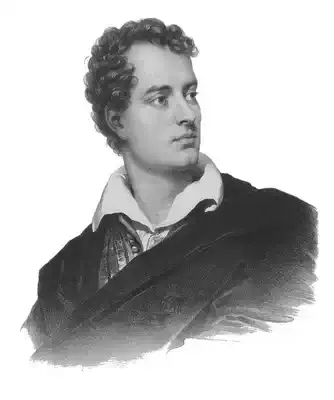
Lord Byron
On Jordan's Banks
On Jordan's Banks
On Jordan's banks the Arab's camels stray,
On Sion's hill the False One's votaries pray,
The Baaladorer
bows on Sinai's steep Yet
there even
there Oh
God! thy thunders sleep:
There where
thy finger scorch'd the tablet stone!
There where
thy shadow to thy people shone!
Thy glory shrouded in its garb of fire:
Thyself none
living see and not expire!
Oh! in the lightning let thy glance appear;
Sweep from his shiver'd hand the oppressor's spear!
How long by tyrants shall thy land be trod?
How long thy temple worshipless, Oh God?
On Jordan's banks the Arab's camels stray,
On Sion's hill the False One's votaries pray,
The Baaladorer
bows on Sinai's steep Yet
there even
there Oh
God! thy thunders sleep:
There where
thy finger scorch'd the tablet stone!
There where
thy shadow to thy people shone!
Thy glory shrouded in its garb of fire:
Thyself none
living see and not expire!
Oh! in the lightning let thy glance appear;
Sweep from his shiver'd hand the oppressor's spear!
How long by tyrants shall thy land be trod?
How long thy temple worshipless, Oh God?
1,293
1
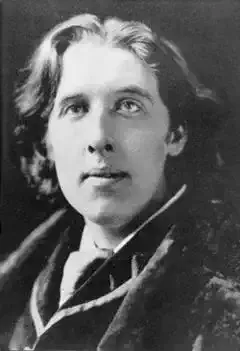
Oscar Wilde
Soneto: To Milton
Milton! I think thy spirit hath passed away
From these white cliffs and high-embattled towers;
This gorgeous fiery-coloured world of ours
Seems fallen into ashes dull and grey,
And the age changed unto a mimic play
Wherein we waste our else too-crowded hours:
For all our pomp and pageantry and powers
We are but fit to delve the common clay,
Seeing this little isle on which we stand,
This England, this sea-lion of the sea,
By ignorant demagogues is held in fee,
Who love her not: Dear God! is this the land
Which bare a triple empire in her hand
When Cromwell spake the word Democracy!
From these white cliffs and high-embattled towers;
This gorgeous fiery-coloured world of ours
Seems fallen into ashes dull and grey,
And the age changed unto a mimic play
Wherein we waste our else too-crowded hours:
For all our pomp and pageantry and powers
We are but fit to delve the common clay,
Seeing this little isle on which we stand,
This England, this sea-lion of the sea,
By ignorant demagogues is held in fee,
Who love her not: Dear God! is this the land
Which bare a triple empire in her hand
When Cromwell spake the word Democracy!
687
Oscar Wilde
Soneto: Sonnet To Liberty
Not that I love thy children, whose dull eyes
See nothing save their own unlovely woe,
Whose minds know nothing, nothing care to know,
But that the roar of thy Democracies,
Thy reigns of Terror, thy great Anarchies,
Mirror my wildest passions like the sea
And give my rage a brother -!Liberty!
For this sake only do thy dissonant cries
Delight my discreet soul, else might all kings
By bloody knout or treacherous cannonades
Rob nations of their rights inviolate
And I remain unmoved - and yet, and yet,
These Christs that die upon the barricades,
God knows it I am with them, in some things.
See nothing save their own unlovely woe,
Whose minds know nothing, nothing care to know,
But that the roar of thy Democracies,
Thy reigns of Terror, thy great Anarchies,
Mirror my wildest passions like the sea
And give my rage a brother -!Liberty!
For this sake only do thy dissonant cries
Delight my discreet soul, else might all kings
By bloody knout or treacherous cannonades
Rob nations of their rights inviolate
And I remain unmoved - and yet, and yet,
These Christs that die upon the barricades,
God knows it I am with them, in some things.
676
Oscar Wilde
Theoretikos
This mighty empire hath but feet of clay:
Of all its ancient chivalry and might
Our little island is forsaken quite:
Some enemy hath stolen its crown of bay,
And from its hills that voice hath passed away
Which spake of Freedom: O come out of it,
Come out of it, my Soul, thou art not fit
For this vile traffic-house, where day by day
Wisdom and reverence are sold at mart,
And the rude people rage with ignorant cries
Against an heritage of centuries.
It mars my calm: wherefore in dreams of Art
And loftiest culture I would stand apart,
Neither for God, nor for his enemies.
Of all its ancient chivalry and might
Our little island is forsaken quite:
Some enemy hath stolen its crown of bay,
And from its hills that voice hath passed away
Which spake of Freedom: O come out of it,
Come out of it, my Soul, thou art not fit
For this vile traffic-house, where day by day
Wisdom and reverence are sold at mart,
And the rude people rage with ignorant cries
Against an heritage of centuries.
It mars my calm: wherefore in dreams of Art
And loftiest culture I would stand apart,
Neither for God, nor for his enemies.
702
Oscar Wilde
Libertatis Sacra Fames
Albeit nurtured in democracy,
And liking best that state republican
Where every man is Kinglike and no man
Is crowned above his fellows, yet I see,
Spite of this modern fret for Liberty,
Better the rule of One, whom all obey,
Than to let clamorous demagogues betray
Our freedom with the kiss of anarchy.
Wherefore I love them not whose hands profane
Plant the red flag upon the piled-up street
For no right cause, beneath whose ignorant reign
Arts, Culture, Reverence, Honour, all things fade,
Save Treason and the dagger of her trade,
Or Murder with his silent bloody feet.
And liking best that state republican
Where every man is Kinglike and no man
Is crowned above his fellows, yet I see,
Spite of this modern fret for Liberty,
Better the rule of One, whom all obey,
Than to let clamorous demagogues betray
Our freedom with the kiss of anarchy.
Wherefore I love them not whose hands profane
Plant the red flag upon the piled-up street
For no right cause, beneath whose ignorant reign
Arts, Culture, Reverence, Honour, all things fade,
Save Treason and the dagger of her trade,
Or Murder with his silent bloody feet.
755
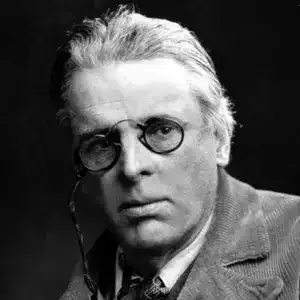
William Butler Yeats
Three Songs To The One Burden
Three Songs To The One Burden
THE Roaring Tinker if you like,
But Mannion is my name,
And I beat up the common sort
And think it is no shame.
The common breeds the common,
A lout begets a lout,
So when I take on half a score
I knock their heads about.
From mountain to mountain ride the fierce horsemen.
All Mannions come from Manannan,
Though rich on every shore
He never lay behind four walls
He had such character,
Nor ever made an iron red
Nor soldered pot or pan;
His roaring and his ranting
Best please a wandering man.
From mountain to mountain ride the fierce horsemen.
Could Crazy Jane put off old age
And ranting time renew,
Could that old god rise up again
We'd drink a can or two,
And out and lay our leadership
On country and on town,
Throw likely couples into bed
And knock the others down.
From mountain to mountain ride the fierce horsemen.
II
My name is Henry Middleton,
I have a small demesne,
A small forgotten house that's set
On a storm-bitten green.
I scrub its floors and make my bed,
I cook and change my plate,
The post and garden-boy alone
Have keys to my old gate.
From mountain to mountain ride the fierce horsemen.
Though I have locked my gate on them,
I pity all the young,
I know what devil's trade they learn
From those they live among,
Their drink, their pitch-and-toss by day,
Their robbery by night;
The wisdom of the people's gone,
How can the young go straight?
From mountain to mountain ride the fierce horsemen.
When every Sunday afternoon
On the Green Lands I walk
And wear a coat in fashion.
Memories of the talk
Of henwives and of queer old men
Brace me and make me strong;
There's not a pilot on the perch
Knows I have lived so long.
From mountain to mountain ride the fierce horsemen.
III
Come gather round me, players all:
Come praise Nineteen-Sixteen,
Those from the pit and gallery
Or from the painted scene
That fought in the Post Office
Or round the City Hall,
praise every man that came again,
Praise every man that fell.
From mountain to mountain ride the fierce horsemen.
Who was the first man shot that day?
The player Connolly,
Close to the City Hall he died;
Catriage and voice had he;
He lacked those years that go with skill,
But later might have been
A famous, a brilliant figure
Before the painted scene.
From mountain to mountain ride the fierce horsemen.
Some had no thought of victory
But had gone out to die
That Ireland's mind be greater,
Her heart mount up on high;
And yet who knows what's yet to come?
For patrick pearse had said
That in every generation
Must Ireland's blood be shed.
From mountain to mountain ride the fierce horsemen.
THE Roaring Tinker if you like,
But Mannion is my name,
And I beat up the common sort
And think it is no shame.
The common breeds the common,
A lout begets a lout,
So when I take on half a score
I knock their heads about.
From mountain to mountain ride the fierce horsemen.
All Mannions come from Manannan,
Though rich on every shore
He never lay behind four walls
He had such character,
Nor ever made an iron red
Nor soldered pot or pan;
His roaring and his ranting
Best please a wandering man.
From mountain to mountain ride the fierce horsemen.
Could Crazy Jane put off old age
And ranting time renew,
Could that old god rise up again
We'd drink a can or two,
And out and lay our leadership
On country and on town,
Throw likely couples into bed
And knock the others down.
From mountain to mountain ride the fierce horsemen.
II
My name is Henry Middleton,
I have a small demesne,
A small forgotten house that's set
On a storm-bitten green.
I scrub its floors and make my bed,
I cook and change my plate,
The post and garden-boy alone
Have keys to my old gate.
From mountain to mountain ride the fierce horsemen.
Though I have locked my gate on them,
I pity all the young,
I know what devil's trade they learn
From those they live among,
Their drink, their pitch-and-toss by day,
Their robbery by night;
The wisdom of the people's gone,
How can the young go straight?
From mountain to mountain ride the fierce horsemen.
When every Sunday afternoon
On the Green Lands I walk
And wear a coat in fashion.
Memories of the talk
Of henwives and of queer old men
Brace me and make me strong;
There's not a pilot on the perch
Knows I have lived so long.
From mountain to mountain ride the fierce horsemen.
III
Come gather round me, players all:
Come praise Nineteen-Sixteen,
Those from the pit and gallery
Or from the painted scene
That fought in the Post Office
Or round the City Hall,
praise every man that came again,
Praise every man that fell.
From mountain to mountain ride the fierce horsemen.
Who was the first man shot that day?
The player Connolly,
Close to the City Hall he died;
Catriage and voice had he;
He lacked those years that go with skill,
But later might have been
A famous, a brilliant figure
Before the painted scene.
From mountain to mountain ride the fierce horsemen.
Some had no thought of victory
But had gone out to die
That Ireland's mind be greater,
Her heart mount up on high;
And yet who knows what's yet to come?
For patrick pearse had said
That in every generation
Must Ireland's blood be shed.
From mountain to mountain ride the fierce horsemen.
403
William Butler Yeats
The O'Rahilly
The O'Rahilly
SING of the O'Rahilly,
Do not deny his right;
Sing a 'the' before his name;
Allow that he, despite
All those learned historians,
Established it for good;
He wrote out that word himself,
He christened himself with blood.
How goes the weather?
Sing of the O'Rahilly
That had such little sense
He told Pearse and Connolly
He'd gone to great expense
Keeping all the Kerry men
Out of that crazy fight;
That he might be there himself
Had travelled half the night.
How goes the weather?
'Am I such a craven that
I should not get the word
But for what some travelling man
Had heard I had not heard?'
Then on pearse and Connolly
He fixed a bitter look:
'Because I helped to wind the clock
I come to hear it strike.'
How goes the weather?
What remains to sing about
But of the death he met
Stretched under a doorway
Somewhere off Henry Street;
They that found him found upon
The door above his head
'Here died the O'Rahilly.
R.I.P.' writ in blood.
How goes the weather.?
SING of the O'Rahilly,
Do not deny his right;
Sing a 'the' before his name;
Allow that he, despite
All those learned historians,
Established it for good;
He wrote out that word himself,
He christened himself with blood.
How goes the weather?
Sing of the O'Rahilly
That had such little sense
He told Pearse and Connolly
He'd gone to great expense
Keeping all the Kerry men
Out of that crazy fight;
That he might be there himself
Had travelled half the night.
How goes the weather?
'Am I such a craven that
I should not get the word
But for what some travelling man
Had heard I had not heard?'
Then on pearse and Connolly
He fixed a bitter look:
'Because I helped to wind the clock
I come to hear it strike.'
How goes the weather?
What remains to sing about
But of the death he met
Stretched under a doorway
Somewhere off Henry Street;
They that found him found upon
The door above his head
'Here died the O'Rahilly.
R.I.P.' writ in blood.
How goes the weather.?
365
William Butler Yeats
The Great Day
The Great Day
HURRAH for revolution and more cannon-shot!
A beggar upon horseback lashes a beggar on foot.
Hurrah for revolution and cannon come again!
The beggars have changed places, but the lash goes on.
HURRAH for revolution and more cannon-shot!
A beggar upon horseback lashes a beggar on foot.
Hurrah for revolution and cannon come again!
The beggars have changed places, but the lash goes on.
303
William Butler Yeats
The Ghost Of Roger Casement
The Ghost Of Roger Casement
O WHAT has made that sudden noise?
What on the threshold stands?
It never crossed the sea because
John Bull and the sea are friends;
But this is not the old sea
Nor this the old seashore.
What gave that roar of mockery,
That roar in the sea's roar?
The ghost of Roger Casement
Is beating on the door.
John Bull has stood for Parliament,
A dog must have his day,
The country thinks no end of him,
For he knows how to say,
At a beanfeast or a banquet,
That all must hang their trust
Upon the British Empire,
Upon the Church of Christ.
The ghost of Roger Casement
Is beating on the door.
John Bull has gone to India
And all must pay him heed,
For histories are there to prove
That none of another breed
Has had a like inheritance,
Or sucked such milk as he,
And there's no luck about a house
If it lack honesty.
The ghost of Roger Casement
Is beating on the door.
I poked about a village church
And found his family tomb
And copied out what I could read
In that religious gloom;
Found many a famous man there;
But fame and virtue rot.
Draw round, beloved and bitter men,
Draw round and raise a shout;
The ghost of Roger Casement
Is beating on the door.
O WHAT has made that sudden noise?
What on the threshold stands?
It never crossed the sea because
John Bull and the sea are friends;
But this is not the old sea
Nor this the old seashore.
What gave that roar of mockery,
That roar in the sea's roar?
The ghost of Roger Casement
Is beating on the door.
John Bull has stood for Parliament,
A dog must have his day,
The country thinks no end of him,
For he knows how to say,
At a beanfeast or a banquet,
That all must hang their trust
Upon the British Empire,
Upon the Church of Christ.
The ghost of Roger Casement
Is beating on the door.
John Bull has gone to India
And all must pay him heed,
For histories are there to prove
That none of another breed
Has had a like inheritance,
Or sucked such milk as he,
And there's no luck about a house
If it lack honesty.
The ghost of Roger Casement
Is beating on the door.
I poked about a village church
And found his family tomb
And copied out what I could read
In that religious gloom;
Found many a famous man there;
But fame and virtue rot.
Draw round, beloved and bitter men,
Draw round and raise a shout;
The ghost of Roger Casement
Is beating on the door.
427
William Butler Yeats
September 1913
September 1913
What need you, being come to sense,
But fumble in a greasy till
And add the halfpence to the pence
And prayer to shivering prayer, until
You have dried the marrow from the bone?
For men were born to pray and save:
Romantic Ireland's dead and gone,
It's with O'Leary in the grave.
Yet they were of a different kind,
The names that stilled your childish play,
They have gone about the world like wind,
But little time had they to pray
For whom the hangman's rope was spun,
And what, God help us, could they save?
Romantic Ireland's dead and gone,
It's with O'Leary in the grave.
Was it for this the wild geese spread
The grey wing upon every tide;
For this that all that blood was shed,
For this Edward Fitzgerald died,
And Robert Emmet and Wolfe Tone,
All that delirium of the brave?
Romantic Ireland's dead and gone,
It's with O'Leary in the grave.
Yet could we turn the years again,
And call those exiles as they were
In all their loneliness and pain,
You'd cry, 'Some woman's yellow hair
Has maddened every mother's son':
They weighed so lightly what they gave.
But let them be, they're dead and gone,
They're with O'Leary in the grave.
What need you, being come to sense,
But fumble in a greasy till
And add the halfpence to the pence
And prayer to shivering prayer, until
You have dried the marrow from the bone?
For men were born to pray and save:
Romantic Ireland's dead and gone,
It's with O'Leary in the grave.
Yet they were of a different kind,
The names that stilled your childish play,
They have gone about the world like wind,
But little time had they to pray
For whom the hangman's rope was spun,
And what, God help us, could they save?
Romantic Ireland's dead and gone,
It's with O'Leary in the grave.
Was it for this the wild geese spread
The grey wing upon every tide;
For this that all that blood was shed,
For this Edward Fitzgerald died,
And Robert Emmet and Wolfe Tone,
All that delirium of the brave?
Romantic Ireland's dead and gone,
It's with O'Leary in the grave.
Yet could we turn the years again,
And call those exiles as they were
In all their loneliness and pain,
You'd cry, 'Some woman's yellow hair
Has maddened every mother's son':
They weighed so lightly what they gave.
But let them be, they're dead and gone,
They're with O'Leary in the grave.
528
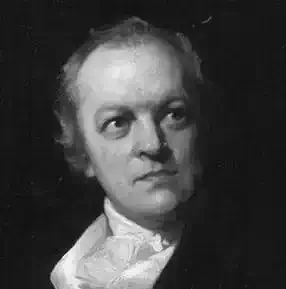
William Blake
When Klopstock England Defied
When Klopstock England Defied
When Klopstock England defied,
Uprose William Blake in his pride;
For old Nobodaddy aloft
. . . and belch'd and cough'd;
Then swore a great oath that made Heaven quake,
And call'd aloud to English Blake.
Blake was giving his body ease,
At Lambeth beneath the poplar trees.
From his seat then started he
And turn'd him round three times three.
The moon at that sight blush'd scarlet red,
The stars threw down their cups and fled,
And all the devils that were in hell,
Answerèd with a ninefold yell.
Klopstock felt the intripled turn,
And all his bowels began to churn,
And his bowels turn'd round three times three,
And lock'd in his soul with a ninefold key; . . .
Then again old Nobodaddy swore
He ne'er had seen such a thing before,
Since Noah was shut in the ark,
Since Eve first chose her hellfire spark,
Since 'twas the fashion to go naked,
Since the old Anything was created . . .
When Klopstock England defied,
Uprose William Blake in his pride;
For old Nobodaddy aloft
. . . and belch'd and cough'd;
Then swore a great oath that made Heaven quake,
And call'd aloud to English Blake.
Blake was giving his body ease,
At Lambeth beneath the poplar trees.
From his seat then started he
And turn'd him round three times three.
The moon at that sight blush'd scarlet red,
The stars threw down their cups and fled,
And all the devils that were in hell,
Answerèd with a ninefold yell.
Klopstock felt the intripled turn,
And all his bowels began to churn,
And his bowels turn'd round three times three,
And lock'd in his soul with a ninefold key; . . .
Then again old Nobodaddy swore
He ne'er had seen such a thing before,
Since Noah was shut in the ark,
Since Eve first chose her hellfire spark,
Since 'twas the fashion to go naked,
Since the old Anything was created . . .
457
William Blake
The Song of Los
The Song of Los
AFRICA
I will sing you a song of Los. the Eternal Prophet:
He sung it to four harps at the tables of Eternity.
In heart-formed Africa.
Urizen faded! Ariston shudderd!
And thus the Song began
Adam stood in the garden of Eden:
And Noah on the mountains of Ararat;
They saw Urizen give his Laws to the Nations
By the hands of the children of Los.
Adam shudderd! Noah faded! black grew the sunny African
When Rintrah gave Abstract Philosophy to Brama in the East:
(Night spoke to the Cloud!
Lo these Human form'd spirits in smiling hipocrisy. War
Against one another; so let them War on; slaves to the eternal Elements)
Noah shrunk, beneath the waters;
Abram fled in fires from Chaldea;
Moses beheld upon Mount Sinai forms of dark delusion:
To Trismegistus. Palamabron gave an abstract Law:
To Pythagoras Socrates & Plato.
Times rolled on o'er all the sons of Har, time after time
Orc on Mount Atlas howld, chain'd down with the Chain of Jealousy
Then Oothoon hoverd over Judah & Jerusalem
And Jesus heard her voice (a man of sorrows) he recievd
A Gospel from wretched Theotormon.
The human race began to wither, for the healthy built
Secluded places, fearing the joys of Love
And the disease'd only propagated:
So Antamon call'd up Leutha from her valleys of delight:
And to Mahomet a loose Bible gave.
But in the North, to Odin, Sotha gave a Code of War,
Because of Diralada thinking to reclaim his joy.
These were the Churches: Hospitals: Castles: Palaces:
Like nets & gins & traps to catch the joys of Eternity
And all the rest a desart;
Till like a dream Eternity was obliterated & erased.
Since that dread day when Har and Heva fled.
Because their brethren & sisters liv'd in War & Lust;
And as they fled they shrunk
Into two narrow doleful forms:
Creeping in reptile flesh upon
The bosom of the ground:
And all the vast of Nature shrunk
Before their shrunken eyes.
Thus the terrible race of Los & Enitharmon gave
Laws & Religions to the sons of Har binding them more
And more to Earth: closing and restraining:
Till a Philosophy of Five Senses was complete
Urizen wept & gave it into the hands of Newton & Locke
Clouds roll heavy upon the Alps round Rousseau & Voltaire:
And on the mountains of Lebanon round the deceased Gods
Of Asia; & on the deserts of Africa round the Fallen Angels
The Guardian Prince of Albion burns in his nightly tent
ASIA
The Kings of Asia heard
The howl rise up from Europe!
And each ran out from his Web;
From his ancient woven Den;
For the darkness of Asia was startled
At the thick-flaming, thought-creating fires of Orc.
And the Kings of Asia stood
And cried in bitterness of soul.
Shall not the King call for Famine from the heath?
Nor the Priest, for Pestilence from the fen?
To restrain! to dismay! to thin!
The inhabitants of mountain and plain;
In the day, of full-feeding prosperity;
And the night of delicious songs.
Shall not the Councellor throw his curb
Of Poverty on the laborious?
To fix the price of labour;
To invent allegoric riches:
And the privy admonishers of men
Call for fires in the City
For heaps of smoking ruins,
In the night of prosperity & wantonness
To turn man from his path,
To restrain the child from the womb,
To cut off the bread from the city,
That the remnant may learn to obey.
That the pride of the heart may fail;
That the lust of the eyes may be quench'd:
That the delicate ear in its infancy
May be dull'd; and the nostrils clos'd up;
To teach mortal worms the path
That leads from the gates of the Grave.
Urizen heard them cry!
And his shudd'ring waving wings
Went enormous above the red flames
Drawing clouds of despair thro' the heavens
Of Europe as he went:
And his Books of brass iron & gold
Melted over the land as he flew,
Heavy-waving, howling, weeping.
And he stood over Judea:
And stay'd in his ancient place:
And stretch'd his clouds over Jerusalem;
For Adam, a mouldering skeleton
Lay bleach'd on the garden of Eden;
And Noah as white as snow
On the mountains of Ararat.
Then the thunders of Urizen bellow'd aloud
From his woven darkness above.
Orc raging in European darkness
Arose like a pillar of fire above the Alps
Like a serpent of fiery flame!
The sullen Earth
Shrunk!
Forth from the dead dust rattling bones to bones
Join: shaking convuls'd the shivring clay breathes
And all flesh naked stands: Fathers and Friends;
Mothers & Infants; Kings & Warriors:
The Grave shrieks with delight, & shakes
Her hollow womb, & clasps the solid stem:
Her bosom swells with wild desire:
And milk & blood & glandous wine.
AFRICA
I will sing you a song of Los. the Eternal Prophet:
He sung it to four harps at the tables of Eternity.
In heart-formed Africa.
Urizen faded! Ariston shudderd!
And thus the Song began
Adam stood in the garden of Eden:
And Noah on the mountains of Ararat;
They saw Urizen give his Laws to the Nations
By the hands of the children of Los.
Adam shudderd! Noah faded! black grew the sunny African
When Rintrah gave Abstract Philosophy to Brama in the East:
(Night spoke to the Cloud!
Lo these Human form'd spirits in smiling hipocrisy. War
Against one another; so let them War on; slaves to the eternal Elements)
Noah shrunk, beneath the waters;
Abram fled in fires from Chaldea;
Moses beheld upon Mount Sinai forms of dark delusion:
To Trismegistus. Palamabron gave an abstract Law:
To Pythagoras Socrates & Plato.
Times rolled on o'er all the sons of Har, time after time
Orc on Mount Atlas howld, chain'd down with the Chain of Jealousy
Then Oothoon hoverd over Judah & Jerusalem
And Jesus heard her voice (a man of sorrows) he recievd
A Gospel from wretched Theotormon.
The human race began to wither, for the healthy built
Secluded places, fearing the joys of Love
And the disease'd only propagated:
So Antamon call'd up Leutha from her valleys of delight:
And to Mahomet a loose Bible gave.
But in the North, to Odin, Sotha gave a Code of War,
Because of Diralada thinking to reclaim his joy.
These were the Churches: Hospitals: Castles: Palaces:
Like nets & gins & traps to catch the joys of Eternity
And all the rest a desart;
Till like a dream Eternity was obliterated & erased.
Since that dread day when Har and Heva fled.
Because their brethren & sisters liv'd in War & Lust;
And as they fled they shrunk
Into two narrow doleful forms:
Creeping in reptile flesh upon
The bosom of the ground:
And all the vast of Nature shrunk
Before their shrunken eyes.
Thus the terrible race of Los & Enitharmon gave
Laws & Religions to the sons of Har binding them more
And more to Earth: closing and restraining:
Till a Philosophy of Five Senses was complete
Urizen wept & gave it into the hands of Newton & Locke
Clouds roll heavy upon the Alps round Rousseau & Voltaire:
And on the mountains of Lebanon round the deceased Gods
Of Asia; & on the deserts of Africa round the Fallen Angels
The Guardian Prince of Albion burns in his nightly tent
ASIA
The Kings of Asia heard
The howl rise up from Europe!
And each ran out from his Web;
From his ancient woven Den;
For the darkness of Asia was startled
At the thick-flaming, thought-creating fires of Orc.
And the Kings of Asia stood
And cried in bitterness of soul.
Shall not the King call for Famine from the heath?
Nor the Priest, for Pestilence from the fen?
To restrain! to dismay! to thin!
The inhabitants of mountain and plain;
In the day, of full-feeding prosperity;
And the night of delicious songs.
Shall not the Councellor throw his curb
Of Poverty on the laborious?
To fix the price of labour;
To invent allegoric riches:
And the privy admonishers of men
Call for fires in the City
For heaps of smoking ruins,
In the night of prosperity & wantonness
To turn man from his path,
To restrain the child from the womb,
To cut off the bread from the city,
That the remnant may learn to obey.
That the pride of the heart may fail;
That the lust of the eyes may be quench'd:
That the delicate ear in its infancy
May be dull'd; and the nostrils clos'd up;
To teach mortal worms the path
That leads from the gates of the Grave.
Urizen heard them cry!
And his shudd'ring waving wings
Went enormous above the red flames
Drawing clouds of despair thro' the heavens
Of Europe as he went:
And his Books of brass iron & gold
Melted over the land as he flew,
Heavy-waving, howling, weeping.
And he stood over Judea:
And stay'd in his ancient place:
And stretch'd his clouds over Jerusalem;
For Adam, a mouldering skeleton
Lay bleach'd on the garden of Eden;
And Noah as white as snow
On the mountains of Ararat.
Then the thunders of Urizen bellow'd aloud
From his woven darkness above.
Orc raging in European darkness
Arose like a pillar of fire above the Alps
Like a serpent of fiery flame!
The sullen Earth
Shrunk!
Forth from the dead dust rattling bones to bones
Join: shaking convuls'd the shivring clay breathes
And all flesh naked stands: Fathers and Friends;
Mothers & Infants; Kings & Warriors:
The Grave shrieks with delight, & shakes
Her hollow womb, & clasps the solid stem:
Her bosom swells with wild desire:
And milk & blood & glandous wine.
623
William Blake
The French Revolution (excerpt)
The French Revolution (excerpt)
Thee the ancientest peer, Duke of Burgundy, rose from the monarch's right hand, red
as wines
From his mountains; an odor of war, like a ripe vineyard, rose from his garments,
And the chamber became as a clouded sky; o'er the council he stretch'd his red limbs,
Cloth'd in flames of crimson; as a ripe vineyard stretches over sheaves of corn,
The fierce Duke hung over the council; around him crowd, weeping in his burning robe,
A bright cloud of infant souls; his words fall like purple autumn on the sheaves:
'Shall this marble built heaven become a clay cottage, this earth an oak stool and
these mowers
From the Atlantic mountains mow down all this great starry harvest of six thousand
years?
And shall Necker, the hind of Geneva, stretch out his crook'd sickle o'er fertile
France
Till our purple and crimson is faded to russet, and the kingdoms of earth bound in
sheaves,
And the ancient forests of chivalry hewn, and the joys of the combat burnt for
fuel;
Till the power and dominion is rent from the pole, sword and sceptre from sun and
moon,
The law and gospel from fire and air, and eternal reason and science
From the deep and the solid, and man lay his faded head down on the rock
Of eternity, where the eternal lion and eagle remain to devour?
This to prevent--urg'd by cries in day, and prophetic dreams hovering in night,
To enrich the lean earth that craves, furrow'd with plows, whose seed is
departing from her--
Thy nobles have gather'd thy starry hosts round this rebellious city,
To rouze up the ancient forests of Europe, with clarions of cloud breathing war,
To hear the horse neigh to the drum and trumpet, and the trumpet and war
shout reply.
Stretch the hand that beckons the eagles of heaven; they cry over Paris, and
wait
Till Fayette point his finger to Versailles; the eagles of heaven must have their
prey!'
He ceas'd, and burn'd silent; red clouds roll round Necker; a weeping is heard
o'er the palace.
Like a dark cloud Necker paus'd, and like thunder on the just man's burial day he
paus'd;
Silent sit the winds, silent the meadows, while the husbandman and woman of
weakness
And bright children look after him into the grave, and water his clay with love,
Then turn towards pensive fields; so Necker paus'd, and his visage was covered
with clouds.
The King lean'd on his mountains, then lifted his head and look'd on his armies,
that shone
Through heaven, tinging morning with beams of blood; then turning to Burgundy,
troubled:
'Burgundy, thou wast born a lion! My soul is o'ergrown with distress.
For the nobles of France, and dark mists roll round me and blot the writing of
God
Written in my bosom. Necker rise! leave the kingdom, thy life is surrounded with
snares.
We have call'd an Assembly, but not to destroy; we have given gifts, not to the
weak;
I hear rushing of muskets, and bright'ning of swords, and visages redd'ning with
war,
Frowning and looking up from brooding villages and every dark'ning city.
Ancient wonders frown over the kingdom, and cries of women and babes are
heard,
And tempests of doubt roll around me, and fierce sorrows, because of the nobles
of France.
Depart! answer not! for the tempest must fall, as in years that are passed away.'
A wholly owned subsidiary of eMule.com . Privacy Policy . AD
Thee the ancientest peer, Duke of Burgundy, rose from the monarch's right hand, red
as wines
From his mountains; an odor of war, like a ripe vineyard, rose from his garments,
And the chamber became as a clouded sky; o'er the council he stretch'd his red limbs,
Cloth'd in flames of crimson; as a ripe vineyard stretches over sheaves of corn,
The fierce Duke hung over the council; around him crowd, weeping in his burning robe,
A bright cloud of infant souls; his words fall like purple autumn on the sheaves:
'Shall this marble built heaven become a clay cottage, this earth an oak stool and
these mowers
From the Atlantic mountains mow down all this great starry harvest of six thousand
years?
And shall Necker, the hind of Geneva, stretch out his crook'd sickle o'er fertile
France
Till our purple and crimson is faded to russet, and the kingdoms of earth bound in
sheaves,
And the ancient forests of chivalry hewn, and the joys of the combat burnt for
fuel;
Till the power and dominion is rent from the pole, sword and sceptre from sun and
moon,
The law and gospel from fire and air, and eternal reason and science
From the deep and the solid, and man lay his faded head down on the rock
Of eternity, where the eternal lion and eagle remain to devour?
This to prevent--urg'd by cries in day, and prophetic dreams hovering in night,
To enrich the lean earth that craves, furrow'd with plows, whose seed is
departing from her--
Thy nobles have gather'd thy starry hosts round this rebellious city,
To rouze up the ancient forests of Europe, with clarions of cloud breathing war,
To hear the horse neigh to the drum and trumpet, and the trumpet and war
shout reply.
Stretch the hand that beckons the eagles of heaven; they cry over Paris, and
wait
Till Fayette point his finger to Versailles; the eagles of heaven must have their
prey!'
He ceas'd, and burn'd silent; red clouds roll round Necker; a weeping is heard
o'er the palace.
Like a dark cloud Necker paus'd, and like thunder on the just man's burial day he
paus'd;
Silent sit the winds, silent the meadows, while the husbandman and woman of
weakness
And bright children look after him into the grave, and water his clay with love,
Then turn towards pensive fields; so Necker paus'd, and his visage was covered
with clouds.
The King lean'd on his mountains, then lifted his head and look'd on his armies,
that shone
Through heaven, tinging morning with beams of blood; then turning to Burgundy,
troubled:
'Burgundy, thou wast born a lion! My soul is o'ergrown with distress.
For the nobles of France, and dark mists roll round me and blot the writing of
God
Written in my bosom. Necker rise! leave the kingdom, thy life is surrounded with
snares.
We have call'd an Assembly, but not to destroy; we have given gifts, not to the
weak;
I hear rushing of muskets, and bright'ning of swords, and visages redd'ning with
war,
Frowning and looking up from brooding villages and every dark'ning city.
Ancient wonders frown over the kingdom, and cries of women and babes are
heard,
And tempests of doubt roll around me, and fierce sorrows, because of the nobles
of France.
Depart! answer not! for the tempest must fall, as in years that are passed away.'
A wholly owned subsidiary of eMule.com . Privacy Policy . AD
518
William Blake
Milton: And did those feet in ancient time
Milton: And did those feet in ancient time
And did those feet in ancient time
Walk upon England's mountains green?
And was the holy Lamb of God
On England's pleasant pastures seen?
And did the Countenance Divine
Shine forth upon our clouded hills?
And was Jerusalem builded here
Among these dark Satanic mills?
Bring me my bow of burning gold:
Bring me my arrows of desire:
Bring me my spear: O clouds unfold!
Bring me my chariot of fire.
I will not cease from mental fight,
Nor shall my sword sleep in my hand
Till we have built Jerusalem
In England's green and pleasant land.
And did those feet in ancient time
Walk upon England's mountains green?
And was the holy Lamb of God
On England's pleasant pastures seen?
And did the Countenance Divine
Shine forth upon our clouded hills?
And was Jerusalem builded here
Among these dark Satanic mills?
Bring me my bow of burning gold:
Bring me my arrows of desire:
Bring me my spear: O clouds unfold!
Bring me my chariot of fire.
I will not cease from mental fight,
Nor shall my sword sleep in my hand
Till we have built Jerusalem
In England's green and pleasant land.
336
William Blake
If It Is True What the Prophets Write
If It Is True What the Prophets Write
If it is true, what the Prophets write,
That the heathen gods are all stocks and stones,
Shall we, for the sake of being polite,
Feed them with the juice of our marrow-bones?
And if Bezaleel and Aholiab drew
What the finger of God pointed to their view,
Shall we suffer the Roman and Grecian rods
To compel us to worship them as gods?
They stole them from the temple of the Lord
And worshipp'd them that they might make inspirèd art abhorr'd;
The wood and stone were call'd the holy things,
And their sublime intent given to their kings.
All the atonements of Jehovah spurn'd,
And criminals to sacrifices turn'd.
If it is true, what the Prophets write,
That the heathen gods are all stocks and stones,
Shall we, for the sake of being polite,
Feed them with the juice of our marrow-bones?
And if Bezaleel and Aholiab drew
What the finger of God pointed to their view,
Shall we suffer the Roman and Grecian rods
To compel us to worship them as gods?
They stole them from the temple of the Lord
And worshipp'd them that they might make inspirèd art abhorr'd;
The wood and stone were call'd the holy things,
And their sublime intent given to their kings.
All the atonements of Jehovah spurn'd,
And criminals to sacrifices turn'd.
437
Walt Whitman
Turn, O Libertad
Turn, O Libertad
TURN, O Libertad, for the war is over,
(From it and all henceforth expanding, doubting no more, resolute,
sweeping the world,)
Turn from lands retrospective, recording proofs of the past;
From the singers that sing the trailing glories of the past;
From the chants of the feudal world--the triumphs of kings, slavery,
caste;
Turn to the world, the triumphs reserv'd and to come--give up that
backward world;
Leave to the singers of hitherto--give them the trailing past;
But what remains, remains for singers for you--wars to come are for
you;
(Lo! how the wars of the past have duly inured to you--and the wars
of the present also inure:)
--Then turn, and be not alarm'd, O Libertad--turn your undying
face, 10
To where the future, greater than all the past,
Is swiftly, surely preparing for you.
TURN, O Libertad, for the war is over,
(From it and all henceforth expanding, doubting no more, resolute,
sweeping the world,)
Turn from lands retrospective, recording proofs of the past;
From the singers that sing the trailing glories of the past;
From the chants of the feudal world--the triumphs of kings, slavery,
caste;
Turn to the world, the triumphs reserv'd and to come--give up that
backward world;
Leave to the singers of hitherto--give them the trailing past;
But what remains, remains for singers for you--wars to come are for
you;
(Lo! how the wars of the past have duly inured to you--and the wars
of the present also inure:)
--Then turn, and be not alarm'd, O Libertad--turn your undying
face, 10
To where the future, greater than all the past,
Is swiftly, surely preparing for you.
496
Walt Whitman
Still, Though The One I Sing
Still, Though The One I Sing
STILL, though the one I sing,
(One, yet of contradictions made,) I dedicate to Nationality,
I leave in him Revolt, (O latent right of insurrection! O quenchless,
indispensable fire!)
STILL, though the one I sing,
(One, yet of contradictions made,) I dedicate to Nationality,
I leave in him Revolt, (O latent right of insurrection! O quenchless,
indispensable fire!)
365
Walt Whitman
Apostroph
Apostroph
O MATER! O fils!
O brood continental!
O flowers of the prairies!
O space boundless! O hum of mighty products!
O you teeming cities! O so invincible, turbulent, proud!
O race of the future! O women!
O fathers! O you men of passion and the storm!
O native power only! O beauty!
O yourself! O God! O divine average!
O you bearded roughs! O bards! O all those slumberers! 10
O arouse! the dawn bird's throat sounds shrill! Do you not hear the
cock crowing?
O, as I walk'd the beach, I heard the mournful notes foreboding a
tempest--the low, oft-repeated shriek of the diver, the long
lived loon;
O I heard, and yet hear, angry thunder;--O you sailors! O ships! make
quick preparation!
O from his masterful sweep, the warning cry of the eagle!
(Give way there, all! It is useless! Give up your spoils;)
O sarcasms! Propositions! (O if the whole world should prove indeed a
sham, a sell!)
O I believe there is nothing real but America and freedom!
O to sternly reject all except Democracy!
O imperator! O who dare confront you and me?
O to promulgate our own! O to build for that which builds for
mankind! 20
O feuillage! O North! O the slope drained by the Mexican sea!
O all, all inseparable--ages, ages, ages!
O a curse on him that would dissever this Union for any reason
whatever!
O climates, labors! O good and evil! O death!
O you strong with iron and wood! O Personality!
O the village or place which has the greatest man or woman! even if
it be only a few ragged huts;
O the city where women walk in public processions in the streets, the
same as the men;
O a wan and terrible emblem, by me adopted!
O shapes arising! shapes of the future centuries!
O muscle and pluck forever for me! 30
O workmen and workwomen forever for me!
O farmers and sailors! O drivers of horses forever for me!
O I will make the new bardic list of trades and tools!
O you coarse and wilful! I love you!
O South! O longings for my dear home! O soft and sunny airs!
O pensive! O I must return where the palm grows and the mocking-bird
sings, or else I die!
O equality! O organic compacts! I am come to be your born poet!
O whirl, contest, sounding and resounding! I am your poet, because I
am part of you;
O days by-gone! Enthusiasts! Antecedents!
O vast preparations for These States! O years! 40
O what is now being sent forward thousands of years to come!
O mediums! O to teach! to convey the invisible faith!
To promulge real things! to journey through all The States!
O creation! O to-day! O laws! O unmitigated adoration!
O for mightier broods of orators, artists, and singers!
O for native songs! carpenter's, boatman's, ploughman's songs!
shoemaker's songs!
O haughtiest growth of time! O free and extatic!
O what I, here, preparing, warble for!
O you hastening light! O the sun of the world will ascend, dazzling,
and take his height--and you too will ascend;
O so amazing and so broad! up there resplendent, darting and
burning; 50
O prophetic! O vision staggered with weight of light! with pouring
glories!
O copious! O hitherto unequalled!
O Libertad! O compact! O union impossible to dissever!
O my Soul! O lips becoming tremulous, powerless!
O centuries, centuries yet ahead!
O voices of greater orators! I pause--I listen for you
O you States! Cities! defiant of all outside authority! I spring at
once into your arms! you I most love!
O you grand Presidentiads! I wait for you!
New history! New heroes! I project you!
Visions of poets! only you really last! O sweep on! sweep on! 60
O Death! O you striding there! O I cannot yet!
O heights! O infinitely too swift and dizzy yet!
O purged lumine! you threaten me more than I can stand!
O present! I return while yet I may to you!
O poets to come, I depend upon you!
O MATER! O fils!
O brood continental!
O flowers of the prairies!
O space boundless! O hum of mighty products!
O you teeming cities! O so invincible, turbulent, proud!
O race of the future! O women!
O fathers! O you men of passion and the storm!
O native power only! O beauty!
O yourself! O God! O divine average!
O you bearded roughs! O bards! O all those slumberers! 10
O arouse! the dawn bird's throat sounds shrill! Do you not hear the
cock crowing?
O, as I walk'd the beach, I heard the mournful notes foreboding a
tempest--the low, oft-repeated shriek of the diver, the long
lived loon;
O I heard, and yet hear, angry thunder;--O you sailors! O ships! make
quick preparation!
O from his masterful sweep, the warning cry of the eagle!
(Give way there, all! It is useless! Give up your spoils;)
O sarcasms! Propositions! (O if the whole world should prove indeed a
sham, a sell!)
O I believe there is nothing real but America and freedom!
O to sternly reject all except Democracy!
O imperator! O who dare confront you and me?
O to promulgate our own! O to build for that which builds for
mankind! 20
O feuillage! O North! O the slope drained by the Mexican sea!
O all, all inseparable--ages, ages, ages!
O a curse on him that would dissever this Union for any reason
whatever!
O climates, labors! O good and evil! O death!
O you strong with iron and wood! O Personality!
O the village or place which has the greatest man or woman! even if
it be only a few ragged huts;
O the city where women walk in public processions in the streets, the
same as the men;
O a wan and terrible emblem, by me adopted!
O shapes arising! shapes of the future centuries!
O muscle and pluck forever for me! 30
O workmen and workwomen forever for me!
O farmers and sailors! O drivers of horses forever for me!
O I will make the new bardic list of trades and tools!
O you coarse and wilful! I love you!
O South! O longings for my dear home! O soft and sunny airs!
O pensive! O I must return where the palm grows and the mocking-bird
sings, or else I die!
O equality! O organic compacts! I am come to be your born poet!
O whirl, contest, sounding and resounding! I am your poet, because I
am part of you;
O days by-gone! Enthusiasts! Antecedents!
O vast preparations for These States! O years! 40
O what is now being sent forward thousands of years to come!
O mediums! O to teach! to convey the invisible faith!
To promulge real things! to journey through all The States!
O creation! O to-day! O laws! O unmitigated adoration!
O for mightier broods of orators, artists, and singers!
O for native songs! carpenter's, boatman's, ploughman's songs!
shoemaker's songs!
O haughtiest growth of time! O free and extatic!
O what I, here, preparing, warble for!
O you hastening light! O the sun of the world will ascend, dazzling,
and take his height--and you too will ascend;
O so amazing and so broad! up there resplendent, darting and
burning; 50
O prophetic! O vision staggered with weight of light! with pouring
glories!
O copious! O hitherto unequalled!
O Libertad! O compact! O union impossible to dissever!
O my Soul! O lips becoming tremulous, powerless!
O centuries, centuries yet ahead!
O voices of greater orators! I pause--I listen for you
O you States! Cities! defiant of all outside authority! I spring at
once into your arms! you I most love!
O you grand Presidentiads! I wait for you!
New history! New heroes! I project you!
Visions of poets! only you really last! O sweep on! sweep on! 60
O Death! O you striding there! O I cannot yet!
O heights! O infinitely too swift and dizzy yet!
O purged lumine! you threaten me more than I can stand!
O present! I return while yet I may to you!
O poets to come, I depend upon you!
501
Walt Whitman
A Boston Ballad, 1854
A Boston Ballad, 1854
TO get betimes in Boston town, I rose this morning early;
Here's a good place at the corner--I must stand and see the show.
Clear the way there, Jonathan!
Way for the President's marshal! Way for the government cannon!
Way for the Federal foot and dragoons--and the apparitions copiously
tumbling.
I love to look on the stars and stripes--I hope the fifes will play
Yankee Doodle.
How bright shine the cutlasses of the foremost troops!
Every man holds his revolver, marching stiff through Boston town.
A fog follows--antiques of the same come limping,
Some appear wooden-legged, and some appear bandaged and bloodless. 10
Why this is indeed a show! It has called the dead out of the earth!
The old grave-yards of the hills have hurried to see!
Phantoms! phantoms countless by flank and rear!
Cock'd hats of mothy mould! crutches made of mist!
Arms in slings! old men leaning on young men's shoulders!
What troubles you, Yankee phantoms? What is all this chattering of
bare gums?
Does the ague convulse your limbs? Do you mistake your crutches for
fire-locks, and level them?
If you blind your eyes with tears, you will not see the President's
marshal;
If you groan such groans, you might balk the government cannon.
For shame, old maniacs! Bring down those toss'd arms, and let your
white hair be; 20
Here gape your great grand-sons--their wives gaze at them from the
windows,
See how well dress'd--see how orderly they conduct themselves.
Worse and worse! Can't you stand it? Are you retreating?
Is this hour with the living too dead for you?
Retreat then! Pell-mell!
To your graves! Back! back to the hills, old limpers!
I do not think you belong here, anyhow.
But there is one thing that belongs here--shall I tell you what it
is, gentlemen of Boston?
I will whisper it to the Mayor--he shall send a committee to England;
They shall get a grant from the Parliament, go with a cart to the
royal vault--haste! 30
Dig out King George's coffin, unwrap him quick from the graveclothes,
box up his bones for a journey;
Find a swift Yankee clipper--here is freight for you, black-bellied
clipper,
Up with your anchor! shake out your sails! steer straight toward
Boston bay.
Now call for the President's marshal again, bring out the government
cannon,
Fetch home the roarers from Congress, make another procession, guard
it with foot and dragoons.
This centre-piece for them:
Look! all orderly citizens--look from the windows, women!
The committee open the box, set up the regal ribs, glue those that
will not stay,
Clap the skull on top of the ribs, and clap a crown on top of the
skull.
You have got your revenge, old buster! The crown is come to its own,
and more than its own.
Stick your hands in your pockets, Jonathan--you are a made man from
this day; 40
You are mighty cute--and here is one of your bargains.
TO get betimes in Boston town, I rose this morning early;
Here's a good place at the corner--I must stand and see the show.
Clear the way there, Jonathan!
Way for the President's marshal! Way for the government cannon!
Way for the Federal foot and dragoons--and the apparitions copiously
tumbling.
I love to look on the stars and stripes--I hope the fifes will play
Yankee Doodle.
How bright shine the cutlasses of the foremost troops!
Every man holds his revolver, marching stiff through Boston town.
A fog follows--antiques of the same come limping,
Some appear wooden-legged, and some appear bandaged and bloodless. 10
Why this is indeed a show! It has called the dead out of the earth!
The old grave-yards of the hills have hurried to see!
Phantoms! phantoms countless by flank and rear!
Cock'd hats of mothy mould! crutches made of mist!
Arms in slings! old men leaning on young men's shoulders!
What troubles you, Yankee phantoms? What is all this chattering of
bare gums?
Does the ague convulse your limbs? Do you mistake your crutches for
fire-locks, and level them?
If you blind your eyes with tears, you will not see the President's
marshal;
If you groan such groans, you might balk the government cannon.
For shame, old maniacs! Bring down those toss'd arms, and let your
white hair be; 20
Here gape your great grand-sons--their wives gaze at them from the
windows,
See how well dress'd--see how orderly they conduct themselves.
Worse and worse! Can't you stand it? Are you retreating?
Is this hour with the living too dead for you?
Retreat then! Pell-mell!
To your graves! Back! back to the hills, old limpers!
I do not think you belong here, anyhow.
But there is one thing that belongs here--shall I tell you what it
is, gentlemen of Boston?
I will whisper it to the Mayor--he shall send a committee to England;
They shall get a grant from the Parliament, go with a cart to the
royal vault--haste! 30
Dig out King George's coffin, unwrap him quick from the graveclothes,
box up his bones for a journey;
Find a swift Yankee clipper--here is freight for you, black-bellied
clipper,
Up with your anchor! shake out your sails! steer straight toward
Boston bay.
Now call for the President's marshal again, bring out the government
cannon,
Fetch home the roarers from Congress, make another procession, guard
it with foot and dragoons.
This centre-piece for them:
Look! all orderly citizens--look from the windows, women!
The committee open the box, set up the regal ribs, glue those that
will not stay,
Clap the skull on top of the ribs, and clap a crown on top of the
skull.
You have got your revenge, old buster! The crown is come to its own,
and more than its own.
Stick your hands in your pockets, Jonathan--you are a made man from
this day; 40
You are mighty cute--and here is one of your bargains.
500

D.H. Lawrence
The Ocean's Song
The Ocean's Song
We walked amongst the ruins famed in story
Of Rozel-Tower,
And saw the boundless waters stretch in glory
And heave in power.
O Ocean vast! We heard thy song with wonder,
Whilst waves marked time.
"Appear, O Truth!" thou sang'st with tone of thunder,
"And shine sublime!
"The world's enslaved and hunted down by beagles,
To despots sold.
Souls of deep thinkers, soar like mighty eagles!
The Right uphold.
"Be born! arise! o'er the earth and wild waves bounding,
Peoples and suns!
Let darkness vanish; tocsins be resounding,
And flash, ye guns!
"And you who love no pomps of fog or glamour,
Who fear no shocks,
Brave foam and lightning, hurricane and clamour,--
Exiles: the rocks!"
We walked amongst the ruins famed in story
Of Rozel-Tower,
And saw the boundless waters stretch in glory
And heave in power.
O Ocean vast! We heard thy song with wonder,
Whilst waves marked time.
"Appear, O Truth!" thou sang'st with tone of thunder,
"And shine sublime!
"The world's enslaved and hunted down by beagles,
To despots sold.
Souls of deep thinkers, soar like mighty eagles!
The Right uphold.
"Be born! arise! o'er the earth and wild waves bounding,
Peoples and suns!
Let darkness vanish; tocsins be resounding,
And flash, ye guns!
"And you who love no pomps of fog or glamour,
Who fear no shocks,
Brave foam and lightning, hurricane and clamour,--
Exiles: the rocks!"
270
Thomas Moore
The Sinking Fund Cried
The Sinking Fund Cried
["Now what, we ask, is become of this Sinking Fund - these eight millions of surplus
above expenditure, which were to reduce the interest of the national debt by the
amount of four hundred thousand pounds annually? Where, indeed, is the Sinking Fund
itself?" - The Times]
Take your bell, take your bell,
Good Crier, and tell
To the Bulls and the Bears, till their ears are stunn'd,
That, lost or stolen,
Or fall'n through a hole in
The Treasury floor, is the Sinking Fund!
O yes! O yes!
Can anybody guess
What the deuce has become of this Treasury wonder?
It has Pitt's name on't,
All brass, in the front,
And R--b--ns--n's scrawl'd with a goose-quill under.
Folks well knew what
Would soon be its lot,
When Frederick or Jenky set hobnobbing,[]
And said to each other,
"Suppose, dear brother,
We make this funny old Fund worth robbing."
We are come, alas!
To a very pretty pass --
Eight Hundred Millions of score, to pay,
With but Five in the till,
To discharge the bill,
And even that Five too, whipp'd away!
Stop thief! stop thief! --
From the Sub to the Chief,
These Genmen of Finance are plundering cattle --
Call the watch, call Bougham
Tell Joseph Hume,
That best of Charleys, to spring his rattle.
Whoever will bring
This aforesaid thing
To the well-known house of Robinson and Jenkin,
Shall be paid, with thanks,
In the notes of banks,
Whose Funds have all learn'd "the Art of Sinking."
O yes! O yes!
Can any body guess
What the devil has become of the Treasury wonder?
It has Pitt's name on 't,
All brass, in the front,
And R--b--ns--n's, scrawl'd with a goose-quill under.
["Now what, we ask, is become of this Sinking Fund - these eight millions of surplus
above expenditure, which were to reduce the interest of the national debt by the
amount of four hundred thousand pounds annually? Where, indeed, is the Sinking Fund
itself?" - The Times]
Take your bell, take your bell,
Good Crier, and tell
To the Bulls and the Bears, till their ears are stunn'd,
That, lost or stolen,
Or fall'n through a hole in
The Treasury floor, is the Sinking Fund!
O yes! O yes!
Can anybody guess
What the deuce has become of this Treasury wonder?
It has Pitt's name on't,
All brass, in the front,
And R--b--ns--n's scrawl'd with a goose-quill under.
Folks well knew what
Would soon be its lot,
When Frederick or Jenky set hobnobbing,[]
And said to each other,
"Suppose, dear brother,
We make this funny old Fund worth robbing."
We are come, alas!
To a very pretty pass --
Eight Hundred Millions of score, to pay,
With but Five in the till,
To discharge the bill,
And even that Five too, whipp'd away!
Stop thief! stop thief! --
From the Sub to the Chief,
These Genmen of Finance are plundering cattle --
Call the watch, call Bougham
Tell Joseph Hume,
That best of Charleys, to spring his rattle.
Whoever will bring
This aforesaid thing
To the well-known house of Robinson and Jenkin,
Shall be paid, with thanks,
In the notes of banks,
Whose Funds have all learn'd "the Art of Sinking."
O yes! O yes!
Can any body guess
What the devil has become of the Treasury wonder?
It has Pitt's name on 't,
All brass, in the front,
And R--b--ns--n's, scrawl'd with a goose-quill under.
204
Thomas Moore
The Dream of Those Days
The Dream of Those Days
The dream of those days when first I sung thee is o'er
Thy triumph hath stain'd the charm thy sorrows then wore;
And even the light which Hope once shed o'er thy chains,
Alas, not a gleam to grace thy freedom remains.
Say, is it that slavery sunk so deep in thy heart,
That still the dark brand is there, though chainless thou art;
And Freedom's sweet fruit, for which thy spirit long burn'd,
Now, reaching at last thy lip, to ashes hath turn'd?
Up Liberty's steep by Truth and Eloquence led,
With eyes on her temple fix'd, how proud was thy tread!
Ah, better thou ne'er hadst lived that summit to gain,
Denied in the porch, than thus dishonour the fane.
The dream of those days when first I sung thee is o'er
Thy triumph hath stain'd the charm thy sorrows then wore;
And even the light which Hope once shed o'er thy chains,
Alas, not a gleam to grace thy freedom remains.
Say, is it that slavery sunk so deep in thy heart,
That still the dark brand is there, though chainless thou art;
And Freedom's sweet fruit, for which thy spirit long burn'd,
Now, reaching at last thy lip, to ashes hath turn'd?
Up Liberty's steep by Truth and Eloquence led,
With eyes on her temple fix'd, how proud was thy tread!
Ah, better thou ne'er hadst lived that summit to gain,
Denied in the porch, than thus dishonour the fane.
202

Siegfried Sassoon
Joy-Bells
Joy-Bells
Ring your sweet bells; but let them be farewells
To the green-vista’d gladness of the past
That changed us into soldiers; swing your bells
To a joyful chime; but let it be the last.
What means this metal in windy belfries hung
When guns are all our need? Dissolve these bells
Whose tones are tuned for peace: with martial tongue
Let them cry doom and storm the sun with shells.
Bells are like fierce-browed prelates who proclaim
That ‘if our Lord returned He’d fight for us.’
So let our bells and bishops do the same,
Shoulder to shoulder with the motor-bus.
Ring your sweet bells; but let them be farewells
To the green-vista’d gladness of the past
That changed us into soldiers; swing your bells
To a joyful chime; but let it be the last.
What means this metal in windy belfries hung
When guns are all our need? Dissolve these bells
Whose tones are tuned for peace: with martial tongue
Let them cry doom and storm the sun with shells.
Bells are like fierce-browed prelates who proclaim
That ‘if our Lord returned He’d fight for us.’
So let our bells and bishops do the same,
Shoulder to shoulder with the motor-bus.
119
Siegfried Sassoon
Fight to a Finish
Fight to a Finish
The boys came back. Bands played and flags were flying,
And Yellow-Pressmen thronged the sunlit street
To cheer the soldiers who’d refrained from dying,
And hear the music of returning feet.
‘Of all the thrills and ardours War has brought,
This moment is the finest.’ (So they thought.)
Snapping their bayonets on to charge the mob,
Grim Fusiliers broke ranks with glint of steel,
At last the boys had found a cushy job.
. . . .
I heard the Yellow-Pressmen grunt and squeal;
And with my trusty bombers turned and went
To clear those Junkers out of Parliament.
The boys came back. Bands played and flags were flying,
And Yellow-Pressmen thronged the sunlit street
To cheer the soldiers who’d refrained from dying,
And hear the music of returning feet.
‘Of all the thrills and ardours War has brought,
This moment is the finest.’ (So they thought.)
Snapping their bayonets on to charge the mob,
Grim Fusiliers broke ranks with glint of steel,
At last the boys had found a cushy job.
. . . .
I heard the Yellow-Pressmen grunt and squeal;
And with my trusty bombers turned and went
To clear those Junkers out of Parliament.
111
Page 1
Next