

Poems in this topic
Anger and Indignation
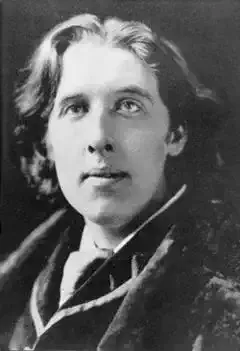
Oscar Wilde
Soneto: Sonnet To Liberty
Not that I love thy children, whose dull eyes
See nothing save their own unlovely woe,
Whose minds know nothing, nothing care to know,
But that the roar of thy Democracies,
Thy reigns of Terror, thy great Anarchies,
Mirror my wildest passions like the sea
And give my rage a brother -!Liberty!
For this sake only do thy dissonant cries
Delight my discreet soul, else might all kings
By bloody knout or treacherous cannonades
Rob nations of their rights inviolate
And I remain unmoved - and yet, and yet,
These Christs that die upon the barricades,
God knows it I am with them, in some things.
See nothing save their own unlovely woe,
Whose minds know nothing, nothing care to know,
But that the roar of thy Democracies,
Thy reigns of Terror, thy great Anarchies,
Mirror my wildest passions like the sea
And give my rage a brother -!Liberty!
For this sake only do thy dissonant cries
Delight my discreet soul, else might all kings
By bloody knout or treacherous cannonades
Rob nations of their rights inviolate
And I remain unmoved - and yet, and yet,
These Christs that die upon the barricades,
God knows it I am with them, in some things.
676
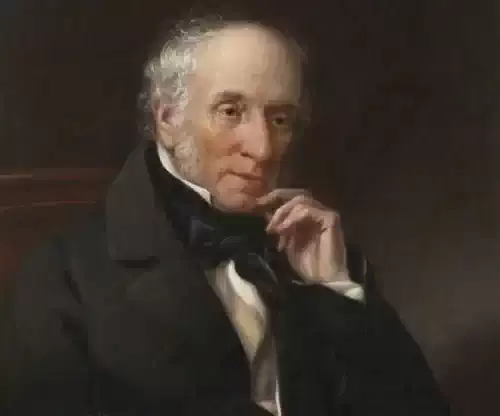
William Wordsworth
Andrew Jones
Andrew Jones
I hate that Andrew Jones; he'll breed
His children up to waste and pillage.
I wish the press-gang or the drum
With its tantara sound would come,
And sweep him from the village!
I said not this, because he loves
Through the long day to swear and tipple;
But for the poor dear sake of one
To whom a foul deed he had done,
A friendless man, a travelling cripple!
For this poor crawling helpless wretch,
Some horseman who was passing by,
A penny on the ground had thrown;
But the poor cripple was alone
And could not stoop--no help was nigh.
Inch-thick the dust lay on the ground
For it had long been droughty weather;
So with his staff the cripple wrought
Among the dust till he had brought
The half-pennies together.
It chanced that Andrew passed that way
Just at the time; and there he found
The cripple in the mid-day heat
Standing alone, and at his feet
He saw the penny on the ground.
He stopped and took the penny up:
And when the cripple nearer drew,
Quoth Andrew, "Under half-a-crown,
What a man finds is all his own,
And so, my Friend, good-day to you."
And 'hence' I said, that Andrew's boys
Will all be trained to waste and pillage;
And wished the press-gang, or the drum
With its tantara sound, would come
And sweep him from the village.
I hate that Andrew Jones; he'll breed
His children up to waste and pillage.
I wish the press-gang or the drum
With its tantara sound would come,
And sweep him from the village!
I said not this, because he loves
Through the long day to swear and tipple;
But for the poor dear sake of one
To whom a foul deed he had done,
A friendless man, a travelling cripple!
For this poor crawling helpless wretch,
Some horseman who was passing by,
A penny on the ground had thrown;
But the poor cripple was alone
And could not stoop--no help was nigh.
Inch-thick the dust lay on the ground
For it had long been droughty weather;
So with his staff the cripple wrought
Among the dust till he had brought
The half-pennies together.
It chanced that Andrew passed that way
Just at the time; and there he found
The cripple in the mid-day heat
Standing alone, and at his feet
He saw the penny on the ground.
He stopped and took the penny up:
And when the cripple nearer drew,
Quoth Andrew, "Under half-a-crown,
What a man finds is all his own,
And so, my Friend, good-day to you."
And 'hence' I said, that Andrew's boys
Will all be trained to waste and pillage;
And wished the press-gang, or the drum
With its tantara sound, would come
And sweep him from the village.
227

William Shakespeare
Witches Chant (from Macbeth)
Witches Chant (from Macbeth)
Round about the couldron go:
In the poisones entrails throw.
Toad,that under cold stone
Days and nights has thirty-one
Sweated venom sleeping got,
Boil thou first in the charmed pot.
Double,double toil and trouble;
Fire burn and cauldron bubble.
Fillet of a fenny snake,
In the cauldron boil and bake;
Eye of newt and toe of frog,
Wool of bat and tongue of dog,
Adder's fork and blindworm's sting,
Lizard's leg and howlet's wing.
For charm of powerful trouble,
Like a hell-broth boil and bubble.
Double,double toil and trouble;
Fire burn and couldron bubble.
Scale of dragon,tooth of wolf,
Witch's mummy, maw and gulf
Of the ravin'd salt-sea shark,
Root of hemlock digg'd in the dark,
Liver of blaspheming Jew;
Gall of goat; andslips of yew
silver'd in the moon's eclipse;
Nose of Turk, and Tartar's lips;
Finger of birth-strangled babe
Ditch-deliver'd by the drab,-
Make the gruel thick and slab:
Add thereto a tiger's chaudron,
For ingrediants of our cauldron.
Double,double toil and trouble,
Fire burn and cauldron bubble.
Round about the couldron go:
In the poisones entrails throw.
Toad,that under cold stone
Days and nights has thirty-one
Sweated venom sleeping got,
Boil thou first in the charmed pot.
Double,double toil and trouble;
Fire burn and cauldron bubble.
Fillet of a fenny snake,
In the cauldron boil and bake;
Eye of newt and toe of frog,
Wool of bat and tongue of dog,
Adder's fork and blindworm's sting,
Lizard's leg and howlet's wing.
For charm of powerful trouble,
Like a hell-broth boil and bubble.
Double,double toil and trouble;
Fire burn and couldron bubble.
Scale of dragon,tooth of wolf,
Witch's mummy, maw and gulf
Of the ravin'd salt-sea shark,
Root of hemlock digg'd in the dark,
Liver of blaspheming Jew;
Gall of goat; andslips of yew
silver'd in the moon's eclipse;
Nose of Turk, and Tartar's lips;
Finger of birth-strangled babe
Ditch-deliver'd by the drab,-
Make the gruel thick and slab:
Add thereto a tiger's chaudron,
For ingrediants of our cauldron.
Double,double toil and trouble,
Fire burn and cauldron bubble.
437
William Shakespeare
Sonnet CLII
Sonnet CLII
In loving thee thou know'st I am forsworn,
But thou art twice forsworn, to me love swearing,
In act thy bed-vow broke and new faith torn,
In vowing new hate after new love bearing.
But why of two oaths' breach do I accuse thee,
When I break twenty? I am perjured most;
For all my vows are oaths but to misuse thee
And all my honest faith in thee is lost,
For I have sworn deep oaths of thy deep kindness,
Oaths of thy love, thy truth, thy constancy,
And, to enlighten thee, gave eyes to blindness,
Or made them swear against the thing they see;
For I have sworn thee fair; more perjured I,
To swear against the truth so foul a lie!
In loving thee thou know'st I am forsworn,
But thou art twice forsworn, to me love swearing,
In act thy bed-vow broke and new faith torn,
In vowing new hate after new love bearing.
But why of two oaths' breach do I accuse thee,
When I break twenty? I am perjured most;
For all my vows are oaths but to misuse thee
And all my honest faith in thee is lost,
For I have sworn deep oaths of thy deep kindness,
Oaths of thy love, thy truth, thy constancy,
And, to enlighten thee, gave eyes to blindness,
Or made them swear against the thing they see;
For I have sworn thee fair; more perjured I,
To swear against the truth so foul a lie!
367
William Shakespeare
Blow, Blow, Thou Winter Wind
Blow, Blow, Thou Winter Wind
Blow, blow, thou winter wind
Thou art not so unkind
As man's ingratitude;
Thy tooth is not so keen,
Because thou art not seen,
Although thy breath be rude.
Heigh-ho! sing, heigh-ho! unto the green holly:
Most freindship if feigning, most loving mere folly:
Then heigh-ho, the holly!
This life is most jolly.
Freeze, freeze thou bitter sky,
That does not bite so nigh
As benefits forgot:
Though thou the waters warp,
Thy sting is not so sharp
As a friend remembered not.
Heigh-ho! sing, heigh-ho! unto the green holly:
Most friendship is feigning, most loving mere folly:
Then heigh-ho, the holly!
This life is most jolly.
Blow, blow, thou winter wind
Thou art not so unkind
As man's ingratitude;
Thy tooth is not so keen,
Because thou art not seen,
Although thy breath be rude.
Heigh-ho! sing, heigh-ho! unto the green holly:
Most freindship if feigning, most loving mere folly:
Then heigh-ho, the holly!
This life is most jolly.
Freeze, freeze thou bitter sky,
That does not bite so nigh
As benefits forgot:
Though thou the waters warp,
Thy sting is not so sharp
As a friend remembered not.
Heigh-ho! sing, heigh-ho! unto the green holly:
Most friendship is feigning, most loving mere folly:
Then heigh-ho, the holly!
This life is most jolly.
345
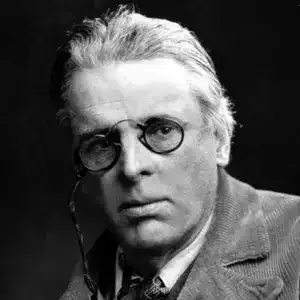
William Butler Yeats
Youth And Age
Youth And Age
MUCH did I rage when young,
Being by the world oppressed,
But now with flattering tongue
It speeds the parting guest.
MUCH did I rage when young,
Being by the world oppressed,
But now with flattering tongue
It speeds the parting guest.
427
William Butler Yeats
Three Marching Songs
Three Marching Songs
REMEMBER all those renowned generations,
They left their bodies to fatten the wolves,
They left their homesteads to fatten the foxes,
Fled to far countries, or sheltered themselves
In cavern, crevice, or hole,
Defending Ireland's soul.
Be still, be still, what can be said?
My father sang that song,
But time amends old wrong,
All that is finished, let it fade.
Remember all those renowned generations,
Remember all that have sunk in their blood,
Remember all that have died on the scaffold,
Remember all that have fled, that have stood,
Stood, took death like a tune
On an old,tambourine.
Be still, be still, what can be said?
My father sang that song,
But time amends old wrong,
And all that's finished, let it fade.
Fail, and that history turns into rubbish,
All that great past to a trouble of fools;
Those that come after shall mock at O'Donnell,
Mock at the memory of both O'Neills,
Mock Emmet, mock Parnell,
All the renown that fell.
Be still, be still, what can be said?
My father sang that song,
but time amends old wrong,
And all that's finished, let it fade.
The soldier takes pride in saluting his Captain,
The devotee proffers a knee to his Lord,
Some back a mare thrown from a thoroughbred,,
Troy backed its Helen; Troy died and adored;
Great nations blossom above;
A slave bows down to a slave.
What marches through the mountain pass?
No, no, my son, not yet;
That is an airy spot,
And no man knows what treads the grass.
We know what rascal might has defiled,
The lofty innocence that it has slain,
Were we not born in the peasant's cot
Where men forgive if the belly gain?
More dread the life that we live,
How can the mind forgive?
What marches down the mountain pass?
No, no, my son, not yet;
That is an airy spot,
And no man knows what treads the grass.
What if there's nothing up there at the top?
Where are the captains that govern mankind?
What tears down a tree that has nothing within it?
A blast of the wind, O a marching wind,
March wind, and any old tune.
March, march, and how does it run?
What marches down the mountain pass?
No, no, my son, not yet;
That is an airy spot,
And no man knows what treads the grass.
III
Grandfather sang it under the gallows:
'Hear, gentlemen, ladies, and all mankind:
Money is good and a girl might be better,
But good strong blows are delights to the mind.'
There, standing on the cart,
He sang it from his heart.
<1Robbers had taken his old tambourine,
But he took down the moon
And rattled out a tunc;
Robbers had taken his old tambourinc.>1
'A girl I had, but she followed another,
Money I had, and it went in the night,
Strong drink I had, and it brought me to sorrow,
But a good strong cause and blows are delight.'
All there caught up the tune:
'Oh, on, my darling man.'
Robbers had taken his old tambourine,
But he took down the moon
And rattled out a tune;>1
Robbers had taken his old tambourine.
'Money is good and a girl might be better,
No matter what happens and who takes the fall,
But a good strong cause' -- the rope gave a jerk there,
No more sang he, for his throat was too small;
But he kicked before he died,
He did it out of pride.
<1Robbers had taken his old tambourine,
But he took down the moon
And rattled out a tune;
Robbers had taken his old tambourine.
REMEMBER all those renowned generations,
They left their bodies to fatten the wolves,
They left their homesteads to fatten the foxes,
Fled to far countries, or sheltered themselves
In cavern, crevice, or hole,
Defending Ireland's soul.
Be still, be still, what can be said?
My father sang that song,
But time amends old wrong,
All that is finished, let it fade.
Remember all those renowned generations,
Remember all that have sunk in their blood,
Remember all that have died on the scaffold,
Remember all that have fled, that have stood,
Stood, took death like a tune
On an old,tambourine.
Be still, be still, what can be said?
My father sang that song,
But time amends old wrong,
And all that's finished, let it fade.
Fail, and that history turns into rubbish,
All that great past to a trouble of fools;
Those that come after shall mock at O'Donnell,
Mock at the memory of both O'Neills,
Mock Emmet, mock Parnell,
All the renown that fell.
Be still, be still, what can be said?
My father sang that song,
but time amends old wrong,
And all that's finished, let it fade.
The soldier takes pride in saluting his Captain,
The devotee proffers a knee to his Lord,
Some back a mare thrown from a thoroughbred,,
Troy backed its Helen; Troy died and adored;
Great nations blossom above;
A slave bows down to a slave.
What marches through the mountain pass?
No, no, my son, not yet;
That is an airy spot,
And no man knows what treads the grass.
We know what rascal might has defiled,
The lofty innocence that it has slain,
Were we not born in the peasant's cot
Where men forgive if the belly gain?
More dread the life that we live,
How can the mind forgive?
What marches down the mountain pass?
No, no, my son, not yet;
That is an airy spot,
And no man knows what treads the grass.
What if there's nothing up there at the top?
Where are the captains that govern mankind?
What tears down a tree that has nothing within it?
A blast of the wind, O a marching wind,
March wind, and any old tune.
March, march, and how does it run?
What marches down the mountain pass?
No, no, my son, not yet;
That is an airy spot,
And no man knows what treads the grass.
III
Grandfather sang it under the gallows:
'Hear, gentlemen, ladies, and all mankind:
Money is good and a girl might be better,
But good strong blows are delights to the mind.'
There, standing on the cart,
He sang it from his heart.
<1Robbers had taken his old tambourine,
But he took down the moon
And rattled out a tunc;
Robbers had taken his old tambourinc.>1
'A girl I had, but she followed another,
Money I had, and it went in the night,
Strong drink I had, and it brought me to sorrow,
But a good strong cause and blows are delight.'
All there caught up the tune:
'Oh, on, my darling man.'
Robbers had taken his old tambourine,
But he took down the moon
And rattled out a tune;>1
Robbers had taken his old tambourine.
'Money is good and a girl might be better,
No matter what happens and who takes the fall,
But a good strong cause' -- the rope gave a jerk there,
No more sang he, for his throat was too small;
But he kicked before he died,
He did it out of pride.
<1Robbers had taken his old tambourine,
But he took down the moon
And rattled out a tune;
Robbers had taken his old tambourine.
434
William Butler Yeats
The People
The People
'WHAT have I earned for all that work,' I said,
'For all that I have done at my own charge?
The daily spite of this unmannerly town,
Where who has served the most is most defaned,
The reputation of his lifetime lost
Between the night and morning. I might have lived,
And you know well how great the longing has been,
Where every day my footfall Should have lit
In the green shadow of Ferrara wall;
Or climbed among the images of the past --
The unperturbed and courtly images --
Evening and morning, the steep street of Urbino
To where the Duchess and her people talked
The stately midnight through until they stood
In their great window looking at the dawn;
I might have had no friend that could not mix
Courtesy and passion into one like those
That saw the wicks grow yellow in the dawn;
I might have used the one substantial right
My trade allows: chosen my company,
And chosen what scenery had pleased me best.
Thereon my phoenix answered in reproof,
'The drunkards, pilferers of public funds,
All the dishonest crowd I had driven away,
When my luck changed and they dared meet my face,
Crawled from obscurity, and set upon me
Those I had served and some that I had fed;
Yet never have I, now nor any time,
Complained of the people.'
All I could reply
Was: 'You, that have not lived in thought but deed,
Can have the purity of a natural force,
But I, whose virtues are the definitions
Of the analytic mind, can neither close
The eye of the mind nor keep my tongue from speech.'
And yet, because my heart leaped at her words,
I was abashed, and now they come to mind
After nine years, I sink my head abashed.
'WHAT have I earned for all that work,' I said,
'For all that I have done at my own charge?
The daily spite of this unmannerly town,
Where who has served the most is most defaned,
The reputation of his lifetime lost
Between the night and morning. I might have lived,
And you know well how great the longing has been,
Where every day my footfall Should have lit
In the green shadow of Ferrara wall;
Or climbed among the images of the past --
The unperturbed and courtly images --
Evening and morning, the steep street of Urbino
To where the Duchess and her people talked
The stately midnight through until they stood
In their great window looking at the dawn;
I might have had no friend that could not mix
Courtesy and passion into one like those
That saw the wicks grow yellow in the dawn;
I might have used the one substantial right
My trade allows: chosen my company,
And chosen what scenery had pleased me best.
Thereon my phoenix answered in reproof,
'The drunkards, pilferers of public funds,
All the dishonest crowd I had driven away,
When my luck changed and they dared meet my face,
Crawled from obscurity, and set upon me
Those I had served and some that I had fed;
Yet never have I, now nor any time,
Complained of the people.'
All I could reply
Was: 'You, that have not lived in thought but deed,
Can have the purity of a natural force,
But I, whose virtues are the definitions
Of the analytic mind, can neither close
The eye of the mind nor keep my tongue from speech.'
And yet, because my heart leaped at her words,
I was abashed, and now they come to mind
After nine years, I sink my head abashed.
457
William Butler Yeats
Remorse For Intemperate Speech
Remorse For Intemperate Speech
I RANTED to the knave and fool,
But outgrew that school,
Would transform the part,
Fit audience found, but cannot rule
My fanatic heart.
I sought my betters: though in each
Fine manners, liberal speech,
Turn hatred into sport,
Nothing said or done can reach
My fanatic heart,
Out of Ireland have we come.
Great hatred, little room,
Maimed us at the start.
I carry from my mother's womb
A fanatic heart.
I RANTED to the knave and fool,
But outgrew that school,
Would transform the part,
Fit audience found, but cannot rule
My fanatic heart.
I sought my betters: though in each
Fine manners, liberal speech,
Turn hatred into sport,
Nothing said or done can reach
My fanatic heart,
Out of Ireland have we come.
Great hatred, little room,
Maimed us at the start.
I carry from my mother's womb
A fanatic heart.
360
William Butler Yeats
On Those That Hated 'The Playboy Of The Western World'
On Those That Hated 'The Playboy Of The Western World'
ONCE, when midnight smote the air,
Eunuchs ran through Hell and met
On every crowded street to stare
Upon great Juan riding by:
Even like these to rail and sweat
Staring upon his sinewy thigh.
ONCE, when midnight smote the air,
Eunuchs ran through Hell and met
On every crowded street to stare
Upon great Juan riding by:
Even like these to rail and sweat
Staring upon his sinewy thigh.
301
William Butler Yeats
On A Political Prisoner
On A Political Prisoner
SHE that but little patience knew,
From childhood on, had now so much
A grey gull lost its fear and flew
Down to her cell and there alit,
And there endured her fingers' touch
And from her fingers ate its bit.
Did she in touching that lone wing
Recall the years before her mind
Became a bitter, an abstract thing,
Her thought some popular enmity:
Blind and leader of the blind
Drinking the foul ditch where they lie?
When long ago I saw her ride
Under Ben Bulben to the meet,
The beauty of her country-side
With all youth's lonely wildness stirred,
She seemed to have grown clean and sweet
Like any rock-bred, sea-borne bird:
Sea-borne, or balanced on the air
When first it sprang out of the nest
Upon some lofty rock to stare
Upon the cloudy canopy,
While under its storm-beaten breast
Cried out the hollows of the sea.
SHE that but little patience knew,
From childhood on, had now so much
A grey gull lost its fear and flew
Down to her cell and there alit,
And there endured her fingers' touch
And from her fingers ate its bit.
Did she in touching that lone wing
Recall the years before her mind
Became a bitter, an abstract thing,
Her thought some popular enmity:
Blind and leader of the blind
Drinking the foul ditch where they lie?
When long ago I saw her ride
Under Ben Bulben to the meet,
The beauty of her country-side
With all youth's lonely wildness stirred,
She seemed to have grown clean and sweet
Like any rock-bred, sea-borne bird:
Sea-borne, or balanced on the air
When first it sprang out of the nest
Upon some lofty rock to stare
Upon the cloudy canopy,
While under its storm-beaten breast
Cried out the hollows of the sea.
395
William Butler Yeats
He Thinks Of Those Who Have Spoken Evil Of His Beloved
He Thinks Of Those Who Have Spoken Evil Of His Beloved
HALF close your eyelids, loosen your hair,
And dream about the great and their pride;
They have spoken against you everywhere,
But weigh this song with the great and their pride;
I made it out of a mouthful of air,
Their children's children shall say they have lied.
HALF close your eyelids, loosen your hair,
And dream about the great and their pride;
They have spoken against you everywhere,
But weigh this song with the great and their pride;
I made it out of a mouthful of air,
Their children's children shall say they have lied.
360
William Butler Yeats
Crazy Jane Reproved
Crazy Jane Reproved
I care not what the sailors say:
All those dreadful thunder-stones,
All that storm that blots the day
Can but show that Heaven yawns;
Great Europa played the fool
That changed a lover for a bull.
Fol de rol, fol de rol.
To round that shell's elaborate whorl,
Adorning every secret track
With the delicate mother-of-pearl,
Made the joints of Heaven crack:
So never hang your heart upon
A roaring, ranting journeyman.
Fol de rol, fol de rol.
I care not what the sailors say:
All those dreadful thunder-stones,
All that storm that blots the day
Can but show that Heaven yawns;
Great Europa played the fool
That changed a lover for a bull.
Fol de rol, fol de rol.
To round that shell's elaborate whorl,
Adorning every secret track
With the delicate mother-of-pearl,
Made the joints of Heaven crack:
So never hang your heart upon
A roaring, ranting journeyman.
Fol de rol, fol de rol.
377
William Butler Yeats
Colonel Martin
Colonel Martin
THE Colonel went out sailing,
He spoke with Turk and Jew,
With Christian and with Infidel,
For all tongues he knew.
'O what's a wifeless man?' said he,
And he came sailing home.
He rose the latch and went upstairS
And found an empty room.
The Colonel went out sailing.
'I kept her much in the country
And she was much alone,
And though she may be there,' he said,
'She may be in the town.
She may be all alone there,
For who can say?' he said.
'I think that I shall find her
In a young man's bed.'
The Colonel went out sailing.
III
The Colonel met a pedlar,
Agreed their clothes to swop,
And bought the grandest jewelry
In a Galway shop,
Instead of thread and needle
put jewelry in the pack,
Bound a thong about his hand,
Hitched it on his back.
The Colonel wcnt out sailing.
The Colonel knocked on the rich man's door,
'I am sorry,' said the maid,
'My mistress cannot see these things,
But she is still abed,
And never have I looked upon
Jewelry so grand.'
'Take all to your mistress,'
And he laid them on her hand.
The Colonel went out sailing.
And he went in and she went on
And both climbed up the stair,
And O he was a clever man,
For he his slippers wore.
And when they came to the top stair
He ran on ahead,
His wife he found and the rich man
In the comfort of a bed.
The Colonel went out sailing.
The Judge at the Assize Court,
When he heard that story told,
Awarded him for damages
Three kegs of gold.
The Colonel said to Tom his man,
'Harness an ass and cart,
Carry the gold about the town,
Throw it in every patt.'
The Colonel went out sailing.
VII
And there at all street-corners
A man with a pistol stood,
And the rich man had paid them well
To shoot the Colonel dead;
But they threw down their pistols
And all men heard them swear
That they could never shoot a man
Did all that for the poor.
The Colonel went out sailing.
VIII
'And did you keep no gold, Tom?
You had three kegs,' said he.
'I never thought of that, Sir.'
'Then want before you die.'
And want he did; for my own grand-dad
Saw the story's end,
And Tom make out a living
From the seaweed on the strand.
The Colonel went out sailing.
THE Colonel went out sailing,
He spoke with Turk and Jew,
With Christian and with Infidel,
For all tongues he knew.
'O what's a wifeless man?' said he,
And he came sailing home.
He rose the latch and went upstairS
And found an empty room.
The Colonel went out sailing.
'I kept her much in the country
And she was much alone,
And though she may be there,' he said,
'She may be in the town.
She may be all alone there,
For who can say?' he said.
'I think that I shall find her
In a young man's bed.'
The Colonel went out sailing.
III
The Colonel met a pedlar,
Agreed their clothes to swop,
And bought the grandest jewelry
In a Galway shop,
Instead of thread and needle
put jewelry in the pack,
Bound a thong about his hand,
Hitched it on his back.
The Colonel wcnt out sailing.
The Colonel knocked on the rich man's door,
'I am sorry,' said the maid,
'My mistress cannot see these things,
But she is still abed,
And never have I looked upon
Jewelry so grand.'
'Take all to your mistress,'
And he laid them on her hand.
The Colonel went out sailing.
And he went in and she went on
And both climbed up the stair,
And O he was a clever man,
For he his slippers wore.
And when they came to the top stair
He ran on ahead,
His wife he found and the rich man
In the comfort of a bed.
The Colonel went out sailing.
The Judge at the Assize Court,
When he heard that story told,
Awarded him for damages
Three kegs of gold.
The Colonel said to Tom his man,
'Harness an ass and cart,
Carry the gold about the town,
Throw it in every patt.'
The Colonel went out sailing.
VII
And there at all street-corners
A man with a pistol stood,
And the rich man had paid them well
To shoot the Colonel dead;
But they threw down their pistols
And all men heard them swear
That they could never shoot a man
Did all that for the poor.
The Colonel went out sailing.
VIII
'And did you keep no gold, Tom?
You had three kegs,' said he.
'I never thought of that, Sir.'
'Then want before you die.'
And want he did; for my own grand-dad
Saw the story's end,
And Tom make out a living
From the seaweed on the strand.
The Colonel went out sailing.
399
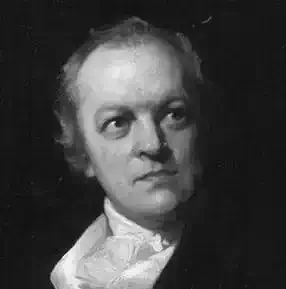
William Blake
When Klopstock England Defied
When Klopstock England Defied
When Klopstock England defied,
Uprose William Blake in his pride;
For old Nobodaddy aloft
. . . and belch'd and cough'd;
Then swore a great oath that made Heaven quake,
And call'd aloud to English Blake.
Blake was giving his body ease,
At Lambeth beneath the poplar trees.
From his seat then started he
And turn'd him round three times three.
The moon at that sight blush'd scarlet red,
The stars threw down their cups and fled,
And all the devils that were in hell,
Answerèd with a ninefold yell.
Klopstock felt the intripled turn,
And all his bowels began to churn,
And his bowels turn'd round three times three,
And lock'd in his soul with a ninefold key; . . .
Then again old Nobodaddy swore
He ne'er had seen such a thing before,
Since Noah was shut in the ark,
Since Eve first chose her hellfire spark,
Since 'twas the fashion to go naked,
Since the old Anything was created . . .
When Klopstock England defied,
Uprose William Blake in his pride;
For old Nobodaddy aloft
. . . and belch'd and cough'd;
Then swore a great oath that made Heaven quake,
And call'd aloud to English Blake.
Blake was giving his body ease,
At Lambeth beneath the poplar trees.
From his seat then started he
And turn'd him round three times three.
The moon at that sight blush'd scarlet red,
The stars threw down their cups and fled,
And all the devils that were in hell,
Answerèd with a ninefold yell.
Klopstock felt the intripled turn,
And all his bowels began to churn,
And his bowels turn'd round three times three,
And lock'd in his soul with a ninefold key; . . .
Then again old Nobodaddy swore
He ne'er had seen such a thing before,
Since Noah was shut in the ark,
Since Eve first chose her hellfire spark,
Since 'twas the fashion to go naked,
Since the old Anything was created . . .
457
William Blake
To The Accuser Who is The God of This World
To The Accuser Who is The God of This World
Truly My Satan thou art but a Dunce
And dost not know the Garment from the Man
Every Harlot was a Virgin once
Nor canst thou ever change Kate into Nan
Tho thou art Worship'd by the Names Divine
Of Jesus & Jehovah thou art still
The Son of Morn in weary Nights decline
The lost Travellers Dream under the Hill
Truly My Satan thou art but a Dunce
And dost not know the Garment from the Man
Every Harlot was a Virgin once
Nor canst thou ever change Kate into Nan
Tho thou art Worship'd by the Names Divine
Of Jesus & Jehovah thou art still
The Son of Morn in weary Nights decline
The lost Travellers Dream under the Hill
402
William Blake
The Human Abstract
The Human Abstract
Pity would be no more
If we did not make somebody Poor;
And Mercy no more could be
If all were as happy as we.
And mutual fear brings peace,
Till the selfish loves increase:
Then Cruelty knits a snare,
And spreads his baits with care.
He sits down with holy fears,
And waters the grounds with tears;
Then Humility takes its root
Underneath his foot.
Soon spreads the dismal shade
Of Mystery over his head;
And the Catterpiller and Fly
Feed on the Mystery.
And it bears the fruit of Deceit,
Ruddy and sweet to eat;
And the Raven his nest has made
In its thickest shade.
The Gods of the earth and sea
Sought thro' Nature to find this Tree;
But their search was all in vain:
There grows one in the Human Brain.
Pity would be no more
If we did not make somebody Poor;
And Mercy no more could be
If all were as happy as we.
And mutual fear brings peace,
Till the selfish loves increase:
Then Cruelty knits a snare,
And spreads his baits with care.
He sits down with holy fears,
And waters the grounds with tears;
Then Humility takes its root
Underneath his foot.
Soon spreads the dismal shade
Of Mystery over his head;
And the Catterpiller and Fly
Feed on the Mystery.
And it bears the fruit of Deceit,
Ruddy and sweet to eat;
And the Raven his nest has made
In its thickest shade.
The Gods of the earth and sea
Sought thro' Nature to find this Tree;
But their search was all in vain:
There grows one in the Human Brain.
512
William Blake
The Grey Monk
The Grey Monk
'I die, I die!' the Mother said,
'My children die for lack of bread.
What more has the merciless Tyrant said?'
The Monk sat down on the stony bed.
The blood red ran from the Grey Monk's side,
His hands and feet were wounded wide,
His body bent, his arms and knees
Like to the roots of ancient trees.
His eye was dry; no tear could flow:
A hollow groan first spoke his woe.
He trembled and shudder'd upon the bed;
At length with a feeble cry he said:
'When God commanded this hand to write
In the studious hours of deep midnight,
He told me the writing I wrote should prove
The bane of all that on Earth I lov'd.
My Brother starv'd between two walls,
His Children's cry my soul appalls;
I mock'd at the rack and griding chain,
My bent body mocks their torturing pain.
Thy father drew his sword in the North,
With his thousands strong he marched forth;
Thy Brother has arm'd himself in steel
To avenge the wrongs thy Children feel.
But vain the Sword and vain the Bow,
They never can work War's overthrow.
The Hermit's prayer and the Widow's tear
Alone can free the World from fear.
For a Tear is an intellectual thing,
And a Sigh is the sword of an Angel King,
And the bitter groan of the Martyr's woe
Is an arrow from the Almighty's bow.
The hand of Vengeance found the bed
To which the Purple Tyrant fled;
The iron hand crush'd the Tyrant's head
And became a Tyrant in his stead.'
'I die, I die!' the Mother said,
'My children die for lack of bread.
What more has the merciless Tyrant said?'
The Monk sat down on the stony bed.
The blood red ran from the Grey Monk's side,
His hands and feet were wounded wide,
His body bent, his arms and knees
Like to the roots of ancient trees.
His eye was dry; no tear could flow:
A hollow groan first spoke his woe.
He trembled and shudder'd upon the bed;
At length with a feeble cry he said:
'When God commanded this hand to write
In the studious hours of deep midnight,
He told me the writing I wrote should prove
The bane of all that on Earth I lov'd.
My Brother starv'd between two walls,
His Children's cry my soul appalls;
I mock'd at the rack and griding chain,
My bent body mocks their torturing pain.
Thy father drew his sword in the North,
With his thousands strong he marched forth;
Thy Brother has arm'd himself in steel
To avenge the wrongs thy Children feel.
But vain the Sword and vain the Bow,
They never can work War's overthrow.
The Hermit's prayer and the Widow's tear
Alone can free the World from fear.
For a Tear is an intellectual thing,
And a Sigh is the sword of an Angel King,
And the bitter groan of the Martyr's woe
Is an arrow from the Almighty's bow.
The hand of Vengeance found the bed
To which the Purple Tyrant fled;
The iron hand crush'd the Tyrant's head
And became a Tyrant in his stead.'
493
William Blake
The Book of Urizen: Chapter VIII
The Book of Urizen: Chapter VIII
. Urizen explor'd his dens
Mountain, moor, & wilderness,
With a globe of fire lighting his journey
A fearful journey, annoy'd
By cruel enormities: forms
Of life on his forsaken mountains
. And his world teemd vast enormities
Frightning; faithless; fawning
Portions of life; similitudes
Of a foot, or a hand, or a head
Or a heart, or an eye, they swam mischevous
Dread terrors! delighting in blood
. Most Urizen sicken'd to see
His eternal creations appear
Sons & daughters of sorrow on mountains
Weeping! wailing! first Thiriel appear'd
Astonish'd at his own existence
Like a man from a cloud born, & Utha
From the waters emerging, laments!
Grodna rent the deep earth howling
Amaz'd! his heavens immense cracks
Like the ground parch'd with heat; then Fuzon
Flam'd out! first begotten, last born.
All his eternal sons in like manner
His daughters from green herbs & cattle
From monsters, & worms of the pit.
. He in darkness clos'd, view'd all his race,
And his soul sicken'd! he curs'd
Both sons & daughters; for he saw
That no flesh nor spirit could keep
His iron laws one moment.
. For he saw that life liv'd upon death
The Ox in the slaughter house moans
The Dog at the wintry door
And he wept, & he called it Pity
And his tears flowed down on the winds
. Cold he wander'd on high, over their cities
In weeping & pain & woe!
And where-ever he wanderd in sorrows
Upon the aged heavens
A cold shadow follow'd behind him
Like a spiders web, moist, cold, & dim
Drawing out from his sorrowing soul
The dungeon-like heaven dividing.
Where ever the footsteps of Urizen
Walk'd over the cities in sorrow.
. Till a Web dark & cold, throughout all
The tormented element stretch'd
From the sorrows of Urizens soul
And the Web is a Female in embrio
None could break the Web, no wings of fire.
. So twisted the cords, & so knotted
The meshes: twisted like to the human brain
. And all calld it, The Net of Religion
. Urizen explor'd his dens
Mountain, moor, & wilderness,
With a globe of fire lighting his journey
A fearful journey, annoy'd
By cruel enormities: forms
Of life on his forsaken mountains
. And his world teemd vast enormities
Frightning; faithless; fawning
Portions of life; similitudes
Of a foot, or a hand, or a head
Or a heart, or an eye, they swam mischevous
Dread terrors! delighting in blood
. Most Urizen sicken'd to see
His eternal creations appear
Sons & daughters of sorrow on mountains
Weeping! wailing! first Thiriel appear'd
Astonish'd at his own existence
Like a man from a cloud born, & Utha
From the waters emerging, laments!
Grodna rent the deep earth howling
Amaz'd! his heavens immense cracks
Like the ground parch'd with heat; then Fuzon
Flam'd out! first begotten, last born.
All his eternal sons in like manner
His daughters from green herbs & cattle
From monsters, & worms of the pit.
. He in darkness clos'd, view'd all his race,
And his soul sicken'd! he curs'd
Both sons & daughters; for he saw
That no flesh nor spirit could keep
His iron laws one moment.
. For he saw that life liv'd upon death
The Ox in the slaughter house moans
The Dog at the wintry door
And he wept, & he called it Pity
And his tears flowed down on the winds
. Cold he wander'd on high, over their cities
In weeping & pain & woe!
And where-ever he wanderd in sorrows
Upon the aged heavens
A cold shadow follow'd behind him
Like a spiders web, moist, cold, & dim
Drawing out from his sorrowing soul
The dungeon-like heaven dividing.
Where ever the footsteps of Urizen
Walk'd over the cities in sorrow.
. Till a Web dark & cold, throughout all
The tormented element stretch'd
From the sorrows of Urizens soul
And the Web is a Female in embrio
None could break the Web, no wings of fire.
. So twisted the cords, & so knotted
The meshes: twisted like to the human brain
. And all calld it, The Net of Religion
427
William Blake
The Book of Urizen: Chapter III
The Book of Urizen: Chapter III
. The voice ended, they saw his pale visage
Emerge from the darkness; his hand
On the rock of eternity unclasping
The Book of brass. Rage siez'd the strong
. Rage, fury, intense indignation
In cataracts of fire blood & gall
In whirlwinds of sulphurous smoke:
And enormous forms of energy;
All the seven deadly sins of the soul
In living creations appear'd
In the flames of eternal fury.
. Sund'ring, dark'ning, thund'ring!
Rent away with a terrible crash
Eternity roll'd wide apart
Wide asunder rolling
Mountainous all around
Departing; departing; departing:
Leaving ruinous fragments of life
Hanging frowning cliffs & all between
An ocean of voidness unfathomable.
. The roaring fires ran o'er the heav'ns
In whirlwinds & cataracts of blood
And o'er the dark desarts of Urizen
Fires pour thro' the void on all sides
On Urizens self-begotten armies.
. But no light from the fires. all was darkness
In the flames of Eternal fury
. In fierce anguish & quenchless flames
To the desarts and rocks He ran raging
To hide, but He could not: combining
He dug mountains & hills in vast strength,
He piled them in incessant labour,
In howlings & pangs & fierce madness
Long periods in burning fires labouring
Till hoary, and age-broke, and aged,
In despair and the shadows of death.
. And a roof, vast petrific around,
On all sides He fram'd: like a womb;
Where thousands of rivers in veins
Of blood pour down the mountains to cool
The eternal fires beating without
From Eternals; & like a black globe
View'd by sons of Eternity, standing
On the shore of the infinite ocean
Like a human heart strugling & beating
The vast world of Urizen appear'd.
. And Los round the dark globe of Urizen,
Kept watch for Eternals to confine,
The obscure separation alone;
For Eternity stood wide apart,
As the stars are apart from the earth
. Los wept howling around the dark Demon:
And cursing his lot; for in anguish,
Urizen was rent from his side;
And a fathomless void for his feet;
And intense fires for his dwelling.
. But Urizen laid in a stony sleep
Unorganiz'd, rent from Eternity
. The Eternals said: What is this? Death
Urizen is a clod of clay.
. Los howld in a dismal stupor,
Groaning! gnashing! groaning!
Till the wrenching apart was healed
. But the wrenching of Urizen heal'd not
Cold, featureless, flesh or clay,
Rifted with direful changes
He lay in a dreamless night
. Till Los rouz'd his fires, affrighted
At the formless unmeasurable death.
. The voice ended, they saw his pale visage
Emerge from the darkness; his hand
On the rock of eternity unclasping
The Book of brass. Rage siez'd the strong
. Rage, fury, intense indignation
In cataracts of fire blood & gall
In whirlwinds of sulphurous smoke:
And enormous forms of energy;
All the seven deadly sins of the soul
In living creations appear'd
In the flames of eternal fury.
. Sund'ring, dark'ning, thund'ring!
Rent away with a terrible crash
Eternity roll'd wide apart
Wide asunder rolling
Mountainous all around
Departing; departing; departing:
Leaving ruinous fragments of life
Hanging frowning cliffs & all between
An ocean of voidness unfathomable.
. The roaring fires ran o'er the heav'ns
In whirlwinds & cataracts of blood
And o'er the dark desarts of Urizen
Fires pour thro' the void on all sides
On Urizens self-begotten armies.
. But no light from the fires. all was darkness
In the flames of Eternal fury
. In fierce anguish & quenchless flames
To the desarts and rocks He ran raging
To hide, but He could not: combining
He dug mountains & hills in vast strength,
He piled them in incessant labour,
In howlings & pangs & fierce madness
Long periods in burning fires labouring
Till hoary, and age-broke, and aged,
In despair and the shadows of death.
. And a roof, vast petrific around,
On all sides He fram'd: like a womb;
Where thousands of rivers in veins
Of blood pour down the mountains to cool
The eternal fires beating without
From Eternals; & like a black globe
View'd by sons of Eternity, standing
On the shore of the infinite ocean
Like a human heart strugling & beating
The vast world of Urizen appear'd.
. And Los round the dark globe of Urizen,
Kept watch for Eternals to confine,
The obscure separation alone;
For Eternity stood wide apart,
As the stars are apart from the earth
. Los wept howling around the dark Demon:
And cursing his lot; for in anguish,
Urizen was rent from his side;
And a fathomless void for his feet;
And intense fires for his dwelling.
. But Urizen laid in a stony sleep
Unorganiz'd, rent from Eternity
. The Eternals said: What is this? Death
Urizen is a clod of clay.
. Los howld in a dismal stupor,
Groaning! gnashing! groaning!
Till the wrenching apart was healed
. But the wrenching of Urizen heal'd not
Cold, featureless, flesh or clay,
Rifted with direful changes
He lay in a dreamless night
. Till Los rouz'd his fires, affrighted
At the formless unmeasurable death.
424
William Blake
A Poison Tree
A Poison Tree
I was angry with my friend:
I told my wrath, my wrath did end.
I was angry with my foe:
I told it not, my wrath did grow.
And I watered it in fears,
Night and morning with my tears;
And I sunned it with smiles,
And with soft deceitful wiles.
And it grew both day and night,
Till it bore an apple bright.
And my foe beheld it shine.
And he knew that it was mine,
And into my garden stole
When the night had veiled the pole;
In the morning glad I see
My foe outstretched beneath the tree.
I was angry with my friend:
I told my wrath, my wrath did end.
I was angry with my foe:
I told it not, my wrath did grow.
And I watered it in fears,
Night and morning with my tears;
And I sunned it with smiles,
And with soft deceitful wiles.
And it grew both day and night,
Till it bore an apple bright.
And my foe beheld it shine.
And he knew that it was mine,
And into my garden stole
When the night had veiled the pole;
In the morning glad I see
My foe outstretched beneath the tree.
816

Wilfred Owen
The Parable of the Old Man and the Young
The Parable of the Old Man and the Young
So Abram rose, and clave the wood, and went,
And took the fire with him, and a knife.
And as they sojourned both of them together,
Isaac the first-born spake and said, My Father,
Behold the preparations, fire and iron,
But where the lamb for this burnt-offering?
Then Abram bound the youth with belts and strops,
And builded parapets and trenches there,
And stretched forth the knife to slay his son.
When lo! an angel called him out of heaven,
Saying, Lay not thy hand upon the lad,
Neither do anything to him. Behold,
A ram, caught in a thicket by its horns;
Offer the Ram of Pride instead of him.
But the old man would not so, but slew his son,
And half the seed of Europe, one by one.
So Abram rose, and clave the wood, and went,
And took the fire with him, and a knife.
And as they sojourned both of them together,
Isaac the first-born spake and said, My Father,
Behold the preparations, fire and iron,
But where the lamb for this burnt-offering?
Then Abram bound the youth with belts and strops,
And builded parapets and trenches there,
And stretched forth the knife to slay his son.
When lo! an angel called him out of heaven,
Saying, Lay not thy hand upon the lad,
Neither do anything to him. Behold,
A ram, caught in a thicket by its horns;
Offer the Ram of Pride instead of him.
But the old man would not so, but slew his son,
And half the seed of Europe, one by one.
370
Wilfred Owen
On Seeing a Piece of Our Artillery Brought into Action
On Seeing a Piece of Our Artillery Brought into Action
Be slowly lifted up, thou long black arm,
Great gun towering towards Heaven, about to curse;
Sway steep against them, and for years rehearse
Huge imprecations like a blasting charm!
Reach at that Arrogance which needs thy harm,
And beat it down before its sins grow worse;
Spend our resentment, cannon,--yea, disburse
Our gold in shapes of flame, our breaths in storm.
Yet, for men's sakes whom thy vast malison
Must wither innocent of enmity,
Be not withdrawn, dark arm, thy spoilure done,
Safe to the bosom of our prosperity.
But when thy spell be cast complete and whole,
May God curse thee, and cut thee from our soul!
Be slowly lifted up, thou long black arm,
Great gun towering towards Heaven, about to curse;
Sway steep against them, and for years rehearse
Huge imprecations like a blasting charm!
Reach at that Arrogance which needs thy harm,
And beat it down before its sins grow worse;
Spend our resentment, cannon,--yea, disburse
Our gold in shapes of flame, our breaths in storm.
Yet, for men's sakes whom thy vast malison
Must wither innocent of enmity,
Be not withdrawn, dark arm, thy spoilure done,
Safe to the bosom of our prosperity.
But when thy spell be cast complete and whole,
May God curse thee, and cut thee from our soul!
216
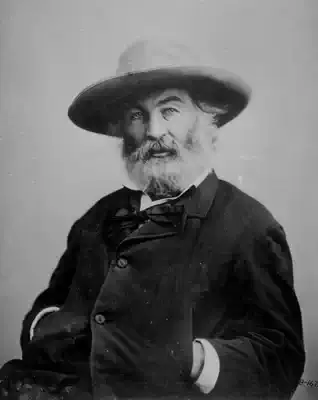
Walt Whitman
Spirit Whose Work Is Done
Spirit Whose Work Is Done
SPIRIT whose work is done! spirit of dreadful hours!
Ere, departing, fade from my eyes your forests of bayonets;
Spirit of gloomiest fears and doubts, (yet onward ever unfaltering
pressing;)
Spirit of many a solemn day, and many a savage scene! Electric
spirit!
That with muttering voice, through the war now closed, like a
tireless phantom flitted,
Rousing the land with breath of flame, while you beat and beat the
drum;
--Now, as the sound of the drum, hollow and harsh to the last,
reverberates round me;
As your ranks, your immortal ranks, return, return from the battles;
While the muskets of the young men yet lean over their shoulders; 10
While I look on the bayonets bristling over their shoulders;
While those slanted bayonets, whole forests of them, appearing in the
distance, approach and pass on, returning homeward,
Moving with steady motion, swaying to and fro, to the right and left,
Evenly, lightly rising and falling, as the steps keep time;
--Spirit of hours I knew, all hectic red one day, but pale as death
next day;
Touch my mouth, ere you depart--press my lips close!
Leave me your pulses of rage! bequeath them to me! fill me with
currents convulsive!
Let them scorch and blister out of my chants, when you are gone;
Let them identify you to the future, in these songs.
SPIRIT whose work is done! spirit of dreadful hours!
Ere, departing, fade from my eyes your forests of bayonets;
Spirit of gloomiest fears and doubts, (yet onward ever unfaltering
pressing;)
Spirit of many a solemn day, and many a savage scene! Electric
spirit!
That with muttering voice, through the war now closed, like a
tireless phantom flitted,
Rousing the land with breath of flame, while you beat and beat the
drum;
--Now, as the sound of the drum, hollow and harsh to the last,
reverberates round me;
As your ranks, your immortal ranks, return, return from the battles;
While the muskets of the young men yet lean over their shoulders; 10
While I look on the bayonets bristling over their shoulders;
While those slanted bayonets, whole forests of them, appearing in the
distance, approach and pass on, returning homeward,
Moving with steady motion, swaying to and fro, to the right and left,
Evenly, lightly rising and falling, as the steps keep time;
--Spirit of hours I knew, all hectic red one day, but pale as death
next day;
Touch my mouth, ere you depart--press my lips close!
Leave me your pulses of rage! bequeath them to me! fill me with
currents convulsive!
Let them scorch and blister out of my chants, when you are gone;
Let them identify you to the future, in these songs.
454
Page 1
Next