

Poems in this topic
Animals and Nature
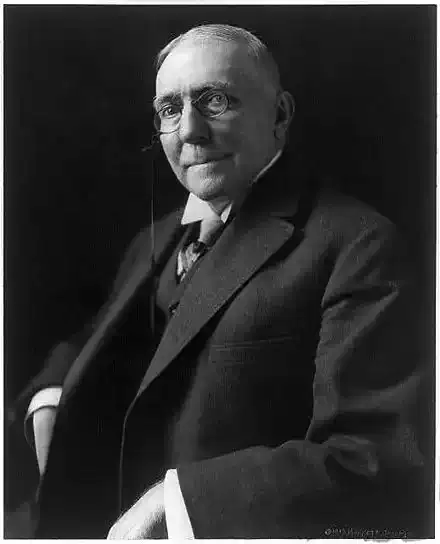
James Whitcomb Riley
The Boy Lives On Our Farm
The Boy Lives On Our Farm
The boy lives on our Farm, he's not
Afeard o' horses none!
An' he can make 'em lope, er trot,
Er rack, er pace, er run.
Sometimes he drives two horses, when
He comes to town an' brings
A wagon-full o' 'taters nen,
An' roastin'-ears an' things.
Two horses is 'a team,' he says,
An' when you drive er hitch,
The right-un's a 'near-horse,' I guess
Er 'off'--I don't know which--
The Boy lives on our Farm, he told
Me, too, 'at he can see,
By lookin' at their teeth, how old
A horse is, to a T!
I'd be the gladdest boy alive
Ef I knowed much as that,
An' could stand up like him an' drive,
An' ist push back my hat,
Like he comes skallyhootin' through
Our alley, with one arm
A-wavin' Fare-ye-well! to you--
The Boy lives on our Farm!
The boy lives on our Farm, he's not
Afeard o' horses none!
An' he can make 'em lope, er trot,
Er rack, er pace, er run.
Sometimes he drives two horses, when
He comes to town an' brings
A wagon-full o' 'taters nen,
An' roastin'-ears an' things.
Two horses is 'a team,' he says,
An' when you drive er hitch,
The right-un's a 'near-horse,' I guess
Er 'off'--I don't know which--
The Boy lives on our Farm, he told
Me, too, 'at he can see,
By lookin' at their teeth, how old
A horse is, to a T!
I'd be the gladdest boy alive
Ef I knowed much as that,
An' could stand up like him an' drive,
An' ist push back my hat,
Like he comes skallyhootin' through
Our alley, with one arm
A-wavin' Fare-ye-well! to you--
The Boy lives on our Farm!
309
James Whitcomb Riley
The Bat
The Bat
I.
Thou dread, uncanny thing,
With fuzzy breast and leathern wing,
In mad, zigzagging flight,
Notching the dusk, and buffeting
The black cheeks of the night,
With grim delight!
II.
What witch's hand unhasps
Thy keen claw-cornered wings
From under the barn roof, and flings
Thee forth, with chattering gasps,
To scud the air,
And nip the lady-bug, and tear
Her children's hearts out unaware?
III.
The glow-worm's glimmer, and the bright,
Sad pulsings of the fire-fly's light,
Are banquet lights to thee.
O less than bird, and worse than beast,
Thou Devil's self, or brat, at least,
Grate not thy teeth at me!
I.
Thou dread, uncanny thing,
With fuzzy breast and leathern wing,
In mad, zigzagging flight,
Notching the dusk, and buffeting
The black cheeks of the night,
With grim delight!
II.
What witch's hand unhasps
Thy keen claw-cornered wings
From under the barn roof, and flings
Thee forth, with chattering gasps,
To scud the air,
And nip the lady-bug, and tear
Her children's hearts out unaware?
III.
The glow-worm's glimmer, and the bright,
Sad pulsings of the fire-fly's light,
Are banquet lights to thee.
O less than bird, and worse than beast,
Thou Devil's self, or brat, at least,
Grate not thy teeth at me!
311
James Whitcomb Riley
On The Sunny Side
On The Sunny Side
Hi and whoop-hooray, boys!
Sing a song of cheer!
Here's a holiday, boys,
Lasting half a year!
Round the world, and half is
Shadow we have tried;
Now we're where the laugh is,--
On the sunny side!
Pigeons coo and mutter,
Strutting high aloof
Where the sunbeans flutter
Through the stable roof.
Hear the chickens cheep, boys,
And the hen with pride
Clucking them to sleep, boys,
On the sunny side!
Hear the clacking guinea;
Hear the cattle moo;
Hear the horses whinny,
Looking out at you!
On the hitching-block, boys,
Grandly satisfied,
See the old peacock, boys,
On the sunny side!
Robins in the peach-tree;
Bluebirds in the pear;
Blossoms over each tree
In the orchard there!
All the world's in joy, boys,
Glad and glorified
As a romping boy, boys,
On the sunny side!
Where's a heart as mellow?
Where's a soul as free?
Where is any fellow
We would rather be?
Just ourselves or none, boys,
World around and wide,
Laughing in the sun, boys,
On the sunny side!
Hi and whoop-hooray, boys!
Sing a song of cheer!
Here's a holiday, boys,
Lasting half a year!
Round the world, and half is
Shadow we have tried;
Now we're where the laugh is,--
On the sunny side!
Pigeons coo and mutter,
Strutting high aloof
Where the sunbeans flutter
Through the stable roof.
Hear the chickens cheep, boys,
And the hen with pride
Clucking them to sleep, boys,
On the sunny side!
Hear the clacking guinea;
Hear the cattle moo;
Hear the horses whinny,
Looking out at you!
On the hitching-block, boys,
Grandly satisfied,
See the old peacock, boys,
On the sunny side!
Robins in the peach-tree;
Bluebirds in the pear;
Blossoms over each tree
In the orchard there!
All the world's in joy, boys,
Glad and glorified
As a romping boy, boys,
On the sunny side!
Where's a heart as mellow?
Where's a soul as free?
Where is any fellow
We would rather be?
Just ourselves or none, boys,
World around and wide,
Laughing in the sun, boys,
On the sunny side!
298
James Whitcomb Riley
Mr. Hammond's Parable--The Dreamer
Mr. Hammond's Parable--The Dreamer
I
He was a Dreamer of the Days:
Indolent as a lazy breeze
Of midsummer, in idlest ways
Lolling about in the shade of trees.
The farmer turned--as he passed him by
Under the hillside where he kneeled
Plucking a flower--with scornful eye
And rode ahead in the harvest field
Muttering--'Lawz! ef that-air shirk
Of a boy was mine fer a week er so,
He'd quit _dreamin'_ and git to work
And _airn_ his livin'--er--Well! _I_ know!'
And even kindlier rumor said,
Tapping with finger a shaking head,-'
Got such a curious kind o' way-Wouldn't
surprise me much, I say!'
Lying limp, with upturned gaze
Idly dreaming away his days.
No companions? Yes, a book
Sometimes under his arm he took
To read aloud to a lonesome brook.
And school-boys, truant, once had heard
A strange voice chanting, faint and dim--
Followed the echoes, and found it him,
Perched in a tree-top like a bird,
Singing, clean from the highest limb;
And, fearful and awed, they all slipped by
To wonder in whispers if he could fly.
'Let him alone!' his father said
When the old schoolmaster came to say,
'He took no part in his books to-day--
Only the lesson the readers read.--
His mind seems sadly going astray!'
'Let him alone!' came the mournful tone,
And the father's grief in his sad eyes shone--
Hiding his face in his trembling hand,
Moaning, 'Would I could understand!
But as heaven wills it I accept
Uncomplainingly!' So he wept.
Then went 'The Dreamer' as he willed,
As uncontrolled as a light sail filled
Flutters about with an empty boat
Loosed from its moorings and afloat:
Drifted out from the busy quay
Of dull school-moorings listlessly;
Drifted off on the talking breeze,
All alone with his reveries;
Drifted on, as his fancies wrought-
Out on the mighty gulfs of thought.
II
The farmer came in the evening gray
And took the bars of the pasture down;
Called to the cows in a coaxing way,
'Bess' and 'Lady' and 'Spot' and 'Brown,'
While each gazed with a wide-eyed stare,
As though surprised at his coming there--
Till another tone, in a higher key,
Brought their obeyance lothfully.
Then, as he slowly turned and swung
The topmost bar to its proper rest,
Something fluttered along and clung
An instant, shivering at his breast--
A wind-scared fragment of legal cap,
Which darted again, as he struck his hand
On his sounding chest with a sudden slap,
And hurried sailing across the land.
But as it clung he had caught the glance
Of a little penciled countenance,
And a glamour of written words; and hence,
A minute later, over the fence,
'Here and there and gone astray
Over the hills and far away,'
He chased it into a thicket of trees
And took it away from the captious breeze.
A scrap of paper with a rhyme
Scrawled upon it of summertime:
A pencil-sketch of a dairy-maid,
Under a farmhouse porch's shade,
Working merrily; and was blent
With her glad features such sweet content,
That a song she sung in the lines below
Seemed delightfully _apropos_:--
I
He was a Dreamer of the Days:
Indolent as a lazy breeze
Of midsummer, in idlest ways
Lolling about in the shade of trees.
The farmer turned--as he passed him by
Under the hillside where he kneeled
Plucking a flower--with scornful eye
And rode ahead in the harvest field
Muttering--'Lawz! ef that-air shirk
Of a boy was mine fer a week er so,
He'd quit _dreamin'_ and git to work
And _airn_ his livin'--er--Well! _I_ know!'
And even kindlier rumor said,
Tapping with finger a shaking head,-'
Got such a curious kind o' way-Wouldn't
surprise me much, I say!'
Lying limp, with upturned gaze
Idly dreaming away his days.
No companions? Yes, a book
Sometimes under his arm he took
To read aloud to a lonesome brook.
And school-boys, truant, once had heard
A strange voice chanting, faint and dim--
Followed the echoes, and found it him,
Perched in a tree-top like a bird,
Singing, clean from the highest limb;
And, fearful and awed, they all slipped by
To wonder in whispers if he could fly.
'Let him alone!' his father said
When the old schoolmaster came to say,
'He took no part in his books to-day--
Only the lesson the readers read.--
His mind seems sadly going astray!'
'Let him alone!' came the mournful tone,
And the father's grief in his sad eyes shone--
Hiding his face in his trembling hand,
Moaning, 'Would I could understand!
But as heaven wills it I accept
Uncomplainingly!' So he wept.
Then went 'The Dreamer' as he willed,
As uncontrolled as a light sail filled
Flutters about with an empty boat
Loosed from its moorings and afloat:
Drifted out from the busy quay
Of dull school-moorings listlessly;
Drifted off on the talking breeze,
All alone with his reveries;
Drifted on, as his fancies wrought-
Out on the mighty gulfs of thought.
II
The farmer came in the evening gray
And took the bars of the pasture down;
Called to the cows in a coaxing way,
'Bess' and 'Lady' and 'Spot' and 'Brown,'
While each gazed with a wide-eyed stare,
As though surprised at his coming there--
Till another tone, in a higher key,
Brought their obeyance lothfully.
Then, as he slowly turned and swung
The topmost bar to its proper rest,
Something fluttered along and clung
An instant, shivering at his breast--
A wind-scared fragment of legal cap,
Which darted again, as he struck his hand
On his sounding chest with a sudden slap,
And hurried sailing across the land.
But as it clung he had caught the glance
Of a little penciled countenance,
And a glamour of written words; and hence,
A minute later, over the fence,
'Here and there and gone astray
Over the hills and far away,'
He chased it into a thicket of trees
And took it away from the captious breeze.
A scrap of paper with a rhyme
Scrawled upon it of summertime:
A pencil-sketch of a dairy-maid,
Under a farmhouse porch's shade,
Working merrily; and was blent
With her glad features such sweet content,
That a song she sung in the lines below
Seemed delightfully _apropos_:--
262
James Whitcomb Riley
Lullaby
Lullaby
The maple strews the embers of its leaves
O'er the laggard swallows nestled 'neath the eaves;
And the moody cricket falters in his cry--Baby-bye!--
And the lid of night is falling o'er the sky--Baby-bye!--
The lid of night is falling o'er the sky!
The rose is lying pallid, and the cup
Of the frosted calla-lily folded up;
And the breezes through the garden sob and sigh--Baby-bye!-O'er
the sleeping blooms of summer where they lie--Baby-bye!-O'er
the sleeping blooms of summer where they lie!
Yet, Baby--O my Baby, for your sake
This heart of mine is ever wide awake,
And my love may never droop a drowsy eye--Baby-bye!--
Till your own are wet above me when I die--Baby-bye!--
Till your own are wet above me when I die.
The maple strews the embers of its leaves
O'er the laggard swallows nestled 'neath the eaves;
And the moody cricket falters in his cry--Baby-bye!--
And the lid of night is falling o'er the sky--Baby-bye!--
The lid of night is falling o'er the sky!
The rose is lying pallid, and the cup
Of the frosted calla-lily folded up;
And the breezes through the garden sob and sigh--Baby-bye!-O'er
the sleeping blooms of summer where they lie--Baby-bye!-O'er
the sleeping blooms of summer where they lie!
Yet, Baby--O my Baby, for your sake
This heart of mine is ever wide awake,
And my love may never droop a drowsy eye--Baby-bye!--
Till your own are wet above me when I die--Baby-bye!--
Till your own are wet above me when I die.
302
James Whitcomb Riley
Knee-Deep in June
Knee-Deep in June
Tell you what I like the best -'
Long about knee-deep in June,
'Bout the time strawberries melts
On the vine, -- some afternoon
Like to jes' git out and rest,
And not work at nothin' else!
Orchard's where I'd ruther be -Needn't
fence it in fer me! --
Jes' the whole sky overhead,
And the whole airth underneath --
Sort o' so's a man kin breathe
Like he ort, and kind o' has
Elbow-room to keerlessly
Sprawl out len'thways on the grass
Where the shadders thick and soft
As the kivvers on the bed
Mother fixes in the loft
Allus, when they's company!
Jes' a-sort o' lazin there S'lazy,
'at you peek and peer
Through the wavin' leaves above,
Like a feller 'ats in love
And don't know it, ner don't keer!
Ever'thing you hear and see
Got some sort o' interest -
Maybe find a bluebird's nest
Tucked up there conveenently
Fer the boy 'at's ap' to be
Up some other apple tree!
Watch the swallers skootin' past
Bout as peert as you could ast;
Er the Bob-white raise and whiz
Where some other's whistle is.
Ketch a shadder down below,
And look up to find the crow --
Er a hawk, - away up there,
'Pearantly froze in the air! --
Hear the old hen squawk, and squat
Over ever' chick she's got,
Suddent-like! - and she knows where
That-air hawk is, well as you! --
You jes' bet yer life she do! --
Eyes a-glitterin' like glass,
Waitin' till he makes a pass!
Pee-wees wingin', to express
My opinion, 's second-class,
Yit you'll hear 'em more er less;
Sapsucks gittin' down to biz,
Weedin' out the lonesomeness;
Mr. Bluejay, full o' sass,
In them baseball clothes o' his,
Sportin' round the orchad jes'
Like he owned the premises!
Sun out in the fields kin sizz,
But flat on yer back, I guess,
In the shade's where glory is!
That's jes' what I'd like to do
Stiddy fer a year er two!
Plague! Ef they ain't somepin' in
Work 'at kind o' goes ag'in'
My convictions! - 'long about
Here in June especially! --
Under some ole apple tree,
Jes' a-restin through and through,
I could git along without
Nothin' else at all to do
Only jes' a-wishin' you
Wuz a-gittin' there like me,
And June wuz eternity!
Lay out there and try to see
Jes' how lazy you kin be! --
Tumble round and souse yer head
In the clover-bloom, er pull
Yer straw hat acrost yer eyes
And peek through it at the skies,
Thinkin' of old chums 'ats dead,
Maybe, smilin' back at you
In betwixt the beautiful
Clouds o'gold and white and blue! --
Month a man kin railly love --
June, you know, I'm talkin' of!
March ain't never nothin' new! -April's
altogether too
Brash fer me! and May -- I jes'
'Bominate its promises, --
Little hints o' sunshine and
Green around the timber-land --
A few blossoms, and a few
Chip-birds, and a sprout er two, --
Drap asleep, and it turns in
Fore daylight and snows ag'in! --
But when June comes - Clear my th'oat
With wild honey! -- Rench my hair
In the dew! And hold my coat!
Whoop out loud! And th'ow my hat! --
June wants me, and I'm to spare!
Spread them shadders anywhere,
I'll get down and waller there,
And obleeged to you at that!
Tell you what I like the best -'
Long about knee-deep in June,
'Bout the time strawberries melts
On the vine, -- some afternoon
Like to jes' git out and rest,
And not work at nothin' else!
Orchard's where I'd ruther be -Needn't
fence it in fer me! --
Jes' the whole sky overhead,
And the whole airth underneath --
Sort o' so's a man kin breathe
Like he ort, and kind o' has
Elbow-room to keerlessly
Sprawl out len'thways on the grass
Where the shadders thick and soft
As the kivvers on the bed
Mother fixes in the loft
Allus, when they's company!
Jes' a-sort o' lazin there S'lazy,
'at you peek and peer
Through the wavin' leaves above,
Like a feller 'ats in love
And don't know it, ner don't keer!
Ever'thing you hear and see
Got some sort o' interest -
Maybe find a bluebird's nest
Tucked up there conveenently
Fer the boy 'at's ap' to be
Up some other apple tree!
Watch the swallers skootin' past
Bout as peert as you could ast;
Er the Bob-white raise and whiz
Where some other's whistle is.
Ketch a shadder down below,
And look up to find the crow --
Er a hawk, - away up there,
'Pearantly froze in the air! --
Hear the old hen squawk, and squat
Over ever' chick she's got,
Suddent-like! - and she knows where
That-air hawk is, well as you! --
You jes' bet yer life she do! --
Eyes a-glitterin' like glass,
Waitin' till he makes a pass!
Pee-wees wingin', to express
My opinion, 's second-class,
Yit you'll hear 'em more er less;
Sapsucks gittin' down to biz,
Weedin' out the lonesomeness;
Mr. Bluejay, full o' sass,
In them baseball clothes o' his,
Sportin' round the orchad jes'
Like he owned the premises!
Sun out in the fields kin sizz,
But flat on yer back, I guess,
In the shade's where glory is!
That's jes' what I'd like to do
Stiddy fer a year er two!
Plague! Ef they ain't somepin' in
Work 'at kind o' goes ag'in'
My convictions! - 'long about
Here in June especially! --
Under some ole apple tree,
Jes' a-restin through and through,
I could git along without
Nothin' else at all to do
Only jes' a-wishin' you
Wuz a-gittin' there like me,
And June wuz eternity!
Lay out there and try to see
Jes' how lazy you kin be! --
Tumble round and souse yer head
In the clover-bloom, er pull
Yer straw hat acrost yer eyes
And peek through it at the skies,
Thinkin' of old chums 'ats dead,
Maybe, smilin' back at you
In betwixt the beautiful
Clouds o'gold and white and blue! --
Month a man kin railly love --
June, you know, I'm talkin' of!
March ain't never nothin' new! -April's
altogether too
Brash fer me! and May -- I jes'
'Bominate its promises, --
Little hints o' sunshine and
Green around the timber-land --
A few blossoms, and a few
Chip-birds, and a sprout er two, --
Drap asleep, and it turns in
Fore daylight and snows ag'in! --
But when June comes - Clear my th'oat
With wild honey! -- Rench my hair
In the dew! And hold my coat!
Whoop out loud! And th'ow my hat! --
June wants me, and I'm to spare!
Spread them shadders anywhere,
I'll get down and waller there,
And obleeged to you at that!
233
James Whitcomb Riley
June At Woodruff
June At Woodruff
Out at Woodruff Place--afar
From the city's glare and jar,
With the leafy trees, instead
Of the awnings, overhead;
With the shadows cool and sweet,
For the fever of the street;
With the silence, like a prayer,
Breathing round us everywhere.
Gracious anchorage, at last,
From the billows of the vast
Tide of life that comes and goes,
Whence and where nobody knows--
Moving, like a skeptic's thought,
Out of nowhere into naught.
Touch and tame us with thy grace,
Placid calm of Woodruff Place!
Weave a wreath of beechen leaves
For the brow that throbs and grieves
O'er the ledger, bloody-lined,
'Neath the sun-struck window-blind!
Send the breath of woodland bloom
Through the sick man's prison room,
Till his old farm-home shall swim
Sweet in mind to hearten him!
Out at Woodruff Place the Muse
Dips her sandal in the dews,
Sacredly as night and dawn
Baptize lilied grove and lawn:
Woody path, or paven way--
She doth haunt them night and day,--
Sun or moonlight through the trees,
To her eyes, are melodies.
Swinging lanterns, twinkling clear
Through night-scenes, are songs to her--
Tinted lilts and choiring hues,
Blent with children's glad halloos;
Then belated lays that fade
Into midnight's serenade-Vine-
like words and zithern-strings
Twined through ali her slumberings.
Blessed be each hearthstone set
Neighboring the violet!
Blessed every rooftree prayed
Over by the beech's shadel
Blessed doorway, opening where
We may look on Nature--there
Hand to hand and face to face-
Storied realm, or Woodruff Place.
Out at Woodruff Place--afar
From the city's glare and jar,
With the leafy trees, instead
Of the awnings, overhead;
With the shadows cool and sweet,
For the fever of the street;
With the silence, like a prayer,
Breathing round us everywhere.
Gracious anchorage, at last,
From the billows of the vast
Tide of life that comes and goes,
Whence and where nobody knows--
Moving, like a skeptic's thought,
Out of nowhere into naught.
Touch and tame us with thy grace,
Placid calm of Woodruff Place!
Weave a wreath of beechen leaves
For the brow that throbs and grieves
O'er the ledger, bloody-lined,
'Neath the sun-struck window-blind!
Send the breath of woodland bloom
Through the sick man's prison room,
Till his old farm-home shall swim
Sweet in mind to hearten him!
Out at Woodruff Place the Muse
Dips her sandal in the dews,
Sacredly as night and dawn
Baptize lilied grove and lawn:
Woody path, or paven way--
She doth haunt them night and day,--
Sun or moonlight through the trees,
To her eyes, are melodies.
Swinging lanterns, twinkling clear
Through night-scenes, are songs to her--
Tinted lilts and choiring hues,
Blent with children's glad halloos;
Then belated lays that fade
Into midnight's serenade-Vine-
like words and zithern-strings
Twined through ali her slumberings.
Blessed be each hearthstone set
Neighboring the violet!
Blessed every rooftree prayed
Over by the beech's shadel
Blessed doorway, opening where
We may look on Nature--there
Hand to hand and face to face-
Storied realm, or Woodruff Place.
298
James Whitcomb Riley
Iry And Billy Jo
Iry And Billy Jo
Iry an' Billy an' Jo!--
Iry an' Billy's _the boys_,
An' _Jo's_ their _dog_, you know,--
Their pictures took all in a row.
Bet they kin kick up a noise--
Iry and Billy, the boys,
And that-air little dog Jo!
_Iry's_ the one 'at stands
Up there a-lookin' so mild
An' meek--with his hat in his hands,
Like such a 'bediant child-(_
Sakes-alive_!)--An' _Billy_ he sets
In the cheer an' holds onto Jo an' _sweats_
Hisse'f, a-lookin' so good! Ho-ho!
Iry an' Billy an' Jo!
Yit the way them boys, you know,
Usen to jes turn in
An' fight over that dog Jo
Wuz a burnin'-shame-an'-a-sin !--
Iry _he'd_ argy 'at, by gee-whizz!
That-air little Jo-dog wuz _his_!--
An' Billy _he'd_ claim it wuzn't so-'
Cause the dog wuz _his'n_!--An' at it they'd go,
Nip-an'-tugg, tooth-an'-toenail, you know--
Iry an' Billy an' Jo!
But their Pa--(He wuz the marshal then)
He 'tended-like 'at he _jerked 'em up_;
An' got a jury o' Brickyard men
An' helt a _trial_ about the pup:
An' _he_ says _he_ jes like to a-died
When the rest o' us town-boys _testified_--
Regardin', you know,
Iry an' Billy an' Jo.-
'Cause we all knowed, when _the Gypsies_ they
Camped down here by the crick last Fall,
They brung Jo with 'em, an' give him away
To Iry an' Billy fer nothin' at all!--
So the jury fetched in the _verdick_ so
Jo he ain't _neether_ o' theirn fer _shore_-He's
_both_ their dog, an' jes no more!
An' so
They've quit quarrelin' long ago,
Iry an' Billy an' Jo.
Iry an' Billy an' Jo!--
Iry an' Billy's _the boys_,
An' _Jo's_ their _dog_, you know,--
Their pictures took all in a row.
Bet they kin kick up a noise--
Iry and Billy, the boys,
And that-air little dog Jo!
_Iry's_ the one 'at stands
Up there a-lookin' so mild
An' meek--with his hat in his hands,
Like such a 'bediant child-(_
Sakes-alive_!)--An' _Billy_ he sets
In the cheer an' holds onto Jo an' _sweats_
Hisse'f, a-lookin' so good! Ho-ho!
Iry an' Billy an' Jo!
Yit the way them boys, you know,
Usen to jes turn in
An' fight over that dog Jo
Wuz a burnin'-shame-an'-a-sin !--
Iry _he'd_ argy 'at, by gee-whizz!
That-air little Jo-dog wuz _his_!--
An' Billy _he'd_ claim it wuzn't so-'
Cause the dog wuz _his'n_!--An' at it they'd go,
Nip-an'-tugg, tooth-an'-toenail, you know--
Iry an' Billy an' Jo!
But their Pa--(He wuz the marshal then)
He 'tended-like 'at he _jerked 'em up_;
An' got a jury o' Brickyard men
An' helt a _trial_ about the pup:
An' _he_ says _he_ jes like to a-died
When the rest o' us town-boys _testified_--
Regardin', you know,
Iry an' Billy an' Jo.-
'Cause we all knowed, when _the Gypsies_ they
Camped down here by the crick last Fall,
They brung Jo with 'em, an' give him away
To Iry an' Billy fer nothin' at all!--
So the jury fetched in the _verdick_ so
Jo he ain't _neether_ o' theirn fer _shore_-He's
_both_ their dog, an' jes no more!
An' so
They've quit quarrelin' long ago,
Iry an' Billy an' Jo.
306
James Whitcomb Riley
Green Fields And Running Brooks
Green Fields And Running Brooks
Ho! green fields and running brooks!
Knotted strings and fishing-hooks
Of the truant, stealing down
Weedy backways of the town.
Where the sunshine overlooks,
By green fields and running brooks,
All intruding guests of chance
With a golden tolerance,
Cooing doves, or pensive pair
Of picnickers, straying there--
By green fields and running brooks,
Sylvan shades and mossy nooks!
And--O Dreamer of the Days,
Murmurer of roundelays
All unsung of words or books,
Sing green fields and running brooks!
Ho! green fields and running brooks!
Knotted strings and fishing-hooks
Of the truant, stealing down
Weedy backways of the town.
Where the sunshine overlooks,
By green fields and running brooks,
All intruding guests of chance
With a golden tolerance,
Cooing doves, or pensive pair
Of picnickers, straying there--
By green fields and running brooks,
Sylvan shades and mossy nooks!
And--O Dreamer of the Days,
Murmurer of roundelays
All unsung of words or books,
Sing green fields and running brooks!
273
James Whitcomb Riley
Grant At Rest-- August 8, 1885
Grant At Rest-- August 8, 1885
Sir Launcelot rode overthwart and endlong in a wide forest, and held no
path but as wild adventure led him... And he returned and came again to his
horse, and took off his saddle and his bridle, and let him pasture; and
unlaced his helm, and ungirdled his sword, and laid him down to sleep upon
his shield before the cross. --Age of Chivalary
_Grant_
What shall we say of the soldier. Grant,
His sword put by and his great soul free?
How shall we cheer him now or chant
His requiem befittingly?
The fields of his conquest now are seen
Ranged no more with his armed men--
But the rank and file of the gold and green
Of the waving grain is there again.
Though his valiant life is a nation's pride,
And his death heroic and half divine,
And our grief as great as the world is wide,
There breaks in speech but a single line--:
We loved him living, revere him dead--!
A silence then on our lips is laid:
We can say no thing that has not been said,
Nor pray one prayer that has not been prayed.
But a spirit within us speaks: and lo,
We lean and listen to wondrous words
That have a sound as of winds that blow,
And the voice of waters and low of herds;
And we hear, as the song flows on serene,
The neigh of horses, and then the beat
Of hooves that skurry o'er pastures green,
And the patter and pad of a boy's bare feet.
A brave lad, wearing a manly brow,
Knit as with problems of grave dispute,
And a face, like the bloom of the orchard bough,
Pink and pallid, but resolute;
And flushed it grows as the clover-bloom,
And fresh it gleams as the morning dew,
As he reins his steed where the quick quails boom
Up from the grasses he races through.
And ho! As he rides what dreams are his?
And what have the breezes to suggest--?
Do they whisper to him of shells that whiz
O'er fields made ruddy with wrongs redressed?
Does the hawk above him an Eagle float?
Does he thrill and his boyish heart beat high,
Hearing the ribbon about his throat
Flap as a Flag as the winds go by?
And does he dream of the Warrior's fame--
This Western boy in his rustic dress?
For in miniature, this is the man that came
Riding out of the Wilderness--!
The selfsame figure-- the knitted brow--
The eyes full steady-- the lips full mute--
And the face, like the bloom of the orchard bough,
Pink and pallid, but resolute.
Ay, this is the man, with features grim
And stoical as the Sphinx's own,
That heard the harsh guns calling him,
As musical as the bugle blown,
When the sweet spring heavens were clouded o'er
With a tempest, glowering and wild,
And our country's flag bowed down before
Its bursting wrath as a stricken child.
Thus, ready mounted and booted and spurred,
He loosed his bridle and dashed away--!
Like a roll of drums were his hoof-beats heard,
Like the shriek of the fife his charger's neigh!
And over his shoulder and backward blown,
We heard his voice, and we saw the sod
Reel, as our wild steeds chased his own
As though hurled on by the hand of God!
And still, in fancy, we see him ride
In the blood-red front of a hundred frays,
His face set stolid, but glorified
As a knight's of the old Arthurian days:
And victor ever as courtly too,
Gently lifting the vanquished foe,
And staying him with a hand as true
As dealt the deadly avenging blow.
So brighter than all of the cluster of stars
Of the flag enshrouding his form to-day,
His face shines forth from the grime of wars
With a glory that shall not pass away:
He rests at last: he has borne his part
Of salutes and salvos and cheers on cheers--
But O the sobs of his country's heart,
And the driving rain of a nations tears!
Sir Launcelot rode overthwart and endlong in a wide forest, and held no
path but as wild adventure led him... And he returned and came again to his
horse, and took off his saddle and his bridle, and let him pasture; and
unlaced his helm, and ungirdled his sword, and laid him down to sleep upon
his shield before the cross. --Age of Chivalary
_Grant_
What shall we say of the soldier. Grant,
His sword put by and his great soul free?
How shall we cheer him now or chant
His requiem befittingly?
The fields of his conquest now are seen
Ranged no more with his armed men--
But the rank and file of the gold and green
Of the waving grain is there again.
Though his valiant life is a nation's pride,
And his death heroic and half divine,
And our grief as great as the world is wide,
There breaks in speech but a single line--:
We loved him living, revere him dead--!
A silence then on our lips is laid:
We can say no thing that has not been said,
Nor pray one prayer that has not been prayed.
But a spirit within us speaks: and lo,
We lean and listen to wondrous words
That have a sound as of winds that blow,
And the voice of waters and low of herds;
And we hear, as the song flows on serene,
The neigh of horses, and then the beat
Of hooves that skurry o'er pastures green,
And the patter and pad of a boy's bare feet.
A brave lad, wearing a manly brow,
Knit as with problems of grave dispute,
And a face, like the bloom of the orchard bough,
Pink and pallid, but resolute;
And flushed it grows as the clover-bloom,
And fresh it gleams as the morning dew,
As he reins his steed where the quick quails boom
Up from the grasses he races through.
And ho! As he rides what dreams are his?
And what have the breezes to suggest--?
Do they whisper to him of shells that whiz
O'er fields made ruddy with wrongs redressed?
Does the hawk above him an Eagle float?
Does he thrill and his boyish heart beat high,
Hearing the ribbon about his throat
Flap as a Flag as the winds go by?
And does he dream of the Warrior's fame--
This Western boy in his rustic dress?
For in miniature, this is the man that came
Riding out of the Wilderness--!
The selfsame figure-- the knitted brow--
The eyes full steady-- the lips full mute--
And the face, like the bloom of the orchard bough,
Pink and pallid, but resolute.
Ay, this is the man, with features grim
And stoical as the Sphinx's own,
That heard the harsh guns calling him,
As musical as the bugle blown,
When the sweet spring heavens were clouded o'er
With a tempest, glowering and wild,
And our country's flag bowed down before
Its bursting wrath as a stricken child.
Thus, ready mounted and booted and spurred,
He loosed his bridle and dashed away--!
Like a roll of drums were his hoof-beats heard,
Like the shriek of the fife his charger's neigh!
And over his shoulder and backward blown,
We heard his voice, and we saw the sod
Reel, as our wild steeds chased his own
As though hurled on by the hand of God!
And still, in fancy, we see him ride
In the blood-red front of a hundred frays,
His face set stolid, but glorified
As a knight's of the old Arthurian days:
And victor ever as courtly too,
Gently lifting the vanquished foe,
And staying him with a hand as true
As dealt the deadly avenging blow.
So brighter than all of the cluster of stars
Of the flag enshrouding his form to-day,
His face shines forth from the grime of wars
With a glory that shall not pass away:
He rests at last: he has borne his part
Of salutes and salvos and cheers on cheers--
But O the sobs of his country's heart,
And the driving rain of a nations tears!
320
James Whitcomb Riley
Find The Favorite
Find The Favorite
Our three cats is Maltese cats,
An' they's two that's white,--
An' bofe of 'em's _deef_--an' that's
'Cause their _eyes_ ain't right.--
Uncle say that _Huxley_ say
Eyes of _white_ Maltese--
When they don't match thataway-They're
deef as you please!
_Girls, they_ like our white cats best,
'Cause they're white as snow,
Yes, an' look the stylishest--
But they're deef, you know!
They don't know their names, an' don't
Hear us when we call
'Come in, Nick an' Finn!'--they won't
Come fer us at all!
But our _other_ cat, _he_ knows
Mister Nick an' Finn,-Mowg's
_his_ name,--an' when _he_ goes
Fer 'em, they come in!
Mowgli's _all_ his name--the same
Me an' Muvver took
Like the Wolf-Child's _other_ name,
In 'The Jungul Book.'
I bet Mowg's the smartest cat
In the world!--_He's_ not
_White_, but mousy-plush, with that
Smoky gloss he's got!
All's got little bells to ring,
Round their neck; but none
Only Mowg _knows_ anything-He's
the only one!
I ist 'spect sometimes he hate
White cats' stupid ways:--
He won't hardly 'sociate
With 'em, lots o' days!
Mowg wants in where _we_ air,--well,
He'll ist take his paw
An' ist ring an' ring his bell
There till me er Ma
Er _some_body lets him in
Nen an' shuts the door.-
An', when he wants out ag'in,
Nen he'll ring some more.
Ort to hear our Katy tell!
She sleeps 'way up-stairs;
An' last night she hear Mowg's bell
Ringin' round _some_wheres...
Trees grows by her winder.--So,
She lean out an' see
Mowg up there, 'way out, you know,
In the clingstone-tree;-
An'-sir! he ist _hint_ an' _ring_,--
Till she ketch an' plat
Them limbs;--nen he crawl an' spring
In where Katy's at!
Our three cats is Maltese cats,
An' they's two that's white,--
An' bofe of 'em's _deef_--an' that's
'Cause their _eyes_ ain't right.--
Uncle say that _Huxley_ say
Eyes of _white_ Maltese--
When they don't match thataway-They're
deef as you please!
_Girls, they_ like our white cats best,
'Cause they're white as snow,
Yes, an' look the stylishest--
But they're deef, you know!
They don't know their names, an' don't
Hear us when we call
'Come in, Nick an' Finn!'--they won't
Come fer us at all!
But our _other_ cat, _he_ knows
Mister Nick an' Finn,-Mowg's
_his_ name,--an' when _he_ goes
Fer 'em, they come in!
Mowgli's _all_ his name--the same
Me an' Muvver took
Like the Wolf-Child's _other_ name,
In 'The Jungul Book.'
I bet Mowg's the smartest cat
In the world!--_He's_ not
_White_, but mousy-plush, with that
Smoky gloss he's got!
All's got little bells to ring,
Round their neck; but none
Only Mowg _knows_ anything-He's
the only one!
I ist 'spect sometimes he hate
White cats' stupid ways:--
He won't hardly 'sociate
With 'em, lots o' days!
Mowg wants in where _we_ air,--well,
He'll ist take his paw
An' ist ring an' ring his bell
There till me er Ma
Er _some_body lets him in
Nen an' shuts the door.-
An', when he wants out ag'in,
Nen he'll ring some more.
Ort to hear our Katy tell!
She sleeps 'way up-stairs;
An' last night she hear Mowg's bell
Ringin' round _some_wheres...
Trees grows by her winder.--So,
She lean out an' see
Mowg up there, 'way out, you know,
In the clingstone-tree;-
An'-sir! he ist _hint_ an' _ring_,--
Till she ketch an' plat
Them limbs;--nen he crawl an' spring
In where Katy's at!
292
James Whitcomb Riley
Extremes
Extremes
I
A little boy once played so loud
That the Thunder, up in a thunder-cloud,
Said, 'Since I can't be heard, why, then
I'll never, never thunder again!'
II
And a little girl once kept so still
That she heard a fly on the window-sill
Whisper and say to a lady-bird,-'
She's the stilliest child I ever heard!'
I
A little boy once played so loud
That the Thunder, up in a thunder-cloud,
Said, 'Since I can't be heard, why, then
I'll never, never thunder again!'
II
And a little girl once kept so still
That she heard a fly on the window-sill
Whisper and say to a lady-bird,-'
She's the stilliest child I ever heard!'
322
James Whitcomb Riley
Dreamer, Say
Dreamer, Say
Dreamer, say, will you dream for me
A wild sweet dream of a foreign land,
Whose border sips of a foaming sea
With lips of coral and silver sand;
Where warm winds loll on the shady deeps,
Or lave themselves in the tearful mist
The great wild wave of the breaker weeps
O'er crags of opal and amethyst?
Dreamer, say, will you dream a dream
Of tropic shades in the lands of shine,
Where the lily leans o'er an amber stream
That flows like a rill of wasted wine,--
Where the palm-trees, lifting their shields of green,
Parry the shafts of the Indian sun
Whose splintering vengeance falls between
The reeds below where the waters run?
Dreamer, say, will you dream of love
That lives in a land of sweet perfume,
Where the stars drip down from the skies above
In molten spatters of bud and bloom?
Where never the weary eyes are wet,
And never a sob in the balmy air,
And only the laugh of the paroquet
Breaks the sleep of the silence there?
Dreamer, say, will you dream for me
A wild sweet dream of a foreign land,
Whose border sips of a foaming sea
With lips of coral and silver sand;
Where warm winds loll on the shady deeps,
Or lave themselves in the tearful mist
The great wild wave of the breaker weeps
O'er crags of opal and amethyst?
Dreamer, say, will you dream a dream
Of tropic shades in the lands of shine,
Where the lily leans o'er an amber stream
That flows like a rill of wasted wine,--
Where the palm-trees, lifting their shields of green,
Parry the shafts of the Indian sun
Whose splintering vengeance falls between
The reeds below where the waters run?
Dreamer, say, will you dream of love
That lives in a land of sweet perfume,
Where the stars drip down from the skies above
In molten spatters of bud and bloom?
Where never the weary eyes are wet,
And never a sob in the balmy air,
And only the laugh of the paroquet
Breaks the sleep of the silence there?
285
James Whitcomb Riley
Dusk
Dusk
The frightened herds of clouds across the sky
Trample the sunshine down, and chase the day
Into the dusky forest-lands of gray
And sombre twilight. Far and faint, and high,
The wild goose trails his harrow, with a cry
Sad as the wail of some poor castaway
Who sees a vessel drifting far astray
Of his last hope, and lays him down to die.
The children, riotous from school, grow bold
And quarrel with the wind whose angry gust
Plucks off the summer-hat, and flaps the fold
Of many a crimson cloak, and twirls the dust
In spiral shapes grotesque, and dims the gold
Of gleaming tresses with the blur of rust.
The frightened herds of clouds across the sky
Trample the sunshine down, and chase the day
Into the dusky forest-lands of gray
And sombre twilight. Far and faint, and high,
The wild goose trails his harrow, with a cry
Sad as the wail of some poor castaway
Who sees a vessel drifting far astray
Of his last hope, and lays him down to die.
The children, riotous from school, grow bold
And quarrel with the wind whose angry gust
Plucks off the summer-hat, and flaps the fold
Of many a crimson cloak, and twirls the dust
In spiral shapes grotesque, and dims the gold
Of gleaming tresses with the blur of rust.
392
James Whitcomb Riley
Dawn, Noon And Dewfall
Dawn, Noon And Dewfall
I.
Dawn, noon and dewfall! Bluebird and robin
Up and at it airly, and the orchard-blossoms bobbin'!
Peekin' from the winder, half-awake, and wishin'
I could go to sleep agin as well as go a-fishin'!
II.
On the apern o' the dam, legs a-danglin' over,
Drowsy-like with sound o' worter and the smell o' clover:
Fish all out a visitin'--'cept some dratted minnor!
Yes, and mill shet down at last and hands is gone to dinner.
III.
Trompin' home acrost the fields: Lightnin'-bugs a-blinkin'
In the wheat like sparks o' things feller keeps a-thinkin':--
Mother waitin' supper, and the childern there to cherr me!
And fiddle on the kitchen-wall a-jist a-eechin' fer me!
I.
Dawn, noon and dewfall! Bluebird and robin
Up and at it airly, and the orchard-blossoms bobbin'!
Peekin' from the winder, half-awake, and wishin'
I could go to sleep agin as well as go a-fishin'!
II.
On the apern o' the dam, legs a-danglin' over,
Drowsy-like with sound o' worter and the smell o' clover:
Fish all out a visitin'--'cept some dratted minnor!
Yes, and mill shet down at last and hands is gone to dinner.
III.
Trompin' home acrost the fields: Lightnin'-bugs a-blinkin'
In the wheat like sparks o' things feller keeps a-thinkin':--
Mother waitin' supper, and the childern there to cherr me!
And fiddle on the kitchen-wall a-jist a-eechin' fer me!
371
James Whitcomb Riley
Dead Leaves
Dead Leaves
DAWN
As though a gipsy maiden with dim look,
Sat crooning by the roadside of the year,
So, Autumn, in thy strangeness, thou art here
To read dark fortunes for us from the book
Of fate; thou flingest in the crinkled brook
The trembling maple's gold, and frosty-clear
Thy mocking laughter thrills the atmosphere,
And drifting on its current calls the rook
To other lands. As one who wades, alone,
Deep in the dusk, and hears the minor talk
Of distant melody, and finds the tone,
In some wierd way compelling him to stalk
The paths of childhood over,--so I moan,
And like a troubled sleeper, groping, walk.
DUSK
The frightened herds of clouds across the sky
Trample the sunshine down, and chase the day
Into the dusky forest-lands of gray
And somber twilight. Far, and faint, and high
The wild goose trails his harrow, with a cry
Sad as the wail of some poor castaway
Who sees a vessel drifting far astray
Of his last hope, and lays him down to die.
The children, riotous from school, grow bold
And quarrel with the wind, whose angry gust
Plucks off the summer hat, and flaps the fold
Of many a crimson cloak, and twirls the dust
In spiral shapes grotesque, and dims the gold
Of gleaming tresses with the blur of rust.
NIGHT
Funereal Darkness, drear and desolate,
Muffles the world. The moaning of the wind
Is piteous with sobs of saddest kind;
And laughter is a phantom at the gate
Of memory. The long-neglected grate
Within sprouts into flame and lights the mind
With hopes and wishes long ago refined
To ashes,--long departed friends await
Our words of welcome: and our lips are dumb
And powerless to greet the ones that press
Old kisses there. The baby beats its drum,
And fancy marches to the dear caress
Of mother-arms, and all the gleeful hum
Of home intrudes upon our loneliness.
DAWN
As though a gipsy maiden with dim look,
Sat crooning by the roadside of the year,
So, Autumn, in thy strangeness, thou art here
To read dark fortunes for us from the book
Of fate; thou flingest in the crinkled brook
The trembling maple's gold, and frosty-clear
Thy mocking laughter thrills the atmosphere,
And drifting on its current calls the rook
To other lands. As one who wades, alone,
Deep in the dusk, and hears the minor talk
Of distant melody, and finds the tone,
In some wierd way compelling him to stalk
The paths of childhood over,--so I moan,
And like a troubled sleeper, groping, walk.
DUSK
The frightened herds of clouds across the sky
Trample the sunshine down, and chase the day
Into the dusky forest-lands of gray
And somber twilight. Far, and faint, and high
The wild goose trails his harrow, with a cry
Sad as the wail of some poor castaway
Who sees a vessel drifting far astray
Of his last hope, and lays him down to die.
The children, riotous from school, grow bold
And quarrel with the wind, whose angry gust
Plucks off the summer hat, and flaps the fold
Of many a crimson cloak, and twirls the dust
In spiral shapes grotesque, and dims the gold
Of gleaming tresses with the blur of rust.
NIGHT
Funereal Darkness, drear and desolate,
Muffles the world. The moaning of the wind
Is piteous with sobs of saddest kind;
And laughter is a phantom at the gate
Of memory. The long-neglected grate
Within sprouts into flame and lights the mind
With hopes and wishes long ago refined
To ashes,--long departed friends await
Our words of welcome: and our lips are dumb
And powerless to greet the ones that press
Old kisses there. The baby beats its drum,
And fancy marches to the dear caress
Of mother-arms, and all the gleeful hum
Of home intrudes upon our loneliness.
296
James Whitcomb Riley
Craqueodoom
Craqueodoom
The Crankadox leaned o'er the edge of the moon
And wistfully gazed on the sea
Where the Gryxabodill madly whistled a tune
To the air of 'Ti-fol-de-ding-dee.'
The quavering shriek of the Fly-up-the-creek
Was fitfully wafted afar
To the Queen of the Wunks as she powdered her cheek
With the pulverized rays of a star.
The Gool closed his ear on the voice of the Grig,
And his heart it grew heavy as lead
As he marked the Baldekin adjusting his wing
On the opposite side of his head,
And the air it grew chill as the Gryxabodill
Raised his dank, dripping fins to the skies,
And plead with the Plunk for the use of her bill
To pick the tears out of his eyes.
The ghost of the Zhack flitted by in a trance,
And the Squidjum hid under a tub
As he heard the loud hooves of the Hooken advance
With a rub-a-dub--dub-a-dub--dub!
And the Crankadox cried, as he lay down and died,
'My fate there is none to bewail,'
While the Queen of the Wunks drifted over the tide
With a long piece of crape to her tail.
The Crankadox leaned o'er the edge of the moon
And wistfully gazed on the sea
Where the Gryxabodill madly whistled a tune
To the air of 'Ti-fol-de-ding-dee.'
The quavering shriek of the Fly-up-the-creek
Was fitfully wafted afar
To the Queen of the Wunks as she powdered her cheek
With the pulverized rays of a star.
The Gool closed his ear on the voice of the Grig,
And his heart it grew heavy as lead
As he marked the Baldekin adjusting his wing
On the opposite side of his head,
And the air it grew chill as the Gryxabodill
Raised his dank, dripping fins to the skies,
And plead with the Plunk for the use of her bill
To pick the tears out of his eyes.
The ghost of the Zhack flitted by in a trance,
And the Squidjum hid under a tub
As he heard the loud hooves of the Hooken advance
With a rub-a-dub--dub-a-dub--dub!
And the Crankadox cried, as he lay down and died,
'My fate there is none to bewail,'
While the Queen of the Wunks drifted over the tide
With a long piece of crape to her tail.
311
James Whitcomb Riley
Billy's Alphabetical Animal Show
Billy's Alphabetical Animal Show
A was an elegant Ape
Who tied up his ears with red tape,
And wore a long veil
Half revealing his tail
Which was trimmed with jet bugles and crape.
B was a boastful old Bear
Who used to say,--'Hoomh! I declare
I can eat--if you'll get me
The children, and let me--
Ten babies, teeth, toenails and hair!'
C was a Codfish who sighed
When snatched from the home of his pride,
But could he, embrined,
Guess this fragrance behind,
How glad he would be that he died!
D was a dandified Dog
Who said,--'Though it's raining like fog
I wear no umbrellah,
Me boy, for a fellah
Might just as well travel incog!'
E was an elderly Eel
Who would say,--'Well, I really feel--
As my grandchildren wriggle
And shout 'I should giggle'--
A trifle run down at the heel!'
F was a Fowl who conceded
_Some_ hens might hatch more eggs than _she_ did,--
But she'd children as plenty
As eighteen or twenty,
And that was quite all that she needed.
G was a gluttonous Goat
Who, dining one day, _table-d'hote,_
Ordered soup-bone, _au fait_,
And fish, _papier-mache_,
And a _filet_ of Spring overcoat.
H was a high-cultured Hound
Who could clear forty feet at a bound,
And a coon once averred
That his howl could be heard
For five miles and three-quarters around.
I was an Ibex ambitious
To dive over chasms auspicious;
He would leap down a peak
And not light for a week,
And swear that the jump was delicious.
J was a Jackass who said
He had such a bad cold in his head,
If it wasn't for leaving
The rest of us grieving,
He'd really rather be dead.
K was a profligate Kite
Who would haunt the saloons every night;
And often he ust
To reel back to his roost
Too full to set up on it right.
L was a wary old Lynx
Who would say,--'Do you know wot I thinks?--
I thinks ef you happen
To ketch me a-nappin'
I'm ready to set up the drinks!'
M was a merry old Mole,
Who would snooze all the day in his hole,
Then--all night, a-rootin'
Around and galootin'-He'd
sing 'Johnny, Fill up the Bowl!'
N was a caustical Nautilus
Who sneered, 'I suppose, when they've _caught_ all us,
Like oysters they'll serve us,
And can us, preserve us,
And barrel, and pickle, and bottle us!'
O was an autocrat Owl--
Such a wise--such a wonderful fowl!
Why, for all the night through
He would hoot and hoo-hoo,
And hoot and hoo-hooter and howl!
P was a Pelican pet,
Who gobbled up all he could get;
He could eat on until
He was full to the bill,
And there he had lodgings to let!
Q was a querulous Quail,
Who said: 'It will little avail
The efforts of those
Of my foes who propose
To attempt to put salt on my tail!'
R was a ring-tailed Raccoon,
With eyes of the tinge of the moon,
And his nose a blue-black,
And the fur on his back
A sad sort of sallow maroon.
S is a Sculpin--you'll wish
Very much to have one on your dish,
Since all his bones grow
On the outside, and so
He's a very desirable fish.
T was a Turtle, of wealth,
Who went round with particular stealth,-'
Why,' said he, 'I'm afraid
Of being waylaid
When I even walk out for my health!'
U was a Unicorn curious,
With one horn, of a growth so _luxurious_,
He could level and stab it--
If you didn't grab it--
Clean through you, he was so blamed furious!
V was a vagabond Vulture
Who said: 'I don't want to insult yer,
But when you intrude
Where in lone solitude
I'm a-preyin', you're no man o' culture!'
W was a wild _Wood_chuck,
And you can just bet that he _could_ 'chuck'
He'd eat raw potatoes,
Green corn, and tomatoes,
And tree roots, and call it all '_good_ chuck!'
X was a kind of X-cuse
Of a some-sort-o'-thing that got loose
Before we could name it,
And cage it, and tame it,
And bring it in general use.
Y is the Yellowbird,--bright
As a petrified lump of star-light,
Or a handful of lightning-
Bugs, squeezed in the tight'ning
Pink fist of a boy, at night.
Z is the Zebra, of course!--
A kind of a clown-of-a-horse,--
Each other despising,
Yet neither devising
A way to obtain a divorce!
& here is the famous--what-is-it?
Walk up, Master Billy, and quiz it:
You've seen the _rest_ of 'em-Ain't
this the _best_ of 'em,
Right at the end of your visit?
A was an elegant Ape
Who tied up his ears with red tape,
And wore a long veil
Half revealing his tail
Which was trimmed with jet bugles and crape.
B was a boastful old Bear
Who used to say,--'Hoomh! I declare
I can eat--if you'll get me
The children, and let me--
Ten babies, teeth, toenails and hair!'
C was a Codfish who sighed
When snatched from the home of his pride,
But could he, embrined,
Guess this fragrance behind,
How glad he would be that he died!
D was a dandified Dog
Who said,--'Though it's raining like fog
I wear no umbrellah,
Me boy, for a fellah
Might just as well travel incog!'
E was an elderly Eel
Who would say,--'Well, I really feel--
As my grandchildren wriggle
And shout 'I should giggle'--
A trifle run down at the heel!'
F was a Fowl who conceded
_Some_ hens might hatch more eggs than _she_ did,--
But she'd children as plenty
As eighteen or twenty,
And that was quite all that she needed.
G was a gluttonous Goat
Who, dining one day, _table-d'hote,_
Ordered soup-bone, _au fait_,
And fish, _papier-mache_,
And a _filet_ of Spring overcoat.
H was a high-cultured Hound
Who could clear forty feet at a bound,
And a coon once averred
That his howl could be heard
For five miles and three-quarters around.
I was an Ibex ambitious
To dive over chasms auspicious;
He would leap down a peak
And not light for a week,
And swear that the jump was delicious.
J was a Jackass who said
He had such a bad cold in his head,
If it wasn't for leaving
The rest of us grieving,
He'd really rather be dead.
K was a profligate Kite
Who would haunt the saloons every night;
And often he ust
To reel back to his roost
Too full to set up on it right.
L was a wary old Lynx
Who would say,--'Do you know wot I thinks?--
I thinks ef you happen
To ketch me a-nappin'
I'm ready to set up the drinks!'
M was a merry old Mole,
Who would snooze all the day in his hole,
Then--all night, a-rootin'
Around and galootin'-He'd
sing 'Johnny, Fill up the Bowl!'
N was a caustical Nautilus
Who sneered, 'I suppose, when they've _caught_ all us,
Like oysters they'll serve us,
And can us, preserve us,
And barrel, and pickle, and bottle us!'
O was an autocrat Owl--
Such a wise--such a wonderful fowl!
Why, for all the night through
He would hoot and hoo-hoo,
And hoot and hoo-hooter and howl!
P was a Pelican pet,
Who gobbled up all he could get;
He could eat on until
He was full to the bill,
And there he had lodgings to let!
Q was a querulous Quail,
Who said: 'It will little avail
The efforts of those
Of my foes who propose
To attempt to put salt on my tail!'
R was a ring-tailed Raccoon,
With eyes of the tinge of the moon,
And his nose a blue-black,
And the fur on his back
A sad sort of sallow maroon.
S is a Sculpin--you'll wish
Very much to have one on your dish,
Since all his bones grow
On the outside, and so
He's a very desirable fish.
T was a Turtle, of wealth,
Who went round with particular stealth,-'
Why,' said he, 'I'm afraid
Of being waylaid
When I even walk out for my health!'
U was a Unicorn curious,
With one horn, of a growth so _luxurious_,
He could level and stab it--
If you didn't grab it--
Clean through you, he was so blamed furious!
V was a vagabond Vulture
Who said: 'I don't want to insult yer,
But when you intrude
Where in lone solitude
I'm a-preyin', you're no man o' culture!'
W was a wild _Wood_chuck,
And you can just bet that he _could_ 'chuck'
He'd eat raw potatoes,
Green corn, and tomatoes,
And tree roots, and call it all '_good_ chuck!'
X was a kind of X-cuse
Of a some-sort-o'-thing that got loose
Before we could name it,
And cage it, and tame it,
And bring it in general use.
Y is the Yellowbird,--bright
As a petrified lump of star-light,
Or a handful of lightning-
Bugs, squeezed in the tight'ning
Pink fist of a boy, at night.
Z is the Zebra, of course!--
A kind of a clown-of-a-horse,--
Each other despising,
Yet neither devising
A way to obtain a divorce!
& here is the famous--what-is-it?
Walk up, Master Billy, and quiz it:
You've seen the _rest_ of 'em-Ain't
this the _best_ of 'em,
Right at the end of your visit?
234
James Whitcomb Riley
Away
Away
I cannot say, and I will not say
That he is dead--. He is just away!
With a cheery smile, and a wave of the hand
He has wandered into an unknown land,
And left us dreaming how very fair
It needs must be, since he lingers there.
And you-- O you, who the wildest yearn
For the old-time step and the glad return--,
Think of him faring on, as dear
In the love of There as the love of Here;
And loyal still, as he gave the blows
Of his warrior-strength to his country's foes--.
Mild and gentle, as he was brave--,
When the sweetest love of his life he gave
To simple things--: Where the violets grew
Blue as the eyes they were likened to,
The touches of his hands have strayed
As reverently as his lips have prayed:
When the little brown thrush that harshly chirred
Was dear to him as the mocking-bird;
And he pitied as much as a man in pain
A writhing honey-bee wet with rain--.
Think of him still as the same, I say:
He is not dead-- he is just away!
I cannot say, and I will not say
That he is dead--. He is just away!
With a cheery smile, and a wave of the hand
He has wandered into an unknown land,
And left us dreaming how very fair
It needs must be, since he lingers there.
And you-- O you, who the wildest yearn
For the old-time step and the glad return--,
Think of him faring on, as dear
In the love of There as the love of Here;
And loyal still, as he gave the blows
Of his warrior-strength to his country's foes--.
Mild and gentle, as he was brave--,
When the sweetest love of his life he gave
To simple things--: Where the violets grew
Blue as the eyes they were likened to,
The touches of his hands have strayed
As reverently as his lips have prayed:
When the little brown thrush that harshly chirred
Was dear to him as the mocking-bird;
And he pitied as much as a man in pain
A writhing honey-bee wet with rain--.
Think of him still as the same, I say:
He is not dead-- he is just away!
325
James Whitcomb Riley
August
August
A day of torpor in the sullen heat
Of Summer's passion: In the sluggish stream
The panting cattle lave their lazy feet,
With drowsy eyes, and dream.
Long since the winds have died, and in the sky
There lives no cloud to hint of Nature's grief;
The sun glares ever like an evil eye,
And withers flower and leaf.
Upon the gleaming harvest-field remote
The thresher lies deserted, like some old
Dismantled galleon that hangs afloat
Upon a sea of gold.
The yearning cry of some bewildered bird
Above an empty nest, and truant boys
Along the river's shady margin heard--
A harmony of noise--
A melody of wrangling voices blent
With liquid laughter, and with rippling calls
Of piping lips and thrilling echoes sent
To mimic waterfalls.
And through the hazy veil the atmosphere
Has draped about the gleaming face of Day,
The sifted glances of the sun appear
In splinterings of spray.
The dusty highway, like a cloud of dawn,
Trails o'er the hillside, and the passer-by,
A tired ghost in misty shroud, toils on
His journey to the sky.
And down across the valley's drooping sweep,
Withdrawn to farthest limit of the glade,
The forest stands in silence, drinking deep
Its purple wine of shade.
The gossamer floats up on phantom wing;
The sailor-vision voyages the skies
And carries into chaos everything
That freights the weary eyes:
Till, throbbing on and on, the pulse of heat
Increases--reaches--passes fever's height,
And Day sinks into slumber, cool and sweet,
Within the arms of Night.
A day of torpor in the sullen heat
Of Summer's passion: In the sluggish stream
The panting cattle lave their lazy feet,
With drowsy eyes, and dream.
Long since the winds have died, and in the sky
There lives no cloud to hint of Nature's grief;
The sun glares ever like an evil eye,
And withers flower and leaf.
Upon the gleaming harvest-field remote
The thresher lies deserted, like some old
Dismantled galleon that hangs afloat
Upon a sea of gold.
The yearning cry of some bewildered bird
Above an empty nest, and truant boys
Along the river's shady margin heard--
A harmony of noise--
A melody of wrangling voices blent
With liquid laughter, and with rippling calls
Of piping lips and thrilling echoes sent
To mimic waterfalls.
And through the hazy veil the atmosphere
Has draped about the gleaming face of Day,
The sifted glances of the sun appear
In splinterings of spray.
The dusty highway, like a cloud of dawn,
Trails o'er the hillside, and the passer-by,
A tired ghost in misty shroud, toils on
His journey to the sky.
And down across the valley's drooping sweep,
Withdrawn to farthest limit of the glade,
The forest stands in silence, drinking deep
Its purple wine of shade.
The gossamer floats up on phantom wing;
The sailor-vision voyages the skies
And carries into chaos everything
That freights the weary eyes:
Till, throbbing on and on, the pulse of heat
Increases--reaches--passes fever's height,
And Day sinks into slumber, cool and sweet,
Within the arms of Night.
321
James Whitcomb Riley
At Crown Hill
At Crown Hill
Leave him here in the fresh
greening grasses and trees
And the symbols of love, and the solace of these-
The saintly white lilies and blossoms he keeps
In endless caress as
he breathlessly sleeps.
The tears of our eyes wrong the scene of his rest,
For the sky's at its clearest-the sun's at its best-
The earth at its greenest- its wild bud and bloom
At its sweetest-and sweetest its honey'd perfume.
Home! Home!-Leave him here in his lordly estate,
And with never a tear as we turn from the gate!
Turn back to the home that will know him no more,-
The vines at the window-the sun through the door,-
Nor sound of his voice, nor the light of his face!...
But the birds will sing on, and the rose, in his place,
Will tenderly smile til we daringly feign
He is home with us still, though the tremulous rain
Of our tears reappear, and again all is bloom,
And all prayerless we sob in the long-darkened room.
Heaven portions it thus-the old mystery dim,-
It is midnight to us-it is morning to him
Leave him here in the fresh
greening grasses and trees
And the symbols of love, and the solace of these-
The saintly white lilies and blossoms he keeps
In endless caress as
he breathlessly sleeps.
The tears of our eyes wrong the scene of his rest,
For the sky's at its clearest-the sun's at its best-
The earth at its greenest- its wild bud and bloom
At its sweetest-and sweetest its honey'd perfume.
Home! Home!-Leave him here in his lordly estate,
And with never a tear as we turn from the gate!
Turn back to the home that will know him no more,-
The vines at the window-the sun through the door,-
Nor sound of his voice, nor the light of his face!...
But the birds will sing on, and the rose, in his place,
Will tenderly smile til we daringly feign
He is home with us still, though the tremulous rain
Of our tears reappear, and again all is bloom,
And all prayerless we sob in the long-darkened room.
Heaven portions it thus-the old mystery dim,-
It is midnight to us-it is morning to him
295
James Whitcomb Riley
A Wrangdillion
A Wrangdillion
Dexery-tethery! down in the dike,
Under the ooze and the slime,
Nestles the wraith of a reticent Gryke,
Blubbering bubbles of rhyme:
Though the reeds touch him and tickle his teeth--
Though the Graigroll and the Cheest
Pluck at the leaves of his laureate-wreath,
Nothing affects him the least.
He sinks to the dregs in the dead o' the night,
And he shuffles the shadows about
As he gathers the stars in a nest of delight
And sets there and hatches them out:
The Zhederrill peers from his watery mine
In scorn with the Will-o'-the-wisp,
As he twinkles his eyes in a whisper of shine
That ends in a luminous lisp.
The Morning is born like a baby of gold,
And it lies in a spasm of pink,
And rallies the Cheest for the horrible cold
He has dragged to the willowy brink,
The Gryke blots his tears with a scrap of his grief,
And growls at the wary Graigroll
As he twunkers a tune on a Tiljicum leaf
And hums like a telegraph pole.
Dexery-tethery! down in the dike,
Under the ooze and the slime,
Nestles the wraith of a reticent Gryke,
Blubbering bubbles of rhyme:
Though the reeds touch him and tickle his teeth--
Though the Graigroll and the Cheest
Pluck at the leaves of his laureate-wreath,
Nothing affects him the least.
He sinks to the dregs in the dead o' the night,
And he shuffles the shadows about
As he gathers the stars in a nest of delight
And sets there and hatches them out:
The Zhederrill peers from his watery mine
In scorn with the Will-o'-the-wisp,
As he twinkles his eyes in a whisper of shine
That ends in a luminous lisp.
The Morning is born like a baby of gold,
And it lies in a spasm of pink,
And rallies the Cheest for the horrible cold
He has dragged to the willowy brink,
The Gryke blots his tears with a scrap of his grief,
And growls at the wary Graigroll
As he twunkers a tune on a Tiljicum leaf
And hums like a telegraph pole.
262
James Whitcomb Riley
A Voice From The Farm
A Voice From The Farm
It is my dream to have you here with me,
Out of the heated city's dust and din--
Here where the colts have room to gambol in,
And kine to graze, in clover to the knee.
I want to see your wan face happily
Lit with the wholesome smiles that have not been
In use since the old games you used to win
When we pitched horseshoes: And I want to be
At utter loaf with you in this dim land
Of grove and meadow, while the crickets make
Our own talk tedious, and the bat wields
His bulky flight, as we cease converse and
In a dusk like velvet smoothly take
Our way toward home across the dewy fields.
It is my dream to have you here with me,
Out of the heated city's dust and din--
Here where the colts have room to gambol in,
And kine to graze, in clover to the knee.
I want to see your wan face happily
Lit with the wholesome smiles that have not been
In use since the old games you used to win
When we pitched horseshoes: And I want to be
At utter loaf with you in this dim land
Of grove and meadow, while the crickets make
Our own talk tedious, and the bat wields
His bulky flight, as we cease converse and
In a dusk like velvet smoothly take
Our way toward home across the dewy fields.
284
James Whitcomb Riley
A Summer Afternoon
A Summer Afternoon
A languid atmosphere, a lazy breeze,
With labored respiration, moves the wheat
From distant reaches, till the golden seas
Break in crisp whispers at my feet.
My book, neglected of an idle mind,
Hides for a moment from the eyes of men;
Or lightly opened by a critic wind,
Affrightedly reviews itself again.
Off through the haze that dances in the shine
The warm sun showers in the open glade,
The forest lies, a silhouette design
Dimmed through and through with shade.
A dreamy day; and tranquilly I lie
At anchor from all storms of mental strain;
With absent vision, gazing at the sky,
"Like one that hears it rain."
The Katydid, so boisterous last night,
Clinging, inverted, in uneasy poise,
Beneath a wheat-blade, has forgotten quite
If "Katy DID or DIDN'T" make a noise.
The twitter, sometimes, of a wayward bird
That checks the song abruptly at the sound,
And mildly, chiding echoes that have stirred,
Sink into silence, all the more profound.
And drowsily I hear the plaintive strain
Of some poor dove . . . Why, I can scarcely keep
My heavy eyelids--there it is again-"
Coo-coo!"--I mustn't--"Coo-coo!"--fall asleep!
A languid atmosphere, a lazy breeze,
With labored respiration, moves the wheat
From distant reaches, till the golden seas
Break in crisp whispers at my feet.
My book, neglected of an idle mind,
Hides for a moment from the eyes of men;
Or lightly opened by a critic wind,
Affrightedly reviews itself again.
Off through the haze that dances in the shine
The warm sun showers in the open glade,
The forest lies, a silhouette design
Dimmed through and through with shade.
A dreamy day; and tranquilly I lie
At anchor from all storms of mental strain;
With absent vision, gazing at the sky,
"Like one that hears it rain."
The Katydid, so boisterous last night,
Clinging, inverted, in uneasy poise,
Beneath a wheat-blade, has forgotten quite
If "Katy DID or DIDN'T" make a noise.
The twitter, sometimes, of a wayward bird
That checks the song abruptly at the sound,
And mildly, chiding echoes that have stirred,
Sink into silence, all the more profound.
And drowsily I hear the plaintive strain
Of some poor dove . . . Why, I can scarcely keep
My heavy eyelids--there it is again-"
Coo-coo!"--I mustn't--"Coo-coo!"--fall asleep!
358